
May 18
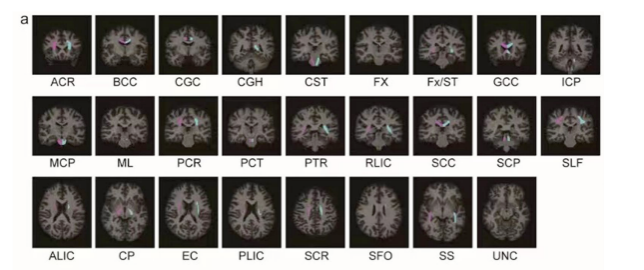
🧬🚀 New Research on #TraitCodingRule in #PhenotypeSpace 🧠📊✨
A groundbreaking study reveals a fundamental rule for how phenotypic traits are coded, separating genetic from non-genetic influences! 🎯🔬
Key Insights:
✅ Mathematical partitioning of phenotype space (P) into genetic (P^G) & non-genetic (P^NG) subspaces ➗
✅ Introduction of #UBHDD, a novel dimension decomposition method to separate these subspaces 🆕💻
✅ P^G has limited, recurrently used dimensions; P^NG has unlimited, trait-specific dimensions 📈
✅ Validated in yeast (405 traits, ~1000 individuals) & UK Biobank human brain data (675 traits, ~26,000 individuals) 🧫🧠
✅ UBHDD reveals #GeneticCorrelations of brain regions with mental traits/diseases & shows non-genetic factors drive brain asymmetry 🧬🔍
📚Published by: Jianguo Wang, Xionglei He
📅 Published in: 2025
📄 Full Study: doi.org/10.1007/s43657-024-0…
#Phenomics #Genetics #ComplexTraits #HumanBrain #Biostatistics #DataScience #EvolutionaryBiology #FAIRdata 🚀
4
4
5,428

Apr 16
The post is taking a real scientific study and stretching it far beyond what it actually says. #Akbari et al., 2026.
The research (led by David Reich and others) shows that human populations have experienced genetic changes over time, especially in response to things like disease, diet, and environment. That’s not controversial—evolution didn’t stop 10,000 years ago.
But the key point is this: the study does not show that modern populations differ in fixed ways when it comes to intelligence, behavior, or “civilizational potential.” In fact, the authors are very cautious about interpretation. They explicitly warn that you cannot take modern traits, like education level or income, and project them backward into ancient populations or treat them as direct genetic outcomes.
A lot of the genetic signals they detect are tied to things like immunity, pigmentation, and metabolism. When it comes to complex traits (like cognitive ability), the genetics are highly indirect, heavily influenced by environment, and not cleanly separable into simple group differences.
Also, the study is focused on ancient populations in a specific region (West Eurasia), not all modern humans. It doesn’t rank populations, and it doesn’t support claims about racial hierarchy or the failure of “integration.”
So the accurate takeaway is simple:
Yes, humans have continued to evolve.
No, this does not prove that some modern groups are biologically superior or that social issues like systemic racism are imaginary.
Turning a nuanced genetics paper into a sweeping political claim isn’t “following the science”, it’s misusing it.
#Genetics
#AncientDNA
#HumanEvolution
#PopulationGenetics
#ScienceNotIdeology
#Misinterpretation
#DataNotDogma
#ScientificIntegrity
#EvidenceBased
#NoToRacism
#ComplexTraits
#GeneEnvironment
#StayCritical
#Debunked
#ScienceMatters
Apr 16

🚨 Le mythe du racisme systémique s'effondre sous nos yeux avec la bombe nucléaire qui vient de paraître dans la revue NATURE.
David Reich, généticien de Harvard, avait lancé en 2018 une mise en garde dans le New York Times : il fallait sortir du déni car la génétique allait prouver l’existence de différences biologiques réelles entre les populations. Il affirmait que refuser de s’y préparer était une erreur qui nous disqualifierait face à la réalité scientifique à venir. Pour avoir brisé le tabou de la « page blanche », Reich a subi un désaveu massif et une condamnation publique.
Aujourd'hui, l’étude la plus massive de l’histoire (15 836 génomes anciens) vient de lui donner raison. La science confirme que l’évolution humaine ne s’est pas arrêtée : elle s’est ACCÉLÉRÉE MASSIVEMENT depuis 10 000 ans, provoquant une divergence biologique réelle dans l’intelligence et les comportements.
Nier ces faits pour maintenir l'illusion d'une intégration possible face à l'immigration de masse et continuer d'entretenir des mythes comme celui du racisme systémique est désormais un déni de science pur et simple. Une civilisation qui ignore la réalité biologique se condamne à l’effondrement. Le temps des faits est arrivé.
J’ai mis en commentaire quelques segments traduits de son avertissement de 2018 et le lien de l’étude pour ceux qui veulent comprendre l'ampleur du séisme.
2
1
4
496

10 Dec 2025
What key advancements in AI or variant interpretation & ethics should define the #ASHG26 stage? Share your ideas through a Featured Symposium and Interactive Workshop proposal! Your expertise can shape the conversation: ashg.org/annual-meeting-2026… #AI #Complextraits #multiomic #ASHG
1
2
555

14 Aug 2025
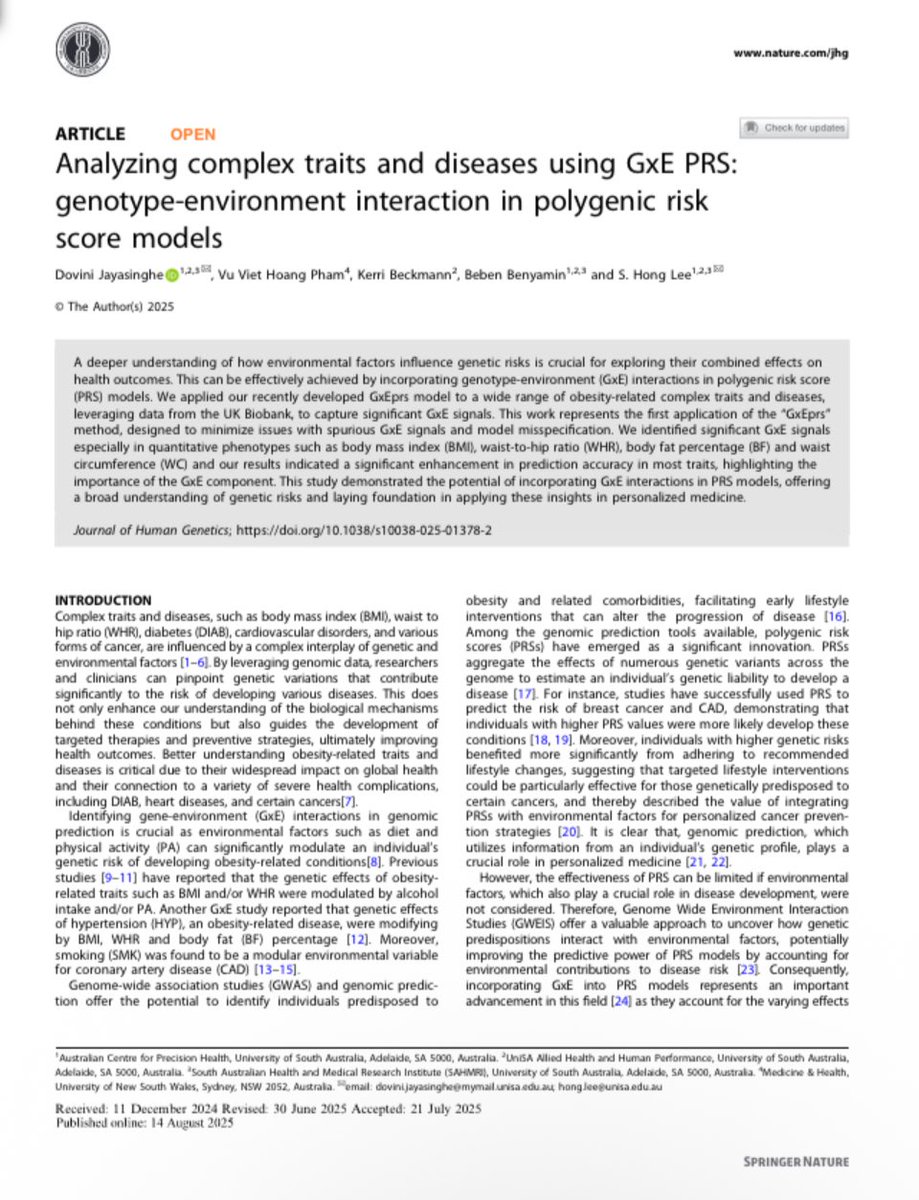
📣 Publication Alert ⚠️
Available at: doi.org/10.1038/s10038-025-0…
#GxEprs #ComplexTraits
#ComplexDiseases
#PRS
#Genetics
#interactiondesign
@SpringerNature
1
3
93

26 May 2025
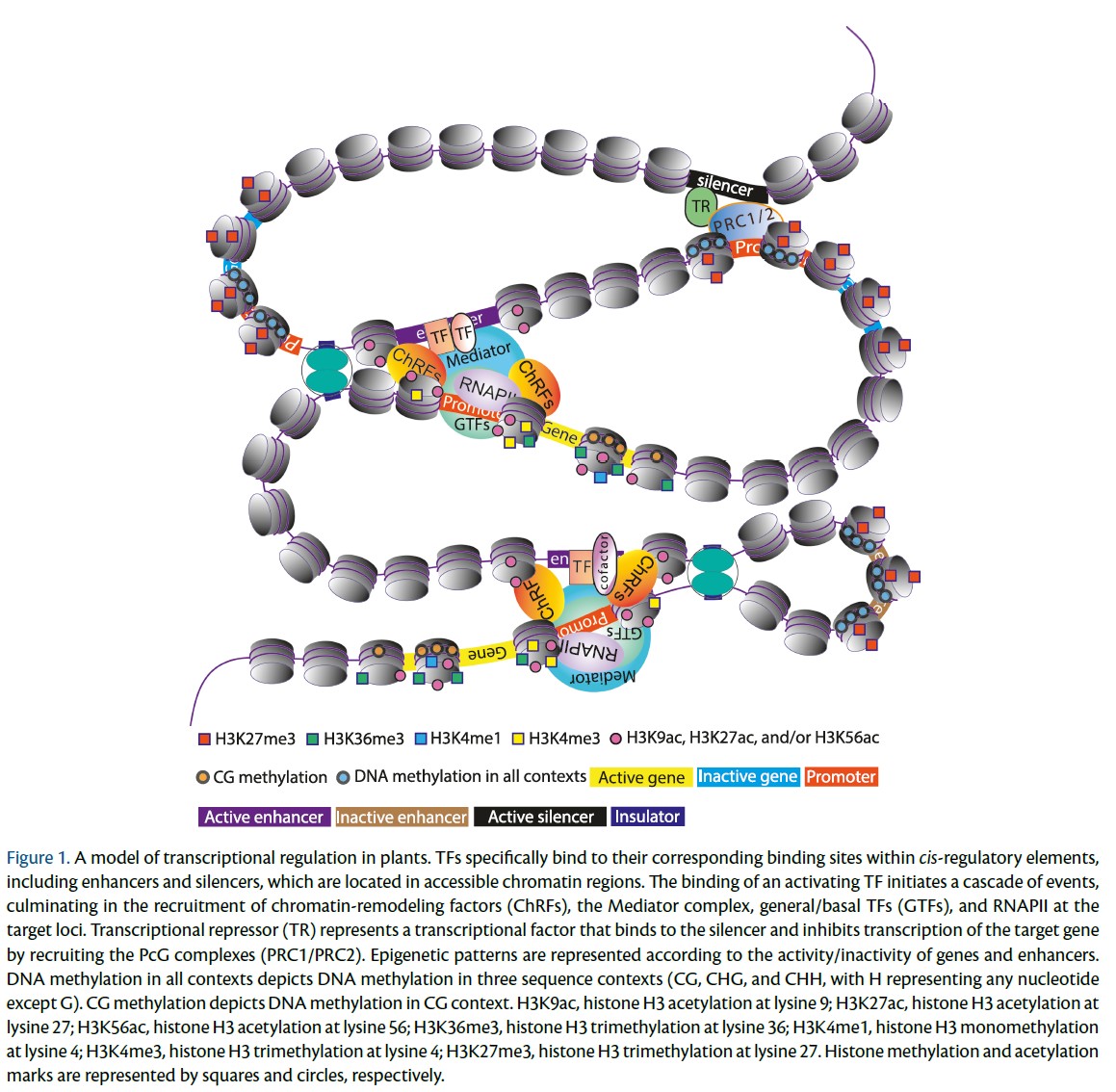
📗From PCP latest issue: Review💐
’Are complex traits underpinned by polygenic molecular traits? A reflection on the complexity of gene expression'
Mohsen Hajheidari et al.
doi.org/10.1093/pcp/pcae140
#ComplexTraits #TranscriptionFactor #Plantsci
5
570

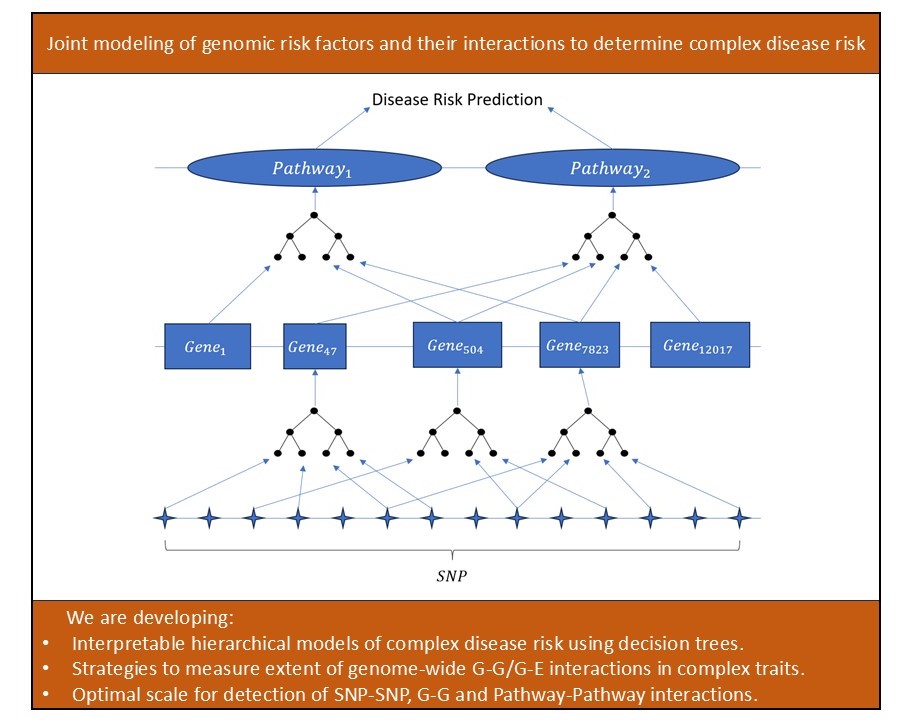
🌟#LabSpotlight: Dr. Samsiddhi Bhattacharjee’s Lab🌟
Dr. Bhattacharjee's Ph.D. scholar, Mr. Kallol Datta, leads research on modeling genomic risk for complex diseases using decision trees to study various interactions. @rajesh_gokhale @DrSagarSengupta
#Genomics #complextraits
1
6
635

30 Sep 2024
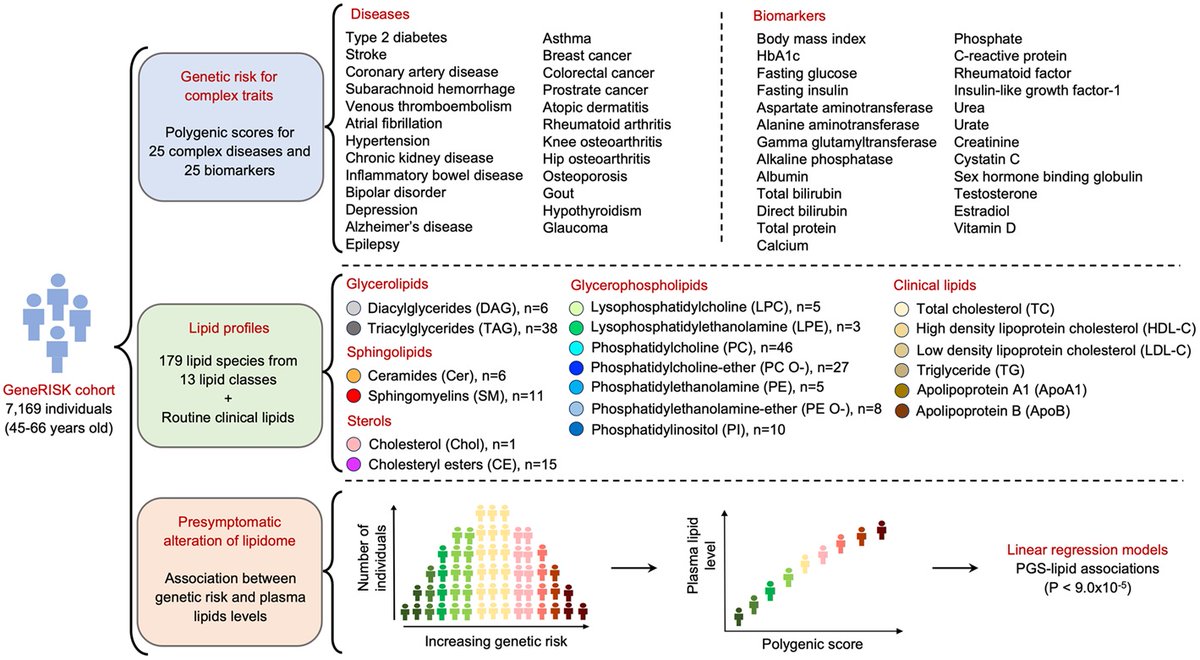
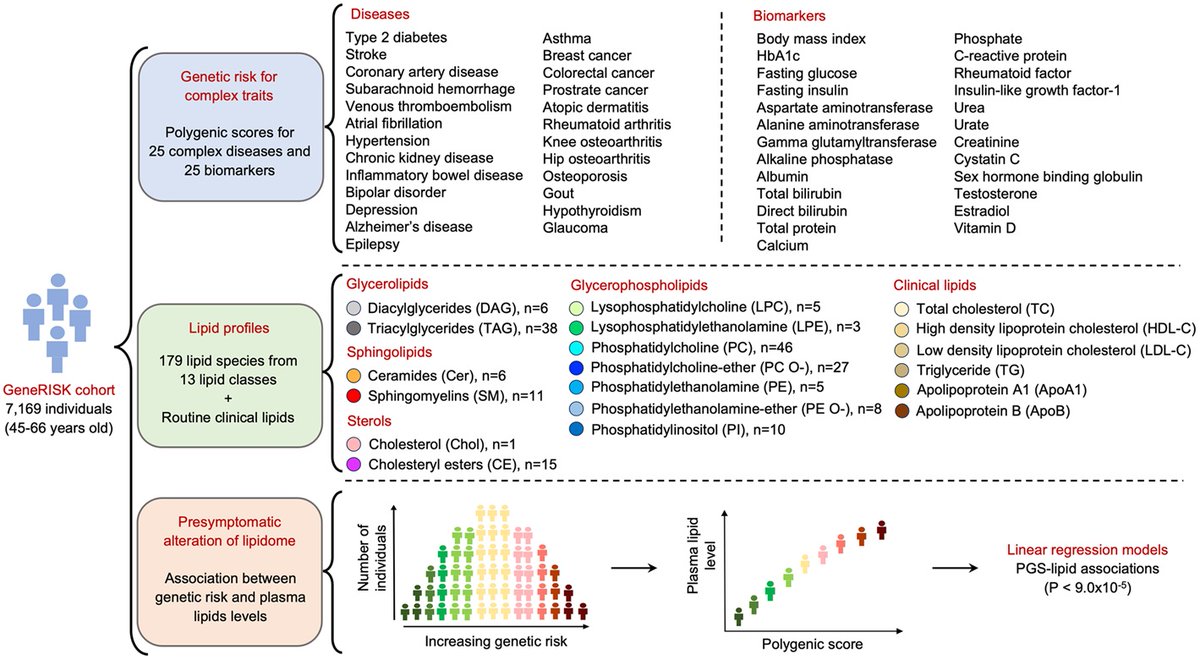
Could changes in levels of circulating #lipid species be predictive of disease? @TabRubina @samrip &co reveal that #PolygenicScores for a range of #ComplexTraits are associated with changes in concentration of circulating lipid species #PLOSBiology plos.io/4eE76E9
1
2
1,020
28 Sep 2024
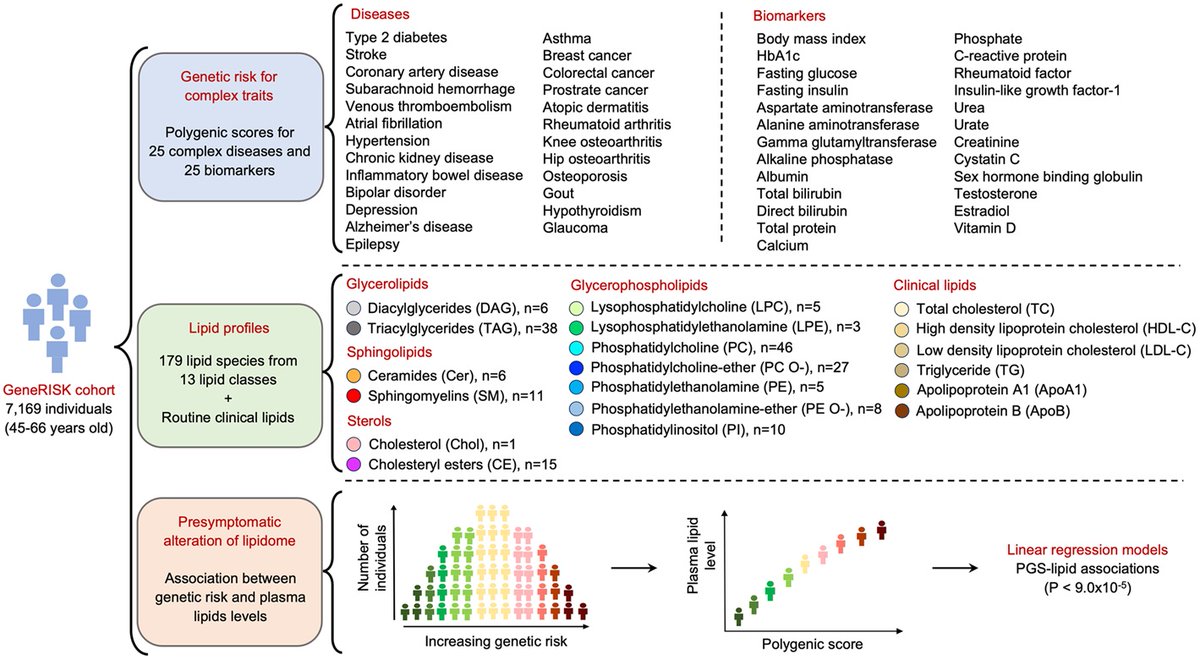
Could changes in levels of circulating #lipid species be predictive of disease? @TabRubina @samrip &co reveal that #PolygenicScores for a range of #ComplexTraits are associated with changes in concentration of circulating lipid species #PLOSBiology plos.io/4eE76E9
1
1,489
27 Sep 2024
Could changes in levels of circulating #lipid species be predictive of disease? @TabRubina @samrip &co reveal that #PolygenicScores for a range of #ComplexTraits are associated with changes in concentration of circulating lipid species #PLOSBiology plos.io/4eE76E9
1
2
1,100

21 Sep 2023
Unraveling the intricate genetics of plant development: New study from @slcuplants researchers reveals the complexity of shoot branching regulation in Arabidopsis in response to nitrate levels. 🌱🧬 plos.io/3EuJQIQ #PlantGenetics #ComplexTraits #NitrateResponse
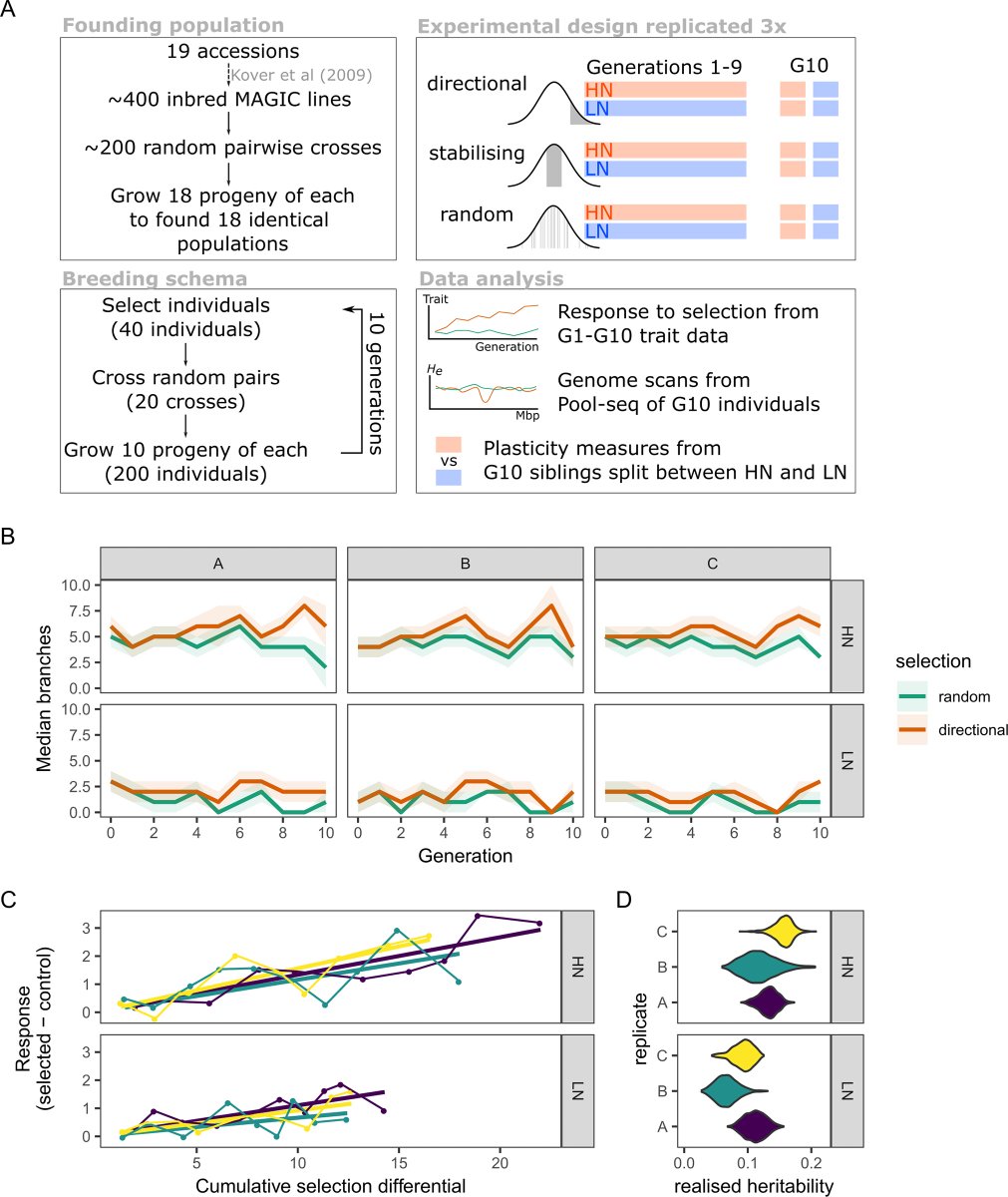
ALT Fig 1. Response to selection for increased shoot branching. Read the full caption at: https://journals.plos.org/plosgenetics/article?id=10.1371/journal.pgen.1010863
1
4
1,421

17 Apr 2023
Mate choice through a genomic lens go.nature.com/43z9iYZ #JournalClub by @LoicYengo @UQ_News #ComplexTraits
1
2
7
5,614

19 Dec 2022
@UWMadison_CGSI affiliate members @Q_StatGen, @jasonmfletcher and colleagues introduce a novel statistical framework called PIGEON for quantifying polygenic gene-environment interactions (GxE) in #humangenetics #ComplexTraits.
#bioinformatics
15 Dec 2022

You'll want to check out @Jiacheng_Miao's new paper if your work involves gene-environment interaction. This is our best GxE work so far. We introduce a statistical framework named PIGEON to reimagine how GxE studies could and should unfold. biorxiv.org/content/10.1101/…
2
314

13 Dec 2022
DNA methylation QTL mapping across diverse human tissues provides molecular links between genetic variation and complex traits. #DNAmethylation #GeneticVariation #ComplexTraits @NatureGenet
nature.com/articles/s41588-0…
3
10

2 Dec 2022
Last ECR flash talk by Agnieszka Gidziela @AgaGidziela from QMUL on "Explaining the influence of nonshared environment (NSE) on symptoms of behaviour problems from preschool to adulthood: Mind the missing NSE gap" #ComplexTraits #LGN2022
1
2
2 Dec 2022
Next ECR flash talk is by Ziye Wang from QMUL @QMULBartsTheLon, speaking about "Exploring the specificity and predictive ability of multiple domains of spatial ability on STEM educational achievement" #ComplexTraits #LGN2022
1
1
2 Dec 2022
Now we have Dr William Young from QMUL @QMULBartsTheLon giving an ECR flash talk on "Genetic architecture of a spatial electrical biomarker for cardiac arrhythmia, and relationship with cardiovascular disease" #ComplexTraits #LGN2022
1
2
2 Dec 2022
Next up is Sonja Ning Tang from Imperial College London @imperialcollege, giving an ECR flash talk on "Identifying and ranking causal biochemical biomarkers for breast cancer: a Mendelian randomisation study" #ComplexTraits #LGN2022
1
1
2 Dec 2022
Now project from Dr Qinqin Huang @qinqin_huang & Emilie Wigdor @EmilieWigdor from the Wellcome Sanger Institute @sangerinstitute (represented by Dr Hilary Martin) talking on "Investigating the role of polygenic background in neurodevelopmental disorders" #ComplexTraits #LGN2022
1
3
2 Dec 2022
Our next ECR flash talk is by Dr Oladapo Babajide from QMUL @QMULWHRI, who talks about "The interplay between thyroid function and Alzheimer’s disease" #ComplexTraits #LGN2022
1
2
2 Dec 2022
Next ECR flash talk is by Francesca Procopio from King's College London @SGDPCentreKCL on "Multi-polygenic score prediction of mathematics, reading and language abilities independent of general cognitive ability" #ComplexTraits #LGN2022
1
1