
💥 𝗧𝗛𝗘 𝗖𝗢𝗡𝗧𝗥𝗢𝗩𝗘𝗥𝗦𝗜𝗔𝗟 𝗧𝗥𝗨𝗧𝗛: 𝗜𝘀 𝗬𝗼𝘂𝗿 𝗕𝗶𝗼-𝗗𝗲𝗴𝗿𝗲𝗲 𝗪𝗢𝗥𝗧𝗛𝗟𝗘𝗦𝗦 𝗪𝗶𝘁𝗵𝗼𝘂𝘁 𝗖𝗼𝗱𝗲 with Bioinformatics interest? 🤯
𝙇𝙚𝙩 𝙩𝙝𝙚 𝙙𝙚𝙗𝙖𝙩𝙚 𝙗𝙚𝙜𝙞𝙣!🗣️
#BioinformaticsDebate #CodeOrLab #ControversialScience #SBIA #ArgentHouse

1
5
45

20 Sep 2025
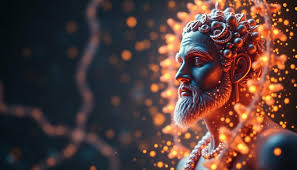
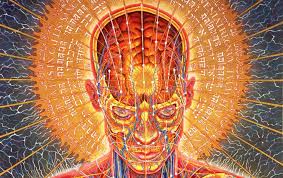
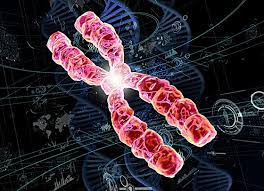
EXPLORING THE "GOD GENE": Is Spirituality Hardwired in Our DNA?
Geneticist Dean Hamer sparked a global conversation with his book The God Gene: How Faith Is Hardwired into Our Genes.
The provocative title introduced the idea that a specific gene, VMAT2, might influence a person's propensity for spiritual or mystical experiences.
But what exactly is the "God gene," and does science support the claim that our DNA shapes our connection to the divine?
Are you prepared to delve into the origins, science, controversies, and broader implications of this intriguing hypothesis.
THE HYPOTHESIS: VMAT2 and Spirituality
The "God gene" hypothesis centers on the VMAT2 gene (vesicular monoamine transporter 2), which regulates the transport of neurotransmitters like dopamine, serotonin, and norepinephrine in the brain.
These chemicals play a significant role in mood, emotion, and perception—processes that could underpin feelings of awe, transcendence, or connection to a higher power.
Hamer’s research, based on a study of approximately 1,000 individuals, suggested a correlation between specific VMAT2 gene variants and higher scores on a psychological scale measuring self-transcendence.
This scale, developed by psychiatrist Robert Cloninger, assesses traits like feeling connected to a larger universe, experiencing spiritual awe, or losing oneself in moments of wonder.
Hamer proposed that variations in VMAT2 might make some people more prone to these experiences, which are often associated with spirituality or religious belief.
THE SCIENCE BEHIND THE CLAIM
Hamer’s study drew from the field of behavioral genetics, which explores how genes influence personality and behavior.
The VMAT2 gene’s role in neurotransmitter regulation made it a plausible candidate for affecting spiritual tendencies, as dopamine and serotonin are linked to feelings of euphoria, well-being, and altered states of consciousness—common in mystical or religious experiences.
For example, heightened dopamine activity in the brain’s reward centers can create feelings of joy or connection, while serotonin imbalances are associated with altered perception, as seen in some meditative or psychedelic states.
Hamer hypothesized that individuals with certain VMAT2 variants might naturally experience these states more intensely, predisposing them to spiritual or religious inclinations.
CONTROVERSY AND CRITICISM
The "God gene" concept quickly ignited debate, both for its bold claims and its limitations.
Critics have raised several concerns.....
Lack of Replication: Subsequent studies have failed to consistently replicate Hamer’s findings. The link between VMAT2 and spirituality remains inconclusive, with some researchers arguing that the original study’s sample size was too small to draw broad conclusions.
Oversimplification: Spirituality is a complex phenomenon shaped by culture, upbringing, personal experiences, and environment. Reducing it to a single gene oversimplifies the interplay of biological, psychological, and social factors.
As neuroscientist Andrew Newberg, who studies the brain and spirituality, notes, “No single gene can account for the richness of human spiritual experience.”
Methodological Issues: Hamer’s reliance on the self-transcendence scale has been criticized for its subjectivity. Self-reported data can be influenced by cultural biases or personal interpretations of spirituality, making it hard to isolate genetic effects.
Ethical Concerns: The idea of a "God gene" raised questions about its implications. Could it be used to argue that faith is merely a biological byproduct, undermining its personal or cultural significance?
Conversely, could it be misinterpreted to suggest that spirituality is genetically predetermined, diminishing free will?
THE BIGGER PICTURE: Genetics, Brain, and Belief
While the "God gene" hypothesis remains controversial, it has spurred broader research into the biology of belief.
Modern neuroscience suggests that spirituality involves complex interactions between genetics, brain activity, and environment.....
Brain Activity: Studies using brain imaging (e.g., fMRI) show that spiritual experiences often involve the temporal lobes, prefrontal cortex, and limbic system.
For instance, temporal lobe epilepsy has been linked to hyper-religiosity in some cases, suggesting a neurological basis for intense spiritual experiences.
Polygenic Influence: Rather than a single "God gene," researchers now believe that multiple genes contribute to traits like openness to experience or emotional sensitivity, which may underpin spiritual tendencies. VMAT2 might be one piece of a much larger puzzle.
Cultural and Environmental Factors: Even if genetics play a role, culture and upbringing heavily shape how spiritual impulses are expressed.
A person with a genetic predisposition to self-transcendence might channel it into religious devotion in one culture or secular awe (e.g., at nature’s beauty) in another.
CULTURAL IMPACT AND ONGOING DEBATE
The "God gene" captured public imagination because it bridged science and spirituality, two domains often seen as at odds.
For some, it offered a biological explanation for the universal human tendency to seek meaning beyond the material world.
For others, it challenged the sacredness of faith by framing it as a genetic quirk.
On social media discussion platforms, discussions about the "God gene" reveal polarized views.
Some users embrace the idea, citing it as evidence that spirituality is innate, while others dismiss it as pseudoscience, arguing that it trivializes deeply personal beliefs.
These debates reflect broader questions about the interplay of science, religion, and identity.
JUST A PIECE OF THE PUZZLE
The "God gene" hypothesis is a fascinating but unproven idea.
While the VMAT2 gene may influence neurotransmitter activity linked to spiritual experiences, no single gene can fully explain the richness of human spirituality.
Instead, our capacity for awe, faith, and transcendence likely emerges from a complex interplay of genetics, brain function, and lived experience.
As science advances, researchers continue to explore how biology shapes our inner lives.
Whether or not a "God gene" exists, the quest to understand the roots of belief reminds us of the profound mystery of being human—a mystery that no single gene can fully unravel.
facebook.com/groups/34361510…
#GodGene
#SpiritualityAndGenetics
#VMAT2
#DeanHamer
#FaithAndScience
#GeneticsOfBelief
#SelfTranscendence
#Spirituality
#Neuroscience
#BehavioralGenetics
#Dopamine
#Serotonin
#Neurotransmitters
#MysticalExperiences
#ScienceAndReligion
#BrainAndBelief
#SpiritualAwe
#HumanSpirituality
#Genetics
#BiologyOfBelief
#FaithHardwired
#NeuroscienceOfFaith
#SpiritualExperience
#TemporalLobes
#PrefrontalCortex
#LimbicSystem
#HyperReligiosity
#PolygenicInfluence
#NatureVsNurture
#SpiritualityDebate
#GodGeneHypothesis
#ScienceVsSpirituality
#CulturalImpact
#SpiritualTendencies
#BrainImaging
#fMRIStudies
#ReligiousExperience
#AweAndWonder
#GeneticPredisposition
#SpiritualityAndCulture
#HumanBelief
#Transcendence
#PsychologyOfFaith
#ControversialScience
#SpiritualityAndBrain
#FaithAndDNA
#ExploringBelief
#MysteryOfFaith
#GeneticsAndSpirituality

2
248

10 Sep 2025
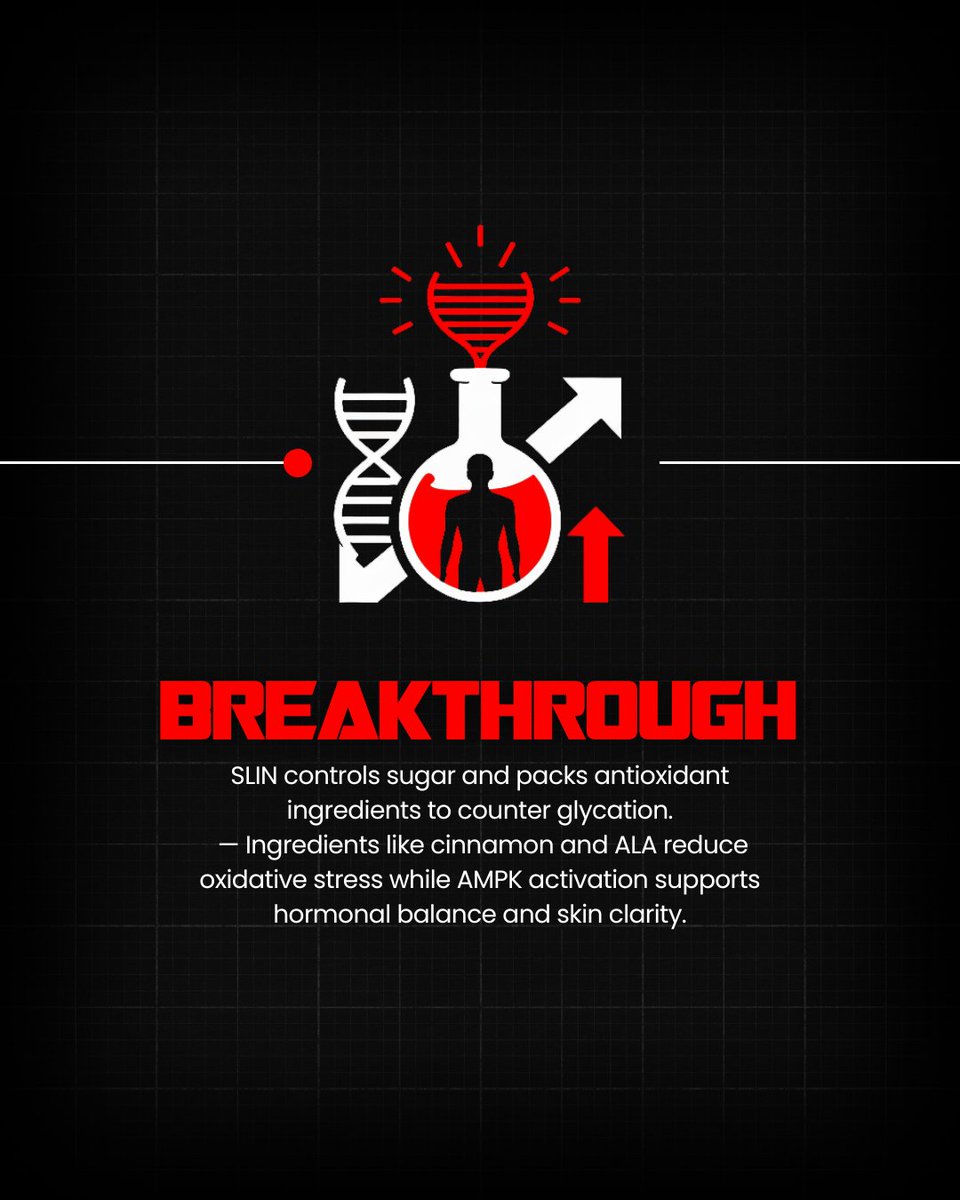
Sugar isn’t the villain. Broken metabolism is.
SLIN hacks sugar with cinnamon, ALA & AMPK activation: so you can look younger while eating dessert. 🍩🔬
#ControversialScience
1
122

31 May 2025
📣 New Podcast! "They Found a Hidden Chamber — Egypt Denies Everything | Trevor Grassi Interview" on @Spreaker #ancientaliens #ancienttechnology #archaeologydebate #controversialscience #egyptmysteries #filippobiondi #forbiddenarchaeology #joerogan spreaker.com/episode/they-fo…

1
3
13
2,048

31 May 2025
Galileo's Fate? UAPs, Oumuamua & the Fight Against Ridicule
#UAP #Oumuamua #Galileo #ScienceDebate #ScientificDiscovery #Astrophysics #SpaceExploration #NaturePaper #ControversialScience #PhaseTheory #AviLoeb #RyanGraves #MergedPint #MainStreamAcceptance
1
10
2,758

Ejaculation: Good or Bad? Taoist Wisdom vs. Modern Science
#HealthMyths #Testosterone #Taoism #MensHealth #ControversialScience #PodcastDiscussion #HealthFacts #WellnessDebate #Ejaculation #ScienceVsBelief
1
1
889

11 Apr 2025
Dire Wolf Cloned! Jurassic Park Lesson Ignored?!
#DireWolf #Cloning #JurassicPark #WoollyMammoth #ExtinctAnimals #ScienceNews #GeneticEngineering #AnimalCloning #Dallas #ControversialScience
35

10 Apr 2025
📣 New Podcast! "7 Science Experiments That Changed Reality as We Know It!" on @Spreaker #controversialscience #crispergeneediting #experimentsthatchangedreality #experimentsthatmatter #famousscientificexperiments #groundbreakingscience #sciencefacts spreaker.com/episode/7-scien…

3
25 Mar 2025
📣 New Podcast! "DARPA Created the Internet—But What Else Are They Hiding?" on @Spreaker #agentorange #artificialintelligence #biowarfare #controversialscience #darpa #defensesecrets #futurewarfare #innovationvsethics #internetorigins #sciencepodcast spreaker.com/episode/darpa-c…

13

23 Mar 2025
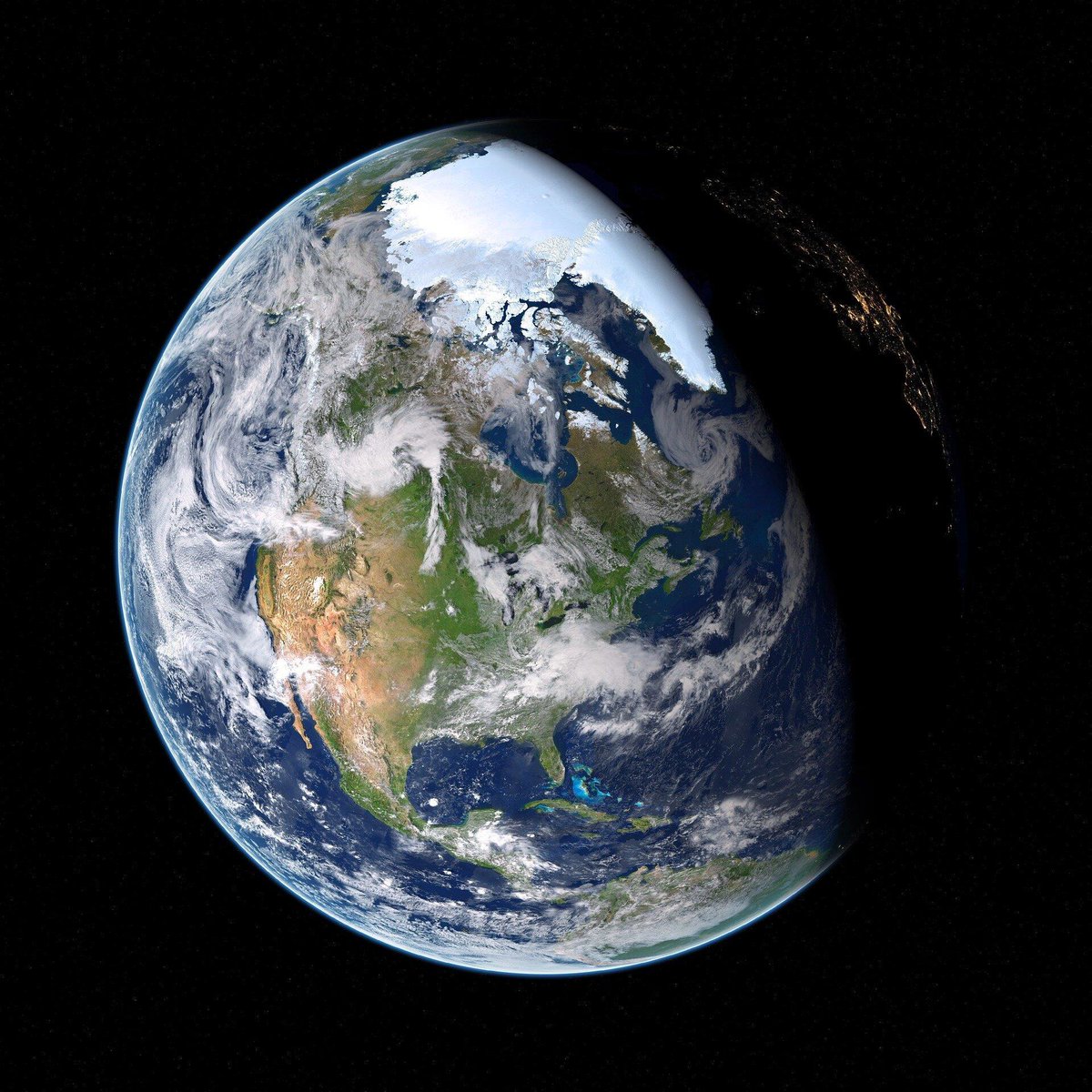
𝐏𝐡𝐲𝐬𝐢𝐜𝐢𝐬𝐭𝐬 𝐂𝐥𝐚𝐬𝐡 𝐎𝐯𝐞𝐫 𝐄𝐥𝐞𝐜𝐭𝐫𝐢𝐜𝐢𝐭𝐲 𝐅𝐫𝐨𝐦 𝐄𝐚𝐫𝐭𝐡'𝐬 𝐑𝐨𝐭𝐚𝐭𝐢𝐨𝐧
PRINCETON, New Jersey, March 19, 2025 — A bold claim by a team of physicists has reignited a debate that traces its roots back to Faraday’s 19th-century electromagnetic theories: can we generate electricity directly from the Earth's rotation through its magnetic field? In a newly published study in Physical Review Research, Princeton University physicist Christopher Chyba and his colleagues assert that they have done just that—albeit at a microscopic scale. The news has captivated the scientific community and sparked both excitement and skepticism over its real-world potential and theoretical underpinnings.
The experiment sounds deceptively simple: a device, consisting of a hollow cylinder made from manganese-zinc ferrite, was aligned at a specific 57-degree angle, making it perpendicular to both Earth's rotation and magnetic field.
✨ Discover the full article on 𝐓𝐞𝐜𝐡 𝐔𝐧𝐜𝐮𝐭 website by clicking the link below.
#Earth'smagneticfield #renewableenergy #electricitygeneration #experimentalphysics #ChristopherChyba #controversialscience
techxposed.com/2025/03/23/ph…
10

11 Mar 2025
Young blood transfusions—a controversial yet fascinating topic! 🩸 Could the fountain of youth be running through our veins? It's like a wierd sci-fi movie plot, but it's happening now! 🚀 #ControversialScience #Curious
1
14

Cryonics: Freezing the body after death with hopes of revival in the future. 🧊🔬
It's a controversial practice, yet one that pushes the boundaries of science and technology.
Could it be the key to unlocking life after death?
Only time will tell.
#Cryonics #LifeAfterDeath #FrozenInTime #FutureScience #LifeExtension #DeathAndBeyond #TechOfTomorrow #CryogenicPreservation #Immortality #ScienceAndTechnology #LifeInTheFuture #Bioengineering #BeyondLife #RevivingThePast #ControversialScience #FutureOfMedicine #CryonicsDebate #TechInnovation #MedicalFrontiers #LifeAfterDeathDebate #Transhumanism #FreezeYourself #LifeExtensionTechnologies #FuturePossibilities #FrozenBody #CryonicsRevolution #ScienceFictionBecomesReality #drgalen
22 Nov 2024

cryonics: The practice of freezing an individual who has died, with the object of reviving the individual sometime in the future.
1
71

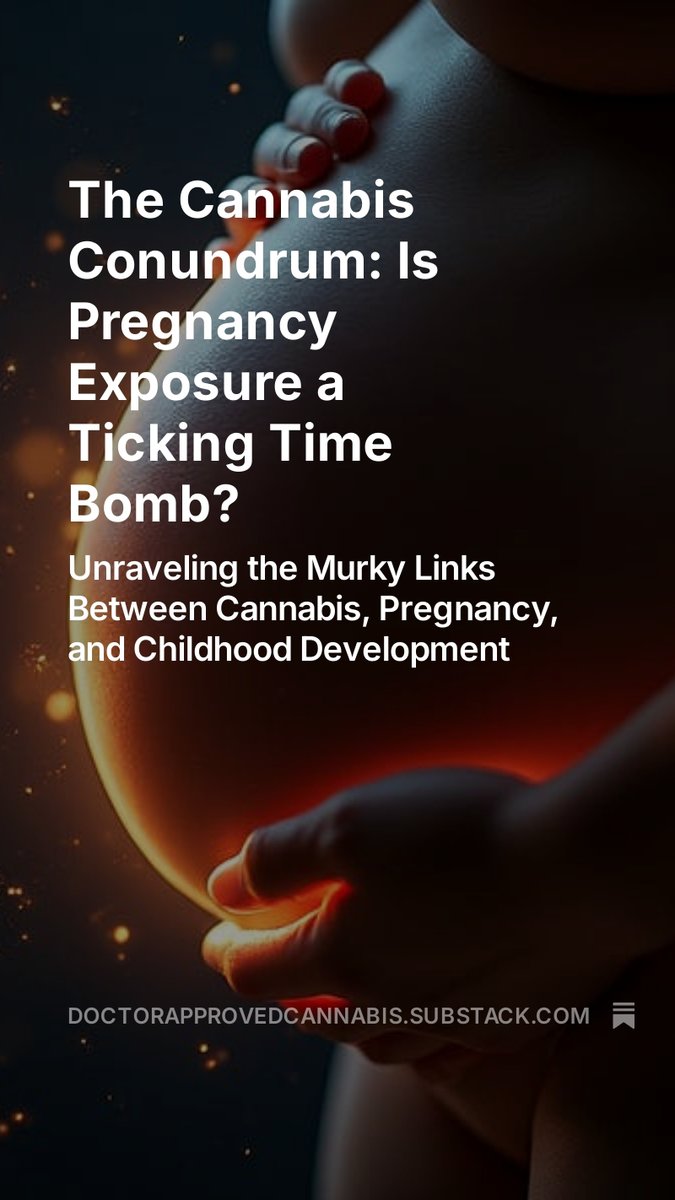
🎃 Trick or Treat! Want a 15-minute crash course on cannabis and pregnancy that’s way scarier than any horror flick? Listen in, if you dare… 👻🎧
#cannabisresearch #pregnancyhealth #halloween2024 #cannabisandpregnancy #medicalscience #parentingchoices #THCfacts #fetaldevelopment #endocannabinoidsystem #controversialscience
doctorapprovedcannabis.subst…
1
195

15 Oct 2024
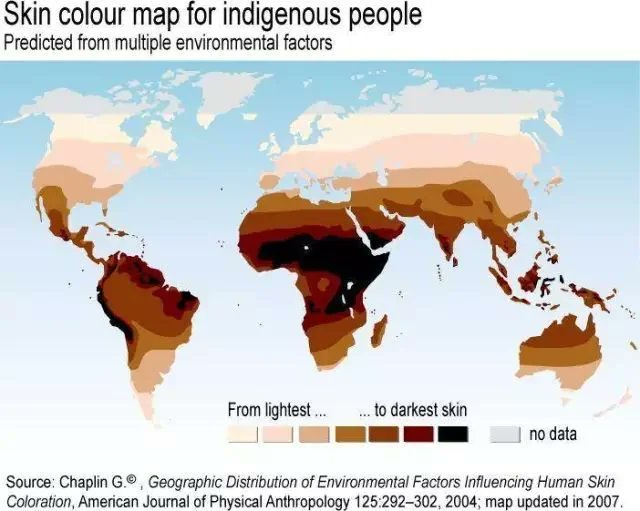
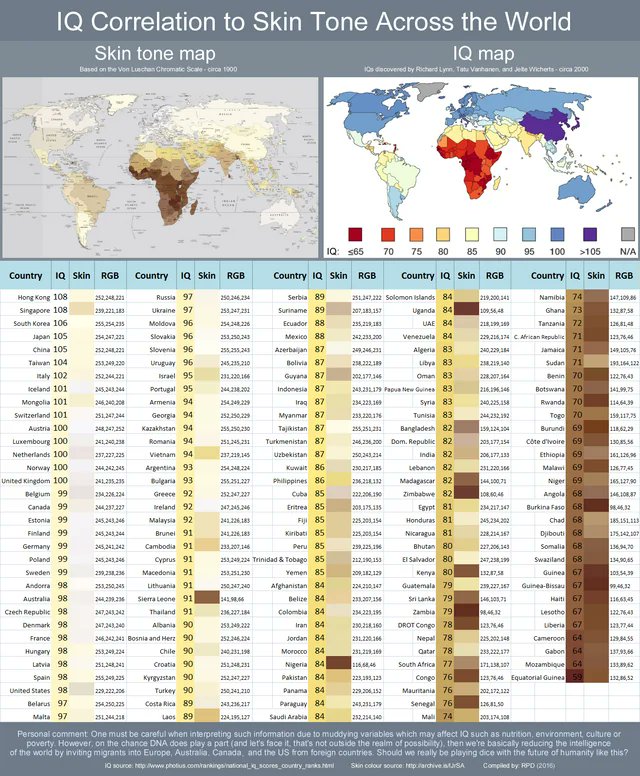
I am sure Rushton was a real son of a bitch, though criticizing his character instead of his research is dangerously close to an ad hominem. He was not the author of the study I posted pubmed.ncbi.nlm.nih.gov/1703…, nor did he create the maps I shared. Neither the study nor the maps imply that dark skin causes low IQ. I also cannot find any written claim from him stating that. But damn, it is fascinating to learn about his illegitimate coloured child.
#RaceAndIntelligence #BehavioralGenetics #ControversialScience
1
1
152

10 Oct 2024
The Bell Curve Controversy Decoded: Haier & Fridman Discuss
rumble.com/v5i6i7h-the-bell-…
#BellCurveDebate #IntelligenceScience #RichardHaier #LexFridman #ControversialScience #IQDebate #SocialScience #HumanIntelligence #CharlesMurray #BookDiscussion #NewsCrafted
31

Shocking Truths About Evolution Textbooks Revealed! 📚⚡
#EvolutionDebate #TextbookTruths #ScientificRevolutions #EducationReform #ControversialScience #EvolutionaryTheory #AcademicDiscussion #ScienceEducation #ThoughtProvoking #CriticalAnalysis
10

2 Sep 2024
The Controversial Origins of Eugenics: Galton and Darwin
#EugenicsHistory #GaltonAndDarwin #ControversialScience #GeneticsDebate #HistoricalEugenics #SocialDarwinism #EthicsInScience #HumanGenetics #HistoryOfEugenics #DarwinianTheory #GaltonLegacy #EugenicsDebate #GeneticEthics
1
31

31 Aug 2024
Gender transplant: Are we advancing human rights or playing God? This blurs the line between identity and biology. How far is too far?
#BioEthics
#IdentityCrisis
#ControversialScience
18

7 Feb 2024
Controversial science topics: victimhood.
Dr Cory Clark on #UntamedEthos podcast.
#ControversialScience #Victimhood #victimblaming #victimculture #covertnarcissist #narcissism
82

30 Jan 2024
Is there a single key to unlocking the mysteries of mental health? 🤔 #MentalHealth #SPECTScans #ControversialScience #MentalWellness #MysteryOfTheMind #Wellness #MentalHealth
1
15