



Perfect for devs ready to ship user-friendly Web3 apps on a chain that's finally solving real UX pain points. Check it out and start building! 🚀
@Incentiv_net #Incentiv #Web3 #AccountAbstraction #dAppDev #mainnet
medium.com/@geofbat7/buildin…
2
39

@KaspaTeacher Just in time for the holiday season, Galleon Test Mainnet brings EVM compatibility to Kaspa. Next stop: seamless dApp integration. 🚀 The real test? Seeing how devs leverage Kaspa's unique DAG structure. #Kaspa #EVM #dAppDev
Feb 6

JUST IN:
Igra Labs’ EVM-compatible programmability layer test mainnet is now live on Kaspa.
The Galleon Test Mainnet!


3
35

Jan 14
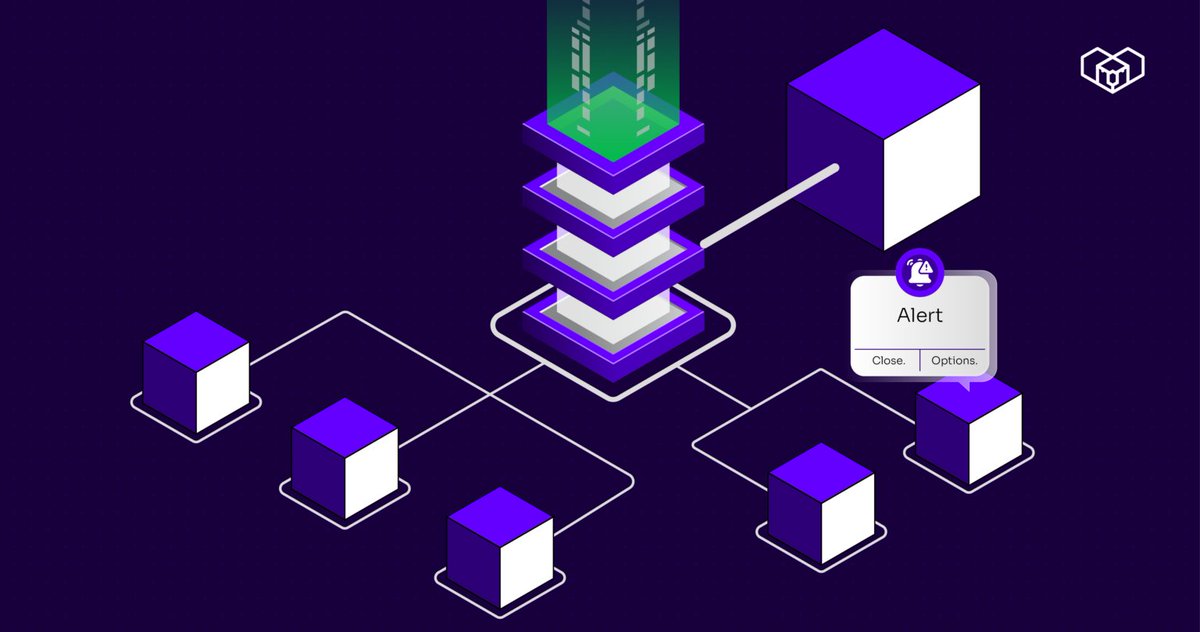
Missed a critical on-chain event lately? ⏰
Automate alerts in 5️⃣ mins.
kwala now supports fully automated on-chain alerts. Configure token price notifications, contract event watchers, and chain triggers in mins.
No infrastructure, no coding.
Your dapp workflow stays in sync, always.
#Web3 #Blockchain #CryptoAlerts #SmartContracts #DeFi #EVM #DappDev #OnChain #kwala #NoCode #CryptoDev #ChainAutomation
2
1
8
106

Jan 8
Productive Morning Unlocked
Built multiple DApps on @CodeXero_xyz × @ClusterProtocol in record time .
✅ Deployment? Auto-handled.
✅ Smart contracts? Seamless.
✅ Infrastructure? Zero hassle.
I poured all my energy into ideas, design, & testing pure creativity mode!Plus, stacking XP rewards kept the momentum Web3 building has never been this effortless.
Dive in: dapp.codexero.xyz/
#CodeXero #ClusterProtocol #Web3 #DAppDev #BuildOnWeb3

100
23
100
846


6 Dec 2025
OMG, seriously, if you're building in Web3, you HAVE to check this out! 🤯 @beyond_tech just dropped a game-changer making dApp deployment SO simple. No more crazy complex setups, just pure innovation. What are you guys planning to build first with this po
#Web3Infra #dAppDev
2
13

17 Nov 2025
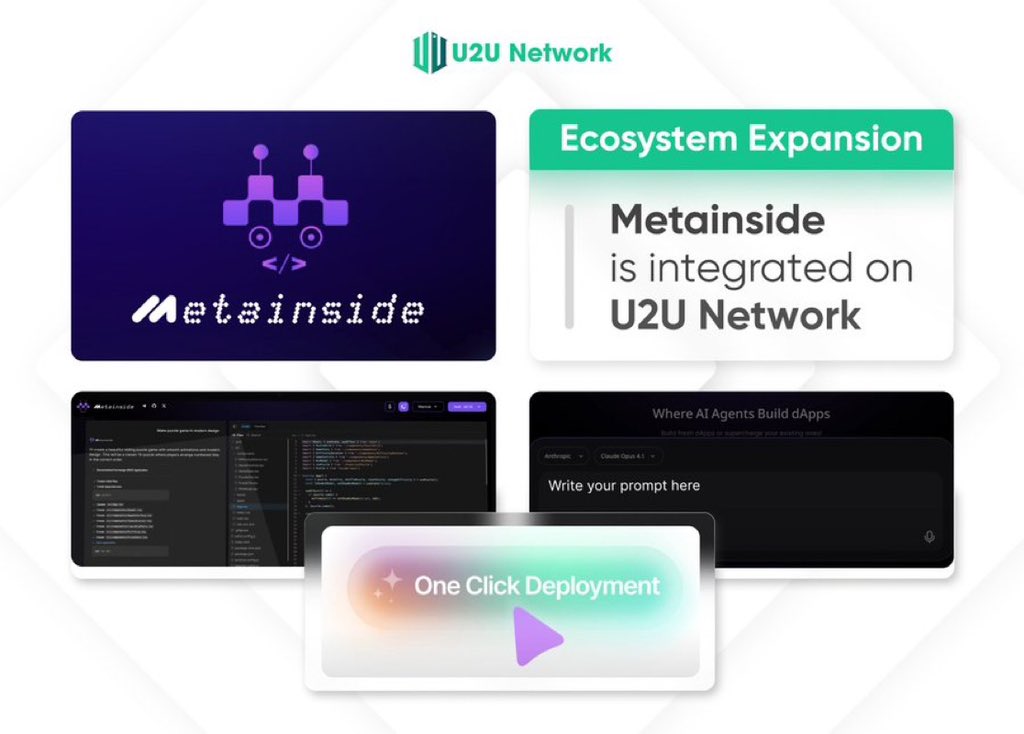
💥 Imagine typing a prompt & a full dApp pops out. UI, Logic & Deployment
No dev? No problem. Welcome to @u2u_xyz @MetaInside, AI building visions in minutes. 🚀
Prompt it → Watch it live → Go mainnet. 🌐
#U2UNetwork #MetaInside #AIForDev #Web3 #PromptToProduct #dAppDev
1
2
55

9 Nov 2025
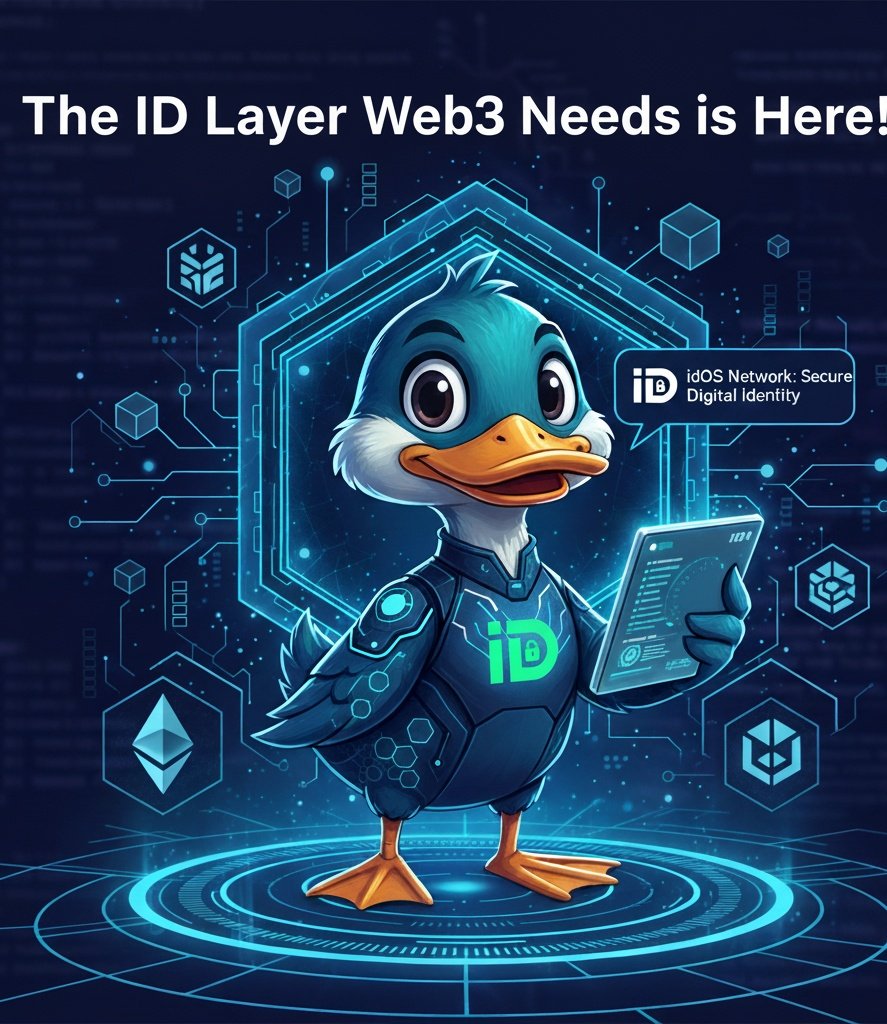
The idOS Network is building the open source chain agnostic Operating System for secure digital identity across any blockchain. It lets Web3 developers easily integrate compliant identity solutions into their dApps.
The idOS SDK is live. What’s the first dApp you’d build with this cross chain ID layer? Drop your ideas below 👇
#idOSNetwork #Web3Identity #DecentralizedIdentity #OpenSource #dAppDev #BlockchainTech #CryptoSecurity @idOS_network @wallchain @x__score
4
4
46

4 Nov 2025
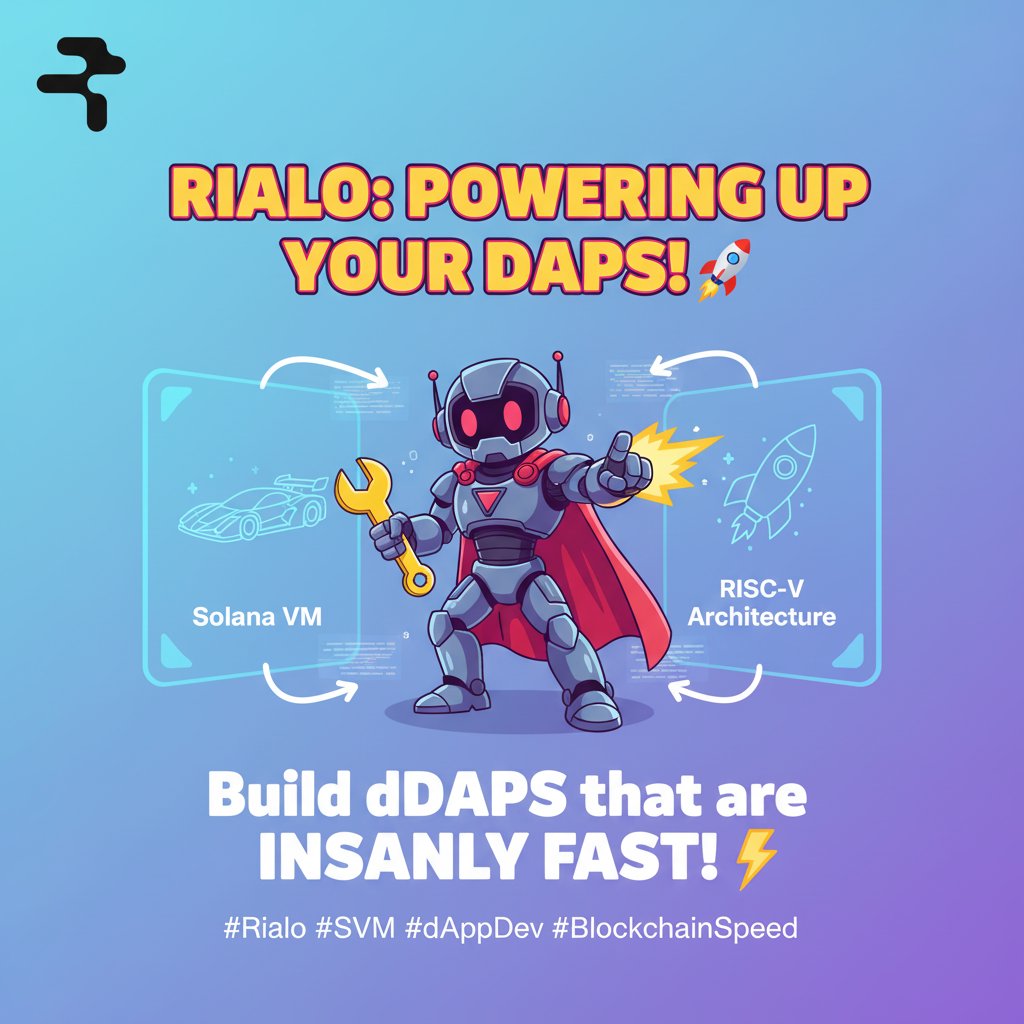
💡 Rialo is Powering Up Your dApps! 🚀
Okay, so we all know waiting for a dApp to load feels like an eternity. 😩 Lag? Not the vibe.
@RialoHQ gets it. They're basically giving their whole system a major turbo boost!
Think of it like this:
Solana VM compatibility: If you're a builder, it's like using a super-familiar, lightning-fast game engine. Already know Rust? Your dApps are gonna feel right at home and run zoom-zoom fast. 🏎️💨
RISC-V architecture: This is the next-gen brain behind the operations. It's like upgrading from dial-up to fiber optic for your dApps – way more efficient, way more powerful. 💪
Basically, Rialo is setting up the ultimate playground for developers to build dApps that are not just smart, but also insanely fast and ready for anything the future throws at them. No more waiting, just doing! ✨
#Rialo #SVM #RISCV #dAppDev #BlockchainSpeed
6
6
158

3 Nov 2025
🚀 BLAZE Workshop 2: Your quickstart to building dApps on Bitcoin Cash for the @bchblaze hackathon! Led by @mainnet_pat this video aims to help your creative juices by diving into:
- BCH Browser (d)Apps
- (d)App stack
- Maine-js
- Signing
- Connectors
...enough said, get watching, get coding, and join the BCH Blaze hackathon event!
#BitcoinCash #BCH #dAppDev #Web3 #DeFi
1 Nov 2025

BLAZE Workshop 2: Quickstart with BCH dApp development x.com/i/broadcasts/1DXxyWoje…
7
3
15
741

2 Nov 2025
Building the future of dApps starts here.
Psy Protocol offers developers an unparalleled foundation: secure, blazing-fast, and infinitely scalable.
Unleash your innovation and redefine what's possible in Web3. 🛠️
#dAppDev #Web3Builders #BlockchainTech @PsyProtocol

1
2
23

29 Oct 2025
5 Mind Blowing Features of the Agentic IDE🔥
Coding a DApp feels like wrestling a dragon🐉
@infinityg_ai Agentic IDE slays it natural language in, fully deployed app out
Here’s 5 features that make Web3 building feel like play⬇️
Natural Language Magic: Say “Build a trading game with personalized crypto worlds” and AI generates everything including UI, logic, on chain contracts.
No syntax errors. Just pure creation
Multi-Agent Collaboration: Teams of AI agents debate and refine your idea like a virtual dev squad.
Result? Smarter, scalable DApps that evolve on their own.
Cross Chain Deployment: One command, multiple chains(Base, BNB, Kaia). Seamless ownership without silos.
Why lock your creation in one ecosystem?
Remix & Templates: Fork existing projects like Cat Academia or Trader, tweak with vibes, and launch your twist.
I remixed a meme game last week, went viral in hours. Game changer for creators. 🎮
Voice to App: Dictate ideas hands free. “Make an NFT marketplace for AI art.” Done.
Question: Which feature would turbocharge your next project?
These aren’t gimmicks—they’re the IDE redefining Web3 for vibe coders everywhere.
Try it free: infinityg.ai/ide
Like if you’re building tomorrow, reply with your fave feature, follow @infinityg_ai.
#VibeCoding #DAppDev
25
1
20
96

24 Oct 2025
Ready to build faster on #Solana Devnet and Mainnet?
#CodeNut gives you the tools to go from idea to deployed #dApp with minimal friction.
Dive into the guide and start building today!
docs.codenut.ai/guides/solan…
#RustLang #dAppDev #Blockchain @solana_devs
18
12
37
7,033


22 Oct 2025
Why Developers Are Choosing Arbitrum for Their Next dApp
I’ll never forget the day I tried #deploying my first smart contract on Ethereum. I pressed “Deploy”, watched the gas fee climb, and thought “For this to fly, my users better be whales.”
The reality hit: high fees slow confirmations = dead UX for everyday users.
Fast forward, I moved to building on @arbitrum and everything changed. Suddenly I’m shipping dApps without whispering “hope the gas doesn’t kill us.”
Today I want to break down why developers are flocking to Arbitrum and what that means for you as a builder or user.
What I’m Writing About & Why It Matters
This piece dives into what makes Arbitrum stand out as a developer platform. I’ll define the platform, highlight its unique selling points (USPs), and show how it’s changing the game. If you’ve got a dApp idea, or you’re just navigating the Web3 landscape, this matters.
What Is Arbitrum?
Arbitrum is an Ethereum-compatible Layer 2 network, using rollup tech (especially its upgraded stack, Nitro) to deliver fast, low-cost transactions while staying connected (and secure) with Ethereum.
For devs, that means you can keep your Solidity skills and existing tooling, but ship faster and cheaper.
Why Developers Pick Arbitrum
1. EVM compatibility & familiar tooling - Arbitrum supports the Ethereum Virtual Machine so you can use Solidity, Vyper, Hardhat, Truffle etc with minimal changes.
2. Low fees & high throughput - By batching and optimising, Arbitrum slashes costs and boosts speed. Less “ouch, gas fee” moments.
3. Strong dev ecosystem & tool support - You’ll find SDKs, docs, a large pool of builders, and real live dApps already thriving.
4. Launch flexibility (Orbit custom chains) - If you want to spin up your own rollup or L3, Arbitrum supports it. Developers aren’t locked into one flavour.
5. Optimised stack (Nitro) & smoother migration - With Nitro, the architecture is built for scale, compatibility, and minimal friction.
Where Code Meets Culture: The Arbinaut Spirit
When you’re building on Arbitrum you’re joining the Arbinaut crew. Instead of cursing gas spikes, you’re saying “let’s ship this v2.”
You’re not just writing code, you’re optimizing for every user who doesn’t want to feel like they’re paying rent for their transaction. You’re building for micro-moves, for millions of users, for the next gen of Web3 - social apps, GameFi, DeFi all aiming to defy the “pay-to-play” model.
It’s not just infrastructure; it’s a movement.
The Bigger Picture
The rise of Arbitrum represents something bigger, a cultural shift in how developers think about scalability. It’s not about escaping Ethereum; it’s about extending it. It’s Ethereum, leveled up fast enough for real use, cheap enough for mass adoption.
And that’s what Web3 has been missing: a place where devs can build freely without watching gas charts like stock tickers.
My Thoughts & Where I See Us Heading
I think Arbitrum is hitting that sweet spot between builder comfort and user experience. As a dev, you don’t need to reinvent your entire stack.
As a user, you don’t need to wait for the slow lane.
That combo? It’s rare. I believe more projects will launch on Arbitrum simply because it reduces risk of tooling friction, of user drop-off due to cost, of dev fatigue.
If you’re thinking of your next dApp: pick the chain where you actually want to build, iterate, ship, and scale not just where you hope things will work. Arbitrum is telling you: yeah, this works.
#Arbitrum #dAppDev #Web3Builders #EthereumScaling

6
44
118

22 Oct 2025
🔥 Code speaks louder than hype.
@TheDAOLabs automates Workdrop rewards no middlemen, no nonsense.
Smart contracts, real transparency, true autonomy ⚙️
#dAppDev #DAOVERSE
22
22
176

20 Oct 2025
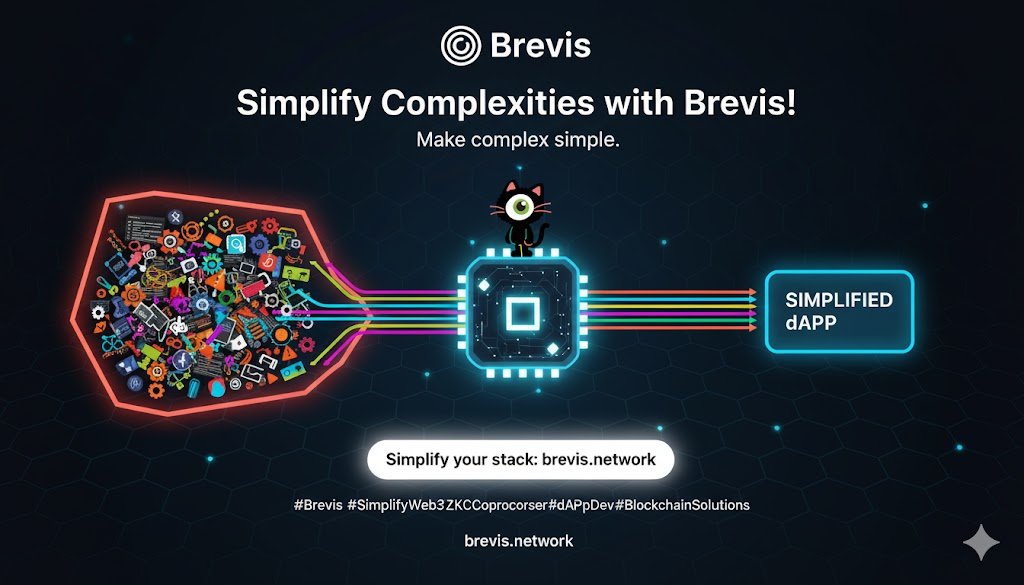
Simplify Complexities with Brevis
Web3 development can be complex, but @brevis_zk simplifies it. 💡 Our ZK Coprocessor streamlines off-chain computation and data verification, letting you focus on building groundbreaking dApp features instead of wrestling with underlying infrastructure. Make complex simple.
Simplify your stack: brevis.network
#Brevis #SimplifyWeb3 #ZKCoprocessor #dAppDev #BlockchainSolutions
20 Oct 2025

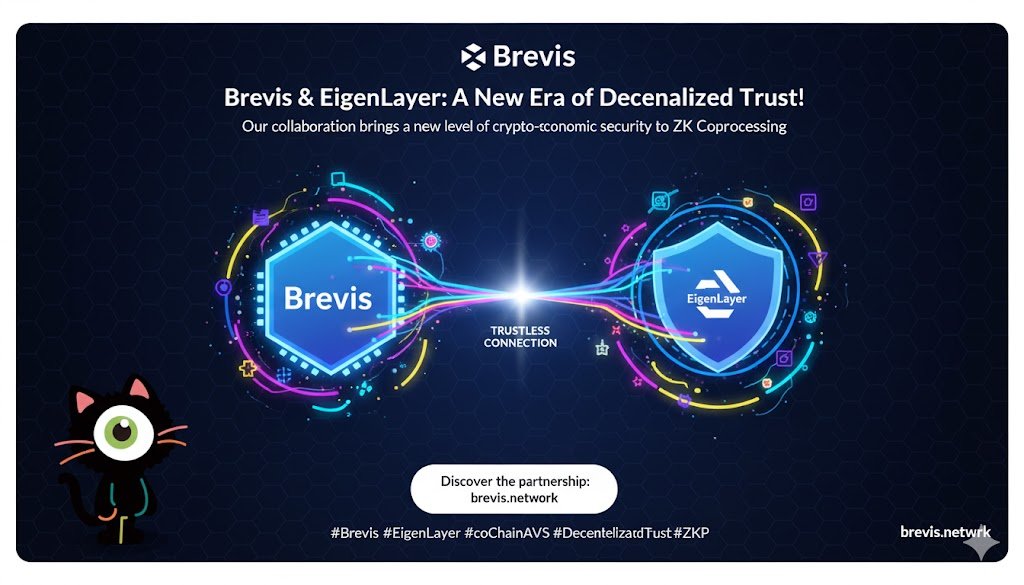
Brevis & EigenLayer: A New Era of Decentralized Trust
@brevis_zk coChain AVS on EigenLayer is here! 🤝 Our collaboration brings a new level of crypto-economic security to ZK Coprocessing, ensuring trustless and efficient computation for your dApps. Get ready for a more secure and scalable decentralized future, verified by Brevis. Discover the partnership: brevis.network #Brevis #EigenLayer #coChainAVS #DecentralizedTrust #ZKP
1
3
539

15 Oct 2025
The 2025 landscape of DEX development 🌍
Our Head of Blockchain and R&D, @rostyketh, explores the top DEX development companies of 2025 and what makes them stand out, and the advantages of decentralized models.
👉 Check out the key trends shaping the DeFi ecosystem in our latest blog post: ideasoft.io/blog/top-dex-dev…
$ETH #DeFi #Web3Builders #CryptoDev #DAppDev
2
2
9
335