
Jun 14
Top Chains For Memecoins This Cycle (2026 Meme Season) 🚀🐸
The memecoin battlefield has become multi-chain. The winners are usually chains with high retail activity, cheap transactions, strong culture, fast token launches, liquidity, and viral distribution. (Dextools)
🥇 1. Solana ($SOL) — The Memecoin Capital
Role: The factory for viral launches.
Why it dominates:
Extremely low fees and fast transactions
Massive retail attention
Huge meme culture
Launch platforms like Pump.fun accelerated the creation of thousands of tokens
Strong DEX ecosystem around Raydium and Jupiter
Major examples:
dogwifhat
Bonk
Popcat
Best for: Finding early viral memes, community-driven launches, fast-moving opportunities.
2. Ethereum ($ETH) — The Blue-Chip Meme Layer
Role: The home of legendary meme brands.
Strengths:
Largest liquidity pool
Institutional recognition
Strongest historical meme coins
Better suited for established meme projects
Major examples:
Dogecoin (historical meme leader)
Shiba Inu
Pepe
Best for: Bigger market-cap memes with stronger brand recognition.
3. Base ($BASE) — The Social Meme Growth Chain
Role: The consumer/social adoption play.
Why it matters:
Built on Ethereum technology
Backed by Coinbase
Strong connection with social apps and retail users
Low fees make experimentation easier
Notable ecosystem:
Brett
Degen
Best for: Community coins, social memes, and retail onboarding narratives.
(Dataconomy)
4. BNB Chain ($BNB) — The Retail Giant
Role: The comeback veteran.
Advantages:
Huge global user base
Strong retail presence
Deep connection with Binance ecosystem
Cheap transactions
Best for: Lower-cap memes targeting massive retail audiences.
5. Sui ($SUI) — The Emerging Challenger
Role: The high-growth ecosystem bet.
Why traders watch it:
Fast technology
Growing developer ecosystem
Increasing meme experimentation
Smaller ecosystem means some projects can gain attention faster
Best for: Early ecosystem plays before a chain becomes crowded.
6. TON ($TON) — The Telegram Distribution Machine
Role: The social distribution advantage.
Why it is interesting:
Direct connection with Telegram users
Viral community mechanics
Strong consumer crypto narrative
Best for: Memes that leverage communities, games, and social engagement.
🔥 My 2026 Memecoin Chain Ranking: Attention Opportunity
#1 Solana ($SOL)
⚡ The current memecoin battlefield.
Highest meme velocity, strongest retail activity, and the fastest environment for viral launches.
#2 Ethereum ($ETH)
The blue-chip meme ecosystem.
Deepest liquidity, biggest meme brands, and the strongest long-term recognition.
#3 Base ($BASE)
🌐 The social adoption layer.
Powered by the Coinbase ecosystem with growing consumer and community-driven opportunities.
4️⃣ BNB Chain ($BNB)
🌍 The retail liquidity giant.
Massive global user base, strong exchange connection, and huge retail reach.
5️⃣ Sui ($SUI)
🚀 The emerging wildcard.
A growing ecosystem with early-stage opportunities before mainstream attention arrives.
6️⃣ TON ($TON)
📱 The Telegram viral engine.
Unique distribution advantage through one of the largest crypto-native communities.
If Hunting for the Next 100x Meme Narrative:
My watchlist would be:
🔥 Solana → viral culture speed
🔥 Base → social/consumer adoption
🔥 Sui → early ecosystem expansion
🔥 TON → Telegram-native memes
🔥 Ethereum → next generation blue-chip memes
The biggest memecoin opportunities this cycle will not only come from finding the right token.
They will come from identifying the right:
🔥 Chain
🔥 Narrative
🔥 Community
🔥 Timing
Before the crowd discovers it. 🚀
2
123

Sam Altman, Dario #Amodei, Demis Hassabis — les trois rivaux qui se livrent la guerre la plus intense de l'histoire de la tech — s'assoient à la même table que les dirigeants du #G7. À Évian-les-Bains, le 15 juin. Pour la première fois.
C'est la France qui préside le G7 cette année et qui a organisé le coup. Macron a personnellement invité Altman. Mistral AI sera là aussi — représentation européenne dans un sommet où Washington a longtemps tenu le monopole du débat tech.
L'IA n'est plus un outil technologique. C'est une question de souveraineté. Et les chefs d'État ont décidé de la traiter comme telle.
Au programme : gouvernance de l'#IA, sécurité jeunesse, risques cyber et biologiques — et des engagements volontaires que les entreprises devraient signer en clôture de sommet.
Les engagements volontaires n'ont jamais discipliné une industrie seuls. Mais signer devant les chefs d'État des sept premières économies mondiales, sous les caméras du monde entier — c'est autre chose que signer un livre blanc dans une conférence tech. La pression politique compte. Et cette fois, elle s'applique nommément, en public, aux trois personnes qui décident du rythme de développement de l'IA mondiale.
Pour les PME et les équipes : les règles formelles arrivent. Avant qu'elles s'imposent en 2027, une action concrète à faire maintenant — cartographiez ce que vous utilisez déjà. Quels outils, quelles données, quels process automatisés. Parce que quand les obligations de conformité IA arriveront, ceux qui ont déjà cette visibilité auront six mois d'avance sur les autres.
---
*Sources* : Bloomberg (12/06/2026), Dataconomy (12/06/2026), The Next Web (12/06/2026)
*Date annonce officielle confirmée : 12/06/2026 — source primaire Bloomberg*
*Sommet G7 Évian : 15-17 juin 2026*

93

Jun 11
Starting to understand what Filecoin Onchain Cloud actually is – and it feels like a bigger shift for @Filecoin than most people realize. It’s pushing the network toward a more trustless, programmable cloud layer for the open dataconomy.
filecointldr.io/blog/filecoi…
@FilecoinTLDR
3
158

May 29
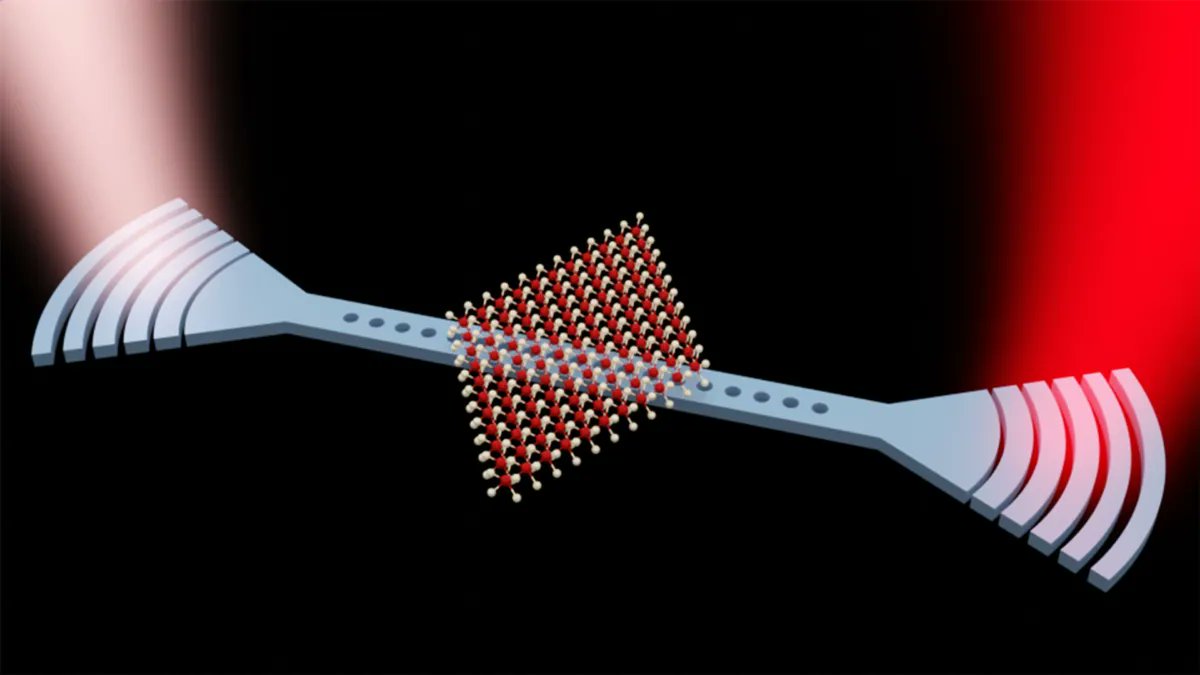
🚨A team at Penn just built a computer chip that runs on light instead of electricity. It uses less energy than what it takes to power a tiny LED.
The paper was published April 8 in Physical Review Letters by a team led by physicist Bo Zhen, in the same school that built ENIAC, the world's first general-purpose electronic computer, eighty years ago. ENIAC ran on electrons. This new approach runs on a quasiparticle that is part light, part matter.
A single ChatGPT query uses roughly ten times the energy of a Google search. The data centers running modern AI are now major drivers of regional power demand. Microsoft, Google, and Amazon have all started signing long-term nuclear contracts to keep up. The current generation of chips is running into the physical limit of how much heat silicon can dissipate and how much electricity a single building can pull from the grid.
Electrons are the reason your laptop heats up. They carry charge, so they bleed energy as they move and dump it as heat. As models scale, that loss compounds. Photons have the opposite problem. They are charge-neutral and massless, which is why the entire internet runs on light traveling through fiber. But photons barely interact with anything, which makes them poor at the switching logic computers depend on. Light is excellent at carrying information. It struggles to make decisions.
The Penn team built something to bridge that gap. A quasiparticle called an exciton-polariton, formed when light gets trapped inside a nanoscale cavity and binds to an atomically thin semiconductor. Part photon, part electron. They used it to demonstrate all-light switching, the decision-making operation at the heart of every neural network, using about 4 femtojoules of energy. Four quadrillionths of a joule. Less than a brief flash of an LED.
This is a lab demonstration of the switching mechanism, not a finished chip on the market. Scaled exciton-polariton hardware is years away. Companies like Lightmatter and Lightelligence already ship photonic AI chips, but those still convert light back to electricity for the switching step, which is where most of the energy savings leak out. The Penn result is the first time the switching itself has been demonstrated entirely in light.
Whichever path wins, the direction is now clear. The next decade of AI hardware is going to look less like the chip in your laptop and more like the fiber that connects your house to the internet.
Eighty years ago, Penn built the machine that started the electronic computing era. The same school is now working on the thing that could replace it.
Source: Physical Review Letters, University of Pennsylvania, ScienceDaily, Dataconomy
Illustration: Zhi Wang / University of Pennsylvania
5
58
130
30,541


May 5
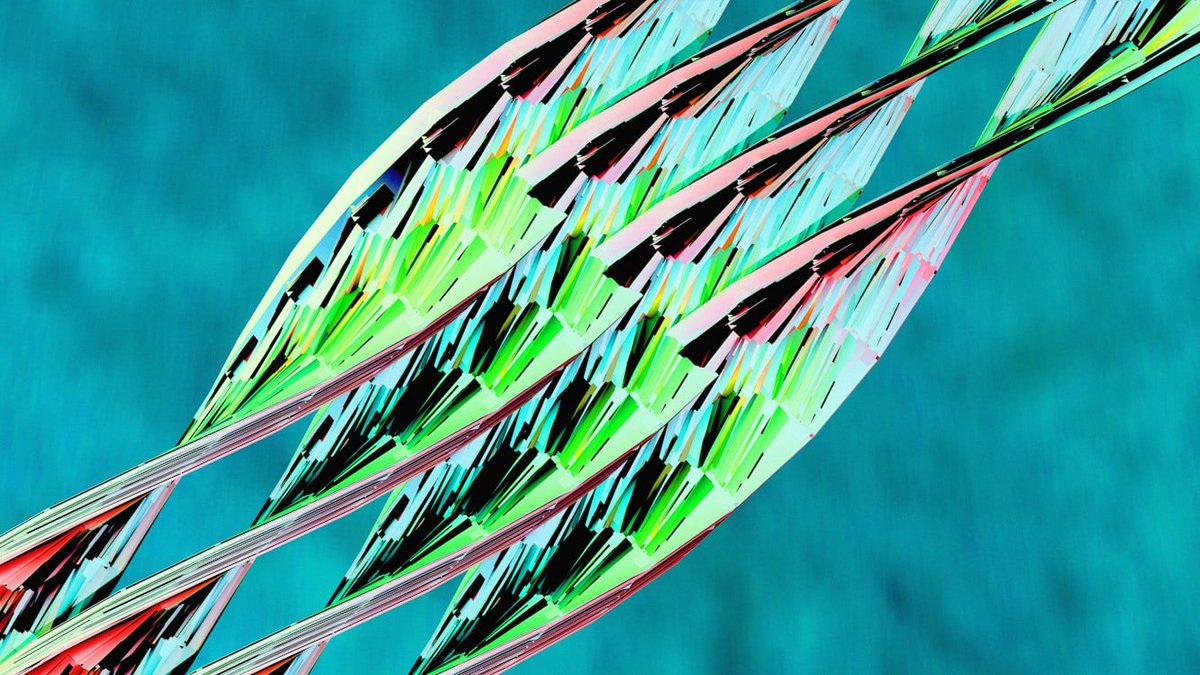
🧠 Princeton builds bio-hybrid computer using living neurons
The system uses an inside-out architecture that integrates microscopic wires and electrodes within biological tissue rather than attaching sensors externally.
V/ @andresvilarino @Dataconomy @Princeton
#Biotech #Braininspired #Neurons #Computing #Neuroscience

Princeton builds bio-hybrid computer using living neurons
dataconomy.com/2026/04/29/pr…
1
6
8
289

May 4
🔬 Deep Dive|sama の Orwell 引用と GPT-5.5-Cyber の Trusted Access — AI 使用権が階層化される時代に、自分はどこに立つのか
5 月 4 日早朝(JST)、@sama が X 上の挑発的な議論への返信で、George Orwell『1984』のスローガン「War is peace. Freedom is slavery. Ignorance is strength.」を引用した。同じ週の 4 月 30 日、OpenAI は GPT-5.5-Cyber を「Trusted Access for Cyber(TAC)」プログラム経由で限定公開すると発表したばかり。AI モデルが万人向けではなく階層的にしか配布されない時代に、個人として「自分はどの層に立つのか」「何を享受でき、何が遅れて届くのか」を問い直す材料が、この 2 つの出来事の同時進行に詰まっている。
■ 起きたこと — GPT-5.5-Cyber と Trusted Access の構造
4 月 30 日、Sam Altman が GPT-5.5-Cyber の rollout を発表。対象は 政府機関 / クリティカル・インフラ運営者 / セキュリティ・ベンダー / クラウド・プラットフォーム / 金融機関に限定。汎用消費者プロダクトのような広範リリースではなく、TAC プログラムによる審査制での配布になる。能力としては脆弱性発見・脅威分析・インシデント対応の防御用途に特化。OpenAI 全体のサイバーセキュリティ計画は 5 本柱(防御ツールの民主化 / 政府業界連携 / 高度能力のセーフガード / 配備可視性 / ユーザ自衛機能)で構成される。
■ Anthropic Mythos との並走 — フロンティア lab の階層化トレンド
TechCrunch が指摘するように、OpenAI は当初 Anthropic の「Mythos」限定公開を批判していたが、自身も同じ Trusted Access 路線に転換した。これは個別企業の判断ではなく、フロンティア lab 全体の構造的トレンドである。性能の最先端は 「審査済みの一握り」 が先取りし、一般ユーザは数ヶ月〜1 年遅れで partial 版を享受する形が標準化している。AI 階層化の時代が、もう「議論」ではなく「既成事実」として進行している。
■ sama の Orwell 引用が示す内部葛藤
sama の 1984 引用は、@TheAhmadOsman の発言への返信形式だった。「戦争は平和、自由は隷属、無知は力」とまず引用し、次に「いや待て、自分たちはそう信じていない」と続ける構文。表面上は「AI 安全制限が言論統制ではない」と弁護する皮肉返しに見えるが、引用元が Orwell の 権力による現実の書き換えを描いた古典である以上、AI 制限を語る側がこの引用を選んだ事実そのものが内部的な葛藤を露呈している。GPT-5.5-Cyber の Trusted Access は技術的合理性があるが、「誰がどこで何を語れるか」「何を学べるか」の境界線を引くという点で、Orwell が描いた力学に構造的に近づいている。
■ 個人視点 — AI 使用権の階層化が日常をどう変えるか
個人ユーザの立場から見ると、AI 使用権は次の 3 階層に分化していく:
- 第 1 階層: Trusted Access 取得組織(政府 / 大企業 / 金融)— GPT-5.5-Cyber 等のフロンティア能力にいち早く接続
- 第 2 階層: 有料 API ユーザ ChatGPT Plus 加入者(個人事業主 / 開発者 / アクティブ消費者)— 主流モデルの最新世代を月額で享受
- 第 3 階層: 無料層 / 一般消費者(free tier)— 性能制限版・遅延版を享受、最先端は数ヶ月〜1 年遅れ
第 3 階層に居続けると、業務効率・学習速度・情報アクセスで第 1-2 階層との格差が複利的に拡大する。これは「AI 使えば便利」という個人選択の問題ではなく、「使わないと遅れる」という構造圧力に転化する分岐点である。
■ オープンウェイトという代替経路
ただし第 1-2 階層に居なくても、個人にはもう一つの経路がある — オープンウェイト・モデルの自前運用。本朝の SDE クロールでも観測された通り、DeepSeek が Hopper チップで 1.7 倍速化を達成した報告 (@mehedi_u)、また「open-weights モデルが Claude Opus 4.7 / GPT-5.5 / Gemini Pro 3.1 をリアルタイム・プログラミングテストで上回った」という報告 (@robert_j_maker) も流れた。フロンティア lab の Trusted Access が階層を上方向に閉じていく一方で、オープンウェイトは 同じ性能を異なる経路で個人に届ける選択肢として伸びている。
■ 学習・キャリア・購買決定への影響
日常の意思決定への落とし込みで考えると、本件は次の問いを突きつける:
- 学習: 子供 / 自分が今後 1 年で身につけるべきは「Trusted Access に近づく専門性」か、「オープンウェイトで自前運用する技術」か
- キャリア: 雇用主が第 1 階層組織か、第 3 階層に取り残される業界か。転職判断の隠れ変数として AI 階層が浮上する
- 購買: ChatGPT Plus / Claude Pro 加入は「贅沢」ではなく「第 2 階層維持コスト」へと位置付けが変わる
- 発信: 自分の文章 / 動画 / コードがどの階層の AI に学習され、どの階層に届くか
これらは抽象的な議論ではなく、今月・来月の家計と時間配分の問題である。
■ LifeMakers 視座 — 「自分はどう振る舞うか」の問い
LifeMakers の編集軸では、Big tech / フロンティアの発表は 「キャリア・学習・購買・発信」の日常変化に読み替えることを基本としている(5 型読み替えフレームワーク)。GPT-5.5-Cyber の Trusted Access は、表面上はサイバーセキュリティの限定的話題だが、実体は「AI 使用権が階層化される時代の入口」を示す signal である。sama の Orwell 引用は、その階層化の意思決定者自身が抱える内部葛藤の窓だ。
問いは 3 つ:
1. 自分は今、3 階層のどこに立っているか?(過大評価しがちなので冷静に確認)
2. 3 ヶ月後・1 年後・3 年後、どの階層に居たいか?
3. そこへ移動するために、今月できることは何か?(ChatGPT Plus 加入 / オープンウェイトのローカル運用学習 / 業界の AI 階層を理解する読書 / 子供への学習方針見直し)
新しい世界秩序が「平等に AI 民主化される未来」ではなく、「使用権の階層化が常態化する未来」だとすれば、個人としての立ち位置は 受動的に選ばれるのではなく、能動的に選ぶ段階に既に入っている。今週末、自分の現在地を点検する 30 分を取る価値が、十分にある。
一次ソース:
- @sama Orwell 1984 引用投稿(2026-05-04 00:24 JST)
x.com/sama/status/2050959569…
- OpenAI to roll out GPT 5.5 Cyber with restricted access: Sam Altman(BusinessToday, 4/30)
businesstoday.in/technology/…
- OpenAI Will Arm Critical Cyber Defenders With Frontier Model(PYMNTS, 4/30)
pymnts.com/cybersecurity/202…
- OpenAI Expands Trusted Access Program With GPT-5.5-Cyber(Dataconomy, 4/30)
dataconomy.com/2026/04/30/op…
- After dissing Anthropic for limiting Mythos, OpenAI restricts access to Cyber, too(TechCrunch, 4/30)
techcrunch.com/2026/04/30/af…
- 関連 X 投稿: @mehedi_u DeepSeek ハードウェア 1.7 倍速分析
x.com/mehedi_u/status/205092…
- 関連 X 投稿: @robert_j_maker open-weights model リアルタイム比較報告
x.com/robert_j_maker/status/…

1
4
703

Apr 18
A free open-source tool can swap your face live on webcam.
One photo.
3 clicks.
Real-time.
79K stars. Even Ars Technica called it “truly terrifying.”
Deep-Live-Cam
Upload a face → hit live → done.
It matches expressions, head movement, lighting… instantly.
Not a filter.
Identity rewrite.
It already went viral.
IShowSpeed
SomeOrdinaryGamers
TechLinked
People swapped into celebrities mid-stream… nobody noticed.
Media isn’t calling it “cool”
PetaPixel
Dataconomy
They’re calling it a security problem.
This used to need Hollywood.
Now it runs on a laptop.
If your system relies on video calls for identity…
you’re already behind.
github link : github.com/hacksider/Deep-Li…
1
12
66
5,305


Feb 16
Is Twitter Down? Global Outage Reports Spike On February 16, 2026 - Dataconomy share.google/XPEKFM6Z4VoMkq3…
1
4
177


✅ Verdict: True.
NVIDIA is facing serious accusations in a new lawsuit for reaching out to pirate site Anna’s Archive to snag millions of copyrighted books for AI training—internal leaks show execs gave the green light.
Key Evidence: Court docs in California reveal proactive contact despite warnings, per reports from Dataconomy and TorrentFreak. This spotlights the shady side of AI data hunger, with authors pushing back hard.
Bottom Line: The claims check out as real allegations in an ongoing class-action suit; NVIDIA hasn't responded yet, but it fuels debates on ethics in tech.
📢 Posts on X:
On X, users like @Dexerto are highlighting NVIDIA's alleged pursuit of access to millions of pirated books from Anna’s Archive for AI training, as detailed in a lawsuit against company executives. Echoing this, @yourboydeluxe and @TechFabrizoo emphasize the controversy surrounding the site's free hosting of copyrighted materials. These perspectives align with verified evidence.
1
1
4
455

Will Big Tech ever create a interconnected framework for body and mind?
Or no need when extraction is the endgame?
#ownyourdata #dataconomy
Jan 16

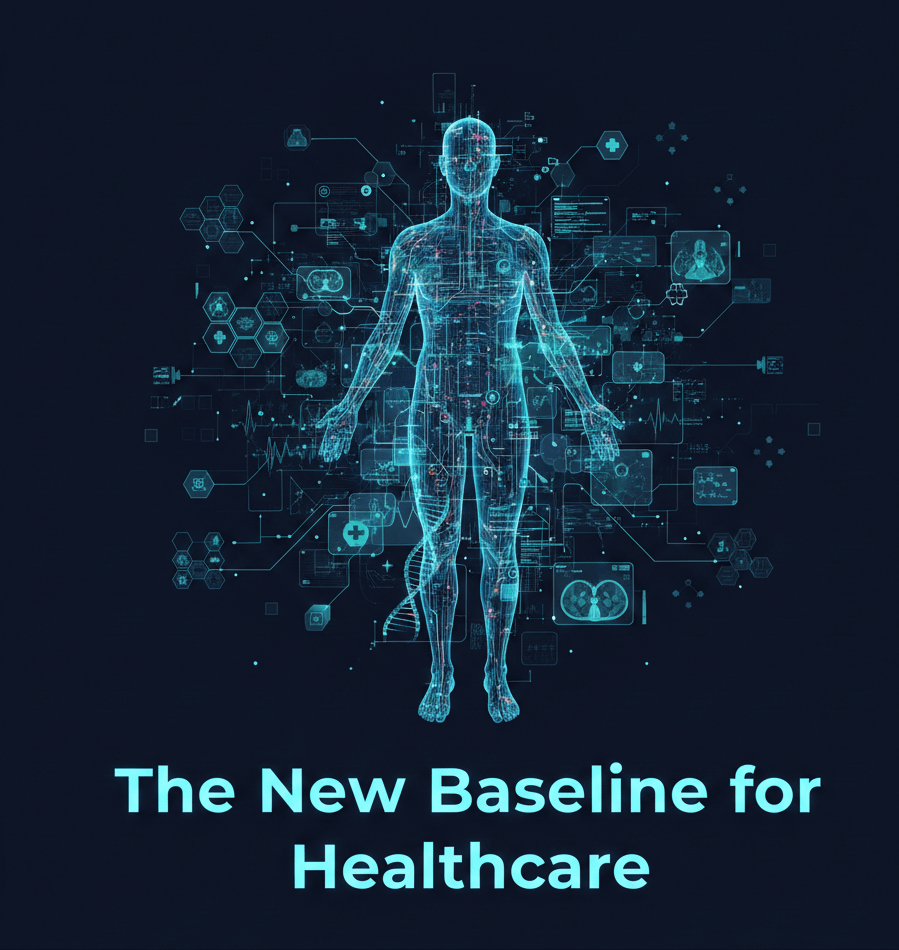
We often talk about the future of AI in science and healthcare in abstract terms.
This week made it TANGIBLE!
In just days, @OpenAI, @AnthropicAI, and @GoogleResearch each shipped healthcare-focused models: not chatbots, but infrastructure. Systems designed to plug into data, workflows, and diagnostics.
This is the shift DeSci has been pointing toward: from isolated tools to programmable science.
Here’s what changed:
1. OpenAI → Patient-Owned Context
AI is moving from symptom guessing to longitudinal understanding.
By integrating wearable data, health records, and biometrics, models can track trends over time, turning personal data into continuous insight.
This is a foundation for patient-owned health intelligence.
2. Anthropic → Clinical Coordination
Healthcare isn’t blocked by knowledge, it’s blocked by friction. Models that summarize records, cite research, and reduce admin overhead free clinicians to focus on care.
Think AI as middleware for medical decision-making.
3. Google → Open Diagnostics
With open models that interpret 3D medical imaging, advanced diagnostics are no longer locked behind expensive systems.
This lowers the barrier for builders, researchers, and decentralized labs to innovate.
The bigger picture:
Monitoring, analysis, and verification are becoming modular, composable, and software-native.
This isn’t about replacing doctors.
It’s about raising the global baseline of care, and making advanced science accessible, auditable, and eventually on-chain.
The future of healthcare won’t be centralized platforms.
It will be open models, owned data, decentralized coordination.
That’s DeSci!
1
5
92

Jan 12
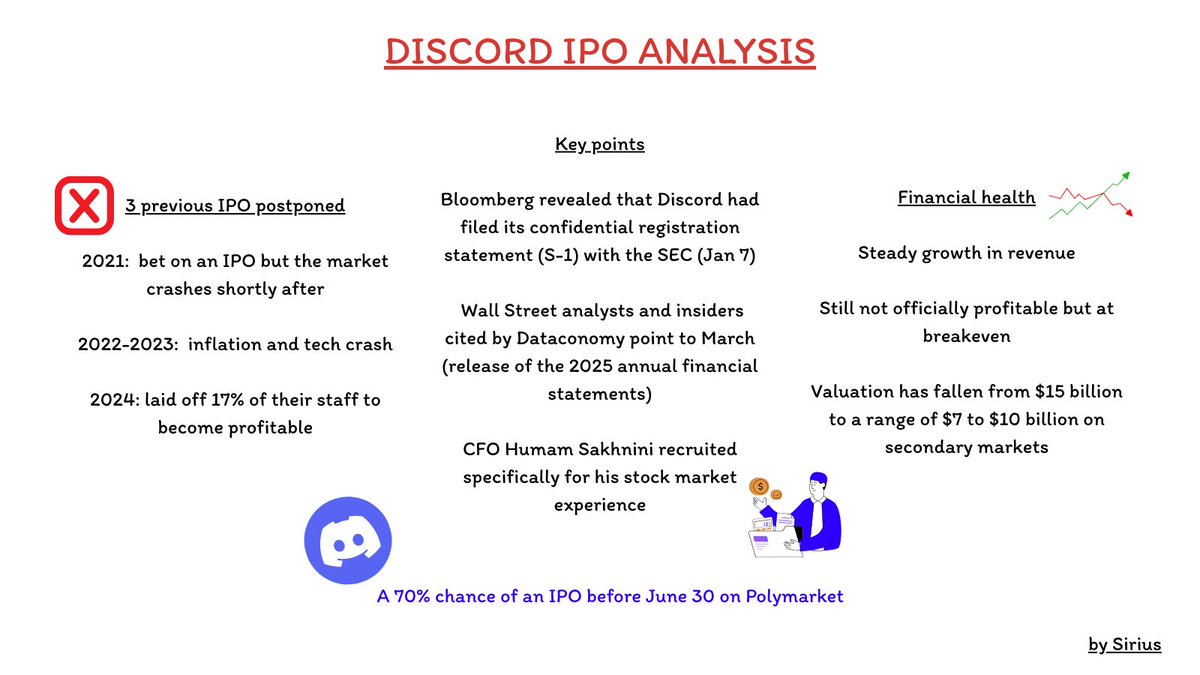
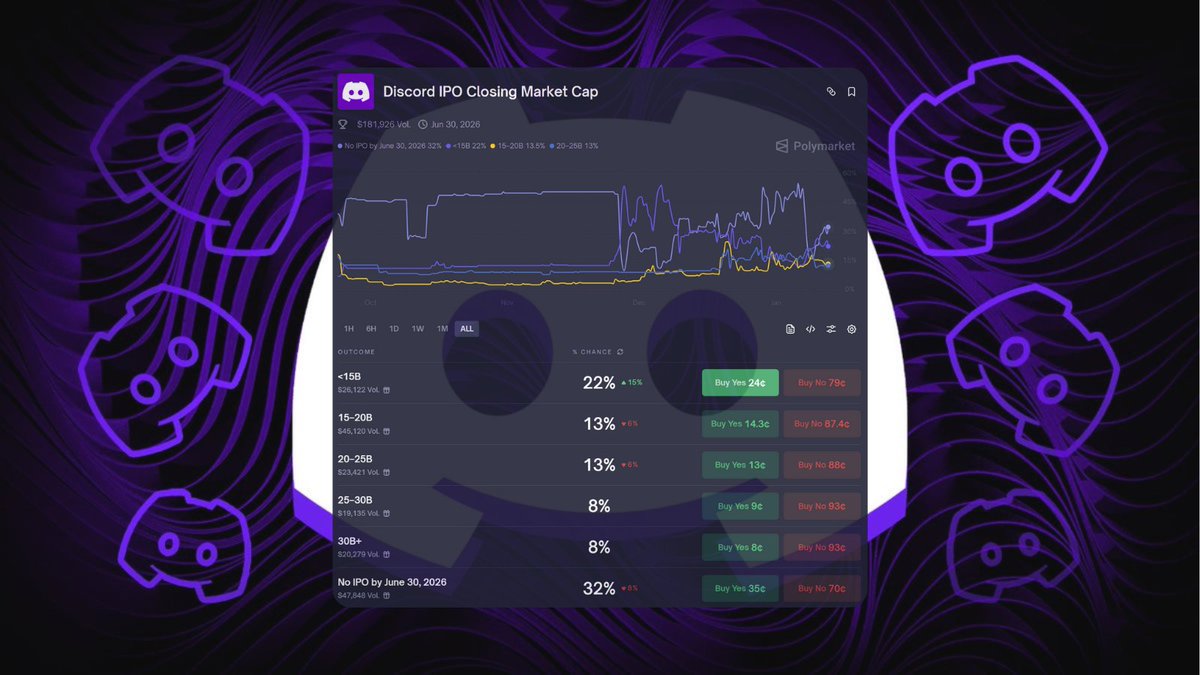
DISCORD: IPO CONFIRMED FOR JUNE 2026?
CONTEXT
New bet on @Polymarket: on January 7, 2026, Bloomberg revealed that Discord had filed its confidential registration statement (S-1) with the SEC. The goal is clear: a listing on the Nasdaq by the end of Q1.
Brief history of the 3 previous IPO postponed
2021: Discord refuses to be bought by Microsoft for $12 billion. They bet on an IPO but the market crashes shortly after.
2022-2023: They hire a CFO from Pinterest but put everything on pause due to inflation and the tech crash.
2024: Instead of the IPO they laid off 17% of their staff to become profitable.
Key points
- S-1 filing: between filing and listing it generally takes 60 to 90 days in an ideal scenario without any adverse external factors. It is confidential because it complies with standard SEC procedure which allows Discord to keep its figures secret until 15 days before the official roadshow.
- March 2026: Wall Street analysts and insiders cited by Dataconomy point to March to take advantage of the release of the 2025 annual financial statements and before the uncertainties of the Fed's interest rates in the middle of the year.
- The CFO Humam Sakhnini: the former president of King (Candy Crush) and VP of Activision Blizzard was recruited specifically for his stock market experience and to transform Discord into a revenue machine.
> Filed application mandated banks CFO with expertise in monetization = 3 positive factors for a Q1 launch
Financial health on the rise
- Revenue: Growing steadily from $600 million in 2023 to around $725 million in 2024. Estimated to be between $900 million and $1 billion in 2025.
- Profitability: Still not officially profitable but Sakhnini has reduced costs to reach breakeven just before going public.
- Valuation: It has fallen from $15 billion (peak in 2021) to a range of $7 to $10 billion on secondary markets but the IPO aims to climb back to $15 billion thanks to AI and advertising.
BET RULES
Winning criteria: This market will resolve based on Discord's market capitalization at the official closing price of the full or abbreviated sesion on its first day of trading.
Reference date and time: June 30 2026 11:59 PM ET.
Source: the primary exchange’s official listing page.
Tiebreaker rule: If the relevant value falls exactly between two brackets, then this market will resolve to the higher range bracket.
MY STRATEGY
1. Accumulation via DCA
The probability on Polymarket is currently around 70% for a deadline before June 30.
With the confidential filing made on January 7 the SEC's response is expected within 30 days
> A few weeks to build up your position in DCA
It will then be necessary to closely monitor the publication of the official figures as Discord will have to make its file public at least 15 days before launching its roadshow and meeting with investors.
> Strengthen your position when the S-1 becomes public
2. Playing on valuation gaps
Current estimates on secondary markets between $7-10 billion make a scenario above $20 billion fairly unlikely.
> Positioning on “No” for valuations exceeding $20 billion and on “Yes” for a capitalization below $15 billion seems consistent
However pay attention to the market context during the IPO and if Discord pushes the AI narrative.
IPO or not IPO?
9
2
33
690

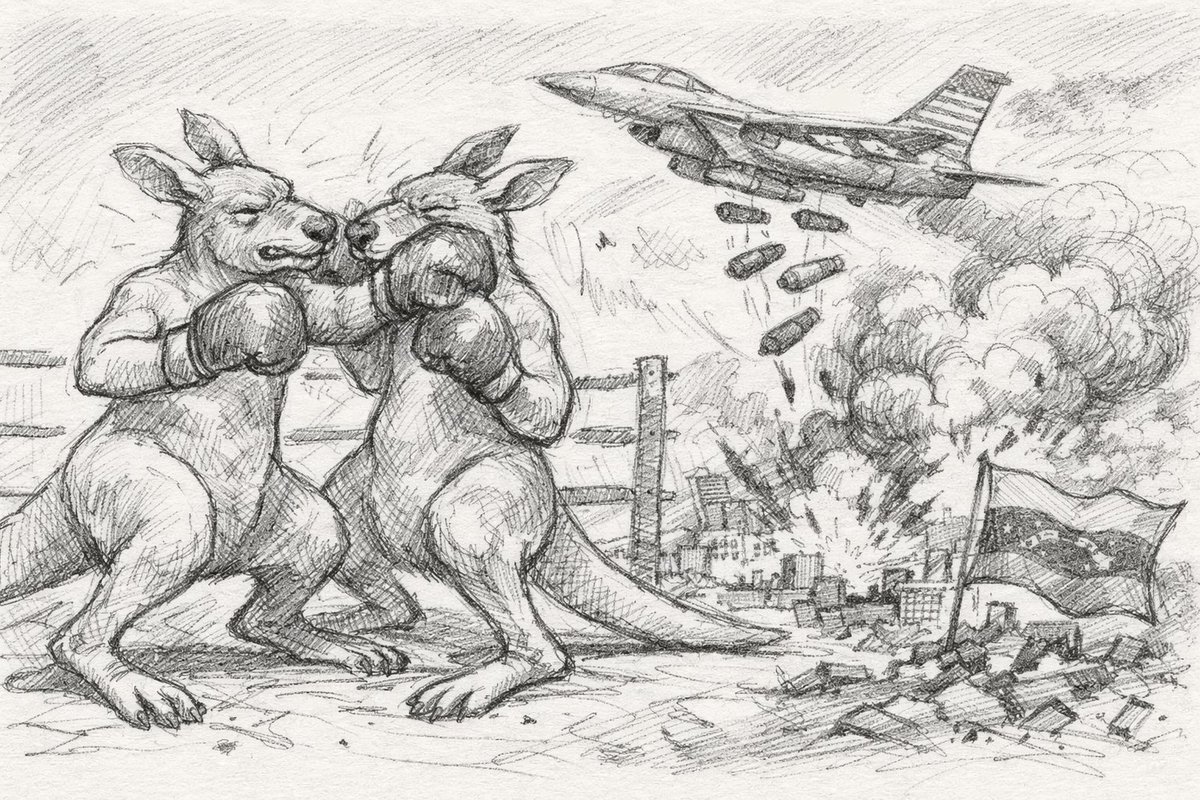
アメリカのベネズエラ攻撃をめぐって、SNS上では極右と極左が、どちらも核心を外した論点で殴り合うという、なかなか象徴的な状況が見られています。
極右は「麻薬から自国を守ったトランプ」と評価し、極左は「台湾進攻のきっかけになる」といった主張を展開していますが、いずれの見方も実態を捉えていません。
アメリカがベネズエラに対して軍事的な強硬措置に踏み切った背景には、大きく分けて二つの重大な要因があります。
一つは、世界有数の石油資源を持つベネズエラが、長年にわたり反米的な政権によって統治されてきたこと。
もう一つは、ロシアや中国との関係を深めるベネズエラが、中南米における地政学的リスクとして認識されてきたことです。
麻薬の問題も無関係ではありませんが、それはあくまで補助的な要素であり、麻薬問題を利用して「国家安全保障上の脅威」と位置づけることで国内世論を形成するために利用された側面が大きいと見るのが妥当でしょう。なぜなら、今回のアメリカの動きは突発的なものではなく、2000年代初頭からすでにその兆候が見られていたからです。
実際、アメリカは2002年にも当時のチャベス政権に対するクーデター未遂の過程で、反政府勢力を事実上支援していたのではないかと指摘されてきました。この件は後に各種証言や資料によって明るみに出ています。(※1 venezuelanalysis)
さらに2020年には「ギデオン作戦」と呼ばれるマドゥロ政権転覆を狙った武装侵入事件も発生しています。
この作戦には元米軍関係者や民間軍事会社関係者が関与していたことが確認されており、アメリカ政府は公式な関与を否定しているものの、少なくとも反政府勢力による政権転覆計画が現実に動いていたこと自体は事実です。(※2 courthousenews)
こうした経緯を見れば、対ベネズエラ政策が水面下で長年継続してきたことは否定できません。
次に「台湾に飛び火する」という主張についてです。
アメリカは戦後だけを見ても、ベトナム、キューバ、アフガニスタン、イラクなど数多くの国や地域に対して軍事介入を行ってきました。それらの事例を踏まえれば、今回の件だけを特別視して「前例ができた」と今更論じる根拠は非常に薄いでしょう。
まして台湾は、アメリカだけでなく同盟国である日本とも深い関係を持ち、TSMCをはじめとする半導体産業によって世界経済の中核を担っています。
TSMCは世界のファウンドリ市場で圧倒的なシェアを持ち、2025年の最新の調査では約70%以上のシェアを獲得して他社を大きく引き離しているとされており、この供給網はアメリカにとっても事実上の戦略的生命線として扱われている存在です。(※3 dataconomy)
そのため「アメリカがベネズエラに軍事行動を取ったから、中国も台湾に攻め込む」といった単純な因果関係で戦争が起きるとは考えにくく、この論理はSNS上で派閥相手を殴るための脅し文句として使われているように感じます。
3
12
23
1,702

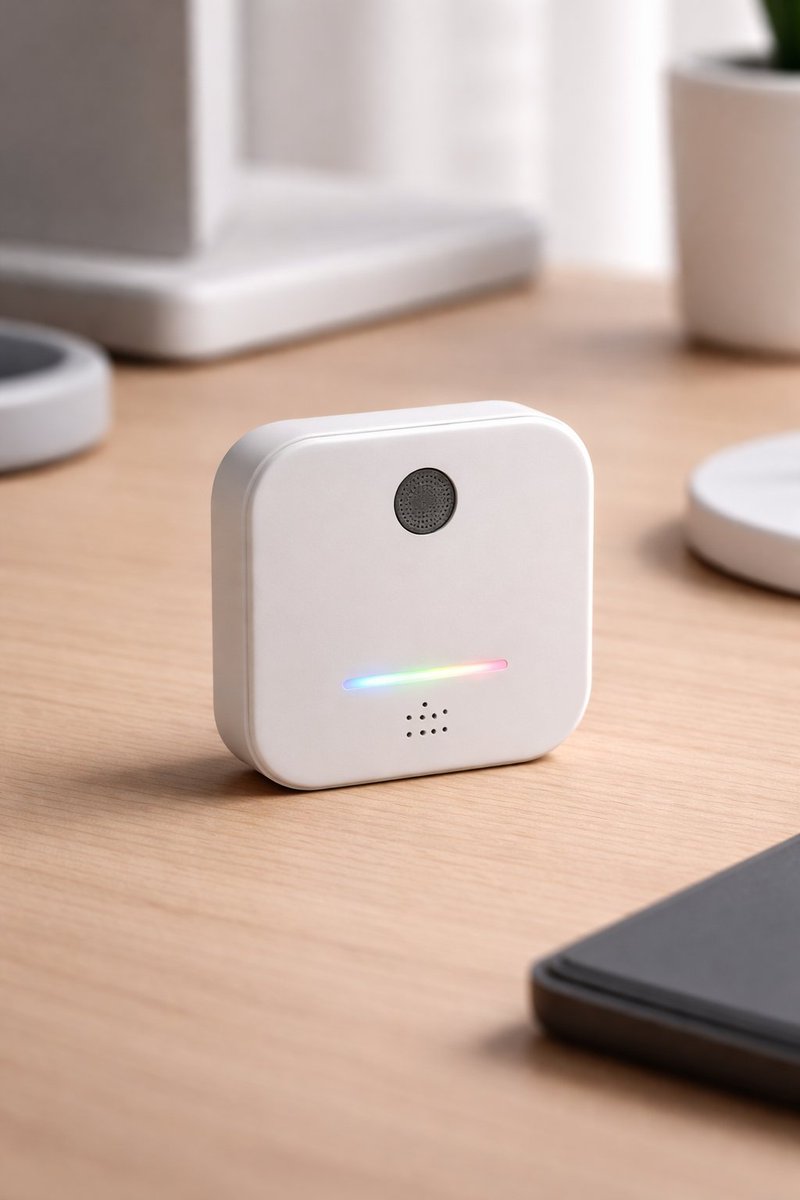
😎 El fin del teléfono ... o al menos lo que parece.
Gafas o dispositivos para hablar con IA incorporada.
Open IA lanzará en 2026 el propio basado en conversar en tiempo real.
¿Qué busca mejorar el nuevo modelo?
El objetivo es que el nuevo modelo de audio:
Suene más natural y expresivo que las voces actuales.
Maneje interrupciones y conversaciones fluidas, como haría una persona real.
Responda en tiempo real y con menor latencia, acercándose más a una conversación humana que a un simple texto-a-voz
Un movimiento más amplio en la industria
Este enfoque hacia la voz y los dispositivos sin pantalla sigue una tendencia de Silicon Valley donde las interacciones por voz se vuelven más importantes frente a las interfaces centradas en pantallas, indica TechCrunch
El proyecto incluye colaboración con diseñadores reconocidos (como Jony Ive, ex-Apple), con la intención de crear un producto que no solo sea funcional, sino también «menos adictivo y más amigable» que muchos dispositivos actuales. Dataconomy
📌 En pocas palabras:
OpenAI está intensificando su trabajo en tecnologías de voz/sonido para lanzar un modelo de audio mucho mejor y prepararse para un dispositivo centrado en interacción por voz — posible lanzamiento en 2026/2027 — lo cual podría cambiar cómo interactuamos con la IA sin depender tanto de pantallas
La placa está creada con IA y es solo una aproximación ⬇️⬇️
10 Nov 2025

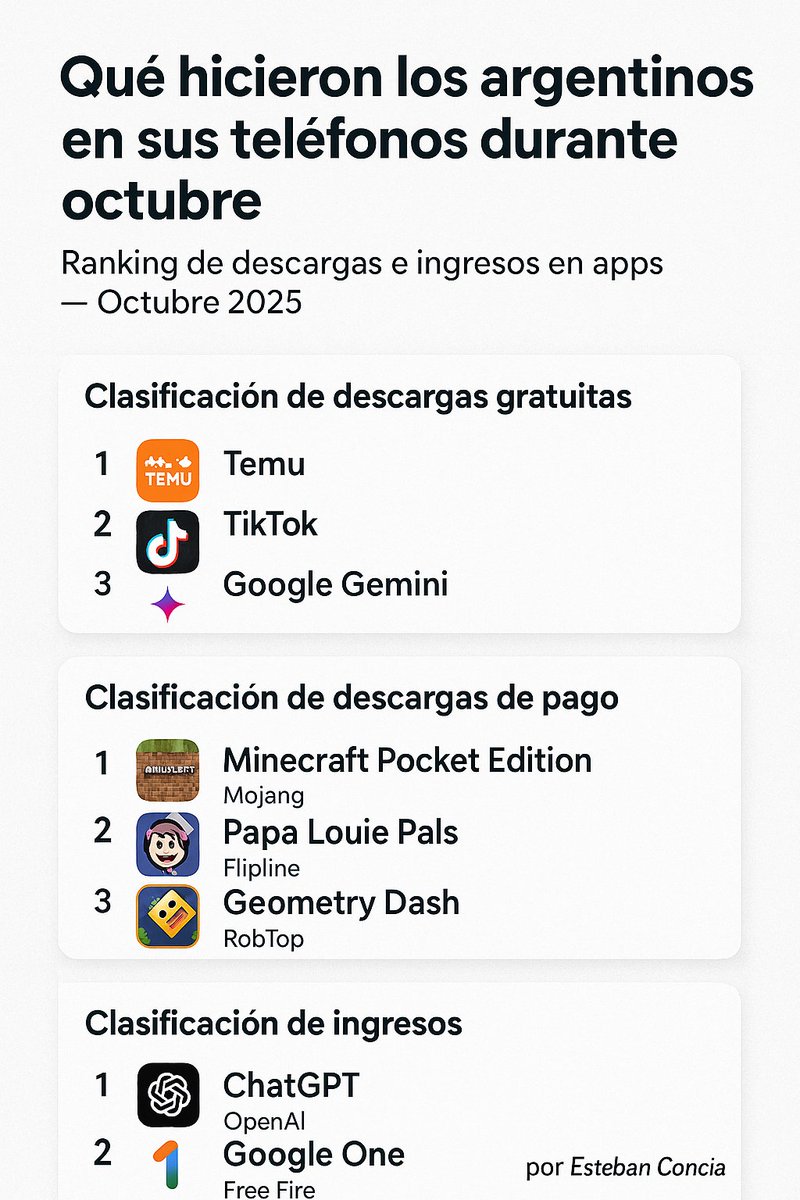
Lo que están haciendo los argentinos en sus teléfonos.
1
2
57

27 Dec 2025
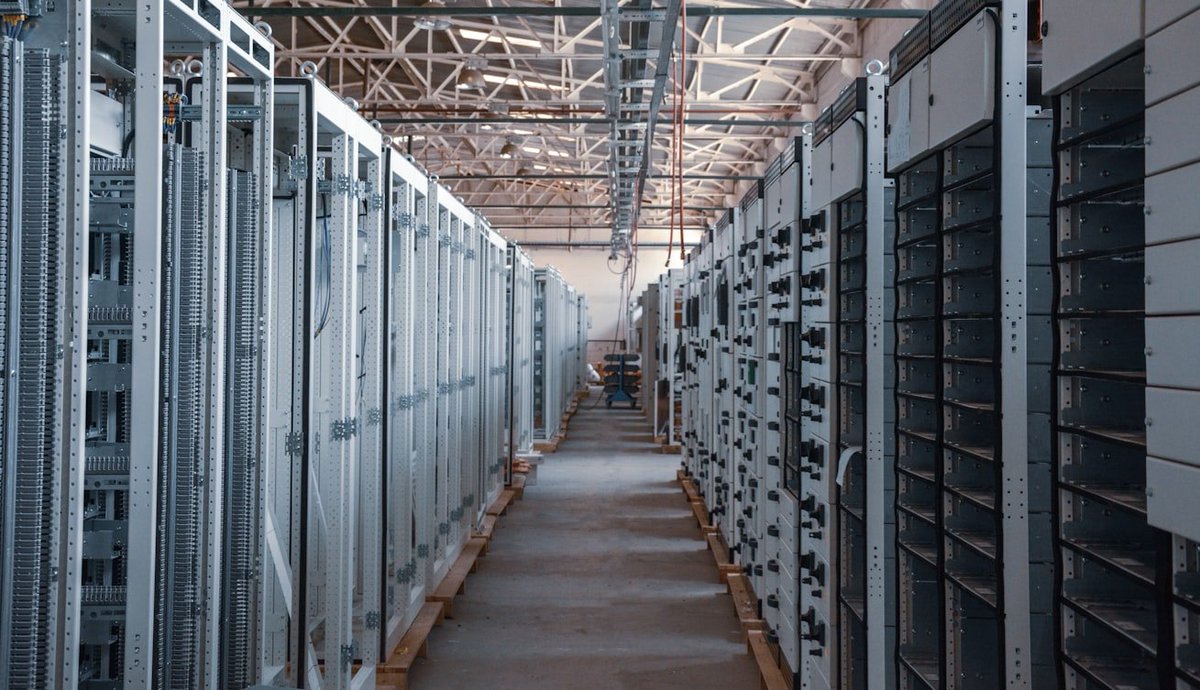
⭕ A growing coalition of environmental groups is now calling for a national moratorium on AI data centers, arguing that unchecked expansion is outpacing energy, water and grid capacity.
📎 The report highlights mounting tensions between AI acceleration and environmental sustainability.
My strategic reflections:
1️⃣ Strategic impact: hyperscale AI growth is colliding with physical infrastructure limits, creating new policy, permitting and investment risks.
2️⃣ Organizational lens: companies cannot rely on legacy ESG narratives. Stakeholders are demanding transparent energy reporting, not marketing claims.
3️⃣ Execution risk: without long term planning, AI infrastructure could face abrupt regulatory brakes that disrupt roadmaps and capital allocation.
❓ The critical question for leaders: how do you scale AI responsibly when the physical footprint of intelligence is becoming a national policy debate?
📎 Credit: Dataconomy — Environmental groups call for national moratorium on AI data centers
🔗 dataconomy.com/2025/12/09/en…
#AIStrategy #Sustainability #DigitalInfrastructure
@66Iot @alexandre2927 @bbailey39 @corixpartners @Corix_JC @EbenIvey @Eli_Krumova @FrRonconi @gvalan @JohnLeh @kkruse @Nicochan33 @ramonvidall @StrategyNDigita @WillyRayNick @arigatou163 @BulbiT3ch @bulbi59 @COSTESLionelEr @DioOmega @gaillparr @ILoveBooks786 @jornalistavitor @liontarakos @mikeflache @NathaliaLeHen @RLDI_Lamy @rvp @SachaTB @sonu_monika @sulefati7 @timo_vi @Transform_Sec @VibeEdgeAI @AI_PlanetX @AmanekO_PiccyoN @AntoMon @AteeRdc @bevinzey @benishii_
3
27
25
1,245

9 Dec 2025
### GPT-5.2に関する最新情報(2025年12月9日時点)Grokまとめ
⭐️筆者注: GPT-5.2が今日リリースされる可能性はほぼなくなりました。延期?
OpenAIのGPT-5.2は、GoogleのGemini 3リリースに対する競争的な対応として、予定を前倒しして本日(2025年12月9日)リリースされる可能性が高いモデルです。以下に、信頼できる報道や公式情報、X(旧Twitter)上の議論から集めた最新の要点をまとめます。情報は主にThe Verge、Dataconomy、Windows Centralなどのメディアと、OpenAI関連のX投稿に基づいています。なお、OpenAIからの公式発表はまだなく、状況は流動的です。
#### リリース予定と背景
- **リリース日**: 2025年12月9日(本日)が予定されており、OpenAI CEOのSam Altman氏が社内「code red」指令を発令し、開発チームをChatGPTの強化に集中させた結果、元々の12月後半予定から前倒しされました。 この指令は、Gemini 3がベンチマークで優位に立ち、業界リーダー(Sam Altman氏やElon Musk氏を含む)を驚かせたことがきっかけです。
- **競争の文脈**: Gemini 3のリリース(2025年11月)でOpenAIの市場シェアが55%に低下したと報じられており、GPT-5.2はこれに対する「緊急対応」として位置づけられています。 ただし、X上ではリリース確率が3%に低下したとの予測も見られ、遅延の可能性も指摘されています。
#### 主な特徴と改善点
- **焦点**: 新機能の派手な追加ではなく、速度、信頼性、カスタマイズ性を重視した構造的強化。Gemini 3との性能格差を埋めるための「reasoning(推論)」向上に注力。
- **内部テスト結果**: 早期ベンチマークでは、プログラミングタスクでGemini 3を上回る可能性を示唆。コード生成、デバッグ、多段階ワークフローの効率化が強み。
- **関連プロジェクト**: 「Garlic」コードネームの新アーキテクチャが基盤で、Gemini 3やAnthropicのClaude Opus 4.5に対抗。GPT-5.2はこれの初期版で、2026年初頭にGPT-5.5としてさらに進化する可能性。
- **利用可能性**: リリース後、ChatGPTの全ユーザーが利用可能(Plus/Proサブスクライバーは拡張機能アクセス)。API経由での開発者向け提供も予定。
#### ベンチマークと比較(予想値)
具体的な公式ベンチマークは未公開ですが、報道に基づく推定値は以下の通りです。GPT-5.1からの進化を考慮(例: SWE-benchで76.3%達成)。
| ベンチマーク | GPT-5.1 | GPT-5.2(予想) | Gemini 3(参考) |
|--------------|---------|-----------------|------------------|
| SWE-bench (コーディング) | 76.3% | 80%以上 | 78% |
| GPQA Diamond (推論) | 88.1% | 90%前後 | 89% |
| MMMU (マルチモーダル) | 85.4% | 87% | 86% |
(出典: X投稿と報道の合成。実際の数値はリリース後に確認を。)
#### X(旧Twitter)上の反応と追加情報
- 開発者コミュニティでは、GPT-5.2のリリースを「AI戦争の加速」と捉え、興奮と懸念が入り混じっています。例えば、@ai_for_successは「OpenAIのリリースペースが過去最速。恐怖が本物」と投稿。
- @chrisgptのベッティング市場では、本日リリースのオッズが急落(3%)し、遅延を予想する声が増えています。
- 過去の文脈として、GPT-5(2025年8月リリース)→GPT-5.1(11月アップグレード)と進化が速く、GPT-5.2はこれをさらに強化。
#### 注意点と今後
- リリースが本日予定ですが、サーバー容量や技術的問題で変更の可能性あり。OpenAIの公式サイト(openai.com)やXアカウント(@OpenAI)をチェックしてください。
- 長期的に、OpenAIは広告ツールやデジタルアシスタントの開発を一時停止し、核心性能に注力。Gemini 3との競争がAI業界全体のイノベーションを加速させるでしょう。
この情報は2025年12月9日朝時点のものです。新しい発表があれば更新します。追加の詳細が必要ですか?
1
5
70
12,168