
スライドは日英併記にするかな
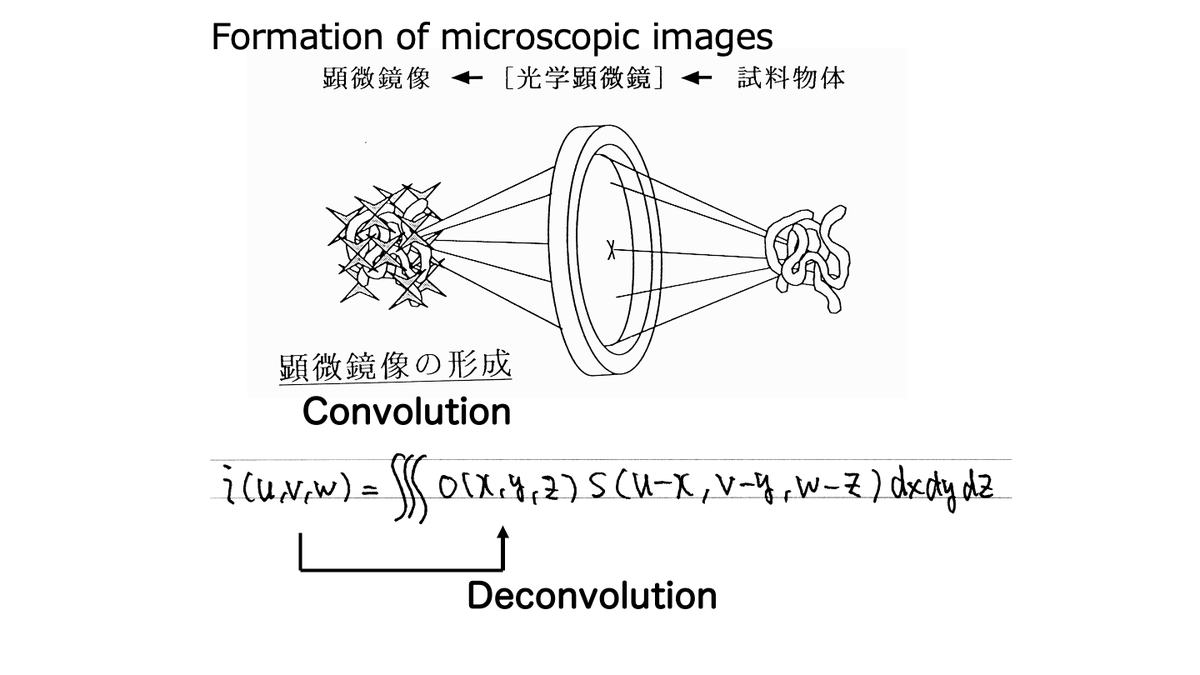
ConvolutionとDeconvolution
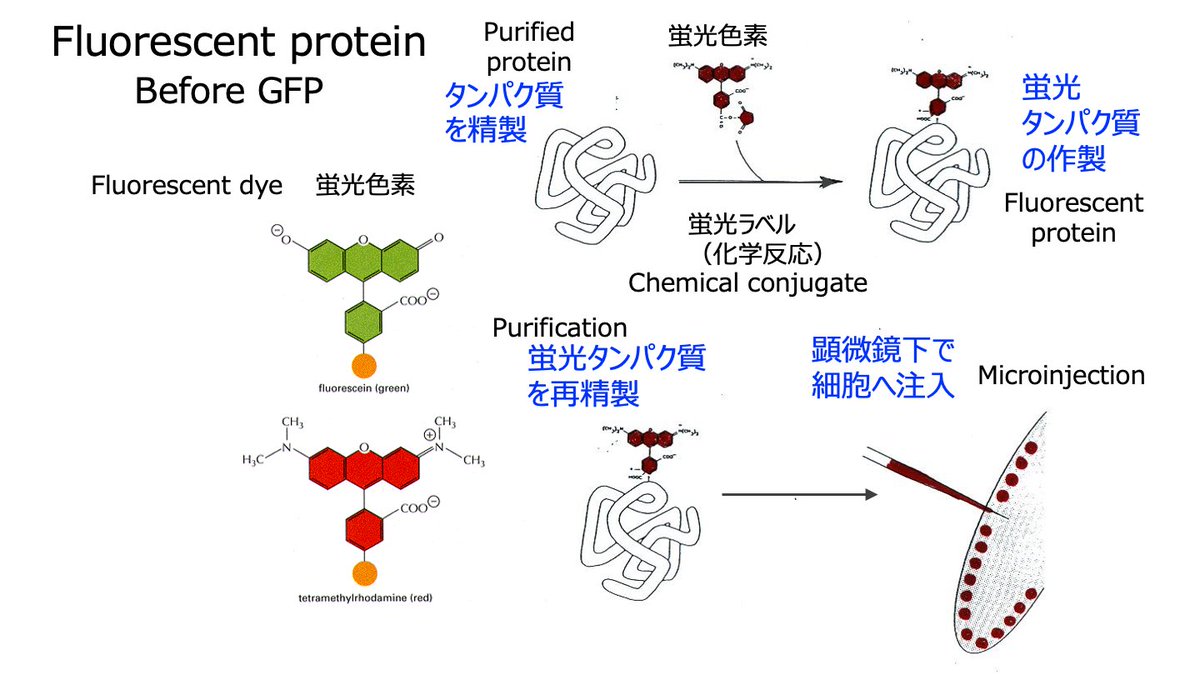
Live-cell fluorescence imaging before GFP
1
8
433

#newpaper
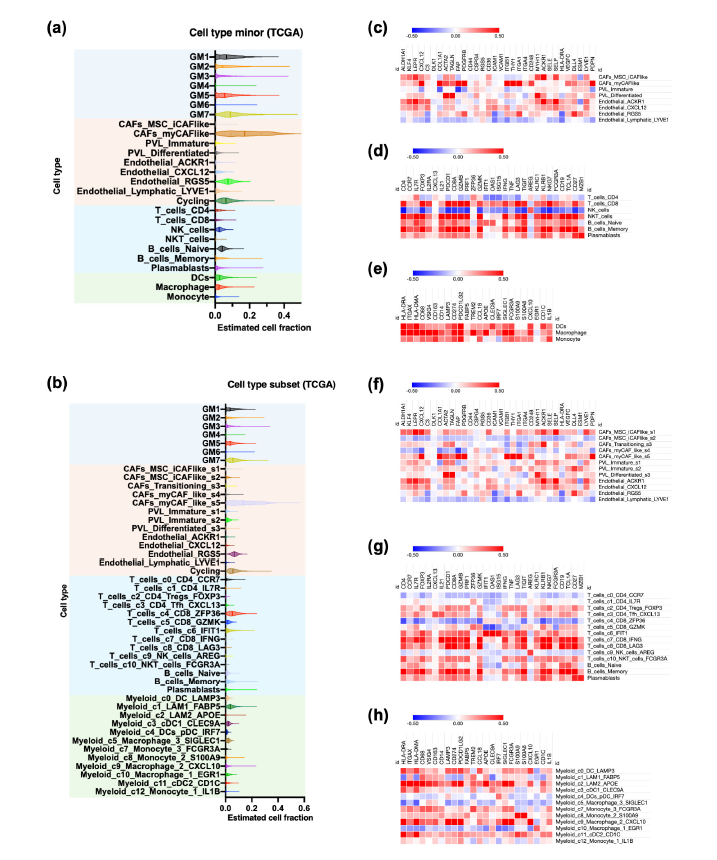
💡A Multiresolution Breast Cancer CIBERSORTx Resource Validated for Accuracy, Interpretive Limits, and Biological and Clinical Coherence in Tumor Microenvironment Deconvolution
👥Toru Hanamura et al.
🔗 mdpi.com/2409-9279/9/3/88
#breastcancer #tumormicroenvironment
12

3/3 Spanve improves downstream analyses, including spatial domain detection and cell type deconvolution, highlighting its value for large-scale spatial transcriptomics studies.
Code: github.com/zjupgx/Spanve
#SpatialTranscriptomics #ComputationalBiology
15

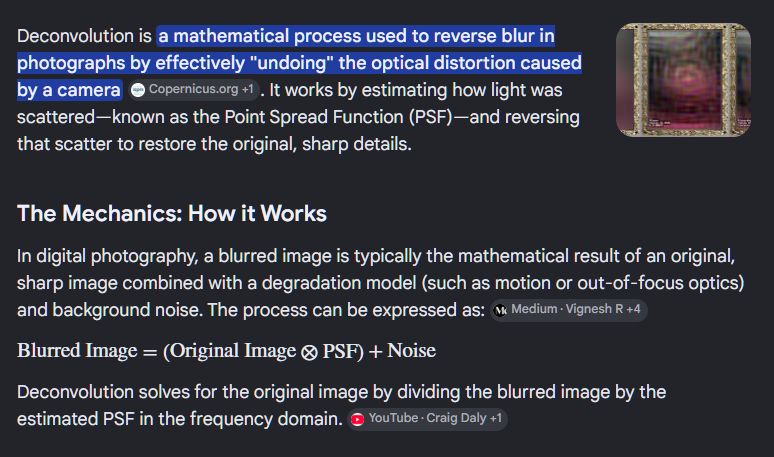
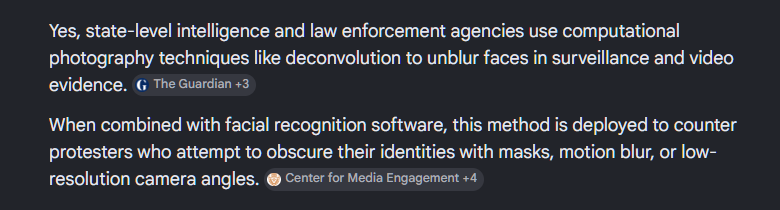
if you are filming freedom fighters, please do not use 'blur' to hide faces. With enough computing power, or knowledge of the systems you used (ie, state level intelligence), you can completely reverse the blur and reconstruct the face, by a process called 'deconvolution'.
essentially, blur is a matrix operation on a data array. and if you know the convolution filter, you can simply reverse it.
If you don't, you can iteratively test various deconvolution filters until you find the right one, and then apply that to every other blur you've used in your videos.
14

I haven't even been paying much attention lately
These youtubers have stolen my joy of all things true crime/research/justice
Google alerts w key words will let me know when real news develops 🥺
Holding on to hope for deconvolution of mixed DNA/amplification & IGG
3
15

Posterior consistency of Pólya trees for deconvolution under the linear model
Nakul Shenoy, Asaf Weinstein
arxiv.org/abs/2606.11406
2
125

Geometric bias in eigenspace perturbation under random heterogeneous...
arXiv:2606.11263
Posterior consistency of P\'olya trees for deconvolution under the l...
arXiv:2606.11406
Unbiased Derivative Estimation for Stationary Mean of Parameterized ...
arXiv:2606.11487
1
161

Jun 10
Hello Harvey, I use Topaz Labs Gigapixel, it uses deconvolution which is excellent in getting rid of noise.
1
1
13

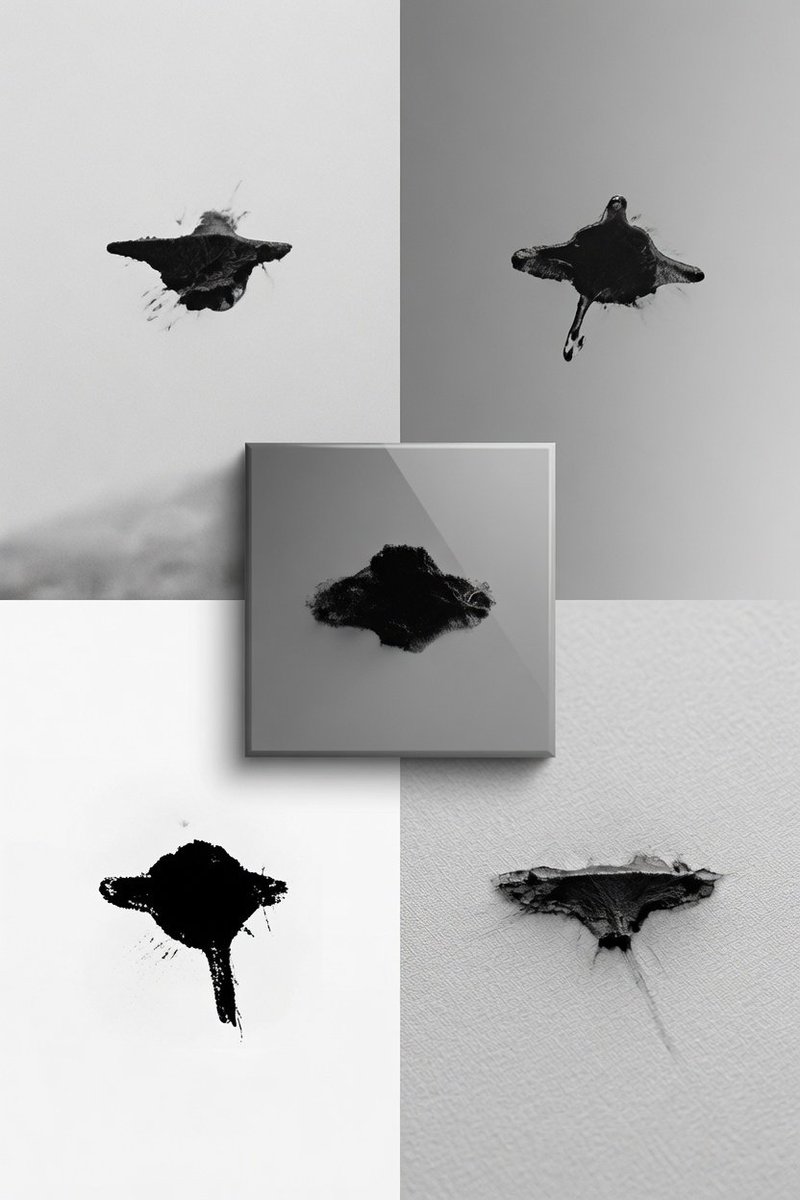
🚨🛸 GIMBAL UFOS CAUGHT ON MARS?! NASA ROVERS SNAPPING EXTRATERRESTRIAL CRAFT IDENTICAL TO 2015 PENTAGON LEAK 🔴🚨
In a bombshell new video dropped today by Brian Cory Dobbs of Blue Planet Red, researchers highlight eerie similarities between the infamous Gimbal UAP, the infrared video leaked by Pentagon whistleblower Lue Elizondo and published by the New York Times in 2017, filmed Jan 20, 2015, by USS Theodore Roosevelt pilots and multiple objects captured in NASA Mars rover photos.
These Martian anomalies show bulbous, rotating, gimbal like shapes with tails or highlights, appearing and vanishing in sequences taken seconds apart (e.g., Sol 4816 on Feb 22, 2026, via Curiosity rover).
Raw NASA sources are public: mars.nasa.gov/raw_images links for images from rovers like Curiosity and Spirit, analyzed by experts including Jean Ward (megalithicmars.com) and others like ArtAlienTV and Scott Waring.
NASA has quietly released dozens of these "UFOs in the Martian sky" with zero commentary, no coverup, just raw data hoping no one notices amid the disclosure wave.
Enhancements via Topaz Gigapixel (deconvolution tech NASA itself uses) reveal clean, structured objects inconsistent with dust, pixels, cosmic rays, or lens artifacts. Multiple frames show motion and disappearance, mirroring the high strangeness of Earth's naval UAP encounters.
If these are real craft (not artifacts), it screams interplanetary or interdimensional NHI activity on Mars, perhaps the same nonhuman intelligence behind our oceans and skies.
Ties directly into Elizondo's revelations, ancient Mars civilizations theories, and the push for full disclosure. Are we looking at active NHI bases/tech on the Red Planet, with rovers inadvertently documenting their ops?
The timing, right as UAP hearings and EO movements heat up, feels too perfect.
Check raw NASA images and analyses yourself. The truth is hiding in plain sight on public servers. What else are they not telling us? 👽🔴

4
16
145
8,099

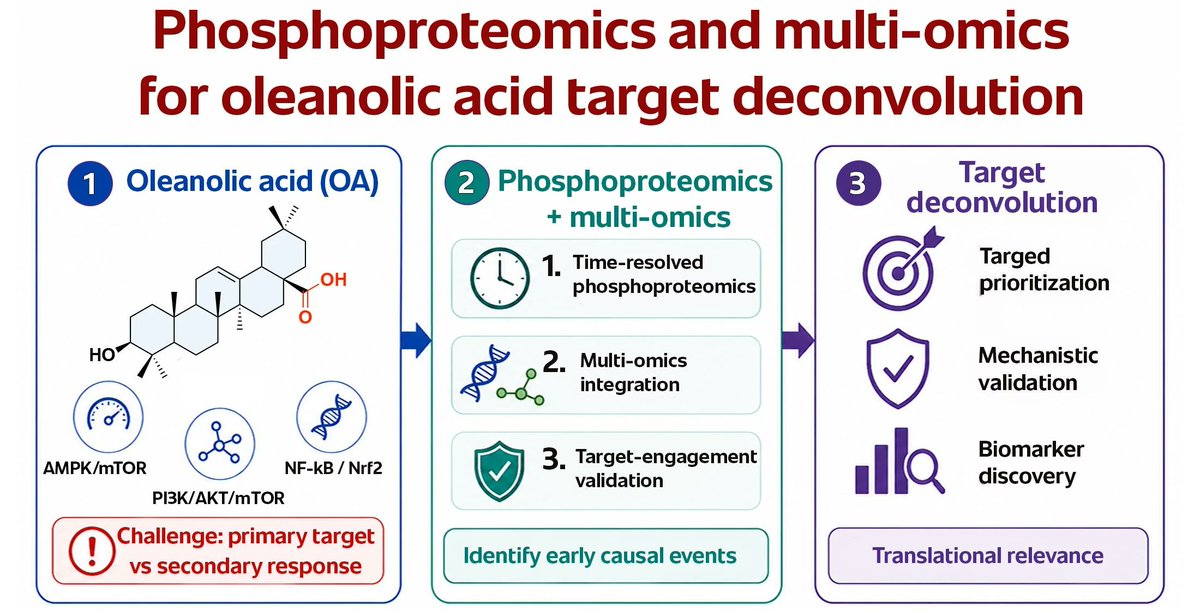
#Phosphoproteomics and Multi-Omics for Oleanolic Acid Target Deconvolution: From Phosphorylation Signatures to Mechanistic Validation
mdpi.com/3920600
by Andrzej Günther, Barbara Bednarczyk-Cwynar
#mdpikinasesphosphatases via @MDPIOpenAccess
19

Jun 7
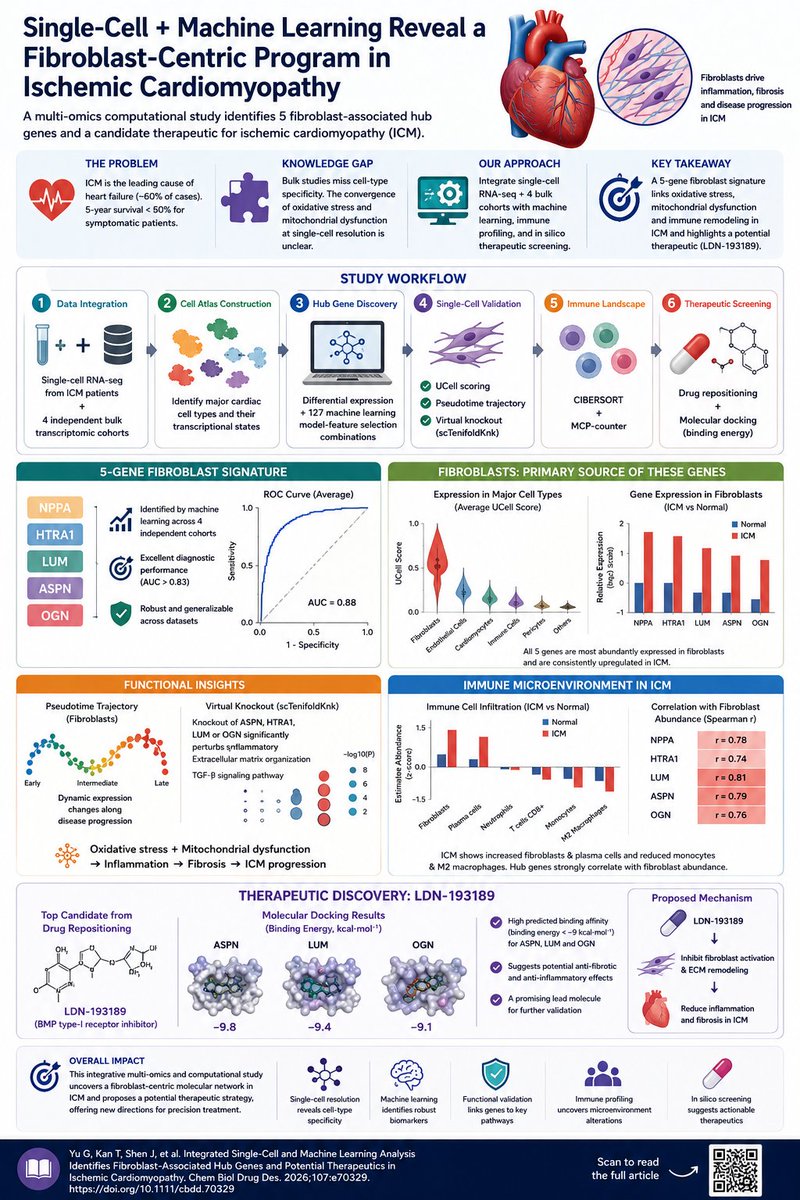
❤️ Single-Cell Machine Learning Reveal a Fibroblast-Centric Program in Ischemic Cardiomyopathy
Why do some hearts continue to deteriorate long after the initial ischemic injury?
A new study in Chemical Biology & Drug Design combined single-cell RNA sequencing, machine learning, immune deconvolution, pseudotime analysis, virtual gene knockout, and molecular docking to uncover the cellular programs driving ischemic cardiomyopathy (ICM).
The investigators integrated scRNA-seq data with four independent transcriptomic cohorts, creating a high-resolution cellular atlas of human ICM. Among 127 machine-learning model combinations, a robust 5-gene diagnostic signature emerged:
🧬 NPPA
🧬 HTRA1
🧬 LUM
🧬 ASPN
🧬 OGN
These genes consistently achieved strong diagnostic performance across independent datasets (AUC > 0.83).
The most striking finding?
All five genes were predominantly expressed in cardiac fibroblasts, identifying fibroblasts as a central orchestrator of ischemic remodeling. Single-cell analyses showed these genes were consistently upregulated in ICM hearts, particularly within fibroblast populations.
Functional analyses pointed toward a shared biological theme:
⚡ Oxidative stress
⚡ Mitochondrial dysfunction
⚡ Extracellular matrix remodeling
⚡ TGF-β signaling
⚡ Inflammatory regulation
Virtual knockout experiments revealed that disruption of ASPN, HTRA1, LUM, or OGN consistently perturbed inflammatory-response pathways, highlighting a fibroblast-driven inflammatory network that may fuel disease progression.
Immune profiling added another layer.
ICM samples showed:
⬆️ Increased fibroblast infiltration
⬆️ Increased plasma cells
⬇️ Reduced monocytes and M2 macrophages
Moreover, all five hub genes strongly correlated with fibroblast abundance, linking fibrosis and immune remodeling into a unified disease program.
The therapeutic angle is particularly interesting.
Computational drug repositioning identified LDN-193189, a BMP type-I receptor inhibitor, as the top candidate. Molecular docking predicted strong binding to ASPN, LUM, and OGN, with binding energies below −9 kcal/mol, suggesting potential anti-fibrotic activity in ICM.
Why this matters
Heart failure research has traditionally focused on cardiomyocytes. This study shifts attention toward fibroblast-centered inflammatory remodeling, suggesting that fibroblasts are not merely scar-forming cells but active regulators of oxidative stress, immune signaling, and disease progression.
The combination of single-cell biology, machine learning, and in silico therapeutics provides a blueprint for discovering actionable targets in complex cardiovascular diseases.
Reference
Yu G, Kan T, Shen J, et al. Integrated Single-Cell and Machine Learning Analysis Identifies Fibroblast-Associated Hub Genes and Potential Therapeutics in Ischemic Cardiomyopathy. Chemical Biology & Drug Design (2026). DOI: 10.1111/cbdd.70329.
#Cardiology #HeartFailure #IschemicCardiomyopathy #SingleCellRNAseq #MachineLearning #Fibroblasts #CardiacFibrosis #SystemsBiology #DrugDiscovery #PrecisionMedicine #Bioinformatics #CardioResearch
4
12
695
自己紹介させていただきます。
Sedatの弟子です。
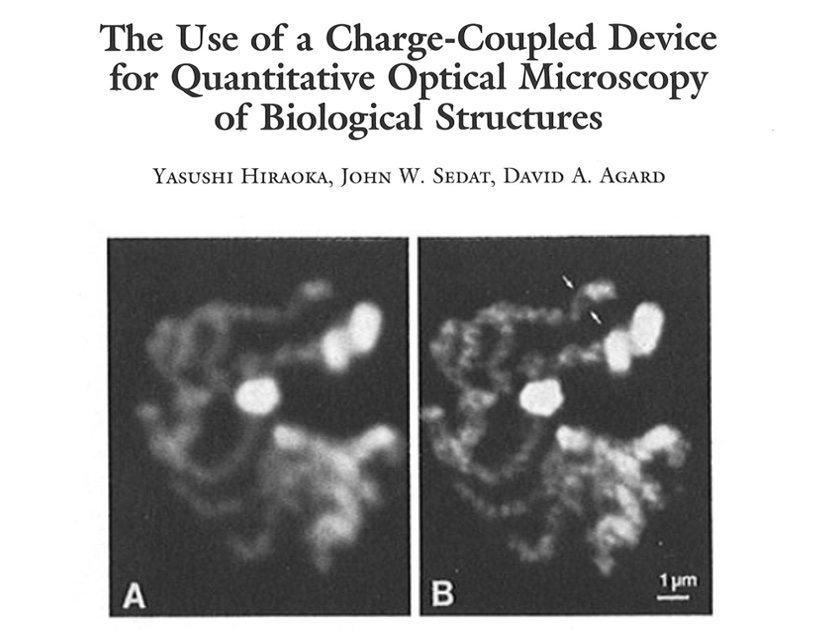
deconvolution 顕微鏡は ↓ デジタル顕微鏡の草分け
Hiraoka Y, Sedat JW & Agard DA (1987).
The use of a charge-coupled device for quantitative optical microscopy of biological structures.
Science 238, 36–41. doi.org/10.1126/science.3116…
3
21
1,056

Given the known limitations of PIXE spectral deconvolution, which software approach did they use to allocate the signals obtained to Aluminium?
Where is the aluminium hydroxide?
Don’t post a figure. Point at it in an image.
1
5
89

Jun 4
It's been amazing to watch @joshim5, @jackdent, and team work at speed.
This is the wrong time to be a goalpost mover or a chronic under-estimator of ML velocity, and my team at @_DimensionCap would agree.
Chai is speed-running what I thought would take years and years. I'm asking myself all sorts of new questions now, mostly about what would be possible if biologic design cost/time asymptotes towards 0.
Today, I still think folks are not thinking creatively enough about what happens here. From having immediate/potent tool compounds, to mechanistic deconvolution, to reagents that actually work without dressing up Western blots in MS paint. Oh, and amazing therapeutics too.
The sky is the limit!
Jun 4

Today we are announcing our collaboration with Pfizer to put Chai's frontier AI—including our latest model, Chai-3—directly into the hands of one of the world's leading pharmaceutical teams.
1
4
48
5,501

Jun 3
The nicely fused mitochondrial network of a human CAR T cell that I generated via CRISPR knock-in. TOMM20 AF488 staining. Imaged on a @zeiss_micro LSM880 in Airyscan mode with some light deconvolution in @ImarisSoftware
Gonna try crank the resolution on the Elyra in SIM mode tomorrow. First time doing proper microscopy since being at @salkinstitute. Fun!
1
1
11
722

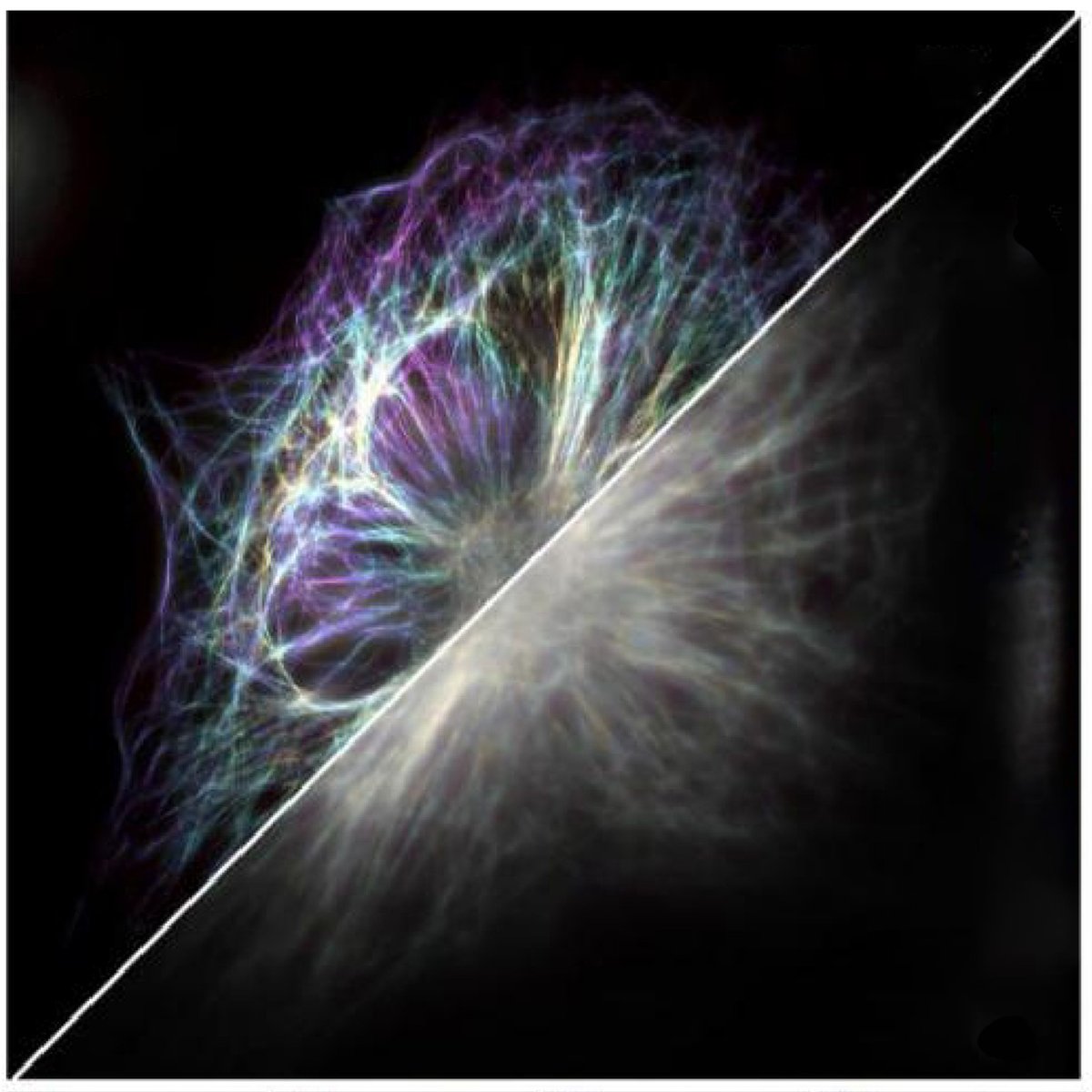
Volume 51 Issue 11 of #OPG_OL is now live: bit.ly/4dYJHyo
The featured color-coded projection compares parallel image-scanning autocorrelation-deconvolution microscopy and widefield illumination.
See details at Xiao et al.: bit.ly/3PVDZVZ
5
5
279

Jun 2
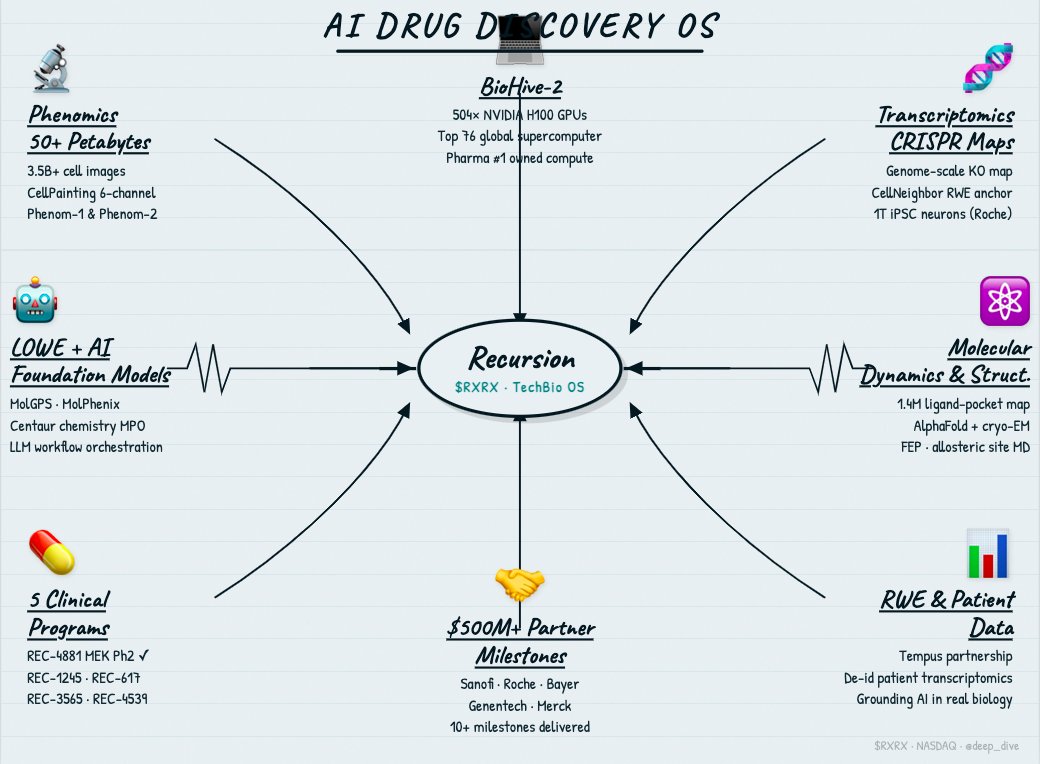
Recursion Pharma $RXRX Speed Dive 🙇♂️
Biology is the most complex information system ever assembled by physics. Recursion is attempting to map it entirely — generating a mathematical representation of cellular state space so complete that finding a drug target becomes a query, not a decade of experiments.
Phenomics — The Physics Layer — Processing data on BioHive-1, Recursion developed a family of foundation models called Phenom. They turn a series of microscopic cellular images into meaningful representations for understanding the underlying biology. Much like how LLMs are trained to generate missing words in a sentence, Phenom models are trained by asking them to generate the masked-out pixels in images of cells. This dive explains the masked autoencoder Vision Transformer architecture and why the 1024-dimensional cell embedding is a genuine systems-level readout of all active signaling cascades simultaneously.
Transcriptomics — The transcriptomics and phenomics data are analyzed through a series of mapping transformations and embedded by AI models into a mathematical space, allowing calculation of metrics about and between each perturbation. Together these data build maps of biology, and in those maps relationships are discovered which can further be tested in labs. The genome-scale CRISPR knockout map and the CellNeighbor RWE framework (AACR 2026) are analyzed in depth.
Physics / Molecular Dynamics — The Protein Target Data Layer mapped 1.4 million active ligands to binding pockets for structure-based drug discovery and target deconvolution. Centaur has been integrated into more than 10 design cycles, with Recursion's AI synthesis planning capability showing a 25% improved tractability assessment of AI-generated compounds over competitors.
BioHive-2 — BioHive-2, an NVIDIA DGX SuperPOD with 63 DGX H100 systems and 504 NVIDIA H100 Tensor Core GPUs interconnected by NVIDIA Quantum-2 InfiniBand networking, results in four times faster speeds than BioHive-1 and is the fastest supercomputer wholly owned and operated by any pharmaceutical company worldwide.
Clinical Proof — REC-4881 established clinical proof of concept for an allosteric MEK1/2 inhibitor in familial adenomatous polyposis, with significant reduction in precancerous polyps and demonstrated durability — the first AI-derived molecule with a potential first-in-class clinical profile.
Financials — The company achieved over $500 million in milestone and upfront payments, maintained 2026 cash operating expense guidance below $390 million — a 30% year-over-year reduction — and holds $665 million in cash extending runway into early 2028.
⚠ Not investment advice. Always conduct your own due diligence.
2
7
1,211

Jun 1
How Can AI Agents Run Immune Pathway Analysis from Bulk RNA-seq Data?
- Immune cell fraction estimation or deconvolution
- Gene-level differential expression without pathway scoring
- Single-cell clustering, annotation, or communication analysis
- Clinical diagnosis or treatment selection This skill only covers bulk immune pathway GSVA or ssGSEA analysis from a local immune gene-set table.
Read the full article here: aipoch.com/blog/ai-immune-pa…
2
1,323

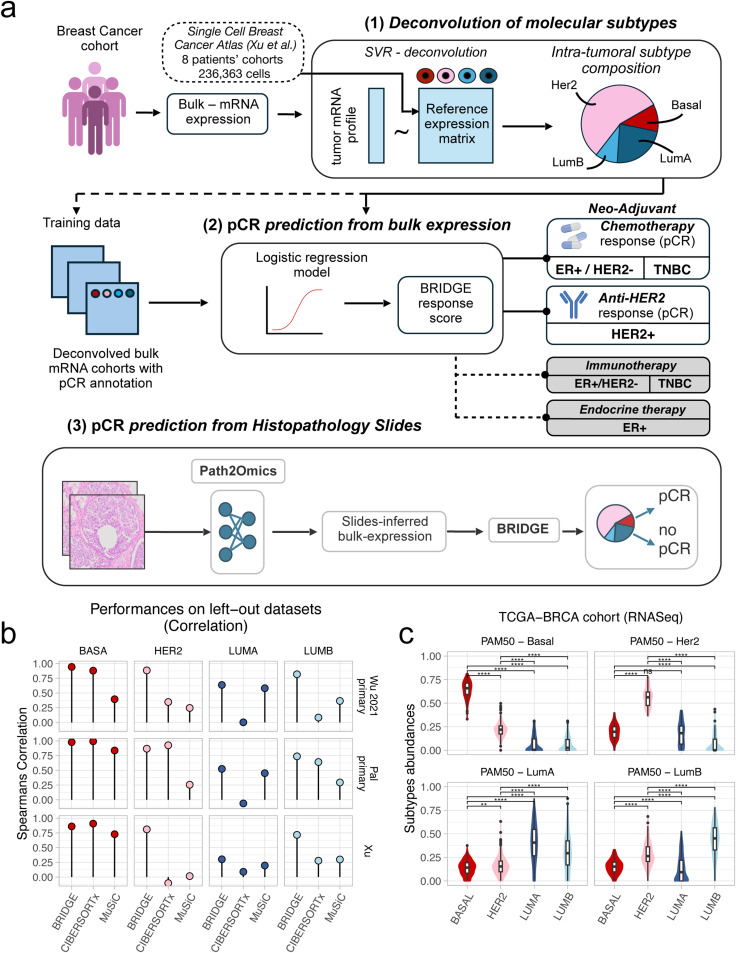
🆕BRIDGE (BReast Intra-tumoral Deconvolution of Gene Expression) can predict response to neoadjuvant therapy by deconvolving transcriptomes of breast tumors and estimating their subtype composition
For the full article see:
doi.org/10.1016/j.annonc.202…
11
18
1,956
