
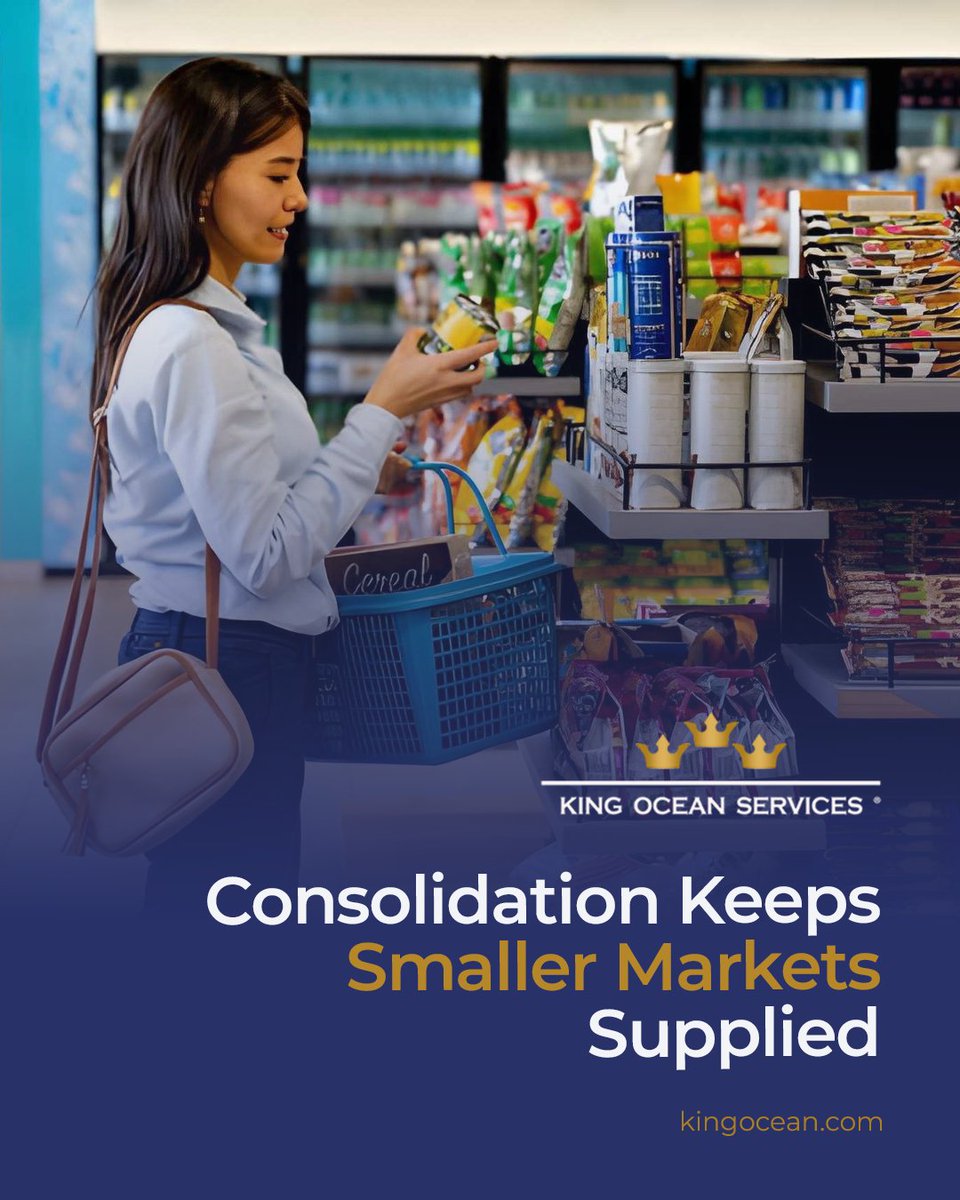
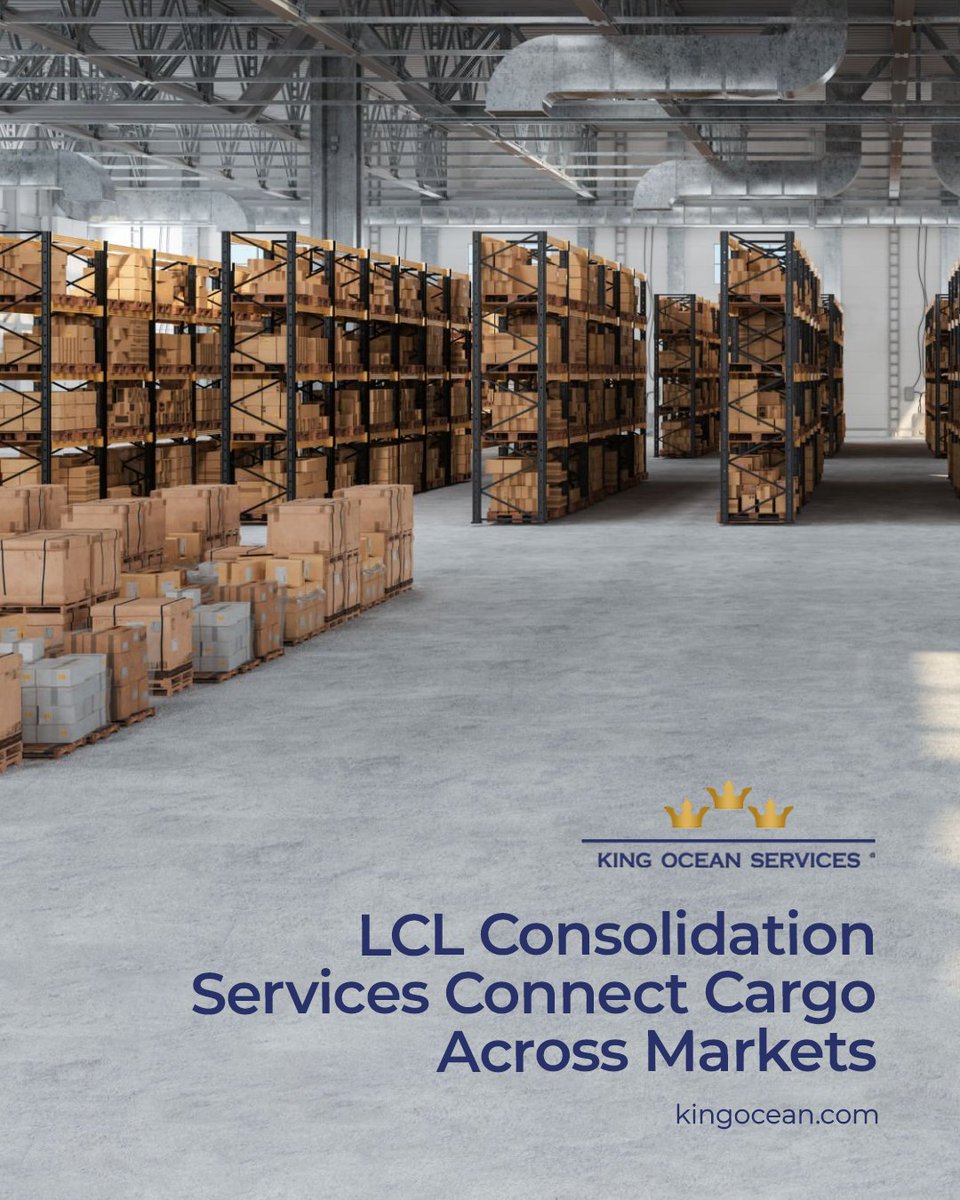
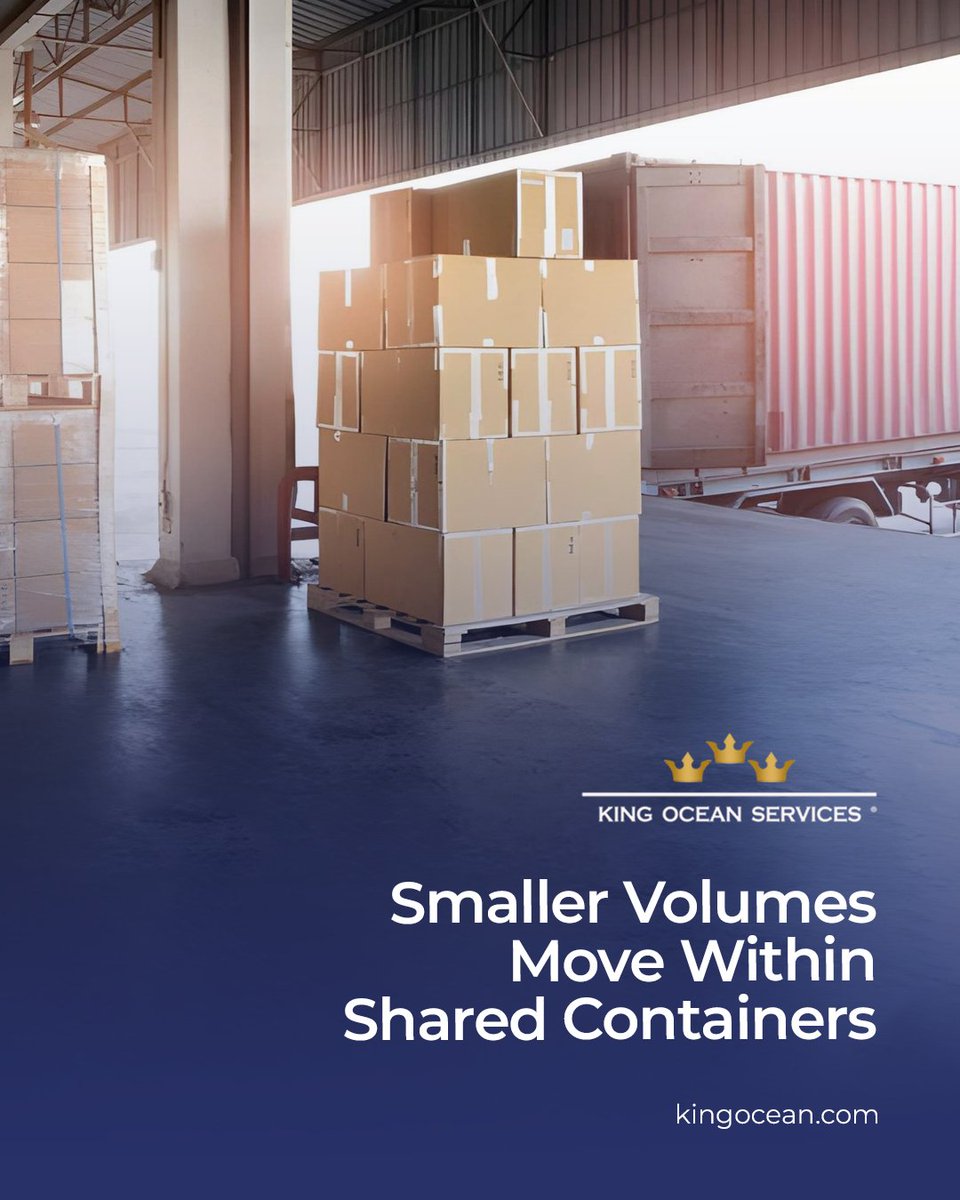
Consolidation enables steady cargo flow into smaller Caribbean markets 📦🌎
Contact us to learn how LCL fits your logistics strategy. kingocean.com/contact-us/
#lclshipping #caribbeanlogistics #distributionstrategy #freightinsight #kos
1
1
23

May 25
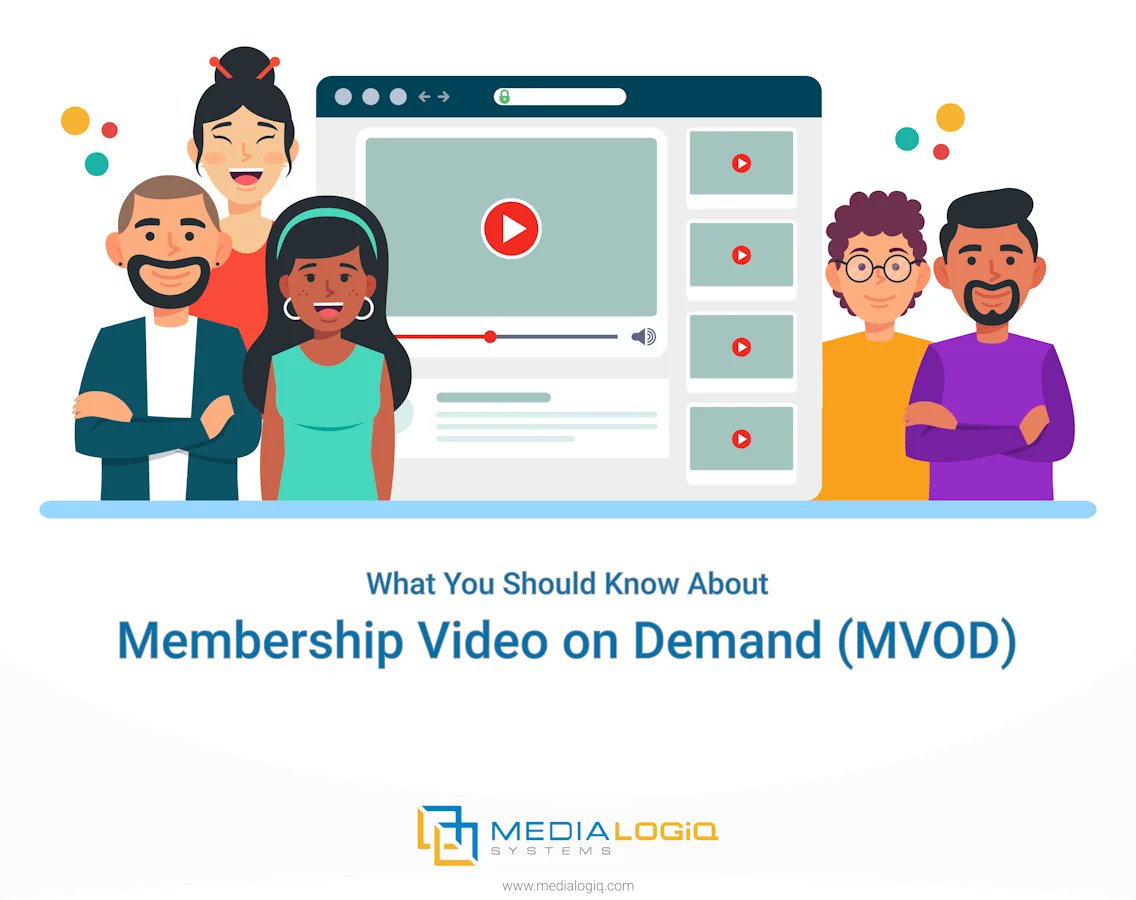
What You Should Know About Membership Video on Demand (MVOD)
The streaming industry has changed dramatically over the past decade. What began as a simple alternative to traditional television has evolved into a diverse digital ecosystem that includes subscription platforms, creator-driven services, educational networks and community-based streaming experiences. As audiences increasingly seek more personalized and engaging forms of entertainment and learning, new business models have emerged to meet those expectations.
One of the most important of these models is Membership Video on Demand, commonly known as MVOD. Although the term is sometimes confused with traditional subscription streaming, MVOD represents a different approach to audience engagement — one that focuses not only on access to video content, but also on membership, community, exclusivity and long-term relationships between platforms and viewers.
Understanding how MVOD works is becoming increasingly important for media companies, creators, educators and streaming platforms navigating the future of digital distribution.
What Is Membership Video on Demand?
Membership Video on Demand (MVOD) is a streaming model in which users gain access to video content through a membership-based relationship rather than through simple transactional subscriptions or other traditional VOD monetization models.
In an MVOD platform, viewers are not treated merely as customers purchasing access to a content library. Instead, they become members of a broader ecosystem built around creators, organizations, institutions, brands or communities. The membership often includes additional benefits that go beyond video streaming itself.
These benefits may include:
▪ exclusive programming,
▪ early access to new releases,
▪ live events and livestreams,
▪ direct interaction with creators,
▪ educational resources,
▪ community discussions,
▪ premium services,
▪ institutional access through libraries and organizations.
Because of this broader relationship, MVOD platforms often create stronger audience loyalty and engagement than traditional streaming models focused solely on one-way content consumption.
Why MVOD Has Become More Popular
The rise of MVOD reflects major changes in audience behavior and digital media consumption. Modern viewers increasingly want more than passive entertainment. Many audiences now value exclusivity, participation, personalization and community interaction.
At the same time, creators and media organizations are searching for sustainable ways to build direct relationships with audiences without depending entirely on advertising revenue or large distribution companies.
The MVOD model offers several important advantages for both platforms and content creators. Because it emphasizes ongoing membership relationships rather than simple transactional access, MVOD often leads to stronger long-term audience loyalty and higher levels of engagement. The model also provides more stable recurring revenue streams while allowing creators and media companies greater independence from traditional advertising systems and third-party distributors.
In addition, MVOD is especially well suited for niche programming and specialized communities, where highly engaged audiences are often more valuable than broad mass-market reach. As a result, MVOD has expanded well beyond entertainment and is now widely used in education, public media, fitness, professional training and creator-driven digital platforms.
Examples of MVOD Platforms
One of the clearest examples of MVOD is @Patreon. Through @Patreon, creators offer exclusive videos, livestreams, behind-the-scenes content and direct engagement to paying members who support their work.
Another well-known example is Nebula (@WatchNebula), a creator-focused streaming service that emphasizes educational and documentary-style programming supported directly by members rather than traditional advertising systems.
In entertainment and comedy, @Dropout has become a successful MVOD platform by combining exclusive original programming with a highly engaged membership community.
Educational streaming services also frequently use the MVOD model. @MasterClass offers premium instructional video courses taught by experts, celebrities and professionals, while @CuriosityStream provides specialized science, history, technology and nature programming to members interested in educational content.
Public and institutional streaming services also demonstrate MVOD principles. @PBS offers @PBS Passport, which gives expanded streaming access to viewers who financially support local @PBS stations through memberships and donations.
Similarly, @HooplaDigital and @Kanopy provide movies, documentaries and educational content through university and public library memberships rather than traditional direct subscriptions.
MVOD Beyond Entertainment
One of the defining strengths of MVOD is its flexibility. Unlike traditional streaming models that focus mainly on television and movies, membership-based video services have expanded into many industries.
Educational platforms use MVOD systems to combine:
▪ instructional video libraries,
▪ certifications,
▪ coaching,
▪ live classes,
▪ interactive learning communities.
Fitness and wellness services combine streaming workout videos with personalized programs and member engagement. Professional training services use membership-based video systems for continuing education and skill development.
In many of these industries, the membership experience itself becomes just as important as the video content.
Challenges of the MVOD Model
Although MVOD offers many advantages, it also requires ongoing effort to maintain audience loyalty and engagement. Unlike purely transactional streaming services, MVOD platforms depend heavily on trust, interaction and consistent value creation. Successful membership-based services must continuously provide fresh and meaningful experiences through regular content updates, strong community management, creator interaction, exclusive features and long-term relationship building with audiences.
Because the value of MVOD extends beyond simple content access, maintaining audience engagement becomes especially important. If members no longer feel personally connected to a platform, creator or community, they may lose interest in maintaining their memberships. For this reason, successful MVOD platforms often invest heavily in audience communication, community engagement and premium member experiences that strengthen long-term loyalty.
MVOD vs. SVOD: What’s the Difference?
MVOD is closely related to Subscription Video on Demand (SVOD), but the two models are not identical.
SVOD refers to the traditional subscription streaming model used by services such as @Netflix, @DisneyPlus, @HBOMax and @Hulu. In this system, viewers pay a recurring monthly or annual fee for unlimited access to a content library.
The SVOD model focuses primarily on content access and large-scale entertainment distribution. Platforms compete through:
▪ massive content libraries,
▪ high-budget productions,
▪ exclusive licensing agreements,
▪ broad mainstream appeal.
MVOD, by contrast, emphasizes membership and audience participation in addition to content access. The broader value comes from community engagement, exclusivity, creator relationships, educational experiences or institutional affiliation.
The difference can be summarized simply:
▪ SVOD primarily sells access to content.
▪ MVOD sells access to a membership experience built around content.
For example, @Netflix succeeds through the size and variety of its entertainment catalog, while Nebula (@WatchNebula) focuses on building a loyal membership community around educational creators and independent programming. Likewise, @PBS Passport and @Kanopy rely on institutional and community membership systems rather than purely commercial subscriptions.
Another important distinction between MVOD and traditional SVOD models involves content exclusivity and distribution rights. In the streaming industry, rights granted for MVOD distribution may differ from those granted for SVOD, AVOD, TVOD or other VOD monetization models. A content owner may license the same program to multiple platforms under different types of VOD rights, depending on the terms of the agreement, territorial restrictions, release windows and exclusivity provisions.
For example, a documentary series might appear on an SVOD platform such as @Netflix under a traditional subscription agreement while also being distributed through an MVOD educational platform or creator membership service under separate rights. In some cases, MVOD rights may be exclusive to a particular membership community or institutional platform, while other VOD rights remain non-exclusive or available through different monetization channels.
As streaming ecosystems become increasingly complex, many distributors and rights holders now manage overlapping VOD rights across multiple business models simultaneously. This makes clear rights tracking and licensing management especially important for companies distributing content across MVOD, SVOD, AVOD, TVOD and hybrid streaming platforms.
The Future of MVOD
As streaming continues to evolve, the line between MVOD and traditional subscription streaming is becoming increasingly blurred. Many platforms now incorporate features associated with membership ecosystems, including exclusive communities, live interaction, personalized experiences and premium access tiers.
This reflects a broader shift in digital media consumption: audiences increasingly want participation and connection, not just passive viewing.
MVOD reflects this transformation particularly well. By combining streaming content with community, exclusivity, education and audience engagement, membership-based video platforms are helping shape the future of digital media and online entertainment.
Managing MVOD Rights and Distribution
As membership-based streaming platforms continue to grow, rights management has become increasingly important for content owners, distributors and streaming services. MVOD distribution often involves complex licensing structures that may include territorial rights, platform restrictions, membership windows, exclusivity periods, educational access, institutional licensing and multi-platform distribution agreements.
Because MVOD services frequently combine traditional streaming with community features, educational access or creator-driven memberships, managing these rights efficiently requires flexible and detailed rights management tools. Content owners must be able to track where content can be distributed, under which membership models it may appear, how long licenses remain active and which partners or platforms have authorization to stream specific assets.
#MediaRights supports MVOD rights management alongside other major VOD business models, including SVOD, TVOD, AVOD, FVOD and hybrid distribution models. The platform allows media companies and distributors to manage licensing agreements, distribution rights, content availability windows, territorial restrictions and digital asset tracking within a centralized system designed specifically for modern media operations.
As streaming ecosystems continue to diversify, having the ability to manage MVOD-specific licensing and distribution rights becomes increasingly valuable for organizations operating across multiple digital platforms and monetization models.
Visit our website (medialogiq.com/mediarights) or contact us at info@medialogiq.com today to learn more about #MediaRights.
#VOD #MVOD #SVOD #TVOD #AVOD #FVOD #OTT #OverTheTop #DistributionRights #DistributionStrategy #MediaDistributionRights #FilmDistributionRights #TVDistributionRights #FilmDistribution #TVDistribution #MediaLicensing #FilmDistributionSoftware #TVDistributionSoftware #RightsLicensing #RightsManagement #RightsManagementSoftware #media #ContentDistribution #filmtech #contenttech #entertainment #content #film #movies #tv #tvshow #tvseries
2
4
43

4 Dec 2025
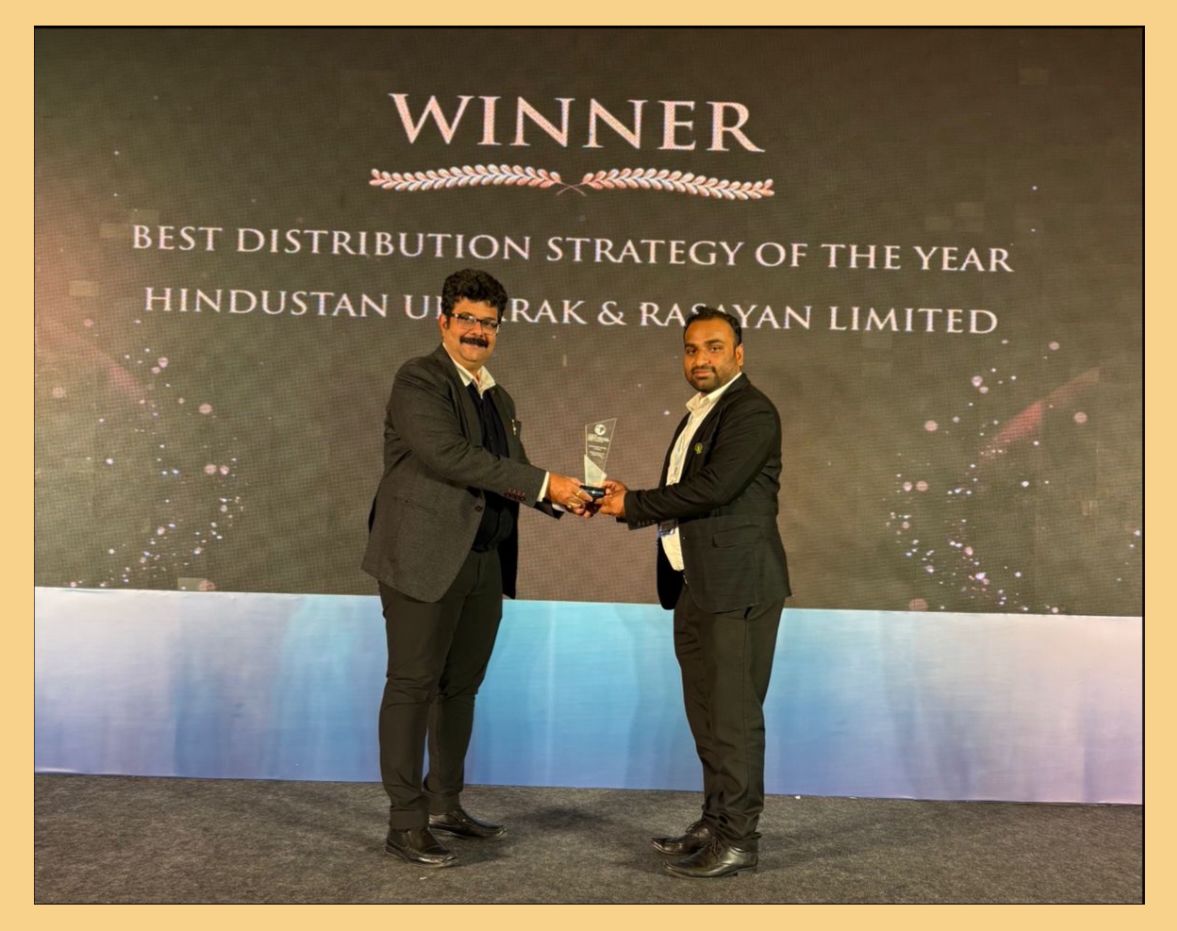
Proud to share that HURL has been honoured with the Best Distribution Strategy of the Year at the 11th Edition Future of Supply Chain, Logistics & Warehousing Summit & Awards 2025, held at Le Méridien, Gurgaon.
This achievement celebrates HURL’s vision, leadership, and the collective strength of its dedicated teams, setting new benchmarks in speed, precision, and efficiency across the supply chain.
Moving faster, planning smarter, and delivering excellence, always leading the future.
#HURL #AwardWinning #SupplyChainExcellence #LogisticsLeadership #FutureReady #TeamHURL #UBSForum #DistributionStrategy

2
8
223

2 Dec 2025
The reality of "Achieving early Product-Market Fit (PMF) Within a Niche Market" means prioritizing Distribution.
Watch the full Founders’ Friday session where Antony Kimani ( @kimaniantoni ) breaks down the strategy that took Akiba Miles from 10 daily users to 15,000 by solving the “Cold Start Problem.”
Anthony explains the difference between building and mastering distribution.
Learn the strategy behind achieving early Product-Market Fit (PMF) and how leveraging the MiniPay ecosystem provided the foundation for massive growth acceleration.
Full Session Replay: 👉 youtu.be/OXjlHrdwzpY
#FoundersFriday #ProductMarketFit #StartupLessons #DistributionStrategy #Web3
6
19
541

📍 Singapore. November 17–18. The future of distribution starts here.
Join IDC and CONTEXT at GTDC Summit APJ 2025 for two days of channel strategy, data-driven insight, and global perspective. See how our new intelligence model is giving distributors and vendors the edge they’ve been missing.
🔗 ow.ly/SoJ950XrZVo
#GTDC2025 #DistributionStrategy #ChannelLeadership
1
3
695

13 Oct 2025
How to Build Strong Distributor & Customer Relations | Dr Vivek Bindra x Anupam Bansal
#DrVivekBindra #LibertyShoes #AnupamBansal #BusinessStrategy #DistributionStrategy #CustomerRelationship #BadaBusiness #BrandBuilding #TheBadaBusinessPodcast
1
397

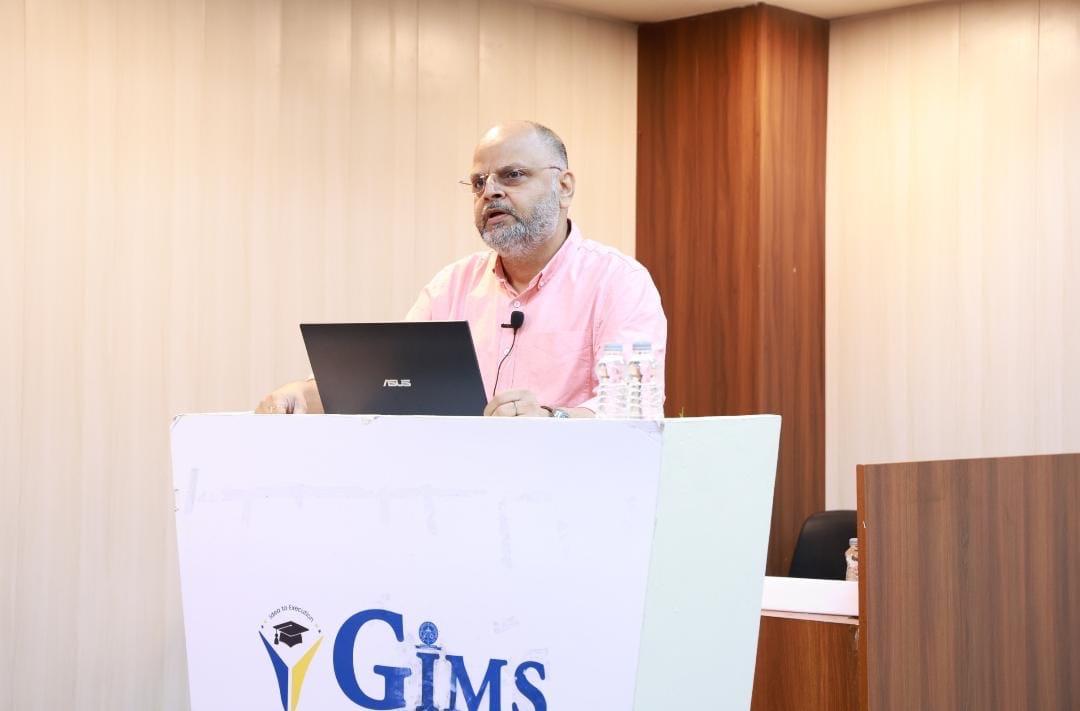
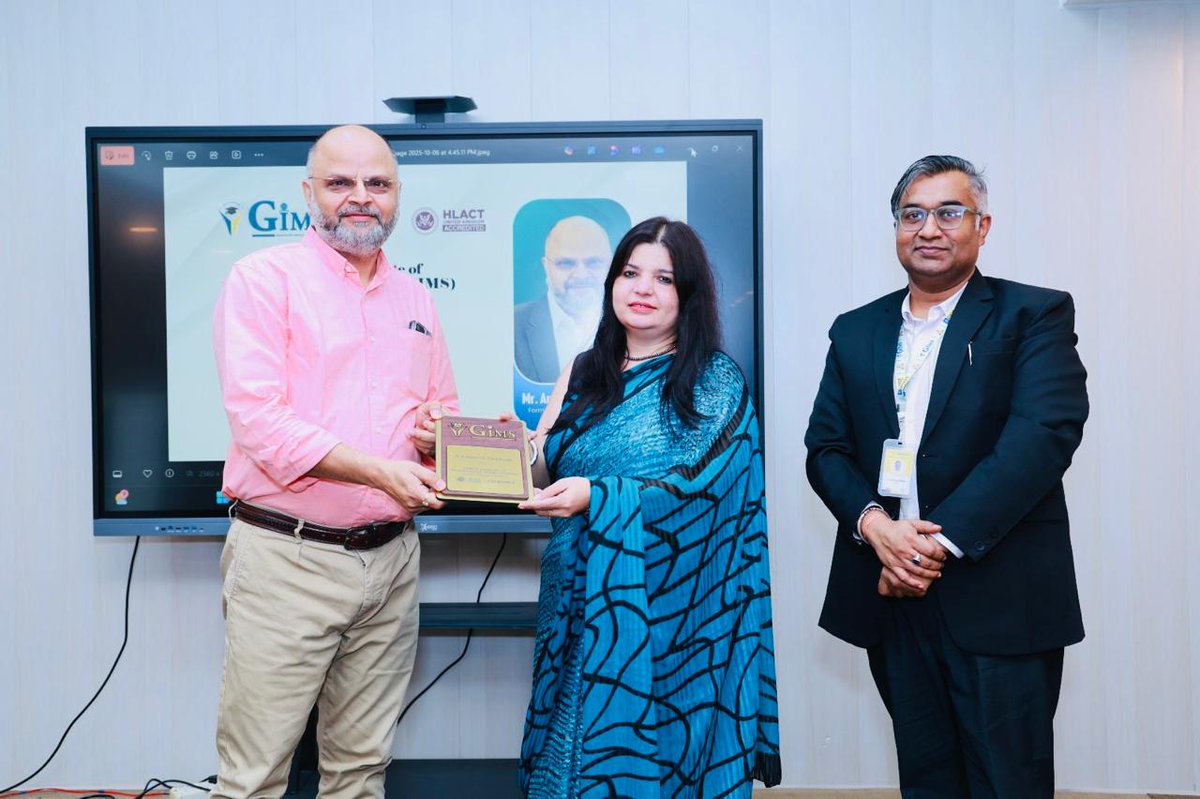
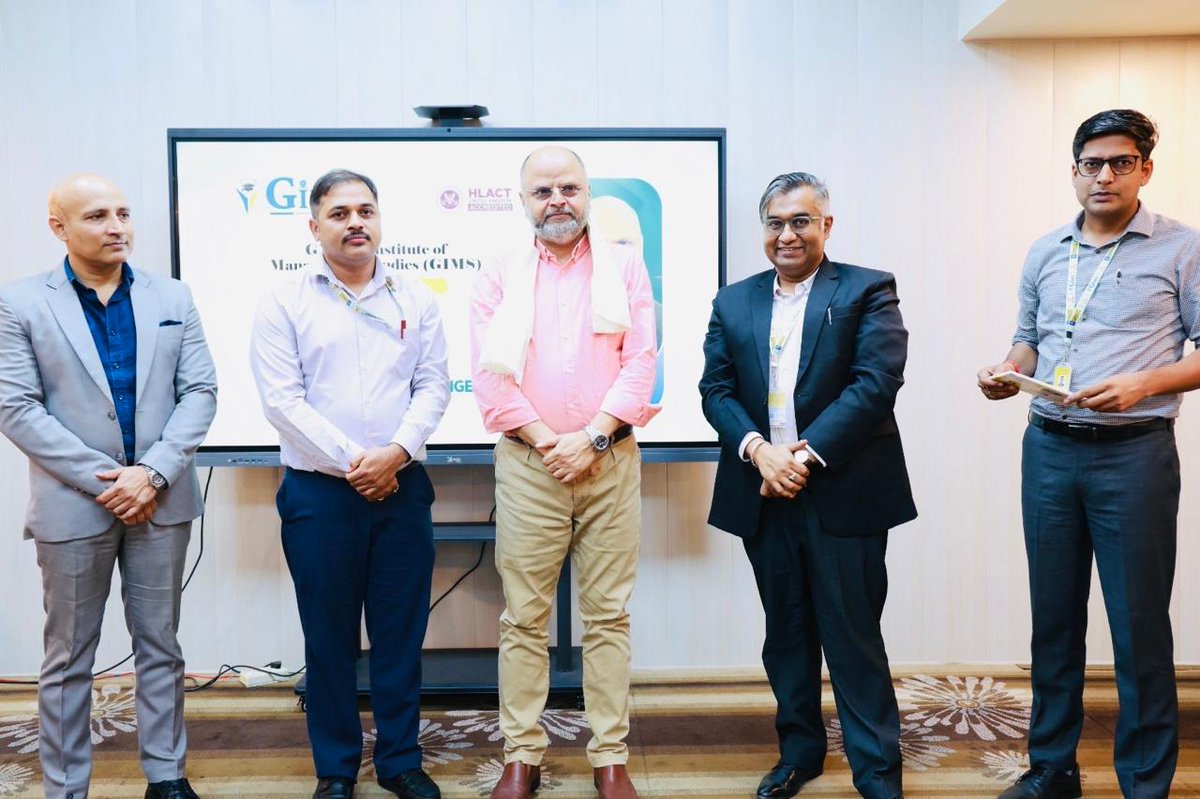
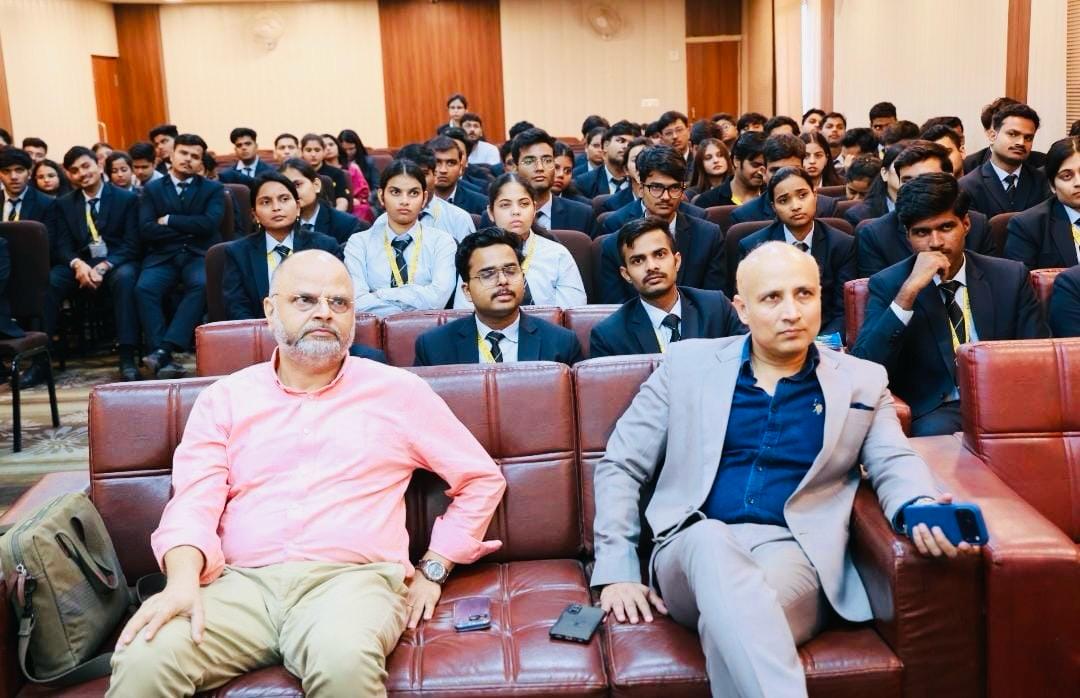
GIMS Greater Noida hosted a MarketingMavericks Masterclass on “Distribution in the Modern Age” with Mr. Amit Chaturvedi, Ex-VP @ Haier. Students gained real-world insights into ChannelManagement & DistributionStrategy.
#GIMS #PGDM2025to27 #MarketingEducation #FutureMarketers
5
95

20 Sep 2025
Product, pricing, and distribution all go hand in hand. They are all critical to the success of your startup
Task #98 from the original 120 task list I wrote last year, is about getting your product out
🚚 Task #98: Distribution strategy — Agree and document the distribution strategy, including any distribution partners
🚀 Distribution is the bridge between your product and your customers
#distributionstrategy #go2market #startuplaunch #founders #startuplogistics
1
3
161

18 Aug 2025
Content and distribution go hand-in-hand! 🤝
A great content strategy means nothing without a strong distribution plan. And here are your options that you can use
🔹 Organic reach
🔹 Paid reach
Want to learn more? Our free online marketing guide is packed with tips! Comment "GUIDE" below to get your copy. 📩
👉Follow our Free WhatsApp Channel and get daily Marketing tips and updates
whatsapp.com/channel/0029Vb5…
#ContentStrategy #DistributionStrategy #OnlineMarketing #DigitalMarketing #BusinessTips #SocialMediaMarketing #AxhelaDigital
5
82

23 Jun 2025
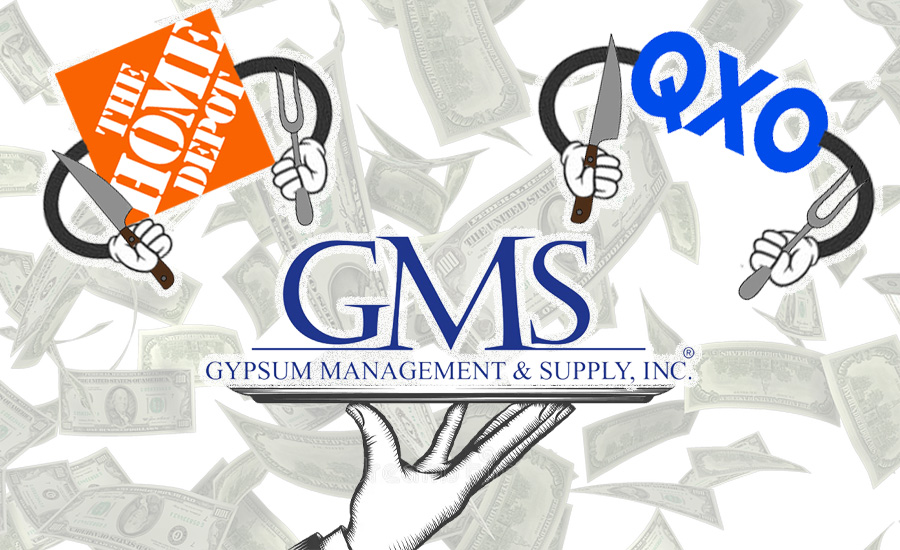
The future of Gypsum Management and Supply (GMS) hangs in the balance as The Home Depot challenges QXO’s $5B bid, signaling a high-stakes clash of strategy and scale in the building supply sector.
#DistributionStrategy #MergersAndAcquisitions brnw.ch/21wTCU2
4
255

26 Feb 2025
We understand that effective distribution isn’t just about moving products but a blend of strategy, precision, and market insight.
Our distribution-focused research helps businesses optimise their reach by identifying key retail opportunities, ensuring brand visibility, and improving customer experience at every point of sale.
With data-backed strategies, we help businesses refine their distribution models, improve efficiency, and gain a competitive edge in diverse markets.
Looking to optimise your distribution network? Let's talk!
#RDMAfrica #MarketResearch #DataDriven #DistributionStrategy #DistributionResearch #ManagementConsulting
3
29

25 Feb 2025
Your Content Isn’t the Problem—Your Distribution Is.
Blame the Algorithm All You Want—It’s Not the Problem.
“If my content was better, it would get more engagement.”
Wrong.
Plenty of great content dies in obscurity—not because it’s bad, but because nobody sees it.
The real issue? Weak distribution.
Here’s how to get your content in front of more people:
→ Stop treating posts like one-and-done. – Reshare. Repost. Resurface. If it’s valuable, it’s still relevant.
→ Repurpose like a pro. – One idea = multiple formats (tweet, carousel, newsletter, video).
→ Use your network. – Get your team, audience, and industry peers involved in sharing.
The brands winning aren’t posting more—they’re distributing better.
Content doesn’t disappear. It just stops being seen when you stop pushing it.
What’s one way you’re improving content distribution this year? Drop it below.👇
#DistributionStrategy #ContentVisibility
1
3
22

20 Dec 2024
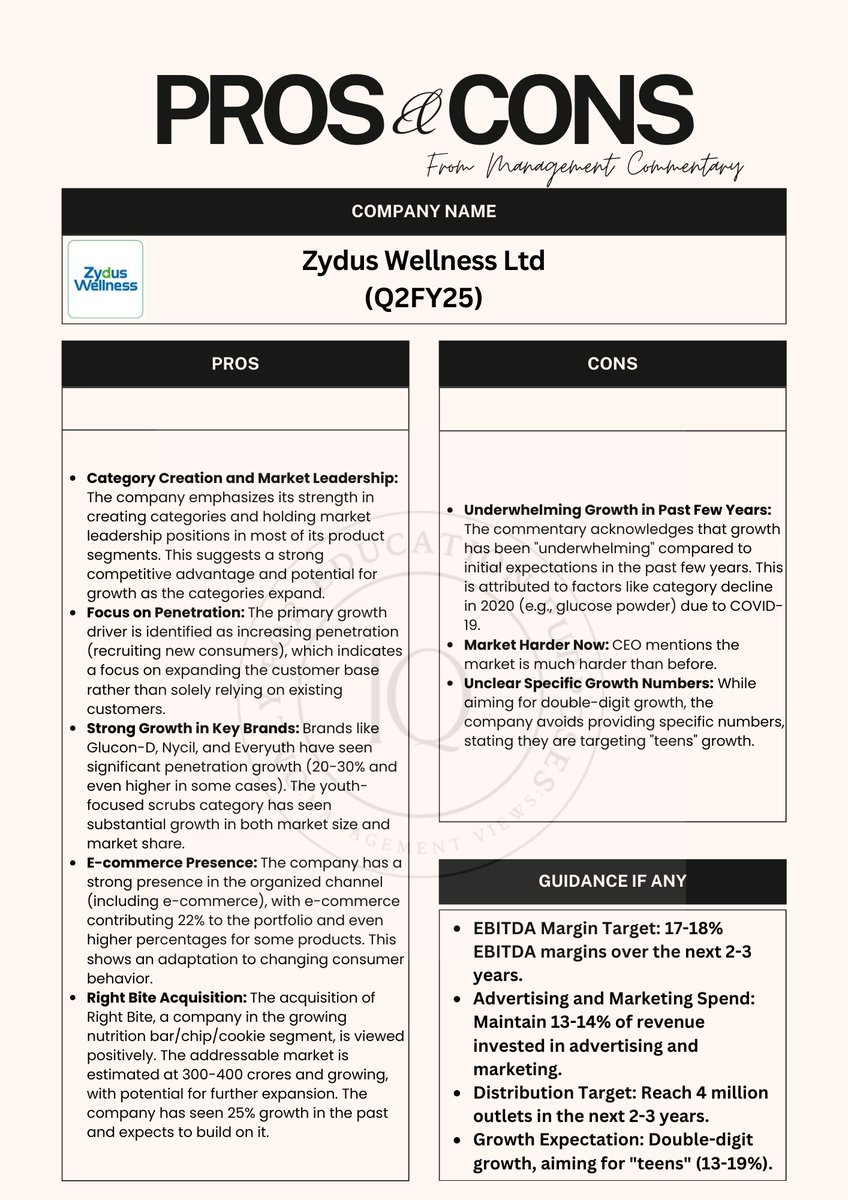
✍️ Zydus Wellness Ltd:
✅ Achieved growth ahead of industry despite challenges
✅ Well-prepared for building double-digit growth across portfolio
✅ Most brands are category creators and market leaders
✅ Distribution reach increased from 1.8M to 3M outlets in 3-4 years
✅ E-commerce/organized channels now 22% of business
✅ Seen 20-30% growth in penetration levels across portfolio
✅ Market share gains in key categories like scrubs
⚠️ But, Watch Out For:
❎ Growth has looked "underwhelming" in recent years vs expectations
❎ Some categories like glucose powder saw significant declines during COVID
❎ Margins came under pressure during high inflation period
📊 Guidance:
🎯 Expect to achieve 17-18% EBITDA margins over next 2-3 years
🎯 Targeting 4M outlet distribution reach in next 3 years
🎯 Aiming for "teens" growth rate going forward
🎯 Plan to maintain 13-14% of revenue spent on advertising/marketing
#ZidusWellness #EBITDA #ConsumerGoods #Innovation #DistributionStrategy #CategoryLeadership #FinancialGoals
ALT Management Commentary
1
4
225

30 Aug 2024
Independent distribution: How it’s changing the industry. Via @InsNewsNet insurancenewsnet.com/innarti… #IndependentDistribution #IndustryChange #InsuranceIndustry #DistributionStrategy #InsuranceInsights #LinkedInLive

1
2
39

3 Jul 2024
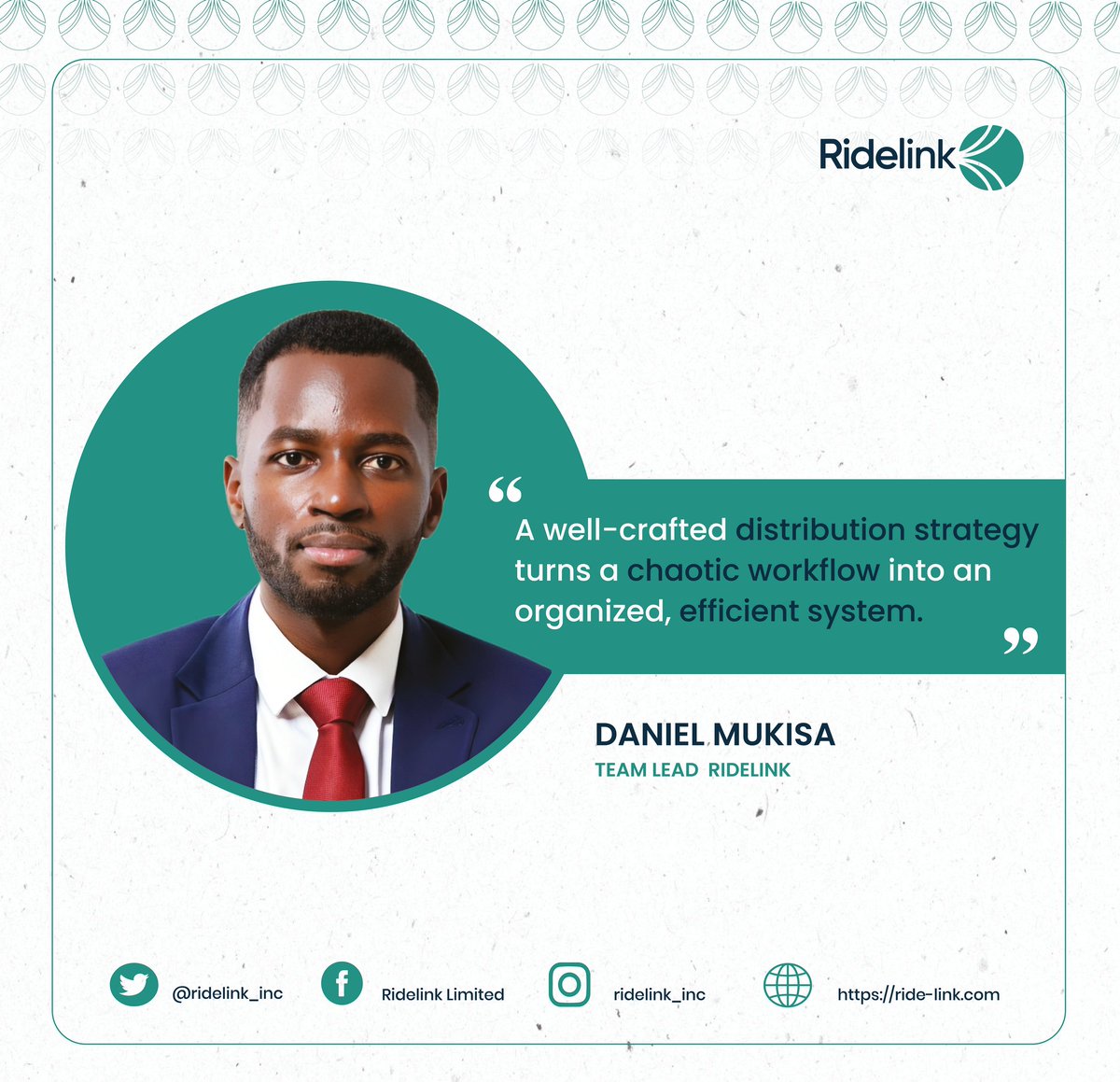
At Ridelink, we're committed to helping your business grow and flourish with the right strategy in place.
#BusinessGrowth #DistributionStrategy #Ridelink
5
11
456
29 May 2024
A Guide to Traditional and Modern Distribution Rights for Film and TV Content (Part 4)
In this series, we’ve navigated the complex world of media distribution rights, revealing how these rights enable filmmakers and content creators to share their work with audiences globally. We began by exploring the foundational concepts of core and ancillary rights, emphasizing their critical role in the distribution landscape. We then ventured into the realm of physical distribution rights, discussing traditional methods such as theatrical releases, home video and non-theatrical screenings. Subsequently, we shifted our focus to non-physical distribution rights, breaking down the essential elements that drive content delivery and revenue in the digital era.
Now, in this final chapter, we shed light on the last category of non-physical distribution rights: Video-on-Demand (VOD). We will discuss various monetization models of VOD, providing insights into how these models shape viewer experiences and enhance content accessibility. Following this, we will revisit ancillary rights, presenting a comprehensive overview of the additional revenue streams that extend beyond core distribution channels.
Video-on-Demand (VOD) Distribution Rights
Video-on-Demand (VOD) distribution rights enable content creators to deliver their works directly to audiences via internet streaming platforms. Unlike traditional linear television broadcasting, which operates on a fixed schedule with viewers tuning in at predetermined times to watch content interspersed with commercials, VOD offers unparalleled flexibility and control. Viewers can select and watch content on demand, at any time, on various internet-connected devices. This non-linear approach allows for continuous viewing of multiple episodes, pausing and resuming content, and accessing a diverse range of programming tailored to individual preferences. This transition to on-demand consumption has revolutionized content accessibility and significantly transformed the Over-The-Top (OTT) entertainment landscape.
VOD distribution features a spectrum of monetization models, each suited to distinct audience preferences and content strategies. Let’s look into the four prominent VOD distribution rights models:
▪ Free VOD (FVOD):
Free VOD platforms offer users access to content at no charge, removing financial barriers to content consumption. Viewers can watch videos without the need for subscription fees or transaction costs, ensuring easy accessibility for all. However, unlike other VOD models, FVOD services typically do not generate direct revenue from viewers. Instead, they rely on alternative sources such as donations, sponsorships or indirect means of support. Sometimes, creators or organizations use FVOD platforms to expand their audience reach and engagement, prioritizing accessibility over direct monetization.
▪ Advertising-Based VOD (AVOD):
Advertising-Based VOD platforms, similar to Free VOD, grant users access to content without any associated costs, ensuring widespread availability and ease of access. However, the primary distinction lies in the revenue model employed by AVOD platforms, which relies on advertisements. Users encounter ads either before, during or after viewing content, with the platform earning revenue from advertisers. This advertising revenue serves as the financial backbone, allowing AVOD platforms to offer free content to users while sustaining their operations.
▪ Subscription VOD (SVOD):
Subscription Video-on-Demand (SVOD) platforms operate on a subscription-based model, where users pay a regular fee for access to their content library. Subscribers enjoy an ad-free experience and unlimited streaming of movies, TV shows and even exclusive content at their convenience. SVOD platforms not only provide a reliable and recurring income stream but also offer subscribers a diverse and immersive entertainment experience spanning various genres and offerings.
▪ Transactional VOD (TVOD):
In contrast to Subscription VOD, Transactional VOD operates on a pay-per-transaction model, allowing users to rent or purchase individual titles for a one-time fee. With TVOD, viewers have on-demand access to the latest movie releases, premium content and other offerings without the long-term commitment associated with subscription-based services. This model is particularly popular for new movie releases, live events and exclusive content that may not be available on traditional streaming platforms. For content creators and distributors, TVOD offers a flexible distribution model that allows for targeted marketing and monetization strategies.
Ancillary distribution Rights
In the world of media distribution, content creators and rights holders have long recognized the value of ancillary distribution rights in maximizing revenue and expanding the reach of their intellectual property. Ancillary rights encompass a diverse array of opportunities beyond traditional distribution channels, offering new avenues for additional monetization and audience engagement. Understanding and strategically managing these rights is crucial for maximizing the potential of any creative project.
Here, we explore the details of four primary categories of ancillary distribution rights: Video Clips, Soundtrack, Format, Derivative Works and Merchandising, highlighting their significance and opportunities for content creators.
Video Clips
This involves licensing short excerpts or clips from the original content for various uses, such as promotional materials, advertisements, educational purposes, news segments and social media. Video clips can serve as teasers, highlight key moments or provide supplemental content that enhances the viewer’s engagement with the full work. Licensing video clips can be a lucrative source of income for the copyright holder, as they can be used across a wide range of platforms and media.
Soundtrack
These rights pertain to the music or audio components of the content, which can be licensed for use in other media productions, advertisements or sold as standalone products. Soundtracks can become valuable assets, contributing significantly to the overall brand identity of the content. They can be marketed through streaming platforms, physical album sales or incorporated into live performances and merchandise. Additionally, a well-received soundtrack can drive further engagement with the original content, enhancing its popularity and commercial success.
Format
Format rights encompass the intellectual property associated with a specific format or concept for media content, such as television shows, game shows or reality programs. This includes the fundamental structure, rules, themes and presentation style that define the essence of the program. Acquiring format rights grants production companies or broadcasters the permission to reproduce the same format in various markets or territories, tailoring it to suit local audiences while preserving the core elements of the original concept. This process enables the adaptation of content to different cultural contexts, languages and regulations, ensuring its relevance and appeal across diverse audiences worldwide.
Derivative Works
Derivative work rights are essentially the legal permission to create something new and creative that is inspired by or directly based on, the original work. This legal framework opens a door to a diverse landscape of derivative creations. These new works can take various forms, including adaptations that retell the story in different formats, such as novels based on movies or musicals based on TV shows. Additionally, they may involve prequels and sequels that expand upon the existing narrative by exploring backstories or continuing the storyline. Furthermore, derivative works can materialize as spin-off series, interactive video games or any other creative expression inspired by the original content.
Merchandising
Merchandising rights represent a crucial component of ancillary distribution in the media and entertainment industry, providing creators and rights holders with a strategic avenue to expand their intellectual property beyond its original form and into the realm of consumer products. These rights grant the legal authority to develop, produce and market merchandise inspired by the original content, spanning a diverse spectrum of physical and non-physical (digital) items:
▪ Physical:
Physical merchandising entails producing and selling tangible items that fans can buy and interact with. This includes products such as action figures, clothing, posters and accessories. These items enhance fan engagement and brand loyalty, turning fans into ambassadors who promote the content through their use of these goods, while also providing a significant revenue source for content creators and rights holders.
▪ Non-Physical (Digital):
non-physical merchandising, on the other hand, focuses on the creation of virtual or downloadable products that fans can access and enjoy through digital platforms. This encompasses a diverse range of digital goods and experiences, including mobile apps, desktop wallpapers, video games, e-books and virtual items within online communities and gaming environments. Digital merchandising leverages the power of technology and online distribution channels to reach audiences globally, offering immersive and interactive experiences that complement the original content.
Together, physical and digital merchandising rights afford content creators and rights holders the potential to create a multi-dimensional brand experience that surpasses traditional media boundaries. By strategically utilizing these rights, creators can deepen audience engagement, extend the lifespan of their intellectual property and unlock new revenue streams in an increasingly digital and connected world. From physical collectibles that fans proudly display on their shelves to engaging digital experiences that transport them into fantastical worlds, merchandising rights play a vital role in shaping the broader cultural impact and commercial success of entertainment franchises across the globe.
In conclusion, mastering media distribution rights is essential for creators to thrive in the dynamic entertainment landscape. Through a nuanced understanding and adept management of these rights, creators can forge impactful connections with global audiences, driving both cultural resonance and commercial success in an increasingly interconnected today’s world.
Visit our website (medialogiq.com/mediarights) or contact us at info@medialogiq.com today to learn more about how #MediaRights can empower your business.
#DistributionRights #DistributionStrategy #MediaDistributionRights #FilmDistributionRights #TVDistributionRights #NonPhysicalDistributionRights #VOD #FVOD #AVOD #SVOD #TVOD #AncillaryRights #VideoClips #soundtrack #format #FormatRights #DerivativeWorks #merchandising #MerchandisingRights #FilmDistribution #TVDistribution #FilmDistributionSoftware #TVDistributionSoftware #RightsLicensing #RightsManagement #RightsManagementSoftware #media #ContentDistribution #filmtech #contenttech #entertainment #content #film #movies #tv #tvshow
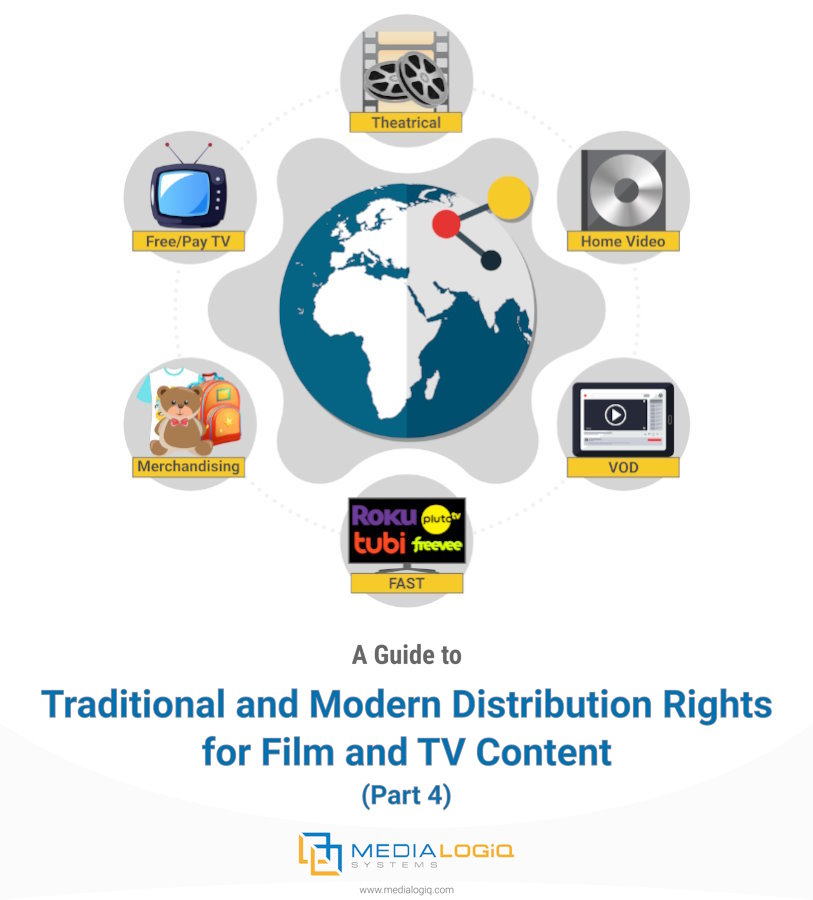
ALT A Guide to Traditional and Modern Distribution Rights for Film and TV Content (Part 4)

ALT An Overview of Ancillary Distribution Rights
2
5
79

23 May 2024
Follow @XSPELL_blog
Click on this link to learn more👇🟪
logisticsbyxspell.blog/2024/…
#SupplyChain #PeterDrucker #BusinessQuotes #CostReduction #DistributionStrategy #Efficiency #BusinessOptimization #SupplyChainManagement #OperationalExcellence #BusinessInsights #CorporateStrategy
ALT An image featuring a quote by Peter Drucker that reads, "Distribution represents the last frontier for significant cost reduction potential in the firm." The quote is displayed in a clear, bold font, emphasizing the importance of optimizing distribution channels to achieve substantial cost savings within a company.
1
2
419
14 May 2024
A Guide to Traditional and Modern Distribution Rights for Film and TV Content (Part 3)
In the first two parts of this series, we explored the fascinating world of media distribution rights, uncovering how these rights empower filmmakers and content creators to manage the intricate landscape of sharing their work with audiences. In the first part, we examined the fundamental concepts of distribution rights, distinguishing between core and ancillary rights. Core rights form the backbone of a film or TV show’s distribution strategy, while ancillary rights offer additional avenues for revenue generation through merchandise, soundtracks and other channels. Building upon this foundation, our second part dissected the realm of physical distribution rights, which encompass the traditional methods of delivering content through tangible media. We unraveled the nuances of theatrical, traditional home video and non-theatrical distribution.
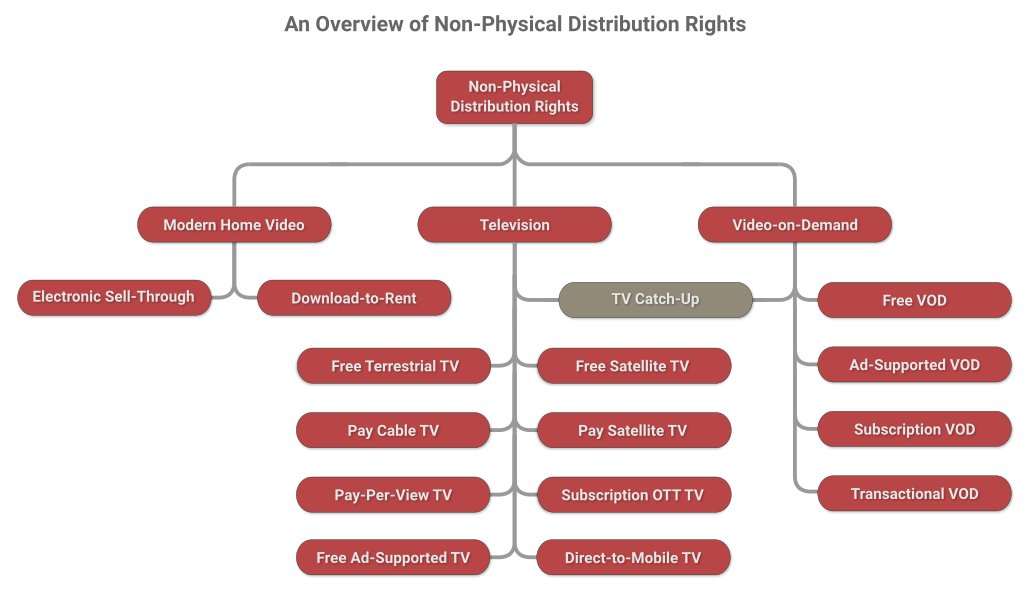
Now, in Part 3, we shift our attention to the ever-evolving realm of non-physical distribution rights. In this chapter and the next one, we will explore the modern landscape of home video, television and video-on-demand (VOD) platforms, where content transcends geographical barriers and seamlessly reaches audiences through cutting-edge technologies, eliminating the need for physical media.
Modern Home Video Distribution Rights
The world of home video distribution has undergone a dramatic shift, leaving behind the dusty shelves of video rental stores and bulky DVD cases. Today, electronic sell-through (EST) and download-to-rent models reign supreme, offering viewers unmatched convenience and flexibility in accessing their favorite films and TV shows.
▪ Electronic Sell-Through (EST)
Electronic sell-through (EST) enables viewers to become permanent custodians of their digital entertainment libraries. Platforms like iTunes, Amazon Prime Video and Google Play offer a vast selection of movies and TV shows for purchase. Once bought, the content resides within the user’s digital library, accessible for streaming or download on various devices. This eliminates the need for physical media and provides the freedom to enjoy content anytime, anywhere. However, unlike physical ownership, EST purchases typically grant a license to access the content, not true ownership of the digital file itself.
▪ Download-to-Rent
For those seeking a more temporary viewing experience, download-to-rent offers a cost-effective alternative. Similar to the traditional video rental model, viewers pay a fee to access a film or TV show for a limited time, typically 24 or 48 hours. Platforms like YouTube, Amazon Prime Video and Apple TV provide download-to-rent options, enabling viewers to enjoy content offline after downloading it to their devices. This model caters to those who prefer experiencing a specific title without committing to a permanent purchase.
Modern home video distribution offers undeniable advantages. The convenience of instant access, vast content libraries and the ability to download for offline viewing are highly attractive propositions. However, there are also considerations. Reliance on internet connectivity can be a hurdle and frequent updates to platforms or changes in licensing agreements could potentially restrict access to previously purchased content. Additionally, the lack of physical ownership in EST purchases may deter viewers who prefer the social aspects of lending and borrowing movies with friends or who simply enjoy the satisfaction of building a tangible collection.
Furthermore, modern home video distribution is constantly evolving. Technological advancements promise even greater accessibility and personalization. In this rapidly changing landscape, home video distribution continues to push boundaries, offering endless possibilities for entertainment consumption.
Fundamental Elements of Non-Physical Distribution Rights
Before examining the specific categories of television and Video-on-Demand (VOD) distribution rights, let’s establish the fundamental building blocks that underpin all non-physical content distribution: programming model, monetization model and distribution method. These elements work together to determine how viewers access content and how platforms generate revenue.
Programming Model
The programming model defines how content is delivered to viewers, encompassing two main approaches: linear programming and non-linear programming.
▪ Linear Programming
This traditional model delivers content on a predetermined schedule, similar to the experience of watching free-to-air broadcasts. Viewers tune in at specific times to watch the programs being aired, with limited control over what’s available at a given moment.
▪ Non-Linear (On-Demand) Programming
This model offers viewers the flexibility to choose what they want to watch and when they want to watch it. Unlike linear programming, which follows a predetermined schedule, non-linear programming allows audiences to access movies, TV shows and other content at their convenience. On-demand programming has become increasingly popular due to its convenience and the ability to accommodate individual viewing preferences. It gives viewers control over their entertainment experience, allowing them to pause, rewind or fast-forward through content as desired.
Monetization Model
The monetization model determines how platforms generate revenue from the content they offer. Here’s a breakdown of some common models:
▪ Free (Sponsorship)
In the Free (Sponsorship) model, viewers access content for free without direct advertisements. This model is often associated with state-run or publicly funded television channels, supported financially by government funding, private donations or corporate sponsorships. Viewers enjoy uninterrupted programming, funded by these external sources, which may include indirect advertising through sponsored content or brand mentions within programs.
▪ Ad-Supported
The ad-supported model also provides viewers with access to content for free, but with intermittent advertisements. This model is commonly found in commercial television channels and ad-supported VOD platforms. Viewers are shown advertisements before, during or after programs, with the aim of generating revenue for the channel or platform. Advertisements can take various forms, including traditional commercials, product placements or sponsored segments. While viewers benefit from free access to content, they are exposed to advertising messages throughout their viewing experience. Advertisers pay for ad slots based on factors like program popularity and viewer demographics, providing revenue for the channel or platform.
▪ Subscription-Based
The subscription-based monetization model allows viewers to access a library of content for a recurring fee. This model is common in subscription TV services like cable or satellite packages and subscription VOD platforms. Subscribers enjoy unlimited access to a wide range of content in exchange for a monthly or yearly subscription fee, allowing them to watch without interruptions from commercial breaks. This model provides a steady revenue stream for service providers, who rely on subscription fees to fund content production and acquisition.
▪ Pay-Per-Transaction
Under the pay-per-transaction model, viewers pay a one-time fee to purchase or rent individual episodes or seasons of a show. This model is commonly used for transactional VOD services and Pay-Per-View (PPV) television programs, such as live sporting events. Revenue is generated each time a viewer makes a purchase or rental, with prices varying based on the content’s popularity and demand. While this model offers flexibility for viewers who prefer individual purchases, it may result in higher costs compared to subscription-based services over time.
Distribution Method
The distribution method encompasses the pathways through which content reaches viewers:
▪ Over-the-Air (OTA)
Over-the-air (OTA) refers to the transmission of television signals through the airwaves, which can be received by antennas on television sets. This method allows viewers to access free-to-air TV channels.
▪ Cable
Cable is a method of distributing television programming and other content to consumers through wired connections, commonly using coaxial cables or other copper wire technologies. This method delivers television signals directly to viewers’ television sets from a central distribution point. Cable is favored by many consumers for its high bandwidth, which allows for the transmission of a wide range of channels and content types. It also offers reliable signal quality, often providing access to premium channels and services.
▪ Satellite
Satellite distribution involves transmitting television programming and other content to consumers via signals from satellites. This method delivers content to viewers’ satellite dishes, providing access to a wide range of channels and content options. With a wide range of channels and content, it’s popular for its reliability. It ensures uninterrupted reception, even in areas with limited access to other methods. This makes it a preferred choice for diverse viewing options and reliable service.
▪ Over-the-Top (OTT)
Over-the-top (OTT) distribution delivers content directly to viewers over the internet, bypassing traditional airwaves, cable or satellite. This method enables access to a diverse range of streaming services, including on-demand movies, TV shows and live broadcasts. OTT platforms provide flexibility and convenience, allowing viewers to watch content on various devices like smart TVs, smartphones and tablets. With OTT, viewers can enjoy personalized content experiences tailored to their preferences, making it a popular choice in the modern digital landscape.
▪ Direct-to-Mobile
Direct-to-Mobile distribution refers to the direct delivery of content over the internet to mobile devices, such as smartphones and tablets, through dedicated applications or streaming services. It shares similarities with Over-the-Top (OTT) as both rely on the internet to deliver content. However, unlike OTT distribution, which covers a wide range of devices including smart TVs and computers, Direct-to-Mobile focuses solely on content consumption on mobile platforms.
By understanding these core elements, we can see how different non-physical distribution rights utilize them in various combinations to deliver television content and VOD content to viewers. In the next section, we will explore how television distribution rights leverage these elements to create a diverse range of viewing options.
Television Distribution Rights
Among non-physical distribution rights, television rights play a significant role in bringing content to viewers across various platforms.
Below is an overview of several key television distribution rights:
▪ Free Terrestrial
These are traditional free-to-air television channels available Over-the-Air (OTA) and offer linear programming. Free terrestrial TV channels are either free of charge or rely on advertisements for revenue.
▪ Free Satellite
Free satellite television refers to channels that are accessible through satellite without requiring a subscription fee. Like free terrestrial channels, these satellite channels offer linear programming and are either free of charge or ad-supported.
▪ Pay Cable
Pay cable television comprises channels available through cable subscription, offering a wide range of programming for a monthly fee. These channels provide linear programming and require a subscription fee for access.
▪ Pay Satellite
Much like pay cable TV, Pay satellite television provides a diverse range of programming for a subscription fee and is accessible via satellite. It offers linear content.
▪ Pay-Per-View (PPV)
Pay-Per-View (PPV) television allows viewers to purchase specific events or programs on a one-time basis for a premium price. These events can include live sports matches, concerts or special broadcasts. PPV channels usually offer linear content and viewers pay for each event they choose to watch. Sometimes, viewers may have limited on-demand access to the purchased content for a period after the event. PPV channels are available through cable, satellite or internet.
▪ Subscription OTT TV
Subscription OTT TV refers to subscription-based streaming services available over the internet. Like pay cable and pay satellite, these platforms offer linear content for a subscription fee, providing viewers with a wide range of premium channels and programming options.
▪ Free Ad-Supported TV (FAST)
Free Ad-Supported TV (FAST) refers to internet-based channels that offer free content supported by advertisements. These platforms provide a variety of programming, including linear shows and scheduled broadcasts, similar to traditional television. FAST channels are accessible through streaming devices or smart TVs, providing viewers with a convenient way to access a range of shows without a subscription.
▪ Direct-to-Mobile TV
Direct-to-Mobile TV delivers content directly to mobile devices, such as smartphones and tablets, through dedicated apps or streaming services. These services offer both linear and non-linear content, tailored specifically for mobile viewing. Users can access live TV streams, on-demand shows and exclusive content, all optimized for mobile devices. With Direct-to-Mobile TV, viewers have the flexibility to enjoy their favorite programs on the go, making it an ideal choice for mobile entertainment enthusiasts.
TV Catch-Up Rights: A Special Case
TV catch-up rights grant viewers access to recently aired programs through a platform for a limited period, allowing audiences to watch shows they might have missed during the original broadcast. Catch-up services can be integrated into traditional TV platforms or offered by on-demand streaming services.
These rights enable viewers to catch up on missed episodes or watch programs at their convenience, adding flexibility to their viewing experience. Catch-up services typically store recently aired content for a specified period, ranging from a few days to several weeks, depending on the platform.
Additionally, catch-up rights can enhance the value of subscription-based VOD services by providing added convenience and accessibility to viewers, particularly for busy individuals who may not always be available to watch their favorite shows when they air live.
To sum up, this chapter discussed modern home video and television distribution rights, along with the core elements of non-physical distribution rights. The next and final part of this series will explore Video-on-Demand (VOD) services and ancillary distribution rights.
Visit our website (medialogiq.com/mediarights) or contact us at info@medialogiq.com today to learn more about how #MediaRights can empower your business.
#DistributionRights #DistributionStrategy #MediaDistributionRights #FilmDistributionRights #TVDistributionRights #NonPhysicalDistributionRights #HomeVideo #ModernHomeVideo #ESL #ElectronicSellThrough #DTR #DownloadToRent #LinearProgramming #NonLinearProgramming #FTA #FreeToAir #OTA #OverTheAir #cable #satellite #OTT #OverTheTop #DirectToMobile #FreeTerrestrial #FreeSatellite #PayCable #PaySatellite #PPV #PayPerView #FAST #catchup #FilmDistribution #TVDistribution #FilmDistributionSoftware #TVDistributionSoftware #RightsLicensing #RightsManagement #RightsManagementSoftware #media #ContentDistribution #filmtech #contenttech #entertainment #content #film #movies #tv #tvshow #tvseries
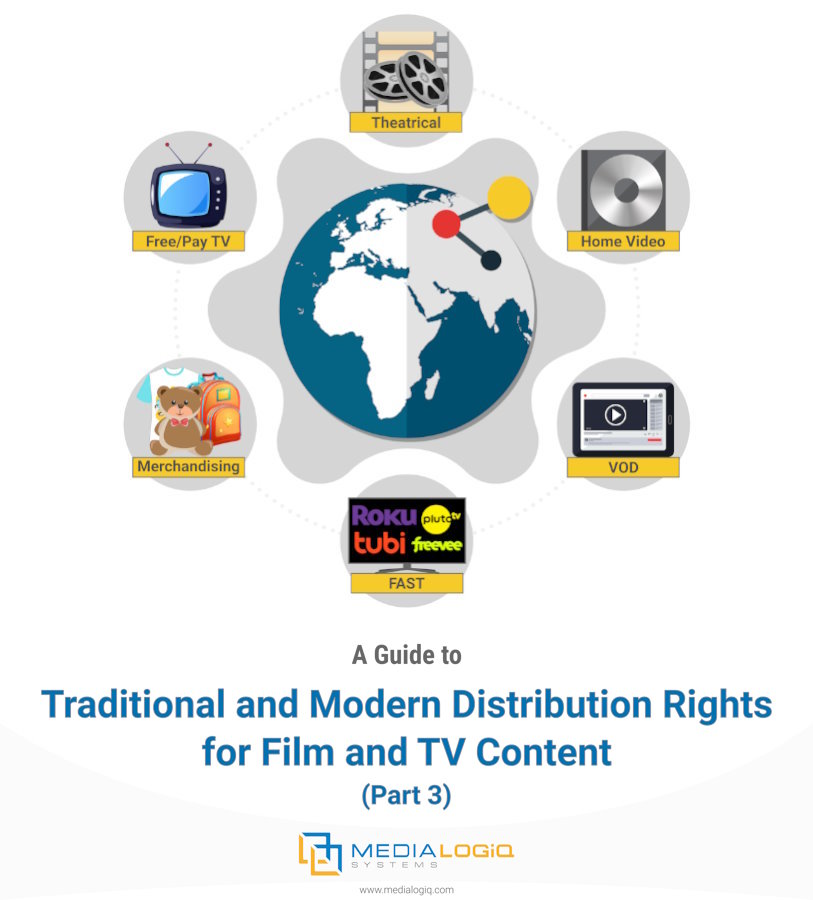
ALT A Guide to Traditional and Modern Distribution Rights for Film and TV Content (Part 3)
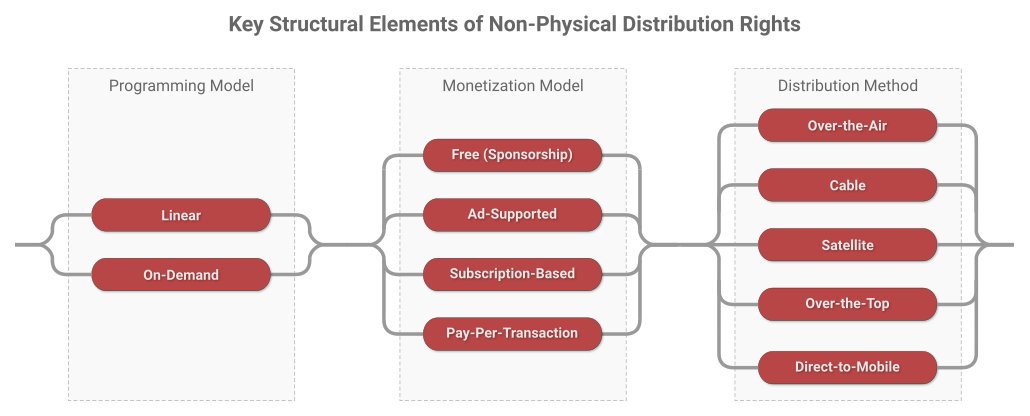
ALT Key Structural Elements of Non-Physical Distribution Rights
ALT An Overview of Non-Physical Distribution Rights
2
5
76

3 May 2024
My takeaway? National can be a game-changer, but it's not for everyone.
Analyze your brand, your budget, your competition, your team.
We weren’t ready, plain and simple.
Sometimes, at least in our case, regional domination is the smarter first move. #CPG #distributionstrategy
2
113

27 Mar 2024
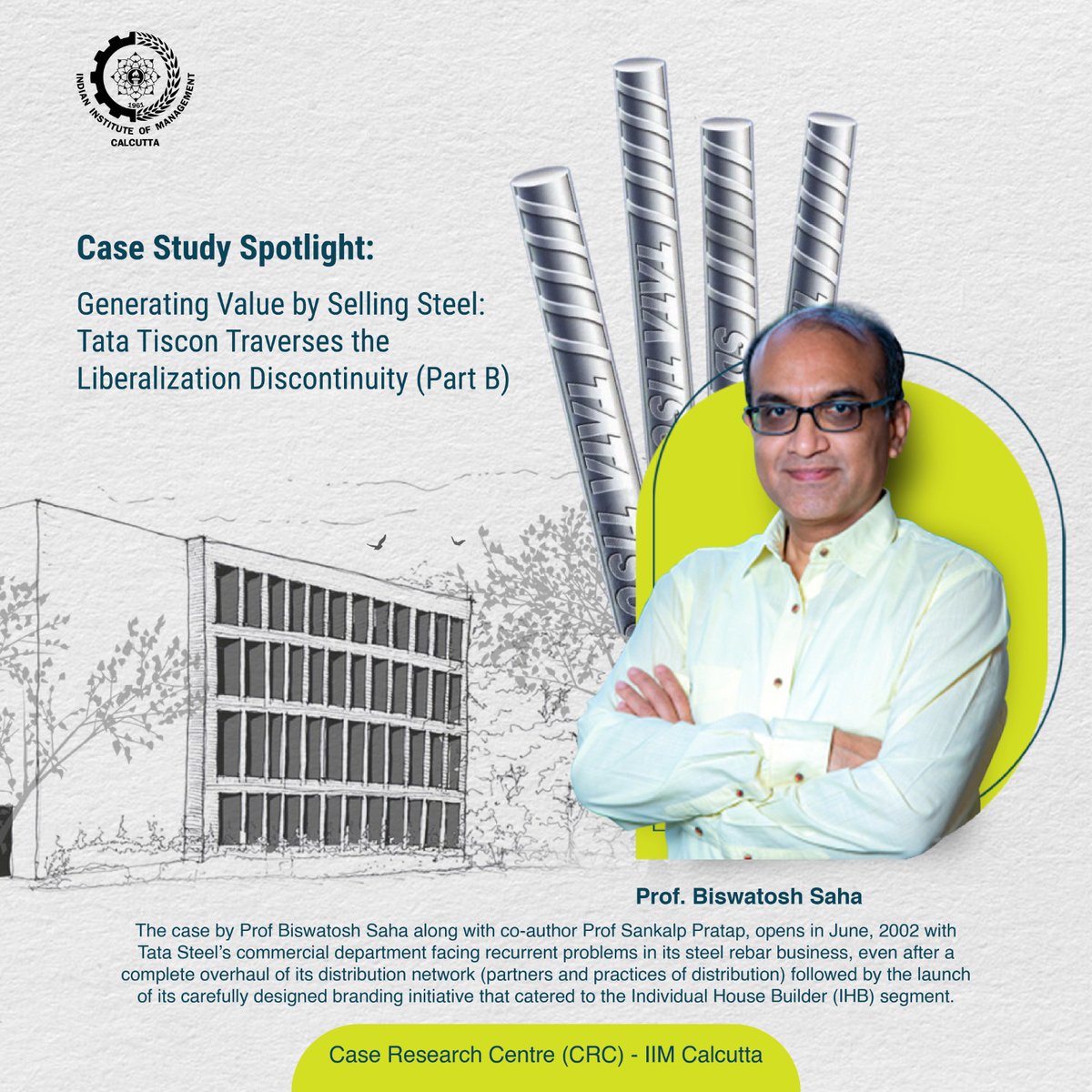
Access the case here: rb.gy/2xkjqh
Please click on the thematic group – Marketing/Branding/Advertising to avail the case.
#Strategy, #Strategyaspractice #DistributionStrategy #BuyerPower #Distributionfailure #StrategicRenewal #BusinessCase #IIMCCRC
2
354