
Jun 10
Most burnout conversations today sound modern.
Deadlines. Notifications. Productivity. Hustle culture.
But what surprised me while writing this article was realizing that the feeling itself isn’t new at all.
More than 1,200 years ago, people were already describing:
mental exhaustion,
emotional numbness,
inability to focus,
constant restlessness,
the strange feeling of being busy but internally disconnected.
This article explores how an ancient idea quietly mirrors what many professionals experience today especially in tech, knowledge work, and always-online environments.
Sometimes the problem isn’t laziness.
It’s a mind that never truly gets to stop.
Read here:
medium.com/aws-tip/the-1-200…
#Burnout #MentalHealth #TechLife #Productivity #Mindfulness #SoftwareEngineering #AI #WorkCulture #DigitalFatigue #MediumArticles #ContentTech
1
1
34

May 25
What You Should Know About Membership Video on Demand (MVOD)
The streaming industry has changed dramatically over the past decade. What began as a simple alternative to traditional television has evolved into a diverse digital ecosystem that includes subscription platforms, creator-driven services, educational networks and community-based streaming experiences. As audiences increasingly seek more personalized and engaging forms of entertainment and learning, new business models have emerged to meet those expectations.
One of the most important of these models is Membership Video on Demand, commonly known as MVOD. Although the term is sometimes confused with traditional subscription streaming, MVOD represents a different approach to audience engagement — one that focuses not only on access to video content, but also on membership, community, exclusivity and long-term relationships between platforms and viewers.
Understanding how MVOD works is becoming increasingly important for media companies, creators, educators and streaming platforms navigating the future of digital distribution.
What Is Membership Video on Demand?
Membership Video on Demand (MVOD) is a streaming model in which users gain access to video content through a membership-based relationship rather than through simple transactional subscriptions or other traditional VOD monetization models.
In an MVOD platform, viewers are not treated merely as customers purchasing access to a content library. Instead, they become members of a broader ecosystem built around creators, organizations, institutions, brands or communities. The membership often includes additional benefits that go beyond video streaming itself.
These benefits may include:
▪ exclusive programming,
▪ early access to new releases,
▪ live events and livestreams,
▪ direct interaction with creators,
▪ educational resources,
▪ community discussions,
▪ premium services,
▪ institutional access through libraries and organizations.
Because of this broader relationship, MVOD platforms often create stronger audience loyalty and engagement than traditional streaming models focused solely on one-way content consumption.
Why MVOD Has Become More Popular
The rise of MVOD reflects major changes in audience behavior and digital media consumption. Modern viewers increasingly want more than passive entertainment. Many audiences now value exclusivity, participation, personalization and community interaction.
At the same time, creators and media organizations are searching for sustainable ways to build direct relationships with audiences without depending entirely on advertising revenue or large distribution companies.
The MVOD model offers several important advantages for both platforms and content creators. Because it emphasizes ongoing membership relationships rather than simple transactional access, MVOD often leads to stronger long-term audience loyalty and higher levels of engagement. The model also provides more stable recurring revenue streams while allowing creators and media companies greater independence from traditional advertising systems and third-party distributors.
In addition, MVOD is especially well suited for niche programming and specialized communities, where highly engaged audiences are often more valuable than broad mass-market reach. As a result, MVOD has expanded well beyond entertainment and is now widely used in education, public media, fitness, professional training and creator-driven digital platforms.
Examples of MVOD Platforms
One of the clearest examples of MVOD is @Patreon. Through @Patreon, creators offer exclusive videos, livestreams, behind-the-scenes content and direct engagement to paying members who support their work.
Another well-known example is Nebula (@WatchNebula), a creator-focused streaming service that emphasizes educational and documentary-style programming supported directly by members rather than traditional advertising systems.
In entertainment and comedy, @Dropout has become a successful MVOD platform by combining exclusive original programming with a highly engaged membership community.
Educational streaming services also frequently use the MVOD model. @MasterClass offers premium instructional video courses taught by experts, celebrities and professionals, while @CuriosityStream provides specialized science, history, technology and nature programming to members interested in educational content.
Public and institutional streaming services also demonstrate MVOD principles. @PBS offers @PBS Passport, which gives expanded streaming access to viewers who financially support local @PBS stations through memberships and donations.
Similarly, @HooplaDigital and @Kanopy provide movies, documentaries and educational content through university and public library memberships rather than traditional direct subscriptions.
MVOD Beyond Entertainment
One of the defining strengths of MVOD is its flexibility. Unlike traditional streaming models that focus mainly on television and movies, membership-based video services have expanded into many industries.
Educational platforms use MVOD systems to combine:
▪ instructional video libraries,
▪ certifications,
▪ coaching,
▪ live classes,
▪ interactive learning communities.
Fitness and wellness services combine streaming workout videos with personalized programs and member engagement. Professional training services use membership-based video systems for continuing education and skill development.
In many of these industries, the membership experience itself becomes just as important as the video content.
Challenges of the MVOD Model
Although MVOD offers many advantages, it also requires ongoing effort to maintain audience loyalty and engagement. Unlike purely transactional streaming services, MVOD platforms depend heavily on trust, interaction and consistent value creation. Successful membership-based services must continuously provide fresh and meaningful experiences through regular content updates, strong community management, creator interaction, exclusive features and long-term relationship building with audiences.
Because the value of MVOD extends beyond simple content access, maintaining audience engagement becomes especially important. If members no longer feel personally connected to a platform, creator or community, they may lose interest in maintaining their memberships. For this reason, successful MVOD platforms often invest heavily in audience communication, community engagement and premium member experiences that strengthen long-term loyalty.
MVOD vs. SVOD: What’s the Difference?
MVOD is closely related to Subscription Video on Demand (SVOD), but the two models are not identical.
SVOD refers to the traditional subscription streaming model used by services such as @Netflix, @DisneyPlus, @HBOMax and @Hulu. In this system, viewers pay a recurring monthly or annual fee for unlimited access to a content library.
The SVOD model focuses primarily on content access and large-scale entertainment distribution. Platforms compete through:
▪ massive content libraries,
▪ high-budget productions,
▪ exclusive licensing agreements,
▪ broad mainstream appeal.
MVOD, by contrast, emphasizes membership and audience participation in addition to content access. The broader value comes from community engagement, exclusivity, creator relationships, educational experiences or institutional affiliation.
The difference can be summarized simply:
▪ SVOD primarily sells access to content.
▪ MVOD sells access to a membership experience built around content.
For example, @Netflix succeeds through the size and variety of its entertainment catalog, while Nebula (@WatchNebula) focuses on building a loyal membership community around educational creators and independent programming. Likewise, @PBS Passport and @Kanopy rely on institutional and community membership systems rather than purely commercial subscriptions.
Another important distinction between MVOD and traditional SVOD models involves content exclusivity and distribution rights. In the streaming industry, rights granted for MVOD distribution may differ from those granted for SVOD, AVOD, TVOD or other VOD monetization models. A content owner may license the same program to multiple platforms under different types of VOD rights, depending on the terms of the agreement, territorial restrictions, release windows and exclusivity provisions.
For example, a documentary series might appear on an SVOD platform such as @Netflix under a traditional subscription agreement while also being distributed through an MVOD educational platform or creator membership service under separate rights. In some cases, MVOD rights may be exclusive to a particular membership community or institutional platform, while other VOD rights remain non-exclusive or available through different monetization channels.
As streaming ecosystems become increasingly complex, many distributors and rights holders now manage overlapping VOD rights across multiple business models simultaneously. This makes clear rights tracking and licensing management especially important for companies distributing content across MVOD, SVOD, AVOD, TVOD and hybrid streaming platforms.
The Future of MVOD
As streaming continues to evolve, the line between MVOD and traditional subscription streaming is becoming increasingly blurred. Many platforms now incorporate features associated with membership ecosystems, including exclusive communities, live interaction, personalized experiences and premium access tiers.
This reflects a broader shift in digital media consumption: audiences increasingly want participation and connection, not just passive viewing.
MVOD reflects this transformation particularly well. By combining streaming content with community, exclusivity, education and audience engagement, membership-based video platforms are helping shape the future of digital media and online entertainment.
Managing MVOD Rights and Distribution
As membership-based streaming platforms continue to grow, rights management has become increasingly important for content owners, distributors and streaming services. MVOD distribution often involves complex licensing structures that may include territorial rights, platform restrictions, membership windows, exclusivity periods, educational access, institutional licensing and multi-platform distribution agreements.
Because MVOD services frequently combine traditional streaming with community features, educational access or creator-driven memberships, managing these rights efficiently requires flexible and detailed rights management tools. Content owners must be able to track where content can be distributed, under which membership models it may appear, how long licenses remain active and which partners or platforms have authorization to stream specific assets.
#MediaRights supports MVOD rights management alongside other major VOD business models, including SVOD, TVOD, AVOD, FVOD and hybrid distribution models. The platform allows media companies and distributors to manage licensing agreements, distribution rights, content availability windows, territorial restrictions and digital asset tracking within a centralized system designed specifically for modern media operations.
As streaming ecosystems continue to diversify, having the ability to manage MVOD-specific licensing and distribution rights becomes increasingly valuable for organizations operating across multiple digital platforms and monetization models.
Visit our website (medialogiq.com/mediarights) or contact us at info@medialogiq.com today to learn more about #MediaRights.
#VOD #MVOD #SVOD #TVOD #AVOD #FVOD #OTT #OverTheTop #DistributionRights #DistributionStrategy #MediaDistributionRights #FilmDistributionRights #TVDistributionRights #FilmDistribution #TVDistribution #MediaLicensing #FilmDistributionSoftware #TVDistributionSoftware #RightsLicensing #RightsManagement #RightsManagementSoftware #media #ContentDistribution #filmtech #contenttech #entertainment #content #film #movies #tv #tvshow #tvseries
2
4
43

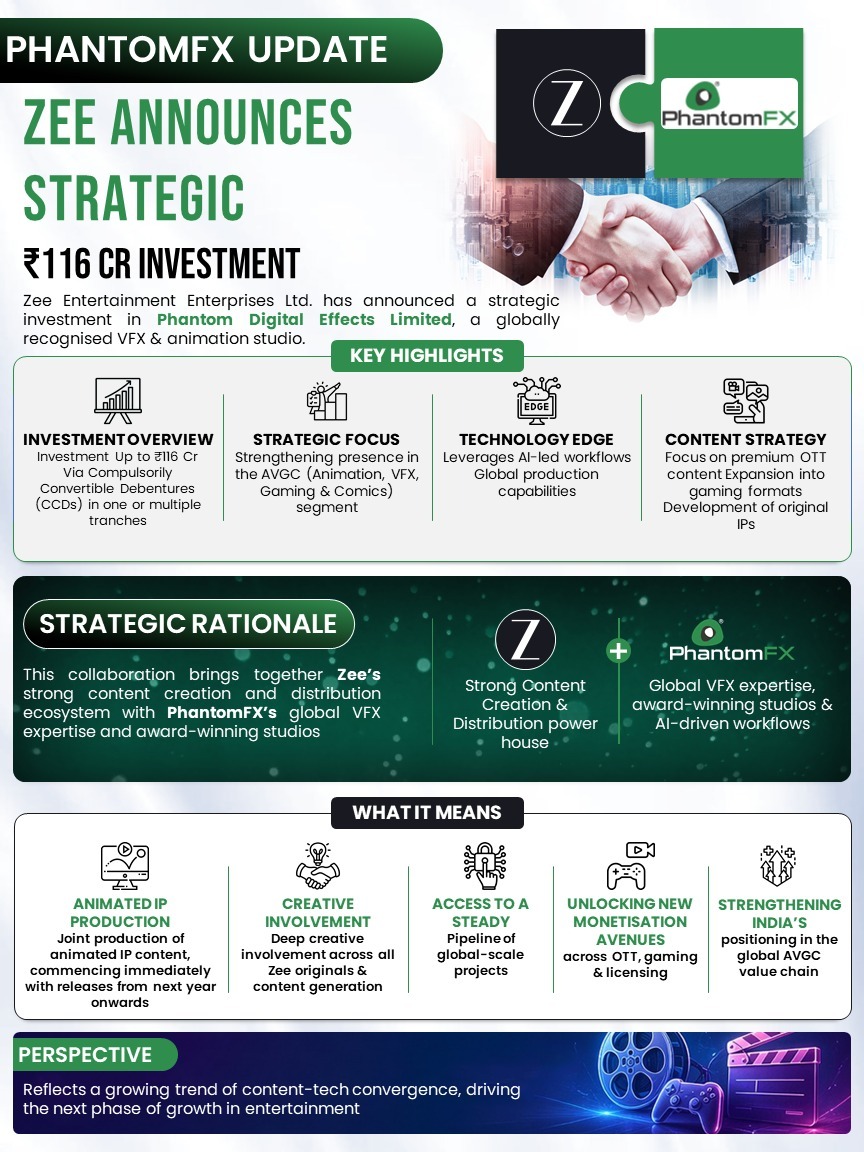
Every epic scene you watch… starts with VFX.
This ₹116 Cr move signals one thing—
the future of storytelling will be built, not just shot.
@phantomfx_india
#VFX #AVGC #ContentTech #Media
2
16
113
Apr 13
Media Distribution Fees and Expenses: The Smart Way to Track and Report Costs with MediaRights
The first thing you notice isn’t the numbers.
It’s the movement.
Money doesn’t sit still in modern media distribution—it flows, splits, loops back and reshapes itself across deals, territories and timelines. Rights are no longer just owned; they are activated. Monetization is no longer linear; it is layered. And behind every layer sits a chain of decisions: distribution fees defined in acquisition agreements, expenses accumulating across titles, vendors and markets, all quietly reshaping the final outcome of a deal.
In other words, the complexity isn’t theoretical.
It’s operational.
And in this rapidly evolving ecosystem, clarity isn’t a luxury—it’s infrastructure.
That’s where #MediaRights fundamentally changes the game.
Understanding Distribution Fees
A distribution fee is the portion of revenue allocated to intermediaries or rights holders as a title moves through the distribution chain.
It defines how incoming revenue is split between stakeholders such as distributors, sales agents, platforms and rights holders. In practice, it governs how value is shared once revenue is generated.
Depending on the agreement, distribution fees can take multiple forms, including fixed amounts, percentage-based structures or conditional arrangements tied to territory, performance or exploitation rights.
As a result, distribution fees are one of the primary levers shaping how revenue is allocated across the lifecycle of a title.
Understanding Distribution Expenses
A distribution expense represents the cost required to bring a title to market and sustain its distribution lifecycle.
These are operational costs incurred to enable distribution, including marketing campaigns, localization, technical preparation, legal clearance, delivery workflows and third-party commissions.
Unlike distribution fees, expenses do not determine how revenue is shared. Instead, they determine how much is spent in the process of generating that revenue.
Together, these costs form the underlying structure that supports and enables distribution.
The Relationship Between Distribution Fees and Distribution Expenses
Distribution fees and distribution expenses operate together, but they influence financial outcomes in fundamentally different ways.
Distribution fees shape how revenue is allocated across stakeholders, while distribution expenses shape how much of that revenue is consumed in the process of generating it. One determines participation in value, the other determines the cost of creating it.
This distinction becomes critical across the lifecycle of a title. A deal may appear strong at the revenue-sharing level, but underlying expenses can significantly impact actual returns. At the same time, disciplined expense management can improve profitability even within less favorable fee structures.
Understanding both in isolation is not enough. Real financial clarity comes from seeing how they interact.
By tracking distribution fees alongside detailed expense structures, organizations gain a complete view of how value flows, where it is spent and what is ultimately retained. This is what transforms fragmented financial data into meaningful insight.
In a system where every title carries its own complexity, that unified perspective is what turns reporting into clarity—and clarity into control.
Rethinking Distribution: From Static Deals to Dynamic Choices
Traditional systems treat distribution fees as fixed—locked into agreements and rigid in execution. But real-world sales don’t behave that way. Different buyers, regions and strategies demand flexibility at the point of execution.
#MediaRights introduces a more fluid model.
Within acquisition agreements, multiple distribution fee structures can be defined upfront—each representing a different commercial strategy. Instead of forcing a single path, sales teams can select the most applicable fee option directly within each sales contract.
It’s a subtle shift, but a powerful one:
▪ Deals become adaptive rather than constrained
▪ Sales teams gain autonomy without losing control
▪ Finance retains consistency across variations
This isn’t just configuration—it’s optionality built into the DNA of the deal.
From Afterthought to Strategic Signal
If revenue tells one side of the story, expenses reveal the structure behind it.
#MediaRights elevates expense tracking from a back-office function to a strategic layer of rights management. Every cost tied to a title, whether operational, marketing or distribution-related, is captured with precision and context.
Users can log expenses at the title level, ensuring that every dollar is directly anchored to the content it supports. Beyond individual entries, the system introduces expense groups, transforming scattered costs into structured financial logic.
These groups can be defined as:
▪ Uncapped, where costs flow freely as needed
▪ Capped, where financial discipline is enforced through predefined limits
Capped structures can be further refined through:
▪ Absolute caps, fixed monetary ceilings
▪ Percentage-based caps, limits tied to revenue
This allows organizations to reflect real contractual constraints while maintaining internal financial control, bringing consistency to how costs are tracked, governed and ultimately optimized.
Expense Types: Giving Structure to Spend
Not all expenses are created equal—and treating them as such is where many systems fall short.
#MediaRights introduces expense types as a way to bring clarity and consistency to financial tracking. Instead of a flat list of costs, every expense is categorized, making it easier to analyze, control and report across titles and deals.
▪ Marketing and Promotion
This category covers all activities aimed at driving awareness and audience engagement for a title. It includes digital campaigns, trailer production, PR outreach, festival submissions and promotional events. These costs are often dynamic and performance-driven, varying significantly by territory and release strategy. Structuring them clearly allows teams to measure return on investment and understand which efforts actually drive demand.
▪ Delivery and Localization
This represents the cost of preparing content for different markets and platforms. It includes subtitling, dubbing, editing for compliance, format conversions and accessibility enhancements. As distribution scales globally, these expenses become a critical part of expansion planning. Proper categorization helps teams forecast international rollout costs and manage vendor ecosystems more efficiently.
▪ Third-Party Commissions
Many distribution pathways involve intermediaries such as sales agents, aggregators or platform partners. This category captures the fees paid to those entities, often structured as percentages or negotiated commissions. Clear tracking ensures transparency in how revenue is shared and helps maintain healthy margin control across deals.
▪ Legal and Compliance
Every distribution agreement rests on a legal foundation. This includes contract drafting, rights clearances, censorship approvals and regulatory filings. While not directly revenue-generating, these costs are essential enablers of distribution. Capturing them accurately ensures that legal exposure and compliance effort are fully visible within the financial model.
▪ Technical Services
Before content reaches audiences, it must meet platform and technical standards. This includes quality control, mastering, encoding and platform-specific ingestion requirements. These services ensure that content is not only deliverable but optimized for each channel. Tracking them separately helps identify inefficiencies and avoid redundant processing across vendors or formats.
▪ Logistics and Operations
These are the underlying operational costs that support the movement of content. They include file transfers, storage, archival systems and internal coordination efforts. While individually small, they accumulate across titles and workflows, making structured tracking essential for accurate profitability analysis.
Precision in Every Entry
At the core of #MediaRights is a simple principle: every expense should tell a complete story.
Each entry captures a structured set of attributes that ensure both clarity and traceability. This includes the Date, indicating when the cost occurred, along with a reference field for supporting identifiers. A Description provides clear, human-readable context, while the Type enables proper categorization for reporting and control. Financial accuracy is maintained through the Amount, supported by Currency and Exchange Rate fields to ensure global consistency. Additional context is captured through the associated title, linking the expense to a specific piece of content, as well as the vendor responsible for the cost and the relevant contract number that ties it back to legal agreements.
Required fields ensure that no critical data is lost, maintaining consistency and completeness across all entries.
This structured approach transforms raw financial inputs into actionable intelligence, ready for reporting, auditing and strategic decision-making.
#MediaRights ensures the financial layer of distribution is just as structured, dynamic and meaningful as the content itself.
Distribution fees become flexible instruments rather than static constraints. Expenses become visible, categorized and controllable. Finance shifts from reacting to complexity to organizing it with precision.
Because in today’s content economy, success isn’t just about what you sell.
It’s about how precisely you understand the movement behind every dollar.
Ready to transform the way you manage distribution?
Discover how #MediaRights turns complexity into clarity across fees, expenses and reporting. Visit our website (medialogiq.com/mediarights) or get in touch at info@medialogiq.com to see how it can elevate your business.
#producerroyalties #DistributionExpenses #DistributionCosts #DistributionFees #filmdistribution #FilmDistributionSoftware #FinancialManagement #ProducerRoyaltyReport #ProducerRoyaltyStatement #ProducerShare #RevenueTracking #RightsLicensing #MediaLicensing #RightsTracking #RightsManagement #RightsManagementSoftware #DistributionRights #ContentDistribution #EntertainmentFinance #filmtech #contenttech #RoyaltyCalculations #RoyaltyManagement #RoyaltyReporting #SalesReporting #TVDistributionSoftware #entertainment #content #film #movies #tv #tvseries
2
4
87

Mar 10
The Art of Silence: Holdback Rights in Media Licensing
Licensing isn’t just a legal formality; it’s the art of deciding who gets which slice of your intellectual property—and under what conditions. When done strategically, it transforms a single piece of media content into a carefully orchestrated portfolio of deals that enhance influence, boost revenue and provide lasting leverage. It’s not just about signing contracts; it’s about designing a comprehensive rights strategy. And at the heart of this strategy lie holdback rights—the quiet force that controls the timing and sequence of content releases across platforms and markets. By mastering the balance of exclusivity, non-exclusivity and well-timed restrictions, licensors can maximize their returns and maintain control over the entire lifecycle of their content. In this article, we’ll explore how these rights work, why they matter and how they can elevate your media licensing strategy.
Media Licensing and Types of Licenses
To appreciate the importance of holdback rights, it’s essential to first understand the broader world of media licensing. Licensing is the agreement that grants another party (the licensee) the right to use, distribute or create derivative works from intellectual property (IP) owned by the licensor. These agreements aren’t just about protecting the rights of the IP owner; they are the key to unlocking multiple revenue streams, expanding brand influence and entering new markets.
Licensing agreements can be broadly categorized into three main types: exclusive, non-exclusive and holdback licenses. Here’s a closer look at what sets each type apart.
1. Exclusive Licenses: Giving One Party the Keys
An exclusive license grants the licensee the exclusive right to use the intellectual property (IP) in a specific manner, for a set period and within a defined territory. Essentially, the licensor agrees not to grant the same rights to any other party within the scope of that agreement, ensuring the licensee has sole access to the content during the term of the license. For example, a major film studio may license exclusive rights to a streaming platform to distribute a film for a certain period, preventing other platforms from offering the same content during that time. The significance of exclusive licenses lies in their ability to create scarcity and demand. When a streaming service secures exclusive rights to a highly anticipated movie or series, it can leverage this exclusivity to attract and retain subscribers, offering a unique value proposition that is unavailable elsewhere.
2. Non-Exclusive Licenses: Spreading the Opportunities
A non-exclusive license allows multiple licensees to use the same content simultaneously, giving the licensor the freedom to license the same rights to several parties under the agreed terms. This type of license does not limit the licensor from granting similar rights to other entities, enabling broader distribution. For example, a music label might license the same song to multiple brands for use in various commercials or a TV show might be licensed to different broadcasters across the globe. The key benefit of non-exclusive licenses is their ability to maximize the reach and distribution of content. By licensing content to multiple parties, the licensor can generate several revenue streams, offering flexibility in how and where the content is used, while extending its exposure across different markets and platforms.
3. Holdback Rights: The Silent Architects of Content Release Timing
Holdback rights are a unique element of media licensing that allow the licensor to control when and how content is released to different markets or platforms. A holdback right enables the licensor to delay or restrict the distribution of content for a specific time, creating an exclusive window or release strategy. For instance, a film might be released exclusively in theaters for a set period before becoming available for digital download or streaming. Holdback rights are critical for maximizing the value of content by preventing oversaturation and allowing the licensor to strategically time the release across different channels and markets. In the following sections, we’ll explore how holdback rights are implemented, their various uses and why they are such an essential tool for licensors in media licensing.
How Holdback Rights Work: Common Uses and Strategies
Holdback rights are strategically used to optimize content distribution and maximize revenue. By controlling when content is made available across various media and markets, licensors can create value by strategically timing releases. Below are some of the most common uses and strategies for holdback rights.
1. Theatrical Windowing: Maximizing Box Office Revenue
One of the most common applications of holdback rights is theatrical windowing, where content is exclusively available in theaters for a set period before being released on other media like streaming services, digital download or DVD. This practice ensures that the initial theatrical release captures the most lucrative revenue streams, which often come from box office sales. For example, a film might be given an exclusive 90-day window in theaters, after which it becomes available for home viewing or digital rental. The key advantage of this holdback strategy is that it allows the content to enjoy an initial burst of revenue before being exposed to other distribution channels, preventing early saturation that could diminish its value. Theatrical holdbacks help maximize box office returns by leveraging the exclusivity of the theater experience, enticing viewers to watch the film on the big screen rather than waiting for other formats.
2. Streaming Platform Holdbacks: Exclusive Digital Releases
Holdback rights also play a crucial role in digital content distribution, particularly when a movie or TV series is licensed to a streaming platform. In such cases, a licensor may delay the availability of the content on competing platforms or restrict its release for a specific time, allowing it to be made available only on one streaming service for a defined period. For example, a popular TV series might be licensed exclusively to Netflix for one year, preventing other platforms like Hulu or Amazon Prime from offering the same content during that period. This creates a competitive advantage for the exclusive platform and serves as a major selling point for attracting and retaining subscribers. Additionally, by holding back the release on other media platforms, licensors can negotiate more favorable deals, capitalizing on the exclusivity and ensuring the content’s value is protected.
3. Regional or Territorial Holdbacks: Control Over Global Distribution
Another common use of holdback rights is related to territorial control, where content is released in certain regions or markets before others. By delaying the release in specific geographic locations, licensors can maximize the potential of each market. For instance, a film might first be released in the United States and after a certain period—say, six months—it becomes available in international markets like Europe or Asia. Regional holdbacks are used to optimize pricing strategies and capture the maximum possible revenue in each territory. Content may perform differently in various markets and staggering the release dates allows licensors to take advantage of this by tailoring release strategies based on local demand and viewer preferences. This also gives each market a “fresh” release window, preventing the content from being overshadowed by other releases.
4. Promotional and Merchandise Holdbacks: Timing Merchandise Releases
Holdback rights aren’t just for content releases—they can also be applied to related promotional materials and merchandise. In the case of a blockbuster movie, for example, the licensor might hold back the release of movie-related merchandise, such as toys, apparel or collectibles, until the theatrical release has peaked. This creates a second wave of demand, allowing the content to maintain momentum as consumers who have already seen the film now look for ways to engage further, often by purchasing merchandise. Holdbacks in this context ensure that product lines are launched at the most strategic time to maximize sales, benefiting both the licensor and the retailers. By timing the release of merchandise to coincide with content milestones, licensors can also increase brand visibility and maintain interest in the content long after its initial release.
These strategies demonstrate the versatility of holdback rights in media licensing and how they provide licensors with the tools to control not just when content is released, but how it’s distributed across media, markets and even product categories. By strategically holding back content, licensors can protect its value, optimize revenue and enhance brand positioning.
The Importance of Holdback Rights in Media Licensing
Holdback rights play a critical role in preserving the value of media content. By controlling when and how content becomes available across different media platforms, licensors can prevent overexposure or premature distribution that might reduce its market value. For example, if a movie were released on streaming platforms on the same day as its theatrical debut, many viewers might choose the more convenient and cheaper option of watching it at home rather than going to the theater, leading to a decline in box office revenue.
In addition, holdback rights help maximize revenue streams by allowing licensors to stagger releases across multiple distribution channels. Instead of making content available everywhere at once, the release can be structured in phases—such as theatrical release, followed by home video formats like DVD or Blu-ray and later streaming platforms. Each stage generates its own revenue, allowing the licensor to capture value from different markets and audiences over time.
Finally, holdback rights contribute to strategic brand positioning by allowing licensors to carefully manage how and when audiences engage with their content. A controlled release schedule helps maintain anticipation and keeps the content relevant in the public conversation. For instance, a television series released gradually over time can sustain audience interest and discussion for longer periods, helping the content remain top-of-mind and strengthening its long-term impact.
Holdback Rights vs. Exclusive Rights
It is important to distinguish holdback rights from exclusive rights, as the two concepts serve different purposes in media licensing. Exclusive rights grant a licensee the sole ability to distribute or exploit content within a defined scope—such as a specific territory, media or time period—preventing the licensor from granting the same rights to others during that term. Holdback rights, by contrast, ensure that a specific piece of content is not released in certain markets, media or channels for a defined period and these restrictions apply across contracts rather than being tied to a single licensee. In simple terms, exclusive rights determine who is allowed to distribute the content, while holdback rights determine when the content may be released. Both tools are often used together to structure sophisticated licensing strategies and carefully manage the lifecycle of media content.
Managing Holdback Rights with MediaRights
Managing holdback rights across multiple territories, media and distribution windows can quickly become complex, particularly when dealing with large content libraries and numerous licensing agreements. #MediaRights supports the management of holdback rights in a highly detailed and structured manner, allowing licensors to define and track holdback conditions across multiple dimensions such as territory, platform, channel, language and time period. By capturing these restrictions centrally, the system helps ensure that contractual obligations are respected and that new deals do not conflict with existing holdbacks. This level of precision enables content owners and distributors to confidently implement sophisticated release strategies while maintaining full visibility and control over their licensing rights.
Want better control over complex rights and holdbacks?
Visit our website (medialogiq.com/mediarights) or contact us at info@medialogiq.com to learn how #MediaRights simplifies global rights management.
#RightsManagement #DistributionRights #Holdback #HoldbackRights #DistributionHoldback #AvailabiliyReporting #AvailabilityReport #RightsAvailability #Licensing #FilmDistribution #TVDistribution #ContentDistribution #Software #FilmDistributionSoftware #TVDistributionSoftware #MediaLicensing #RightsLicensing #RightsManagement #RightsTracking #RightsManagementSoftware #media #ContentDistribution #filmtech #contenttech #entertainment #content #film #movies #tv #TVShows
2
4
116
Feb 24
Build Your Tower of Success on a Robust Foundation
Achieving success in media management starts with a robust foundation, and #MediaRights provides just that. From Product Management to Rights Management, our platform ensures that every piece of content is organized, compliant and ready for distribution, setting the stage for smooth operations and long-term growth.
With #MediaRights, each step of your process is designed for success. Availability Reports, Marketing Tools and Sales & Finance Solutions work together to keep your content flowing seamlessly, while ensuring your agreements and payments are handled with precision and ease.
Build your media operations on a robust system that supports every aspect of your workflow. #MediaRights enables you to overcome complexities and stay focused on your success.
Visit our website (medialogiq.com/mediarights) or contact us at info@medialogiq.com today to learn more about #MediaRights.
#ProductManagement #DistributionRights #RightsManagement #AvailabiliyReporting #AvailabilityReport #RightsAvailability #LicensingOverlapPrevention #Marketing #Licensing #Invoicing #Royalties #FinancialManagement #MaterialServicing #FilmDistribution #TVDistribution #ContentDistribution #Software #Solutions #RightsLicensing #RightsManagementSoftware #media #entertainment #filmtech #contenttech #content #film #movies #tv #TVShows

3
5
40
Feb 11
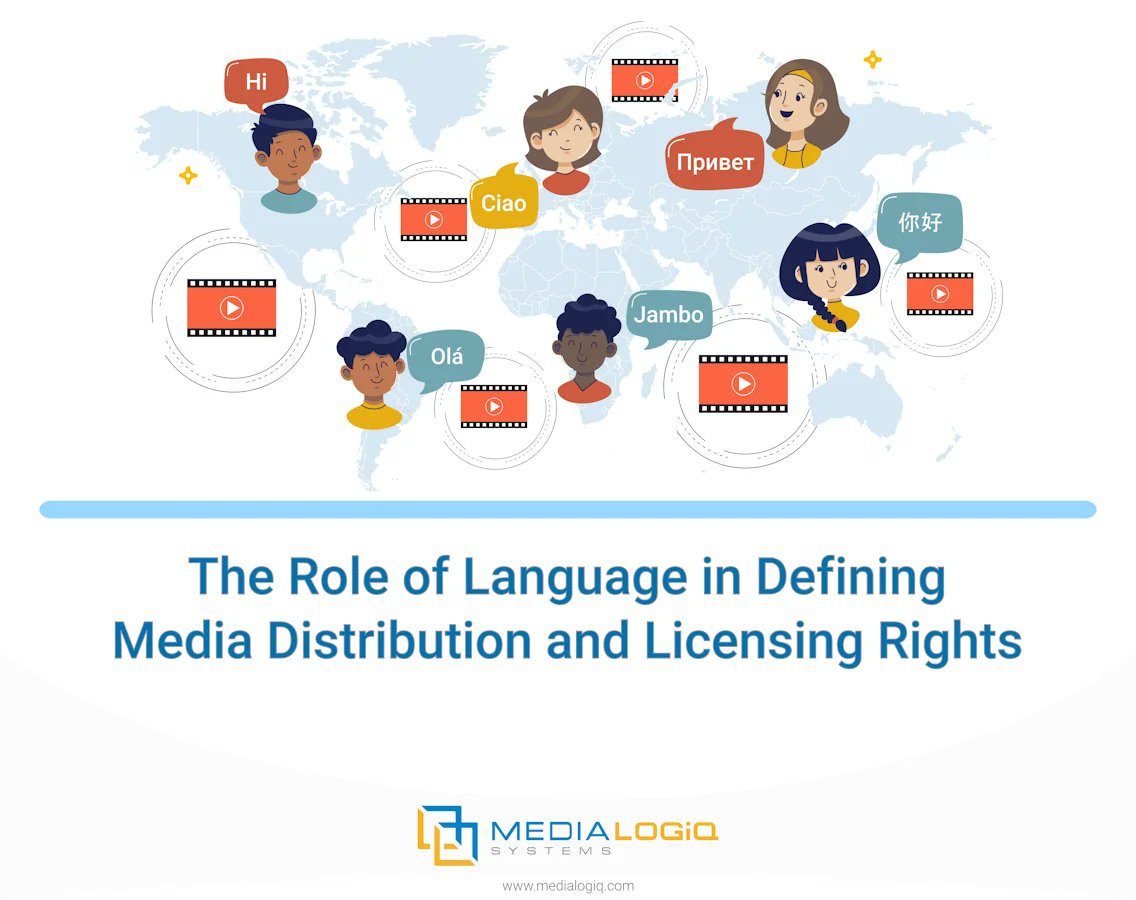
Role of Language in Defining Media Distribution and Licensing Rights
In media rights management, value is rarely lost in dramatic ways. It slips away quietly—through vague definitions, assumed meanings and missing dimensions. Among these, language is one of the most underestimated and yet commercially decisive elements in modern distribution and licensing.
As content circulates globally across platforms, regions and audiences, rights are no longer defined solely by where or how content is distributed, but also by the language in which content can be made available. The precision with which language is defined—or ignored—directly affects ownership clarity, availability accuracy and licensing revenue.
Rights as a Multi-Dimensional Structure
Distribution and licensing rights are best understood as a dynamic, interconnected system composed of five essential dimensions:
1. Product (Intellectual Property)
The core content itself: a film, series, episode, format or derivative work.
2. Distribution or Licensing Territory
The geographical regions where the rights can be exercised.
3. Distribution or Licensing Language
The specific language(s) in which the content can be distributed or licensed.
4. Distribution or Licensing Media or Right
The platform or medium through which the content is exploited (e.g., theatrical, TV, SVOD, AVOD, FAST, etc.).
5. License Type
The nature of the grant—whether exclusive, non-exclusive or subject to holdbacks.
These dimensions are deeply intertwined and must be viewed as a unified rights framework. Altering or neglecting any one dimension doesn’t simplify rights management—it compromises its accuracy and effectiveness.
From Owned Rights to Licensed Rights
A distributor’s role extends far beyond simply handling content; it involves acquiring or owning distribution rights, which together form a comprehensive rights repository. This repository reflects the full spectrum of the distributor’s legal entitlements, detailing what content can be exploited and under what conditions.
When a distributor negotiates deals with platforms, broadcasters or digital services, it doesn’t transfer its full ownership of rights. Instead, it licenses specific subsets of those rights, crafting Licensed Rights that mirror the same five core dimensions. These include the product itself, defined territories, language(s), specific media platforms and the nature of the license, including its exclusivity and time frame.
This alignment between owned rights and licensed rights is crucial. Any system that fails to model these rights with the same level of precision and dimensional depth risks introducing significant errors and uncertainties into the licensing process, creating potential legal and financial pitfalls.
Why Language Is Not Optional
Language is often treated as an attribute rather than a right. This assumption may have worked in simpler distribution models, but it breaks down in today’s reality.
Language plays a pivotal role in determining several critical factors: it defines which audiences can legally access content, dictates whether multiple licensees can operate within the same territory and influences whether dubbed, subtitled or original-language versions can be exploited separately. It also impacts whether a distributor retains residual value to monetize.
For instance, a distributor may hold all-language rights in a specific territory, allowing them to control the content in every language. Alternatively, they might only have rights to certain languages, such as Arabic and English, but not French. In other cases, some languages may already have been licensed to other parties, while others remain under the distributor’s control.
Without language as an explicit dimension, these important distinctions become blurred, leading to potential confusion and legal complications.
MediaRights: Language as a First-Class Rights Dimension
#MediaRights, the comprehensive rights management system from MedaLogiq Systems, recognizes language not as a secondary filter, but as a core structural dimension of rights.
Unlike systems that assume language is implicit within territory or media, #MediaRights supports:
🗹 Local and specific languages within a territory
🗹 Multiple languages per right
🗹 All-language or any-language ownership
🗹 Language-agnostic licensing when appropriate
This flexibility reflects real-world rights contracts, not theoretical simplifications.
When All Languages Are Owned
In many cases, a rights owner or distributor holds rights for all languages within a territory. #MediaRights accommodates this naturally:
🗹 The language dimension can be omitted when it is irrelevant
🗹 Or explicitly marked as “all languages”
🗹 Allowing licensing regardless of language without artificial constraints
This is a critical distinction: the system does not force unnecessary complexity, but it is ready when complexity exists.
Language Across Three Critical System Functions
#MediaRights embeds language intelligently across three key operational areas, ensuring consistency from ownership to sales.
1. Distribution (Owned) Rights
At the ownership level, #MediaRights allows distributors to precisely model:
🗹 Which languages are included in their rights
🗹 Whether rights are limited to specific language versions
🗹 Whether future language versions are covered
This creates a true representation of the rights repository, eliminating assumptions that often surface only when a deal is blocked—or worse, breached.
2. Availability Reports at Language Level
Availability reporting is where missing language dimensions cause the most damage. If a system cannot accurately distinguish language rights, availability reports may show rights as unavailable when they are, in fact, still open for licensing. Even worse, they may incorrectly display rights as available when those rights have already been licensed in a specific language, leading to confusion and potential conflicts.
#MediaRights generates language-aware availability reports, allowing users to see:
🗹 What is available
🗹 Where it is available
🗹 In which language(s)
🗹 And on which media and license terms
This level of accuracy supports confident sales decisions and protects contractual integrity.
3. Sales and Licensing Precision
In sales and licensing, language becomes a commercial lever.
#MediaRights enables:
🗹 Licensing by specific language within the same territory and media
🗹 Parallel licensing of different languages to different licensees
🗹 Clear enforcement of exclusivity and holdbacks at the language level
🗹 Sales teams can structure deals that maximize value without relying on manual checks, spreadsheets or institutional memory.
The Cost of Ignoring Language
Some rights management platforms still lack language as a formal dimension. While this may simplify system design, it often complicates real-world operations.
Users of such platforms may experience:
• Inaccurate availability reports
• Inability to model partial language deals
• Manual workarounds outside the system
• Increased risk of underutilization or over-licensing
These limitations do not just inconvenience users—they actively interfere with distribution strategy and revenue optimization.
Language Defines Modern Rights
In today’s media ecosystem, language is not a detail. It is a defining axis of rights.
A rights management system must be capable of reflecting the full dimensionality of real contracts—without forcing users to choose between simplicity and accuracy. #MediaRights achieves this balance by treating language as a first-class dimension, while remaining flexible enough to step aside when language is irrelevant.
As distribution becomes more global and more granular, the role of language in defining rights will only grow. Systems that recognize this reality empower their users. Systems that ignore it leave value—and certainty—on the table.
Looking to streamline and future-proof your global rights management? Visit our website (medialogiq.com/mediarights) or contact us at info@medialogiq.com today to learn how #MediaRights can modernize the way you manage rights and drive revenue.
#RightsManagement #DistributionRights #LanguageBasedRights #LicensingOverlapPrevention #AvailabiliyReporting #AvailabilityReport #RightsAvailability #Licensing #FilmDistribution #TVDistribution #ContentDistribution #Software #FilmDistributionSoftware #TVDistributionSoftware #MediaLicensing #RightsLicensing #IPLicensing #IntellectualPropertyLicensing #RightsManagement #RightsTracking #RightsManagementSoftware #media #ContentDistribution #filmtech #contenttech #entertainment #content #film #movies #tv #TVShows
3
5
38
Jan 26
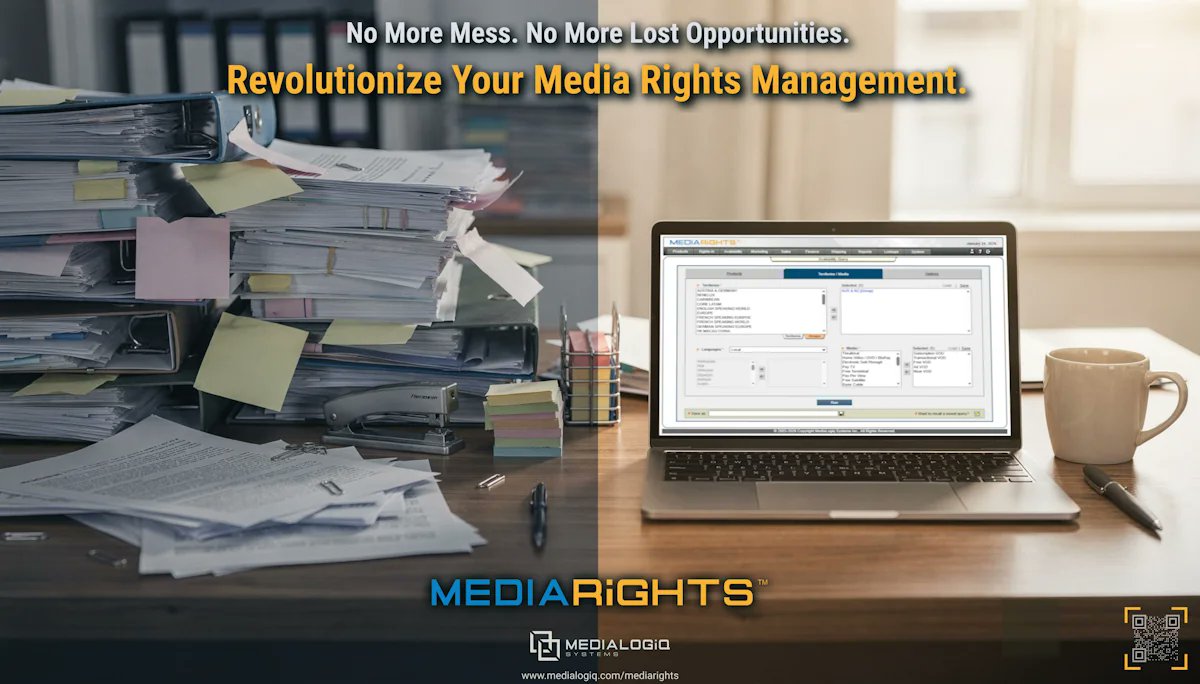
No More Mess. No More Lost Opportunities. Revolutionize Your Media Rights Management
Managing rights can feel like navigating a maze of contracts, paperwork, missed opportunities and financial details. Production and distribution companies face the challenge of keeping track of every agreement, licensing deal, distribution right, payment schedule, royalties, invoice and cash receipt—often leading to confusion, inefficiency, costly errors and financial discrepancies.
With #MediaRights, these problems are a thing of the past. Our platform offers a streamlined, cloud-based solution designed to eliminate the chaos of traditional rights management. No more lost opportunities due to disorganization and no more messy paperwork slowing you down.
While #MediaRights is built to meet the needs of large enterprises, MediaLogiq Systems also offers affordable, scalable plans tailored to midsize and small companies. Now, businesses of all sizes can access the same powerful tools to simplify their rights management and drive growth without the burden of complex, expensive solutions.
Revolutionize the way you manage media rights with an easy-to-use platform that unlocks new levels of efficiency, clarity, and control. With #MediaRights, you’ll spend less time on paperwork and more time on what matters—growing your business and seizing new opportunities.
Visit our website (medialogiq.com/mediarights) or contact us at info@medialogiq.com today to learn more about #MediaRights.
#ProductManagement #RightsManagement #DistributionRights #AvailabiliyReporting #AvailabilityReport #RightsAvailability #Marketing #Licensing #Invoicing #Royalties #FinancialManagement #MaterialServicing #FilmDistribution #TVDistribution #ContentDistribution #Software #FilmDistributionSoftware #TVDistributionSoftware #RightsLicensing #RightsManagement #RightsTracking #RightsManagementSoftware #media #ContentDistribution #filmtech #contenttech #entertainment #content #film #movies #tv #TVShows
2
4
45
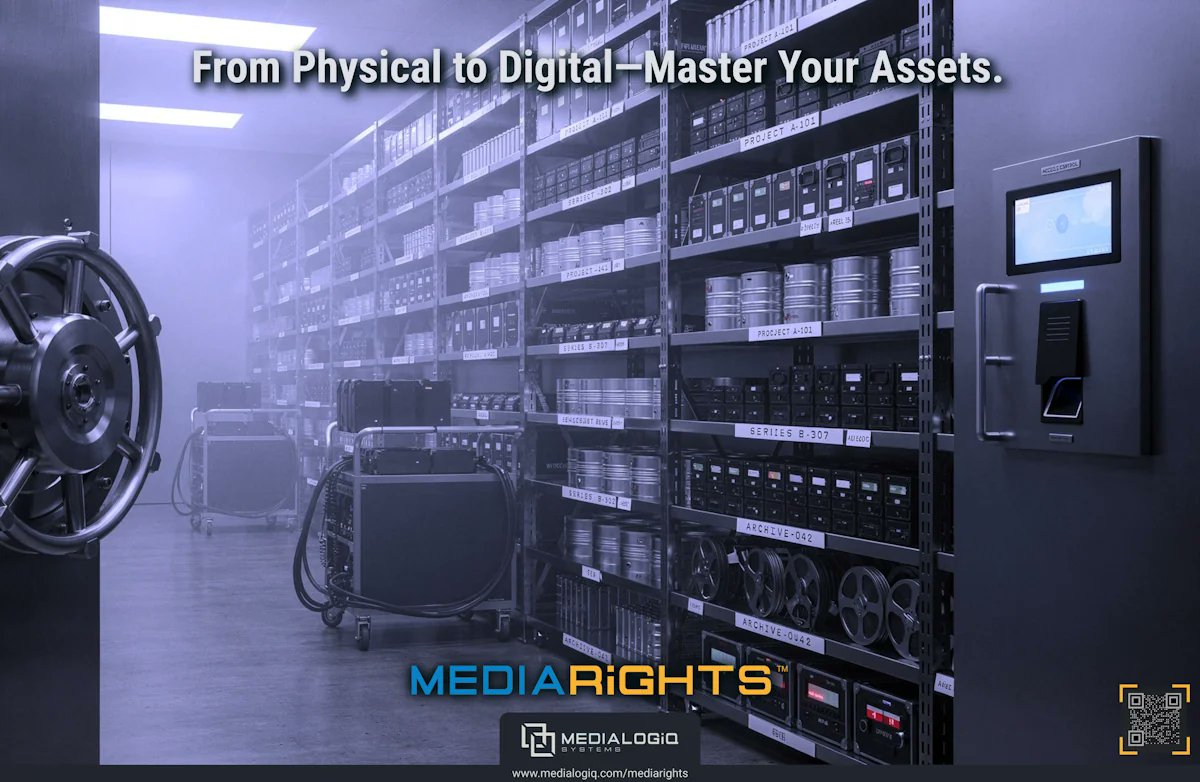
From Physical to Digital—Master Your Assets
Effective rights management hinges on keeping track of assets, whether they are physical items or digital files. #MediaRights, the comprehensive Rights Management System by MediaLogiq Systems, goes beyond basic tracking by allowing teams to monitor and manage assets through every step of their lifecycle. With its embedded asset management features, #MediaRights ensures that the details surrounding every asset are meticulously organized, making it easier to evaluate, track and prepare assets for shipping without the confusion and inefficiency of disorganized inventories.
Organizing Your Asset Library
In the world of media delivery, maintaining control over your assets is essential. #MediaRights makes it easy to track a vast universe of assets, from film reels to ProRes files and everything in between. The system provides a detailed view of each asset’s characteristics, which is especially beneficial for teams that need to make quick decisions about what is available and what requires further preparation. With MediaRights, users can see everything at a glance:
▪ Format and Resolution: Know exactly what type of asset you are working with, whether it is a high-definition ProRes file or a legacy tape format like DigiBeta.
▪ Audio/Subtitle Languages: Track all available language versions, including audio dubs and subtitle tracks, to ensure the right version is delivered to the right audience.
▪ Storage Location: Whether the asset is stored physically in a vault or digitally in the cloud, #MediaRights keeps a record of its exact location, helping you find it fast.
▪ Version Notes and Identifiers: Every asset’s version is tracked, along with any relevant identifiers, making sure you are always working with the most up-to-date files.
▪ Status and Quantity: Easily track the current status of each asset—whether it is available, on loan or in use—and monitor the quantity of assets available for distribution or delivery.
This comprehensive asset tracking is not just for cataloging; it is a vital tool for ensuring you can quickly assess what is available, what might need transcoding or dubbing and what is ready to ship.
The Shipping Management Edge
While #MediaRights excels at managing asset details, it also takes the headache out of shipping logistics. #MediaRights helps track when and where assets need to go without facilitating the actual delivery process. This feature ensures a smooth transition from asset preparation to dispatch, ensuring your team knows when materials are on the move and where they are headed.
The system captures all shipping information, including:
▪ Tracking Materials Requested by the Licensee: #MediaRights enables you to track assets specifically requested by the licensee as per the terms of the contract. This ensures the right materials are delivered in the right quantity and on time, in line with contractual obligations.
▪ Duplication Orders: If an asset needs to be duplicated, #MediaRights allows you to manage duplication orders. Track when duplication requests are made, how many copies are needed and the status of those orders, ensuring that the required assets are prepared and shipped without delay.
▪ Shipments in Progress: The software helps track assets as they are being shipped, giving you a clear record of what is currently in transit.
▪ Asset Lending and Returns: #MediaRights allows you to track which assets are on loan and when they are expected to return, helping you manage inventory effectively.
▪ Shipping Status: Keep tabs on the status of each asset’s shipment, whether it is ready to ship, in transit or returned, giving you a complete view of the asset’s journey.
Though #MediaRights does not handle the actual delivery process, it ensures that you are prepared for it. By tracking all the necessary shipping details, it gives teams the power to anticipate needs, manage inventory and ensure smooth handovers to third-party shipping providers.
Asset Management for the Modern Media Team
#MediaRights helps teams stay ahead by offering a centralized location for all asset-related information. It tracks everything from formats and language versions to shipping status and location, offering a streamlined process for preparing assets for delivery and keeping track of them along the way.
With its focus on managing metadata, versions, storage and shipping logistics, #MediaRights ensures your media assets are always accounted for, reducing errors and minimizing the risk of miscommunication or missed deadlines. Whether you are managing a handful of assets or thousands, #MediaRights helps you keep everything running smoothly.
Find out how #MediaRights can elevate your business by visiting our website (medialogiq.com/mediarights) or getting in touch with us at info@medialogiq.com today.
#AssetManagement #ContentFulfillment #DuplicationOrder #EntertainmentLogistics #MaterialServicing #MediaDeliverables #MaterialShipping #MaterialDelivery #MasterCopy #DistributionRights #AvailabiliyReporting #AvailabilityReport #RightsAvailability #FilmDistribution #TVDistribution #ContentDistribution #FilmDistributionSoftware #TVDistributionSoftware #RightsLicensing #RightsManagement #RightsTracking #RightsManagementSoftware #media #ContentDistribution #filmtech #contenttech #entertainment #content #film #movies #tv #TVShows
2
5
41

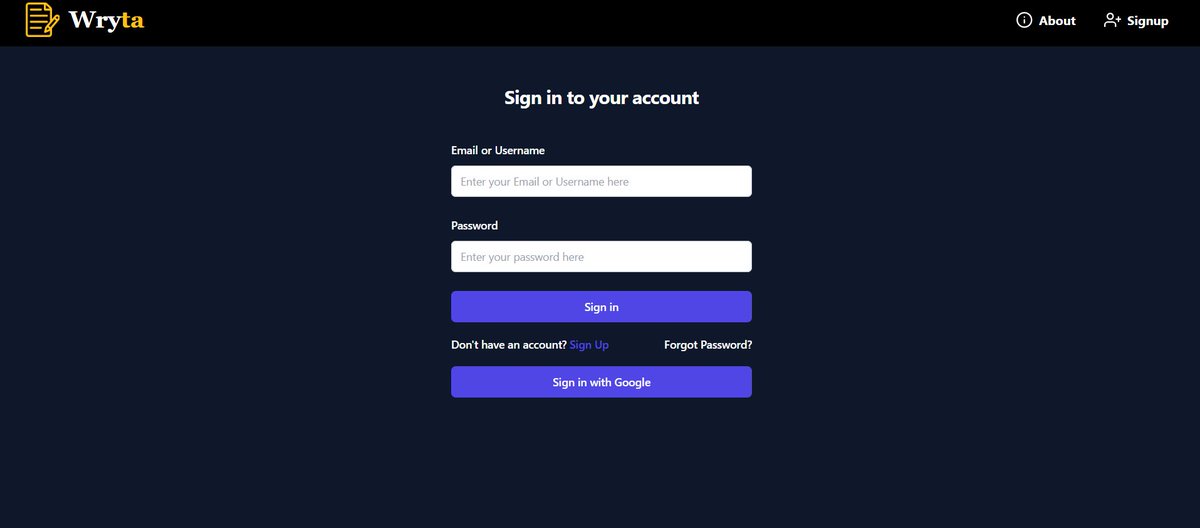
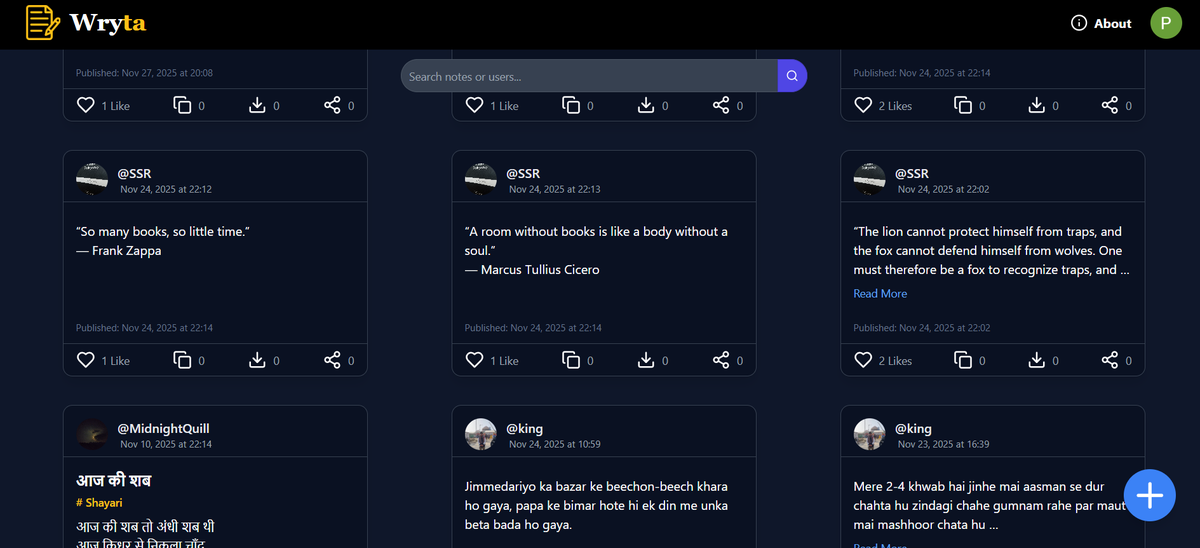
Meet Wryta — our latest build on Commudle!
A smarter way to create content, faster.
Explore now 👇
lnkd.in/dYAYYbqb
#Wryta #Commudle #ContentTech #BuildInPublic

3
47
8 Dec 2025
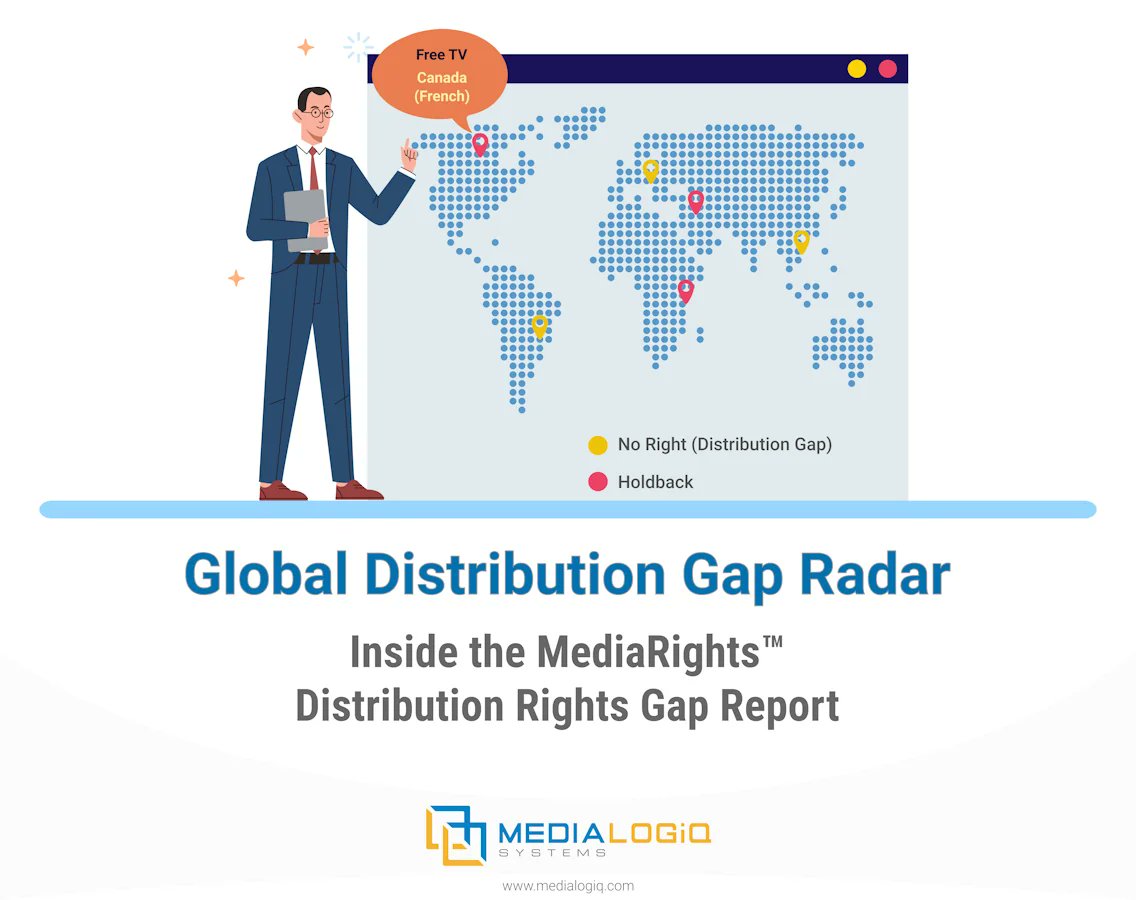
Global Distribution Gap Radar: Inside the MediaRights Distribution Rights Gap Report
Navigating the complexities of global media rights is like assembling a massive jigsaw puzzle, where each missing piece represents a missed opportunity. Every territory, language and medium isn’t just a potential revenue stream, but also a hidden risk. The world of media rights is vast, fragmented and fast-paced, where even the slightest oversight can cost you valuable deals and licensing opportunities. With the constant evolution of digital platforms, emerging markets and licensing trends, rights holders must maintain a sharp focus on every detail, because the consequences are significant and even the smallest oversight can result in missed opportunities for global success.
Managing media rights involves far more than signing contracts — it demands precise tracking, continuous updates, and above all, accurate recording. A simple misentered territory, a forgotten language or an incorrect media can lead to costly errors and missed opportunities. These gaps, often hidden in the sea of data, represent the areas of your rights portfolio where distribution rights are either missing or improperly recorded, leaving valuable income on the table.
#MediaRights, a comprehensive rights management and licensing platform developed by MediaLogiq Systems, is designed to address these complexities head-on. The platform empowers users with the ability to manage and track rights across products, territories, languages and media. It offers a full suite of detailed and summary reports, availability tracking and a range of other powerful features. These tools ensure that every distribution right is accounted for, providing clarity, precision and actionable insights to maximize licensing opportunities.
Among all of these valuable features, one stands out as an invaluable tool — the Distribution Rights Gap Report.
Bridging Global Distribution Gaps
The Distribution Rights Gap Report is a vital asset for rights managers, enabling them to pinpoint where gaps exist in their distribution rights portfolio. This tool is not just another report; it is an intelligent system that continuously scans your entire rights landscape, identifying areas where rights are either missing or where misapplications have occurred, allowing you to act fast and strategically.
The beauty of the Gap Report lies in its simplicity and depth. Users can filter data by product, territory, language and medium, making it easy to visualize gaps. These gaps could be due to oversights, data entry mistakes or strategic holdbacks, but regardless of the cause, the report makes it clear where action is needed. It ensures that users don’t just spot these issues — they can act on them with speed and confidence.
However, while the Distribution Rights Gap Report is a significant advantage, it’s just one piece of the puzzle. #MediaRights offers a broad range of comprehensive reports and tools that allow users to track availability, run detailed analytics and monitor distribution rights at the most granular level, across any combination of products, territories, languages and media. Together, these capabilities ensure that users can stay on top of their entire rights portfolio, optimize licensing strategies and spot new opportunities with ease.
Granular Detail for Strategic Insight
One of the standout features of #MediaRights is its ability to deliver granular detail across various dimensions of rights management. While other platforms may offer basic rights tracking, #MediaRights allows users to filter rights data by specific parameters, such as title, territory, language and medium, all in a way that makes sense for their specific needs.
For example, you might be managing a highly popular film that’s already licensed in major territories like the US, UK, Canada and Australia, but notice gaps in other markets across Central or Southeast Asia and Polynesia. Using the Gap Report, you can quickly identify these gaps and then make informed decisions about pursuing rights acquisition in those markets. This level of detail allows rights holders to optimize licensing strategies and ensure no potential market is left unexploited.
Delivered in a user-friendly Excel format, the report makes it easy to manipulate, analyze and share data with stakeholders. Whether working with a team or presenting findings to senior executives, the Excel output allows for quick access to actionable insights that can be acted upon immediately. By making the report so accessible and actionable, #MediaRights ensures that rights managers can move from identifying gaps to taking strategic actions with minimal friction.
How the Gap Report Unlocks Business Opportunities
The Distribution Rights Gap Report is more than just a tool for identifying missing rights — it serves as a springboard for strategic action. By revealing where your distribution rights fall short, the report not only pinpoints gaps in your licensing coverage but also gives you the opportunity to:
🗹 Fix Data Entry Mistakes: Errors are inevitable in any system, but the Gap Report makes it easy to pinpoint where misentries have occurred. Whether it’s a misentered territory or an incorrect media type, the report flags mistakes so that users can correct them swiftly, keeping their rights portfolio accurate and complete.
🗹 Prioritize Acquisition of Missing Rights: The Gap Report helps you quickly identify key territories, languages or media where rights are missing. You can then prioritize these areas and negotiate to acquire the necessary rights before competitors can enter the market.
🗹 Expand Your Distribution Portfolio: The Gap Report gives you an opportunity to explore areas of your rights portfolio that may have been previously underutilized. If certain territories, languages or media were overlooked, this report enables you to revisit those gaps and pursue further acquisitions, opening up additional revenue streams.
🗹 Maximize Licensing Opportunities: The ability to spot gaps in your rights management gives you the opportunity to negotiate additional deals. By identifying gaps where you lack distribution rights, you can approach licensors to fill those voids, ensuring that no part of your portfolio remains underexploited.
To conclude, the Distribution Rights Gap Report is a valuable tool within #MediaRights, helping users identify gaps, fix errors and expand their acquisitions. With a complete set of reports and analytics, it ensures portfolios are always accurate, well-optimized and primed for success.
Looking to enhance and optimize your global rights management?
Visit our website (medialogiq.com/mediarights) or contact us at info@medialogiq.com today to find out how #MediaRights can help you manage rights more efficiently and maximize revenue.
#DistributionRightsGapReport #RightsGapAnalysis
#DistributionHoldback #Holdback #DistributionRights #RightsPortfolio #RightsManagement #RightsAvailability #FilmDistribution #TVDistribution #ContentDistribution #FilmDistributionSoftware #TVDistributionSoftware #RightsLicensing #MediaLicensing #RightsManagement #RightsTracking #RightsManagementSoftware #media #ContentDistribution #filmtech #contenttech #entertainment #media #content #film #movies #tv #tvshows
2
5
40

5 Dec 2025
Major update:
We are moving Media Fusion into MWWC, creating one of the strongest emerging global media and technology platforms in the industry.
At the center of this transformation is our fully signed 3-year global agreement with Warner Bros. Discovery — a landmark partnership that anchors our international rollout of Hollywood After Dark. This agreement is the foundation of our global strategy, and it reflects the confidence of one of the most respected media companies in the world.
We are now adding additional broadcast, cable, and digital partners across key markets, expanding the reach and impact of the franchise.
Through our Global Media Alliance, we remain one of the few companies capable of reaching nearly 3 billion consumers across TV, digital, FAST, and emerging platforms.
We are also integrating AI-driven production and monetization technology, positioning us at the cutting edge of next-generation media, where content, data, and commerce converge.
Key executives are joining the mission. The transition is underway. The foundation is solid. The momentum is real.
More updates coming soon.
For deeper details, visit my LinkedIn page.
#WarnerBrosDiscovery #GlobalMedia #HollywoodAfterDark #MWWC #ContentTech #FASTChannels #Broadcast #AIDrivenMedia #NextGenMedia #3BillionReach
12
3
35
33,372

23 Nov 2025
🚀 Premium domain for sale: LuVideo.com
Perfect for video streaming, AI media platforms, or content creation startups 🎥🤖
✅ Short, memorable, and brandable
✅ “Lu” adds a sleek, modern touch | “Video” = clear focus on media and streaming
✅ Ideal for SaaS video tools, AI editing platforms, or entertainment apps
📩 DM for offers or inquiries
#DomainForSale #LuVideo #PremiumDomain #Video #Streaming #AI #ArtificialIntelligence #Media #ContentCreation #Startup #SaaS #Tech #Innovation #DigitalAssets #DomainName #DomainInvesting #Entrepreneur #ForSale #VideoPlatform #AIStartup #AIBusiness #DigitalInnovation #FutureTech #ContentTech #EntertainmentTech #OnlineBusiness #TechStartup
1
2
81

4 Oct 2025
Content ownership, verifiability, and privacy—powered by Layer 1.
Writory uses blockchain to anchor hashes & metadata for proof-of-existence, maintaining integrity without storing raw data. Scalable. Interoperable. Practical.
Is $WTRY the next step for decentralized content?
#Web3 #Blockchain #ContentTech 🚀

28
8,261
27 Sep 2025
Developers, meet Writory: a modular SDK/API framework designed for verifiable content provenance, AI-powered creation, and decentralized licensing.
From content hashing to $WTRY-powered licensing, build trust and authenticity directly into your apps.
🔗 Blockchain-ready
📊 Insight-driven
🛠 Developer-friendly
#Web3 #ContentTech
11
11,119

30 Aug 2025
Media Entertainment Funded Startups: 356 records! View Startup Name, Funding, Stage free at
docs.google.com/spreadsheets…
#mediastartups #entertainmentstartups #fundedstartups #contenttech
1
33

28 Aug 2025
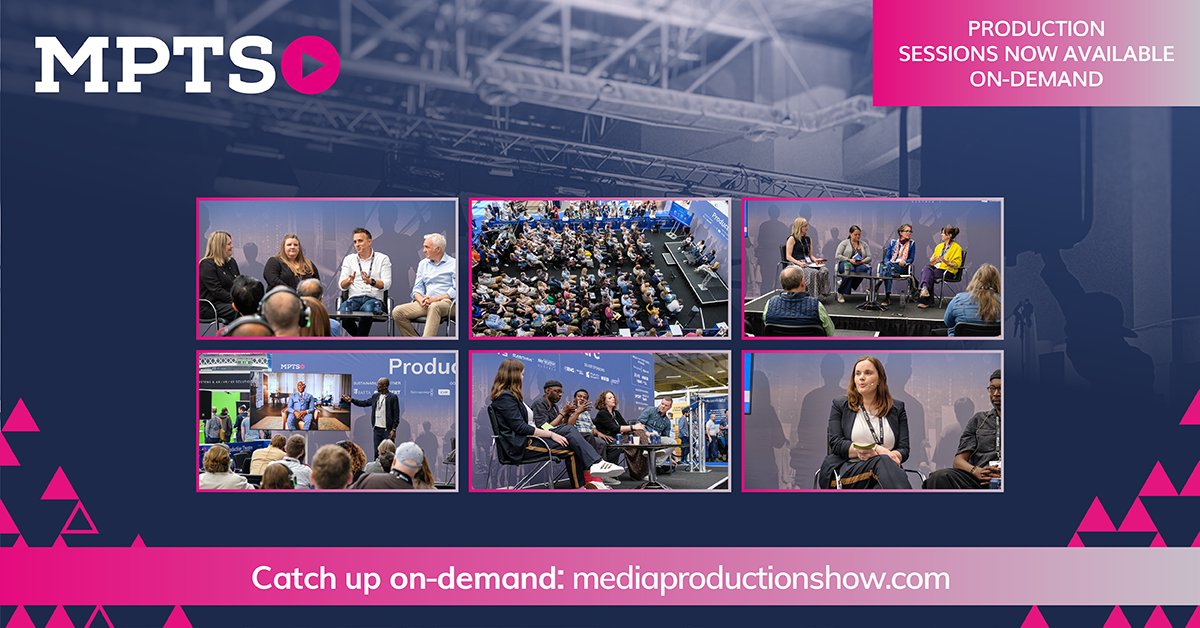
🎥 #ThrowbackThursday to standout moments from the #Production Theatre at #MPTS2025 — now available to watch on demand!
From navigating new filming workflows to on-set innovation, crew wellbeing and creative collaboration, these sessions were packed with insights from those shaping the future of production.
📺 Missed them at the show? Catch up now: ow.ly/SPhq50WGxCw
#MPTS2026 #MPTSOnDemand #Production #OnSetInnovation #MediaProduction #BroadcastIndustry #ContentTech #FilmTVProduction #10YearsOfMPTS
3
130

24 Jul 2025
Live content is evolving AI and real time augmentation could reshape streaming, the metaverse, and creator monetization. Peer to peer data opens a world of personalized experiences.
wired.com/story/decart-artif…
#AI #Web3 #FutureOfStreaming #ContentTech
3
53

18 Jul 2025
MIT CSAIL’s CellLENS 🔬 spots hidden cell patterns with surgical precision, paving the way for next-gen writing AI to analyze and adapt text like never before ✨ Dive in: writebreeze.com/news/celllen… #AI #PrecisionAI #ContentTech
2
14