
Thank you.
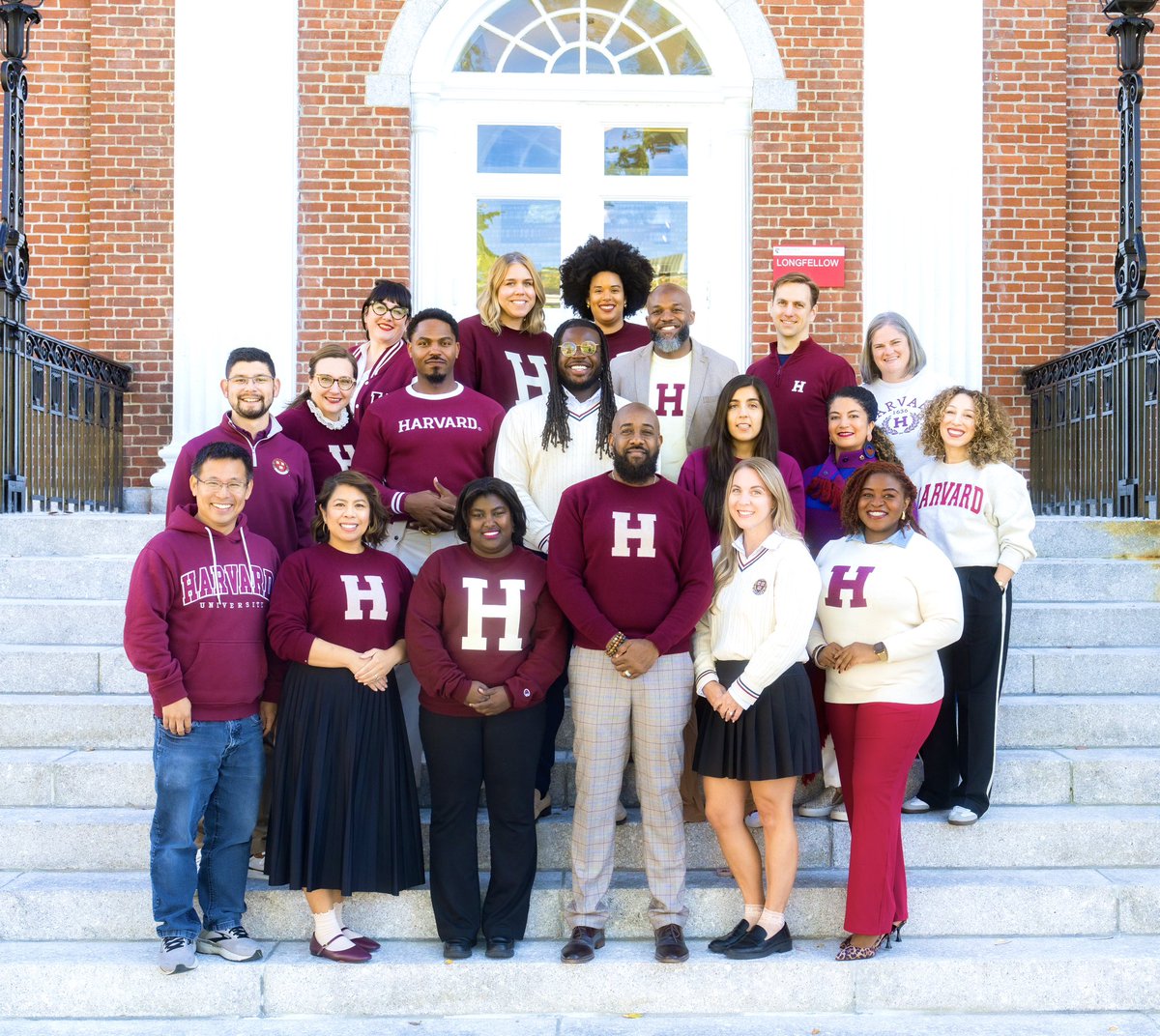
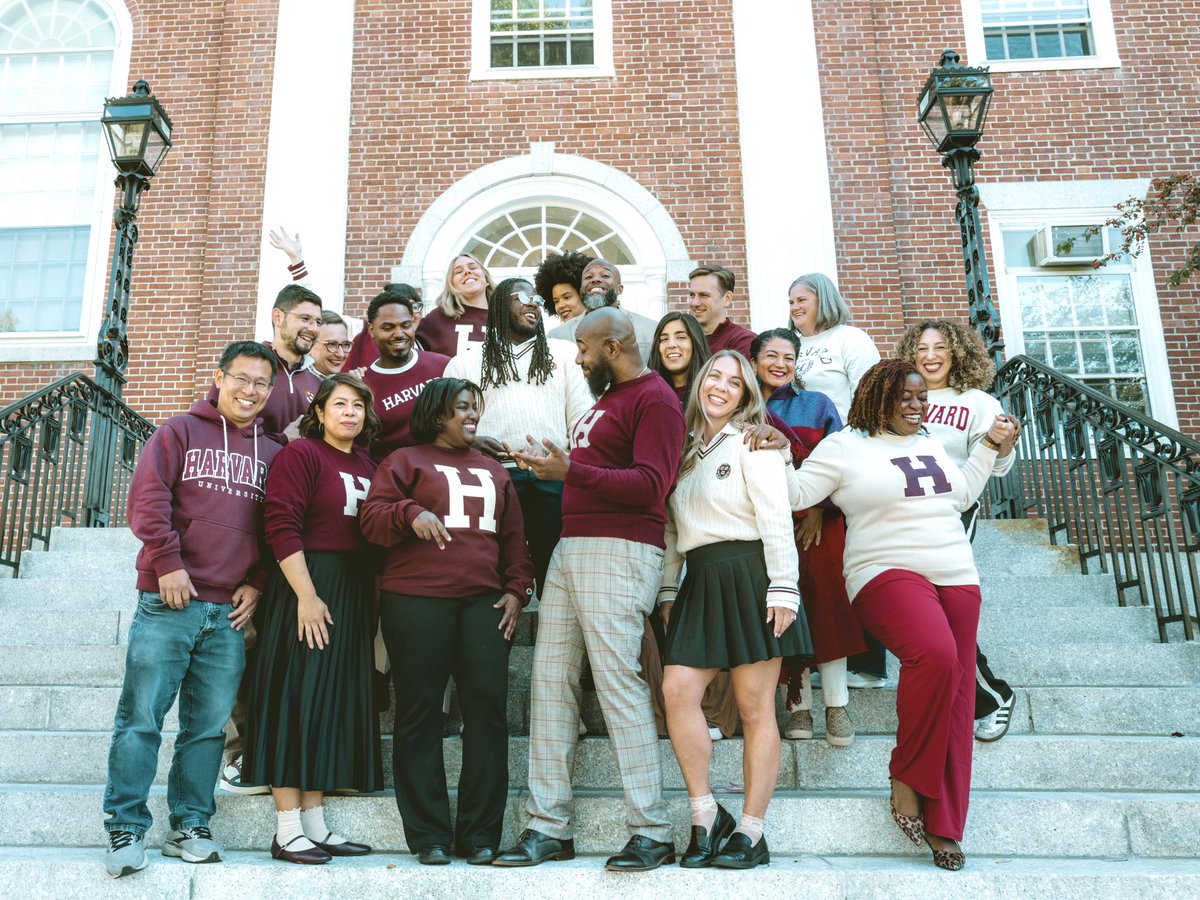
30 plus leaders trusted UHCL in the middle of chaos.
You did not have to. But you did.
August 2026 cohort. We will not let you down.
God bless and let's go!
#UHCL #EDLD #Grateful @UHClearLake
17

#jeddahMassage in #khamis
🍃🍃🍃🍃🍃🌾🌾🌾
Massage in #jeddah #abha
#jubail #tabuk
🥄🍢Russia wa.me/ 966577084034
مساج في لخبر
مساج في الرياض
مساج في جدة
مساج في بريدة
مساج في الهفوف
🍊Yvyb🥑
Edld

4

EdlD
⎐كُـود⎐كوبِون⎐خـِصم⎐
✨ عرض جامد
⎐ايهرب⎐ايهيرب اهرب
⊵IPY1290⊴
⎐نمشي⎐
⊵MBC8⊴
⎐نون⎐
⊵STC9⊴

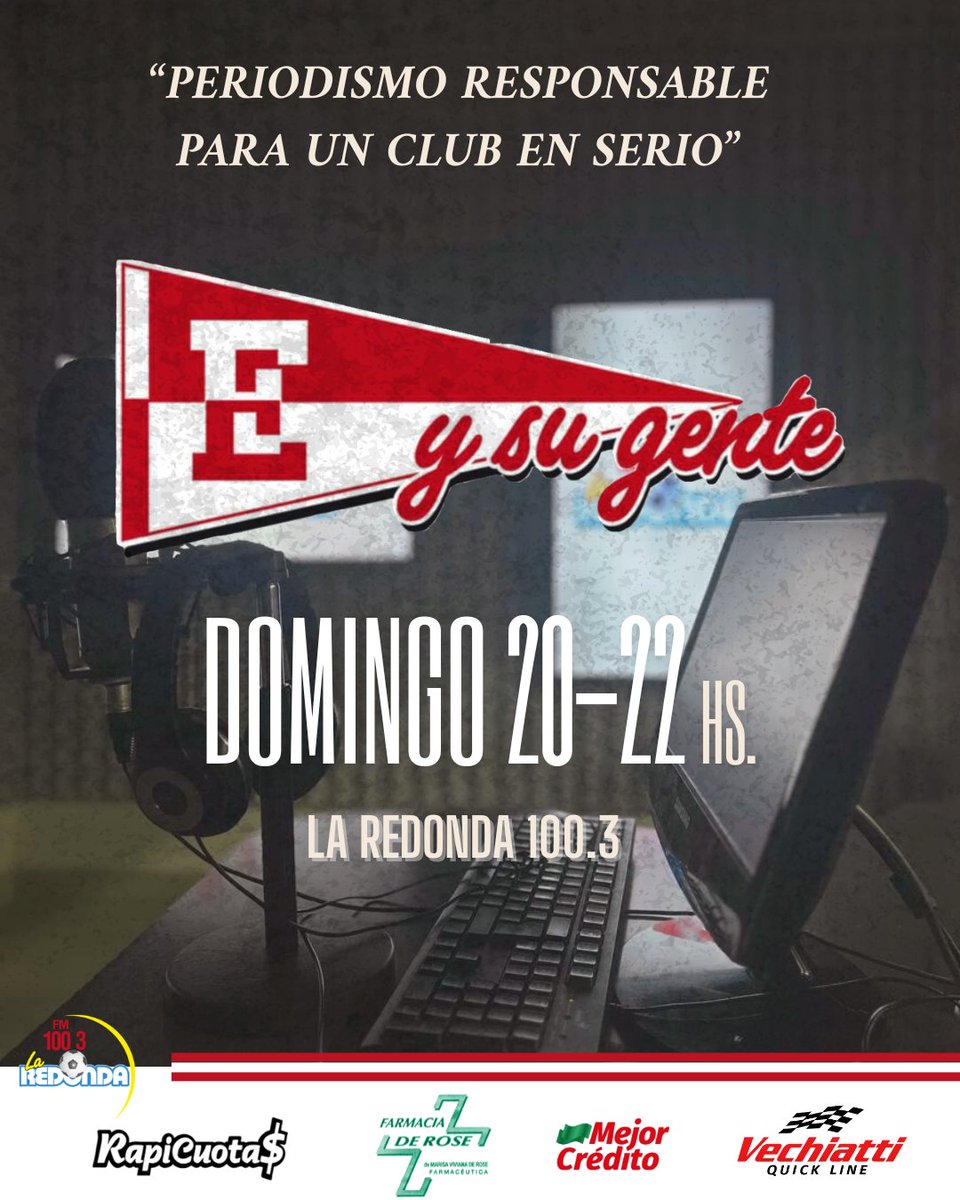
#EDLD ¡HOY PRENDETE AL 100.3! 📻
🗓️ Este domingo, desde las 20hs, te esperamos con una nueva edición “Estudiantes y su gente” con todo lo que tenes que saber del León y mucho más. Análisis, debate, entrevistas y toda la información del Pincha, como siempre por @LaRedondalp 100.3
1
2
73

Feb 14
Added more $XMN.
Also picked up another 124 $EDLD, all of which went straight back into the ecosystem.
Liquidity positions opened:
•$JEX v $DNA
•$JEX v $HTM
•$JEX v $A1X
•$PXC v $OWLX
•$PXC v $GOAL
•$PXC v $OLV
•$PXC v $WOJAINA
•$PXC v $TIME
•$TSK v $GOAL
•$TSK v $OWLX
Why?
I’m positioning for asymmetric upside.
Both NFTs (with their low supply) and micro-cap ecosystem coins have a structural advantage during a bull run: limited supply meets expanding demand. When liquidity flows back into the market, smaller caps can move exponentially because it takes far less capital to shift price.
Most people avoid adding liquidity because staking often offers cleaner, more predictable returns. That makes sense in stable or sideways conditions. However, in a high-volatility expansion phase, liquidity provision between low-cap assets can create interesting dynamics:
•Price acceleration on both sides of the pair
•Rotational flows within the ecosystem
•Compounding exposure without relying on a single asset narrative
My thinking is this: when you peg low-cap coins against each other, you’re not just betting on one token outperforming — you’re betting on ecosystem growth as a whole. In a bull run, correlations tighten, narratives strengthen, and capital circulates internally. That internal circulation can amplify moves across multiple projects simultaneously.
It’s a higher-risk strategy than simple staking, but the upside profile during aggressive market expansion could be significant.
Positioning early. Let’s see how it plays out.
3
3
7
559

27 Dec 2025
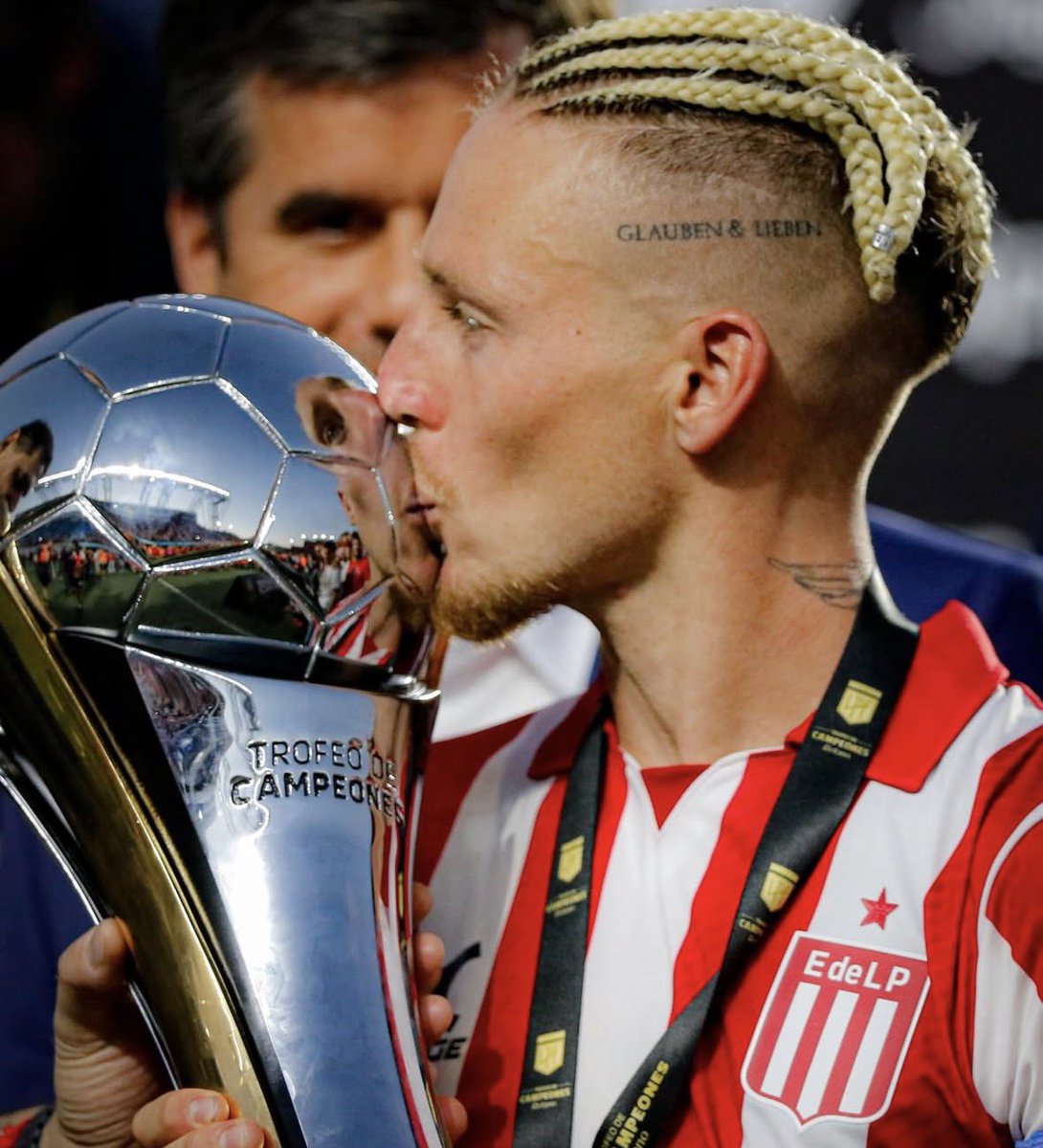
Jajajaj claro, el capitán de #EDLD, flamante bicampeón del fútbol argentino,que va a jugar Libertadores 2026, fue ofrecido gratis y dijo que no solo quería jugar en boca si no que también podía ir a cortar el pasto en bosta predio. Las operetas del periodismo porteño dan risa.
27 Dec 2025

Santiago Ascacíbar fue ofrecido a Boca.
Hoy, el foco del mercado de pases está puesto en reforzar otros sectores de la cancha.
1
10
572




17 Oct 2025
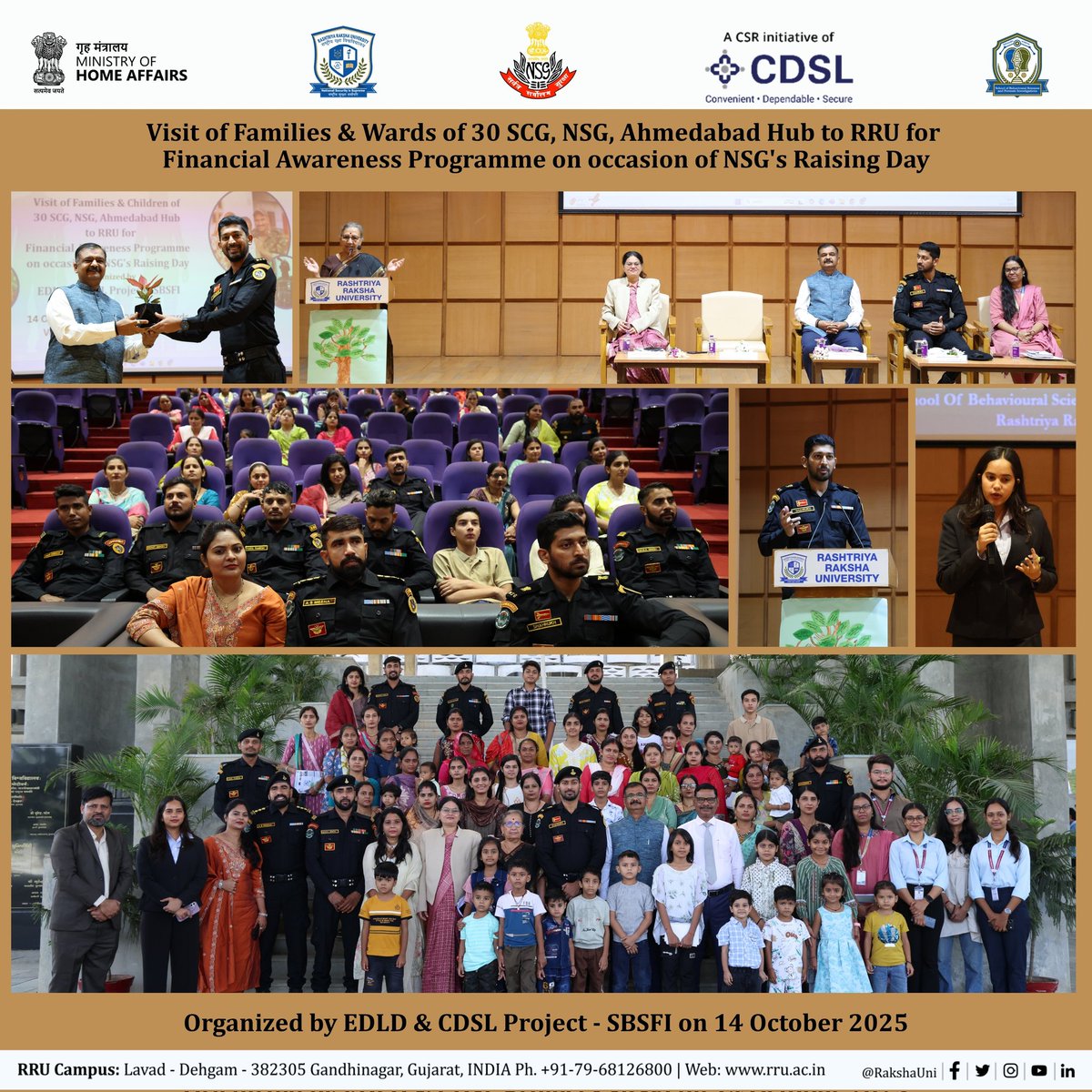
On the occasion of NSG’s Raising Day, families and wards of 30 SCG, NSG, Ahmedabad Hub visited Rashtriya Raksha University (RRU) for a Financial Awareness Programme, organized by EDLD and CDSL Project – SBSFI on 14 October 2025.
The event also featured Career Guidance & Counselling Sessions, Meditation and Mindfulness Activities and Sports Events for children, promoting holistic wellbeing and financial literacy.
An initiative aimed at fostering mental, emotional and financial resilience among NSG families.
#NSG #RRU #CDSL #FinancialAwareness #Wellbeing #Empowerment @nsgblackcats
@PTI_News
@PMOIndia @HMOIndia @CMOGuj @PIBAhmedabad @PIB_India @ANI @AP @AFP @AFPphoto @ians_india @timesofindia @htTweets @tv9gujarati @mygovindia @MyGovHindi @MyGov_Gujarat
5
321

26 Sep 2025
El madafackin ROSSI salvandonos de los 912 mil tuits de otracultura de EDLD
17
1,574

24 Sep 2025
スプラで皆タコボーイで嬉しかったからバトルのヤツあげる。こういうのって公開して良いのかな……?晒し目的ではないからセーフかな
RW11-YHYY-E5U2-EDLD
↑これのコード合ってるか分からん
オレは『塗り専のきりんさん』です。
マジで足場確保しかしてないから、他の人の視点見てた方が楽しいよっ!
3
294

10 Sep 2025
Ya bir hoca gelmiş başlamış iyi veya kötü bilmiyoruz çok mu zor destek vermek iş işten geçtikten sonra konuşmanın ne faydası var belki 2 hafta sonra o adamla çalışacaksın niye fb yi değilde koltuğu düşünen adamlar aday oluyor bırakın bir görelim adam dünyanın en kötüsü ilan edld
3
1,256

2 Sep 2025
#AlphabetChallenge #WeekJforJetBlack
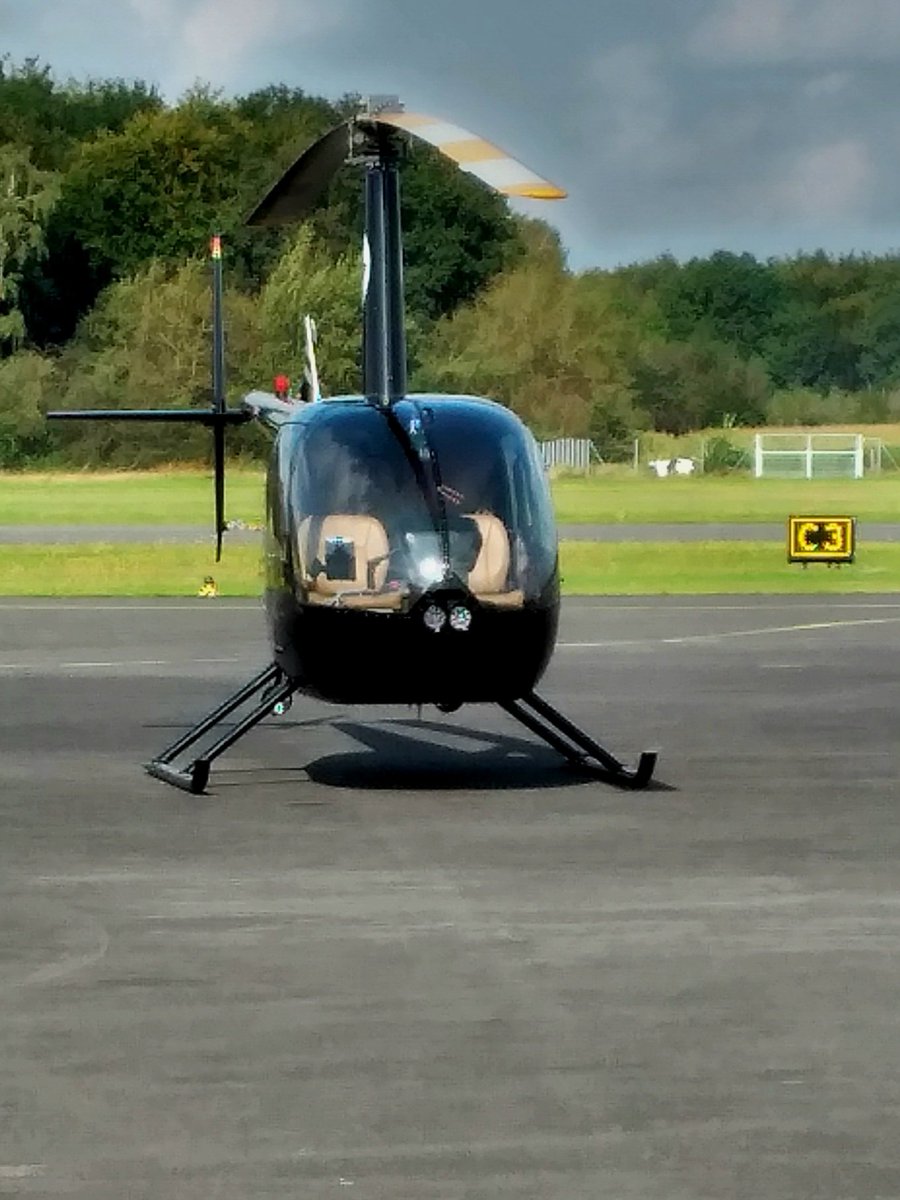
Schwarzer Robinson R44 Raven am Verkehrslandeplatz Dienslaken/Schwarze Heide EDLD.
8
85
22 Aug 2025
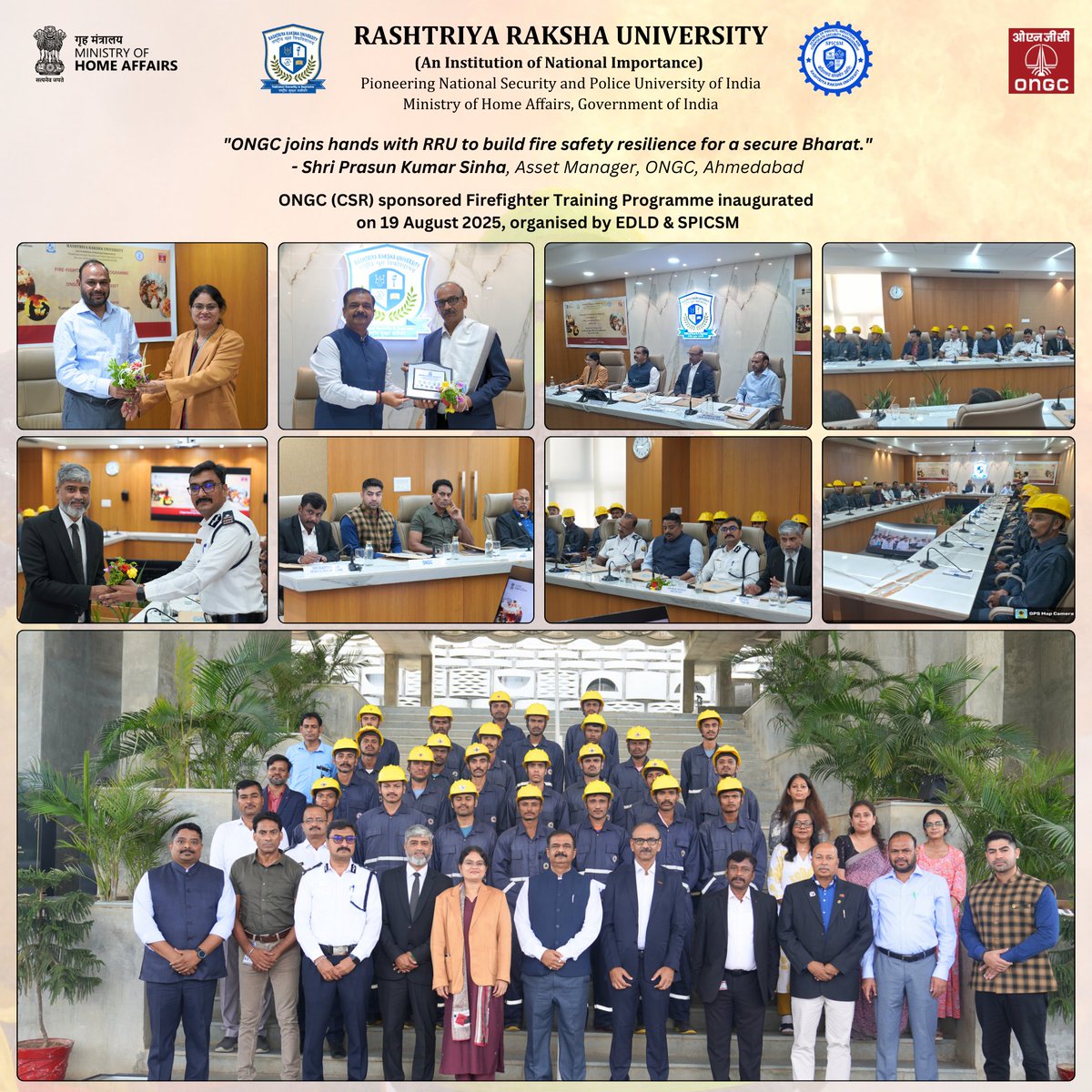
Strengthening Fire Safety, Securing the Nation!
@ONGC_ has partnered with Rashtriya Raksha University to enhance fire safety resilience by launching a six-month training program for 25 youth of Gujarat, focusing on skill development and future readiness.
The program, sponsored under ONGC’s CSR initiative, was formally inaugurated on 19th August 2025, jointly organized by EDLD & SPICSM, RRU.
The event was graced by the esteemed presence of Shri Prasun Kumar Sinha, Asset Manager, ONGC, Ahmedabad.
Together towards a Safer, Stronger and Secure Bharat!
#ONGC #RRU #firesafetytips #CSR #ViksitBharat
@PetroleumMin @MinOfPower @EduMinOfIndia @MIB_India @PMOIndia @HMOIndia @CMOGuj @PIBAhmedabad @PIB_India @PIBHomeAffairs @PIBHindi @PIBMumbai @pibchennai @PTI_News @ANI @prasarbharati @airnewsalerts @EconomicTimes @timesofindia @htTweets @FT @IndianExpress @the_hindu @businessline @AFP @AFPphoto @ians_india @AP
5
244

14 Aug 2025
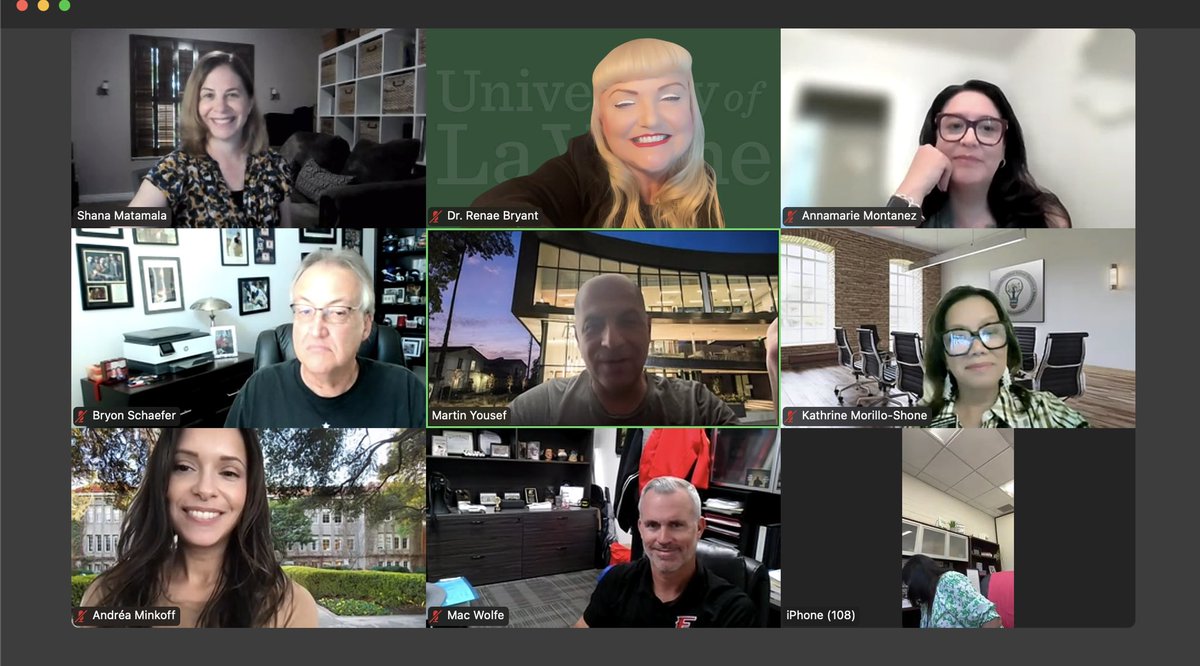
We had an awesome University of La Verne LaFetra College of Education Educational Doctorate in Leadership meeting of Learning Group Leaders planning for the fall semester. The doctoral scholars have already submitted chapter 1 of their dissertation in practice. This next semester they will take EDLD 621: Navigating Confilcts & Politics in Educational Systems and EDLD 625 Applied Research in Educational Leadership. Excited for these scholars to add to their chapter 2 and start chapter 3.
Cohort 2, which starts in summer 2026, is close to full. Register now for this two year, 95% online doctoral program:
education.laverne.edu/educat…
#EdBranding #YourStoryMatters #BeAConnecter #dbcincbooks #fitleaders #TLAP #LeadLAP #ACSA #CALSA #CSBA #NSBA #CALSPRA #NSPRA #SuptChat #SchoolPR #TheVietPodcast #LanguageExplorers #RenaeBryant #DrRenaeBryant #leadership #AASAWELL #F4Leaders
2
120


🌞 Hot off the press! 🌞
The E-DLD Summer Newsletter 2025 is officially out — and it's packed with fresh updates, exciting research highlights, and community news you won’t want to miss! 🧠💬
Get your FREE copy now: engage-dld.com/newsletters
#DevLangDis #EDLD

2
7
436



15 May 2025
20626 MGR Chennai Central - Bhagat Ki Kothi SuperFast Express ✨ ⚡
( Shree Sundha SuperFast Express)
( श्री सुंधा सुपरफास्ट एक्सप्रेस)
Departure »» 📍 Sabarmati BG
Lead by » WAP-7 Erode (EDLD) [37308]
Please Subscribe My channel 🙏👇
youtu.be/c7bS2duk0Zo

1
15
564