
Neotolis Engine. UI Components
Labels, buttons, checkbox, radio, tumbler, slider, progress bar, scrolls.
Also UI worked in 3D.
#gamedev #indiedev #enginedev #ui
10
179

May 17
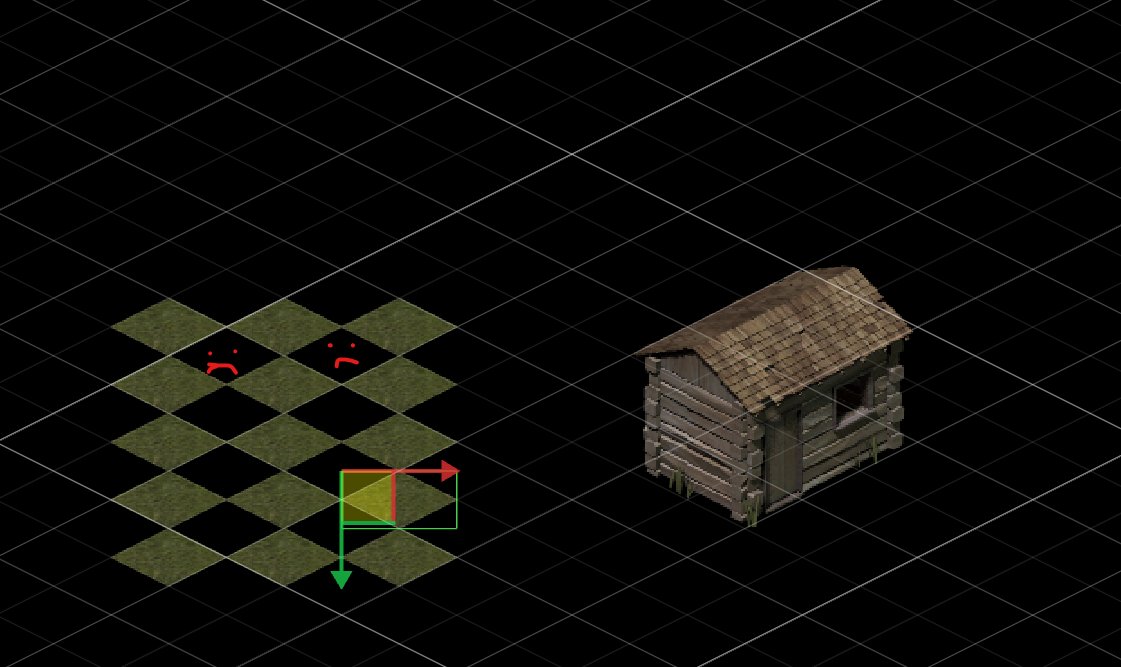
Adding isometric tiling and figuring out a whole new set of calculations is required here. Looks like it should snap on a half-size. Very exciting! #gamedev #enginedev
1
8
105
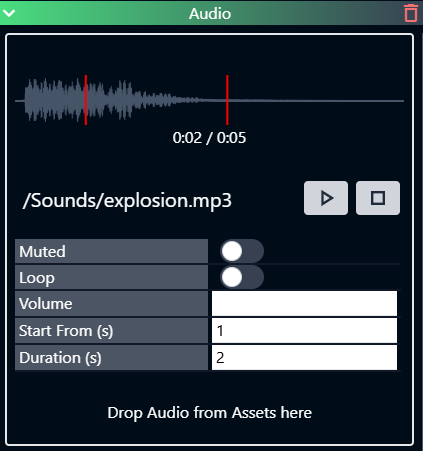
I've been procrastinating on the audio system for some time, thinking that it's hard. And its kinda is, but so existing when I hear a sound from an entity for the first time. Here is a look at the audio component panel. WIP though. #gamedev #enginedev
5
32

Apr 30
Managed to load colliders on-the-fly for the infinite chunked houses based on its distance from the player. This removed the massive performance drop I had when loading the colliders for all loaded chunks. #solodev #gamedev #physics #enginedev #vulkan
4
117

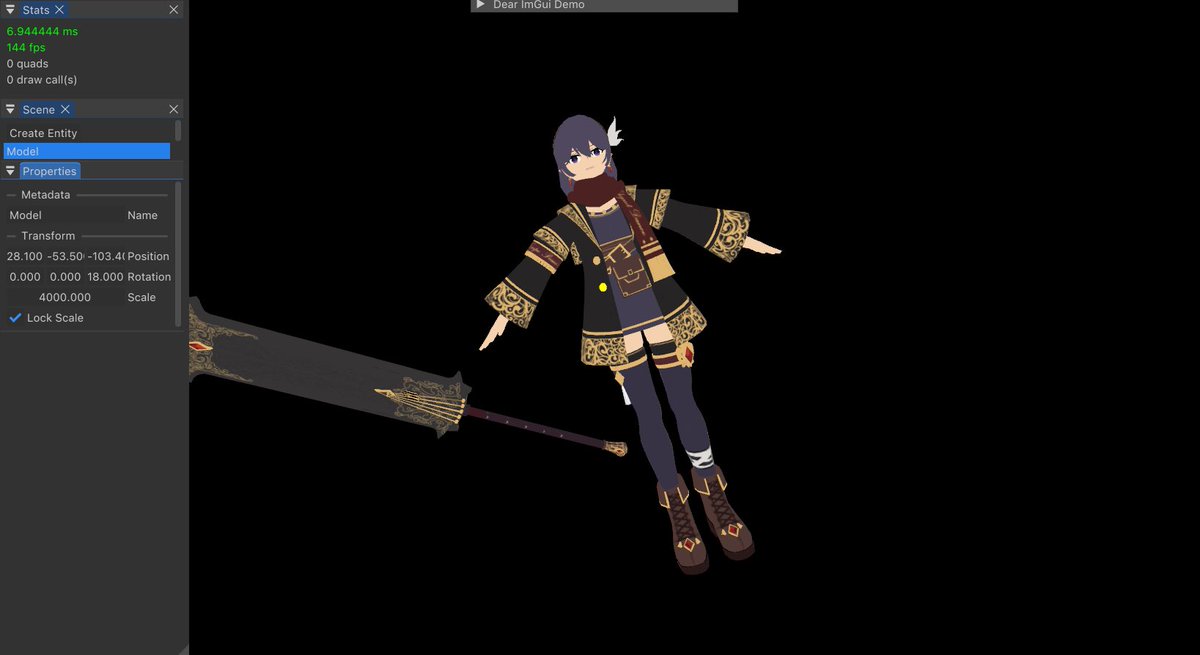
In the engine side, we can now render models!
The art team has been doing a ton of work creating animations and models for Aria, and the engine side has been working to add these things into the engine. Our first step of rendering models is now complete, onto animations!
#indiedev #enginedev
1
2
3
35
I finally added entity duplication with all components and child entities.
Working on a simple demo game to make sure that it is possible to create one with the tools that I have already created.
#gamedev #enginedev
2
18
Mar 30
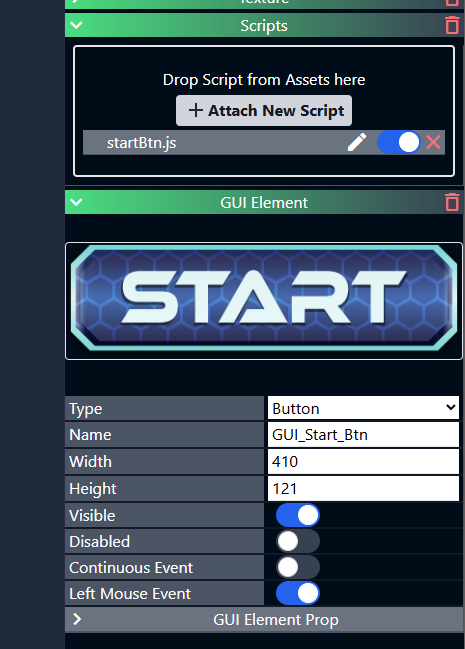
Working on the demo project for the engine. Just added a simple UI component to add a button to the scene.
Though I feel that UI is a bottomless can of worms :) #gamedev #enginedev
2
25

Mar 25
DreamAgain DX Devlog Day 2
There never was a day 1.
Goals accomplished:
Filesystem
Logger
Config Loading
#gamedev #indiedev #programming #enginedev
1
5
238

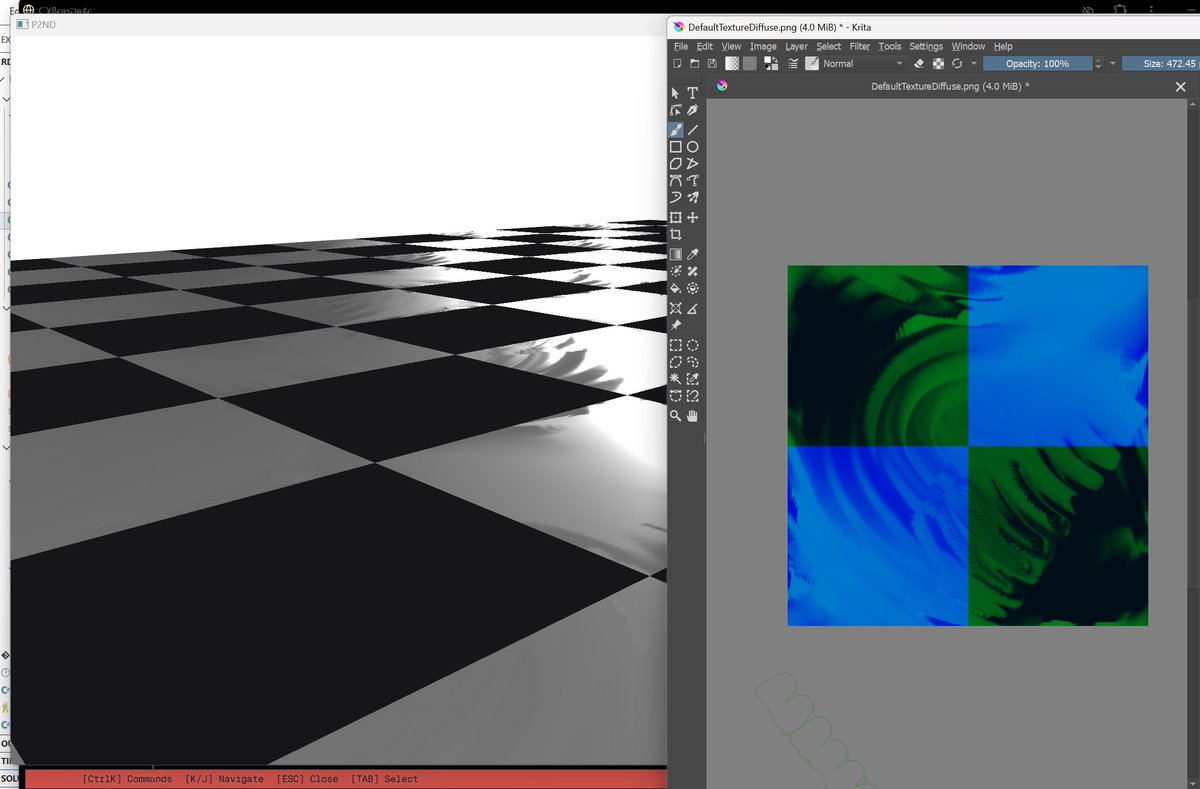

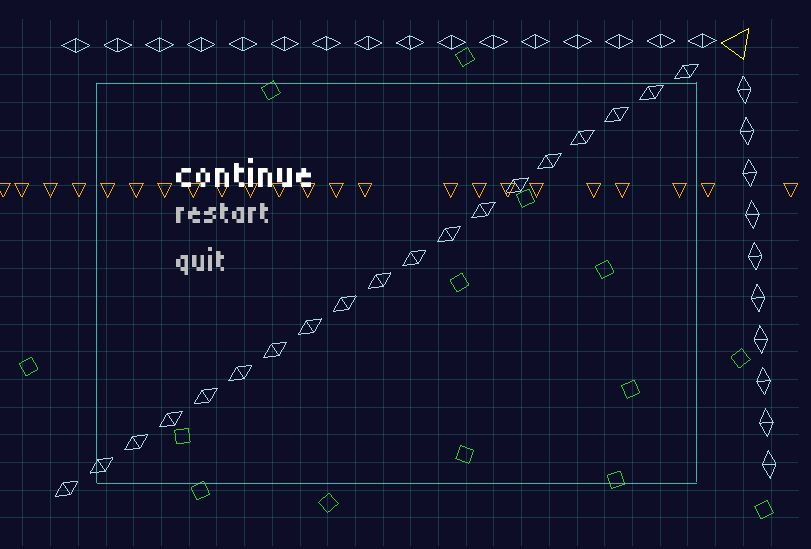
#helios now supports #GameState management and menu rendering. Next up: Implementing menu commands! #gamedev #enginedev #indiedev #indiegames
2
24

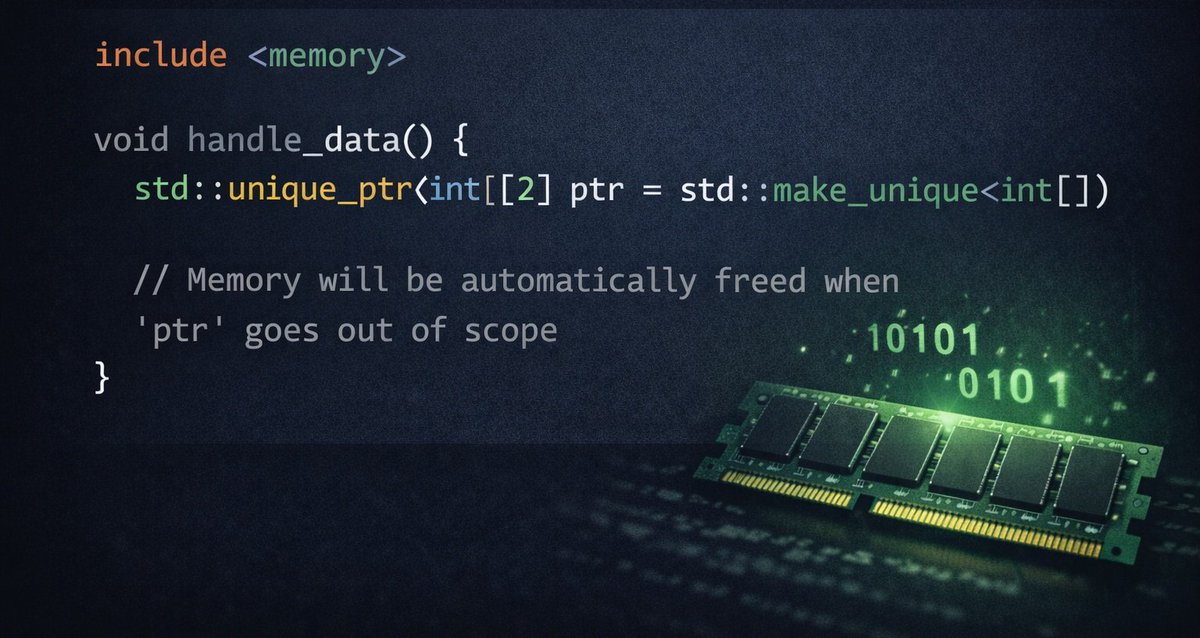
Se você faz graphic programming em C e ignora RAII,
o memory leak não é “se”.
É quando.
#Cplusplus #GraphicsProgramming #GameDev #Rendering #EngineDev
5
2,391

Jan 22
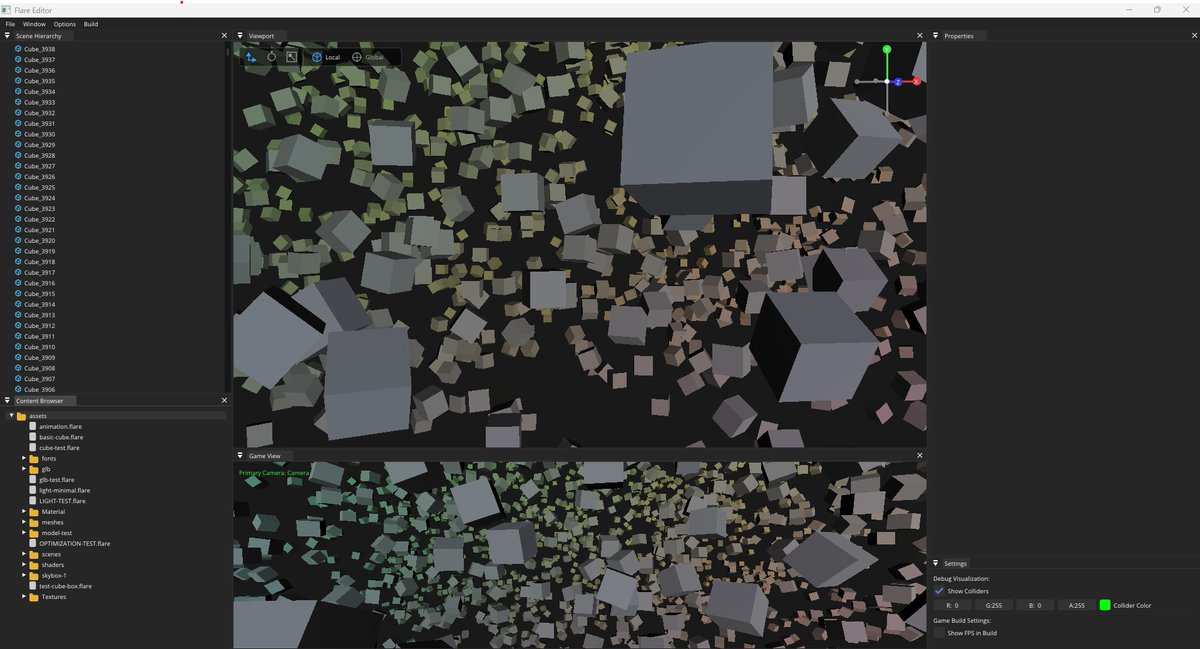
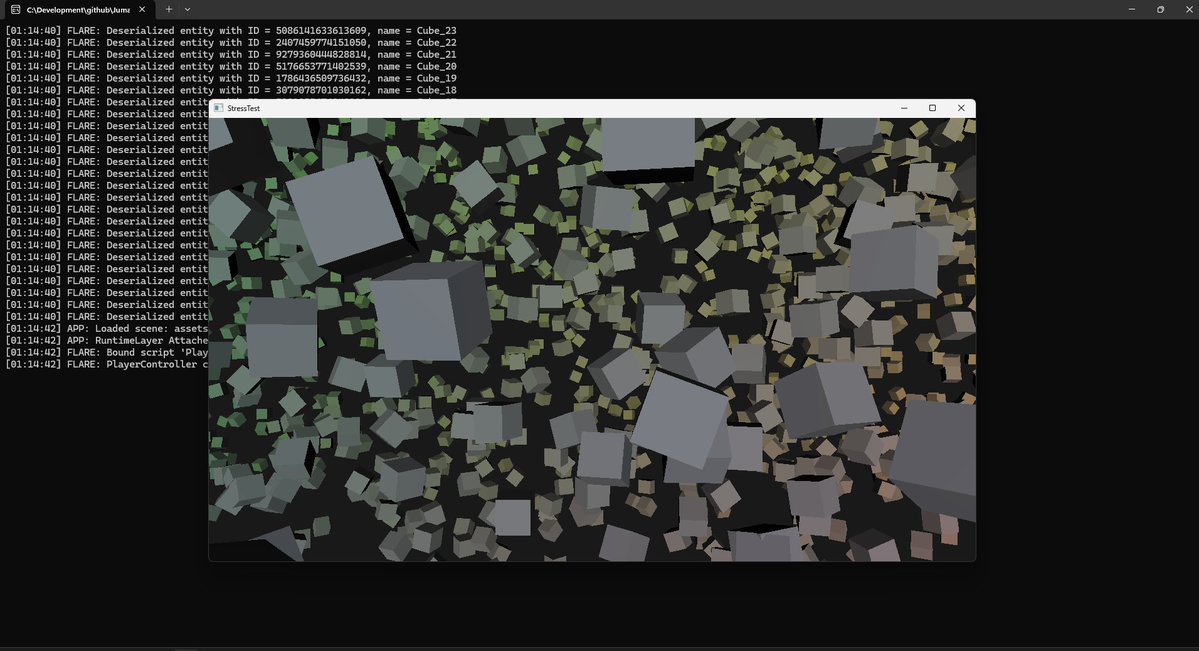
I'm building a C game engine from the ground up!
To make truly handcrafted games, we wanted to build the foundation ourselves. A long road of learning ahead, but I’m excited to get started. Thanks for following along! ✨
#IndieDev #Cpp #EngineDev #StudioLife
#gamedevs
3
5
324
back to #helios. tackling collision system and despawn logic. laying groundwork for everything that comes next 🎮 #enginedev #cpp #gamedev #indiedev #indiegames #twitch #streamer
twitch.tv/garagecraft_games
2
30

19 Dec 2025
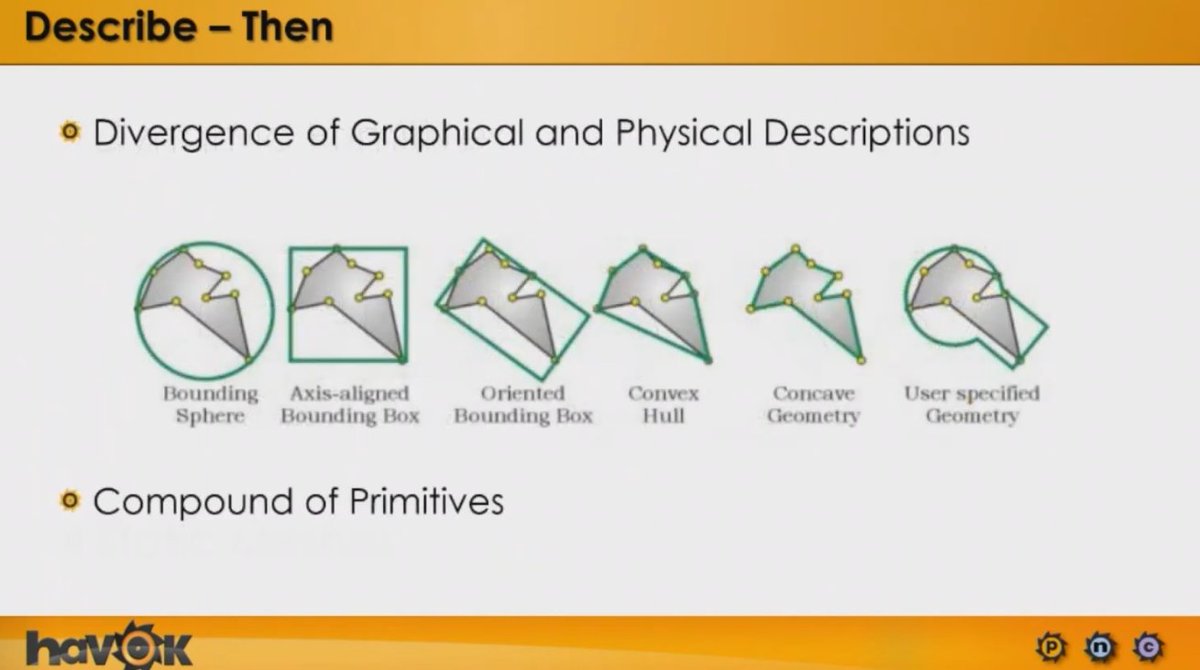
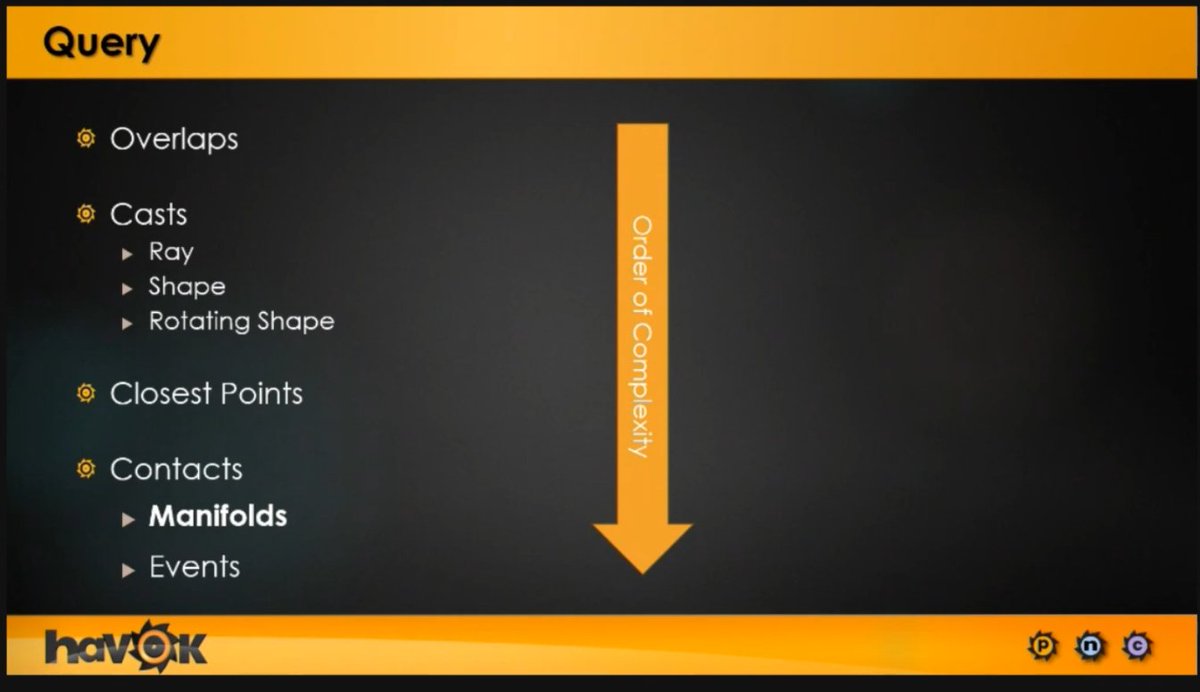
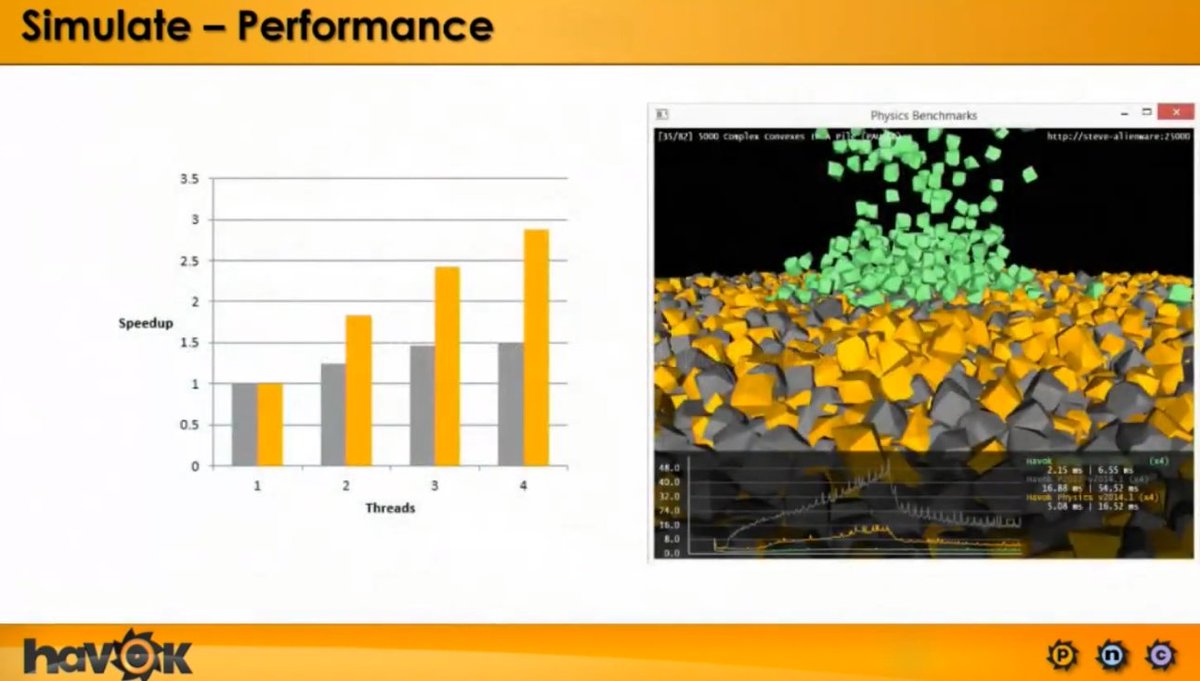
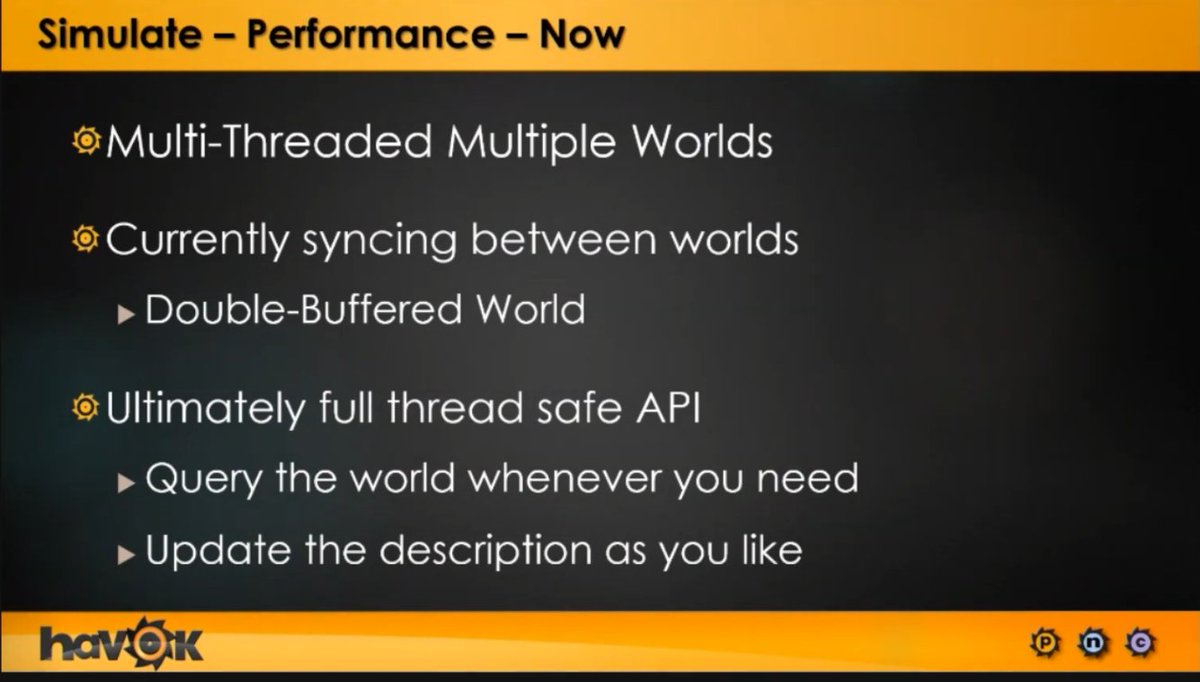
How we think about #physics in games has changed enormously over the years. #Havok Talk
From simple approximations to complex, fully dynamic geometry, physics simulation has become a core pillar of interactivity, allowing games to scale in complexity, realism, and player freedom.
youtu.be/pjQjJ_PnbzM
#GameDev #EngineDev #RealTimeSimulation #multithreading
4
21
247
13,885
1 Dec 2025
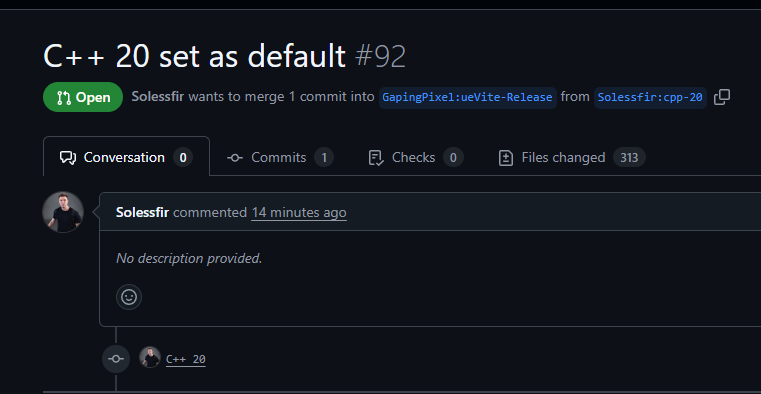
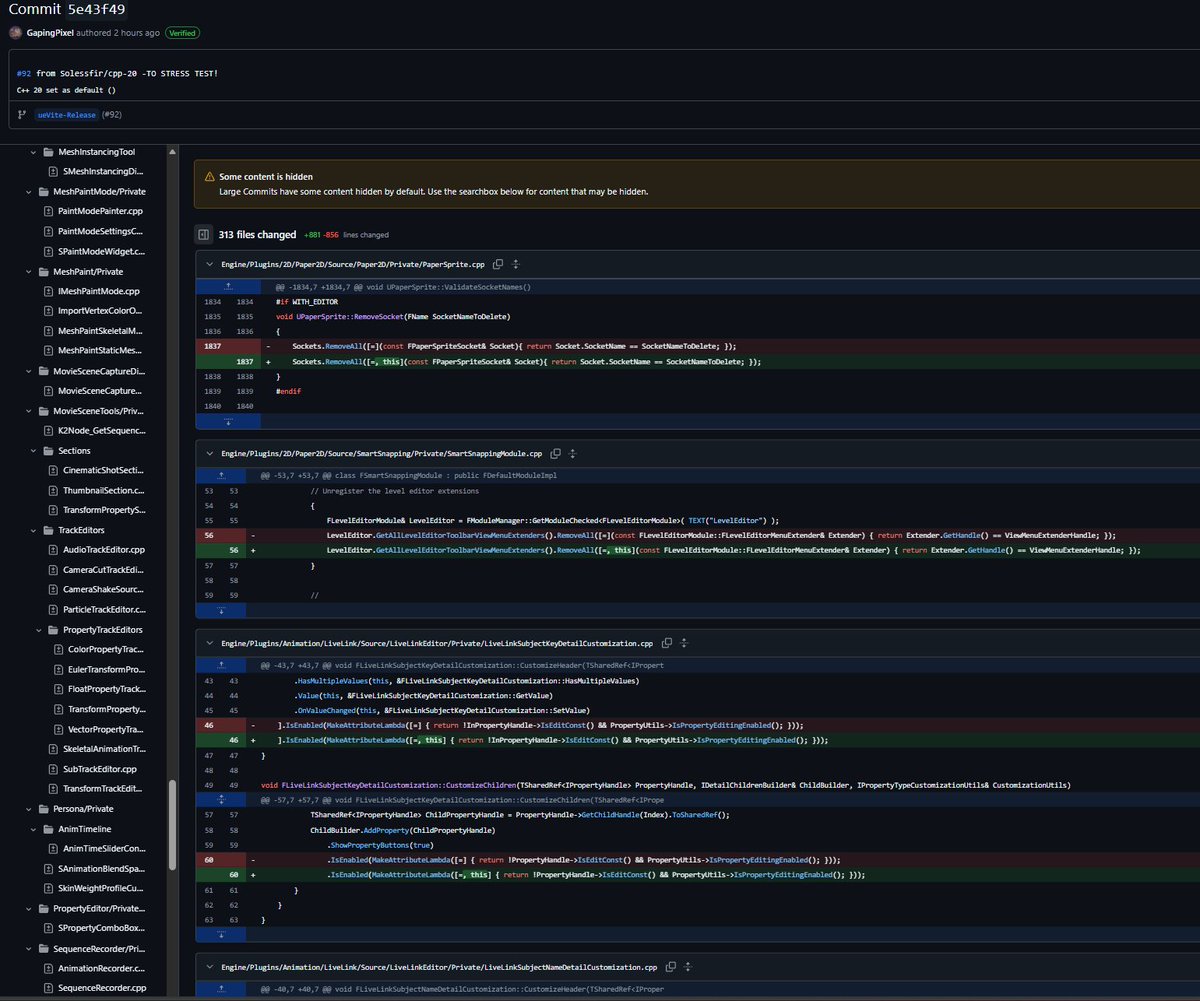
#UnrealEngine Vite #fork: @solessfir just added C 20 support for the engine. For this, he had to go over 300 code files that needed correction for #Cpp 20 compliance. #gamedev #enginedev #programming
3
46
2,922

1 Nov 2025
🎮 RetroEngine Dev Log #2 — Beam Simulation & Afterglow
When a CRT draws an image, it doesn’t show all the pixels at once. A focused electron beam scans across the screen, lighting up phosphors that glow and fade over time.
Today’s milestone was teaching RetroEngine to do the same.
🧩 What’s New
Beam behavior & afterglow: the renderer now simulates a moving scanline that excites phosphors with brightness-dependent decay.
Real texture input: instead of test patterns, RetroEngine now renders any image through the simulated CRT pipeline.
Physically inspired blending: a Gaussian beam model and nonlinear response curve give each subpixel its own soft glow, producing a natural “tube” look.
Performance: running stable at 60 FPS with full control over mask type, pitch, scanline depth, and decay timing.
🖼️ The Comparison
Original and then the same image rendered through the beam phosphor simulation stage.
Every scanline, every RGB triad is driven by the same math that powered real displays.
✨ Next Up
Beam convergence, bloom, and phosphor persistence tuning. Getting that true analog warmth and “soft focus” glow.
#RetroEngine #GameDev #ShaderDev #DirectX12 #EngineDev #RetroTech
1
4
564
31 Oct 2025
🎮 RetroEngine Dev Log #1 — Phosphor Layouts
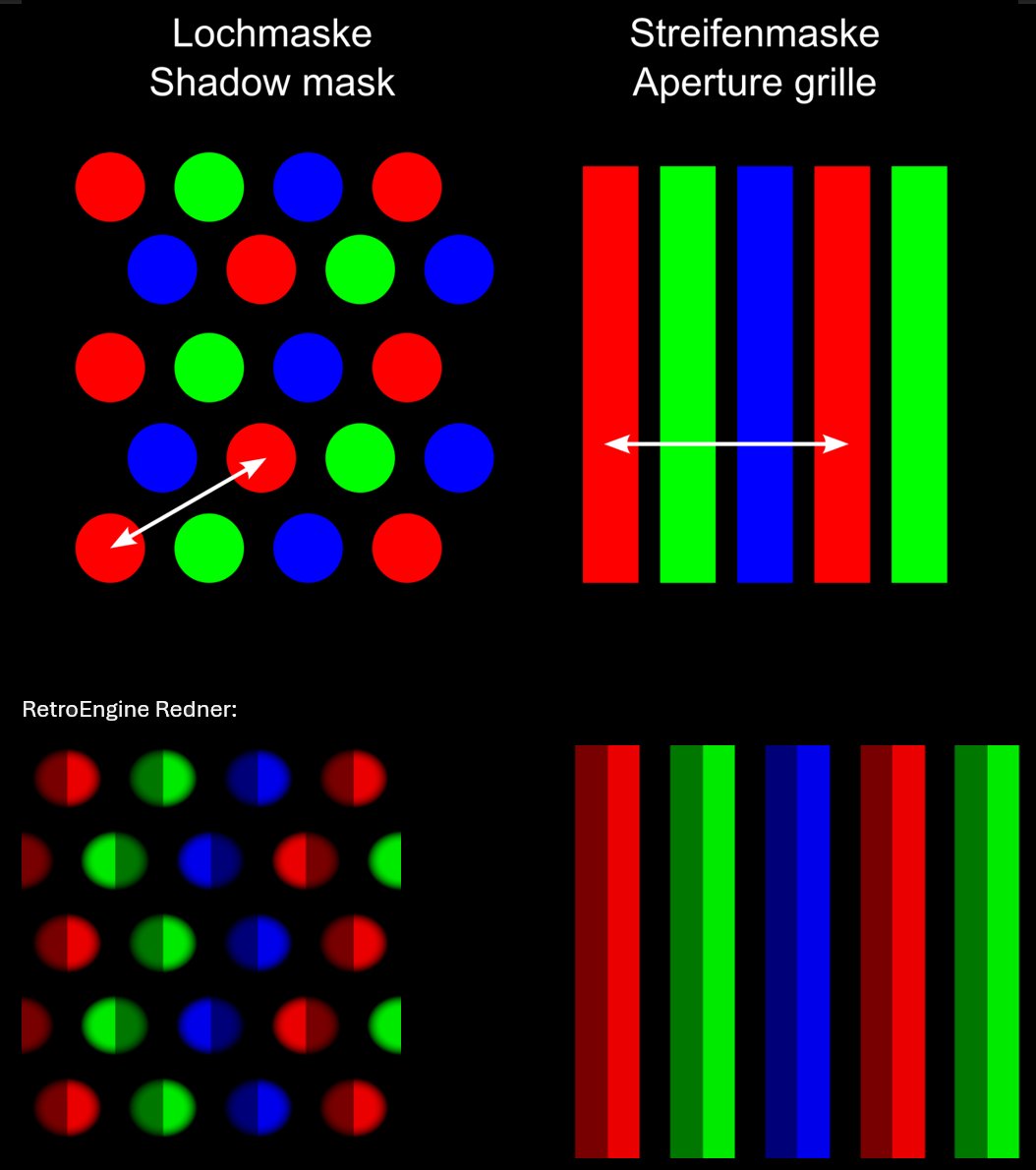
When you look closely at a real CRT screen, you don’t see pixels....you see phosphors. Tiny dots or stripes of red, green, and blue light that glow when struck by the electron beam.
Different CRTs used different arrangements:
Shadow Mask: circular triads (common in curved consumer TVs)
Aperture Grille: vertical RGB stripes (used in Sony Trinitron and PVM monitors)
To begin building my physically-based CRT renderer, I needed to reproduce these layouts procedurally on the GPU. Every subpixel, every mask pattern, rendered in real time.
The result below shows:
Top: reference diagrams of real CRT masks
Bottom: the same patterns generated by my engine
This is the foundation of RetroEngine...not a post-process filter, but a true simulation of how a CRT displays an image.
Next up: beam modeling and phosphor glow ✨
#RetroEngine #GameDev #ShaderDev #DirectX12 #EngineDev
2
3
14
1,553

18 Oct 2025
A year worth of development on my custom engine, from a humble window to its current state (1/3)🧵
#screenshotsaturday #gamedev #indiedev #enginedev #devlog
16
26
1,982
14 Oct 2025
Pleased with my new direction helper/gizmo.
Been doing a ton of refactoring, bug fixing, cleaning up on the engine and the editor lately. Need such tiny toy additions for my sanity.
#gamedev #enginedev #indiedev
3
175

14 Oct 2025
◤◢◤New Interview◢◤◢
Applying Knowledge from University Academic Research: A Curious Engineer and Master of Physics-Based Simulation Technology
🔗bandainamcostudios.com/en/cr…
We talked about what sparked his interested in physics during school and how that knowledge is being used in #gamedev and #enginedev. 🎮
Take a look! ✨
#BandaiNamcoStudios #NewGraduateHiring #Careers #GameEngineer #AnimationEngineer #GraphicsEngineer
1
3
2,853