

It's been sequenced over 50,000 times, including Sanger sequencing and long-read sequencing—years ago.
Your myth that sequencing is a computer fabrication only exists because ignorant people who do not understand the technology cannot accept that they are ignorant.
There are multiple scientific papers demonstrating **long-read full-length sequencing** of the SARS-CoV-2 genome (or its transcripts), using technologies like Oxford Nanopore (ONT) and PacBio.
Full-Length Sequencing, Key Examples:
- **Direct RNA nanopore sequencing of full-length coronavirus genomes** (Viehweger et al., 2019, *Genome Research*): This pre-SARS-CoV-2 paper used Oxford Nanopore direct RNA sequencing (DRS) on a related coronavirus (HCoV-229E), establishing the method for full-length viral RNA reads (~30 kb genome). It provided insights into structural variants and RNA modifications. This approach was quickly applied to SARS-CoV-2.
- **Direct RNA sequencing and early evolution of SARS-CoV-2** (Taiaroa et al., 2020, bioRxiv/preprint, later published): One of the earliest applications to SARS-CoV-2, providing native full-length RNA sequences and insights into the transcriptome/epitranscriptome.
- **The Architecture of SARS-CoV-2 Transcriptome** (Kim et al., 2020, *Cell*): Used nanopore direct RNA sequencing to map the full viral transcriptome, identifying subgenomic RNAs, modifications, and isoform diversity.
- **Analytical validity of nanopore sequencing for rapid SARS-CoV-2 genome analysis** (Bull et al., 2020, *Nature Communications*): Validated ONT long-read sequencing for full viral genome consensus sequences from clinical samples, showing high accuracy at sufficient depth.
- **PacBio/Iso-Seq approaches**: Several studies and datasets used PacBio HiFi long-read sequencing for full-length SARS-CoV-2 genome or transcript sequencing (e.g., for surveillance, isoform analysis, and variant detection). Examples include protocols for full ~30 kb genome amplicons and Iso-Seq for transcript landscapes.
### Why Long-Read Matters for SARS-CoV-2
- The ~30 kb positive-sense RNA genome benefits from long reads that span the entire molecule or large regions in single reads (unlike short-read Illumina, which requires assembly).
- Applications: Better resolution of variants, structural changes, subgenomic RNAs, RNA modifications (epitranscriptome), and mixed populations.
Many of these papers are open access (PMC/ bioRxiv). Early work ramped up rapidly in 2020. Search PubMed or Google Scholar for "nanopore direct RNA SARS-CoV-2" or "PacBio SARS-CoV-2" for more recent surveillance studies.
14

May 15
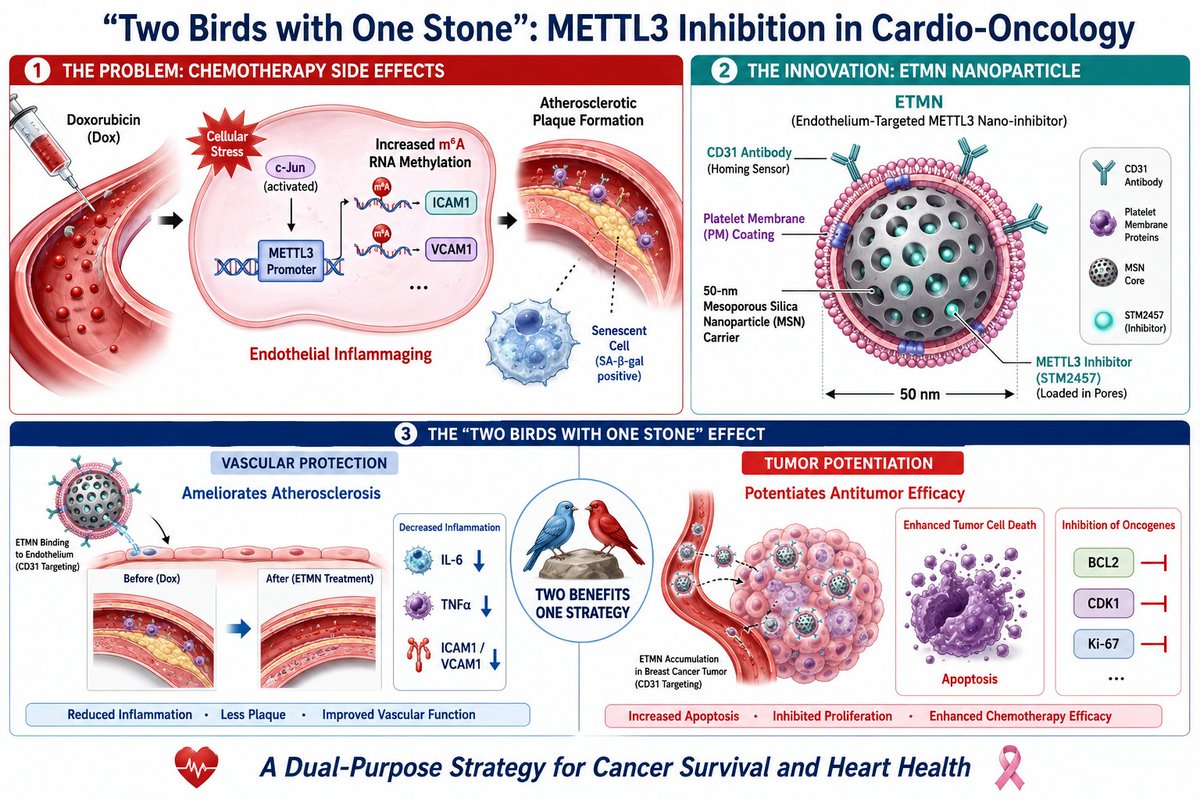
Anthracyclines like doxorubicin (Dox) remain foundational in oncology, but their cardiovascular toxicity continues to shadow long-term cancer survivorship. Beyond classical cardiomyopathy, accumulating evidence now links anthracycline exposure to accelerated vascular aging and premature atherosclerosis. A new study in Free Radical Biology and Medicine identifies the RNA methyltransferase METTL3 as a central mechanistic driver — and proposes a remarkably elegant therapeutic solution.
The authors demonstrate that Dox induces endothelial inflammaging through c-Jun–dependent transcriptional activation of METTL3. Elevated METTL3 then reshapes the endothelial epitranscriptome by increasing m6A modification on key vascular inflammatory transcripts, including ICAM1, VCAM1, and SELE. These modified mRNAs are stabilized by the m6A reader IGF2BP2, amplifying endothelial activation, leukocyte adhesion, senescence, and ultimately plaque formation.
Mechanistically, this is highly important because it reframes chemotherapy-induced vascular injury not simply as oxidative stress, but as an actively regulated RNA-epigenetic process.
To therapeutically exploit this axis, the investigators engineered an endothelium-targeted METTL3 nano-inhibitor (ETMN): a ~50 nm mesoporous silica nanoparticle loaded with the selective METTL3 inhibitor STM2457 and coated with CD31 antibodies for endothelial targeting.
The results are striking.
In murine models, ETMN markedly reduced Dox-induced endothelial senescence, SASP signaling, and aortic atherosclerotic burden. But even more intriguing, ETMN simultaneously enhanced antitumor efficacy. Tumor-enriched delivery suppressed oncogenic programs involving CDK1, PD-L1, and BCL2, thereby potentiating Dox-mediated tumor killing.
This is a true “two birds with one stone” strategy in cardio-oncology:
Protect the vasculature from chemotherapy-driven inflammaging.
Enhance the anticancer potency of the same chemotherapy.
The broader implication is profound: targeting the m6A regulatory landscape may allow future cancer therapies to become simultaneously more effective and less toxic.
As cardio-oncology evolves, epitranscriptomic therapeutics like METTL3 inhibition could redefine how we think about survivorship medicine — not merely minimizing collateral damage, but actively engineering systemic resilience during cancer treatment.
📖 Reference
Li et al. “Targeting METTL3-mediated m6A modification alleviates doxorubicin-induced endothelial inflammaging and atherosclerosis while enhancing antitumor efficacy.” Free Radical Biology and Medicine (2026).
DOI: 10.1016/j.freeradbiomed.2026.05.0XX
1
2
3
78

Apr 23
Nanopore direct RNA sequencing is redefining how we detect RNA modifications, enabling long-read, transcriptome-wide views with minimal RNA handling. This perspective highlights both the power and current limitations of DRS in probing the epitranscriptome bit.ly/4dx1lec

1
19
69
5,075

Interrogating the Escherichia coli epitranscriptome via CRISPR interference and Nanopore native RNA sequencing biorxiv.org/content/10.64898… #biorxiv_micrbio
2
5
335

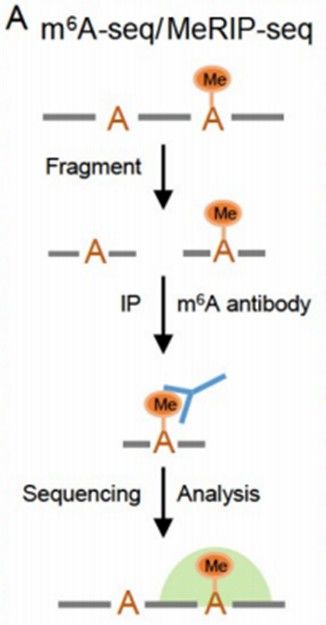
The mRNA sequence is just the blueprint; the epitranscriptome dictates the function. Learn how MeRIP-seq uses targeted immunoprecipitation and high-throughput sequencing to map m6A modifications across the entire transcriptome. Explore the guide: cd-genomics.com/epigenetics/… #m6A
1
2
28

OpenAc4C: A gateway to decode the landscape, regulation and pathogenesis of N4-acetylcytidine (ac4C) epitranscriptome biorxiv.org/content/10.64898… #biorxiv_bioinfo
1
400

🚨 Hiring Research Candidate 🧠
DBT-funded project on epitranscriptome regulation in neurons at CBR (IISc), Dr. Ravi Muddashetty lab.
Molecular biology background neuroscience interest required (experience preferred).
📩 Apply: ravimshetty@cbr-iisc.ac.in
⏳ Deadline: 10-04-2026
12
46
4,197

New Research: Pseudorabies virus infection reshapes the host epitranscriptome by globally suppressing but selectively elevating specific RNA modifications frontiersin.org/articles/10.… #FrontiersIn #Microbiology
4
4
211

Mar 12
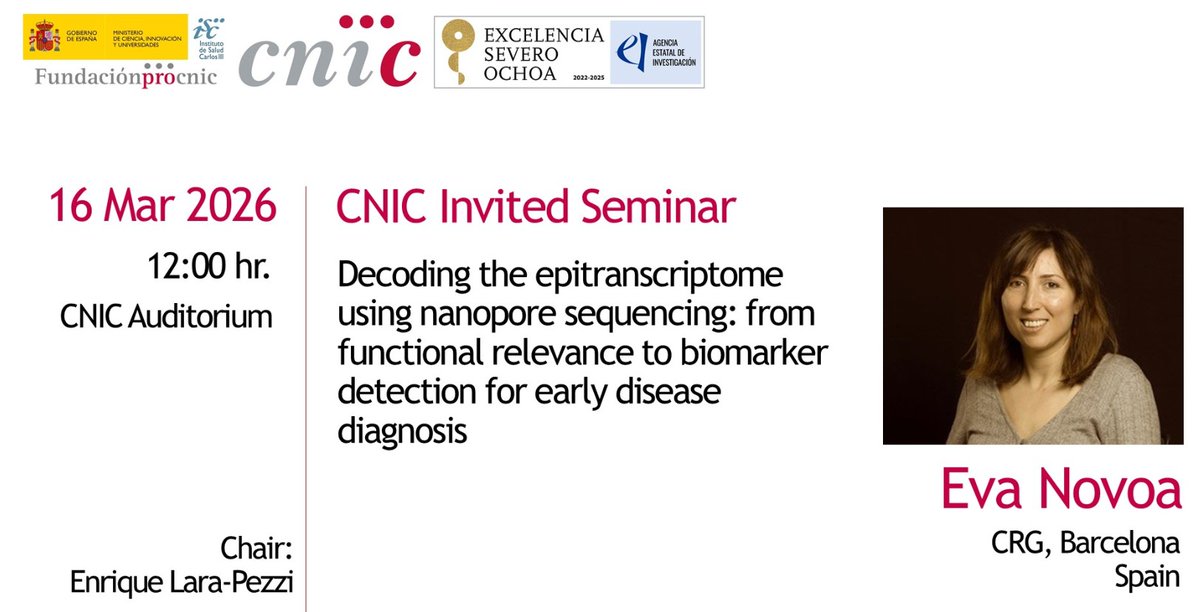
🔔 Save the date! #CNICseminars 🗣️ @EvaMariaNovoa, from @CRGenomica ➡️ “Decoding the epitranscriptome using nanopore sequencing: from functional relevance to biomarker detection for early disease diagnosis”.
👨🔬 Chair: @ELaraPezzi
📅 March 16, 12:00 pm
📍CNIC Auditorium, Madrid
👉 More info: cnic.es/en/actualidad/agenda…
#SOMMa #CardiovascularResearch #CVD
1
2
209

Muscolino, E., Puig-Torrents, M., Buigues Bisquert, J. et al. Coronaviruses reprogram the tRNA epitranscriptome to favor viral protein expression. Nat Commun (2026). doi.org/10.1038/s41467-026-6…
2
277

Feb 8
The m⁶A epitranscriptome: A regulatory nexus linking cellular senescence and oncogenesis
sciencedirect.com/science/ar…
2
110

29 Dec 2025
Pan-modification profiling facilitates a cross-evolutionary dissection of the thermoregulated ribosomal epitranscriptome
cell.com/cell/abstract/S0092…
1
1
11
602

4 Dec 2025
The study of the epitranscriptome is indeed at the cutting edge of molecular biology. Understanding mRNA modifications can unlock new insights into how gene expression is regulated, particularly in translation. Have you observed any specific modifications that drastically alter protein synthesis, or are current findings still in the observation phase? It's exciting to consider how these discoveries could inform future therapeutics in precision medicine. For a comprehensive dive into this topic, check out sciqst.com, where you can generate detailed biomedical reviews tailored to your research interests. #Medicine #Epitranscriptome
1
161

4 Dec 2025
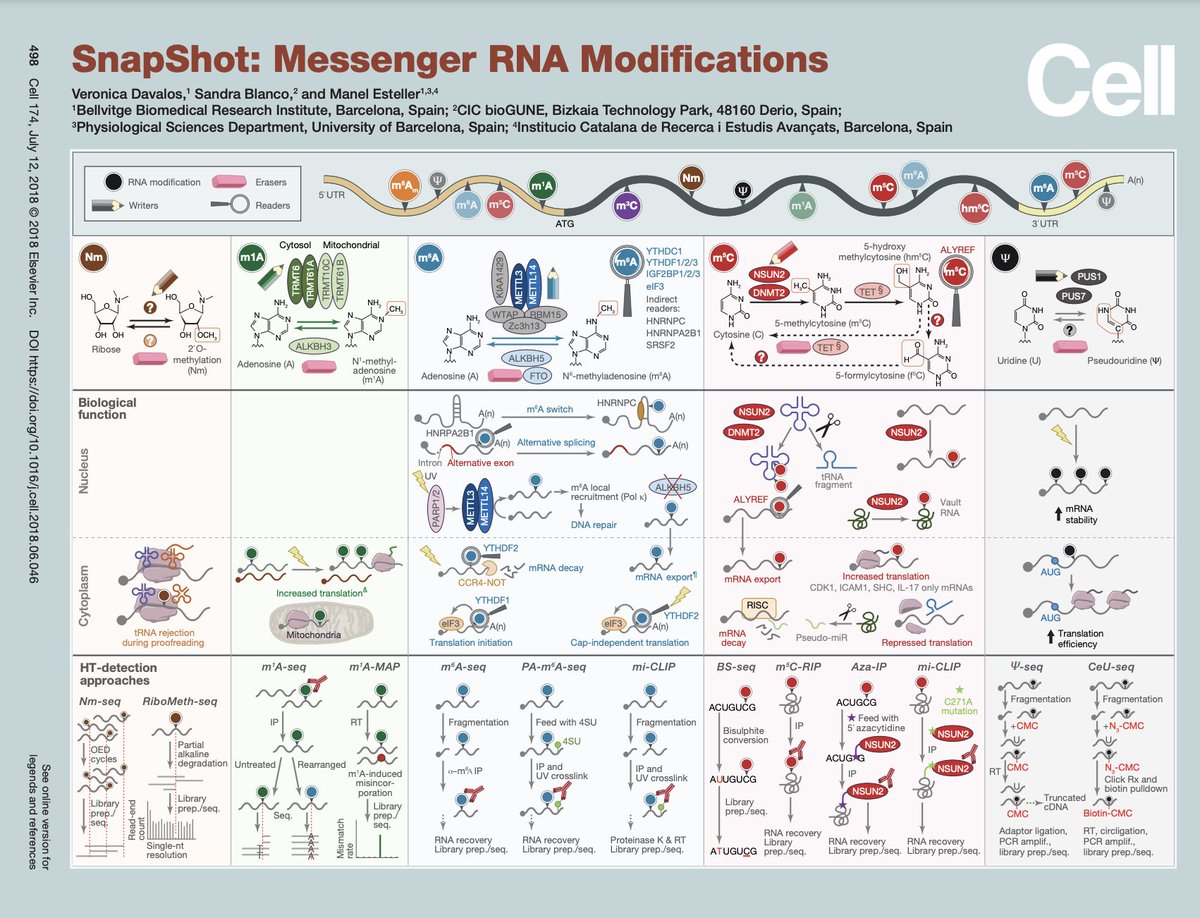
The epitranscriptome formed by the growing number of modifications occurring within mRNA transcripts.
We have been mapping mRNA modifications for over a decade.
=> Characterizing their functions -- especially in translation -- is a research frontier.
2
32
177
9,179

30 Nov 2025
In the latest issue! Pan-modification profiling facilitates a cross-evolutionary dissection of the thermoregulated ribosomal epitranscriptome dlvr.it/TPXtZc
10
53
11,046

Runumi, from our lab, had a fantastic week at the #EMBO Epitranscriptome workshop at EMBL Heidelberg! She presented her work on the role of m6A RNA modification in #embryogenesis #stemcell specification and #Xinactivation. #EMBOEpitrans


1
3
4
118

31 Oct 2025
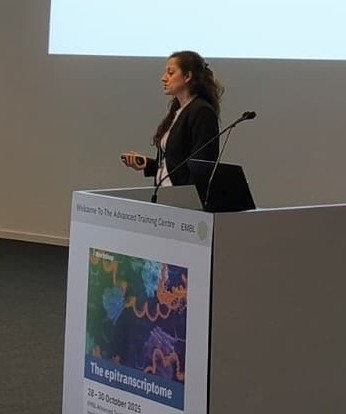
Truly inspiring research and people at #EMBOEpitrans. Thanks M Frye, T Suzuki, C Yi for organising this and for inviting me to present our work. Hope to see you all in two years at The epitranscriptome.
3
23
778

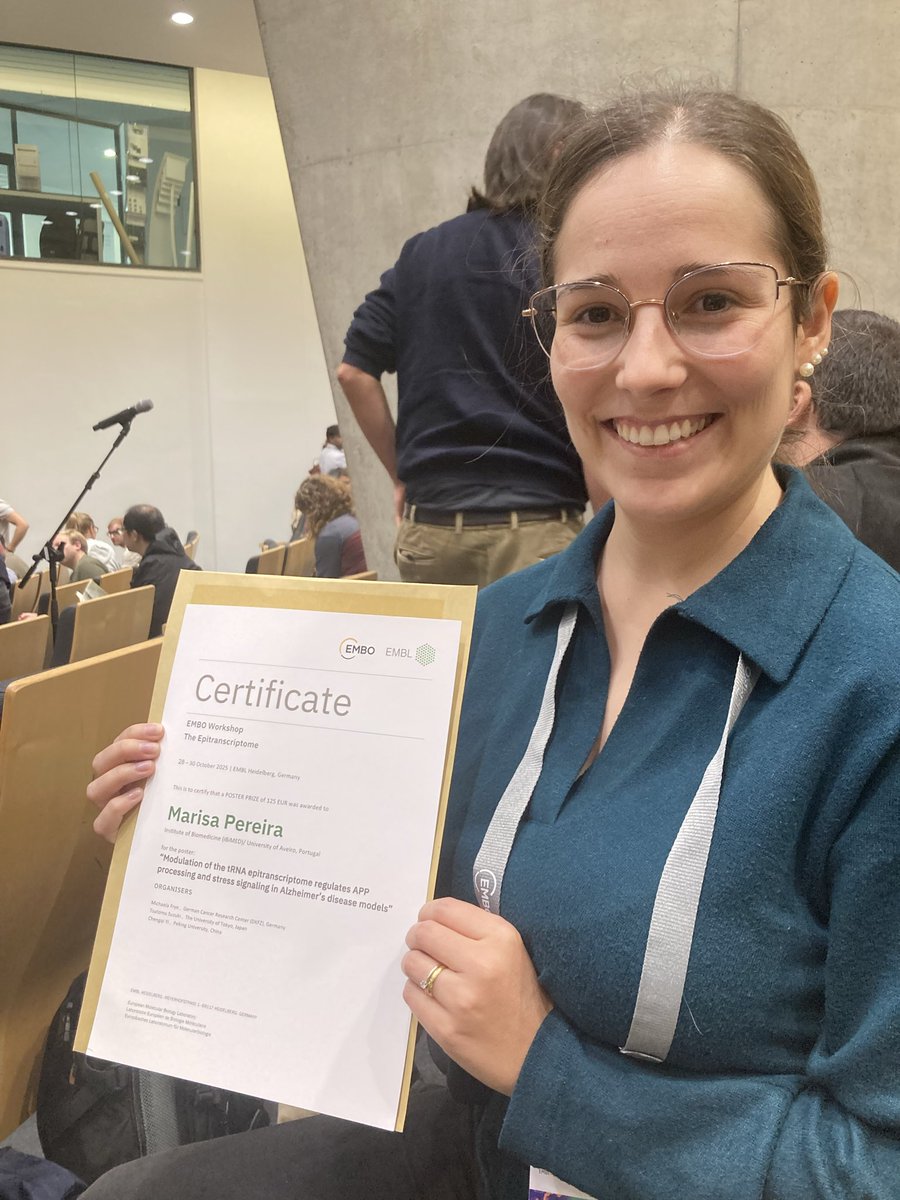
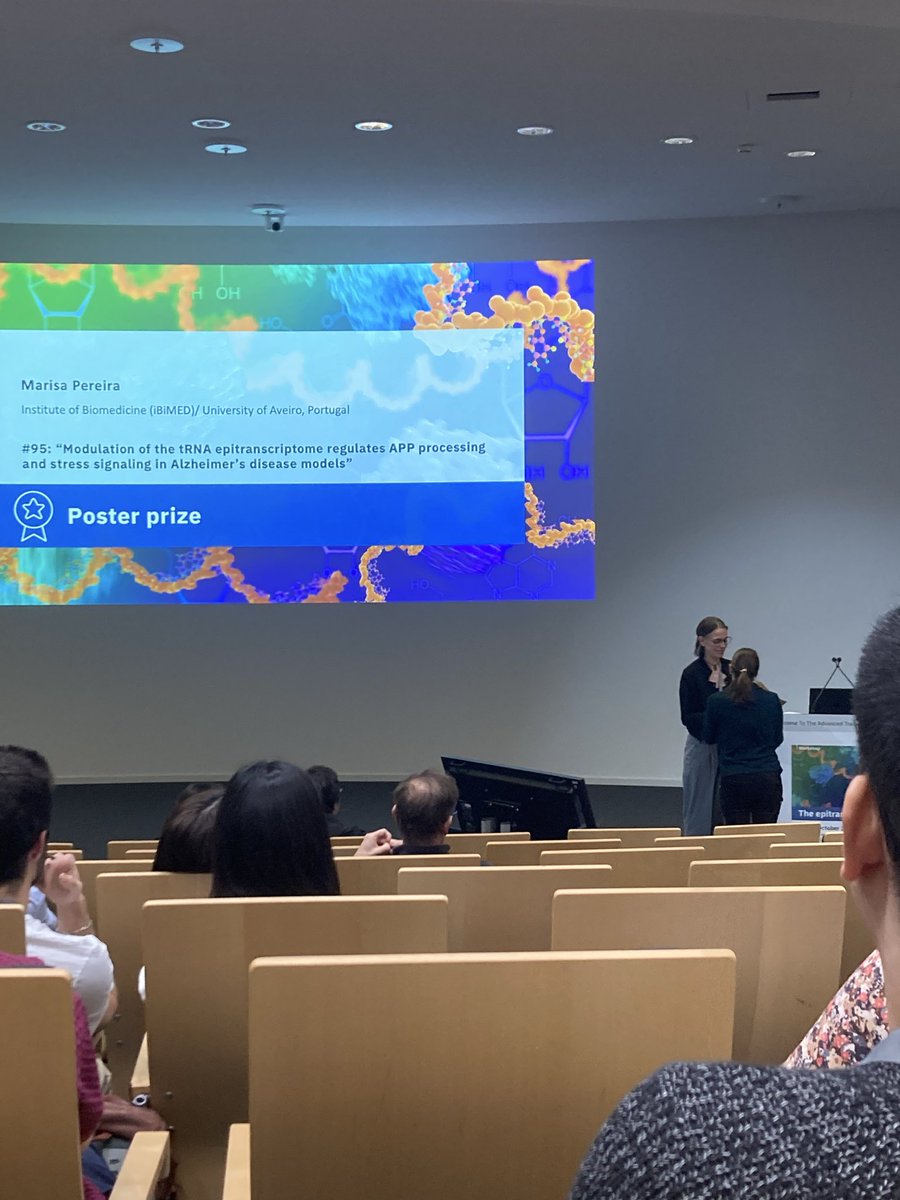
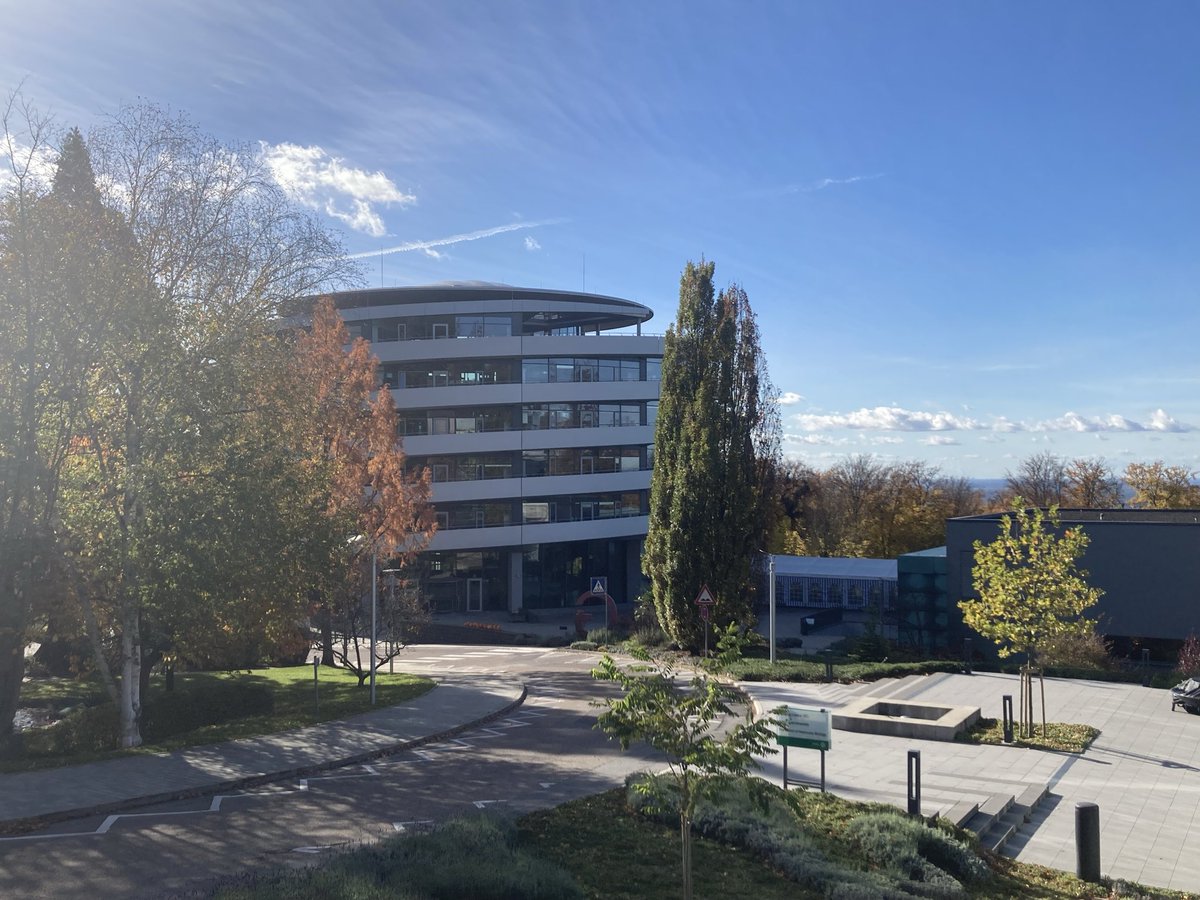
Just came back from the EMBO #EMBOEpitrans . A great conference on one of our favourite topics - the epitranscriptome. We met old friends and made new ones, exchanged our science and the cherry on top of the cake was the poster prize won by @MarisaP49268723 ! Congratulations!!!
1
1
3
856

30 Oct 2025
Very grateful to the #EMBOEpitranscriptome meeting organizers Michaela Frye @dkfz Tsutomu Suzuki and Chengqi Yi @YiChengqi! I'm impressed how friendly and eager to collaborate the Epitranscriptome crowd is. Until next time, Heidelberg! 🧬

3
71