TRX closing-price predictions reached 98.42% average accuracy over the latest 3-day evaluation period using a GA-optimized Ensemble model.
#TRX #TRON #CryptoPrediction #EnsembleLearning #GeneticAlgorithm #AI
11

Jun 11
Our GA-optimized ENSEMBLE model hit a strong 95.82% average accuracy predicting KAS daily close prices from June 7-10! 📈💻📊
#KAS #CryptoPrediction #EnsembleLearning #GeneticAlgorithm #DataScience
27
Jun 11
HYPE daily close-price forecasting using a GA-optimized ARIMA model achieved an average prediction accuracy of 92.8% over the latest evaluation period. 📈
#HYPE #ARIMA #GeneticAlgorithm #GA #MachineLearning #TimeSeriesForecasting #CryptoAI #DataScience
19

🔥#FeaturePaper & #EditorsChoicePaper!
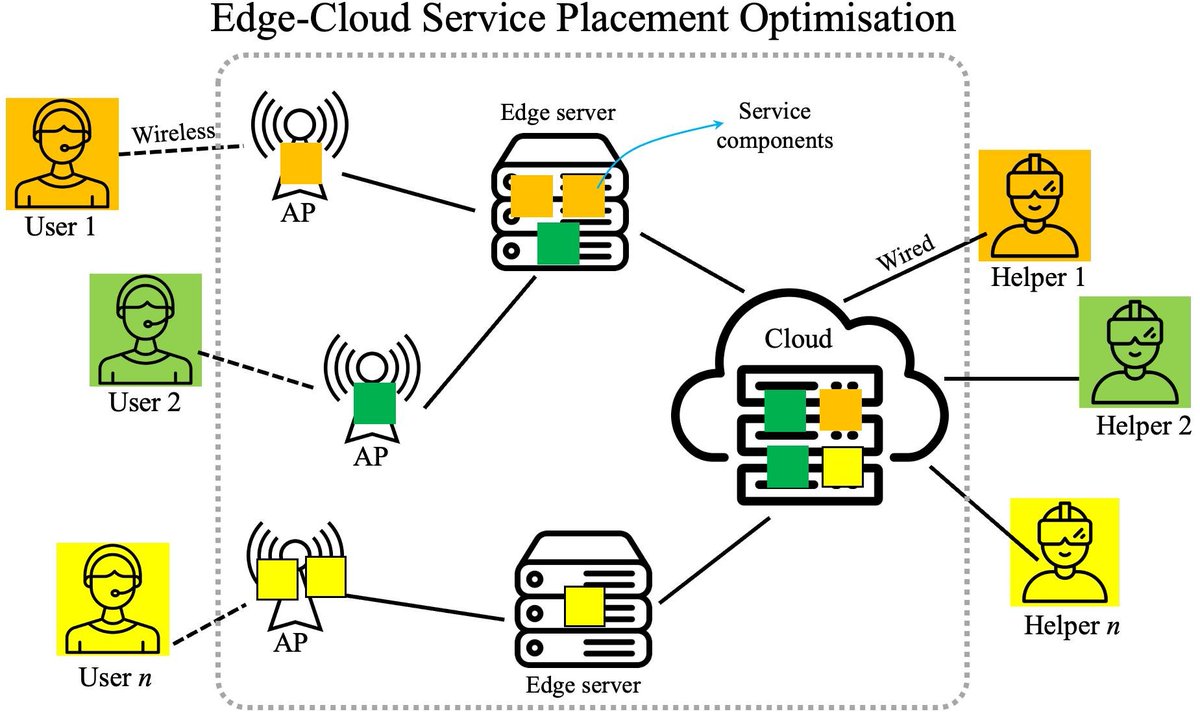
🖥️A Lightweight Learning-Based Approach for Online Edge-to-Cloud Service Placement
🔗Read at: mdpi.com/2079-9292/15/1/65#
Authors from @KAU @QUBelfast @ericsson
#EdgetoCloudComputing #OnlineServicePlacement #NeuralNetworks #GeneticAlgorithm
9
Jun 10
Chainlink (LINK) daily closing price forecasts generated using a GA-optimized ARIMA framework achieved an average accuracy of 91.7% over the latest evaluation period.
#LINK #Chainlink #ARIMA #GeneticAlgorithm #MachineLearning #DataScience
15

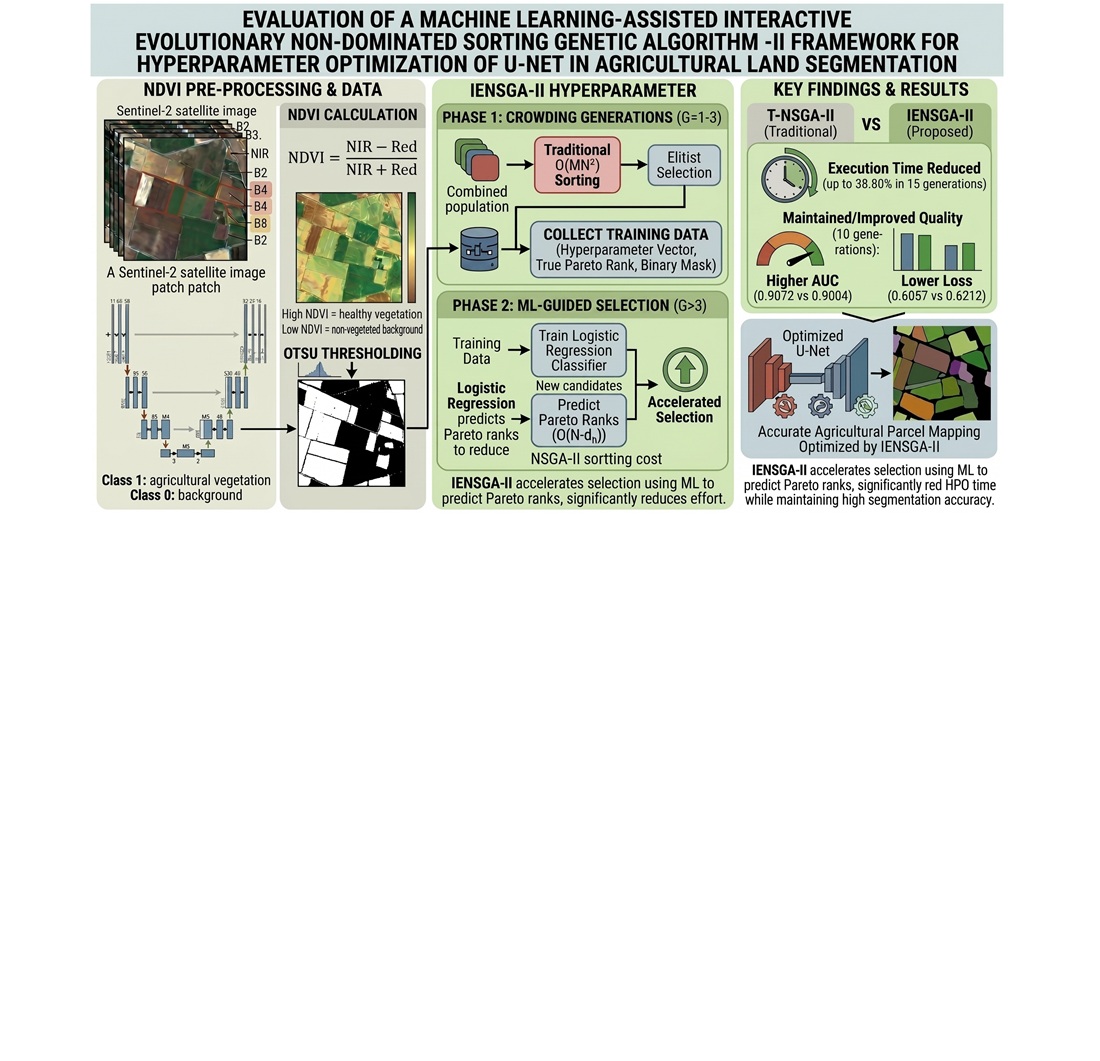
🌾🤖 ШТУЧНИЙ ІНТЕЛЕКТ ДОПОМАГАЄ ТОЧНОМУ ЗЕМЛЕРОБСТВУ
📖 Читати статтю:
journals.uran.ua/eejet/artic…
#EEJET #Scopus #ArtificialIntelligence #MachineLearning #DeepLearning #UNet #PrecisionAgriculture #Agriculture #SatelliteImagery #Optimization #GeneticAlgorithm #Research #Innovation
2
14

Jun 9
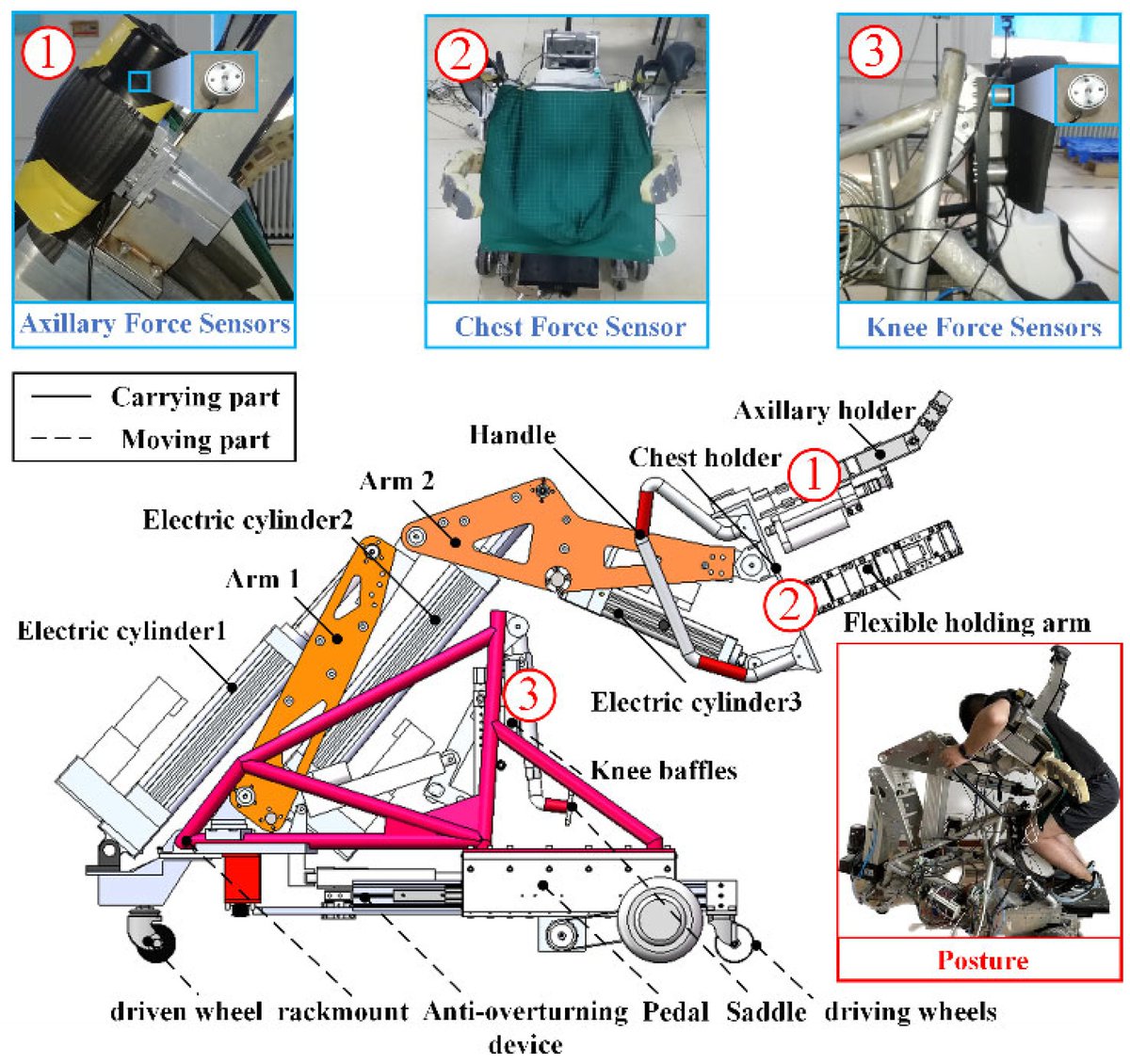
#Article: "ELM-GA-Based Active Comfort Control of a Piggyback Transfer Robot"
👨🏫Authors: Liyan Feng, Xinping Wang, Teng Liu, Kaicheng Qi, Long Zhang, Jianjun Zhang, Shijie Guo
👉Paper link: mdpi.com/2075-1702/13/8/748
#NursingRobots #GeneticAlgorithm
@MDPIEngineering
@MDPIOpenAccess
17

Assessment of the potential for using PET waste as geomaterials in soil micro-reinforcement
Read: sciencedirect.com/science/ar…
#ArtificialIntelligence #GeneticAlgorithm #WaterTreatment #Catalysis #SustainableTechnology
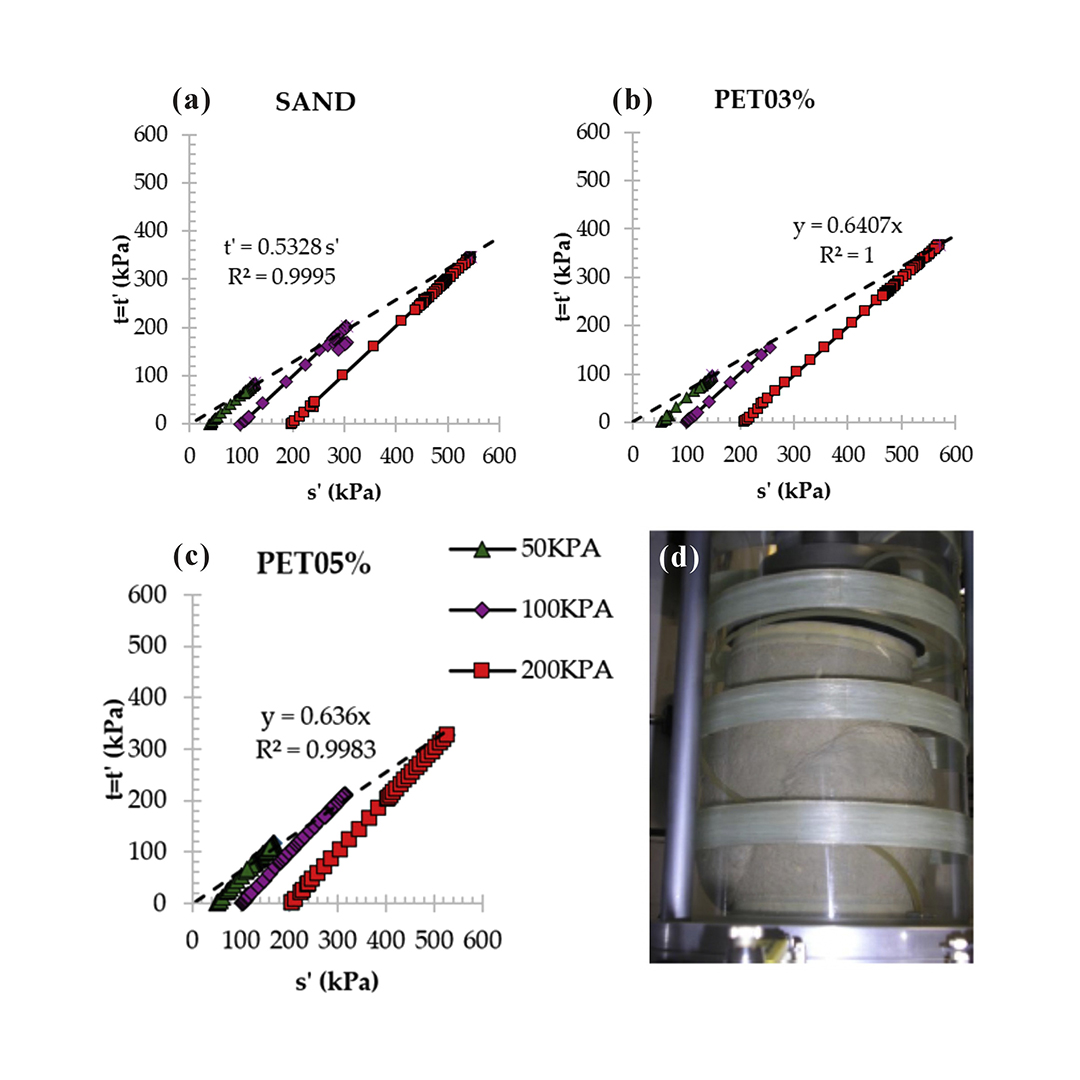
ALT Assessment of the potential for using PET waste as geomaterials in soil micro-reinforcement
1

✨Call for Reading ✨
Presenting GAELLLE: An Online Genetic Algorithm for Electronic Landscapes Exploration of Reactive Conformers
👥 Olivier Aroule, Fabien Torralba, Guillaume Hoffmann
mdpi.com/3042-6723/1/1/1
#ComputationalChemistry #GeneticAlgorithm #AIChemistry
2
40
May 23
⚡ SUI daily forecasting powered by the GA-optimized XGBOOST model reached an average prediction accuracy of 96.92% in the latest 7-day performance test.
AI continues to enhance crypto analytics 📈
#SUI #XGBOOST #GeneticAlgorithm #AI #CryptoPrediction #MachineLearning
1
21

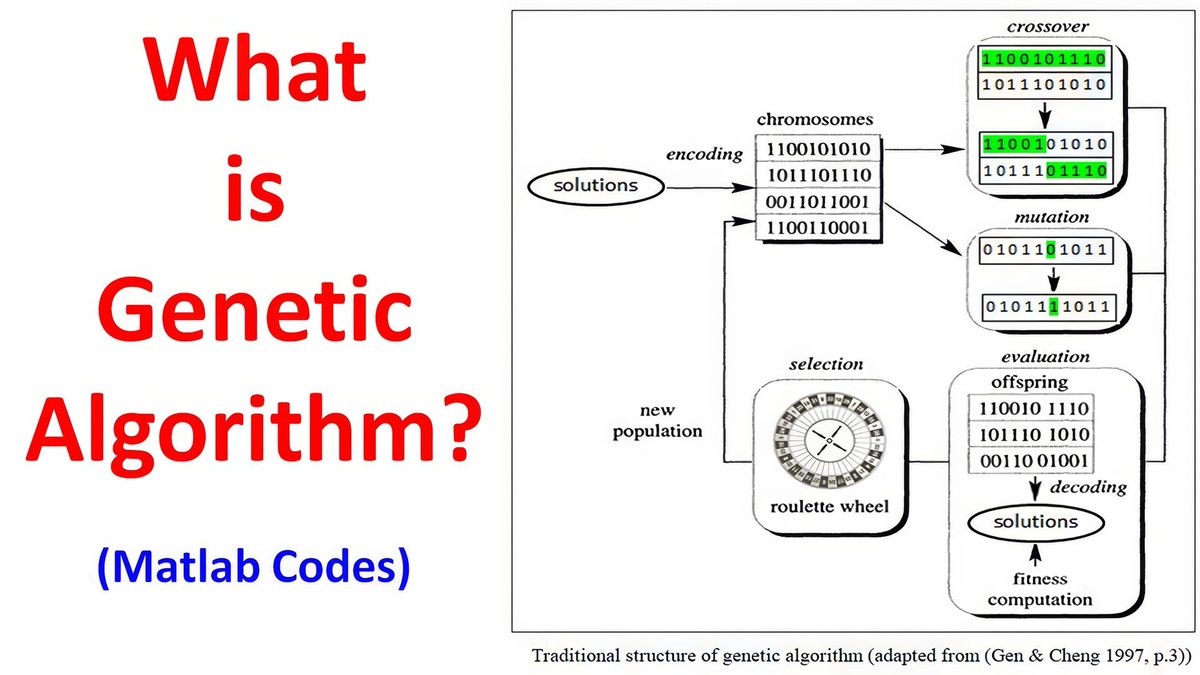
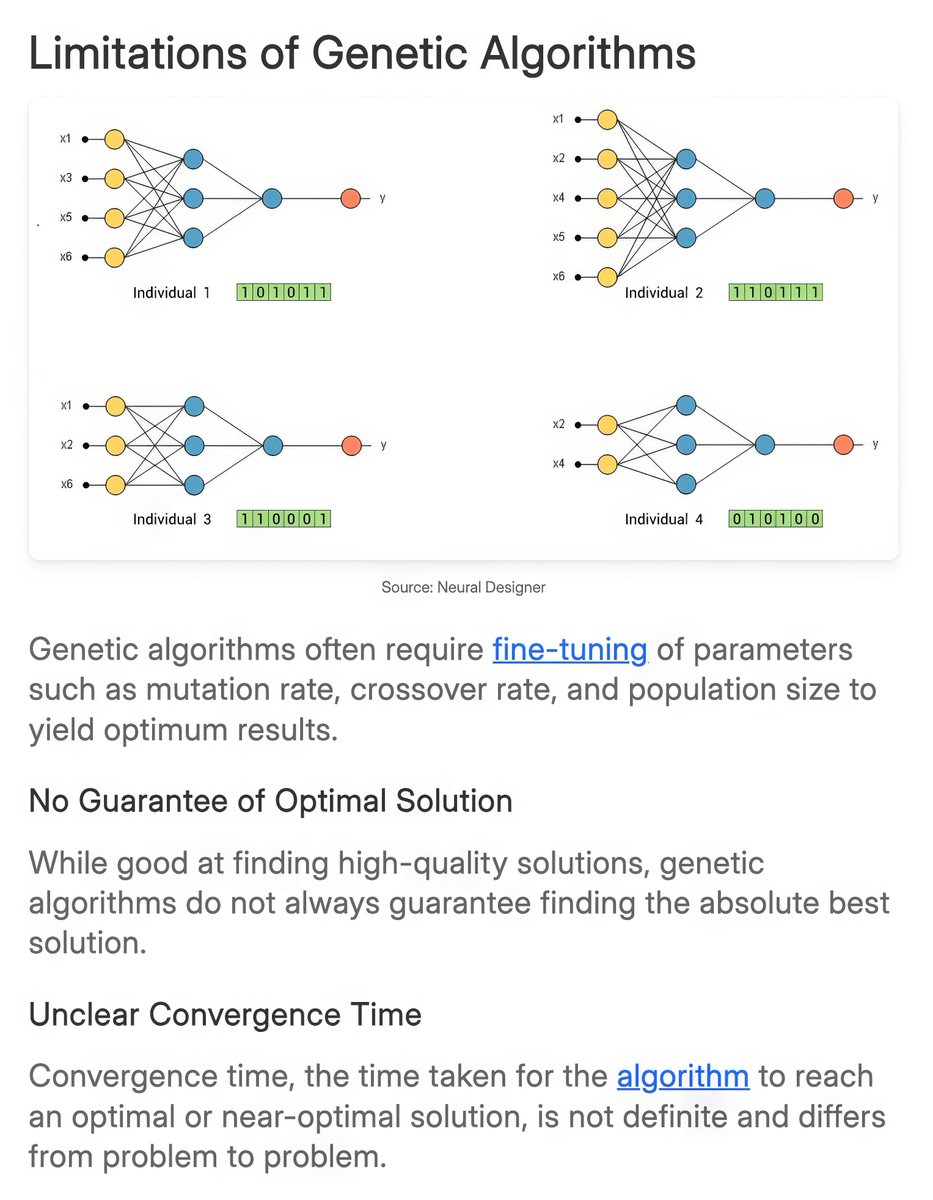
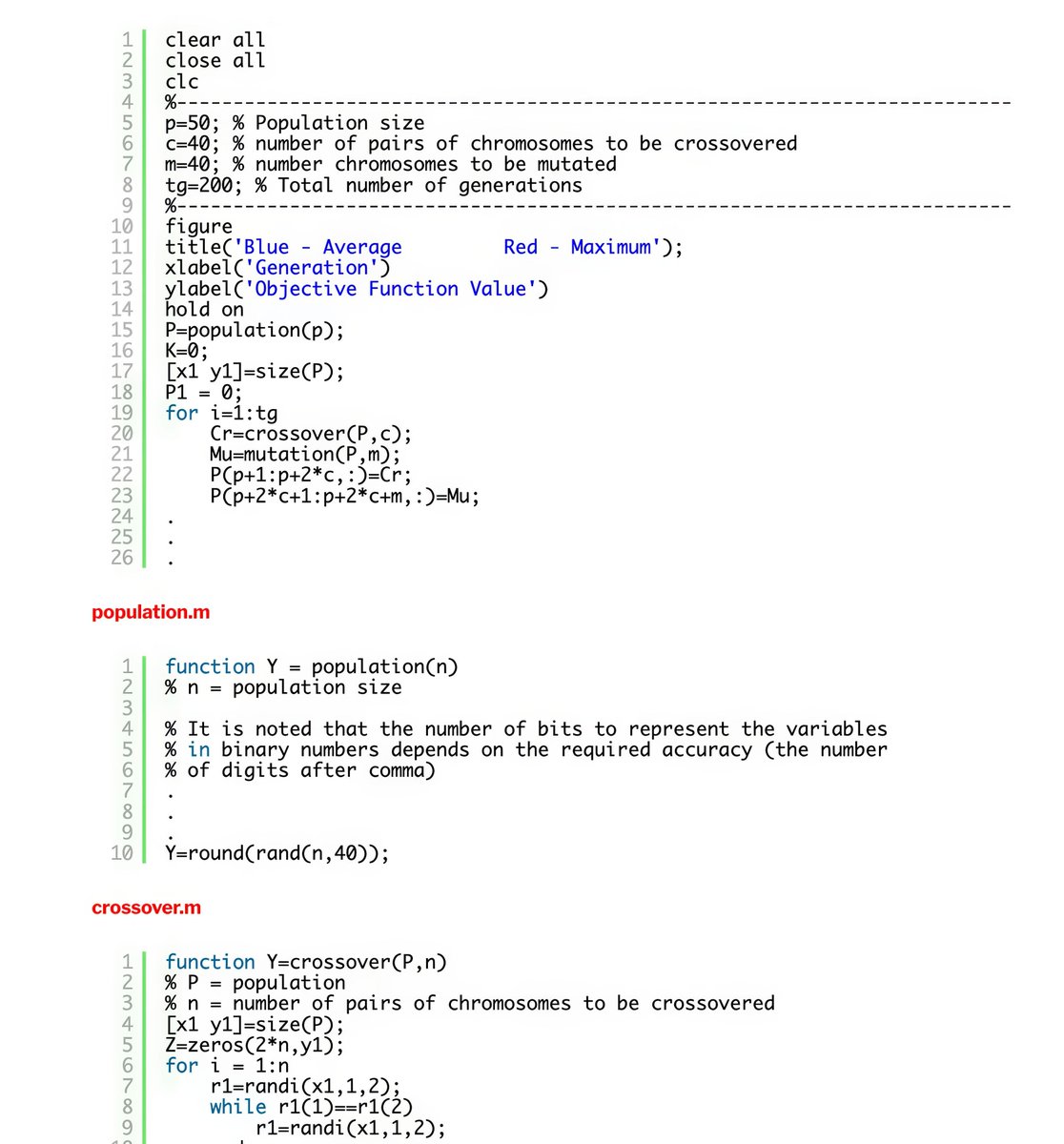
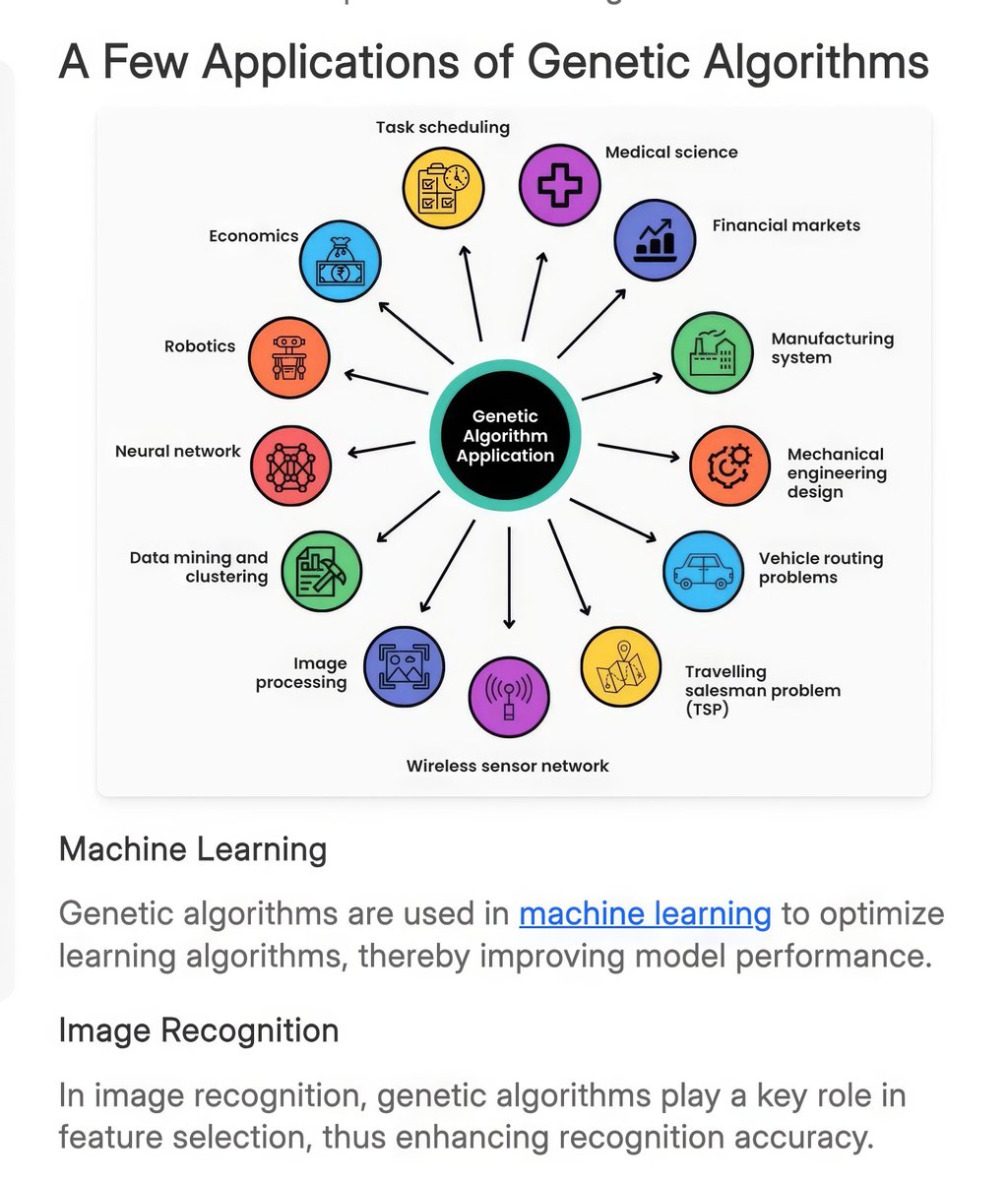
#GeneticAlgorithm (GA) Intro with Example Code. #BigData #Analytics #DataScience #AI #MachineLearning #IoT #IIoT #Python #RStats #TensorFlow #JavaScript #GoLang #CloudComputing #Serverless #DataScientist #Linux #Programming #Coding #100DaysofCode
geni.us/GA-Algorithms
References
DataCamp. (2024, July 29). Genetic algorithm: Complete guide with Python implementation. DataCamp. Retrieved March 30, 2025, from datacamp.com/tutorial/geneti…
Dr. Panda. (2020, September 20). What is genetic algorithm? Learn With Panda. Retrieved March 30, 2025, from learnwithpanda.com/2020/09/2…
BotPenguin. (n.d.). Genetic algorithms in machine learning: Understanding the basics. BotPenguin. Retrieved March 30, 2025, from botpenguin.com/glossary/gene…
3
4
169
May 4
📈 ETH Daily forecast using GA LightGBM delivered strong results!
Achieved ~94.5% accuracy comparing predicted vs actual closes over the past 7 days.
Keeping the models sharp! 💪
#Ethereum #ETH #LightGBM #GeneticAlgorithm #Crypto #ETHPricePrediction
2
17
Apr 27
HBAR price prediction using GA-optimized ARIMA delivers ~95.77% accuracy 📈
Avg deviation ≈ 4.23%, showing reliable trend capture with minor bias.
#HBAR #Hedera #Crypto #PricePrediction #ARIMA #GeneticAlgorithm #DataScience
1
2
67

Apr 15
📢 #highlycited paper
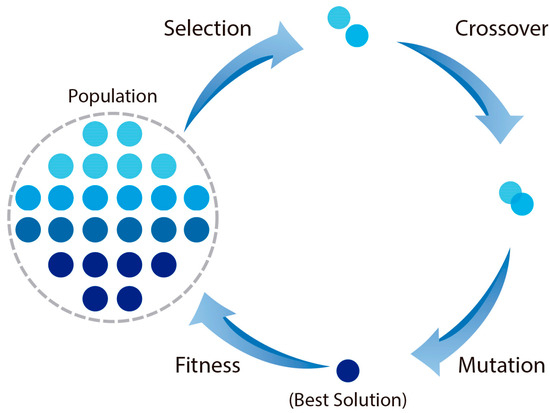
📚 #Robotic #CellLayout #Optimization Using a #GeneticAlgorithm
🔗 mdpi.com/2076-3417/14/19/860…
👨🔬 by Raúl-Alberto Sánchez-Sosa et al.
🏫 Centro de Tecnología Avanzada
1
2
63

#Article
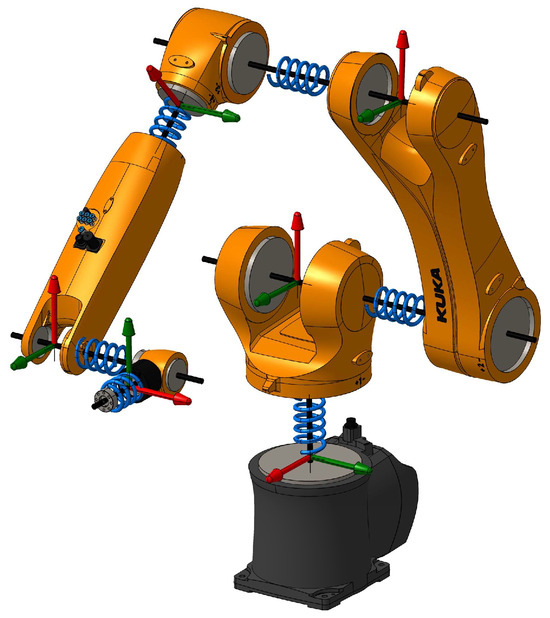
📜 Dynamic Modeling and Analysis of Industrial Robots for Enhanced Manufacturing Precision
by Claudius Birk, et al.
mdpi.com/2076-0825/14/7/311
#industrialrobots #dynamicmodeling #parameteridentification #jointcompliance #transversestiffness #modalanalysis #geneticalgorithm
2
5
52

Deep Learning-Guided Evolutionary Optimization for Protein Design
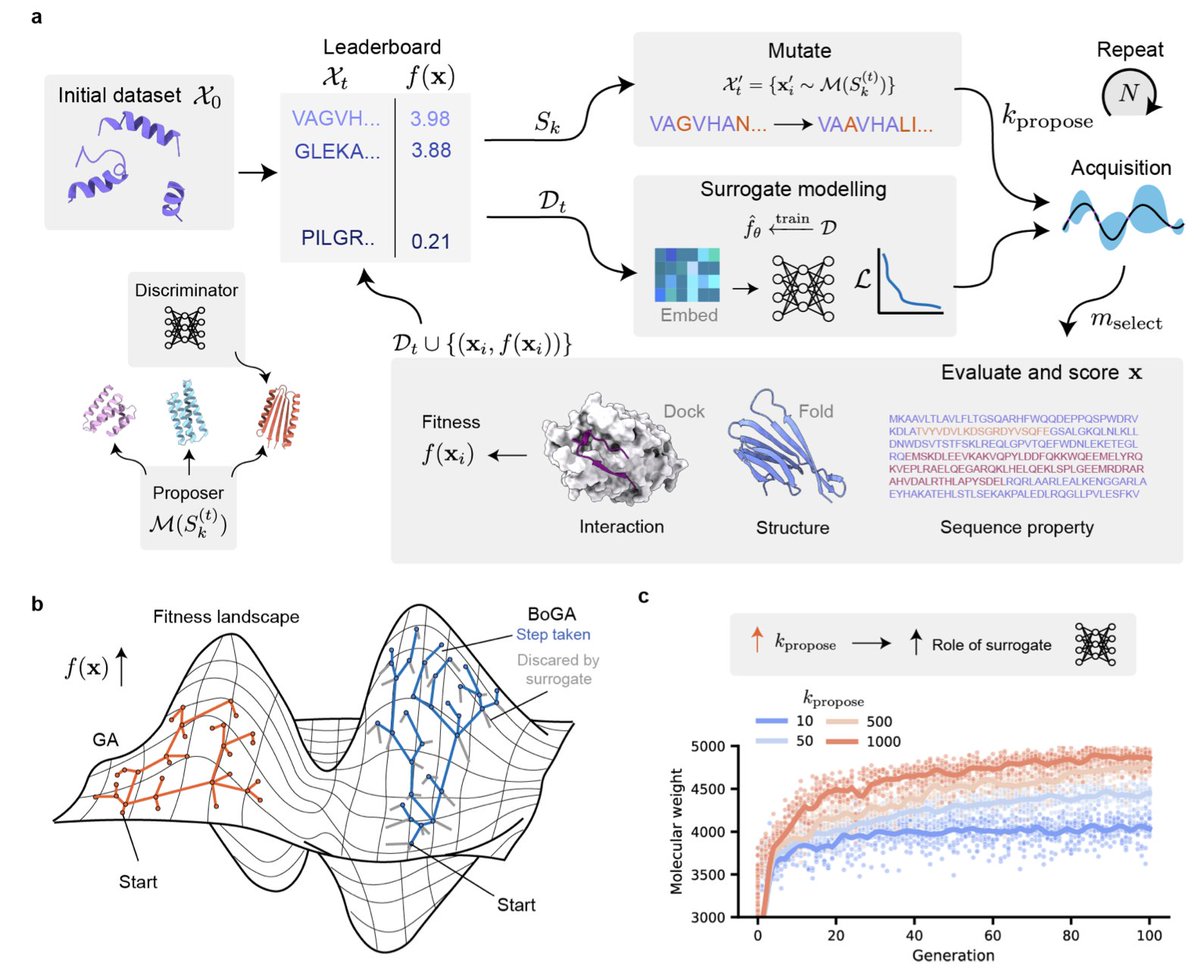
1 BoGA introduces a hybrid approach combining genetic algorithms with Bayesian optimization, where a surrogate model acts as a discriminator to filter candidate sequences before expensive evaluation, dramatically improving optimization efficiency.
2 The key innovation lies in decoupling sequence generation from evaluation: the genetic algorithm proposes diverse candidates through mutation, while a deep learning surrogate model prioritizes which candidates merit costly structure prediction or docking calculations.
3 The framework demonstrates superior performance across multiple tasks including beta-sheet fraction optimization, normalized hydrophobic moment maximization, and AlphaFold-guided secondary structure design, with larger proposal pools consistently yielding better results.
4 In a real-world application, BoGA successfully designed peptide binders targeting pneumolysin, a critical virulence factor of Streptococcus pneumoniae, accelerating discovery of high-confidence binders compared to standard genetic algorithms.
5 The method offers significant advantages over existing approaches like hallucination or diffusion-based methods: no requirement for large-scale pre-training, flexible objective functions without retraining, and seamless integration of advancing structure prediction tools.
6 BoGA is implemented within the modular BoPep suite, supporting interchangeable embeddings, surrogate architectures, acquisition functions, and mutation operators, making it a generalizable strategy for diverse protein design objectives.
📜Paper: arxiv.org/abs/2603.02753
#ProteinDesign #BayesianOptimization #GeneticAlgorithm #DeepLearning #ComputationalBiology #PeptideBinders #Pneumolysin #Bioinformatics #AIforScience
19
120
5,978

In TRY mode:
Bot executes simulated trades with fake 50 SOL
Tracks positions & P&L in real-time
Feeds outcomes to GeneticAlgorithm (evolves every 10 trades)
Updates PatternMemory with results
No real money, but learns from live market data
1
2
56

Designing a simple but robust #geneticalgorithm for weighted #setcover: “An Improved Genetic Algorithm for Set Cover using #RosenthalPotential” by Dena Tayebi, Saurabh Ray, Deepak Ajwani. ACSIS Vol. 39 p. 689–694; tinyurl.com/2v94ph7z
2
3
3
60

Jan 16
Just released version 9.0.0 of the #Jenetics #Java library. It now requires Java 25 to compile and run.
#GeneticAlgorithm #EvolutionaryAlgorithm #GrammaticalEvolution #GeneticProgramming #MultiobjectiveOptimization #MOEA
github.com/jenetics/jenetics…
1
2
161

Jan 12
Watch AI @TamauPogi @EvenepoelRemco @lizziedeignan @MarkCavendish @LauraKenny31 @NicoleCooke2012 battle it out (against Merckx and Indurain!) @BritishCycling @LeTour
#geneticalgorithm #neuroevolution
30 Dec 2025

As I like cycling, genetic algorithms and interactive visualisations, I've made a neuroevolution sim. Riders are controlled by small random neural networks which evolve race by race and we see nice tactics emerge. Runs in the browser, best on a computer: doc.ic.ac.uk/~ajd/Cycling/
1
7
2,093