
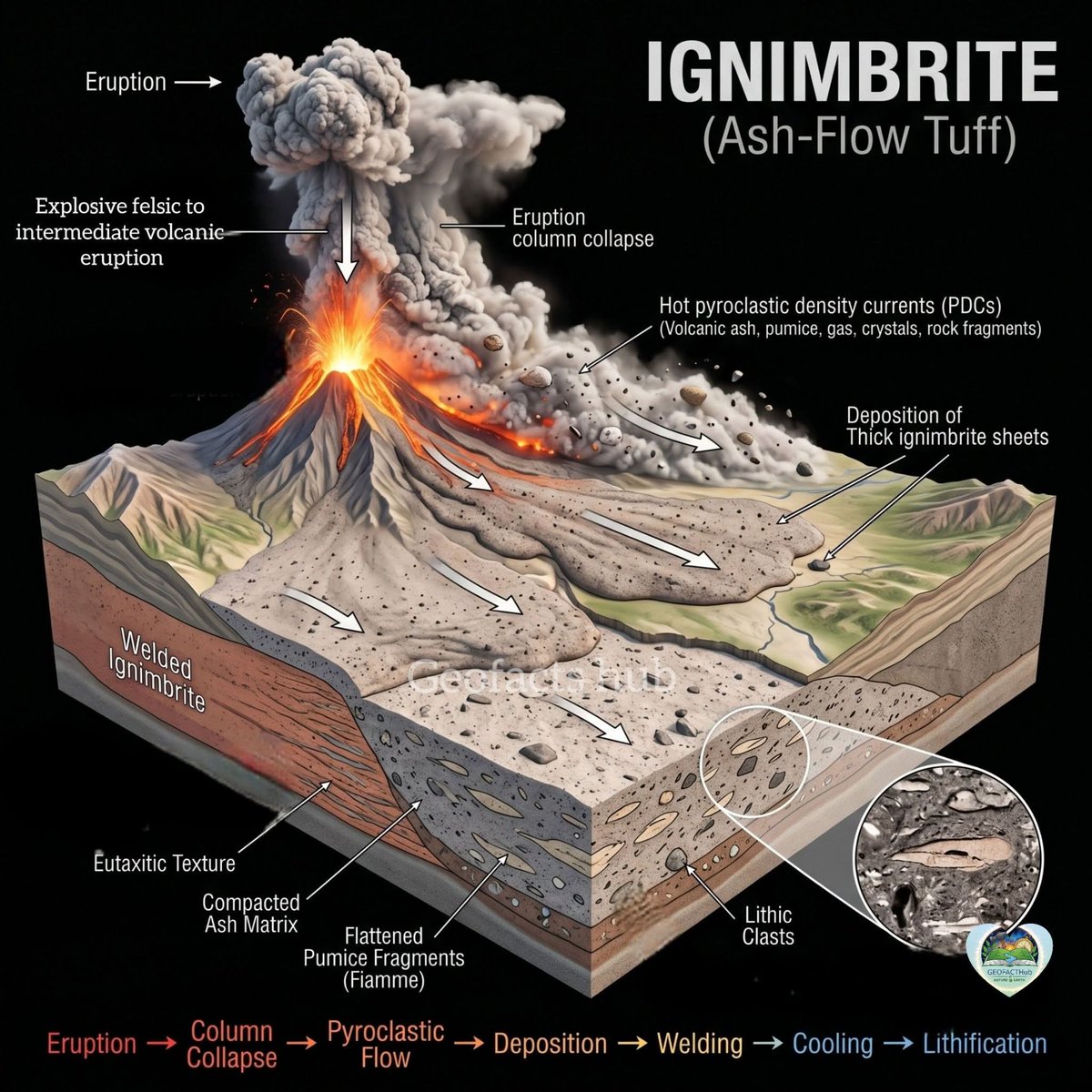
Ignimbrite (Ash-Flow Tuff) 🌋
A geological record of explosive volcanism—formed when towering eruption columns collapse and unleash scorching pyroclastic density currents (PDCs) across the landscape. These deposits of ash, pumice, crystals, and rock fragments accumulate, compact, and may weld into solid rock, preserving textures like fiamme and eutaxitic fabric that reveal the extreme conditions of emplacement.
From eruption → column collapse → pyroclastic flow → deposition → welding → lithification.
#Ignimbrite #AshFlowTuff #Volcanology #PyroclasticFlow #PyroclasticDensityCurrent #VolcanicRocks #IgneousRocks #Geology #GeologyRocks #EarthScience #Geoscience #VolcanicEruption #Petrology #FieldGeology #PhysicalGeology #StructuralGeology #GeologicalProcesses #VolcanicDeposits #ScienceEducation #GeologyDiagram
17

17 Feb 2025
#MountainScience: Ice and Stone: How Glaciers Shape Earth’s Terrain 🧊❄️
🗻Glacial Erosion: Shaping the Landscape
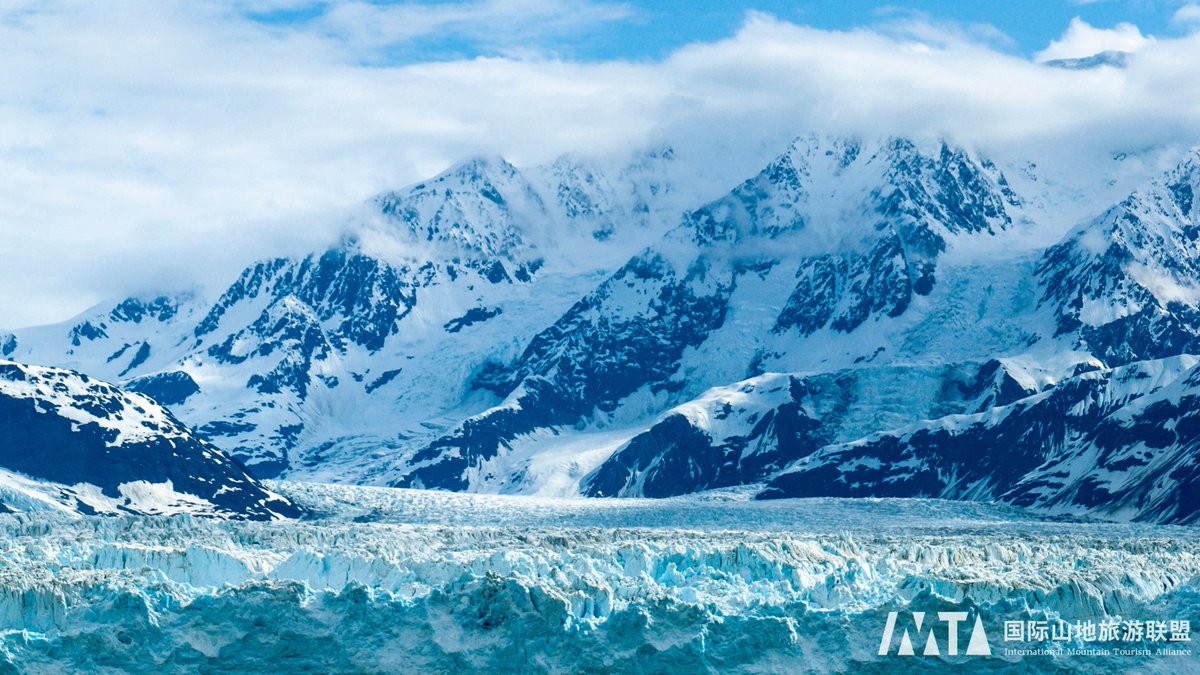
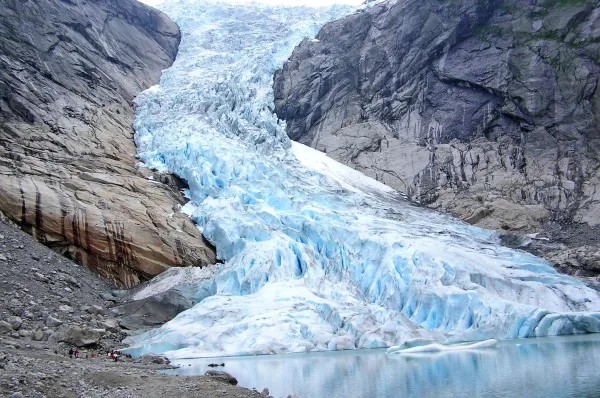
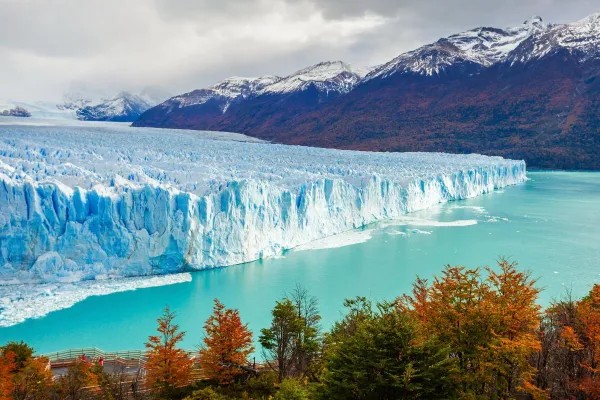
Glaciers, massive rivers of ice, are powerful agents of erosion. As glaciers move slowly across the land, their immense weight and constant movement carve and reshape the underlying bedrock. The process begins with the glacier’s ice scraping and grinding against rock surfaces, a phenomenon known as abrasion. The abrasive action of ice and embedded rocks wears away the bedrock, creating smooth, polished surfaces and striations—long scratches etched into the rock.
Another critical process in glacial erosion is plucking, where the glacier pulls chunks of rock away from the bedrock. As the ice advances, it freezes around loose rock fragments, pulling them along as it moves. This creates jagged features like crag-and-tail formations and deep, steep valleys known as U-shaped valleys, where once-narrow river valleys are transformed into broad, glacial troughs. Over millennia, these erosional forces shape dramatic landscapes, like those seen in the Alps, Rockies, and Himalayas.
💨Glacial Transport and Deposition
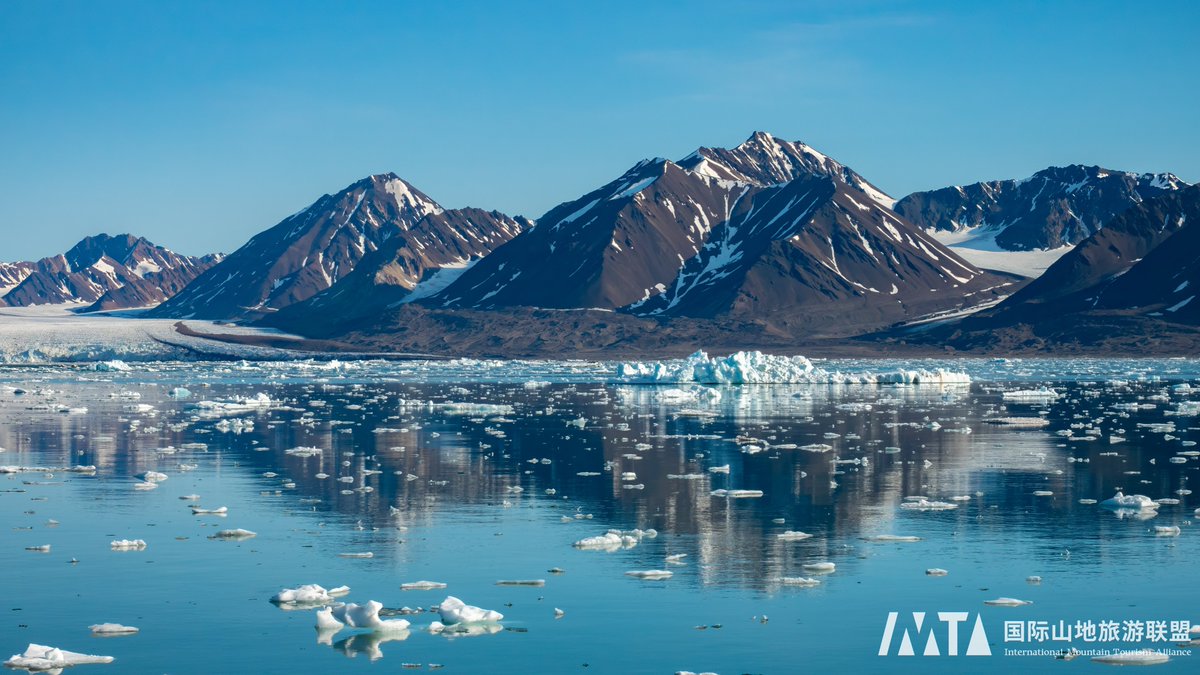
The glacier not only erodes but also carries vast amounts of rock and debris—this is called glacial transport. As glaciers move, they pick up debris such as rocks, dirt, and smaller sediment, which are then carried along within the ice. This debris is called moraine 🌑, and can accumulate on the glacier’s surface, or even become buried inside the ice.
When glaciers reach their melting point or retreat, they deposit these materials. The process of glacial deposition occurs when the ice melts, leaving behind the rock, sand, and silt that had been carried along. Moraines form at the edges and ends of glaciers, while drumlins and eskers—smooth, elongated ridges of sediment—are also common features of glacial deposition. These formations are crucial in understanding past glacial movements and the extent of ice coverage during ice ages.
Thus, glaciers not only erode the land but also reshape it, carrying materials over vast distances and depositing them in new locations, leaving behind a geologically rich and dynamic landscape.
📷 Image source: thedailyeco.com
🖊Editor Ⅰ: Stella
🖊Editor Ⅱ: Helen
🖊Editor Ⅲ: Liu Guosong
#IMTA #MountainScience #GlacialErosion #IceAndStone #EarthShaping #GlacierPower #LandformCreation #GeologicalProcesses #Moraine #UShapedValleys #GlacialDeposition #NatureSculpture
2
2
14
1,140

31 Aug 2024
Early Earth Isotope Geochemistry Scholarship - Perth, Australia - earthworks-jobs.com/geoscien… #jobs #PhD #geoscience #geologicalprocesses #geochemistry #geochronology
3
2
1,302

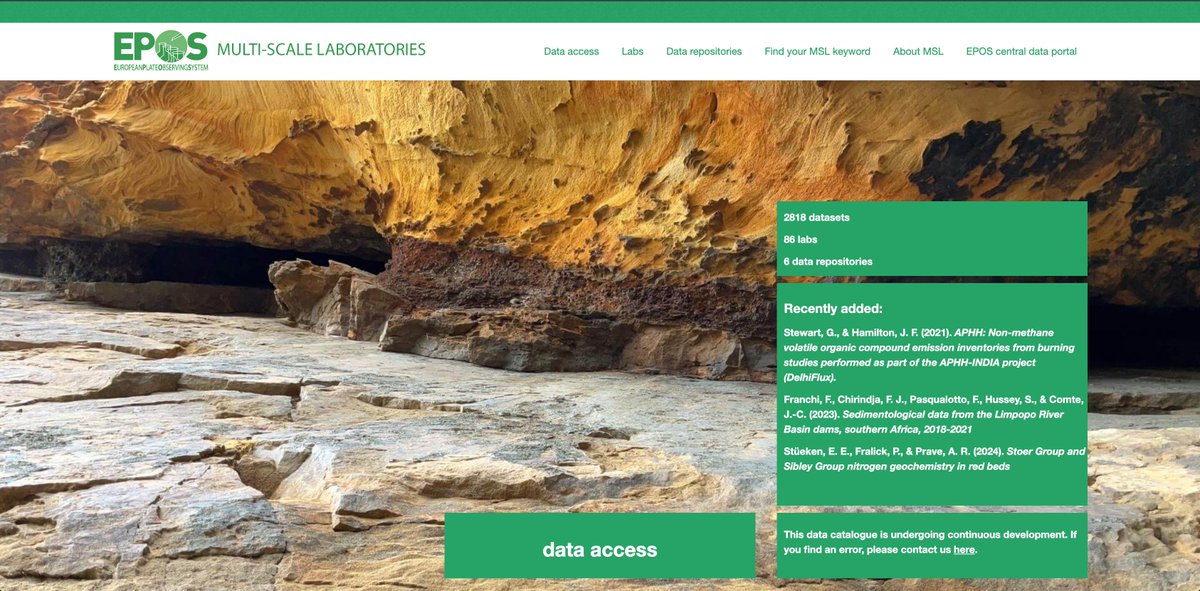
Over 2k #datasets?✅
More than 80 labs?✅
5 rich #datarepositories?✅
Enter #EPOS Multi-Scale Labs #datacatalogue & uncover data on rock & melt #physics #paleomagnetism #geochemistry #microscopy #tomography & #analoguemodelling of #geologicalprocesses
🔗shorturl.at/qPbv0
1
6
118

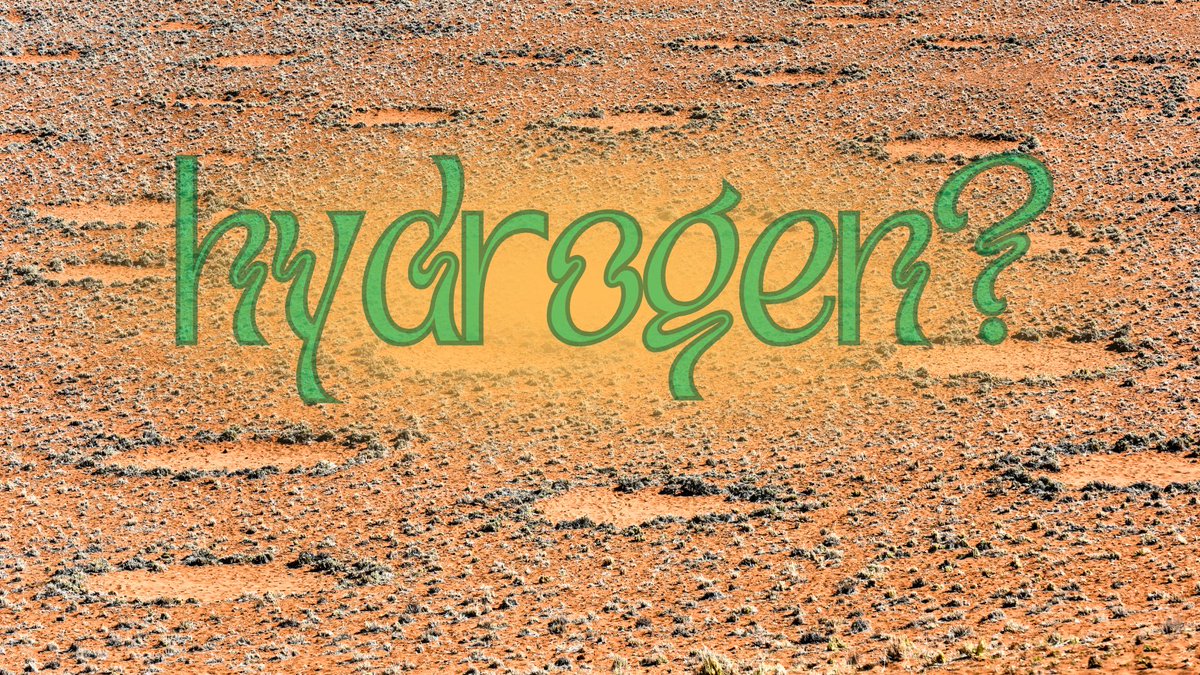
Scanning Earth's Surface for "Fairy Circles" with Google Earth
In the forefront of renewable energy research, a novel idea has emerged that shifts...READ More #hydrogenreservoirs #volcanicsills #hydrogenmigration #russia #geologicalprocesses
bit.ly/3WDHBgA
1
2
4
545

15 Dec 2023
Nature's Fury Unleashed: The Everlasting Drama of Lava-Driven Volcanoes
devdiscourse.com/article/sci…
#Volcanoes #geology #LavaEruptions #EnvironmentalScience #Biodiversity #EarthScience #NaturalWonders #GeologicalProcesses #NatureExploration #Renewal #resilience #Ecosystems
1
1
101

2 Aug 2023
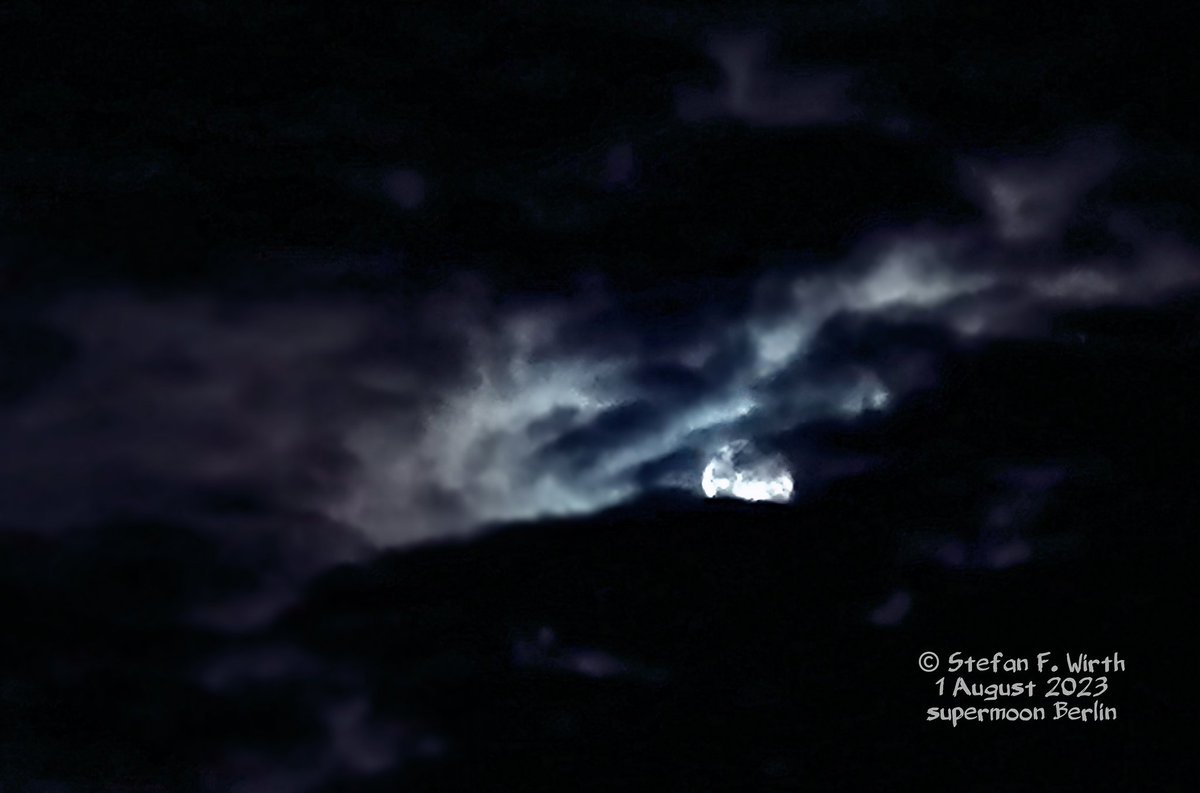
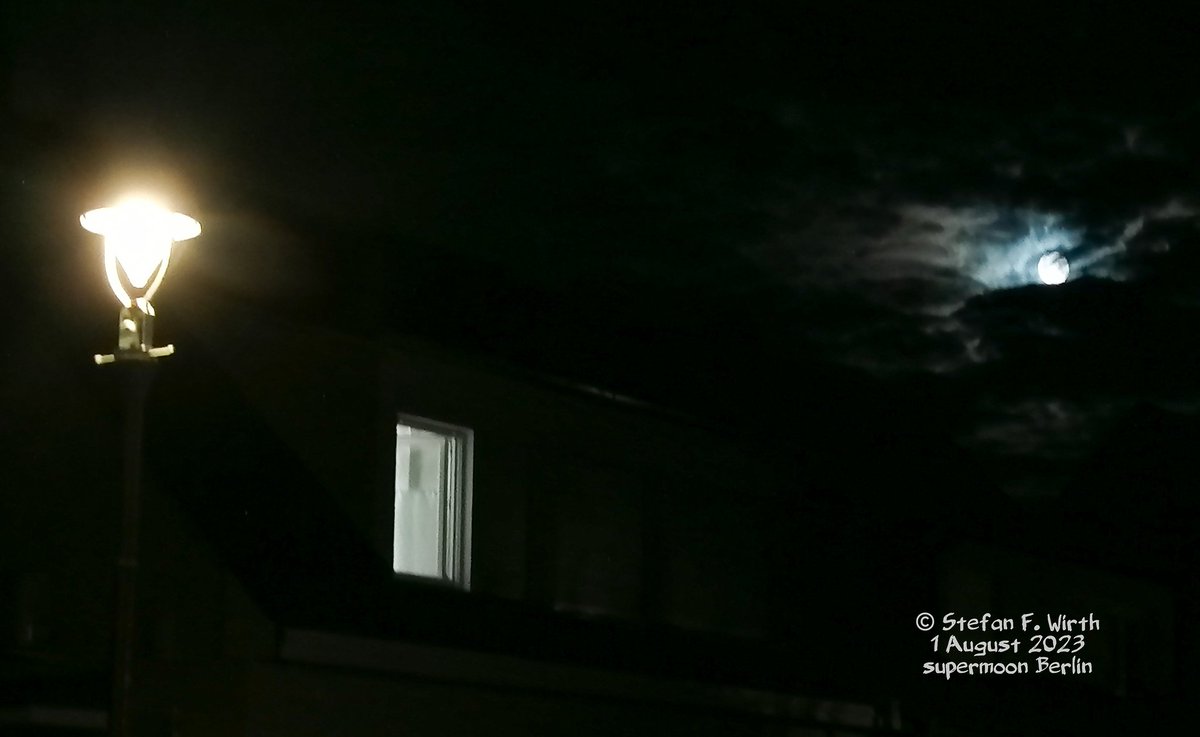
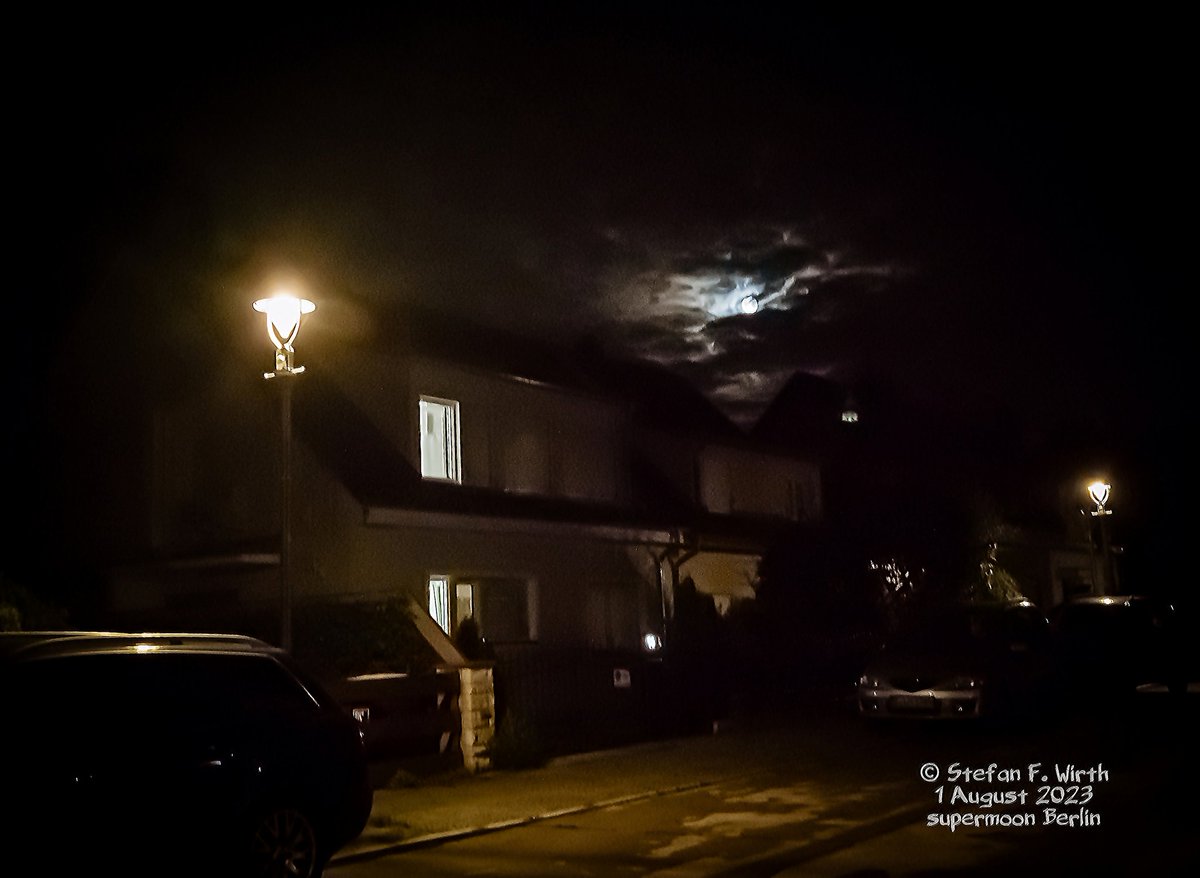
On August 1, 2023, a so-called #supermoon was shining in the evening and night sky. This is a #fullmoon that occurs at a time when the #moon is particularly close to the earth in its orbit around our planet. It makes the moon appear #larger.
However, the term supermoon is not used in the scientifically based #astronomy, which is due to the fact that scientific parameters for the factual description of the constellation between the earth and the moon do not require such a special term at all. Technical terms are introduced in the natural sciences when a phenomenon has special properties that the scientist does not want to repeatedly list separately. The use of a suitable technical term replaces a recurring list of special features. However, the special properties of the so-called supermoon are quite simple: the full moon appears slightly larger than the full moons before.
The moon's diameter varies inversely with the moon's distance from earth, which is attributed to the moon's #ellipticalorbit. The apparent diameter fluctuates by about ± 7% if the mean value is used as a basis for comparison. The change in size of the so-called supermoon is therefore not visible to the naked eye. The difference can only be made clear if one were to place a photo of a full moon at a significantly greater distance from earth over the photo of the supermoon.
In order to be able to watch the "supermoon" as an apparently striking natural spectacle, it is helpful to observe it at moonrise or moonset, since then, like all astronomical objects that are close to the horizon, it appears larger than at a location further from the horizon. However, since this is a universal phenomenon, this is not a perceptible indication that this full moon can be distinguished from other full moons by eye.
Alleged physical effects of the approaching full moon on #geologicalprocesses on earth are classified by natural science as #esoteric. It was therefore not an astronomer who invented the term supermoon, but the American astrologer Richard Nolle.
In astronomy, the "supermoon" phenomenon is called the #perigean full moon. Natural science does not know of any significant impact of the supermoon phenomenon on geological events such as those mentioned above or the tidal rhythm. However, specific studies on the influence of the brighter appearing moon on the #biology of specific animal species are still rare.
S.J. Portugal et al. (2019) studied based on #barnaclegeese #Branta #leucopsis their physiological response to natural cycles in lunar #brightness and have found, for example, an effect on the body temperature of the animals.
My personal observation was dominant by the impressive play between moon and clouds in Berlin. Unfortunately I had no camera with me that was well suited for night shots and astronomical phenomena. Therefore, photos were taken with the #smartphone, which thus became a bit blurry according to the camera quality, but were still able to reproduce the nocturnal atmosphere that I perceived at leasr to some extent.
© #StefanFWirth #Berlin 1 August 2023
sources
Supermoon summary of information britannica.com/science/super…
Closer information about the phenomenon by NASA solarsystem.nasa.gov/news/92…
Scientific #paper about Impacts on the physiology of wild birds onlinelibrary.wiley.com/doi/…
1
6
106
812

19 May 2023
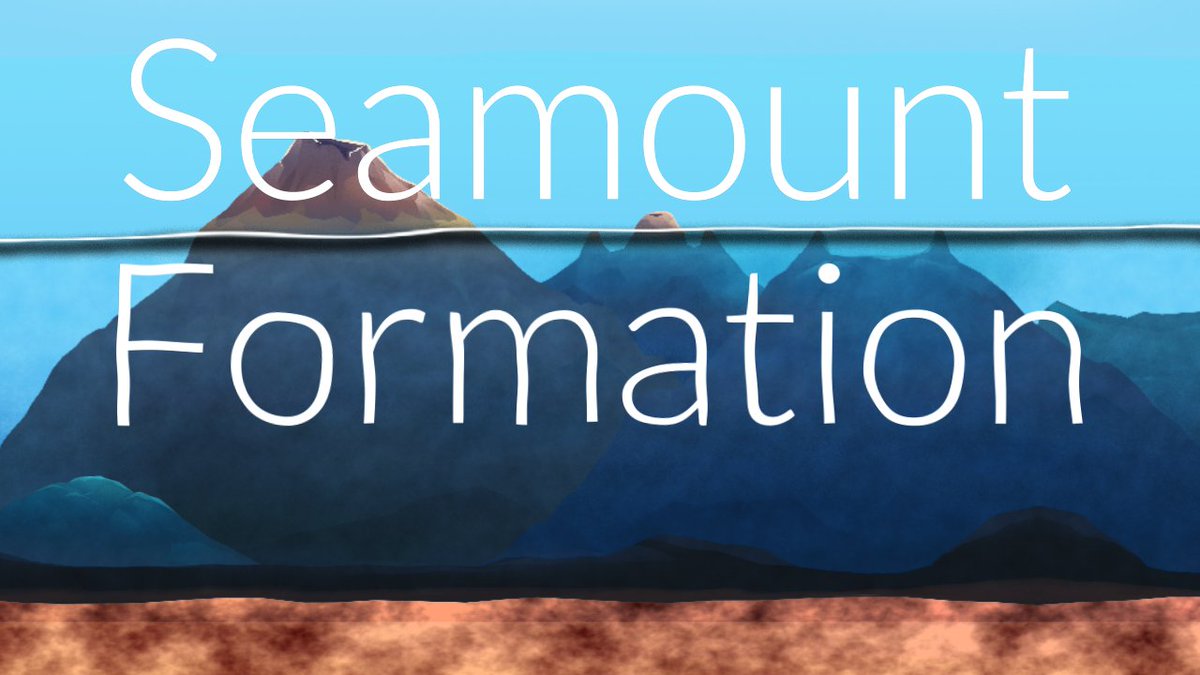
Did you know that #underwater #mountains are called #seamounts? This #teachinganimation explains how seamounts- and related features like #guyots -are formed by #geologicalprocesses by examining the #HawaiianIslandChain. (1/2)
1
5
17
2,928

3 Feb 2023
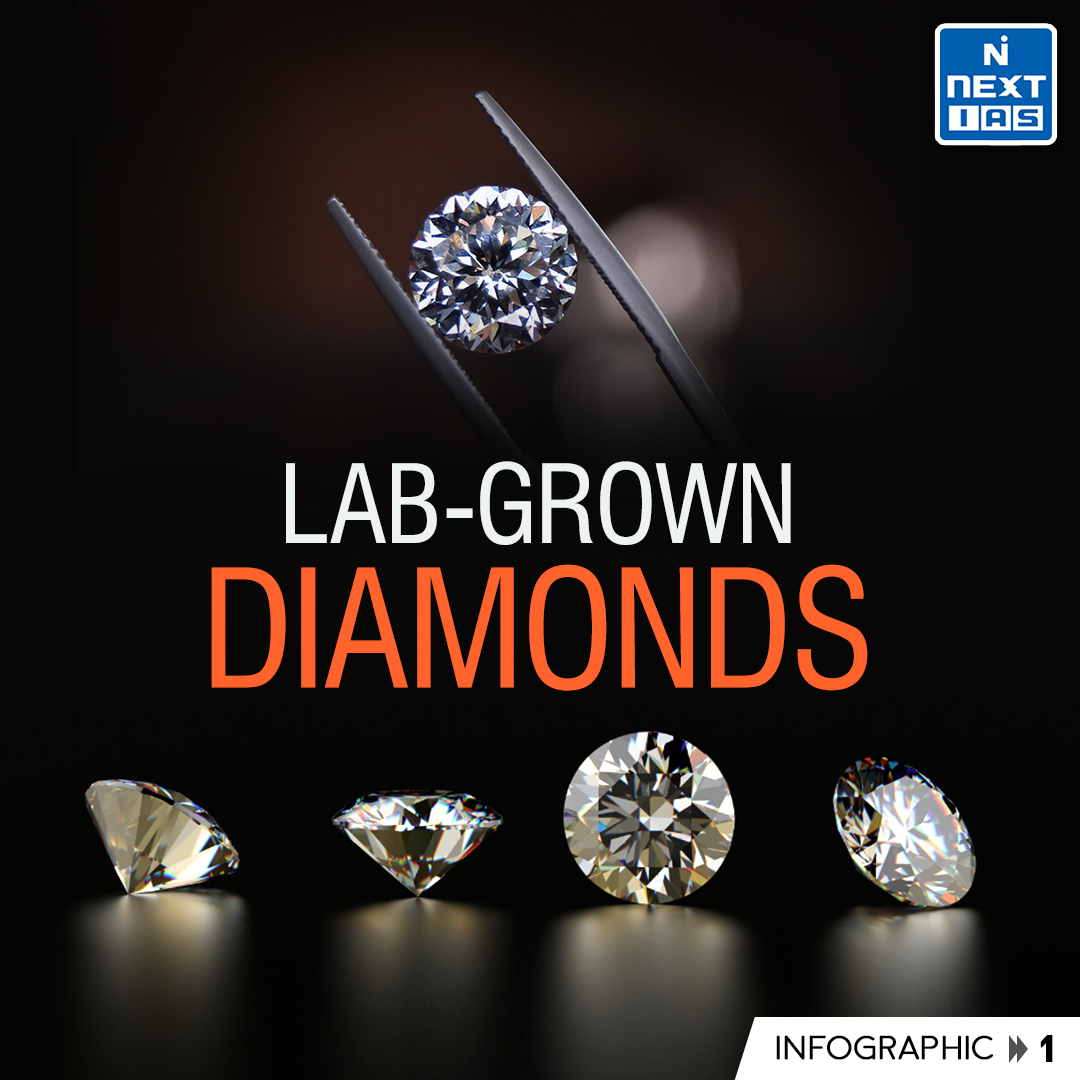
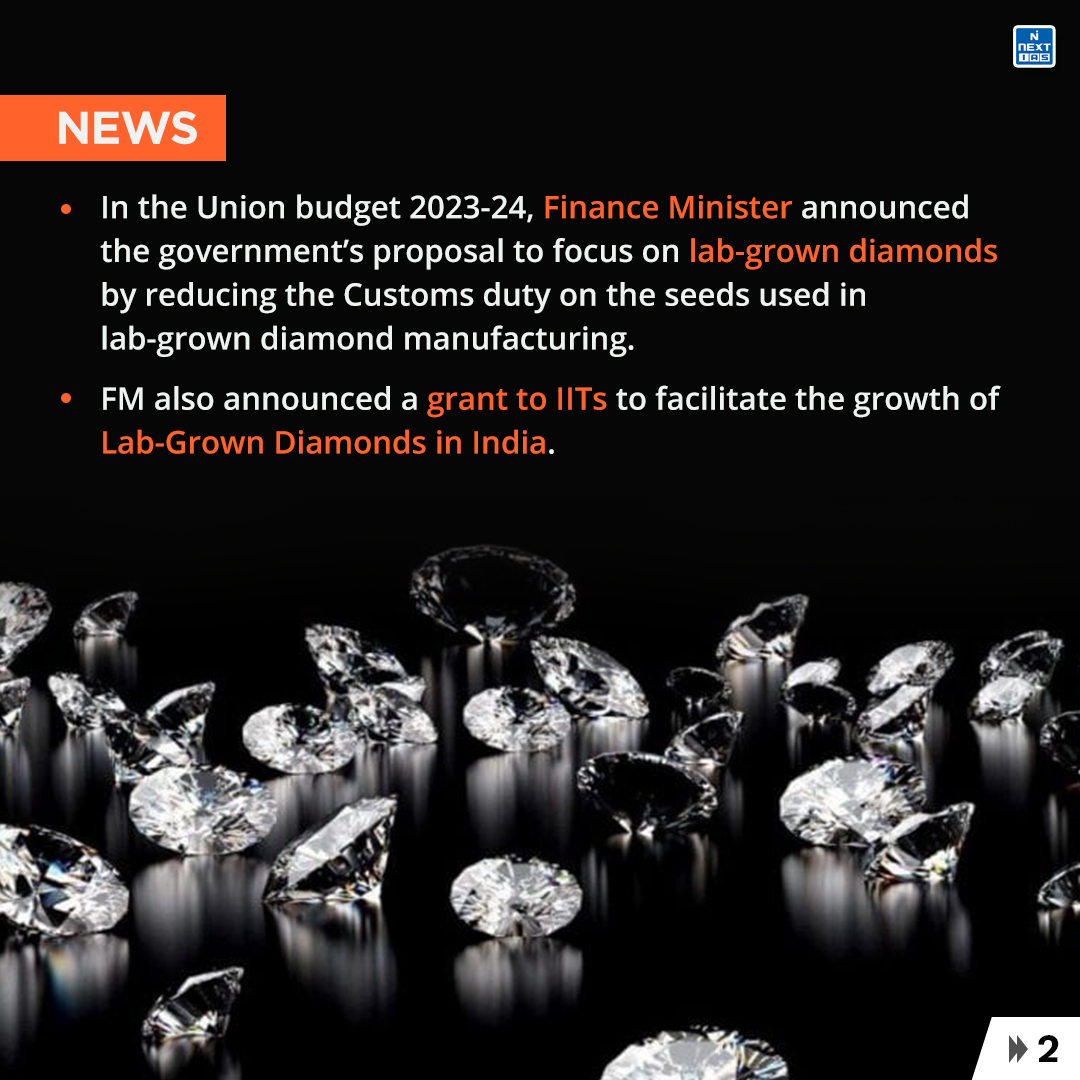
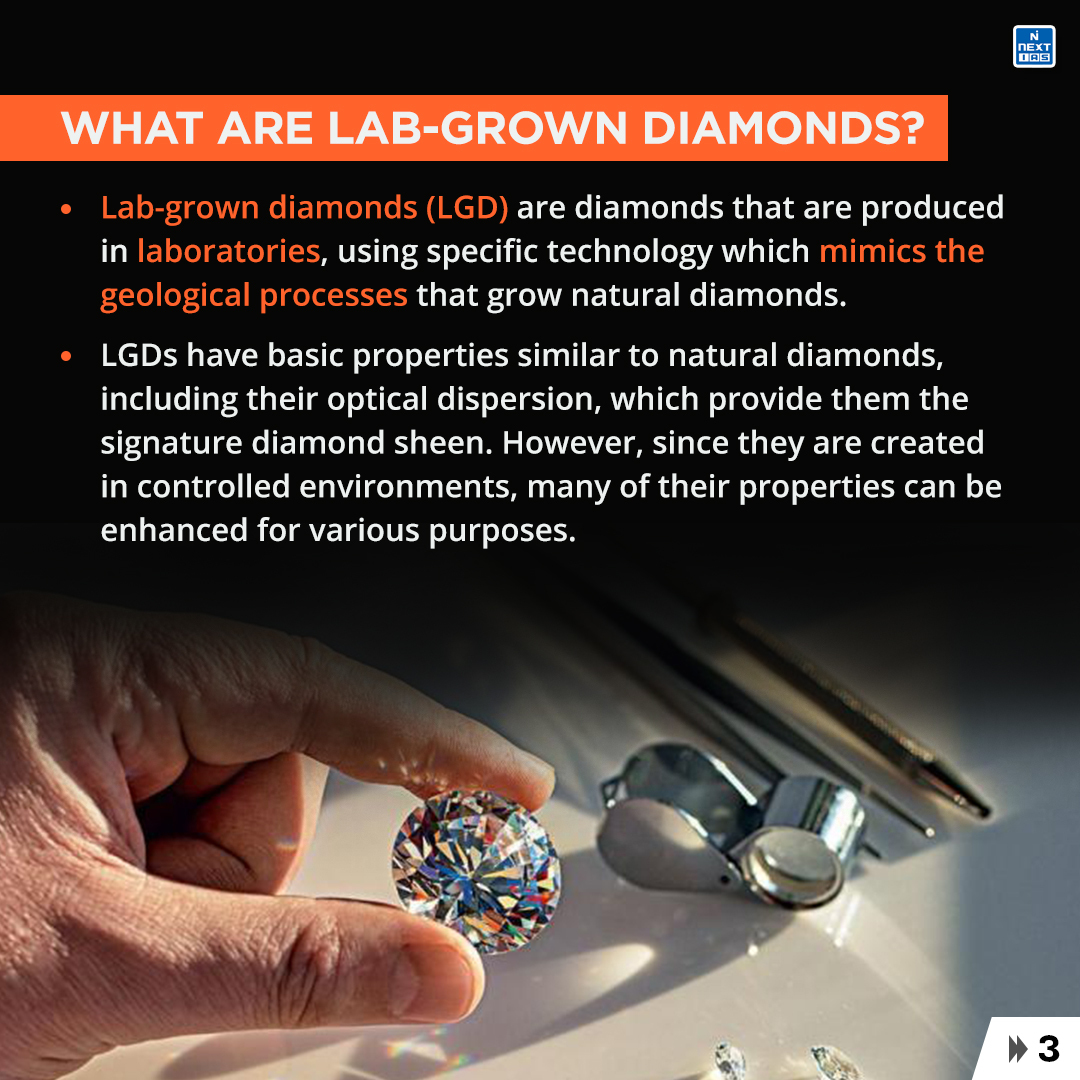
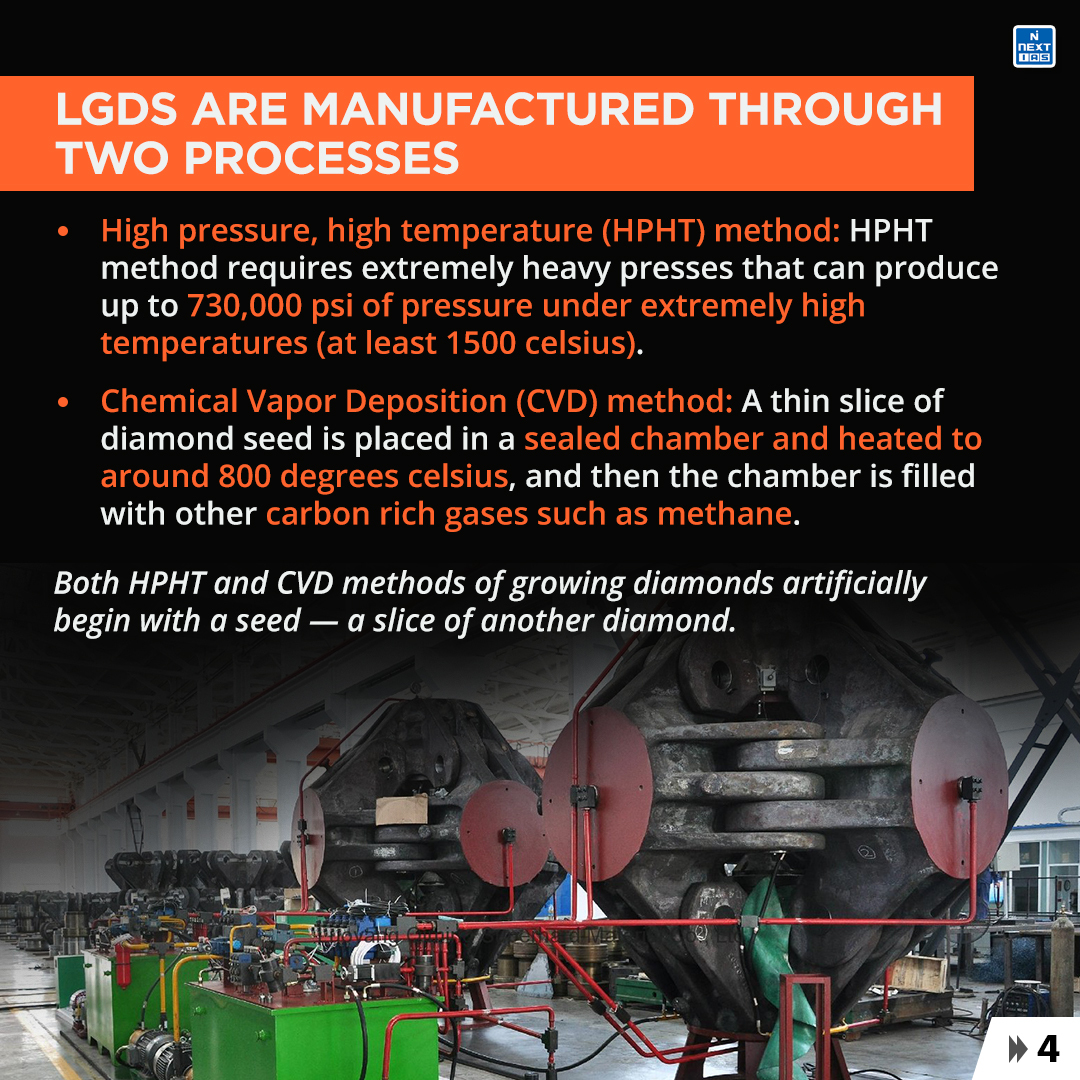
Daily Infographics (03-02-2023)
Topic: 𝐋𝐀𝐁-𝐆𝐑𝐎𝐖𝐍 𝐃𝐈𝐀𝐌𝐎𝐍𝐃𝐒
For more infographics: nextias.com/infographic
#infographics #nextias #India #February #february3rd #February2023 #FinanceMinister #Diamonds #Labgrowndiamonds #geologicalprocesses #opticaldispersion
3
187

31 Jan 2023
Scientists examine #geologicalprocesses of Monad Regio on Neptune's largest moon, #Triton @universetoday doi.org/grqcg4 phys.org/news/2023-01-scient…
1
96

14 Sep 2020
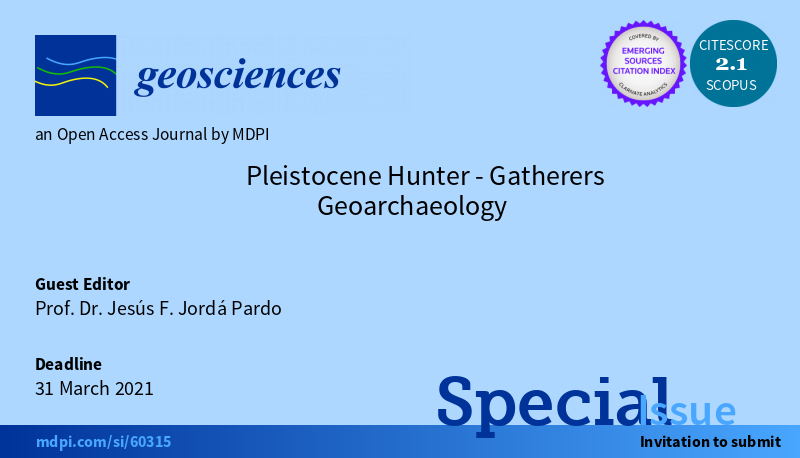
Special Issue "Pleistocene Hunter-Gatherers Geoarchaeology"
#Stratigraphy
#Sedimentology
#Micromorphology
#Chronostratigraphy
#Palaeoclimatology
#Palaeogeography
#GeologicalProcesses
👉mdpi.com/journal/geosciences…
2

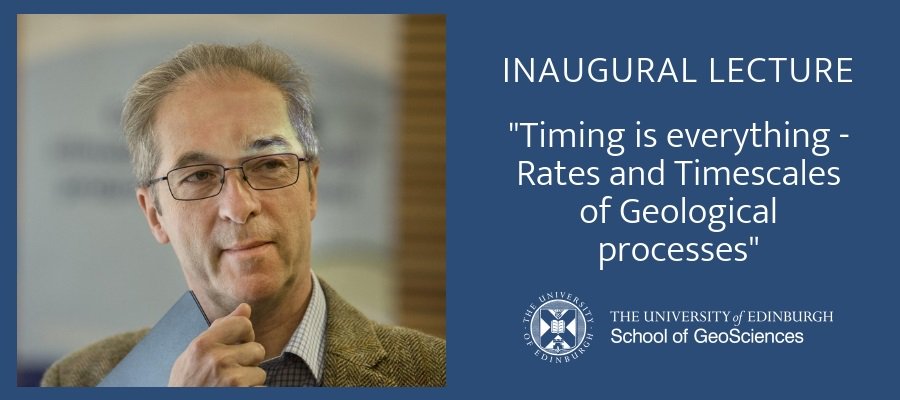
Reminder TODAY - INAUGURAL LECTURE: Timing is Everything - Rates and Timescales of #Geologicalprocesses - Prof Simon Kelley (@SimonPKelley), Head of @GeosciencesEd - Thurs 8 Nov, 5.30pm, Hutton Lecture Theatre (201), Grant Institute.

**Reminder - TOMORROW (Thurs 8 Nov) - INAUGURAL LECTURE: Timing is Everything - Rates and Timescales of #Geologicalprocesses - Prof Simon Kelley (@SimonPKelley), Head of @GeosciencesEd - Hutton Lecture Theatre (201), Grant. >edin.ac/2qbGYKM x.com/GeosciencesEd/status/1…**
2
**Reminder - TOMORROW (Thurs 8 Nov) - INAUGURAL LECTURE: Timing is Everything - Rates and Timescales of #Geologicalprocesses - Prof Simon Kelley (@SimonPKelley), Head of @GeosciencesEd - Hutton Lecture Theatre (201), Grant. >edin.ac/2qbGYKM x.com/GeosciencesEd/status/1…**
INAUGURAL LECTURE: Timing is Everything - Rates and Timescales of #Geologicalprocesses - Prof Simon Kelley (@SimonPKelley), Head of @GeosciencesEd - Thurs 8 Nov, 5.30pm, Hutton Lecture Theatre (201), Grant Institute. >>Further info & booking edin.ac/2qbGYKM
1
2
Reminder - Come along to Prof Simon Kelley's (@SimonPKelley, @GeosciencesEd) #InauguralLecture this Thursday 8 Nov 5.30pm The Hutton Lecture Theatre @uoeKB - Timing is Everything - Rates and Timescales of #GeologicalProcesses. Tix still available #publiclecture #allwelcome
Interested in ways in which we can measure the geological processes? Come along to Prof Simon Kelly's Inaugural Lecture on Thurs 8 Nov. >>Details below. #allwelcome #publiclecture @EdinUniLocal @EdSciComm @WhatOnEdinburgh @edbeltane
1
2
INAUGURAL LECTURE: Timing is Everything - Rates and Timescales of #Geologicalprocesses - Prof Simon Kelley (@SimonPKelley), Head of @GeosciencesEd - Thurs 8 Nov, 5.30pm, Hutton Lecture Theatre (201), Grant Institute. >>Further info & booking edin.ac/2qbGYKM
3
8
8

5 Jun 2016
#WhatsOnOutdoors: #Sculpture: #BearTooth, #Montana - mimics #GeologicalProcesses like #Fragmentation, #Sedimentation buff.ly/1PounNj
1

13 Apr 2016
#ResetModernity! #C8
Artists like Hicham Berrada are trying to work directly on #GeologicalProcesses making their #responsibility explicit.
1
1

5 Apr 2016
2