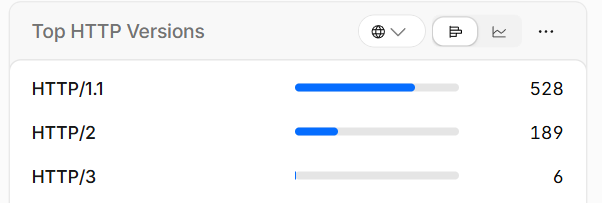

Hmm - I'm building a Quic\Http3\Webtransport library in C. Deepseek I've only had it do a little code, have not tried Kimi at all. Qwen has been amazing.
Opus 4.8 did a good job with the Quic layer.
QPACK in H3 is mostly being done by Qwen 3.6 Plus on Zen, my local Qwen 3.6 30b A3b, and actually Gemma 26b A4B solved some Huffman compression issues Qwen was stuck on, bug in my trie setup code.
Opus started acting very weird with the H3 layer implementation. I've used it a couple times since for bug finding, it excels there, but I cancelled my sub sadly. No longer using it for general purpose programming. A lot of people complained about 4.6 -> 4.8 issues. I am using Opus on a per token basis only now through Zen gateway in OpenCode.
It's not done yet, but it's shaping up.
There aren't very many C libraries for Quic\h3\wt.
2
77

Jun 12
HTTP/3 is a ground-up architectural rebuild and at 35% Adoption: You Cant Call QUIC a Future Technology Anymore dev.to/linou518/http3-is-at-… #HTTP3 #6G #QUIC
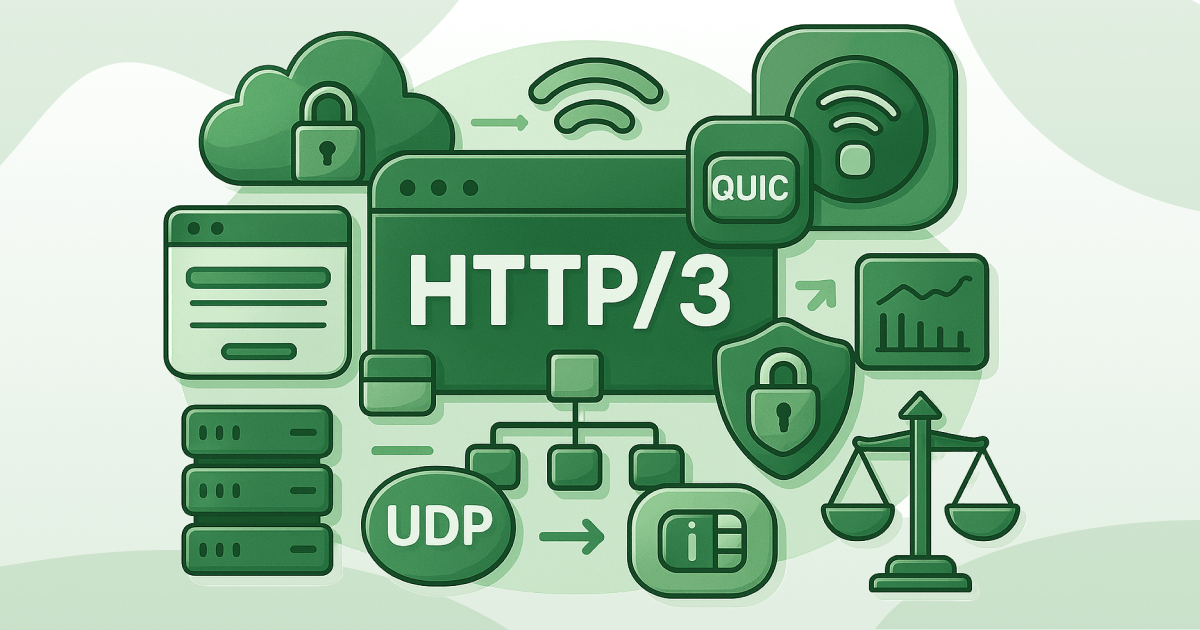
ALT onclusion: 35% Means the Tipping Point Is Behind Us When 35% of global traffic flows over HTTP/3, the question is no longer "should we use this?" It's "how soon can we deploy it?" Nginx needs two extra lines. Caddy enables it by default. The deployment cost has never been lower. For any internet-facing service—especially one with mobile users—the 30–60% performance improvement directly affects user experience and Core Web Vitals scores.
10


Jun 9
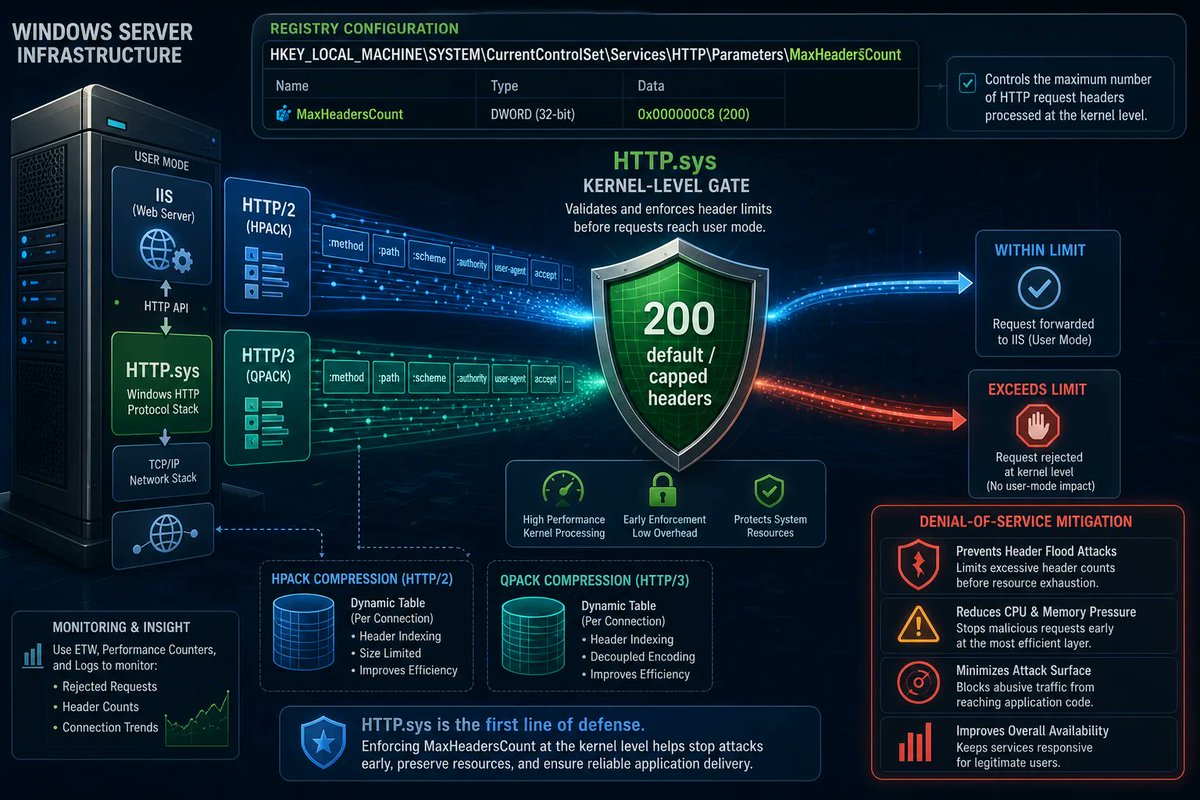
🪟 MaxHeadersCount for HTTP/2 3 in HTTP.sys = Microsoft finally admits “one weird header” can be an attack surface. Great—now admins can choke abusive requests before IIS even sweats. #Windows #Microsoft #IIS #HTTP2 #HTTP3 #Security
windowsforum.com/threads/max…
#WindowsServer
19
Jun 9
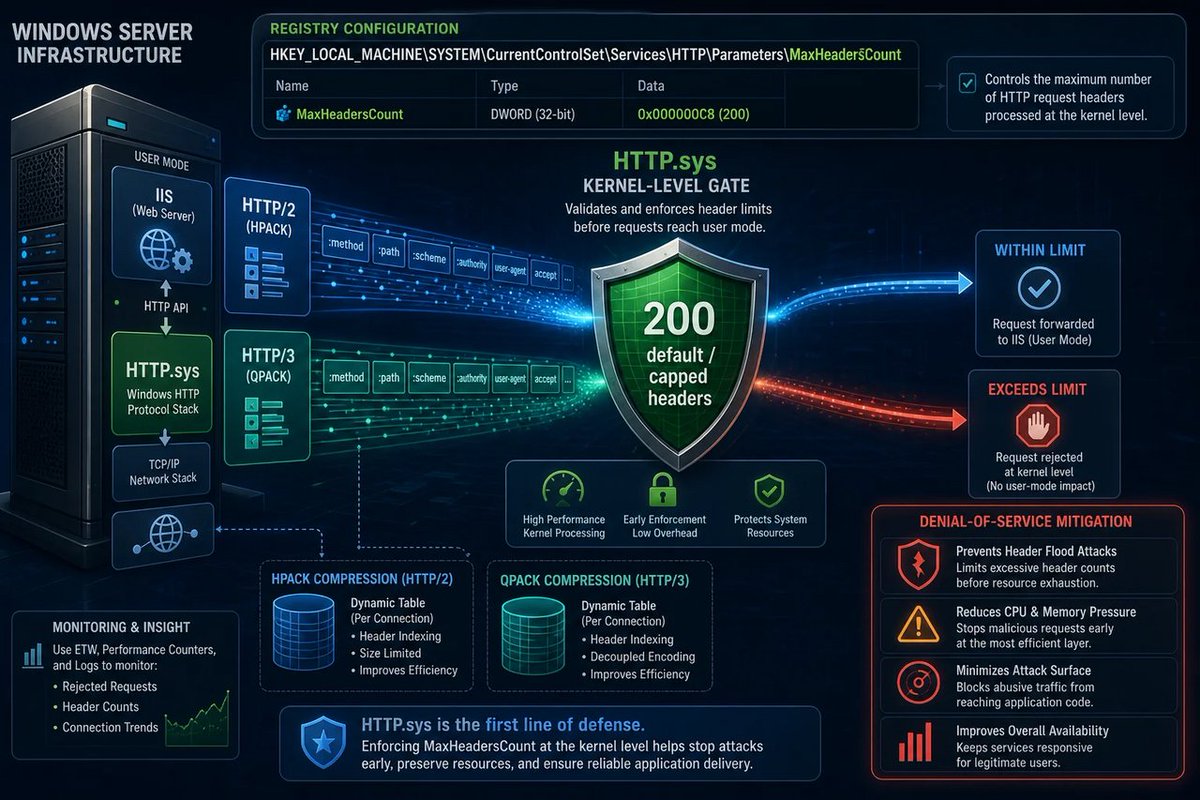
🪟 MaxHeadersCount for HTTP/2 3 in HTTP.sys = Microsoft finally admits “one weird header” can be an attack surface. Great—now admins can choke abusive requests before IIS even sweats. #Windows #Microsoft #IIS #HTTP2 #HTTP3 #Security
windowsforum.com/threads/max…
#WindowsServer
9
16

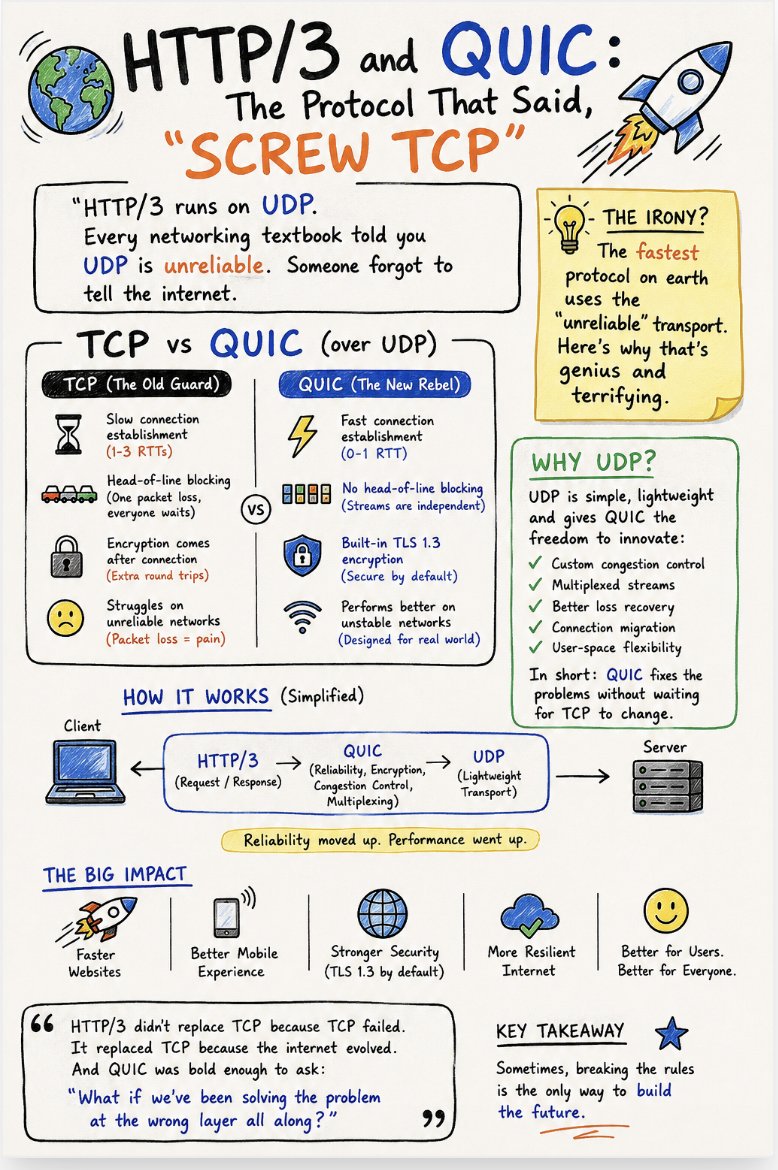
TCP = Reliable.
UDP = Unreliable.
Then HTTP/3 built the future of the web on QUIC.
And QUIC runs on UDP.
The internet didn't stop valuing reliability.
It stopped assuming TCP was the only way to achieve it.
#HTTP3 #QUIC #Networking #CyberSecurity
1
16

Honest take — disabling IPv6 at home in 2026 is still a completely rational decision
The real problem is dual-stack hell When IPv6 is enabled, most OSes prefer it via the Happy Eyeballs algorithm, so you end up debugging a whole second network path for every failure
Double the attack surface, double the routing issues, double the DNS headaches, for zero tangible benefit on a home network.
The adoption story is grim too. We've been "5 years away from IPv6 everywhere" since roughly 2003. ISPs enabled it, CDNs support it, and yet the long tail of embedded devices
smart TVs, IoT garbage, older NAS boxes, printers still treat IPv6 like a surprise party they weren't invited to
The dirty secret is that NAT44 basically saved the internet from itself. IPv4 exhaustion was supposed to be the forcing function for IPv6 migration, but CGNAT and RFC1918 space just... kept working. So the urgency evaporated.l
Full adoption probably requires the last generation of IPv4-only embedded hardware to die in a landfill, which at current pace is sometime around 2045. By then we'll probably just be running everything over some cursed QUIC/HTTP3 mesh that abstracts the whole layer 3 problem away anyway
The juice isn't worth the squeeze until your ISP is IPv6-only and forces your hand
Jun 8

Today I disabled IPv6 on my home router entirely. There are (sadly) too many devices and services with obscure bugs when it's enabled, and I'm tired of playing whack-a-mole sysadmin just to keep a full IPv6 stack.
I'm not sure we'll ever see full IPv6 adoption.
7
1,518

Jun 8
The internet is getting a massive speed upgrade. Say goodbye to laggy connections. 🌐⚡
Here is a quick breakdown of HTTP/3, the QUIC protocol, and how it fixes web latency forever.
Full article 👇
globaltech112.blogspot.com/2…
#HTTP3 #QUICProtocol #WebPerformance
13


Jun 5
Erlang QUIC (Pure Erlang QUIC implementation (RFC 9000/9001).) version 1.6.4 released.
Small performance when tracking body size in HTTP3.
github.com/benoitc/erlang_qu…
#erlang #elixir
1
17
686

Jun 3
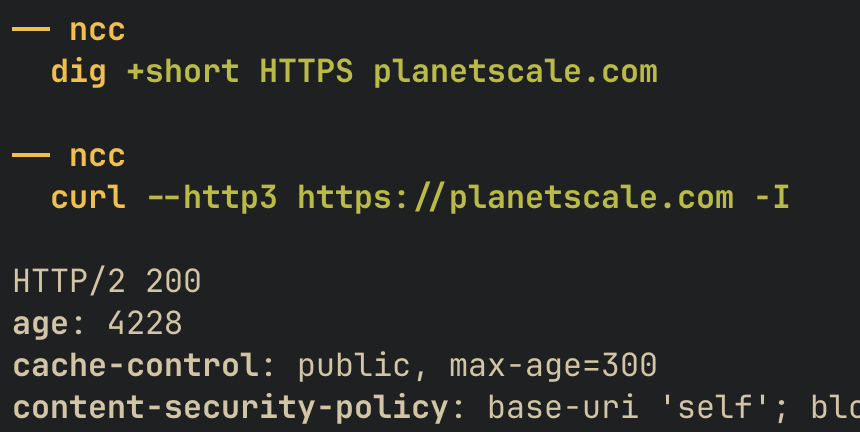
@samlambert don't tell me you don't even deploy HTTPS or SSHFP records, or support HTTP3 for the main website to load even faster
3
35
3,215


Jun 2
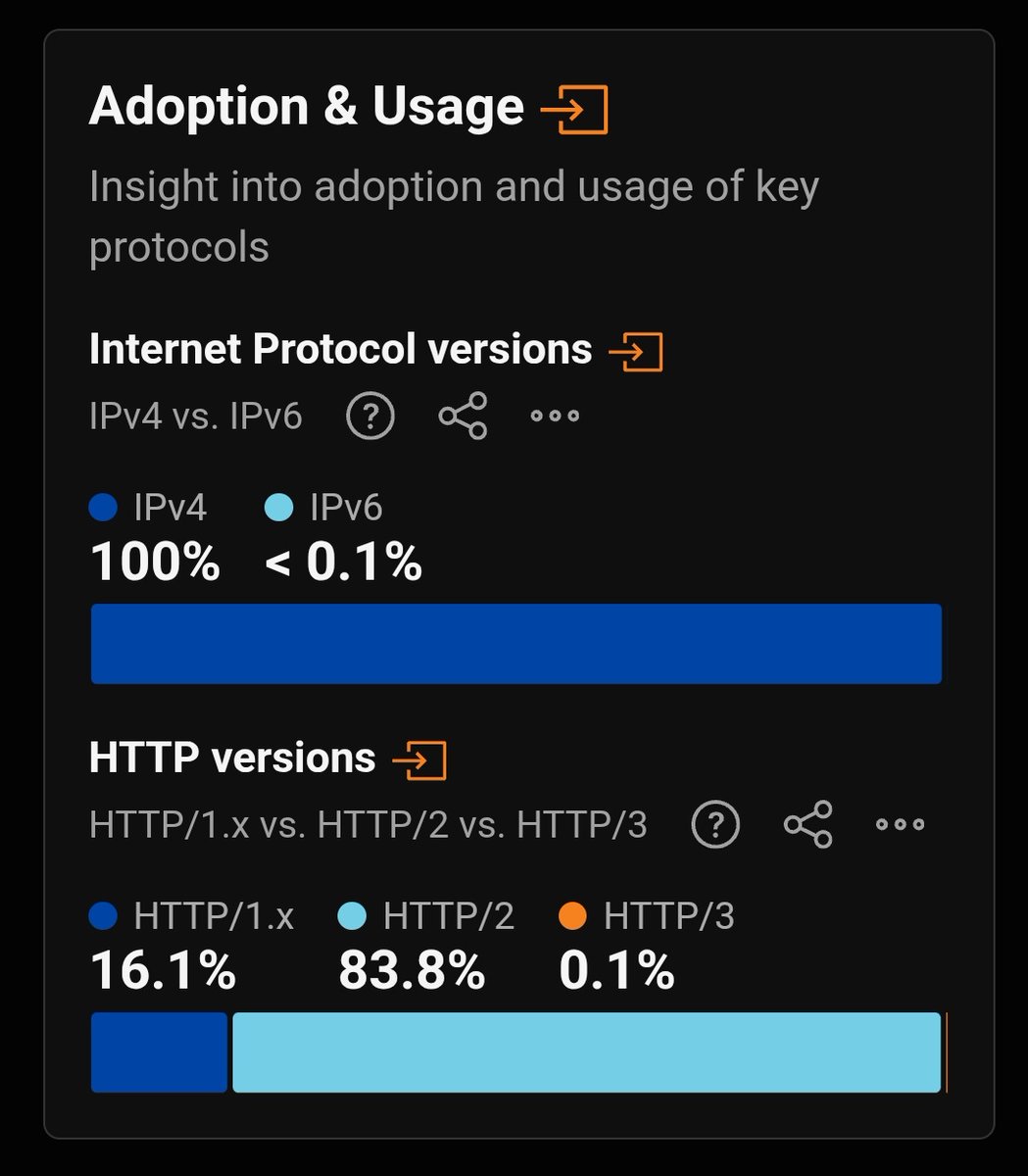
قبل از هر چیزی! ترافیک های نوین شبکه همچنان بسته هستن ، IPv6 , HTTP3 و بخش عمده UDP ، این یعنی در لایه های 3 و 4 هیچ بهبودی حاصل نشده و این فاجعه هست!2/4
1
32
1,151

یک هفته بعد از خبر اتصال اینترنت:
-اینترنت بسیاری از دیتاسنترها همچنان قطع است(اتصال فقط با احراز هویت)
-اینترنت وایتلیست کار میکند
-پروتکلهایIPv6 ،HTTP3، QUIC,SSH،UDP یا مسدود یا پر از اختلال
-VPN با قیمت نجومی هم از کار افتادن
در یک کلمه حتی به دروان فیلترنت هم برنگشتیم.
Jun 2

⁉️ چرا یک هفته بعد از دستور رئیسجمهوری وضعیت اتصال اینترنت هنوز به قبل برنگشته است؟
📈 بازگشت نصفهونیمه اینترنت
✍️ سونیتا سرابپور
🔹یک هفته از شبی میگذرد که مسعود پزشکیان بالاخره تصمیم گرفت به طولانیترین خاموشی اینترنت در دنیا ، پایان دهد. شامگاه دوشنبه ۴ خرداد پزشکیان در میان اما و اگرهای بسیاری مصوبه ستاد تازهکار ویژه ساماندهی و راهبری فضای مجازی کشور را برای بازگرداندن اینترنت به وضعیت پیش از دیماه ۱۴۰۴ به وزارت ارتباطات ابلاغ کرد؛ مصوبهای که گمان میرفت قرار است پایانی بر یکی از طولانیترین دورههای قطعی و محدودیت اینترنت در ایران باشد.
🔹اما یک هفته بعد از این ابلاغ، پرسش اصلی همچنان پابرجاست: آیا اینترنت واقعا وصل شده است؟ پاسخ کوتاه این است: هم بله، هم نه.
🔹در ظاهر، بخشی از اینترنت بازگشته است. کاربران بهتدریج به سرویسهایی مانند زیرمجموعههای گوگل، ویکیپدیا، اپاستور، کنوا، تردز، پینترست و برخی شبکههای اجتماعی دسترسی پیدا کردهاند؛ البته عمدتا با کمک فیلترشکنهایی که پس از سه ماه قطعی اینترنت، با قیمتهای چندبرابری به کاربران عرضه شدند و هنوز هم بسیاری از آنها ناپایدار و مقطعی کار میکنند.
🔹اما در لایه زیرین شبکه، آن چیزی که مدیران فنی، اپراتورها و فعالان دیتاسنتری توصیف میکنند، با اظهارات مقامات دولتی با معنای اتصال اینترنت فرق دارد.
🔹به گفته کارشناسان و مدیران فنی به «شرق» آنچه هماکنون با آن روبهرو هستیم، اتصال اینترنت به شرایط قبل از ۱۸ دی که بسیاری آن را با عنوان «فیلترنت» تشبیه میکنند، نیست بلکه بیشتر شبیه یک «بازگشایی ناقص» است که به یک تبعیض در دسترسی اینترنت چه برای کسبوکارها و چه برای مردم تعبیر میشود.
💢بیشتر بخوانید👇
sharghdaily.com/fa/tiny/news…

3
41
296
14,161
May 31
#اپدیت جامع وضعیت اینترنت امروز
امروز ترافیک اینترنت ، از جمله HTTP request و HTTP byte ها افزایشی بود ، این روند یعنی افزایش دیتاسنتر های دارای اینترنت ، خروج از وضعیت محدودیت شدید پهنای باند پله پله و نشونه بدی نیست ، اما در پس زمینه افزایش قابل توجه ترافیک به سمت لبه های کلودفیلر ، اتفاقات بسیار بدی هم در شبکه داره میوفته! ( بروزرسانی: اختلال های شدید روی دیتاسنتر هاست)
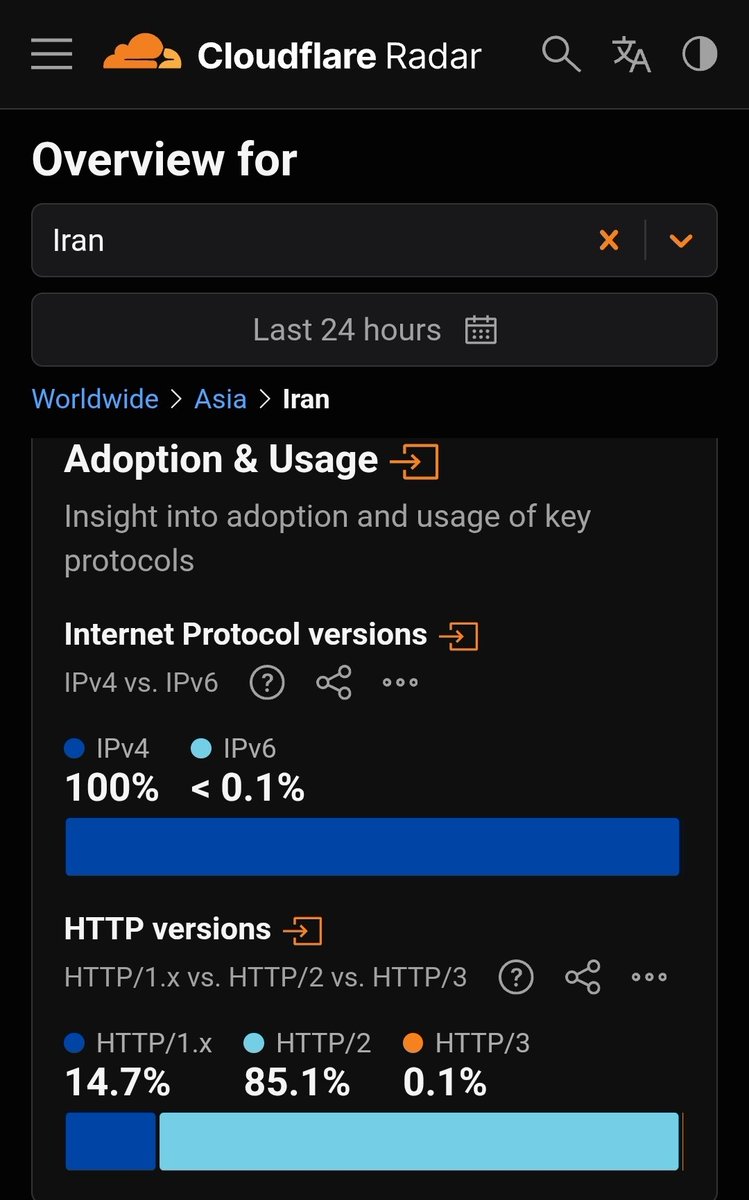
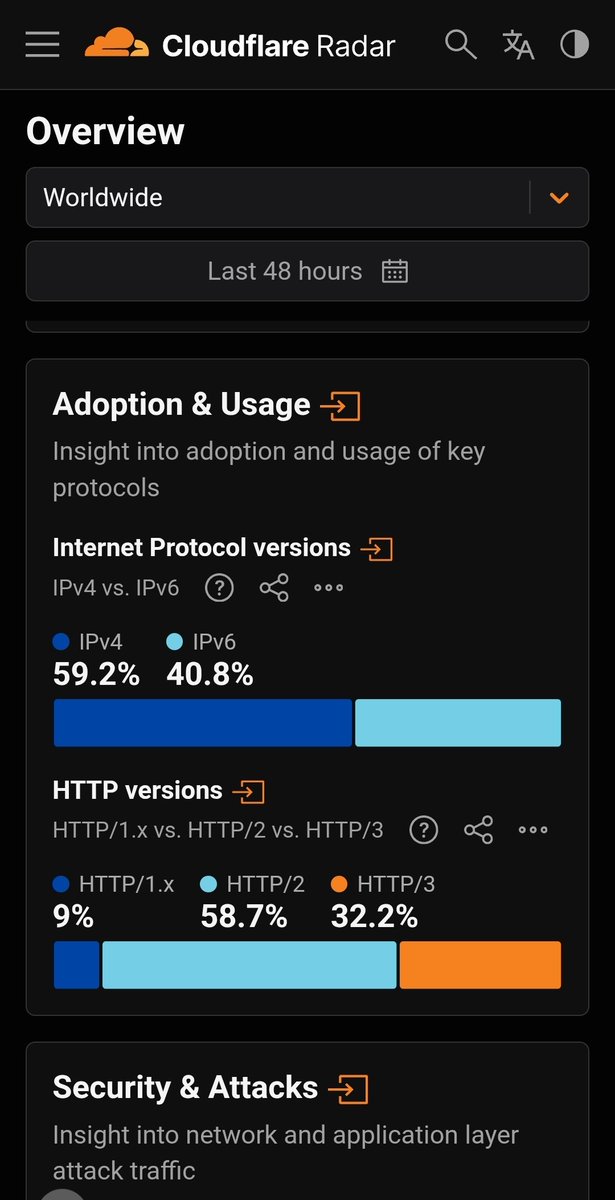
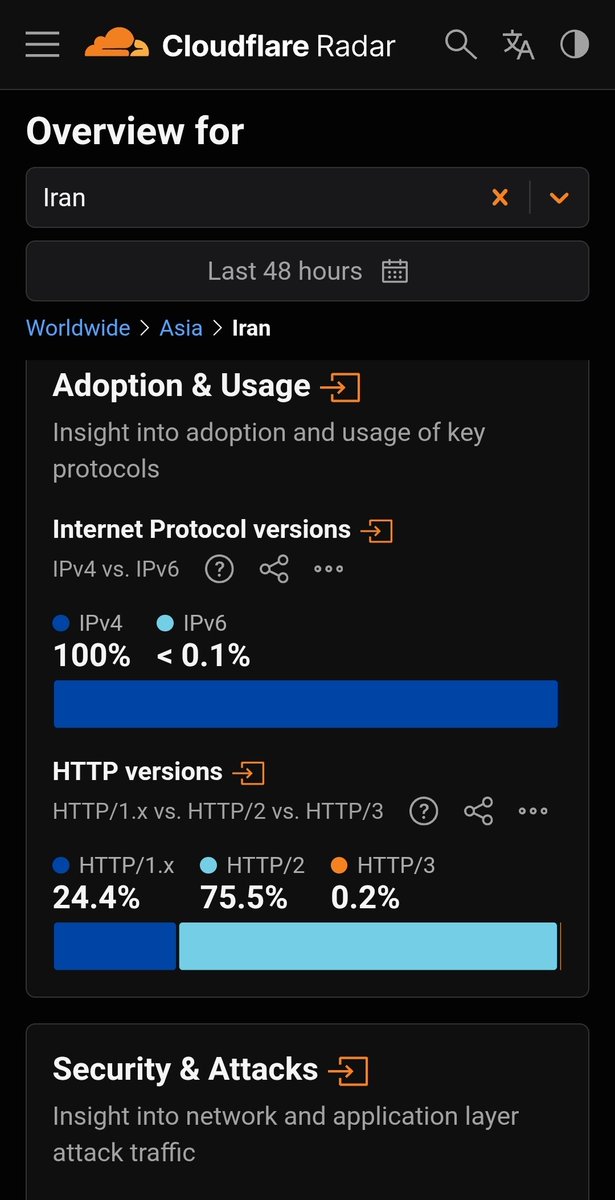
اول اینکه پروتکل IPv6 همچنان بسته است ، کاملا بسته! یعنی این پروتکل نوین ، عملا در ایران استفاده نمیشه ، مگر احتمالا در سیمکارت های سفید!
دوم اینکه پروتکل UDP هم همچنان بسته/ پر اختلال باقی مونده ، در نتیجه ، پروتکل های کوییک و پروتکل های سریع و امن دیگه مثل HTTP3 تقریبا مسدودن ، این خطرات امنیتی به دنبال داره
سوم اینکه علیرغم اینکه اکثر ترافیک ایران HTTP2 هست ، اما حدود 19 درصد ترافیک ایران داره از HTTP1 میگذره که شدیدا خطرناکه! از نظر امنیتی این نوع ترافیک هیچ رمزگذاری ای نمیشه و امنیتی نداره و به ISPاجازه میده دیتا های ارسالی و دریافتی رو رصد ، ذخیره و لاگ گیری کنه! این شدیدا خطرناکه!
خلاصه اوضاع رو به بهبوده ، اختلال ها در TCP کم شدن ، اما همچنان پروتکل های نوین و اصلی شبکه مسدودن...
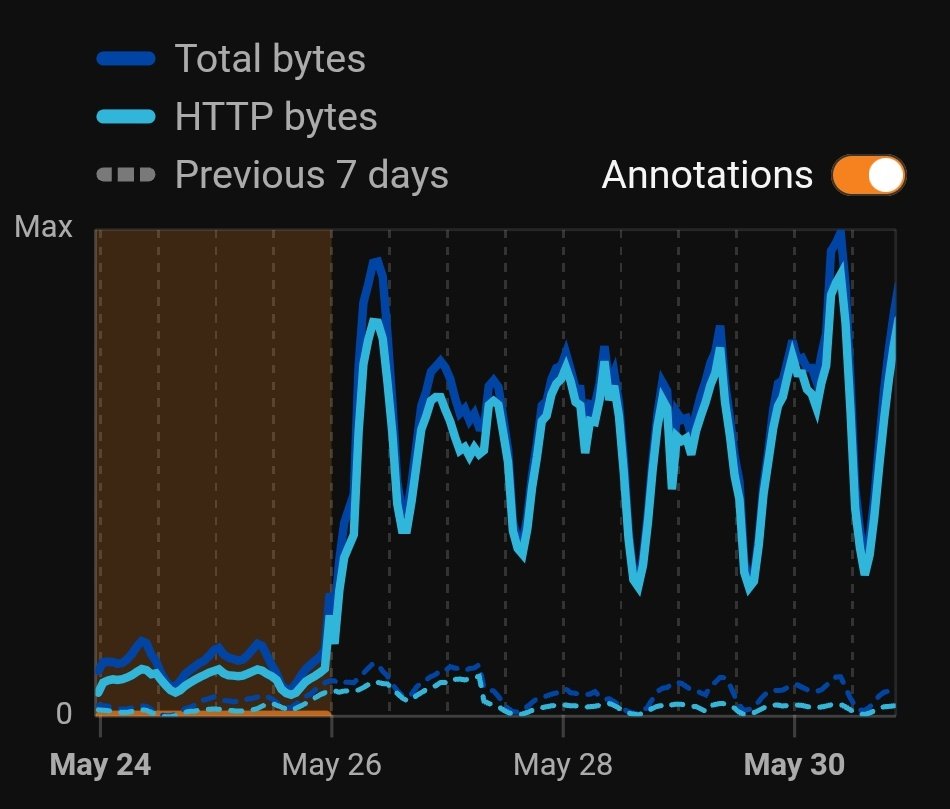
ALT افزایش ترافیک به سمت کلودفیلر در رادارش حدود ساعت ۱۵:۳۰
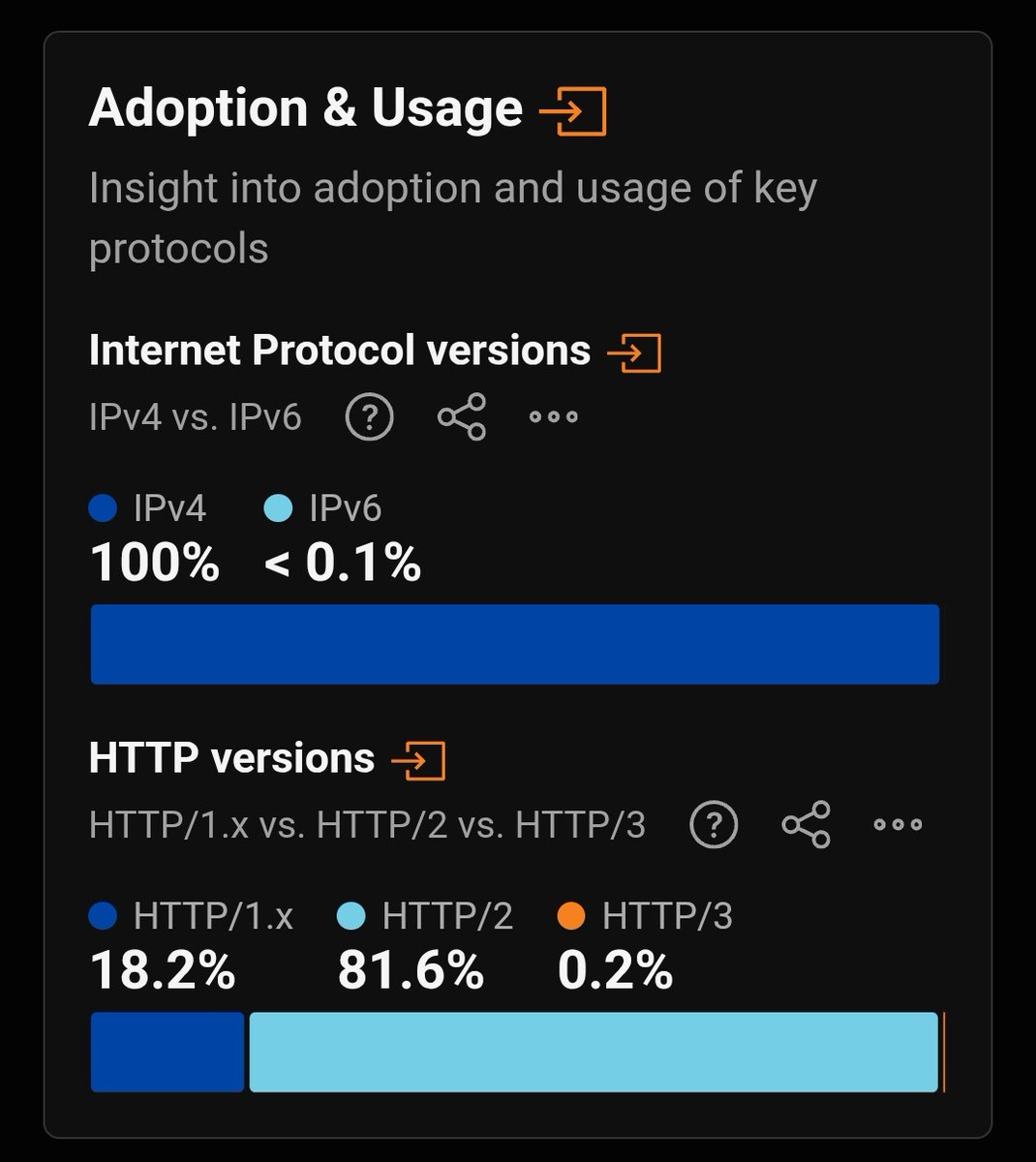
ALT پروتکل های مورد استفاده ایرانی ها در ترافیک به سمت کلودفیلر
May 31

اپدیت : #اینترنت بعضی دیتاسنتر ها از جمله همراه اول وصل شده
2
8
9,878