
14 Aug 2025
Looking for fast and validated hits?
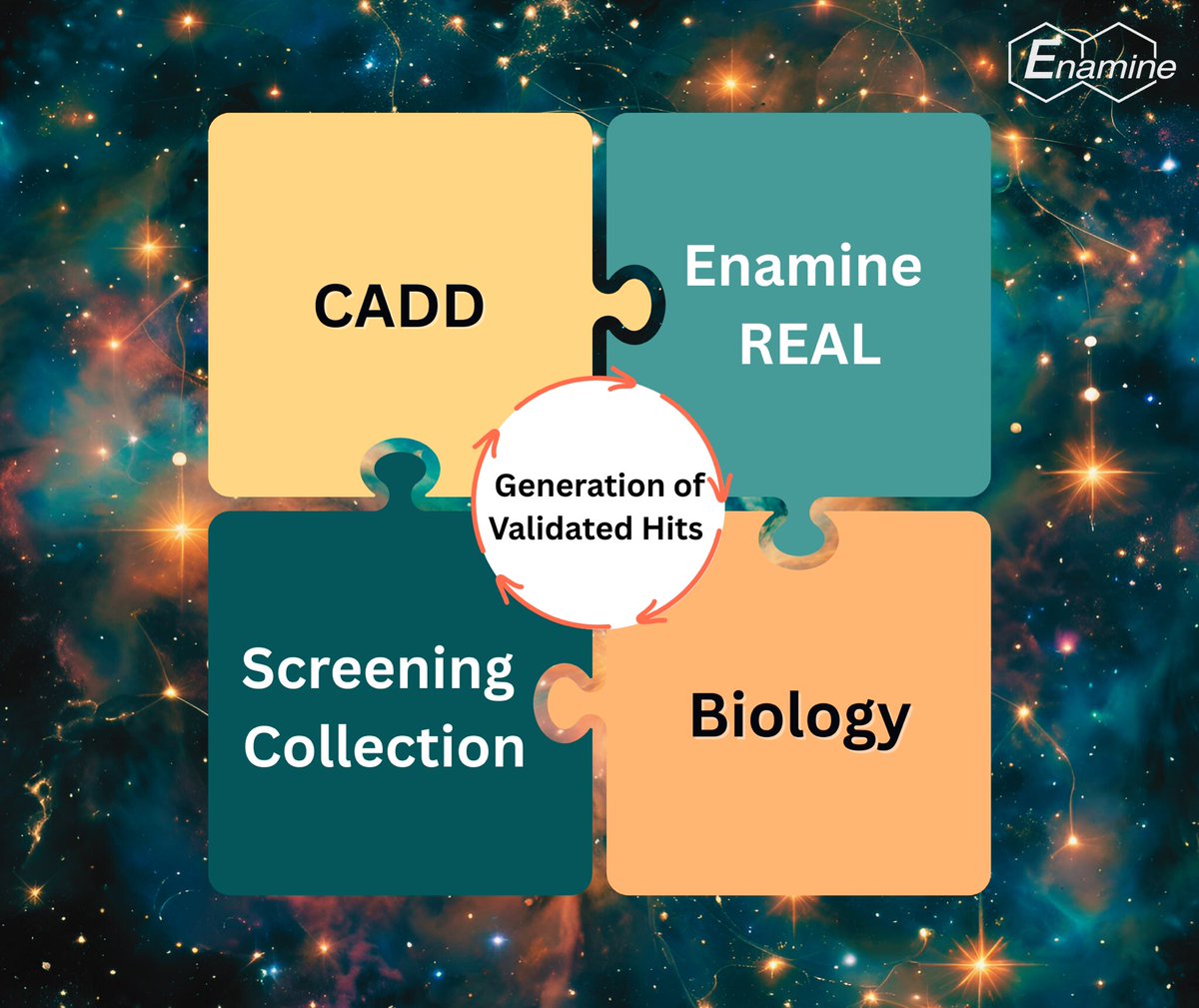
Our integrated CADD and biology workflow helps move from virtual screening to confirmed actives in just a few weeks. The process is tailored to your target and project needs, combining Enamine’s compound access with in-house expertise in assay development and data-driven compound selection.
You get:
✅10–20 biologically validated hits
✅Results in 35–75 working days
✅Discounted access to CADD, biology, and compound sourcing
✅Immediate access to 4.5M in-stock compounds, with optional expansion into the REAL Space (76.9B molecules) for hit follow-up
The process includes early assay setup, deep analysis of structural and ligand data, virtual screening, and two rounds of biological testing with clear prioritization of the most promising compounds.
Learn more: enamine.net/services/compute…
#DrugDiscovery #VirtualScreening #HitToLead #REALSpace #ComputationalChemistry
2
459

23 Feb 2025
A foundation model for protein-ligand affinity prediction through jointly optimizing virtual screening and hit-to-lead optimization
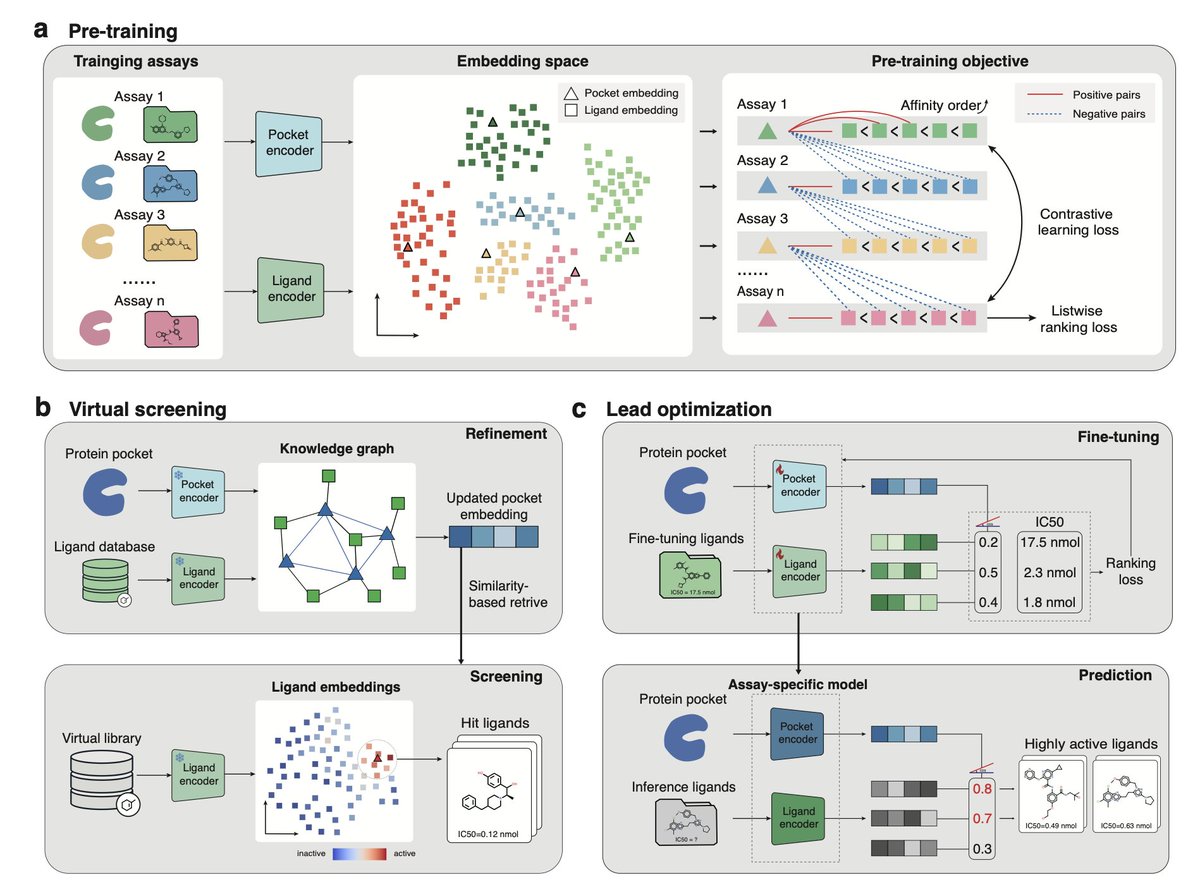
1. LigUnity is a novel foundation model that jointly optimizes protein-ligand virtual screening and hit-to-lead optimization, leveraging the synergy between these two tasks to enhance the overall drug discovery pipeline.
2. The model uses contrastive learning to distinguish between active and inactive ligands during virtual screening and a listwise ranking approach to optimize the affinity prediction for hit-to-lead optimization, improving performance across various benchmarks.
3. LigUnity outperforms 24 competing methods in virtual screening tasks on several benchmarks, such as DUD-E, Dekois 2.0, and LIT-PCBA, with significant improvements in the enrichment factor and faster screening speed.
4. The model also excels in hit-to-lead optimization tasks, achieving superior performance compared to traditional computational methods like free energy perturbation (FEP), particularly in zero-shot and few-shot settings.
5. The integration of LigUnity in an active learning framework shows its ability to identify optimal binding ligands for TYK2, a therapeutic target for autoimmune diseases, achieving over 40% improved prediction performance.
6. LigUnity's versatility is highlighted through its application to diverse settings, including split-by-time, split-by-scaffold, and split-by-unit settings, where it consistently outperforms other methods and generalizes well to unseen proteins and novel chemical scaffolds.
7. The ability to handle different assay types, including those using percentage units and real-world datasets, makes LigUnity an ideal tool for drug discovery, offering significant improvements over existing methods in both speed and accuracy.
📜Paper: biorxiv.org/content/10.1101/…
#DrugDiscovery #MachineLearning #VirtualScreening #Bioinformatics #AIinPharma #ComputationalChemistry #ProteinLigandAffinity #DeepLearning #HitToLead #ActiveLearning #ProteinModeling #LigandOptimization
1
7
58
4,751
23 Feb 2025
A foundation model for protein-ligand affinity prediction through jointly optimizing virtual screening and hit-to-lead optimization
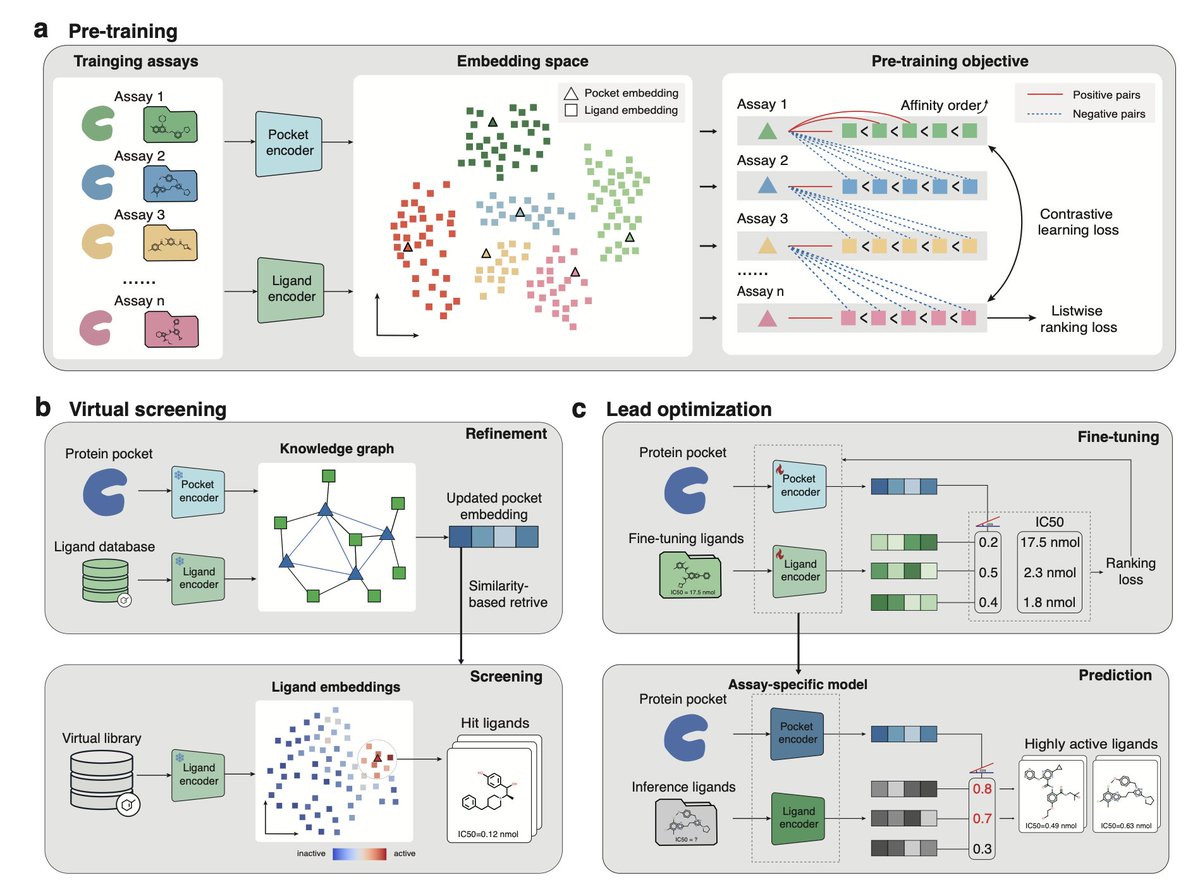
1. LigUnity is a novel foundation model that jointly optimizes protein-ligand virtual screening and hit-to-lead optimization, leveraging the synergy between these two tasks to enhance the overall drug discovery pipeline.
2. The model uses contrastive learning to distinguish between active and inactive ligands during virtual screening and a listwise ranking approach to optimize the affinity prediction for hit-to-lead optimization, improving performance across various benchmarks.
3. LigUnity outperforms 24 competing methods in virtual screening tasks on several benchmarks, such as DUD-E, Dekois 2.0, and LIT-PCBA, with significant improvements in the enrichment factor and faster screening speed.
4. The model also excels in hit-to-lead optimization tasks, achieving superior performance compared to traditional computational methods like free energy perturbation (FEP), particularly in zero-shot and few-shot settings.
5. The integration of LigUnity in an active learning framework shows its ability to identify optimal binding ligands for TYK2, a therapeutic target for autoimmune diseases, achieving over 40% improved prediction performance.
6. LigUnity's versatility is highlighted through its application to diverse settings, including split-by-time, split-by-scaffold, and split-by-unit settings, where it consistently outperforms other methods and generalizes well to unseen proteins and novel chemical scaffolds.
7. The ability to handle different assay types, including those using percentage units and real-world datasets, makes LigUnity an ideal tool for drug discovery, offering significant improvements over existing methods in both speed and accuracy.
📜Paper: biorxiv.org/content/10.1101/…
#DrugDiscovery #MachineLearning #VirtualScreening #Bioinformatics #AIinPharma #ComputationalChemistry #ProteinLigandAffinity #DeepLearning #HitToLead #ActiveLearning #ProteinModeling #LigandOptimization
4
36
1,865

23 Jan 2023
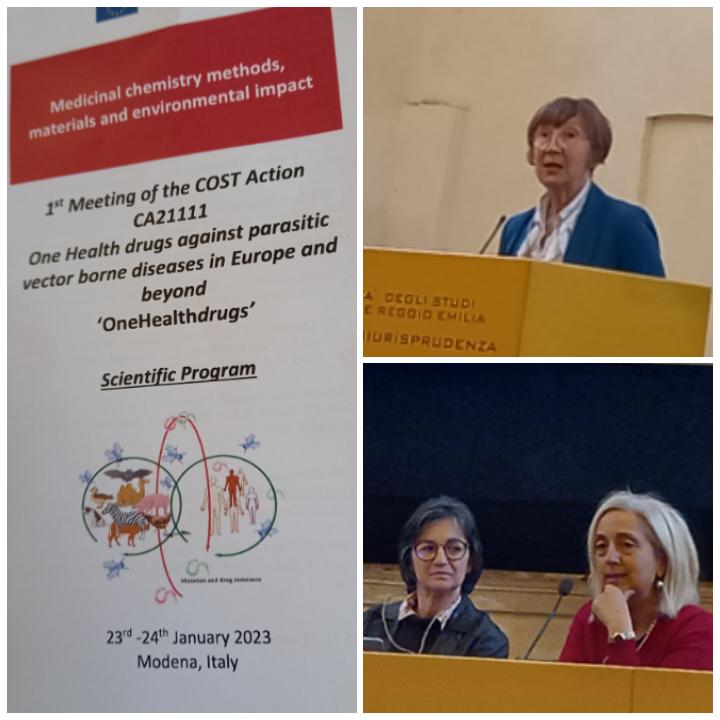
Inspiring talk from @ElisaUliassi @Unibo #TR #leishmaniasis #vectorborne #NIDs @1Healthdrugs_ca #drugdiscovery #fragmentbased #xray #hittolead
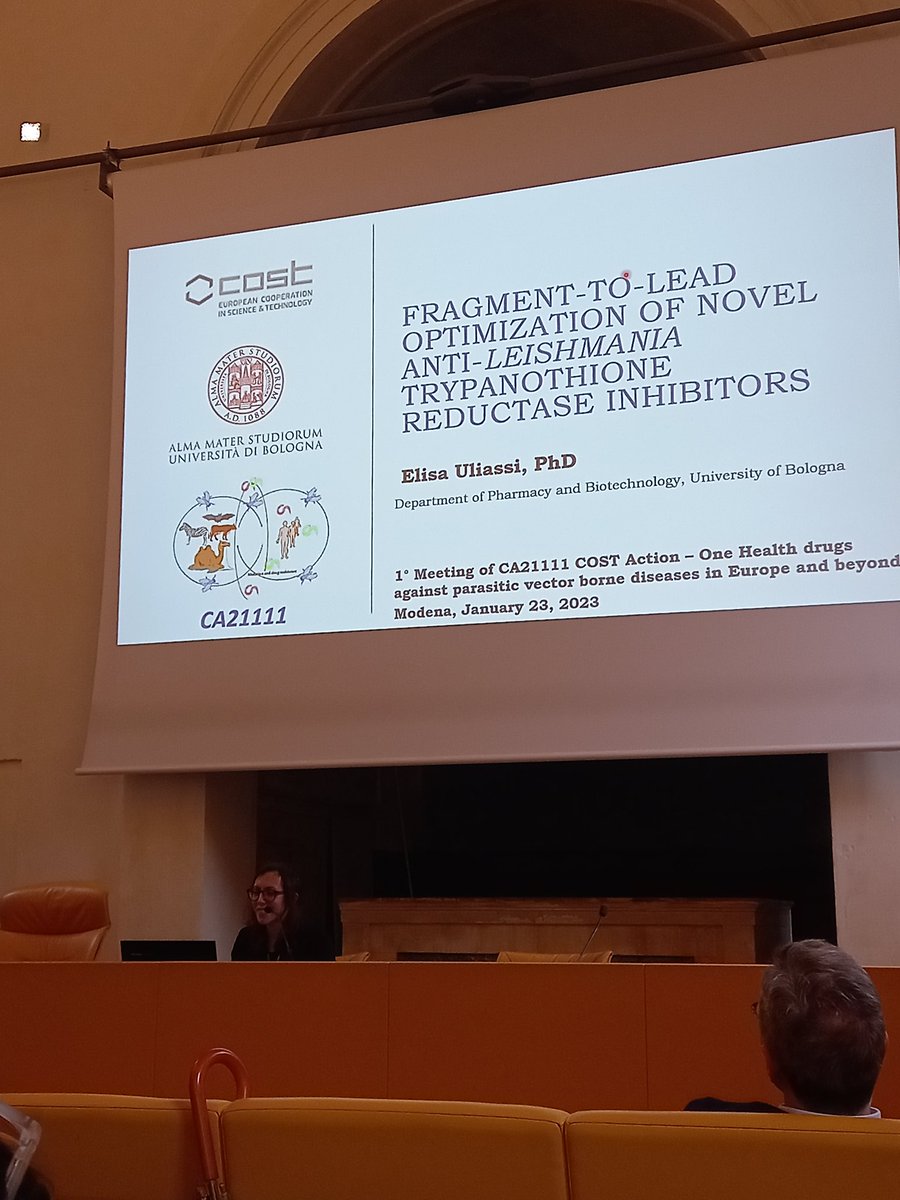

1st Meeting of @COSTprogramme Action CA21111! Kick-off from @MariaPaolaCosti @1Healthdrugs_ca Chair, @AnabelaCordeir5 Vice-Chair, @mlbolognesi @DCFSCI President! Amazing 2-day program! #medchem #methods #environmentalsustainability
1
13
1,523

5 Oct 2022
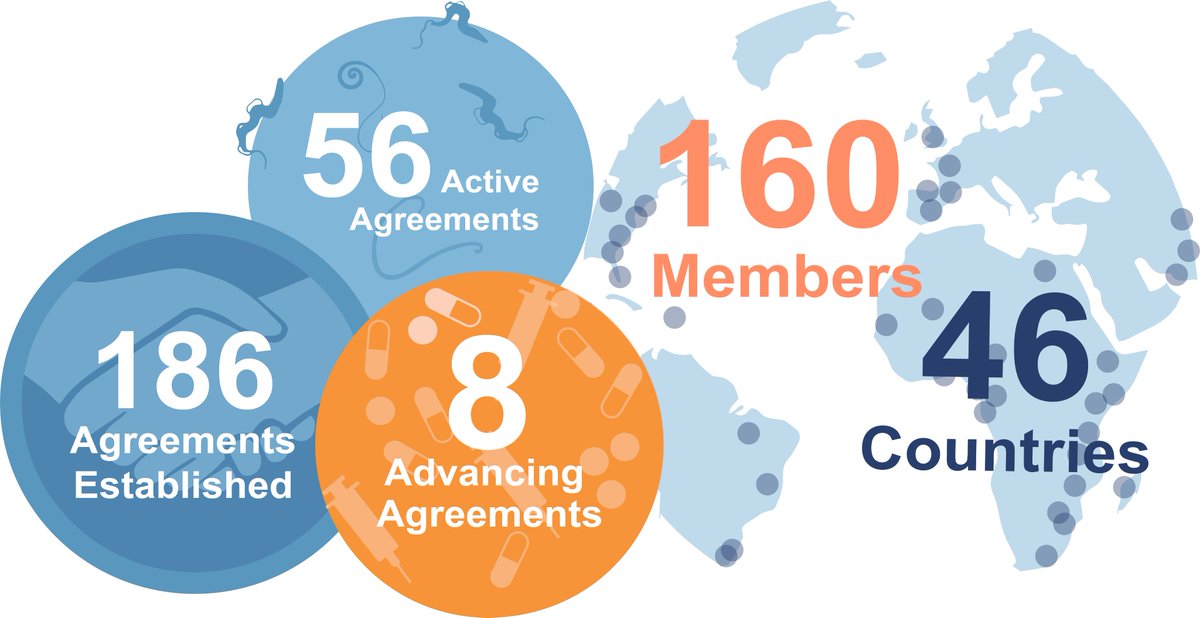
#ChagasDisease affects 6-7 million people, mostly in Latin America. @GSK is sharing its #ChagasBox and analogs with Dr. Artur Cordeiro @CNPEM through a #BVGH-coordinated project to catalyze #drugdiscovery and #hittolead optimization. #NTDs #screening
1
5

8 Jan 2022
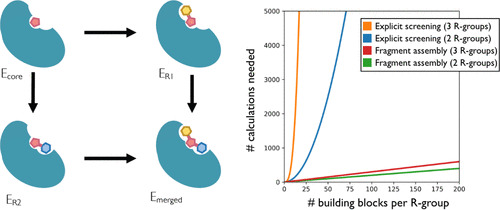
Efficient #hittolead Searching of #Kinase Inhibitor Chemical Space via Computational Fragment Merging #chemspace #chemicalspace
pubs.acs.org/doi/10.1021/acs…
@griandrianov @JohnKaranicolas @wgabrielong
#current_issue #compchem
5
28
16 Dec 2021
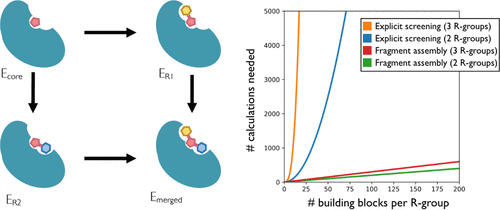
Efficient #hittolead Searching of #Kinase Inhibitor Chemical Space via Computational Fragment Merging #compchem #chemspace #chemicalspace
pubs.acs.org/doi/10.1021/acs…
@gusikhuyusi @JohnKaranicolas
#ASAP
2
8

24 Jun 2021
In addition to our #HTS capabilities, we are excited to announce the launch of the integrated #smallmolecule #drugdiscovery workflows for hit ID, #HittoLead, and #leadoptimization studies.
#lifesciences #pharma #biotech #labautomation #labofthefuture
hubs.la/H0QZrYK0
2
4

7 Jun 2021
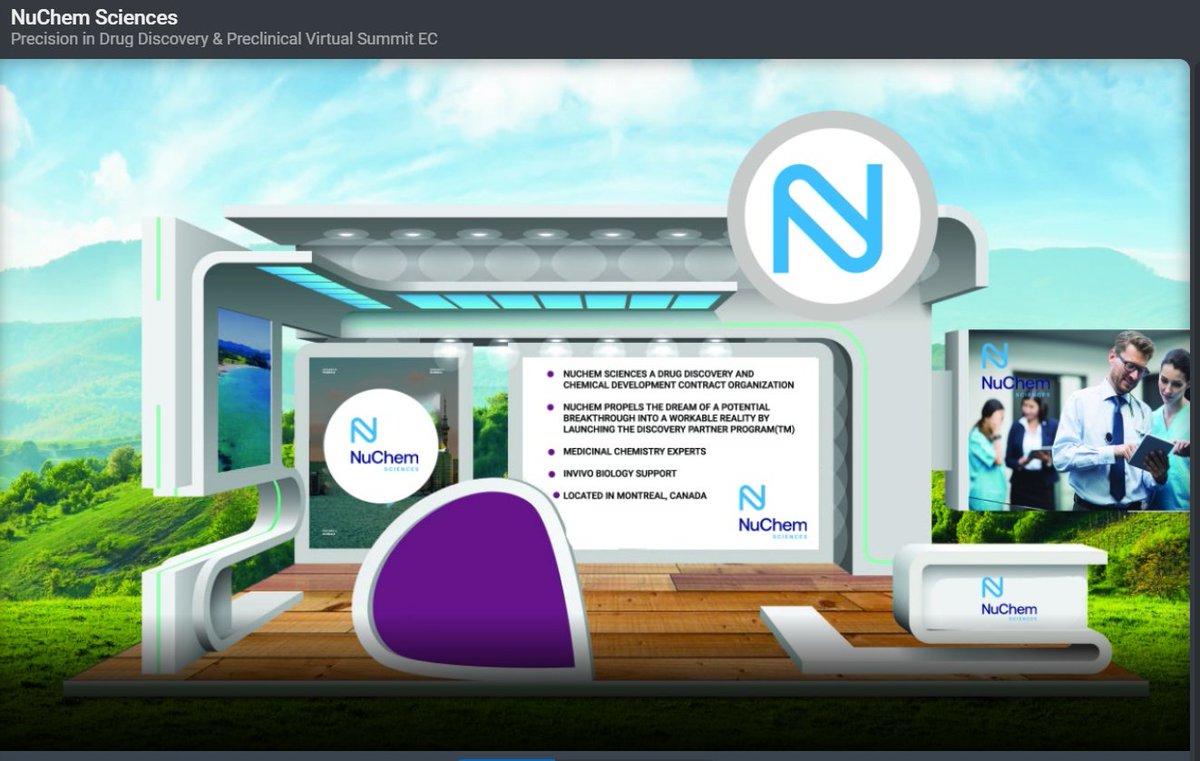
Connect with @NuchemSciences tomorrow at the #VirtualPDDP Summit!
#DrugDiscovery #Biology #Chemistry #VirtualEvent #Pfizer #Moderna #COVID19 #DrugDesign #Preclinical #AI #Tech #Protein #AntibodySequencing #GSK #HittoLead #MedicinalChem #NuChemSciences #Montreal #Quebec
2
3
7 Jun 2021
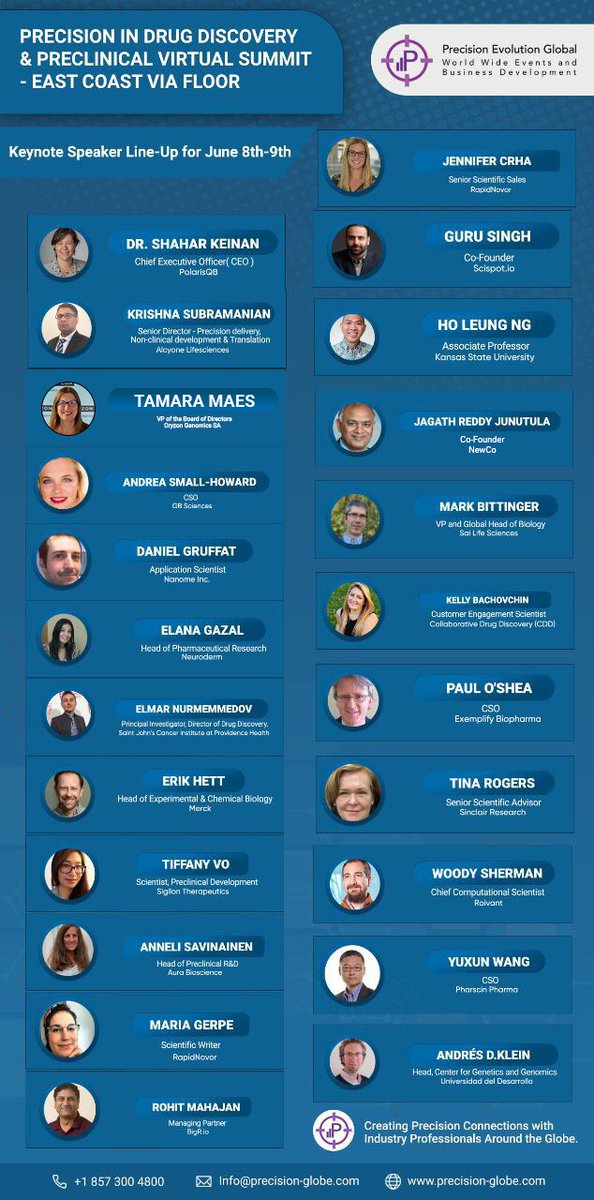
We are proud to have such an amazing & esteemed line up speakers for the #VirtualPDDP Summit!
#DrugDiscovery #Biology #Chemistry #VirtualEvent #Pfizer #Moderna #COVID19 #DrugDesign #Preclinical #AI #Tech #Protein #AntibodySequencing #GSK #HittoLead #MedicinalChem #Speakers
2
3
7 Jun 2021
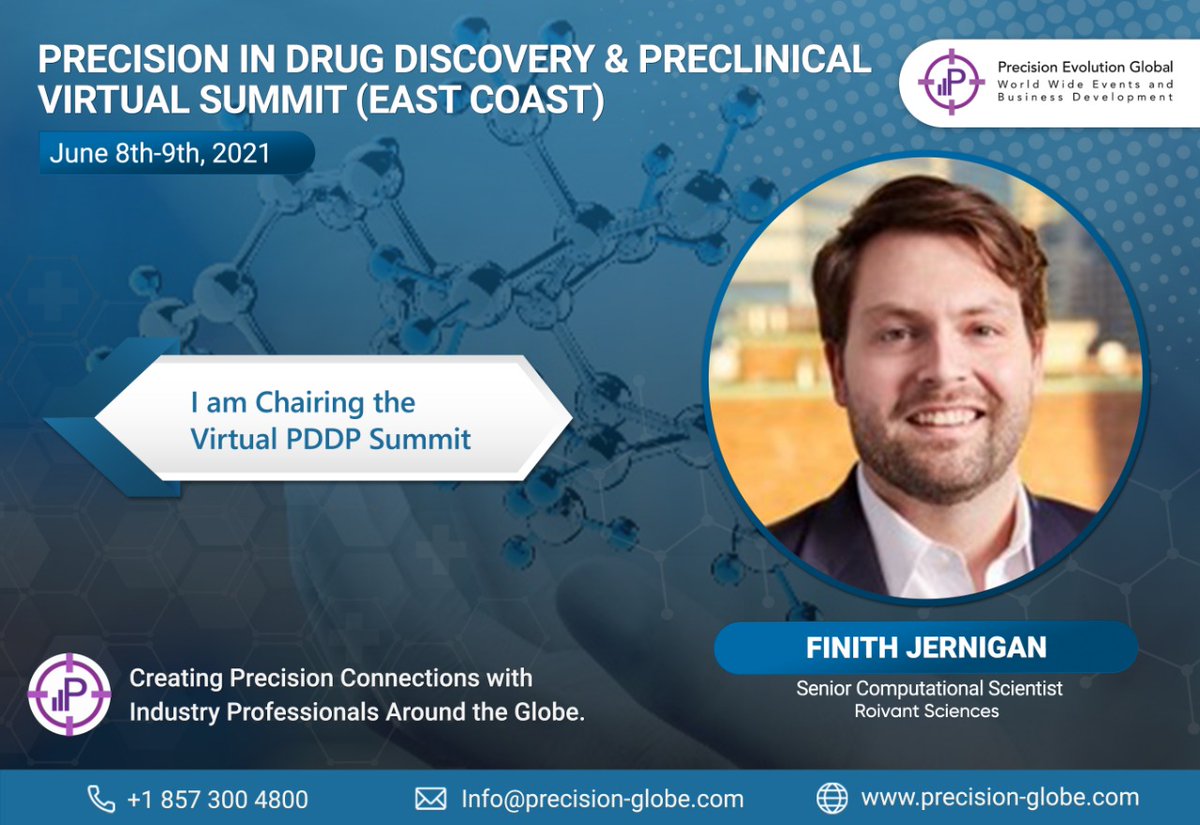
We are proud to have Dr. @finithjernigan
of @Roivant chair Day 2 of our #VirtualPDDP Summit!
#DrugDiscovery #Biology #Chemistry #VirtualEvent #Pfizer #Moderna #COVID19 #DrugDesign #Preclinical #AI #Tech #Protein #AntibodySequencing #GSK #HittoLead #MedicinalChem
2
3
5 Jun 2021
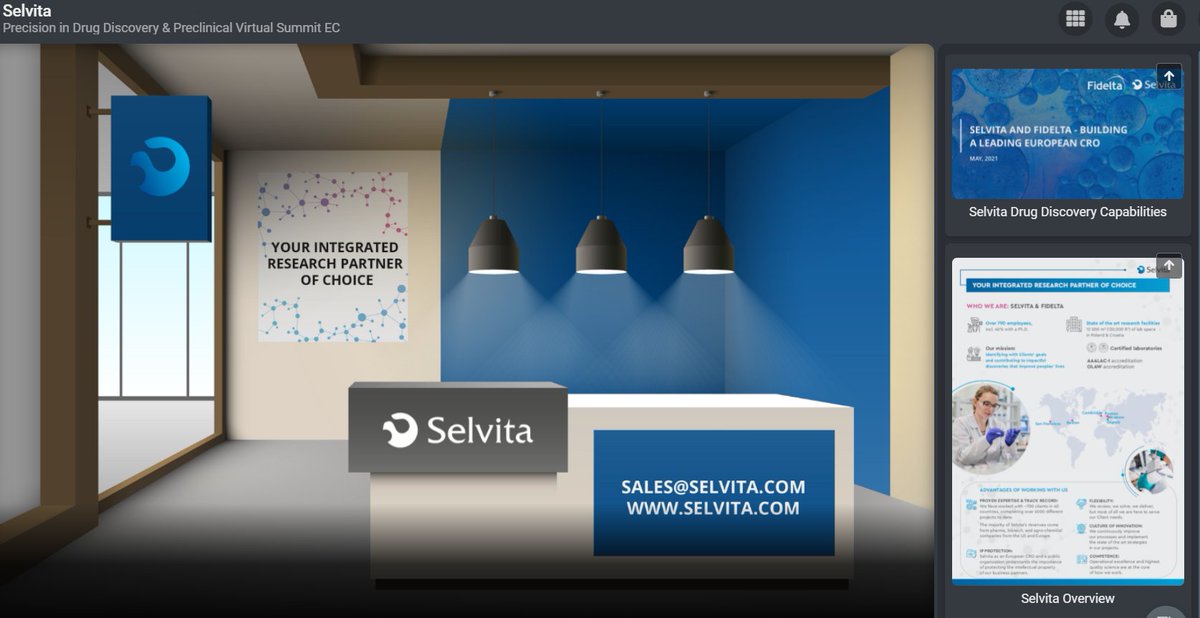
Drop by @SelvitaKrakow interactive booth to ask all your #research questions at the #virtualPDDP Summit!
#DrugDiscovery #Biology #Chemistry #VirtualEvent #Pfizer #Moderna #COVID19 #DrugDesign #Preclinical #AI #Tech #Protein #AntibodySequencing #GSK #HittoLead #MedicinalChem
2
4
5 Jun 2021
Interested in learning about #MassSpec? Drop by @PhenoSwitch booth on Tue/Wed to learn more!
#DrugDiscovery #Biology #Chemistry #VirtualEvent #Pfizer #Moderna #COVID19 #DrugDesign #Preclinical #AI #Tech #Protein #AntibodySequencing #GSK #HittoLead #MedicinalChemistry #Connect
2
5
5 Jun 2021
Connect with @ExploraBioLabs this coming Tue/Wed at the #VirtualPDDP Summit!
#DrugDiscovery #Biology #Chemistry #VirtualEvent #Pfizer #Moderna #COVID19 #DrugDesign #Preclinical #AI #Tech #Protein #AntibodySequencing #GSK #HittoLead #MedicinalChemistry #connections #Explorabio

2
3
5 Jun 2021
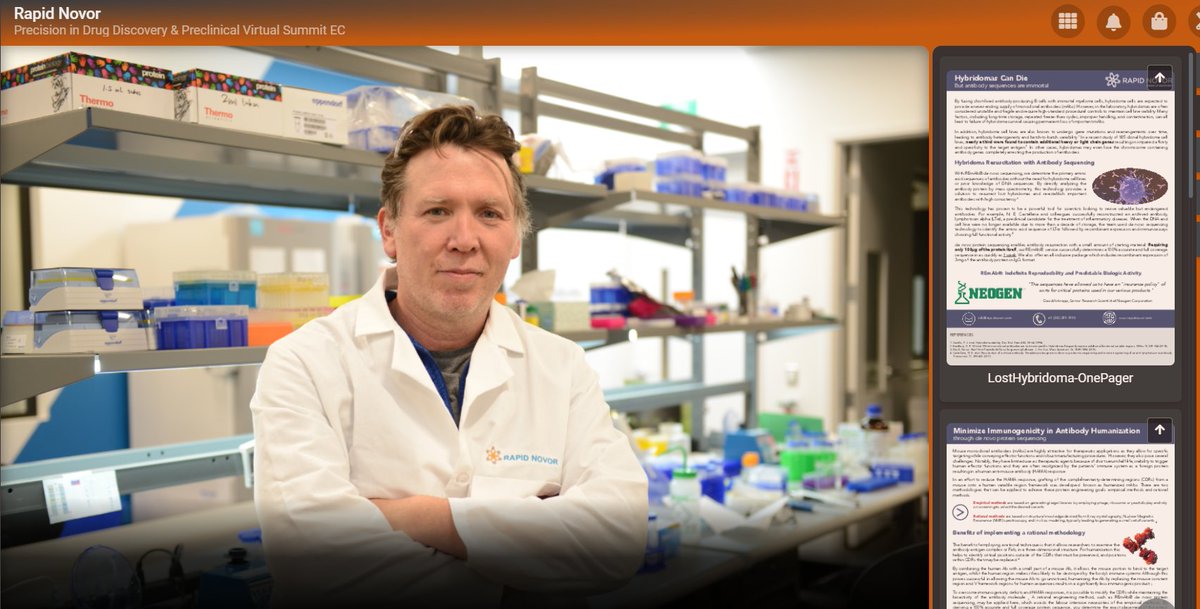
Connect with the team from @rapidnovor at the #virtualPDDP Summit!
#DrugDiscovery #Biology #Chemistry #VirtualEvent #Pfizer #Moderna #COVID19 #DrugDesign #Preclinical #AI #Tech #Protein #AntibodySequencing #GSK #HittoLead #MedicinalChemistry #connections #RapidNovor #ML
4
6
5 Jun 2021
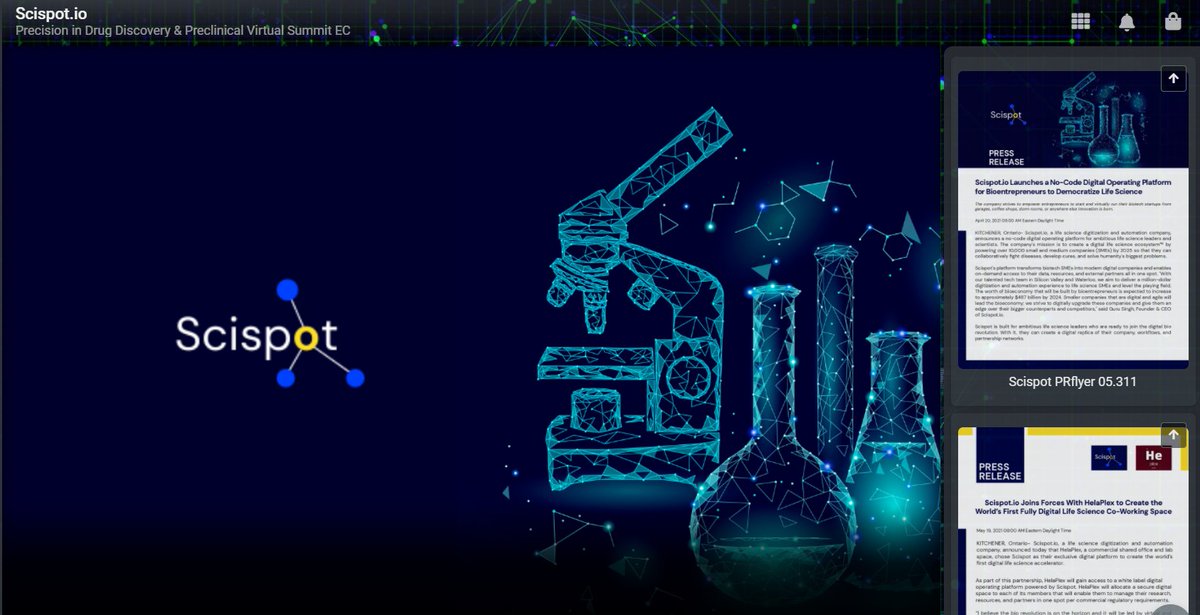
Drop by @scispot_io Booth at the #VIrtualPDDP Summit on June 8th-9th!
#DrugDiscovery #Biology #Chemistry #VirtualEvent #Pfizer #Moderna #COVID19 #DrugDesign #Preclinical #AI #Tech #Protein #AntibodySequencing #GSK #HittoLead #MedicinalChemistry #connections #scispot #ML
5
5
5 Jun 2021
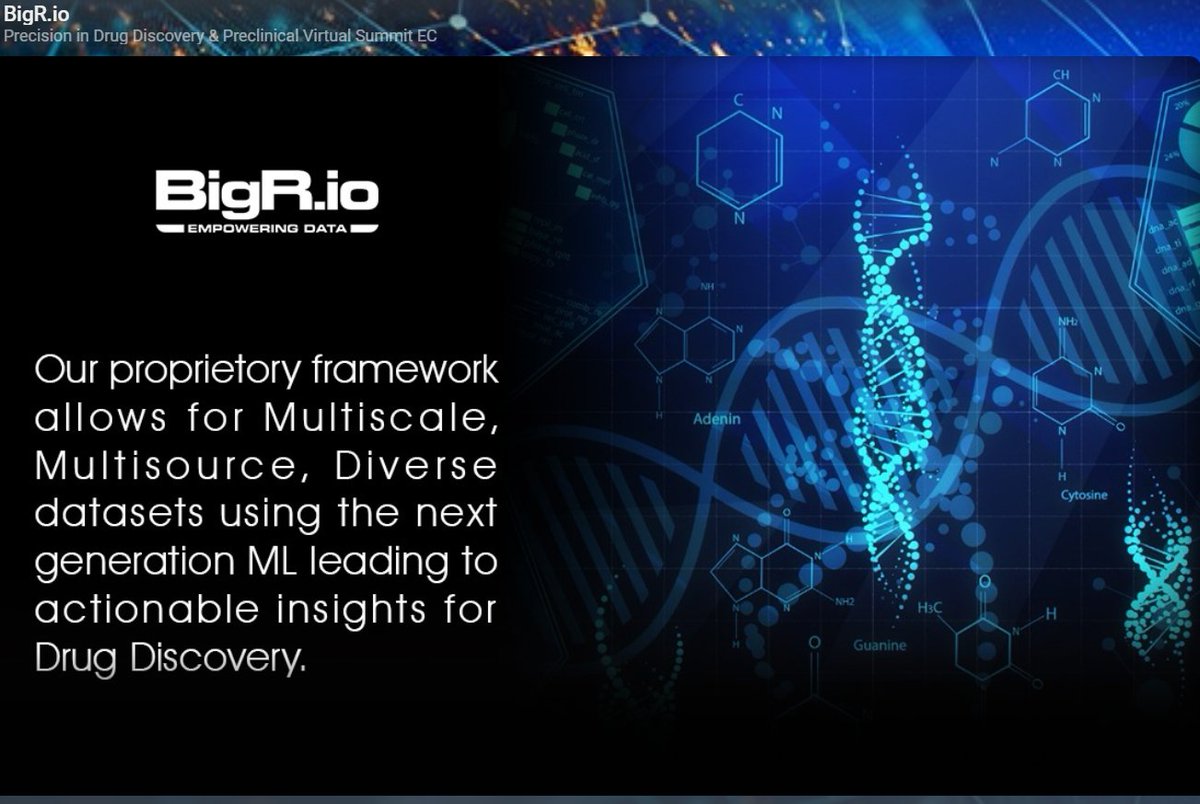
Drop by @BigRioCareers booth at the #VIRTUALPDDP summit!
#DrugDiscovery #Biology #Chemistry #VirtualEvent #Pfizer #Moderna #COVID19 #DrugDesign #Preclinical #AI #Tech #Protein #AntibodySequencing #GSK #HittoLead #MedicinalChemistry #connections #Bigrio
2
3
5 Jun 2021
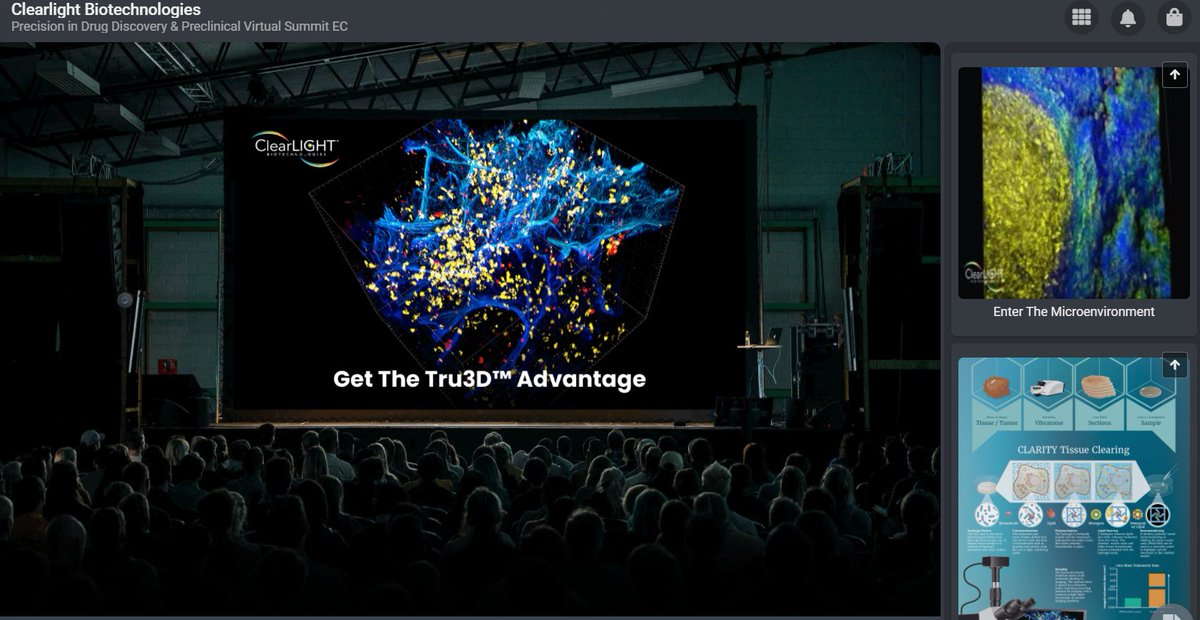
Connect with the team from @ClearlightBio at the #virtualPDDP Summit on June 8th-9th!
#DrugDiscovery #Biology #Chemistry #VirtualEvent #Pfizer #Moderna #COVID19 #DrugDesign #Preclinical #AI #Tech #Protein #AntibodySequencing #GSK #HittoLead #MedicinalChemistry #connections
2
4
5 Jun 2021
Connect with @waxitinc at the #VirtualPDDP summit this coming June 8th-9th!
#DrugDiscovery #Biology #Chemistry #VirtualEvent #Pfizer #Moderna #COVID19 #DrugDesign #Preclinical #AI #Tech #Protein #AntibodySequencing #GSK #WaxItServices #HittoLead #MedicinalChemistry #connections

2
4
5 Jun 2021
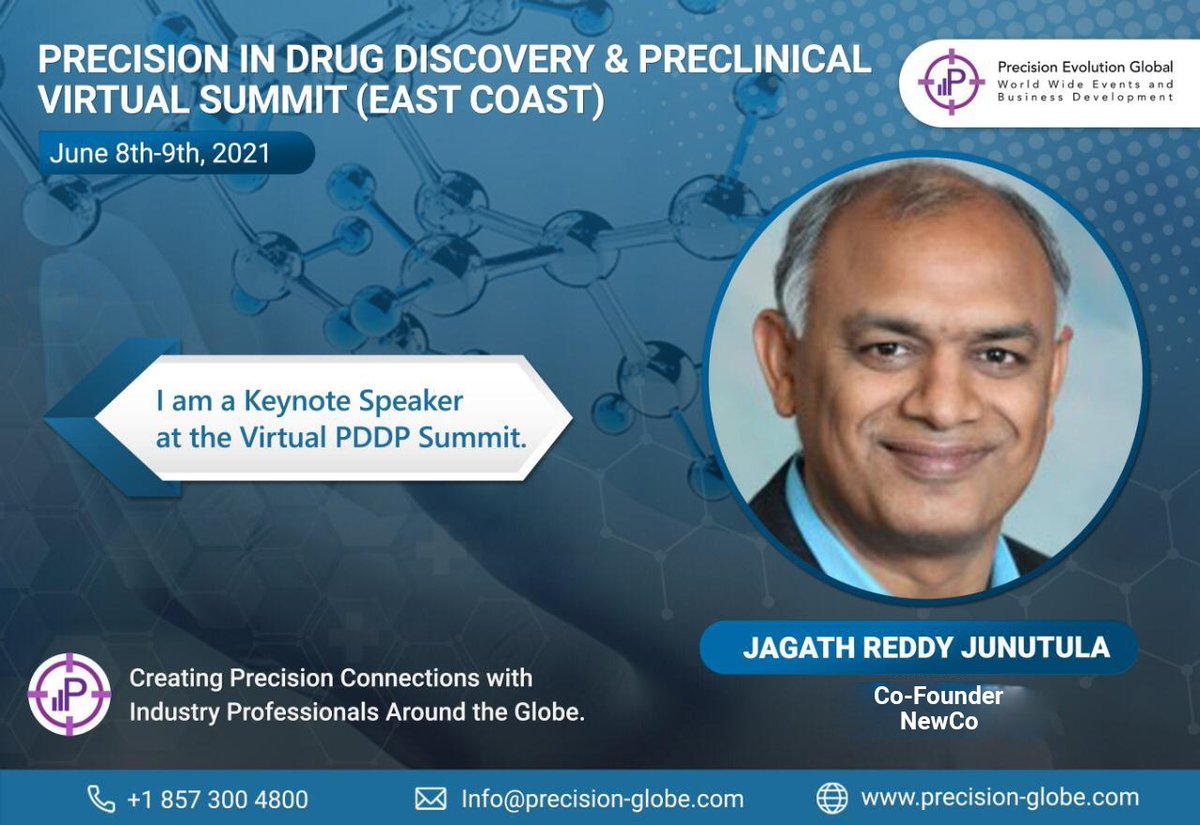
Drop by & Tune into @jagathjr , Co -Founder of NewCo talk at the #VirtualPDDP Summit!
#DrugDiscovery #Biology #Chemistry #VirtualEvent #Pfizer #Moderna #COVID19 #DrugDesign #Preclinical #AI #Tech #Protein #AntibodySequencing #GSK #SaiLifeSciences #HittoLead #MedicinalChemistry
2
5