
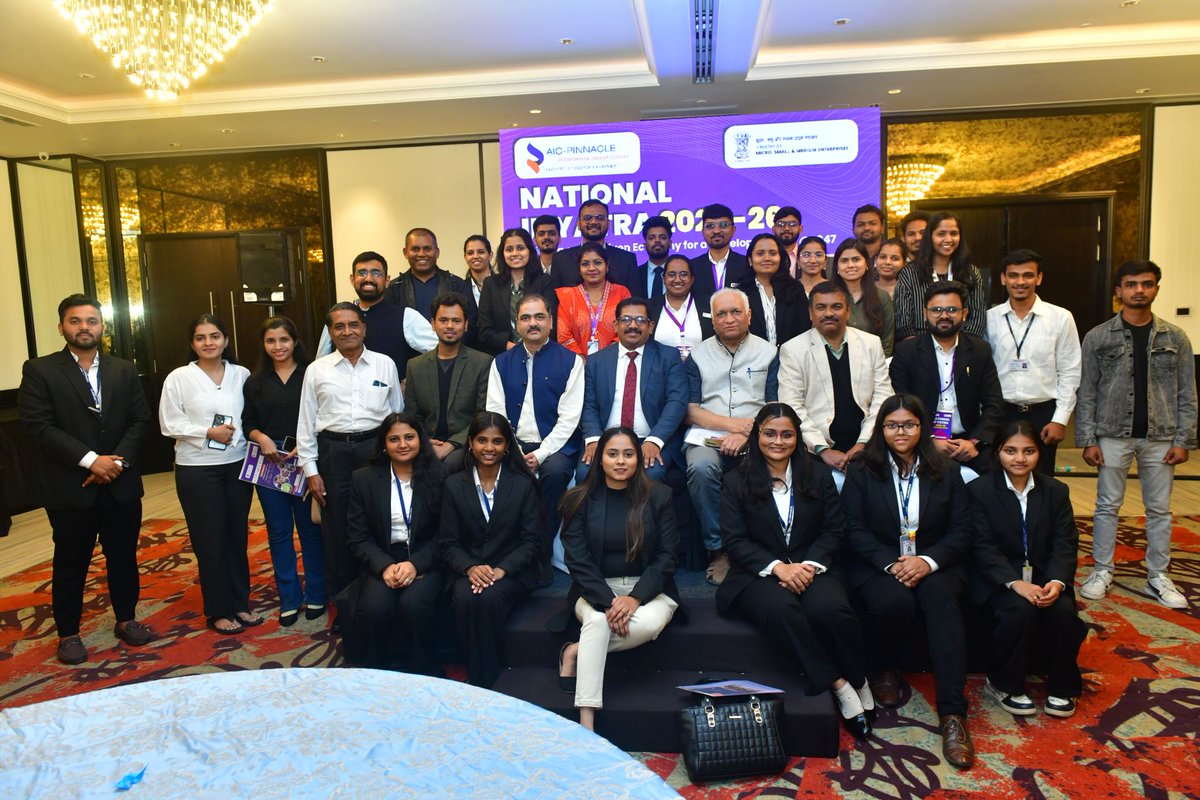
The National IP Yatra 2025–26, hosted by AIC – Pinnacle Entrepreneurship Forum in Pune with the support of the Ministry of Micro, Small and Medium Enterprises, witnessed in-depth deliberations aimed at strengthening India’s innovation, IP, and enterprise ecosystem in line with the vision of Viksit Bharat 2047.
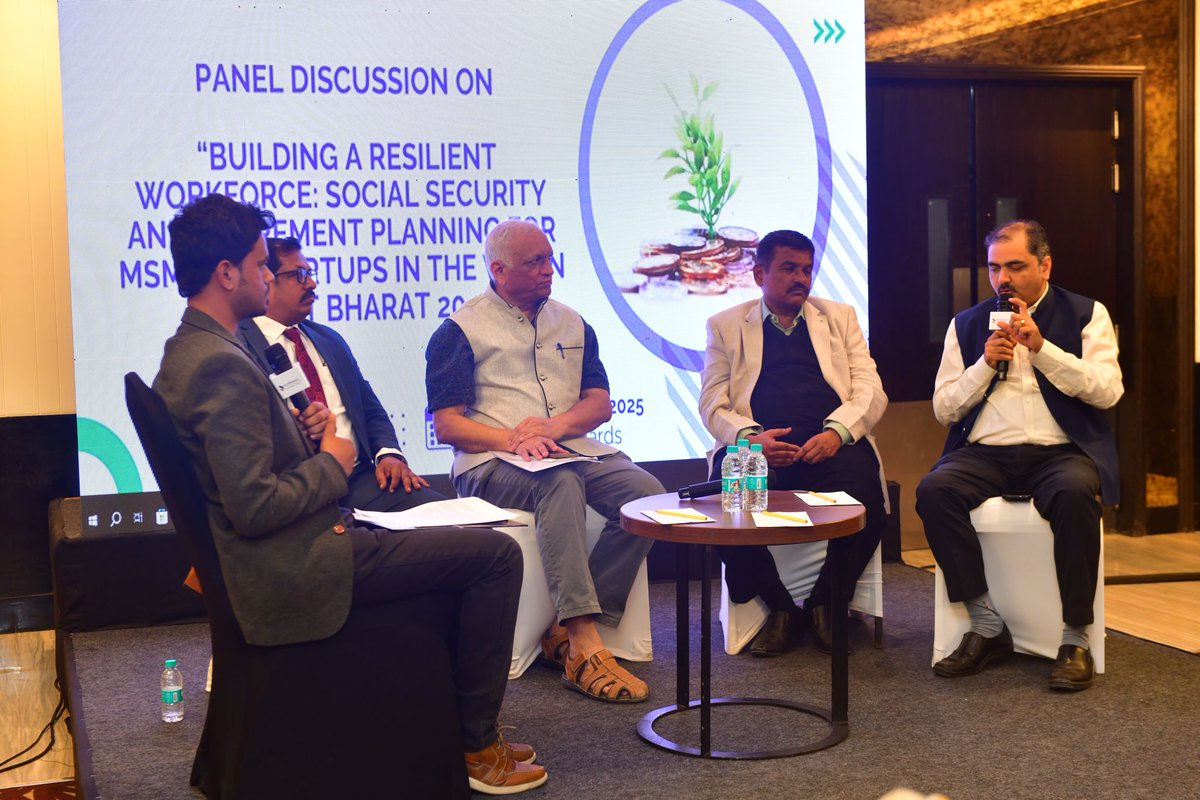
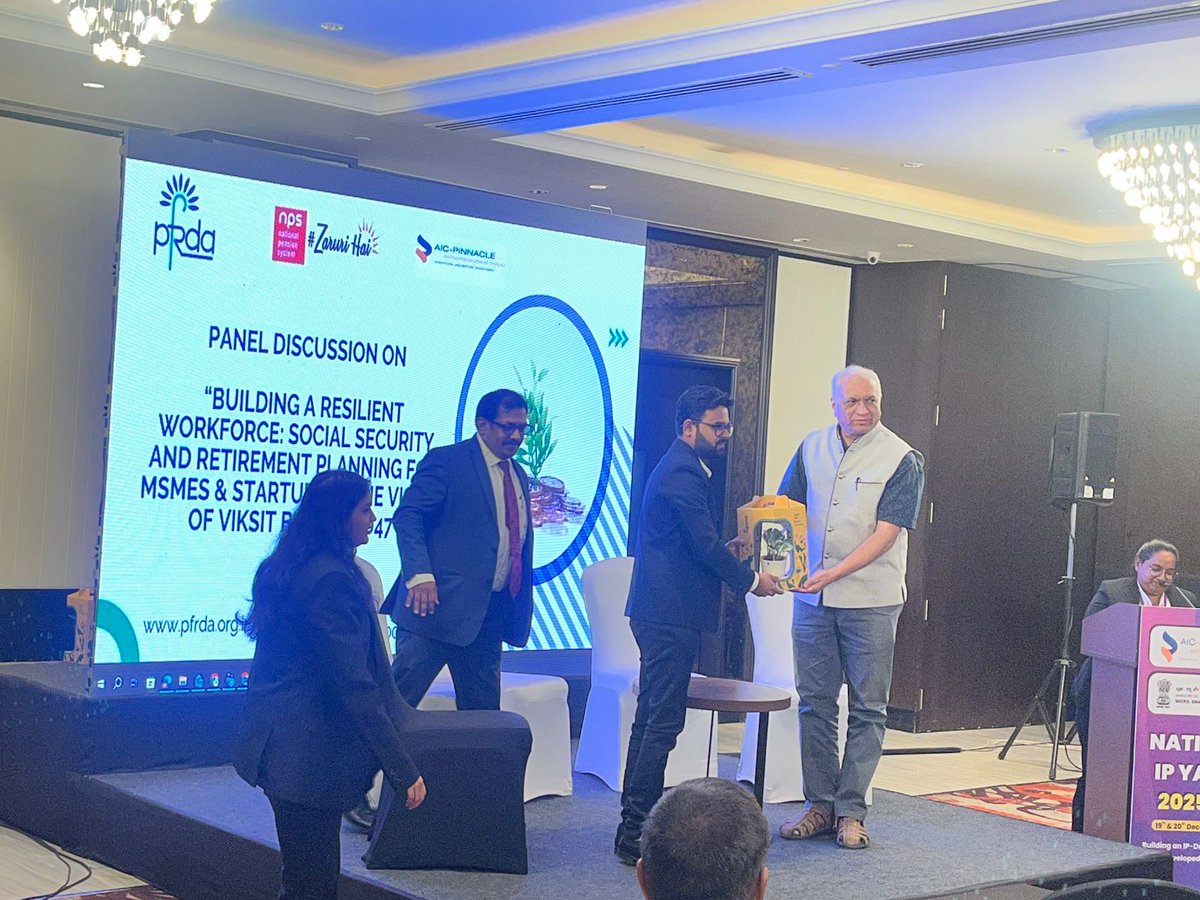
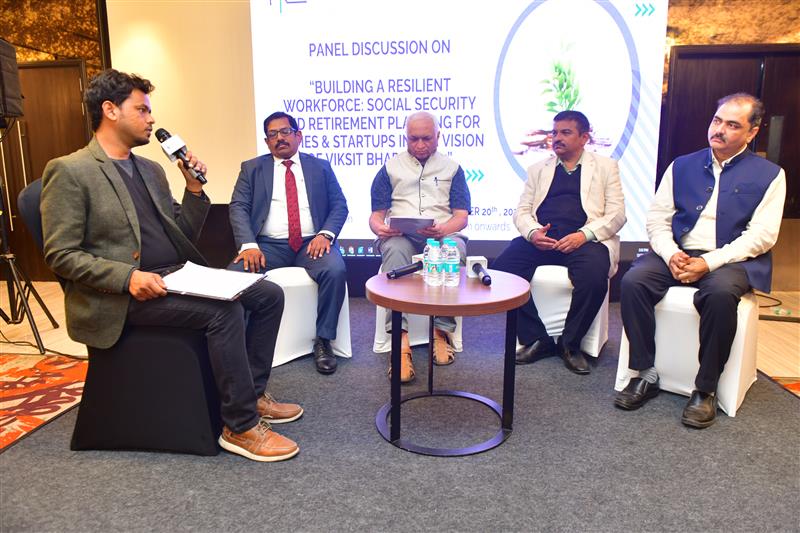
A key highlight of Day 2 was the panel discussion on “Building a Resilient Workforce: Social Security and Retirement Planning for MSMEs & Startups.” The session focused on an often under-addressed but critical aspect of enterprise sustainability—long-term financial security for founders and employees in the MSME and startup ecosystem.
Panelists included:
- Sagar Shinde – Director, Sukhatara Gen. Engg. Cluster
- Azhar Yakandi – Investment Associate, Arali Ventures
- Ashish Garde – ISBA Governing Body Member & Director, MAGIC
- Akshay Chaskar – Vice President, ICICI Prudential Pension Funds
The session was moderated by Vivek Kumar, Manager, Amplinxt.
During the discussion, the panel emphasized the need to institutionalise social security and retirement planning at early stages of enterprise growth, particularly considering the high-risk nature of startups and the evolving workforce models in MSMEs.
Ashish Garde – ISBA Governing Body Member & Director, MAGIC, highlighted the importance of proactive financial planning and shared:
“Building startups is inherently high-risk. Unless founders and employees plan early for social security and retirement, sustainability remains incomplete. Institutionalising long-term financial planning through structured pension mechanisms is essential for creating a truly resilient workforce in the vision of Viksit Bharat 2047.”
The discussion reinforced the role of ecosystem institutions, policymakers, and incubators in driving awareness and embedding retirement and social security planning as a core element of good governance for startups and MSMEs.
#NationalIPYatra #ViksitBharat2047 #MSME #Startups #ResilientWorkforce #SocialSecurity #RetirementPlanning #Pension #IPecosystem
@AicPinnacle @PFRDAOfficial @PiyushGoyal @nsitharaman @nsitharamanoffc @startupindia @agnii_goi @meitystartuphub @mhrd_innovation @India_iDEX @MSDESkillIndia @SkillsASDC @AIMtoInnovate @NITIAayog @AICTE_INDIA @PrinSciAdvOff @DPIITGoI @NSDCINDIA @cgpdtm_india @MSSU_Official @MSSDSociety @midc_india @midc_CEO @MahaSdeed @GoM_SEEID @AshwiniBhide @kdhavse @kokil_prasad @mukundbhogale @prashantd65 @rrm_0306 @AshishGarde @kankmilind @sunilraithatha @maitri_ifc @_DigitalIndia @ashimamittal01 @rajeshaggarwal @nrkabra
2
6
113

21 Oct 2025
Piyush Goyal hails Justice Pratibha Singh’s appointment as WIPO Advisory Board Chair yespunjab.com/?p=173997
#PratibhaMSingh #WIPO #DelhiHighCourt #PiyushGoyal #IntellectualProperty #IndiaGlobalLeadership #IPLaw #InnovationIndia #UNWIPO #IPEcosystem #IndianJudiciary #GlobalIP #WIPOAdvisoryBoard #LawNews #IPUpdates
28

We’re excited to have you here!
RIPA is a NPO with an aim to promote and facilitate indigenous Intellectual Property at National and International level.
Let’s reinforce IP together!
ripaonline.com
#RIPA #IntellectualProperty #Gitag #ipecosystem #IPAwareness #ipeducation
2
39

11 Apr 2025
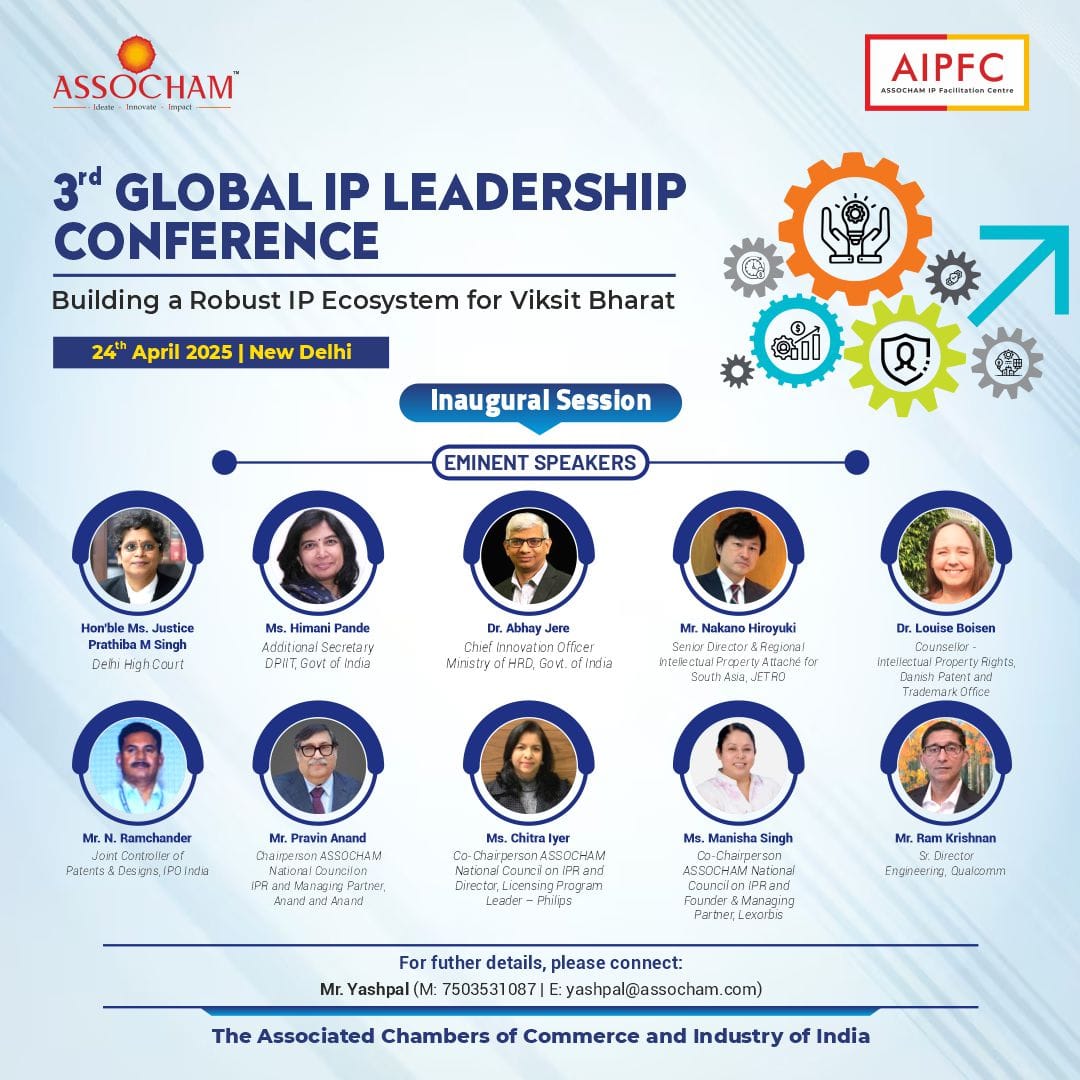
We’re proud to introduce our eminent panellist for the 3rd Global IP Leadership Conference, hosted by #ASSOCHAM.
Focused on "Building a Robust IP Ecosystem for Viksit Bharat,” the event will convene leading minds to explore innovation, protection, and the evolving landscape of #IntellectualProperty in India.
To book your spot, click 🔗 bit.ly/42kfkNb
🗓️ 24th April 2025
📍New Delhi
#ViksitBharat #IPEcosystem
1
3
156

6 Apr 2025
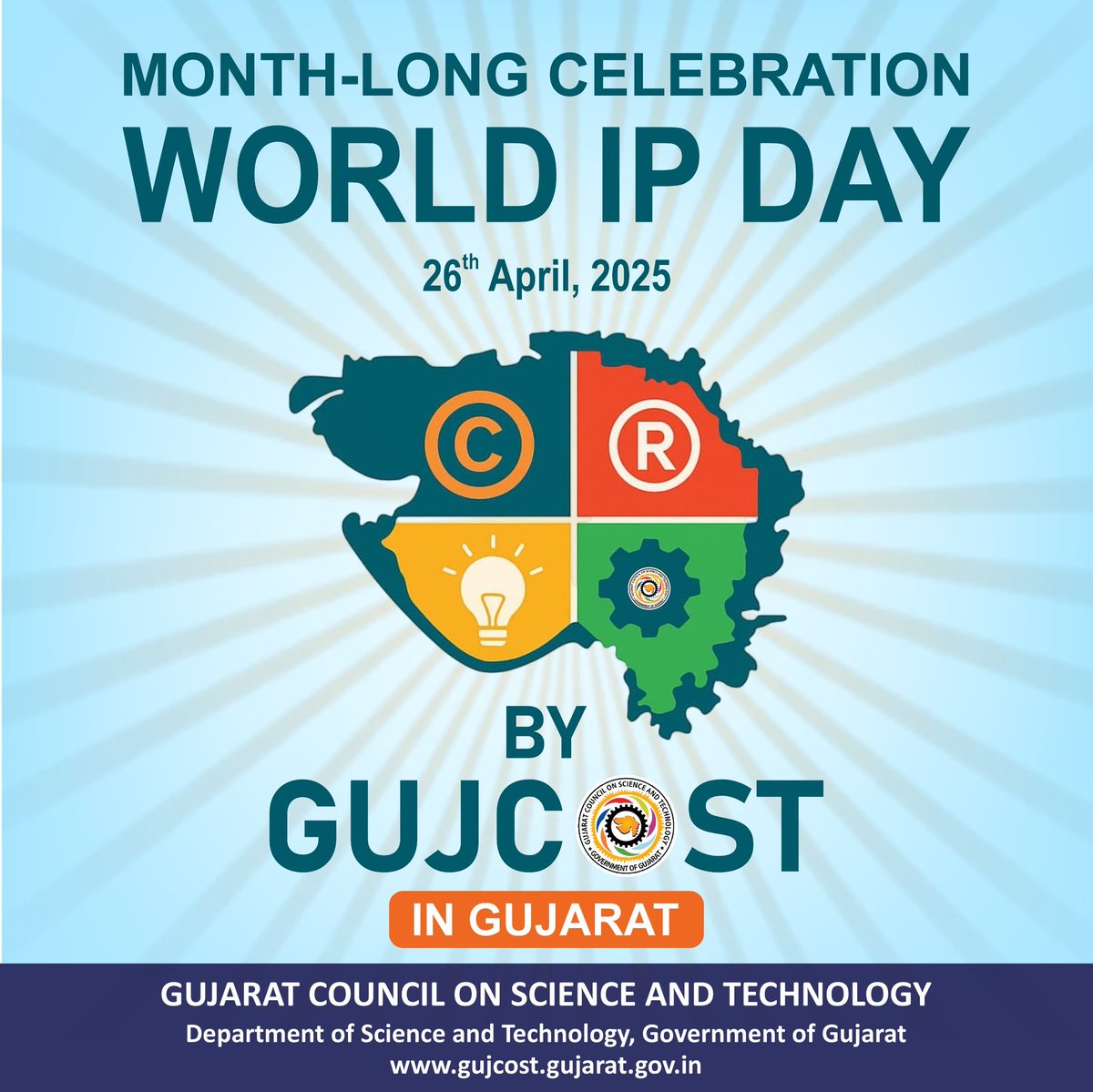
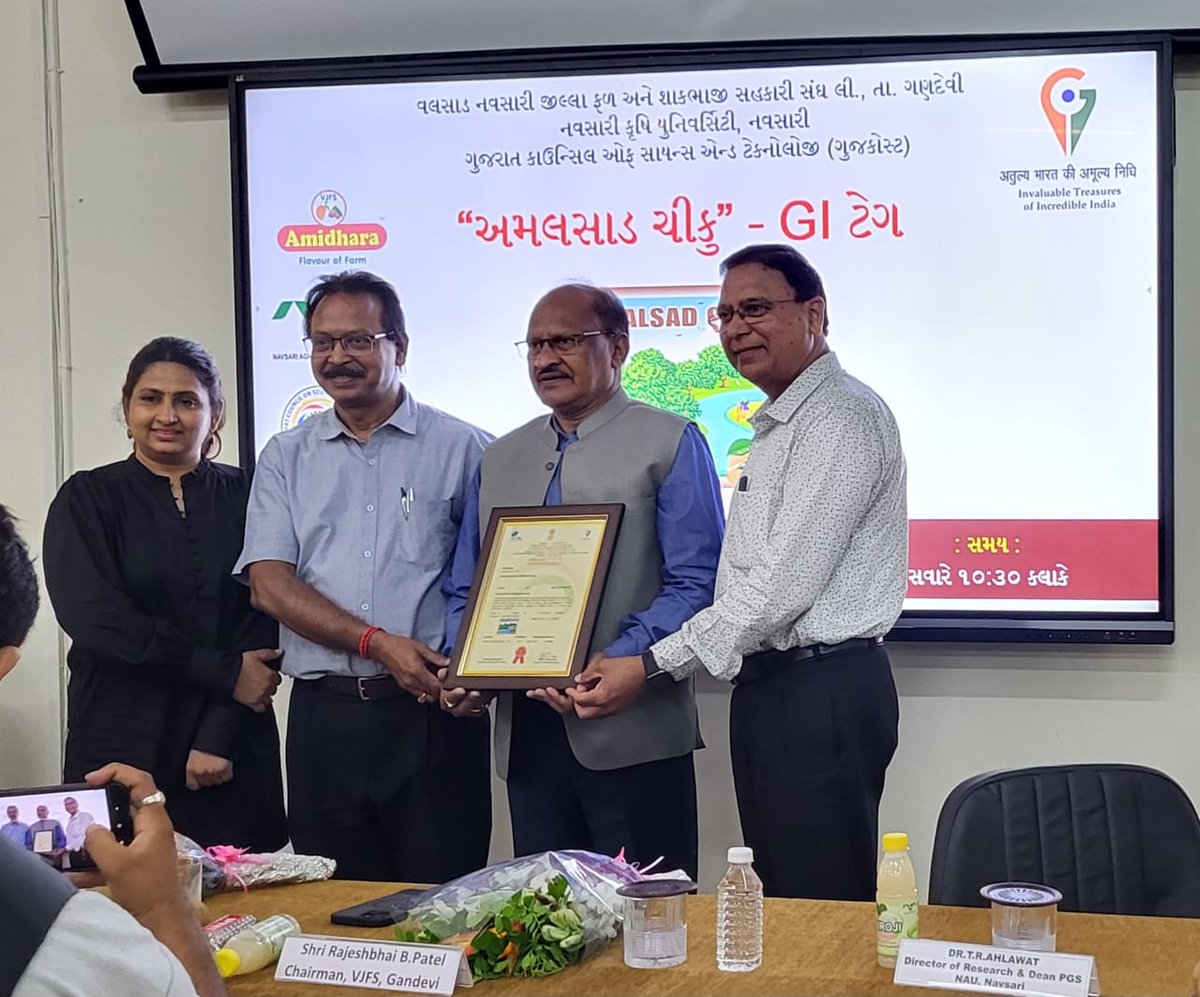
The #GI tag for #AmalsadChikoo adds a delightful flavour to the month-long celebration of #IntellectualProperty by @InfoGujcost across #Gujarat!
Let this recognition fuel our passion to #innovate boldly, #create fearlessly, and build a robust #IPecosystem for a #ViksitBharat.


42
56
499

Now, it's time to give back to those reading this post! Leave a comment with your thoughts like repost, and you'll have a chance to win 500 $ANIME! I'll choose the most impressive response on 2025/03/15 at 12:00 (GMT 8).
IKZ!
This marks the final chapter of my research on the evolution of the anime industry from past to future. If you haven’t read the previous six chapters, feel free to check them out through my referenced posts or personal profile.
This is my first time sharing knowledge in this format—not only has it deepened my own understanding of the topic, but it has also helped others along the way. 🚀
-
📌 TL;DR – Future #Anime Trends and Challenges
The #AnimeIndustry is entering an era of significant transformation, driven by #Blockchain, #NFTs, the #Metaverse, #Globalization, and #EnvironmentalTrends.
🫘 #Blockchain and #NFTs: Anime IPs can issue digital collectibles via #NFTs, including character illustrations and animated clips, offering fans new avenues for collecting and investing. Blockchain may also revolutionize #CopyrightManagement, ensuring transparency. However, challenges remain in the speculative nature and copyright disputes surrounding the #NFTMarket. Balancing commercialization and fan acceptance will be crucial.
🫘 #Metaverse and #VirtualWorlds: Fans might soon immerse themselves in #AnimeScenes, interacting directly with characters. Projects like the #GundamMetaverse allow users to showcase collections and engage in virtual battles. #VTubers and #VirtualIdols will further monetize characters, creating new commercial possibilities for anime IPs.
🫘 #Globalization and #Localization: Collaborations between #JapaneseAnime studios and international platforms like #Netflix and #DisneyPlus are increasing. Yet, balancing global appeal while preserving authentic #JapaneseAnimeDNA poses challenges. Simultaneously, local animation industries are rising, such as #ChineseAnimation and #IndianAnimation integrating local cultures, competing directly with Japanese anime.
🫘 #Sustainability and #EcoFriendly Initiatives: Digital animation has already reduced reliance on paper and chemical materials. The anime industry may further embrace #GreenEnergy and strategies to #ReduceCarbonEmissions. Additionally, the #SDGs (Sustainable Development Goals) will increasingly influence anime production. Early #StudioGhibli works, for example, already emphasized environmental consciousness.
🫘 Opportunities and Challenges for #Azuki: As an #NFTAnimeBrand, #Azuki combines #Web3 technologies with anime aesthetics, positioning itself advantageously for future markets. Yet, the volatility of the #NFTMarket presents challenges. Ensuring long-term value for #Azuki by expanding into #Animation, #Manga, and #Games to build a comprehensive #IPEcosystem will be key to sustained success.
🫘 Conclusion: The #AnimeIndustry stands at the dawn of an era characterized by #TechnologicalInnovation, widespread #Globalization, and increased #EnvironmentalAwareness. Anime's role will extend beyond entertainment, deeply integrating into the #DigitalEconomy, #VirtualWorlds, and #InternationalMarkets, reshaping cultural industries globally!
-
Future Trends and Challenges
The anime industry is entering a period of significant transformation. Developments in technology, business models, and global markets will bring new opportunities and challenges. Key trends shaping the future include blockchain and NFTs, the metaverse and virtualization, the balance between globalization and localization, and sustainability and environmental consciousness.
Applications of Blockchain and NFTs
With the growing adoption of blockchain technology, NFTs (non-fungible tokens) provide new business models for the anime industry. Animation studios and artists can issue limited-edition digital collectibles via NFTs, including character illustrations, storyboards, and even ownership of animation clips, catering to fans’ desire for collecting and investing. In 2021, works by "The God of Manga" Osamu Tezuka were officially released as NFT digital art, where buyers received blockchain-certified proof of ownership. In the future, anime merchandise may extend beyond physical models, with digital collectibles becoming a key revenue stream. Additionally, blockchain technology could revolutionize copyright management, enabling transparent smart contracts to track licensing and usage, protecting intellectual property rights. However, the NFT market still faces speculation and copyright concerns, and some fans are skeptical about characters being commodified as speculative assets. Thus, the industry must strike a balance between commercialization and fan acceptance.
The Metaverse and Virtual Anime Worlds
The concept of the metaverse has rapidly gained traction, and as a creator of virtual worlds, anime will inevitably play a role. In the future, fans may be able to enter their favorite anime scenes, interact with characters, and even participate in storylines using metaverse technology. For example, Japanese companies have launched the Gundam Metaverse Project, allowing Gundam enthusiasts worldwide to interact in a virtual space, showcase collections, and engage in virtual battles. As metaverse applications expand, anime IPs could monetize through virtual costumes, digital accessories, online concerts, and immersive story experiences. Furthermore, with the growing popularity of VTubers (virtual YouTubers), anime characters may extend beyond animation, engaging with fans via live streaming and social media to expand their presence. However, metaverse technology is still in its early stages—achieving a fully immersive experience akin to Sword Art Online remains a distant goal. Nonetheless, anime’s role in virtual worlds will only continue to grow.
Balancing Globalization and Localization
The anime industry is becoming increasingly internationalized, with Japanese studios collaborating more frequently with global streaming platforms and receiving greater international investment in anime production. Companies such as Netflix and Disney are funding Japanese anime, influencing creative direction and leading to more internationalized storytelling, character designs, and cultural elements that appeal to global audiences. However, this trend poses challenges—over-adaptation to the international market could result in anime losing its distinctive Japanese cultural essence, potentially diminishing its originality. Finding a balance between globalization and preserving its original DNA will be a crucial challenge for Japanese animation studios in the future.
At the same time, local animation industries worldwide are rising, drawing inspiration from Japanese anime while developing unique styles. For example, Chinese animation integrates traditional Chinese elements, as seen in White Snake, which blends mythology with classical aesthetics and gained international recognition. Similarly, Indian animation may incorporate Bollywood-style musical sequences to better resonate with local audiences. The future will see both globalization and localization advancing in parallel, with greater cross-border collaborations—for instance, Japanese, American, and Korean creators could jointly produce anime that leverages multiple markets' strengths, creating truly global hits.
Sustainability and Environmental Trends
With growing environmental awareness, the anime industry is beginning to assess its ecological impact. Traditional animation production required substantial amounts of paper, film, and chemical-based paints. However, digital animation has significantly reduced material waste. Moving forward, animation studios may adopt further sustainable measures, such as using renewable energy to power servers and implementing remote collaboration to reduce carbon emissions. In Europe, some animation studios have already embraced eco-friendly initiatives—for instance, France’s TeamTO successfully reduced its carbon footprint by 63% through sustainable production methods. Japanese studios are also beginning to align with the United Nations’ Sustainable Development Goals (SDGs). Some anime titles have even directly addressed environmental themes—Studio Ghibli films like The Wind Rises and Porco Rosso have long incorporated ecological awareness. Additionally, future anime merchandise could shift towards eco-friendly materials, minimizing plastic use and excessive packaging, further promoting green and sustainable development in the industry.
Azuki’s Future Potential and Areas for Improvement
Amid the rise of NFTs and blockchain applications, Azuki has positioned itself as a major brand with its strong anime-inspired aesthetic and NFT-driven community model. The Azuki NFT project merges Japanese anime aesthetics with Web3 technology, allowing fans to own unique digital artworks verified through blockchain. This aligns well with the evolving use of NFTs in the anime industry. Additionally, Azuki’s brand strategy offers significant growth potential, such as partnerships with anime studios or game developers to transform NFT characters into interactive virtual personas or even evolve into a full-fledged metaverse brand.
However, Azuki still faces several challenges. Firstly, the NFT market remains volatile and speculative—ensuring long-term value for NFT assets, rather than merely riding short-term hype, will be critical. Secondly, if Azuki aims to establish itself within the anime industry, it should consider expanding into animation, manga, and gaming, building a comprehensive IP ecosystem that ensures sustained brand influence. Additionally, with increasing concerns about sustainability, Azuki could explore eco-friendly blockchain solutions to mitigate the energy consumption and carbon emissions associated with NFTs. This could enhance its brand image and attract a broader audience.
The anime industry is undergoing a transformative era, where blockchain, the metaverse, globalization, and sustainability trends will shape its future trajectory. For Azuki, its fusion of anime aesthetics with NFT technology presents a strong advantage in capturing the evolving market. However, its success will depend on its ability to expand brand influence, strengthen IP content, and establish long-term value within the NFT space. By addressing these challenges, Azuki and the broader anime industry can effectively adapt to the next wave of innovation and global expansion.

Starting few days ago, I have been sharing insights into past, present, and future trends in the anime industry:
✅ Introduction
✅ Market size & revenue trends
✅ Changes in audience preferences & consumer behavior
✅ Shifts in anime distribution & broadcasting models
✅ Social & cultural factors shaping the industry
⛩️ Future trends & challenges
If you don’t want to miss out, like, repost, and follow me! 🚀
-
📌 TL;DR – Social and Cultural Factors Impacting the #Anime Industry
🫘#Anime is not just entertainment—it reflects broader #cultural and #socialChanges. From the optimistic technology vision of #AstroBoy, to the anti-war reflections of #MobileSuitGundam, and the contemporary popularity of #Isekai (otherworldly) genres, anime content deeply resonates with the emotional and value-driven needs of younger generations, shaped by their times.
🫘#Piracy significantly impacted the global market for #JapaneseAnime. In the 2000s, widespread viewing of #illegalSubtitled content caused major revenue losses for creators. The Japanese government launched the "#MangaAnimeGuardiansProject" and collaborated with platforms like #Netflix and #Crunchyroll to offer #LegalStreaming, mitigating piracy's impact. However, in regions lacking widespread access to #legitimatePlatforms, piracy still affects the production of sequels and #merchandise sales.
🫘The #AnimeIndustry closely integrates with #manga, #games, and #films, forming a robust #CrossMediaEcosystem. Anime adaptations significantly boost sales of #LightNovels and #manga (e.g., #DemonSlayer surpassing 100 million copies). Game IPs are frequently adapted into anime (#Pokémon, #FinalFantasy). Moreover, #Hollywood actively adapts popular #animeIPs into live-action productions (e.g., #GhostInTheShell, live-action #OnePiece), further expanding global influence.
🫘Beyond the anime content itself, revenue streams like #CharacterMerchandise, #ThemeParks, and #MusicConcerts have become crucial, creating comprehensive commercial ecosystems around anime IPs (such as #DemonSlayer’s box office success and popular collaborations).
🫘Today, the modern #AnimeIndustry represents more than just content; it's a global cultural phenomenon driven by #MediaMix strategies. Leveraging multi-platform distribution amplifies its value, propelling anime's cultural impact to unprecedented heights!
-
The anime industry is not merely an economic phenomenon; it also serves as a reflection and driver of social and cultural change. Many anime works directly or indirectly depict societal transformations and cultural trends. For instance, the optimistic technological imagination of the 1960s anime "Astro Boy" mirrored post-war Japan's hopes for the future. During the Cold War era of the 1980s, robot and sci-fi anime such as the "Mobile Suit Gundam" series became mainstream, reflecting society’s concerns over the arms race and peace. Entering the 21st century, with the rise of internet and gaming culture, "isekai" (alternate-world) themed anime quickly gained popularity, resonating with younger generations’ desire to escape reality and explore fantasy worlds, symbolically projecting their real-life pressures. Anime creators adeptly capture the psychology and zeitgeist of young generations, embedding these elements into their works and influencing the evolution of animation styles.
Cultural trends have also enhanced the diversity of anime characters and content. After the rise of otaku culture in the 1990s, anime began introducing characters specifically designed for otaku audiences, such as moe-style girls and virtual idols. Recently, as societal acceptance of multiculturalism grows, anime increasingly features diverse characters and explores various social issues, including workplace challenges for women, environmental concerns, and LGBTQ topics. Anime often pays homage to classical culture and contemporary events; for instance, Studio Ghibli films regularly incorporate traditional Japanese folklore, while sci-fi anime frequently references Western philosophical and religious motifs, demonstrating a strong cultural fusion in anime creation.
However, copyright infringement and piracy have long plagued the anime industry. Since the core audience is predominantly young and accustomed to free online content, piracy has been problematic since the DVD era. In the 2000s, many international fans relied on illegal downloads or unauthorized subtitled versions, significantly boosting anime’s global recognition but simultaneously depriving creators of rightful income. To tackle this issue, the industry and government implemented various measures. For example, the Japanese government initiated the "Manga Anime Guardians Project" in 2014, collaborating with international platforms to remove pirated content and enhance copyright protection. Meanwhile, anime studios licensed their content to streaming platforms, providing legal, high-quality, and quickly accessible alternatives, thus reducing incentives for piracy. Notably, significant pirate websites like KissAnime were shut down under Japanese government pressure in 2020.
Yet, piracy persists, especially in regions lacking widespread legal access or where paywalls restrict viewing. Piracy’s impacts extend beyond financial losses; it can also affect an anime’s future development. When large audiences rely on piracy, official viewership and sales data become significantly underestimated, potentially misleading producers about a series' market value and leading them to forgo producing sequels. Industry insiders suggest that some highly acclaimed series never received second seasons precisely due to poor official statistics resulting from widespread piracy. Moreover, pirated viewers typically miss promotional information for related merchandise and events provided by official platforms, further harming the industry's overall revenue. Thus, although piracy initially contributed to anime’s globalization, its long-term negative effects outweigh the short-term exposure benefits. Increasing convenient access to legitimate viewing methods and reducing piracy remain essential for sustained industry growth.
Beyond internal development, anime interacts extensively with other entertainment sectors, forming a cross-media ecosystem. Firstly, many anime are adaptations of manga or light novels, with successful anime significantly boosting original works' sales. For example, after the anime "Demon Slayer" aired, its manga sales surpassed 100 million copies, becoming a publishing phenomenon in Japan. This synergy positions anime adaptations as critical promotional strategies for publishers, providing anime studios with a stable source of adaptable content.
Secondly, anime and gaming industries are deeply interconnected. Prominent gaming IPs often produce anime adaptations, such as "Pokémon" and "Final Fantasy," which attract gamers and broaden the appeal of their narratives. Conversely, successful anime frequently spawn video games; franchises like "One Piece" and "Naruto" have launched multiple game adaptations, further driving fan engagement. Recently, Japan's mobile game market, featuring anime-style characters (e.g., "Fate/Grand Order," "Azur Lane"), generates hundreds of millions of dollars annually, fueling the creation of new anime and films, creating a cyclical industry dynamic.
In recent years, the boundaries between anime and live-action films have blurred. Hollywood frequently adapts Japanese anime IP into live-action films, such as "Ghost in the Shell" and even Western animations deeply influenced by anime like "How to Train Your Dragon." Although reception varies, these adaptations underscore anime IP's global market value. Similarly, Japan actively produces live-action adaptations; Netflix’s 2023 "One Piece" live-action series achieved widespread global acclaim, attracting many non-anime viewers to the original work. Additionally, merchandise, theme parks, and music concerts have become significant revenue sources, with major anime IPs hosting character concerts, live voice actor performances, and limited-time collaborations with amusement parks like Universal Studios. "Demon Slayer," for example, broke box-office records and saw massive merchandise and stage play sales, forming a comprehensive commercial IP ecosystem.
Overall, modern anime is no longer solely content-based but deeply integrated with manga, gaming, films, and music industries. Utilizing "Media Mix" strategies, successful anime IPs expand across multiple entertainment sectors, offering diverse fan experiences and maximizing commercial potential. In this ecosystem, anime transcends cultural products, becoming a global cross-media industry, continually influencing diverse audiences and shaping future entertainment trends.

8
343

Ideas are the foundation of progress !
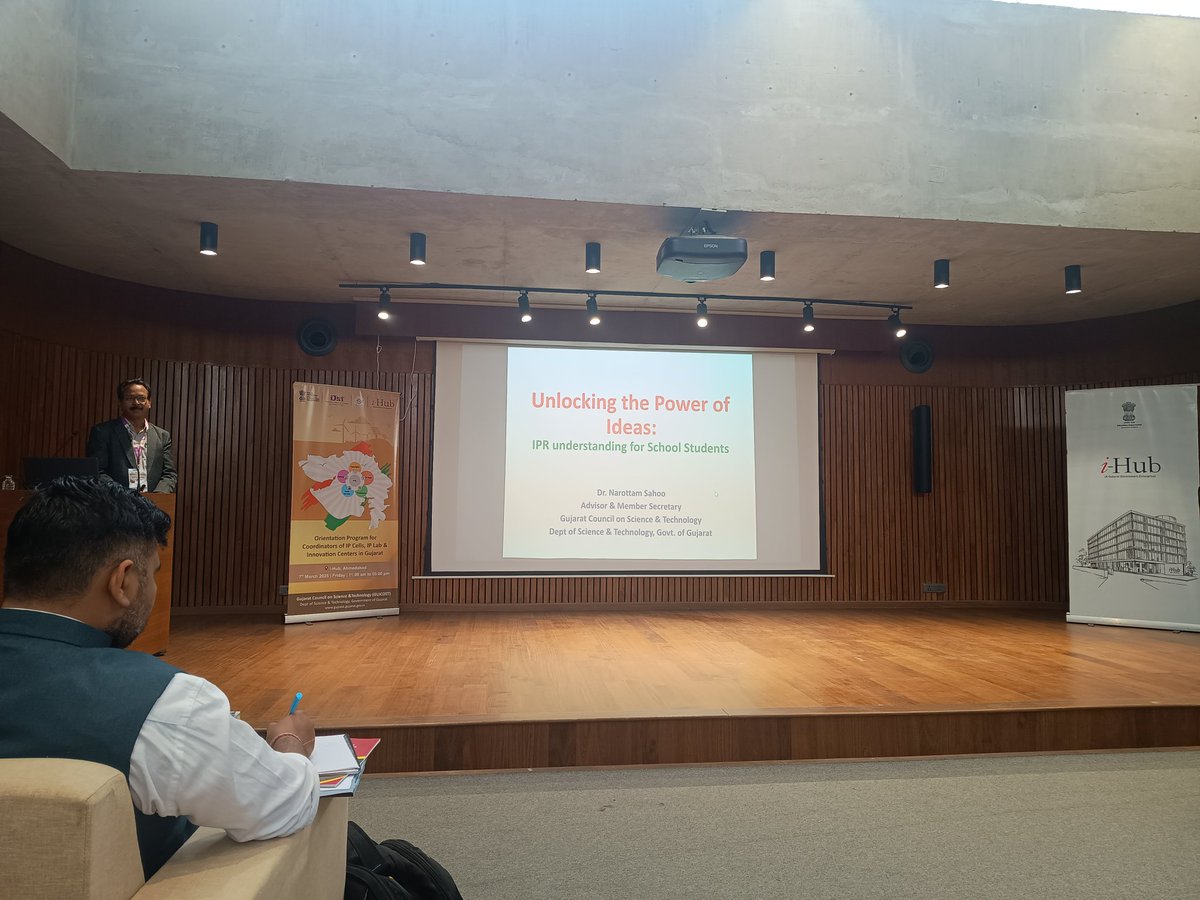
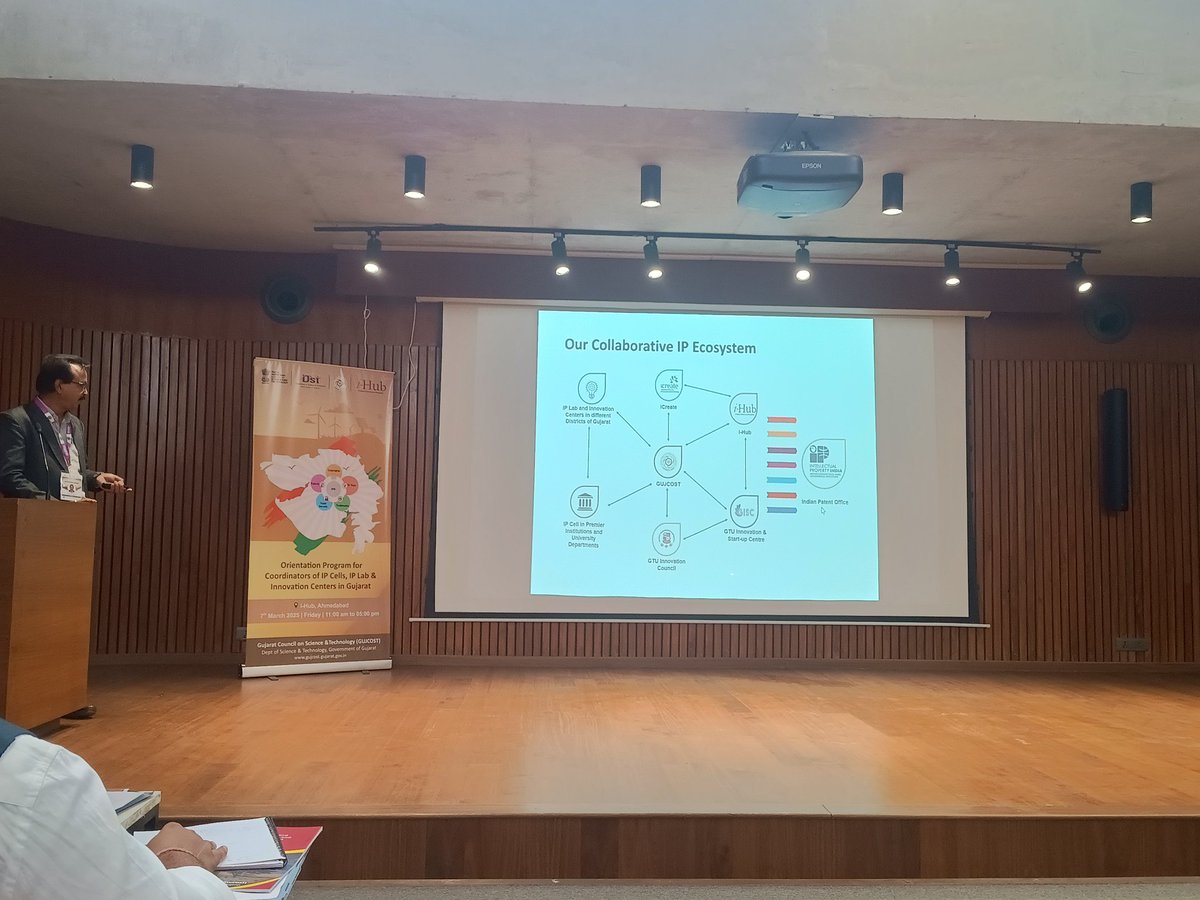
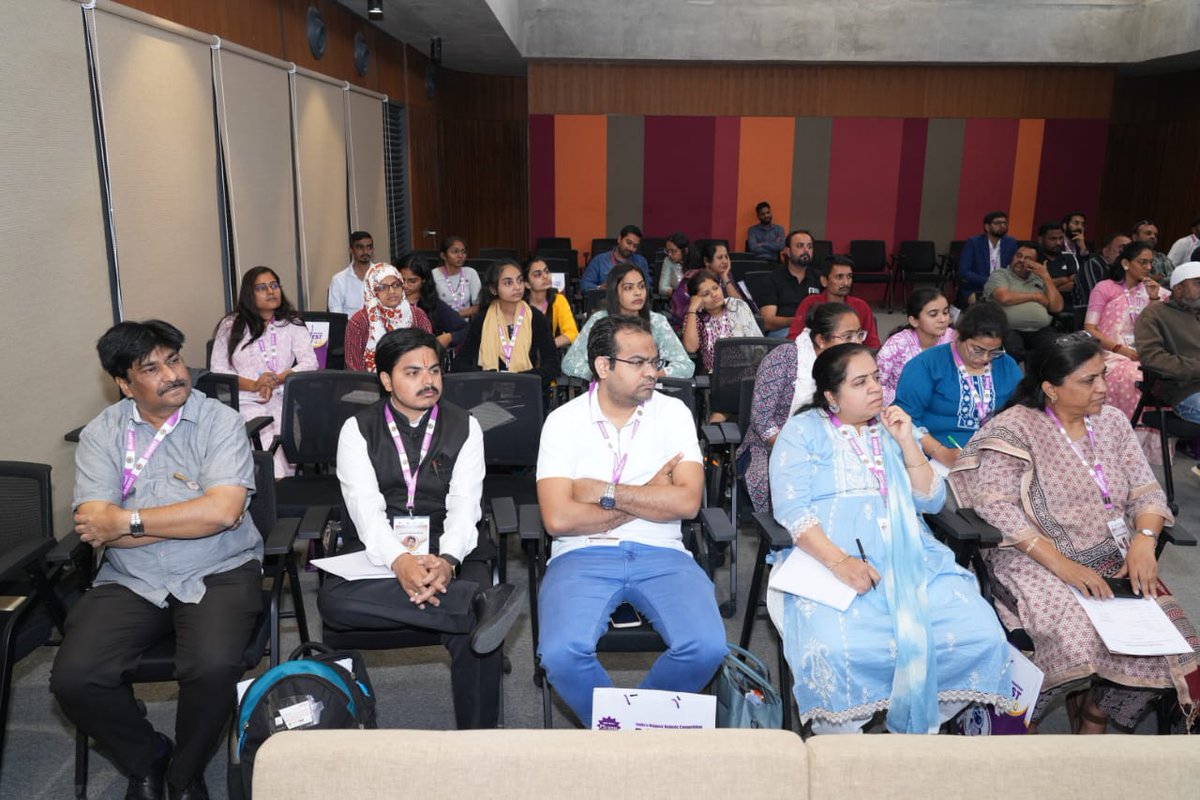
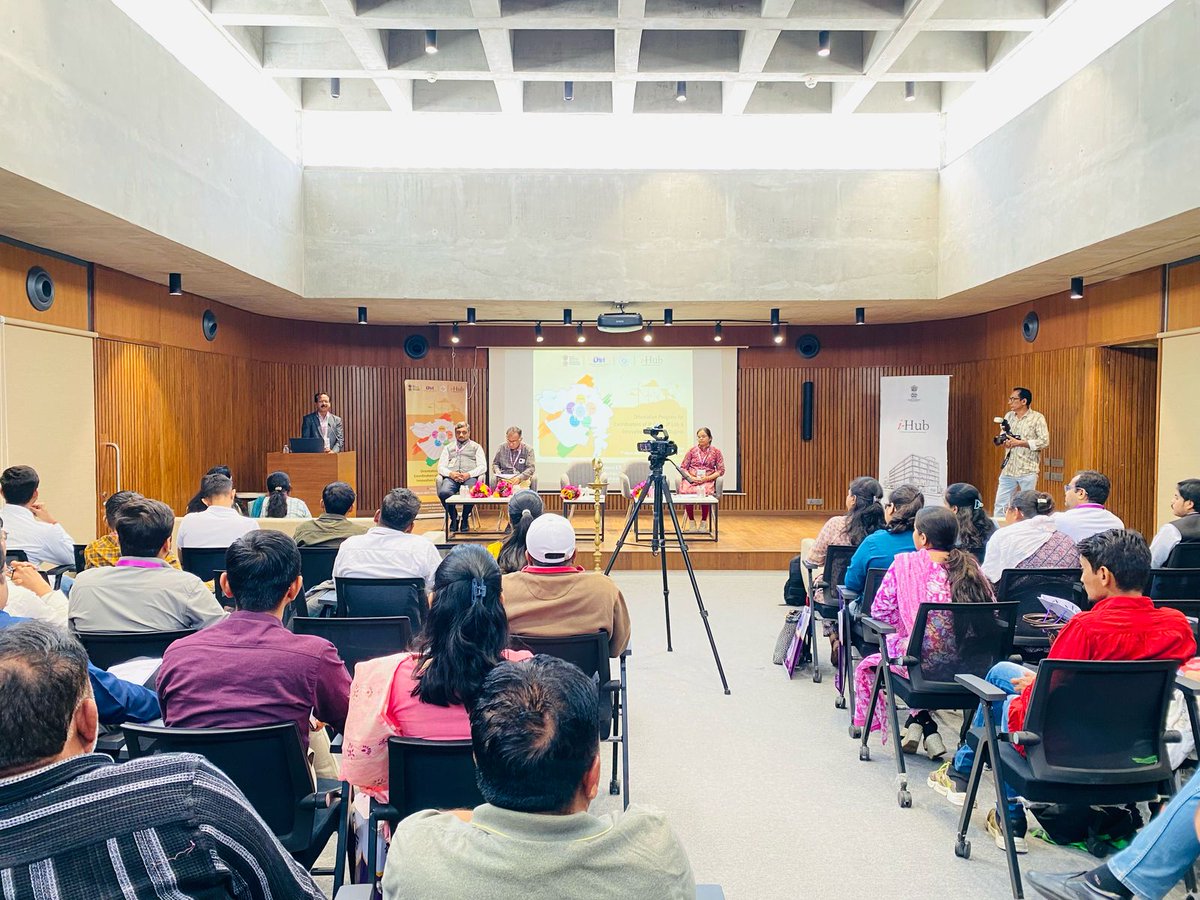
The Orientation Program for Coordinators of IP Cells, IP Labs & Innovation Centres in Gujarat is organised at @ihubgujarat !
Dr. Narottam Sahoo, Advisor @InfoGujcost emphasized "unlocking the power of ideas", nurturing creativity, research, and transforming ideas into impactful solutions.
#IP Officers & Coordinators are actively engaging for shaping an #IPecosystem.
#NaturalIQ #IPFest #IPQuiz
#StoryTelling #IYQST2025
@IndiaDST @dstGujarat
@monakhandhar @narottamsahoo @mygovindia @WIPO @InfoGujarat
32
41
363
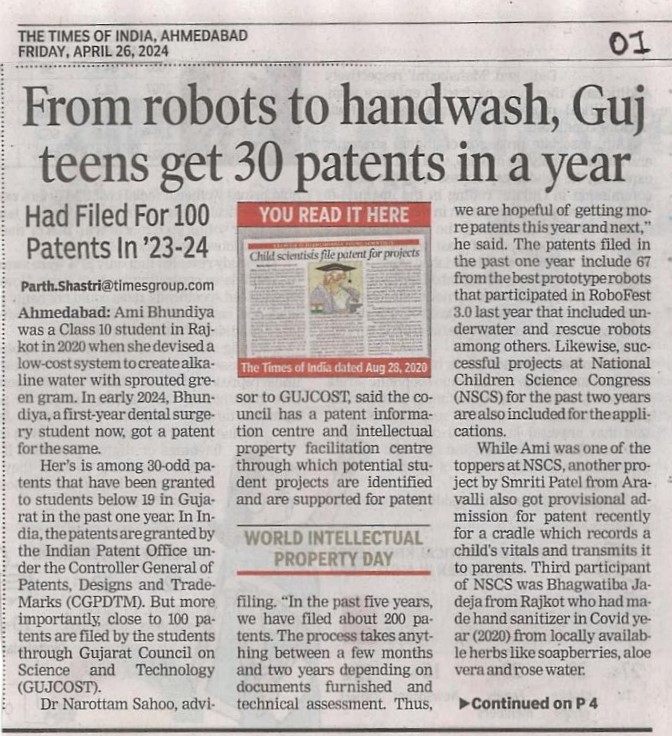
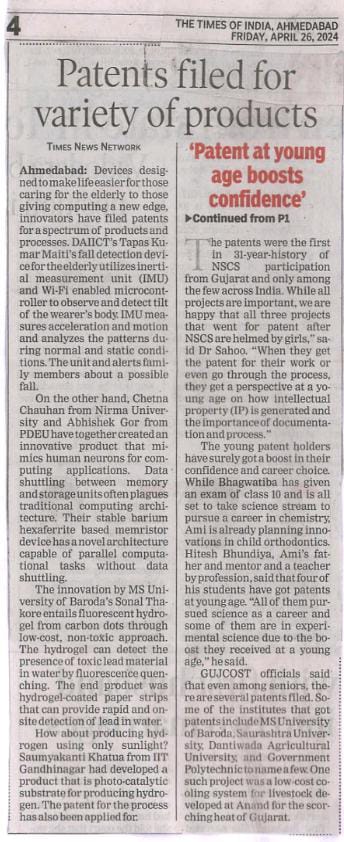
Today we celebrate #WorldIPDay!
Today, we celebrate #innovation, #creativity, and the power of #ideas.
At #GUJCOST, we're building an #ecosystem where every #mind can #flourish, from #school to #research lab.
We express our sincere thanks and #gratitude to all #stakeholders for their untiring #support and #guidance in the journey of #discovery and #IPecosystem.
Together, let's continue to #inspire #create, and #safeguard the future!
@WIPO @uspto @DPIITGoI @cgpdtm_india @IndiaDST @monakhandhar @startupindia
1
41
59
744
Celebrating #WorldIPDay by recognizing the vital role #intellectualproperty plays in advancing the #SustainableDevelopmentGoals!
From #innovation to #creativity, #IP fuels #progress towards a #brighter, more #SustainableFuture for all.
Under the guidance of @IndiaDST and @dstGujarat, #GUJCOST is pioneering an inclusive #IPecosystem, inspiring continuous #innovation, fostering #creativity, and linking IP to the #SDGs, shaping a world of equal #opportunity and #prosperity for all.
@WIPO @SDG2030 @DPIITGoI @cgpdta @monakhandhar @unnatpandit
45
58
627

2 May 2023
The world has witnessed an improved focus on #patents, with a whopping 3.4 million applications filed in 2021, a 55% increase from 2011.
Read the full report here for more insights into India’s #IP ecosystem: bit.ly/3V9wWHo
#report #insights #markettrends #IPecosystem
1
4
496
28 Apr 2023
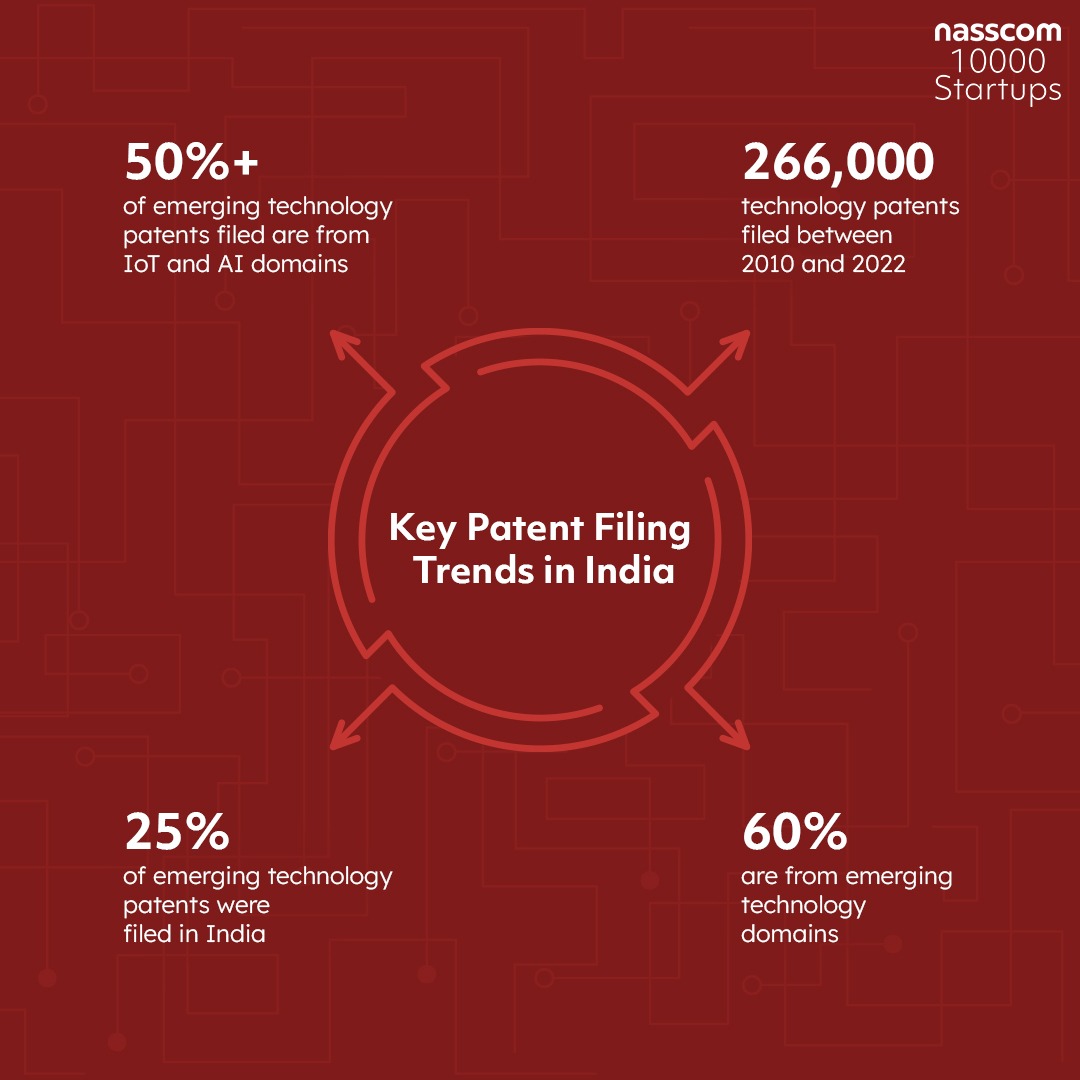
India's #patent filing trends have been on the rise in recent years. The country witnessed a 13.6% y-o-y increase in patent filings in 2022, recording the highest annual increase in the last decade.
Read the full report here: bit.ly/3V9wWHo
#MarketTrends #IPecosystem
4
7
749
27 Apr 2023
India’s #IP ecosystem has witnessed an upward trajectory, with a rise of 584k #Patents being filed. Our new report provides #insights into the patent filing process in the country & the way forward.
Download it here: bit.ly/3V9wWHo
#MarketTrends #IPecosystem
1
6
559

27 Apr 2023
India’s #IP ecosystem has witnessed an upward trajectory, with a rise of 584k #Patents being filed.
Our new report provides #insights into the patent filing process in the country & the way forward.
Download it here: bit.ly/3V9wWHo
#MarketTrends #IPecosystem
1
1
3
123

17 Nov 2022
👽
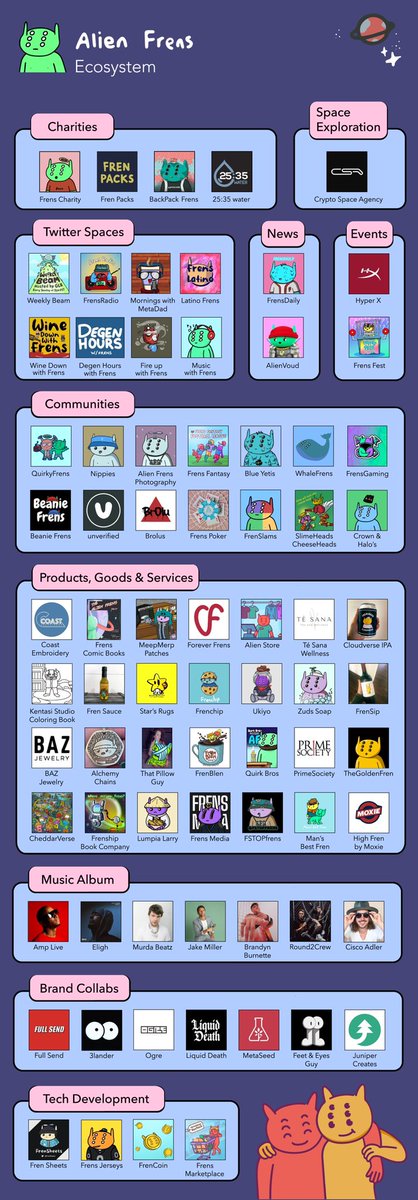
Likewise, @alienfrens holders have added everything from embroidery from @MeepMerpPatches to space exploration with their @cryptospaceage #frens
#NFTIP #IPecosystem
25 Oct 2022

1/
You hear “building” a lot around web3…
Here’s a quick look at how the @alienfrens are actually doing it 🖖
🧵
1
1
13

28 Oct 2018
👏Georgia Intellectual Property Alliance Launched >> is.gd/tqfKka (GIPA) #IntellectualProperty #Patents #Copyrights #Trademarks #Innovation #CIO #CTO #IPecosystem #CorpDev 📈

2
7

22 Oct 2018
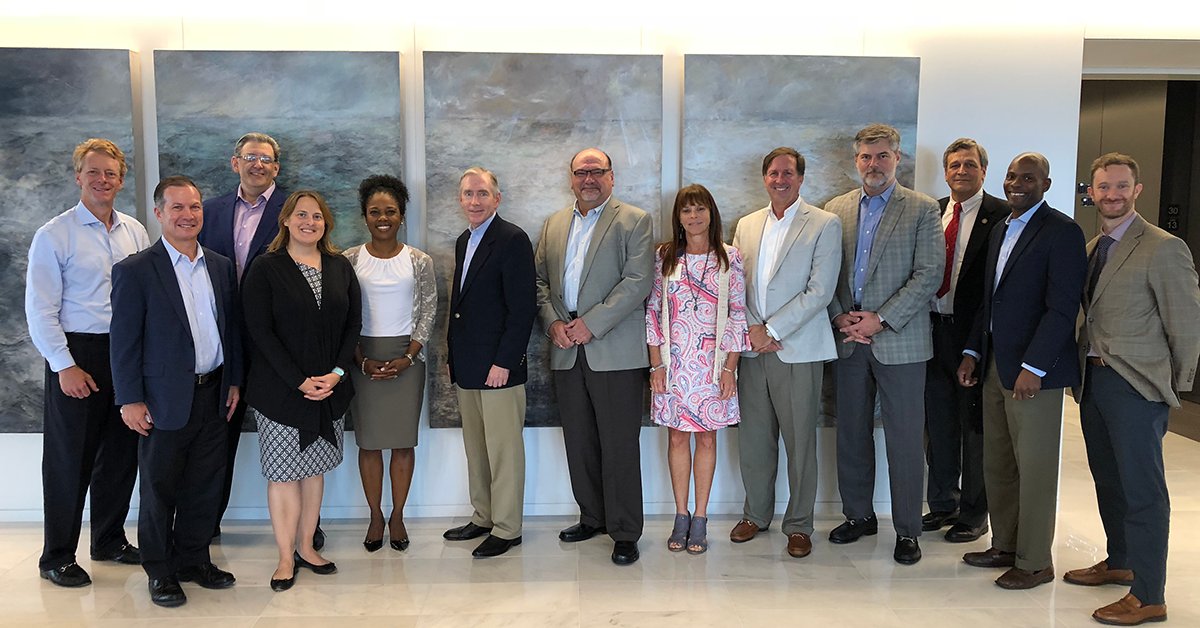
Georgia #IP Alliance (GIPA) officially launched! See press release with gaipalliance.org vision, Board and #IPecosystem value proposition here: prnewswire.com/news-releases…
1
8

4 Jan 2017
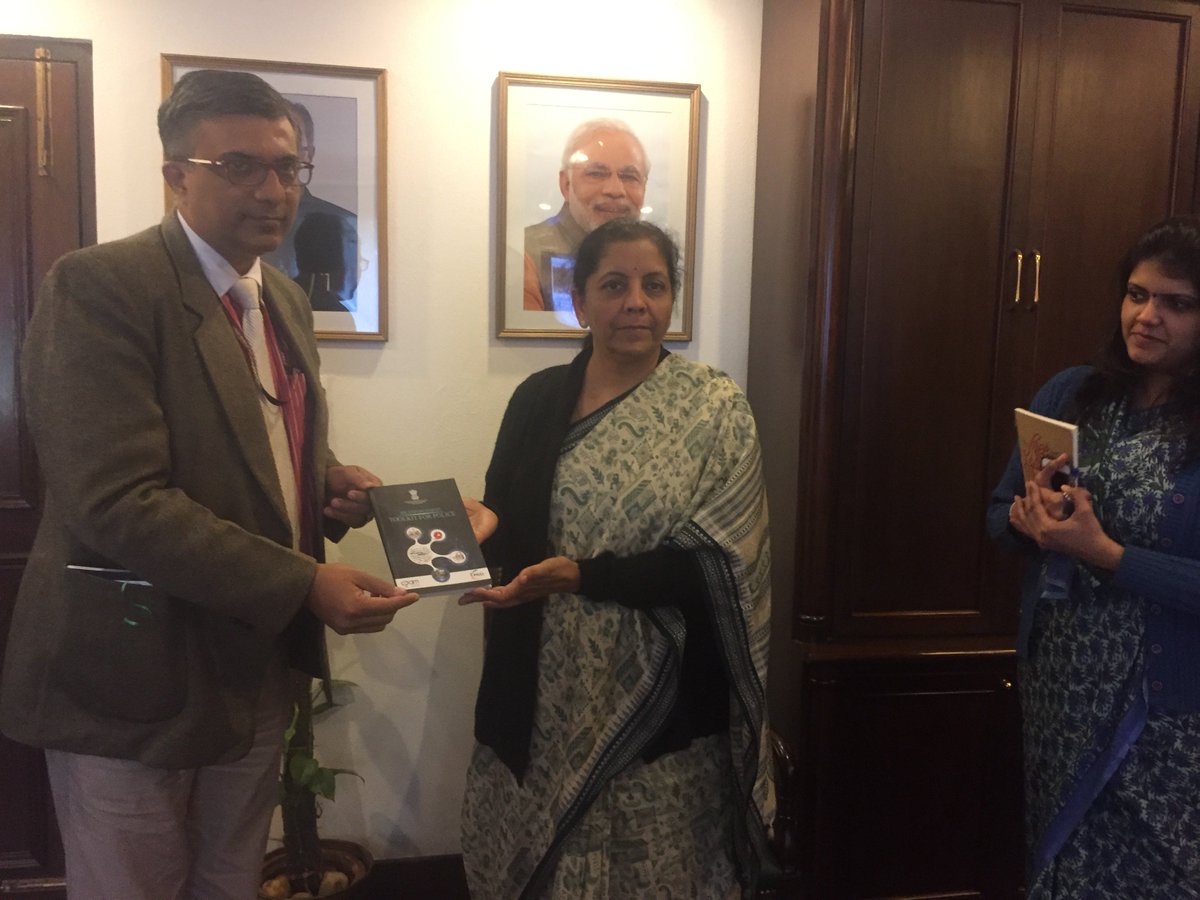
#IPenforcement toolkit to aid the police and strengthen the #IPecosystem in #India.
@CimGOI @DIPPGOI @ficci_india @PIB_India @cgpdtm_india
23
63