
Jan 14
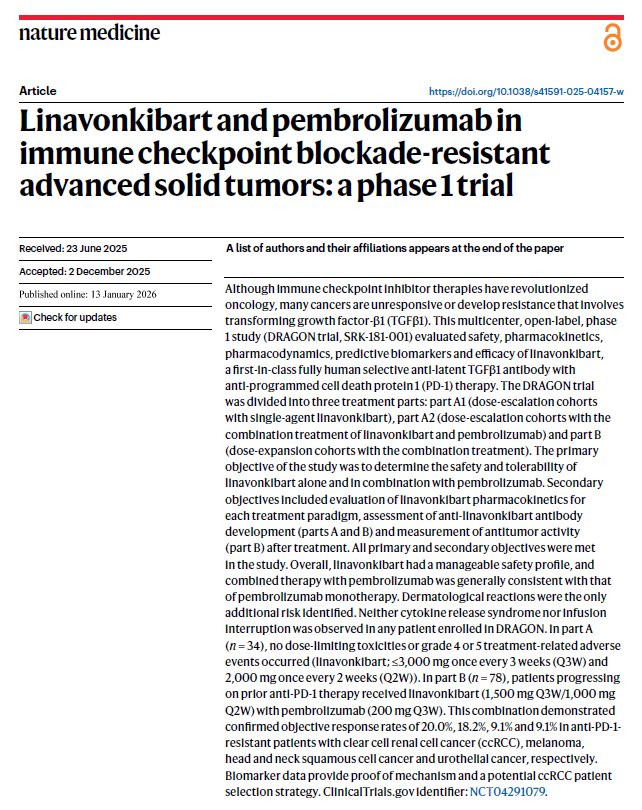
Our latest published phase 1 article in @NatureMedicine | Linavonkibart & pembrolizumab in #immunecheckpointblockade -resistant #solidtumors | Enjoyed being part of this effort & this group of PIs #DrugDevelopment #Immunooncology
@MoffittNews
rdcu.be/eYQz7
2
109
Jan 14
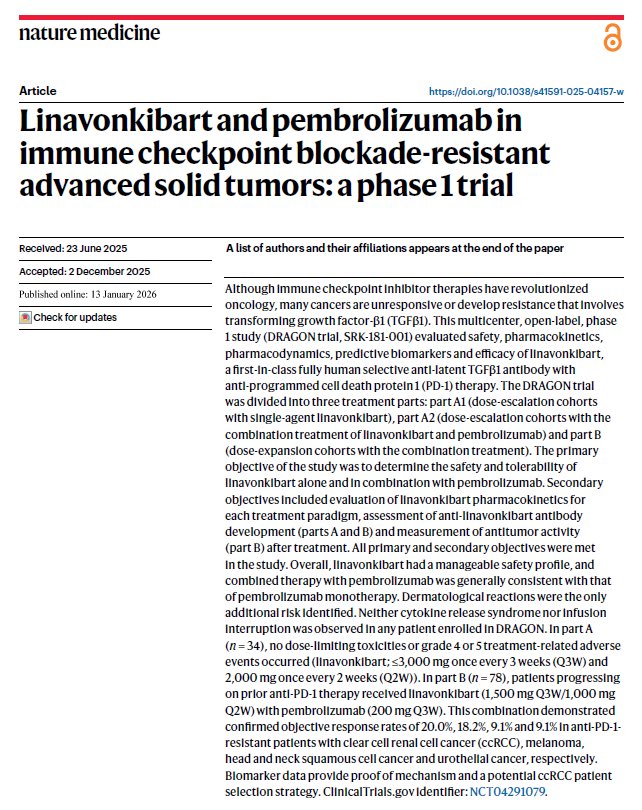
Our latest published phase 1 article in @NatureMedicine | Linavonkibart & pembrolizumab in #immunecheckpointblockade -resistant solid tumors | Enjoyed part of this effort & this group of PIs #DrugDevelopment #Immunooncology @MoffittNews
rdcu.be/eYQz7
1
3
472

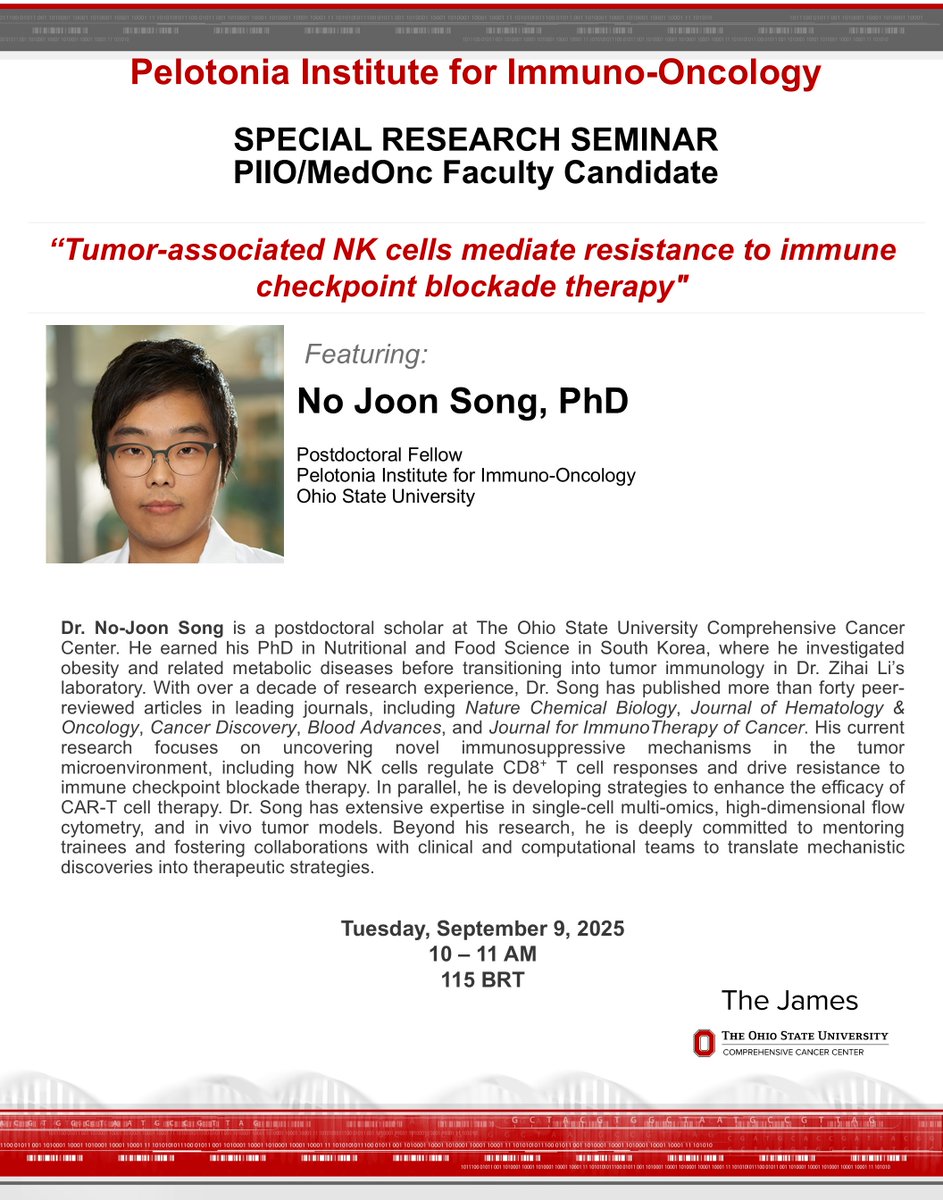
📢 Special Research Seminar
Join us for a @OhioStateMedOnc @OhioStatePIIO faculty candidate talk featuring Dr. No Joon Song!
🧬 "#Tumor-associated #NKcells mediate resistance to #ImmuneCheckpointBlockade therapy"
📅 Tuesday, Sept 9, 2025
🕙 10–11 AM
📍 115 BRT
7
275

23 Aug 2025
Computationally Designed Nanobinders as Affinity Ligands in Diagnostic and Therapeutic Applications @JCIM_JCTC
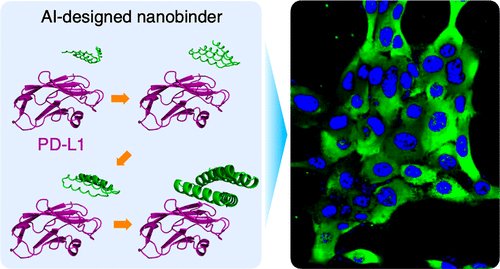
1. A groundbreaking study by Jeon et al. introduces the use of computationally designed nanobinders (DNBs) as a novel alternative to antibodies for detecting protein biomarkers in extracellular vesicles (EVs). This work leverages machine learning to design DNBs, which outperform antibodies in terms of signal intensity, sensitivity, and selectivity.
2. The study highlights the limitations of traditional antibodies, such as cross-reactivity and inconsistent affinity, which can lead to elevated background signals and undermine the accuracy of EV immunoassays. DNBs, with their unique design, minimize these issues.
3. The researchers developed a computational pipeline that includes RoseTTAFold diffusion for generating binder backbones, ProteinMPNN for converting structures into amino acid sequences, and AlphaFold-Multimer for predicting complex structures and evaluating confidence metrics.
4. The PD-L1-targeting DNB demonstrated superior performance in cellular imaging, with up to a 51-fold increase in signal intensity compared to antibodies. It also showed enhanced sensitivity and selectivity in EV analysis, making it a promising tool for cancer diagnostics.
5. Beyond diagnostics, the PD-L1 DNB exhibited therapeutic potential by effectively inhibiting immune checkpoints, suggesting its use in immune checkpoint blockade therapies.
6. The study’s findings underscore the potential of DNBs as a reliable and scalable platform for EV-based diagnostics and therapeutics, potentially advancing the field of cancer care and EV research.
📜Paper: pubs.acs.org/doi/10.1021/jac…
#ComputationalBiology #Nanobinders #EVs #CancerDiagnostics #ImmuneCheckpointBlockade
10
65
4,181

Online!🍹
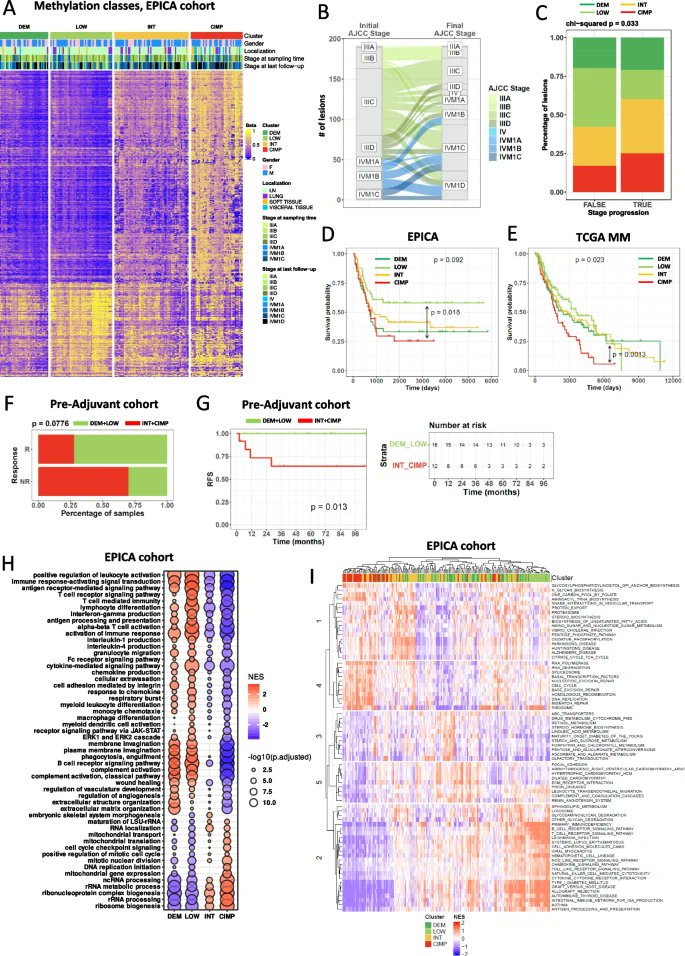
Integrated multi-omics profiling reveals the role of the #DNAmethylation landscape in shaping biological heterogeneity and clinical behaviour of #metastaticmelanoma
Look here💡
jeccr.biomedcentral.com/arti…
#ImmuneCheckpointBlockade
#DNMTinhibitor
4
75

8 Nov 2024
Recently published:
Spatial context of #immunecheckpoints as predictors of overall survival in patients with resectable #colorectalcancer independent of standard TNM stages, by Hao Kong et al.
doi.org/10.1158/2767-9764.CR…
@jiangh7 #ImmuneCheckpointBlockade #openaccess
2
2
269

30 Sep 2024
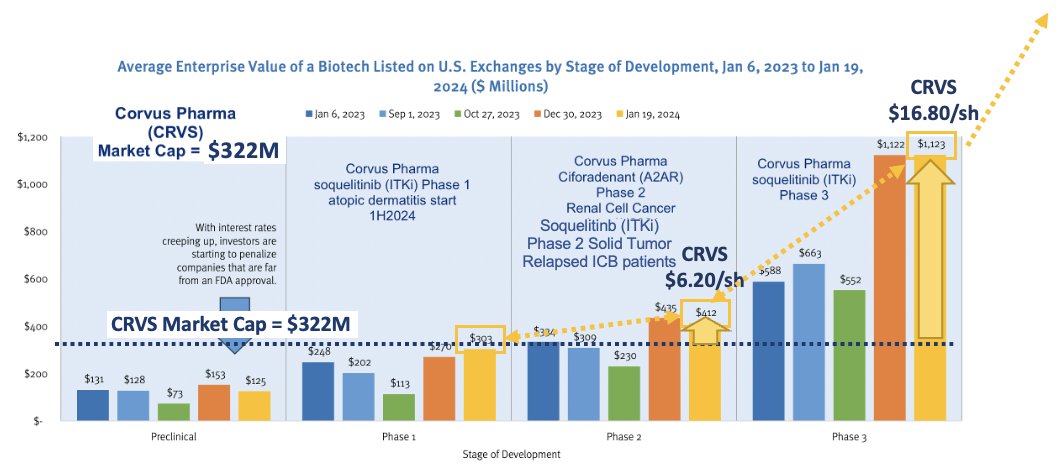
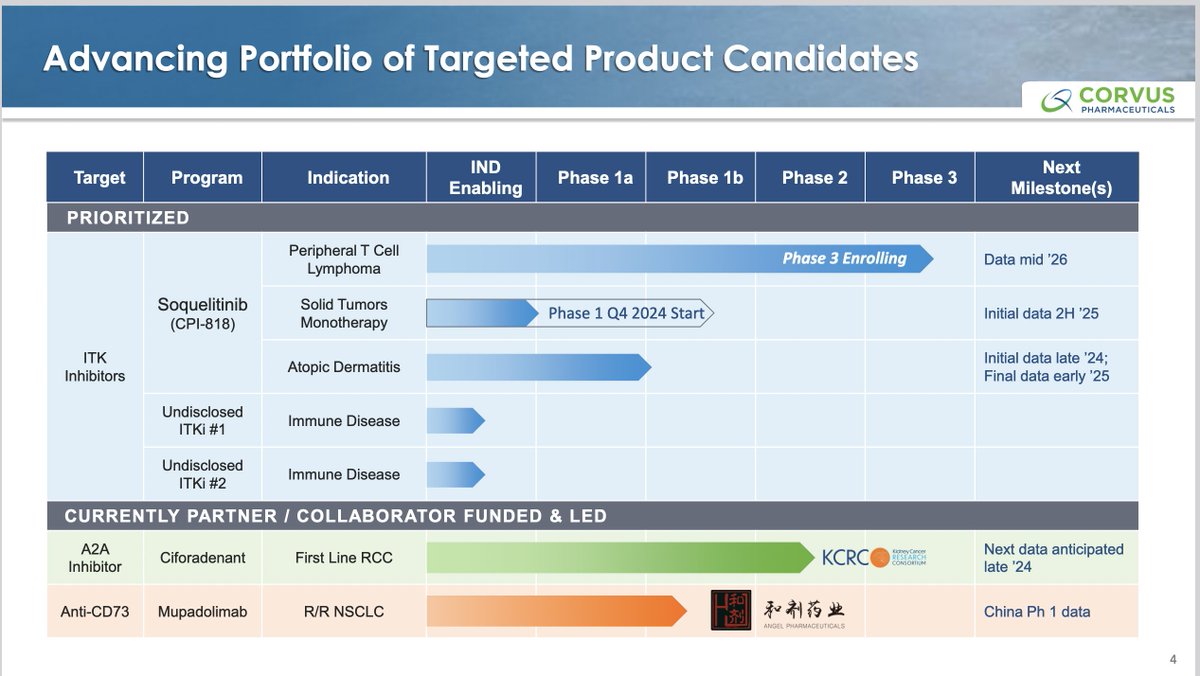
$CRVS Expecting further revaluation based on pipeline towards $20 ($1B-$1.5B):
#ITK inhibition #soquelitinib
Ph1 - Atopic dermatitis
Ph2 - Solid tumor, #RCC, w/ relapsed #immunecheckpointblockade patients!
Ph 3 - #PTCL
#A2AR #Ciforadenant
Ph2 - Combo RCC w/ anti-PD-1 anti-CTLA-4
1
5
370

30 Jul 2024
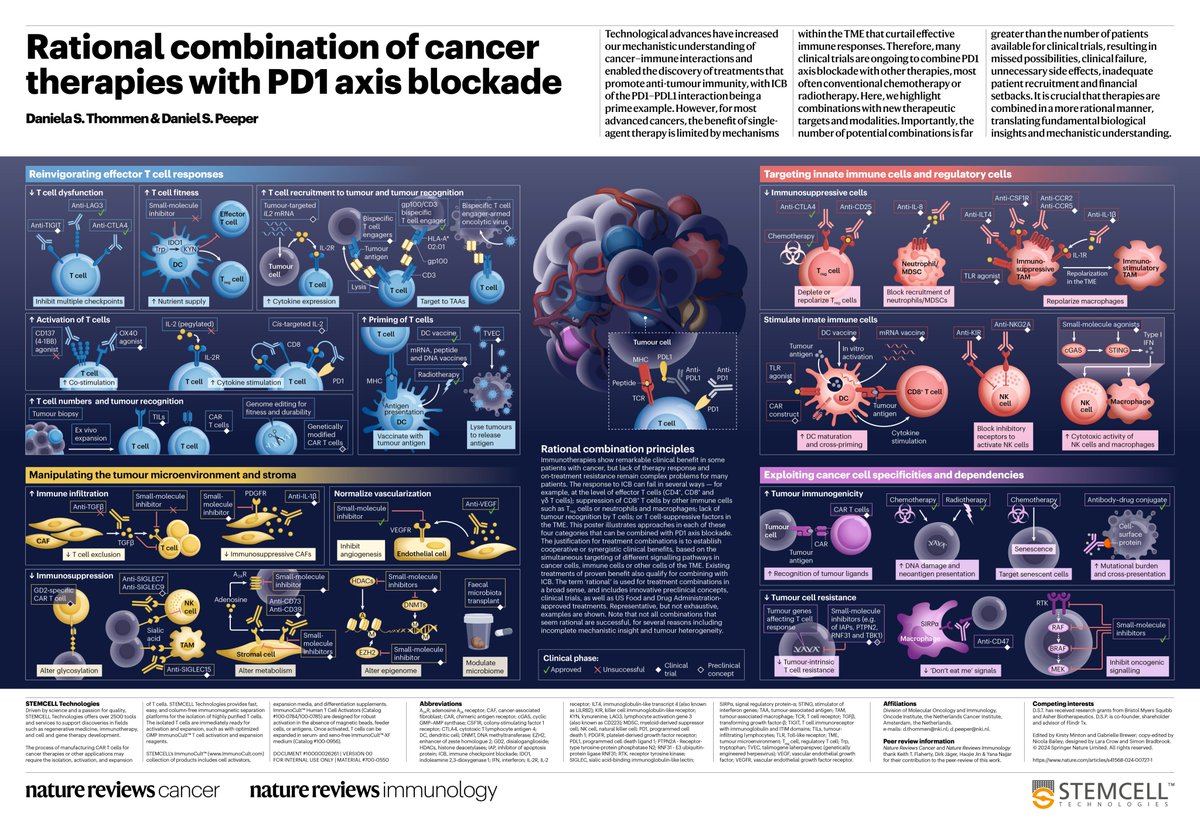
Our latest POSTER with @NatRevImmunol explores rationale combinations of #immunecheckpointblockade of #PD1-#PDL1, with other therapies aimed at targeting effector T cells, innate immune regulatory T cells, the #TME & cancer cells.
Check it out now!
go.nature.com/3WLcCh5
35
108
13,432

A carrier-free photodynamic bioregulator (CASN) was developed to complement #ImmuneCheckpointBlockade therapy and improve immunotherapeutic efficacy against #TripleNegativeBreastCancer by reprogramming the lactic acid #TumorMicroenvironment.
Read: go.acs.org/air
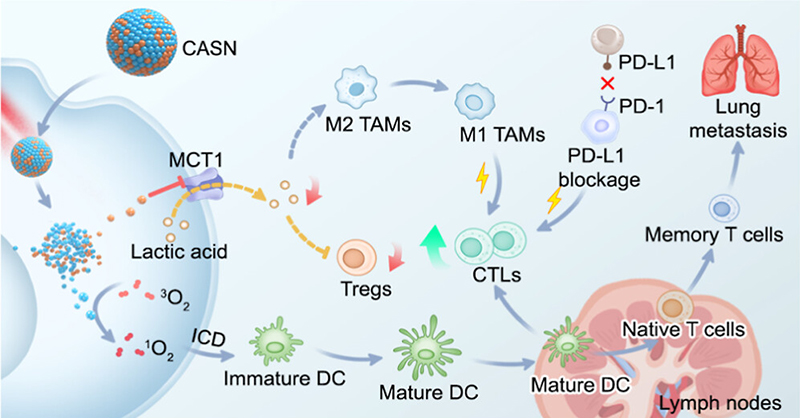
ALT TOC image from the article
1
4
1,450

19 Jan 2024
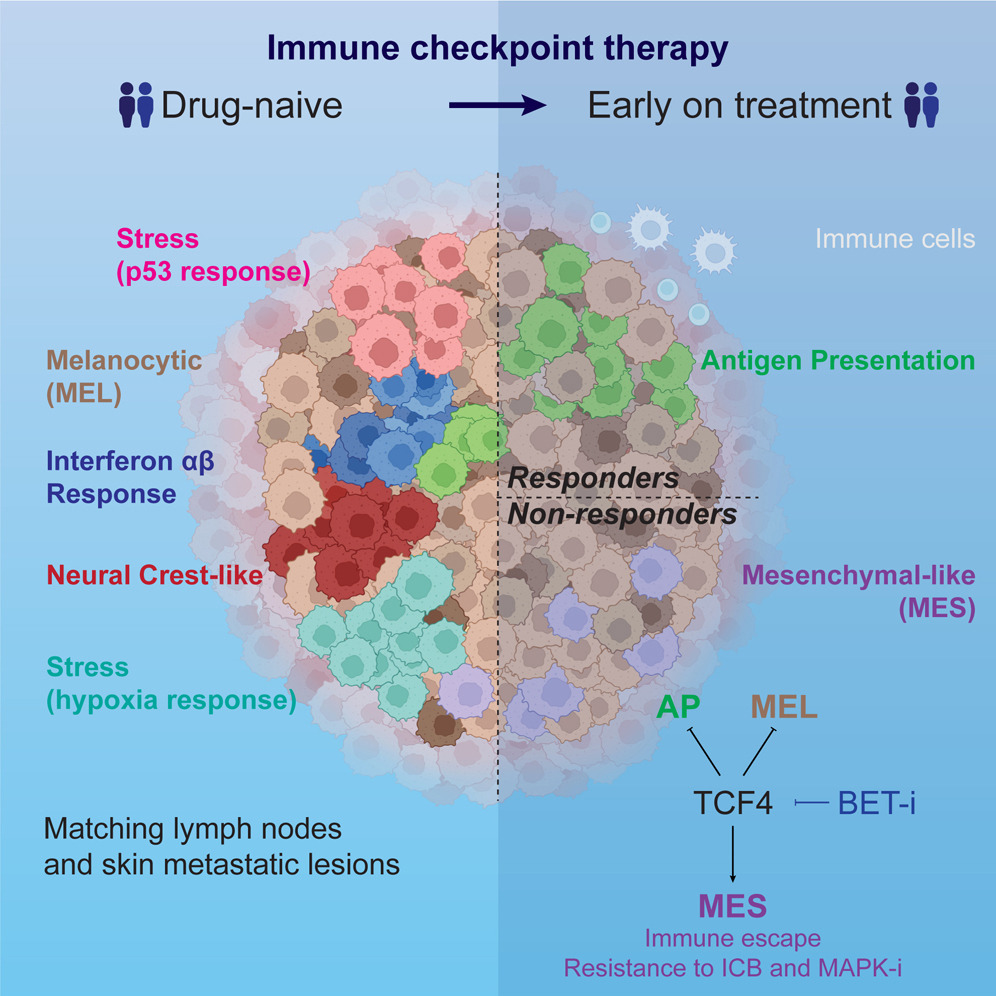
How does #melanoma resist #ImmuneCheckpointBlockade?
Researchers at @vib_ccb explored the role of TCF4 and cells in a #mesenchymal-like state.
@jchrismarine @pozniak_joanna @DennisPedri
📃 @CellCellPress: bit.ly/3Sbg1Et
▶️: bit.ly/3SlDqTU
1
5
28
2,129

5 Dec 2023
Happy to share our thoughts on what the future holds for oncolytic virotherapy. More data forthcoming in conjunction with #immunecheckpointblockade
@MarkTysonMD @cgoncology
science.org/content/article/…
3
5
26
2,043

25 Aug 2023
.@MSKLibrary feature: Novel Genetic Subtypes of Urothelial Carcinoma w/Differential Outcomes on #ImmuneCheckpointBlockade
@MichalSarfaty @MSK_DeptOfMed @MSKPathology @AMRegazzi @MSKBiostats @illumina @bengrbm @DrRosenbergMSK @GeneCollector @JCO_ASCO
dx.doi.org/10.1200/JCO.22.02…
1
3
5
1,216
26 Jun 2023
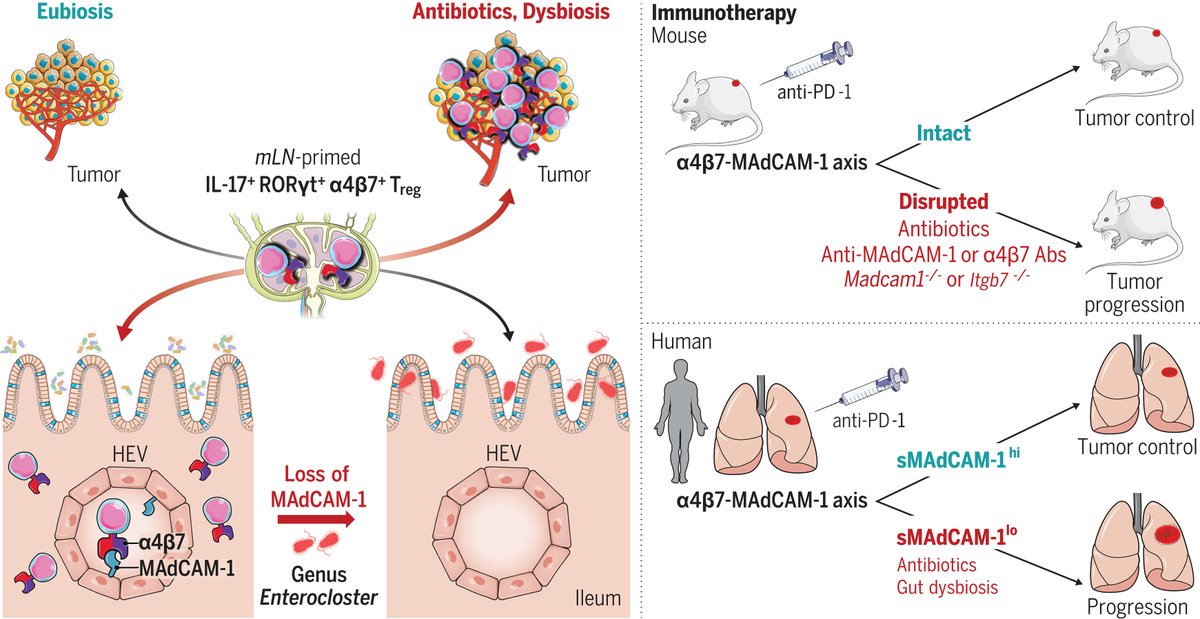
How do bacteria affect #ImmuneCheckpointBlockade? 🦠
Researchers at @GustaveRoussy investigated if bacteria that rebound after antibiotics are administered affect cancer treatment responses.
@ScienceMagazine paper: bit.ly/3PB3gCe
Discussion: bit.ly/3CKoohP
1
2
708

1 Jun 2023
Scientists at Tohoku University have discovered a novel approach that improves the efficacy of immune checkpoint blockade and minimizes the associated side effects. #cancer #cancertreatment #immunecheckpointblockade #tohokuuniversity
bit.ly/3WPsUVK
1
476

31 May 2023
A3: Using #machinelearning (#ML), Andrew Patterson and @AuslanderNoam @TheWistar determined genomic predictors of response to #immunecheckpointblockade in #melanoma. Read more @NatureComms: nature.com/articles/s41467-0… #MAMChat23 #MelanomaAwarenessMonth
3
59

16 May 2023
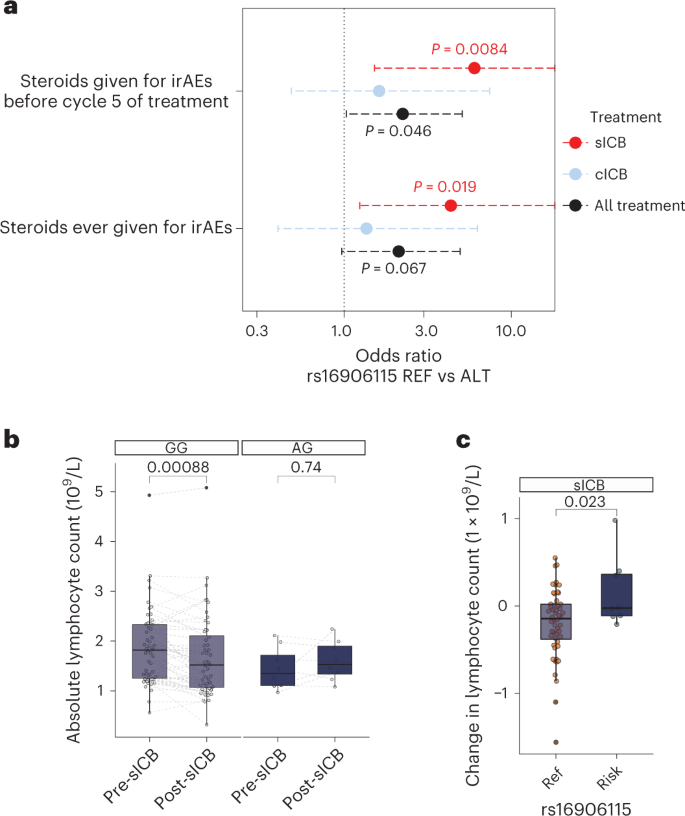
IL7 genetic variation and toxicity to #ImmuneCheckpointBlockade in patients with #Melanoma nature.com/articles/s41591-0…
2
10
7,016
Awesome job by PhD candidate @amirmoyo, who represented #MIIProud, #PIIO @Hazemghoneim11 Lab at #AAI2023 with poster titled "Targeting #epigenetic crosstalk that restrains the responses of #ExhaustedTcells to #ImmuneCheckpointBlockade therapy"!!
1
3
775

1 May 2023
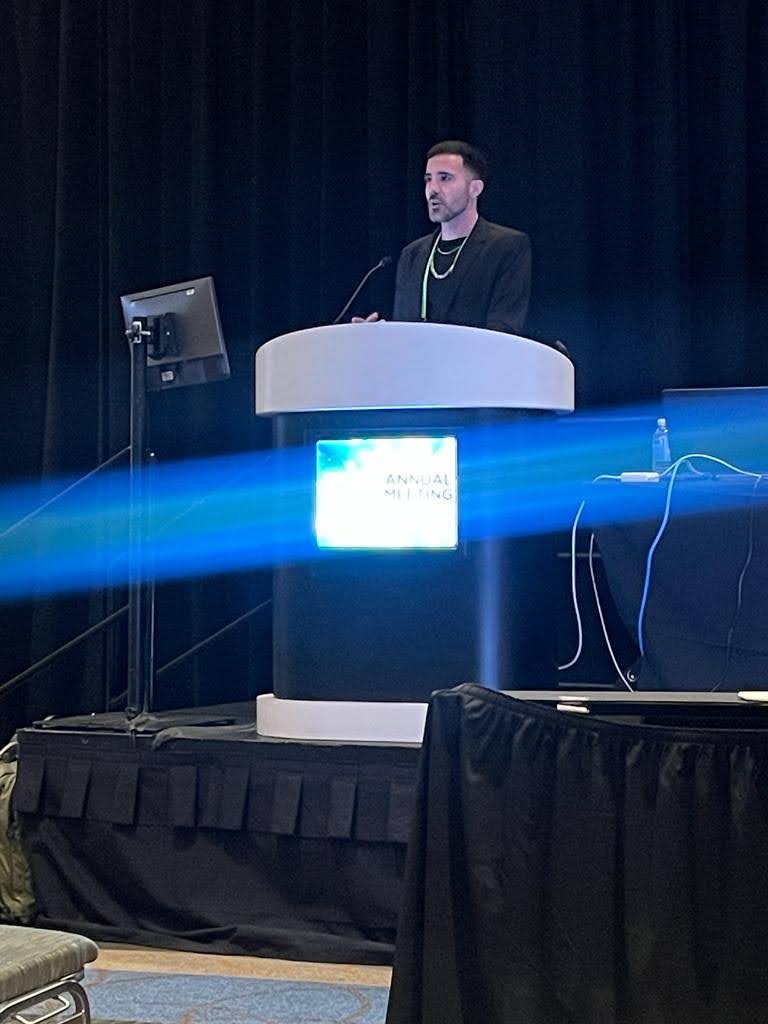
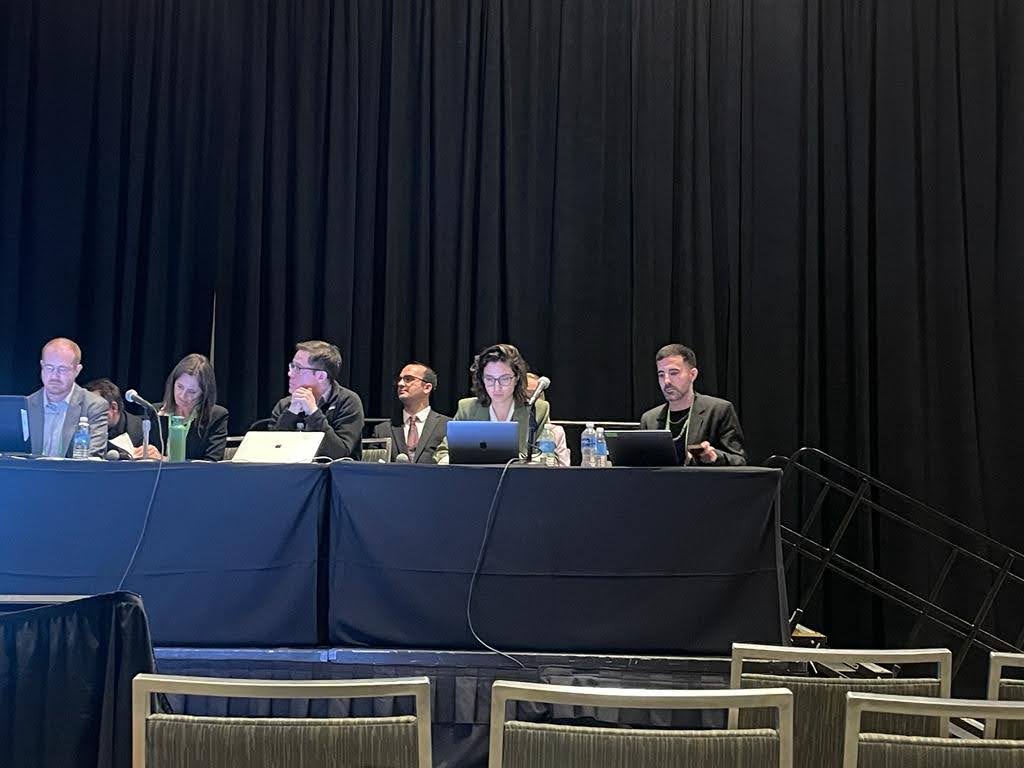
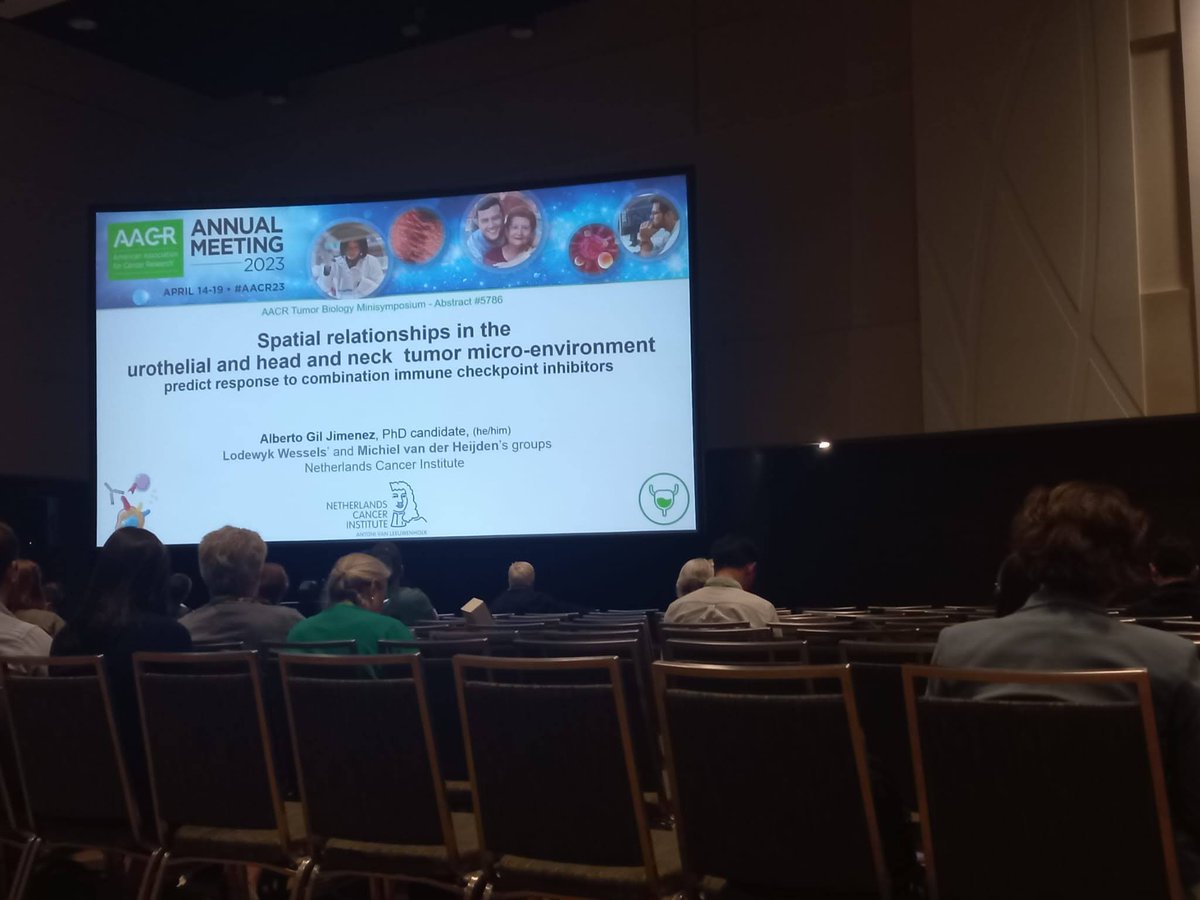
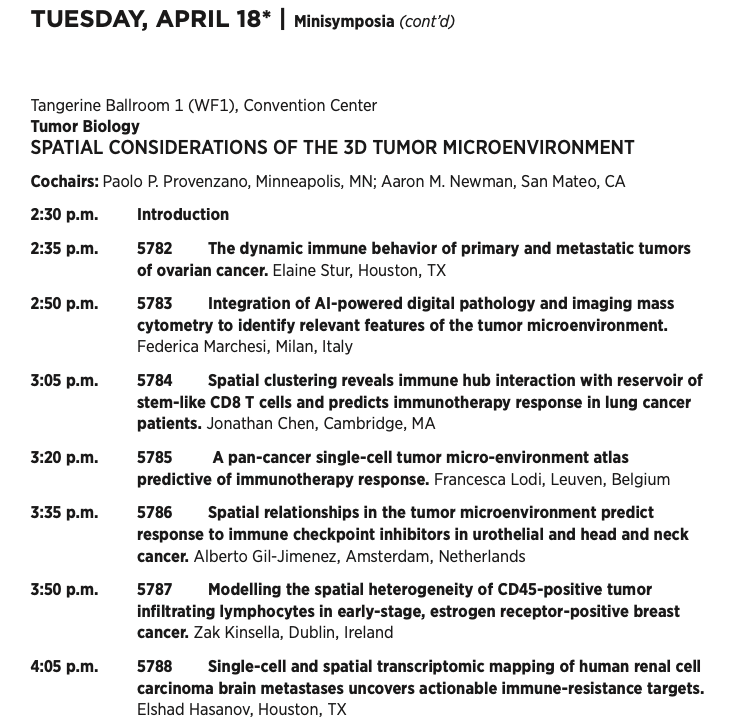
Our data on #spatial predictors of neoadjuvant #immunecheckpointblockade has just been presented at @AACR's annual meeting. It was such an experience to be part of a session w. other panelists sharing their discoveries on tumor biology using spatial biology in Orlando #AACR23
14 Apr 2023

Coming to #AACR23? Come see me on Tuesday 18th if you want to hear about how we spatially modeled the tumor microenvironment to understand clinical response to neoadjuvant immunotherapy in urothelial and head and neck cancer
1
11
2,471

26 Apr 2023
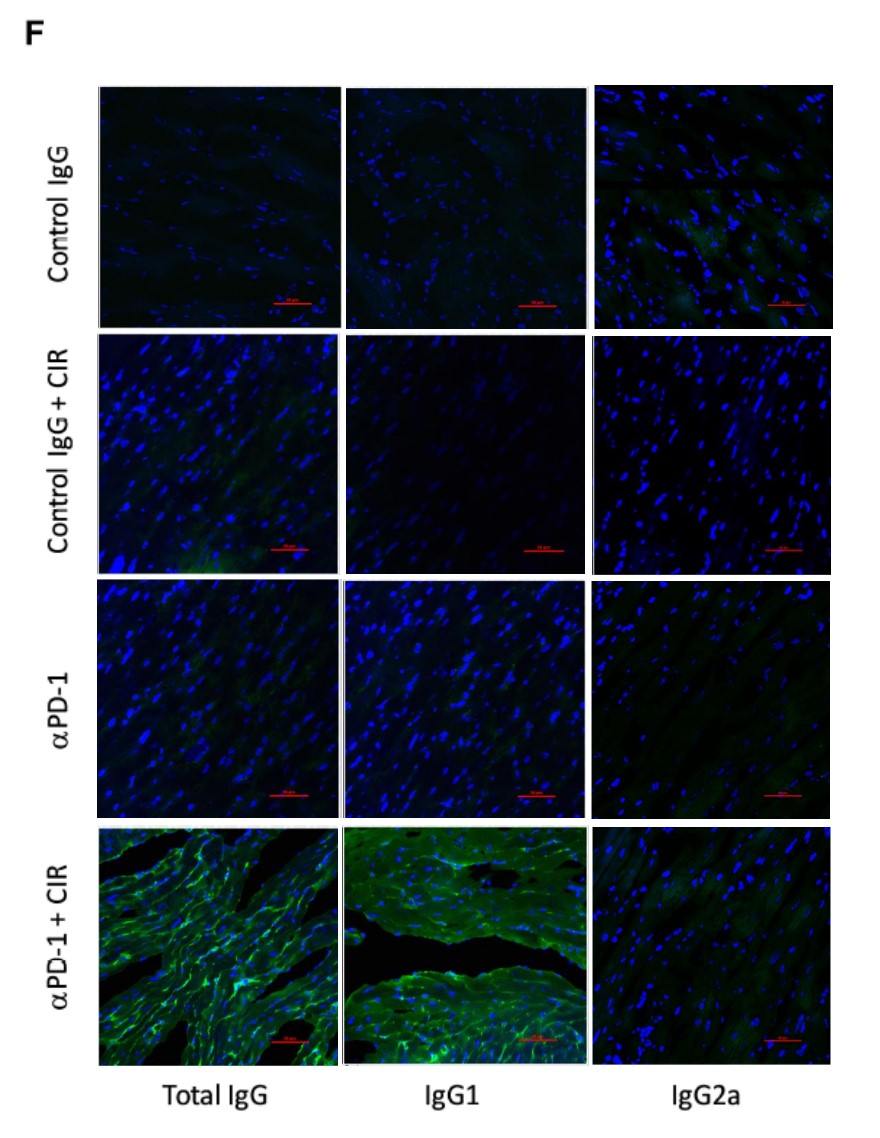
Autoantibodies reactive to cardiac antigens after concurrent #radiotherapy and #ImmuneCheckpointBlockade are ID’d. Data highlight #Bcells as potential targets to mitigate #cardiotoxicity, in this study by Yan, Hooper, Chen, Lu et al.
bit.ly/3NgbQ8p
#CancerImmunology
2
4
442
17 Apr 2023
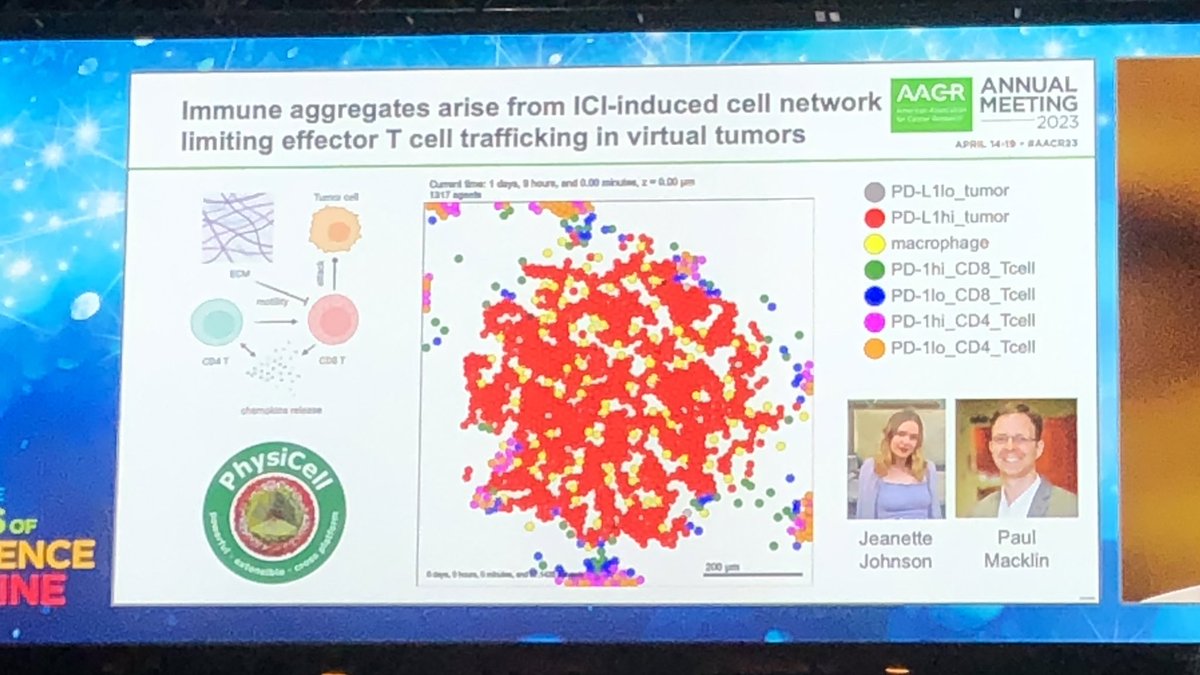
She is showing collaborative work with @MathCancer. They found that immune aggregates from #immunecheckpointblockade limit immune cell trafficking into tumors via computational modeling. #AACR23
2
3
318