
Jun 7
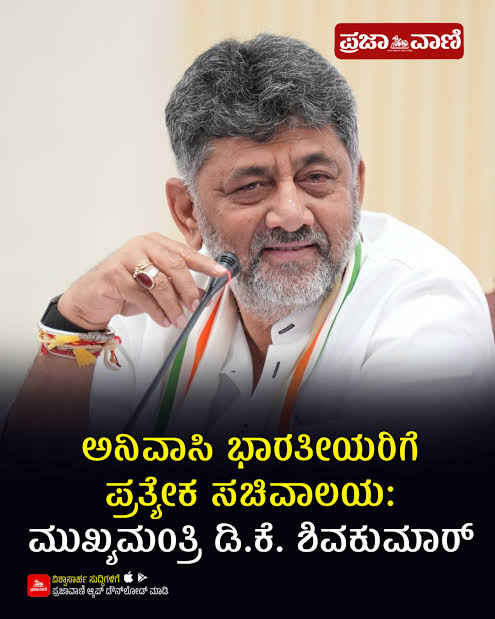
ಅನಿವಾಸಿ ಕನ್ನಡಿಗರಿಗಾಗಿ ಸಚಿವಾಲಯ ಮಾತ್ರ ಸಾಲದು: ಭರವಸೆಗಳ ಲೆಕ್ಕ ಕೇಳುವ ಸಮಯ ಬಂದಿದೆ
ಕರ್ನಾಟಕ ಸರ್ಕಾರ ಅನಿವಾಸಿ ಕನ್ನಡಿಗರಿಗಾಗಿ ಪ್ರತ್ಯೇಕ ಸಚಿವಾಲಯ ಸ್ಥಾಪನೆಗೆ ಮುಂದಾಗಿರುವುದು ಶ್ಲಾಘನೀಯ ಹೆಜ್ಜೆ ಎಂಬುದರಲ್ಲಿ ಸಂದೇಹವಿಲ್ಲ. ಆದರೆ, ಇಂತಹ ಘೋಷಣೆಗಳ ನಡುವೆ ಕಳೆದ ಹಲವು ವರ್ಷಗಳಿಂದ ನೀಡಲಾಗುತ್ತಿರುವ ಭರವಸೆಗಳ ಸ್ಥಿತಿ ಏನು ಎಂಬ ಪ್ರಶ್ನೆಯನ್ನು ನಿರ್ಲಕ್ಷಿಸಲು ಸಾಧ್ಯವಿಲ್ಲ.
ಡಿಸೆಂಬರ್ 2017ರಲ್ಲಿ ಕರ್ನಾಟಕ ಎನ್ಆರ್ಐ ಫೋರಂನ ಉಪಾಧ್ಯಕ್ಷೆಯಾಗಿ ಕುವೈತ್ಗೆ ಭೇಟಿ ನೀಡಿದ ಸಂದರ್ಭದಲ್ಲಿ, ಅನಿವಾಸಿ ಕನ್ನಡಿಗರು nriforum.karnataka.gov.in ವೆಬ್ಸೈಟ್ನಲ್ಲಿ ನೋಂದಾಯಿಸಿಕೊಂಡು NRK Card ಪಡೆಯುವಂತೆ ಮನವಿ ಮಾಡಲಾಗಿತ್ತು. ಆ ಕಾರ್ಡ್ ಮೂಲಕ ಉಚಿತ ವಿಮೆ ಸೇರಿದಂತೆ ಹಲವು ಸೌಲಭ್ಯಗಳು ದೊರೆಯಲಿವೆ ಎಂದು ಭರವಸೆ ನೀಡಲಾಗಿತ್ತು.
ಅದೇ ರೀತಿಯಲ್ಲಿ, ನವೆಂಬರ್ 2022ರಲ್ಲಿ ಮತ್ತೆ ಕುವೈತ್ಗೆ ಭೇಟಿ ನೀಡಿದಾಗಲೂ ಇದೇ ಭರವಸೆಗಳನ್ನು ಪುನರಾವರ್ತಿಸಲಾಯಿತು. ಆದರೆ, ಇಂದು ಸುಮಾರು ಒಂಬತ್ತು ವರ್ಷಗಳಾದರೂ NRK Card ಯೋಜನೆಯ ಪರಿಣಾಮಕಾರಿ ಅನುಷ್ಠಾನ, ಅದರ ಪ್ರಯೋಜನಗಳ ವಿಸ್ತರಣೆ ಅಥವಾ ನೆಲಮಟ್ಟದಲ್ಲಿ ಅದರ ಪ್ರಭಾವದ ಕುರಿತು ಸ್ಪಷ್ಟ ಉತ್ತರ ದೊರಕಿಲ್ಲ.
2023ರಲ್ಲಿ ಡಿ.ಕೆ. ಶಿವಕುಮಾರ್ ಅವರಿಂದಲೂ ಇದೇ ರೀತಿಯ ಭರವಸೆಗಳು ಕೇಳಿಬಂದವು. ಆದರೆ, ಅನಿವಾಸಿ ಕನ್ನಡಿಗರ ಬದುಕಿನಲ್ಲಿ ಗಮನಾರ್ಹ ಬದಲಾವಣೆ ತಂದಂತಹ ಫಲಿತಾಂಶಗಳು ಇನ್ನೂ ಗೋಚರಿಸುತ್ತಿಲ್ಲ.
ಘೋಷಣೆಗಳಿಗಿಂತ ಅನುಷ್ಠಾನ ಮುಖ್ಯ
ಅನಿವಾಸಿ ಕನ್ನಡಿಗರಿಗೆ ಇಂದು ಬೇಕಾಗಿರುವುದು ಹೊಸ ಹುದ್ದೆಗಳು ಅಥವಾ ಸಮಿತಿಗಳ ಘೋಷಣೆಗಳಲ್ಲ. ಬದಲಾಗಿ, ಶಾಶ್ವತ ಮತ್ತು ಕಾರ್ಯನಿರತ ವ್ಯವಸ್ಥೆಗಳೇ ಅವಶ್ಯಕ:
• ಪ್ರತ್ಯೇಕ, ಸಕ್ರಿಯ ಮತ್ತು ಉತ್ತರದಾಯಿತ್ವ ಹೊಂದಿರುವ ಶಾಶ್ವತ ವ್ಯವಸ್ಥೆ
• ಪರಿಣಾಮಕಾರಿಯಾಗಿ ಕಾರ್ಯನಿರ್ವಹಿಸುವ Non Resident Kannada (NRK) Card ಯೋಜನೆ
• NRI Policy ಅಡಿಯಲ್ಲಿ Welfare Committee ರಚನೆ ಮತ್ತು ಪಾರದರ್ಶಕ ಕಾರ್ಯಚಟುವಟಿಕೆ
• ಅಧಿಕಾರಿಗಳು, ಜಿಲ್ಲಾವಾರು ಸಂಯೋಜಕರು ಹಾಗೂ ತುರ್ತು ಸಂಪರ್ಕ ಸಂಖ್ಯೆಗಳ ಸಾರ್ವಜನಿಕ ಪಟ್ಟಿ
• ಪ್ರತಿ ದೇಶದಿಂದ ನೈಜ ಅನಿವಾಸಿ ಪ್ರತಿನಿಧಿಗಳನ್ನು ಕೋರ್ ಸಮಿತಿಯಲ್ಲಿ ಸೇರಿಸುವ ವ್ಯವಸ್ಥೆ
• ಪ್ರಭಾವಿಗಳಿಗಿಂತ ನೆಲಮಟ್ಟದ ಸಾಮಾಜಿಕ ಕಾರ್ಯಕರ್ತರಿಗೆ ಆದ್ಯತೆ
• ರಾಯಭಾರ ಕಚೇರಿ, ವಿದೇಶಾಂಗ ಸಚಿವಾಲಯ ಹಾಗೂ ರಾಜ್ಯ ಸರ್ಕಾರದ ನಡುವೆ ನೇರ ಸಂವಹನ ವ್ಯವಸ್ಥೆ.
ಅನಿವಾಸಿ ಕನ್ನಡಿಗರ ಸಮಸ್ಯೆಗಳು ಕೇವಲ ಹೂಡಿಕೆ ಅಥವಾ ನೆಟ್ವರ್ಕಿಂಗ್ಗೆ ಸೀಮಿತವಾಗಿಲ್ಲ. ವಿದೇಶಗಳಲ್ಲಿ ದುಡಿಯುತ್ತಿರುವ ಸಾವಿರಾರು ಕಾರ್ಮಿಕರು, ಸಂಕಷ್ಟದಲ್ಲಿರುವ ಕುಟುಂಬಗಳು, ಉದ್ಯೋಗ ಕಳೆದುಕೊಂಡವರು, ಕಾನೂನು ಸಮಸ್ಯೆಗಳನ್ನು ಎದುರಿಸುತ್ತಿರುವವರು ಮತ್ತು ತುರ್ತು ನೆರವಿನ ಅಗತ್ಯವಿರುವವರು ಈ ವ್ಯವಸ್ಥೆಯ ನಿಜವಾದ ಫಲಾನುಭವಿಗಳಾಗಬೇಕು.
ಈ ಹಿನ್ನಲೆಯಲ್ಲಿ, ಕೇರಳ ಸರ್ಕಾರದ ‘ನೋರ್ಕಾ’ (NORKA) ಮಾದರಿ ಗಮನಾರ್ಹವಾಗಿದೆ. ಅಲ್ಲಿ ಅನಿವಾಸಿ ಮಲಯಾಳಿಗಳಿಗೆ ಸಮಗ್ರ ಸೇವೆಗಳು ವಿಮೆ, ಕಾನೂನು ನೆರವು, ಪುನರ್ವಸತಿ ಯೋಜನೆಗಳು ಮತ್ತು ತುರ್ತು ಸಹಾಯ ಒಂದು ವ್ಯವಸ್ಥಿತ ರೂಪದಲ್ಲಿ ಕಾರ್ಯನಿರ್ವಹಿಸುತ್ತಿವೆ.
ಯಾವುದೇ ಹೊಸ ಸಚಿವಾಲಯ ಅಥವಾ ಹುದ್ದೆ ರಚನೆಯಾಗುವ ಮುನ್ನ, ಕಳೆದ ಹಲವು ವರ್ಷಗಳಿಂದ ನೀಡಲಾದ ಭರವಸೆಗಳ ಬಗ್ಗೆ ಸಾರ್ವಜನಿಕ ವರದಿ ಹೊರಬರಬೇಕು. NRK Card ಯೋಜನೆಯ ಪ್ರಸ್ತುತ ಸ್ಥಿತಿ, ಅದರ ಪ್ರಯೋಜನಗಳ ಲಭ್ಯತೆ ಮತ್ತು ವ್ಯವಸ್ಥೆಯ ಕಾರ್ಯಕ್ಷಮತೆ ಕುರಿತು ಸ್ಪಷ್ಟ ಮಾಹಿತಿ ನೀಡಬೇಕು.
ಅನಿವಾಸಿ ಕನ್ನಡಿಗರು ಮತ್ತೊಂದು ಭರವಸೆಯನ್ನು ನಿರೀಕ್ಷಿಸುತ್ತಿಲ್ಲ. ಅವರಿಗೆ ಬೇಕಾಗಿರುವುದು ಕಾರ್ಯರೂಪಕ್ಕೆ ಬಂದಿರುವ, ಸ್ಪಷ್ಟವಾಗಿ ಕಾರ್ಯನಿರ್ವಹಿಸುವ ಮತ್ತು ಸಂಕಷ್ಟದ ಸಮಯದಲ್ಲಿ ನೆರವಾಗುವ ಶಾಶ್ವತ ವ್ಯವಸ್ಥೆ.
ಘೋಷಣೆಗಳಿಂದ ಅಲ್ಲ, ಕಾರ್ಯದಿಂದ ವಿಶ್ವಾಸ ನಿರ್ಮಾಣವಾಗುತ್ತದೆ.
@DKShivakumar
@CMofKarnataka
@KarnatakaVarthe
@INCKarnataka
@PMOIndia
@narendramodi
@MEAIndia
@DrSJaishankar
@IndianDiplomacy
@IndiansAbroad_
@MEA_MADAD
@eMigrateGov
@ANI
@PTI_News
@DeccanHerald
@timesofindia
@TheHindu
@CMofKarnataka @siddaramaiah @DKShivakumar @MEAIndia @DrSJaishankar
#NRK #NRIKarnataka #NRKCard #NORKAModel #Accountability #KarnatakaGovernment #AarthiKrishna #NRKForum #OverseasKannadigas #ImplementationMatters #WelfareState #PravasiKannadiga #BeyondPromises
25
33
228

“Yeniden Yargılanma” talepleri reddedilen ve aynı cezayla karşılaşan kişilerin, bu durumu AİHM kararlarının uygulanmasını denetlemekle görevli Avrupa Konseyi Bakanlar Komitesine bildirmeleri, AİHM kararlarının Türk yargsı tarafından uygulanmasını sağlamanması için etkili bir yoldur.
Bakanlar Komitesi’nin işleyişi gereği, yapılan bu tür bildirimler Komite tarafından Hükümete iletilmekte ve Hükümetten kısa süre içinde bu bildirime ilişkin açıklama yapması beklenmektedir. Bu nedenle, ilgili durumun Bakanlar Komitesi’ne bildirilmesi büyük önem taşımaktadır.
Hazırlanan dilekçenin İngilizceye çevirilerek Bakanlar Komitesi Kararların İcrası Dairesi’nin e-posta adresine gönderilmesi gerekmektedir: dgi-execution@coe.int
#BakanlarKomitesi
#CouncilOfEurope
#AİHM
#ECtHR
#AİHMKararları
#Kararlarınİcrası
#ExecutionOfJudgments
#Yalçınkaya
#YükselYalçınkaya
#RuleOfLaw
#HukukunÜstünlüğü
#İnsanHakları
#HumanRights
#AdilYargılanmaHakkı
#FairTrial
#Türkiye
#Turkey
#ByLock
#AİHS
#ECHR
#Article46
#AİHS46
#HukukiSüreç
#LegalUpdate
#YargıBağımsızlığı
#KeyfiYargılama
#Hakİhlalleri
#Justice
#Accountability
#ImplementationMatters
1
1
2
329

𝗦𝗶𝗺𝗶𝗹𝗮𝗿𝗹𝘆 𝗼𝗻 𝗲𝘅𝗽𝗼𝗿𝘁𝘀 - yes, Pakistan still needs much deeper diversification, competitiveness and productivity growth. But saying “nothing changed” ignores:
- strong IT export growth (20% consistent growth),
- manufacturing recovery (LSM up 6.5% in 9MFY26),
- tariff liberalization,
- record company incorporations,
- digital formalization,
- rising investor participation, and
- new global investment commitments.
No, Pakistan has not suddenly become S. Korea or Vietnam overnight. Structural transformations do not happen in 24 months. But pretending that difficult reforms are not happening simply because all outcomes are not yet fully visible is neither objective analysis nor honest economics.
𝗧𝗵𝗲 𝗺𝗼𝗿𝗲 𝗮𝗰𝗰𝘂𝗿𝗮𝘁𝗲 𝘀𝘁𝗮𝘁𝗲𝗺𝗲𝗻𝘁 𝘄𝗼𝘂𝗹𝗱 𝗯𝗲:
Pakistan still has major structural challenges - but for perhaps the first time in years, some genuinely difficult reforms are actually moving from debate into implementation.
2/2
#StructuralReforms #ReformsInAction #FactsMatter #EconomicTransformation #DifficultDecisions #ReformNotRhetoric #ImplementationMatters #PakistanEconomy
@Financegovpk @GovtofPakistan @PakPMO @MoIB_Official
3
2
374

Progress begins with action. You can’t fault our attempt to fix the country and the continent.
— @changingthingsS
#EngineeringChange #ImplementationMatters #EngineersForServiceDelivery #NationBuilding
2
2
52

In Conclusion, #SONA2026 presented a health sector agenda which in my opinion was quite ambitious in scope, bold in financing commitments and strategic in long-term vision talking of investments in vaccines, NCDs, training etc...
But as a policy researcher, I know that policy is not implementation. The gaps remain and the big questions are:
Will the GHS 34.7 billion be released and spent wisely?
When Will the 103,000 backlogged workers be absorbed?
Will rural incentives materialise?
Will the "no bed" guidelines be enforced?
The SONA has set the direction. Now the real work begins.
We are watching this space...and hoping for a better health system.
#SONA2026
#PolicyToPractice #ImplementationMatters
2
61

Budget 2026: Big Announcements, Bigger Tests
Fiscal discipline holds as India sticks to its deficit target, with debt-to-GDP set to ease to 55.6%. From MSMEs and manufacturing to rare earth corridors, bio-pharma and infrastructure, Union Budget 2026-27 lays out an ambitious roadmap.
But beyond headline numbers and allocations, the real challenge lies in execution, coordination, and timely delivery — the true determinants of sustainable growth and macro-economic stability.
Story by: @MahuaVenkatesh
#UnionBudget2026 #Budget2026 #FiscalDeficit #DebtToGDP #EconomicGrowth #MSME #Manufacturing #Infrastructure #RareEarths #BioPharma #SemiconductorMission #MakeInIndia #PolicyReforms #IndiaEconomy #PublicPolicy #ImplementationMatters
thesecretariat.in/article/bu…
1
3
105

India’s Governance Challenge
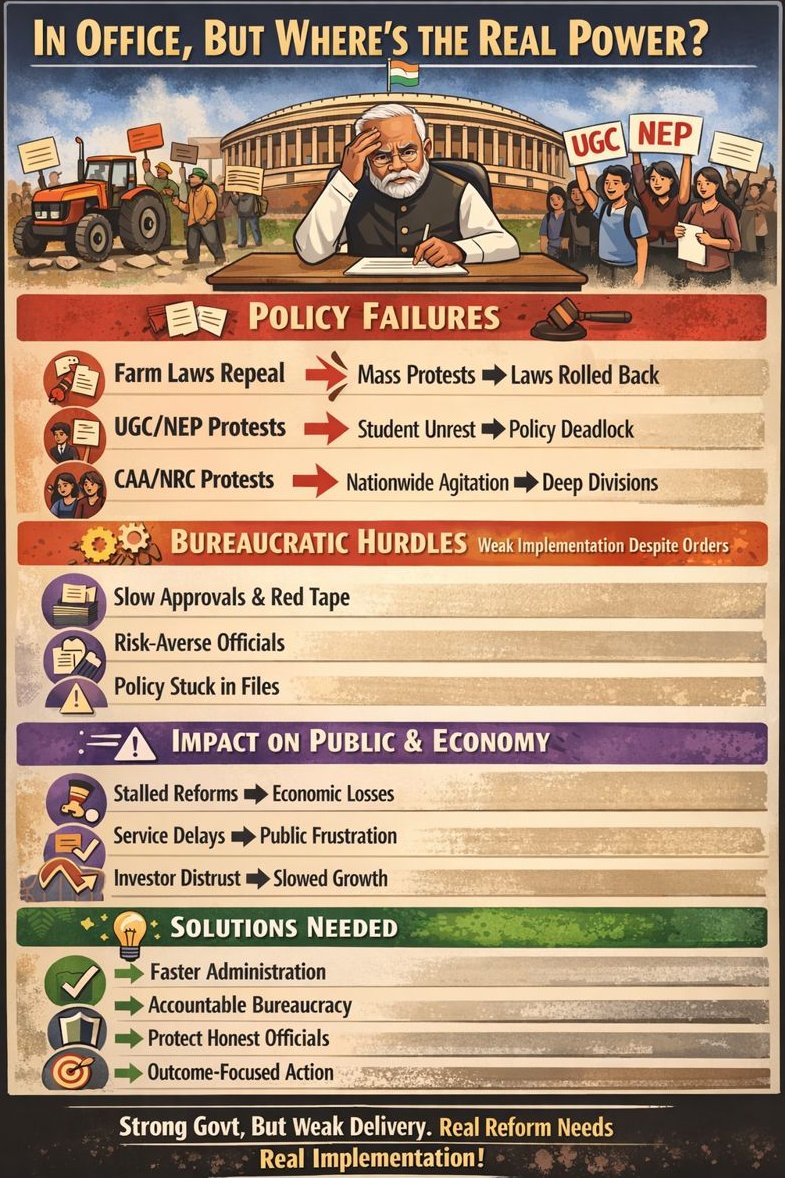
In Office, But Where Is the Real Power?
India today has a politically strong government with repeated electoral mandates and a clear reform narrative. Yet, over the last decade, several major policy initiatives have either stalled, faced prolonged resistance, or been rolled back entirely. This raises a critical governance question: Is political authority translating into effective administrative power on the ground?
Policy Announced, But Execution Breaks Down
One of the most visible examples was the repeal of the three farm laws (2020-21). Despite being passed by Parliament, weak stakeholder consultation, limited state-level coordination, and administrative unreadiness led to prolonged protests and eventual withdrawal of the laws.
The damage went beyond politics:
1.A major reform opportunity in agriculture was lost.
2.Investors became cautious about long-term agri-sector policy stability.
3.Law-and-order costs and economic disruptions mounted for over a year.
Similarly, recent controversies around UGC draft regulations and National Education Policy (NEP) implementation have triggered student protests and resistance from opposition-ruled states. While education reform is necessary, inconsistent rollout and poor institutional alignment have created:
Uncertainty in university governance,
1. Delays in faculty recruitment and research funding, and
2.Anxiety among students regarding academic futures.
In both cases, the problem was not absence of intent, but failure of execution architecture.
The Bureaucratic Bottleneck
A critical but less discussed factor is administrative lethargy and bureaucratic risk aversion. Many reforms face friction because:
1. Decision-making is slow and heavily procedural.
2. Officers avoid bold decisions due to fear of audits and investigations.
3. Files circulate endlessly between departments and legal clearances.
4. Performance is rarely linked to delivery outcomes.
This means even well-designed policies lose momentum before reaching citizens. When laws remain stuck in files, public confidence erodes, and reform fatigue sets in.
Impact on Economy and Public Trust
1. Implementation failure has real-world consequences:
2. Economic Damage
3. Delayed infrastructure projects lead to cost overruns.
4. Privatisation and labour reforms move slowly, hurting job creation.
5. Investors factor in policy uncertainty and administrative delays.
Governance Damage
1. Centre–state coordination breaks down, leading to blame games.
2. Citizens face service delays despite budget allocations.
3. Announcements lose credibility when results do not follow.
Over time, this creates the perception that governance is reactive rather than strategic — driven more by crisis management than institutional strength.
Power Does Not End at Parliament
True power in governance does not stop at elections or legislation. It flows through:
District administrations,
Regulators,
Universities,
State departments, and
Implementation agencies.
If these institutions are not aligned, accountable, and empowered to act, political authority alone cannot deliver transformation.
What Real Reform Now Requires
For India to move from policy ambition to policy impact, the next phase of reform must focus on:
1. Performance-linked bureaucracy, not just seniority-based systems
2. Faster decision frameworks with reduced procedural layer
3. Legal protection for honest officers taking bold decisions
4. Technology-driven service delivery with transparent tracking
5. Clear accountability for implementation delays
Without fixing the administrative engine, every new reform risks meeting the same fate: announcement, resistance, dilution, and delay.
Conclusion
India does not suffer from lack of ideas or leadership. It suffers from institutional drag.
Until administrative capacity matches political ambition, governance will remain vulnerable to protests, policy paralysis, and public frustration.
Democracy is not only about forming governments.
It is about ensuring that the system actually delivers what citizens voted for.
That is where the real reform battle now lies. When Govt Is in Office but Governance Takes the Hit
India may have political stability at the top, but repeated policy failures show a deeper problem:
👉 Decisions are made, but the system often fails to deliver.
And citizens pay the price.
@ajaykraina @AadiAchint @JaipurDialogues
#GovernanceReform #PolicyVsExecution #AdministrativeReform #InstitutionalStrength #ReformIndia #FarmLaws #NEP #UGC #EducationReforms #EconomicReforms #PublicTrust #ImplementationMatters #SystemFailure #BureaucraticInertia #IndiaGovernance
4
3
10
167

18 Nov 2025
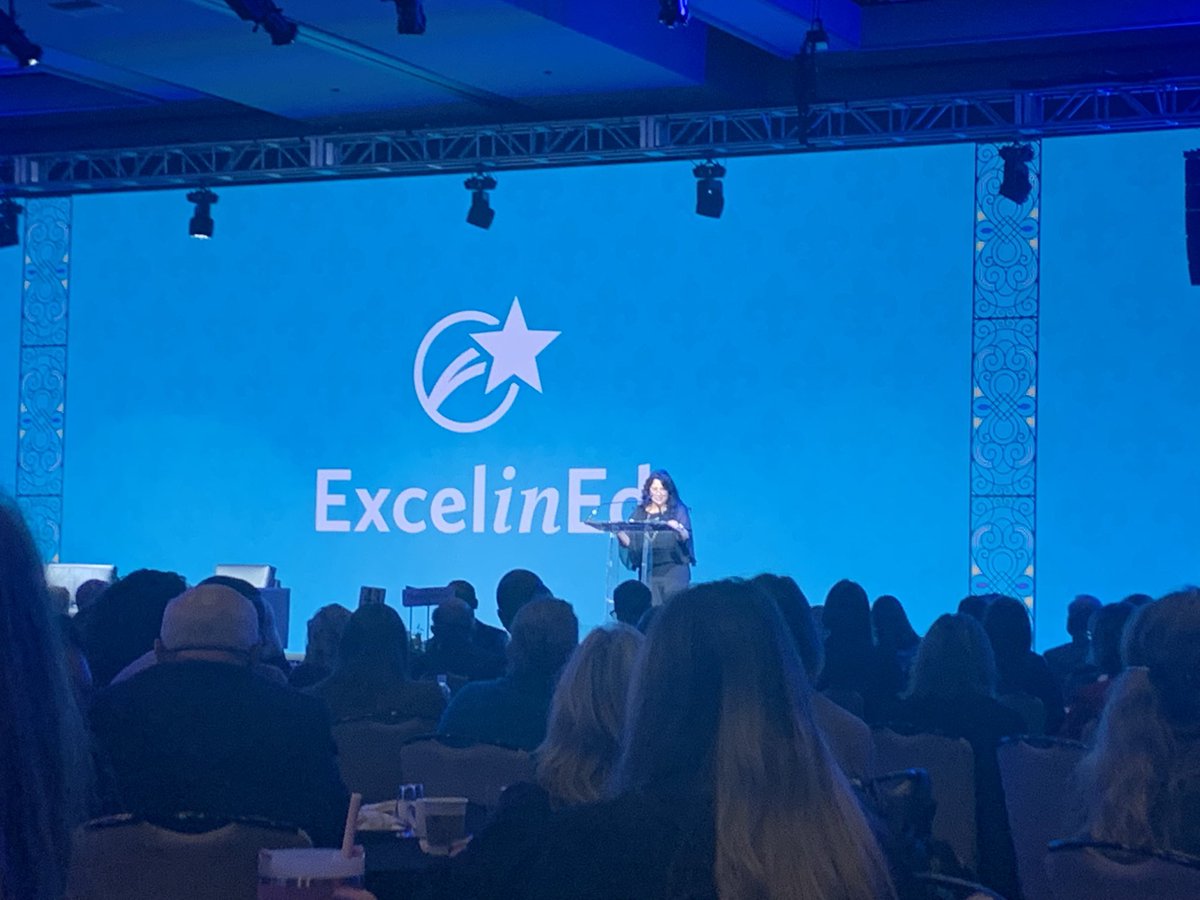
The National Summit on Education is underway with @ExcelinEd @LevesquePat reviewing a long list of state policy wins for students, families & schools. Keep the momentum going!
#EIE25
#PolicyChangesLives
#ImplementationMatters

2
101

14 Nov 2025
Real impact starts after the policy is written.
It's in the implementation plans. The capacity building. The feedback loops. The course corrections. The staying power.
#PolicyInAction #GovernanceThatWorks #PublicSectorExcellence #ImplementationMatters
1
4
17

11 Oct 2025
This is exactly why “teacher leaders” need to be in schools, not board offices. We need more people modeling and showing teachers how to implement.
Many teachers know what to do, but not what it looks like or what to change. #ImplementationMatters
11 Oct 2025

Teachers are left to figure all that out on their own, so of course they treat the programs as a buffet of resources. Ask the people providing "PD" on these programs to model a lesson, and most can't. Their "PD" is simply a tour of the buffet.
1
1
6
558

Building a restraint and seclusion reporting platform sounds great, however, if you don’t understand or know how to determine the:
• Initial platform build cost
• Development of national recording criteria & definitions
• Testing
• work hours
• training needs
• technical support
• ongoing maintenance
• resources for analysis and dissemination
and others we could list then you won’t have the funding required to implement any meaningful recording and reporting.
Without a full understanding of these costs up front, the system risks becoming an unfunded mandate that looks good on paper but fails in practice.
#AgainstRestraint #KnowHowToLegislate #BudgetWhatYouBuild #ImplementationMatters
3
4
208

20 Sep 2025
Words are powerful, but actions speak louder. The true test of commitment lies not in grand declarations, but in concrete enforcement and implementation on the ground. #ImplementationMatters #Accountability
20 Sep 2025

I just spoke with the Crown Prince of Saudi Arabia.
The adoption by 142 countries of the New York Declaration on the two-state solution marked a turning point in charting a path toward lasting peace and security in the Middle East.
The conference on the two-state solution, which we will co-chair together in New York on Monday, must enable us to take a further step in mobilizing the international community.
Two peoples, two states, peace and security for all.
15
109
3,435

20 Sep 2025
It's crucial to distinguish between inspiring ideas and tangible actions. How can we ensure better alignment? 💡 #ImplementationMatters
1
16

27 Jun 2025
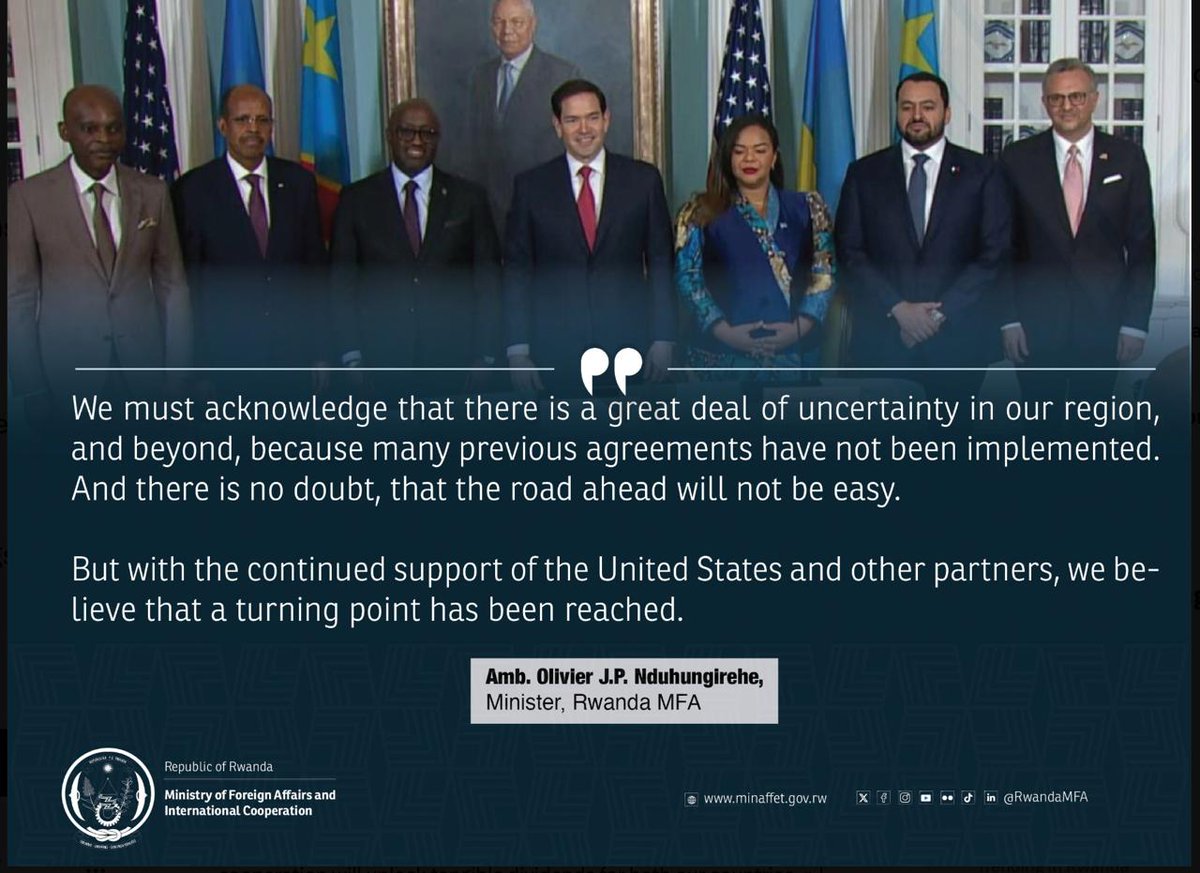
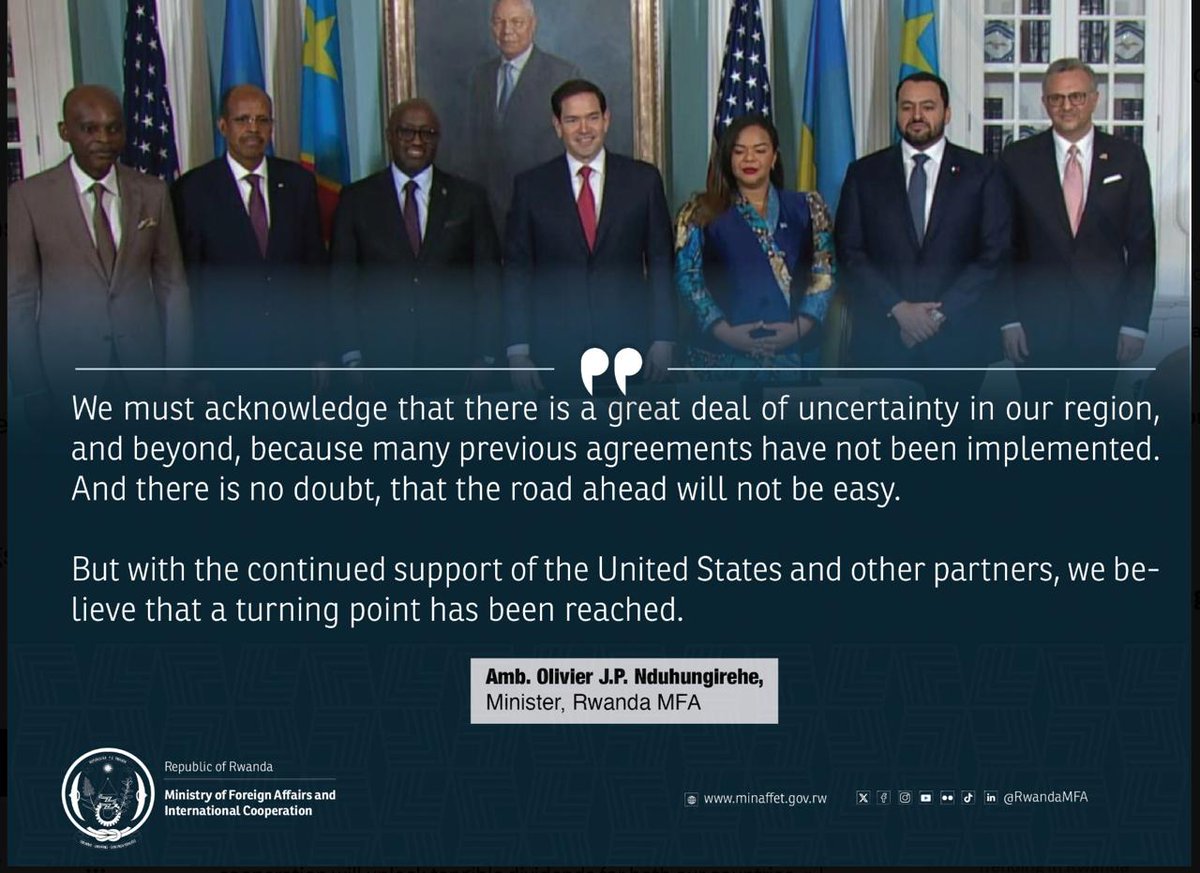
They are fully aware: signing agreements is not enough. True peace comes from implementation real actions that restore trust, provide justice, and ensure security for all.Minister @onduhungirehe
#ImplementationMatters

27 Jun 2025

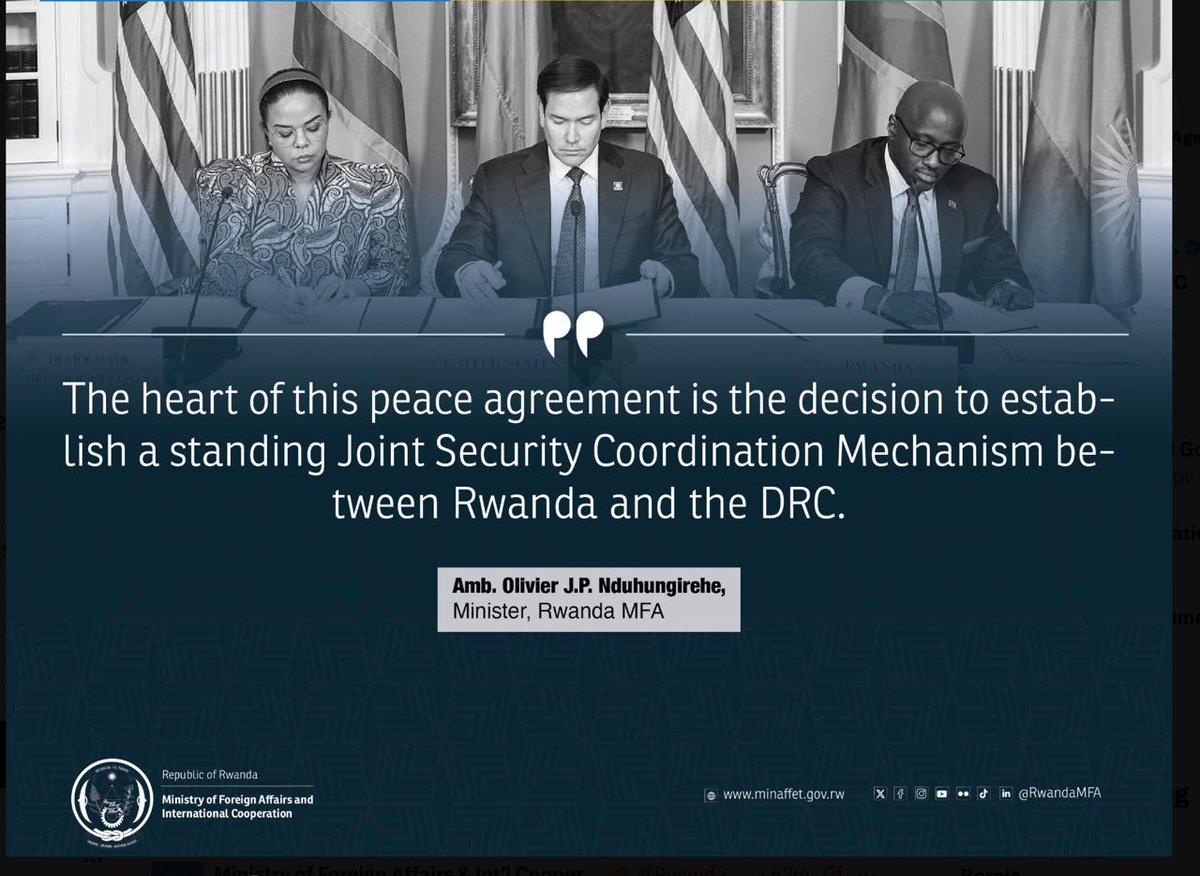
We must face reality: our region is going through a period of serious uncertainty. This is not simply due to new tensions, but largely because many previous peace agreements were never implemented.Minister @onduhungireh #PeaceInTheRegion
2
2
61

24 Jun 2025
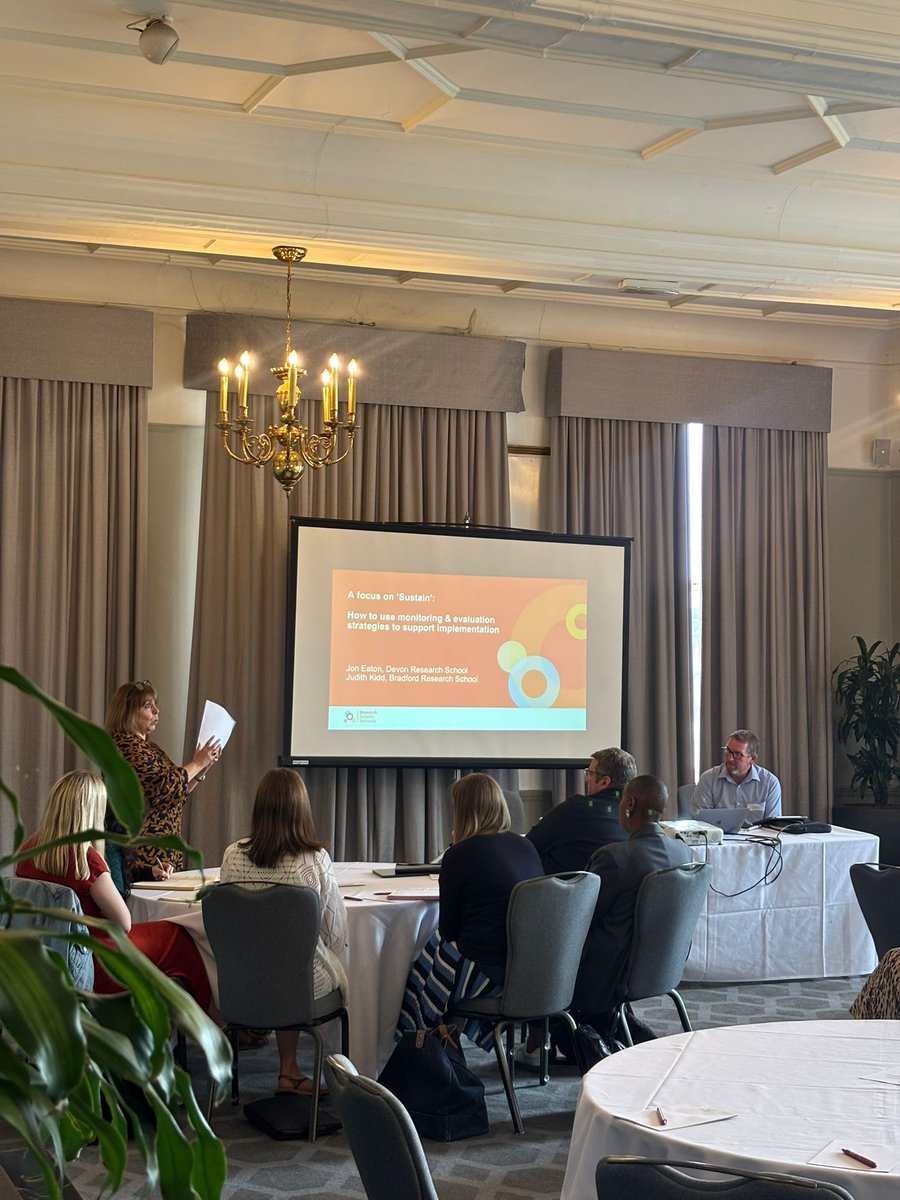
1/6 Jon Eaton, @KCCResearchSch & Judith Kidd, @BradResearchSch are guiding us through using monitoring & evaluation to support long-term change. A deep dive into ‘sustain’!
#ImplementationMatters
1
3
9
520

19 Jun 2025
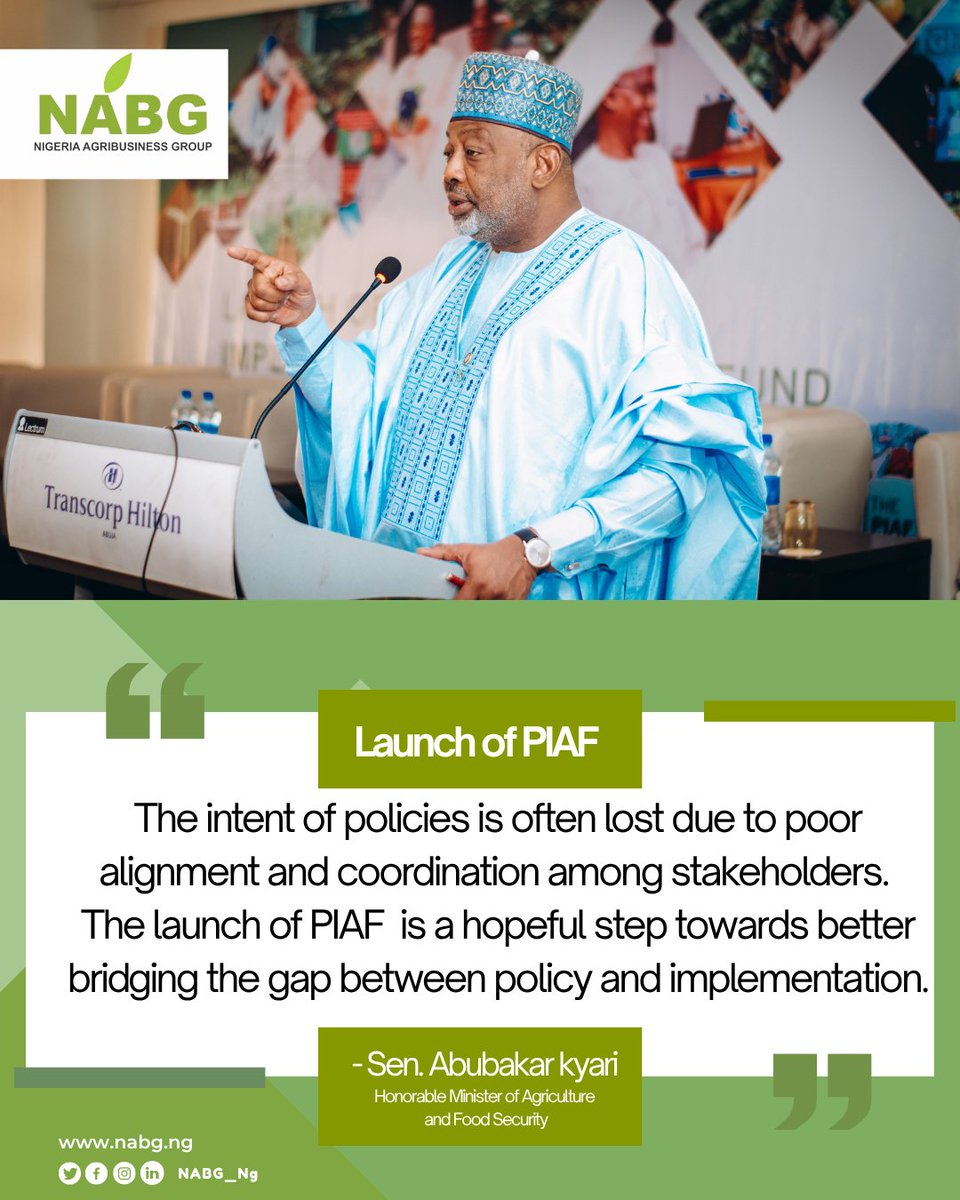
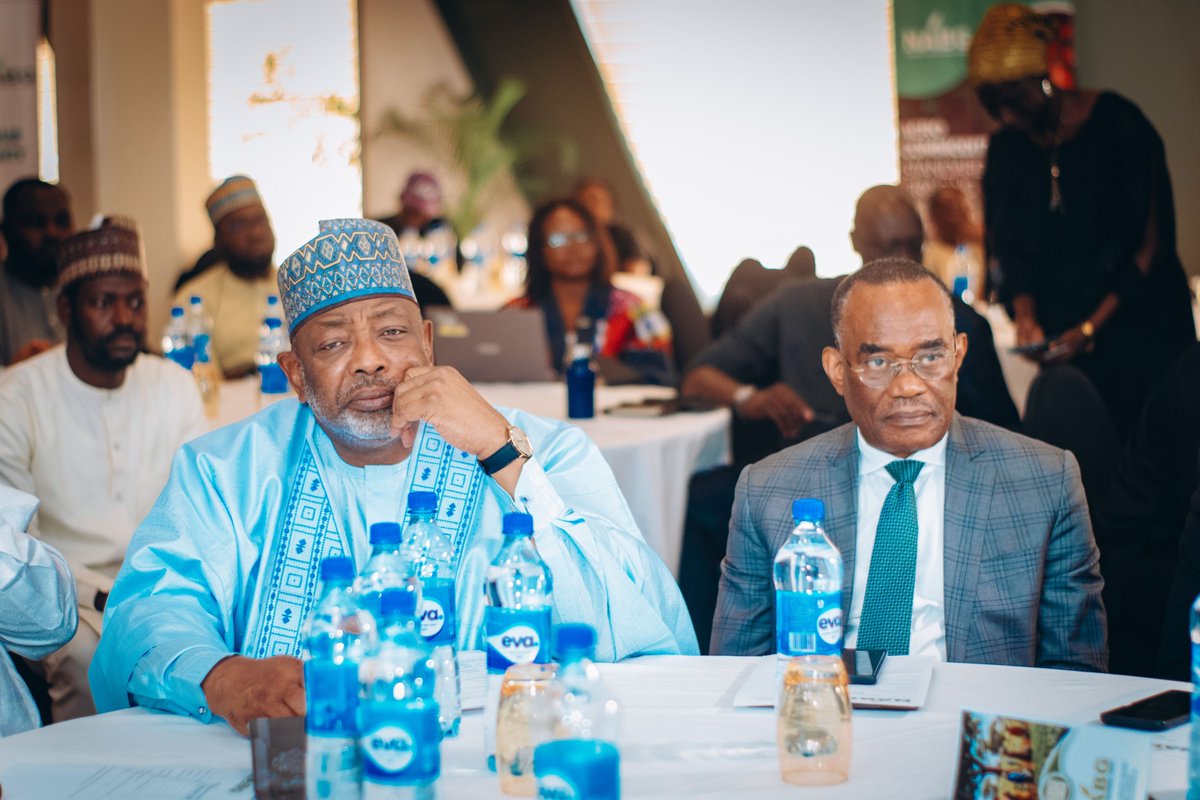
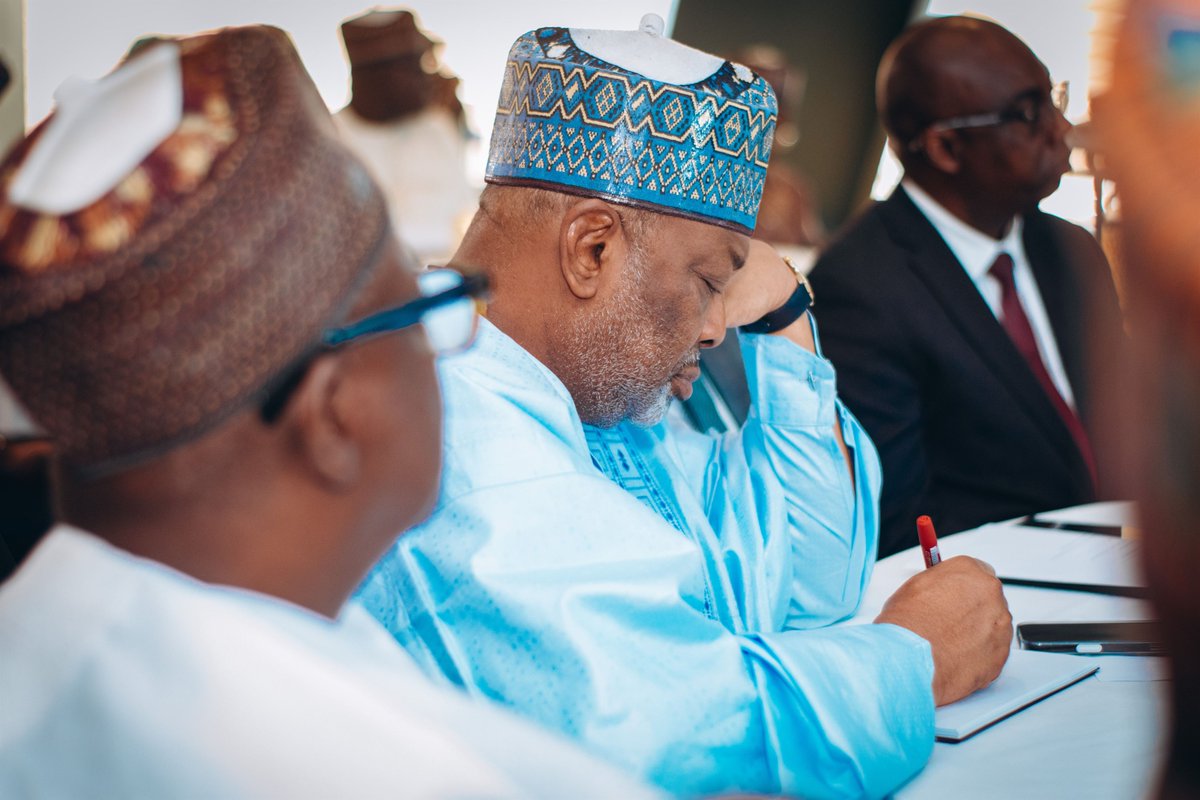
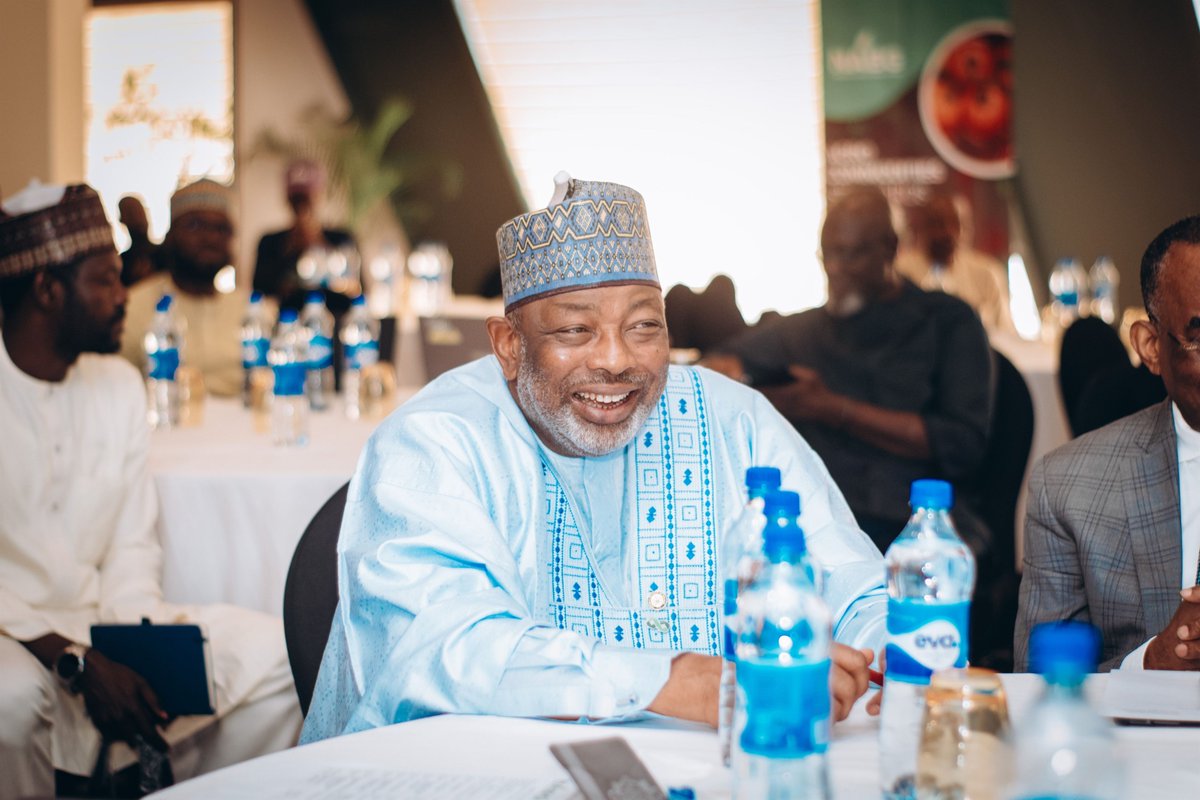
Hard truths from the Honourable Minister of Agriculture and Food Security , Senator Abubakar Kyari at the launch of the Policy Implementation Analysis Fund (PIAF), reminded us of the soul of agriculture:
🔹 Policy without coordination is noise.
🔹 Policy without funding is just paper.
🔹 Policy without people at the centre will fail.
At the launch of the Policy Implementation Analysis Fund (PIAF), Alhaji Abubakar Kyari reminded us what truly matters: alignment, investment, and people.
We must bridge the gap between intent and implementation — not with more documents, but with action, funding, and collaboration.
At NABG, we’re committed to ensuring that policies don’t just sound good — they work well.
#PIAFLaunch #FarmersFirst #PolicyToProgress #NABG #AgricultureIsPeople #AgriculturalTransformation #ImplementationMatters
3
8
872
18 Jun 2025
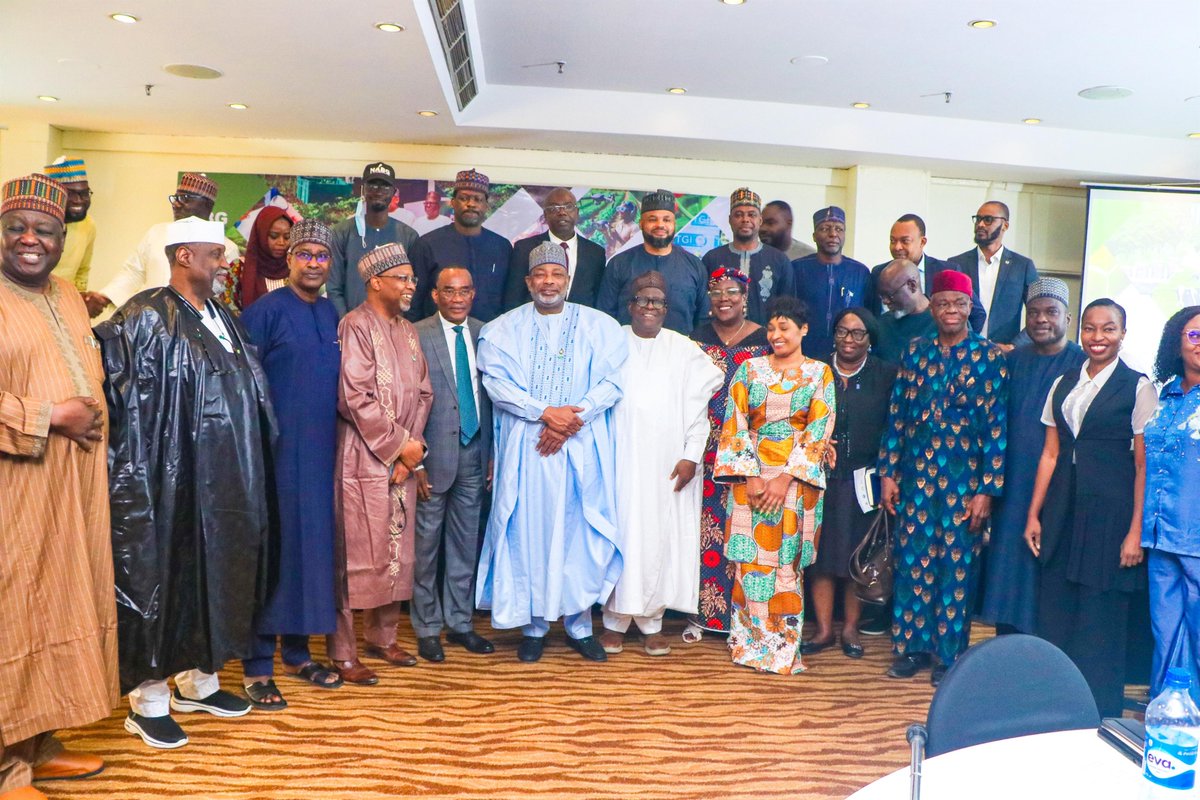
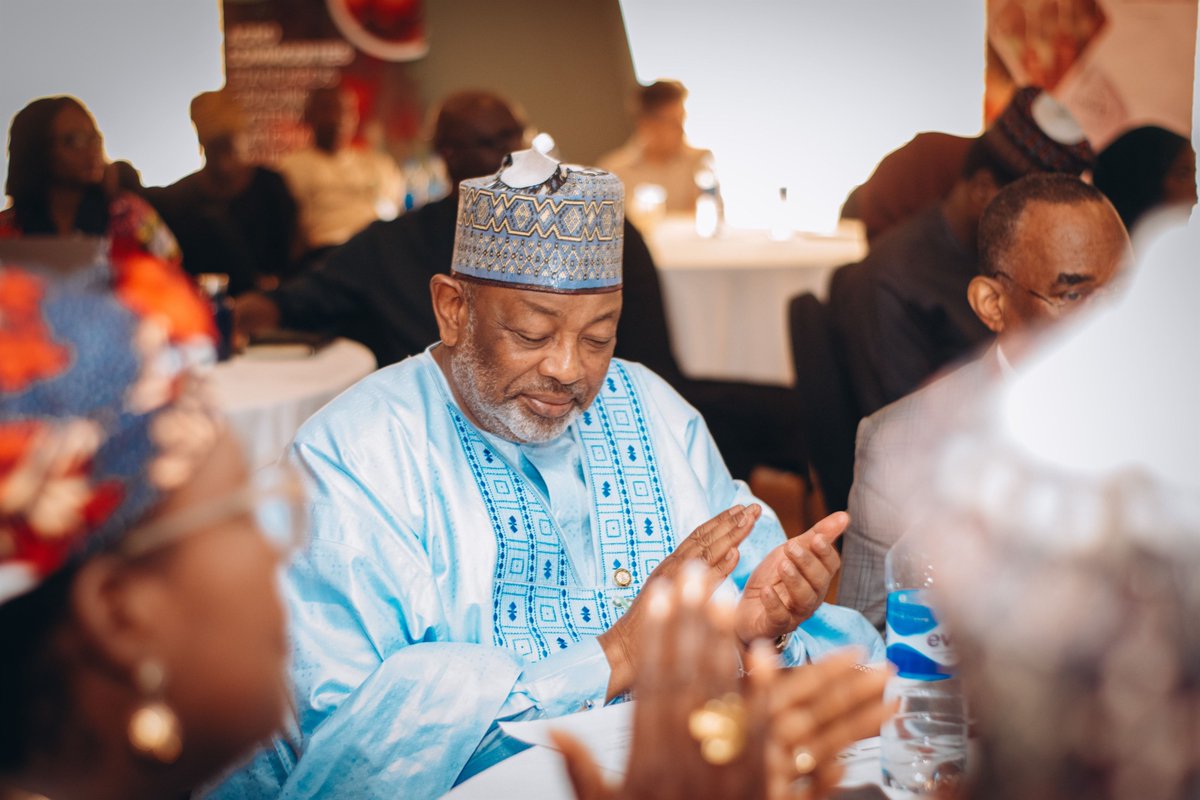
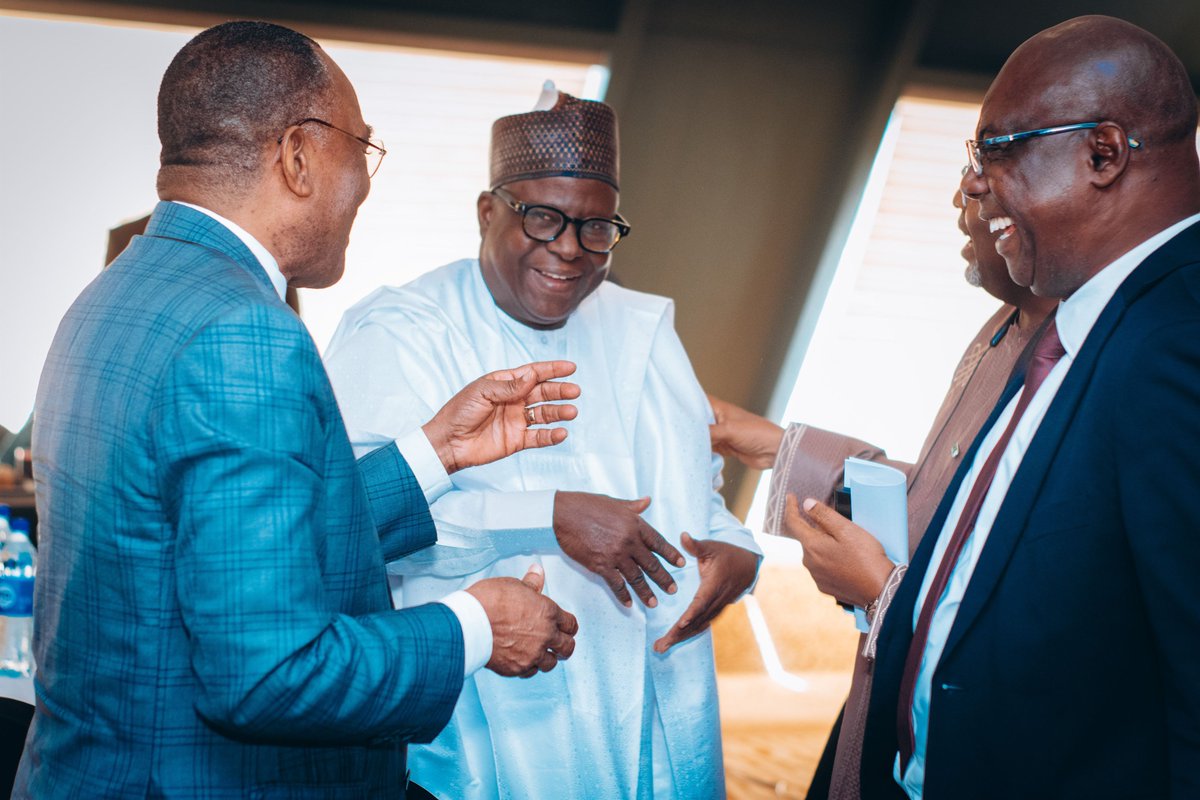
📸 Photos from the official launch of the Policy Implementation Analysis Fund (PIAF) — held today at the Transcorp Hilton, Abuja.
At NABG, we're committed to turning policy into real, measurable progress. PIAF is our bold move to ensure agricultural policies don’t just stay on paper — but deliver real impact on the ground.
Huge appreciation to our partners, stakeholders who showed up, pledged, and believed in this vision.
The work starts now. The momentum is real.
And with PIAF, we are turning policy into progress.
#PIAFLaunch #NABG #PolicyToProgress #NigeriaAgriculture #Agribusiness #EvidenceDriven #ImplementationMatters #FoodSecurity #PartnershipsForImpact
1
5
129
16 Jun 2025
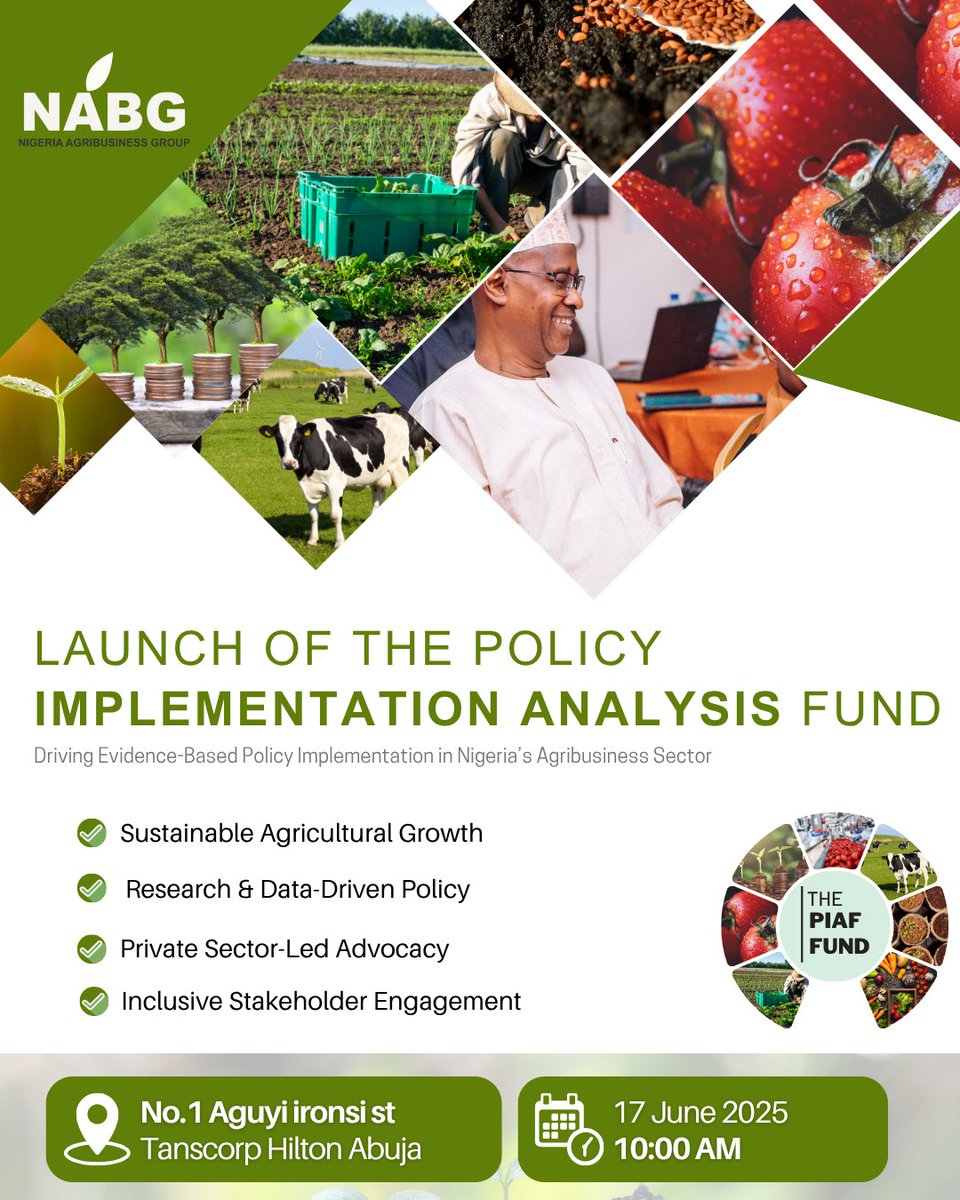
Too often, brilliant agricultural policies fall short at the implementation stage. The gap between paper and practice continues to cost Nigeria’s agribusiness sector opportunities, livelihoods, and sustainable growth.
This is why NABG has taken a bold step forward to officially launch the Policy Implementation Analysis Fund (PIAF) — a strategic mechanism designed to bridge Nigeria’s persistent policy-implementation gap through evidence-based research, data-driven advocacy, and sustained multi-stakeholder engagement.
PIAF is a collective commitment by agribusiness leaders, policymakers, development partners, and private sector champions to:
✅ Mobilize resources that support actionable policy research
✅ Build a robust knowledge-sharing platform for real-time policy tracking
✅ Strengthen advocacy that directly informs decision-making
✅ Drive policy reforms that reflect realities on the ground
✅ Ensure policies don’t just sound good — they deliver good
PIAF signals a new era where policy transforms into measurable progress.
As we say at NABG:
Good policy is not enough. Implemented policy is what transforms agriculture.
See you tomorrow as we make history together.
This event is strictly by invitation !
#PIAF #PolicyToProgress #NABG #Agriculture #ImplementationMatters
1
10
232

13 May 2025
This learning Tuesday, I'd like to touch on the importance of National Cancer Control Plans, and the importance.
Nigeria has a NCCP 2023–2027, which helps to chart a roadmap through prevention, early detection, treatment, palliative care, and research. Like many other countries, and despite having a full agency dedicated to cancer, we are not implementing - For many reasons, some of which are avoidable.
To address this and other issues, @uicc in collaboration with @WHO, @IARCWHO and @iaeaorg is hosting the first "Cancer Planners Forum".
"Planning is the first step, but action is the measure of progress"
#LearningTuesday #Drzsb #NCCP #CancerControl #Nigeria #UICCPlannerForum #ImplementationMatters #StrongerTogether
@Fmohnigeria @SenRemiTinubu @muhammadpate @NigeriaSenate
21
13
32
516

11 May 2025
It’s time for real reform—not just promises.
Action is Overdue
#ActionNotWords #JusticeNow #ImplementationMatters
2
4,258