
8
4
566

23 Dec 2025
SPECULATIVE CAMERA OBSCURA-LIKE EFFECTS
The idea that the Step Pyramid’s serdab functioned as a Camera Obscura stems from speculative interpretations by researchers and scholars. Their agreed-upon theory from what I can determine, suggests that the serdab’s design could have produced #opticalprojections, possibly for ritual or symbolic purposes.
Here’s how it might have worked and the supporting arguments:
Optical Mechanism
📹 The serdab’s two holes could act as pinholes, allowing light from the statue (illuminated by external sunlight) to pass through and project an #invertedimage onto a surface outside or within another chamber.
📹 Alternatively, light from the external environment (e.g., the sky or courtyard) could enter the holes, projecting an image of the outside onto the serdab’s interior walls, where the statue was placed.
📹 For a Camera Obscura effect, the serdab would need to be sufficiently dark, with the holes small enough to focus light. The serdab’s sealed, stone construction likely created a dark interior, and the holes’ size is consistent with optimal #pinholeoptics.
23 Dec 2025

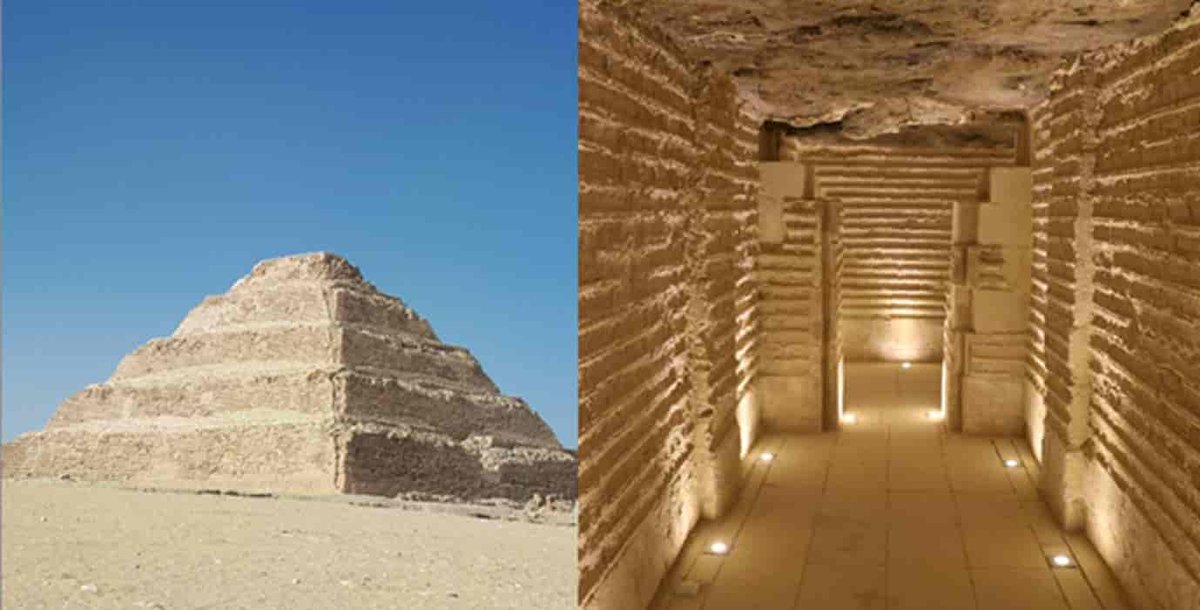
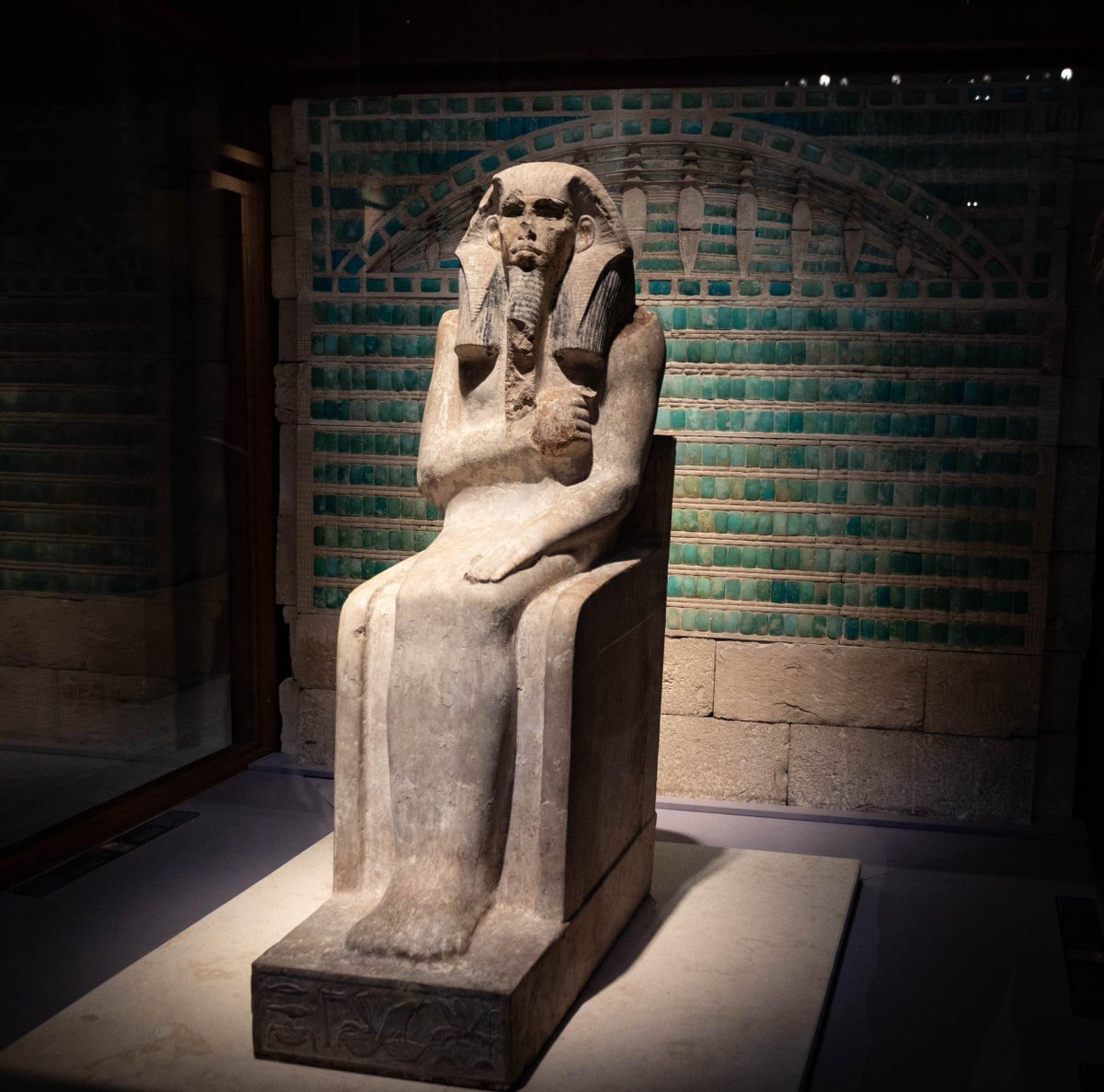
The #serdab (Arabic for cellar) is a small, sealed chamber located on the north side of the Step Pyramid, adjacent to the mortuary temple. It contained a life-sized statue of Djoser, likely representing his ka, which was believed to reside in the statue to receive offerings and maintain the pharaoh’s presence in the world of the living.
The serdab is notable for its two small holes, roughly 4-6 inches in diametre, drilled through its north-facing wall at eye level, aligned to allow the statue to gaze toward the northern stars, associated with immortality in #Egyptiancosmology.
These holes are central to the Camera Obscura hypothesis, as they resemble the pinhole or aperture needed for such an optical effect. This Camera Obscura allows the light to pass through a small hole into a darkened space, projecting an inverted image of the external scene onto an opposite surface.
In the serdab’s case, the holes could theoretically project an image of the statue or external environment, depending on the setup.
1
2
145

16 Nov 2023
2
43

10 Apr 2023
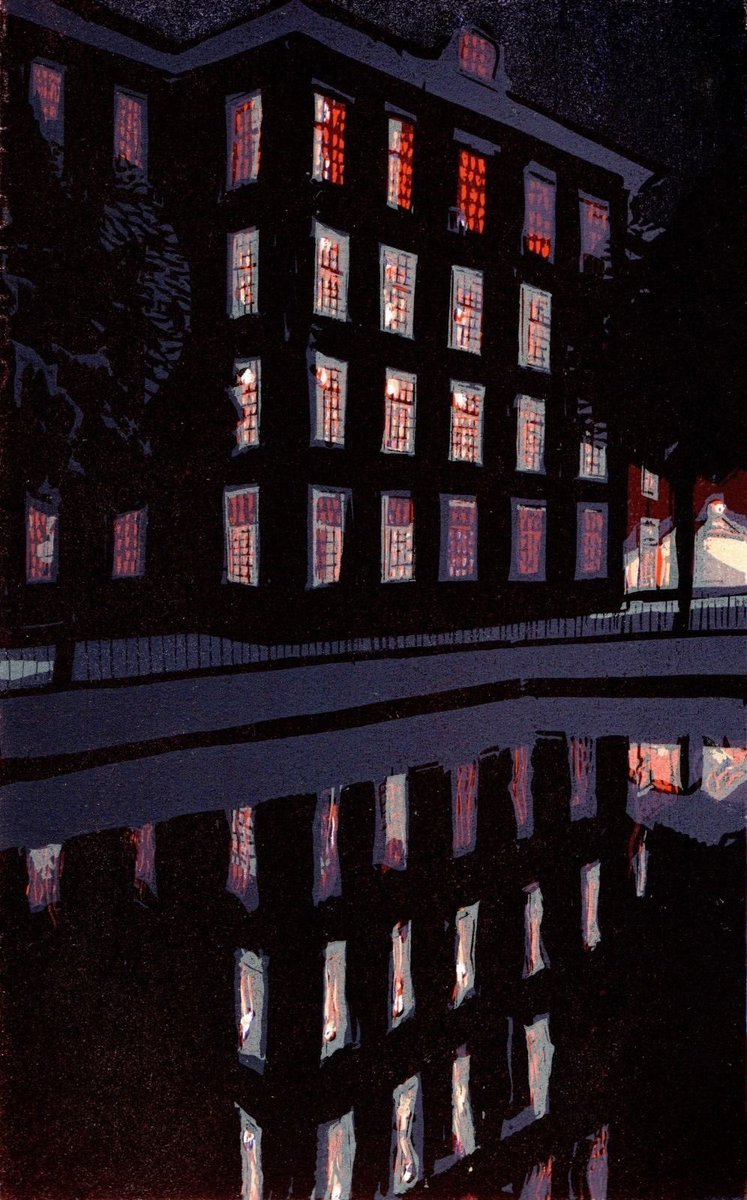
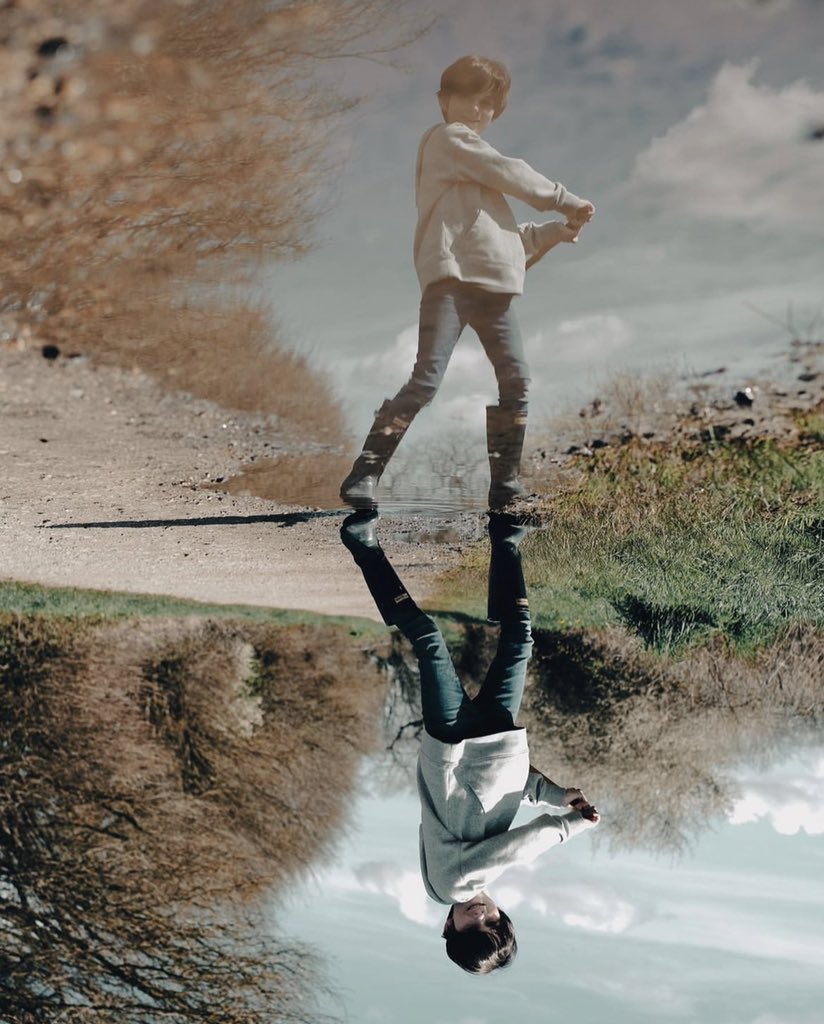
Inverted reflection image captured by Instagrammer snapp_dragon22
#sheclicksnet #femalephotographers #women #photography #femalephotographer #reflectionphotography #reflection #puddle #invertedimage
2
137




22 Jun 2020
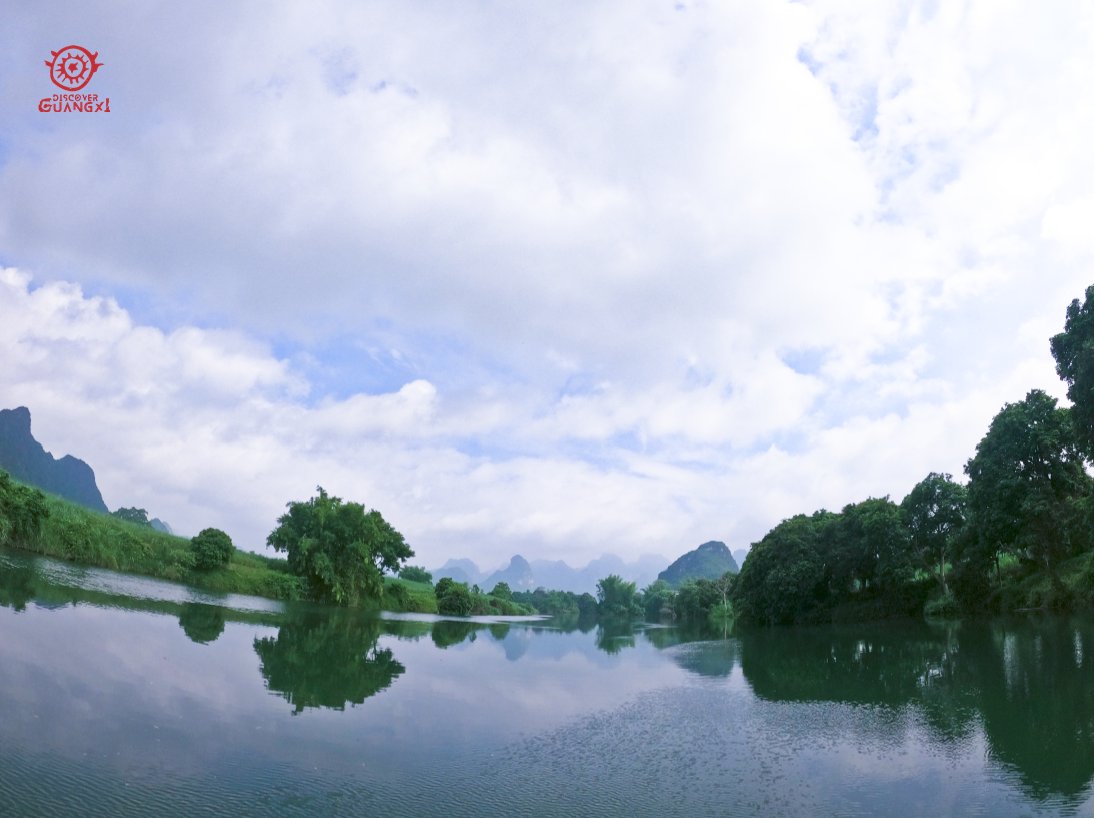
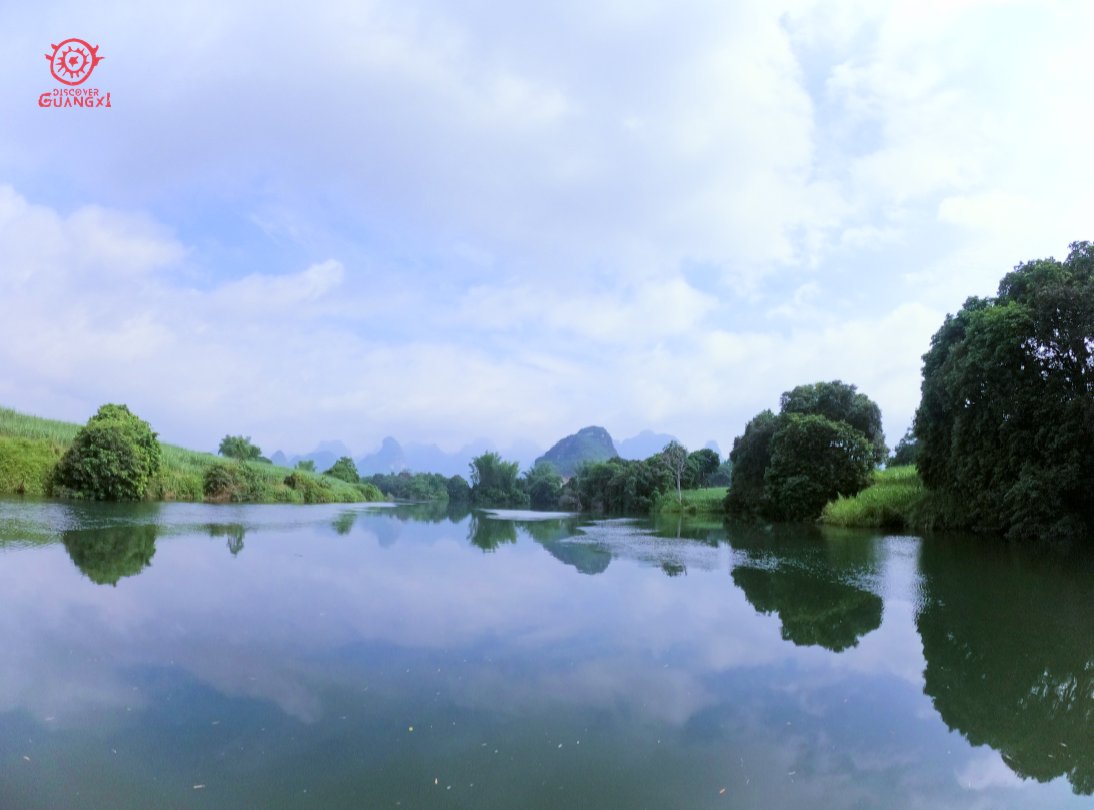
#InvertedImage – Enjoy the inverted images on the Black Water River in #Chongzuo, Guangxi which looks like ink and wash #painting. Are you curious about the “Black Water “here? It’s a marvelous beauty you should witness by your own eyes. #Guangxi #Landscape #China #Nature
2

12 Mar 2020
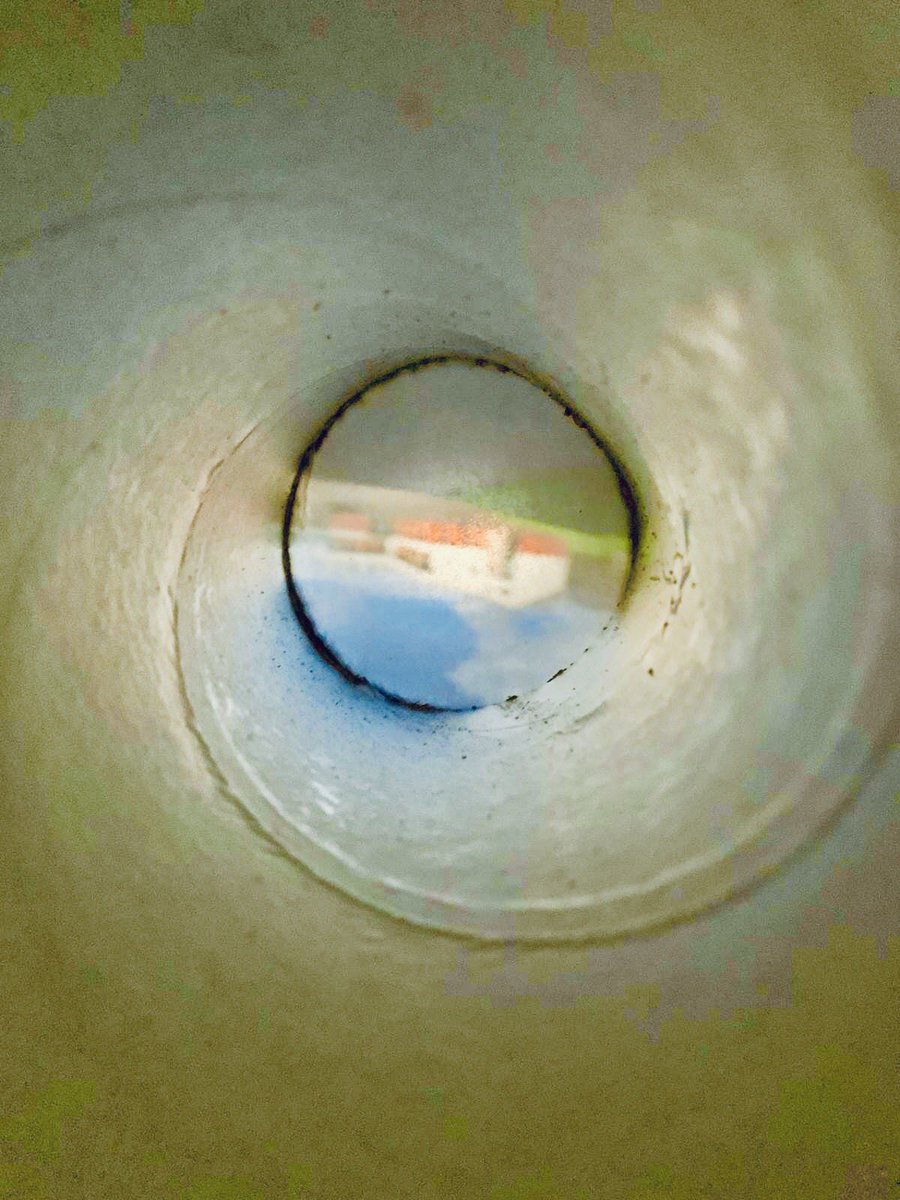
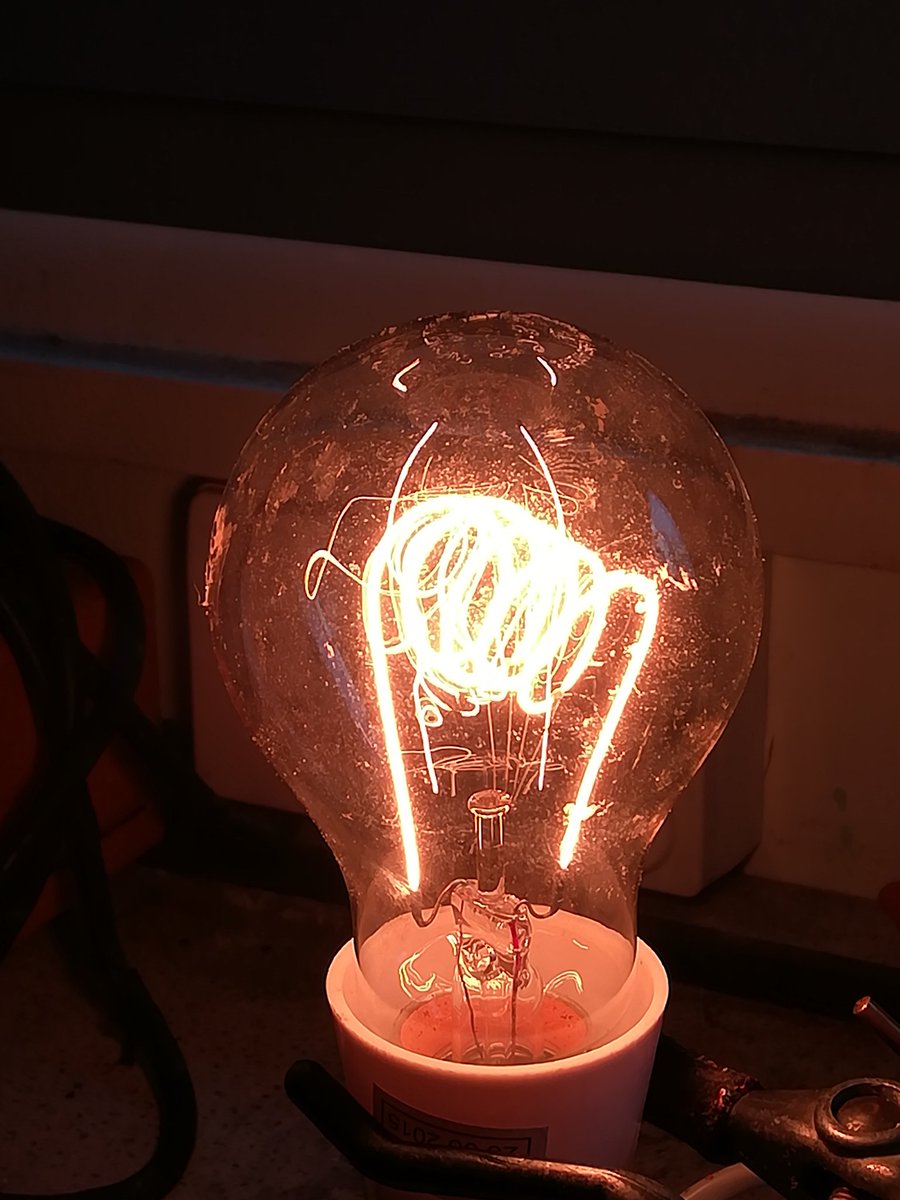
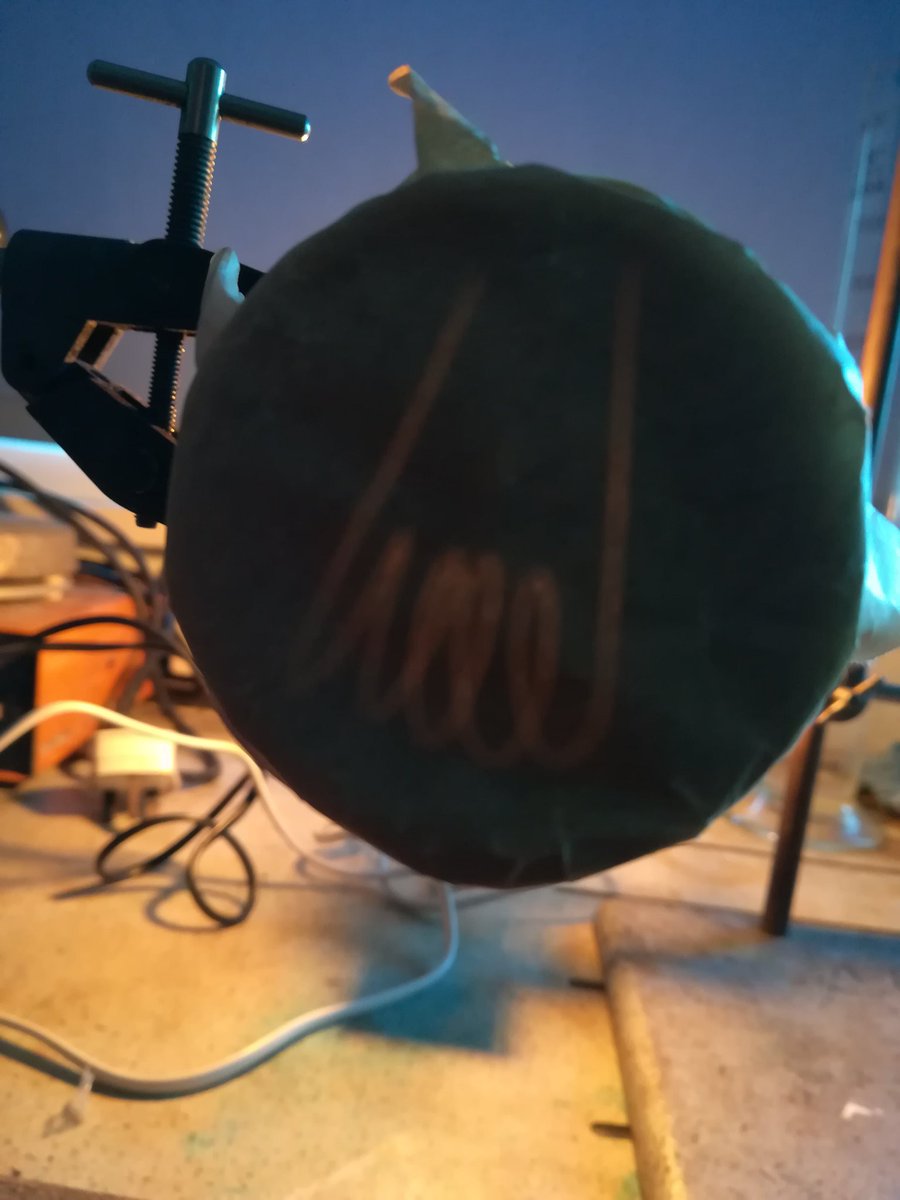
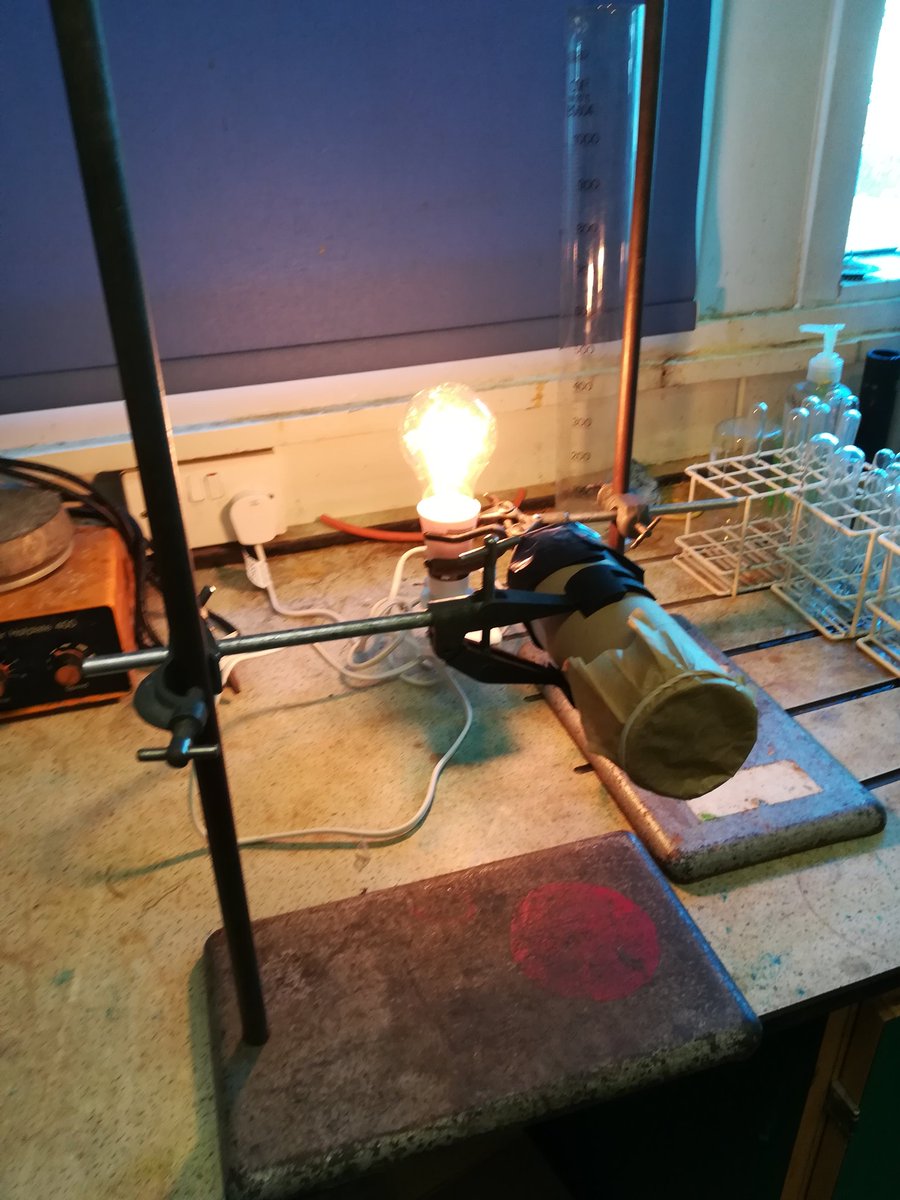
Camera Obscura Effect #FHESscienceweek2020 @teamFHES #invertedimage #opticalphenomenon #drhelenparnell 📸 🔭
1
5


22 Aug 2017
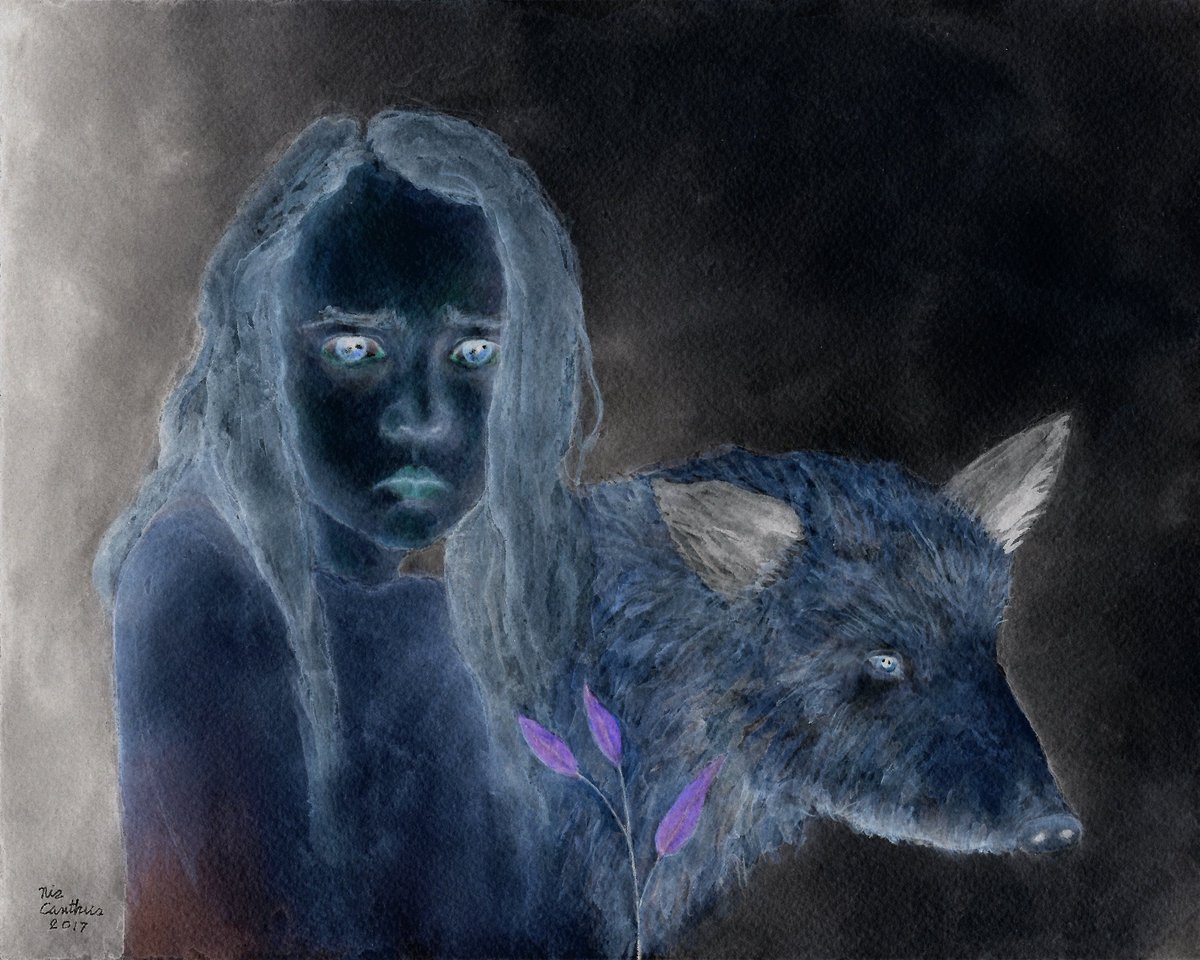
All That's Left, digitally inverted, watercolor on paper.
#watercolor #watercolorpainting #inverted #invertedimage #digtaledit #niscanthus
2

13 Dec 2016
3
15