
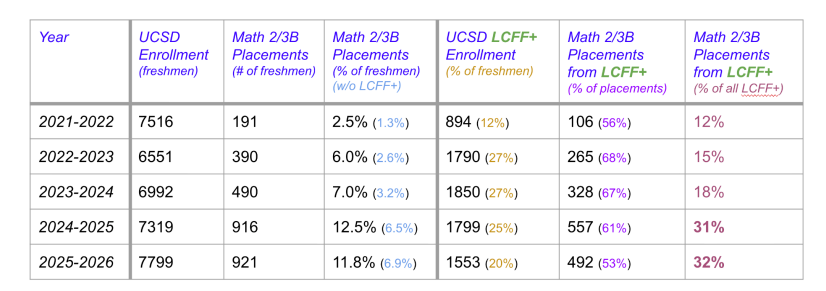
Did you read the UCSD report that addresses this? If the students from the LCFF schools are "impressive" it does not seem to show up in their math placement scores.
1
21

Jun 12
(2/2)
• Expands community schools: Expands the Community Schools Partnership Program with $1 billion ongoing, including partnerships with Promise Neighborhoods.
•Invests in career technical education: $300 million one-time for career technical education.”
Supports teacher recruitment and retention: $750 million for teacher recruitment and retention strategies.
•Supports paid pregnancy leave for educators: Funds and requires up to 14 weeks of paid pregnancy leave for educators through LCFF.
•Supports community colleges: Ensures more ongoing funding for community college enrollment growth through a fair share of Prop. 98.
•Protects UC and CSU: Protects funding for the University of California and California State University.
•Expands Cal Grant access:Increases the Cal Grant age limit to 30.
•Expands child care access: Adds 22,770 new child care slots, with a priority for children ages 0-3, and protects 6,800 existing slots from the Governor’s proposed reduction.
•Supports child care providers: Provides a 2 percent COLA for all child care programs.
•Protects preschool access: Maintains access growth for 3-year-olds to preschool.
Public Safety
•Responsibly implements Prop. 36: Provides around $375 million for Prop. 36 implementation, including court workload, substance use and mental health treatment, victims support, rehabilitation and pretrial services, in addition to last year’s $300 million investment.
•Supports victims of crime: $50 million for VOCA funding, up from $25 million in the May Revision.
•Protects communities from hate violence: $80 million ongoing for the Nonprofit Security Grant Program.
•Avoids unnecessary prison spending: Assumes an additional prison closure, generating $150 million in ongoing savings, and rejects costly corrections increases that are not needed to protect public safety.
•Supports MMIP grants: $15 million ongoing for Missing and Murdered Indigenous People grants.
•Supports CASA: $20 million for the CASA Program.
•Combats human trafficking: $10 million for human trafficking vertical prosecution grants and $10 million for victims programs.
•Funds the RIGHT Grant: $20 million for the RIGHT Grant.
Wildfires and Climate
•Funds CalFire through GGRF:AB 109 provides proposed GGRF funding to CalFire, while several other GGRF and Proposition 4 decisions remain in later negotiations. Several major climate and wildfire funding decisions are still moving through later negotiations, including GGRF and Proposition 4 bond appropriations. The budget agreement protects wildfire prevention funds that are continuously appropriated by statute.
Reserves
•Rainy Day Fund Reform:Advances a constitutional amendment that empowers voters to increase California’s ability to build reserves in good years, so the state is better prepared to protect schools, health care and safety-net programs when revenues decline.
•Main Rainy Day Fund: The 2026-27 legislative budget plan increases the state's reserves by more than $13 billion above the level for 2025-26, as included in last year’s budget act.
Responsible Revenue
•The Assembly and Senate plan assumes the Governor’s revenue proposals for a large corporation tax credit limitation, digital software sales tax changes, and extending and updating an existing tax on health care plans to preserve Medi-Cal funding in light of new federal requirements.
•The agreement enacts the Fair Share from Big Corporations Act to set the stage to hold big corporations accountable for taxpayer subsidies. Under the program, the administration will be required to present fully viable options to the Legislature for holding big corporations accountable for their employees’ health care costs by April 1, 2027. The options will be considered next year. Implementing any option will require subsequent legislation.
1
3
3
1,236
Jun 12
(2/2)
• Expands community schools: Expands the Community Schools Partnership Program with $1 billion ongoing, including partnerships with Promise Neighborhoods.
•Invests in career technical education: $300 million one-time for career technical education.”
Supports teacher recruitment and retention: $750 million for teacher recruitment and retention strategies.
•Supports paid pregnancy leave for educators: Funds and requires up to 14 weeks of paid pregnancy leave for educators through LCFF.
•Supports community colleges: Ensures more ongoing funding for community college enrollment growth through a fair share of Prop. 98.
•Protects UC and CSU: Protects funding for the University of California and California State University.
•Expands Cal Grant access:Increases the Cal Grant age limit to 30.
•Expands child care access: Adds 22,770 new child care slots, with a priority for children ages 0-3, and protects 6,800 existing slots from the Governor’s proposed reduction.
•Supports child care providers: Provides a 2 percent COLA for all child care programs.
•Protects preschool access: Maintains access growth for 3-year-olds to preschool.
Public Safety
•Responsibly implements Prop. 36: Provides around $375 million for Prop. 36 implementation, including court workload, substance use and mental health treatment, victims support, rehabilitation and pretrial services, in addition to last year’s $300 million investment.
•Supports victims of crime: $50 million for VOCA funding, up from $25 million in the May Revision.
•Protects communities from hate violence: $80 million ongoing for the Nonprofit Security Grant Program.
•Avoids unnecessary prison spending: Assumes an additional prison closure, generating $150 million in ongoing savings, and rejects costly corrections increases that are not needed to protect public safety.
•Supports MMIP grants: $15 million ongoing for Missing and Murdered Indigenous People grants.
•Supports CASA: $20 million for the CASA Program.
•Combats human trafficking: $10 million for human trafficking vertical prosecution grants and $10 million for victims programs.
•Funds the RIGHT Grant: $20 million for the RIGHT Grant.
Wildfires and Climate
•Funds CalFire through GGRF:AB 109 provides proposed GGRF funding to CalFire, while several other GGRF and Proposition 4 decisions remain in later negotiations. Several major climate and wildfire funding decisions are still moving through later negotiations, including GGRF and Proposition 4 bond appropriations. The budget agreement protects wildfire prevention funds that are continuously appropriated by statute.
Reserves
•Rainy Day Fund Reform:Advances a constitutional amendment that empowers voters to increase California’s ability to build reserves in good years, so the state is better prepared to protect schools, health care and safety-net programs when revenues decline.
•Main Rainy Day Fund: The 2026-27 legislative budget plan increases the state's reserves by more than $13 billion above the level for 2025-26, as included in last year’s budget act.
Responsible Revenue
•The Assembly and Senate plan assumes the Governor’s revenue proposals for a large corporation tax credit limitation, digital software sales tax changes, and extending and updating an existing tax on health care plans to preserve Medi-Cal funding in light of new federal requirements.
•The agreement enacts the Fair Share from Big Corporations Act to set the stage to hold big corporations accountable for taxpayer subsidies. Under the program, the administration will be required to present fully viable options to the Legislature for holding big corporations accountable for their employees’ health care costs by April 1, 2027. The options will be considered next year. Implementing any option will require subsequent legislation.”
—- END —-
1
2
649

The Center of Black Student Excellence is funded by the Long Beach Unified School District which is funded primarily by taxpayers. This includes local property taxes, California's Local Control Funding Formula (LCFF) allocations, state grants, and federal funds.
1
25

May 16
This is hilarious. Sac City Unified has been under a fiscal cloud for years & can't seem to pull itself out of the red.
This incompetent board keeps digging a deeper hole for itself.
Their problems aren't with Prop 98/LCFF allocations.
Their problems are with themselves.
May 16

Newsom’s not upholding Prop. 98, Sacramento City Unified says amid budget crisis sacbee.com/news/local/educat…
4
298

Odeio essas Foid fudidas roubando meu engajamento, vou fazer uma associação de caça a Foid, LCFF, Legião de Caça a Foid Fudidas
1
46

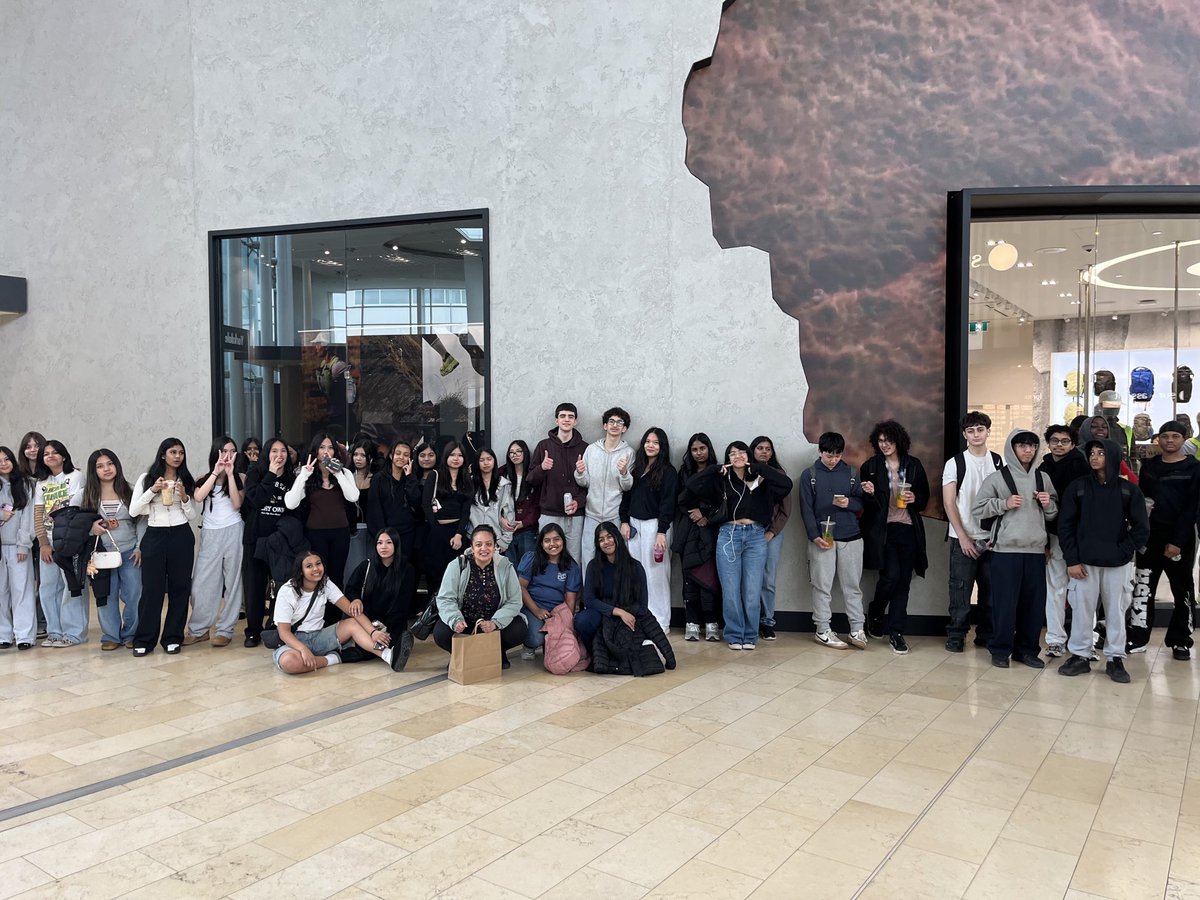
French students attended the lCFF student film festival for a screening of “Ru”


4
177

Apr 14
And drive more businesses out of CA. You are a ridiculous clown. LCFF gave more money to low performing schools and all they did was double down on failure. With zero accountability. Kick rocks.
4
37

Mar 25
I have less sympathy for the districts (Fremont was mentioned) with very few poor/EL/foster kids that get less supplemental funding under LCFF. They get less money, true, but their students just have fewer challenges. It's a reality.
2
23


Feb 12
Fair point. Government spending does count in GDP. So the denominator is somewhat inflated.
But GDP capture isn’t meant to show who’s funding schools. ~75% of CA school funding flows from the state via LCFF, not local tax revenue. I’m using GDP/capita as a proxy for local economic capacity, not a direct funding relationship.
It would help to separate political opinions from the data though. A lot of data is being cherry picked right now to support a political view.
SFUSD really isn’t that bad relative to similar cities in California. It’s more helpful to get accurate data and make a political case of how things should be spent and allocated from there.
4
2
546

Feb 3
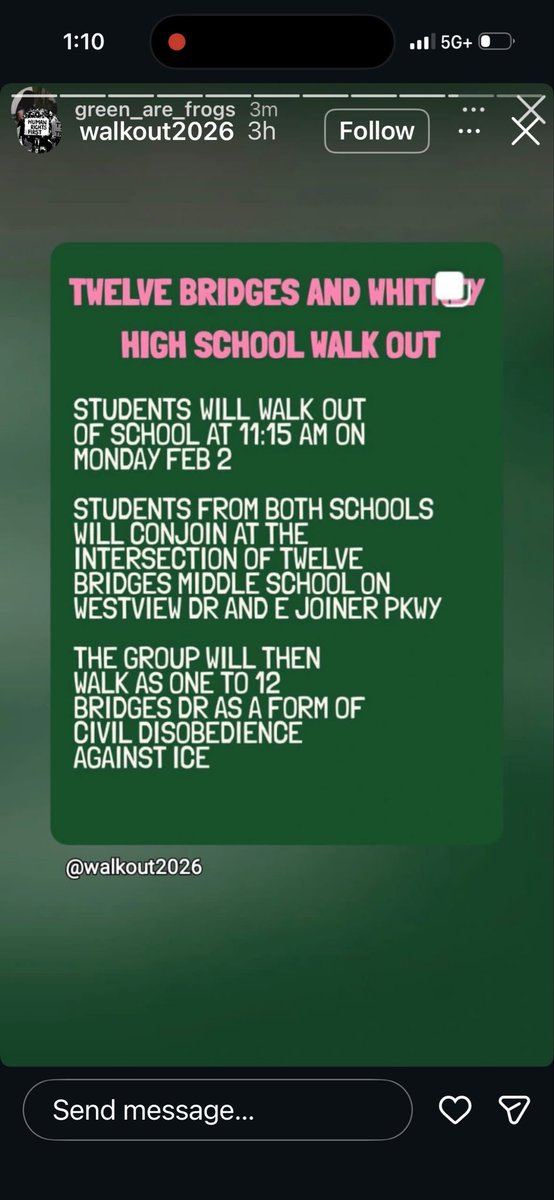
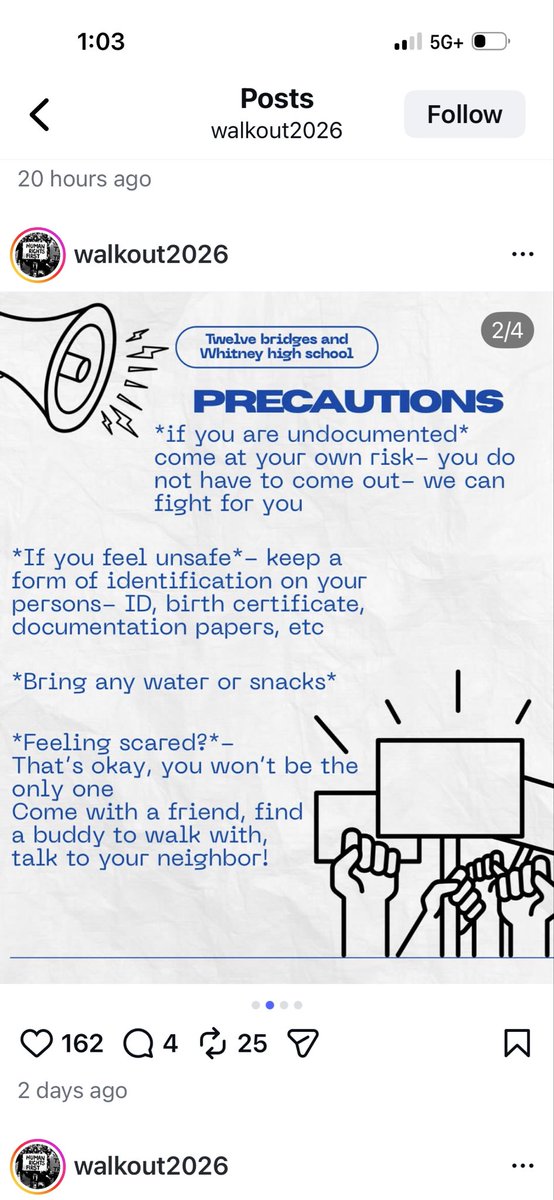
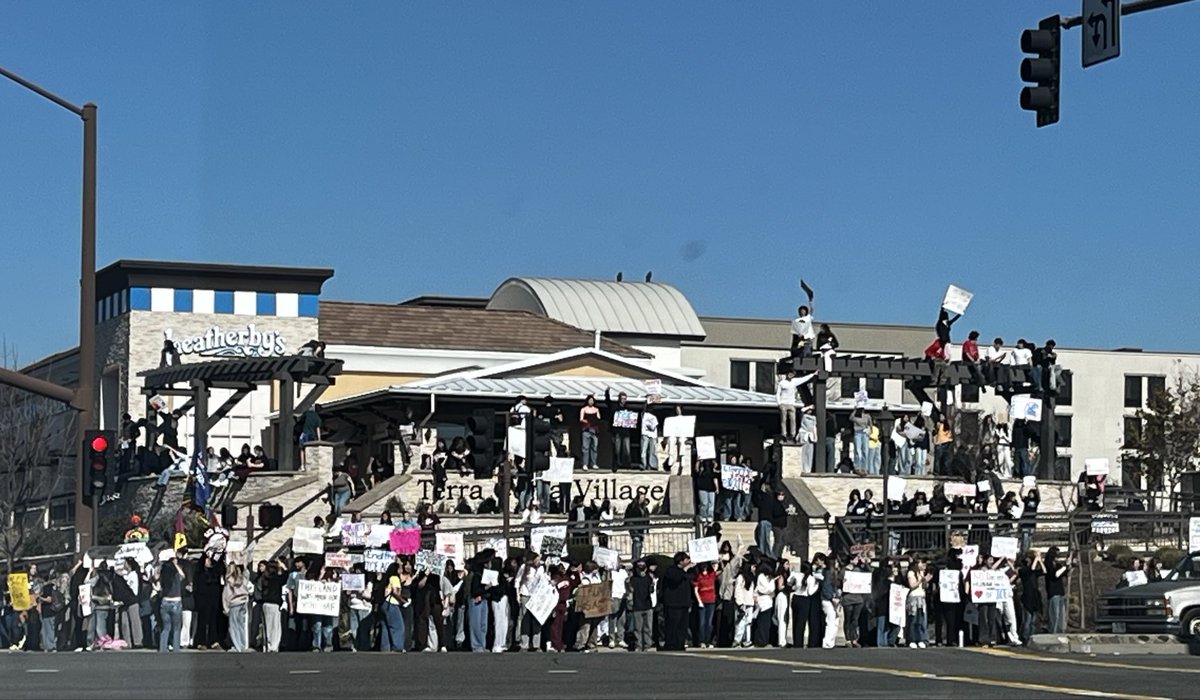
Urgent Update: Accountability Needed for Today's Student Walkout at Twelve Bridges High School (February 2, 2026)
A student at Twelve Bridges High School in Lincoln, CA, reports that the principal stated students could attend or observe the off-campus ICE protest—even if not actively protesting—as long as they returned by the end of lunch. This guidance, if accurate, allowed brief absences during school hours without full truancy penalties, potentially preserving state funding via partial Average Daily Attendance (ADA).
Parents, residents, local businesses, and taxpayers deserve answers and accountability—especially when minors are involved:
Student safety should come first. Off-campus marches in streets expose kids to traffic, potential confrontations, or other risks without full school supervision. Who ensured safe return and welfare checks?
There is an impact to taxpayers and of missed education. Even short walkouts disrupt learning and can reduce ADA funding (per California law and WPUSD policies). Tax dollars support instruction—why allow absences for unexcused political activity?
Why ADA matters in the big picture: California funds public schools primarily through the Local Control Funding Formula (LCFF), which allocates money based on Average Daily Attendance (ADA)—the average number of students present each day. Districts receive no state funding for absent students (excused or unexcused). WPUSD states: "Since July 1, 1998, school districts no longer receive funding from the State of California for students who are absent from school for any reason... If a child is absent for any reason, we lose revenue." (WPUSD Student Attendance page wpusd.org/departments/ad…). For example, a week's vacation absence costs the district about $270 per child in lost funding, even without reduced expenses. For 2025–26, base grants per ADA range from ~$10,411 (grades 4-6) to $12,746 (grades 9-12) after adjustments (CDE 2025–26 Funding Rates cde.ca.gov/fg/aa/pa/pa252…). Partial attendance can preserve ADA, but unexcused absences directly cut funding for salaries, programs, and resources—impacting every student and taxpayer.
Are parental rights being Ignored?According to the school, they were unaware if a notification went out to parents. Potentially leaving many parents without receiving direct notification about their child's involvement or the event's handling, despite district requirements (BP/E 5145.6 - Parental Notifications) for timely communication on absences/safety matters. (WPUSD District Policies overview; full policies via GAMUT portal: simbli.eboardsolutions.com/P……).
This type of activity can put immense pressure on minors/students. External encouragement to participate despite discomfort can create peer pressure or coercion. Schools must protect students from undue influence.
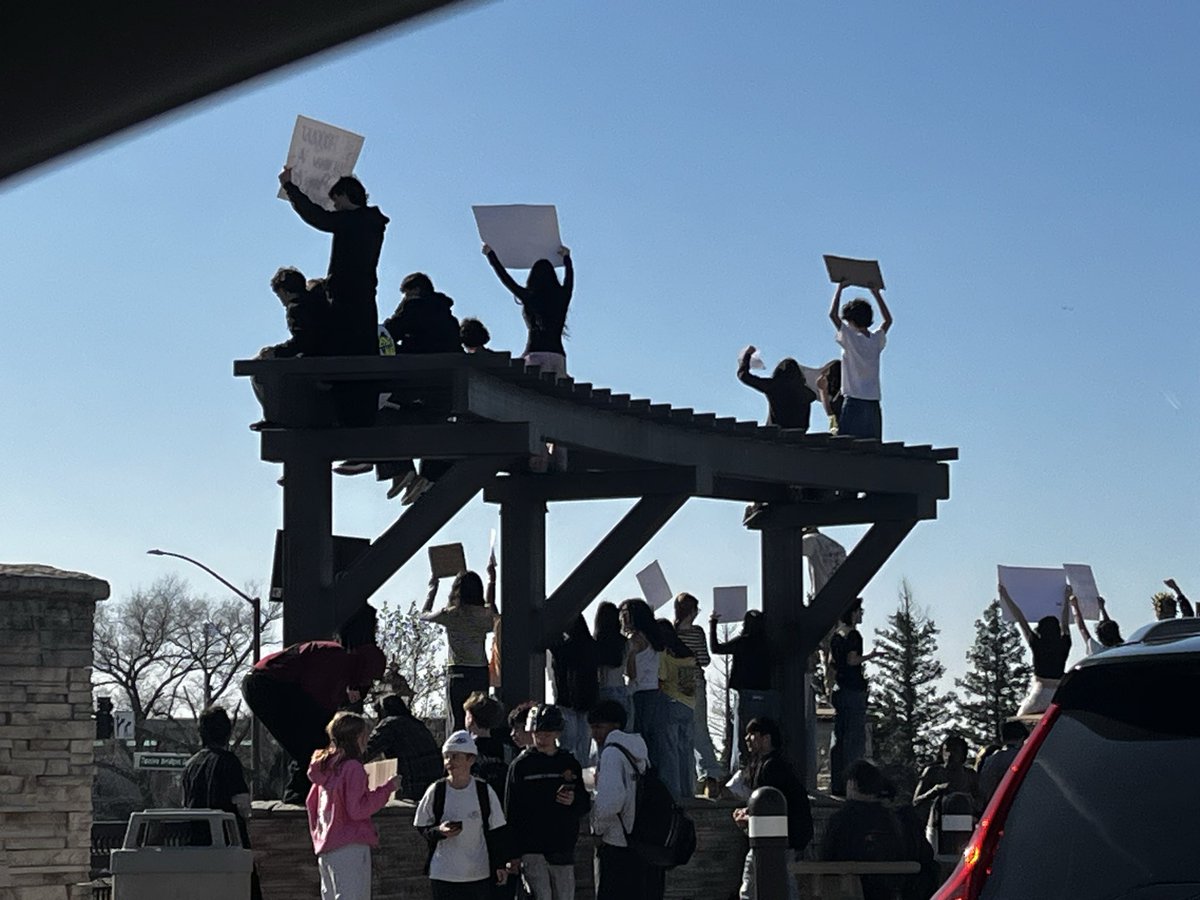
Protests such as the one today causes community & business disruption. Such as the case of the Lincoln Leatherbys business. Where students were seen sitting on and climbing structures on business premises. Street marches in Lincoln affect traffic, access to local businesses, and public order. Residents and shop owners deserve transparency on how school-endorsed absences contributed.
This isn't about silencing free speech—it's about responsibility. Schools have a duty to prioritize minor students' safety, education, and parental involvement over facilitating off-campus protests. The principal's reported statement and lack of clear follow-up demand explanation.
What you can do:
- Contact Twelve Bridges High School principal/attendance office for clarification on attendance coding, safety protocols, and notifications.
- Reach WPUSD (916-645-6350) or check PowerSchool for records.
- Demand board-level review of how political activism is handled during school hours.
Our kids' well-being and our tax-funded schools must come first. Transparency and accountability now—before this sets a dangerous precedent.
2
3
3
184

Jan 27
Antoinette Jensen’s case at Etiwanda School District is a textbook example of bureaucratic rot. She exposed abuse in CLOUDS classrooms—feces on walls, no hot water, TK students illegally placed in preschool—and was retaliated against with threats and leave. The district’s expansion of CLOUDS to 13 classrooms mixed 3-4 year olds with transitional kindergarteners, creating chaos while chasing state funds via unduplicated student grants (LCFF) and ELOP reimbursements.
David Oates claims “no funding changed,” but adding TK students to preschool programs violates California Ed Code §46120(b)(1), which bars using ELOP funds during school hours. The district’s “mixed delivery” model also sidestepped credential requirements, staffing classrooms with permit-only teachers instead of credentialed educators.
Retaliating against whistleblowers while exploiting funding loopholes? That’s not education—it’s a racket. Audit every dollar.
1
19
89
5,301

Jan 12
California's LCFF provides ~$1,900 more per pupil to Black students and ~$600 more to Latino students than to white students; Medi-Cal spending benefits non-whites disproportionately, with ~57% Latino, 12% Asian, 7% Black, and only ~19% white enrollees.
1
2
95

California’s school funding system (#LCFF) has doubled spending since its launch—but fiscal and academic challenges remain. In our new report, we simulate a variety of alternative models that could shift billions across districts.
Learn more: bit.ly/4rOIFLx
1
2
117
31 Dec 2025
Throwing more money at education without fixing the existing bloat is like fueling a broken engine—it just burns faster. The federal government already spends over $800 billion annually on K-12 and higher ed, yet NAEP scores stagnate while bureaucracies balloon. Look at Title I: 60 years and $20 trillion later, achievement gaps persist because funds get devoured by admin costs, union featherbedding, and non-instructional staff. California’s LCFF pumped $28B into high-need districts since 2013, but proficiency rates barely budged. Why? Districts hired consultants, not teachers.
Palmer’s 365-day school fantasy ignores the real issue: D.C. can’t even track where existing dollars go. The DoEd’s own 2024 audit found $6.3B in improper payments—imagine that waste scaled to “quadruple teachers.”
True reform starts with auditing every line item, slashing non-classroom spending, and empowering parents—not expanding the same system that failed a generation.
1
1
11
3,969

12 Dec 2025
While it’s true that property taxes form the base, attendance actually does impact funding, at least in California. The Local Control Funding Formula (LCFF) funds schools based on Average Daily Attendance (ADA), from Prop 98 back in the 80’s.
2
1
11

4 Dec 2025
On December 10, 2025, the OUSD board will discuss avoiding a state takeover that is certain if the board can't decide on how to close a $100 million structural (i.e., permanent annual) deficit.
In a previous meeting, under warning by the County Supt that OUSD risks another takeover, a majority of the board instructed finance people to develop a balanced budget but not to consider closing any schools.
When staff couldn't balance the budget under those conditions, the board told staff to come up with 3 new plans by December 10 without any preconditions.
This analysis in the Oakland Report confirms what OUSD's chief budget person previously told the board: there aren't enough total expenditures in the central office to cut that would come close to 100 million/year.
The Oakland Report goes further to say that OUSD's deficit is mostly caused by spending more at the local school level than similar CA urban schools with similar demographics and percentages of high-need students.
And much of that goes to salaries for principals, assistant principals, support staff, and services for low-income kids, homeless kids, foster children, non-English speaking kids, and disabled kids.
Considering that the City of Oakland has already planned a large parcel tax increase that probably will have to be increased again and Alameda County will need to raise taxes to subsidize BART, it doesn't look good for OUSD to expect voters to pay more taxes for OUSD also.
And this doesn't account for the increase in the Measure U bond issue taxes to pay for the higher interest rates because of the City of Oakland's worsen(ing) credit rating.
Or the very possible need to finance a large settlement in the K1 coal related bankruptcy case.
Excerpt:
"Classified personnel salaries — 150% of state average. Broadly, this category includes staff that do not have or need professional certificates for their roles. This encompasses administrators and supervisors, as well as clerical and office staff, athletic staff, and maintenance workers. Within the category, there are two major drivers of the higher-than average expenses:
Supervisor and administrator salaries — 592% of the state average, or $1,282 more per student.
Support salaries, which include media and library staff, as well as transportation, food service, operations and maintenance — 145% / $469 more per student.
Overall, this category accounts for $1,751 of above-average spending per student and approximately 22% of the difference between OUSD’s spending and the state average.
Instruction-related services — 202% of the state average. This category includes activities that support classroom instruction, but are not instruction itself. This includes: Principals and vice principals, Curriculum development,Teacher training, Library and media services.
Altogether, this category accounts for $2,607 higher-than-average spending per student and approximately 35% of the difference between OUSD’s spending and the state average."
"Oakland does not spend more than other districts on is central office expenses, or “general administration.” Cuts to the central office won’t address OUSD’s spending problem, and could lead to unintended consequences given some of the expenses that are classified as central, such as student computers."
"OUSD has a greater concentration of high-need students
Under California’s local control funding formula (LCFF), which is used to allocate funding to school districts across the state, OUSD has one of the greatest concentrations of high-need students in the state (82% as of 2023-2024). "
oaklandreport.org/p/oakland-…
5
6
18
981

2 Dec 2025
Well there you have it... more money gone to illegal immigrants.
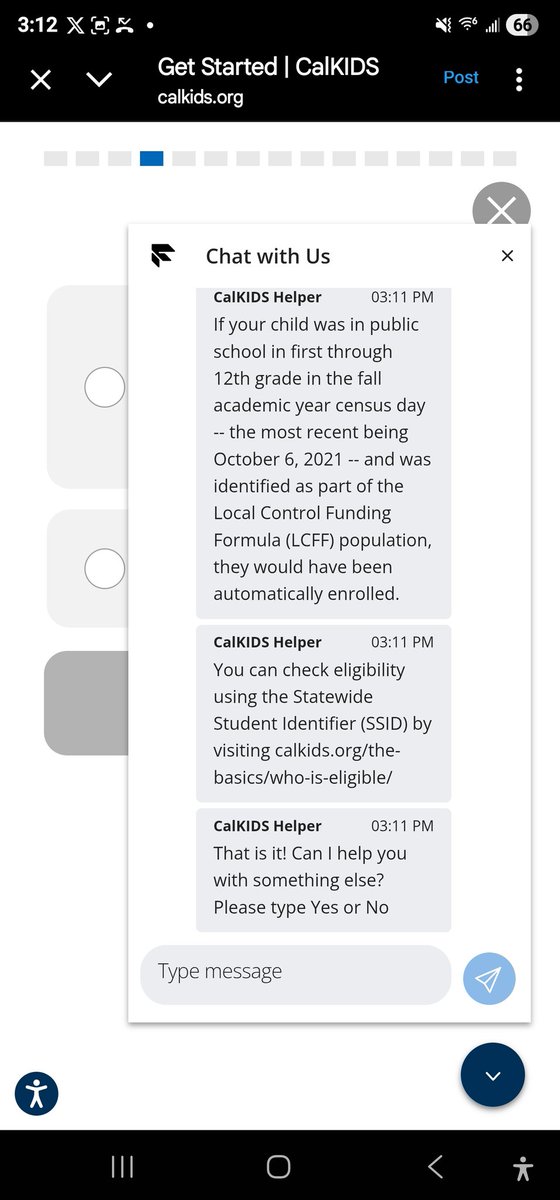
Can Undocumented Immigrants Get an SSID and Qualify for CalKIDS?Yes, undocumented immigrants (often referred to as "illegal immigrants" in your query) can obtain a California Statewide Student Identifier (SSID) and qualify for the CalKIDS program, as long as they meet the standard eligibility criteria for public school enrollment and participation in the Local Control Funding Formula (LCFF). I'll break this down step by step, based on official California education policies and program guidelines.1. What is the SSID, and Can Undocumented Students Get One?The SSID is a unique 10-digit number assigned to every student enrolled in California's public K-12 schools (including kindergartners through 12th graders). It's managed through the California Longitudinal Pupil Achievement Data System (CALPADS) by the California Department of Education (CDE).
Eligibility for SSID: It's automatically generated upon enrollment in a public school—no citizenship, immigration status, or Social Security number is required. Schools request it using basic student info like name, birthdate, and birth country (which can be any country, including those outside the U.S.).
For Undocumented Students: Yes, they qualify. A landmark U.S. Supreme Court ruling in Plyler v. Doe (1982) guarantees free public K-12 education to all children in California, regardless of immigration status. Undocumented students are routinely assigned SSIDs when they enroll, just like any other student. This is non-personally identifiable information protected under FERPA privacy laws, and schools cannot deny it or report students to immigration authorities based on status.
2. What is CalKIDS, and How Does SSID Tie In?CalKIDS (California Kids Investment and Development Savings Program) provides automatic savings accounts and scholarships (up to $1,500) for eligible public school students to help with future college or career training costs. It's administered by the ScholarShare Investment Board.
Core Eligibility: Based on the Fall Census Day (e.g., October 6, 2021, for the initial cohort in your screenshot), students must:Be enrolled in grades K-12 in a California public school.
Be identified as part of the LCFF population (which includes all enrolled students, with extra funding for low-income, English learners, foster youth, or homeless students).
Automatic enrollment happens via school data reported to the CDE, using the student's SSID. No separate application is needed for the base eligibility—it's tied directly to public school attendance.
3. Can Undocumented Students Qualify for CalKIDS?Yes, they can qualify for the same reasons as the SSID: Eligibility hinges on public school enrollment and LCFF status, not immigration or citizenship. Undocumented students who attend public schools are fully included in LCFF funding and census counts, making them eligible for automatic CalKIDS enrollment.
Additional Notes:California explicitly extends many state-funded benefits to undocumented residents, including education and child development programs (e.g., similar to Medi-Cal expansions for kids or the California Dream Act for college aid).
No official CalKIDS guidelines mention excluding non-citizens; the focus is on school data via SSID.
To check or claim: Use the student's SSID on the CalKIDS , as mentioned in your chat screenshot. If the student was enrolled on census day and flagged under LCFF, they're in.
4. Potential Limitations or Next StepsNo Barriers Found: There's no evidence of immigration status checks for CalKIDS. However, using the funds later (e.g., for college) might involve federal aid rules, but the initial savings deposit is state-funded and unrestricted by status.
This aligns with California's inclusive education policies. If you have the student's SSID or more details, I can help guide you further!
2
1
7
835

1 Dec 2025
Any new Proposition 98 dollars will likely be used to replace one-time funds used in the Enacted Budget to support ongoing Local Control Funding Formula (LCFF) costs.
@CAgovernor
1 Dec 2025

Governor,
Declining enrollment and attendance continue to erode revenue, while the expiration of one-time pandemic relief funds and modest cost-of-living adjustments create mounting fiscal pressure as Local Educational Agencies (LEAs) navigating the 2025-26 planning cycle.
3
425