
Jun 11
Highlighting one of our incredible partners, who help people experience the beauty of fun & adventure safely and responsibly.
#adventureinsured #OutdoorRecreation #RiskManagement #LossControl #ATVRentals #rentalinsurance #InsuranceAgents #rentalsdoneright #vquip
1

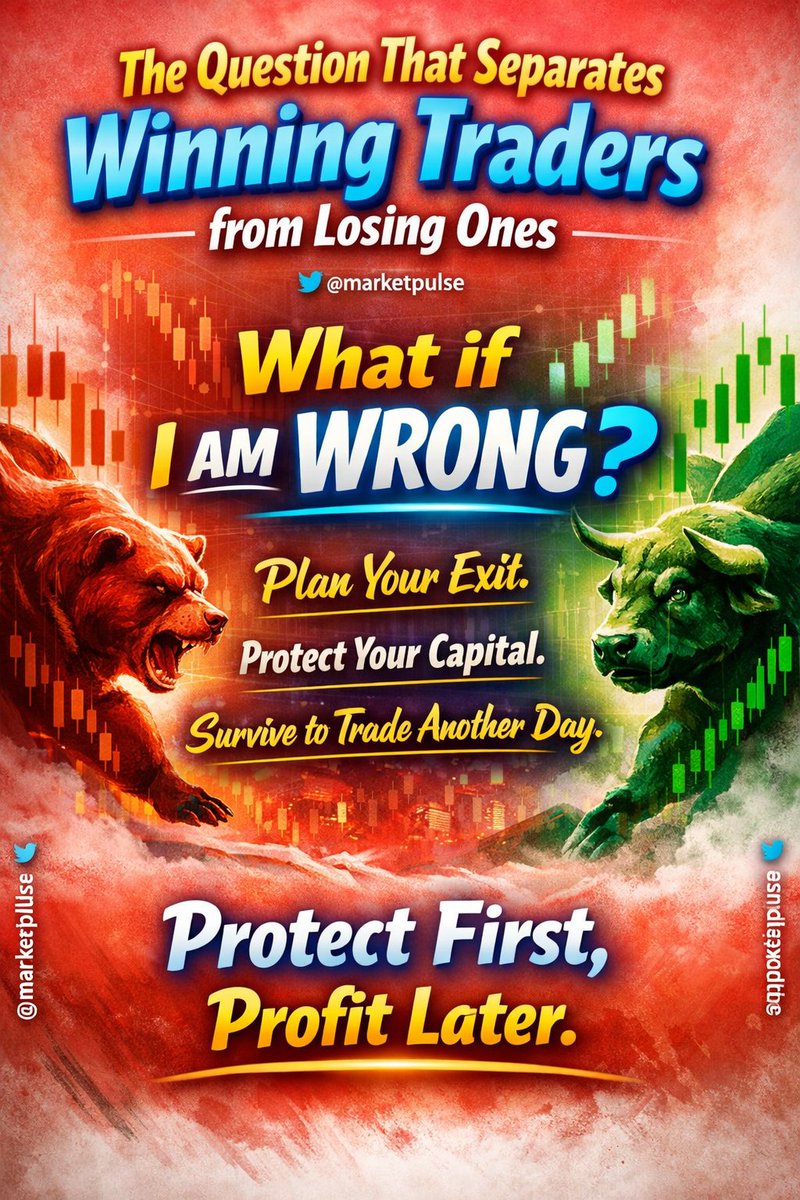
Ⓜ️🅿️📖The Question That Separates Winning Traders from Losing Ones
🌄A Shift in Mindset That Changes Everything
Most traders enter the market asking one question: “How much can I make from this trade?” It’s natural—profit is the goal. But this thinking often leads to impulsive decisions, overconfidence, and unnecessary risk.
Winning traders think differently. Instead of focusing on gains, they ask: “What if I am wrong?” This simple shift can be the difference between consistent growth and repeated losses.
Why the Wrong Question Costs You Money
When your focus is only on profit, risk gets ignored. You may enter trades too quickly, overlook warning signs, or hold onto losing positions longer than you should. The excitement of potential gains clouds judgment and weakens discipline.
Losses are not optional in trading—they are guaranteed. The market rewards preparation and discipline, not emotion or hope. Without a plan for losses, a few bad trades can erase weeks of progress.
The Power of Asking “What If I Am Wrong?”
This question forces you to think clearly and act with structure. Before entering any trade, a disciplined trader knows:
Where they will enter
Where they will take profit
And most importantly, where they will exit if the trade fails
That last point is critical.
When you define your exit beforehand, you remove hesitation. You stop reacting emotionally and start executing a plan. This prevents small losses from turning into major ones.
Define Your Exit Before You Enter
Asking, “If this goes against me, at what point am I out?” can save you thousands over time.
Every trade carries risk. Controlled risk is manageable. Uncontrolled risk is destructive.
By setting a clear exit point:
You limit losses
You protect your capital
You stay mentally stable
Without this, traders fall into the trap of waiting and hoping. They hold losing trades, expecting a reversal. Sometimes it happens—but often it doesn’t, and the losses grow bigger than necessary.
Discipline Over Accuracy
Success in trading is not about being right all the time—it’s about being disciplined.
Even experienced traders are wrong often. The difference is, they keep losses small and move on quickly. They don’t chase perfection—they follow a process.
This mindset creates consistency. Instead of fearing losses, you learn to manage them.
Make It Non-Negotiable
Risk management should be automatic, not optional.
Before every trade, ask:
“If this goes against me, where do I exit?”
Do not trade without an answer.
Over time, this becomes a habit. It reduces emotional mistakes and brings structure to your decisions. You’ll feel more in control and less reactive.
Conclusion: Protect First, Profit Later
Trading isn’t just about making money—it’s about keeping it. Opportunities will always come, but lost capital is hard to recover.
“How much can I make?” focuses on opportunity.
“What if I am wrong?” focuses on survival.
And in trading, survival comes first.
Make it a rule. Make it a habit. Make it non-negotiable.
x.com/@Marketpulse247
Hashtags-
#trading #stockmarket #investing #finance #money #wealth #financialfreedom #trader #daytrader #tradingpsychology #riskmanagement #tradingmindset #discipline #successmindset #investor #stocktrading #forex #forextrader #crypto #cryptotrading #bitcoin #marketanalysis #technicalanalysis #priceaction #tradingtips #stockmarketindia #nifty #banknifty #wealthbuilding #passiveincome #moneymindset #growyourmoney #business #entrepreneur #success #motivation #mindset #learning #selfgrowth #consistency #financialeducation #moneytips #investingtips #tradinglife #profit #losscontrol #capitalprotection #smarttrading #tradingskills #marketmindset
3
4
138
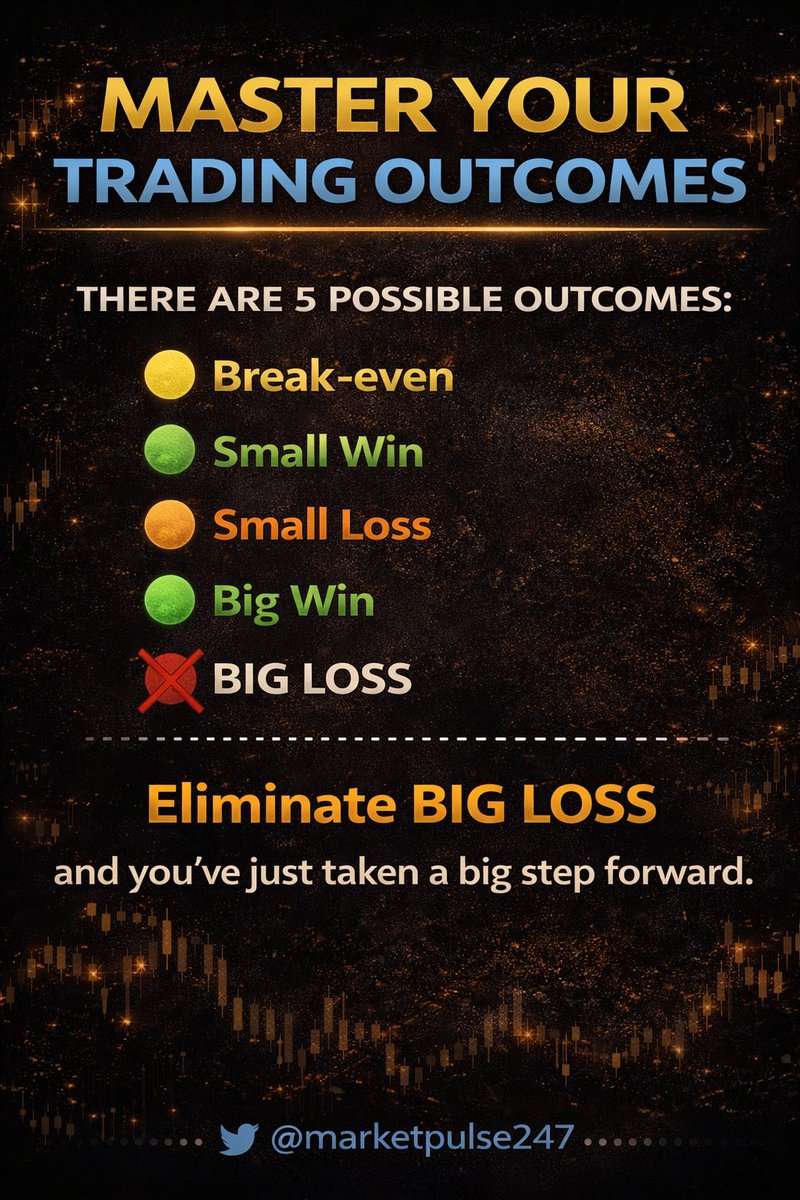
MASTER YOUR TRADING OUTCOMES – CONTROL RISK, CONTROL SUCCESS
In trading, success is not about winning every trade — it’s about managing outcomes smartly. Every trade you take will fall into one of a few categories. The real difference between profitable traders and losing traders is how they handle these outcomes.
Let’s break this powerful concept in a simple point-to-point format so your viewers can easily understand and apply it.
🎯 THE 5 POSSIBLE OUTCOMES IN TRADING
Every trader, whether beginner or professional, faces these outcomes:
🟡 1. Break-even (No Profit, No Loss)
This is when your trade closes without profit or loss.
It usually happens when you move your stop-loss to entry.
Many traders ignore it, but it’s actually a smart defensive move.
👉 Pro Tip: Break-even protects your capital during uncertain market conditions.
🟢 2. Small Win
A trade where you make a modest profit.
These wins may seem small, but they build consistency.
Multiple small wins can create steady account growth.
👉 Pro Tip: Don’t underestimate small profits — consistency beats big risks.
🟠 3. Small Loss
Every trader faces losses — it’s part of the game.
A small loss is controlled and planned (1–2% risk).
It helps you stay in the game without damaging your capital.
👉 Pro Tip: Accept small losses quickly — they are the cost of trading.
🟢 4. Big Win
This is where real money is made.
Big wins come from strong setups and patience.
One big win can cover multiple small losses.
👉 Pro Tip: Let your profits run — don’t exit too early.
🔴 5. Big Loss (The Real Enemy)
This is the most dangerous outcome.
Happens due to no stop-loss, overconfidence, or emotional trading.
One big loss can wipe out weeks or months of profits.
👉 Pro Tip: Big loss is not bad luck — it’s poor risk management.
⚠️ THE GAME-CHANGING RULE: ELIMINATE BIG LOSS
You don’t need to win every trade to be profitable.
You just need to avoid big losses.
If you remove big losses:
Small wins Big wins = Profit
Small losses = manageable
👉 Simple Formula:
Controlled Loss Letting Winners Run = Long-Term Profitability
🧠 WHY MOST TRADERS FAIL
They chase big profits without managing risk
They hold losing trades hoping for recovery
They ignore stop-loss rules
They trade emotionally instead of logically
👉 Reality: Trading is not about prediction — it’s about risk control.
📊 SMART TRADER MINDSET
Focus on process, not outcome
Accept losses as part of the journey
Stick to your trading plan
Maintain discipline in every trade
👉 Remember: Professional traders think in probabilities, not emotions.
🔥 POWERFUL STRATEGY FOR CONSISTENCY
Risk only 1–2% per trade
Use proper risk-reward ratio (1:2 or higher)
Trail your profits in winning trades
Never increase position size after a loss
👉 Goal: Stay in the market long enough to win consistently.
✅ CONCLUSION: REMOVE BIG LOSSES, UNLOCK CONSISTENT PROFITS
Trading success is not about how much you win — it’s about how well you control your losses. When you eliminate big losses, you automatically create a system where small losses are manageable and big wins dominate your results. This simple shift in mindset can completely transform your trading journey. Stay disciplined, respect risk, and focus on long-term consistency — that’s how real traders succeed in the market.
x.com/@marketpulse247
#TradingPsychology #RiskManagement #TradingMindset #SmartTrading #TraderLife #StockMarketIndia #IntradayTrading #PriceAction #ForexTrading #OptionsTrading #Nifty50 #BankNifty #TradingStrategy #StockMarketTips #LearnTrading #TradingEducation #TechnicalAnalysis #DayTrading #SwingTrading #Scalping #MarketAnalysis #FinancialFreedom #WealthCreation #MoneyManagement #DisciplineTrading #LossControl #ProfitStrategy #ConsistentProfits #TradingSuccess #RetailTrader #ProTrader #StockMarketLearning #InvestSmart #TradingCommunity #BullishMindset #BearishMarket #StopLossStrategy #RiskReward #CapitalProtection #TradeSmart #MarketDiscipline #TradingJourney #SuccessInTrading #FocusOnProcess #MarketPulse #IndianStockMarket #GrowthMindset #marketpulse247
3
5
39

Trading me sabse bada advantage hota hai jab aap apni losses ko small rakhte ho.
Join: t.me/jackpottrades1
#LossControl #RiskManagement #Trading #Market #Discipline #Trader
5
55
Jo trader apne losses ko accept karta hai wo unhe control karta hai aur grow karta hai.
Join: t.me/jackpottrades1
#LossControl #Growth #Trading #Market #Discipline #Success
5
37

Jan 23
Day 22 – 🧠📈The ONE Rule That Separates Winners from Losers
In every trade, only four outcomes are possible 👇
1️⃣ Big Win
2️⃣ Small Win
3️⃣ Small Loss
4️⃣ Big Loss
You cannot control which trade becomes a big win 🎯
You cannot avoid losses completely ❌
But there is one thing 100% in your control ⬇️
👉 Avoid the BIG LOSS 🚫📉
Successful traders are not the ones who win every trade 🏆
They are the ones who never let a single trade destroy:
•💰 Capital
•🧠 Confidence
•🔁 Consistency
If you consistently:
✅ Cut losses quickly
✅ Respect stop-loss levels
✅ Accept small losses without ego
✅ Protect your trading capital
Then even multiple small losses won’t hurt you 🛡️
But one big loss can wipe out months or years of discipline ⏳💥
This is why trading psychology > trading strategy.
Train your mind to:
🧘 Accept being wrong
⚡ Act instantly when risk limits are hit
🎲 Think in probabilities, not predictions
🔁 Repeat disciplined behavior daily
Master loss control, and profits will follow naturally. 📈
Once this becomes your habit,
long-term success becomes inevitable 🔑
#TradingPsychology #Day22 #RiskManagement #LossControl #TraderMindset #ProcessOverOutcome
1
1
294

24 Dec 2025
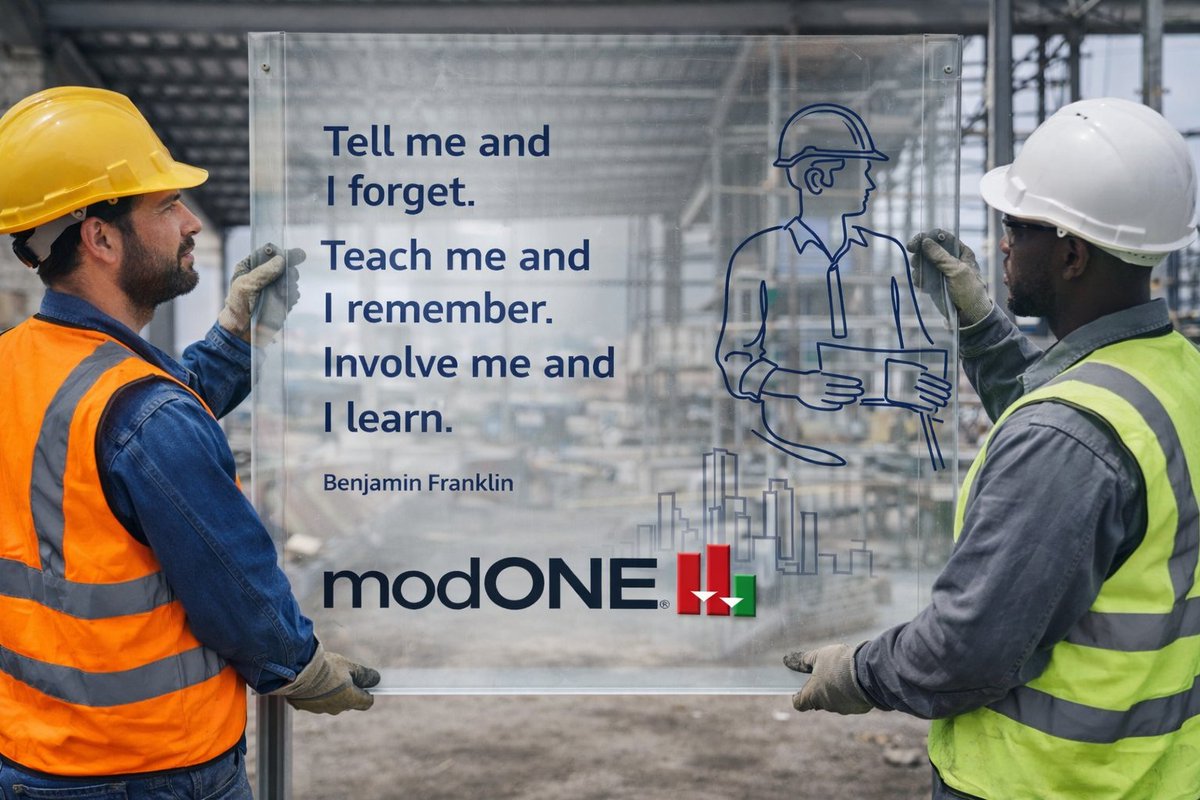
“Tell me and I forget.
Teach me and I remember.
Involve me and I learn.”
— Benjamin Franklin
This quote captures one of the most misunderstood truths in workplace safety.
Most safety programs are still built around telling and teaching:
manuals, meetings, videos, and annual training. But learning — the kind that actually changes behavior — only happens through involvement.
That means:
• Engaging workers where the work actually happens
• Reinforcing safety in small, frequent moments
• Measuring participation and comprehension in real time
Safety culture isn’t built by checking boxes. It’s built by involving people consistently enough that safe behavior becomes the norm.
That’s when outcomes change — fewer injuries, lower claims, stronger culture.
Link: getmodone.com/
#modONE #Safety #WorkplaceSafety #SafetyCulture #SafetyLeadership #RiskManagement #WorkersComp #ConstructionSafety #ManufacturingSafety #WarehouseSafety #FleetSafety #Insurance #Underwriting #Brokers #LossControl #SafetyTraining #BehavioralSafety #EmployeeEngagement #OperationalExcellence #Innovation #AI #Startups #Leadership #Culture
1
4
19

14 Nov 2025
Lose control and let the rhythm take over.
#arkadiuszvanborn #losscontrol #futurehouse #danceedm #basshouse #futurebass #newmusic #edm2025 #officialmusicvideo #electronicmusic #vocalhouse #edm #dancemusic #festivalmusic #clubmusic #newtrack
youtube.com/watch?v=Z7TDcH9_…
3
55

21 Aug 2025
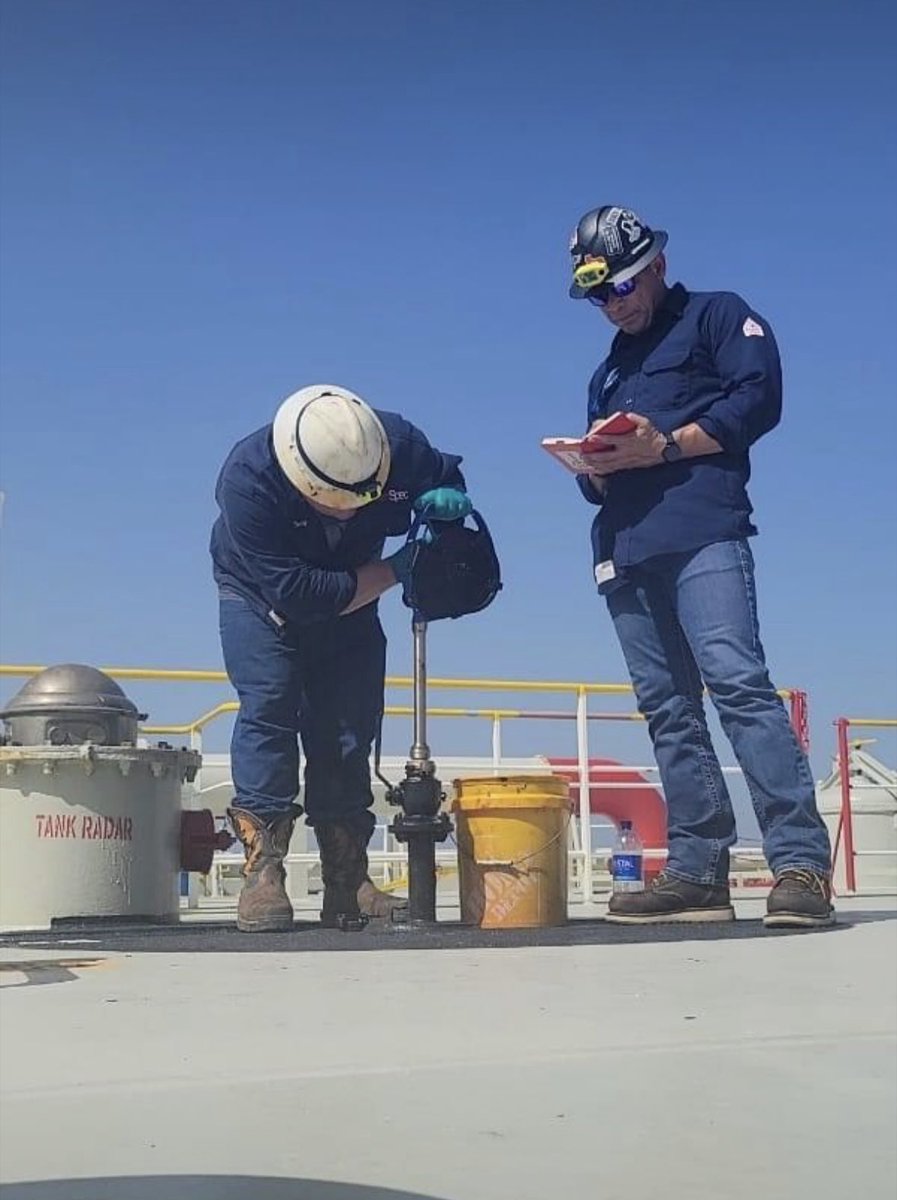
With Trust & Reliability in Focus.
Precision you can trust. At Aquipet Inspection, we ensure every detail is thoroughly checked and reported for your peace of mind.
#InspectionService #Quality #Quantity #lossControl
1
4
29

18 Jun 2025
💥 చిన్న నష్టాలు సహజం… కానీ పెద్ద నష్టాలు? అవి మన మొత్తం క్యాపిటల్ని మింగేస్తాయి!
ఈ వీడియోలో మీరు తెలుసుకోబోయే కీలక విషయాలు:
🔹 నష్టాన్ని తొందరగా నియంత్రించాల్సిన అవసరం
🔹 క్యాపిటల్ కాపాడుకుంటేనే ట్రేడింగ్లో నిలబడగలం
🔹 మనసు, మన డబ్బు – రెండూ సేఫ్గా ఉంచే స్ట్రాటజీ!
🎯 ట్రేడింగ్లో విజయం కేవలం లాభాలపై ఆధారపడి ఉండదు…
నష్టాలను ఎలా హ్యాండిల్ చేస్తామో కూడా అంతే ముఖ్యం!
ఈ విషయాలు మీకు ఉపయోగపడతాయని అనిపిస్తే… మీ ఫ్రెండ్స్కి షేర్ చేయండి
👉 మరిన్ని నిజమైన ట్రేడింగ్ ఎక్స్పీరియన్స్లు కోసం → @Fin_Viraj ఫాలో అవ్వండి!
#TradingMindset
#LossControl
#CapitalProtection
#TradingDiscipline
#TeluguTraders
#StockMarketTelugu
#FinViraj
#TradingWisdom
#BeginnerTrader
#RiskManagement
#TradingTipsIndia
#TraderPsychology
#TradingJourney
#LearnTrading
#IntradayTips
#SwingTrading
#StockMarketIndia
#TraderMotivation
#TradingMistakes
#FearlessTrading
1
2
8
77
10 May 2025
Every detail is inspected.
Every industry standard is met.
Everything is reported.
That’s our promise.
#Aquipet #CertifiedInspectors #SafetyFirst #InspectionSolutions ✅🔩🛠️ #QualityControl #QuantityControl #LossControl

1
5
69
10 May 2025
Don’t guess—
inspect before you invest!
We provide detailed reports you can count on.
#InspectionMatters #Aquipet #LossControl #DueDiligence #QualityControl 📋🔎🏗️
1
4
33
1 Mar 2025
Our loss control team attending a vessel in Curacao! #QualityControl #QuantityControl #LossControl #AquipetLossControl

7
58

Acoustic version of “Loss Control” by me and my Son Caleb ♨️❤️🔥❤️🔥
This is the title track from my new album out now on vinyl and streaming on all digital platforms.
#LossControl #Buttons #Fades & #Memoirs
#GelRoc #ParisZax #DStyles
#AbolanoRecords
youtu.be/-ZKjl8ZtkUw?si=eMOE…
1
3
86
19 Jan 2025
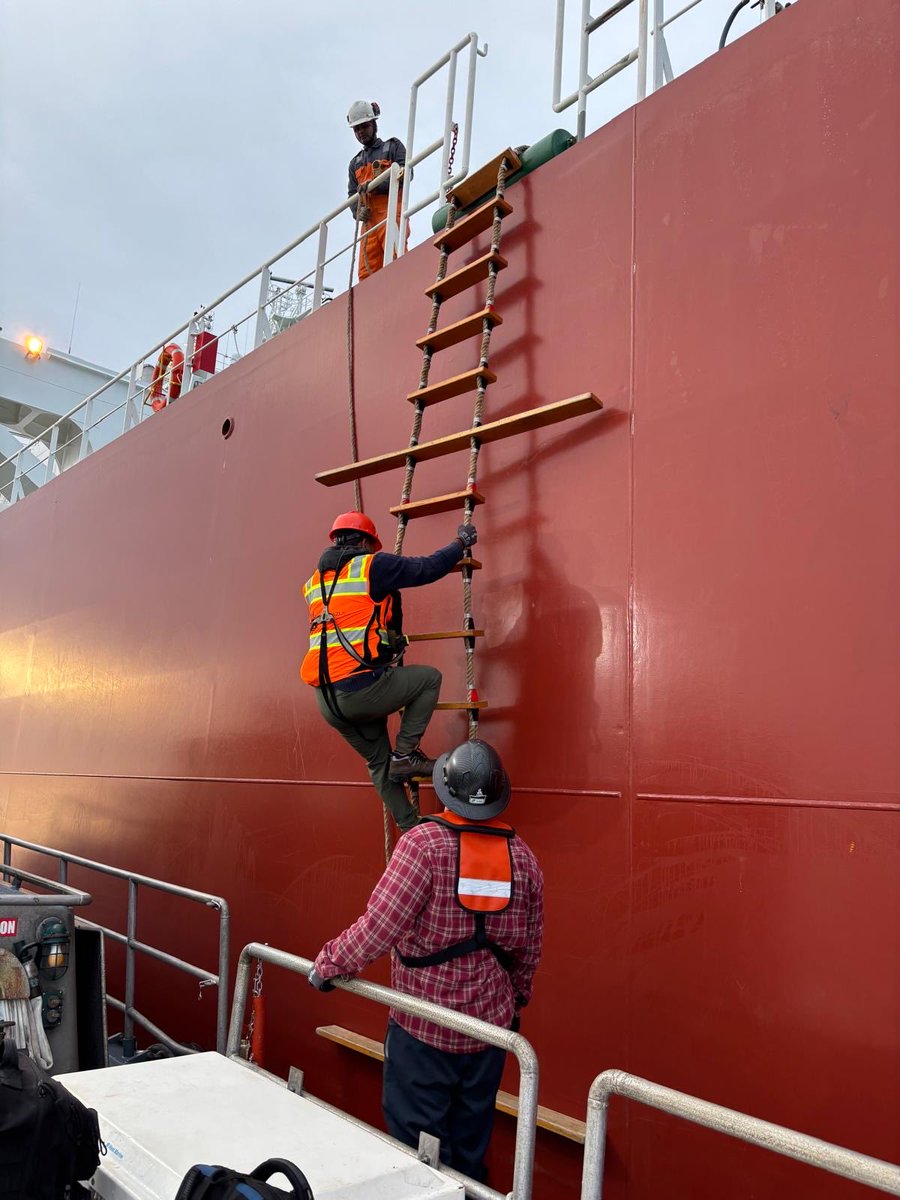
On the job! ⚓💼 Our loss control team boarding a petroleum tanker to oversee a safe and efficient lightering operation!
#MaritimeOperations #SafetyFirst #LossControl #Aquipet #Aquipetteam
1
4
34

29 Aug 2024
1
6
365

5 Aug 2024
They should have controls on both sides of this flatbed. Shocked this isn’t mandated by insurance carriers. #LossControl
4 Aug 2024

the fact no one even trys to move out the way is insane
2
81

2 Aug 2024
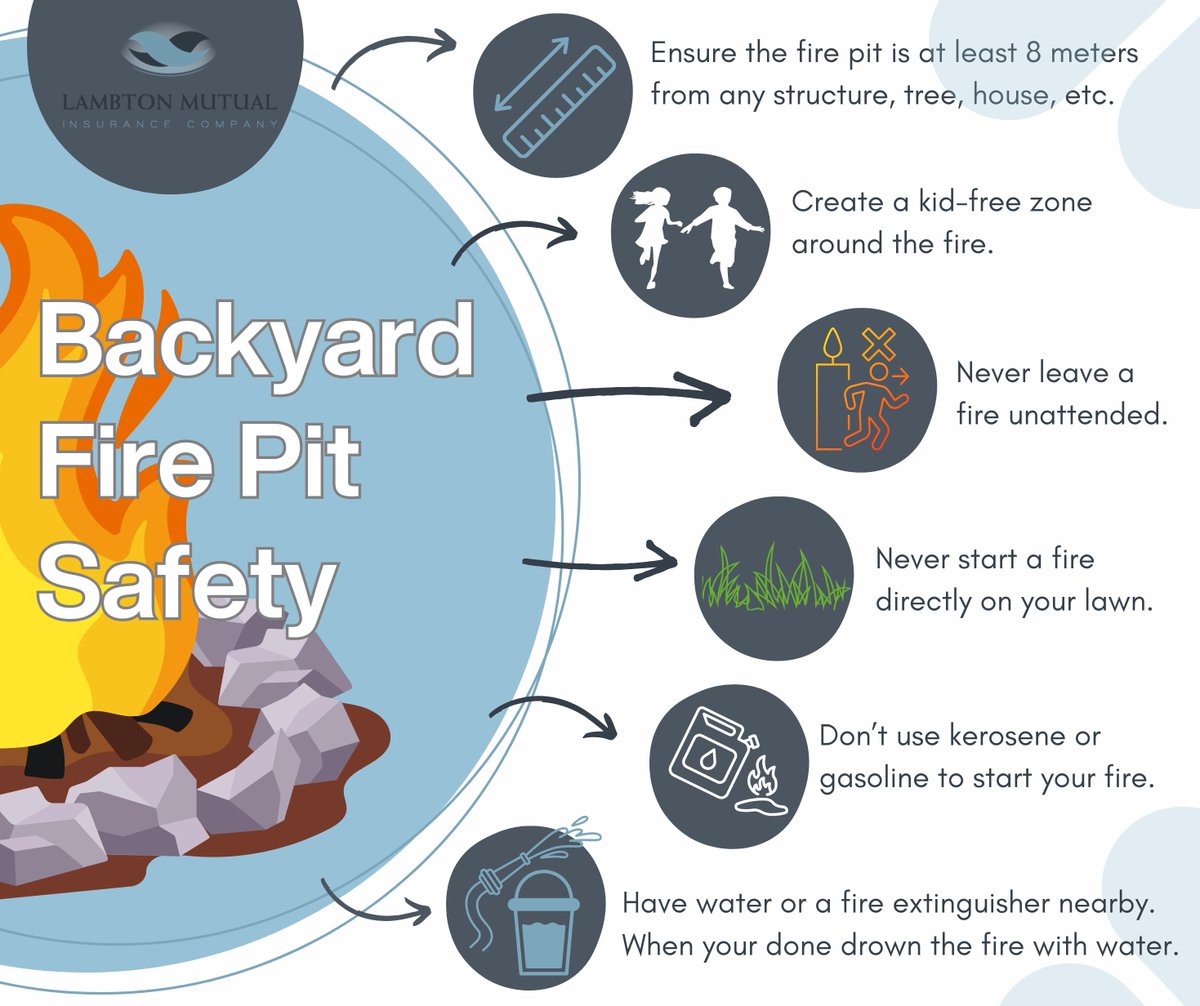
Campfires are a long weekend staple but before you enjoy a night around the fire (and those deliciously gooey s'mores) double check that you are prepared for a safe night.
#firesafety #losscontrol
1
2
138

17 Jul 2024
We’re excited to announce that we’ve been honored with the “Insurance Partner of the Year Award” by @Samsara! This award is a testament to our commitment to driving revenue, establishing strategic programs, and fostering valuable collaborations. #Telematics #LossControl


4
74
28 Feb 2024
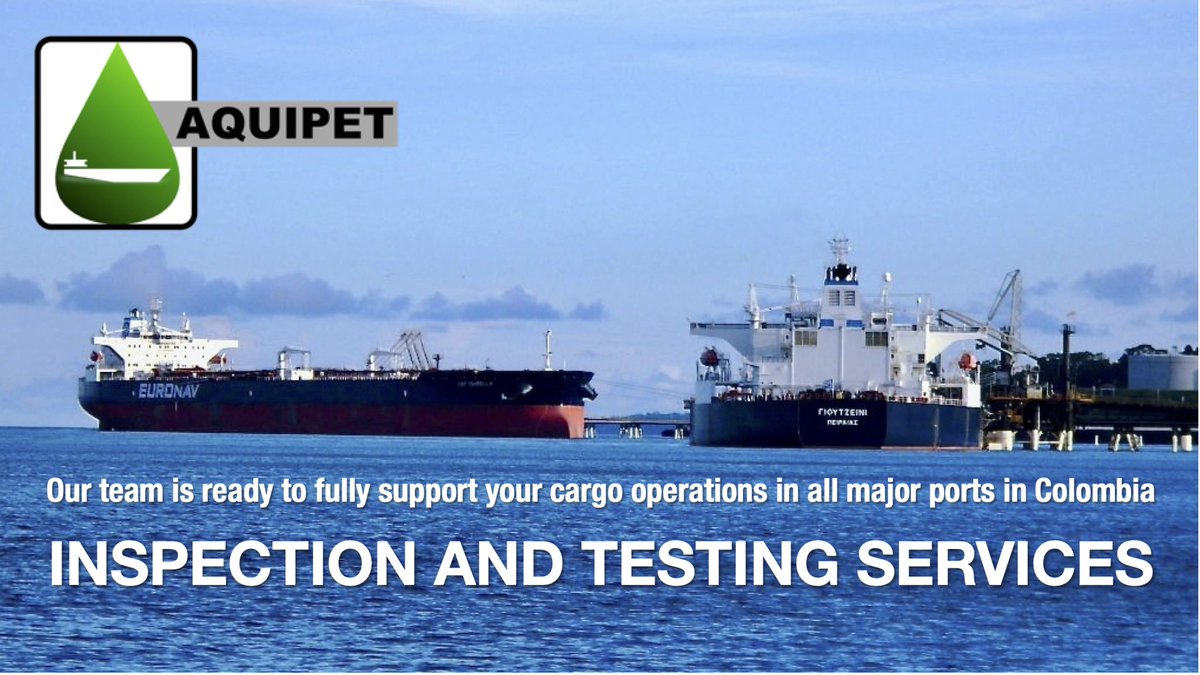
Our team of inspectors are experienced and committed to our customer’s requirements!
#TeamWork #Aquipet #Inspectors #LossControl #ServiceOriented #LabAnalysis #Reporting #Certifications
1
3
32