
30 Nov 2025
🌅 GOOD MORNING Twitter fam! ☀️ Rise and shine, crypto warriors! 🚀
Let me introduce you to @alloca_xyz – the ULTIMATE DeFi protocol that's redefining on-chain memory allocation for the next era of blockchain! 💎
🔥 Why @alloca_xyz is a GAME-CHANGER:
• Ultra-Efficient Memory Management – No more wasted space on-chain!
• Lightning-Fast Transactions – Sub-second speeds for real-world use
• Infinite Scalability – Built to handle Web3's MASSIVE growth
• Developer-Friendly – Easy integration for dApps & smart contracts
• Secure & Decentralized – Battle-tested, trustless architecture
This isn't just another protocol – it's the memory layer every blockchain needs! 🌐
Devs, builders, investors: Join the Alloca Revolution NOW and be part of shaping the future! 💪
👉 Dive in: alloca.xyz
👉 Follow: @alloca_xyz
#AllocaXYZ #DeFi #Web3 #Blockchain #Crypto #MemoryAllocation #ALLOCA #Alloca @alloca_xyz

19
2
18
136

5 Aug 2025
Supercharging PlayBasic: Array Memory Allocation for Faster Performance
#PlayBasic #MemoryAllocation #PerformanceOptimization #Coding #retrodev #gamedev
youtube.com/watch?v=YZfifOYO…
2
69

28 Feb 2025
Exploring Heap Exploitation Mechanisms: Understanding the House of Force Technique #HeapExploitation #HouseOfForce #MemoryAllocation #HeapChunks #ReallocationMechanism darkrelay.com/post/exploring…
26
82
3,185

26 Feb 2025
You wont write "good" code not knowing how Threads,Pipelines,Memoryallocation work
The code might work,no doubt,but not knowing what happens adding elements into a list on hardware scale will just lead to increased hardware requirements
Hardware requirements counters bad code
5
1
60

8 Nov 2024
It’s a new day, a new video from #eurorust24! Whether you’re tuning in fresh or rewatching, dive into memory allocation with @Art049 from @codspeedhq . Learn why stack, heap, and static memory aren’t all created equal, and how the right choices can boost your Rust app’s performance. 🦀
Watch it here 📹👉 youtu.be/pJ-FRRB5E84
#rustlang #performance #memoryallocation
8
526

12 Sep 2024
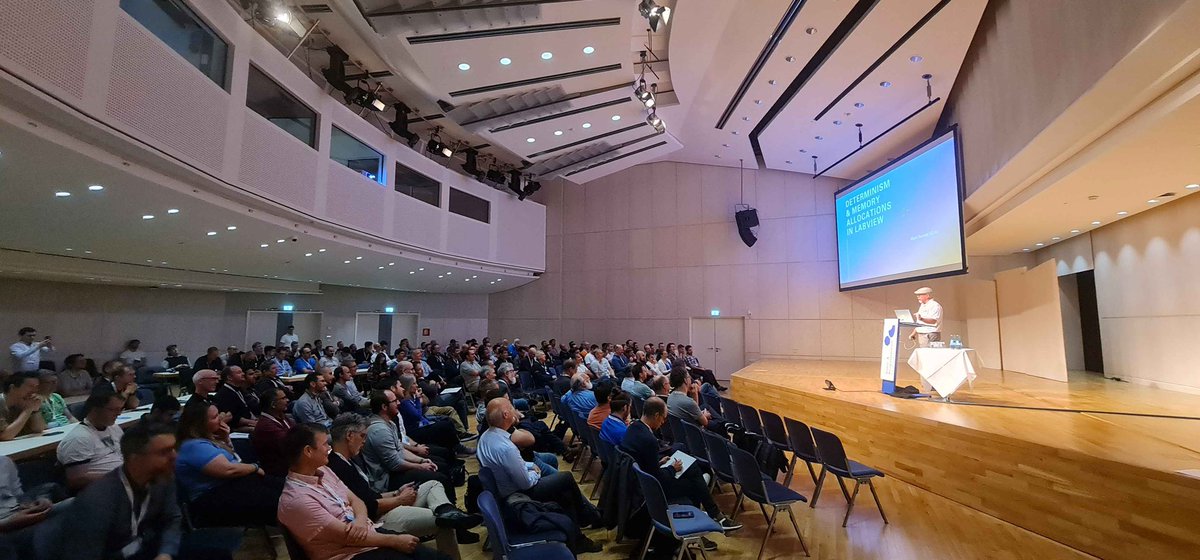
🔍 Ever wanted to look under the hood of memory allocation in LabVIEW? Join Mark Randel at #GDevCon5 as he explores determinism and memory management to help you optimize performance like a pro! 🚀👨💻 gdevcon.com #LabVIEW #Determinism #MemoryAllocation #GDevCon
2
53

9 Aug 2024
Does physical memory in a Hadoop cluster have a secret stash of candy hidden among the data?
Source: devhubby.com/thread/what-is-…
#computerscience #clusters #server #memoryallocation #hadoop #memory
3
17

15 Feb 2024
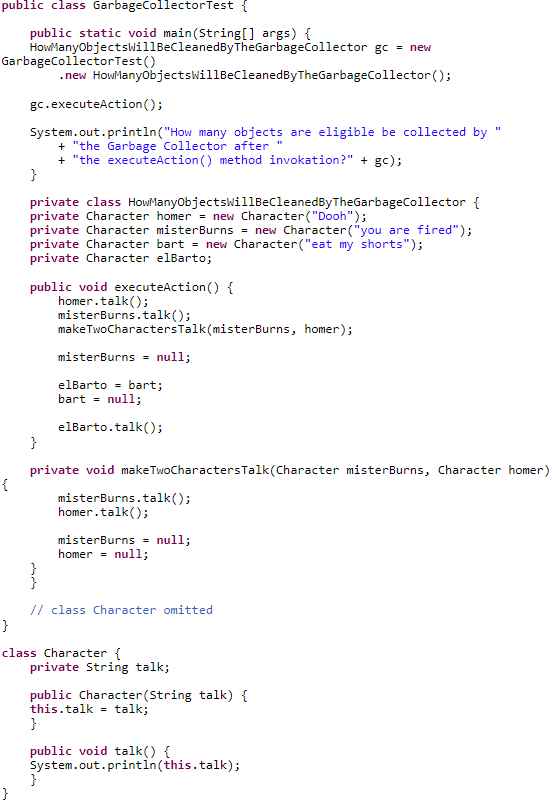
Unraveling Java mysteries! Learn about object references and memory allocation.
Dive into the details: bitly.ws/SLxc #JavaProgramming
#MemoryAllocation #LearnToCode
8
69
4,425

13 Jan 2024
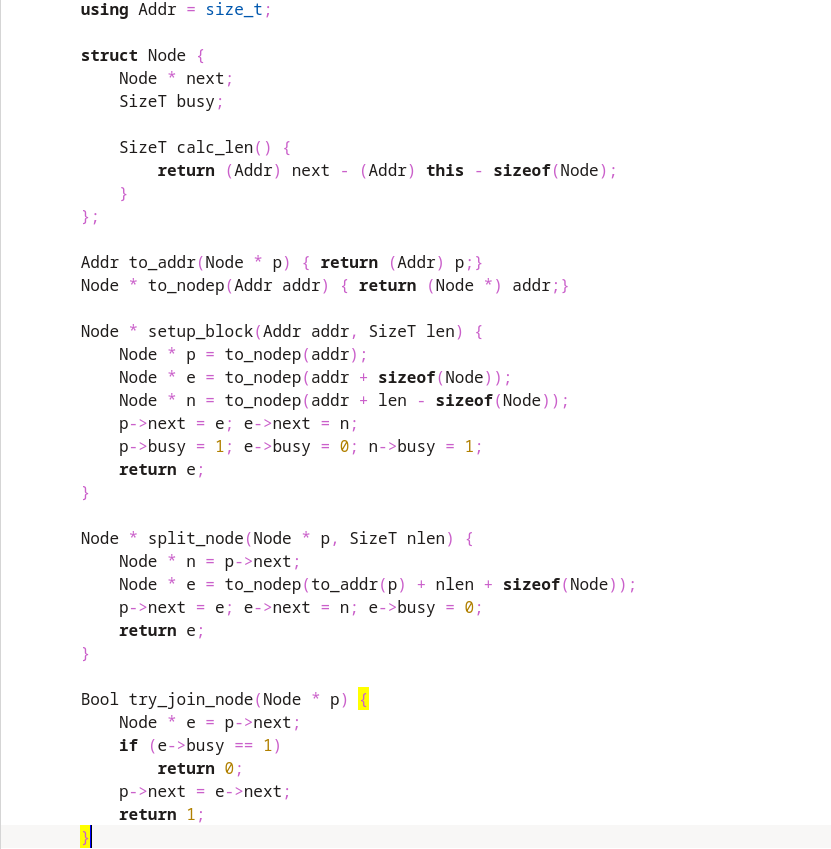
If you'd like to see under the hood of a standard memory allocator, well, here you go. This is the magic that makes an allocator work - the ability to split chunks of memory and to rejoin them again, and it all fits on one page.
What you looking is a simple linked list, but what you can't see is the space between the nodes, which is where all of the free memory is and, if you're using any kind of modern system with memory allocation, where all of your data is.
The size of the Node structure determines the overhead associated with malloc, and it's significant - 16 bytes per chunk in this example, and for systems that can merge in both directions (this one can only go forward), 24 bytes is common.
If you're doing a lot of small allocations, I would recommend an efficient, high performance custom allocator or a power of two memory allocator, which is in fact what I'm working on. But what's funny is that even a power of two allocator needs an internal general purpose allocator to function (for its internal arrays) which is why I had to write this "normal allocator" code.
#cplusplus #malloc #memoryallocation
1
2
87

We hope you enjoy this CppNorth 2023 Presentation!
Memory Allocation in C : The Fight Between Elves and Orcs - by @PatriceRoy1 - CppNorth 2023
youtube.com/watch?v=cgq8pZPy…
#Memoryallocation #Programming #cppnorth

1
6
383
Memory Allocation in C : The Fight Between Elves and Orcs - by @PatriceRoy1 - CppNorth 2023
youtube.com/watch?v=cgq8pZPy…
#Memoryallocation #Programming #cppnorth
3
143
Memory Allocation in C : The Fight Between Elves and Orcs - by @PatriceRoy1 - CppNorth 2023
youtube.com/watch?v=cgq8pZPy…
#Memoryallocation #Programming #cppnorth
3
111

25 Sep 2023
Career update:- Learning GoLang
"Data types" in programming tell the computer how much memory to set aside for different types of data. This helps use memory efficiently for variables & stuff, making our programs run smoothly! 🖥️🚀
#Programming #DataTypes #MemoryAllocation
1
3
40

14 Sep 2023
C Programming — The Weirdness Behind the Implementation of “alloca()”
medium.com/@boutnaru/c-progr…
#C #Programming #alloca #Learning #Security #infosec #Learning #DevSecOps #DevOps #alloca #Memory #Allocation #MemoryAllocation #TheLinuxConceptJourney
10
416

gusto kong sampalin si Stella Quimbo ng concept ng #NULL, "#garbage", #Pointers, #MemoryAllocation "#malloc" in #Cprogramming ugh.
7 Sep 2023

"The item already existed in 2022, but the amount was zero."
Rep. Stella Quimbo justified the transfer of P125 million in CIF to OVP in 2022 by saying that the item was already mentioned in the crafted budget and that any gov't agency is allowed to do inter-agency transfers.
3
5
694

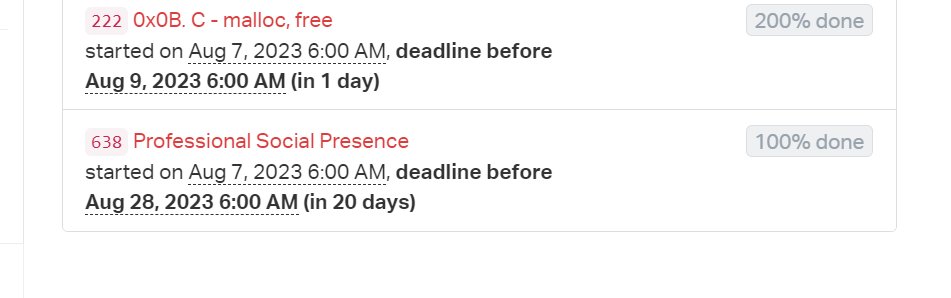
Just dove into the world of memory allocation in C with project 0x0B. Learning about malloc and free has opened up new possibilities for efficient memory management. 💻🧠 #CProgramming #MemoryAllocation #100daysofcodechallenge #ALX_SE #womenwhocode #womenintech #selftaught #coder
15
315
29 Jul 2023
Operating Systems — Buddy Memory Allocation
medium.com/@boutnaru/operati…
#OperatingSystems #OS #Memory #MemoryAllocation #buddy #BuddySystem #Learning #DevOps #DevSecOps #SBOM #infosec
1
11
587

28 May 2023
This is a really good presentation on why an allocator is needed and the different approaches of allocators available in zig.
#ziglang #ZigProgramming #MemoryAllocation #AllocatorsInZig
youtu.be/vHWiDx_l4V0
4
112

12 Jan 2023
Python Object Caching - How does Python Optimize Memory Management for Integers?
{ by @micahondiwa } from @hashnode
#python3 #pythonbeginner #memorymanagement #memoryallocation #pythonlibraries micahondiwa.hashnode.dev/pyt…
2
32

Great blog post about C and memory allocation by @rfleury
rfleury.com/p/untangling-lif…
#programming #cprogramming #memoryallocation #heap #learning #infotech #hacking
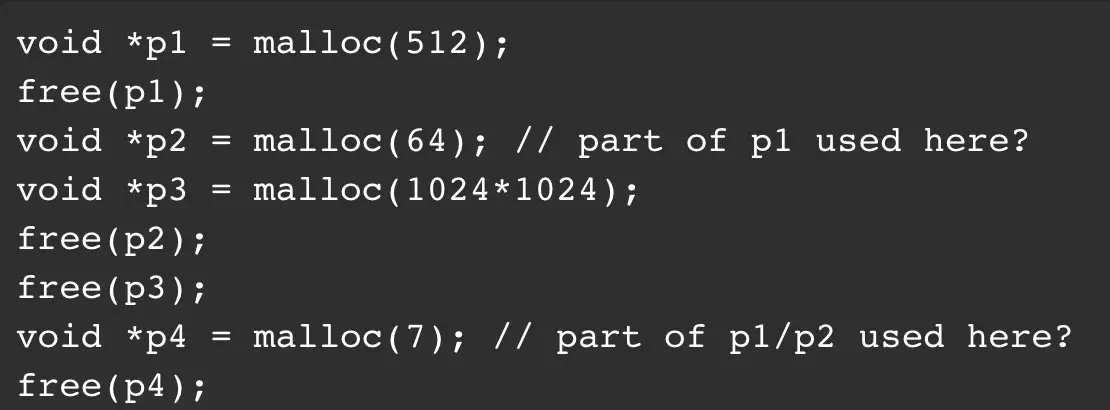
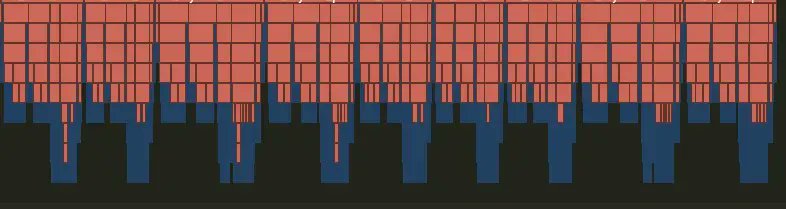
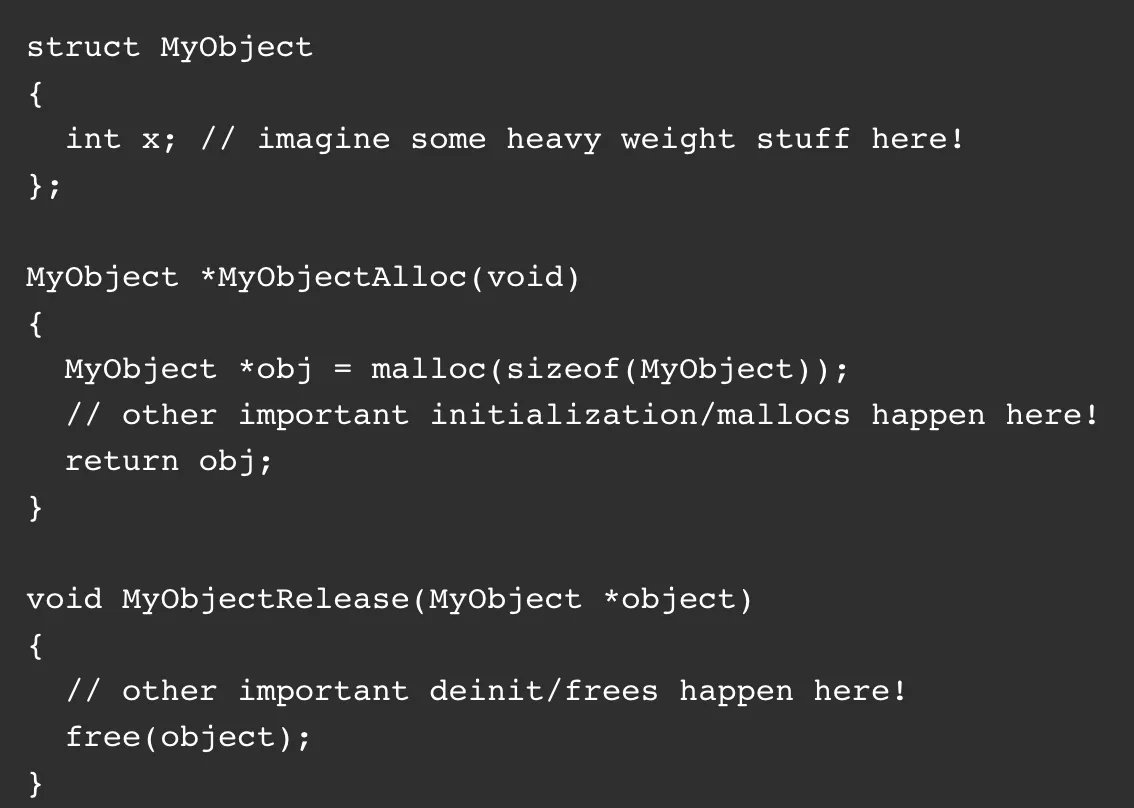
4
104
356