Minting vs Tokenization Explained: How to Mint Documents on MetaWork
In this video, we break down the difference between #minting and #tokenization, and then walk through how to mint documents on the MetaWork platform using @Algorand .
m.youtube.com/watch?v=1rC0h-…
1
2
53
Check out this video to learn how to make products on MetaWork.
m.youtube.com/watch?v=i336S-…
1
3
34

Apr 28
Second that. I love the entire Nick Cave Growing Up arc that turns the run of albums into, like, a coherent narrative metawork
3
194

Apr 13
The Potential to Revolutionise Metawork/Work About Work - A CTO friend said: "AI has solved the generation problem, but not the coordination problem." I think the relationship is worse-it's adversarial.
AI accelerates tasks, and this amplifies the rate at which tasks get created.
1
2
160

Apr 1
Incredible leeway given uniquely to Fujimoto for no apparent reason, where plenty of mangakas with poor endings recently were given none of that. It’s always bad writing, unless I like this mangaka, then it’s a metawork showing true human struggles.
3
140

Mar 25
Giới thiệu diễn giả Phiên thảo luận: Chiến lược thu hút nhà đầu tư cho các sàn giao dịch ở giai đoạn khởi đầu.
Trong bối cảnh 5 ứng cử viên sàn giao dịch tài sản mã hóa đã lộ diện, bài toán hiện nay là các đơn vị phải làm thế nào để hình thành một nền tảng giao dịch đủ an toàn, hiệu quả và hấp dẫn các nhà đầu tư. Đặc biệt, trong bối cảnh một bộ phận lớn nhà đầu tư Việt Nam đã quen giao dịch trên các nền tảng quốc tế, thách thức của các sàn trong nước không chỉ là thu hút người mới, mà còn là tạo ra lý do đủ mạnh để người dùng sẵn sàng dịch chuyển niềm tin và hành vi giao dịch.
Phiên thảo thuận sẽ đem đến góc nhìn đa chiều từ đại diện các doanh nghiệp, cộng đồng đến kinh nghiệm từ thị trường quốc tế:
- Bà Lê Vũ Hương Quỳnh, Giám đốc Phát triển khu vực APAC, Tether
- Ông Hoàng Quảng Minh, Đồng sáng lập, CEO MetaWork
- Ông Lê Sỹ Nguyên, Giám đốc BitGet
- Ông Nguyễn Đức Trung, Chuyên gia tư vấn công nghệ tài sản mã hóa
- Bà Đỗ Thu Hà, Giám đốc Truyền thông, 1Matrix
Đối thoại “Thí điểm sàn giao dịch tài sản số: Cơ chế giám sát, năng lực vận hành và chuẩn mực đầu tư” là diễn đàn trao đổi đa chiều giữa cơ quan quản lý, doanh nghiệp và cộng đồng thị trường, do Hiệp hội Blockchain và Tài sản số Việt Nam (VBA) phối hợp cùng Ủy ban Chứng khoán Nhà nước tổ chức.

3
12
364

Jan 30
The shadow org chart
Within sight, agents within the capability ballpark of junior remote workers will proliferate in companies. A human will be able to ask an agent(s) to e.g. "draft a memo assessing how the HamburgerGen launch will comply with our internal privacy guidelines. Consult Lauren, John, and Craig to get their input." The agent will be able to navigate the internal filebase, identify relevant files, draft, and ping the colleagues for comments, then address them. At first they will likely be clumsy (as are junior remote workers), and later versions will be uncannily good.
It's fun to think through the adaptations that companies will have to make, and the otherworldly new organizational etiquettes that will arise.
Access controls. Often in qualitative, corporate work, finding the right resource and getting access to it is an early obstacle. Agents will be quite good at the finding part, but companies will need to develop the right access tiers or systems. These include categorizations of confidentiality that only certain credentialed agents (perhaps apportioned to more senior employees) can access. Alternatively, agents may need to request access to files as humans currently do.
Communication etiquette. We ask things of colleagues that they can't, don't want to, or don't have the time to give us. If I send an agent knocking on the door of Lauren, who is more senior than me, and she tells them no, she'll then be irked if they pester her again later, and even more irked if two more of my agents clumsily go knocking on her door later. Agents will need to have sensitivity to this, and know the right way to report back to me, or even persist with the ask at times. To an extent, I'll be responsible for the faux pas of my agents.
Stonewalling. In some cases, colleagues may simply not want to interact with pesky little software agents and so may not respond. Likely there will be a social cost of doing so. HR may come knocking on my door if I stonewall my VPs agents, or am rude to them. Is this codified in the employee handbook?
Earnestness. What if exasperated John misdirects an agent to Craig, who then redirects the agent to Carla, who gives the agent faulty information? How are agents configured to be skeptical or truth-seeking through these behaviors, or should they simply report back to their human for direction? Will our agents all be docile, earnest goody two-shoes, or tacticians who help us, within bounds, carry out our goals?
Agent-to-agent conflict. Ok, if I'm sending agents around maybe they are simply interacting by proxy with my colleagues through their agents. Sometimes this may work wonderfully, but other times goals may be in conflict if I instruct my agent to get information from Lauren, and she instructs hers to always stonewall Dan. Does a more senior-aligned agent win in this case, or do they simply escalate back to their humans.
Metawork. A new category of work will emerge that's solely intended to be processed at the agent level. Agents may all convene on a contentious budgeting decision to sketch out recommendations that align with their managers/orgs, and discuss. They send a summary of their discussion to humans who will make a call accordingly.
Continual learning. How do we download enough of our tacit knowledge so our agents can do a decent job on their task? I think it's plausible we just dictate a bunch of additional context to them (political dynamics, etc), have some sort of virtual call with them where they can ask follow up questions. Or, the agent pings you "Lauren is stonewalling me. Should I persist?" in a similar way to override questions in current coding CLIs. I'd think all this could be done somewhat clumsily with near-current capabilities, or much better in a world where we've made some progress on continual learning. Of course, the information individuals give these agents may be wrong, or deceptive, triggering downstream issues.
Agent apportionment. At least in the near term, agents will be finite. More senior, trusted employees would plausibly have access to more agents or more capable agents (e.g. with better access credentials, higher inference budget), as they will have the discretion to deploy them. Even if agent apportionment is not constrained by resources, it may need to practically be constrained for other reasons, like maintaining order.
Thinking about agents as "reporting" to individuals may be wrong. Perhaps they are shared by a team, or org, which comes with complications that rhyme with the above - org-agents stonewalling each other, escalating issues back to leaders.
In any of these cases, it strikes me that these are all bizarro transmutations of issues we already face in the workplace, especially within the context of managers and their reports. Making all of this work may be pretty normal in some ways: a combination of IT workers tweaking permissions and drafting agent documentation/protocols, leaders making resourcing decisions, and HR people establishing new codified rules and arbitrating breaches of unwritten etiquette.
A strange new world in some ways, but I think much of this will quickly feel quotidian!

4
106
New Release-
@CherechyDraws (#Lagos #Nigeria) has released his newest collection on SECURE MetaWork: The Dingbhats!
"[The Dingbhats] Are my way to reflect courage and inspire people all around the world to do better for themselves...A symbol of hope.”
securemetawork.com/user_aisl……
1
1
2
287

Jan 11
Same. 1-2 is working on the current PR, the third is like metawork, creating issues, asking questions and stuff. I guess more agents would be for long running parallel PR tasks but I haven't tried. I want to try sprites.dev for parallel non-PR issue fixing.
2
707

18 Dec 2025
I’ve read somewhere that if a formalization of a system makes proofs shorter, it also tends to make proof checking longer. The total amount of metawork seems to stay relatively constant.
9
135

29 Nov 2025
Cherechy @CherechyDraws based in #Lagos #Nigeria, has selected MetaWork to build his brand & business globally.
You can now purchase his #Art and fashion label via his Aisle.
securemetawork.com/user_aisl…
3
4
186


9 Oct 2025
Full moon vibes, Binance style 🌕
Thank you @binance @binance_vietnam
for the thoughtful Mid-Autumn gift 🎁
For anyone interested in joining Binance’s affiliate program, feel free to reach out to @vietbigbrother
#Binance #Metawork #ToTheMoon #AffiliateMarketing

3
85

27 Aug 2025
MOSTRA - “Metawork” di Michelangelo Pistoletto alla Reggia di Caserta, lunedì 1° settembre la chiusura ift.tt/9Wb5zOe
2
218

28 Jul 2025
hmm, there is this important concept of *meta working*. the anti memetic twin of working. it is basically the process of forming a world view that defines what it is that you are working toward/why you specifically are working towards it. oftentimes, the better your metawork is, the more effective your actual work is. meta work is way harder than actual work because it is at times reads as noise to the untrained eye. only the humble can access the most potent of truths from which great insights are made of.
2
3
179

25 Jul 2025
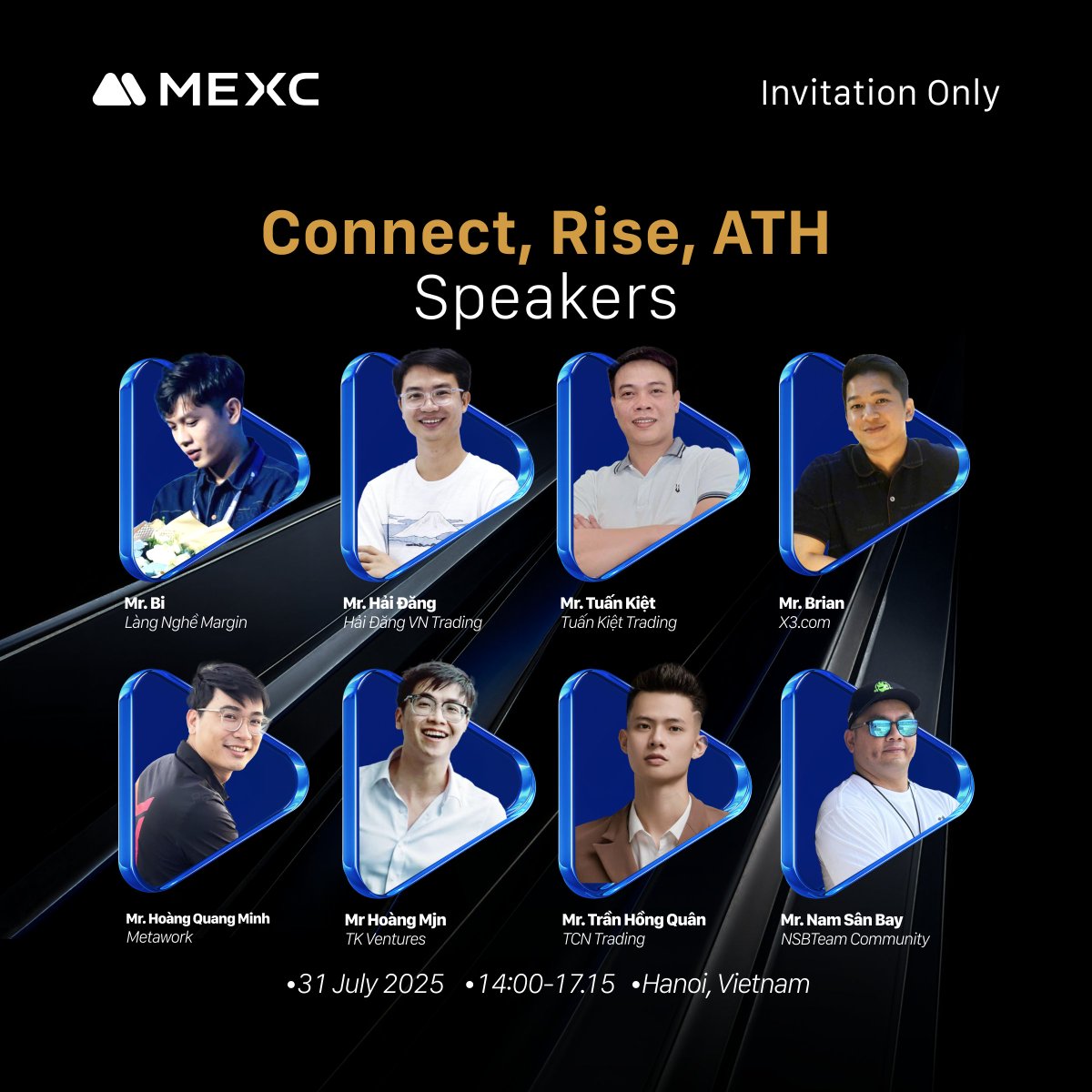
🗣 Truyện cổ tích còn chưa dám viết nam chính đỉnh như dàn Speaker này 👑
🎙 Đến với Hanoise, anh em MEXCers sẽ được lắng nghe những chia sẻ của các KOL trong ngành về những góc nhìn thực chiến và những chủ đề nóng như thời tiết Hà Nội 🔥
💎 Mr. @Bicansa69 - Làng Nghề Margin: KOL kỳ cựu, nhiều năm đồng hành cùng MEXC, mang đến câu chuyện giữ lửa & lan toả niềm tin giữa sóng gió thị trường
💎 Mr. @HaiDangTrading - HaiDangVnTrading: Trader kỳ cựu trong thị trường crypto, chuyên về phân tích kỹ thuật, quản lý vốn và những chiến lược thực chiến trong việc làm copy trade
💎 Mr. Tuấn Kiệt - Tuấn Kiệt Trading: KOL giao thoa giữa thực chiến thị trường và xây dựng cộng đồng bền vững trong thị trường tiền mã hóa
💎 Mr. @brianbbg265 - x3com.co: KOL dày dạn trong mảng Affiliate Finance, chia sẻ góc nhìn chiến lược nơi những tư duy cũ trong Affiliate Finance bị đảo lộn
💎 Mr. Hoàng Quang Minh - Metawork: nền tảng kết nối KOL & dự án Web3, có kinh nghiệm triển khai nhiều chiến dịch cộng đồng từ trước đến nay
💎 Mr. Hoàng Mjn – TK Ventures: Advisor cho nhiều dự án blockchain, hiểu rõ mô hình affiliate đa tầng và chiến lược vận hành cộng đồng hiệu quả
💎 Mr. Trần Hồng Quân – TCN Trading: Mang đến góc nhìn thực tế về hành vi người dùng và cách cộng đồng phản ứng với sàn qua từng giai đoạn
💎 Mr. @NamSB88 - NSB Team: Không chỉ là người làm hệ thống, anh còn được biết đến là một trader thường xuyên chia sẻ góc nhìn thị trường thực chiến và các pha “vào lệnh không run tay”
🔗 Đăng ký ngay để không bỏ lỡ: lu.ma/dvccg8qr
#MEXCVietnam #MEXC #MEXCHanoise
15
4
13
517

18 Jul 2025
🇻🇳新潮,越南
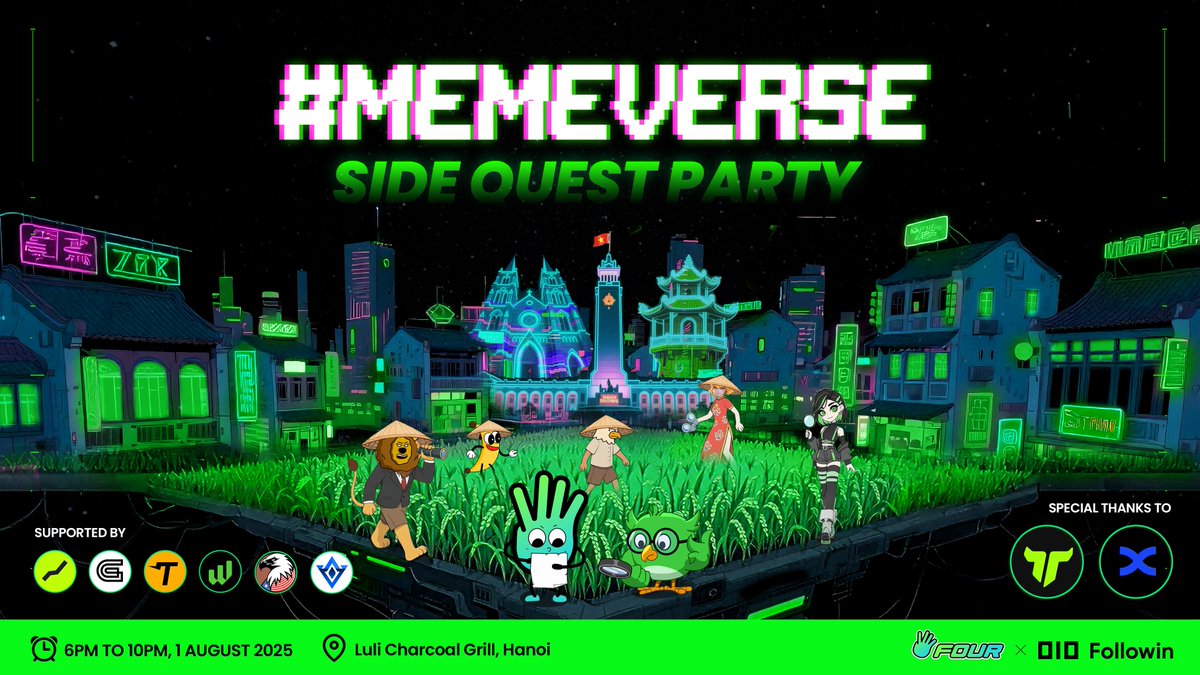
为 Memeverse 做好准备:Side Quest Party - 将于 2025 年 8 月 1 日登陆河内🌀
与我们的朋友@followin_io共同主持,并由该领域的传奇人物提供支持。
💎钻石赞助商: @Gaurdotcom | @BingXOfficial
🥇黄金赞助商: @uptopmeme | @wellowealth | @tutorialtoken | @EGLL_american | @GridiumAI | @PrimusSpark
🍜猎杀阿尔法。吃遍街头。像模因玩家一样狂欢。空投和周边商品超值,快来群聊炫耀吧!
🎟️名额有限!立即锁定你的席位: lu.ma/memeverse
Memeverse 不等人。来吧,来吧,来吧,来吧。 😎🪩
大力赞扬我们的媒体合作伙伴: @BSCNews 、 @coin68 、 @TCVNcommunity 、 @bsc_daily 、 @mpost_io 、 @TechFlowPost 、@BlockBeatsAsia 、 @hc_capital 、 @WeTheIvy 、 @apacdao 、 @bjo_labs 、 @NghienCrypto 、 @Degen_NFT_VN 、 @5phutcrypto_ 、 @TitanSmartTrade 、 @TomGenzcoin 、 @FOMO_insights 、 @lealalang 、 @anh60a 、 @Web3daily 、 @blogtienao_hq 、MetaWork 和 Đầu Tư Tiền Điện Tử。
22
4
16
1,820

17 Jul 2025
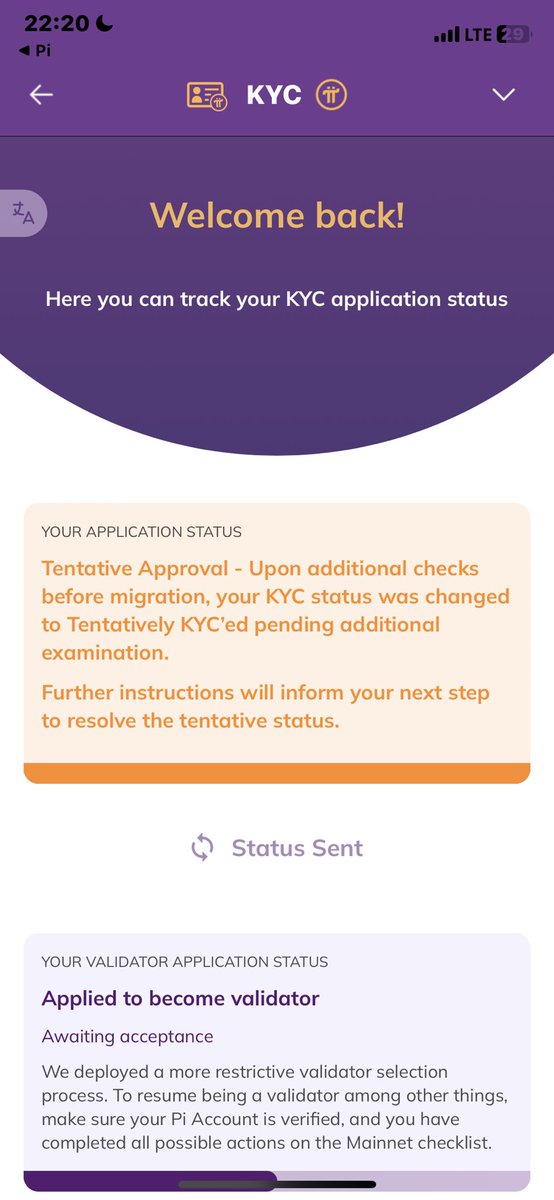
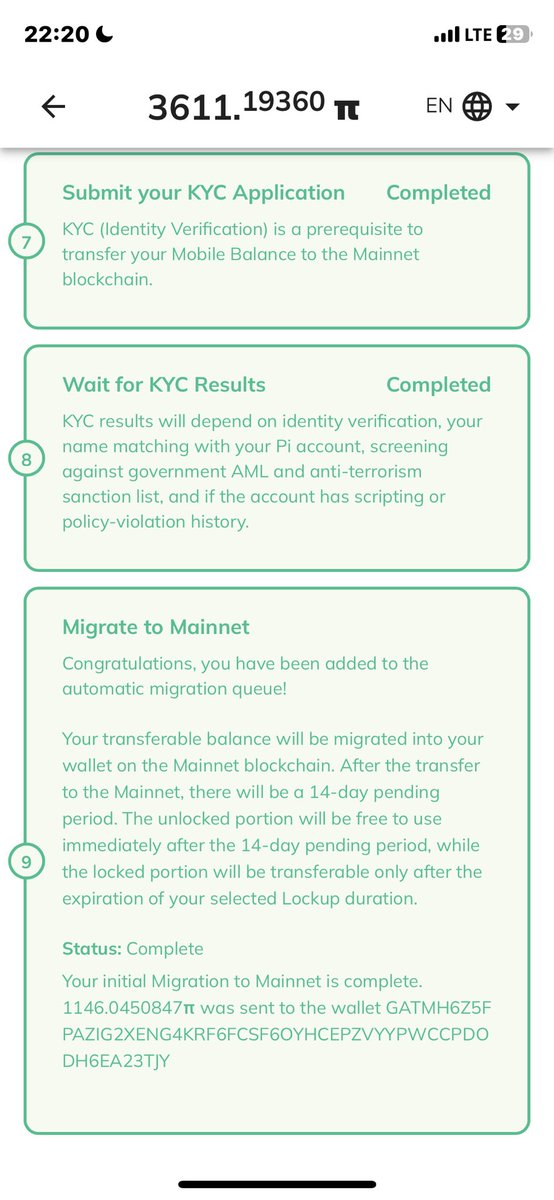
hello sir sarveskmr44 My KYC and migration was getting completed in 2024 itself but since the open metawork came, my KYC has gone into tentative mode and is still showing in tentative mode. Please slow down this problem. I would be very grateful to you. Thank you PI core team
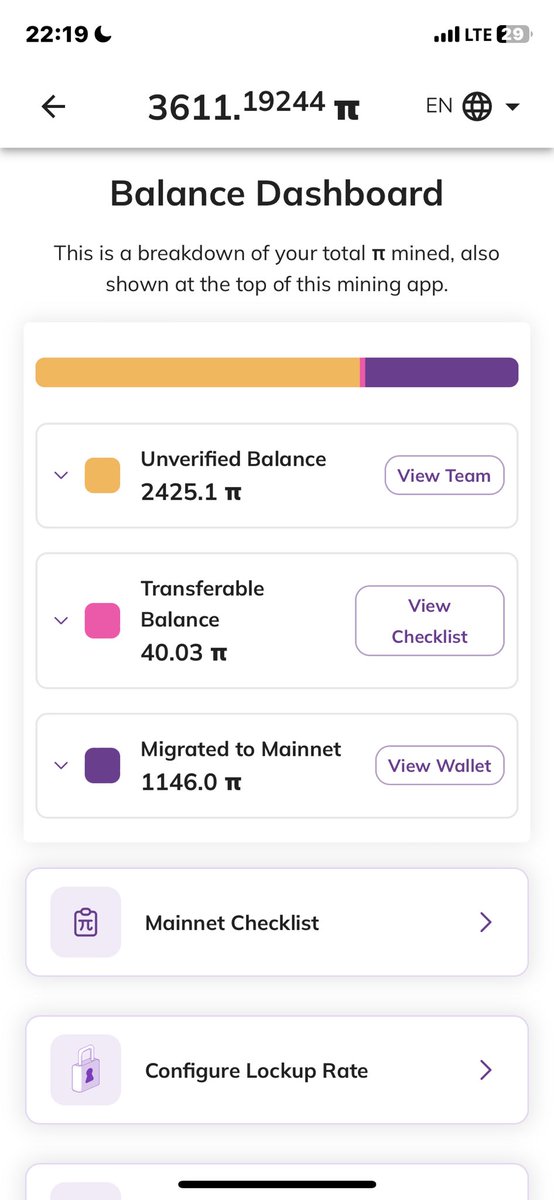
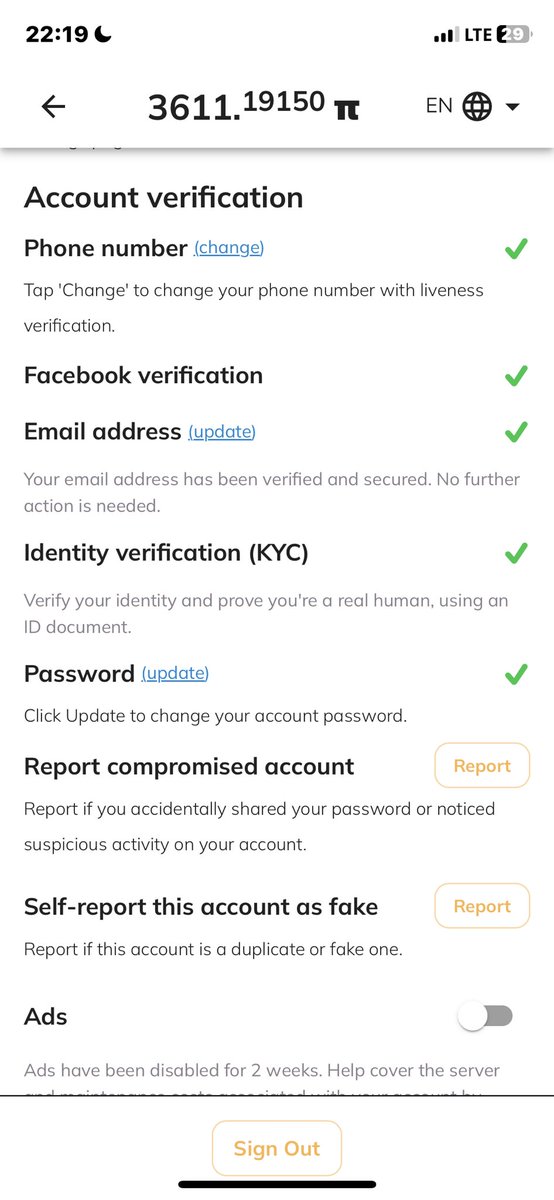
6
5
492
11 Jul 2025
MetaWork x The Bear Club Partnership Announcement
We're thrilled to announce our partnership with The Bear Club to empower Mexican entrepreneurs! 🇲🇽
1
7
94