
🌱 How Temperature Affects Soil Microbial Activity 🌱
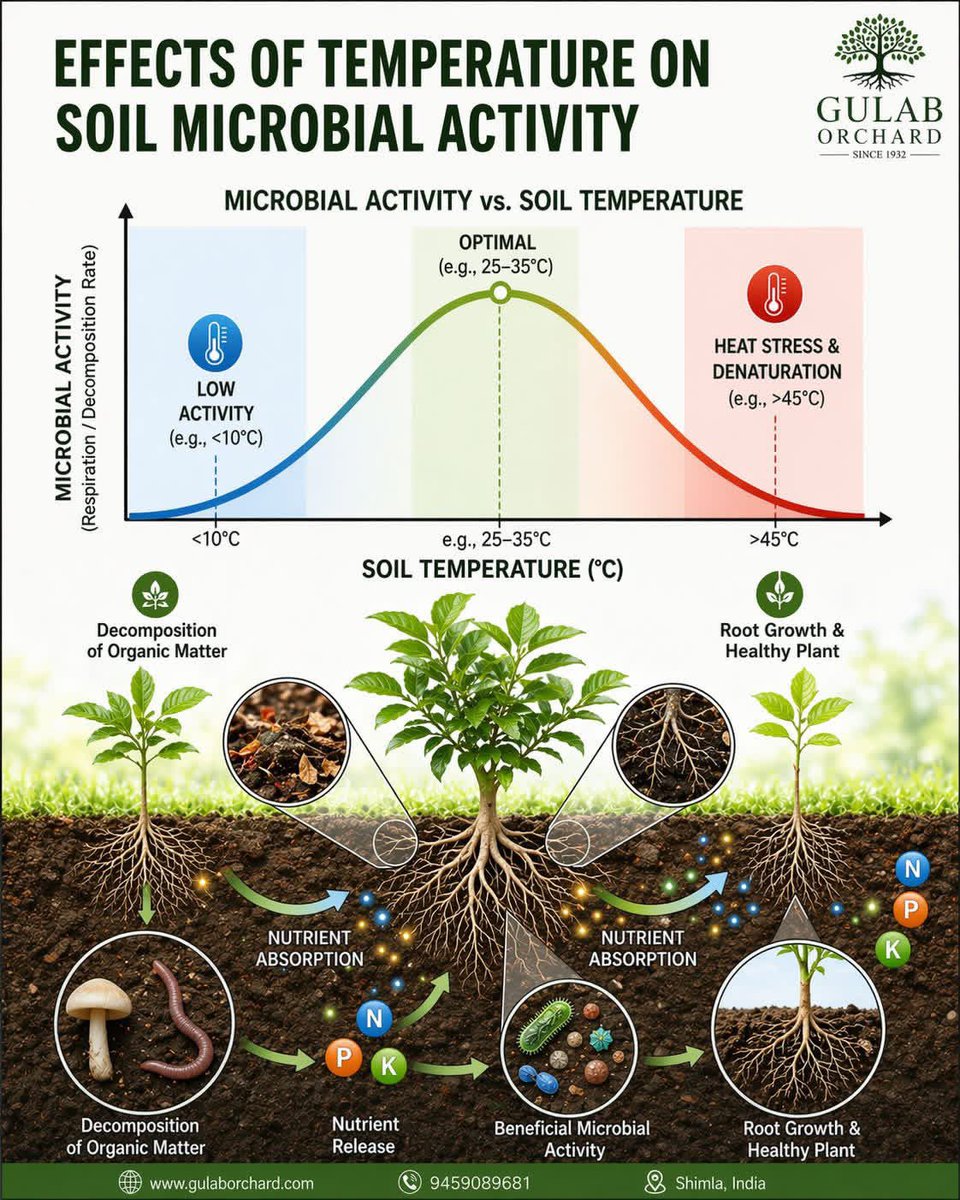
Soil is alive with billions of beneficial microorganisms that play a key role in plant health, nutrient cycling, and organic matter decomposition. Their activity is strongly influenced by soil temperature. Understanding this relationship helps farmers and gardeners improve crop growth naturally.
🌡️ Low Temperature (<10°C)
At low temperatures, microbial activity slows down significantly. Decomposition of organic matter becomes slower, reducing nutrient release in the soil. Plants may show weak growth due to limited nutrient availability.
☀️ Optimal Temperature (25–35°C)
This is the ideal range where beneficial microbes are most active. Organic matter breaks down efficiently, nutrients like Nitrogen (N), Phosphorus (P), and Potassium (K) are released faster, and roots absorb them easily. This leads to stronger roots, greener plants, and healthy growth.
🔥 High Temperature (>45°C)
Excess heat creates stress for soil microbes. Many microorganisms become inactive or die, reducing soil fertility. High temperatures can also damage root systems and lower moisture levels in the soil.
🌿 How to Maintain Healthy Soil Microbial Life:
✅ Add organic compost or manure regularly
✅ Use mulching to regulate soil temperature
✅ Avoid excessive chemical use
✅ Maintain proper irrigation and moisture
✅ Use biofertilizers and beneficial microbes
🌳 Healthy soil microbes = Healthy roots = Better yield.
At Gulab Orchard, we believe in building living soils for sustainable farming success.
#SoilHealth #MicrobialActivity #PlantNutrition #OrganicFarming #HealthyRoots #GulabOrchard #SustainableAgriculture #FarmSuccess
2
15
47
1,253

Apr 23
🌱 How Temperature Affects Soil Microbial Activity 🌱
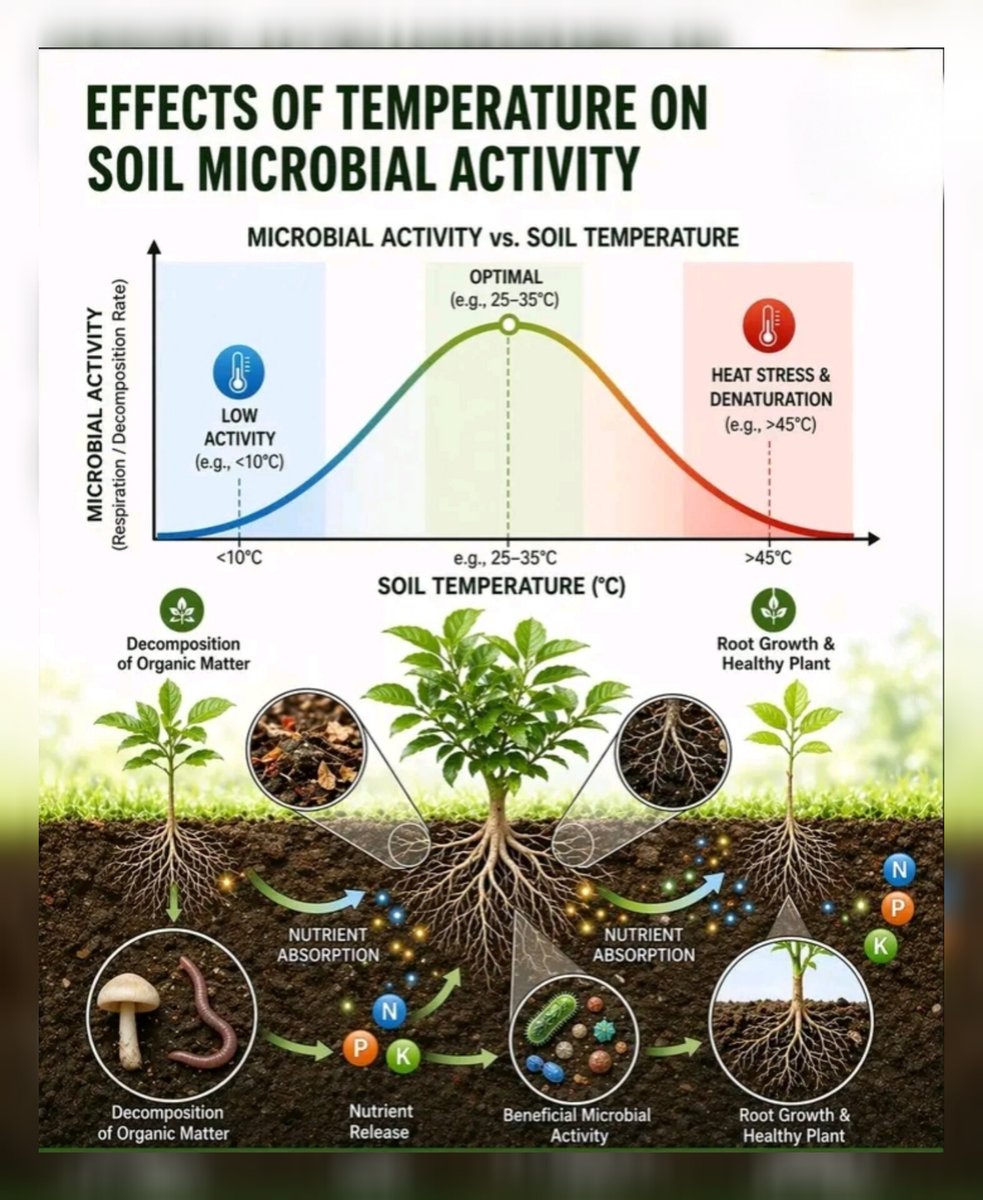
Soil is alive with billions of beneficial microorganisms that play a key role in plant health, nutrient cycling, and organic matter decomposition. Their activity is strongly influenced by soil temperature. Understanding this relationship helps farmers and gardeners improve crop growth naturally.
🌡️ Low Temperature (<10°C)
At low temperatures, microbial activity slows down significantly. Decomposition of organic matter becomes slower, reducing nutrient release in the soil. Plants may show weak growth due to limited nutrient availability.
☀️ Optimal Temperature (25–35°C)
This is the ideal range where beneficial microbes are most active. Organic matter breaks down efficiently, nutrients like Nitrogen (N), Phosphorus (P), and Potassium (K) are released faster, and roots absorb them easily. This leads to stronger roots, greener plants, and healthy growth.
🔥 High Temperature (>45°C)
Excess heat creates stress for soil microbes. Many microorganisms become inactive or die, reducing soil fertility. High temperatures can also damage root systems and lower moisture levels in the soil.
🌿 How to Maintain Healthy Soil Microbial Life:
✅ Add organic compost or manure regularly
✅ Use mulching to regulate soil temperature
✅ Avoid excessive chemical use
✅ Maintain proper irrigation and moisture
✅ Use biofertilizers and beneficial microbes
🌳 Healthy soil microbes = Healthy roots = Better yield.
as farmer we believe in building living soils for sustainable farming success.
#SoilHealth #MicrobialActivity #PlantNutrition #OrganicFarming #HealthyRoots
1
4
4
85
🌱 How Temperature Affects Soil Microbial Activity 🌱
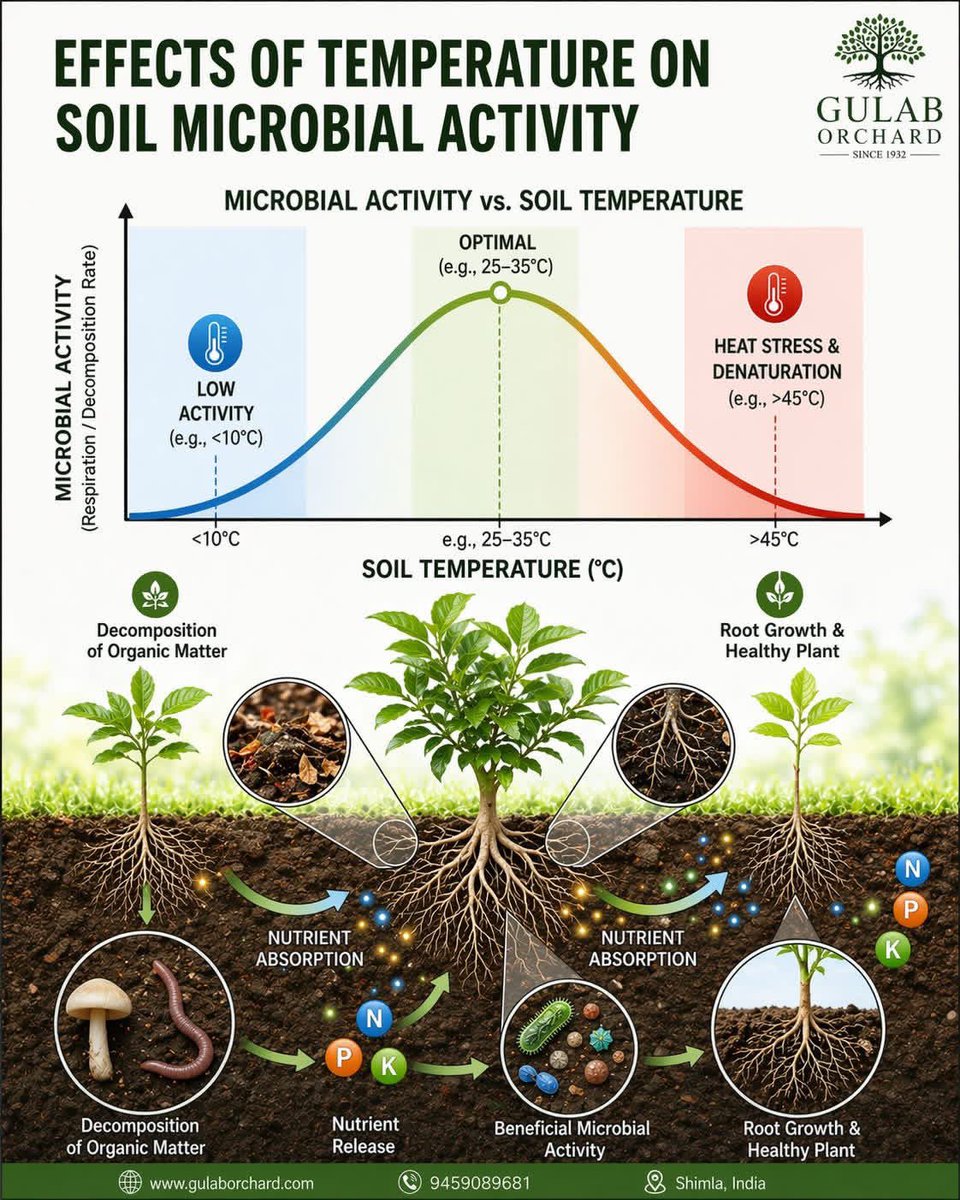
Soil is alive with billions of beneficial microorganisms that play a key role in plant health, nutrient cycling, and organic matter decomposition. Their activity is strongly influenced by soil temperature. Understanding this relationship helps farmers and gardeners improve crop growth naturally.
🌡️ Low Temperature (<10°C)
At low temperatures, microbial activity slows down significantly. Decomposition of organic matter becomes slower, reducing nutrient release in the soil. Plants may show weak growth due to limited nutrient availability.
☀️ Optimal Temperature (25–35°C)
This is the ideal range where beneficial microbes are most active. Organic matter breaks down efficiently, nutrients like Nitrogen (N), Phosphorus (P), and Potassium (K) are released faster, and roots absorb them easily. This leads to stronger roots, greener plants, and healthy growth.
🔥 High Temperature (>45°C)
Excess heat creates stress for soil microbes. Many microorganisms become inactive or die, reducing soil fertility. High temperatures can also damage root systems and lower moisture levels in the soil.
🌿 How to Maintain Healthy Soil Microbial Life:
✅ Add organic compost or manure regularly
✅ Use mulching to regulate soil temperature
✅ Avoid excessive chemical use
✅ Maintain proper irrigation and moisture
✅ Use biofertilizers and beneficial microbes
🌳 Healthy soil microbes = Healthy roots = Better yield.
At Gulab Orchard, we believe in building living soils for sustainable farming success.
#SoilHealth #MicrobialActivity #PlantNutrition #OrganicFarming
3
41
151
3,533

17 Mar 2025
Soil pH: Nitrogen and Sulfur
#SoilScience #SoilHealth #PlantNutrition #CropYield #GardeningTips #SoilpH #NutrientUptake #MicrobialActivity #SustainableFarming #SoilTesting
3
17
977
12 Mar 2025
Why I care about soil pH.
#SoilHealth #LawnCare #PlantNutrients #MicrobialActivity #TurfManagement #SoilpH #GardeningTips #PhosphateDeficiency #HealthyLawn #LawnMaintenance
10
773
13 Dec 2024
Why Soil pH is Important.
#SoilHealth #OrganicMatter #SoilpH #TurfManagement #SoilFertility #GardeningTips #MicrobialActivity #PlantGrowth #Turfgrass #SoilTesting
5
3
20
1,989

13 Jan 2024
Discolored Bones: Exploring Potential Causes
The discoloration of human skulls and bones after death is a phenomenon that can be influenced by a range of external environmental factors. It is partly the task of anthropologists and archaeologists to investigate these causes, as the discoloration can provide valuable insights into the conditions surrounding death and burial. Here's a more detailed exploration:
Environmental Temperatures and Humidity: Higher ambient temperatures and humidity accelerate decomposition, leading to quicker discoloration of the skull. These factors significantly affect the rate of biological and chemical changes occurring post-mortem (Zhou & Byard, 2011).
Chemical Exposure: Chemicals in the environment, like metals or toxins, can react with skull tissues, causing color changes. Copper, often used in burial practices, can give a bluish tint to the skull through chemical reactions.
Microbial Activity: The skull undergoes microbial colonization post-mortem, influencing discoloration. The type and activity level of microorganisms vary based on environmental conditions.
Soil Composition: The chemical makeup of burial soil affects skull discoloration. Soils rich in minerals or metals like copper can cause distinct hues through prolonged contact and chemical reactions.
Exposure to Fire or Heat: High temperatures or fire can change bone color, often due to the breakdown of organic materials and chemical alterations within the bone.
Other Environmental Factors: Water exposure, soil pH levels, and the presence of other substances in the burial environment can also contribute to skull discoloration, each interacting with the bone in unique ways.
Anthropologists and archaeologists play a crucial role in determining the causes of bone discoloration, which can shed light on historical, cultural, and environmental contexts of the remains. Understanding these factors provides insights into the post-mortem changes and conditions of the burial environment, aiding in the reconstruction of past human activities and environmental conditions.
#Anthropology #Archaeology #BoneDiscoloration #EnvironmentalFactors #CauseOfDeathInvestigation #BurialPractices #PostMortemChanges #MicrobialActivity #SoilComposition #ChemicalExposure

18
893

23 Oct 2023
The deadline for the #specialissue in #AgricultureMdpi: "Advanced Research of Rhizosphere Microbial Activity—Series II" edited by Dr. Tibor Szili-Kovács and Dr. Tünde Takács has been extended till 20 March 2024.
Read more: mdpi.com/journal/agriculture…
#rhizosphere #microbialactivity

1
42

18 Sep 2023
BioAtlantis has been nominated for the Innovation Arena awards at the @NPAIE National Ploughing Championships. Come visit us at booth 17 to learn more about our #MicroGrow technology.
#SoilHealth #MicrobialActivity #Ploughing2023
15 Sep 2023

Tralee-based company nominated for award at National Ploughing Championship
radiokerry.ie/news/tralee-ba…
3
857
15 Sep 2023
Great to feature in the @kerryman_ie following the announcement that MicroGrow has been shortlisted for the Innovation Arena awards at the @NPAIE National Ploughing Championships. Come visit us at booth 17.
#SoilHealth #MicrobialActivity #Ploughing2023
independent.ie/regionals/ker…
1
1
4
950
14 Sep 2023
MicroGrow has been shortlisted for the Innovation Arena awards at the 2023 National Ploughing Championships. Come visit us at booth 17.
#SoilHealth #microbialactivity #Ploughing2023

2
3
987
12 Sep 2023
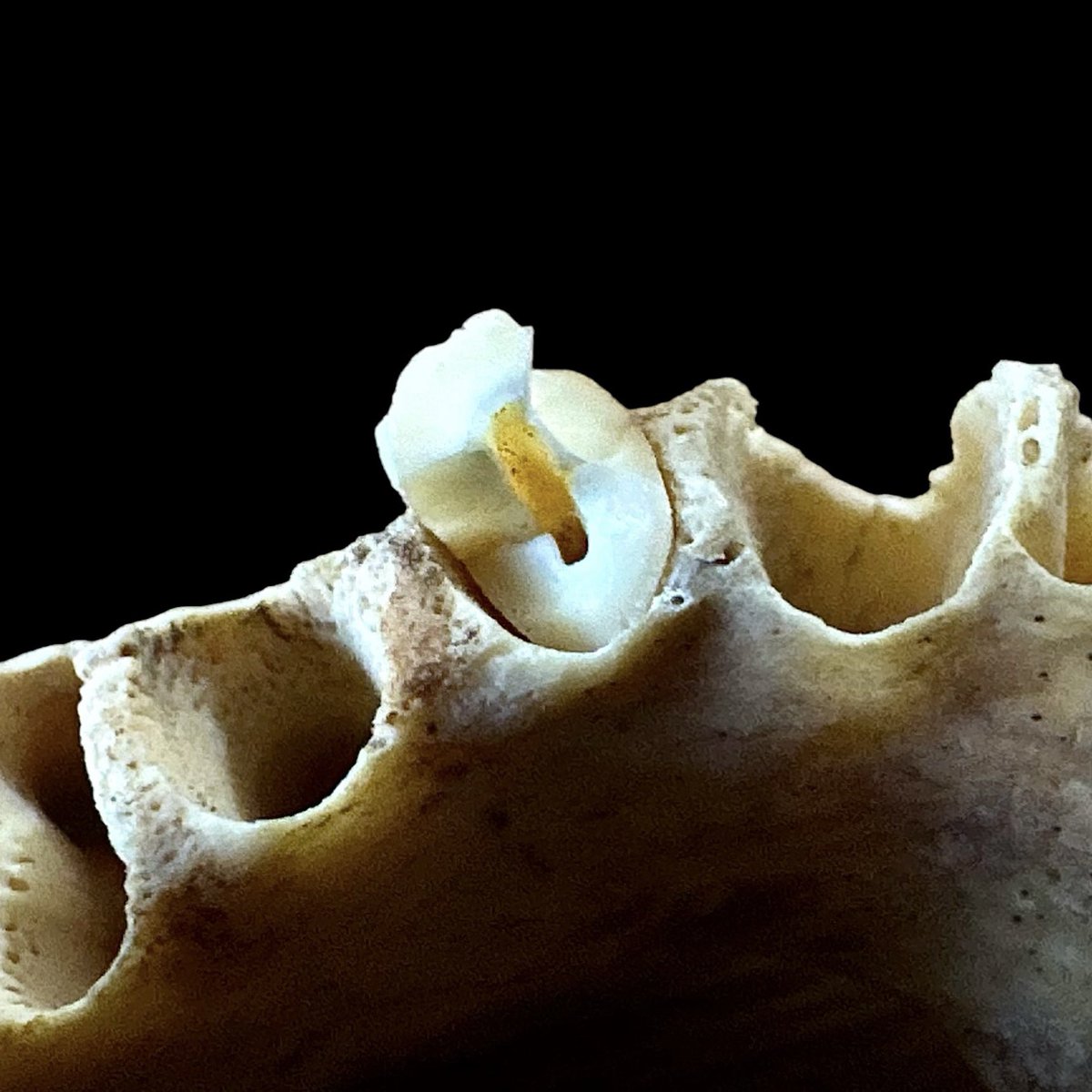
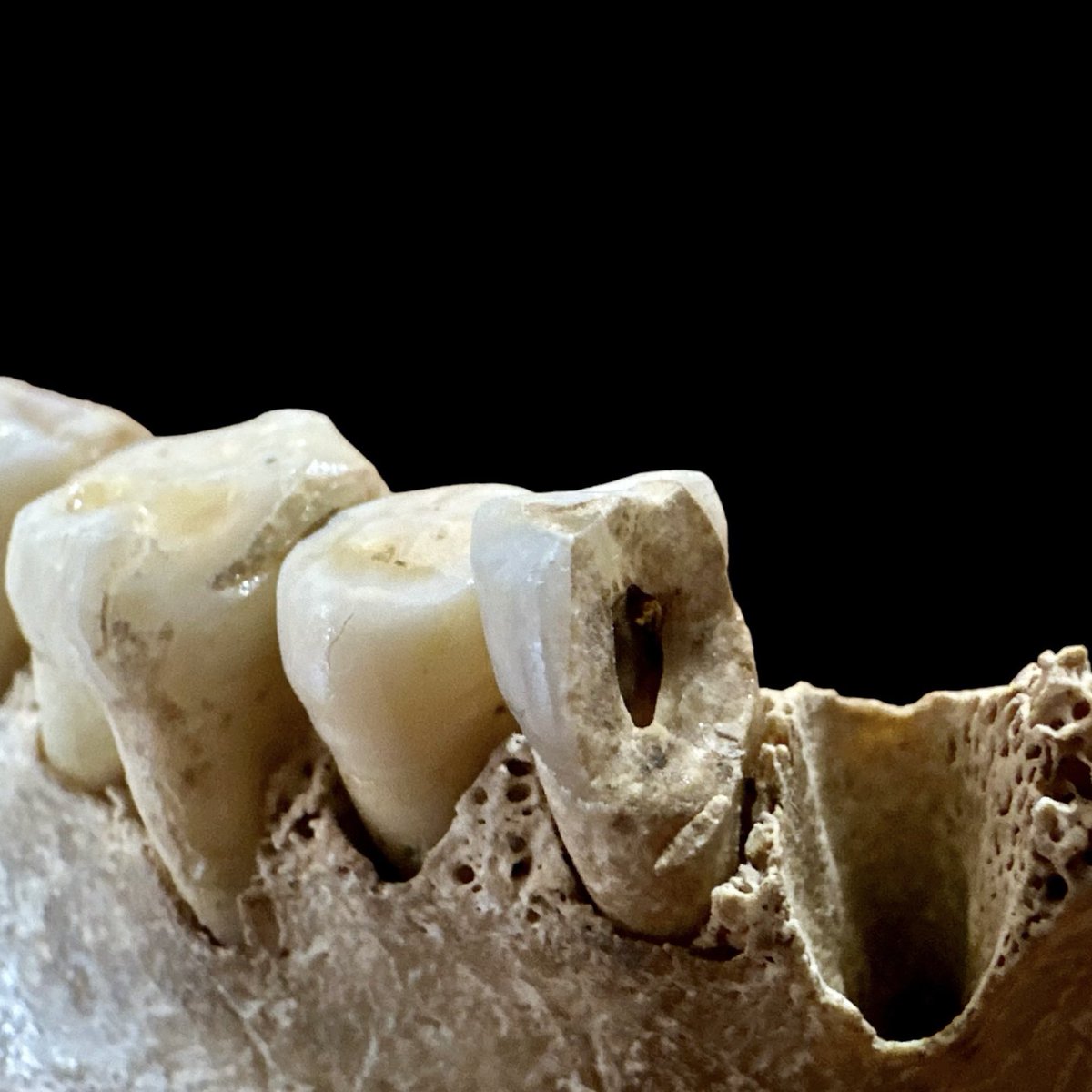
Why Broken Teeth are Commonly Found in Discoveries
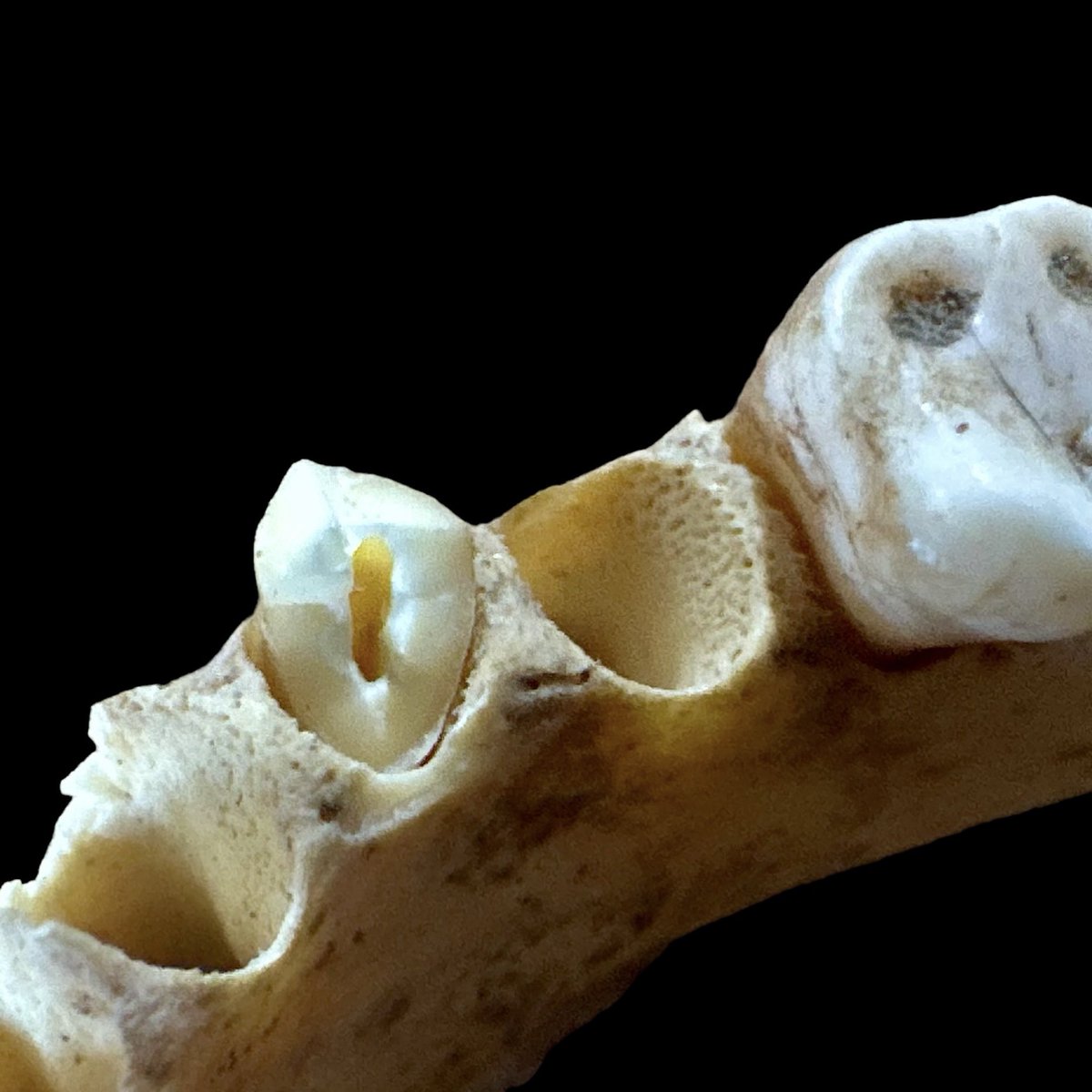
There are factors that contribute to the fragility and subsequent breakage of teeth found in archaeological skull specimens:
1. Mineral Interactions**; The long term exchange of minerals, with the surrounding soil can weaken the integrity of teeth making them more fragile (Turner Walker, 2008).
2. Drying Out**; Over time teeth can become dry which makes them brittle and more prone to breaking.
3. Effects of Weather and Erosion**; Environmental conditions can gradually weaken the structure of teeth over extended periods (Hillson, 2005).
4. Microbial Impact**; Bacterial activity can erode teeth although this is more prevalent during the stages of burial.
5. Sampling Methods**; Techniques used for Carbon 14 (C 14) sampling can put stress on fragile teeth leading to fractures.
6. Existing Microscopic Fractures**; Pre existing tiny fractures make teeth susceptible, to breaking during handling or sampling procedures (Turner Walker, 2008).
7. Careful Handling**; Applying force during sampling should be done carefully to avoid causing fractures.
Basically when it comes to digging up artifacts and collecting C 14 samples tooth breakage is a problem influenced by various factors such, as existing conditions and how they are handled.
Reference materials;
Turner Walker, G., 2008 "The decay of bones and teeth caused by chemicals and microbes."
Hillson, S. 2005 "Teeth."
When engaging in the process of Carbon 14 (C 14) dating or any kind of sampling that involves skulls it is crucial to handle them with caution. These delicate teeth are prone to damage, due to mineral changes, desiccation or other factors. Any lack of meticulousness, during the handling process could result in the loss of data points. Additionally it is important to remember that these remains were living individuals. As guardians of these skulls we have a duty to treat them with respect and dignity honoring the life they once represented.
#Archaeology #ToothFragility #MineralExchange #Desiccation #Weathering #Carbon14 #SamplingTechniques #MicrobialActivity #BoneDegradation #ForensicAnthropology
2
91
3,122

20 Jun 2023
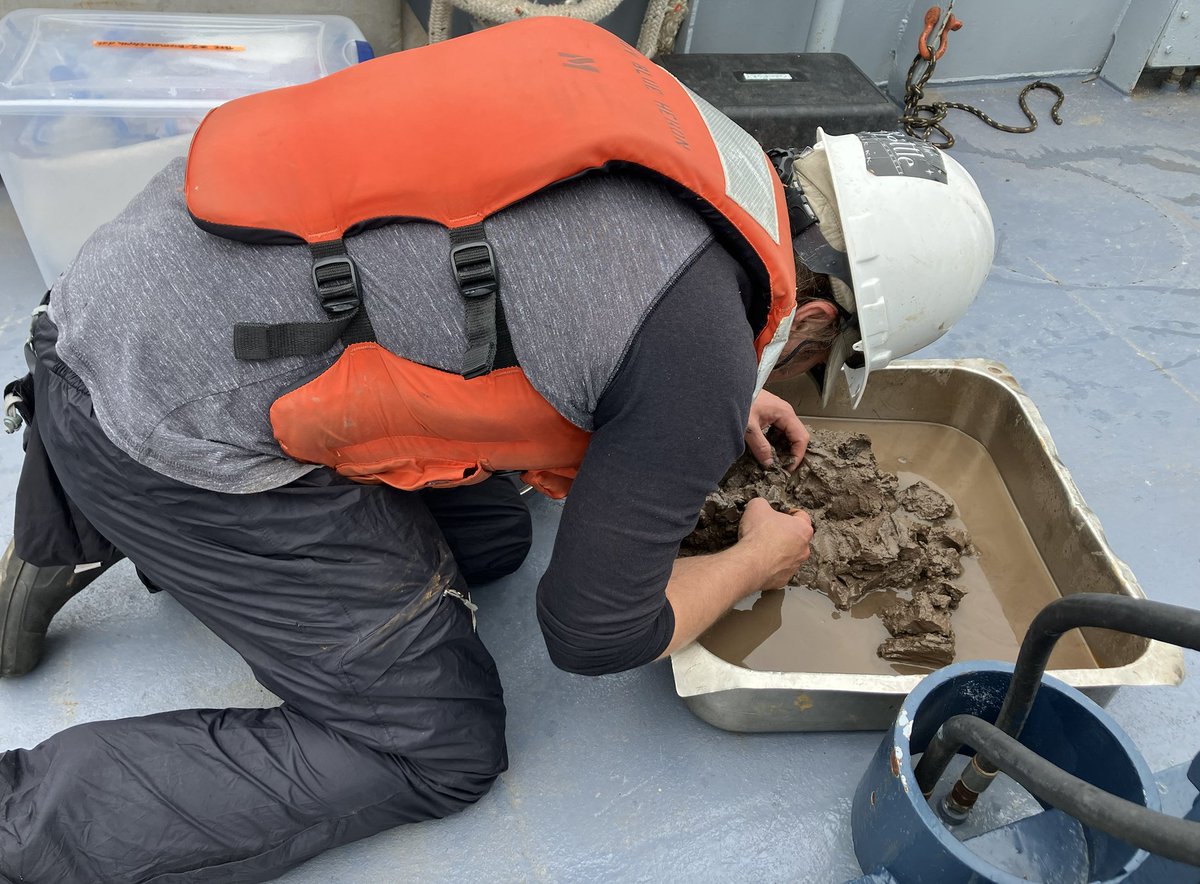
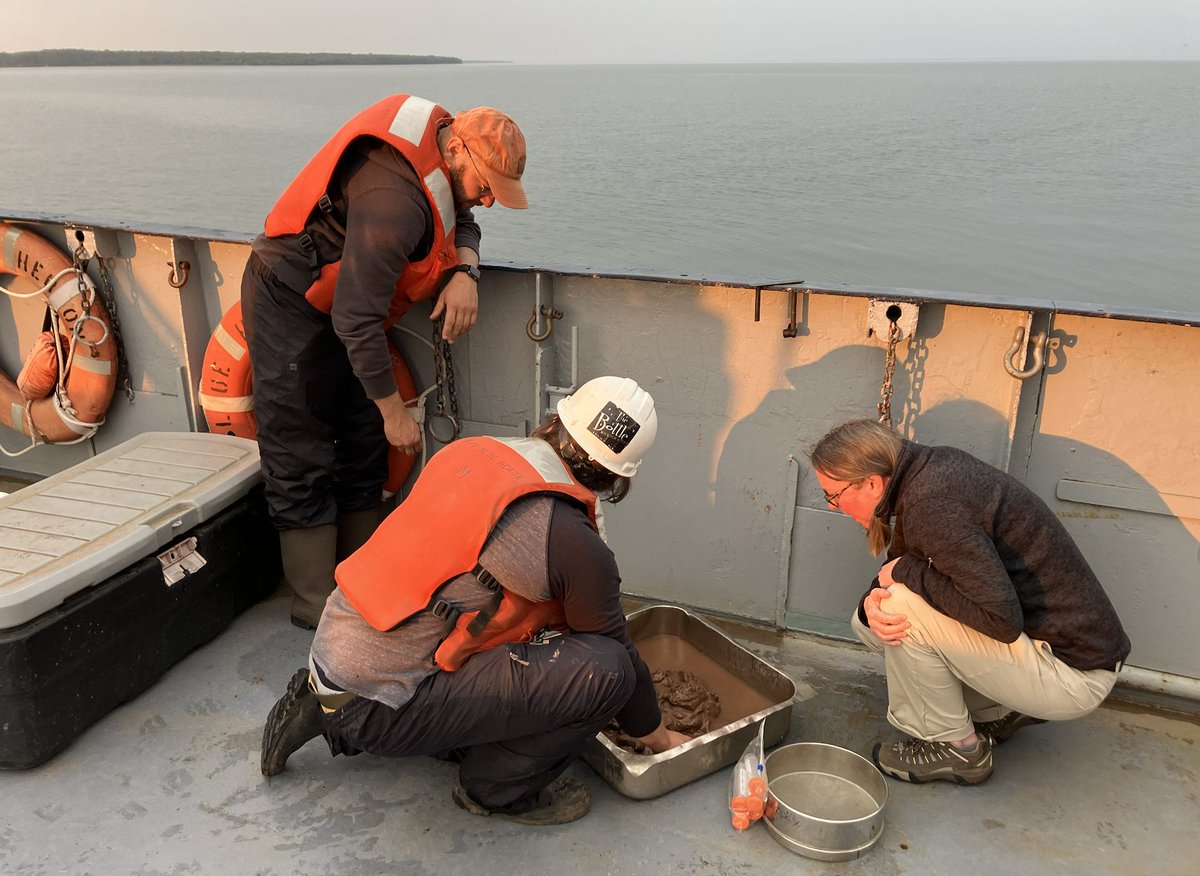
How much 'ploca could a PI pluck if a PI could pluck 'ploca? #ALot.
The @OzerskyLab joined @UmdLLO and @umces Horn Point Lab scientists last week to search for sulfur-oxidizing, sheath-building #Thioploca bacteria in the Great Lakes. Stay tuned for more #microbialactivity.
1
2
5
448

2 Jun 2023
New NIOO publication: #Nitrogen input on organic amendments alters the pattern of soil–microbe-plant co-dependence, by @MarcioLeiteEco and others. #cropresidues #fertilizer #soil #bacteria #microbialactivity
doi.org/10.1016/j.scitotenv.…
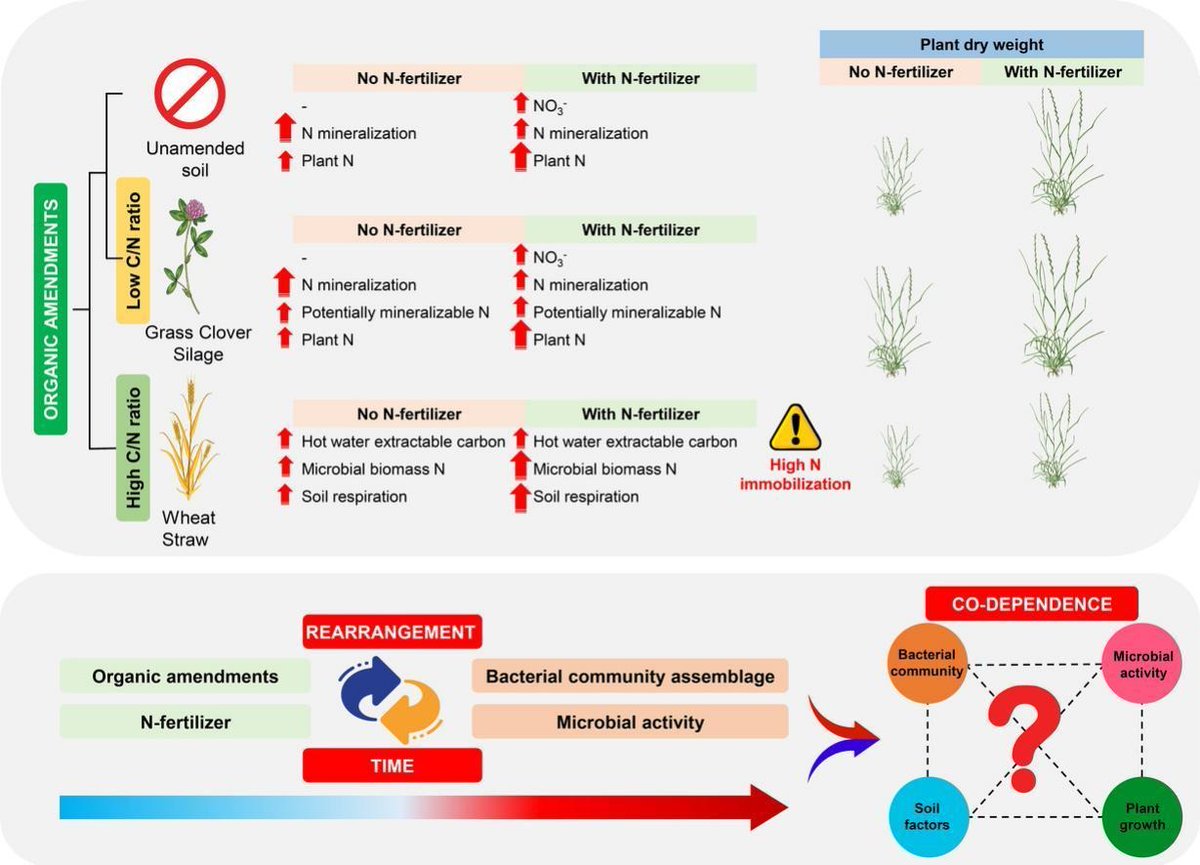
ALT Graphical abstract Bossolani et al. (2023).
1
2
325

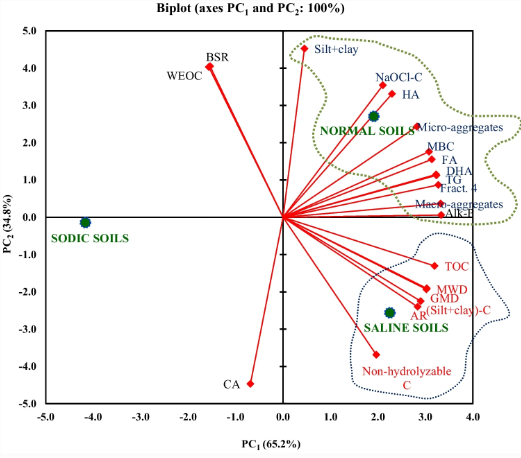
Published📢Structural #Stability and #Organic Matter Stabilization in Soils: Differential Impacts of Soil #Salinity and #Sodicity
rdcu.be/c4yjT
#MicrobialActivity #TotalOrganicC
3
10
555

22 Sep 2022
#Microbialactivity was monitored using #respirometry so the system could be continually optimised. The supermarket was built and opened around the working #bioslurping system, with minimal disturbance to site and supermarket workers once it was operational (3/4)
1
2

25 Jun 2022
That's fantastic @StBFCPaul 🌱👌⚽️👏👏👏 #intensivedecompaction #qualityseed #composttopdress #nutrients #water #soilbiology #microbialactivity #establishedrootzone #healthygrass
2

13 Dec 2021
Looking forward to the outcome: considering we showed ongoing #respiration and #microbialactivity at -20 °C in frozen #soil (frontiersin.org/articles/10.…), I guess the #decomposition will exceed the expectations. Really curious on results esp. on more complex #litter.
4
2 Nov 2021
#Microbialactivity in soil generally increases with temperature so projects in colder climates can be prolonged due to low temperatures. Therefore, in a #temperateclimate like the UK, optimise your #bioremediation project by involving us at an early stage bit.ly/ersbiorem
1
2
30 Sep 2021
#Hydrocarbon #contaminatedsoil can be bioremediated by naturally present microorganisms. However, an excess of hydrocarbons in the soil can create suboptimal conditions. To maximise #microbialactivity, limited macronutrients such as #nitrogen often require addition. (1/2)
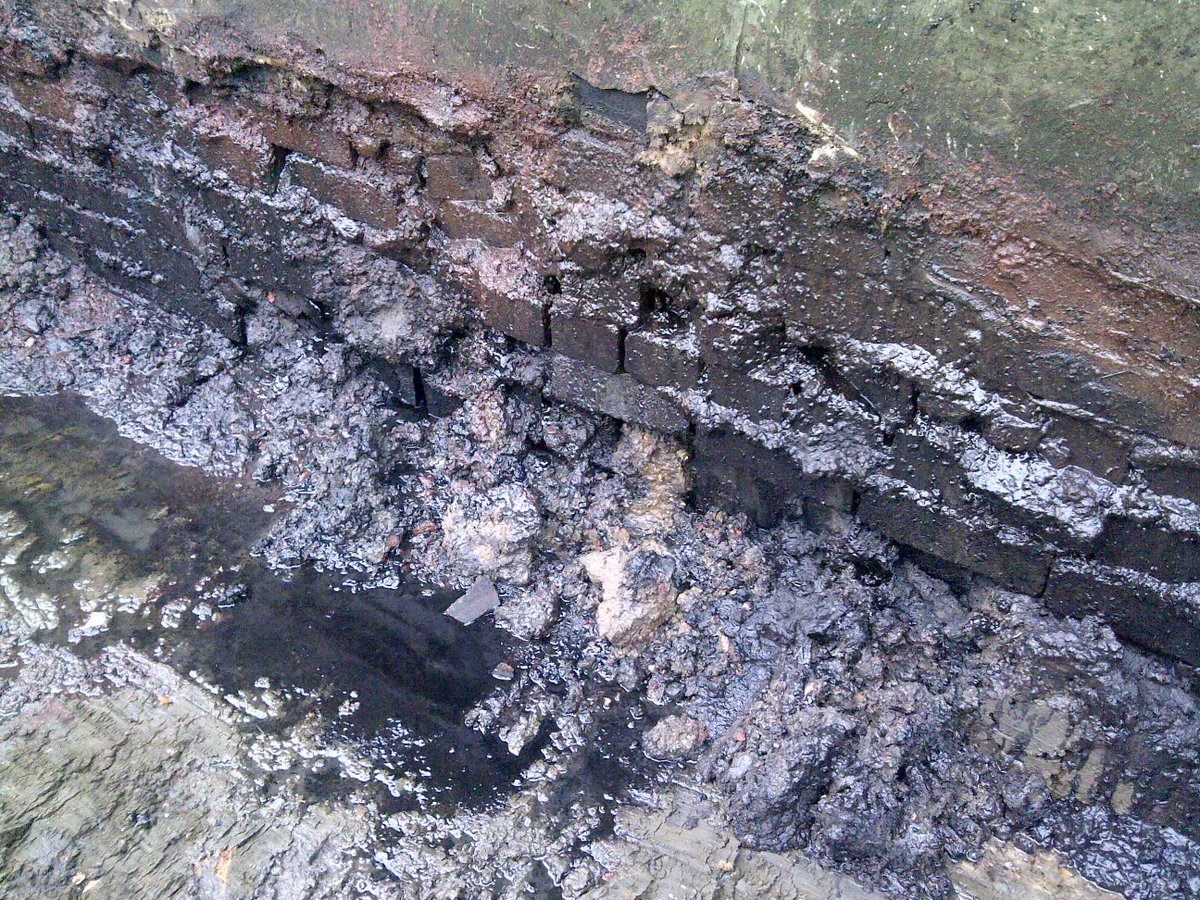
ALT soil heavily contaminated with hydrocarbons
1
3
3