
30m
Tarek Alaruri, CEO & co-founder of @StuutAI, with some enterprise sales advice at #NYTechWeek:
Pick up the phone. Cold calling still works. @realtarek @HSBCInnovation
1
64


Jun 14
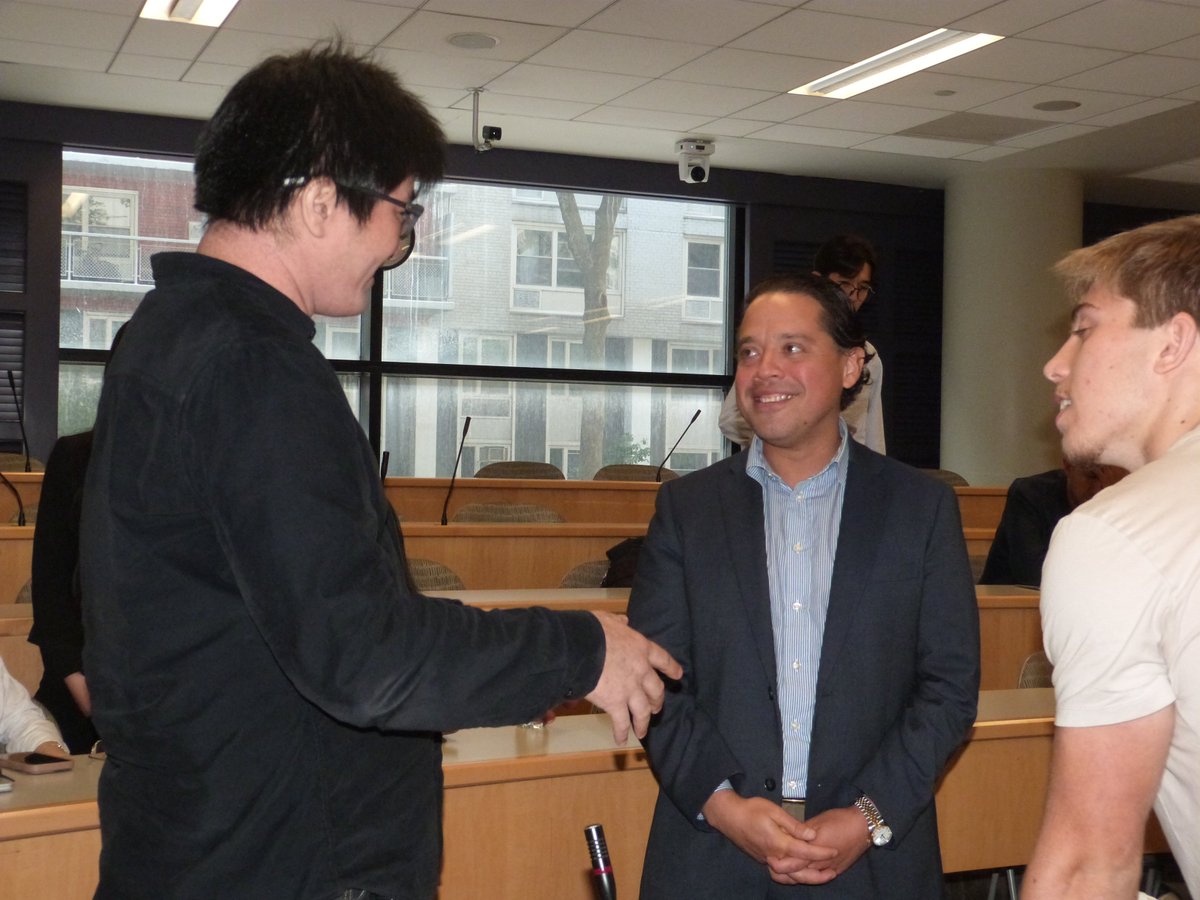
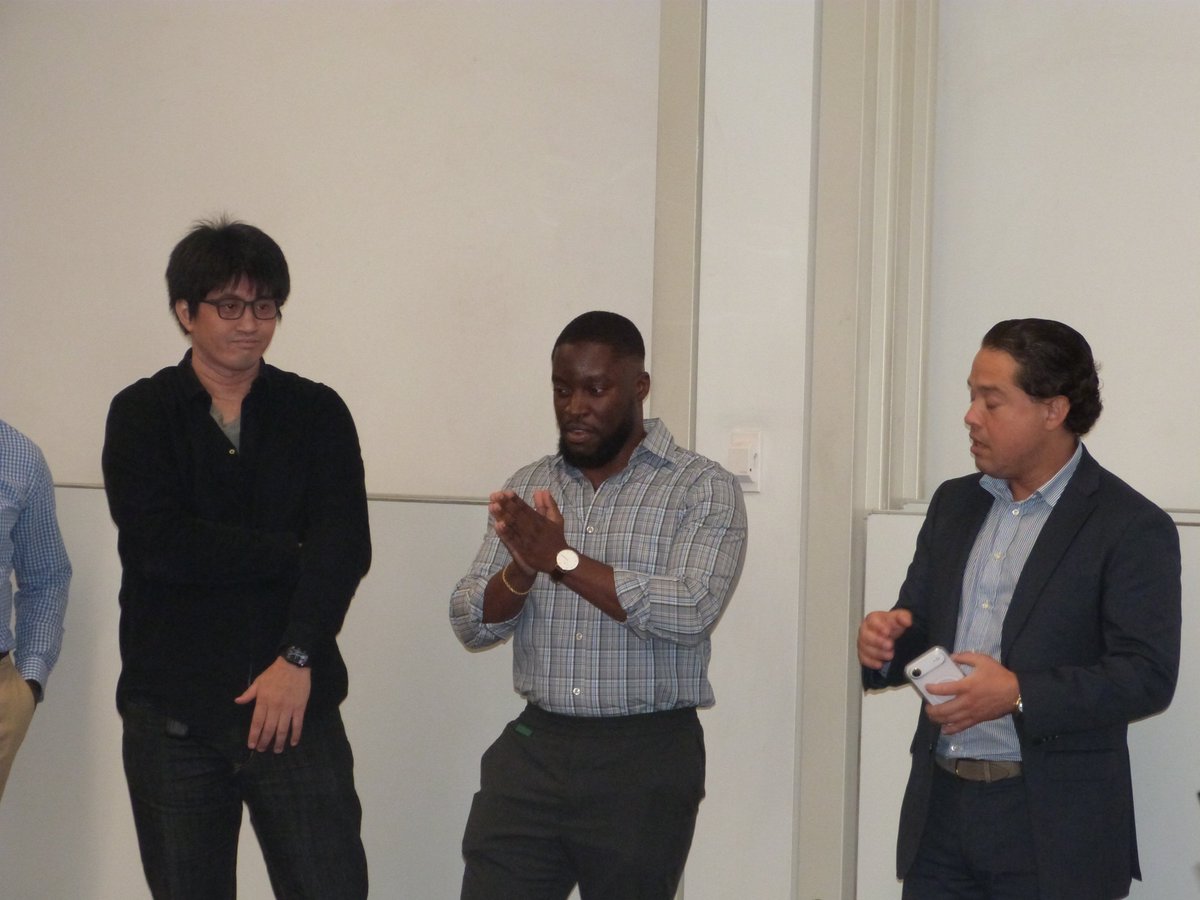
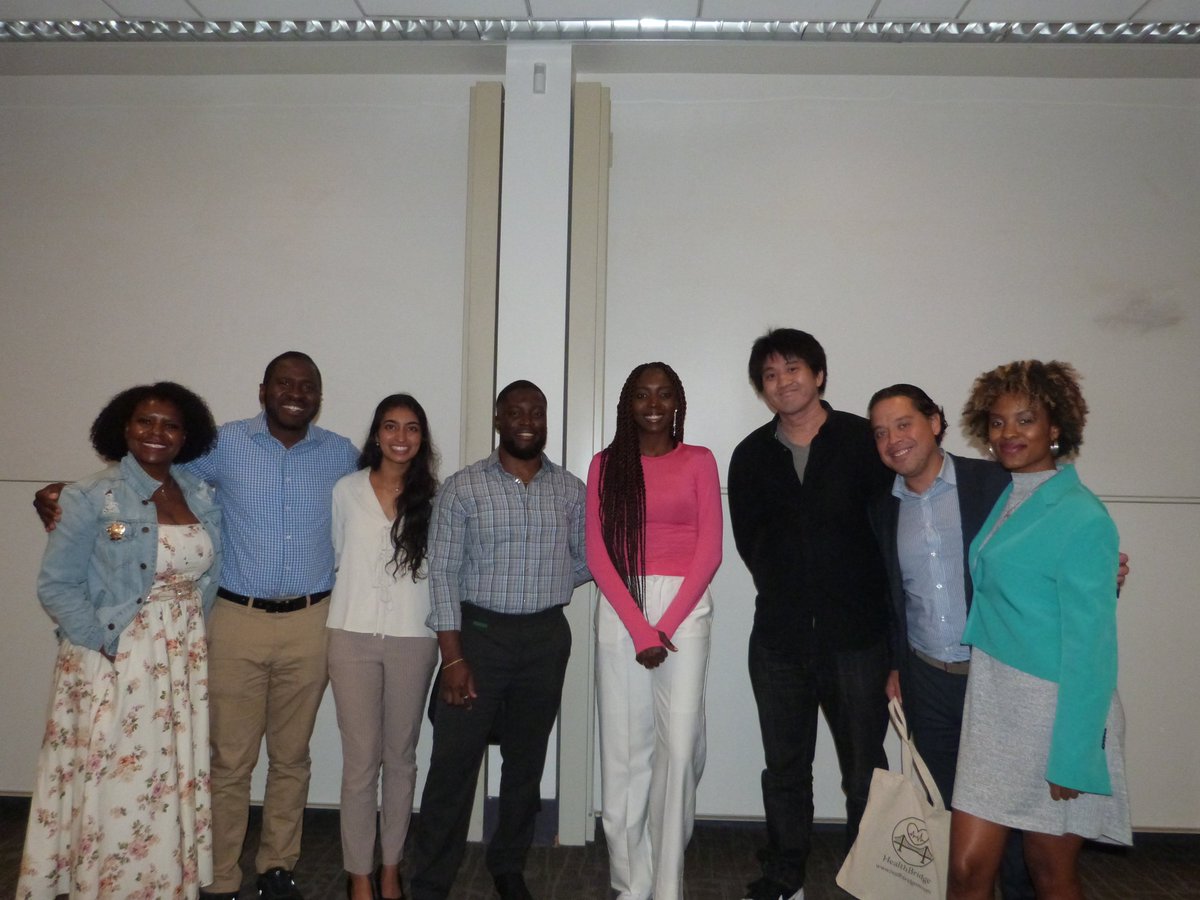
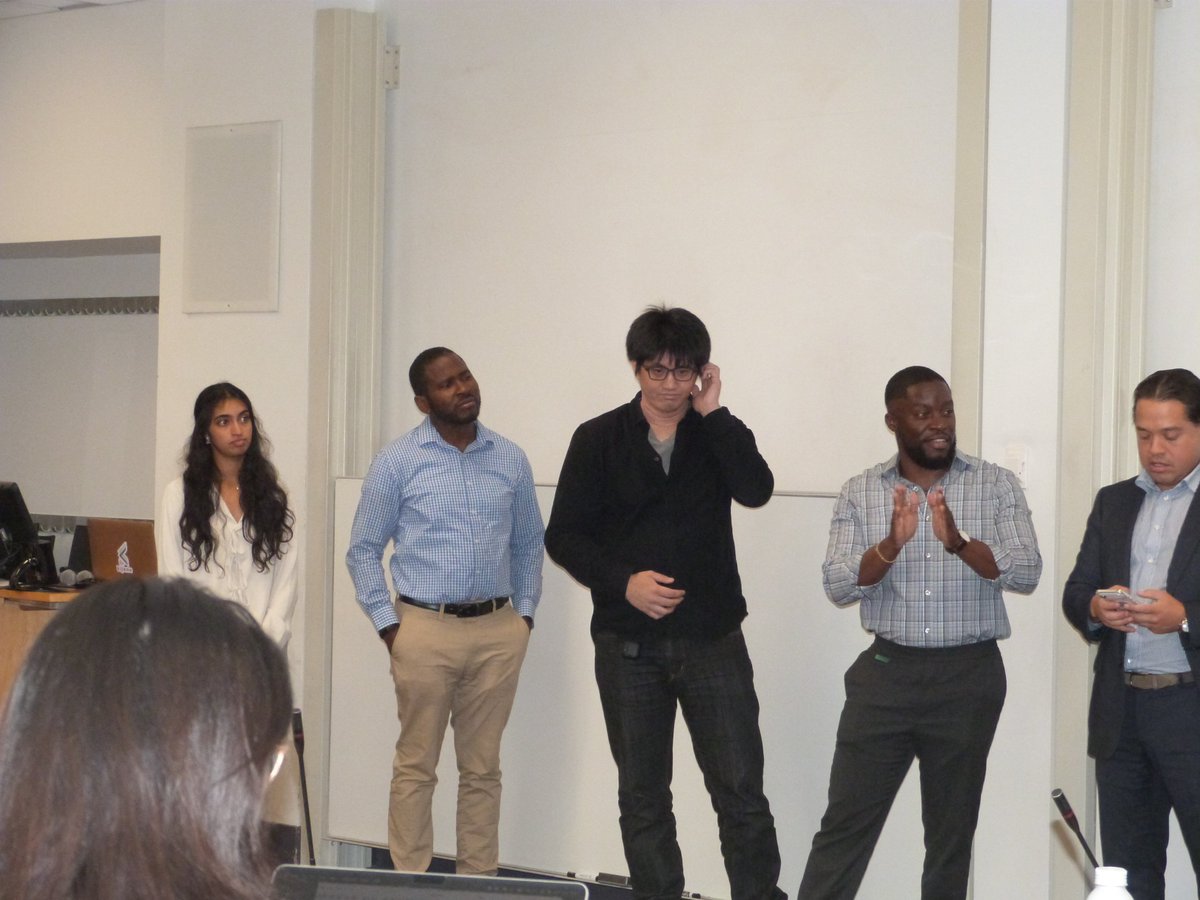
A pitch is only as valuable as the feedback loop it creates.
Thank you to the industry leaders who joined us as judges at NYU Stern for the Kijana Young Innovators Showcase. @Techweek_
#NYTechWeek #TechCommunity #Kijana
1
7

Hosted our first #NYTechWeek event this year and came away with one big realization:
The attendees only see half the story.
Behind the scenes, hosts are constantly helping each other with venue issues, waitlist strategy, sponsor introductions, logistics, and operational advice. It's one of the most collaborative startup communities we've experienced.
The most useful lesson everyone repeated?
RSVPs ≠ attendance.
The official host guide warns of up to 70% attrition, and almost every experienced organizer we spoke with had similar numbers. Many plan around only 35–45% of registrations actually showing up.
That single insight completely changes how you think about capacity planning.
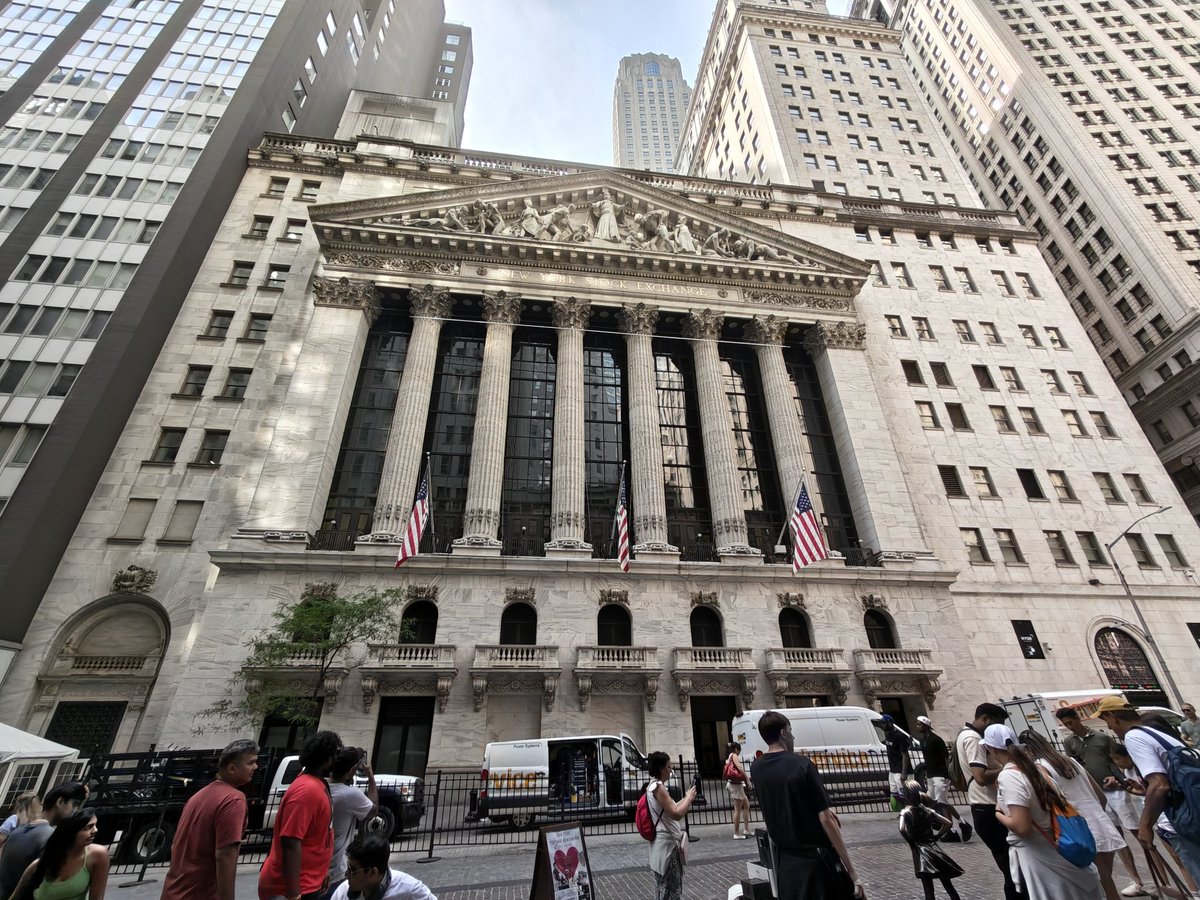
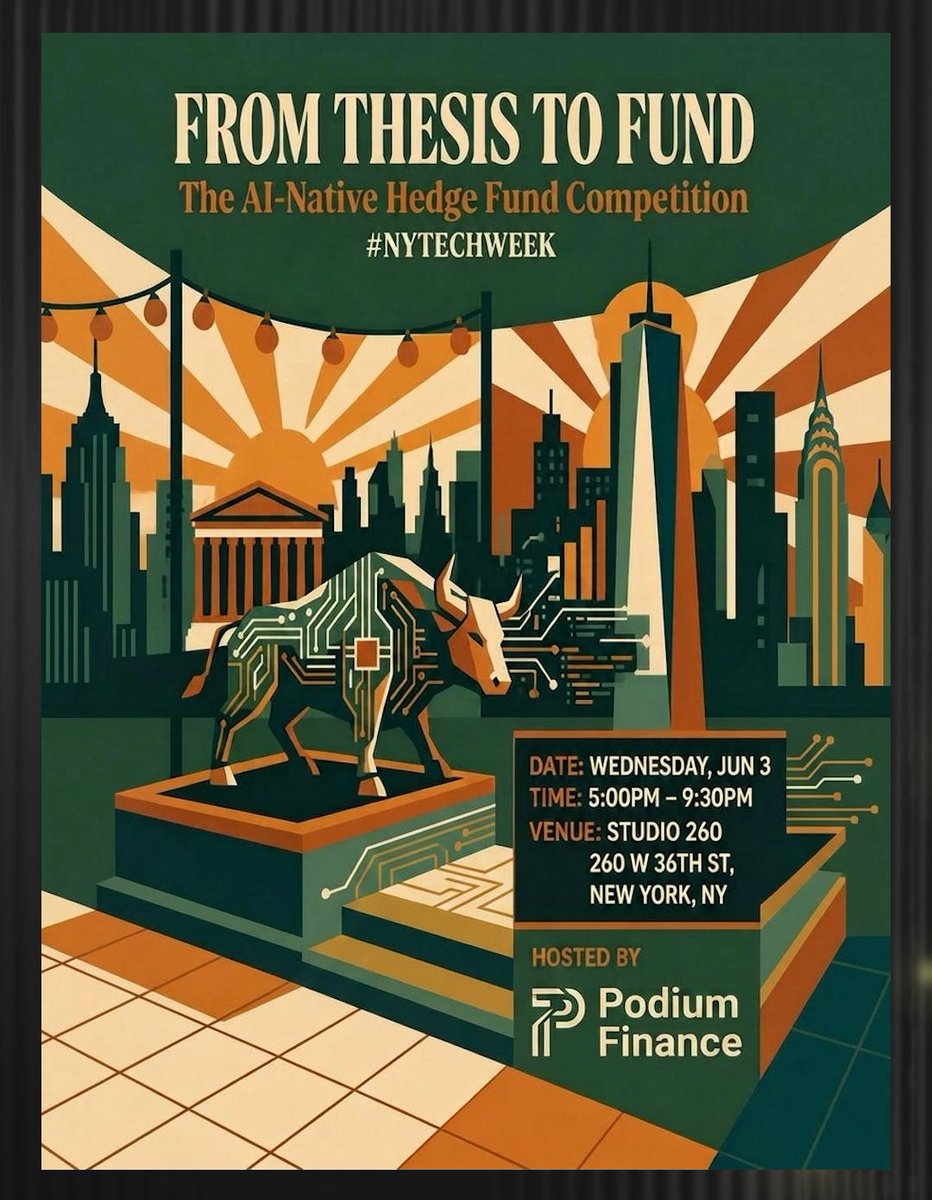
For our event, From Thesis to Fund: The AI-Native Hedge Fund Competition, demand exceeded expectations. We increased capacity multiple times before registrations eventually closed while still oversubscribed—even while competing against rooftop parties, yacht events, and much larger productions.
The most rewarding part wasn't the RSVP count though.
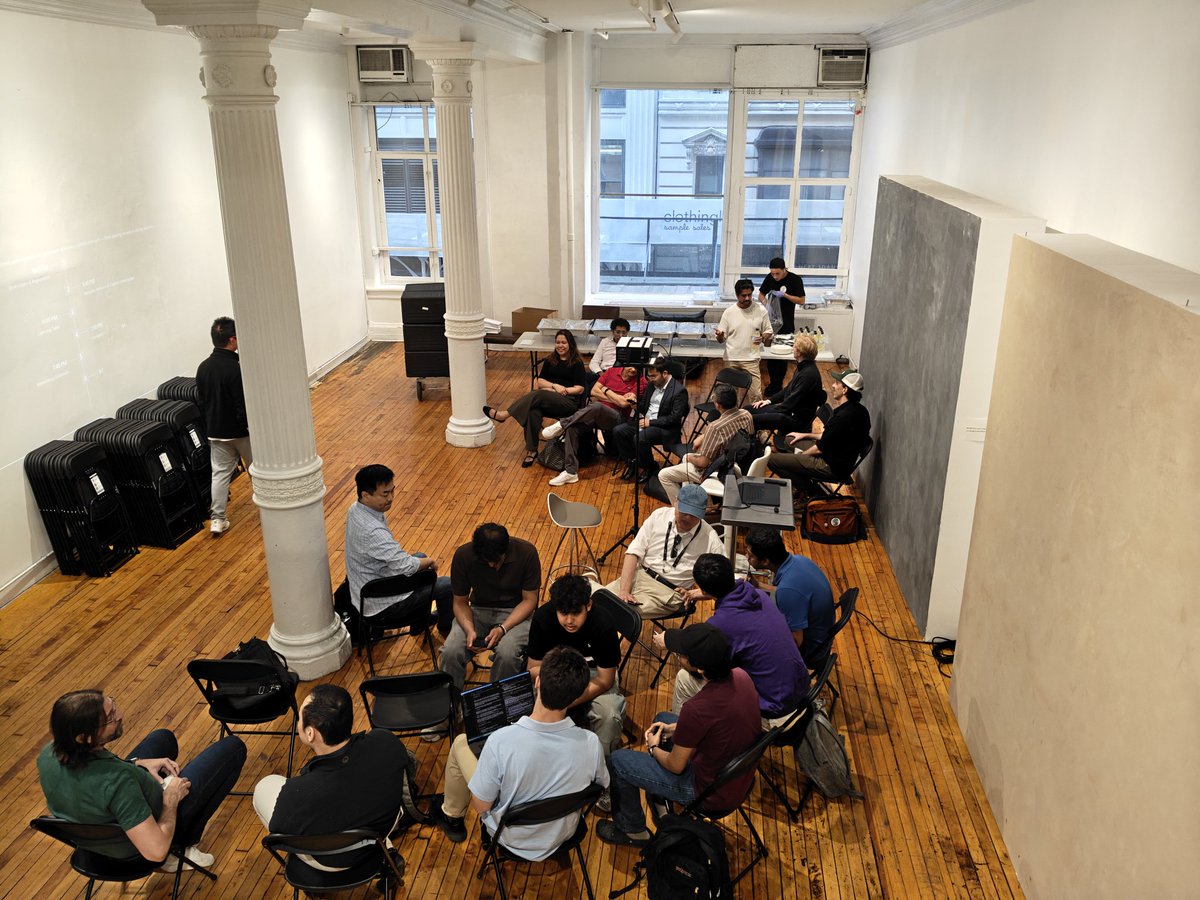
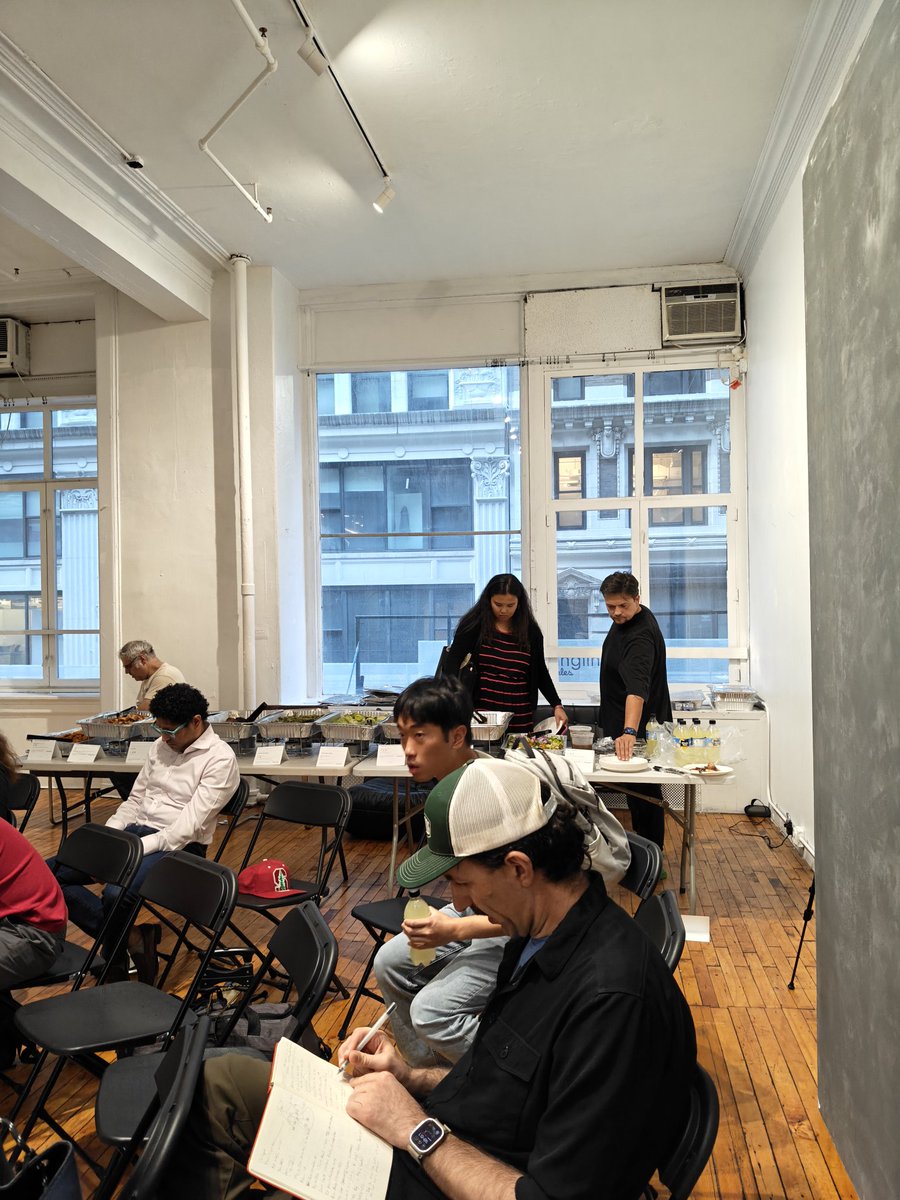
People were still arriving around 9pm for a 9:30pm finish because they wanted to join the discussions. Conversations continued long after the scheduled end time, and we had to ask the venue owner for extra time to keep the networking going.
One thing we intentionally didn't do: hire DJs or play loud music.
We've attended too many "networking" events where you have to yell over the speakers just to introduce yourself. Instead, we optimized for conversation density, comfortable spacing, and an environment where people could actually connect.
Judging by how long people stayed, it was absolutely worth it.
If you're thinking of hosting @Techweek_ the future: don't just optimize for attendance. Optimize for conversations.
2
40

Naqib A 𖤐 retweeted

Jun 2
I’m leaving NYTECHWEEK to bake scones and cookies and fucking BANANA BREAD.
4
1
38
7,375
Jun 13
We asked Debut and Buity to tell us about their time at the Young Innovators Showcase. Here’s what two of our top three teams had to say about the experience!
#kijana #NYTechWeek #younginnovatorsshowcase
7

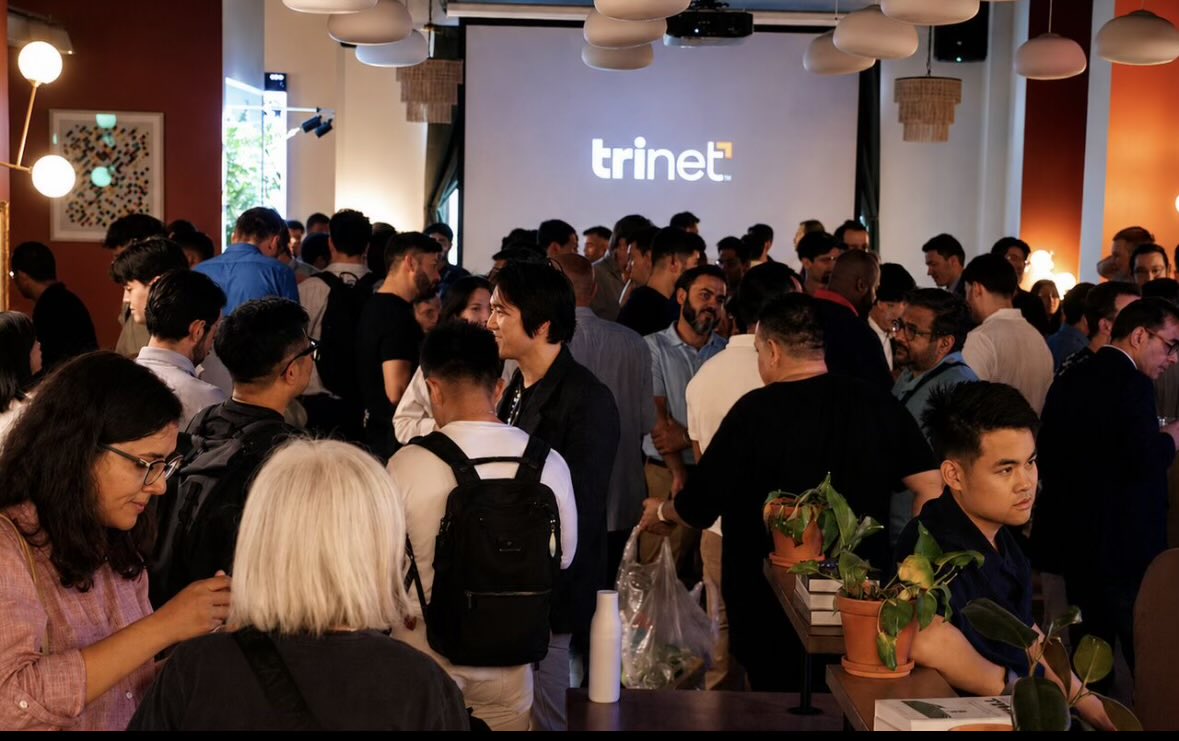
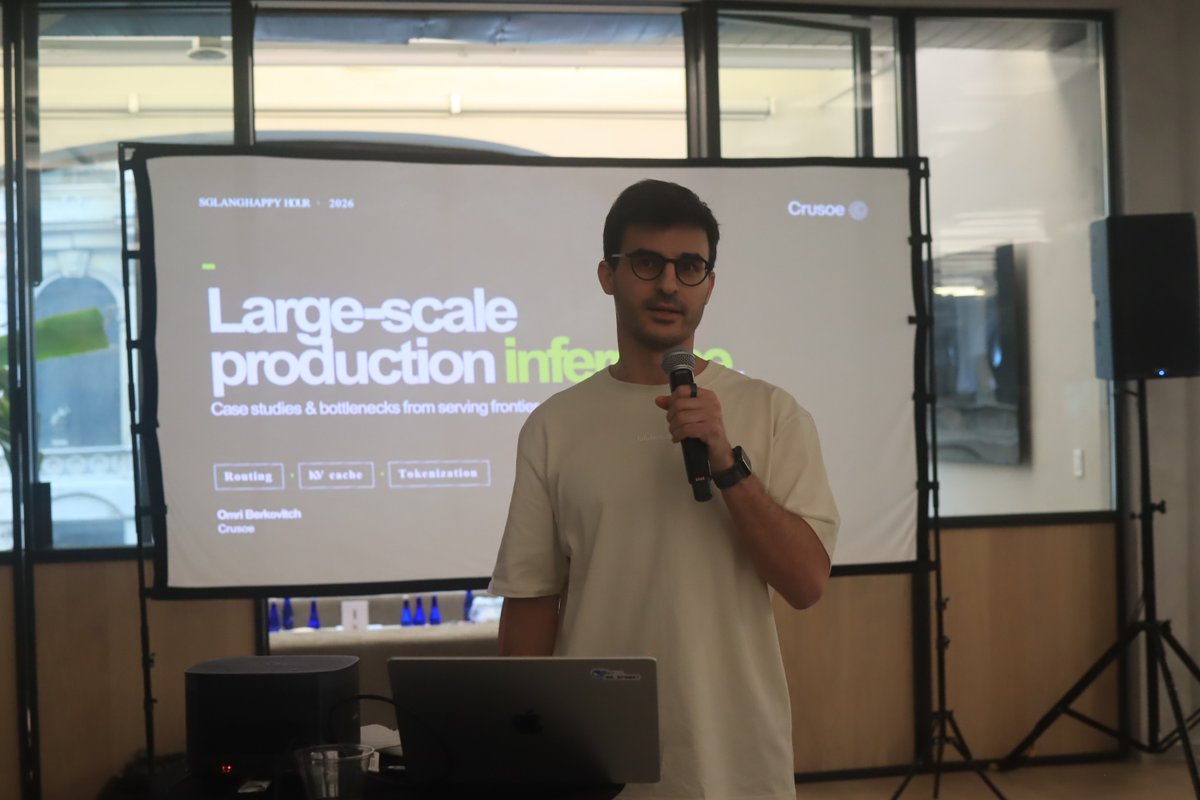
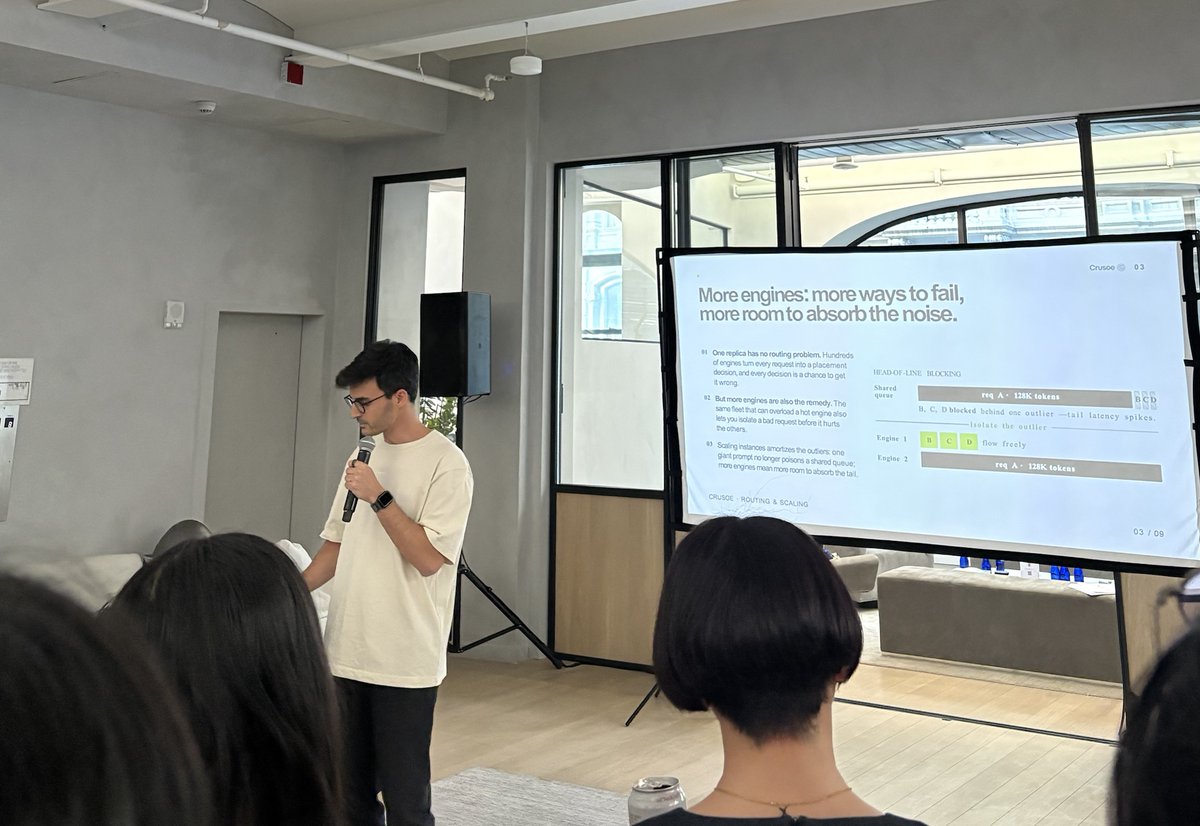
We joined @HOFCapital, @CloudflareDev @ArklexAI to host SGLang’s #NYTechWeek Happy Hour Lightning Talk exploring AI inference in finance.
Our AI Research Manager Omri Berkovitch spoke on efficiently running large-scale inference in production. 📸
#AIinference #FinanceAI
1
10
1,219

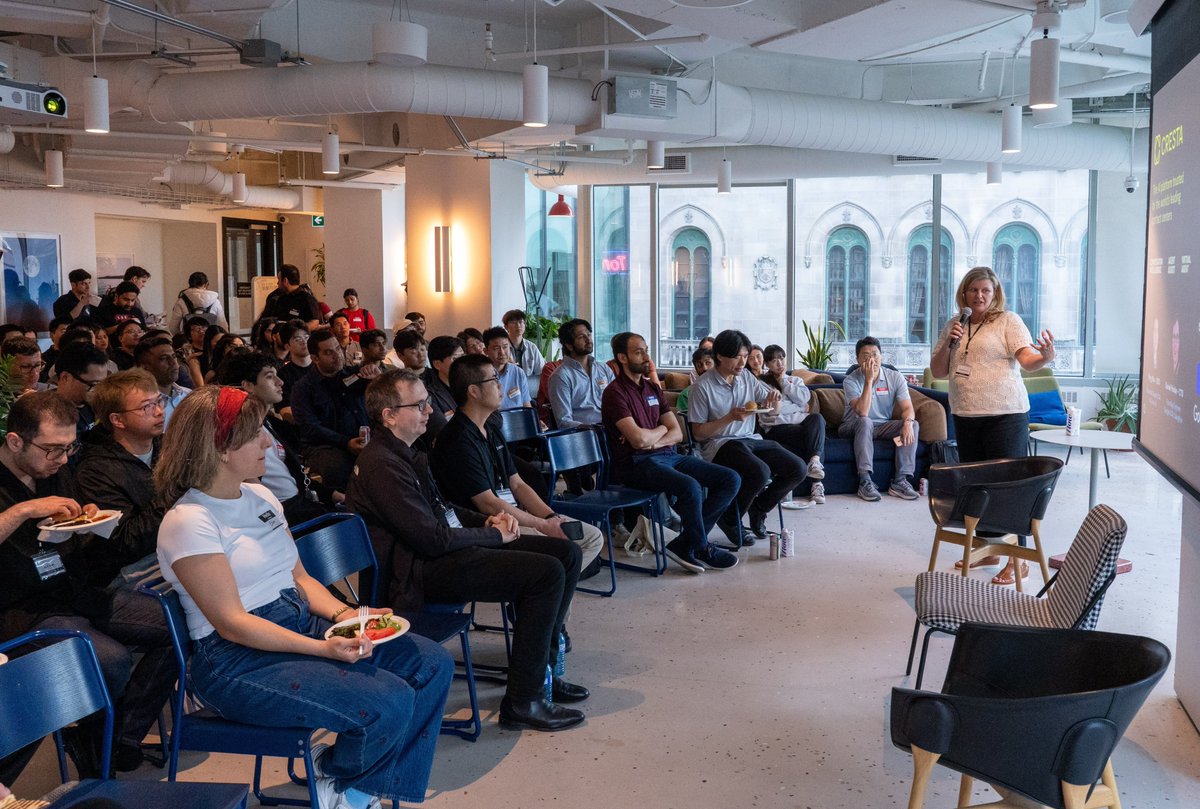
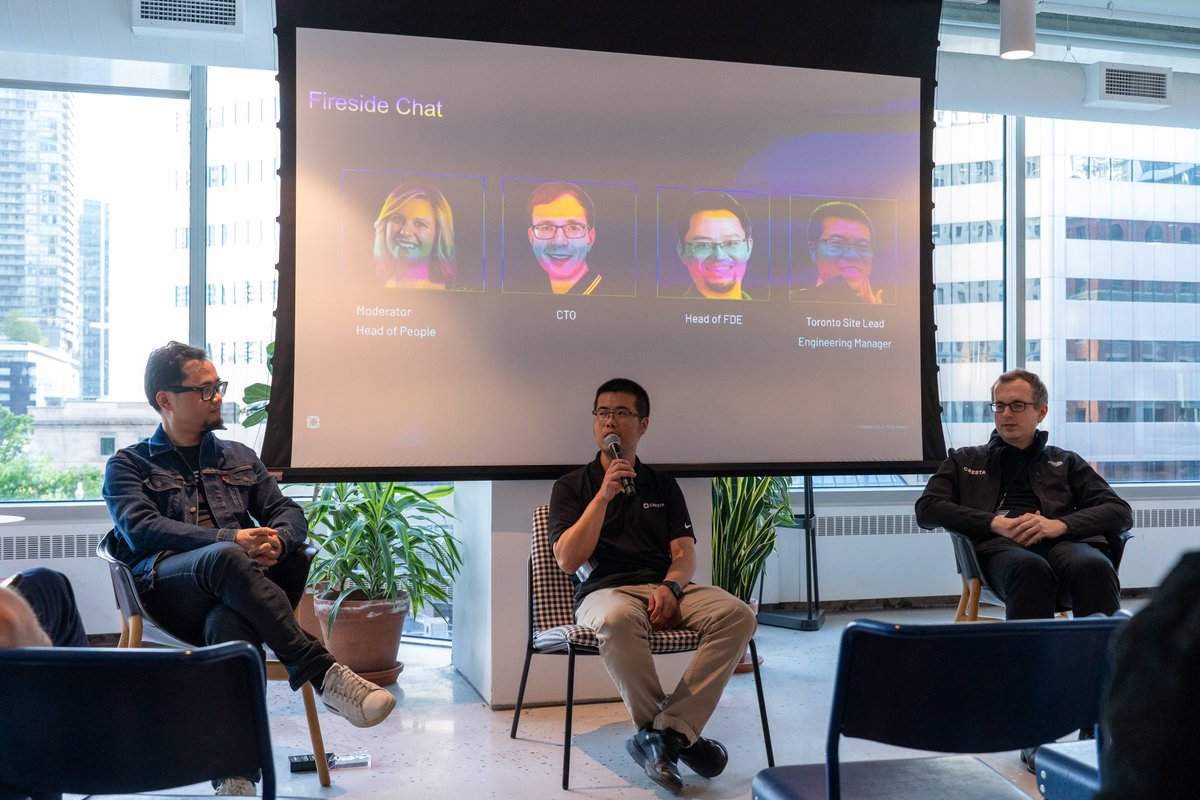
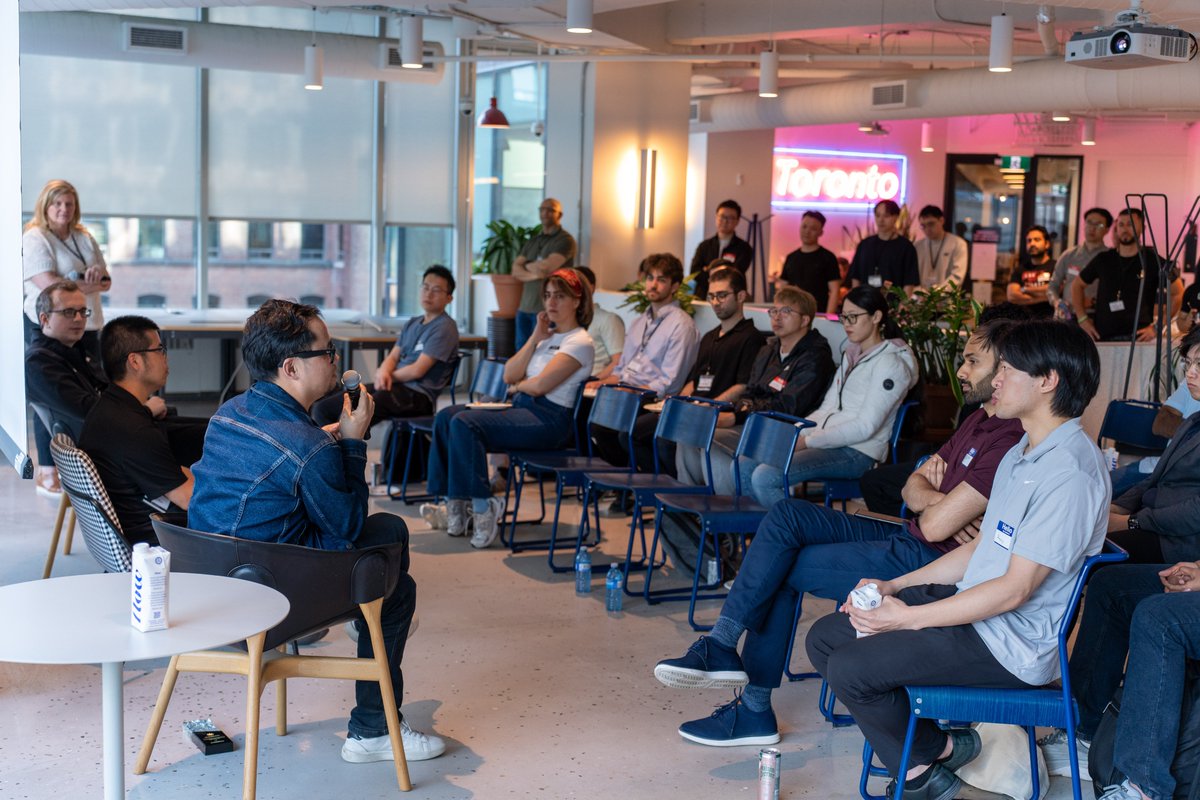
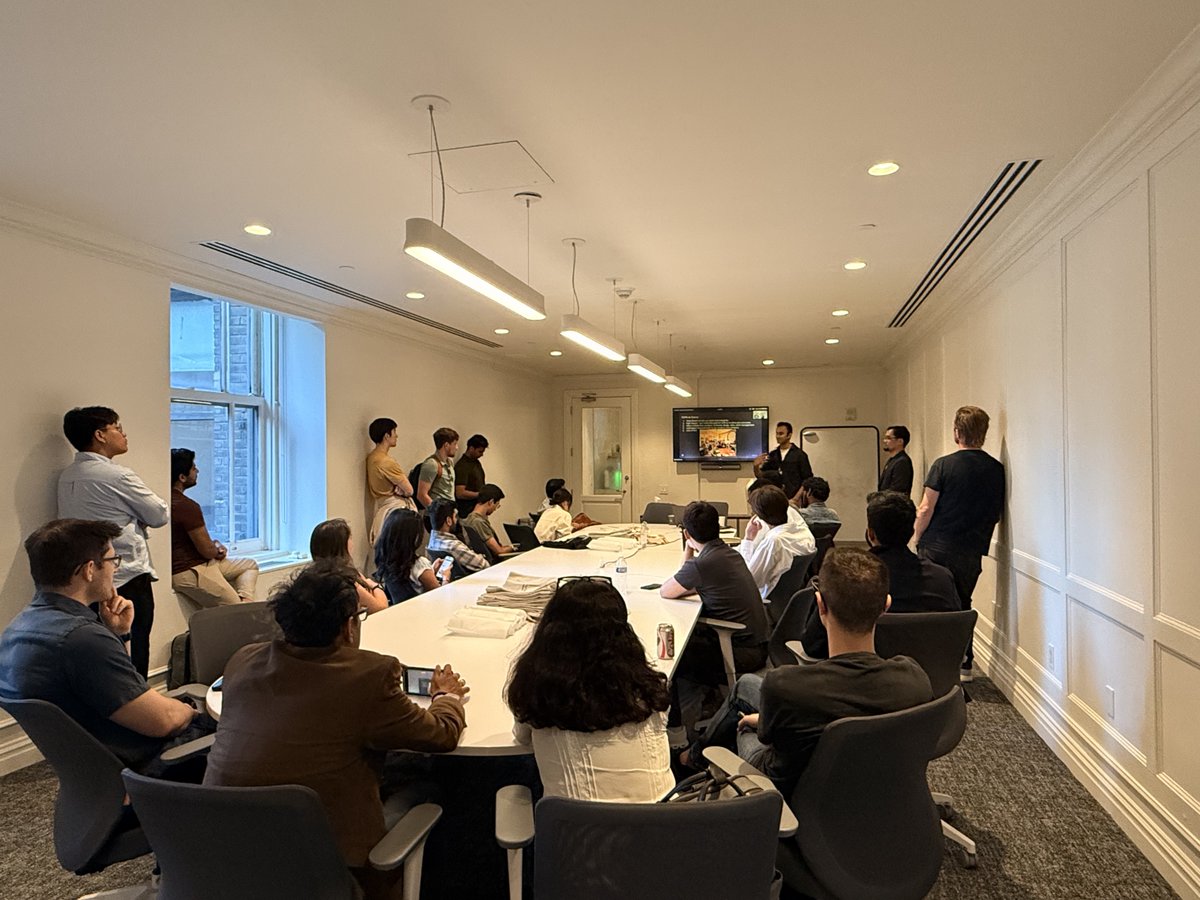
Could not have asked for a better turnout at #TorontoTechWeek and #NYTechWeek 🎉
From exploring Agentic Engineering in Toronto to hosting our Forward Deployed Social in NYC, Team Cresta had a blast connecting with so many fellow builders passionate about production-grade AI.
1
69
Sergei Polevikov retweeted

Jun 12
Digital Health Vitals went live at @health2tech_ #NYTechWeek 🎙️
Joined by @AIHealthUncut, Stephanie Davis, and Guy Milhalter, we discussed the latest #healthtech news, @doctronic pilot, @ouraring IPO, @Google Health, @doximity, @AnthropicAI, and more.
youtube.com/watch?v=e34Nbt4l…
1
4
119

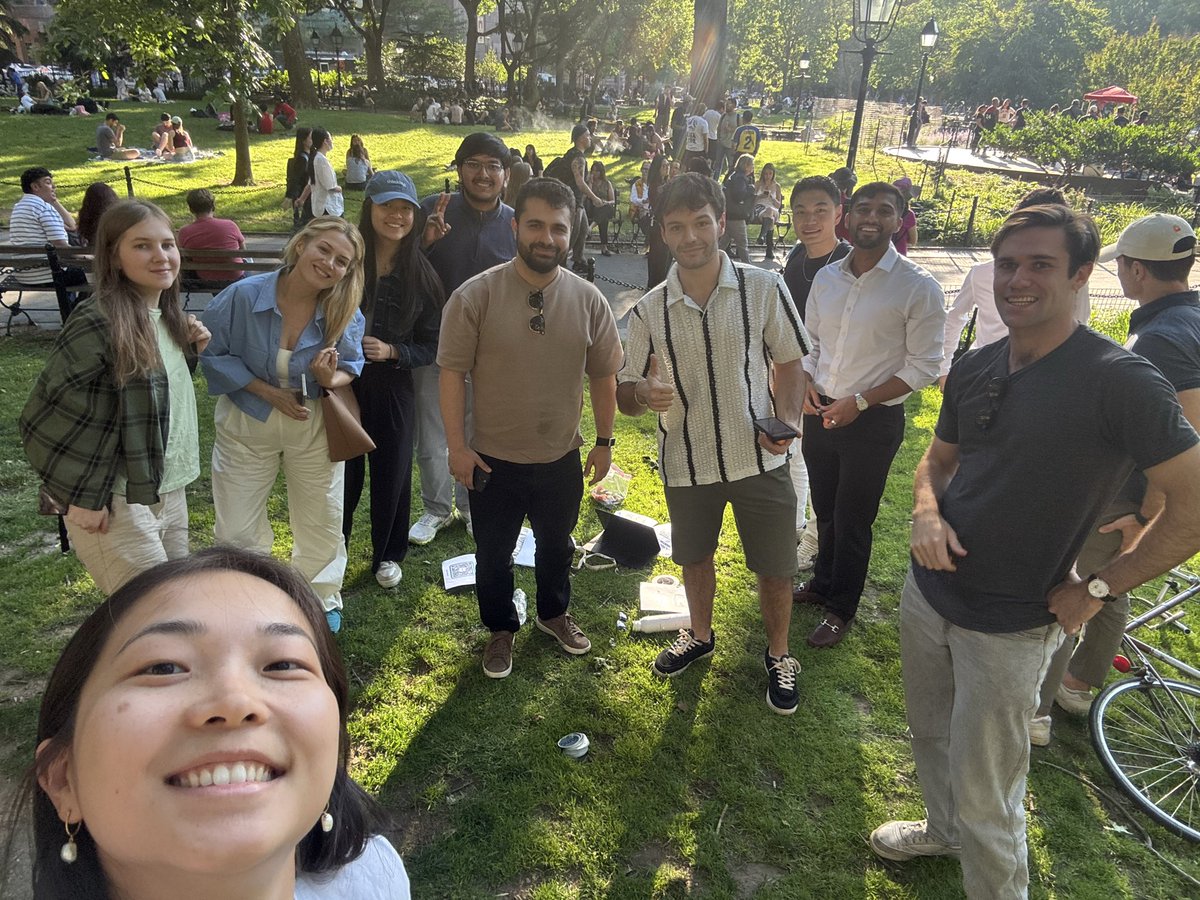
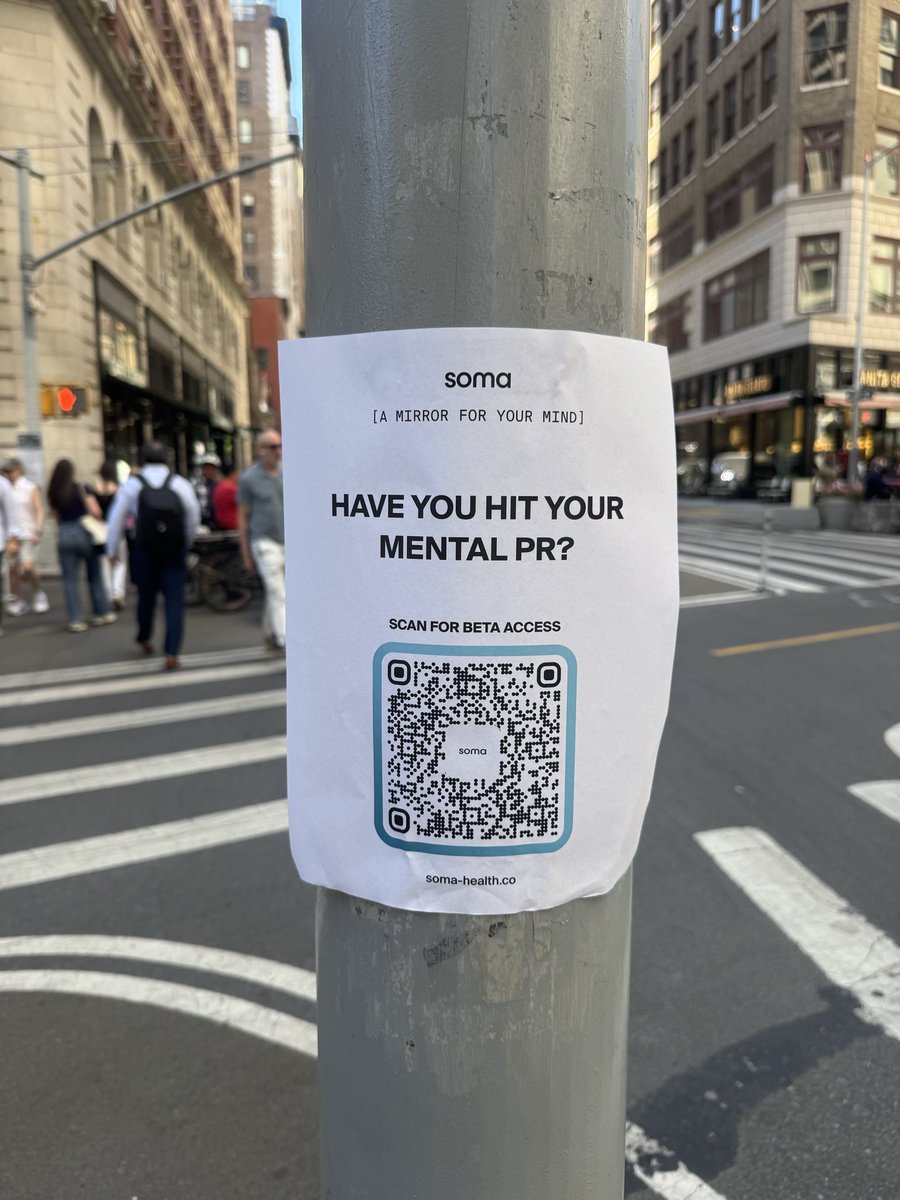
brains to the maxxx w grass sun new people at #NYTechWeek
find us around town and hit us up on discord !! link below
2
1
159

Jun 12
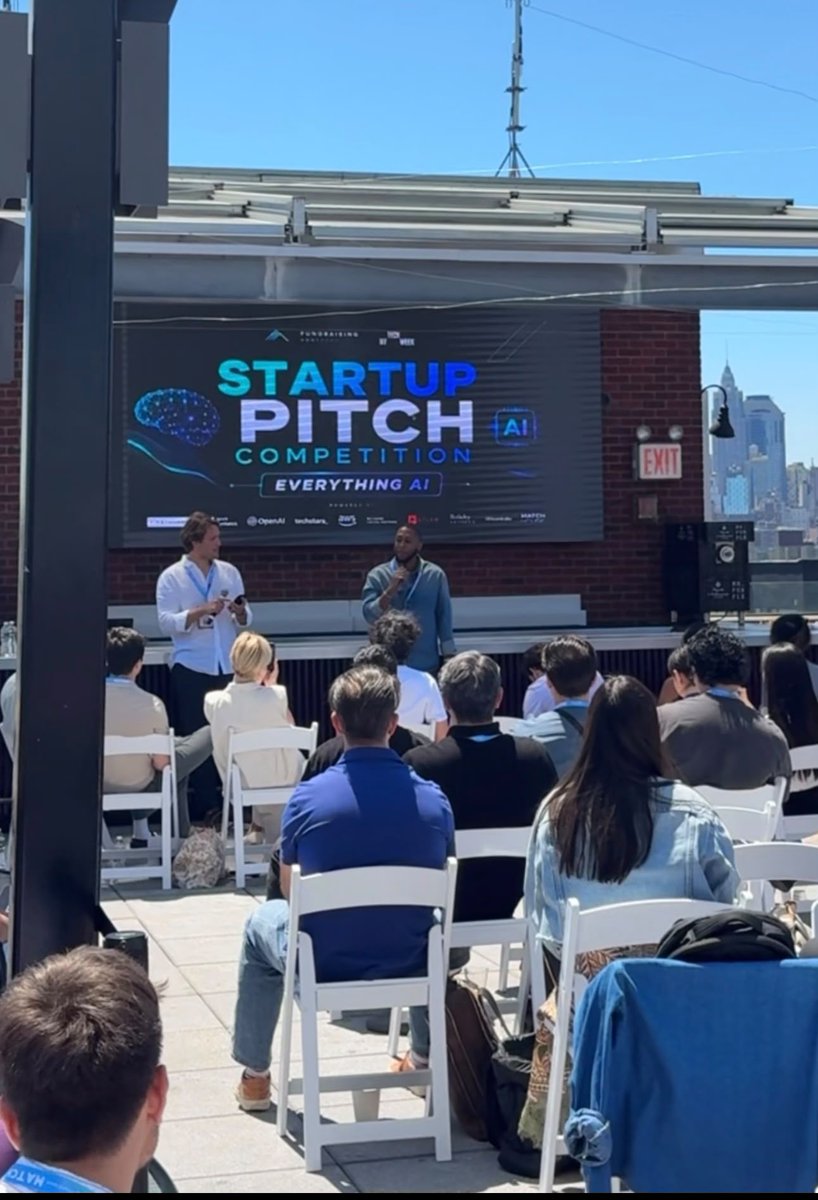
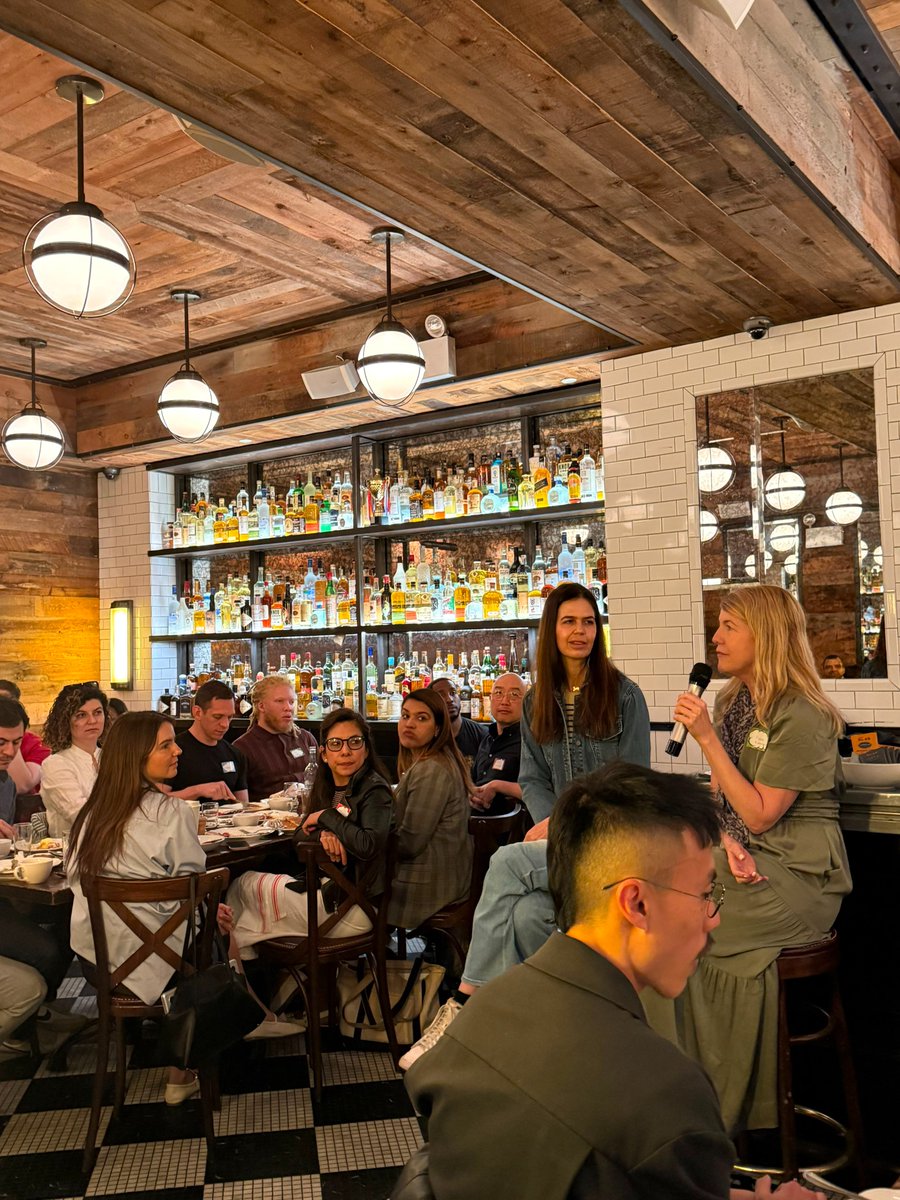
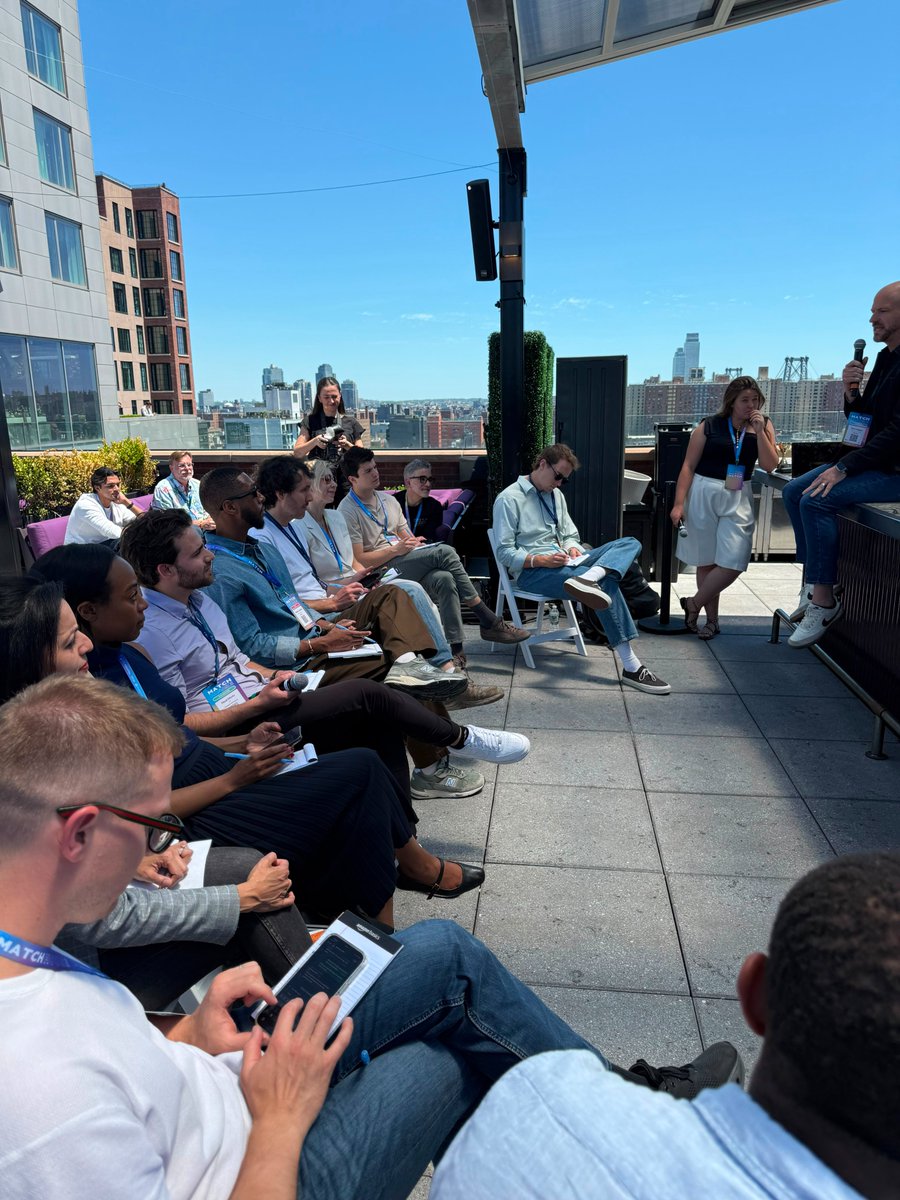
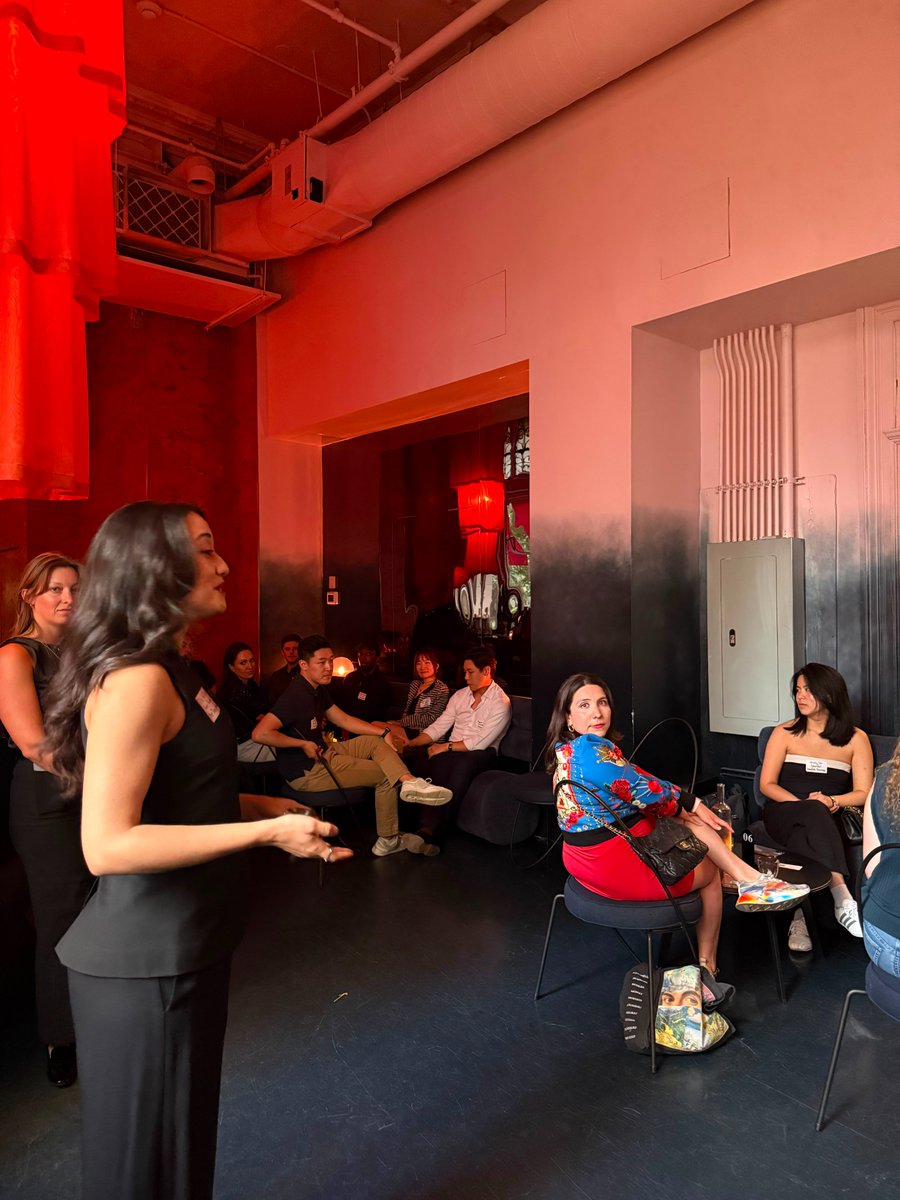
Highlights from @Techweek_ in New York! #NYTechWeek
🔹 Founder Breakfast hosted by @EverywhereVC @jefielding
🔹 Founder & Investor Afternoon Mixer
🔹 Founders & Founders Event hosted by @MongoDB
🔹 Pitching at the Everything AI Startup Competition
@a16z @speedrun
2
95

Jun 12
Another great #NYTechWeek in the books 🗽
Over the course of five events, we had the chance to connect with founders, operators, investors, and builders from across the startup ecosystem. One highlight: bringing Calm-pliance Cafe to the Lower East Side, where our CEO @christinacaci joined Anarghya Vardhana for a fireside chat and Q&A with founders.
A few days, a handful of events, and countless conversations later, we're still thinking about the ideas, questions, and debates that kept popping up across the city.
Same time next year, NYC? 💜
6
139

Jun 12
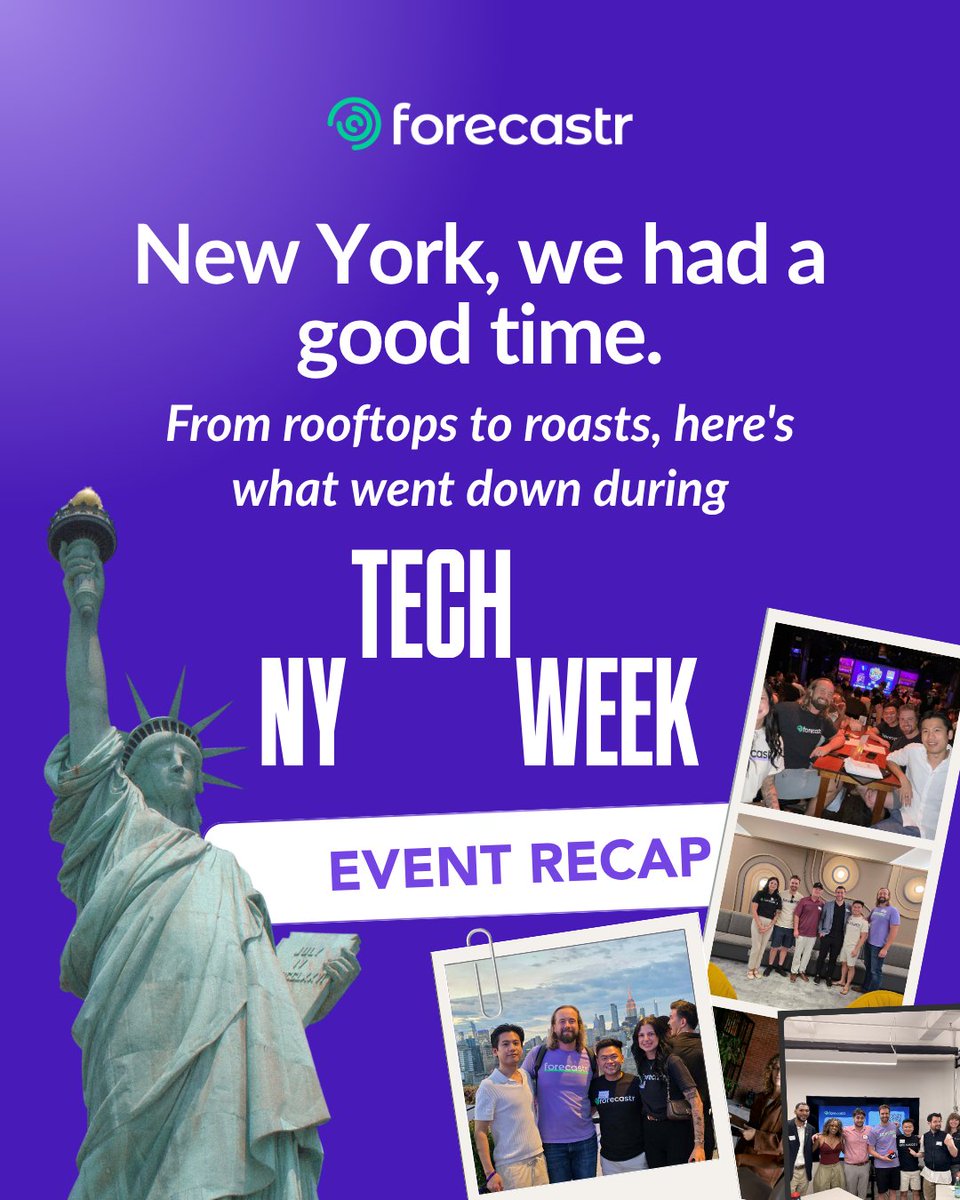
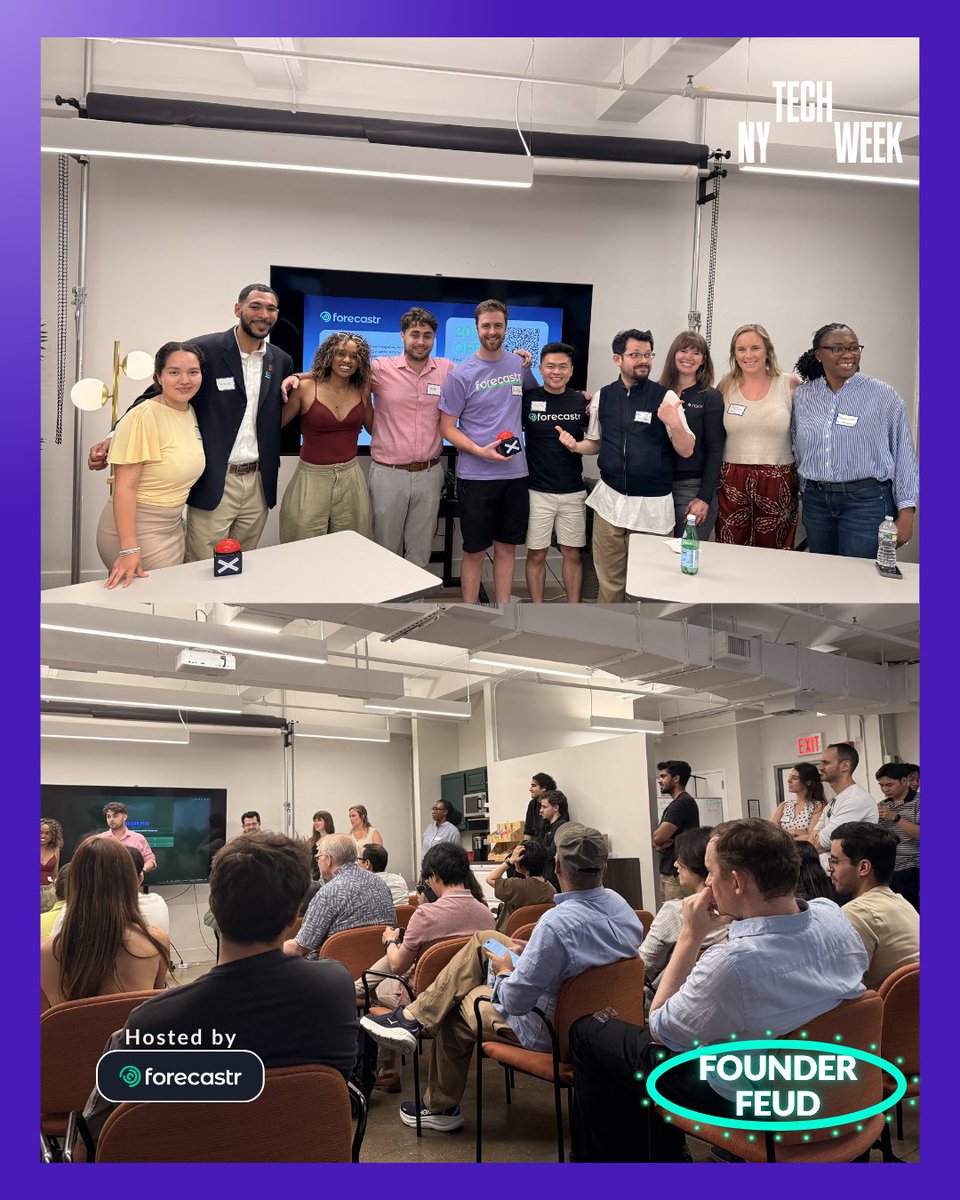
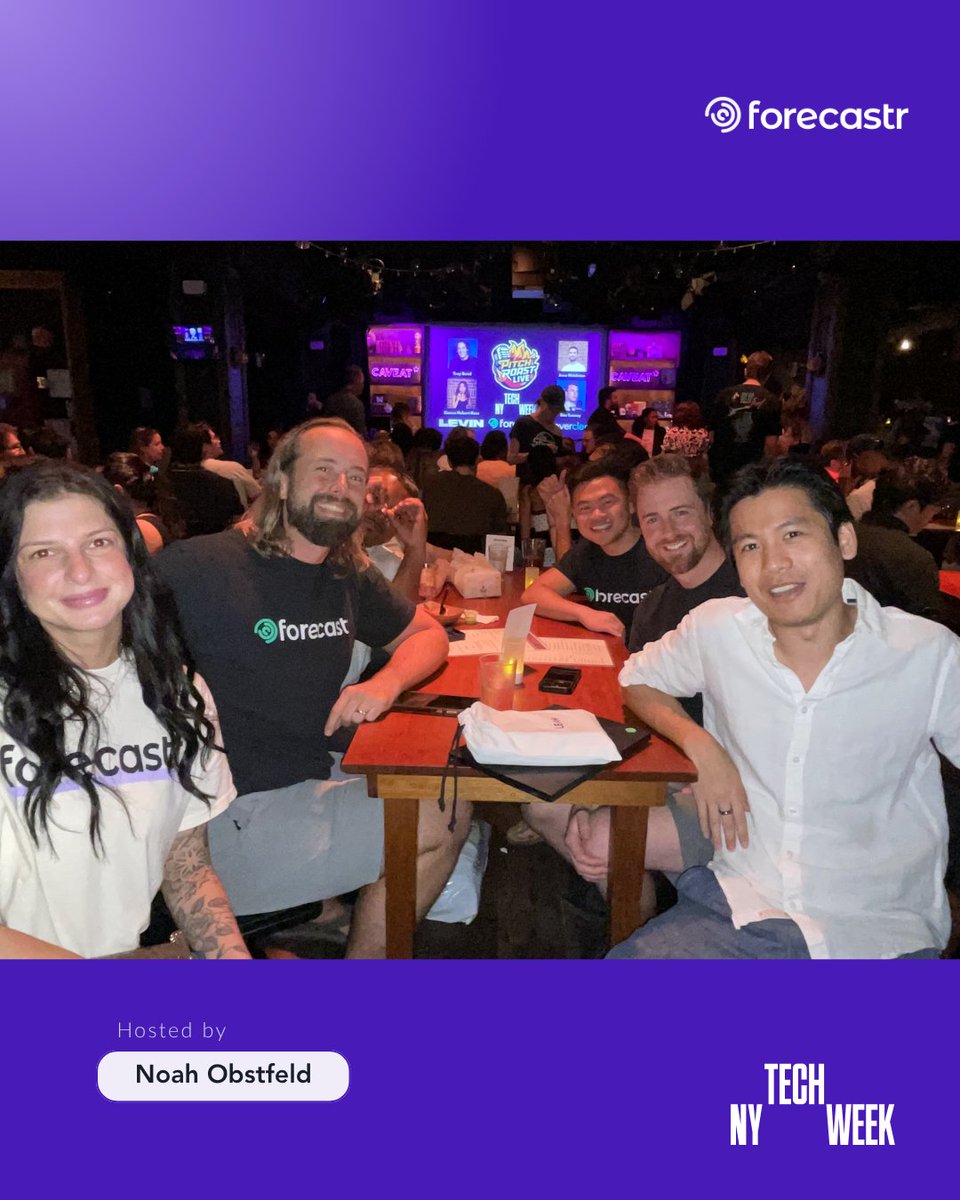
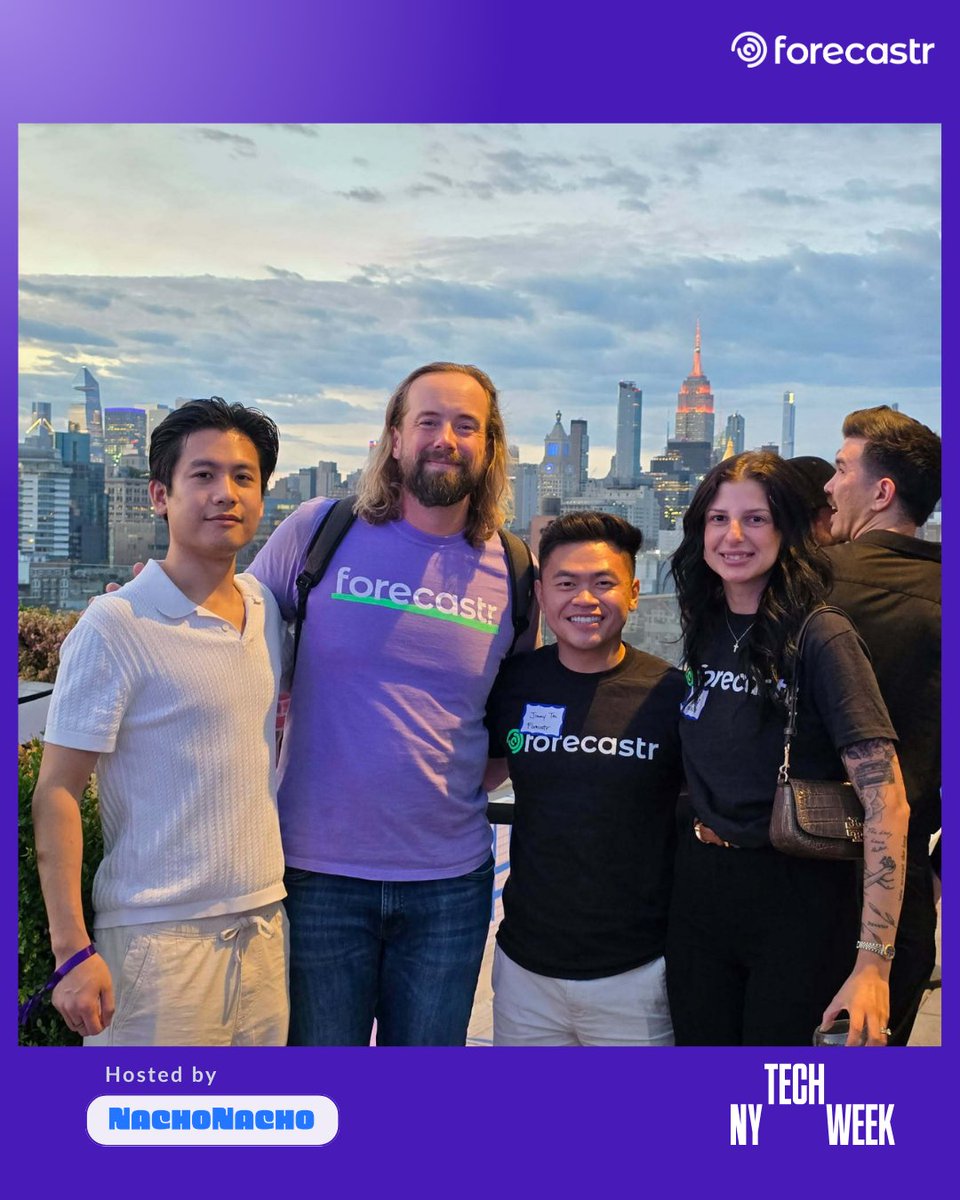
We came to New York for NY Tech Week and left with a full heart.
Founder Feud, rooftop happy hours, voice AI convos, pitch roasts, and rooms full of people serious about building and raising. We even hosted our own event for the first time in New York, and it did not disappoint.
If you were there, it was great meeting you!
#NYTechWeek #Forecastr #StartupCommunity #Founders #VentureCapital
11

Jun 12
A few standout moments from #NYTechWeek:
★ @AI_AInstitute’s Chief AI Officer Summit. @AstraZeneca’s pathology computer vision case study showed how regulated-industry leaders design security and governance from day one.
★ @AlphaSenseInc’s Technology Leaders Dinner. Executives from leading financial services and healthcare firms discussed the critical role of data for AI success and scaling transformation.
★ @CarnegieMellon’s VentureBridge Demo Day. At this invitation-only showcase, investors got an exclusive look at deep-tech spinouts from top PhD programs, including @gather_ai
★ @a16z / @speedrun AI Faire. Outstanding interactive showcase of cross-industry, early-stage innovators.
——
What were your key takeaways from #NYTechWeek? Especially interested in hearing your insights about scaling AI in highly regulated environments?
——
Companies represented included @nvidia, @Databricks, @datadoghq, @BankofAmerica, @Intuit, @ExaAILabs, @HSBC, @IBM, @Adobe, @Atlassian, @Cloudflare, @FireworksAI_HQ, @Google for Startups, @googledevs, @Hyperagent, @fin_ai, @PwC, @vercel, @intercom, @Vanta, @Fiserv, @Citi, @Barclays, @DeutscheBank, @Capgemini, @fgs_global, @Ipsos, and more.
#AI #AgenticEconomy #Investors #StartupGrowth
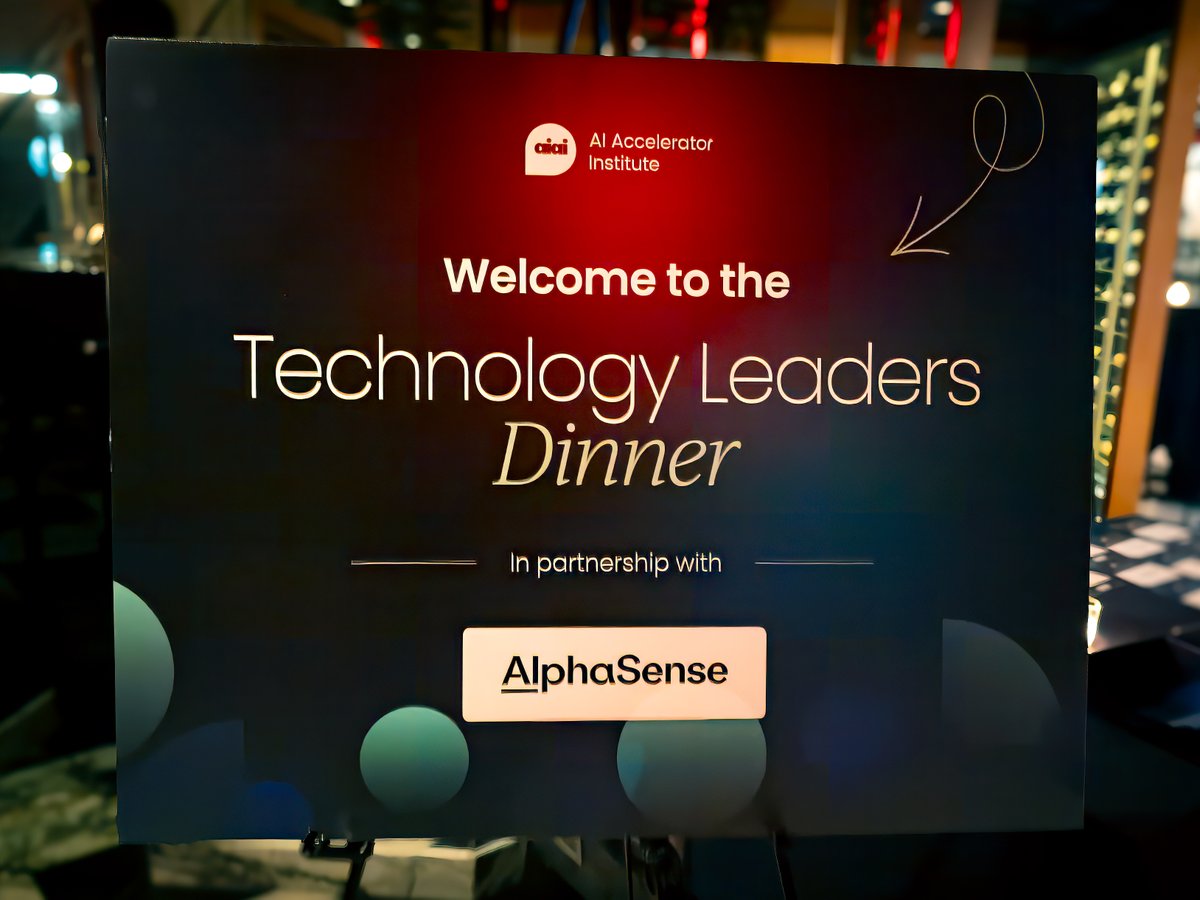
ALT AlphaSense Tech Leaders Dinner
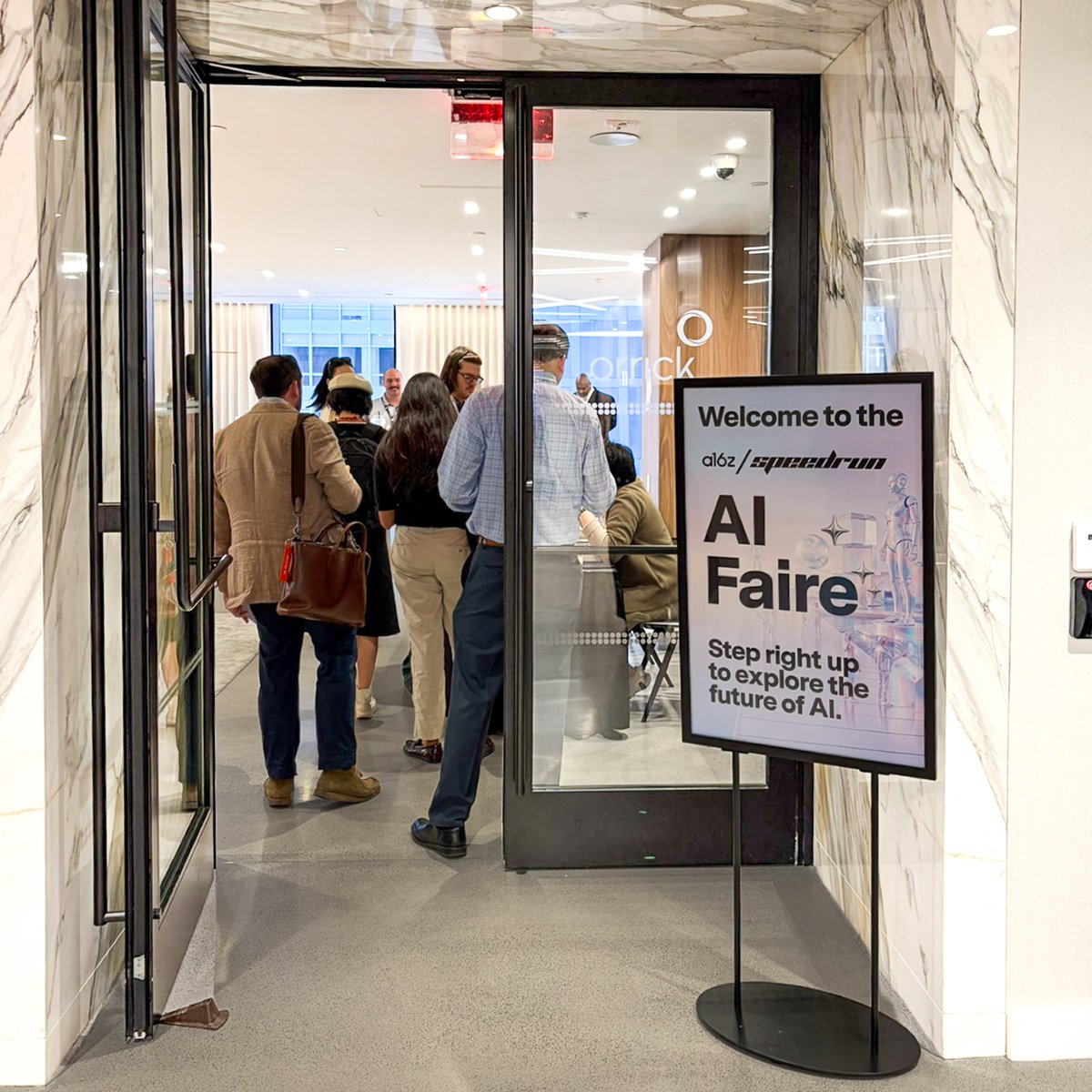
ALT @a16z speedrun AI Faire
3
39

Jun 12
@AlexKoshykov and I have decided to change careers and go all in on stand-up comedy about healthcare and healthtech. 🎤 😂
But before we post our first comedy routine (coming in a few days 😉 ), here’s a teaser, especially relevant for the thousands of people who just visited NYC for #NYTechWeek. 🗽 😊
#dadjokes
2
2
119
Jun 12
Meet the teams that pitched at the Young Innovators Showcase!
#Kijana #NYTechWeek #YoungInnovatorsShowcase
5
Jun 12
Something was different at #NYTechWeek this year—in the best way possible.
Over the week of dinners, demonstrations, and conversations, leaders moved beyond pilots, focusing instead on how AI is creating measurable ROI and how to govern agents at scale.
A few standouts: 👇
————
Thanks for organizing @a16z, @andrewchen, @_CallMeMacy, and @speedrun among many others.
#AI #AgenticEconomy #EnterpriseAI #NYTechWeek #AI #investors
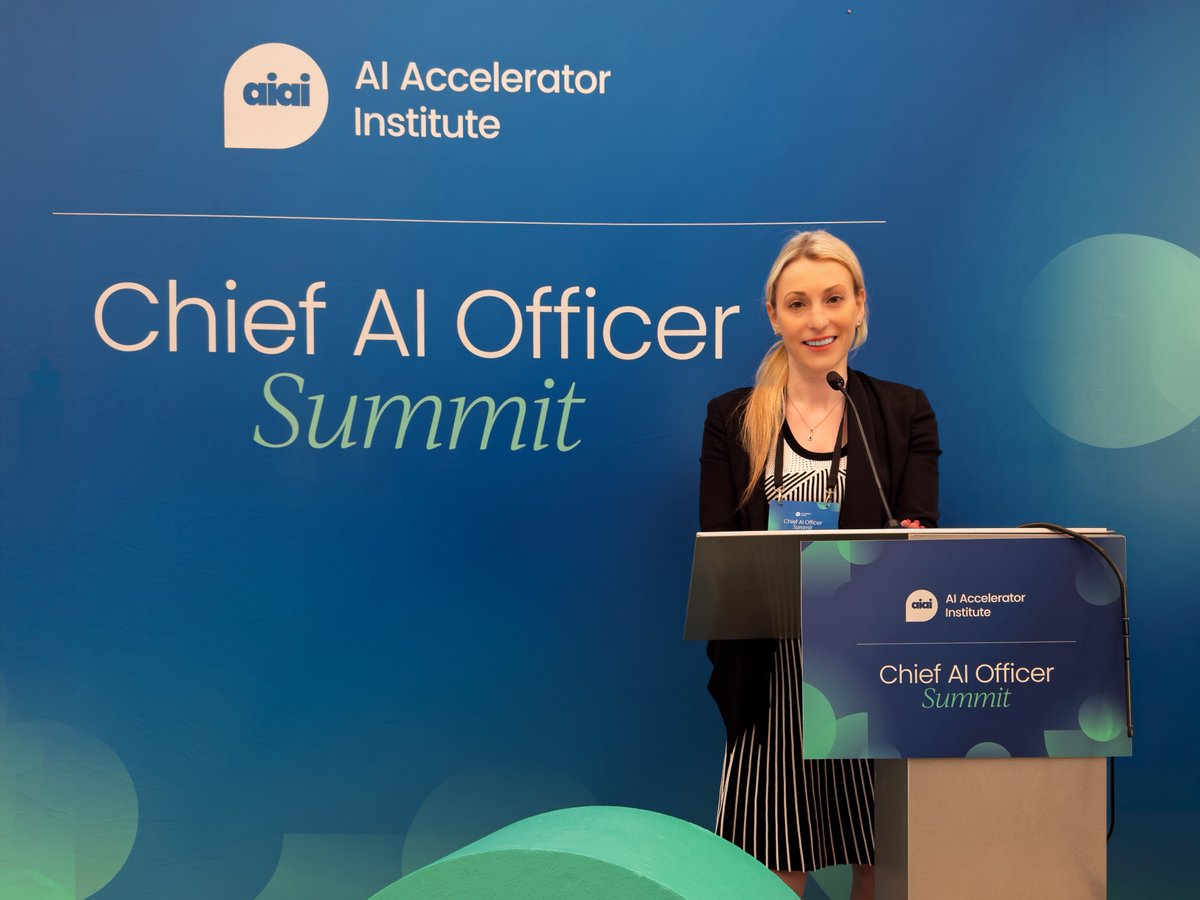
ALT Anna E. Molosky at the AI Accelerator Institute's Chief AI Officer Summit
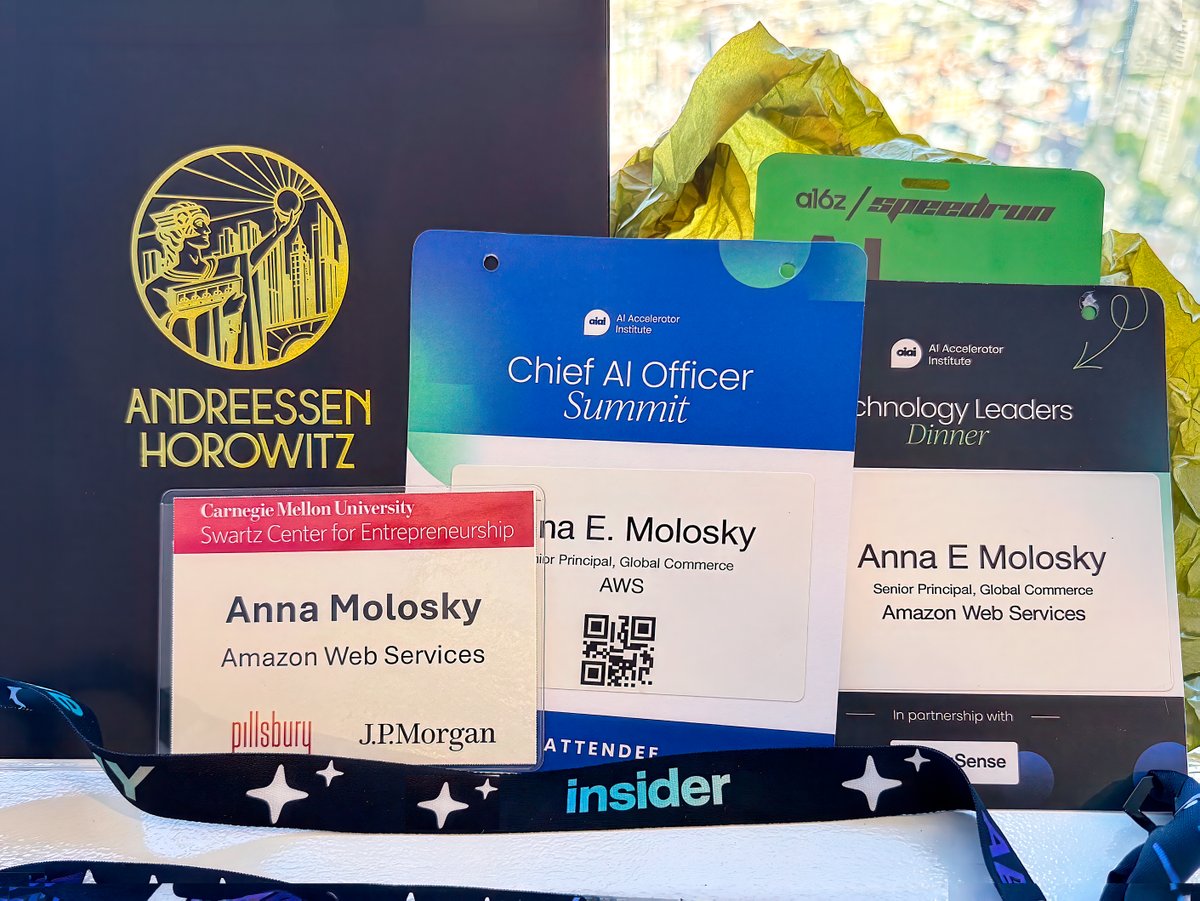
ALT Anna E/ Molosky at NY Tech Week 2026
1
3
35

Jun 12
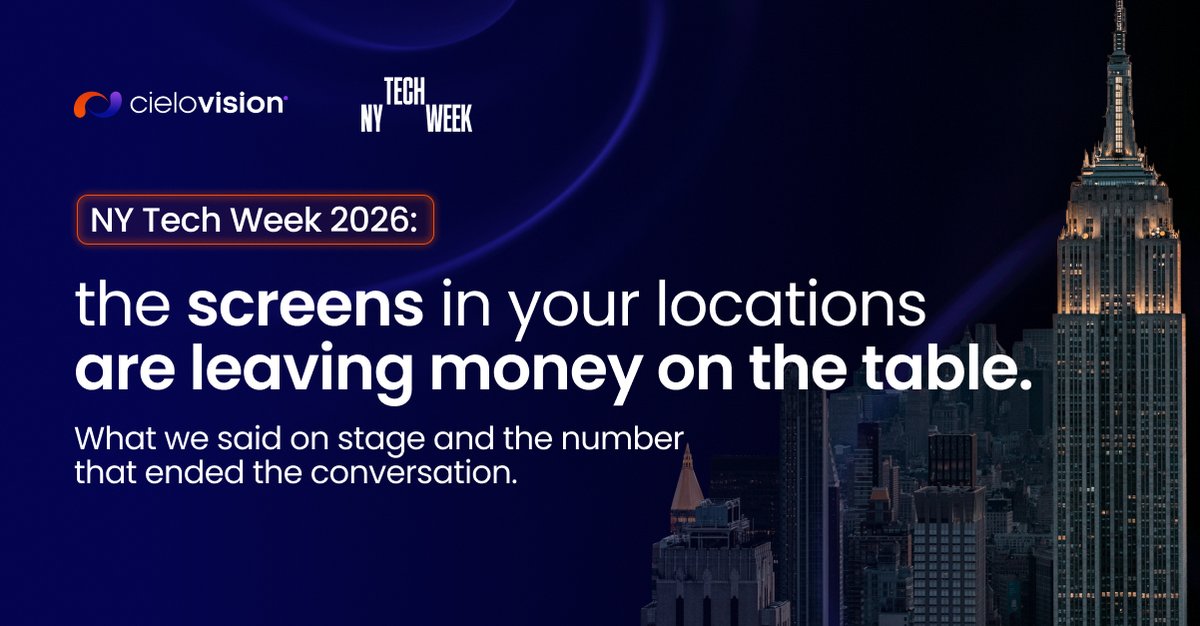
Last week at #NYTechWeek, we talked about what it took to build our system and the number that ends the conversation every time: 25.7% lift over static content.
Read the full blog here: cielovision.com/blog/monetiz…
3