Our most recently published paper #Nanopyx has been featured in @EutopiaUni's "Breakthroughs: A new series of remarkable stories from our network of universities"
In this edition, our research joins the health innovations of the partner universities @VUBrussel and @UPFBarcelona
6 Feb 2025

🙌EUTOPIA Breakthroughs: A new series of remarkable stories from our network of universities
Across Europe, researchers at #EUTOPIA’s partner universities are pushing boundaries to address some of the world’s most pressing health challenges. From restoring fertility in cancer survivors to revolutionising medical imaging and tackling antibiotic resistance, our partner institutions are driving breakthroughs that have the potential to transform lives!
On our website, we highlight these remarkable stories from our network of universities, showcasing the groundbreaking research and development shaping the future of health and medicine.
💻Discover the transformative health innovations made at @VUBrussel, @NOVAunl (@itqbnova) and @UPFBarcelona here: bit.ly/3CxnpFq
#EuropeanUniversities #HigherEducation #RemarkableStories
2
7
715

20 Jan 2025
Today we highlight the recent coverage from @OeirasValley regarding our #Nanopyx paper! The unwavering support from the Oeiras municipality for scientific research and technology plays a crucial role in advancing our work at @itqbnova.
oeirasvalley.com/ferramenta-…
1
9
576

6 Jan 2025
#NanoPyx and #LiquidEngine hitting the national news, highlighting our research @itqbnova
rtp.pt/noticias/pais/investi…
4
15
1,005

5 Jan 2025
Efficiently accelerated bioimage analysis with NanoPyx, a Liquid Engine-powered Python framework (relevance: 65%) nature.com/articles/s41592-0… #biophotonics #biomedicaloptics
1
7
734

3 Jan 2025
顕微鏡画像データの高速な分析ワークフローNanoPyxがnature methods誌に発表されました。ノイズ除去、レジストレーション、超解像等が高速にできます。githubでもcolabで動くチュートリアルあり。
nature.com/articles/s41592-0…
29
176
12,314
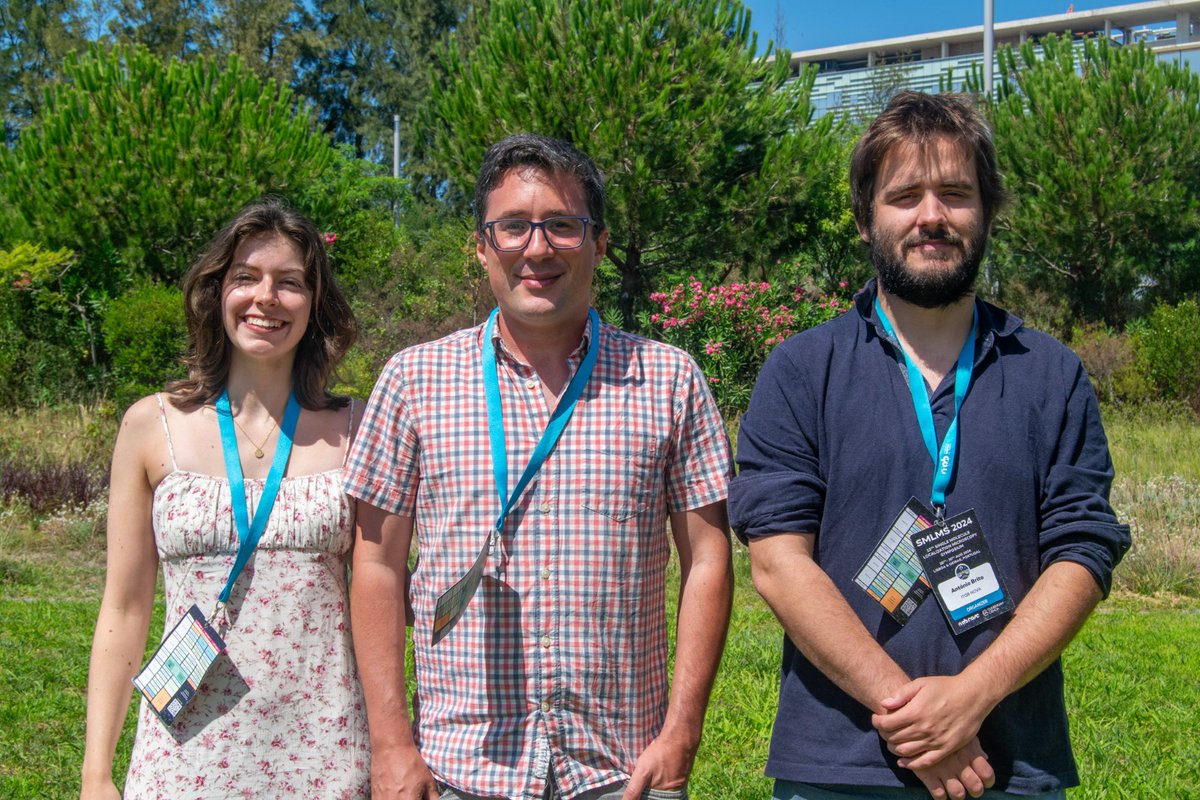
Our dream team of researchers that made it possible!💪🏅 #Nanopyx paper in @naturemethods
Know more: doi.org/10.1038/s41592-024-0…
2 Jan 2025

What an incredible journey with @Bruno_MSaraiva and @Antonio_DBrito ❤️ I learned so much with these guys and had a blast working with them. This was truly the dream team ❤️🥰 #NanoPyx
2
9
916

2 Jan 2025
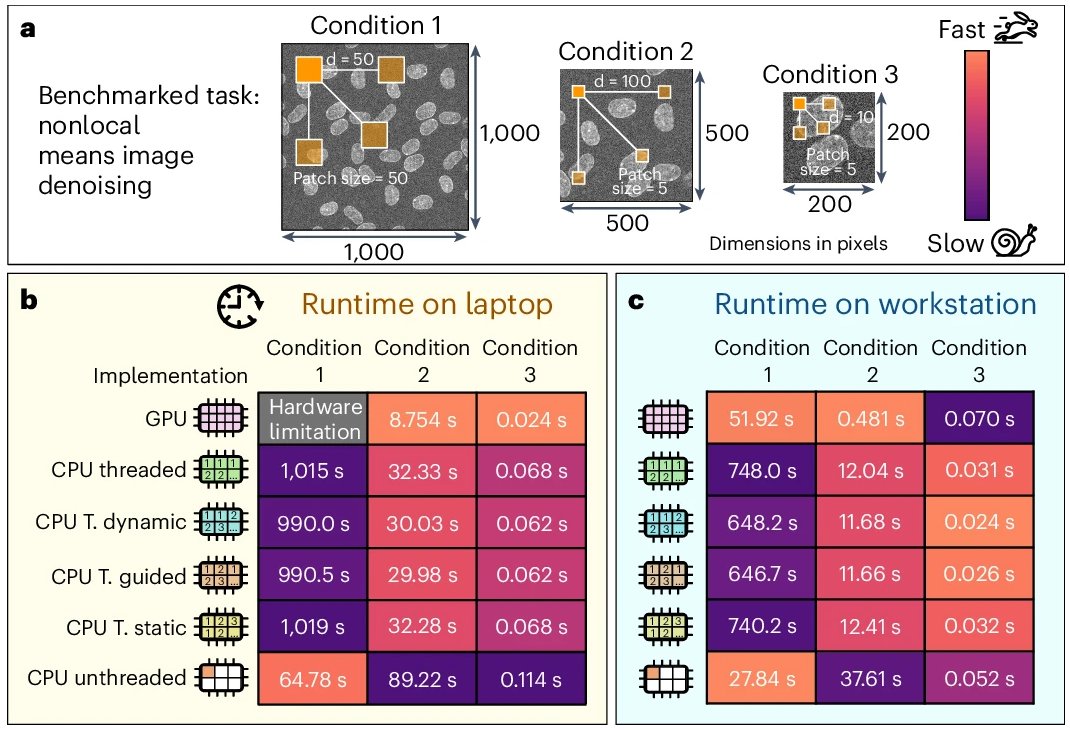
Happy new year!! Out today from the @HenriquesLab comes NanoPyx, which optimizes bioimage analysis by dynamically selecting code variations based on input data and hardware to ensures maximum computational efficiency. nature.com/articles/s41592-0…
1
14
60
7,823

2 Jan 2025
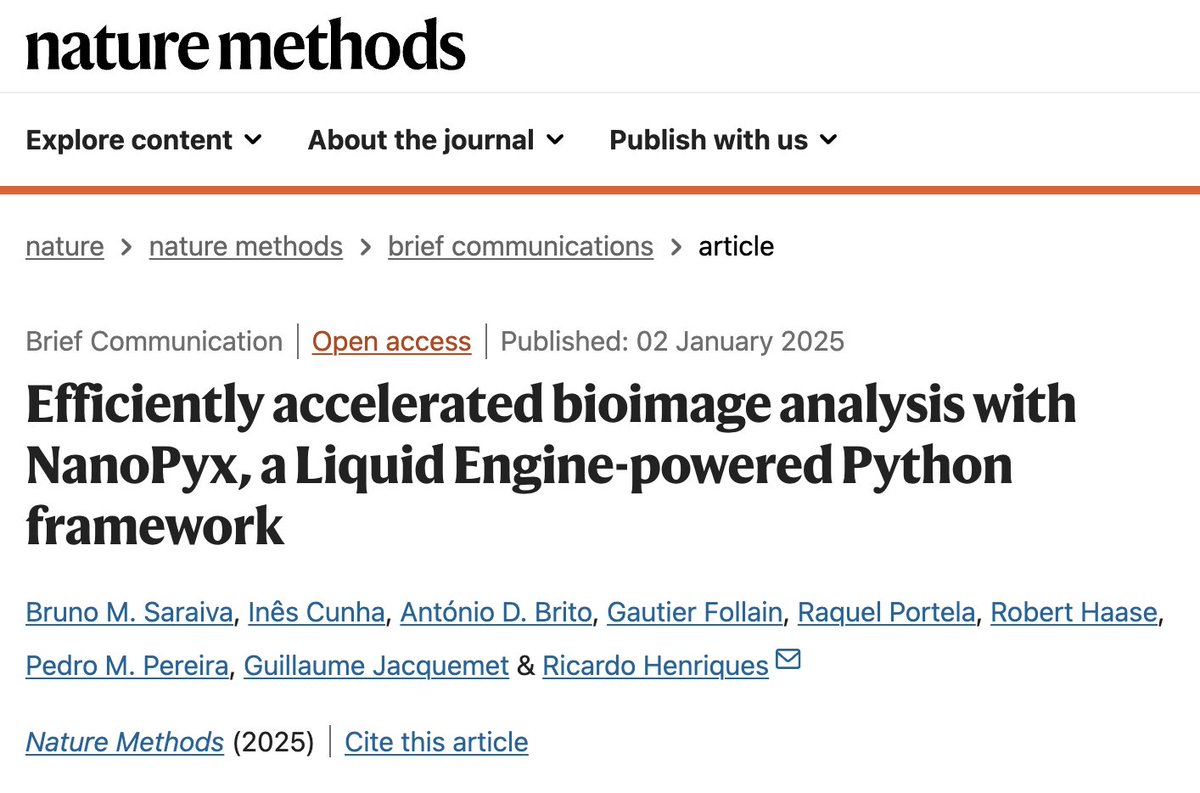
Accelerating bioimaging analysis with NanoPyx: A Python framework enhanced by Liquid Engine
Modern microscopy often produces massive, complex image datasets—where even routine tasks such as drift correction or denoising can become computationally overwhelming.
A recent paper by Saraiva et al. introduces NanoPyx, a Python framework tailored to address these challenges efficiently. At its core is the Liquid Engine, a system that adaptively switches among CPU- or GPU-based implementations for each task. By learning from past run times and hardware configurations, it provides data-driven selection of the most efficient parallelization strategy (e.g., OpenCL, CUDA, or CPU threading).
This adaptive approach has enabled NanoPyx to achieve up to 24-fold faster processing for methods like super-resolution radial fluctuations (eSRRF) and nonlocal means (NLM) denoising. Beyond low-level code optimizations, NanoPyx’s runtime monitoring ensures it stays consistently high-performing across various hardware setups, from consumer laptops to workstation clusters. Moreover, the framework offers user-friendly Jupyter notebooks and a napari plugin, facilitating integration into existing bioimaging pipelines.
Although primarily geared toward advanced microscopy, NanoPyx’s design philosophy could extend to other fields requiring accelerated, scalable data processing. As an open-source solution, it stands out as a flexible and robust platform for contemporary imaging challenges—underscoring the broader relevance and potential of adaptive, data-driven runtime optimization.
Paper: nature.com/articles/s41592-0…
3
9
814

2 Jan 2025
What an incredible journey with @Bruno_MSaraiva and @Antonio_DBrito ❤️ I learned so much with these guys and had a blast working with them. This was truly the dream team ❤️🥰 #NanoPyx
2 Jan 2025
And to start 2025 strong… Our work #NanoPyx is out in @naturemethods 😍❤️ DOI: doi.org/10.1038/s41592-024-0…
#NanoPyx is a Python framework that uses the #LiquidEngine to efficiently accelerate bioimage analysis for any user! (1/n) ⬇️
1
14
3,059
2 Jan 2025
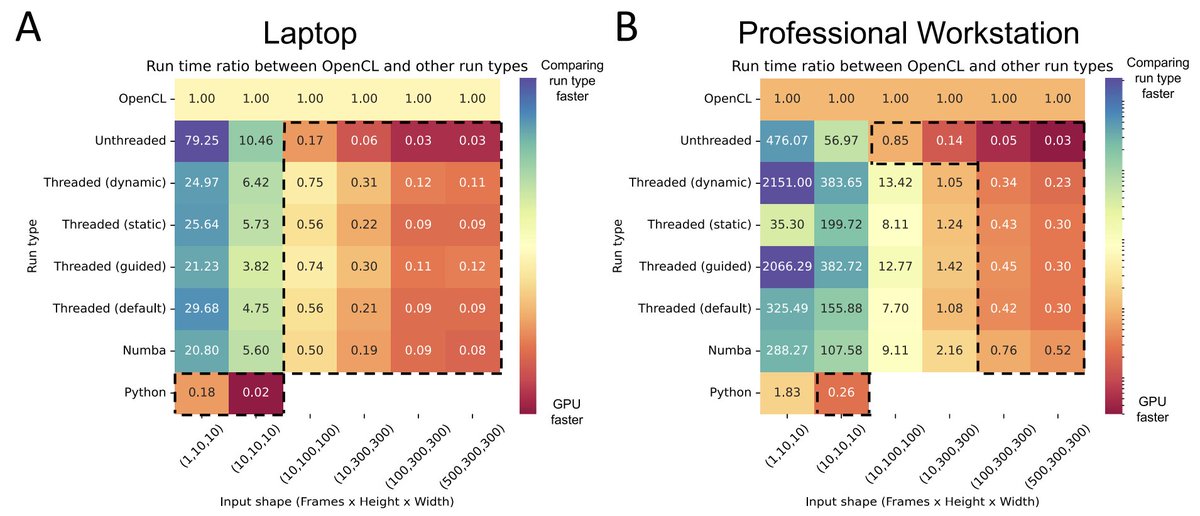
#NanoPyx is powered by the #LiquidEngine - a novel machine learning system that dynamically benchmarks and selects the fastest algorithm implementations for each dataset. Whether working on a laptop or a high-end workstation, it adapts to your hardware for maximum efficiency
1
5
502
2 Jan 2025
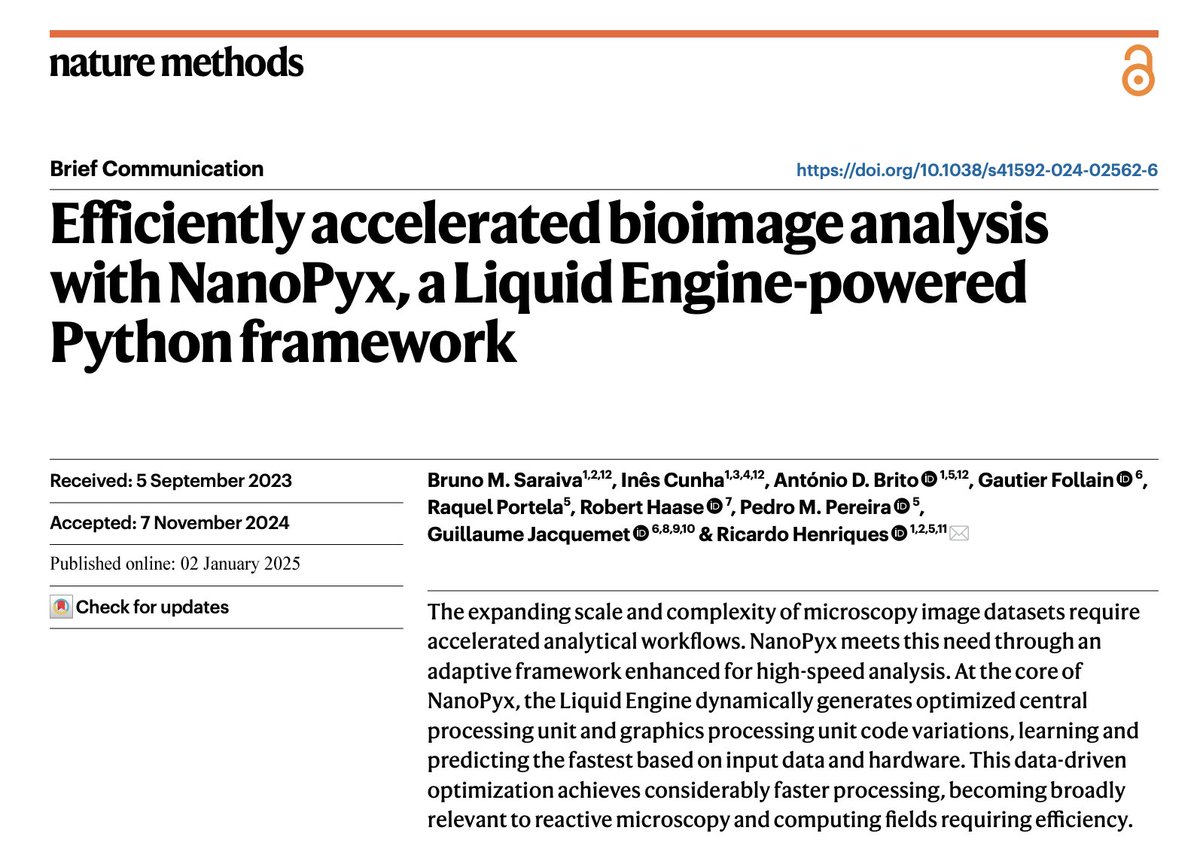
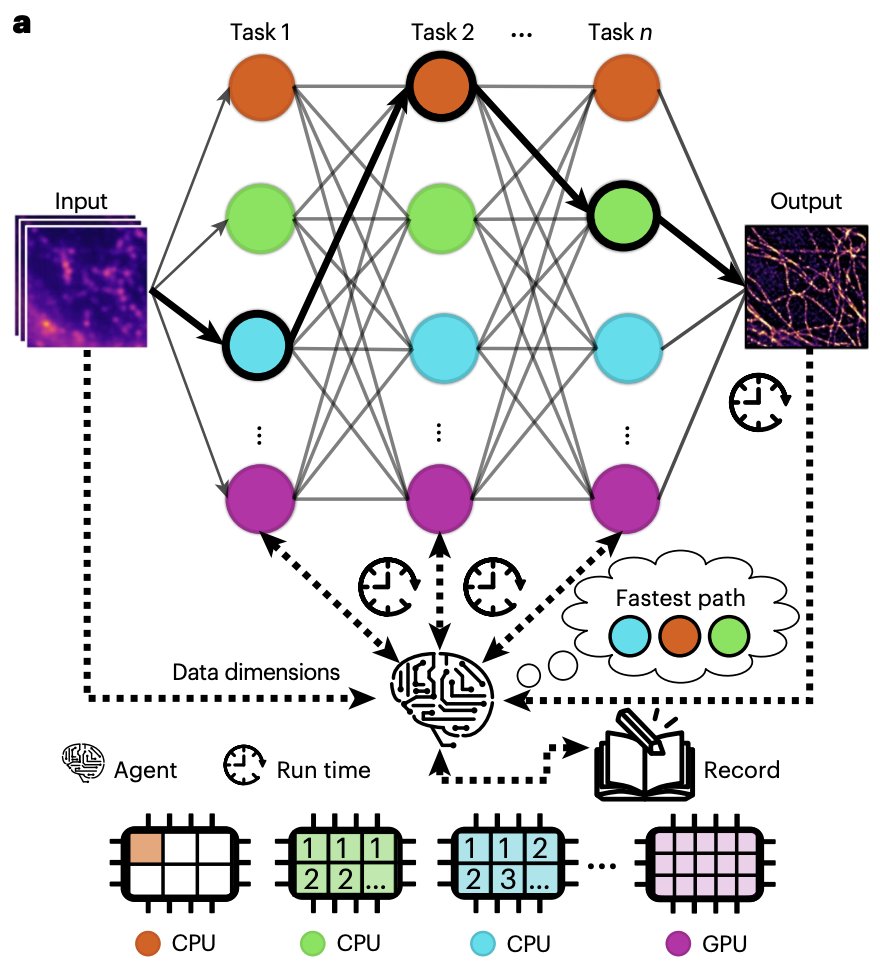
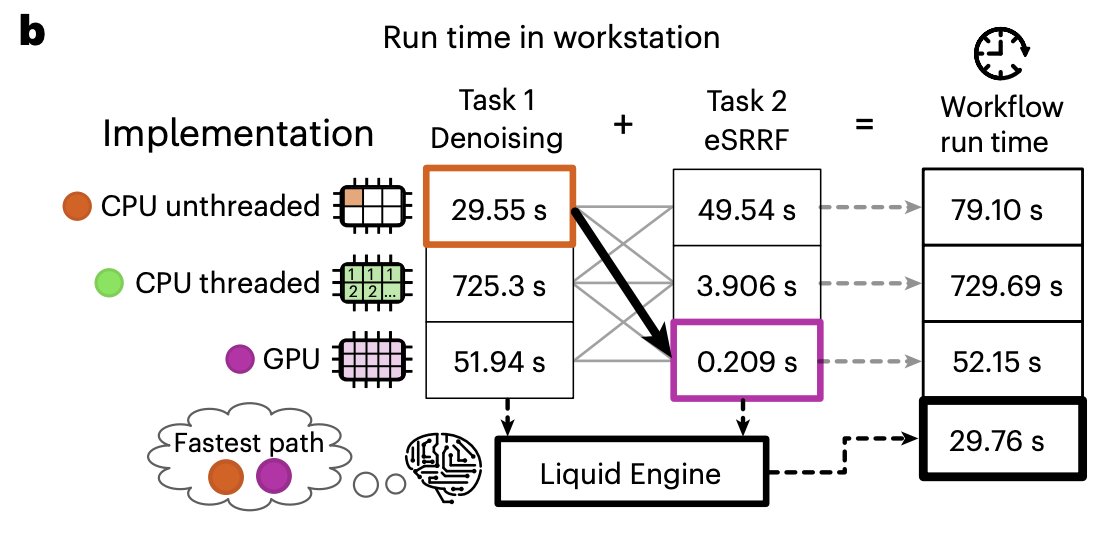
🚨🔬🤖📜 Paper is out! Introducing the #LiquidEngine and #NanoPyx - novel #AI strategies for accelerating #microscopy that explore how to maximise performance 🚀. Brainchild of @Bruno_MSaraiva, @inesmcunha and @Antonio_DBrito. Faster #SRRF and #eSRRF!!
📰: nature.com/articles/s41592-0…
2 Jan 2025
And to start 2025 strong… Our work #NanoPyx is out in @naturemethods 😍❤️ DOI: doi.org/10.1038/s41592-024-0…
#NanoPyx is a Python framework that uses the #LiquidEngine to efficiently accelerate bioimage analysis for any user! (1/n) ⬇️
4
11
66
9,297
Great news to start a great year for @Henriques Lab. The @naturemethods paper on #Nanopyx is out!🚀
A game-changing bioimaging tool for super-resolution imaging analysis. Congratulations to @Bruno_MSaraiva, @inesmcunha and @Antonio_DBrito for this remarkable achievement!🎉🎓
2 Jan 2025
And to start 2025 strong… Our work #NanoPyx is out in @naturemethods 😍❤️ DOI: doi.org/10.1038/s41592-024-0…
#NanoPyx is a Python framework that uses the #LiquidEngine to efficiently accelerate bioimage analysis for any user! (1/n) ⬇️
1
8
620
2 Jan 2025
HOW CAN YOU USE #NanoPyx ? We recorded a series of 1-minute video tutorials that showcase how you can use #NanoPyx, and the capabilities of the #LiquidEngine on your own image analysis workflows! Video 1: youtu.be/Dx2lHoRB044 (5/n)
1
4
175
2 Jan 2025
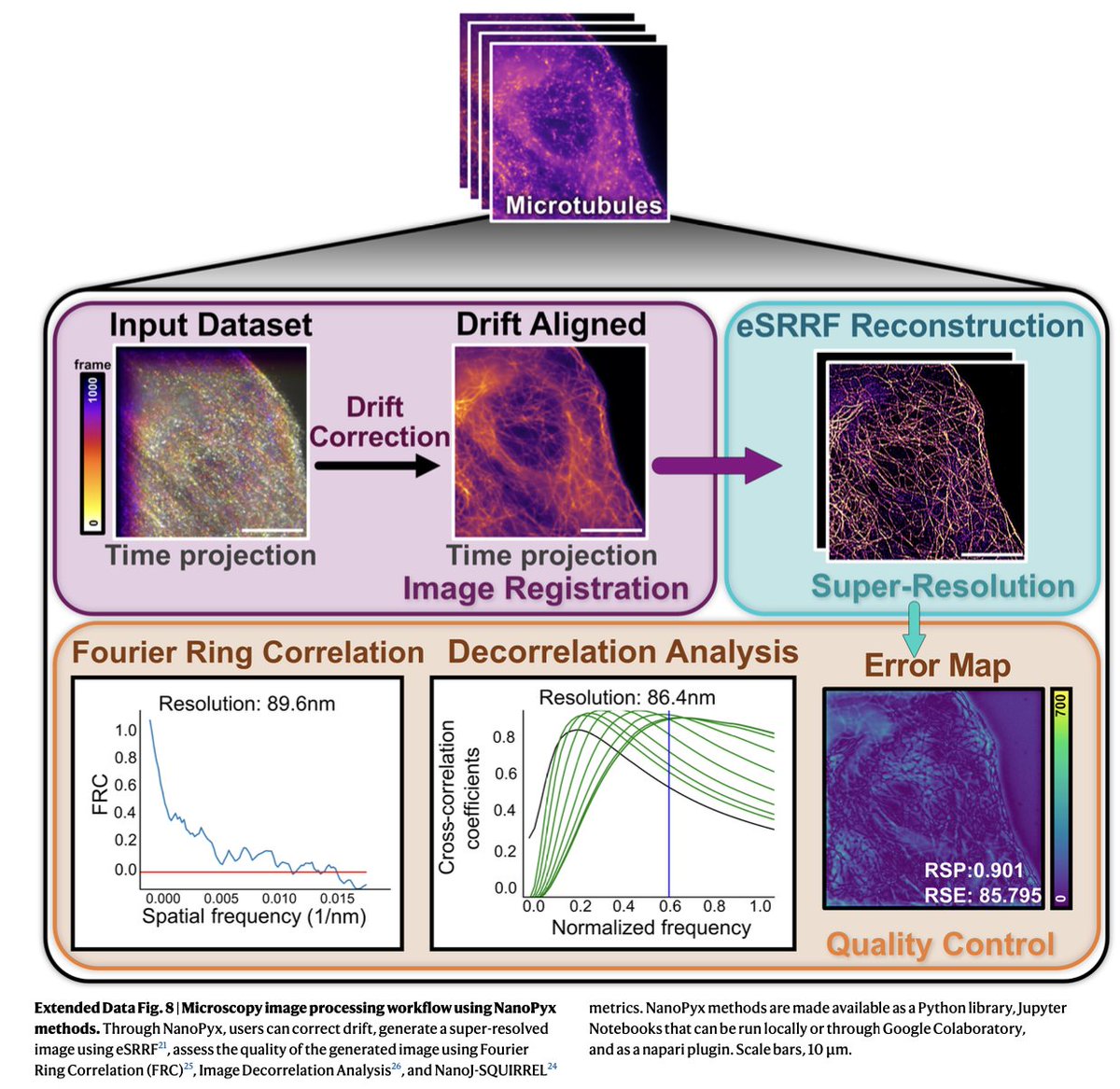
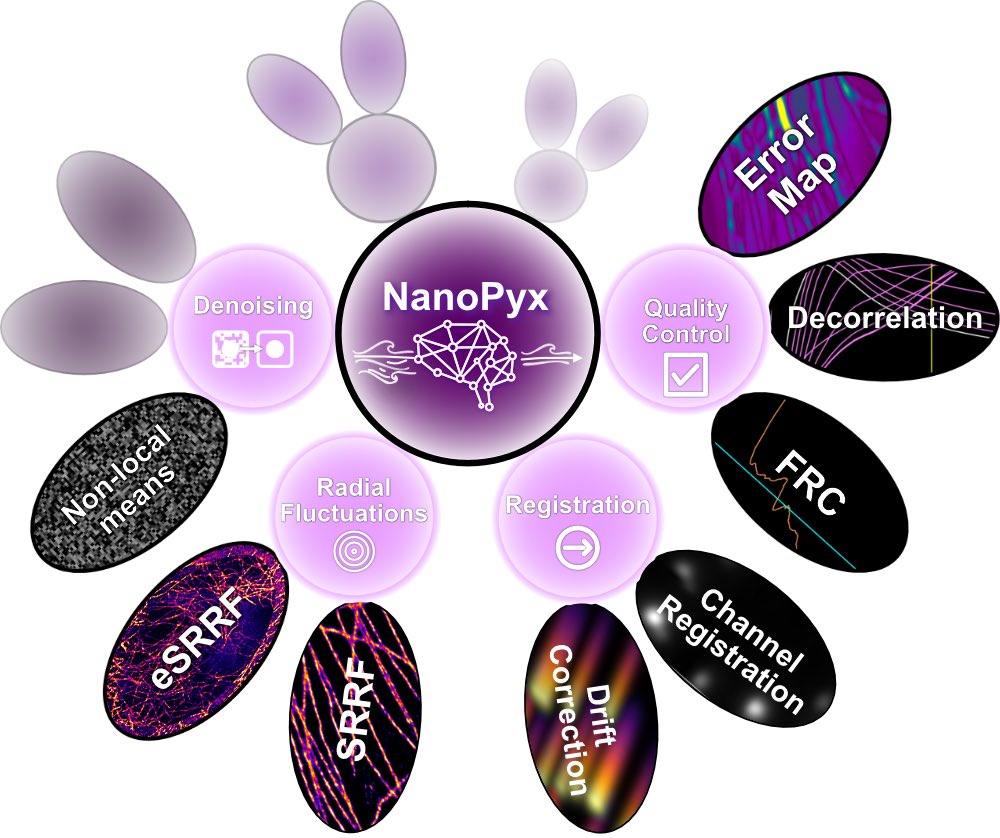
What methods does #NanoPyx offer? We have Image Registration, Denoising, Super-Resolution Image Reconstruction🔬 and Quality Control metrics! (4/n)
1
4
176
2 Jan 2025
And to start 2025 strong… Our work #NanoPyx is out in @naturemethods 😍❤️ DOI: doi.org/10.1038/s41592-024-0…
#NanoPyx is a Python framework that uses the #LiquidEngine to efficiently accelerate bioimage analysis for any user! (1/n) ⬇️
5
11
70
13,430
23 Oct 2024
23 Oct 2024
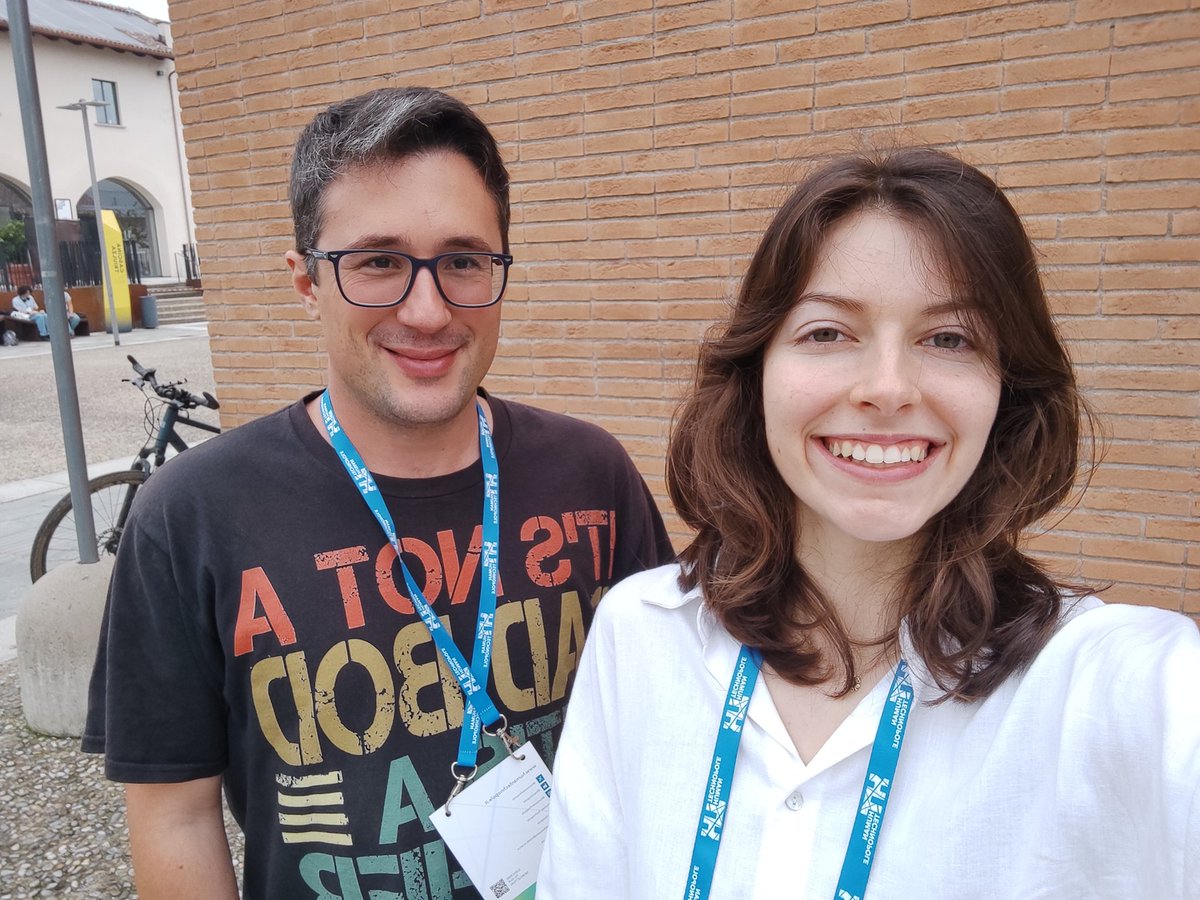
#I2K2024 has started!! ♥️ Today I'll have a poster (board #50) and this Friday will have a talk on "Interpreting Microscopy Images with Machine Learning"!! Super excited 🤩 (first ever show off of my PhD work....)
1
16
2,682

30 Aug 2024
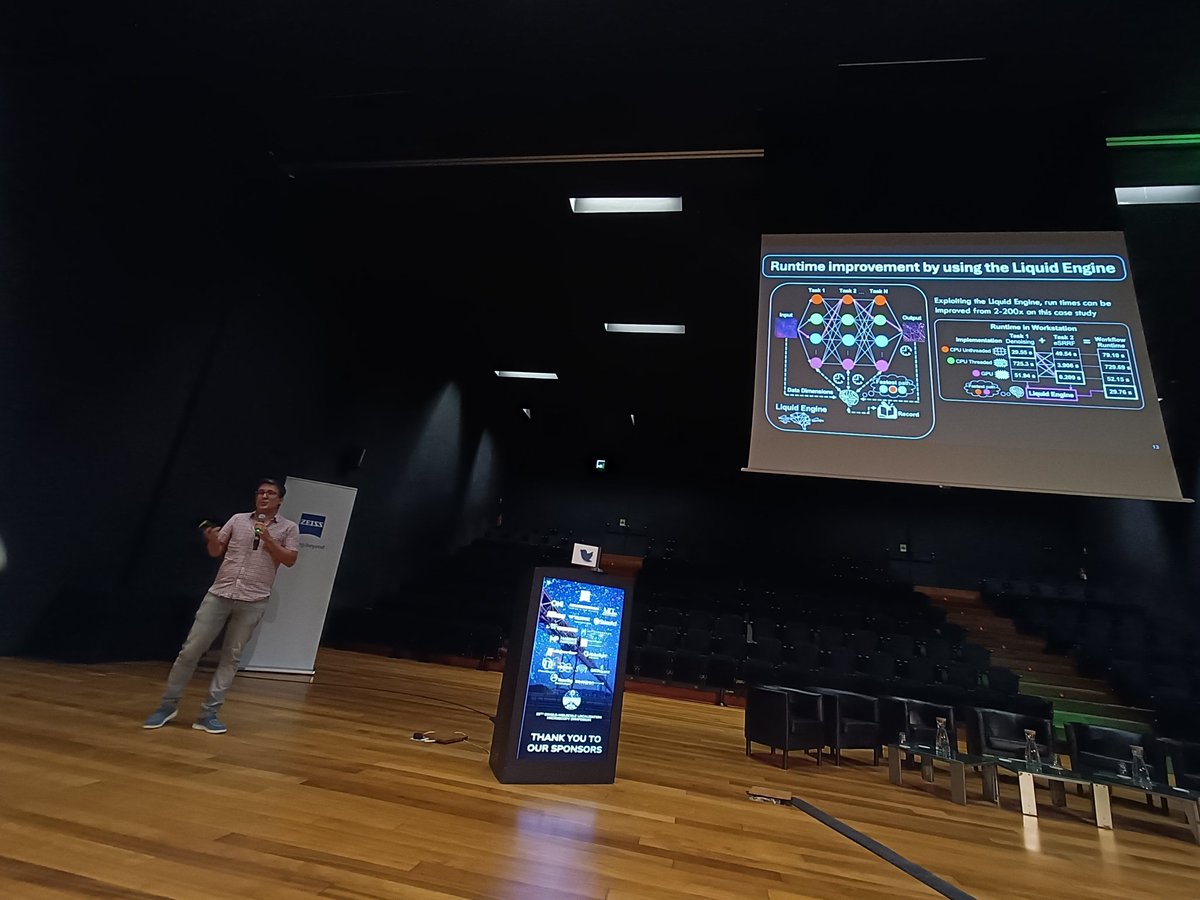
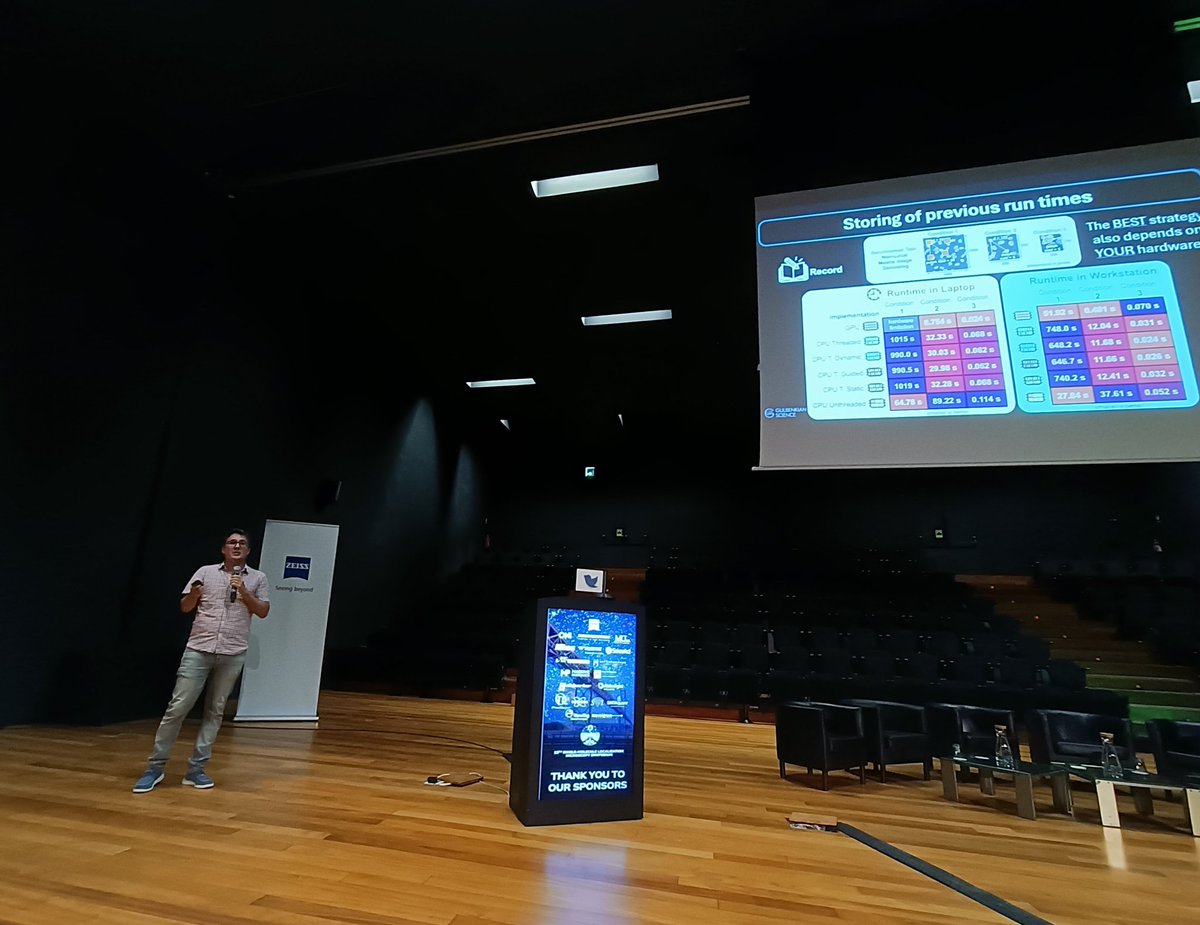
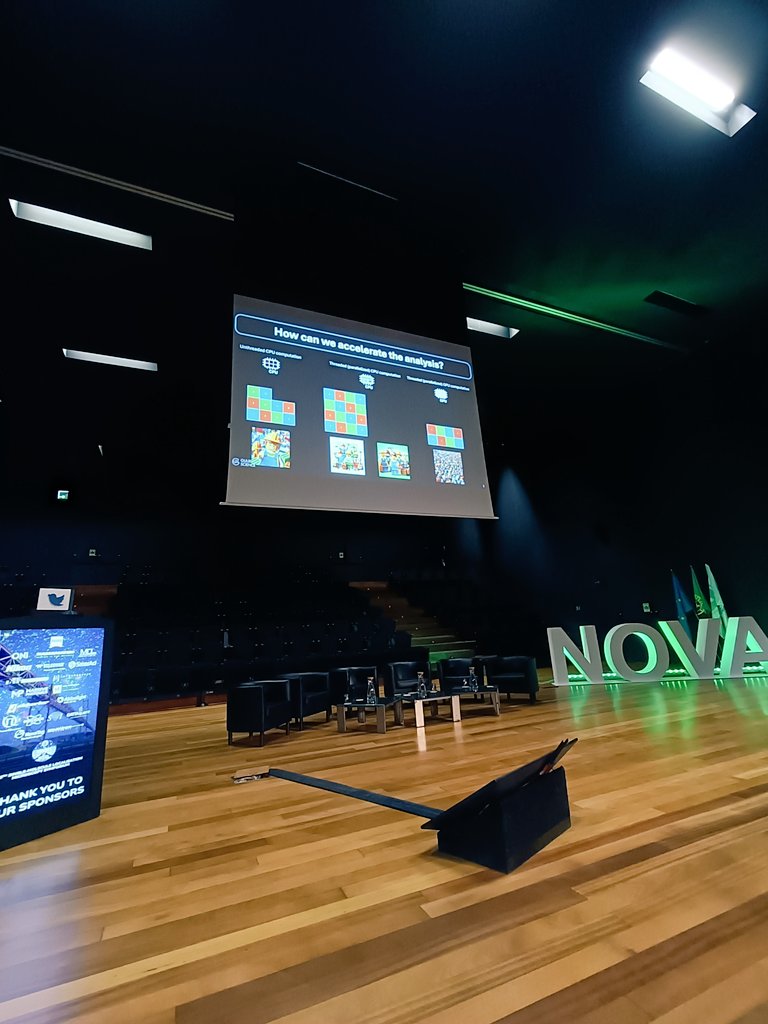
@Bruno_MSaraiva is 🤘🔥 at #SMLMS2024 with #NanoPyx and how to boost any computer power!! It sounds perfect after having heard so much these days about the limitations of sooooo many little points and clusters atlas 👀 look at these great slides!! 😍
2
12
1,181
30 Aug 2024
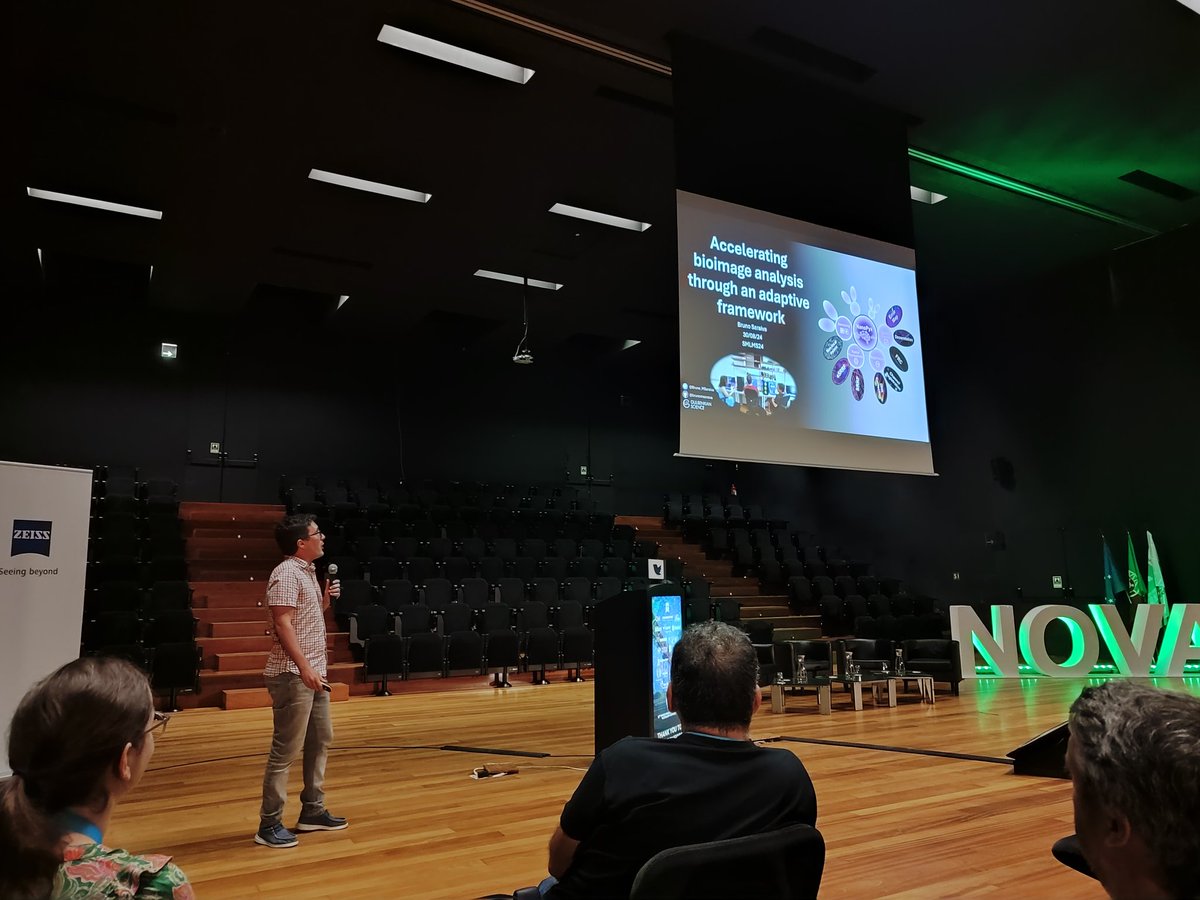
Now at #SMLMS2024, @Bruno_MSaraiva showcasing #NanoPyx !! 😍 How we can accelerate image analysis for everyone 💻🔬
5
16
3,522

30 Aug 2024
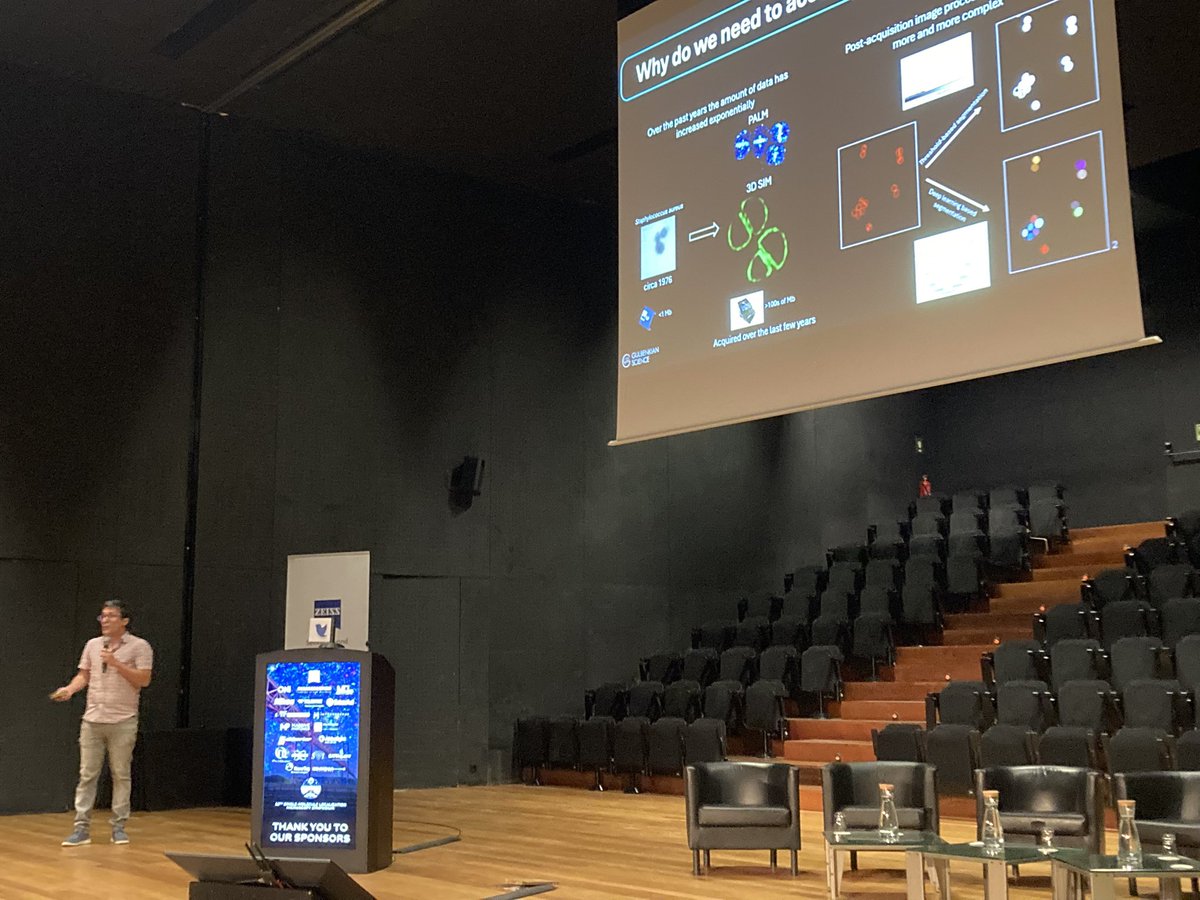
I’m very proud to showcase our next speaker @Bruno_MSaraiva presenting NanoPyx, a library aimed to accelerate image analysis and successor to #NanoJ @inesmcunha @Antonio_DBrito @HenriquesLab github.com/HenriquesLab/Nano… @SMLM_Symposium #SMLMS2024
4
14
3,248
12 Mar 2024
We've implemented Decorrelation and FRC in nanopyx, in case its useful. They also run on Google Colab if you don't want to spend much time setting up a py-env. These are obviously just analytical predictions and nothing beats a real reference structure
github.com/HenriquesLab/Nano…
1
1
6
483