
Jun 11
📅 𝐄𝐕𝐄𝐍𝐓𝐎 - ENEA a #ECNDT2026, la Conferenza Europea sulle Prove Non Distruttive, a Verona dal 15 al 19 giugno.
👉Maggiori dettagli sulla partecipazione di ENEA: sostenibilita.enea.it/eventi…
#NDT #NonDestructiveTesting @MASE_IT
39


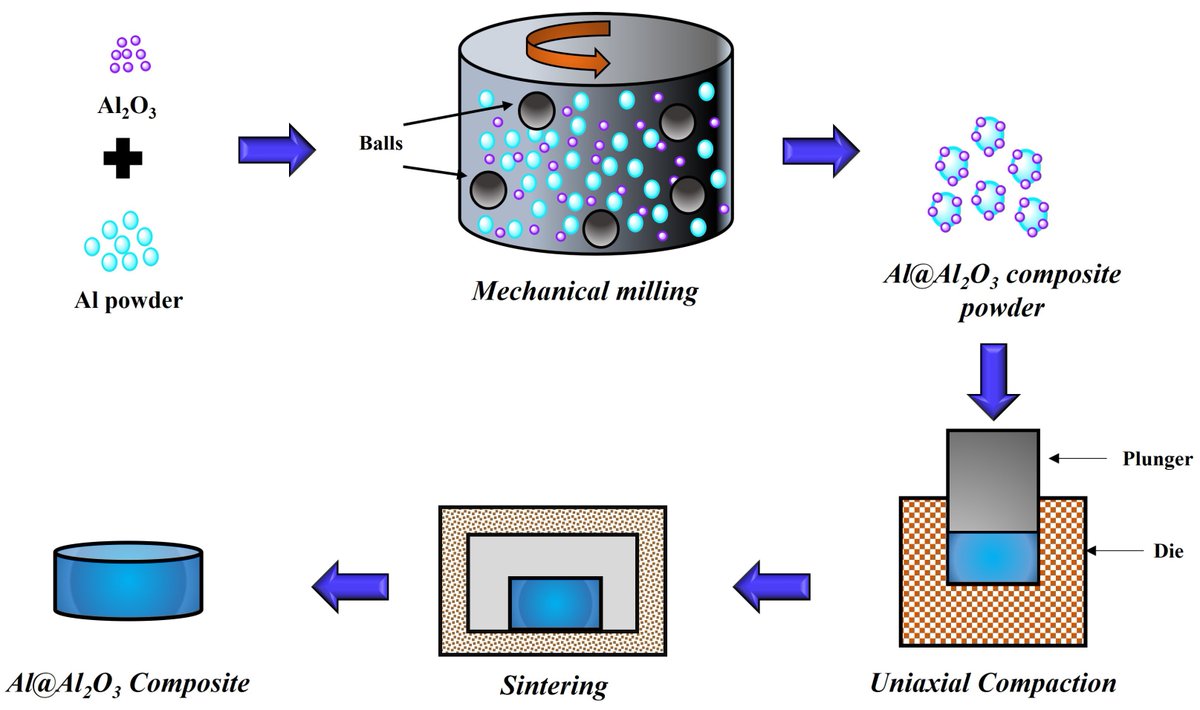
🔬 Check out one of the first papers published in #NDT:
📄 Development of Non-Destructive Dynamic Characterization Technique for MMCs: Predictions of Mechanical Properties for Al@Al₂O₃ #Composites
📖 brnw.ch/21x3cB1
#NonDestructiveTesting #OpenAccess
5

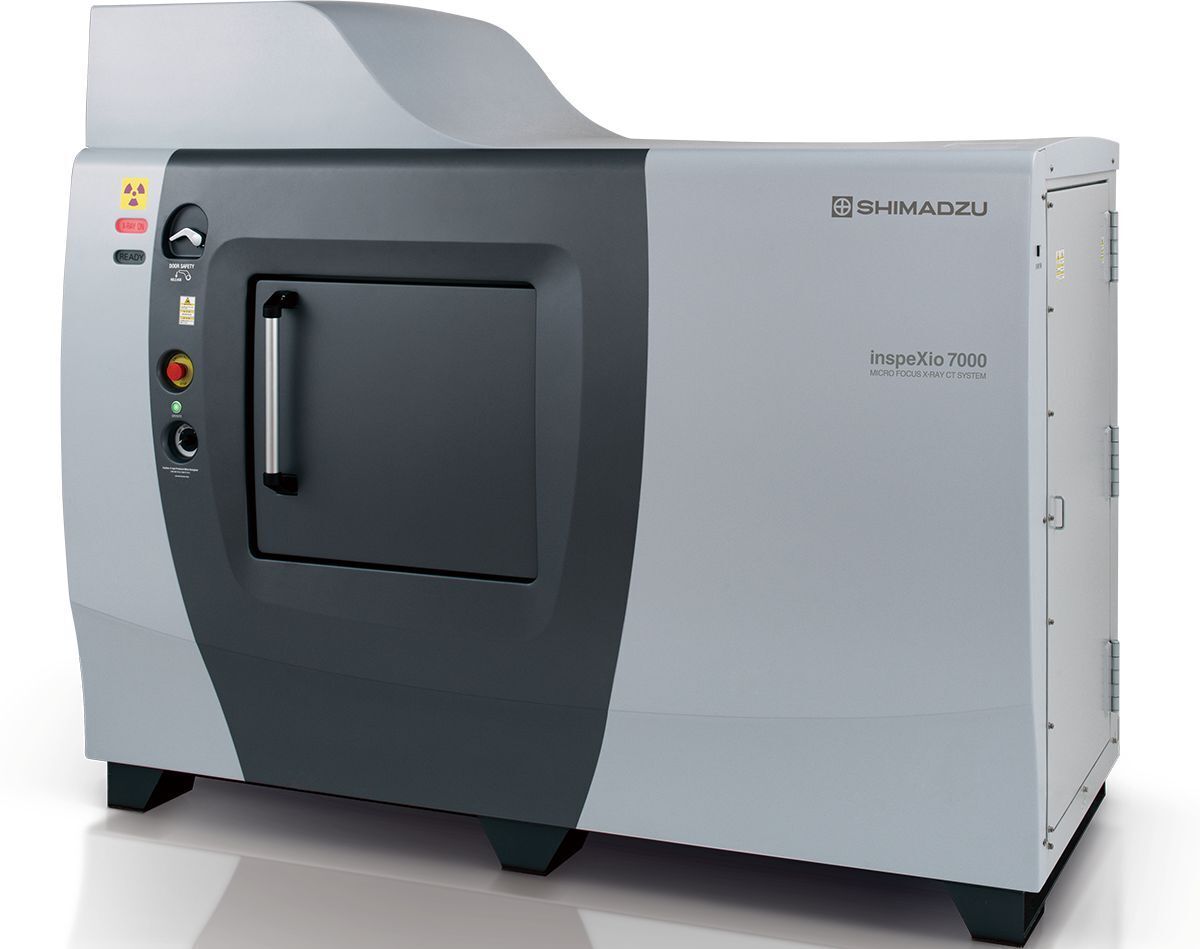
High-res. High-performance. High impact. The inspeXio 7000 X-ray CT system brings powerful internal imaging to composites, die cast parts and beyond. Learn more: bit.ly/4dRLu8y
#computedtomography #nondestructivetesting #composites #materialstesting #shimadzu
4
77

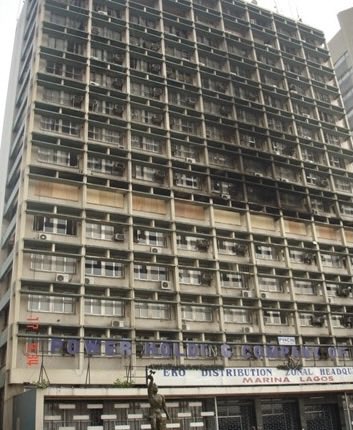
Fire Damage Doesn’t Always Mean Structural Failure But It Must Be Professionally Assessed.
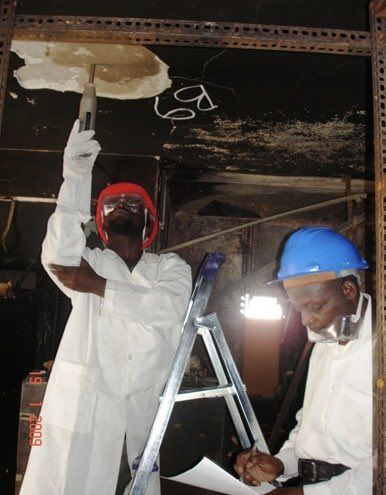
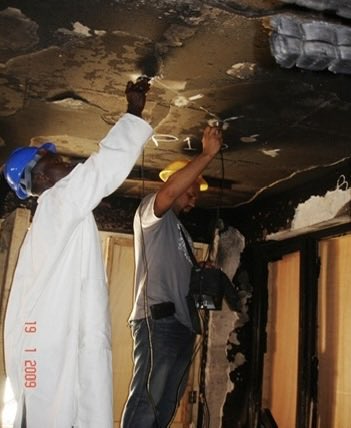
We completed a detailed Technical Assessment and Integrity Inspection on the fire-damaged 6th floor of the PHCN Corporate Headquarters Liaison Office, Marina, Lagos.
After any fire, the critical question every building owner, facility manager, and stakeholder needs answered is:
👉 Has the structural integrity of the building been compromised?
High temperatures from fire can silently affect reinforced concrete structures by: • Reducing concrete compressive strength
• Degrading the bond between concrete and reinforcement
• Creating micro-cracks and spalling
• Lowering the overall load-carrying capacity of beams, slabs, and columns
That is why a proper post-fire structural assessment is non-negotiable before any decision on repair, rehabilitation, or re-occupancy is made.
At KWHARM Consult, we combine thorough visual inspections with advanced non-destructive testing (NDT) methods to evaluate the true condition of structural elements not just what’s visible on the surface.
Because in structural engineering, what you can see is only part of the story.
The real risk lies beneath the charred finishes.
We help clients make safe, data-driven decisions that protect lives, assets, and investments.
Need a professional post-fire assessment for your building?
Reach out
we’re ready to help.
#StructuralEngineering #FireDamageAssessment #BuildingSafety #StructuralIntegrity #NonDestructiveTesting #CivilEngineering #LagosEngineers #PHCN
2
4
171
Structural Safety Isn’t Just About Building It Right, It’s About Keeping It Safe for Decades.
One of the most overlooked aspects of infrastructure and building performance is routine structural assessment long after construction is complete.
Over years of service, structures endure constant environmental exposure, heavy loading, vibration, moisture intrusion, and gradual material deterioration. Small, hidden defects that go unnoticed can quietly develop into serious structural risks.
This is exactly why structural integrity assessments and Non-Destructive Testing (NDT) are essential for protecting:
• Buildings
• Bridges
• Industrial facilities
• Commercial structures
• Critical infrastructure
NDT allows engineers to evaluate the true condition of structural elements without causing any damage, enabling early detection of hidden weaknesses before they compromise safety.
Good engineering doesn’t end when the last bolt is tightened.
It continues with proactive monitoring to ensure every structure remains safe, stable, and reliable throughout its entire service life.
Structural safety should never be reactive, it must be proactive.
At KWHARM Consult, we don’t just design and build, we help keep your assets strong for generations.
Have you scheduled your next structural health check?
Drop a comment or DM us
we’d be happy to discuss how NDT and integrity assessments can protect your project.
#StructuralEngineering #NonDestructiveTesting #InfrastructureMaintenance #BuildingSafety #CivilEngineering #StructuralIntegrity
2
4
37

May 14
📢 Call for Papers — Special Issue on Eddy Current Sensors and Applications
💌 Guest Editors: Prof. Dr. Thomas Krause and Dr. Peter Ross Underhill from RMC Canada
mdpi.com/journal/sensors/spe…
#NonDestructiveTesting
#EddyCurrentTesting
#CFP #Sensors25

2
1
285
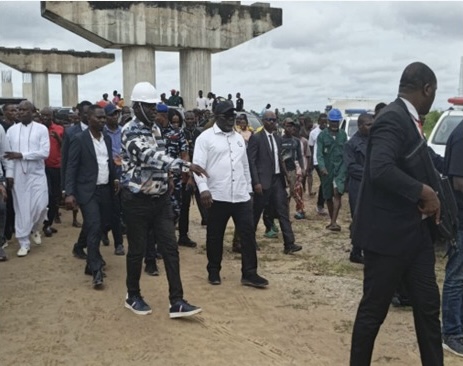
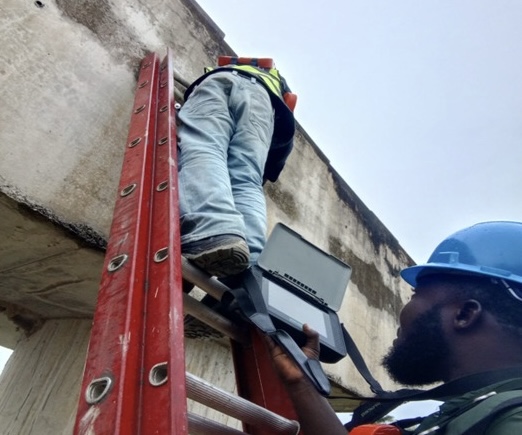
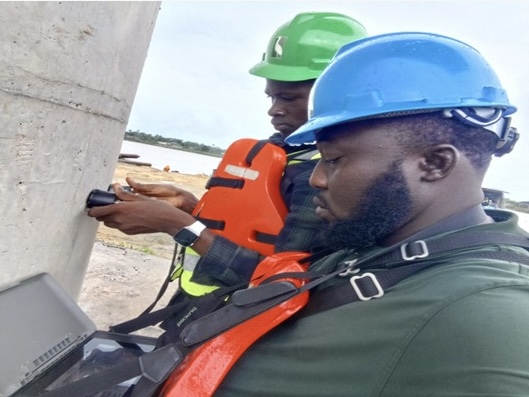
Structural Integrity Assessment Complete
Ayakoromo Bridge across River Forcados, Burutu LGA, Delta State
Bridges are the lifelines of our communities, but they operate under constant assault, heavy vehicular loads, aggressive river moisture, corrosive environments, and decades of structural stress. Over time, serious defects can develop deep inside the concrete without a single visible crack on the surface.
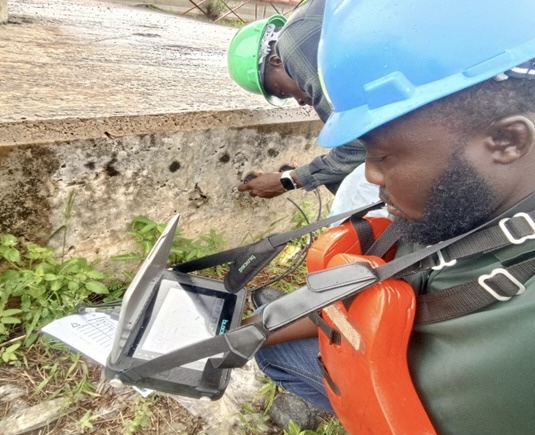
That’s exactly why we carried out a full-scale Non-Destructive Testing (NDT) investigation on the Ayakoromo Bridge.
Using state-of-the-art equipment, we evaluated:
• Concrete quality, strength & uniformity
• Internal voids, honeycombs & hidden defects
• Structural weaknesses & load-bearing capacity
• Precise location and condition of reinforcement bars
• Overall safety and remaining service life
The power of NDT?
Zero damage to the structure. Maximum insight. Informed decisions.
Routine structural integrity assessments like this are not optional they are essential for protecting lives, preventing disasters, and ensuring Nigeria’s critical infrastructure lasts for generations.
Proud to have delivered this high-standard assessment in Delta State.
We also provide full interstate NDT and Structural Integrity Services across Nigeria — from the Niger Delta to the North, South-West to South-East. Whether it’s bridges, high-rise buildings, jetties, industrial structures, or marine facilities, our team is ready to serve your project with the same level of precision, speed, and professionalism.
Safety is not an assumption. It’s data-driven.
Drop a comment or send a DM if you need a professional structural integrity assessment for your project anywhere in Nigeria.
#StructuralEngineering #BridgeInspection #NonDestructiveTesting #NDT #InfrastructureNigeria #DeltaState #StructuralSafety #CivilEngineering #EngineeringNigeria
\
15
17
2,107
Step 2: Non-Destructive Structural Integrity Testing (NDT) – Seeing What Eyes Cannot
Even after the building stands tall and looks perfect, hidden defects can quietly undermine its safety. Non-Destructive Testing gives engineers an “inside look” without breaking a single wall or slab.
Using advanced tools, NDT reveals:
• Concrete strength, uniformity, voids, honeycombing, and delamination
• Internal cracks and hidden weaknesses
• Reinforcement location, cover depth, and corrosion levels
• Moisture penetration and material degradation
• Overall remaining service life and load capacity.
This is essential for new constructions (quality assurance), aging buildings, post-fire or flood assessments, bridges, industrial facilities, and renovation projects.
Why Both Are Essential – The Full Picture of Prevention
Geotechnical investigation protects you before construction.
NDT protects you after construction.
Together, they eliminate guesswork across the entire life of a structure from site selection to decades of service. In a country with diverse and challenging soil conditions, rapid urbanization, and variable construction standards, relying on only one (or none) is playing Russian roulette with lives and investments.
The cost?
A full geotechnical study and strategic NDT program usually represent less than 2% of project value, yet they can prevent 30–70% of future repair expenses, legal battles, downtime, and worst-case tragedies.
The New Standard for Responsible Construction in Nigeria
To developers, architects, engineers, contractors, and building owners:
Stop building on assumptions.
Demand thorough geotechnical soil reports before design.
Insist on professional NDT for quality control and ongoing safety audits.
Build on verified ground.
Test what cannot be seen.
Deliver structures that are not only beautiful today, but safe and durable for generations.
Structural excellence is never an accident — it is the result of deliberate, invisible care.
What’s the most surprising hidden defect (in soil or structure) you’ve ever uncovered on a project? Share in the comments — your story could save another team from repeating the same costly mistake.
Let’s raise the bar for construction safety across Nigeria, one verified foundation and one tested structure at a time.
#CivilEngineering #GeotechnicalEngineering #NonDestructiveTesting #NDT #StructuralEngineering #SoilInvestigation #ConstructionNigeria #BuildingSafety #EngineeringNigeria #RealEstateNigeria #InfrastructureDevelopment
4
6
587
One of the Most Overlooked Risks in Structural Engineering: What You Can’t See Can Collapse
A building may look flawless from the outside — pristine paint, straight walls, and no visible cracks. Yet hidden beneath the surface could be serious internal defects: voids in concrete, corroded reinforcement, honeycombing, or delamination that quietly compromise safety and longevity.
This is exactly why Non-Destructive Testing (NDT) for structural integrity is not optional — it is essential for responsible engineering practice.
NDT allows engineers to evaluate the true condition of concrete, steel, and other structural elements without damaging or disrupting the structure. It turns assumptions into verified data.
Key Information Provided by Professional NDT Assessments:
• Concrete strength and uniformity (using Rebound Hammer/Schmidt Hammer and Ultrasonic Pulse Velocity — UPV).
• Internal cracks, voids, honeycombing, and delamination (Impact-Echo, Ultrasonic Testing).
• Reinforcement location, depth, and corrosion level (Ground Penetrating Radar — GPR, Cover Meters, Half-Cell Potential).
• Thickness and quality of structural members
Moisture ingress and permeability issues.
• Overall load-carrying capacity and remaining service life.
These techniques give a clear “X-ray” view of what’s happening inside beams, columns, slabs, foundations, and critical connections.
Where NDT Is Especially Critical:
• Existing and aging buildings — many constructed decades ago with limited quality control
• Post-fire or post-flood assessments
• Distressed structures showing visible cracks or deflection
• Bridges, parking garages, industrial facilities, and high-rise buildings
• Pre-purchase due diligence for real estate transactions
• Regulatory compliance and insurance requirements
• Renovation and retrofitting projects
In Nigeria’s construction landscape, where rapid urbanization meets variable construction quality, NDT has become a game-changer for preventing disasters.
The Expensive Consequences of Skipping Proper Testing
Too many projects rely only on visual inspection. The result?
• Sudden structural failures with little or no warning
• Progressive collapse risks
• Extremely costly remedial works (sometimes 3–10 times more expensive than early intervention)
• Business interruptions, loss of rental income, and legal liabilities
• Tragic loss of lives — as seen in several building collapses across the country in recent years
Many failures blamed on “poor construction” actually started with undetected internal defects that proper NDT could have revealed early.
Why Early Detection Changes Everything
A comprehensive NDT program usually costs a tiny fraction of the building value, yet it can:
• Extend the service life of structures.
• Significantly reduce long-term maintenance budgets.
• Provide engineers with reliable data for strengthening designs.
• Give owners peace of mind and protect their investment.
• Help meet standards set by bodies like COREN, NSE, and international codes.
Prevention through knowledge is always smarter — and far cheaper — than correction after failure.
Call to Action for Professionals
To every Structural Engineer, Civil Engineer, Developer, Facility Manager, and Building Owner:
Stop assuming structural safety based on appearance alone.
Demand professional Non-Destructive Structural Integrity Testing.
Work with qualified NDT specialists who use calibrated equipment and provide detailed, interpreted reports.
Make NDT a standard part of your maintenance, renovation, and quality assurance protocols.
In engineering, what cannot be seen must still be properly tested.
Structural safety should never be left to chance.
Have you ever been involved in a project where NDT revealed critical hidden defects? Or witnessed the consequences when it was ignored?
Share your experiences in the comments — let’s learn from each other and raise the bar for structural safety in Nigeria.
#StructuralEngineering #NonDestructiveTesting #NDT #CivilEngineering #ConcreteTesting #StructuralIntegrity #BuildingSafety #EngineeringNigeria #ConstructionNigeria #RealEstateNigeria #InfrastructureDevelopment #COREN #NSE
3
4
125

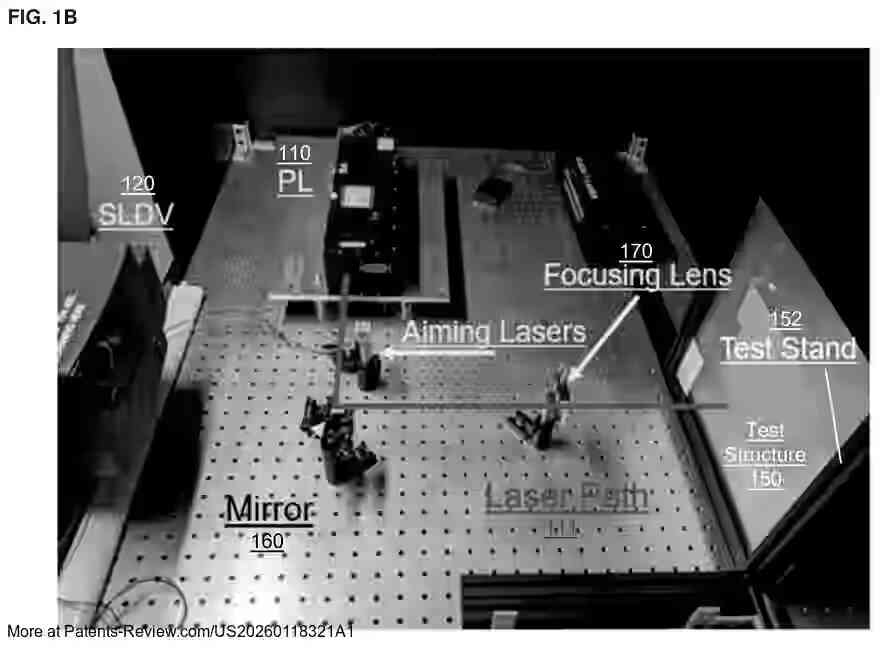
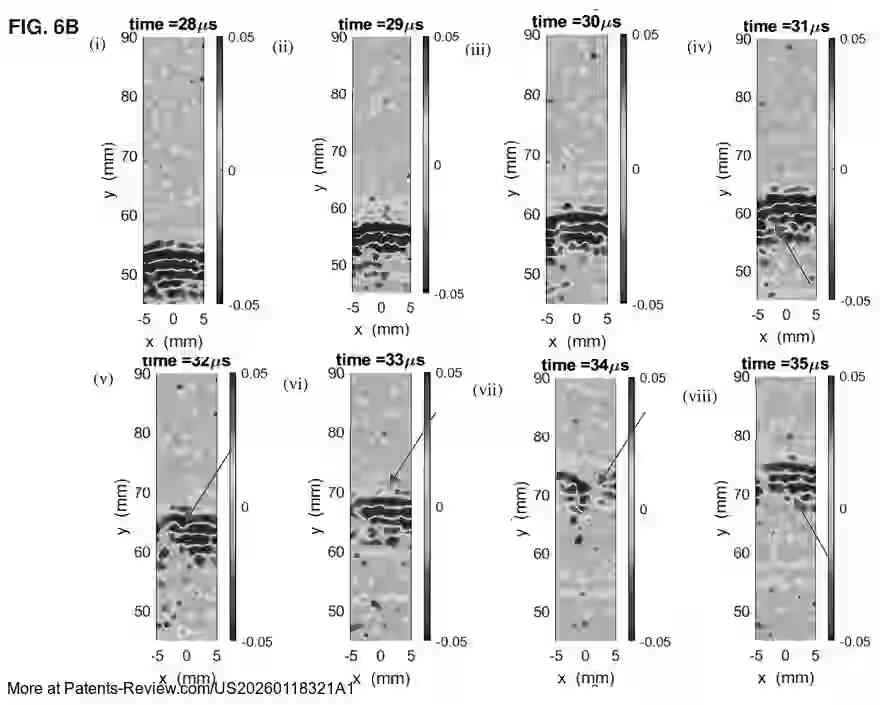
📢 New patent application #US20260118321A1 by #UniversityOfSouthCarolina reveals advanced #NondestructiveTesting systems for crack detection!
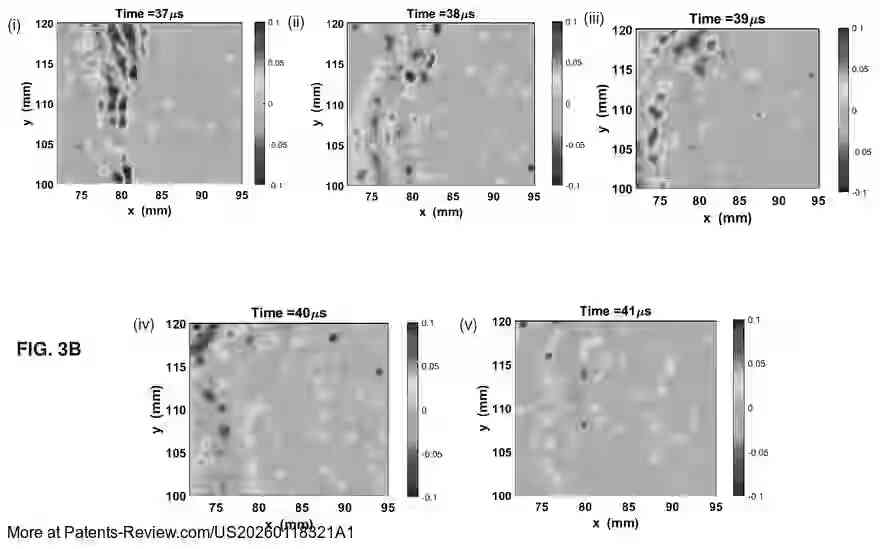
Utilizing laser ultrasonic inspection, it detects even the smallest defects like SCCs in thick structures. The system employs guided ultrasonic waves and a scanning Doppler vibrometer for precise, non-contact measurements.
An energy map is generated to identify cracks in materials. #Innovation in #StructuralIntegrity #Engineering #LaserTech
1
3
114

Apr 22
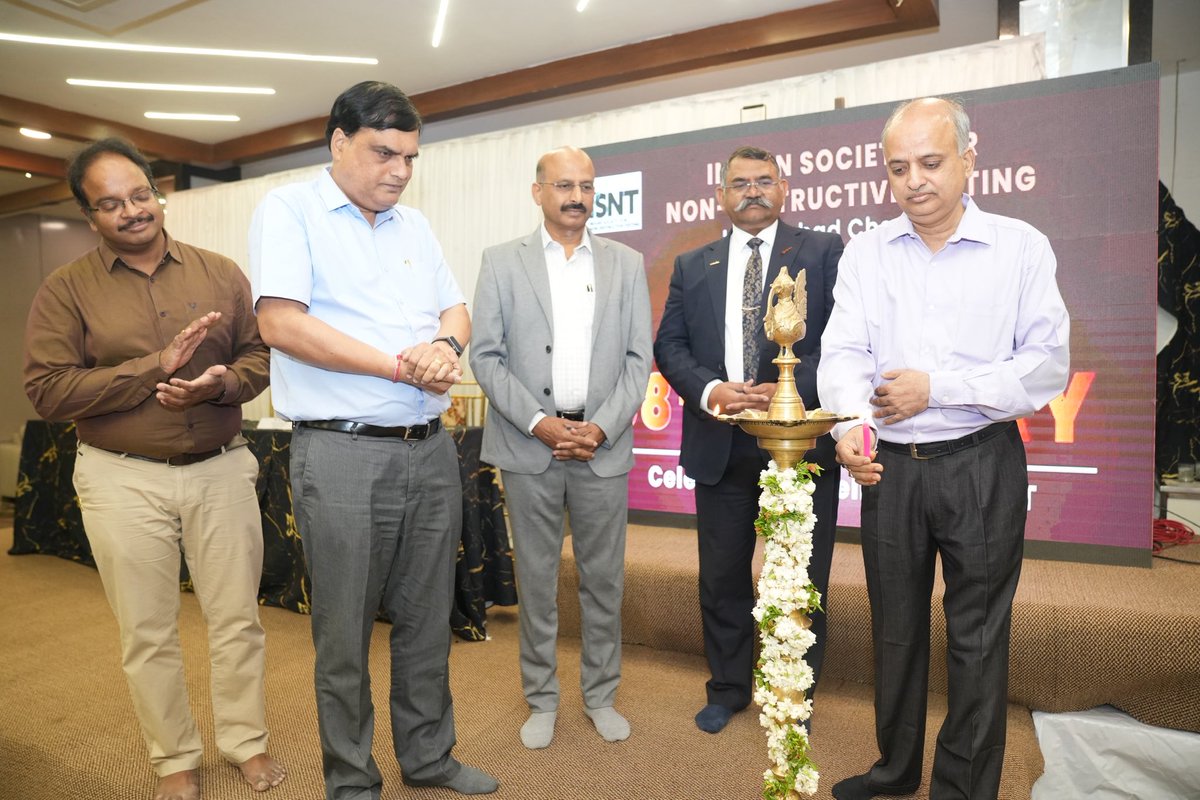
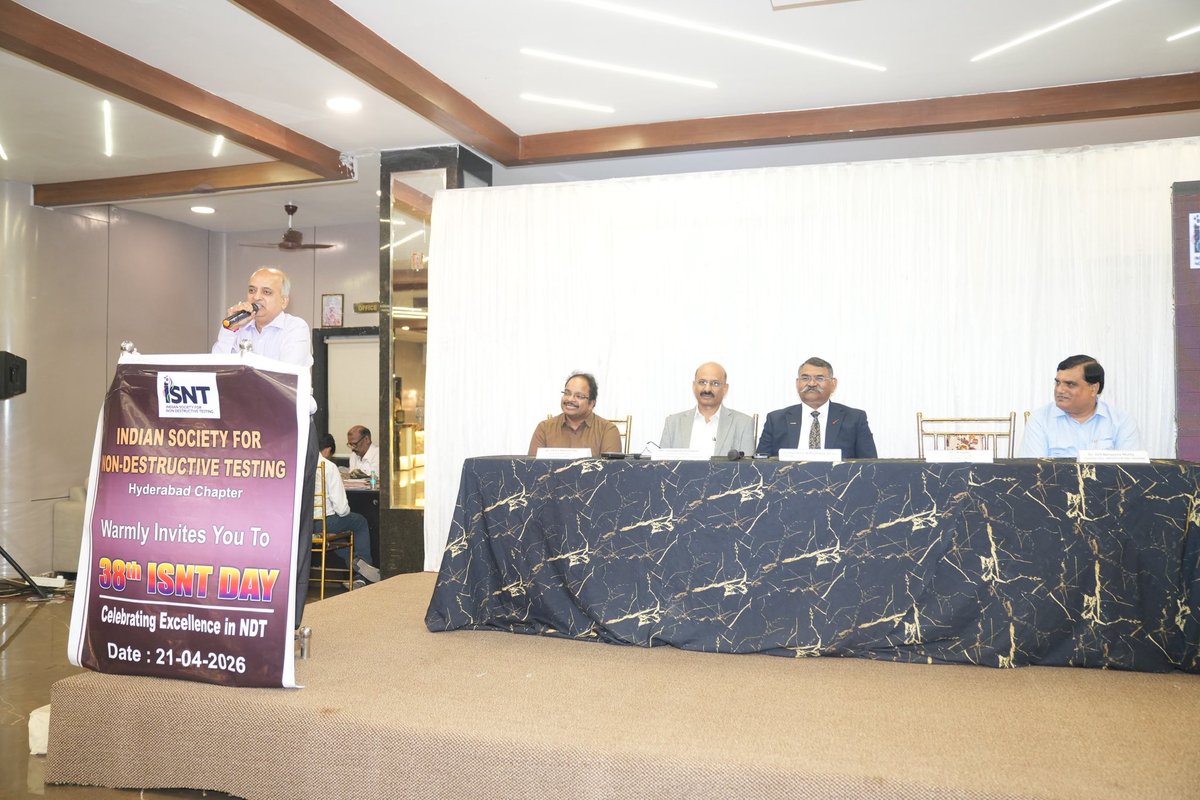
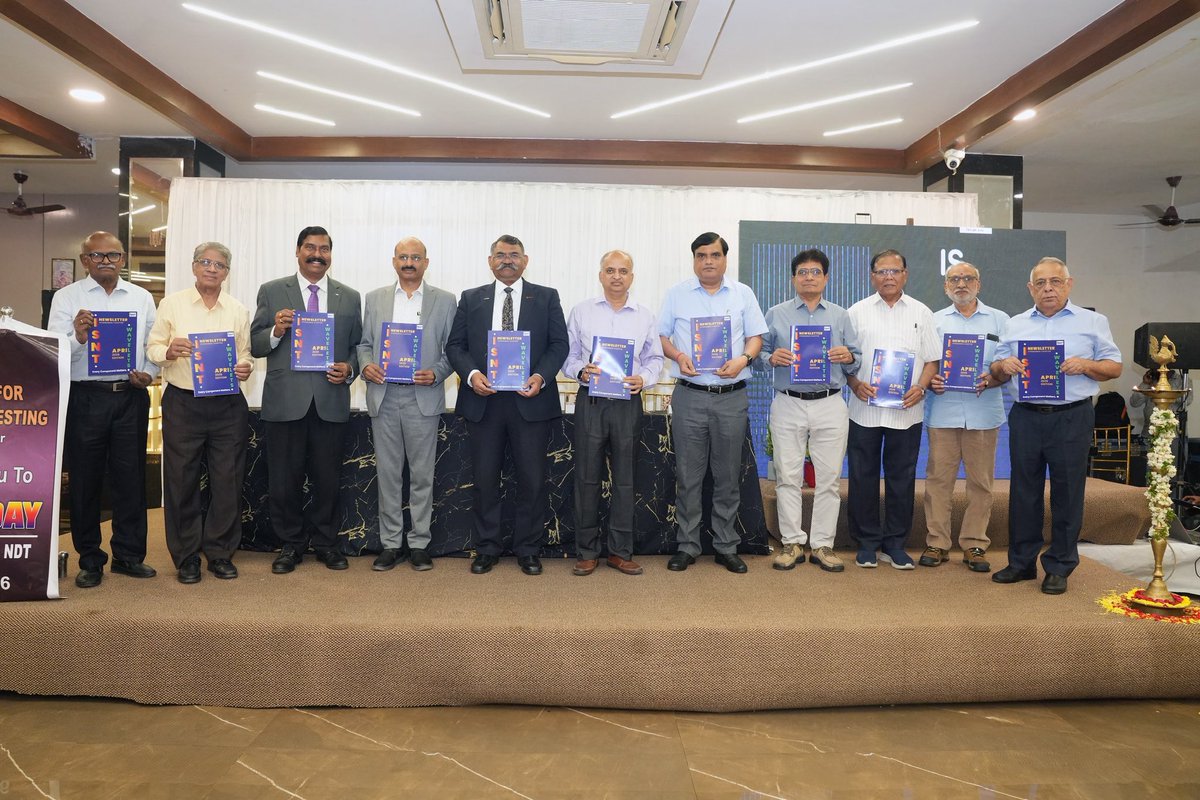
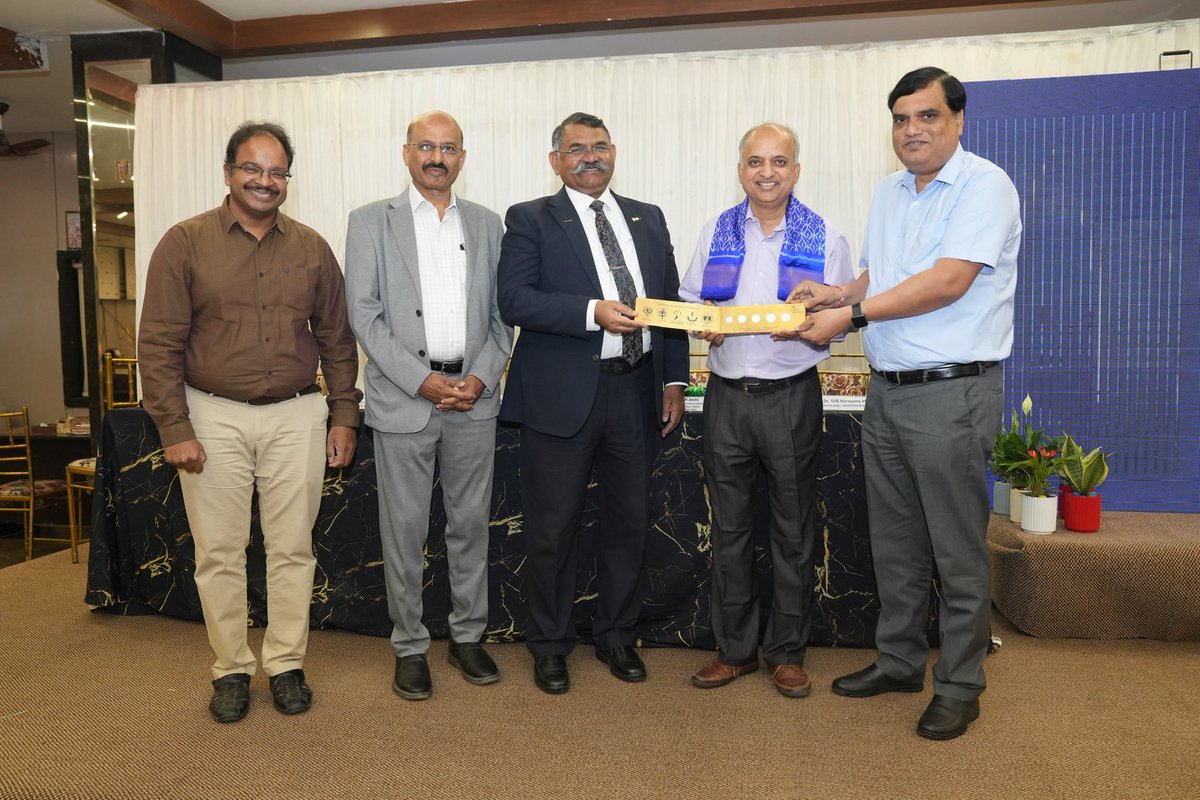
The 38th Foundation Day of Indian Society for #NonDestructiveTesting (ISNT) was celebrated with nationwide participation across 17 chapters, under the leadership of Dr. Jaiteerth R. Joshi. Dr Joshi, the President of ISNT and @CeoMdbrahmos paid tribute to ISNT’s pioneers and underscored the vital role of NDT in ensuring safety, quality, and reliability across industries.
Chief Guest Cmde. A. Madhav Rao (Retd.), CMD @bharat_dynamics commended ISNT’s impactful initiatives, while Shri. Surya Prakash Gajjala, Chairman, ISNT highlighted the ongoing efforts in skill development, industry collaboration, and advancing NDT technologies.
@DRDO_India @ChairmanNDE2026 @praveen71
2
11
759

How do you inspect what you can’t see inside medical devices?
Join our live webinar on April 29 at 1:00 PM CDT to learn how X-ray CT is used to detect internal defects, evaluate complex materials, and support development, failure analysis, and quality control.
More details in the comments.
#XrayCT #MedicalImaging #NonDestructiveTesting #FailureAnalysis
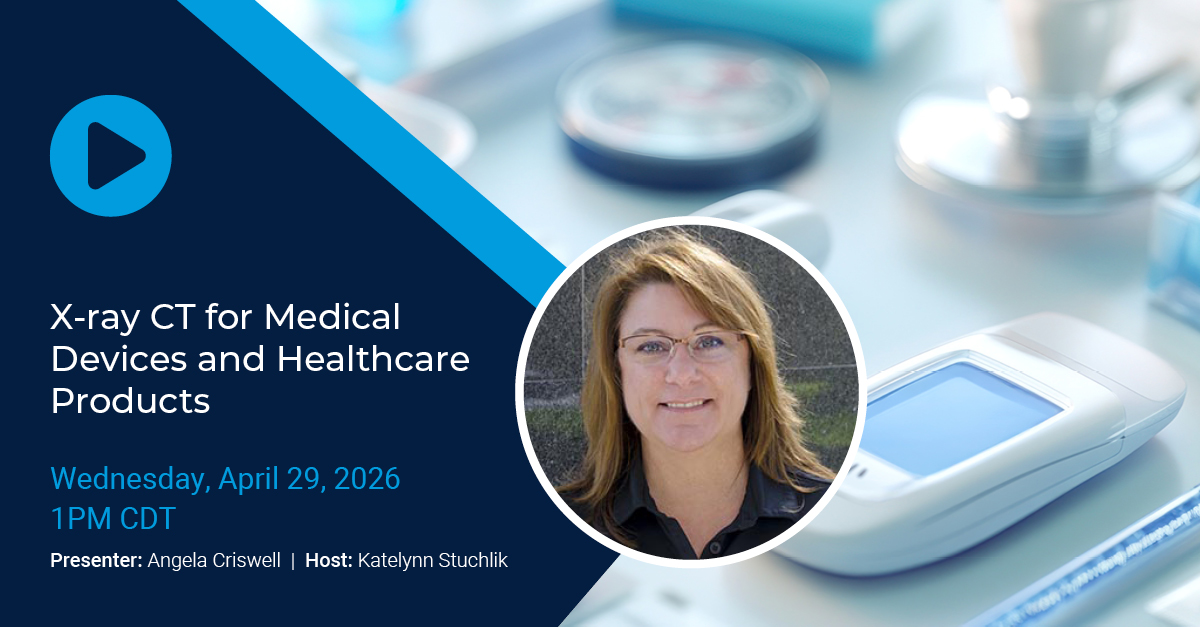
ALT X-ray CT for Medical Devices and Healthcare Products
1
4
331

@GScanSystems – a member of our Next-Gen Computing market group – bridges the gap between innovation and infrastructure safety 🚀
GScan’s Muon Flux Tomography (MFT) technology has officially transitioned from development and testing to real-world impact and industrial-scale breakthrough, following several successful deployments on in-service bridges across the UK, Estonia and the Netherlands. 🛠️ 🏙️
Recent milestones:
➡️ First-ever deployment of MFT on an operational post-tensioned bridge in the UK, with several more deployments following the success.
➡️ First-ever half-joint inspection using MFT at 1.6m overall depth.
➡️ Successful deployment in a trial to detect wire breaks in suspension bridge cables
➡️ Full-depth 3D reconstruction of the internal geometry
These milestones demonstrate muon tomography as a vital, non-destructive tool for securing the future of aging infrastructure. ⚙️🏭
Watch the video below to get a better idea of how this innovative approach comes to life. ⬇️
Congratulations to the GScan team on this progress – looking forward to what comes next!
#DeepTech #InfrastructureInnovation #ConstructionTech #NonDestructiveTesting #NextGenComputing
5
54

Mar 25
Hidden defects can't hide from our high-precision X-ray sources and detectors. Our solutions for industrial non-destructive testing reveal what the eye can’t see—before it becomes a costly failure.
Take a look at how we deliver the resolution, contrast, and reliability you need to strengthen quality control: ow.ly/F9WA50YohWS
#XrayImaging #NonDestructiveTesting
2
195

Feb 14
📢 #SpecialIssue
Advances in Structural Health Monitoring in Civil Engineering: 2nd Edition
📅 20 September 2026
👨🔬 Guest Editor:
Prof. Dr. Yoshikazu Kobayashi from Nihon University, Japan
🔗mdpi.com/journal/applsci/spe…
#CivilEngineering #StructuralHealthMonitoring #NonDestructiveTesting #NDT #SystemIdentification #Tomography #ElasticWave #Xray #UnmannedSystem #AI
1
3
73

📢New Special Issue announcement! “Nondestructive Quality Evaluation of Agricultural Products” is now open for submissions until 30 July 2026.
🔗 mdpi.com/journal/agriculture…
#AgProductQuality #NonDestructiveTesting #DigitalAgriculture #OpenAccess

3
5
62
Feb 11
☀️ Welcome to read these review papers!
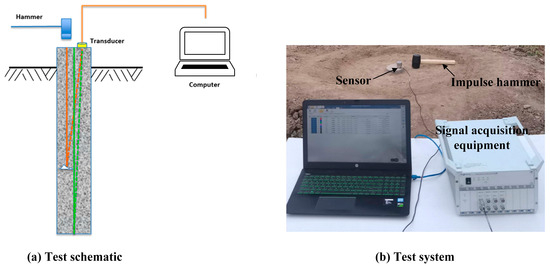
1. #PileIntegrity Testing Using #NonDestructiveTesting Techniques and #ArtificialIntelligence: A Review
mdpi.com/2076-3417/15/15/858…
by Peiyun Qiu, Liang Yang, Yilong Xie, Xinghao Liu and Zaixian Chen
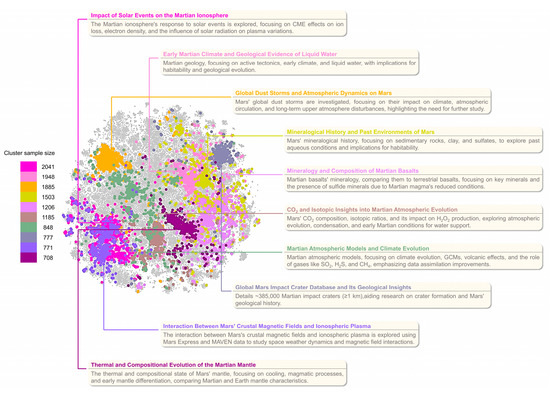
2. Sentence-Level Insights from the #Martian Literature: A #NaturalLanguageProcessing Approach
mdpi.com/2076-3417/15/15/866…
by Yizheng Zhang, Jian Zhang, Qian Huang, Yangyi Sun, Jia Shao, Yu Gou, Kaiming Huang and Shaodong Zhang
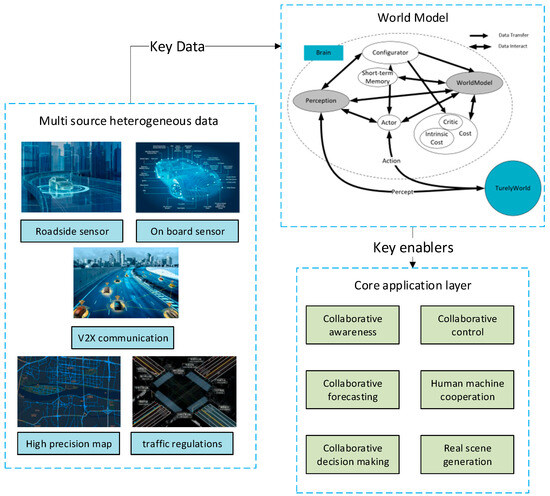
3. Research on #WorldModels for Connected #AutomatedDriving: Advances, Challenges, and Outlook
mdpi.com/2076-3417/15/16/898…
by Nuo Chen and Xiang Liu
4. The Role of #LargeLanguageModels in Improving Diagnostic-Related Groups Assignment and #ClinicalDecisionSupport in #HealthcareSystems: An Example from Radiology and Nuclear Medicine
mdpi.com/2076-3417/15/16/900…
by Platon S. Papageorgiou, Rafail C. Christodoulou, Rafael Pitsillos, Vasileia Petrou, Georgios Vamvouras, Eirini Vasiliki Kormentza, Panayiotis J. Papagelopoulos and Michalis F. Georgiou
1
2
84

1 Dec 2025
X-Ray Radiography
Destructive Testing (NDT) methods used to detect internal defects in welds, castings and engineering components.
#Radiography #XRayTesting #NDT #NonDestructiveTesting
#IndustrialRadiography #GammaRay #WeldingInspection
#RTTesting #EngineeringEducation
1
1
10
74

15 Nov 2025
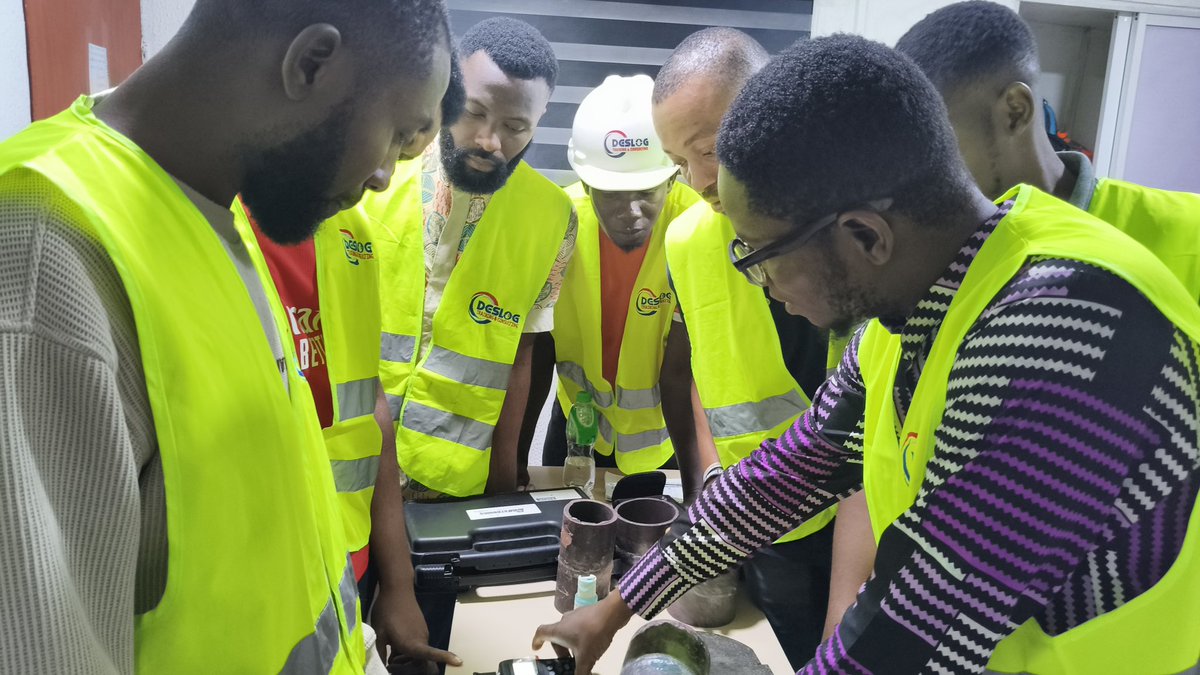
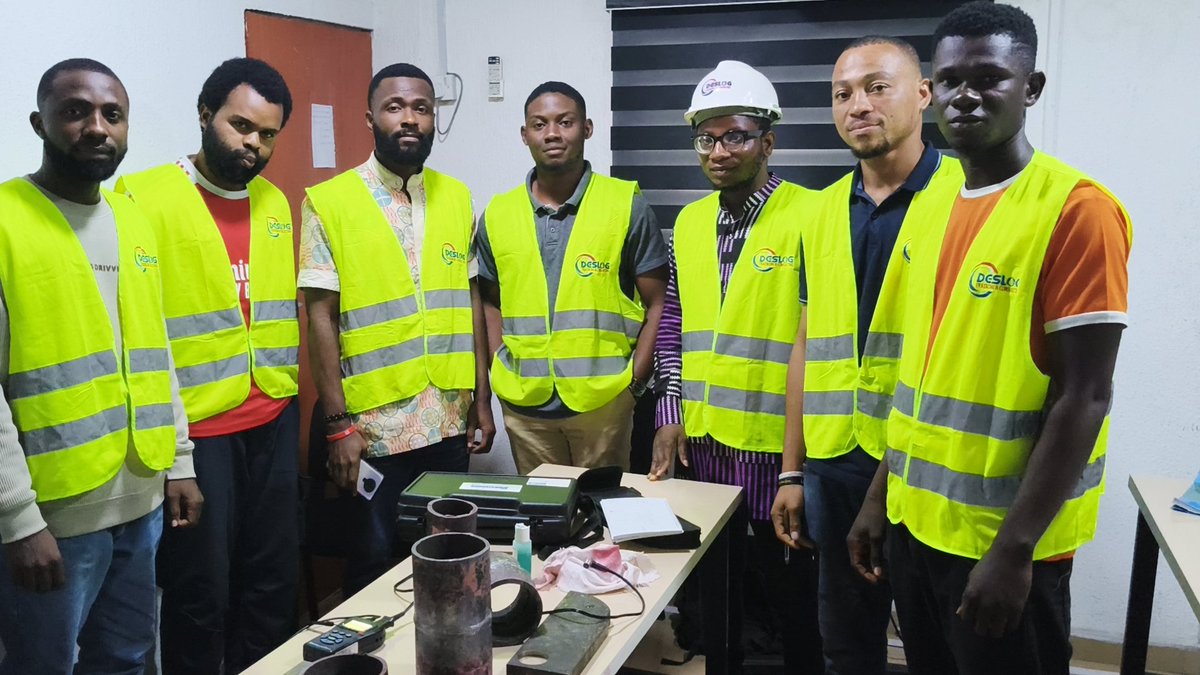
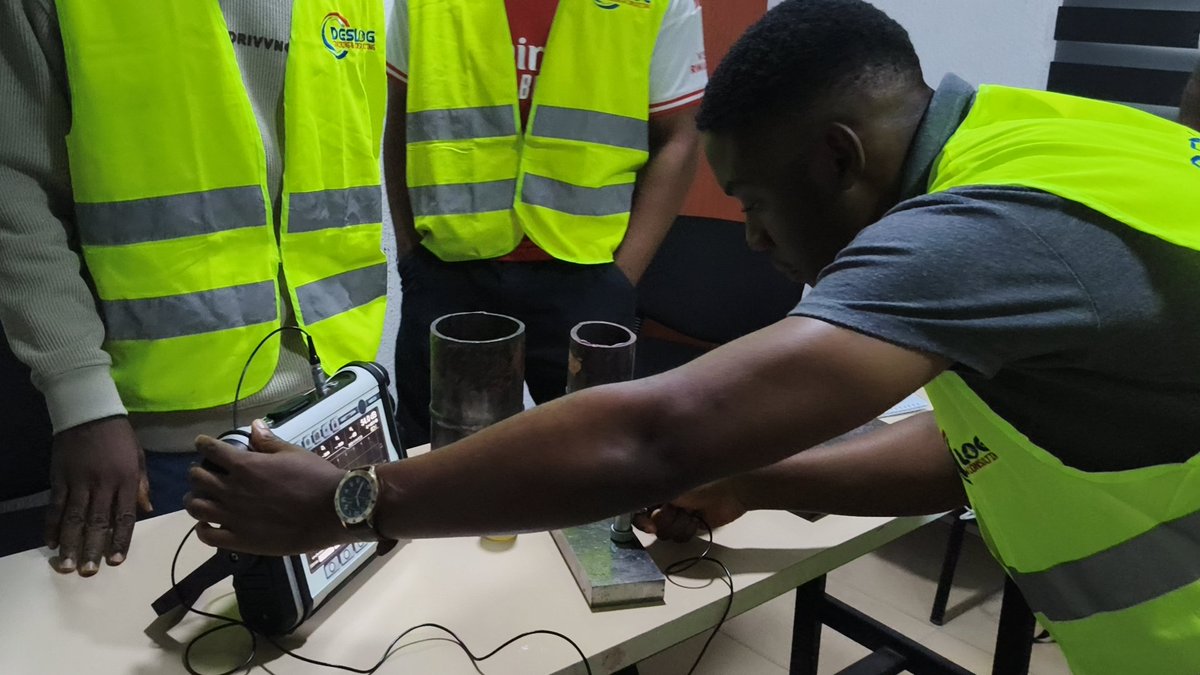
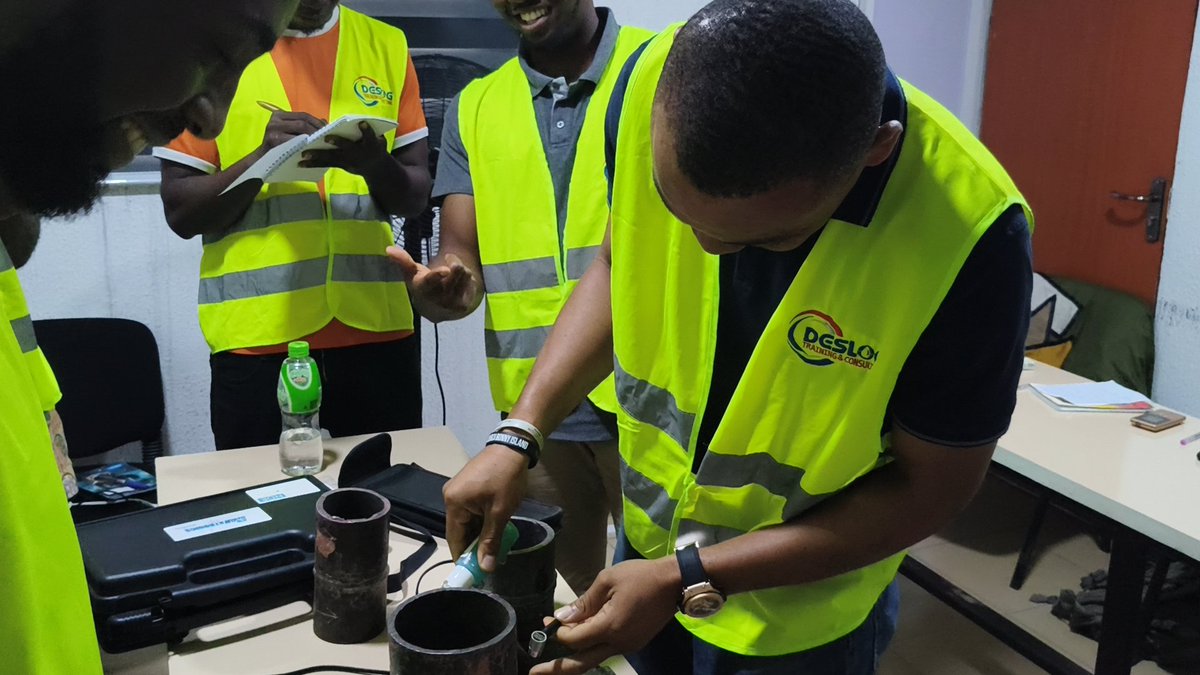
We proudly lead the industry as one of Nigeria’s top ASNT-accredited NDT training organisations.
Call/Whatsapp 2348039676125, 2348030886432 to get started or visit deslogconsult.com/asnt-ndt-t… for more information.
#NDTTraining #ASNT #DeslogTraining #NonDestructiveTesting #ProfessionalTraining
2
381