
MLCC SHORTAGE SHOCK: TAIWAN GIANTS RACE TO ADD CAPACITY
TLDR: Broad MLCC shortages are forcing customers to shift orders, turning Taiwan’s capacity expansion into an immediate share-gain opportunity rather than just a long-term production bet.
Taiwan media says four major MLCC producers are racing to increase output as shortages spread across product categories and customers shift orders between suppliers, signaling tighter pricing and a broader capacity battle across the passive-component supply chain.
#MLCC #TaiwanTech #PassiveComponents #Semiconductors #AIHardware #Electronics #SupplyChain #ChipComponents #DataCenters #EVs #KoreaSemis #TaiwanSemis $SSNLF $EWY $EWT $KORU
1
2
175

Inductor? Why does it block current changes?⚡
Inductor: current’s enemy, filter’s best friend.
#inductor #electronics #lenzlaw #passivecomponents
10

Jun 8
YAGEO 2025 Premium Pivot youtu.be/ePxYTBdkTrA?si=tkTx… 来自 @YouTube #YAGEO #PassiveComponents #AIInfrastructure #FinancialAudit #HDINResearch #SemiconductorStrategy #2026MarketOutlook
29
Jun 8
YAGEO Corporation Analysis: Can $4.26 Billion in Revenue Survive 2026? youtu.be/w9haXU_xHXI?si=FRor… 来自 @YouTube #YAGEO #PassiveComponents #AIInfrastructure #FinancialAudit #HDINResearch #SemiconductorStrategy #2026MarketOutlook
23

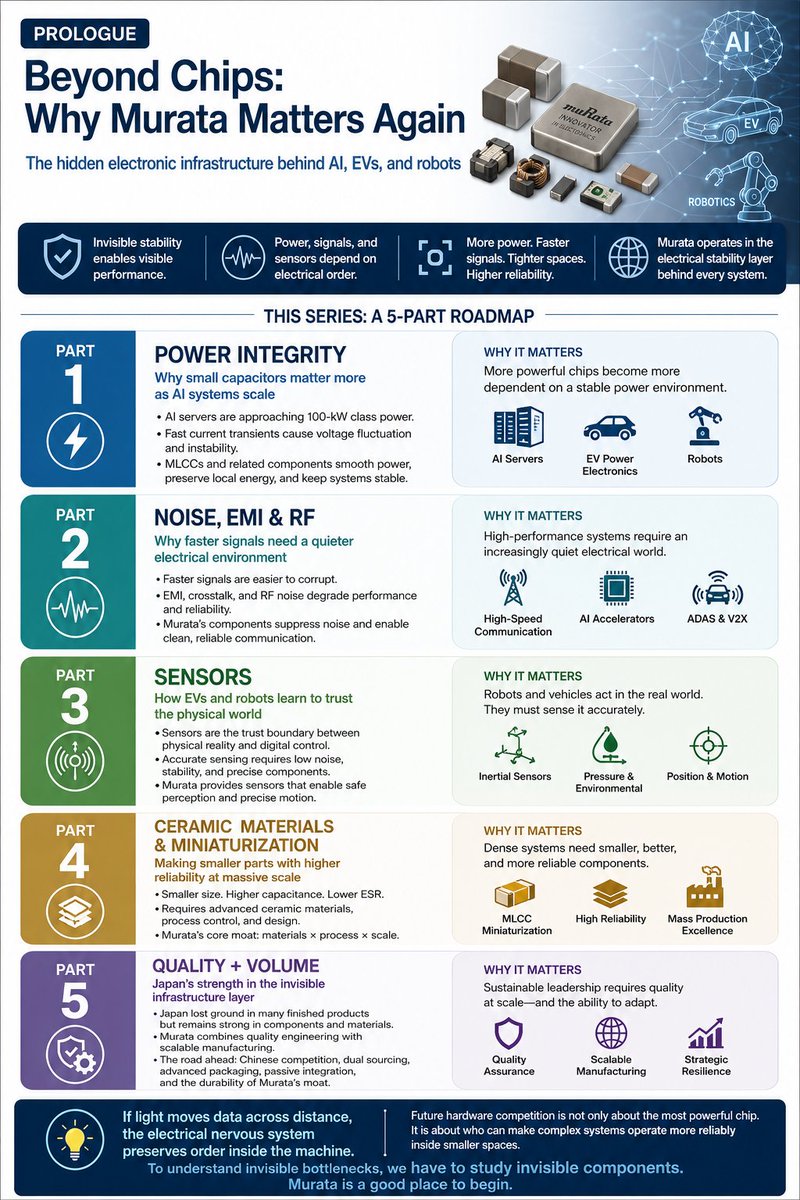
[Part 0. Beyond the Chip: Why Murata Deserves Another Look]
AI·EV·Robotics era — the hidden Japanese electronic infrastructure that matters again
Full version on substack: substack.com/@superpositionv…
When we talk about AI hardware, we usually start with GPUs, then HBM, advanced packaging, foundries, power consumption, and data-center cooling. Those are important. But we need to shift the question.When does an AI server actually fail? Only when the chip lacks performance?
No. It also fails when power momentarily fluctuates, when noise creeps into high-speed signals, or when heat and electromagnetic interference on a small board get out of control.
On the surface, the GPU is the star. But for that GPU to work reliably inside a real system, countless small components must maintain the order of power and signals.
1. The bottleneck in AI·EV·Robotics goes beyond the compute chip
AI servers are already approaching 100 kW per rack.
Power keeps increasing, yet voltage fluctuations must shrink.
Signals get faster, yet noise must drop further.
More sensors are added, yet space keeps shrinking.
This contradiction creates what I call the electrical stability burden — the layer of power integrity, signal integrity, noise suppression, and sensing reliability.
As this burden grows, one company is quietly becoming more important again.
Murata.
#Murata #MLCC #AIInfrastructure #PowerIntegrity #PassiveComponents #JapanElectronics #HiddenAIWinner
2
3
10
1,169
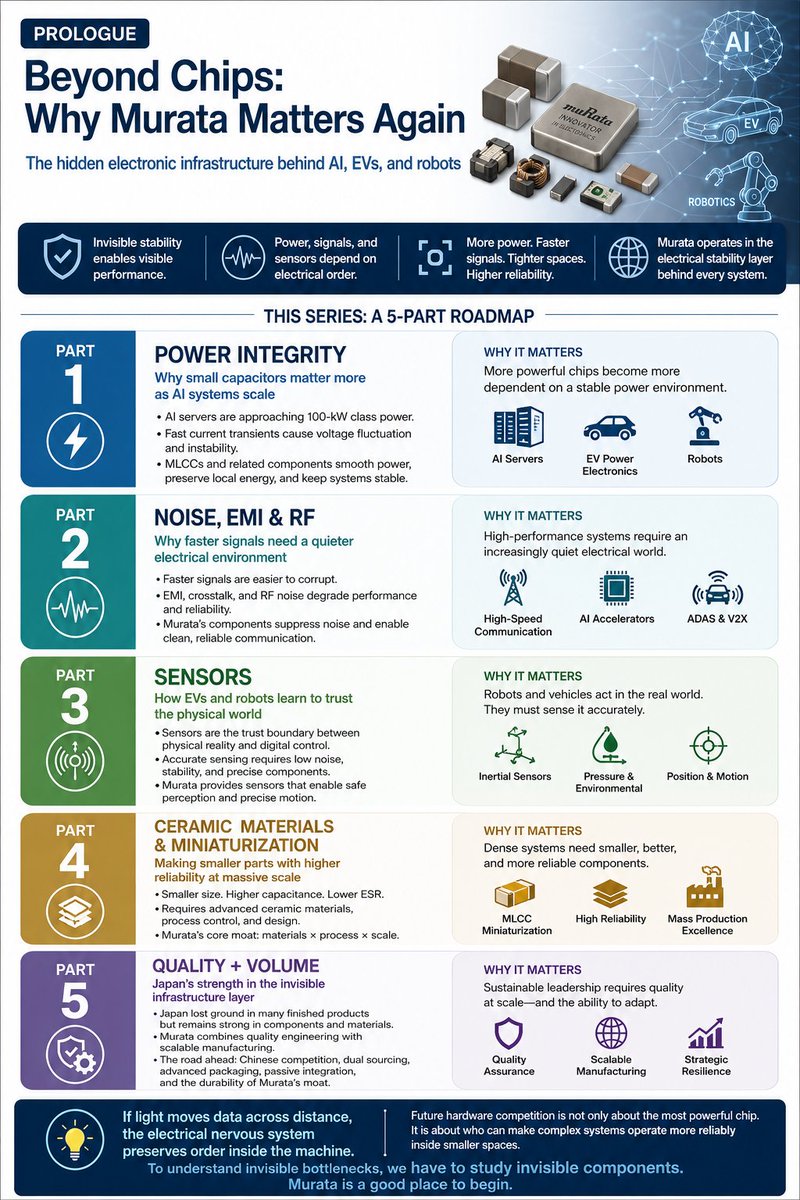
[Part 0. 칩 너머: 왜 Murata를 다시 봐야 하는가]
AI, EV, 로봇 시대, 다시 중요해지는 일본의 보이지 않는 전자 인프라
Full version on substack:
substack.com/@superpositionv…
AI 서버를 이야기할 때 우리는 GPU, HBM, 첨단 패키징을 먼저 떠올린다. 하지만 AI 서버가 제대로 작동하지 않는 순간은 언제인가? 칩 성능이 부족할 때만일까? 아니다.
전원이 순간적으로 흔들릴 때, 빠른 신호에 노이즈가 섞일 때, 작은 기판 위에서 열과 전자파 간섭이 통제되지 않을 때도 고성능 시스템은 무너진다.
겉으로 보기에는 GPU가 주인공이지만, 그 GPU가 실제로 안정적으로 작동하려면 주변의 수많은 작은 부품들이 전원과 신호의 질서를 만들어야 한다.
1. AI, EV, 로봇의 병목은 연산 칩에서 끝나지 않는다
AI 서버는 이미 100kW급 전력 설비에 가까워지고 있다.
전력은 커지는데 전압 흔들림은 더 작아져야 한다.
신호는 빨라지는데 노이즈는 더 줄어야 한다.
센서는 더 많이 들어가는데 공간은 더 좁아진다.
이 모순을 흡수하는 계층이 바로 전기적 안정성 부담이다.
전원 안정성, 신호 안정성, 노이즈 억제, 센싱 신뢰성의 계층.이 부담이 커질수록 다시 주목 받는 회사가 있다.
Murata다.
#Murata #MLCC #AIInfrastructure #PowerIntegrity #PassiveComponents #JapanElectronics #HiddenAIWinner
1
2
17
1,716

May 26
🔮 Outlook ไตรมาสถัดไปและมุมมองการลงทุน
• เป้าหมายไตรมาส 2/2026: บริษัทให้แนวโน้ม (Guidance) ค่อนข้างดุดัน โดยตั้งเป้ารายได้ในกรอบ $875 ล้าน - $905 ล้าน และคาดว่า Gross Margin จะขยายตัวต่อยอดไปถึงระดับ 22.0%
• เงินปันผล: บอร์ดบริหารเพิ่งประกาศจ่ายปันผลไตรมาสล่าสุดที่ $0.10 ต่อหุ้น (ประกาศวันที่ 18 พฤษภาคม) โดยจะขึ้นเครื่องหมายและจ่ายเงินในวันที่ 29 มิถุนายน 2026
💡 บทสรุปสำหรับนักลงทุน:
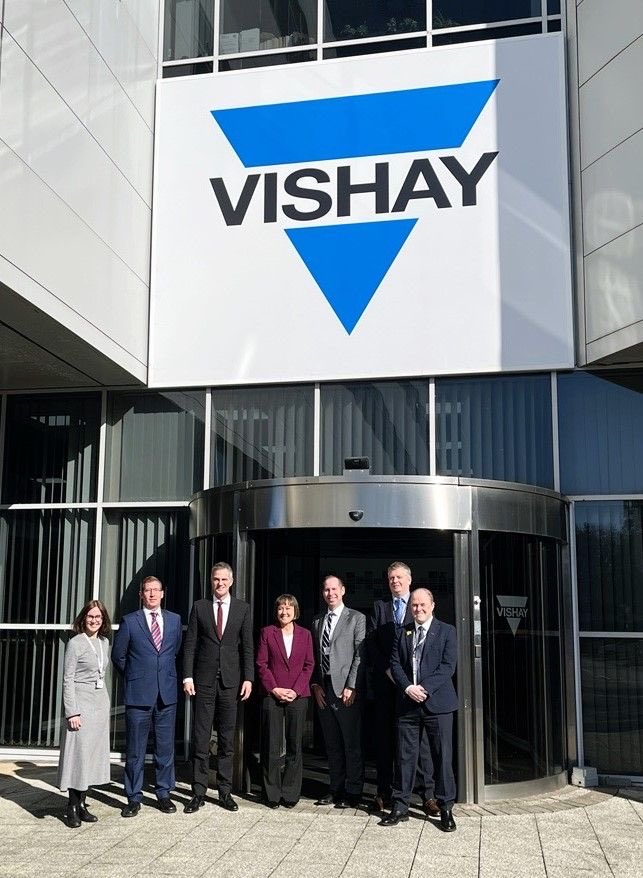
หลังประกาศงบ ราคาหุ้น VSH พุ่งรับข่าวตอบรับเชิงบวกทันทีกว่า 9% สะท้อนความมั่นใจของนักลงทุน แม้ Vishay จะเป็นหุ้นที่มีความเป็นวัฏจักร (Cyclical) สูง แต่รอบนี้แตกต่างออกไปตรงที่โครงสร้างองค์กรภายใต้แผน "Vishay 3.0" เริ่มรีดมาร์จิ้นได้ดีขึ้น ประกอบกับเทรนด์การใช้พลังงานไฟฟ้า (Electrification) ทั้งในรถยนต์และ Data Center ยุค AI กำลังกลายเป็นพลังขับเคลื่อนระยะยาว
ใครที่กำลังหาหุ้นเทคโนโลยีสาย "ต้นน้ำ" ที่เป็นโครงสร้างพื้นฐานที่โลกขาดไม่ได้ Vishay ($VSH) ในช่วงเวลานี้ ถือเป็นหนึ่งในหุ้นชิ้นส่วนอิเล็กทรอนิกส์ที่น่าจับตามองและนำไปทำการบ้านต่อมากๆ ครับ
#หุ้นนอก #VishayIntertechnology #VSH #Semiconductor #PassiveComponents #งบQ12026 #หุ้นเทคต้นน้
3
267

May 22
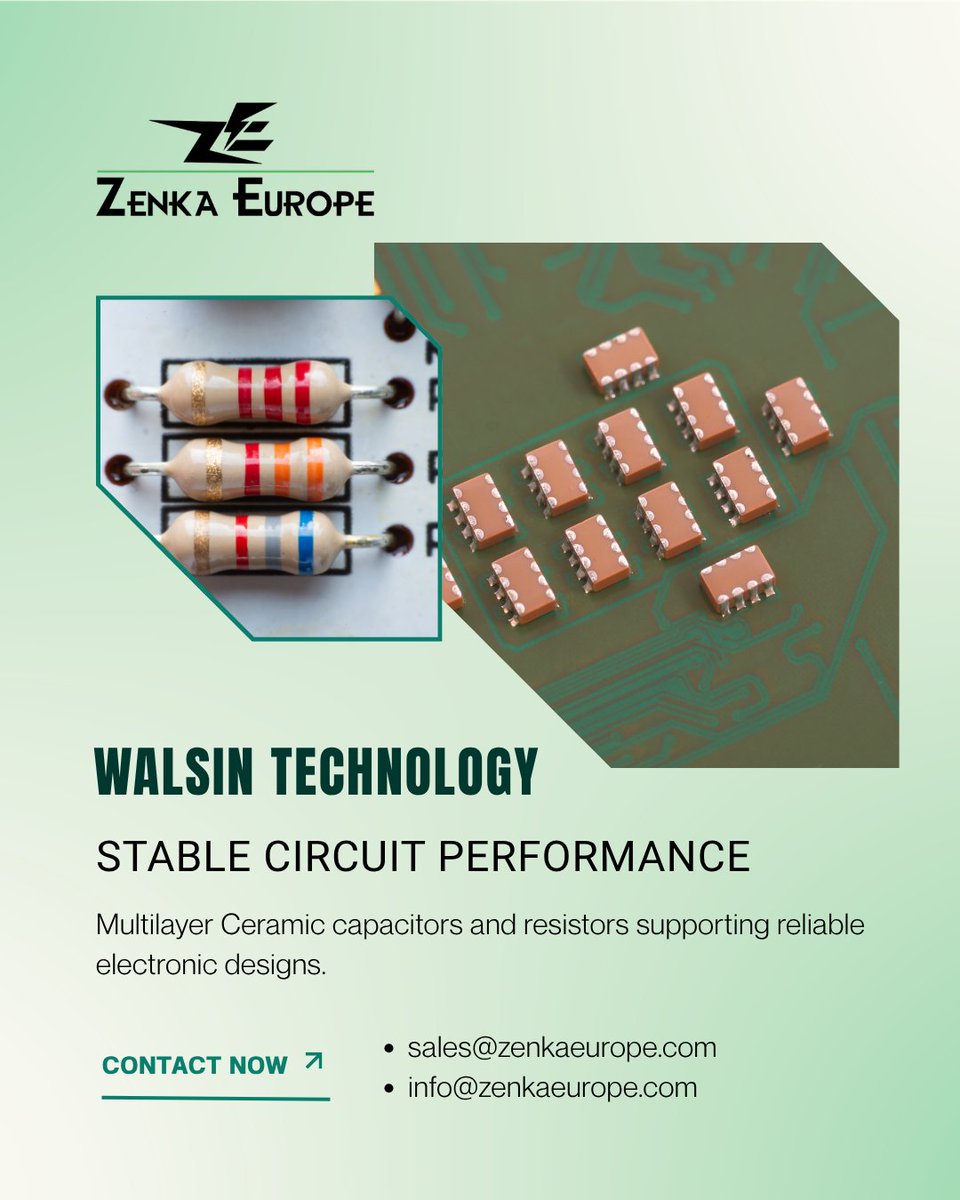
Reliable performance starts with the right components ⚙️📡
Walsin Technology Multilayer Ceramic Capacitors (MLCCs) and resistors support smooth, stable operation across a wide range of electronic applications. ✨🔧
#WalsinTechnology #MLCC #Resistors #PassiveComponents
2
59

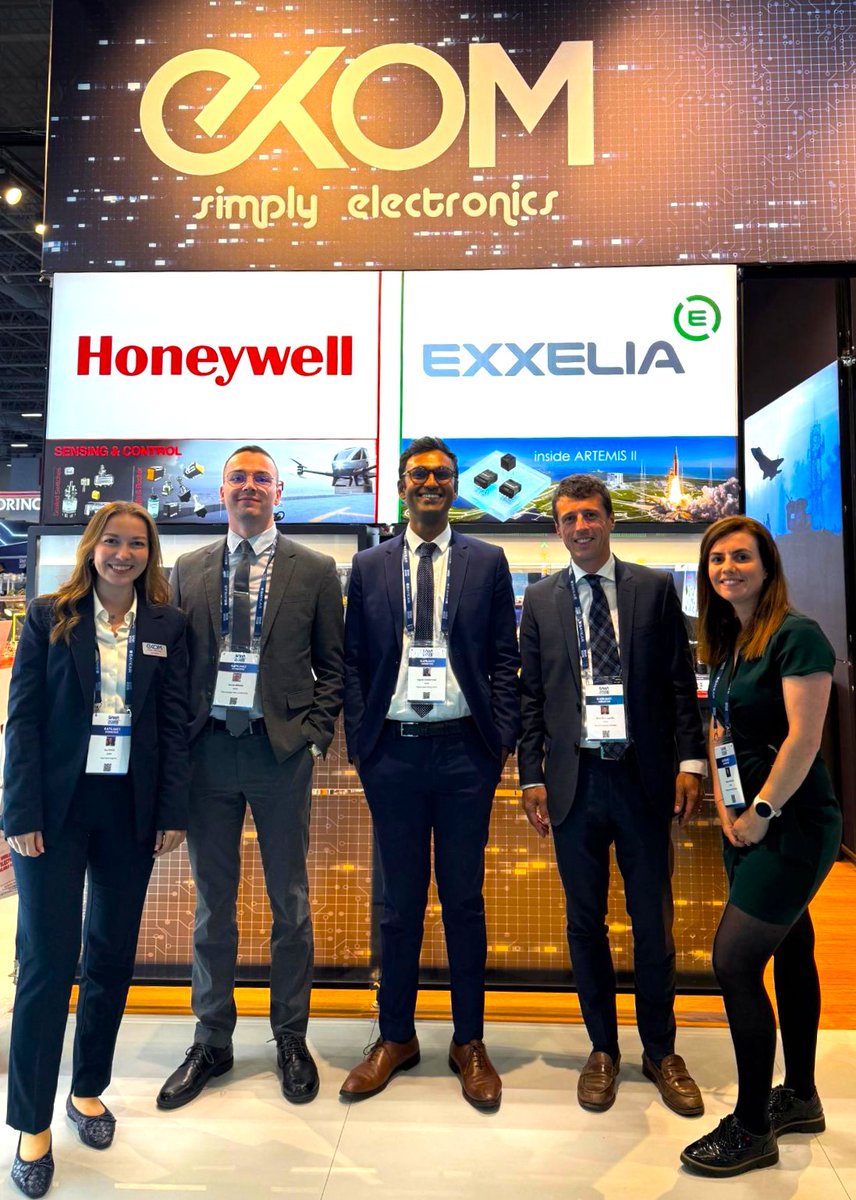
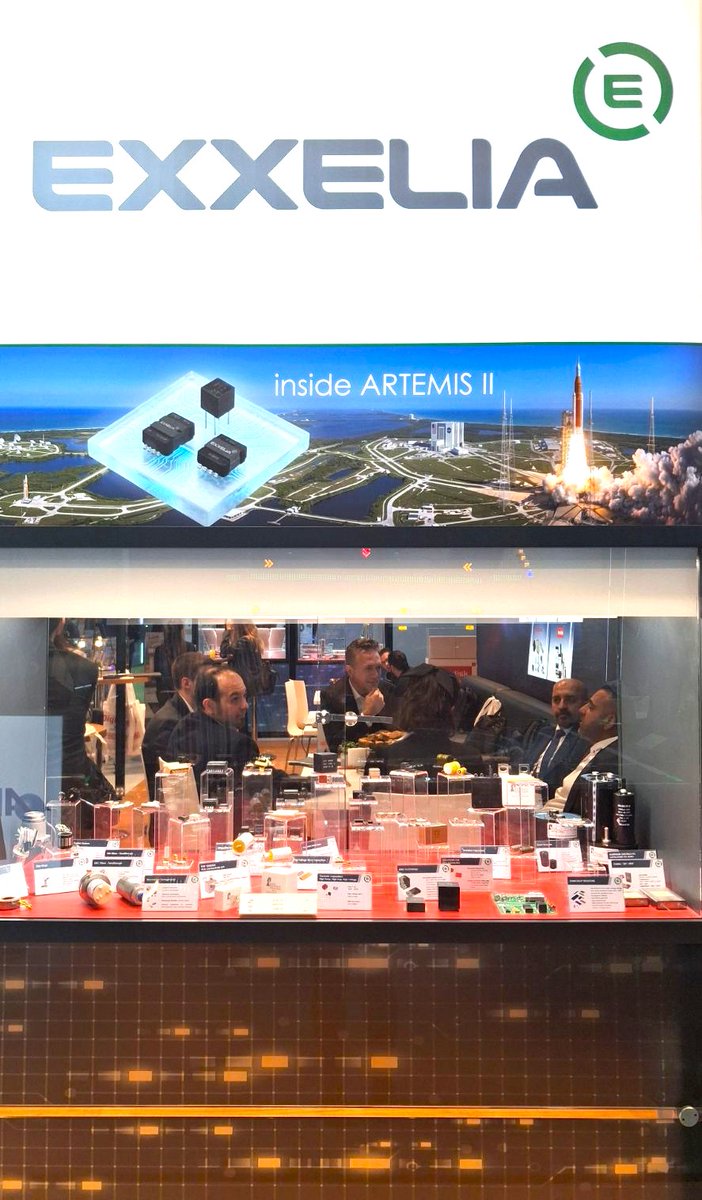
Ready to reach for the stars from a defense expo? 🛰️✨
From May 5-9, join our partner Ekom at the SAHA Expo in Istanbul! It’s the perfect opportunity to explore our passive components.
#SAHAExpo #DefenseIndustry #Electronics #PassiveComponents #Ekom #Istanbul #teamexxelia
2
77

An Essential Passive Component: Why Wirewound Resistors Are Key Components
In an era dominated by surface-mount technology and thin-film precision, the wirewound resistor remains an indispensable power component for modern circuit design.
While they were among the first resistor types ever manufactured, their unique construction—winding a resistive wire around a ceramic or non-conductive core—gives them properties that modern film resistors simply cannot match.
Why choose Wirewound?
According to the web page on Electronics-Notes, these components are the go-to choice for several critical reasons:
* High Power Dissipation: When you need to handle significant heat, wirewounds come into their own. Some aluminum-cased versions can be bolted to heatsinks to dissipate up to 2.5kW!
* Extreme Precision & Stability: Because they use physical resistance wire (like nickel-chromium), they can be manufactured with tolerances as tight as 0.005% and offer incredible long-term stability (15-50ppm/year).
* Pulse Handling: Unlike film resistors that can "vaporize" under a surge, the high thermal mass of a wirewound element allows it to absorb high-voltage pulses without damage.
* Low Noise: Using solid metal wire makes them among the lowest current-noise resistors available, ideal for sensitive audio or measurement applications.
The High-Frequency Trade-off
The one very important disadvantage! Their coil-like construction introduces self-inductance, making them less suitable for high-frequency or RF applications. However, specialist techniques like Ayrton-Perry or Bifilar windings can be used to cancel out these inductive effects when precision is needed at higher speeds.
Whether you're designing power supplies, measuring instruments, or industrial motor controls, the wirewound resistor is a fundamental building block you can't ignore.
Want to learn more about the different types—from vitreous enamel to silicone resin coatings?
🔗 Read the full guide here: electronics-notes.com/articl…
#ElectronicsEngineering #CircuitDesign #Hardware #ElectricalEngineering #PassiveComponents #PowerElectronics #TechBasics
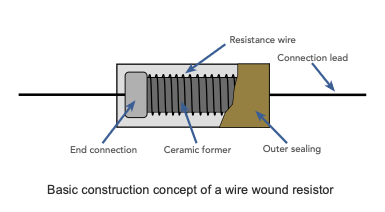
1
4
26
2,000

5o.com 136-174MHz VHF Circulator: 200W Power, 44dB Isolation – Trusted for Land Mobile Systems.
👉 Discover more about our solutions: 5o.com/
👉 More products: 5o.com/pd/
#RFMicrowaveComponents #PassiveComponents #5GCommunications
1
2
30

Merry Christmas and Happy New Year from Kingtronics® Kt®.
Thank you for your trust and support—wishing you a reliable, stable, and successful 2026.
#Kingtronics #Kt #MerryChristmas #HappyNewYear #ElectronicComponents #PassiveComponents #GlobalSupply #EngineeringSupport

ALT Kingtronics® Christmas greeting featuring Kt® electronic components and a Santa character, wishing a Merry Christmas and Happy New Year.
2
3
12

17 Dec 2025
As 2025 comes to a close, we look ahead to 2026 with gratitude and momentum.
Wishing our partners and friends a warm and joyful holiday season.
#Suntan #ElectronicComponents #PassiveComponents #Christmas #2026

ALT Festive Christmas greeting featuring Suntan Technology electronic capacitors displayed on snow, with holiday decorations and the message “Merry Christmas” as 2025 transitions into 2026.
2
3
82

28 Nov 2025
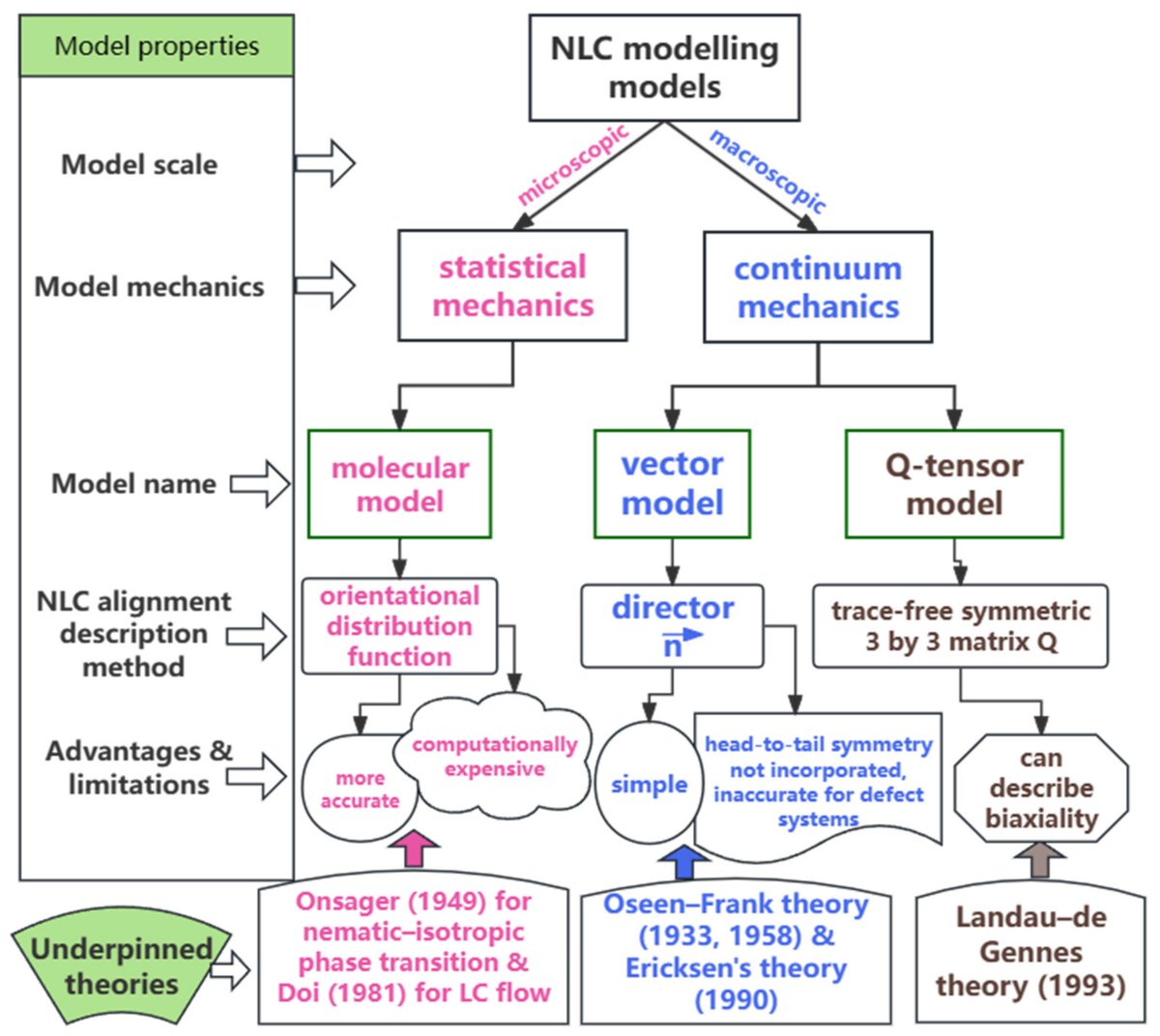
Symmetry Implications of a 60 GHz Inverted Microstrip Line Phase Shifter with #Nematic #LiquidCrystals in Diverse Packaging Boundary Conditions
✏️Jinfeng Li and Haorong Li
🔗brnw.ch/21wXTg7
Viewed: 2111; Cited: 5
#mdpisymmetry #passivecomponents
@BIT1940
@imperialcollege
2
3
61

27 Oct 2025
Precise control starts here.
Explore jb® #TrimmingPotentiometers — stable, smooth, and reliable for tuning and industrial use.
🔗 jbcapacitors.com/product-cat…
📧 info@jbcapacitors.com
youtu.be/bfFz_C4nSFQ?si=iOgt…
#Potentiometer #Trimmer #PassiveComponents
1
2
27

15 Oct 2025
Space is tight and reliability is non-negotiable in high-frequency designs.
@kavxcorp's new KGP Series stacked MLCCs deliver higher capacitance in the same footprint, handling up to 1.5 kV and built for harsh industrial and energy environments.
🔗 Learn more: thecomponentclub.com/news/20…
#KyoceraAVX #KGPSeries #MLCC #PassiveComponents #HighFrequency #Electronics #TechNews #TCC #TheComponentClub
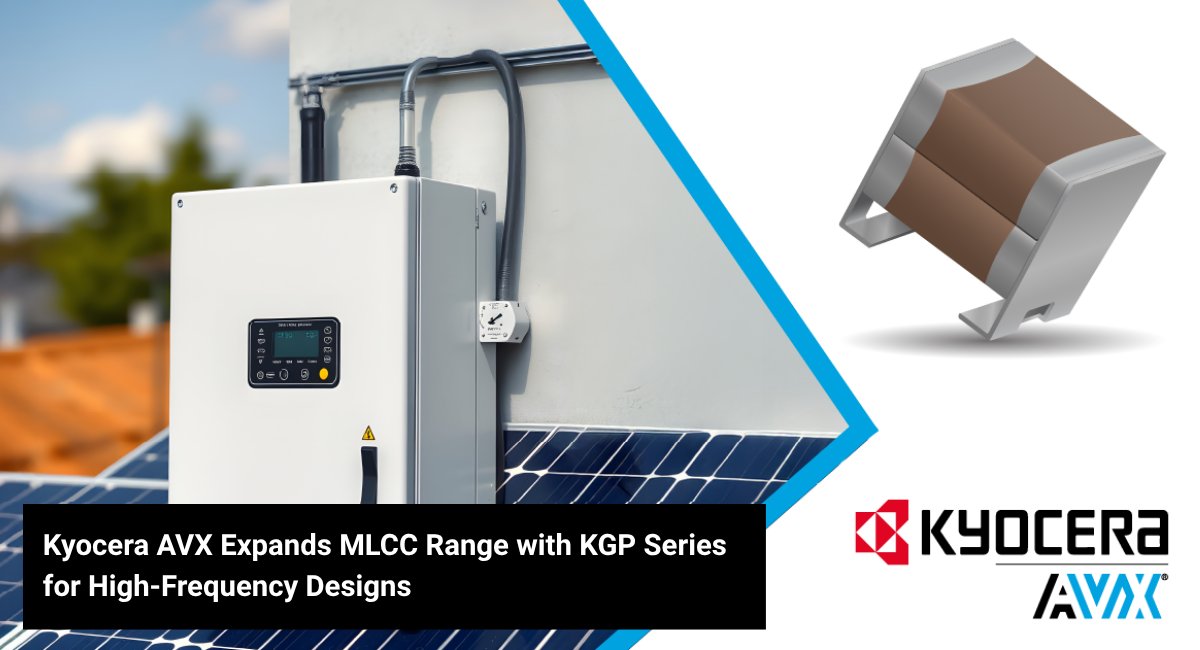
3
12
14 Oct 2025
See how Suntan components enable robust, cost-effective designs for industry and consumer electronics.
More info: suntan.com.hk
Contact: info@suntan.com.hk
#SuntanTechnology #PassiveComponents #QuartzCrystal #CrystalOscillator #PowerElectronics
2
2
81

22 Sep 2025
Money’s moving into passive components now, and of course I’m in😙😙
#StockMarket #Taiwan #passivecomponents
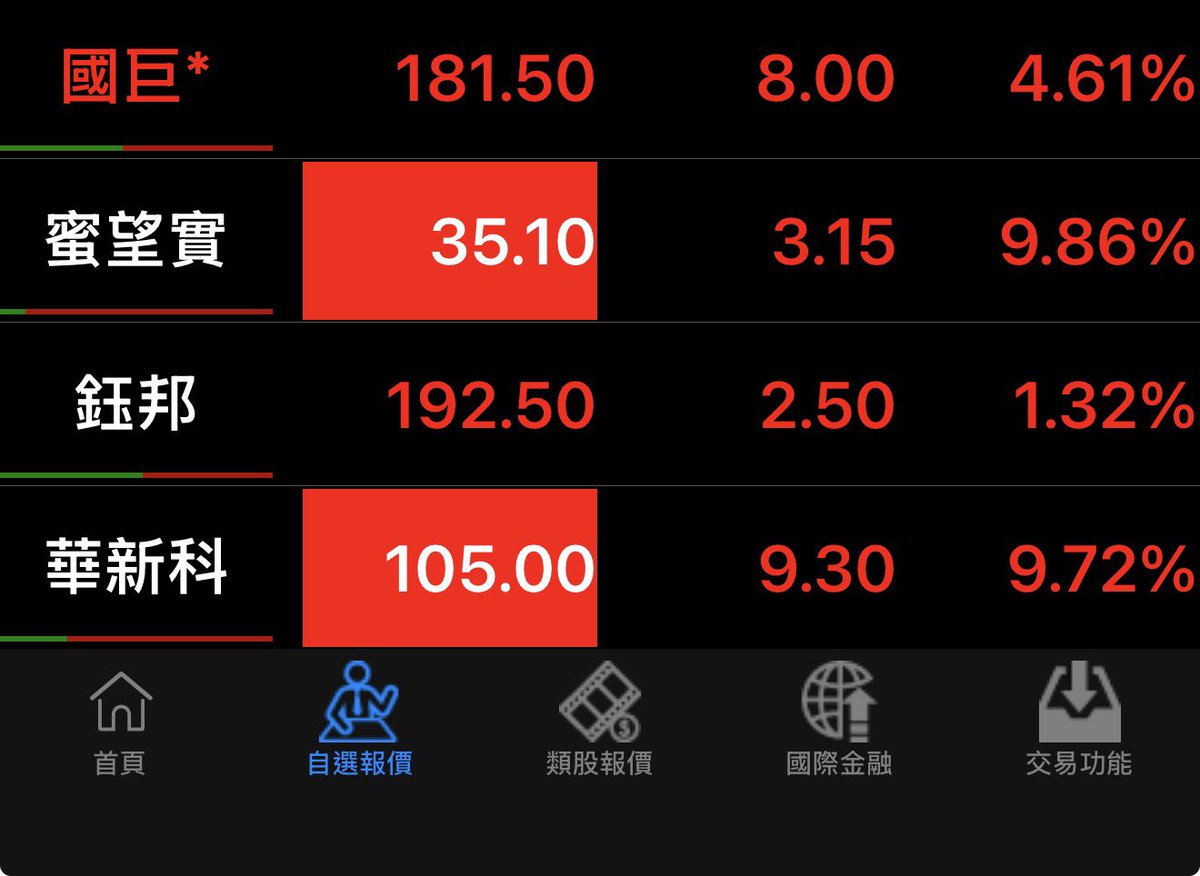
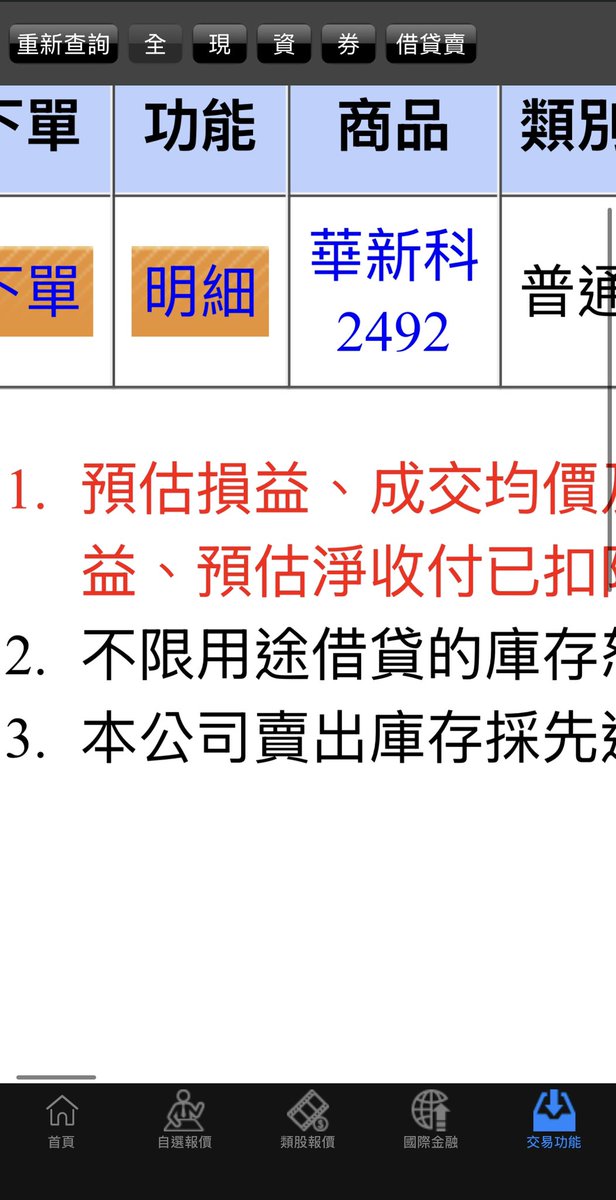
2
742
3 Sep 2025
Juggling heat, humidity, and size while keeping reliability high?
@VishayIndust MKP1848e capacitor runs at 125 °C, survives THB Grade III humidity, handles 44.5 A ripple, offers higher current density, and cuts volume by up to 40 %.
🔗Learn more: thecomponentclub.com/news/20…
#TCC #TheComponentClub #Electronics #FilmCapacitor #PowerElectronics #EV #Automotive #Reliability #DesignEngineering #PCBDesign #PassiveComponents #EMI #Engineering
2
24