2 Dec 2025
Three payloads. One drone.
Putting the Matrice 400's 6KG payload capacity to the test 🔥
The M400 isn’t just lifting more, it’s doing more for every team that depends on it.
#djienterprise #matrice400 #payloadcapacity #industrialdrone
45
261
1,516
145,715

13 Sep 2024
Why Humanoid Robots Struggle in Dirty Environments
#HumanoidRobots #RobotTechnology #WeldingIndustry #ManufacturingInnovation #TechChallenges #TeslaRobot #Automation #PayloadCapacity #EngineeringSolutions #FutureOfWork
1
1
51

ZeroAvia to provide fuel cell PGS tech to JEKTA aircraft.
The Switzerland-based developer of the PHA-ZE 100 amphibious aircraft, JEKTA, has chosen...READ More #electricaviation #PHAZE100 #payloadcapacity #sustainableaviation #hydrogenfuelsystem #JEKTA
hydrogenfuelnews.com/?p=6592…
1
4
6
284

Join us June 5 as #TruckScience Jens Hellberg examines the implications of non-traditional energy sources on #payloadcapacity and compliance with manufacturer ratings and #Bridgelimits. Learn more and register today. ntea.com/webinars

31

11 May 2024
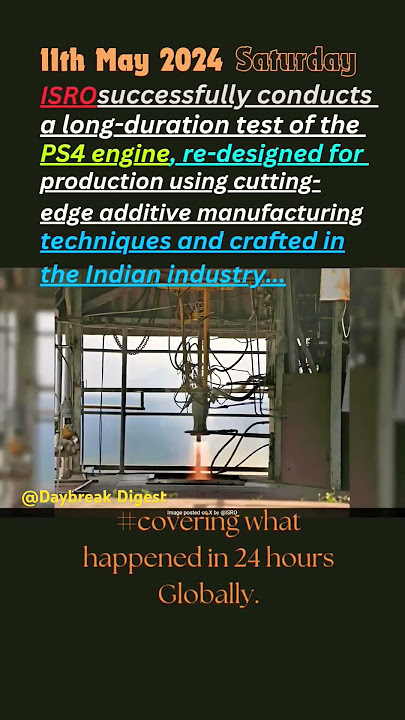
🚀✨ #ISRO achieves major milestone with 3D printed rocket engine ✨🚀
👉In the ever-evolving landscape of space exploration, India's space agency ISRO has achieved a remarkable feat that could potentially redefine the future of rocket engine manufacturing. By successfully testing a 3D-printed rocket engine, ISRO has demonstrated its commitment to embracing cutting-edge technologies and staying at the forefront of innovation.
👉On May 11, 2024, the Indian Space Research Organization (ISRO) 🇮🇳🛰️ successfully tested a 3D-printed rocket engine 🔥🚀, marking a significant achievement in the field of space technology #SpaceTech #Aerospace #RocketEngine. This breakthrough could potentially revolutionize the way rocket engines are manufactured, leading to numerous benefits and implications for the Indian space program and the global space industry #GameChanger #Innovation.
👉3D printing, also known as additive manufacturing 🖨️, is a process where objects are built layer by layer using various materials, such as metals, plastics, or composites #3DPrinting #AdditiveManufacturing. This technology has been increasingly adopted in various industries due to its ability to produce complex geometric shapes, reduce manufacturing costs, and minimize waste #CostEfficiency #WasteReduction #Sustainability.
👉ISRO's successful test of a 3D-printed rocket engine demonstrates the organization's commitment to embracing cutting-edge technologies and staying at the forefront of space exploration #TechnologicalLeadership #SpaceExploration. By leveraging 3D printing, ISRO aims to achieve several advantages:
1. Cost reduction 💰: Traditional rocket engine manufacturing involves intricate machining processes, which can be time-consuming and expensive. 3D printing allows for the production of complex components with reduced material waste, potentially lowering overall manufacturing costs #CostSavings #Efficiency.
2. Rapid prototyping and customization ⚡: 3D printing enables faster design iterations and prototype development, allowing for more efficient testing and refinement of rocket engine designs. Additionally, customization becomes easier, as components can be tailored to specific mission requirements #RapidPrototyping #Customization #FlexibleDesign.
3. Weight reduction 🔽: 3D printing can produce intricate designs with optimized geometries, potentially leading to weight savings in rocket engines. This is crucial in the space industry, where every gram of weight reduction translates into increased payload capacity or extended range #WeightOptimization #PayloadCapacity #RangeExtension.
4. Supply chain simplification 🔗: By producing rocket engine components through 3D printing, ISRO can streamline its supply chain and reduce dependence on external suppliers, enhancing self-reliance and reducing lead times #SupplyChainOptimization #SelfReliance #LeadTimeReduction.
5. Advanced materials 🔬: 3D printing opens up opportunities for using advanced materials, such as superalloys or specialized composites, which can improve the performance and durability of rocket engines #AdvancedMaterials #PerformanceEnhancement #Durability.
1
4
19
1,670

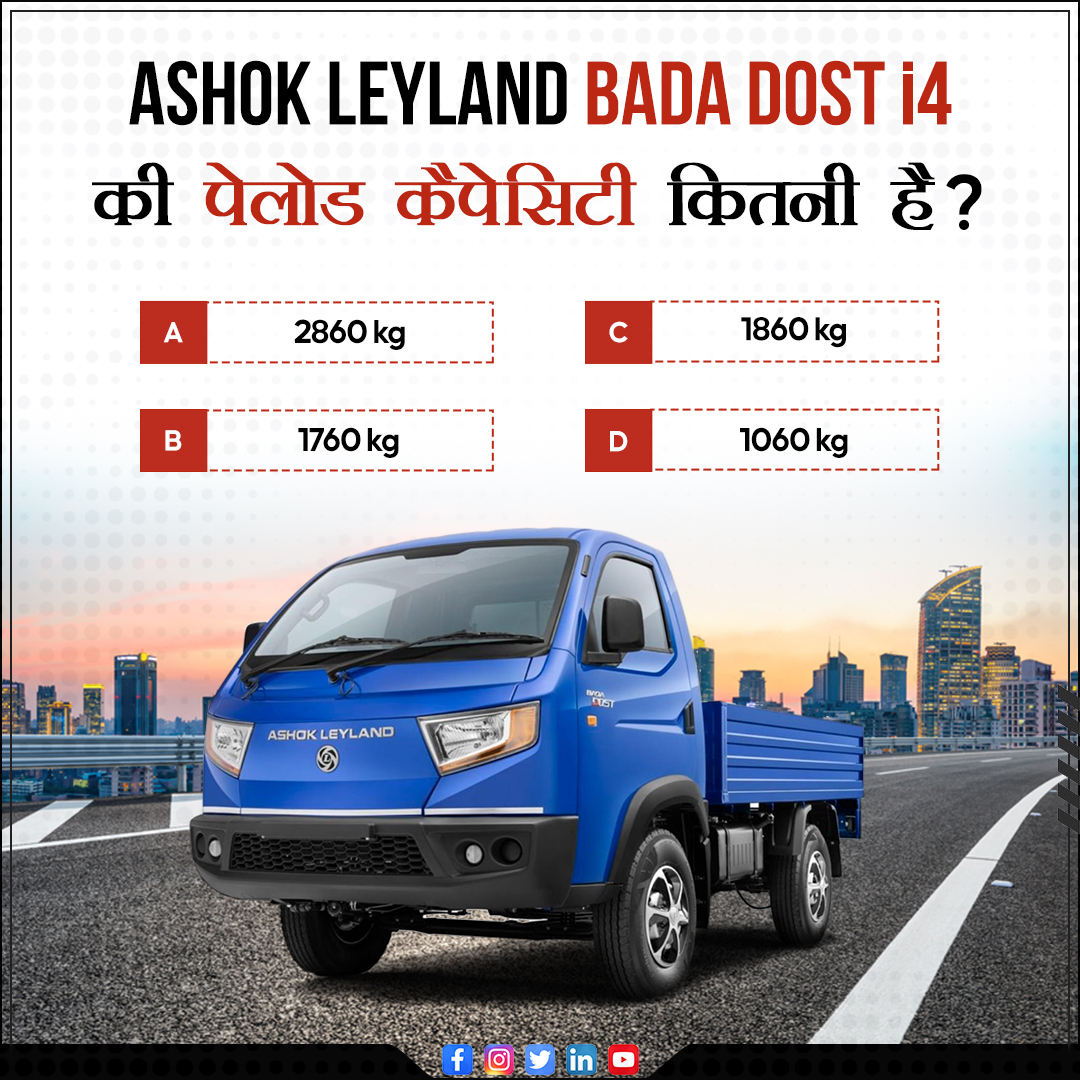
Can you guess the correct answer? Tell us in the comments below!
#trucks #trucklovers #payloadcapacity #capacity #quiz #contest #quizlovers #automobile #commercialvehicles #91trucks
1
1


17 Dec 2020
NRTC utilizes state of the art simulation technology to fully develop systems prior to design completion. This ensures adequate reach, #payloadcapacity, and eliminates collisions between interacting #robots, fixtures, and outside tooling. Learn more here: hubs.la/H0CNzn_0
1
1

3 Sep 2020
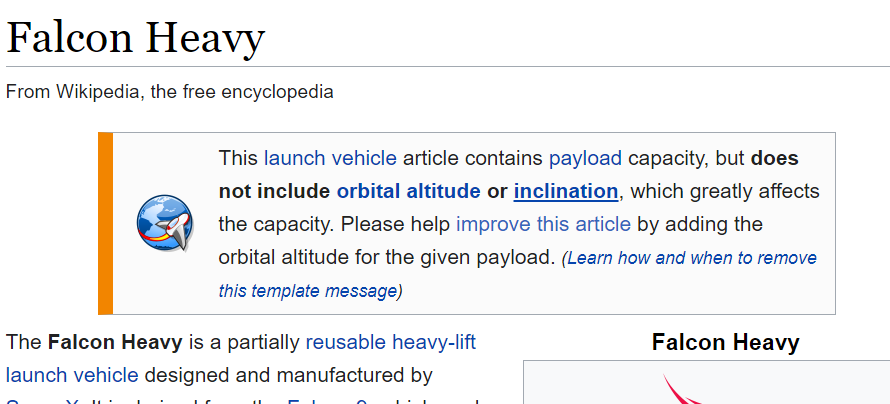
Wikipedia getting very specific about rockets, #payloadcapacity and orbital inclination...
2

23 Oct 2018
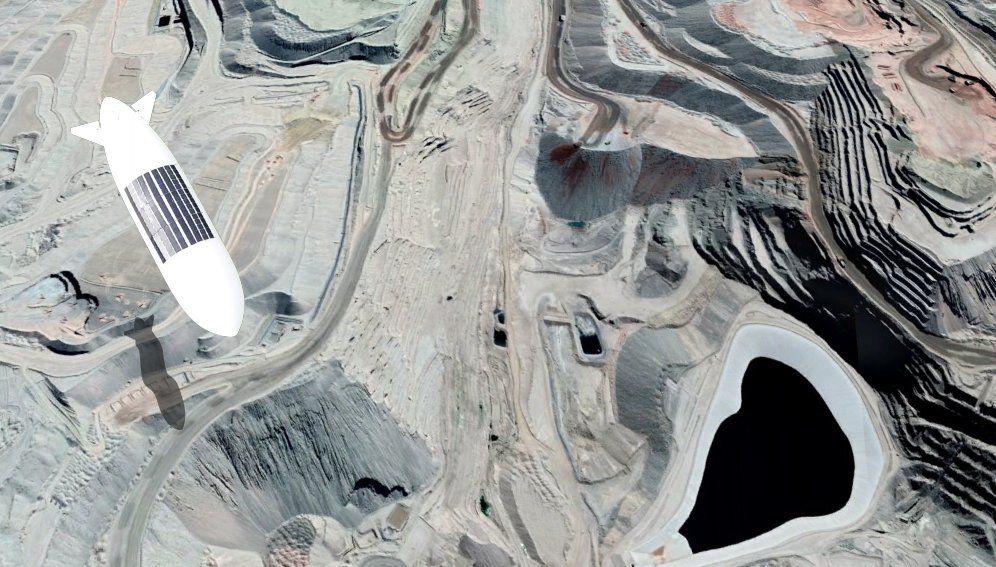
#Solar powered #airships are a great solution for regular #unmanned #aerial #inspection of large open-pit #mines.
With so many miles to cover, you're going to need both the #highendurance and the #payloadcapacity that only MA Airships can provide.
2
2
3

15 Aug 2018
#APC #Marauder
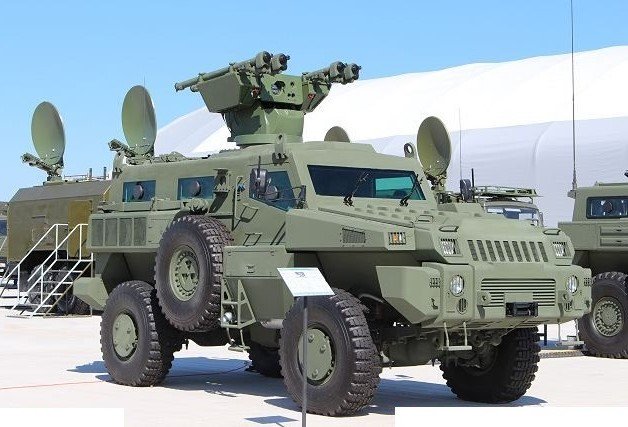
The Marauder’s #PayloadCapacity allows for the fitting of various #defense & #WeaponsSystems, including light & medium #caliber #MachineGuns, #cannon #weapon installations, and #MissileLaunchers, as well as #command, #surveillance, & #ControlSystems.
#ST7Tactical
1
24
15 Aug 2018
Developed for #reconnaissance & #peacekeeping missions, the #Marauder carries a #crew of up to 10 including #Driver & #Commander. This 10 #Ton #APC with 420 mm #GroundClearance has a #CruisingSpeed of around 100 to 120 km/h & the #PayloadCapacity is about 6,000 kg.
#ST7Tactical

3
3
29

19 Feb 2017
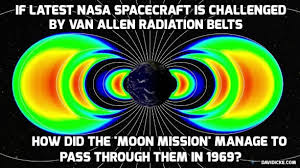
A funny thing happened on the way to the moon, NASA's script is more fake than an 80's cartoon. @Step_Holt #VanAllenBelt #PayloadCapacity
1
1

6 Feb 2017
A little before my time... but i would bet the only people worried about weight on that one was @NASA. #PayloadCapacity #MoonLanding
6 Feb 2017

4
17 Jan 2017
The world knows, only the delusional & naive are buying your bullshit. #Radiation #VanAllenBelts #PayloadCapacity
1