
Jun 11
Peace isn’t just something you believe. It’s something you do. Where can you turn intention into action - and put peace into practice?
#peaceinpractice #compassioninaction #peacemaking
#faithinmotion #changemakers #communitybuilders
#kindnessmatters #bethegood #amplifypeace
5

IPYG AND THE DPCW: HOW YOUNG PEOPLE IN TANZANIA ARE TURNING PEACE INTO PRACTICE shorturl.at/3trSZ
#HWPL #IPYG #DPCW #PeaceInPractice #YouthForPeace #TanzaniaYouth #PeaceEducation #GlobalPeace #YoungPeaceBuilders #YouthLeadership #CultureOfPeace #PeaceCampaign #Empowering

2
9
IPYG AND THE DPCW: HOW YOUNG PEOPLE IN TANZANIA ARE TURNING PEACE INTO PRACTICE shorturl.at/3trSZ
#HWPL #IPYG #DPCW #PeaceInPractice #YouthForPeace #TanzaniaYouth #PeaceEducation #GlobalPeace #YoungPeaceBuilders #YouthLeadership #CultureOfPeace #PeaceCampaign #Empowering

2
9

On MLK Day, we reflect on how peace shows up in daily life — respectful connection, time in nature, and creating space where people feel safe being fully themselves. Small moments build strong community.
#MLKDay #CommunityValues #PeaceInPractice #KindnessMatters #TogetherWeGrow
4
19
1,909

Jan 8
Peace is not passive. It is intentional, brave, and deeply relational
Early in the year, many of us are easing back into routines — setting goals, making plans, finding our pace again. And yet the most essential commitment rarely makes the list: peace.
In Brendon Bain’s reflection, there’s a disarming honesty. He admits peace is rarely on his wish list — though it should be. It’s seldom in his vocabulary or his stories — though it should be. He recognises that avoiding conflict isn’t the same as practising peace, and that peace is not something he has pursued or examined beyond his own experience. And still: he knows it should be.
His words echo a truth Archbishop Desmond Tutu lived daily: peace is not a mood, a slogan, or the absence of tension. Peace is a discipline. It is the daily choice to listen, to repair, to tell the truth with love, and to keep relationship at the centre — even when it costs us comfort.
When we don’t choose peace intentionally, it quietly slips out of our conversations, our decisions, and our communities.
At the Desmond & Leah Tutu Legacy Foundation, we receive Brendon’s reflection as both a mirror and an invitation. Peace must be spoken about, practised, and protected. It must become part of our language, our habits, and our hopes — not only for ourselves, but for one another.
As this new year begins, it is not too late to pause, pay attention, and begin again.
May we cultivate peace — not as an ideal, but as something lived.
#PeaceInPractice #TutuLegacy #EverydayPeace #ReflectiveLeadership #HopeInAction
3
4
431

#WhenIdeasMove #PolicyInPrint
#WhatIndiaIsReading #PolicyDiscourse
#FromFieldToTheory #KnowledgeInAction
#PeaceInPractice #GlobalGovernance
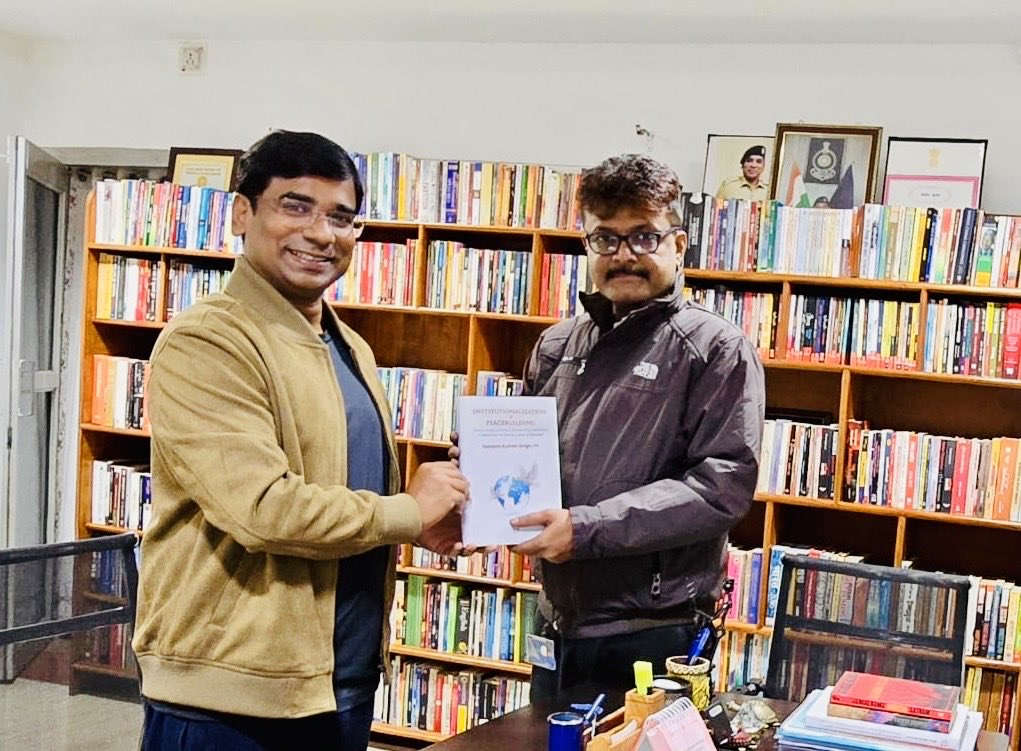
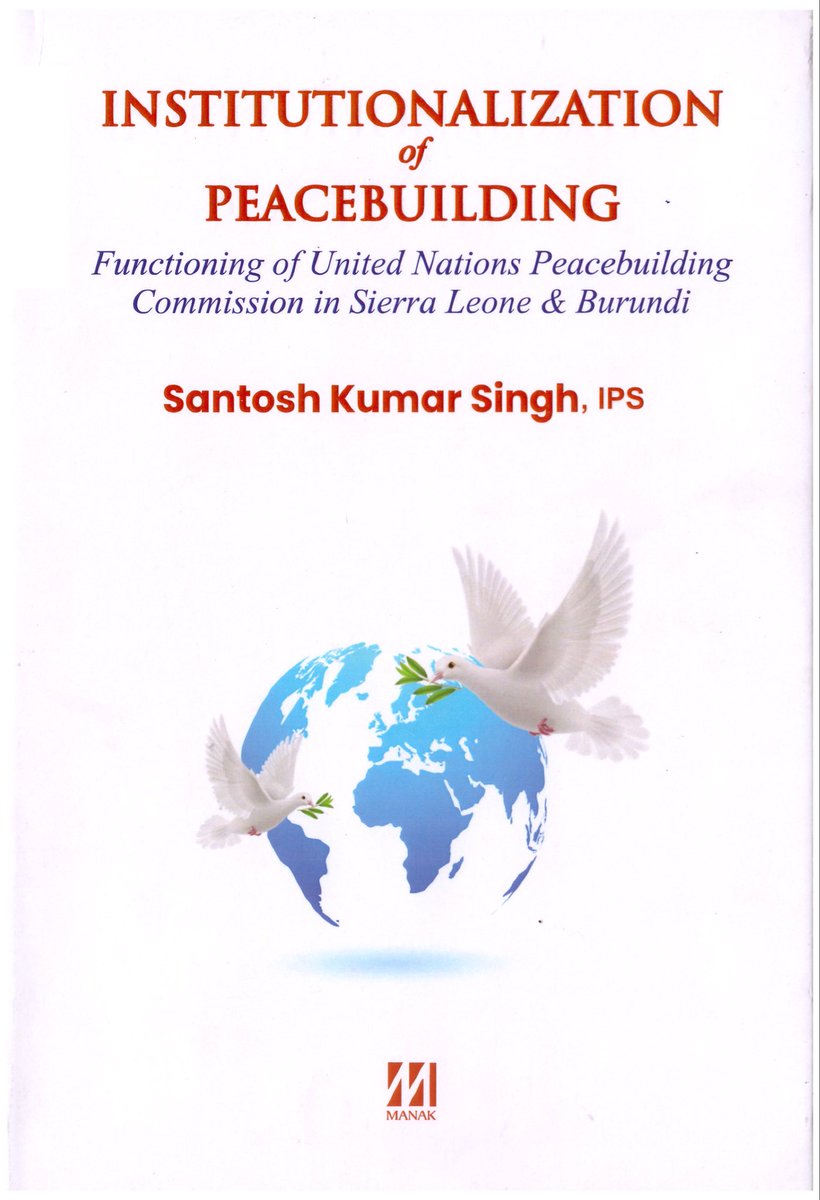
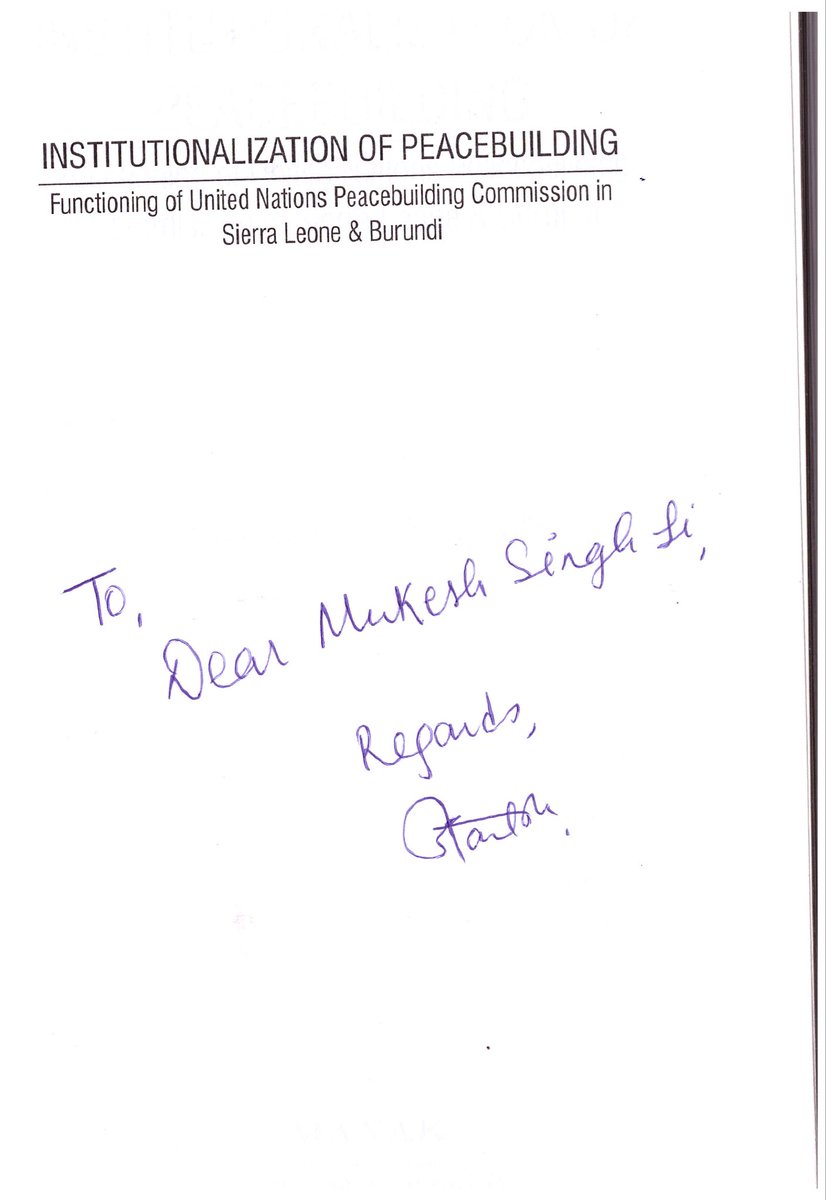
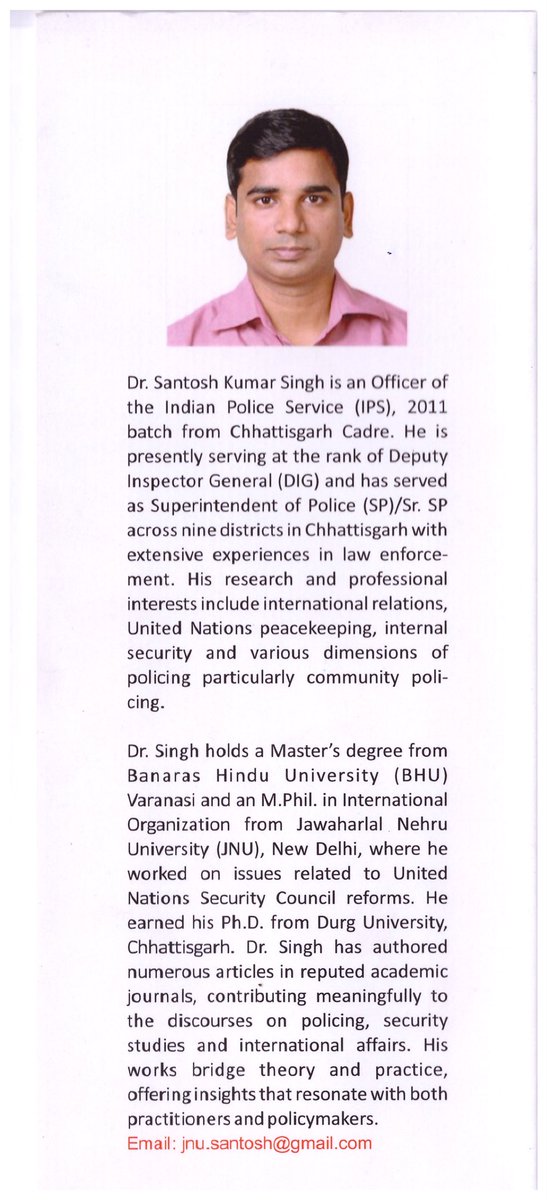
After the first reprint of 1,000 copies sold out nationwide, it was a privilege to receive the 4th copy within the Chhattisgarh media fraternity of “Institutionalization of Peacebuilding – Functioning of United Nations Peacebuilding Commission in Sierra Leone & Burundi” directly from its author, @SantoshSinghIPS Dr Santosh Kumar Singh, IPS (DIG, Chhattisgarh).
@rashtrapatibhvn @VPIndia @PMOIndia @HMOIndia @GovernorCG @ChhattisgarhCMO @ArunSao3 @vijaysharmacg
@ipsvijrk @dmawasthi_IPS86 @ipskabra
@IPS_Association @IASassociation
@wasbirhuss96340
@orfonline @IDSAIndia @Raheelk @RDXThinksThat @rdxten @TheHitavada1911
@the_hindu @IndianExpress @htTweets
A field-informed, timely work on peacebuilding and governance, published by Manak Publications, New Delhi.
#Peacebuilding #PolicingAndPeace
#StrategicStudies #UnitedNations
#BookDiscussion #ThoughtLeadership
#Chhattisgarh #India
5
13
25
1,009

Jan 4
Peace doesn’t grow by chance. It grows when communities reflect, learn, and move forward together. Check out how women in Yeosu closed 2025 by turning peace into daily practice.
Full story: tinyurl.com/2dscfvs4
#IWPG #WomenForPeace #PeaceInPractice #DPCW
1
10
11
53

17 Dec 2025
The god of this world matches the sinner’s aspirations with earthy knowledge to give witness to the imagination, but the Lord gives us more grace to match His faith in heavenly things and rewards us with the gifts of salvation. #S8W
1 John 3:24
And he that keepeth his commandments dwelleth in him, and he in him. And hereby we know that he abideth in us, by the Spirit which he hath given us.
Ephesians 1:4
According as he hath chosen us in him before the foundation of the world, that we should be holy and without blame before him in love:
There are over 45,000 Christian denominations worldwide, which one will you build with?
👉ChurchFactChecker✔️
#wednesdaymotivation #wednesdaythought #wednesdayfeelings #Wednesdaywit #PEACE #peaceinpractice #PeacefulTzYouths #PeaceAndLoveFromPeru #peaceofgod #words #WordofHonor #Wordle #Faith #FaithInAction
#FaithJourney #FaithFreedomNigeria #faithwithoutfear #FaithOverFear #Jesus #jesusclub #JesusIsTheReasonForTheSeason #JesusIsLord #JesusIsComingSoon #JesusLovesYou #Wisdom #WisdomWednesday #Christianity #Christians #ChristianDevotional #CHRSITMAS #christianhumor
#Christian @prophetkim @DonnePetro @JanesCorner @HOD_online


3
13
18
278

17 Dec 2025
Kindness shouldn’t require uniformity.
We can choose empathy instead.
#KindnessMatters #Compassion #PeaceInPractice
14 Dec 2025

A reflection born from drawing —
finding beauty in differences that don’t merge.
I call it Non-Harmonic Coexistence.
#ArtReflection #Illustration #Kindle
a.co/d/29Er03D
15
207

Enroll in our Professional Mediation Training and gain the skills to resolve conflicts, foster understanding, and lead with empathy. Limited slots available #MediationTraining #PeaceInPractice #ConflictResolution #ProfessionalGrowth #CertifiedMediator @MKU_IIDLAW

1
2
87

🎙️ LIVE from #GenevaPeaceWeek: Our Secretary-General, Amrita Kapur, opens the panel “Beyond Power and Territory: Women’s Rights and Systemic Approaches to Sustainable Peace” by asking: how can a securitised approach to peace create more problems than it solves?
As we mark 25 years of WPS reflection amid rising militarisation, she reminds us: funds directed to the military are funds not going to peace, human rights, or gender equality. #MoveTheMoney #PeaceInPractice

2
1
3
316

Peace isn’t a slogan. It’s built with laws, learning, and love. Find out how HWPL is putting this into action: 🌍 reurl.cc/axvxzl #HWPLVision #PeaceInPractice #ManHeeLee
2
2
22

8 Jul 2025
If everyone in the world could practice forgiveness – both asking and giving, many of the world’s conflicts could be solved. Many of the conflicts in families, and in relationships would be solved.
~ @Gurudev Sri Sri Ravi Shankar ji
#GlobalForgivenessDay #PeaceInPractice #EducationMatters #SSRVM #PostiveVibes
1
19
59
739

17 Jun 2025
🌎✨ Coming Soon… ✨🌎
What if peace wasn’t just a dream, but a daily practice?
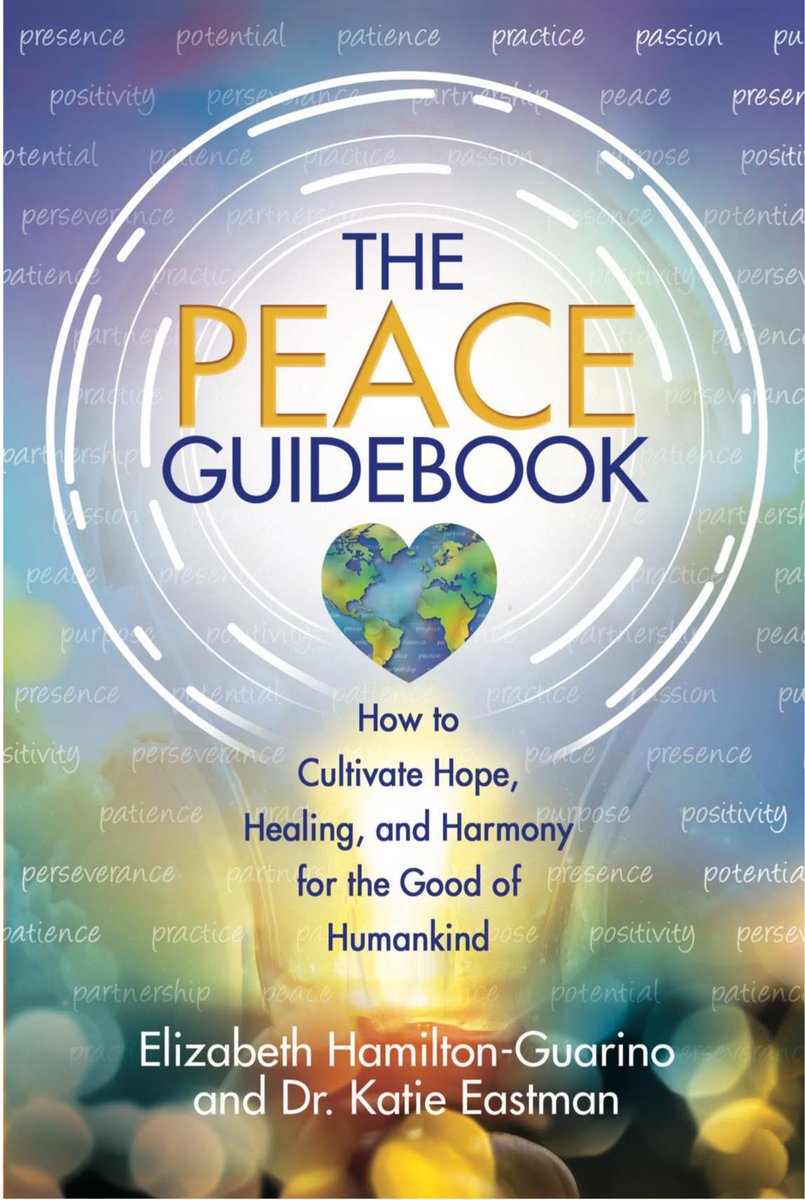
💛 The Peace Guidebook is more than a book. It’s an invitation. A movement. A moment to realign with what matters most—within ourselves, our relationships, and our world.
Co-authored by myself and Dr. Katie Eastman, this guidebook is filled with stories, tools, and Peace Points™ to help you cultivate hope, healing, and harmony—no matter what life brings.
📘 Releasing April 21, 2026
📍 Published by HCI Books (publisher of Chicken Soup for the Soul)
🔥 Preorders coming soon!
💬 Drop a 🌿 or comment below if you're ready to Percolate Peace with us.
#ThePeaceGuidebook #percolatepeace #BestEverYou #elizabethhamiltonguarino #DrKatieEastman #PeaceInPractice #hopehealingharmony #peacestartswithyou #ElizabethGuarino
2
8
16
1,638

15 Jun 2025
Peace isn’t a theory. It’s a lifestyle. ☮️🏡
Ahmadi Muslims live it daily.
#AhmadiyyaforPeace #PeaceInPractice #FaithfulLiving
3
3
9

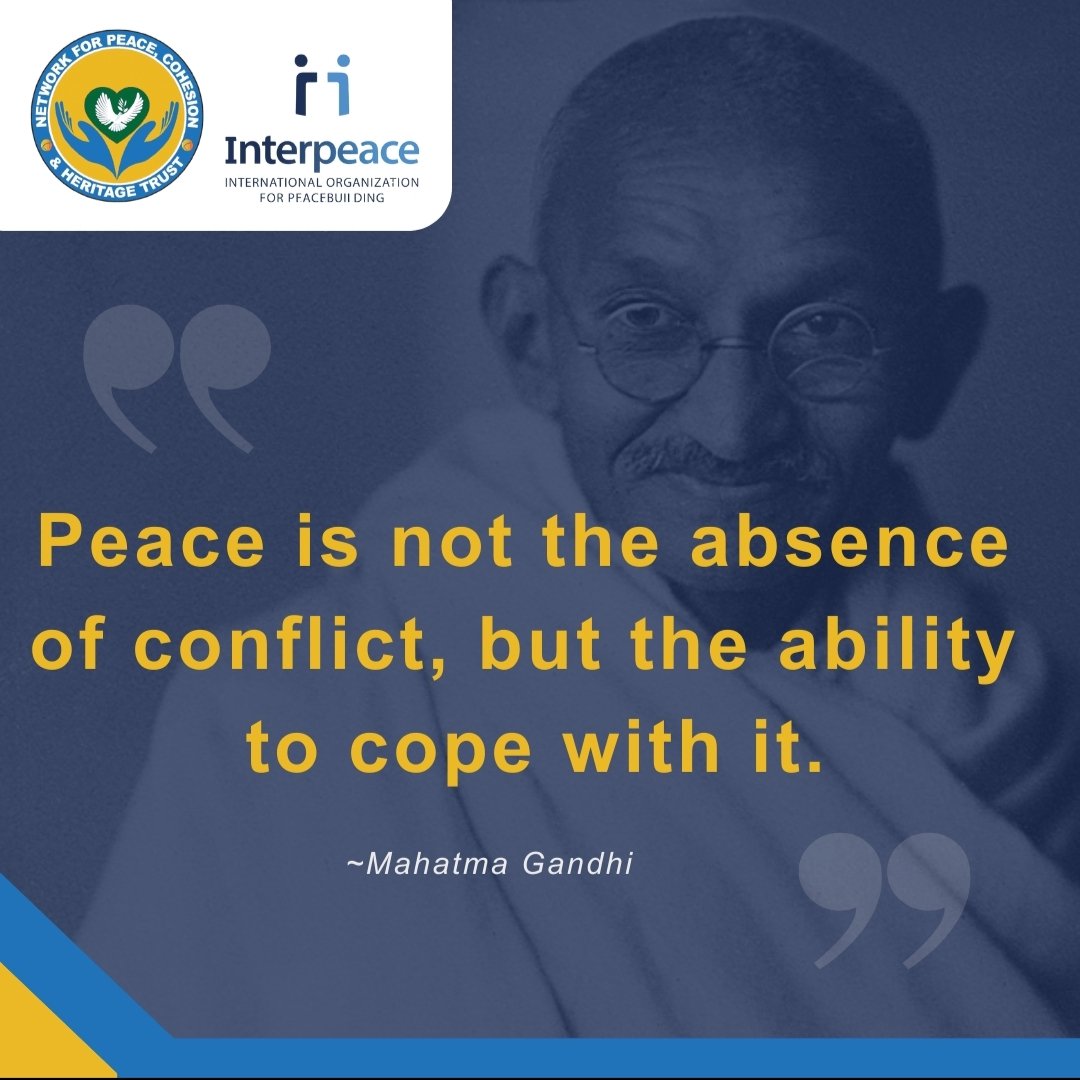
Peace is not just the silence after the storm, but the strength to weather it together. As communities, we rise not by avoiding conflict, but by understanding, healing and building resilience. #PeaceInPractice @NEPCOHTrust @Interpeace_Org
3
47

13 Sep 2017
Travelling home from @creatingpeaceuk team evening... excited about what's in store this autumn #women #bethechange #peaceinpractice
1
1

24 Aug 2014
Using our asana practice to find hidden aggression within the body to cultivate peace within #peaceinpractice ow.ly/AEYMT
6
9