
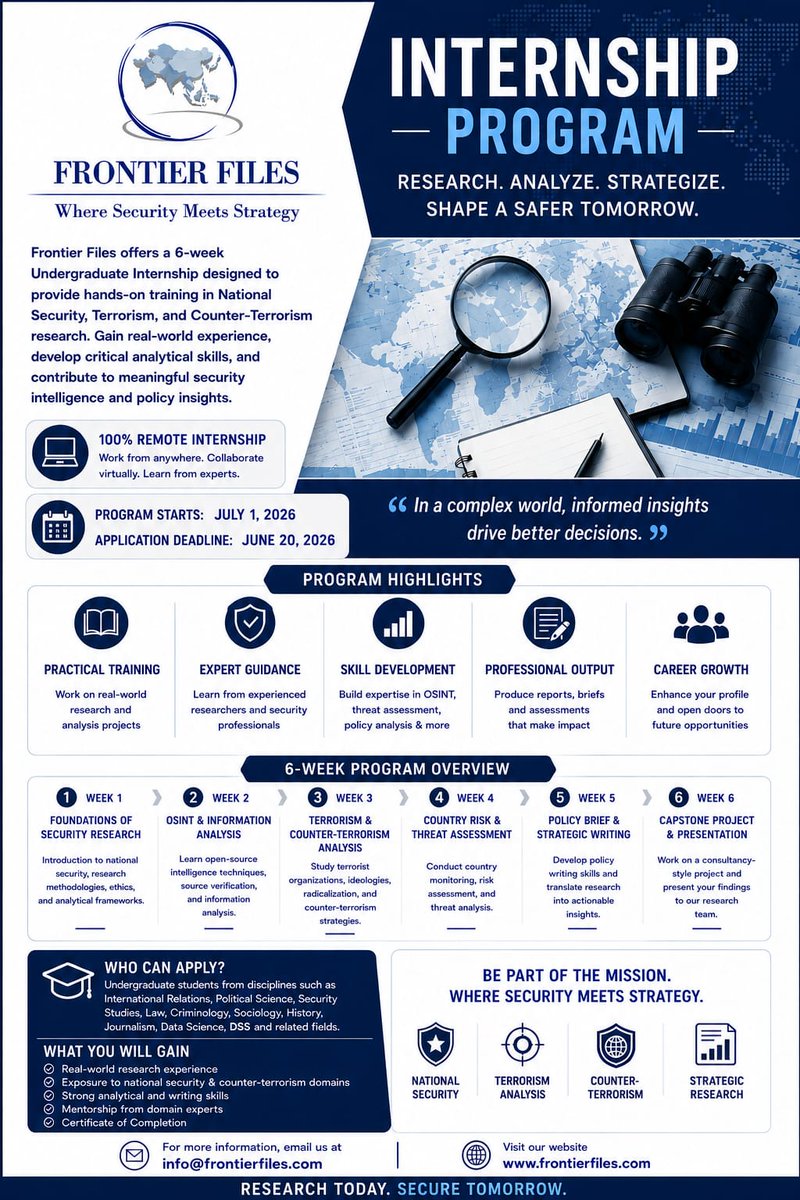
Calling all undergraduate scholars in International Relations, Political Science, Security Studies, Law, Criminology, Sociology, History, Journalism, Data Science, and DSS!
Are you looking to bridge the gap between academic theory and rigorous, real-world security analysis?
Frontier Files is inviting applications for our intensive 6-week Undergraduate Internship Program. This 100% remote program is structured to function as an elite research incubator, providing you with hands-on training in National Security, Terrorism, and Counter-Terrorism research.
What you will gain to elevate your academic and professional profile:
Methodological Training: Build concrete expertise in Open Source Intelligence (OSINT), threat assessment, and country risk monitoring.
Professional Writing: Learn to translate complex academic research into actionable policy briefs and impact-driven reports.
Expert Mentorship: Work alongside and learn from experienced researchers and domain-expert security professionals.
Capstone Presentation: Conclude your experience by defending a consultancy-style project in front of our research team.
Key Dates & Deadlines:
Application Closing: June 20, 2026
Program Cohort Begins: July 1, 2026
Equip yourself with the critical analytical skills needed to contribute meaningful intelligence to the global security landscape.
🌐 View the full syllabus and submit your application at frontierfiles.com
📧 Direct inquiries to info@frontierfiles.com
#FrontierFiles #AcademicResearch #SecurityStudies #PoliticalScience #InternationalRelations #Criminology #DataScience #PolicyAnalysis #UndergraduateResearch #Scholarship #OSINT #StrategicStudies
70
Raju Dahiya retweeted

Jun 11
#NationalSecurity #DemographicChange #SPMRF #Sovereignty #CivilisationalBharat #PolicyAnalysis #OrganiserCoverStory
Jun 11

#NationalSecurity #DemographicChange #SPMRF #Sovereignty #CivilisationalBharat #PolicyAnalysis #OrganiserCoverStory
8
12
142
Raju Dahiya retweeted
Jun 11
#NationalSecurity #DemographicChange #SPMRF #Sovereignty #CivilisationalBharat #PolicyAnalysis #OrganiserCoverStory
Jun 11
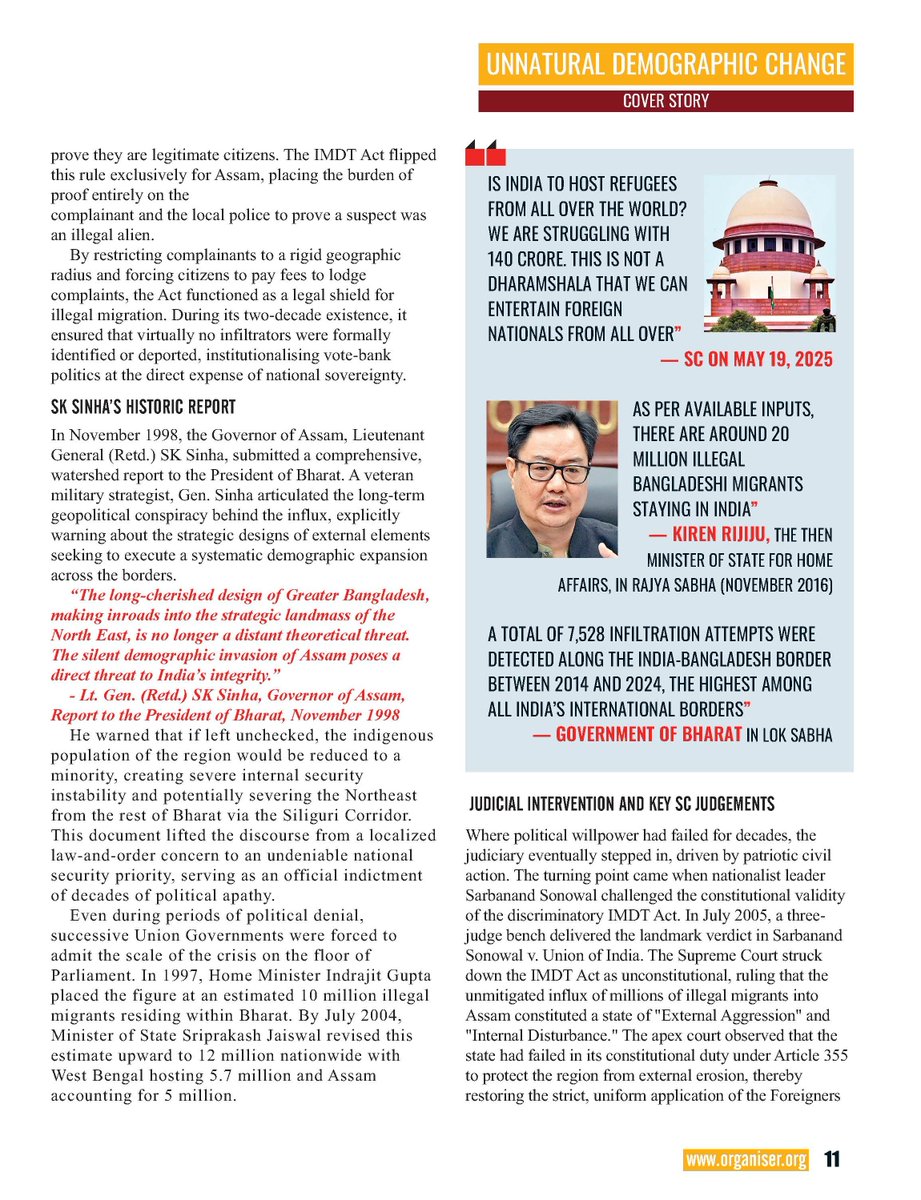
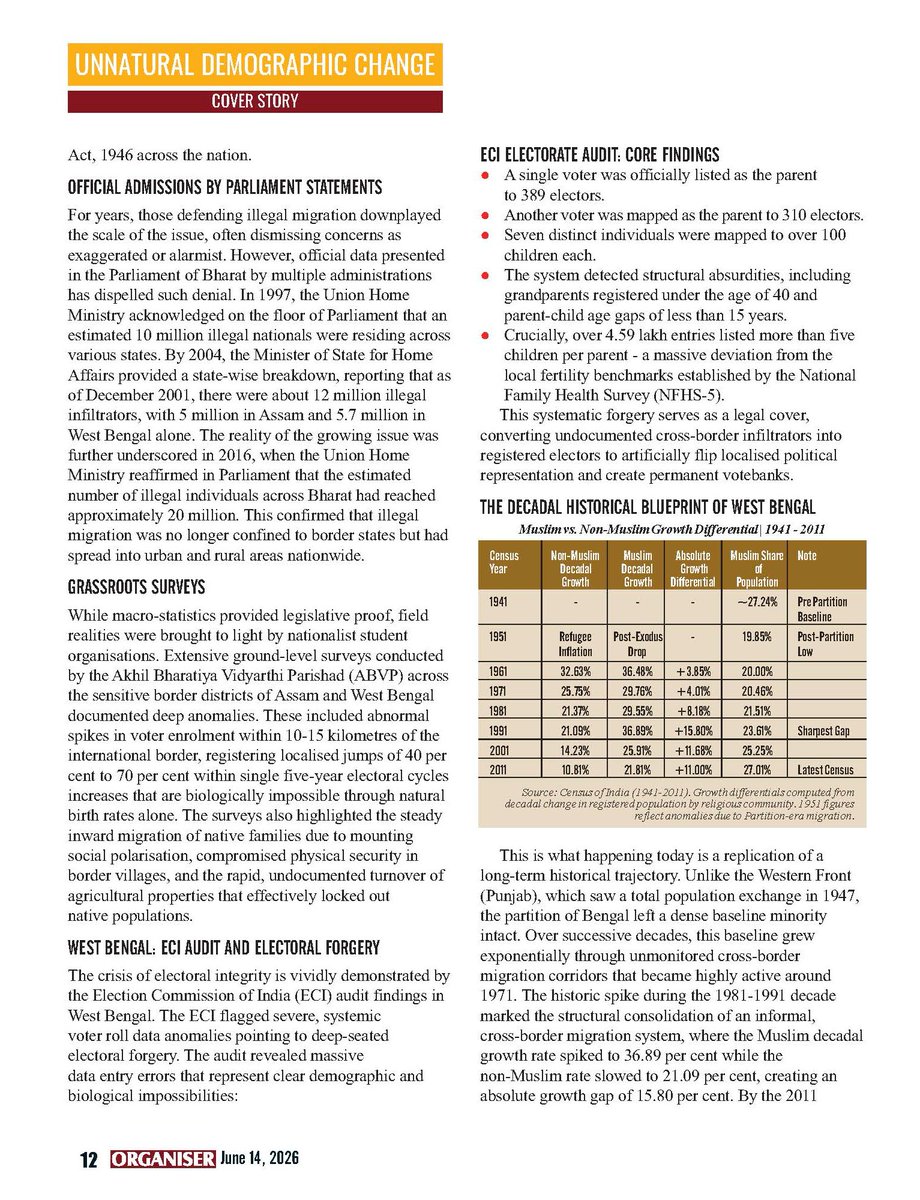
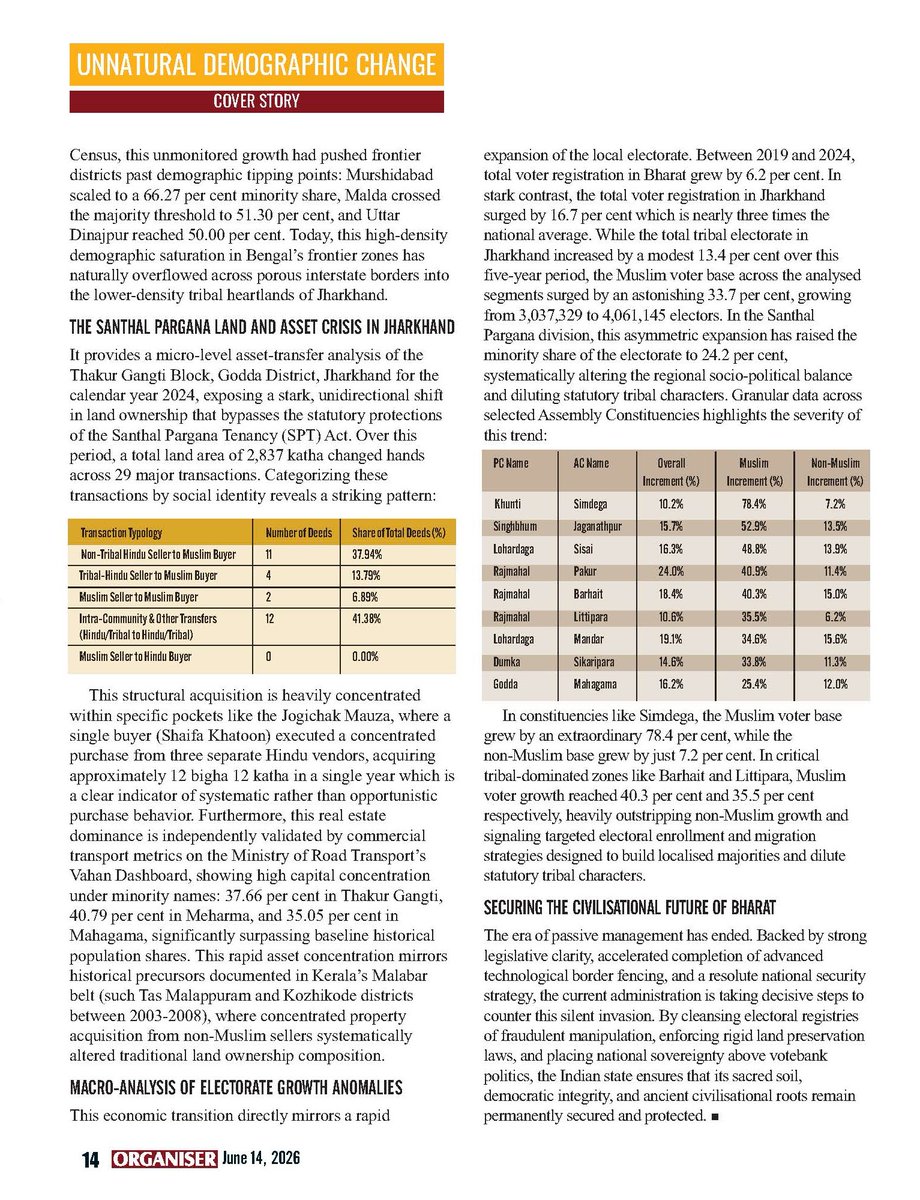
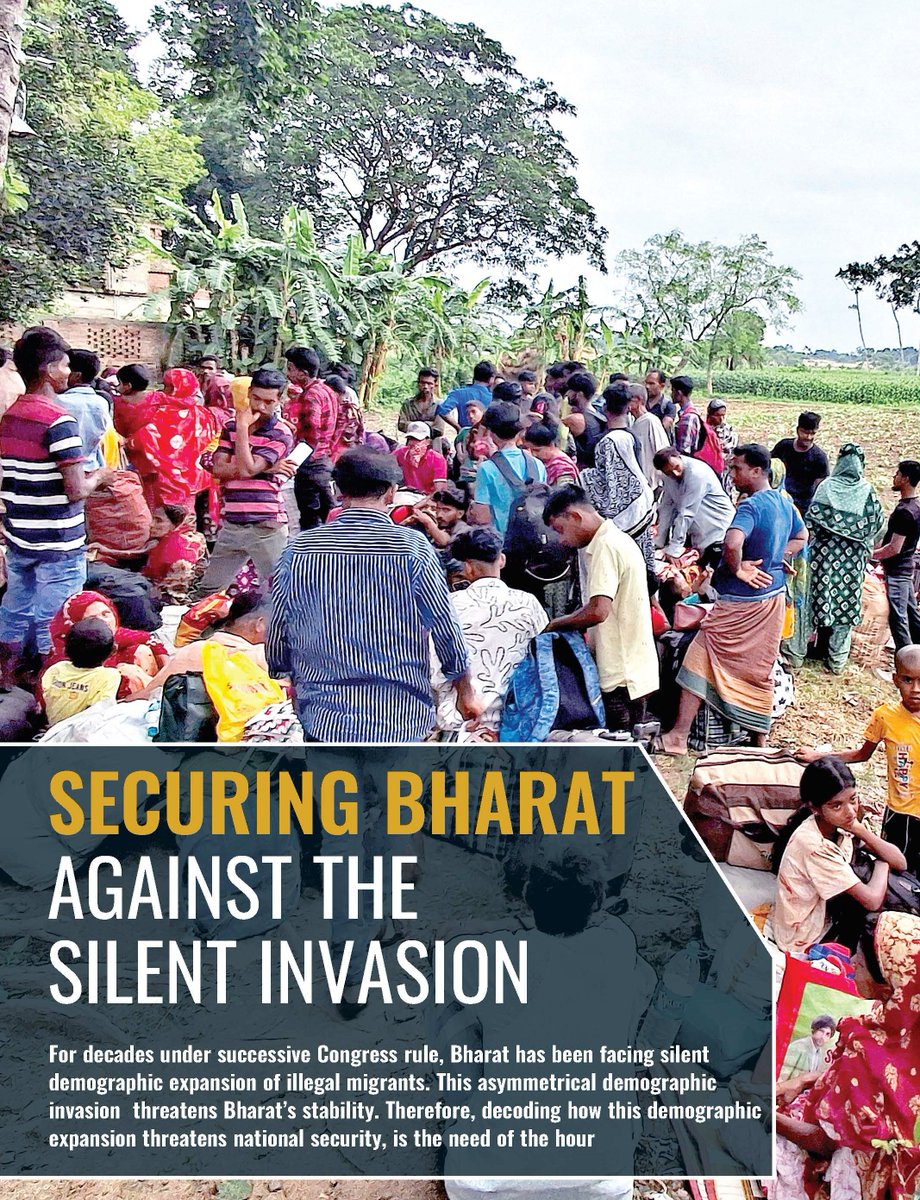
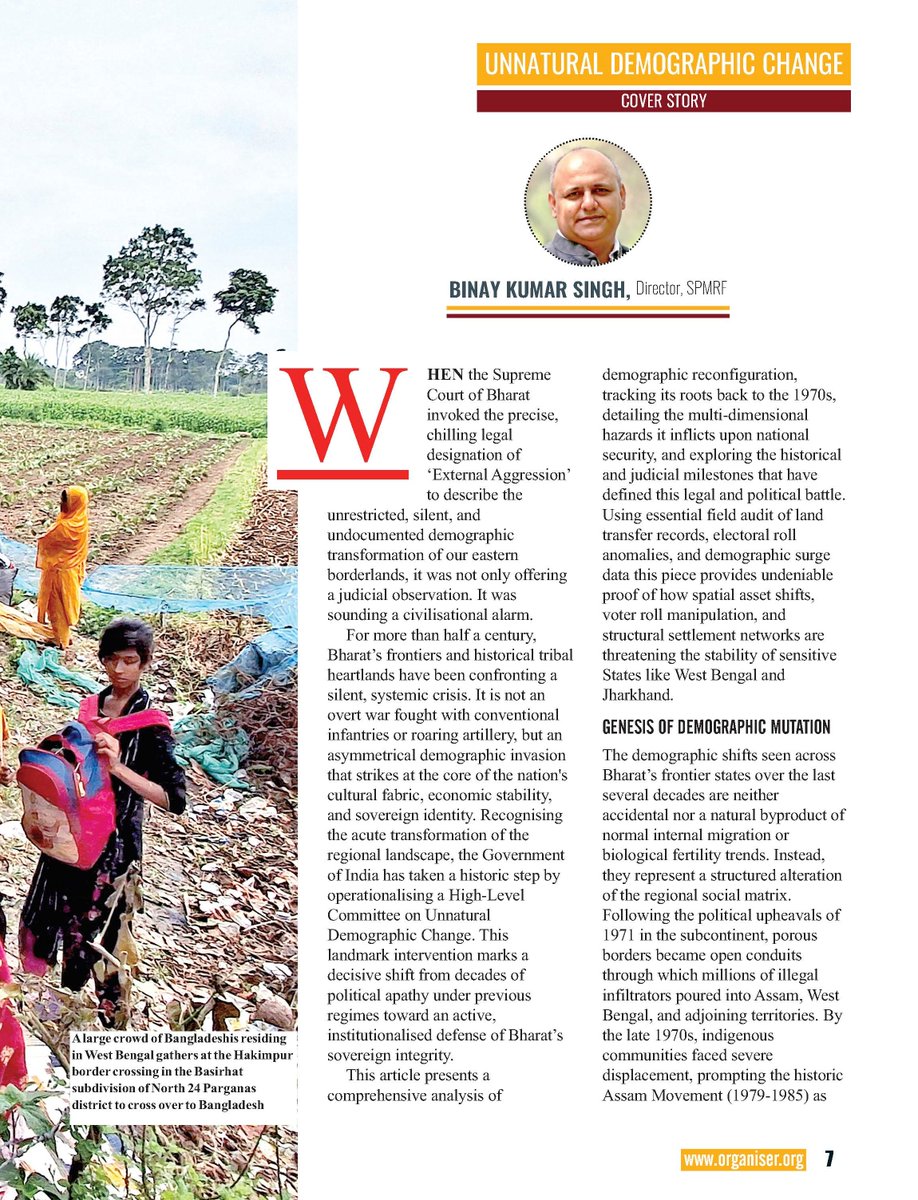
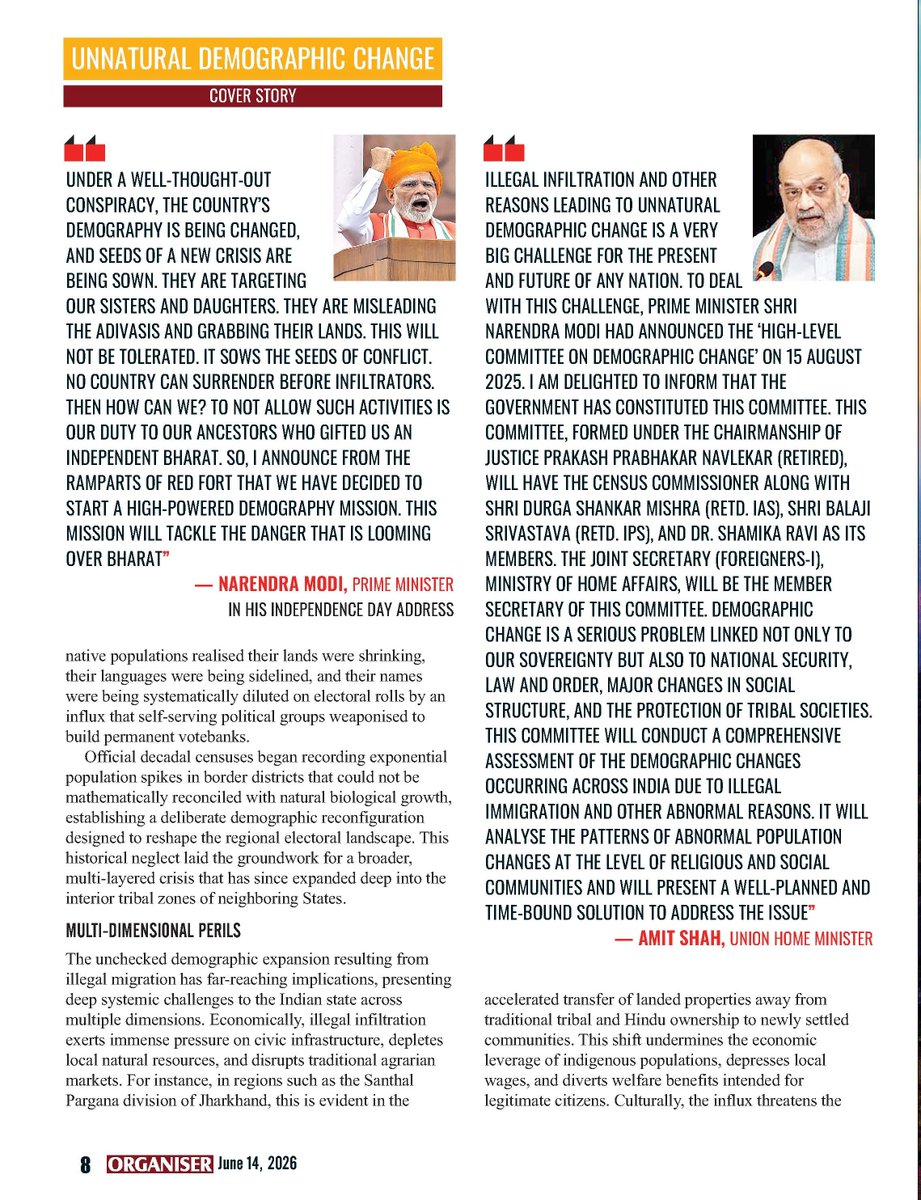
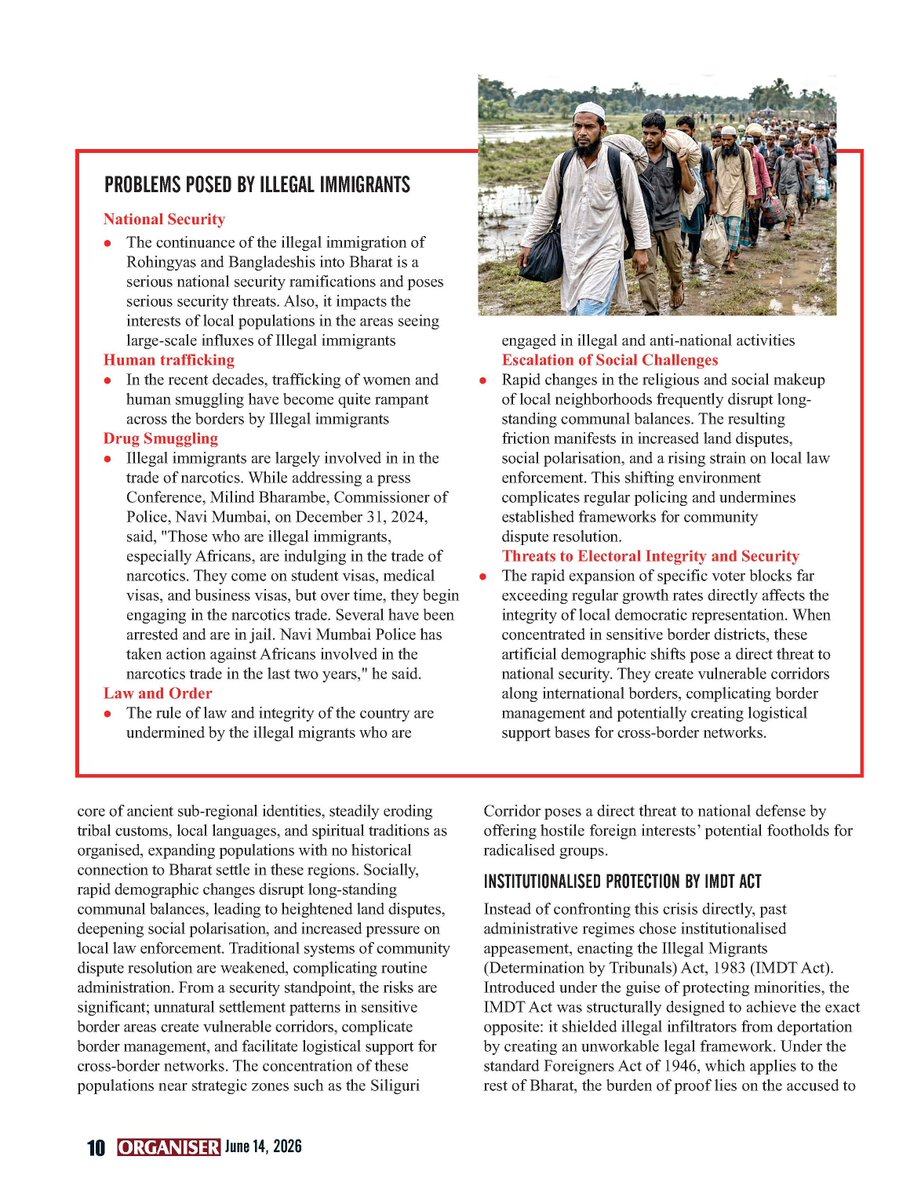
In the latest @eOrganiser cover story, Shri @BinayBharat Ji, Director, @spmrfoundation, provides a definitive, empirically grounded analysis of the silent demographic mutation threatening Bharat’s sovereign integrity. Moving beyond conventional security frameworks, this piece contextualises the Supreme Court’s chilling legal designation of "External Aggression".
Through meticulous field audits, He decodes how structural settlement networks, systematic electoral roll manipulation, and unidirectional asset transfers are actively diluting the statutory protections and cultural fabrics of indigenous tribal heartlands in West Bengal and Jharkhand.
From exposing the legacy of institutionalised appeasement via the past IMDT Act to highlighting the operationalisation of the historic High-Level Committee on Demographic Change, this article serves as a civilisational alarm. Bharat has transitioned from an era of passive management to an active, institutionalised defense of its sacred soil, democratic equity, and civilizational roots.
Read the complete theoretical and empirical breakdown here:
organiser.org/2026/06/07/357…
#NationalSecurity #DemographicChange #SPMRF #Sovereignty #CivilisationalBharat #PolicyAnalysis #OrganiserCoverStory
8
10
284

Jun 13
🧵4/6 POLICY ANALYSIS: WHAT THE RESEARCH SHOWS
🔍 Multiple studies confirm carbon taxes and Emissions Trading Systems (ETS) reduce emissions over the long term. mdpi.com
Carbon pricing also boosts renewable energy development (trading schemes often show stronger overall effects than taxes alone in some analyses). sciencedirect.com
However, average “c-efficiency” is low (~0.29), meaning many schemes don’t fully capture their potential tax base. taxfoundation.org
🧵5/6 CHALLENGES & GAPS
✅Many carbon prices are still $10–60/t vs. the $50–100 /t range experts say is needed by 2030 for strong impact.
✅Over 70% of emissions remain underpriced or effectively subsidized.
✅Success depends heavily on revenue recycling (returning money to households or investing in green tech) and pairing with other policies.
📙Longer implementation periods and higher prices deliver better results.
🧵6/6 YOUR TURN – LET’S DISCUSS
Does your country have carbon pricing or similar policies?
Has it changed energy costs, innovation, or daily life for better or worse?
Reply with your thoughts or local examples
Data from World Bank, OECD, Global Carbon Project & peer-reviewed studies.
Follow for more threads with deep data-backed research, statistics, policy analysis & investigations and HD visuals.
Share this thread if you want more people to see the facts. #CarbonPricing #ClimateData #PolicyAnalysis #DataDriven
4
4
34

What is the Agreement between Washington and Tehran about?
The New Washington–Tehran Framework: ceasefire, Hormuz, and the return of strategic bargaining
New analysis:👇
kurdishpolicyanalysis.com/20…
#Iran #UnitedStates #MiddleEast #Hormuz #Sanctions #EnergySecurity #PolicyAnalysis
1
43
An analytical examination of reports that Qais al-Khazali is seeking improved relations with Washington through intermediaries, and what such developments could mean for Iraq’s political future and regional balance.👇
kurdishpolicyanalysis.com/20…
#USIraq #Sanctions #PolicyAnalysis
1
14
The Kurdistan Region faces a defining institutional question: Can governance survive without renewed legitimacy?
New analysis at Kurdish Policy Analysis👇
kurdishpolicyanalysis.com/20…
#Kurdistan #KRG #Governance #Democracy #PoliticalCrisis #KurdishPolitics #PolicyAnalysis
1
10

Jun 12
For years, Andhra Pradesh's education story was about transformation.
Ten years from now, nobody will remember this year's budget speech. Nobody will remember a government order. Nobody will remember a political slogan.
But the children sitting in Andhra Pradesh's classrooms today will live with the consequences of those decisions for the rest of their lives.
So what does the data actually say about the state of education?
Between 2022-23 and 2023-24, many of the state's education indicators moved in the right direction. Enrolment increased, transition rates remained exceptionally high and the momentum created by large-scale public investment appeared intact.
But the latest UDISE data raises some uncomfortable questions:
Total enrolment fell by nearly 2.9 lakh students in 2024-25
Dropout rates increased across preparatory, middle and secondary stages
Transition rates weakened at every stage of schooling
Education's share of the state budget fell from 14.7% in 2021-22 to 11.7% in 2026-27, below the all-state average in 2025-26.
At the same time, Andhra Pradesh invested over ₹46,000 crore between 2019 and 2024 through programmes such as Nadu-Nedu, Amma Vodi, Vidya Kanuka, Vidya Deevena and Vasathi Deevena, attempting one of the largest public-school transformation efforts in the country.
So what changed?
And more importantly: Is Andhra Pradesh building on that transformation or is the momentum beginning to slow?
A data-driven analysis based on UDISE , budget documents and official records: x.com/DeccanDoctrine/status/…
#AndhraPradesh #APEducation #EducationPolicy #PublicEducation #GovernmentSchools #NaduNedu #AmmaVodi #VidyaKanuka #VidyaDeevena #VasathiDeevena #SchoolEducation #UDISE #UDISEPlus #EducationReform #EducationalDevelopment #HumanCapital #LearningOutcomes #EducationBudget #Budget2026 #APPolitics #NaraLokesh #ChandrababuNaidu #YSJagan #PawanKalyan #YSRCP #TDP #JSP #EducationForAll #SchoolTransformation #PolicyAnalysis #DeccanDoctrine #Amaravati

1
5
9
422

Analysis-Defence resignation exposes spending bind for Starmer - and any challengers. A look at budget pressures, accountability, and political risk. Stay informed: globalbankingandfinance.com/ #Politics #Finance #PublicSpending #PolicyAnalysis #UKNews: globalbankingandfinance.com/…
10

Jun 12
“The Surrender Economy”
What the 124,000 surrenders actually tell us — and what they don’t. This piece examines President Tinubu’s Democracy Day claim against the Security Desk framework.
Read → tubbyquest.com/article/safe-…
#NigeriaSecurity #RansomEconomy #Criminology #Nigeria #SecurityDesk #PolicyAnalysis

8

Jun 11
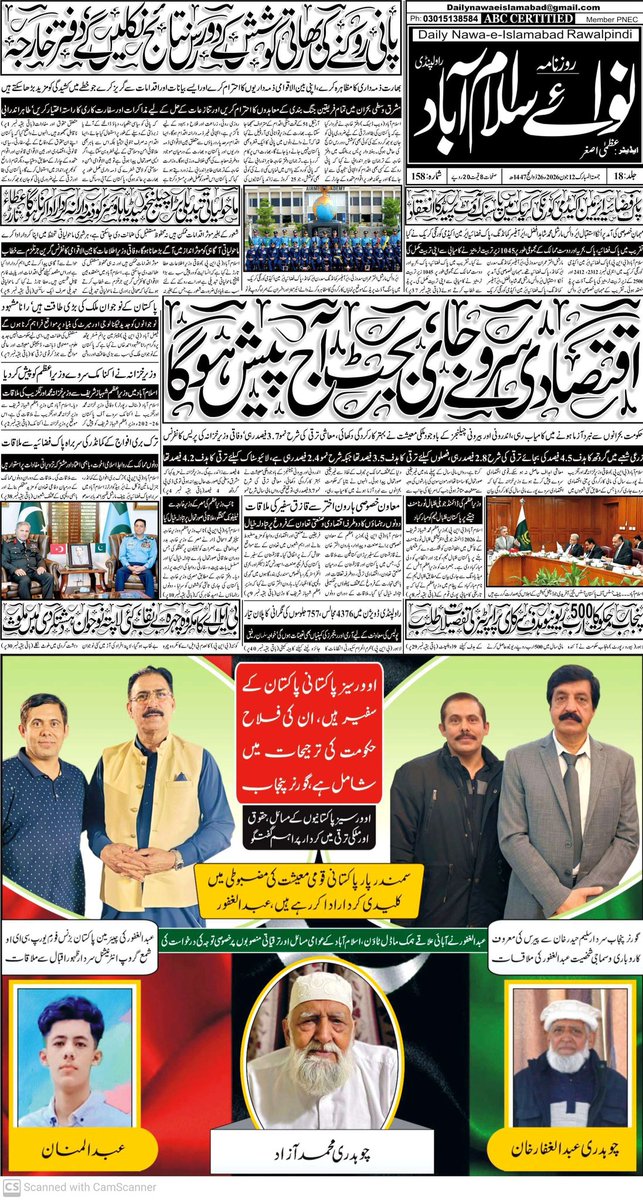
In the latest @eOrganiser cover story, Shri @BinayBharat Ji, Director, @spmrfoundation, provides a definitive, empirically grounded analysis of the silent demographic mutation threatening Bharat’s sovereign integrity. Moving beyond conventional security frameworks, this piece contextualises the Supreme Court’s chilling legal designation of "External Aggression".
Through meticulous field audits, He decodes how structural settlement networks, systematic electoral roll manipulation, and unidirectional asset transfers are actively diluting the statutory protections and cultural fabrics of indigenous tribal heartlands in West Bengal and Jharkhand.
From exposing the legacy of institutionalised appeasement via the past IMDT Act to highlighting the operationalisation of the historic High-Level Committee on Demographic Change, this article serves as a civilisational alarm. Bharat has transitioned from an era of passive management to an active, institutionalised defense of its sacred soil, democratic equity, and civilizational roots.
Read the complete theoretical and empirical breakdown here:
organiser.org/2026/06/07/357…
#NationalSecurity #DemographicChange #SPMRF #Sovereignty #CivilisationalBharat #PolicyAnalysis #OrganiserCoverStory
11
12
340

Jun 11
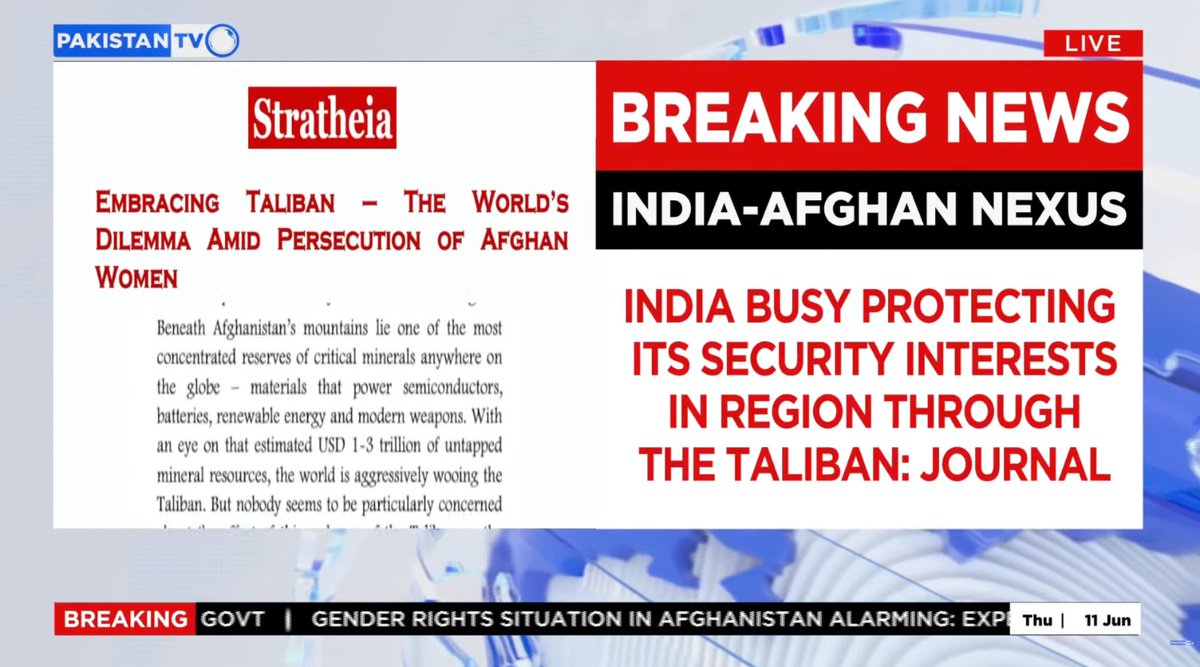
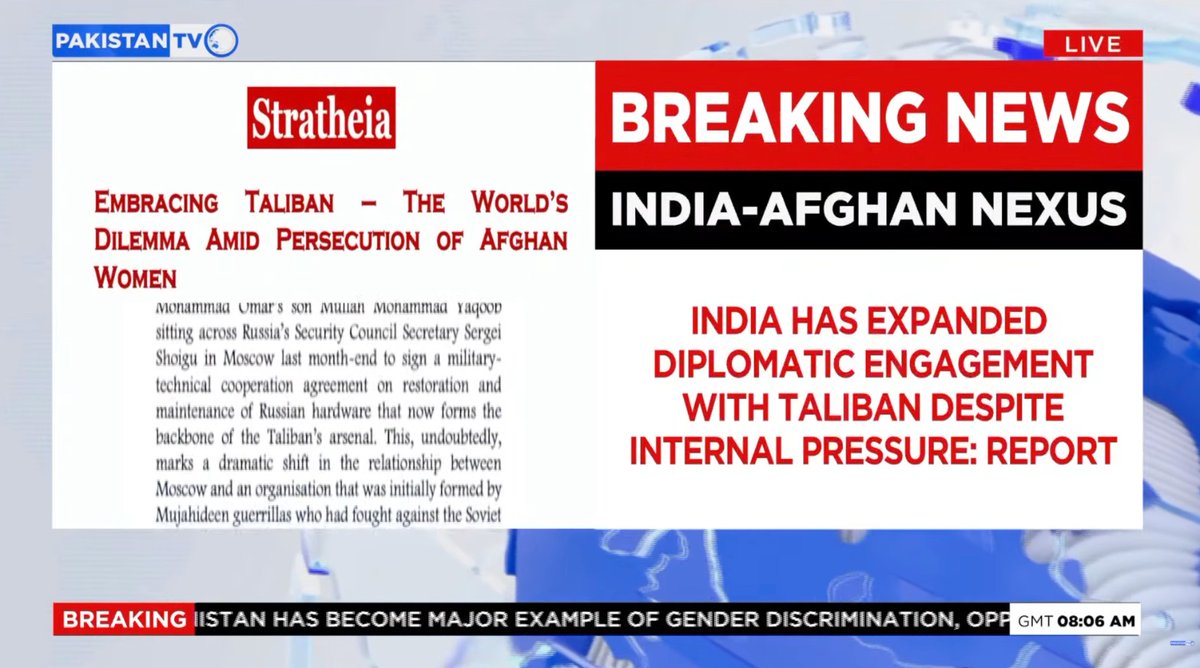
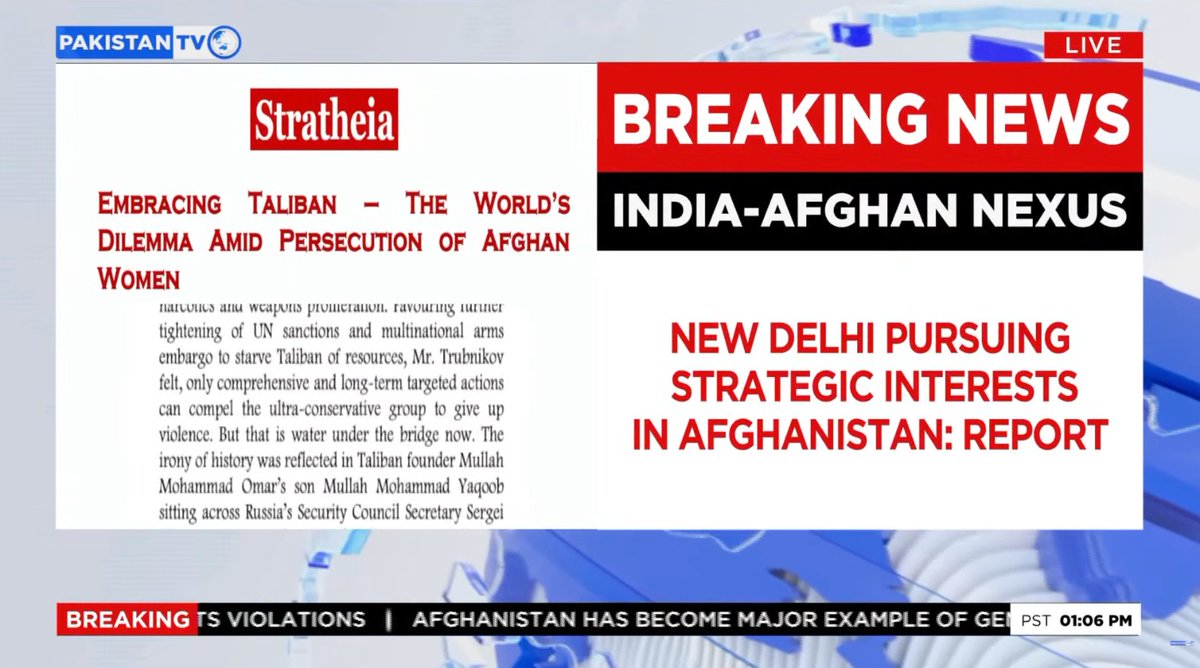
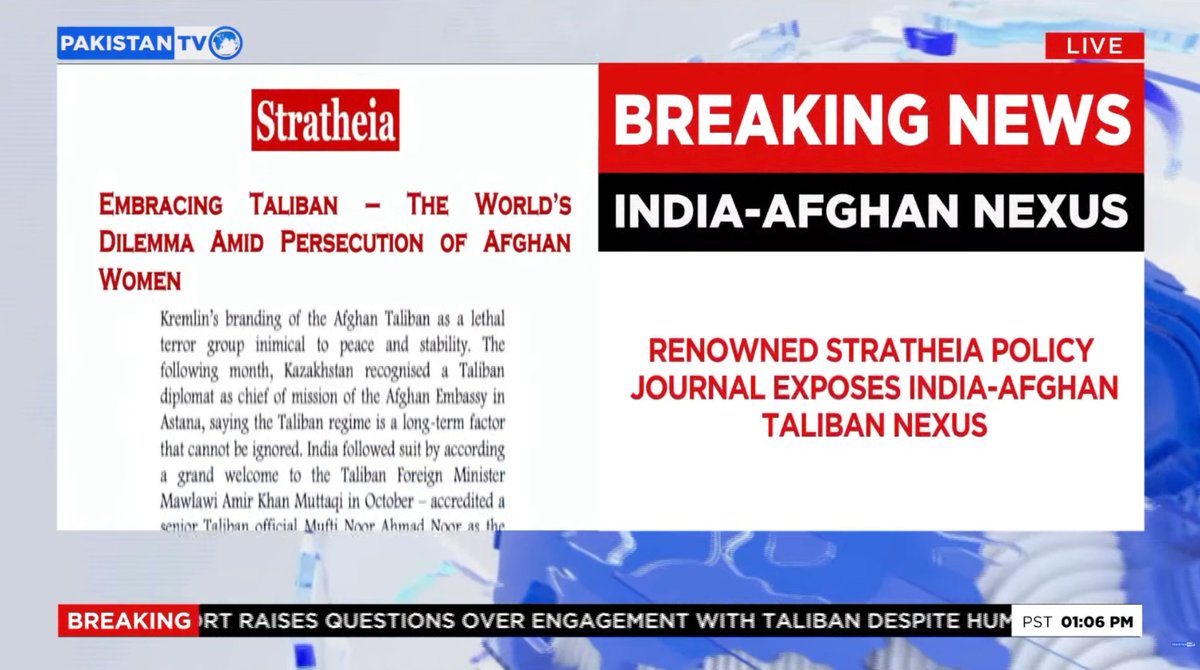
Leading Policy Journal exposes India-Afghan Taliban nexus. India has expanded diplomatic engagement with the Taliban, working to pursue own strategic interests in the region through Afghanistan, according to the publication.
#IndiaAfghanistan #AfghanTaliban #RegionalGeopolitics #PolicyAnalysis #PakistanTV
1
1
109

Jun 11
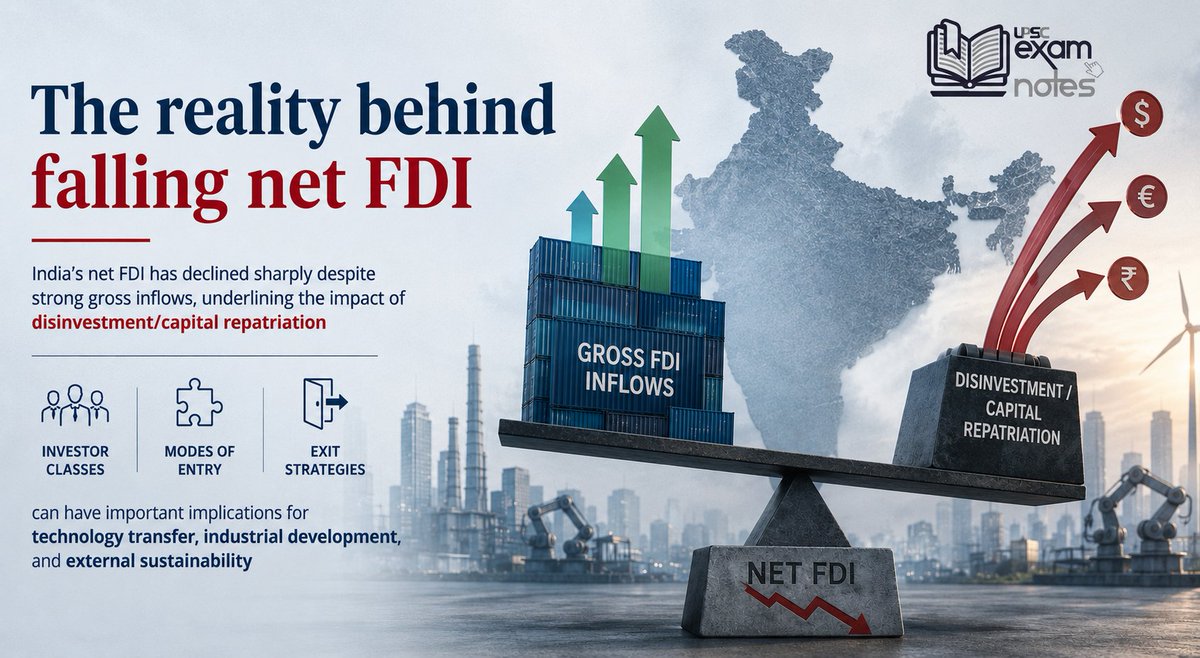
Why Is Net FDI Falling in India?
upscexamnotes.com/upsc-artic…
#FDI
#NetFDI
#ForeignDirectInvestment
#IndianEconomy
#Economy
#EconomicAnalysis
#EconomicGrowth
#Investment
#BusinessNews
#Finance
#GlobalEconomy
#CapitalFlows
#BalanceOfPayments
#CurrentAccountDeficit
#Manufacturing
#MakeInIndia
#EconomicPolicy
#IndiaGrowth
#PolicyAnalysis
#Economics
12

Jun 11
In complex geopolitical environments, narratives often compete for attention. Analysts and observers should evaluate developments through documented facts, official clarifications, and verifiable information rather than relying solely on early reports. #StrategicAffairs #LoC #PolicyAnalysis #MediaWatch #EşrefTek #MertYazıcıoğlu #शराब_पीना_महापाप #کشمیر_کی_آواز_بند_نہ_کرو
15

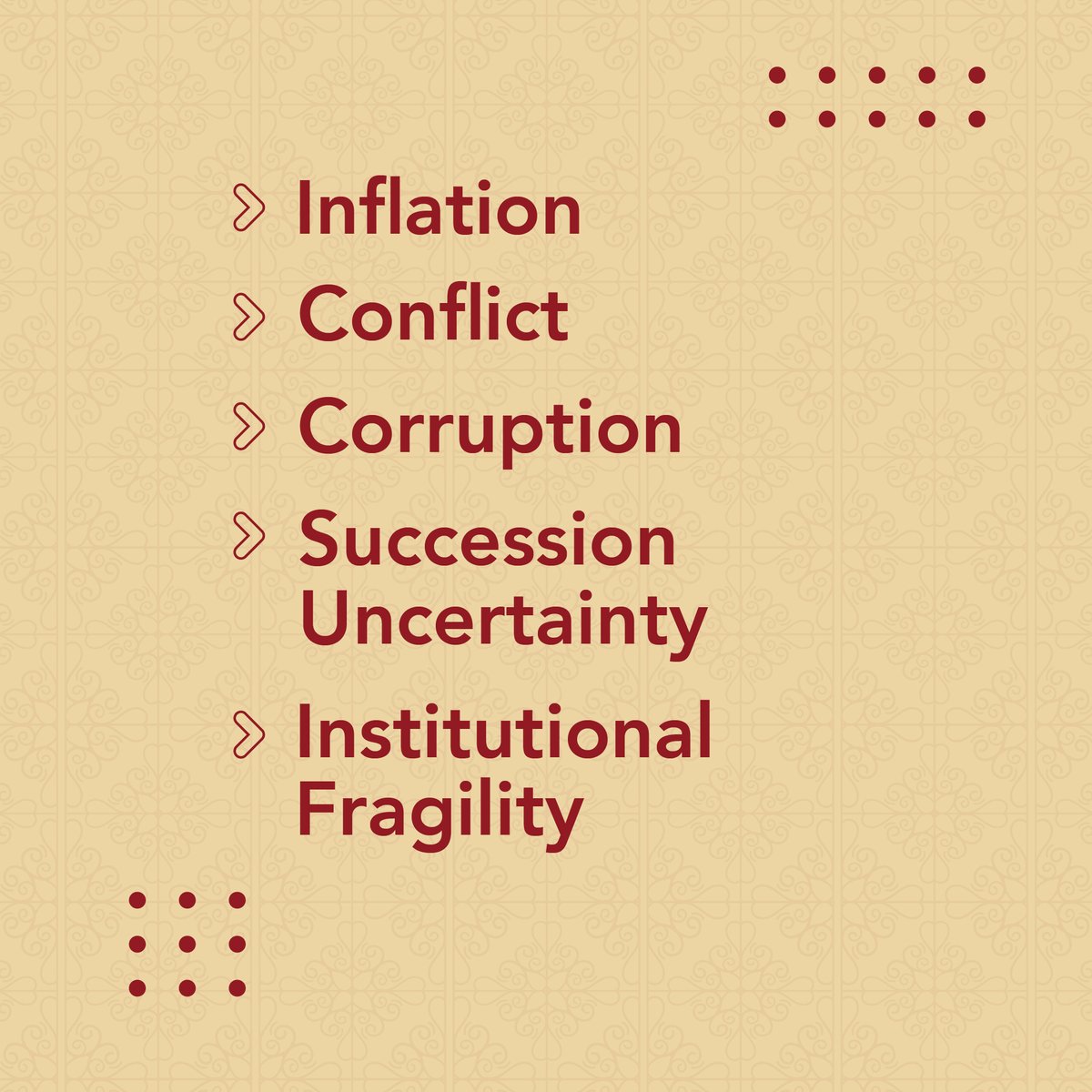
Cameroon's challenges are connected: #inflation, #conflict, #corruption, #succession uncertainty, and institutional strain. Isolated policy fixes will not be enough.
Read; onpolicy.org/contemplating-c…
#Governance #PolicyAnalysis

15

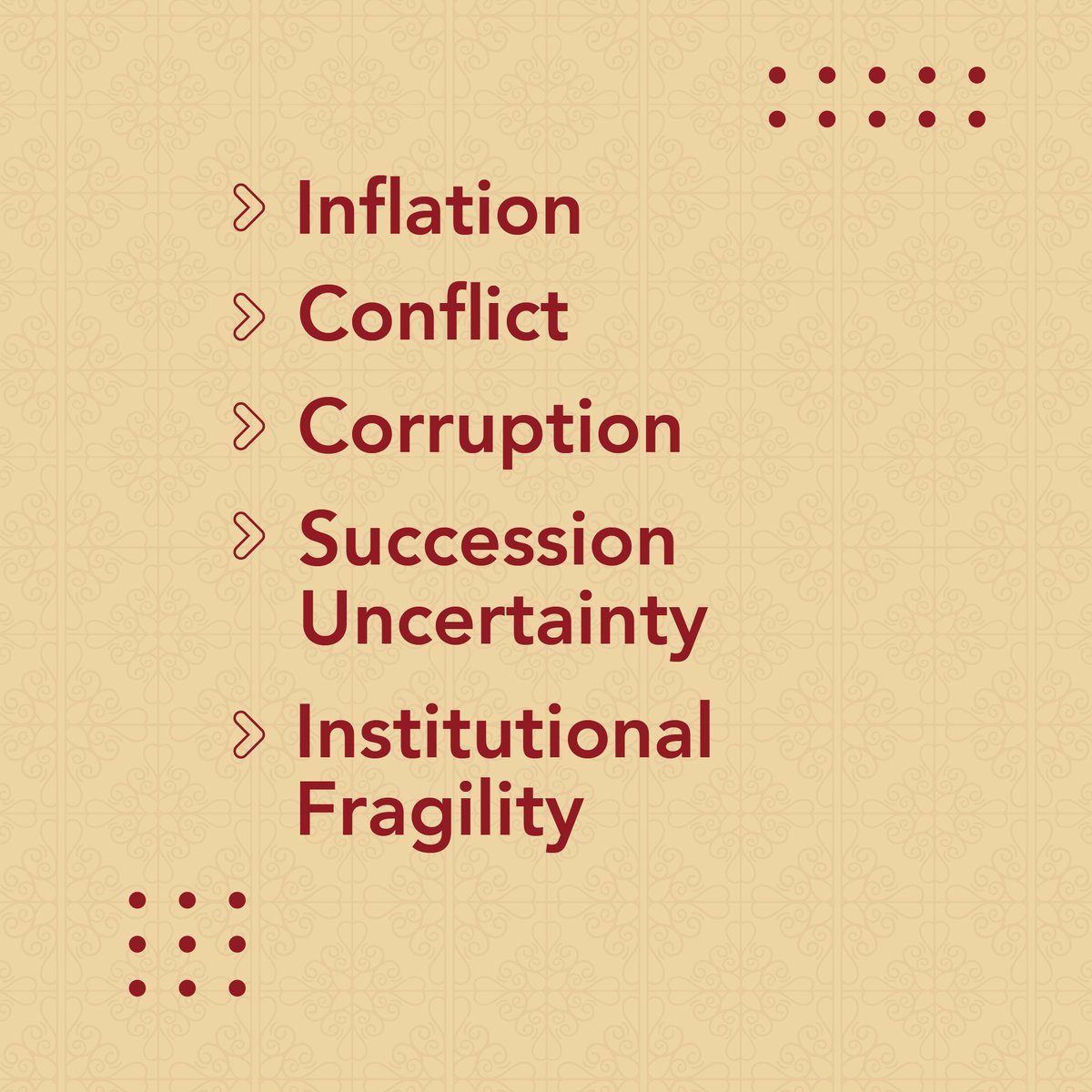
Cameroon's challenges are connected: inflation, conflict, corruption, succession uncertainty, and institutional strain. Isolated policy fixes will not be enough.
Read; onpolicy.org/contemplating-c…
#Governance #PolicyAnalysis

2
17