
We all talk about the AI agent economy; we talk about the future agentic environment. Some people even talk about future "agentic cities."
But what about the legal system?
To keep any environment organized and functioning properly, you need a solid framework—a legal system. If you can’t build a proper legal framework, the entire structure can collapse incredibly fast.
So, is anyone actually developing a legal framework for this future agentic world?
Yes. @GenLayer is doing exactly that.
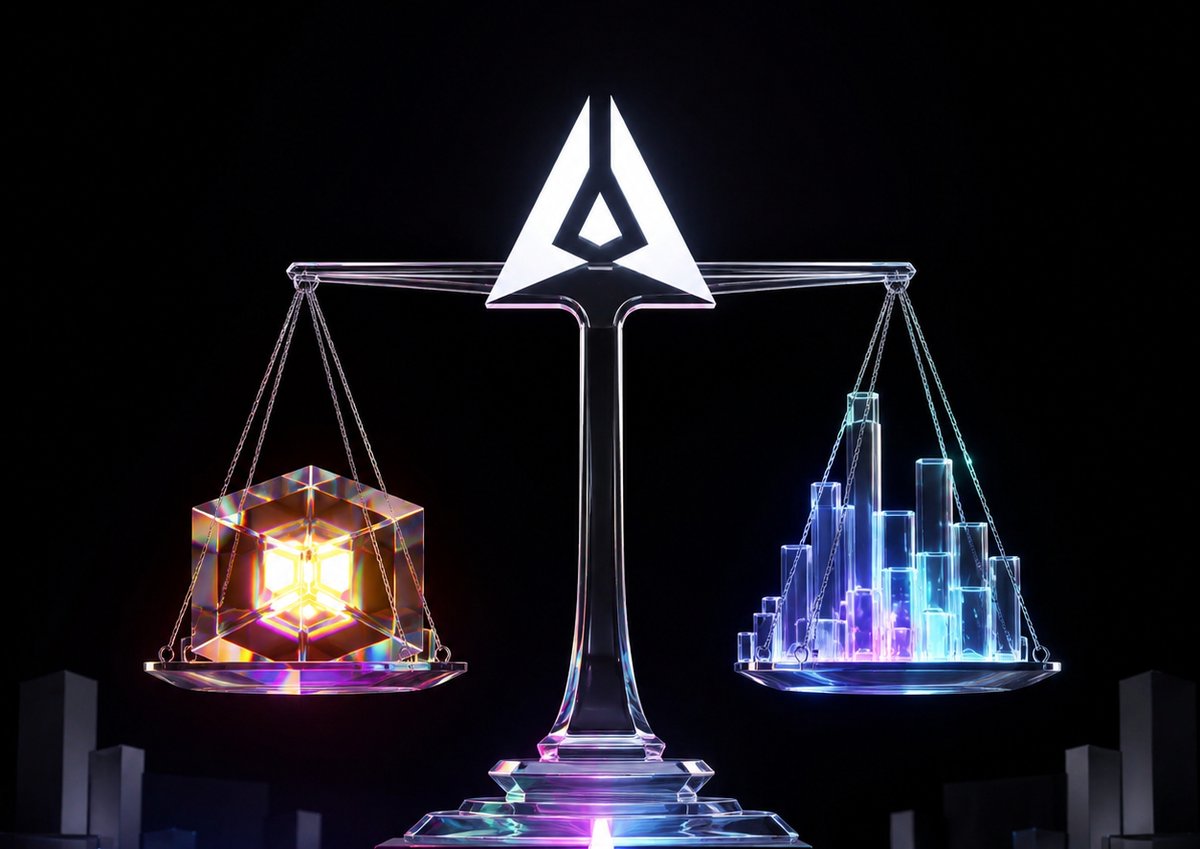
@GenLayer is like a digital court. The traditional courts and legal systems we're used to take a lot of time to reach a verdict.
But in the agentic economy, time is extremely valuable. New decisions are being made every second. So the legal framework here needs to be just as fast.
And that's what #GenLayer is building.
This is one of those critical pillars of the agentic economy that not many people are talking about yet.
But in reality, it may become one of the key foundations needed to keep the entire agentic economy running.
#GenLayer #AIAgents #AgenticEconomy #AgenticAI #DigitalCourt #ProgrammableTrust #DecentralizedJustice #FutureOfLaw
1
7
95

Apr 16
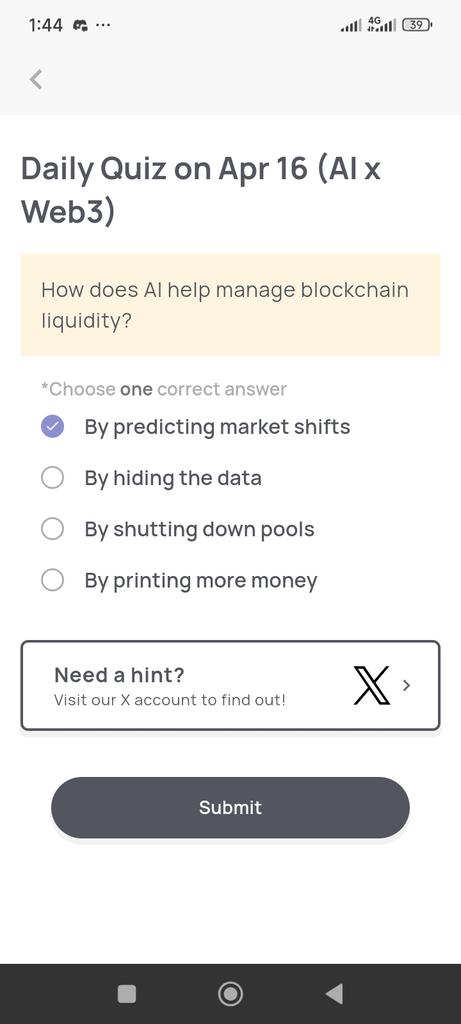
📅 15th April 2026, Daily Quiz ✅
$Xenea daily quiz answer – A
$Spur protocol answer – C
$Marina protocol answer – A
$Syntax verse – A
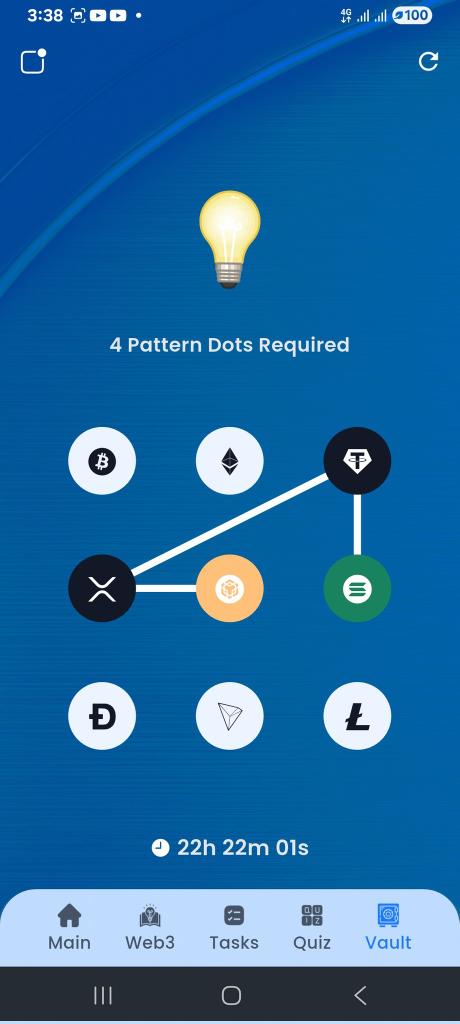
Syntax Verse Daily Vault Pattern for 100 $SYNTAX
🛅 Vault Pattern : 6 – 3 – 4 – 5
🩸Edge is never built at entry.
It is relentlessly protected at the moment of execution.
@Pact_Swap engineers deterministic trade outcomes, ruthlessly compressing the delta between intent and final settlement on-chain.
The outcome:
→ near-elimination of slippage drift
→ surgical-grade execution accuracy
→ trading edge that survives even in volatile conditions
Alpha doesn’t shout — it leaks in silence.
Precision is what seals it shut.
hub.pactswap.io/loyalty?refe…
🩸Most platforms simply harvest data.
The elite refine it in motion, in real time.
@_technotainment transforms raw user behavior into adaptive intelligence instantaneously, forging interaction into self-evolving systems.
This unlocks:
→ lightning-fast optimization loops
→ precision targeting that sharpens with every click
→ engagement flows that anticipate and adapt
Insight delayed is alpha forfeited.
hub.technotainment.com/loyal…
Follow for more ALPHA🚨
#Web3Alpha #DeFiExecution #OnchainIdentity #IncentiveDesign #GrowthSystems #CryptoStrategy #NuanceInspectxyz #BlockchainPrecision #DeterministicDeFi #AdaptiveRewards #ReputationLayer #CrossChainContinuity #OnchainReputation #AlphaProtection #SmartIncentives #Web3Evolution #CryptoIntelligence #DeFiEdge #OnchainTrust #ProgrammableTrust #DeFiInnovation #CryptoFlywheel #Web3Infrastructure
1
2
152

Apr 2
金钱的流动速度,始终取决于“信任被验证”的速度。
证券结算要等 2 天,
因为清算机构需要 2 天来确认交易对手。
房地产基金退出要等 7 年,
因为那套结构需要 7 年来提供所谓的“确定性”。
跨境私人信贷结算要等 3 周,
因为代理银行网络需要 3 周来完成流程。
这些等待的成本,从来都不是资产本身的成本。
而是“信任机制”的成本。
区块链,本质上是以数据库查询速度运行的可编程信任。
当信任可以在几秒内完成验证——
资金也就可以在几秒内完成流动。
而所有建立在“信任必须很慢”这一假设之上的体系,
都将变得过时。🐋
#SpeedOfMoney #RWA #OrcaPrime #ProgrammableTrust #Tokenization #FutureOfFinance
2
2
45

Apr 2
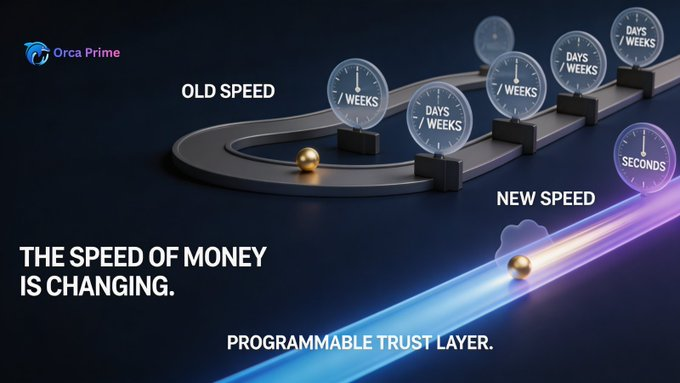
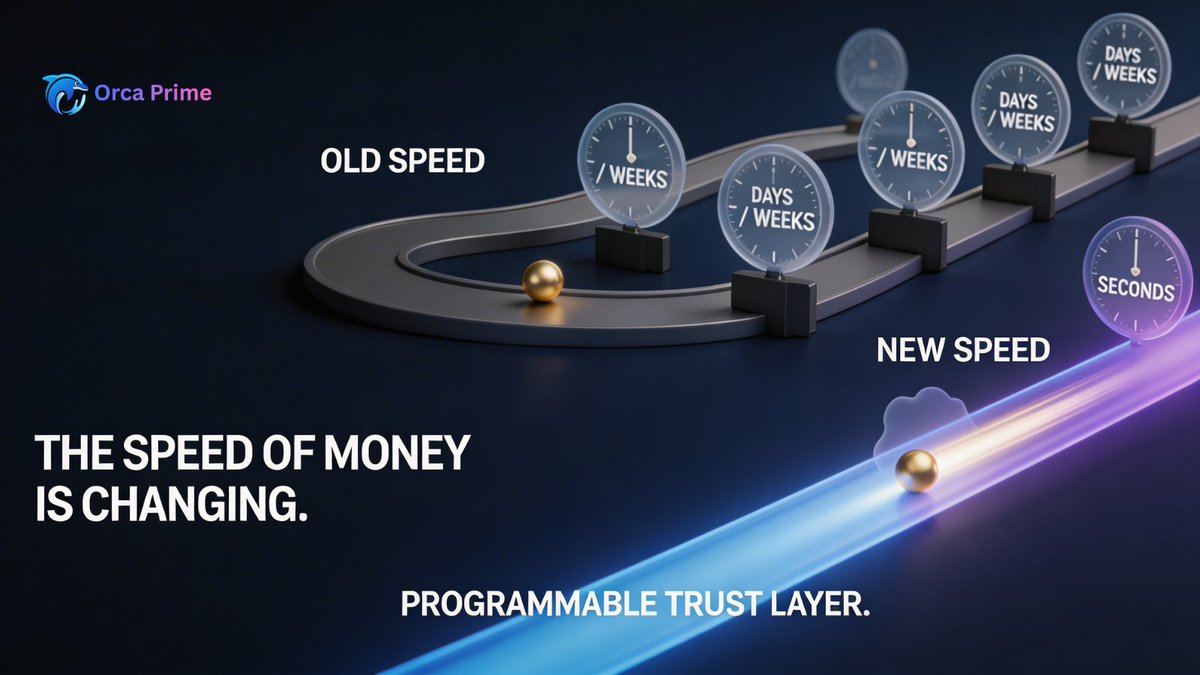
Money has always moved at the speed of trust verification.
You waited 2 days for securities settlement because clearing houses needed 2 days to verify counterparties.
You waited 7 years for a real estate fund exit because the structure needed 7 years to provide certainty.
You waited 3 weeks for cross-border private credit settlement because the correspondent banking network needed 3 weeks.
Every wait was not the cost of the asset.
It was the cost of the trust mechanism.
Blockchain is programmable trust at the speed of a database query.
When trust verifies in seconds — money moves in seconds.
And everything built around the assumption of slow trust becomes obsolete. 🐋
#SpeedOfMoney #RWA #OrcaPrime #ProgrammableTrust #Tokenization #FutureOfFinance
34
26
37
472

Feb 25
Shared Policy Infrastructure: The Missing Layer Web3 Needs to Scale.
Learn More: x.com/Basicmoneybd/status/20…
@newton_xyz @MagicNewton_VN @SoulsLabs
#Web3 #DeFi #CryptoInfrastructure #ProgrammableTrust #RWA #ZeroKnowledge #InstitutionalAdoption #AgenticFinance #MagicNewton #Newton #Soulslabs

4
114

12 Dec 2025
Alright frens, I didn't want to go down this road, but here’s the REKT PLEB GUIDE to TRU Utility – The Verify Edition
This is for people who only care about 'number go up' and are allergic to documentation, and to those that keep tagging me with "token not needed" messages.
1) “Is the token actually used, or is it just a relic from the original design?”
This is from the FAQ: “The primary purpose of the TRU token is to secure the operation of the Truebit Node Network. Before Nodes can join the Truebit Verify network, they must lock up (stake) TRU tokens as collateral.”
This is in the node operator part of the dev docs: "Running a Truebit node requires 2,000 TRU tokens to be staked. This stake is essential for the slashing and reward mechanism that ensures honest participation...”
This is from the Terms of Use on the official website: “The TRU Token is intended solely to facilitate certain functionality within the Services or the Protocol...”
This means that in the new platform: No TRU means no node, and no node means no share of the verification pie. TRU is therefore the collateral that keeps the network honest. That is the OPPOSITE of "token not needed."
2) “Isn’t this just fiat SaaS with a pet rock token?”
Yes and No. The documentation is explicit when it comes to the split.
This is also from the FAQ page: “Nodes will receive rewards for their work in stablecoin.”
As I said in my GA post, the yield is in stables, which is predictable and normie-friendly. However, the risk and access is in TRU, you have to put TRU down to play the game. That's deliberate, as people and enterprises running nodes want predicatble bills in fiat, not a potentially volatile token. However, the "levered bet" on the network demand is moved to the TRU holders and node operators via the staking.
More from the FAQ: “Task Payment Option (coming soon): In the near future, it will be possible to use TRU tokens to pay for Truebit Developer and Custom subscriptions."
The Terms of Use repeat this: “We may…….accept TRU Tokens as payment for subscriptions and other Platform fees.”
This means TRU is mandatory for security and node staking, and optional but REAL for paying for access (fees). Anyone saying this is pure fiat SaaS alongside a defunct token needs to re-read their docs.
3. “Why is supply so high, wen burn and wen low float?”
This is from the original Truebit OS article (which Verify links to): “TRU tokens are created and destroyed over time according to cumulative demand. Users can purchase or retire TRU tokens in exchange for ETH. Each Truebit task also burns TRU tokens.”
and also this: “Each purchase transaction deposits some ETH into a reserve escrow.....some ETH is withdrawn from the reserve through each retire transaction.”
This basically means that mints (via the OS purchase contract) require paying ETH into a reserve, the retires send TRU back and pull ETH out, meaning the TRU is gone from circulation. Tasks themselves also burn TRU as part of their fee logic. Over the years, thanks to the diligence of some community members such as @GrimeChain we have clarified that retiring tokens does not lower or raise mint or retire, but minting tokens increases both mint and retire.
So the updated reality is that retiring doesn’t move the OS price band, it just deletes tokens. Minting is expensive (you pay ETH at OS mint price), so with TRU being cheap on Uniswap, nobody sane is going to want to mint when they can just buy existing TRU. The supply is elastic downward via the OS retire (arb) and the task burns.
Don't forget, the current high supply of approximately 164M tokens is a historical scar from the April-May 2021 mint mania, but the system design will always make new mints expensive, and lets anyone who cares about price burn the float for profit when the Uniswap price is < retire price.
For a speculator, that’s structurally better than a fixed, forever-inflating emissions schedule (like a lot of the vapourware tokens you all seem to love).
Also, someone asked in the Telegram group if maybe Truebit themselves were involved in the burning in order to reduce the float that should never have existed. Maybe, maybe not, but you don’t need conspiracies to explain it, this system is cleverly and explicitly designed so that speculative mispricing gets corrected by burning away surplus TRU while paying arbitrageurs in ETH.
4) “Come on TruebitGod, the token is not needed"
Let’s unpack the official statements:
Utility-only by design
“TRU Token is intended solely to facilitate certain functionality within the Services or the Protocol and does not.....confer any ownership interest, right to profits, equity, or governance....”
Translation: this isn’t an equity cosplay, it’s meant to be a tool inside the system, think back to the OS docs, "created and destroyed over time according to cumulative demand."
Security-critical asset
I'll just re-paste this quote - “Running a Truebit node requires 2,000 TRU tokens to be staked. This stake is essential for the slashing and reward mechanism”
Payment and rewards rail
“Node Operators may be paid in TRU Tokens at our discretion” and “We may....accept TRU Tokens as payment for subscriptions and other Platform fees.”
If TRU were truly “not needed,” you’d expect no mandatory stake, no explicit TRU payment option, and no language about facilitating functionality inside the Protocol. Instead, they do the opposite by baking TRU into the staking, rewards, and the (soon-to-be) task payments, while keeping enterprise billing fiat-friendly.
5) “Okay ser, but token is secondary to fiat SaaS”
Again, the FAQ spells out the split: “The primary purpose of the TRU token is to secure the operation of the Truebit Node Network...Nodes will receive rewards for their work in stablecoin.”
Think of it like this:
a] Fiat/stables = cashflow layer for enterprises and node operators.
b] TRU = risk security access layer.
c] Nodes are basically delta-neutral yield farms where you earn stables, but you must hold 2,000 TRU at risk (slashing and price fluctuations).
d] As the demand for verification grows, more nodes are needed (or higher stake per node) and that will mean more TRU gets locked just to keep the machine running.
And if they lean into the whole task payment option it means that devs/customers who want to pay in TRU add direct demand on top of that. So yes, fiat is front-and-centre. But that doesn’t make TRU irrelevant, it makes it the leveraged back-end instrument whose job is to:
a] Secure the network.
b] Gate participation.
c] Potentially soak up some of the value flow (if any TRU payments are burned/retired/treasured instead of instantly market sold).
6) “What if they just turn TRU off?”
The Protocol section of the Terms is brutally honest, they may “cease issuing TRU Tokens, change the software which issues and controls them, or disable them at any time.”
And they tell us that we bear “all risk of loss associated with acquiring, holding, and/or using the TRU Token.”
That's a legal part they have to include. I believe the full sheet will be lifted once the Market Structure/Clarity Act is done and dusted early in 2026. The important nuance is that they still chose to:
a] Keep the OS mint/retire docs live and linked via the new GA docs.
b] Require 2,000 TRU for node staking.
c] Advertise TRU task payments as “coming soon."
d] Explicitly mention TRU in relation to node rewards and platform fees.
If the plan was “TRU is dead in this new system, we’re pure SaaS now, sorry,” then the clean legal move would be no new TRU docs, no staking requirement, and definitely no “pay with TRU” teaser on the website.
Instead, they’re doing the opposite while telling you in the ToS that they can change this later if regulators or reality force them to. So yes, the risk is real but the current architecture choices are pointing toward using TRU, not burying it.
7) "Okay TruebitGod, but wen numba go up?
I DESPISE even indirectly talking about price, but for a pure price, no-morals pleb, the big levers from the docs are:
Elastic supply with real burns
a] “TRU tokens are created and destroyed over time according to cumulative demand.”
b] Users can “purchase or retire TRU tokens in exchange for ETH.”
c] “Each Truebit task also burns TRU tokens.”
So structurally it's the bloated supply from the 2021 mint mania now coming up against no new mints retires burns, basically the supply is shrinking as usage and arbitrage both do their thing.
The Staking
a] Each node needs 2,000 TRU staked.
b] That stake is tied to a “slashing and reward mechanism that ensures honest participation.”
c] More adoption is going to mean more nodes and more capacity, which will mean more TRU will end up being locked.
If TRU is cheap then the cost of an attack is going to be low. So long-term, security pressure itself argues for either:
a] Higher TRU price.
or
b] Higher stake per node.
Either way, security means implicit buy pressure.
TRU as an optional fee asset
The best case for the price is some portion of those TRU fees are burned, retired, or held, not market-sold. Even if they just pass them to node operators it will be okay because node ops already need stake, so TRU rewards and TRU staking can form a closed loop of demand among people who actually run the network.
Final thought
Please stop commenting on posts about TRU and price, it's embarrassing. Let's not be like the rest of the cryptosphere, this is a unique protocol with incredibly well designed mechanics. It's all quite groundbreaking in my humble opinion.
The point is unlike most casino chips in this market, TRU has a credible path to being priced by work and risk, not just by tweets and hope, and the company’s own docs, not community copium, are what put it there.
#AI #VerifiableComputation #Truebit #ProgrammableTrust #OnChainTrust #TrustlessProofs #Web3Infra #ERC3643 #RWAs #JustVerifyIt #TruebitVerify #TRU #AgeOfVerification #VerificationLayer
4
7
33
2,460

11 Dec 2025
🔴什么,TMD叫信任?
你给我掰扯掰扯,什么TMD是 AI 信任?!什么TMD叫TMD AI信任?!
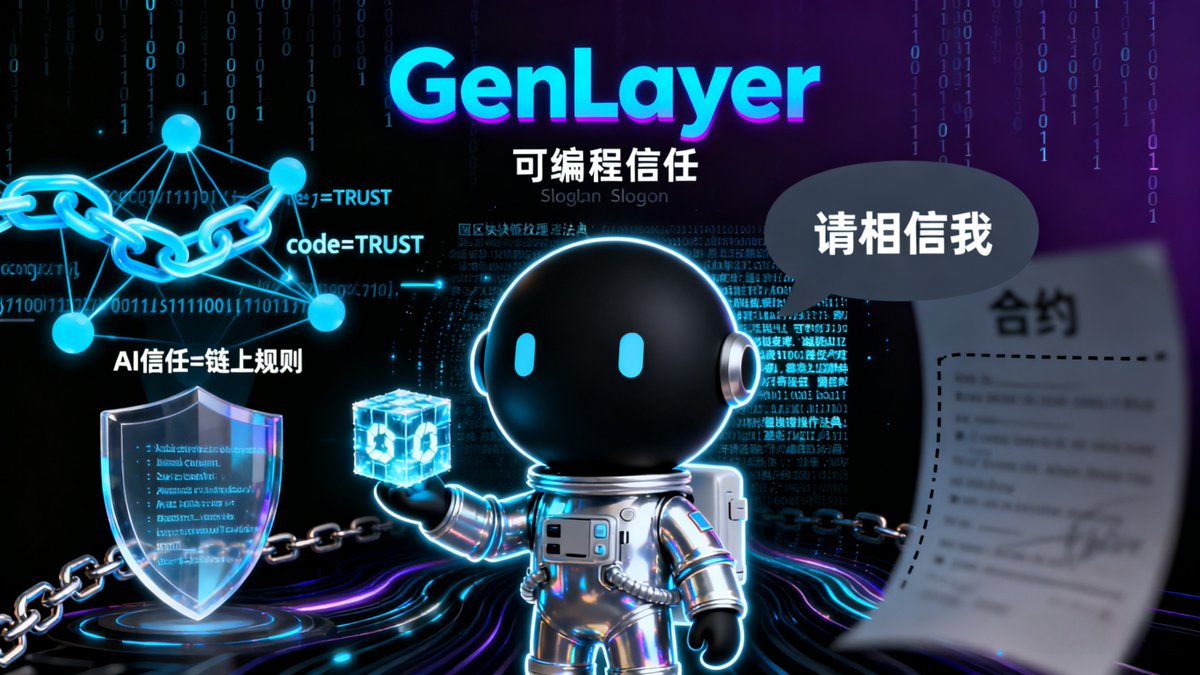
当前,AI发展极为迅猛,各大AI软件迭代升级越来越快,在AI飞速进化的过程,人类不断放权给AI,但是AI信任的问题暴露的越来越严重。AI agents都在谈自主权,但谁来保证它们不会乱来?
我们给AI钱包、给AI权限,却还停留在传统观念的信任中,即“请你相信我”这种言语或是协议约定,而矛盾正是出现在程序和机器并不吃“约定”这套,它们需要“规则”。
这正是 @GenLayer 提出的“可编程信任”至关重要的原因 —— 它将信任转化为链上可验证的代码,而非一场靠“口头约定”、靠猜测维系的信任博弈。
AI的经济自由并不不等于无政府状态
我们需要链上“规则”法庭
而不是传统的“约定”法庭
我是Vired🫵
一个曾经不靠谱的生意人
一个Web3领域的探索者
一个实体经济创业家
一个负债50W
仍在追求自由的梦想家
记录我的复利之路
愿大家财富自由
#ProgrammableTrust #GenLayer

14
14
352

6 Dec 2025
Humans invented “trust” to reduce complexity. We can’t verify everything, so we rely on emotions, habits, and social reputation.
But as @driudor wrote: “Human trust breaks when interactions happen at machine speed.”
And in a world driven by AI agents, this becomes obvious.
AI doesn’t trust anyone.
It has no emotions, no fear of judgment, no social pressure, no exhaustion. It processes millions of signals per second and makes decisions based purely on optimization, something human-style trust simply cannot keep up with.
– Legal systems? Too slow.
– Traditional contracts? Lacking context.
– Today’s blockchains? Unable to make subjective judgments.
So who resolves disputes between AI agents?
Who decides when natural language becomes the interface for agreements?
Who guarantees trust in a world without feelings?
A new answer emerges: @GenLayer.
GenLayer works as a trust engine, where multiple AI models evaluate context, reach consensus, and enforce subjective decisions in a trustless environment.
It’s programmable trust, enabling AI-to-AI and AI-to-human interactions to run smoothly at machine speed.
– Trust is no longer a biological instinct.
– It becomes infrastructure.
– And that infrastructure is GenLayer.
#AI #SmartAgents #GenLayer #ProgrammableTrust

14
13
76

6 Dec 2025
Identity isn’t bureaucracy;
it’s dimensionality.
@idOS_network encodes:
• trust gradients
• permission contours
• behavioral lineage
• sovereignty vectors
• interoperable identity embeddings
Identity stops being paperwork
and becomes compute infrastructure.
This isn’t verification.
This is identity as a programmable coordinate system.
Signature: idOS gives agents a machine-readable “who.”
#IdentityGraph #ProgrammableTrust
5 Dec 2025

Identity is not data.
Identity is access.
@idOS_network turns identity into a sovereign, portable, revocable credential
that apps can’t hoard and agents can’t misuse.
Apps read only state, not information.
Agents receive trust, not exposure.
Users retain sovereignty, not risk.
In an autonomous finance world,
the network that controls access
controls everything.
idOS is building that network.
#IdentityRail #SovereignAccess
5
9
118
3 Dec 2025
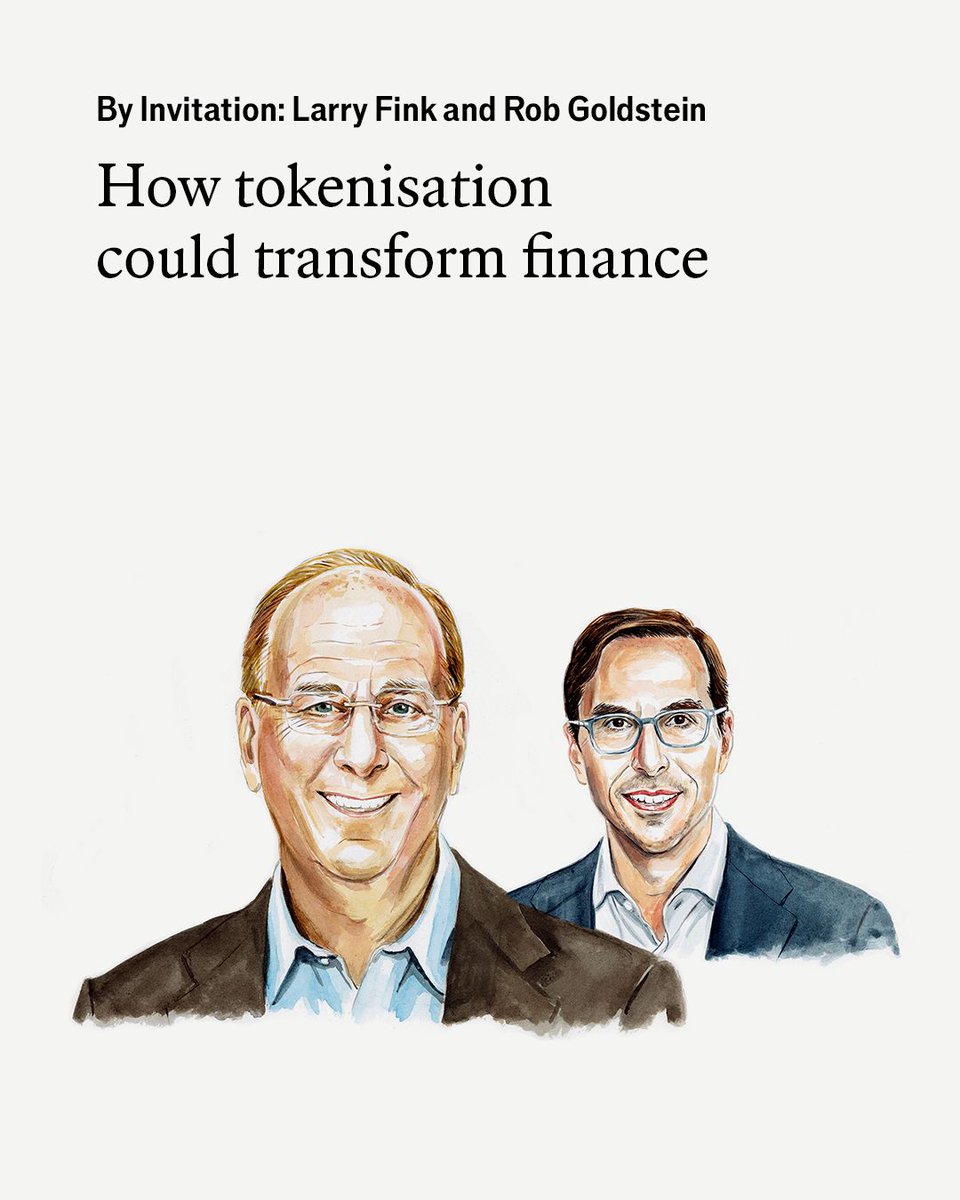
Again, another piece in which Larry Fink predicts mass tokenisation. Whilst I relish this continuous push towards RWAs and the on-chain onboarding of everything, I cannot help but wonder why those involved with hyping all of this up never ask THE most pertinent question of all: How do they plan to verify all of these underlying computations that will make it all possible?
Once everything is tokenised, how are the computations that feed the ledgers verified, and by whom? Fink and Goldstein say that tokenisation is the next SWIFT-level upgrade to the financial world in which equities, bonds, real estate, etc., are stored on-chain so they can be moved around faster and with less middlemen (and back-office shenanigans I might add). The assumption here is that when you implement it all and add a sprinkle of regulation, somehow the trust problem is solved. Ethereum and other chains are good at telling you wallet x has balance of y, or Bob sent X to Alice, but how will it tell you it ran through an off-hain compliance workflow, and most importantly, will it give a potential auditor or regulator the ability to replay the calculation after it has happened and for as long as needed?
People tend to assume that an on-chain asset's proof of state automatically means proof of process. That is not the case. A blockchain will eagerly record whatever number the off-chain engine gives it, and if the engine (a euphemism for black box in my world) misprices risk, incorrectly records a NAV, or mis-checks compliance, the destination ledger makes the error a permanent one. I urge everyone to read truebit.io/the-trust-problem… and truebit.io/why-compliance-is… over and over again until the penny drops. @JasonTeutsch talks a lot about black boxes, and black boxes don't jus relate to AI. In this kind of tokenisation it'll be anything that outputs information to a ledger and is then treated as truth. The article states "tokenisation can replace paper with code," which I agree with, but the codes need to be verified and free of blindly trusting some New York-hosted black box that says "here is your yield and risk score, just trust us."
My prediction is that within the next few years, you will not be able to launch a serious tokenised product without declaring your 'Task Stack' - see here for how to write tasks on Truebit Verify - devs.truebit.io/developing-t…. I guarantee you that as tokenisation spreads, every single business involved will discover internal black box processes that will need to be proven. This is where the tasks evolve and grow (devs will be paid to wrap these in reusbale tasks), to the point where different industries will have their own task libraries, so for example: funds/banks, insurers, AI agent firms, DePIN networks, and so on. There will also be crossover in these task stacks, naturally. Once the tasks are there, the requesters can get their certified transcripts, and everyone will be happy (including the node operators getting paid to perform the verification in between).
At the moment I imagine there is a small amount of generic tasks already developed (I know Forte are busy writing them), which is why we're so early on this technology, and in the future we are likely to see many (thousands?) domain-specific verification primitives. Business models built on verifiable compute do not exist yet, but they will (my crystal ball says so :D).
#AI #VerifiableComputation #Truebit #ProgrammableTrust #OnChainTrust #TrustlessProofs #Web3Infra #ERC3643 #RWAs #JustVerifyIt #TruebitVerify #TRU #AgeOfVerification #VerificationLayer
1 Dec 2025

Finance is entering a “major evolution in market infrastructure”, write the BlackRock executives. “One that could move assets faster and more securely than systems that have served investors for decades” econ.st/48clfYN
Illustration: Dan Williams
5
3
21
6,490
27 Nov 2025
I am also happy to announce that TBG joins the Truebit Verify node network! I have been waiting a long time to officially become a part of this, thank you @Truebitprotocol for accepting me into the sponsorship programme.
Will keep you all updated on the node network, tasks, jobs, and remuneration.
#JustVerifyIt #ProgrammableTrust #Verification
5
1
28
1,649
21 Nov 2025
Whilst crypto natives panic over prices, tariffs, and macro volatility, the legendary and crypto-foundational @truebitprotocol quietly releases general availability of the Truebit Verify platform, ushering in The Age of Verification and cementing the foundations of a real verification layer for decentralised compute, off-chain workflows, and web3 in general.
They have finally moved from beta docs to a productised platform, with RWA, compliance, and AI verticals. This is very exciting, and wonderful to see after 4.5 years of waiting (if you count from the OS deployment), or 8 years of waiting (if you count from the publication of the first paper by @JasonTeutsch and Reitwießner people.cs.uchicago.edu/~teut…).
Some observations (apologies for the long post).
1. The positioning is clearly enterprise-ready. It appears to be a SaaS-first go-to-market approach, with crypto rails half-implemented (the node side is done, the task side is not). Many of you are upset with the monthly subscription fiat pricing, but this is an absolute necessity on launch because low-friction onboarding is needed, especially given the fact that immediate verification customers are going to be enterprises ("crypto bros" don't need verification right now, they need therapy, a box of tissues, and a 9-5 job), it goes without saying that trying to onboard enterprise customers through crypto rails is counterintuitive. It's akin to asking institutional ETH ETF investors to install Metamask and get their ETH exposure from Uniswap.
2. I'm very happy to see unit definitions, so one certified transcript is one task execution. This makes transcripts a clear and billable metric, a task under the Developer plan costs you approximately $0.026 ($29 divided by 1100). This is dirt cheap if you need audit-grade proofs and even better for accelerating adoption. There's maybe a potential reseller business idea in there (you heard it from TBG first).
3. The lower and middle tiers provide insufficient transcript storage for enterprises that have large audit windows and large data retention policies. I expect proper businesses to opt for a custom plan. Also, the lower and middle tiers only give you five verifiers, you absolutely need more than this for the big stuff. The more verifiers working for you and competing for a slice of the pie the, more robust your results.
4. The verification game, which has inspired so many protocols since its inception, is more explicit now, and is named as being done by the Truebit Control Node. Disputes land here, and are adjudicated here.
5. "Under the hood, Truebit leverages blockchain-based ledgers to secure execution, ensure full transparency, and manage system-level financial mechanics." - This is the phrasing that many were waiting for, this confirms the economic layer we all knew was coming.
6. Regarding transcripts, we can see which nodes participated and which ones got paid, and if applicable, which ones were penalised (after adjudication). Node leader board anyone? Would be fun. @ShaneOnChain something to think about and build.
7. We now have some information, albeit just a little, on the AI audit trail. Given the rise of AI Agents, this will likely be THE major driver for verification, especially if companies in regulated industries deploy agents.
8. We now have clear definitions of the major stakeholders. You've got the task developers (currently guys at Forte, see here - x.com/TrueCryptoPower/status…), the task requesters (the enterprise customers seeking certified transcripts), and the node operators (who put up collateral to win the jobs that verify the work).
9. The node payout rail is in USD stables, a clean path to revenue for node operators. Paying nodes in USD stables is a sober design choice because infra providers pay bills in fiat, not tokens (not to mention the sell pressure from them having to repeatedly sell their TRU). Increasing demands for verification means more parallel nodes competing for work as dispatched by the Verify Hub. The way the network adds capacity is for more TRU to be acquired and locked. Price pressure therefore has to migrate to TRU as verification work increases with demand. There's also the institutional fit, naturally some enterprises may want to dabble in the node operators lane, and payment in stables (post GENUIS Act) is a genuine and legit revenue pathway.
10. Running a node now has a cash incentive. USD is easier to forecast and easier to fund your current and future infra with. Professional infra providers want this. Also, at $0.14 per TRU, the cost to run a node is approximately $280, a small price to pay for an early slice of the verification pie. This invites competition, fast capacity growth, and network effect.
11. Cheaters are slashed, good participants are rewarded. Classic incentive for good behaviour and honest work.
A predicted flywheel
1. Demand shock as verification needs grow. Watch Larry Fink predict the tokenisation of all assets here - x.com/ShadowofEzra/status/19…
2. More nodes needed, thus more TRU needed for security and staking.
3. Nodes earn stables, the operators pay their OpEx, withdraw some profits, and then recycle the rest into more TRU for node expansion (after all, once you get a taste of the rewards, you'll want more and more). Node operators begin to seek OTC and secondary market deals, their last resort is calling the buyTRU(uint256 X) function. We all know what that does.
4. At some point (as per the official FAQ), they begin allowing the lower and middle tier plans to use TRU for payment, meaning transcripts/tasks are crypto railed and denominated in TRU, augmenting the game theory and driving the utility of TRU:
A] Task requesters mint TRU from the OS, or acquire through secondary markets if price < mint price (dependent on liquidity and availability).
B] Their tasks receive some kind of priority QoS or faster orchestration from the Verify Hub or perhaps discount on tasks, I'd love to see a 'TRU-pay' toggle. This fires up the game theory dynamics, and will indirectly impact the staking price collateral for nodes. It also means professional enterprises who only deal with fiat can continue to subscribe in the conventional USD way as per the pricing page.
C] Leftover minted TRU can be used for more tasks down the line, can be retired to the OS (at a loss as per the spread between the retire and mint price), or they can be sold on the secondary markets if the price is higher than retire.
D] Possibility of OTC acquisition, given that there is still a lot of free-floating TRU circulating as a result of the May 2021 events. OTC can be directly with Truebit (I imagine they minted and/or acquired their fair share), or with other holders. There's a potential OTC/P2P marketplace idea in it for you TRU-holding entrepreneurs out there in the ether (think TAO early days, before exchanges, ping me if you want to explore this further).
5. Suddenly, an entire verification marketplace is teeming with buy, sell, retire, mint, and stake.
6. Bots wait in the shadows, arbitraging price gaps, policing the curve and helping the fair value discover itself.
Those of you who are here for speculative purposes only will have to deal with the fact that for now, near-term "price action" is the result of node demand, which will be the result of increased verification needs, and this will not be an overnight event. Sorry if this disappoints you. CT doesn’t need a new 'casino' right now, what's needed is a 'factory' for verifiable workflows.
A few outstanding questions from my list to @Truebitprotocol
1. Is there any kind of legal exposure for node operators? If my node verifies compliance steps for tokenised securities, do I carry any obligations related to data handling and/or audit trails?
2. Slashing slashing slashing, this is a big one! Clarity on the slash amount, clarity on where the slashed TRU goes, does it get retired/burned? Does it go to the treasury, is it distributed to other nodes, or is there a split between all three?
3. Is there scope for the staking amount to grow with network usage and scale? If so, will the early nodes at 2000 collateral get to keep their early bird/early adopter low collateral option?
#AI #VerifiableComputation #Truebit #ProgrammableTrust #OnChainTrust #TrustlessProofs #Web3Infra #ERC3643 #RWAs #JustVerifyIt #TruebitVerify #TRU #AgeOfVerification #VerificationLayer
18 Nov 2025

BIG NEWS!! The "just trust us" era is OVER.
Truebit Verify is now Generally Available! We are the verification layer for tokenized assets, generating cryptographic proof for any off-chain operation, from NAV calculations to compliance workflows.
Solve the trust gap, stop discounting asset values, and unlock institutional adoption for your digital assets.
Read the full announcement here: truebit.io/truebit-announces…
9
14
58
8,209

7 Nov 2025
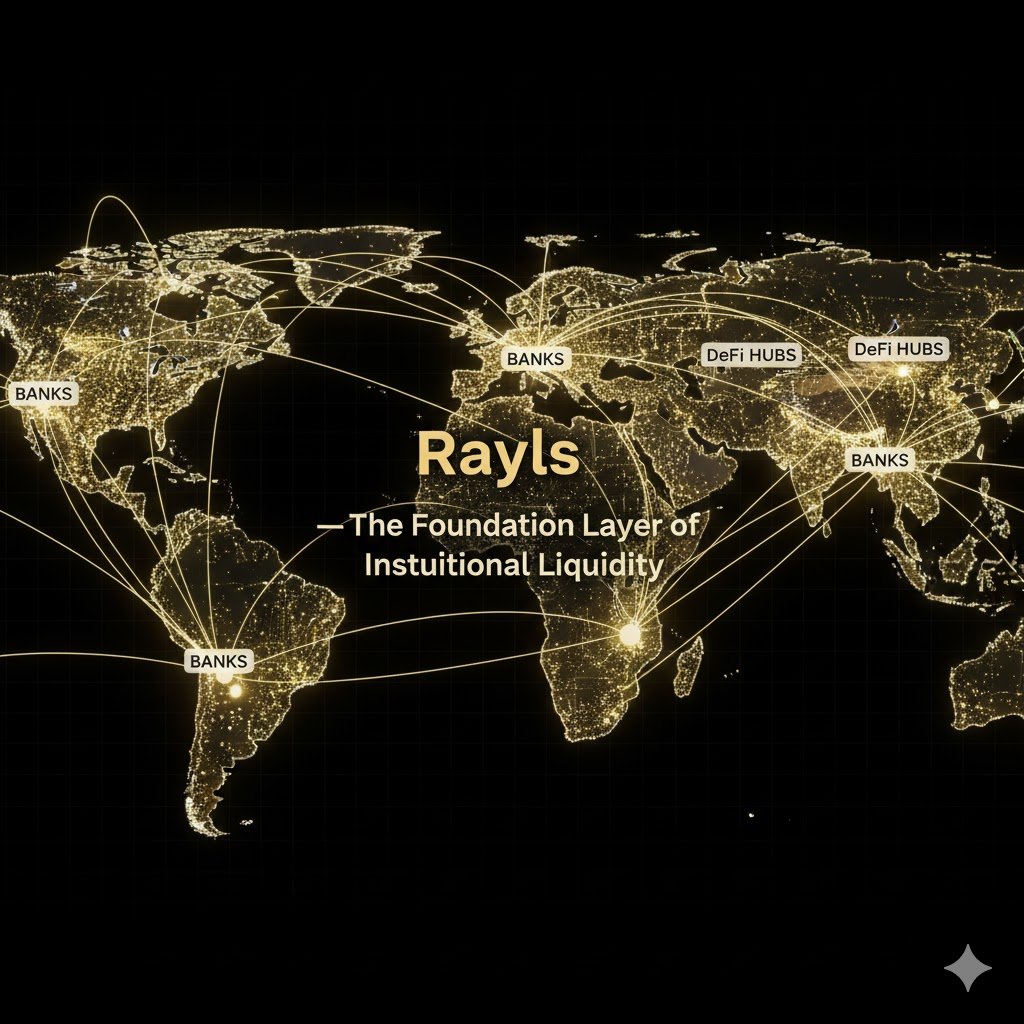
Rayls:机构流动性的基础层
每个市场周期都崇尚速度。
但下一个金融时代将崇尚信誉,而 @RaylsLabs 正在构建这一基础。
DeFi 优化的是吞吐量,而 Rayls 优化的是信任吞吐量:
当监管、可审计性和隐私性协调一致时,资本流动的速度将达到何种程度。
💡 关键原则:
真正的流动性不仅仅需要买家和卖家。
它需要合规、结算和透明度以代码形式共存的轨道。
$RLS 不是交易层,而是银行、金融科技公司和 DeFi 协议的结算底层。
当信任变得可编程时,流动性将势不可挡。
#Rayls #RLS #DeFi #TradFi #OnchainBanking #ProgrammableTrust #SNAPS
@RaylsLabs @cookiedotfun
投机终将消逝,基础设施永存。
6 Nov 2025

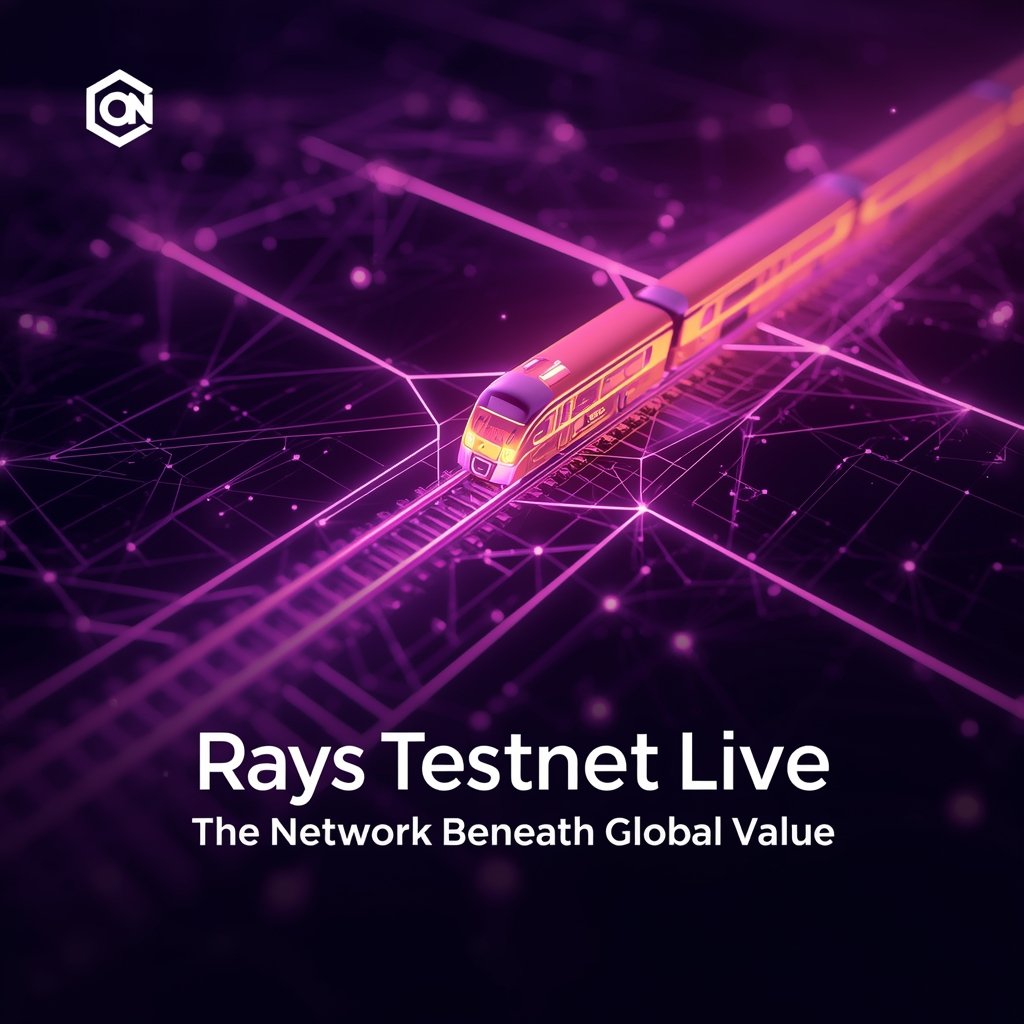
Rayls:全球价值的基石
人人都在构建协议。
但鲜有人构建支撑这些协议的基础设施。
@RaylsLabs 的测试网水龙头已正式上线,这并非又一次测试网炒作,而是对未来资金流动方式的实时模拟。
早期构建者的关键要点:
铸造 $RXP → 领取 gas → 将 RXP 兑换为 USDTr
每一次交互都是流动性证明的演练
这并非 DeFi 挖矿,而是全球金融互操作性的第一条轨道
Rayls 正在为价值 100 万亿美元的链上经济奠定基础
在这个经济中,流动性可编程,合规性内置
并且,轨道将银行、DeFi 和用户实时连接起来。
默默耕耘者,世界将沿着他们的轨道运转。
#Rayls #RLS #DeFi #TradFi #ProgrammableFinance #OnchainLiquidity #SNAPS
@RaylsLabs @cookiedotfun
184
86
601

6 Nov 2025
🔍 If it’s not verifiable, it doesn’t belong in finance.
The future of money isn’t built on promises, it’s built on proof.
Every transaction, every contract, every reserve in the ZimX ecosystem is designed to be visible, auditable, and verifiable in real time.
That’s what makes trust programmable, no middlemen, no blind faith, just transparent systems that work.
With ZimXToken, verification isn’t optional, it’s the foundation. 💚
#ZimXToken #BlockchainTransparency #Web3Africa #SmartFinance #ProgrammableTrust
3
27

6 Nov 2025
@JoinEdgeCity 🇦🇷 after a long 46 hours flight finally with the Lisk family
#Lisk #AXKLedger #ProgrammableTrust
#edgecity #devcon




2
306

1 Nov 2025
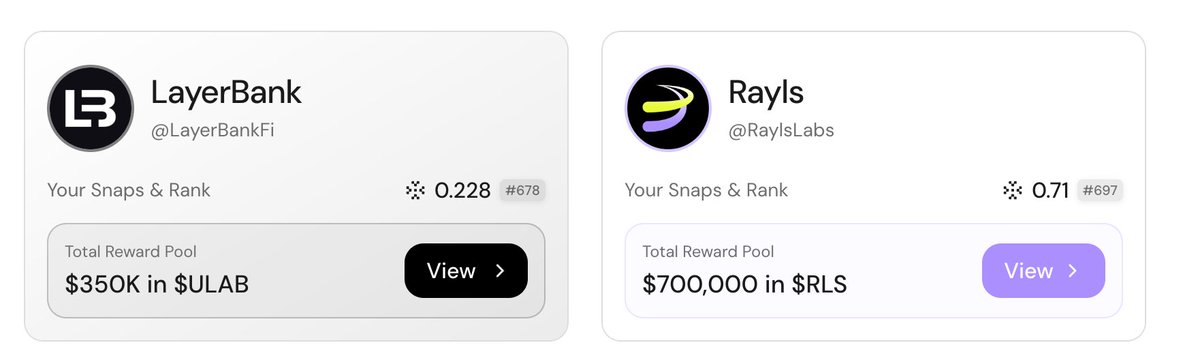
最近这段时间,我开始同时关注 @RaylsLabs 和 @LayerBankFi,越研究越觉得这两个项目组合起来,简直像是在悄悄搭建 Web3 金融的“操作系统”。
💡 一句话总结:
@RaylsLabs 在做“信任的底层”,
@LayerBankFi 在做“流动性的引擎”。
两者结合,就是未来链上金融的中枢神经系统。
🧠 @RaylsLabs:让信任可编程
Rayls 的核心理念,是把“制度信任”变成“代码信任”。
他们用自研的 Enygma 协议 把隐私、合规、执行全都搬上链:
ZK 批处理技术,交易合规可验证,但细节保密;
公链在 Arbitrum 上跑,私有链在许可子网上运行;
两者之间由 LayerZero 桥接,实现真正的“公私链一体化”。
Rayls 的野心很清晰:
不是在重造银行,而是在让银行能够上链,
让传统金融和 DeFi 在同一个系统里安全共存。
💰 @LayerBankFi:让流动性有方向
而 LayerBank 更像是这套体系的“资金中枢”。
他们做的是一个跨链的借贷与收益调度引擎,
让资金、抵押物、收益率都能在不同链上自动流动。
更重要的是,他们在为 AI 代理(Autonomous Agents) 打造接口——
让 AI 能像人类一样借贷、调仓、做策略,
这意味着未来的资产管理,可能不再需要人手。
⚙️ 当 @RaylsLabs 遇上 @LayerBankFi
一个提供可验证执行环境,
一个提供可编程流动性。
两者融合,就变成了“自主经济(Autonomous Economy)”的雏形。
想象一下:
AI 代理可以在 Rayls 的合规框架里安全运行,
再通过 LayerBank 的引擎自由调配多链资金。
资产能自动评估风险、分配收益、优化仓位——
这一切无需中介,也无需信任谁。
🌍 为什么我觉得这才是未来
过去的金融靠人信任机构,DeFi 靠用户信任合约。
而 Rayls LayerBank 让信任“自动运作”,
让资金、智能与合规在同一层逻辑里对齐。
这不是“AI DeFi”的口号,而是一种新的秩序:
可编程信任 可自主管理的资本体系。
🧩 这两家项目的组合,可能会成为下一个周期里最底层、也最被低估的基础设施。
他们不是造币,而是在造“系统”;
不是抢流量,而是在重写金融的运行方式。
不是桥,而是新的轨道。
#RaylsLabs #LayerBankFi #DeFi #AI #RWA #AutonomousEconomy #ProgrammableTrust #Web3
12
9
8,043

1 Nov 2025
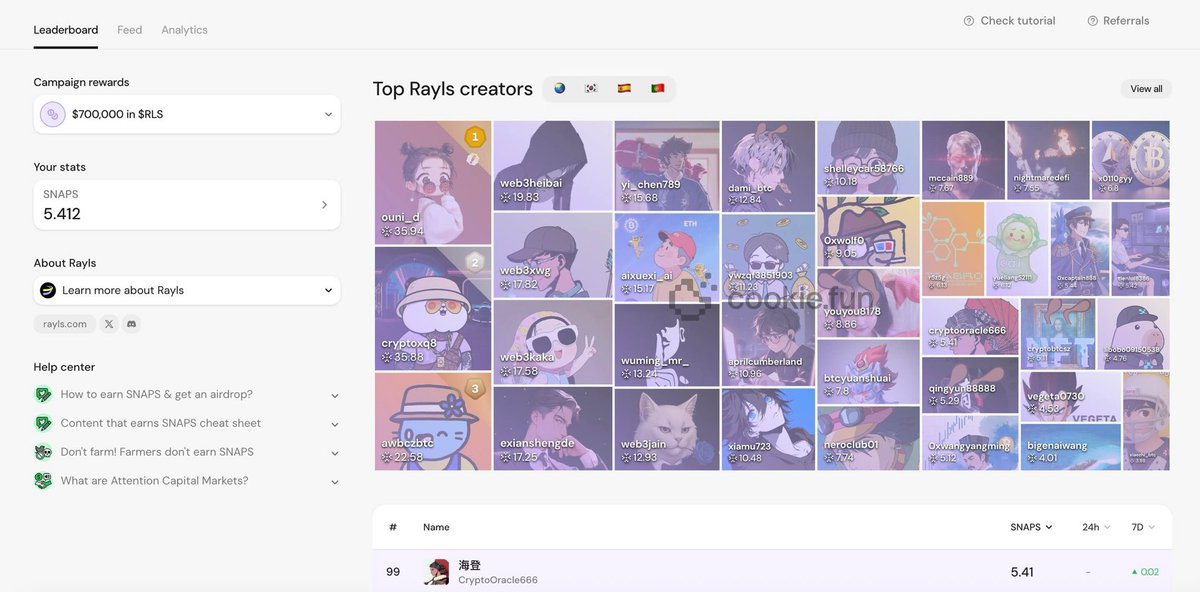
最近我又回去仔细研究了一下 @RaylsLabs,越看越觉得他们在做的事,不只是“让银行上链”,而是重新定义整个金融体系的信任逻辑。
💡 @RaylsLabs 想解决的问题
传统金融靠监管与制度来维持信任,而链上金融靠智能合约与代码。
但这两套体系一直割裂,互不兼容。
@RaylsLabs 的目标,就是做那座桥——让 合规、隐私与透明 能在同一个系统共存。
他们提出的核心概念叫 “可编程信任(Programmable Trust)”。
简单来说,信任不再依赖机构,而被写进代码里:
既能被监管看到合法性,又能保护用户隐私。
🔹 技术层面
@RaylsLabs 自研的 Enygma 协议 用上了 ZK 技术与双层批处理:
链上可验证交易合法性
但看不到交易细节(隐私保护)
公链运行在 Arbitrum,私有网络跑许可子网,两者通过 LayerZero 无缝桥接。
这意味着传统机构可以安全接入链上系统,而不牺牲安全性与隐私。
🏦 金融逻辑层面
@RaylsLabs 不是在造新银行,而是在让银行“能在链上生存”。
它为机构提供可信执行环境,为用户提供安全的资产交互方式。
银行的钱可以进链上,DeFi 的流动性也能接入传统金融系统。
这是一种真正意义上的“双向融合”。
🤖 为什么我看好 @RaylsLabs
因为他们找到了监管、资本、技术三者的平衡点。
既不极端去中心化,也不被旧体系束缚。
他们在做的,是一个能被监管认可、能被机构使用、也能让普通人受益的 DeFi 基础层。
当 AI、DeFi、RWA 等赛道都在讲“自主经济(Autonomous Economy)”时,
@RaylsLabs 正在提供那套让自主经济能真正落地的信任底座。
🌍 我一直觉得下一轮牛市不会靠投机起飞,而是靠基础设施升级。
@RaylsLabs 正是那种“肉眼看起来安静,但正在重构底层”的项目。
不是造桥,而是在重写金融的轨道。
#RaylsLabs #DeFi #RWA #AI #ProgrammableTrust #AutonomousEconomy #Web3
32
25
12,139

30 Oct 2025
요즘 X 타임라인을 보면서 드는 생각이다.
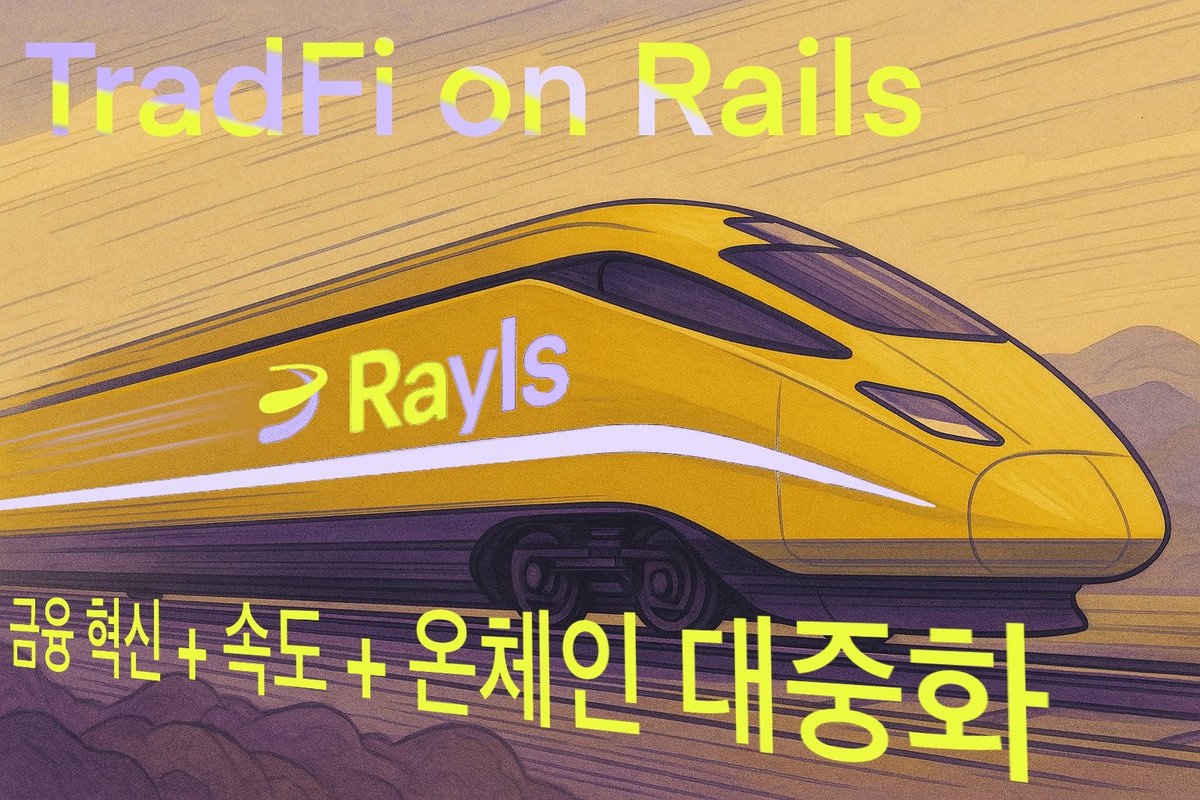
요즘 X를 보면, 솔직히 말해 프로젝트 본질과 전혀 상관없는 AI 저퀄 이미지와 의미 없는 문장이 쏟아지는 것 같다. 이건 단순히 “취향 문제”가 아니라 혁신을 소비하는 방식에 대한 질문이라고 본다. @Rayls_LATAM @RaylsLabs 같은 프로젝트 기존 금융과 온체인 금융의 경계를 녹이고, 신뢰 구조와 유동성 이동 방식을 다시 설계하고 있다.
•TradFi DeFi fusion
•Building a $100 trillion-scale financial rail
•Global liquidity integration infrastructure
•Attempt to structure trust through code
이건 단순 마케팅 문구가 아니라 금융 시스템 근본 레이어를 바꾸는 작업이다.
그런데 이런 담론 위에 “과도한 밈 아무말 이미지 포인트형 글쓰기”가 덮이면? 혁신은 흐릿해지고 프로젝트의 미래 가능성도 희석된다.
내가 중요하게 보는 포인트?
Web3는 결국 속도가 아니라 깊이, 펌핑이 아니라 구조 설계의 싸움이다.
@cookiedotfun의 의미도 여기에 있다고 본다.
보상을 주는 이유는 “텀블러처럼 글만 쌓아라”가 아니라, 관찰 능력과 사고 깊이를 키우라는 것이라고 생각한다.
우리는 농사꾼이 아니라, 변화 감지 센서(Observer)다.
Rayls가 열고 있는 금융 인프라 시대를 이미지 스팸과 얕은 내러티브가 덮는 건… 그냥 너무 아깝다. 좋은 기술에는 좋은 맥락이 필요하다. 그래서 나는 이렇게 쓴다 숫자 대신 구조, 가격 대신 미래 모델, 밈 대신 인프라 서사.
이건 점수를 위한 게 아니라 이 시장이 진짜 만들어가는 다음 질서를 놓치고 싶지 않아서다.
우리는 지금 소셜 네트워크에서 finance OS가 재탄생하는 순간을 보고 있다. 그 순간을 저퀄 이미지로 바꾸기엔 너무 큰 시대다.
끝으로 @cookiedotfun팀에게 묻고 싶다.
왜 사용자가 프로젝트를 깊이 관찰하고 창의적으로 표현한 아트나 스토리텔링이 알고리즘에서 제대로 평가되지 않는 걸까요?
정형화된 텍스트만 점수를 받는 구조라면,Web3의 표현 방식이 좁아지고, 창의적 기여가 저평가되는 결과를 낳는다.
창의적 사고도 기여입니다. 시스템이 이를 더 잘 반영할 수 있기를 바란다.
#DeFiInfrastructure #ProgrammableTrust
29 Oct 2025

Você entrou na web3 por causa de quem ou do que? 🤔
6
8
155

30 Oct 2025
GM 🤍
When I first read “Rewiring the World’s Financial DNA” it hit different.
Read more: x.com/raylslabs/status/19831…
Most projects talk about “bringing banks onchain.”
@RaylsLabs talks about reconnecting them.
There’s a big difference.
Because finance was never broken it was fragmented.
And what Rayls is doing isn’t just tech it’s cultural infrastructure.
When privacy, compliance, and liquidity can finally coexist,
that’s when global finance truly moves as one. 🌍
It’s not hype. It’s happening with Núclea, Cielo, and Bacen already live.
That’s what real adoption looks like.
#Rayls #ProgrammableTrust #OnchainFinance #Cookie
29 Oct 2025

What @RaylsLabs enables isn’t just safe access for banks it’s a redefinition of where financial settlement happens.
Today, transactions end inside private ledgers.
Rayls moves that logic onchain where assets can stay private in computation,
but verifiable in state.
That duality is powerful:
→ privacy for institutions,
→ transparency for the system.
It’s not DeFi for banks.
It’s the next generation of financial infrastructure a programmable settlement layer for global liquidity.
#Rayls #DeFiInfrastructure #OnChainFinance #PrivacyTech
112
1
87
9,201

28 Oct 2025
For decades, banks and blockchains, regulators and innovators, privacy and transparency each claimed to hold the future. But what truly matters is trust that moves at the speed of value.
Enter @RaylsLabs: bridging finance’s divide, not to rebuild banking, but to reconnect it.
💠 Programmable Trust
Rayls empowers banks, fintechs, and regulators to issue, trade, and settle assets onchain from tokenized deposits and CBDCs to corporate bonds and fund shares private, compliant, verifiable.
🤝 Real Adoption, Real Impact
• Núclea: tokenizing thousands of receivables monthly, unlocking liquidity at national scale.
• Cielo: bridging billions in credit card receivables onchain.
• Central Bank of Brazil: using Rayls as the privacy layer for DREX, the nation’s CBDC.
⚡ A Cultural Shift in Finance
Transparent yet private.
Compliant yet open.
Fast yet secure.
Rayls isn’t just tech it’s the rails of tomorrow’s global economy. Where privacy, trust, and liquidity finally coexist.
The question isn’t if finance will go onchain it’s which chain it will trust. Rayls is building the one it can.
🌐 #RaylsLabs #OnChainFinance #ProgrammableTrust #CBDC #FinTech
5
1
7
174