
39m
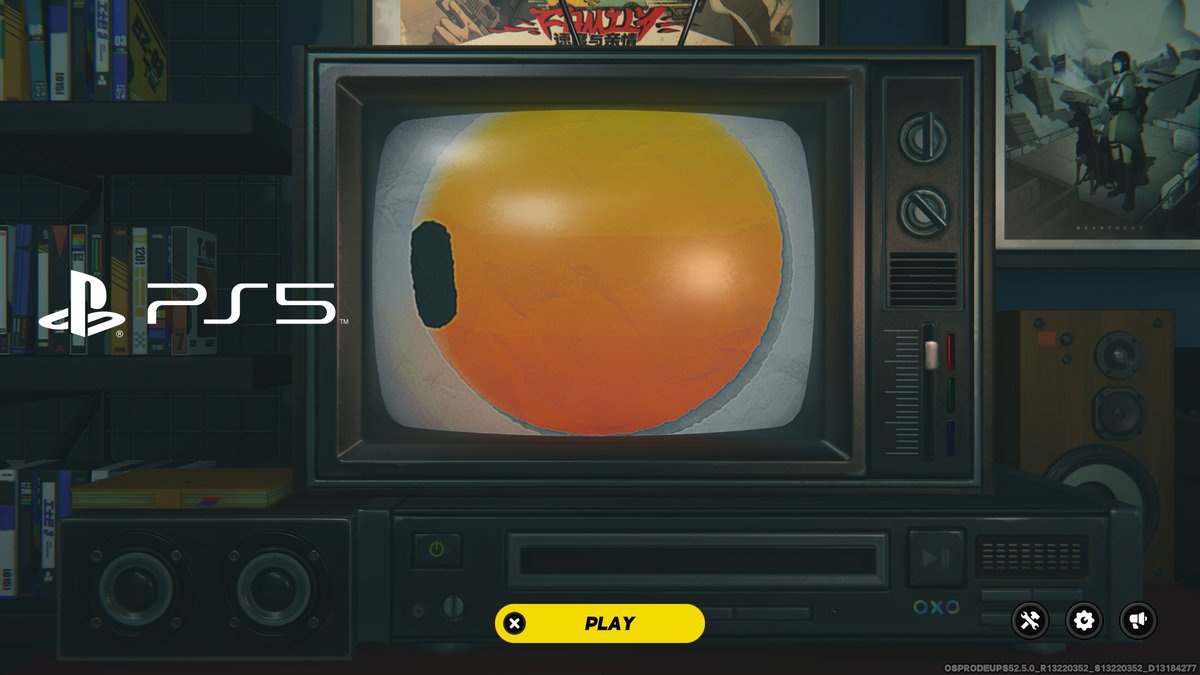
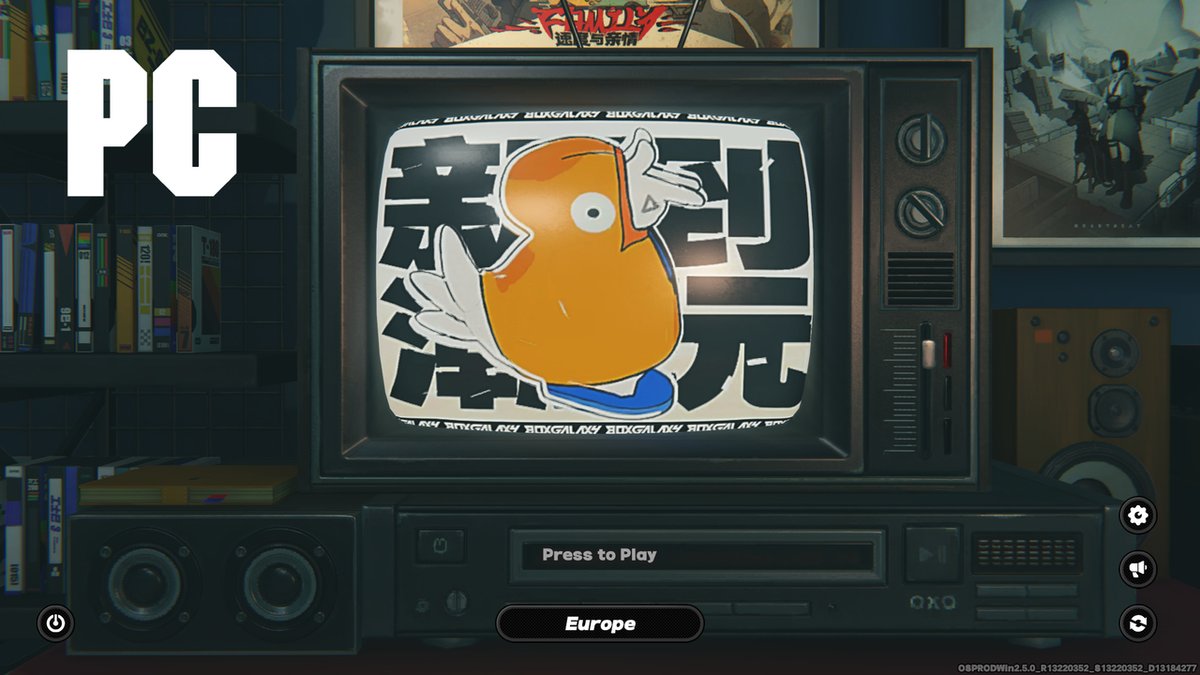
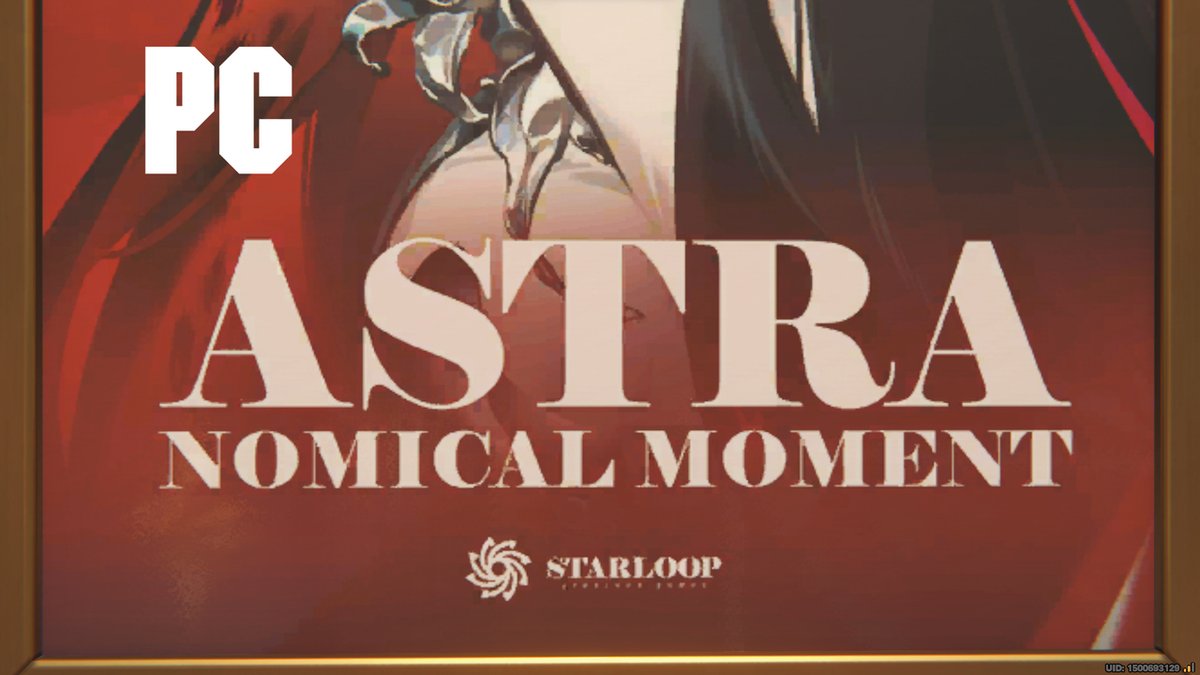
made this comparison about half a year ago. the pc port sucks anyway, it doesn’t deserve any praise, unless their move to dx12 for ray tracing actually also improves rasterization performance.
Jan 10

here's the images i sent to customer support btw. they're obviously shrunk and compressed, but look at the difference in textures. why they don't just provide a texture quality setting on pc is kind of beyond me

1
51

PDFSharp is stronger in 2026, with signatures, PDF/A, and PDF/UA support — but HTML rendering and rasterization remain outside its scope.
#.net #ironsoftware...Show more
1
136
Kamren retweeted
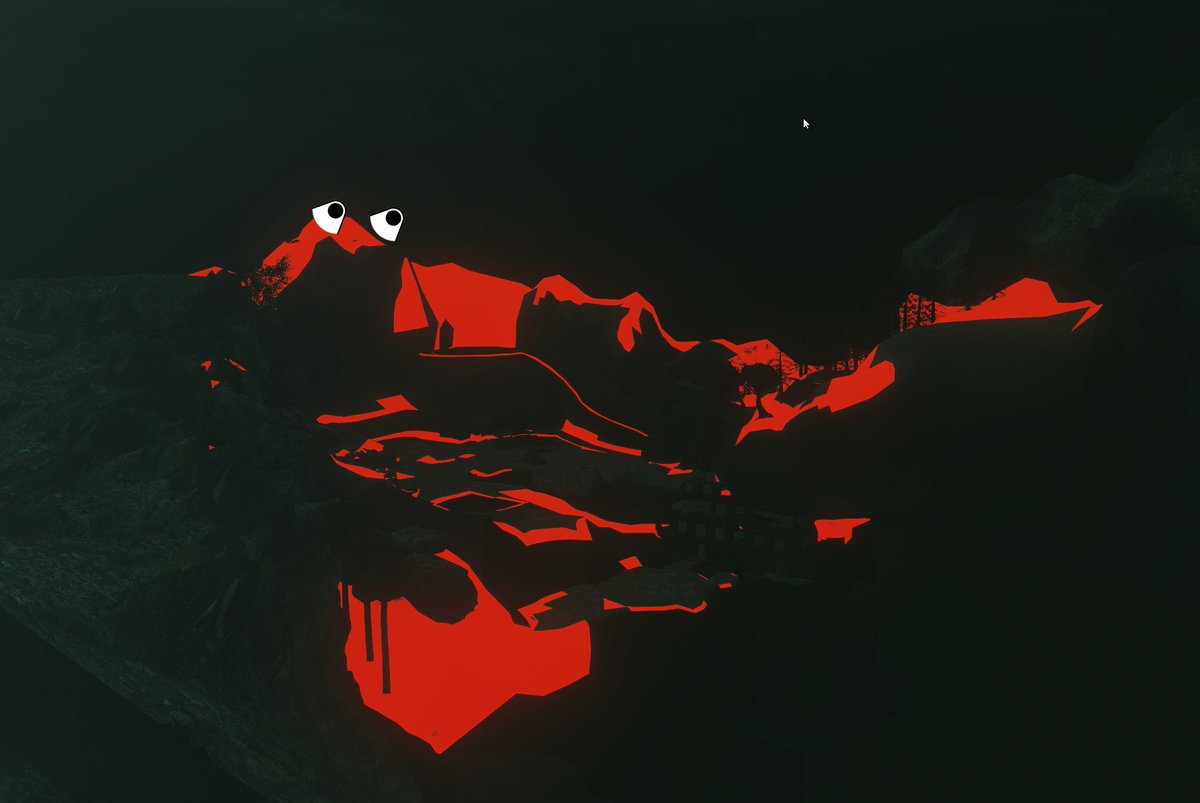
in rasterization, this isn't a big deal, but pathtracing wants more info from the surface, like a normal map. So, I have been strategically placing new meshes to cover this. However, in shaded woods, this strip is actually part of this red mesh that spans the entire castle area
1
1
1
496

Jun 14
Raw performance still has real value. Native performance is what the hardware can truly deliver without any tricks. It tends to age better, works in every game regardless of support, and usually gives more consistent image clarity when you’re not relying on reconstruction.
But the reality of modern gaming is changing fast. New titles are getting heavier, especially with ray tracing and path tracing pushing GPUs to their limits.
In a lot of cases, features like DLSS aren’t optional anymore, they’re what makes high settings actually playable.
So GPU buying decisions aren’t just about rasterization numbers anymore. Things like upscaling quality, frame generation, driver support, and overall software ecosystem are now part of the performance conversation.
At this point, the question isn’t just “which GPU is faster?”
It’s becoming: which GPU actually holds up better in the way modern games are built to run?
32

Jun 14
Double the VRAM of an RTX 3070:
Modern games are quite often limited by the amount of volatile memory available to the GPU. Games can require many gigabytes of data during the rasterization process. So the obvious solution for better performance would … ift.tt/fo9MgDv
3

3 HIDDEN CHROME SETTINGS THAT INSTANTLY SPEED UP YOUR ANDROID BROWSING! 🚀🌐
Most people use Chrome with default settings and blame their phone for being slow.
But the truth is — 3 simple hidden tweaks can make Chrome dramatically faster.
Here's what to change:
⚡ Extended Preloading — Pages open before you even tap them
🔗 QUIC Protocol — Faster connections, especially on slow networks
🎮 GPU Rasterization — Smoother scrolling and rendering
None of these cost money. No new phone needed.
Save this for later! 🔖
Full step-by-step guide on my blog 👇
#Android #Chrome #TechTips #Productivity
phoneandos.blogspot.com/2026…
20

Jun 12
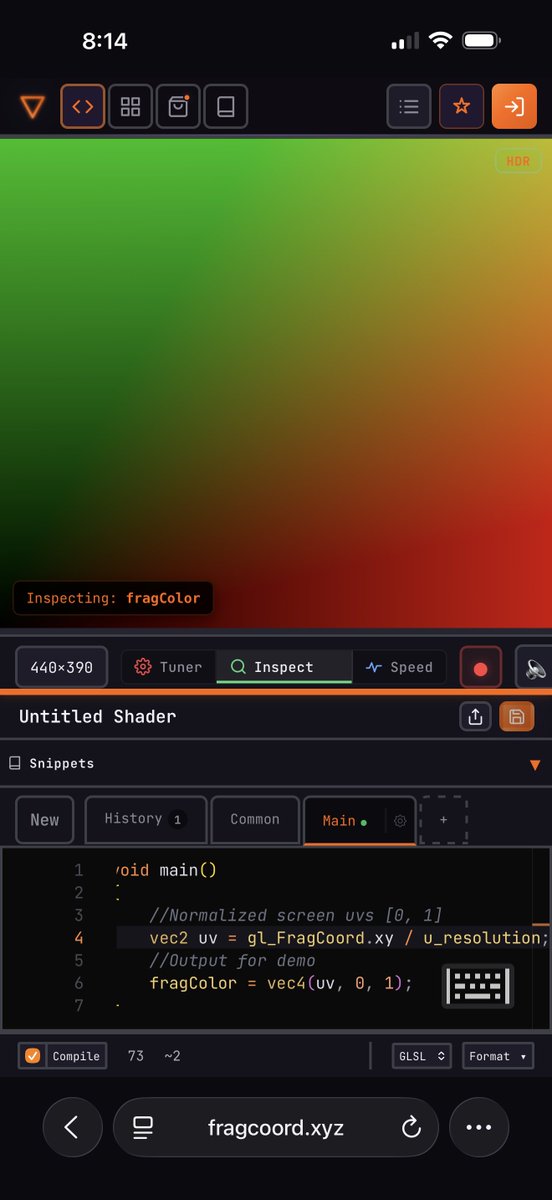
Only because the interface they’re using is one based around triangular rasterization. If you ditch the triangle-based pipeline, then it’s not really suitable as a Hello World. Here’s a screen space alternative.
22

Jun 12
Exactly. The core is a RISC-V processor with 32/128 KB cache, a 32-voice sound card, and a GPU to accelerate rasterization. The core itself will be open-sourced in the next few days, but the core SDK is already available.
github.com/openfpgaOS/openfg…
2
3
48

Jun 12
geometry3d is a MoonBit 3D foundation built on Luna-Flow/linear-algebra, with meshes, transforms, cameras, perspective projection, lighting, shadows, TUI rasterization, animation, and export.
This ASCII 23–500mm Hitchcock zoom is a demo of what the library can do.
4
24
3,621

Software rasterization of small triangles inside WebGPU compute shaders (using bounding-box pixel iteration atomicMax for depth testing). Large triangles bypass the software path and are drawn with hardware rasterization. The entire pipeline (culling, LOD selection, work distribution) is GPU-driven via multiple compute passes.
1
133

The midi recorder now has SVG instead of canvas visualization, to skip rasterization/antialiasing issues. Also visual edit has started, with ribbon select and delete. Plan: full visual music editor. 🎵 pl4n3.github.io/sound/mid/Te… #javascript
1
3
76
Melison retweeted

Jun 11
Of course still missing things like:
- Occlusion culling (Nanite's two-pass Hi-Z)
- Software rasterization of pixel-sized triangles and the visibility buffer / deferred material pass
- Streaming
- METIS-quality graph partitioning
- Shadow casting, motion vectors, lightmaps, SRP batcher materials..
1
2
432

I don't think it was traced. I think it was made with some sort of rasterization filter
1
2
61


Jun 11
Nah, that’s what the Tensor cores are used for. Nvidia GPUs has 3 types of cores- one for rasterization/shading, one for ray tracing, one for ML acceleration.
1
29
Jun 10
If you don’t care about saving it off to a file and just want to visualize it in a voxel manner, you can just do traditional 2D rasterization of the scene from 3 different angles to generate a voxelized surface image for then rendering the above afterward. Trivial execution time.
2
1
62

Jun 10
And all done with zero raytracing at all. Not that I have anything against RT or PT (I’m working on a mod powered by PT after all) but it’s cool to see rasterization used to such great effect
6
438

Jun 9
I dont know, actually innovate the silicon. more RT cores, bigger bandwidth, faster memory, proper rasterization improvements. instead we get tensor cores to run AI slop and frame gen to fake performance that the card can't actually produce natively.
1
54

Jun 9
Path-traced inverse rendering for 3D Gaussians is finally here.
This paper introduces the first splatting-free system that directly path-traces 3D Gaussian scenes, unifying forward rendering and gradient-based optimization in a physically accurate pipeline. No more brittle screen-space artifacts—just real soft shadows, mirror reflections, and correct global illumination.
Key results:
- Outperforms rasterization methods on albedo PSNR (up to 32.1 dB on TensoIR) and relighting accuracy
- Multi-bounce path tracing (3–5 bounces) and a 24-lobe SG environment deliver plausible lighting, even on real-world captures
- Stable gradients with “path replay” keep optimization and rendering fully consistent, all at <16 GB memory for 5M Gaussians
This unlocks asset editing and relighting for production rendering, with seamless transfer between fast view synthesis and physically-based path tracing.
Get the full analysis here: yesnoerror.com/abs/2606.0960…
// alpha identified
// $YNE
2
1
15
430