
Den Preisanstieg von bis zu 30-40% Realinflation ignorierst du bei dieser ganzen Diskussion offensichtlich komplett oder?
6

Jun 12
1987年、1990年、2000年を予言した男:金利、BRICS、現金に関するマーク・ファーバーのフィルターなしの警告
マーク・ファーバーは、グローバルファイナンス界で最も尊敬され、恐れられる声の一つとして君臨している。50年以上の経験を持ち、1987年の暴落、日本のアセットバブル、ドットコム狂乱を予言した彼の言葉は、主流の分析家たちが到底及ばない重みを持つ。インフレの本当の状況、アメリカの金保有の安全性、および通貨そのものの未来について彼が語る時、賢い投資家たちは耳を傾ける。
伝説的な実績
➡️ マーク・ファーバーは、50年以上の株式市場経験を有している。
➡️ 彼は1987年10月の暴落、1990年の日本バブル崩壊、2000年のドットコムバブル崩壊を目撃しただけでなく、予言もした。
➡️ 伝説的な『Gloom Boom Doom Report』の編集者として、世界中の購読者に容赦ない分析を提供し続けている。
インフレの現実チェック
➡️ 公式統計では、米国と欧州のインフレ率はわずか2〜3パーセントと主張されている。
➡️ ファーバーは、Shadowstatsの厳密な計算を引用し、実際の消費者コスト上昇率は年率10.5パーセントに近いと指摘する。
➡️ これらの隠れたコストには、保険、住宅、教育、自動車が含まれ、これらは操作された公式数字をはるかに上回るペースで上昇している。
フォートノックスの金への疑念
➡️ ファーバーは、アメリカの金準備がフォートノックスに安全に保管されているかどうかについて、深刻な疑念を抱いている。
➡️ 彼は、過去の当局者や大統領が誰にも気づかれずに金を移した可能性を公に疑問視する。
➡️ 「教えてくれ、アメリカ人の言葉にどれだけの価値があるのか?」と彼は鋭く問いかけ、ベトナム戦争からの裏切られた約束から、郵便投票をめぐる疑惑の選挙結果までを言及する。
上昇する利回りと長期サイクル
➡️ 1981年から2020年までの40年間にわたる低下金利の後、新しい上昇トレンドが始まった。
➡️ ファーバーは、この上昇サイクルが2040年または2045年頃まで続き、1981年に見られた15パーセントのピークを上回る可能性があると予想する。
➡️ より高い借入コストは、企業の経費に直接影響を与え、最終的には消費者の価格上昇につながる。
BRICSとザ・ユニット
➡️ BRICS諸国は、ドル依存を減らすために、金に裏打ちされた取引通貨「The Unit」のパイロット版を立ち上げた。
➡️ この動きは、米国による外国通貨準備の繰り返しの押収に続くものである。
➡️ ファーバーは、中央銀行に対し、米国の保管から物理的な金を引き揚げるよう助言する。なぜなら、そこに存在すること自体が未検証だからだ。
AIの勝者と敗者
➡️ 人工知能による大規模な技術シフトにより、ほとんどの企業が破産するだろう。
➡️ 生き残ったごく少数の企業が、この過程で巨額の利益を上げる。
➡️ アジアは、欧州の成長を阻害するグリーン活動家や過度な社会主義介入がないため、構造的な優位性を享受している。
現金の推奨
➡️ ファーバーは、現在の状況で分散投資を行い、巨大なリスクを避けることを強く勧める。
➡️ ほぼ全員が株式、不動産、収集品に殺到しており、低リターンの現金は群衆から愛されずに取り残されている。
➡️ この事実こそが、現金を今まさに興味深いものにしている。誰も欲しがらないからこそだ。
➡️ リスクオフの瞬間が訪れた時、現金が王様になる。まさにウォーレン・バフェットが長年述べてきた通りだ。
結論
マーク・ファーバーは、50年にわたるキャリアを定義づけたのと同じ率直さでこのインタビューに臨んだ。彼は信頼の侵食、隠れたインフレ、危険な政策介入の世界を見据えつつ、分散投資と今誰も欲しがらない現金への新鮮な視点を通じて、明確な前進の道を示す。
誰もが次のバブルを追いかける時、現金が王様だ。
HT: YouTube Kettner-Edelmetalle (Gold & Silber)
#MarcFaber #GloomBoomDoom #RealInflation #FortKnoxGold #BRICS #InterestRateCycle #CashIsKing

THE MAN WHO CALLED 1987, 1990, AND 2000: MARC FABER'S UNFILTERED WARNING ON RATES, BRICS, AND CASH
Marc Faber stands as one of the most respected and feared voices in global finance. With more than fifty years of experience that includes calling the 1987 crash, the Japanese asset bubble, and the dotcom mania, his words carry weight that mainstream analysts simply cannot match. When he speaks about the true state of inflation, the safety of American gold, and the future of money itself, smart money listens closely.
THE LEGENDARY TRACK RECORD
➡️ Marc Faber has more than five decades of stock market experience under his belt.
➡️ He not only witnessed but also predicted the October 1987 crash, the Japan bubble collapse in 1990, and the dotcom bubble burst in 2000.
➡️ As editor of the legendary Gloom Boom Doom Report, he continues to deliver unvarnished analysis to subscribers around the world.
THE INFLATION REALITY CHECK
➡️ Official statistics claim inflation runs at just 2 to 3 percent in the United States and Europe.
➡️ Faber cites rigorous calculations from Shadowstats showing actual consumer cost increases closer to 10.5 percent per year.
➡️ These hidden costs include insurance, housing, education, and automobiles that far outpace the manipulated official numbers.
THE FORT KNOX GOLD DOUBT
➡️ Faber harbors serious doubts that America's gold reserves remain safely stored in Fort Knox.
➡️ He wonders aloud whether past officials or presidents may have removed the gold without anyone noticing.
➡️ "Tell me, what is the word of an American worth?" he asks pointedly, referencing broken promises from Vietnam to questionable election results involving mail-in ballots.
THE RISING YIELDS AND LONG-TERM CYCLE
➡️ After four decades of falling interest rates from 1981 to 2020, a new rising trend has begun.
➡️ Faber expects this upcycle to last until around 2040 or 2045 and possibly exceed the 15 percent peaks seen in 1981.
➡️ Higher borrowing costs will feed directly into business expenses and ultimately higher prices for consumers.
THE BRICS AND THE UNIT
➡️ BRICS nations have launched a pilot gold-backed trading currency called The Unit to reduce reliance on the dollar.
➡️ This move follows repeated US seizures of foreign currency reserves held in America.
➡️ Faber advises central banks to pull their physical gold out of US custody because its very existence there remains unverified.
THE AI WINNERS AND LOSERS
➡️ Massive technological shifts driven by artificial intelligence will cause most companies to go bankrupt.
➡️ A select few survivors will make enormous amounts of money in the process.
➡️ Asia enjoys a structural advantage because it lacks the green activists and heavy socialist interventions that stifle growth in Europe.
THE CASH RECOMMENDATION
➡️ Faber strongly advises to diversify and avoid taking huge risks in the current climate.
➡️ Almost everyone is rushing into stocks, real estate, and collectibles, leaving cash with low returns and unloved by the crowd.
➡️ This very fact makes cash potentially interesting right now, precisely because nobody wants it.
➡️ When the risk-off moment arrives, cash becomes king, exactly as Warren Buffett has long described.
THE BOTTOM LINE
Marc Faber entered this interview with the same directness that has defined his five-decade career. He sees a world of eroding trust, hidden inflation, and dangerous policy interventions, yet he offers a clear path forward through diversification and a fresh look at cash that nobody else seems to want right now.
Cash is king when everyone else is chasing the next bubble.
HT: YouTube Kettner-Edelmetalle (Gold & Silber)
#MarcFaber #GloomBoomDoom #RealInflation #FortKnoxGold #BRICS #InterestRateCycle #CashIsKing
11
44
6,002

Jun 11
Warum ETF's??? MSCI World performt nach steuern nichtmals die Realinflation aus...
NASDAQ100 ist momentan extrem hoch und Bitcoin zudem aktuell extrem niedrig bewertet.
Wer aktuell nicht den Schwerpunkt auf Bitcoin setzt ist verloren.
1
93
Jun 11
MSCI World macht keinen Sinn, der performt nach Steuern nichteinmal die Realinflation aus. Wenn dann wenigstens NASDAQ100 (falls ihr einen etwas längeren Anlagehorizont habt)
41
Jun 11
Hahaha, kann sich nicht ausdenken dass du das immer noch schlecht redest 🤣
Bitcoin hat es in dem schlechtesten Zeitraum jemals trotzdem noch geschafft die Realinflation zu schlagen und das steuerfrei!!! Gibt kaum Investments die das schaffen.
17

THE MAN WHO CALLED 1987, 1990, AND 2000: MARC FABER'S UNFILTERED WARNING ON RATES, BRICS, AND CASH
Marc Faber stands as one of the most respected and feared voices in global finance. With more than fifty years of experience that includes calling the 1987 crash, the Japanese asset bubble, and the dotcom mania, his words carry weight that mainstream analysts simply cannot match. When he speaks about the true state of inflation, the safety of American gold, and the future of money itself, smart money listens closely.
THE LEGENDARY TRACK RECORD
➡️ Marc Faber has more than five decades of stock market experience under his belt.
➡️ He not only witnessed but also predicted the October 1987 crash, the Japan bubble collapse in 1990, and the dotcom bubble burst in 2000.
➡️ As editor of the legendary Gloom Boom Doom Report, he continues to deliver unvarnished analysis to subscribers around the world.
THE INFLATION REALITY CHECK
➡️ Official statistics claim inflation runs at just 2 to 3 percent in the United States and Europe.
➡️ Faber cites rigorous calculations from Shadowstats showing actual consumer cost increases closer to 10.5 percent per year.
➡️ These hidden costs include insurance, housing, education, and automobiles that far outpace the manipulated official numbers.
THE FORT KNOX GOLD DOUBT
➡️ Faber harbors serious doubts that America's gold reserves remain safely stored in Fort Knox.
➡️ He wonders aloud whether past officials or presidents may have removed the gold without anyone noticing.
➡️ "Tell me, what is the word of an American worth?" he asks pointedly, referencing broken promises from Vietnam to questionable election results involving mail-in ballots.
THE RISING YIELDS AND LONG-TERM CYCLE
➡️ After four decades of falling interest rates from 1981 to 2020, a new rising trend has begun.
➡️ Faber expects this upcycle to last until around 2040 or 2045 and possibly exceed the 15 percent peaks seen in 1981.
➡️ Higher borrowing costs will feed directly into business expenses and ultimately higher prices for consumers.
THE BRICS AND THE UNIT
➡️ BRICS nations have launched a pilot gold-backed trading currency called The Unit to reduce reliance on the dollar.
➡️ This move follows repeated US seizures of foreign currency reserves held in America.
➡️ Faber advises central banks to pull their physical gold out of US custody because its very existence there remains unverified.
THE AI WINNERS AND LOSERS
➡️ Massive technological shifts driven by artificial intelligence will cause most companies to go bankrupt.
➡️ A select few survivors will make enormous amounts of money in the process.
➡️ Asia enjoys a structural advantage because it lacks the green activists and heavy socialist interventions that stifle growth in Europe.
THE CASH RECOMMENDATION
➡️ Faber strongly advises to diversify and avoid taking huge risks in the current climate.
➡️ Almost everyone is rushing into stocks, real estate, and collectibles, leaving cash with low returns and unloved by the crowd.
➡️ This very fact makes cash potentially interesting right now, precisely because nobody wants it.
➡️ When the risk-off moment arrives, cash becomes king, exactly as Warren Buffett has long described.
THE BOTTOM LINE
Marc Faber entered this interview with the same directness that has defined his five-decade career. He sees a world of eroding trust, hidden inflation, and dangerous policy interventions, yet he offers a clear path forward through diversification and a fresh look at cash that nobody else seems to want right now.
Cash is king when everyone else is chasing the next bubble.
HT: YouTube Kettner-Edelmetalle (Gold & Silber)
#MarcFaber #GloomBoomDoom #RealInflation #FortKnoxGold #BRICS #InterestRateCycle #CashIsKing
9
35
161
28,889
Jun 10
Wow und mit 7-8% pa gleichst du höchstens die Realinflation aus. Nach Steuern nichteinmal das...
1
5
75

🚨 The Bond Market Warning Nobody Wants To Talk About
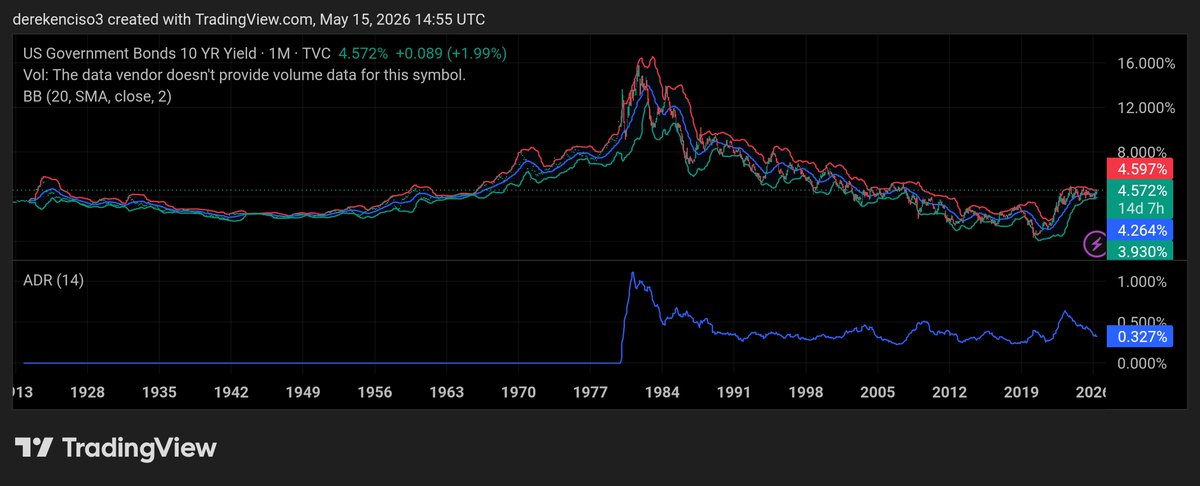
The 10-Year Treasury Yield just hit 4.57%, and while the mainstream narrative continues celebrating markets sitting near all-time highs, the pressure building underneath the surface may be far more dangerous than many realize.
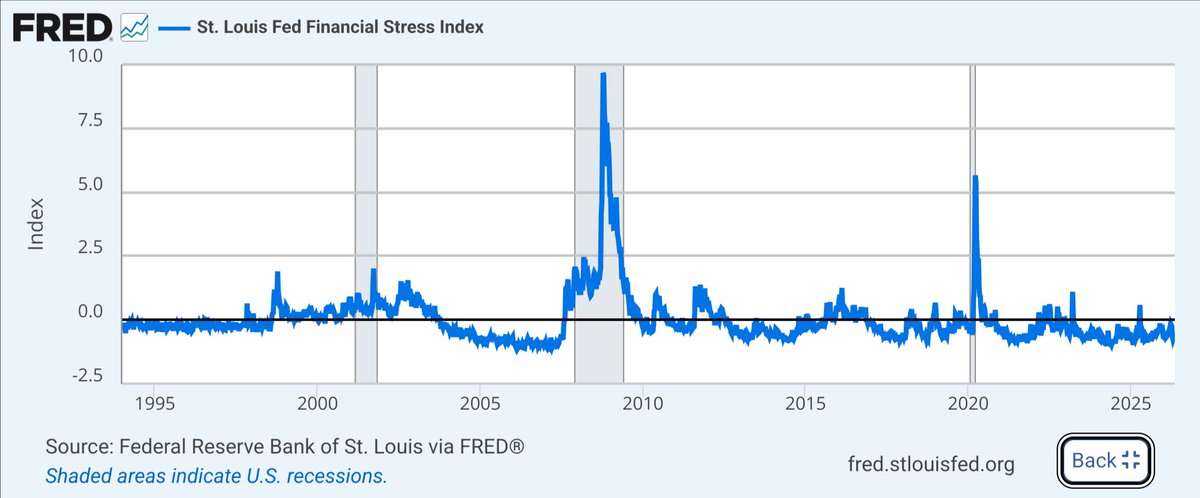
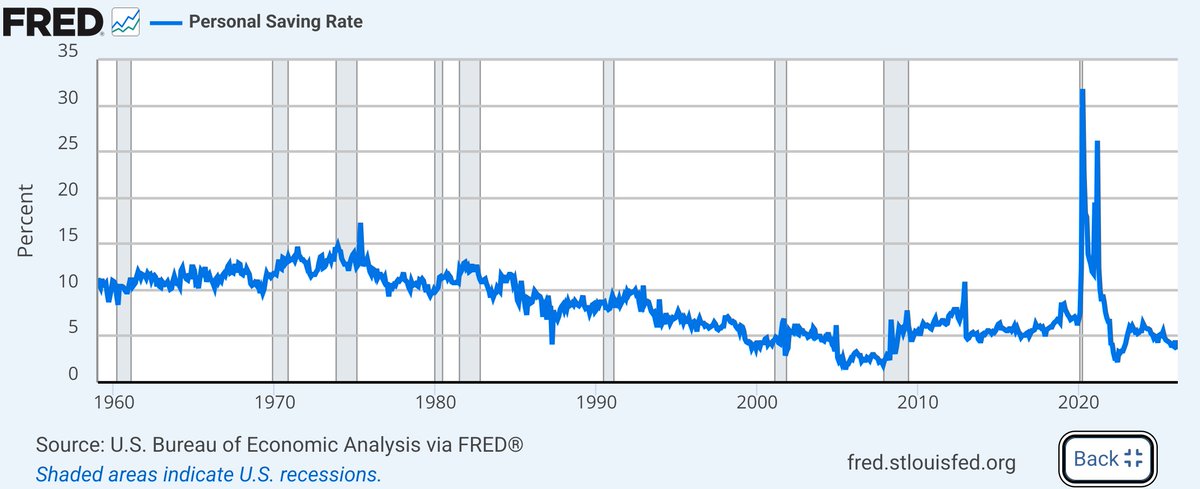
We are now entering a zone where rising yields, sticky inflation, exploding government debt, weakening purchasing power, and slowing real wage growth could begin colliding all at once.
The real question is no longer:
“Can the market keep going higher?”
The question is:
“At what point does the system begin breaking under the weight of higher rates?”
For years, the U.S. economy was built on ultra-cheap money. Corporations refinanced endlessly. Consumers loaded up on debt. Asset prices exploded higher. Real estate surged. Government spending accelerated. Markets became conditioned to low rates and endless liquidity.
Now that environment is changing.
If the 10-Year Treasury Yield pushes toward 4.80%–5.00%, many analysts believe the market could enter a dangerous repricing phase. Mortgage rates could surge back toward 8%, corporate refinancing costs could spike, commercial real estate stress could intensify, and equity valuations especially in speculative growth and AI names could begin compressing rapidly.
The danger is not just rates rising.
The danger is rates rising while inflation remains elevated.
That creates stagflation risk.
And that is where things become extremely dangerous for workers and consumers.
According to recent data from ShadowStats’ alternate inflation estimates, inflation has remained dramatically higher than official CPI figures suggest, with estimates around:
10.11% in February
10.57% in March
If inflation is truly running near those levels while wages fail to keep pace, Americans are quietly experiencing a severe collapse in purchasing power.
A worker making:
$20 per hour
working full-time at roughly 2,080 hours per year
earns about:
$41,600 annually before taxes
At a true inflation rate above 10%, that worker could effectively be losing over:
$4,000 per year in real purchasing power
That means:
groceries rise faster than paychecks,
rent consumes more income,
financing costs increase,
savings lose value,
and debt burdens become heavier.
If inflation continues climbing while yields rise further, employers may eventually begin responding through:
hiring freezes,
layoffs,
slower wage growth,
reduced hours,
and aggressive cost-cutting.
Historically, once rates remain elevated long enough, employment eventually weakens because businesses cannot absorb higher financing costs forever.
The labor market often breaks late in the cycle—not early.
That is one of the biggest risks today:
markets may appear strong on the surface while underlying economic pressure quietly intensifies.
Could the United States experience a Zimbabwe-style hyperinflation event?
A true Zimbabwe scenario remains unlikely in the near term because the U.S. still controls the world’s reserve currency system, maintains deep Treasury markets, and possesses significantly stronger institutional structures.
However, that does not mean Americans are protected from a prolonged purchasing power crisis.
What is possible is a slower-moving form of monetary deterioration where:
deficits continue expanding,
debt servicing costs explode,
money creation accelerates,
asset bubbles inflate further,
and the middle class steadily loses real purchasing power over time.
That type of environment can still devastate:
savings,
retirement accounts,
wage earners,
and consumers living paycheck to paycheck.
The biggest warning signs to watch now are:
the 10-Year Treasury Yield approaching or breaking above 5%,
inflation reaccelerating above 4% officially,
oil and commodity spikes,
weakening Treasury demand,
widening credit spreads,
rising layoffs,
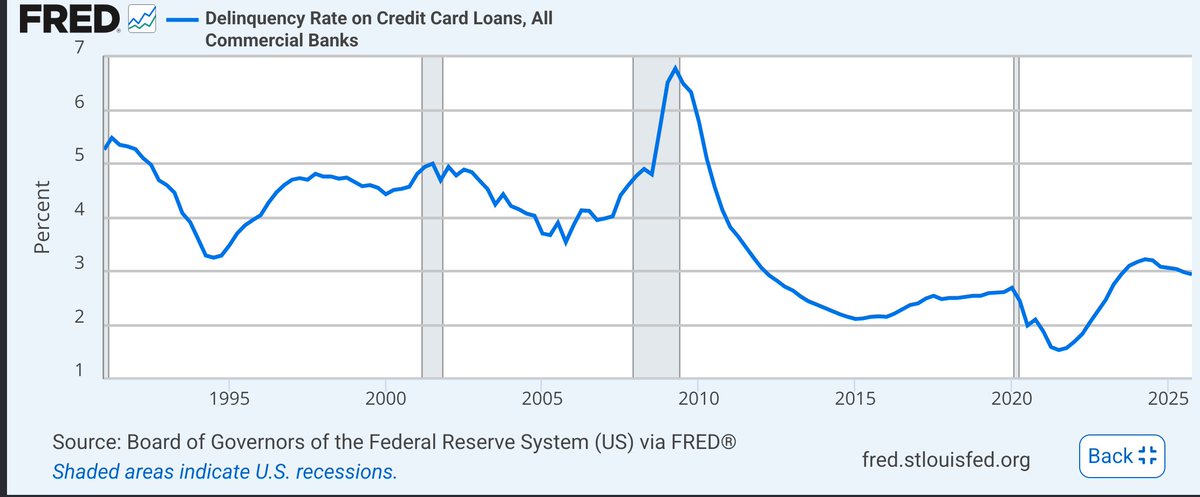
and consumer delinquencies increasing.
If those begin happening together, markets could face a severe liquidity-driven repricing event.
For now, the system is still functioning.
But the higher yields rise while inflation remains sticky, the narrower the margin for error becomes.
And eventually, markets stop caring about the narrative.
They start caring about survival.
#StockMarket #Inflation #Economy #FederalReserve #10YearYield #TreasuryYield #Recession #MarketCrash #Hyperinflation #Stagflation #Gold #Silver #Bitcoin #DebtCrisis #ShadowStats #RealInflation #PurchasingPower #Layoffs #Unemployment #MiddleClass #Finance #Investing #WallStreet #EconomicCollapse #MacroEconomics #YieldCurve #BondMarket #AIBubble #CommercialRealEstate #PiggosTradingDesk
2
2
63

#Real #Inflation vs. #Reported #Inflation:
THE Ground #Beef Reality Check!
#Americans are constantly fed an "official narrative":
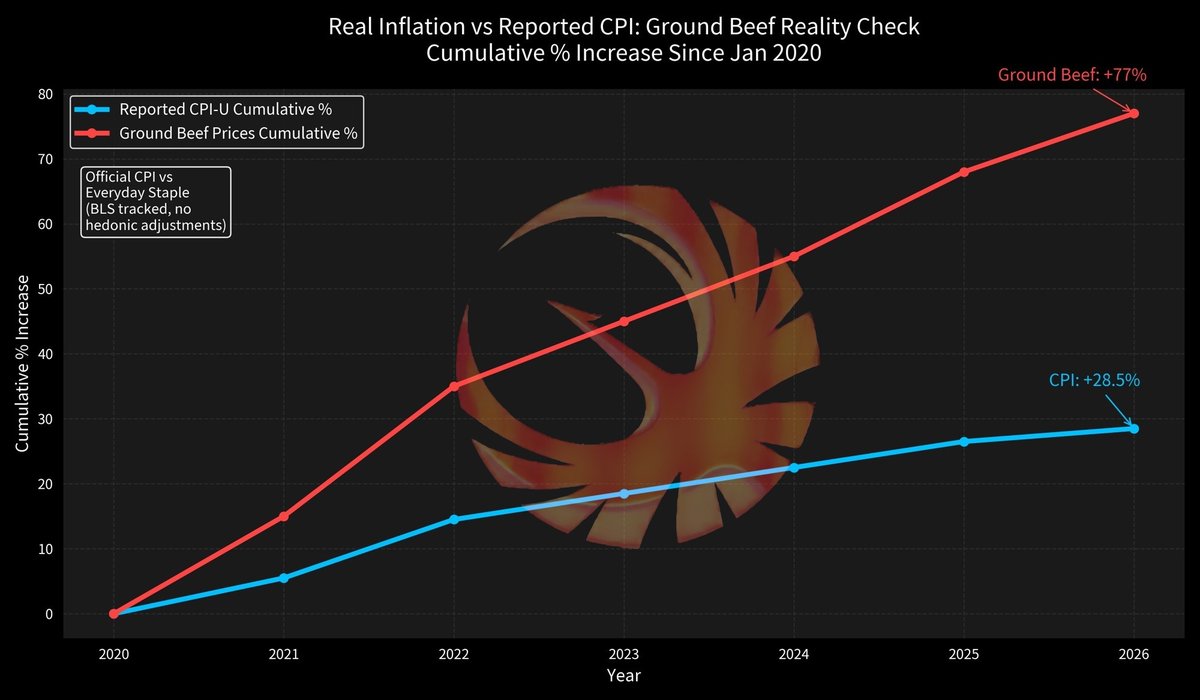
#CPI inflation since Jan 2020 is “only” 28.5%.
A cool, contained, under control LEVEL.
But just walk to any grocery store & the data screams otherwise!!
Just look at 100% Ground Beef prices! #BLS tracks this straightforward average #price with ZERO substitution bias or hedonic quality tweaks.
From a $3.89/lb in early 2020 to a $7.00 /lb today.
That’s a straight 77% #surge in six years.
The dispersion is clear:
Reported #CPI-U (Official BLS): 28.5%
Real-World Ground Beef Proxy: 77%
#Beef isn’t an exotic #luxury item in the #USA.
It’s a core staple for millions of #American families.
The sharp 2025-2026 #spike you see on chart matches #BLS data. We have historic low cattle herd numbers, droughts & feed cost affecting prices. But the sustained outperformance versus headline #CPI exposes the gap between #government statistics vs. lived #experience.
Why the Official CPI Numbers Feel So Detached?
- #Substitution Effect: #CPI assumes you just pivot to cheaper cuts or chicken when beef spikes in price.
Most households don’t operate that way.
- #Hedonic & #Geometric Weighting : Heavy on tech/goods, lighter touch on raw food necessities.
- #OER (Owner’s Equivalent Rent): The largest CPI component, which many argue smooths over actual housing cost pain.
- #Basket Design: Averages across all consumers instead of weighting the basket heavier for the food & energy burden on working families.
Measures like @shadowstats (pre-1980/1990 methodology) show much higher sustained inflation rates, compounding into far greater purchasing power #erosion over multi-year periods.
This dispersion matters!
Policymakers, COLAs, wages & Fed decisions are based off the headline #CPI. Yet everyday necessities are repricing at 2-3x the official pace. Real wages get crushed, savings melt faster & retirement planning gets rewritten in real time.
Bottom line:
Official #stats are a #tool, NOT the full picture.
When a basic, unadjusted grocery item that the government itself tracks rises nearly three times faster than #CPI, it’s time to stop #gaslighting the checkout-line math at your grocery store. It's time to get #REAL!
#RealInflation #CPI #GroundBeef #CostOfLiving #BLS #Economy #InflationDispersion
(Data: BLS CPI-U Jan 2020–2026 | FRED Average Price Ground Beef series.)
fred.stlouisfed.org/series/A…
fred.stlouisfed.org/series/A…
fred.stlouisfed.org/series/C…
bls.gov/news.release/cpi.nr0…
bls.gov/cpi/data.htm
bls.gov/regions/mid-atlantic…
1
7
579

Apr 25
Real inflation isn't the price of bread. It's the inflation of expectations. And the gap between those two is where an entire generation is quietly breaking down without admitting it.
My old man worked one job his whole life. Not a fancy job. Not a prestigious job. A regular job in building maintenance. He had a house in Brooklyn. Not a big one. Two bedrooms. But it was his. He had a car. My mother didn't have to work if she didn't want to, and she did work because she liked it, not because the math demanded it. Three weeks of vacation every year, usually somewhere warmer than New York in February. Two kids in schools that were okay. Nothing extraordinary. Just a functional adult life running on one income.
Today that same job, adjusted for inflation, pays about the same. Maybe a little more. But now the house in Brooklyn costs ten times what my dad paid. Twenty times in some neighborhoods. College for the two kids costs more than his entire mortgage. Healthcare is a gamble that can erase everything he saved in thirty years in one emergency room visit.
And people are being told to feel grateful because they have a streaming subscription and can order delivery at midnight from their phone. Feel grateful because you can watch a show your grandfather couldn't have imagined. Meanwhile you rent an apartment you'll never own from a landlord you'll never meet working a job that might not exist in five years.
We're not middle class anymore. Call it what it is. We're luxury poor. We have fancy phones and rent apartments we'll never own. We have access to a million things and ownership of nothing real. The watch costs six hundred dollars and the thing it tells us is that we can afford coffee. Not a house. Coffee.
My old man paid off his Brooklyn house in twenty-three years. I rent an apartment in Queens and the math of ever owning it at 54 is funny in a way that's not funny. The system keeps telling us we have it better than our grandparents because we can buy coffee with our watch.
Your grandparents had a house. You have an app that orders sushi at midnight.
These are not equivalent transactions. Stop pretending they are.
The past wasn't perfect. But the deal changed while we were distracted by the screens. And nobody read the terms before signing.
The fine print is coming due.
And the bill is bigger than the watch.
#NoahDaren #LuxuryPoor #RealInflation #3AMThoughts #QueensNY #Brooklyn #WritingLife #ThoseWhoCameFromTheCode #TheDealChanged #MyOldMan #TheBillIsComing

ALT My old man paid off a Brooklyn house in 23 years on one regular job. I rent in Queens at 54 and the math of ownership is funny in a way that's not funny. We're not middle class. We're luxury poor.
3
35

Apr 14
Irgendwie müssen sie die Realinflation ausgleichen. Und Vorsorgen will man auch. Man ist ja nicht die Anderen.
2
9

Interessant sind die Sprünge ab 2020.
Diese Werte dürften vermutlich zu großen Teilen die Realinflation widerspiegeln.
Aber dies wäre nun natürlich ein sehr trifftiger Grund um zu investieren...
3
1,123

Realinflation?
Ist das ein neues Wort für nicht vom Staat manipuliert mit irgendwelchen Körben?
Die Zahlen hatten wir doch schon die letzten Jahre...
5
310

Mar 30
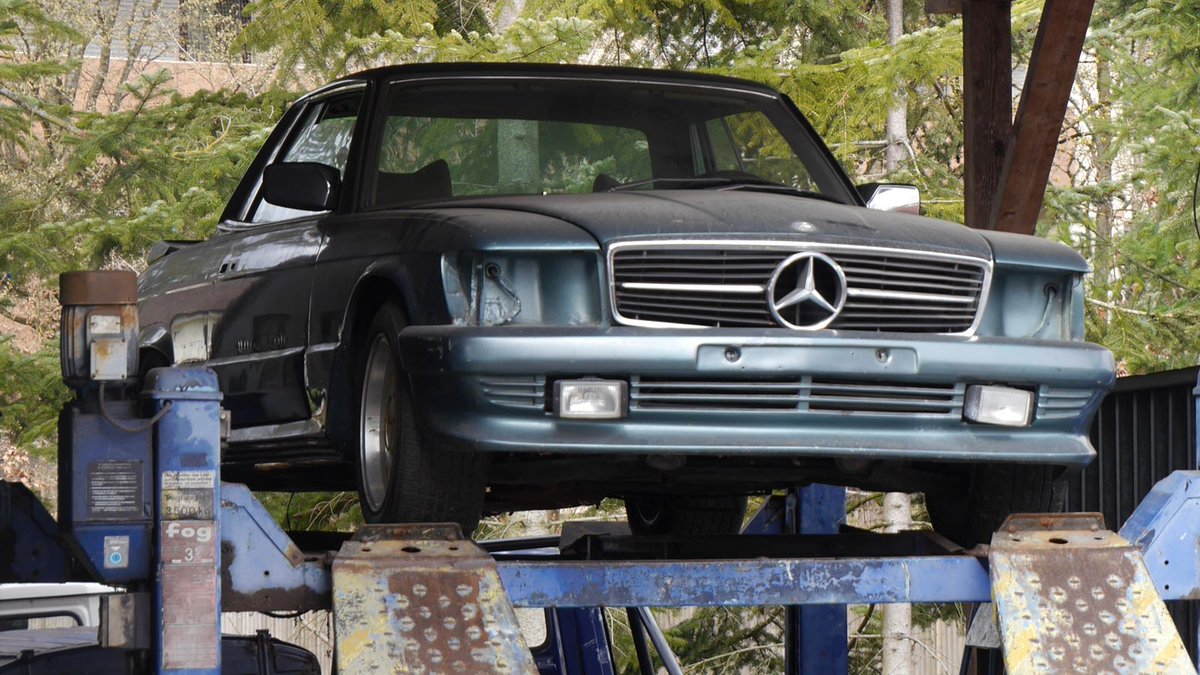
Grünes Wirtschaftswunder Deutschland, Symbolbild.
Kommt Ihr mit 8-10% Realinflation bis 2027 klar?
25
41
520
12,734

Mar 26
Ich gehe davon aus, dass die 20% Realinflation noch eine sehr positive Annahme wird.
Deutschland nähert sich dem vernichtenden wirtschaftlichen Boden.
2
18

Mar 16
Ich bin mit dieser Frage dran gegangen:
"Wieviel muss man heute verdienen um sich monatlich die gleiche Menge des S&P500 oder von Feinunzen Gold leisten zu können wie ein McDonalds Arbeiter in den 1970ern?"
Das ist eine Approximation der Realinflation.
Wenn man mit Haushaltsgütern kalkuliert (denen die Deflation des technischen Fortschritts gegenüber steht), dann kommt man auf etwa 6000-8000€ brutto, die man heute braucht für die gleiche Kaufkraft.
1
5
481

Mar 12
Findest du es nicht auch unverständlich, wie jemand anstelle von Bitcoin zur Selbstverwahrung STRC kauft für läppische 11%, dafür weniger Volatilität. Deckt ja nichtmal wirklich die Realinflation ab, aber klasse Produkt für reinen Cashflow.
1
3
204

Und unsere!Dafür schiebt BuRg ihm noch mehr von unserem Geld zu,scheint wie eine Belohnung🤔,während wir Energie,Lebensmittel seit 22 kaum stemmen können>Realinflation,Berlin friert>Generatoren in UKR, das können nicht unsere Politiker sein 🤔,die nicht zu unserem Wohl handeln !
14
302
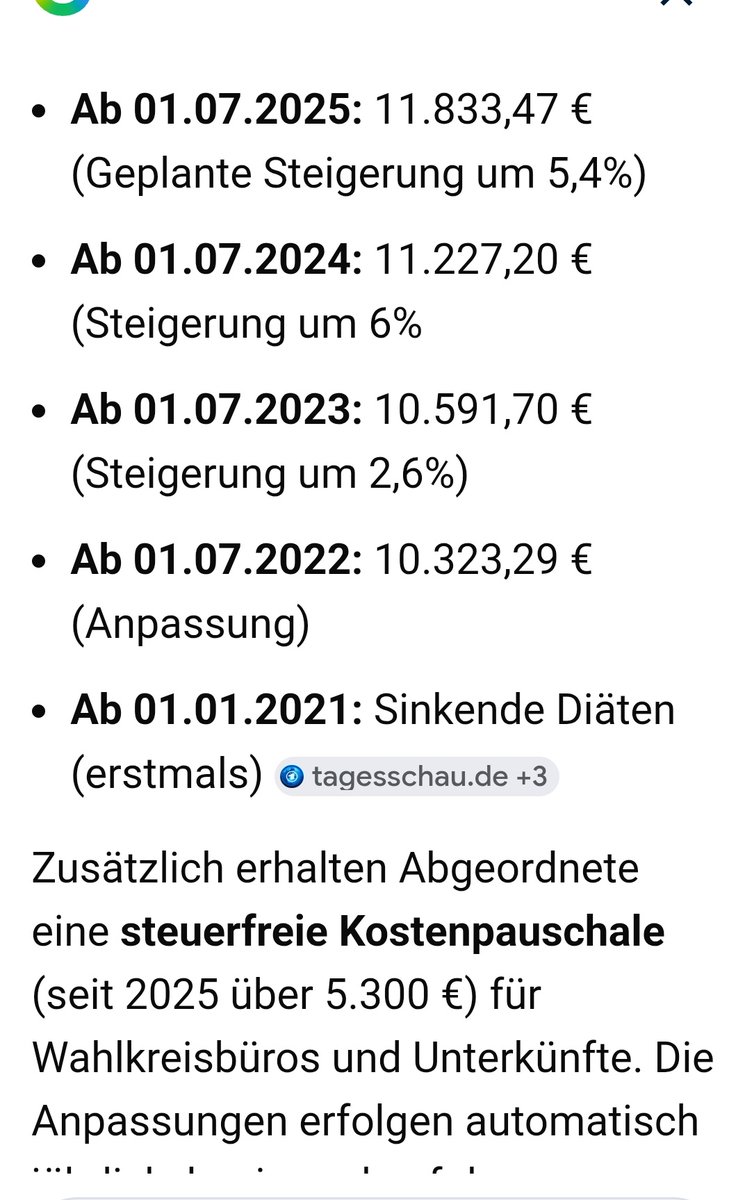
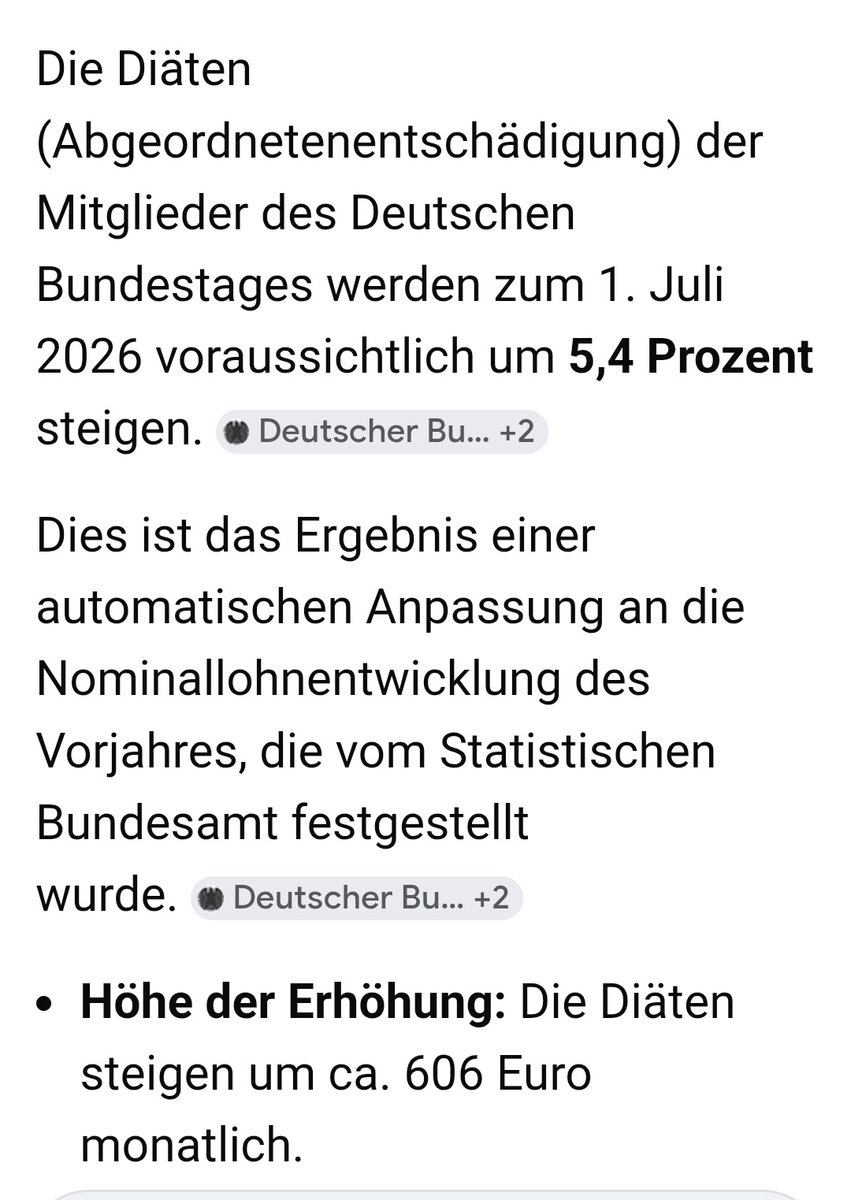
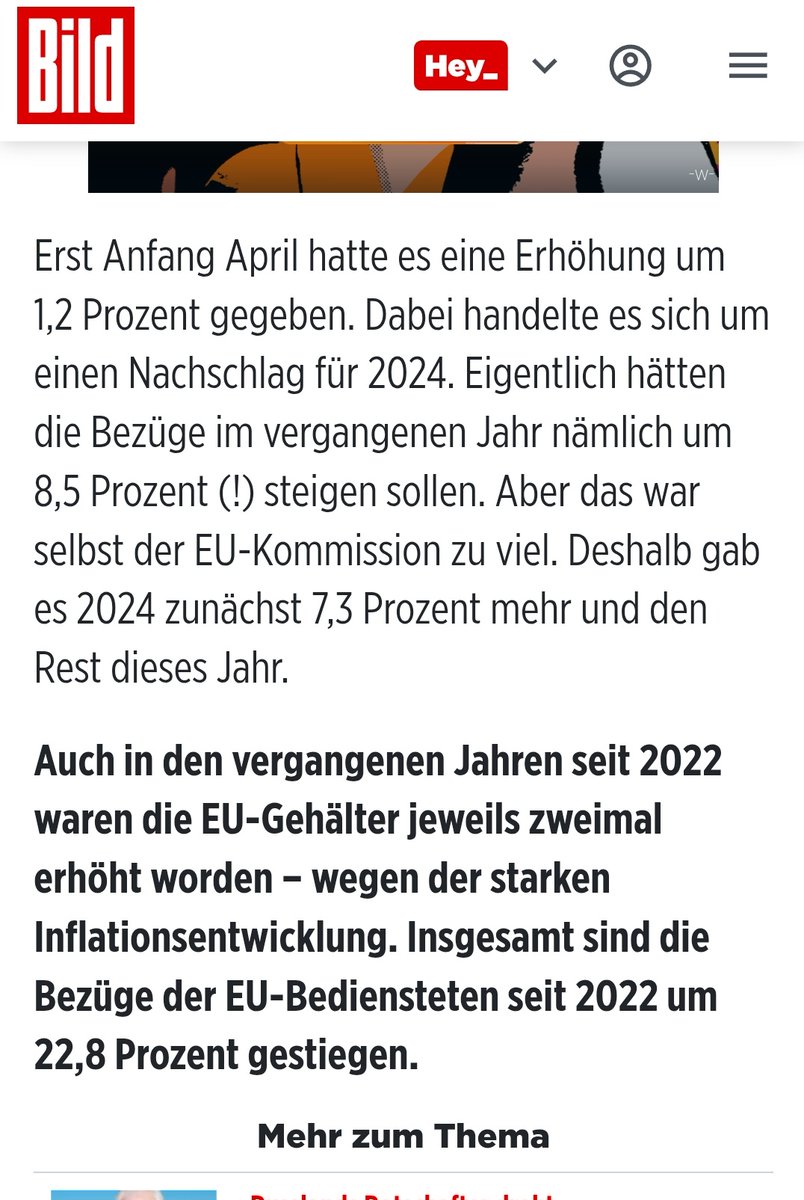
Die können erstmal bei sich anfangen,8 Diätenerhöhungen können sie gern zurückzahlen auch Beiträge in die SV's zahlen!
Auch brauchts erstmal 1en realen Warenkorb keinen geschönten,mit Dingen Waren,die zu den Grundbedürfnissen zählen,Wohnen,Energie,
Nahrung, zwecks Realinflation!
4
1
12
94

Bei der Realinflation von 10-20% pro Jahr ein Riesen Gewinn.
1
2
69