
Jun 12
Wrong pressure can risk your entire system Stay in control with precision instruments that ensure accurate readings and real-time monitoring.
🌐 almaa.sa
#LPGSolutions #PressureControl #IndustrialSafety #PrecisionMatters #ReliableSystems #AlmaLPG #SafeOperation

1

Jun 10
Don't sacrifice stability for a quick, cheap solution. We've refined our process to help you get started quickly without compromising long-term performance and stability. Our precision engineering delivers fewer issues, better call handling, and stronger business outcomes.
Ready to build a system that works for your team? Get in touch with us today: 📞 (336) 544-4000 📷 carolinadigitalphone.com
#BusinessInfrastructure #CarolinaDigitalPhone #VoIPSolutions #SmallBusinessGrowth #ReliableSystems #GreensboroBusiness #CallManagement #TechSolutions #CustomerExperience #CloudCommunications

12

Don't sacrifice stability for a quick, cheap solution. We've refined our process to help you get started quickly without compromising long-term performance and stability. Our precision engineering delivers fewer issues, better call handling, and stronger business outcomes.
Ready to build a system that works for your team? Get in touch with us today: 📞 (336) 544-4000
🌐 carolinadigitalphone.com
#BusinessInfrastructure #CarolinaDigitalPhone #VoIPSolutions #SmallBusinessGrowth #ReliableSystems #GreensboroBusiness #CallManagement #TechSolutions #CustomerExperience #CloudCommunications

1

Reliable Power. Smarter Performance.
Electrical solutions built to meet the demands of today’s industries.
📞 91 85111 84470 | 91 85111 84480
📧 info@tetonmep.com
🌐 tetonmep.com
#TETONMEP #ElectricalSolutions #MEPServices #IndustrialEngineering #ReliableSystems
2
9

May 7
Consistency creates confidence over time.
Reliable systems operate without disruption.
UseExchange.com
#useExchange #cex #ReliableSystems #Trading

3
6
48
1,709

High performance, superior engineering, unmatched reliability…
Alperen Gozcu ultra-light weapon station is engineered for uninterrupted missions and maximum control in the field.
#Savhatek #SDI #AlperenGozcu #UltraLight #Weapon #Station #ReliableSystems #DefenseTechnology
2
22

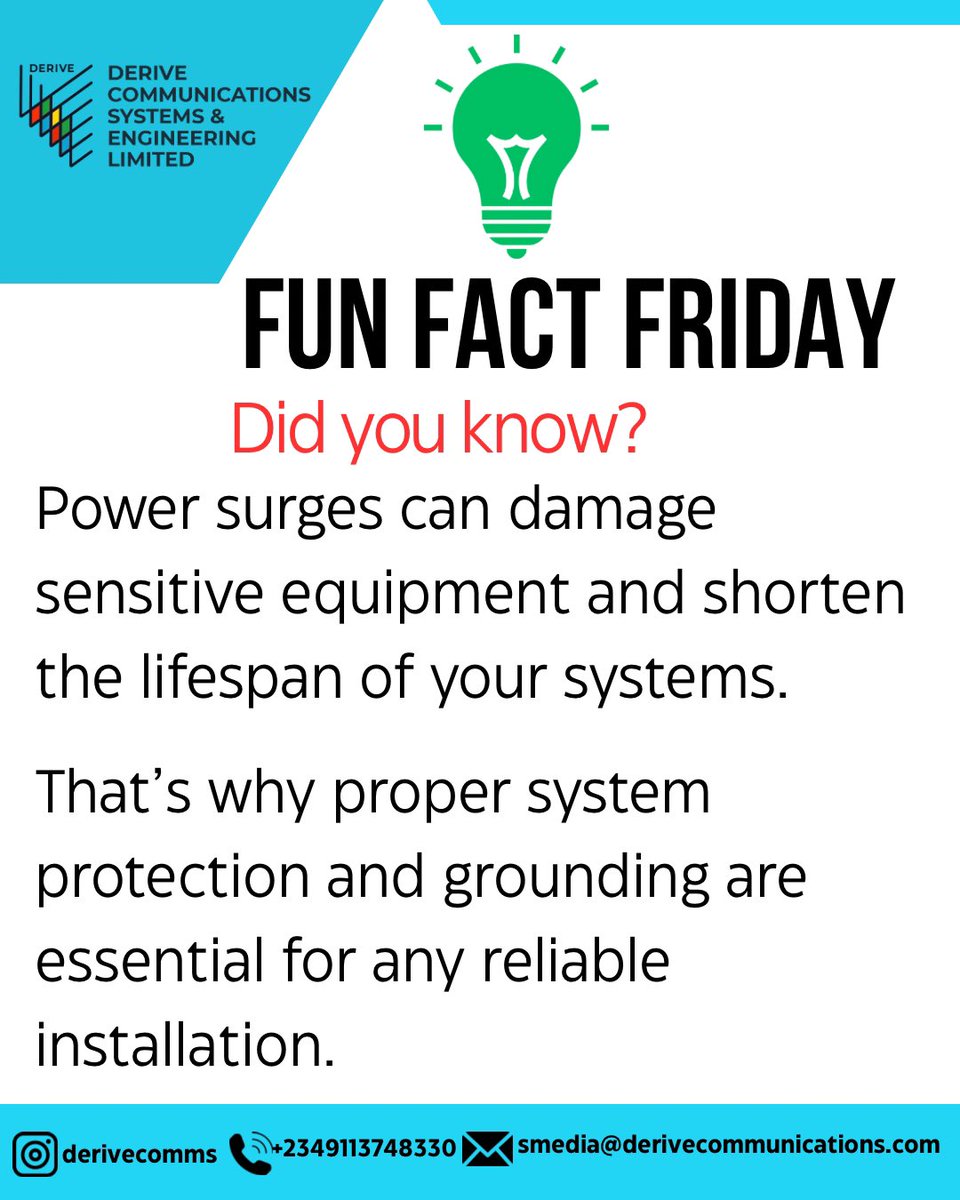
Power surges can damage your systems and shorten their lifespan.
Protection isn’t optional…it’s essential. ⚡
Send us a dm today for expert solutions.
#derivecommunications
#systemprotection
#powersolutions
#reliablesystems
#smartinfrastructure
2
13

Mar 19
⚖️ Stability is maintained through daily discipline, not a single result.
🌐 At DSJEX, clear processes keep operations consistent and dependable.
🔗 With BG support, the platform remains stable and reliable over time.
#DSJEX #BG #PlatformStability #ReliableSystems

25,878

Post 13 — Reliability without a central backbone
One assumption I’m slowly unlearning is that reliability requires a strong central backbone.
Most infrastructure is designed that way: one core system, replicated and backed up, carefully protected. It works until it doesn’t. When failures happen, they tend to cascade.
What’s interesting about the approach taken by DGrid AI is that reliability isn’t enforced from the center. It emerges from distribution.
Instead of asking “how do we keep one system alive?”, the question becomes “how do we make failure non-fatal?”
With decentralized execution, workloads don’t depend on a single machine or provider. If one node drops out, others can take over. Continuity comes from redundancy, not control.
This feels particularly important for AI systems meant to run continuously agents, automation, background intelligence. These systems don’t need perfection. They need persistence.
I’m still exploring how @dgrid_ai coordinates this at the network level, but the design philosophy is clear: reliability isn’t about preventing failure it’s about absorbing it gracefully.
That’s a different way of thinking about infrastructure and it fits the direction AI seems to be heading.
#DGridAI #AIInfrastructure #DecentralizedAI #ReliableSystems

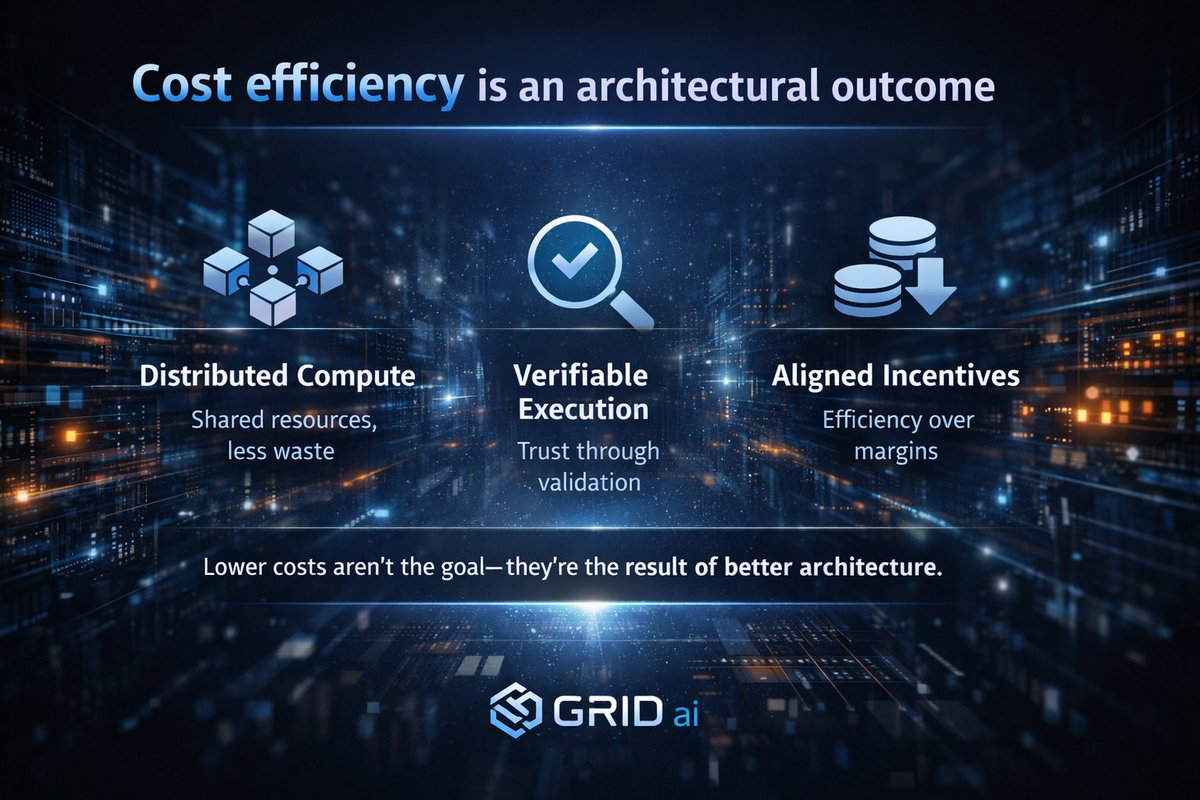
Post 12 — Cost efficiency is an architectural outcome
When people talk about cheaper AI, it often sounds like discounts or temporary incentives. But real cost efficiency usually comes from architecture, not pricing.
This is something I keep noticing as I look into @dgrid_ai.
In centralized systems, costs stack quickly: premium hardware, overprovisioning, idle capacity and margins at every layer. Builders pay for certainty, even when they don’t fully use it.
A decentralized AI network approaches this differently. By pooling distributed compute and routing workloads dynamically, resources are used closer to their actual capacity. Less waste, more alignment.
That doesn’t just reduce cost it makes experimentation viable.
I’m still digging into the details, but the idea that cost efficiency emerges naturally from how the system is built feels important. When infrastructure is shared, idle resources become useful. When execution is verifiable, trust doesn’t require expensive intermediaries.
Lower costs aren’t the goal by themselves.
They’re a signal that the system is better matched to the workload.
If AI is going to scale sustainably, architectures like @dgrid_ai suggest a path that doesn’t rely on endless centralization to stay affordable.
#DGridAI #AIInfrastructure #DecentralizedAI #CostEfficientAI #OpenSystems
18
71
176
606

Feb 7
Long-Term Platforms Don’t Need to Be Loud
Stability shows in everyday use.
✓ Predictable system behavior
✓ Consistent logic across environments
✓ Focus stays on the market, not the interface
🌐 h5.67exus.com/#/home
#PlatformStability #LongTermTrading #ReliableSystems

7
6
1,125

Feb 6
𝑰𝒇 𝒚𝒐𝒖𝒓 𝒅𝒂𝒔𝒉𝒃𝒐𝒂𝒓𝒅 𝒇𝒆𝒆𝒍𝒔 𝒄𝒂𝒍𝒎, 𝒚𝒐𝒖𝒓 𝒔𝒚𝒔𝒕𝒆𝒎𝒔 𝒂𝒓𝒆 𝒅𝒐𝒊𝒏𝒈 𝒕𝒉𝒆𝒊𝒓 𝒋𝒐𝒃.
𝑬𝒇𝒇𝒊𝒄𝒊𝒆𝒏𝒄𝒚 𝒊𝒔𝒏’𝒕 𝒍𝒐𝒖𝒅-𝒊𝒕’𝒔 𝒓𝒆𝒍𝒊𝒂𝒃𝒍𝒆.
#ReliableSystems #SchoolERP #IYCWorld #SchoolSystems #IYCWorld #SmartERP

3
6

Feb 6
Every layer in Onuvia supports the next.
Step by step, we build reliable cloud systems that scale effortlessly.
#Onuvia #CloudTech #VPS #VPN #ReliableSystems

2
50

Jan 28
Boring infrastructure prioritizes stability, predictability, and uptime—traits that reduce operational risk over time. 🧱
When systems are reliable, costs drop, performance compounds, and revenue becomes more consistent. 📊
The problem is overengineered novelty; the solution is infrastructure designed to work quietly and continuously. 📈
✉️ Build boring (and profitable) → info@bixbitusa.io
#BiXBiTUSA #BiXBiT #InfrastructureStrategy #ReliableSystems #TechFoundations #OperationalExcellence #ScalableInfrastructure #SystemDesign #EnterpriseIT #BusinessContinuity #LongTermValue #RiskReduction #TechInsights #DataDrivenDecisions #MinimalistTech #InfrastructureMatters

1
5
58

Jan 21
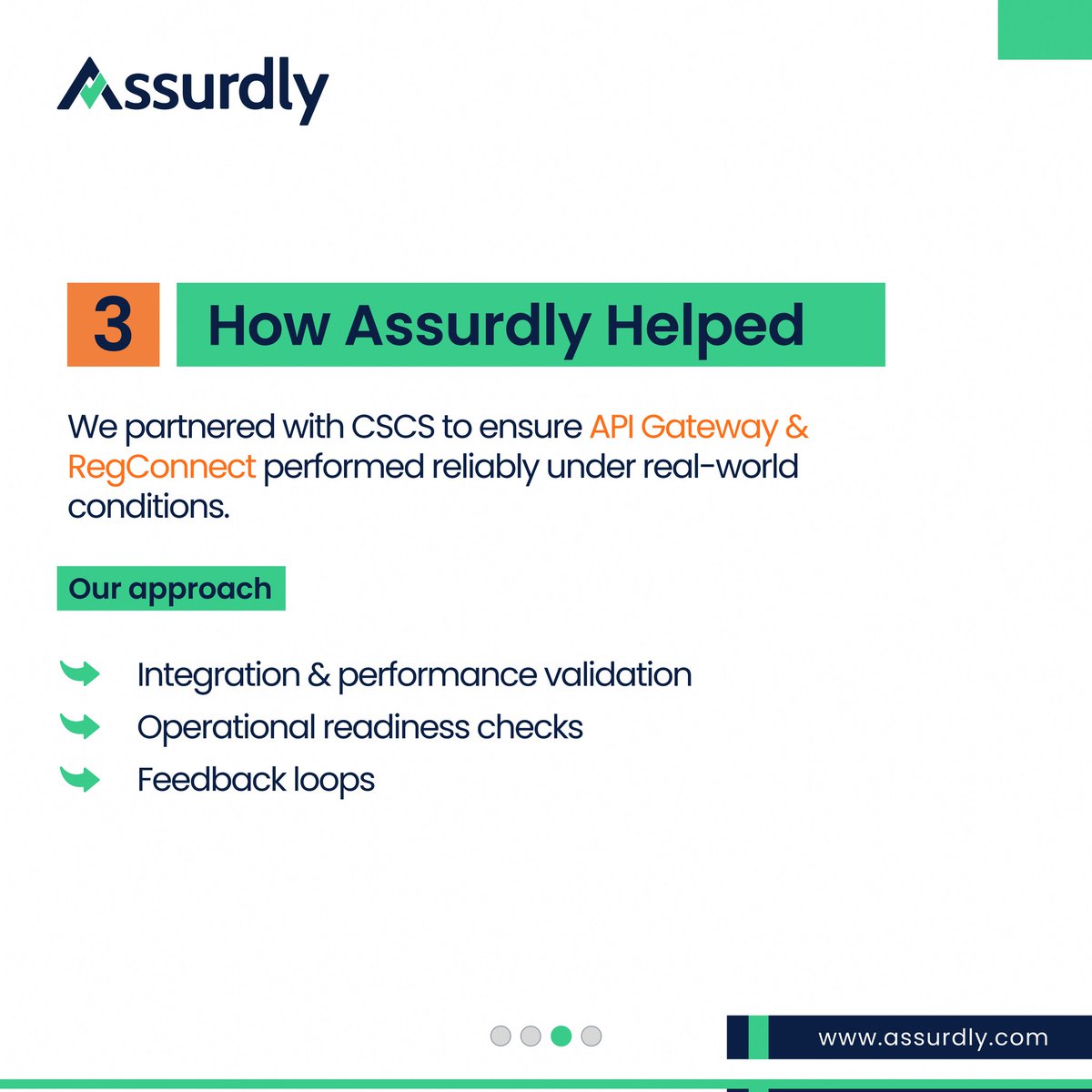
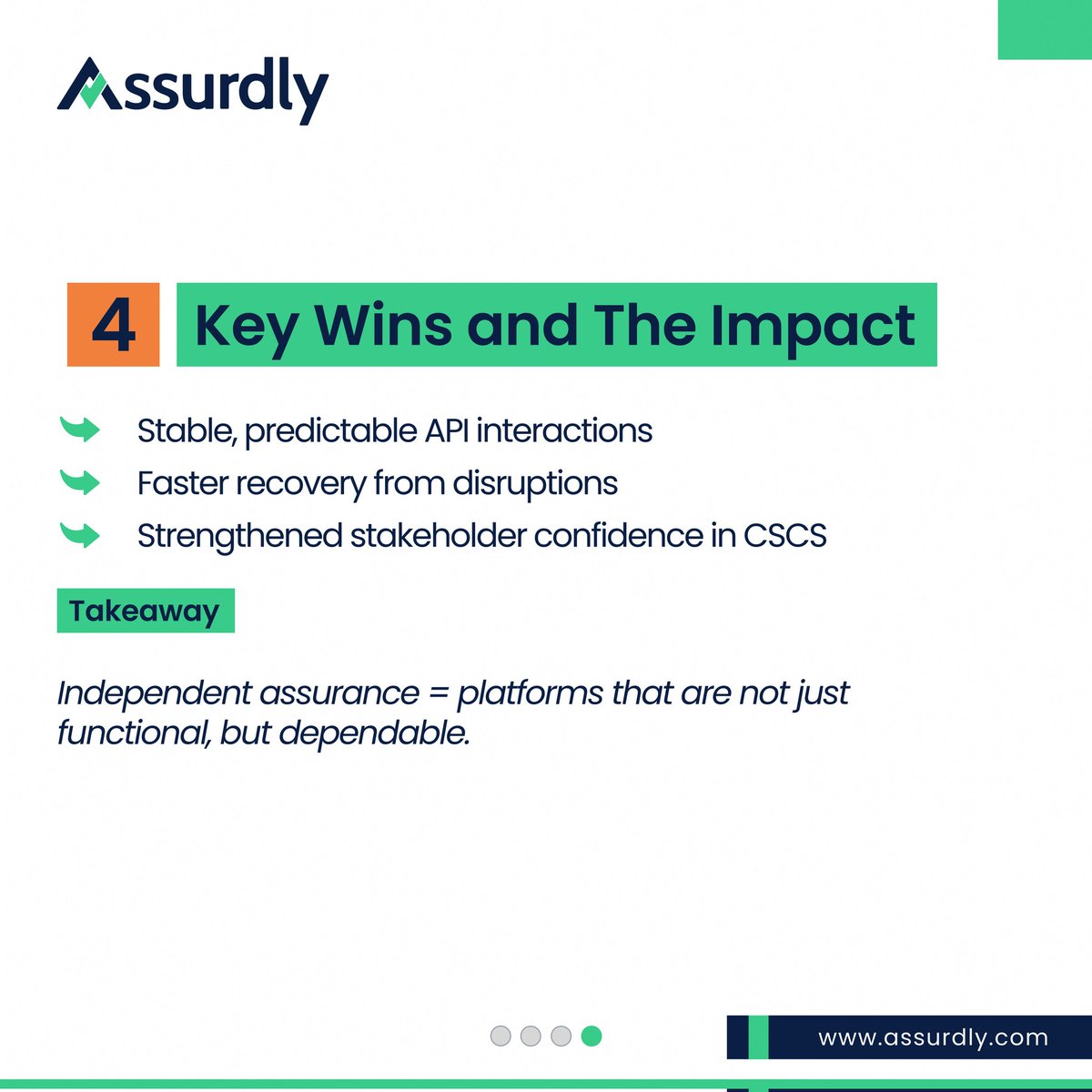
Reliability builds trust.
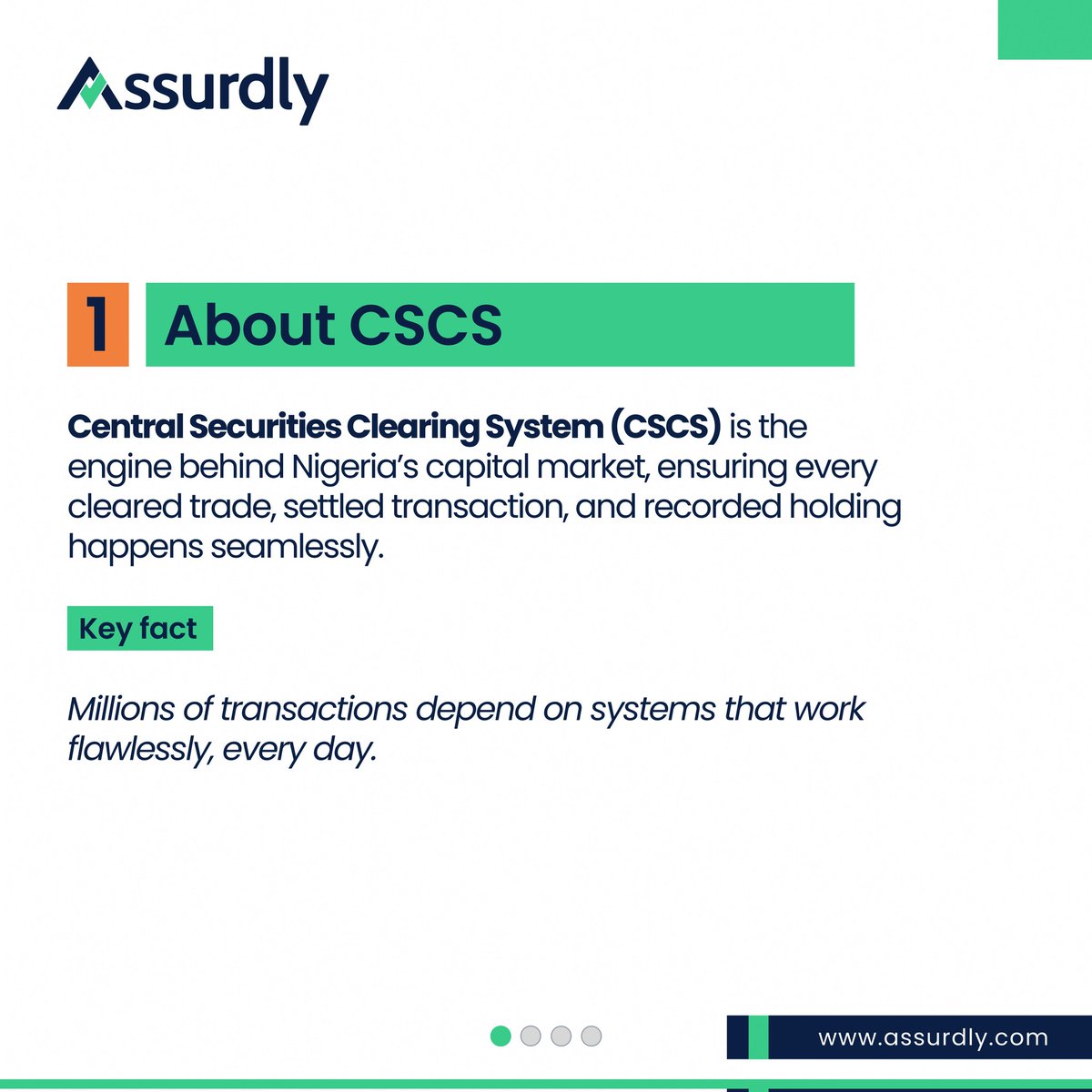
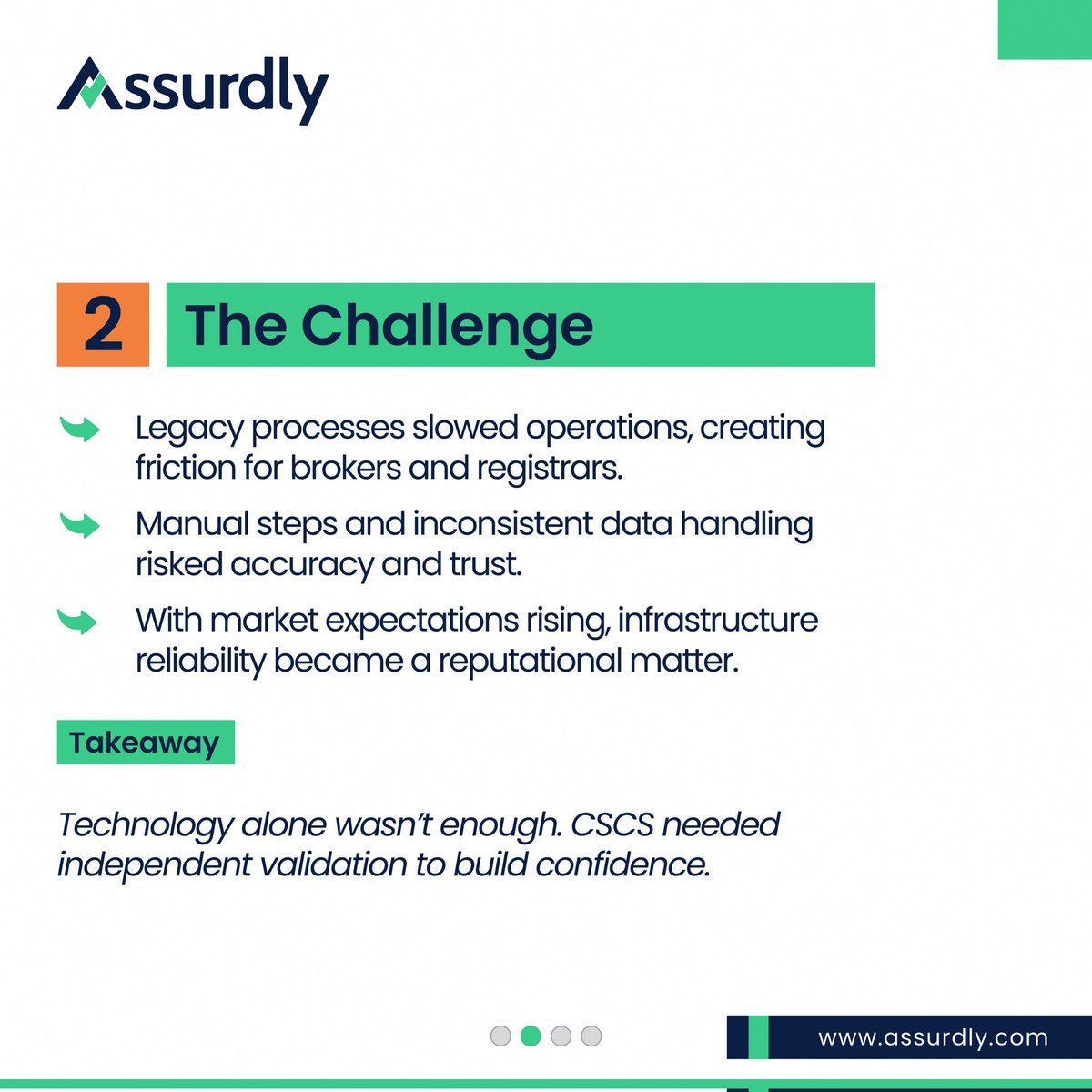
Assurdly partnered with CSCS to validate platforms that power Nigeria’s capital market. Learn more: tinyurl.com/assurdly-cscs
#Assurdly #MarketTrust #CapitalMarketSolutions #ReliableSystems #CapitalMarkets #FinancialTechnology
1
3
192
Post 6 — Reliability is easy to ignore, until it matters
We don’t usually think about reliability until something breaks.
In AI, failures don’t always look dramatic. Sometimes it’s downtime. Sometimes it’s silent degradation. Sometimes it’s an agent making decisions on incomplete or unavailable information.
Centralized systems handle reliability by scaling vertically and adding backups but they still depend on a small number of control points.
This is where the model behind @dgrid_ai becomes interesting.
A decentralized AI network approaches reliability differently. Instead of depending on one provider staying online, it spreads execution across many participants. Redundancy isn’t an add on it’s built into the network itself.
For AI systems that are meant to run continuously agents, automation, infrastructure-level intelligence this matters more than peak performance.
I’m starting to see reliability not as a technical detail, but as a design philosophy. Systems that expect failure tend to survive it better.
I’m still exploring how @dgrid_ai implements this in practice, but the idea that AI can be resilient by design feels necessary for what’s coming next.
#DGridAI #AIInfrastructure #DecentralizedAI #ReliableSystems #Web3AI
25
38
67
11,763

14 Nov 2025
Our automation solutions remove the strain from your operation — simplifying tasks, improving accuracy, and keeping production steady ⚡️
#productionexcellence
#ReliableSystems #innovation #ProductionPerformance #Operations #IndustryInnovation
1
21

5 Jun 2025
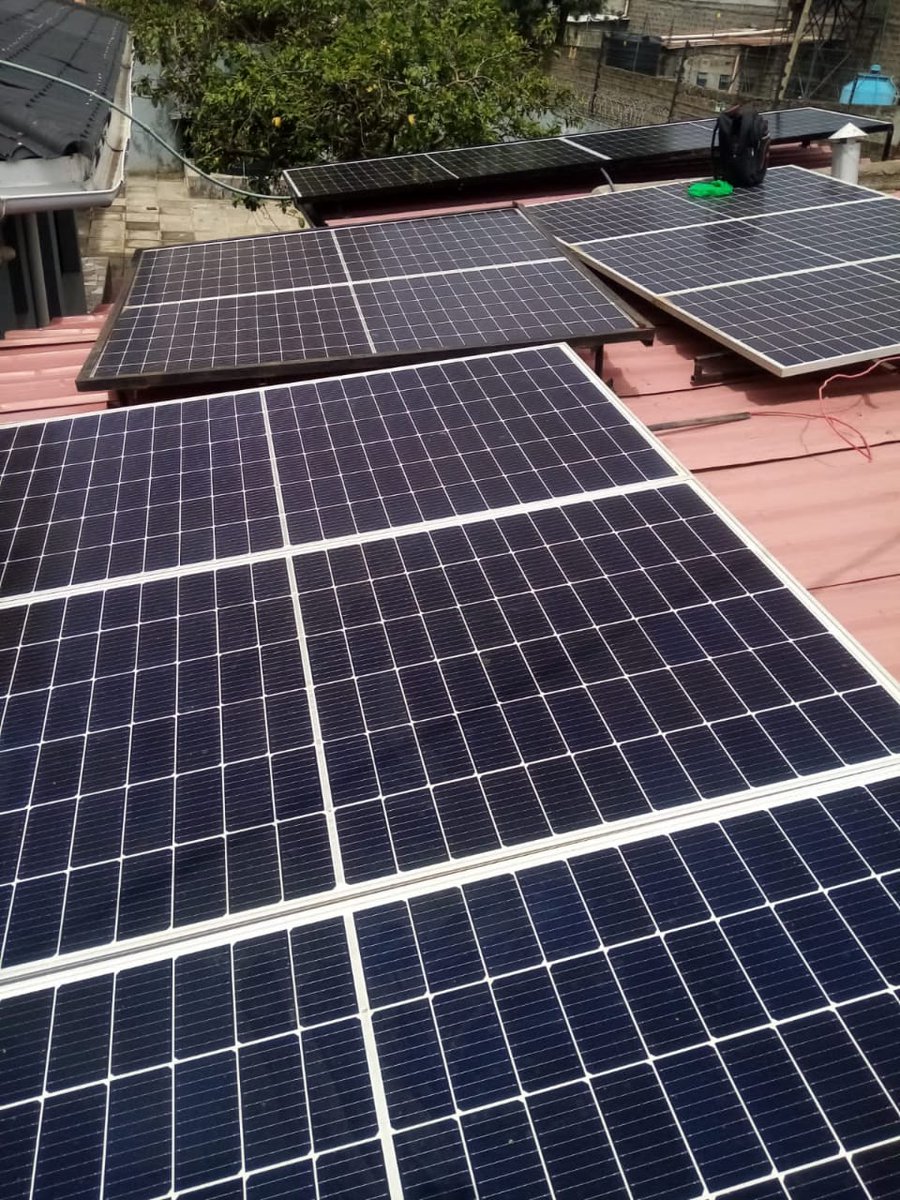
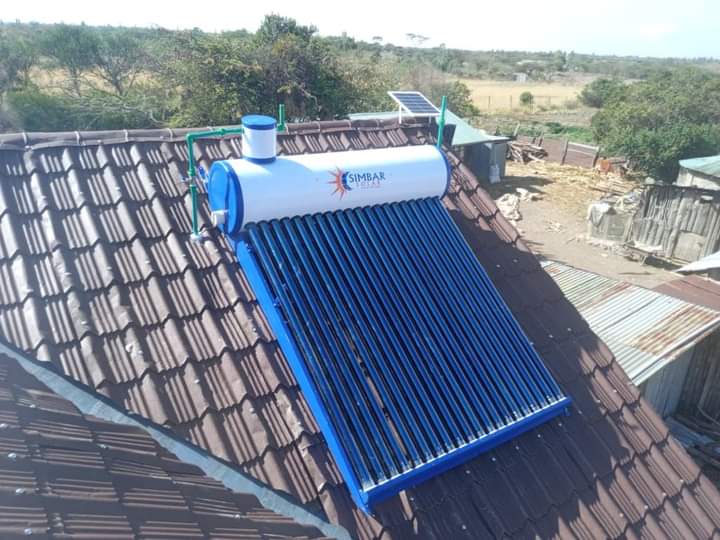
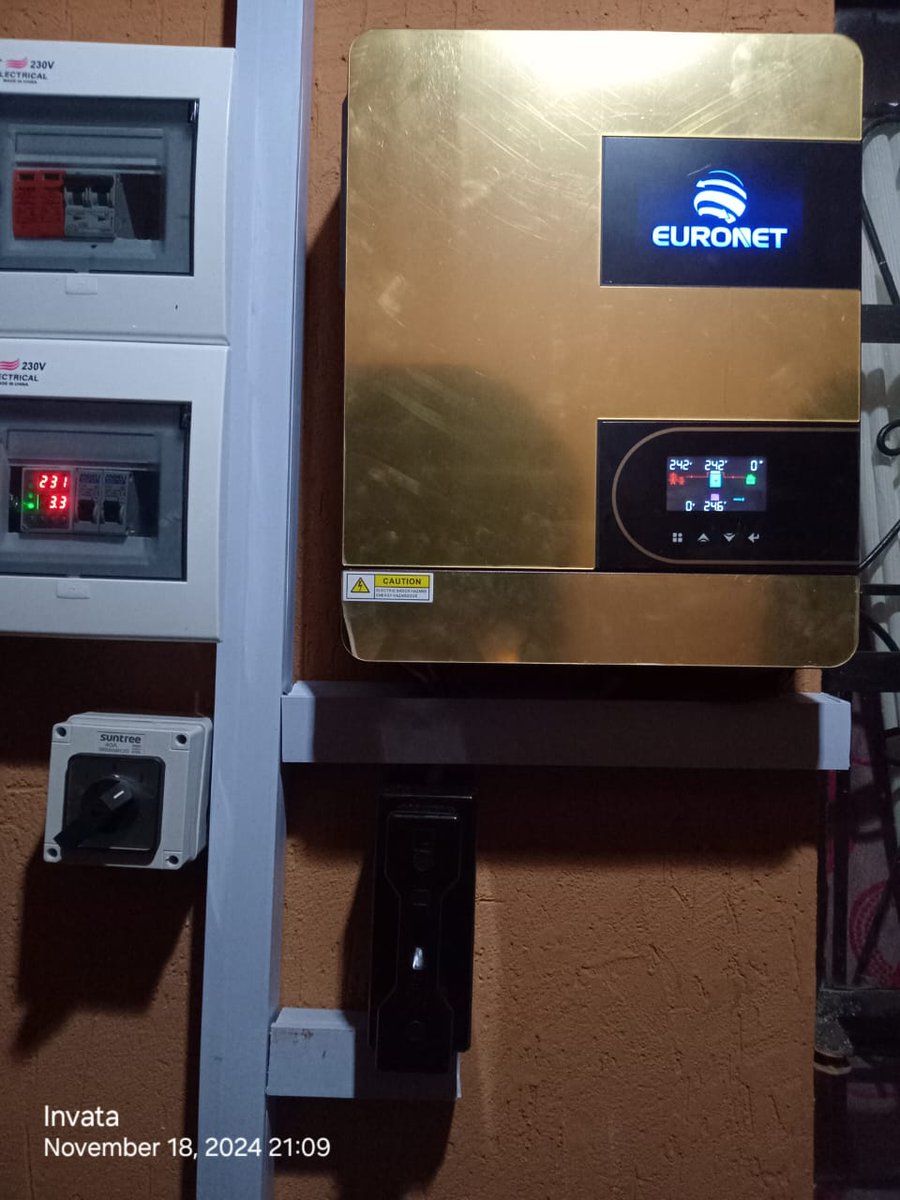
Good morning good people 😊. Today we arise again with new hope. That said, we install solar hot water systems, hybrid solar systems among other products. Check this out and give us a dm for prices.#Solarsystems #Reliablesystems
1
2
33

10 Jan 2025
USER-FRIENDLY AUTOMATION MADE EASY WITH AETHERIUS INFINITE CHAIN! 🚀
Simplify your business processes and unlock seamless efficiency with Aetherius Infinite Chain. Our user-friendly automation system allows you to:
⚙️ Automate workflows effortlessly
📊 Boost productivity and minimize errors
🔒 Enhance security and streamline operations
💡 Focus on what matters most, while we handle the repetitive tasks
Transform your business today with the power of automation! Let Aetherius Infinite Chain take your operations to the next level.
Contact us to learn more about how we can help!
===========================
🌐 buff.ly/3DrIDV7
===========================
#AetheriusInfiniteChain #blockchain @ainfinitechain #AIC #TransparencyAndSecurity #BlockchainSolutions #SecureConnections #FutureOfTrust #DigitalTransparency #InnovativeTechnology #ReliableSystems #TechInnovation #SecureChain #BlockchainTech #TrustTheProcess #ClearConnections #CyberSecurity
4
10
17
547
9 Jan 2025
Aetherius Infinite Chain: Trusted Validators Consortium ✨
Empowering the blockchain ecosystem with integrity and reliability. Our trusted consortium ensures secure, transparent, and seamless validation across networks. ✅
👉 Join us in building the future of decentralized trust!
===========================
🌐 buff.ly/3DrIDV7
===========================
#AetheriusInfiniteChain #blockchain @ainfinitechain #AIC #TransparencyAndSecurity #BlockchainSolutions #SecureConnections #FutureOfTrust #DigitalTransparency #InnovativeTechnology #ReliableSystems #TechInnovation #SecureChain #BlockchainTech #TrustTheProcess #ClearConnections #CyberSecurity
7
16
30
601
8 Jan 2025
STEADY INCOME STREAM WITH AI CHAIN COIN ✨
Why rely solely on traditional buying and selling when you can diversify your earnings? With forex bots powered by AI Chain Coin, you can unlock a consistent income stream and make your assets work smarter, not harder. 📊💵
Invest, diversify, and watch your income flow steadily! 🚀🔗
===========================
🌐 buff.ly/3DrIDV7
===========================
#AetheriusInfiniteChain #blockchain @ainfinitechain #AIC #TransparencyAndSecurity #BlockchainSolutions #SecureConnections #FutureOfTrust #DigitalTransparency #InnovativeTechnology #ReliableSystems #TechInnovation #SecureChain #BlockchainTech #TrustTheProcess #ClearConnections #CyberSecurity

3
13
23
615