
Before the print.
Before the code.
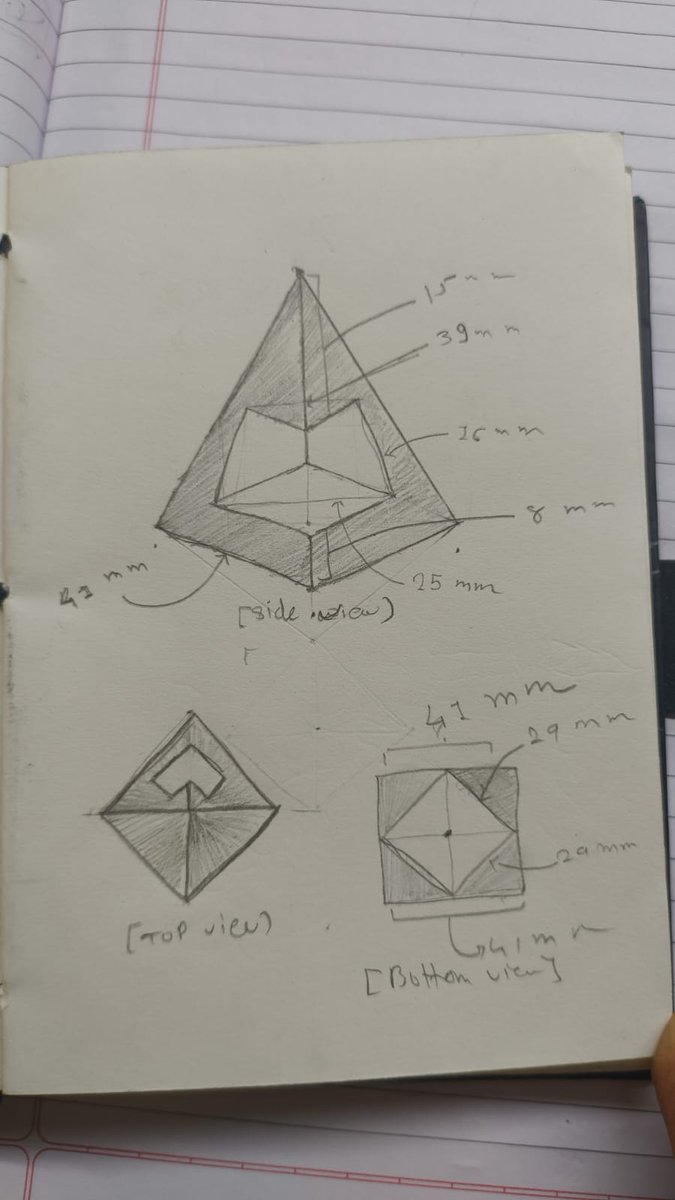
Everything starts with a pencil and a problem. ✏️
#BuildInPublic #HardwareDesign #3DPrinting
#RoboticsDesign #StartupIndia #FounderJourney
#Web3Builders #NFTInnovation
2
3
10

Jan 5
You Don't Fear the Robot. You Fear How It Moves.
I've watched factory workers stand next to robotic arms for eight hours a day. Some robots, they barely notice. Others? They never fully relax around them.
Same tasks. Same safety ratings. Completely different sensory experiences.
The difference isn't capability. It's aesthetics.
One robot moves like it's considering its actions, smooth acceleration, deliberate pauses, readable trajectories. The other moves like it's executing commands, instant starts, sharp stops, unpredictable timing.
Your lizard brain knows the difference immediately.
Machine motion is a language.
Fast, jerky movements read as aggression or panic. Smooth, curved paths read as intentionality. The how of movement communicates as much as the what.
A robot that decelerates slightly when someone enters its workspace isn't just being safe, it's saying "I see you." That small change in velocity is the difference between coexisting and collaborating.
But motion alone isn't enough.
Sound completes the story.
The hum of motors can be background noise or information. A robot that's silent until it suddenly moves is startling. A robot that shifts its sound signature before moving, a slight pitch change, a preparatory tone, gives you a sensory heads-up.
We've trained ourselves to ignore the constant whir of machines. But what if that sound became language? Lower frequency when carrying heavy loads. Higher pitch when moving quickly. Silence when waiting.
Not alerts. Not beeps. Just acoustic texture that mirrors physical state.
And then there's timing.
An AI that responds instantly feels reactive. One that pauses, just half a second, feels like it's thinking. That pause isn't technical latency. It's designed rhythm.
ChatGPT streams text instead of dumping paragraphs because the temporal experience matters. You see it forming thoughts. The aesthetics of emergence.
In physical AI, timing is even more critical. A robot that moves the moment you finish speaking feels like it was waiting to interrupt. One that pauses, then moves, feels like it considered what you said.
Same action. Different sensory cadence. Completely different relationship.
Here's what most designers miss:
- We optimize for functional outcomes, speed, precision, efficiency. But humans experience AI through sensation first, function second.
- The way something moves, sounds, and times itself creates an emotional baseline that no amount of capability can overcome.
- You can build the most technically sophisticated system in the world. If its sensory aesthetics trigger unease, people won't trust it. If its motion feels aggressive, its sound jarring, its timing unpredictable, the relationship fails before cognition even enters the picture.
We don't just design what AI does.
We design how it feels to be near it.
#AIDesign #EmbodiedAI #RoboticsDesign #SensoryUX #ProductDesign #HumanAI
3
29

17 Dec 2025
B.Tech Robotics & Automation at CU Uttar Pradesh brings mechanics, electronics, and computing together to build smart, automated systems.
Hands-on labs, real projects, mechatronics, machine vision, sensors, control systems & industrial automation, built into one industry-aligned program.
For careers in robotics, automation, embedded systems, and advanced manufacturing, equipping you with the skills to lead in an automation-driven world.
Visit culko.in for an in-depth information about B.Tech in Robotics & Automation
#RoboticsAndAutomation #BTechRobotics #IndustryDrivenEducation #Mechatronics #IndustrialAutomation #EmbeddedSystems #RoboticsDesign #ControlEngineering #AutomationInTech #ExperientialLearning #HandsOnLabs #AIInEngineering #FutureOfTech #ChandigarhUniversityUP
1
7
72

21 Nov 2025
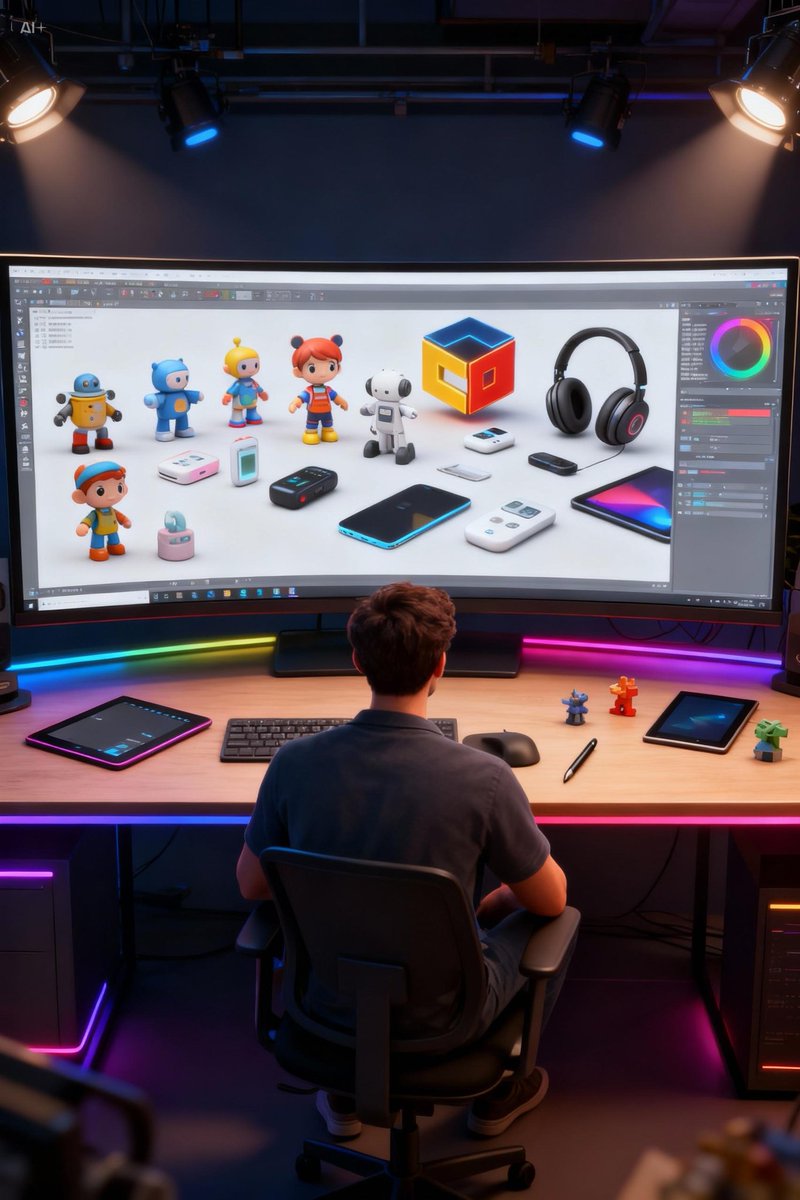
🔥 3M3D is leveling up the digital world!
From lifelike robots to futuristic drones and gadgets, creators are now crafting ultra-realistic 3D assets with ease. 🎮🤖✨
This is more than design — it’s innovation, creativity, and technology combined on one powerful platform.
If you can imagine it, 3M3D can build it. 💡💻
Prepare for the next wave of digital creation. 🌐⚡️
Contribution Link
sidrastart.com/project/25e3a…
Telegram Community Group
t.me/rendermarket3d
@MatiullahPti
@BilalzamanGLNs
@chynmira13
#3M3D #3DAssets #AIPlus #FutureDesign #GadgetCreation #TechRevolution #DigitalInnovation #3DCommunity #RoboticsDesign #NextGenTech #CreatorsEcosystem
1
3
4
48

1 Nov 2025
Would love to hear your thoughts: What’s the most exciting robotics innovation you’ve seen lately?
PS: Happy new month :)
#RoboticsDesign #Innovation #AI #FutureOfWork #TechTrends #HumanCenteredDesign #UX #UI
2
38

18 Oct 2025
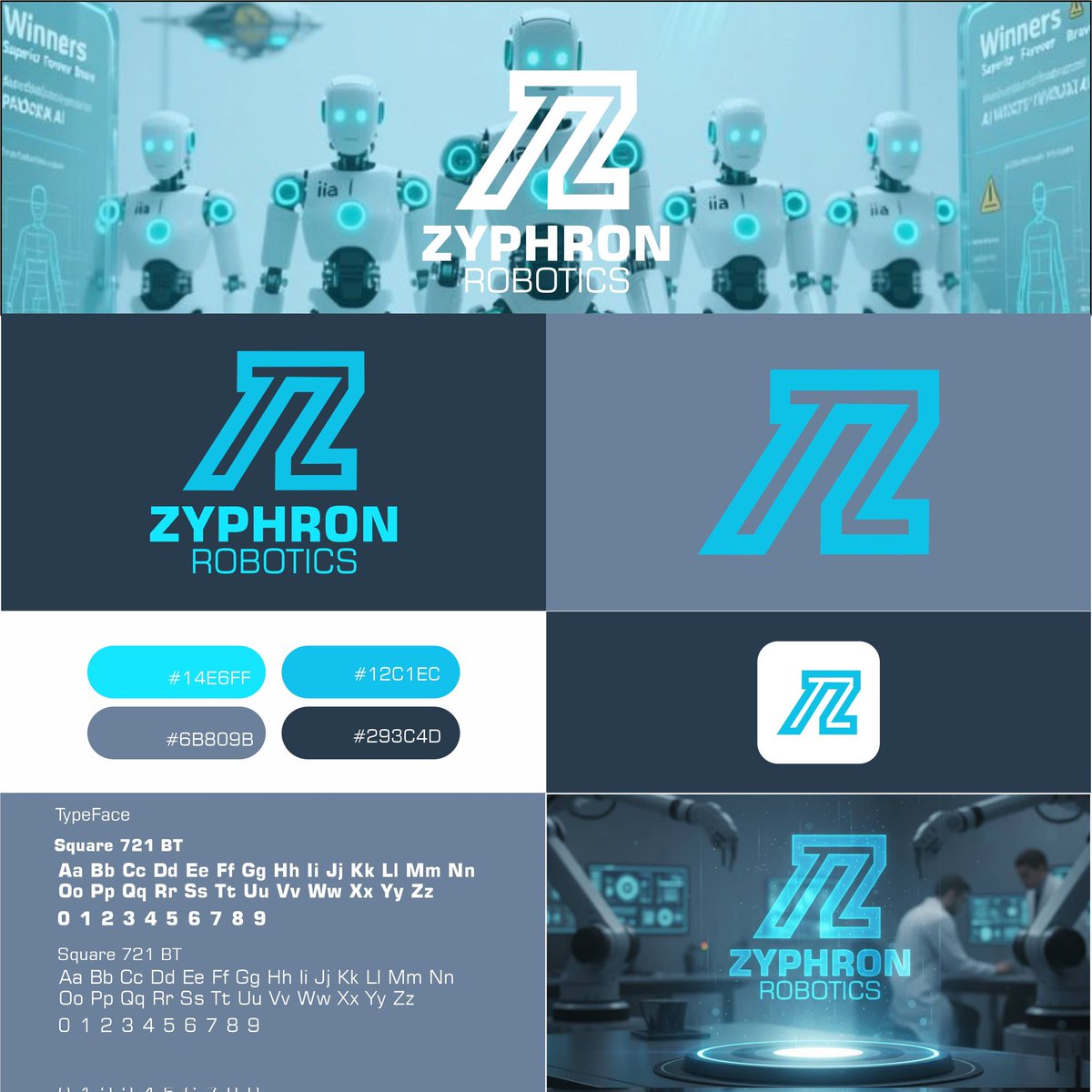
-Zyphron Robotics...Innovating the Future, One Solution at a Time.
#TechNigeria #RoboticsDesign #Viral #Trending #ExplorePage #FYP #Reels #ContentCreator #SocialMedia #GraphicDesign #LogoDesign #DesignInspiration #Branding #Photoshop #CorelDraw #fypp #UIUX #OnlineBusiness


1
2
35

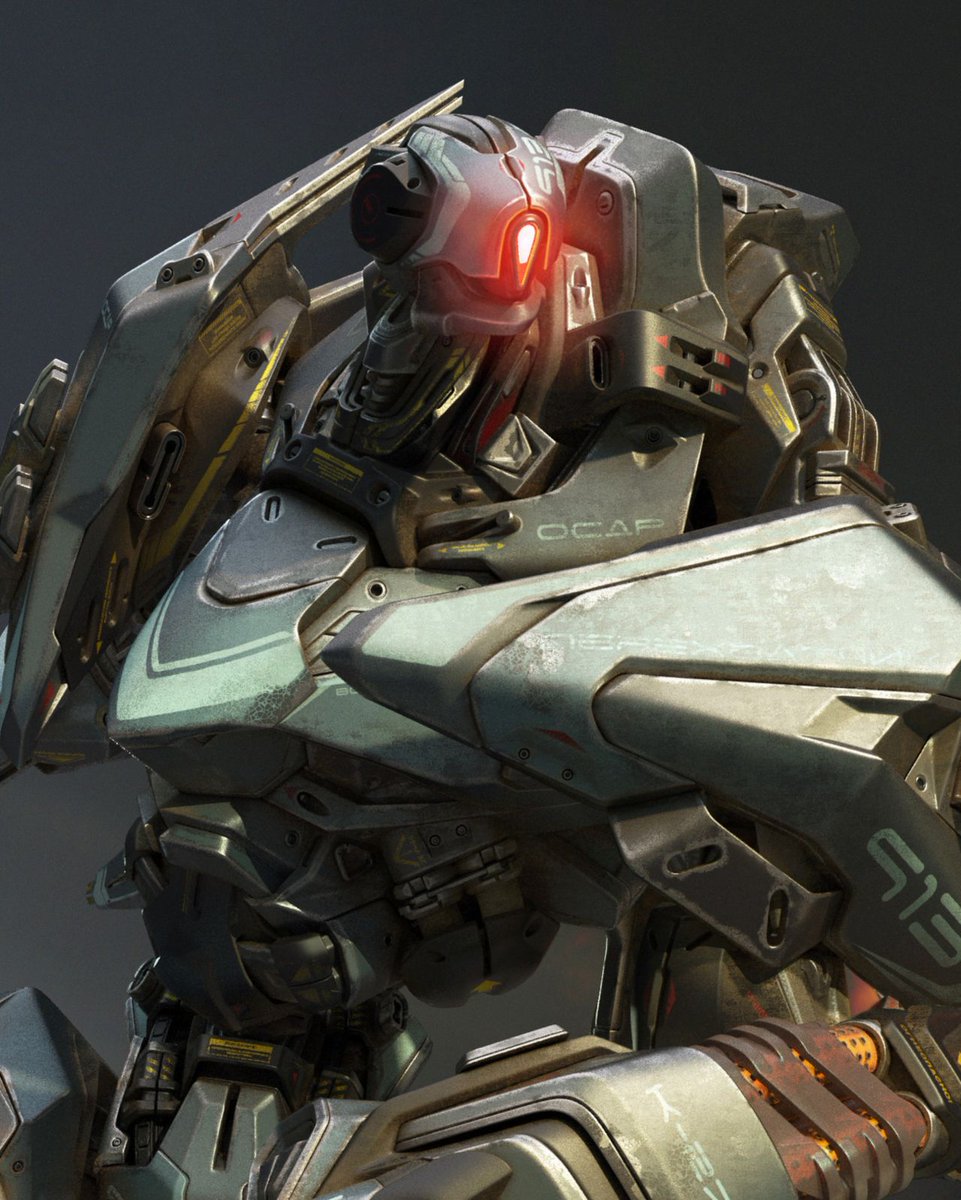
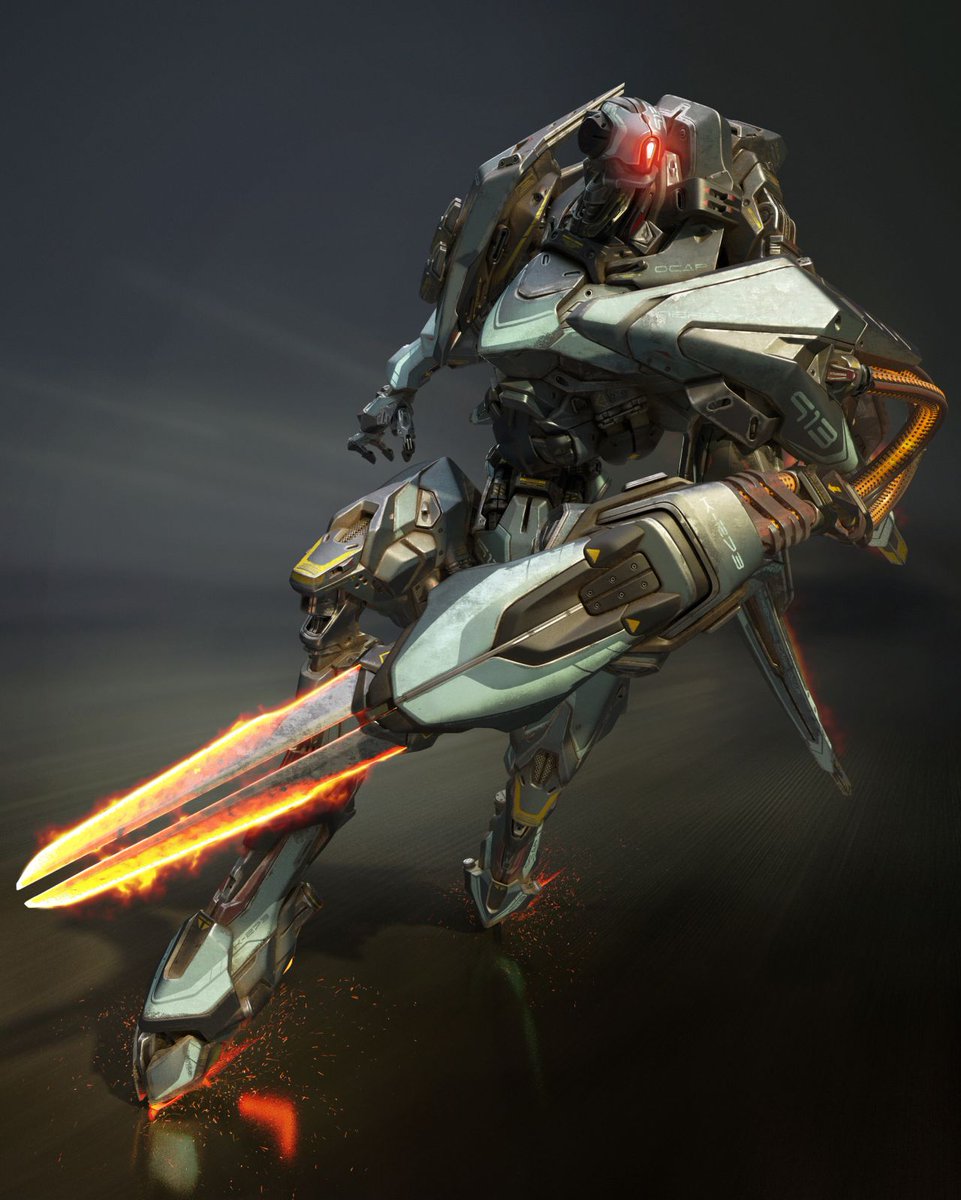
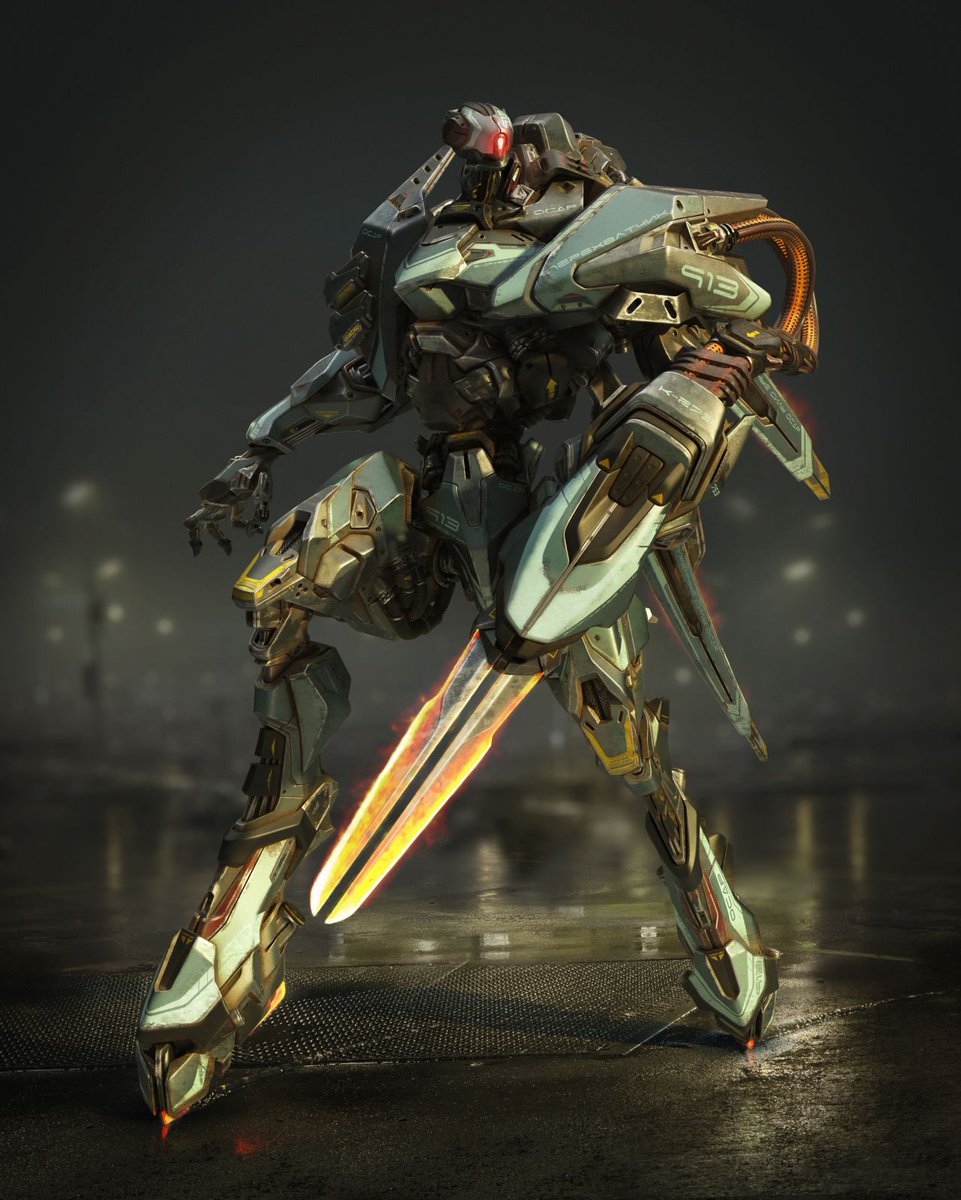
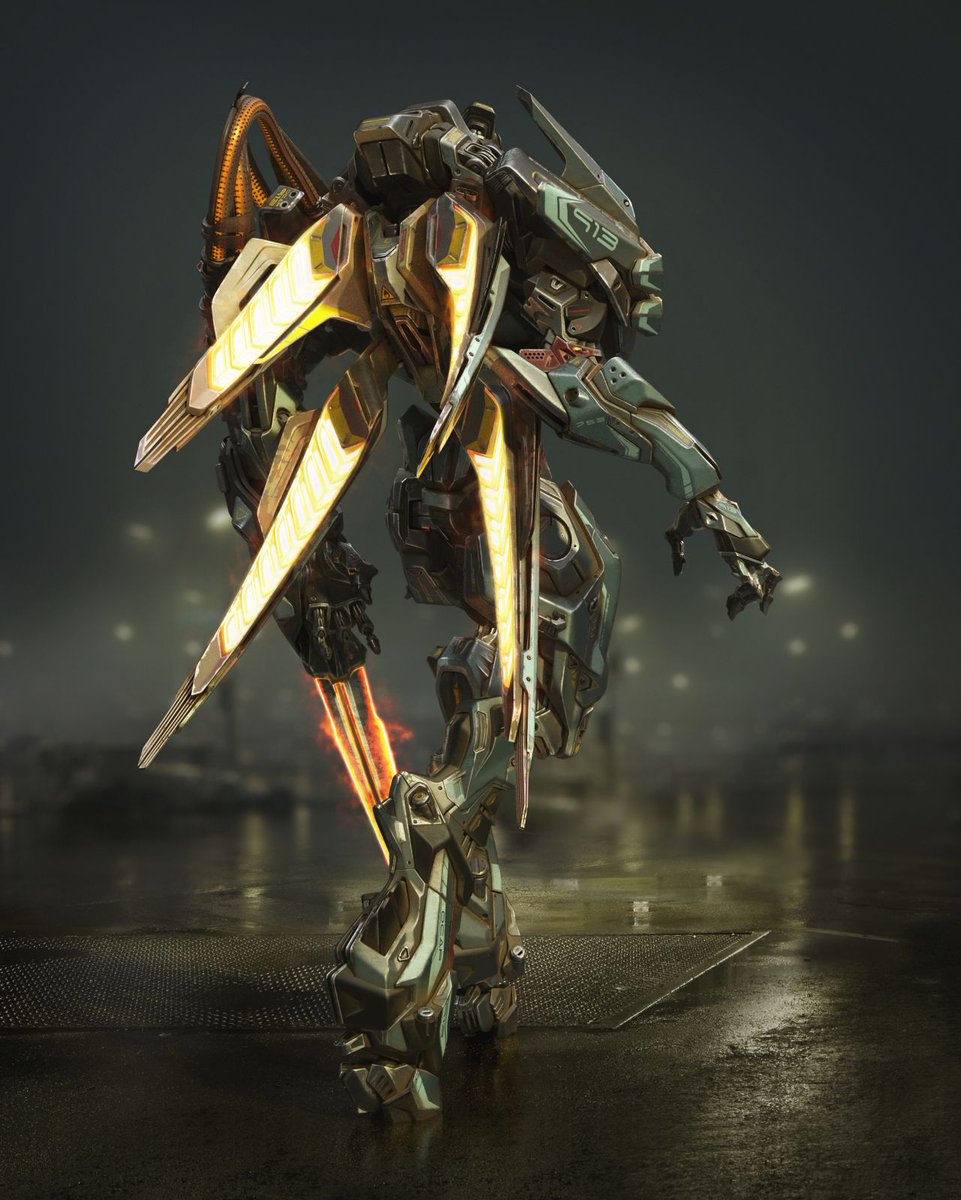

9 Jun 2025
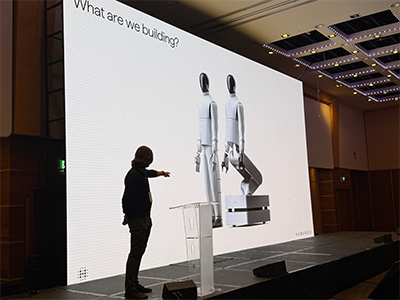
Do humanoid robots really need arms, legs—or even fingers?
At the Humanoid Summit, DeepMind said the future is “all shapes and sizes.”
The definition of humanoid is evolving. Should design mimic humans or fit the task?
👉 hubs.la/Q03rdGLW0
#HumanoidRobots #RoboticsDesign #Automation #AI
1
2
4
158
16 Apr 2025
Wheels matter.
This whitepaper breaks down the most common drive systems in autonomous vehicles—and how to choose one.
📘 hubs.la/Q03gvMSd0
#RoboticsDesign #MobileRobots #A3Whitepapers

3
73


1 Nov 2024
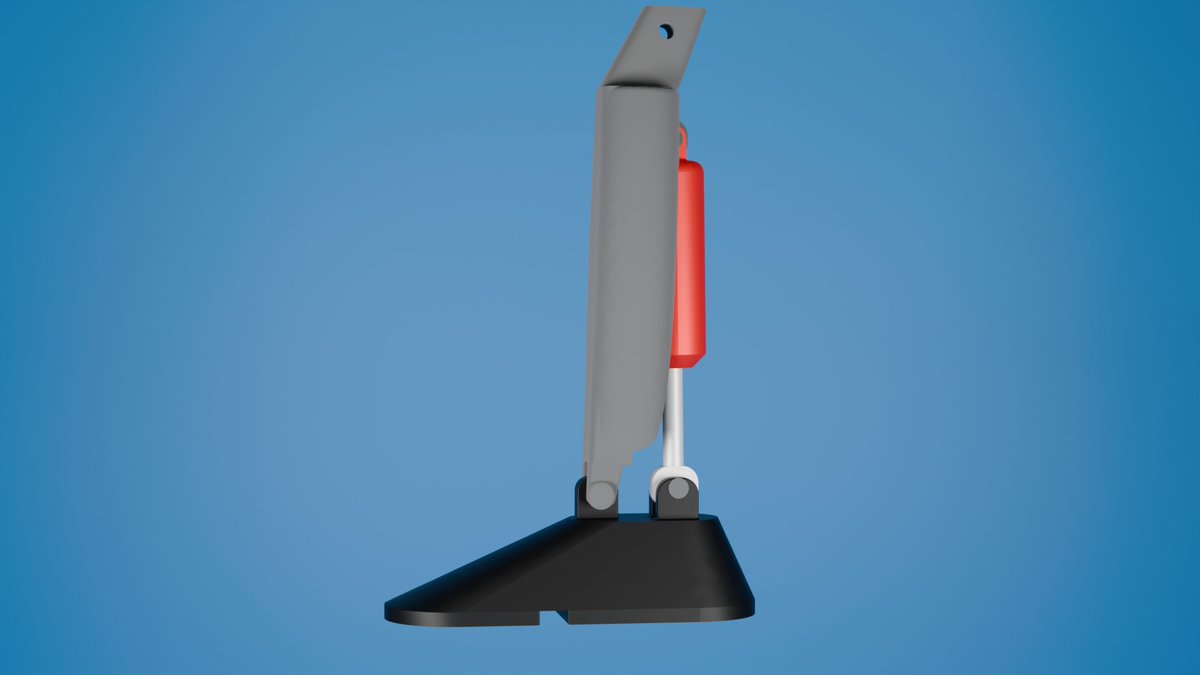
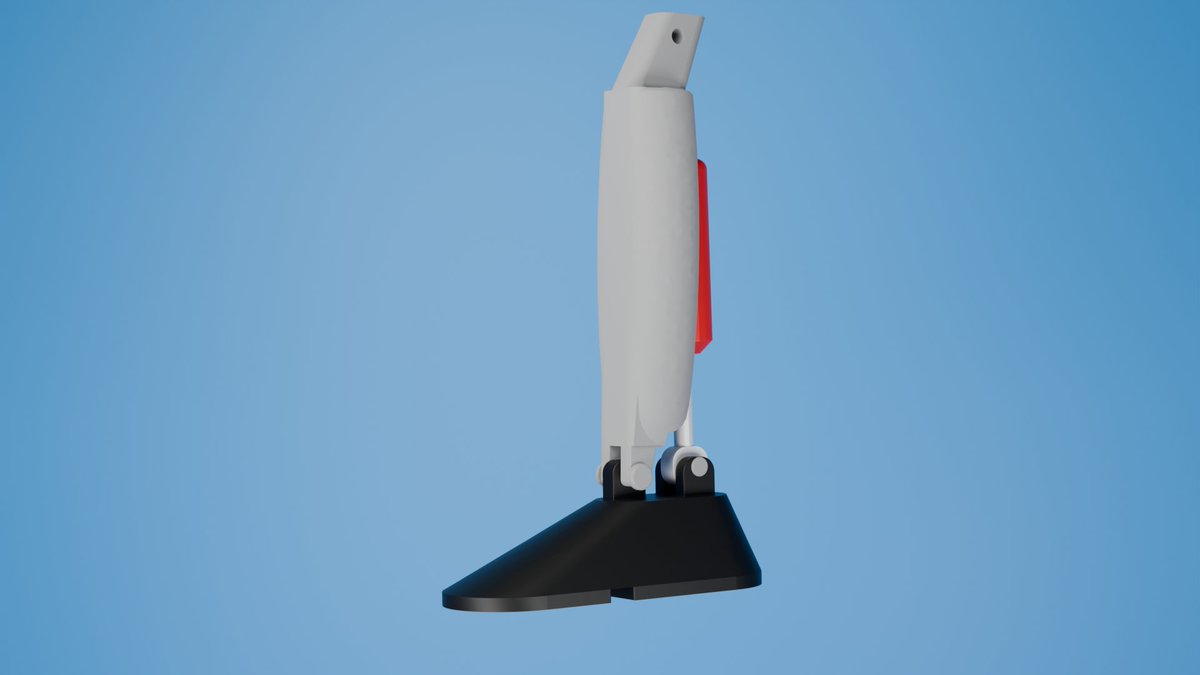
Created an animation video to showcase how my new robotic foot design operates – check it out!
🔧
#RoboticsDesign
#Teslarobot
#RobotEngineering
#Innovation
#ProductDesign
#humanoidrobot
1
6
341
1 Nov 2024
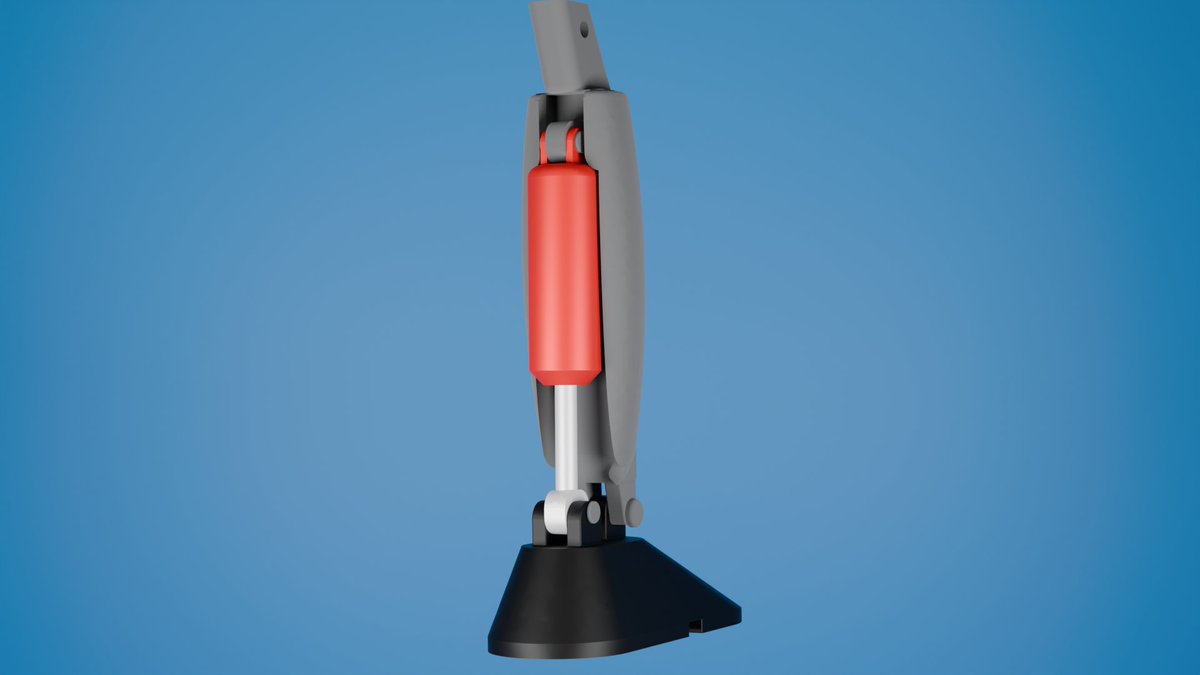
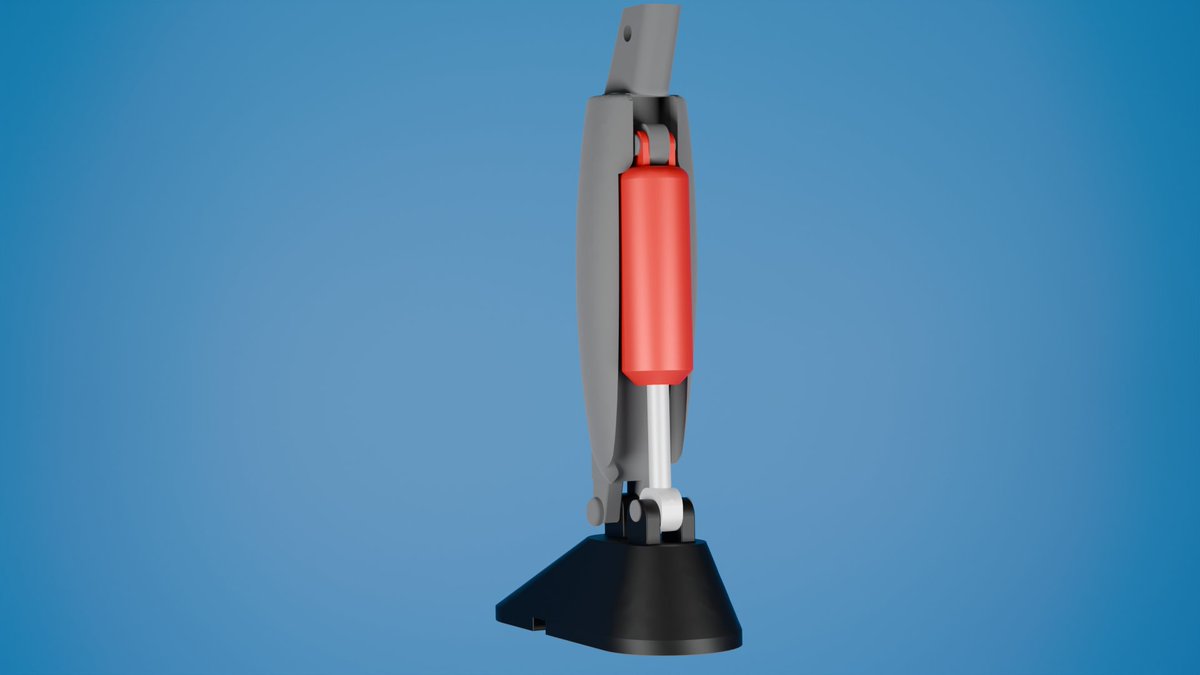
🚀 New Robot Foot Design Inspired by Tesla robot 🚀
Excited to share a new design: a simple yet efficient robotic foot inspired by Tesla's Robot ! The design focuses on straightforward forward and backward movement. #RoboticsDesign #Teslarobot #Innovation #humanoidrobot
2
6
200

6 Jul 2024
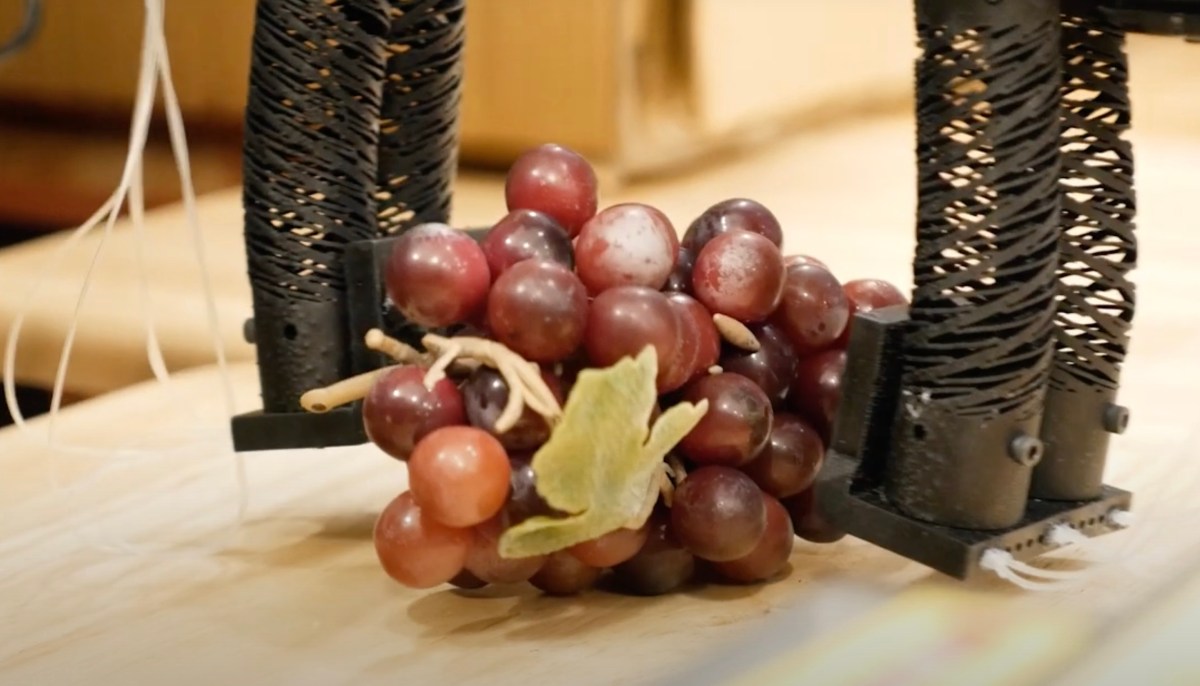
MIT’s soft #robotic system is designed to pack groceries 🛍️
ow.ly/PIjK50SuuOr
#robotics #MITRobotics #SoftRobotics #GroceryTech #RetailInnovation #AutomationTech #FutureOfRetail #TechInnovation #RoboticsDesign #AIinRetail #SmartPackaging
2
219

15 Jan 2024
TALOS - Walking, Climbing, Navigating, Grasping, and Collaborating, all in one video! Check it out⬇️
youtube.com/watch?v=qVzHe8FG…
#Robotics #TechInnovation #FutureOfTech #AI #Engineering #TechNews #Automation #RoboticsDesign #ArtificialIntelligence #TechCommunity

2
3
472

18 Mar 2023
Autonomous Robotics with Concurrent Programming is the perfect guide for anyone interested in mastering the art of #robotics and #concurrentprogramming. Get your copy today and start building the future of automation! #AI #automation #engineering #roboticsengineering #roboticsprogramming #roboticsdesign #autonomousrobots #roboticsworld #roboticslife #roboticscommunity #roboticsnews #roboticsindia #techbooks #techlearning #ebooks #kindlebooks #amazon #STEM #education #learnrobotics #roboticseducation
Link: amazon.in/dp/B0BVGFCFPQ
Twitter usernames:
@RoboticsTrends
@robogeekclub
@RoboticsBizNews
@RoboticNation
@RoboticsDigest
@roboticssystemz
@RoboticsToday
@RoboticsForum
@RoboticsWorld
@Robotics_News
@RoboticsLab
@RoboticsTech
@STEMrobotics
@RoboticsAI
@RoboticsSociety
@RoboticsEngineer
@RoboticsInnov
@RoboticsVision
@RoboticsArena
@RoboticsJournal
Hashtags:
#robotics #concurrentprogramming #AI #automation #engineering #roboticsengineering #roboticsprogramming #roboticsdesign #autonomousrobots #roboticsworld #roboticslife #roboticscommunity #roboticsnews #roboticsindia #techbooks #techlearning #ebooks #kindlebooks #amazon #STEM #education #learnrobotics #roboticseducation.
2
6
15 Mar 2023
Check out the #book Autonomous Robotics with Concurrent Programming to learn more about the exciting field of #robotics! #AI #machinelearning #programming #engineering #tech #innovation #automation #STEM #education #roboticsengineering #roboticsdesign @IEEEorg @RoboticsBizMag @RoboticsTrends @RoboticsToday @RoboticsWorld @roboticssystemz @nvidiaAI @IntelAI @GoogleAI @MicrosoftAI @AmazonRobots @amazonIN amazon.in/dp/B0BVGFCFPQ
2
16

10 Mar 2023
Had an amazing time Judging A South Florida Regional 2023 FIRST Robotics Competition. See full blog post: miami.makerfaire.com/2023/03…
#teamworkmakesthedreamwork
#FIRSTRobotics #STEMeducation
#roboticscompetition #roboticsdesign
#youthinSTEM #engineeringchallenge
4
217

Become a game developer in just three easy steps:
1) Join Learnfly.✅
2) Join the series of courses to learn game development.✅
3) Keep learning until you master your game development desired skills.✅
#gamedev #gamedesign #gamedevelopment #roboticsdesign #javascript #Learnfly
1
2

29 Sep 2021
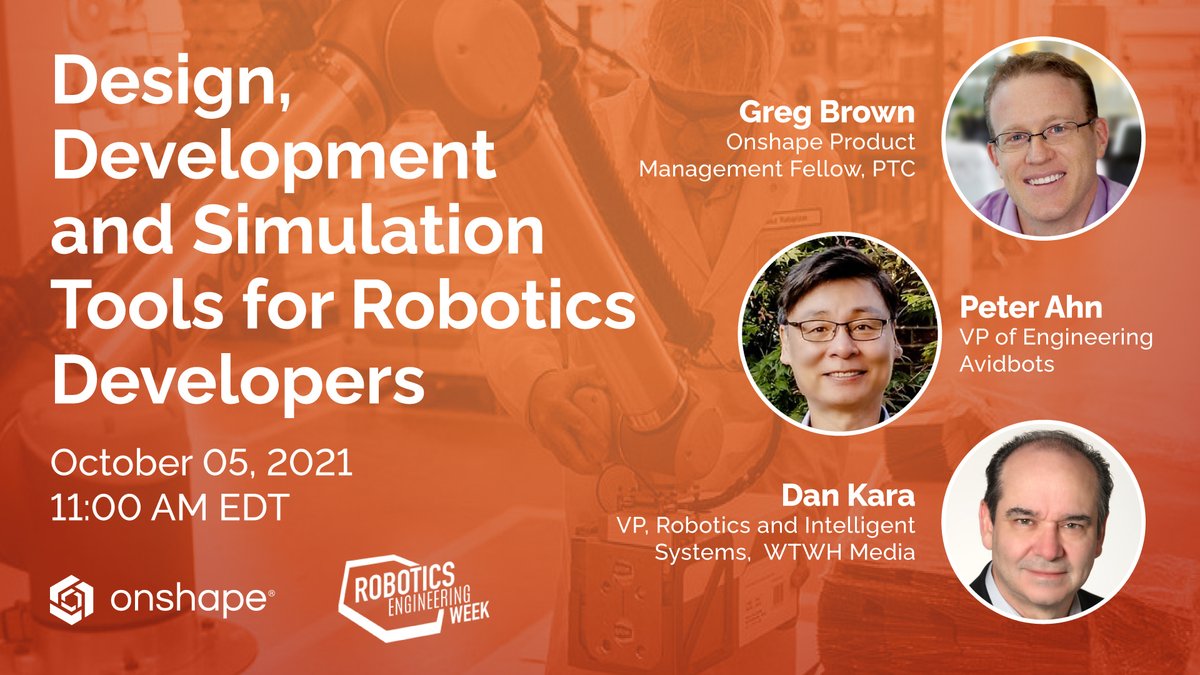
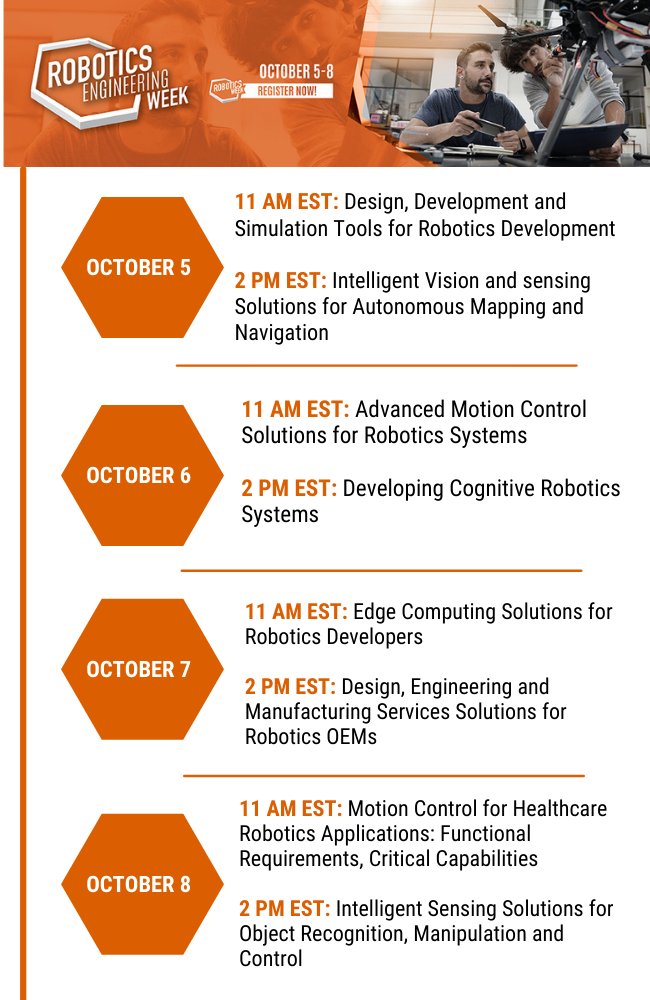
Join #PTC’s Greg Brown & #Avidbot’s Peter Ahn as they discuss product design trends, #robotics & empowering innovators & #robot experts at Robotics Engineering Week. See you on 10/5, 11:00 am ET. #roboticsdesign #ProductInnovation @Robo_Business @Onshape ow.ly/MooB50GiKIC
3
2

17 Aug 2021
🤖 Which sessions from Robotics Engineering Week will you be attending in October? 👀 View details and save your seat for your sessions here: bit.ly/36L8lAs
#Robotics #Engineering #roboticsdesign #intelligentvision #motioncontrol #sensing #intelligence #roboticssystems
1
2