
By evaluating how your feet, posture, and spine work together, we can create a targeted plan that treats the why, not just the ache.
#rootcauseanalysis #chronicpainrelief #onesourcesportsneurorehab 2/2
1
1



21h
Test your Root Cause Analysis (RCA) skills! This @OHSUNews simulation walks through a full RCA scenario, from error submission to action plan development, to identify structural problems at increase the risk of medical error. #RootCauseAnalysis #QIPS amaedhub.org/43wEVDC
17

Jun 12
**AI-Powered Fault Tree Analysis: all you need to know.**
praxie.com/ai-powered-fault-…
When failures happen, teams need more than a static diagram. They need a faster way to connect evidence, map cause-and-effect relationships, prioritize risk, and take action.
AI-powered fault tree analysis helps manufacturers move from scattered data and manual investigation to an intelligent workspace for root cause analysis, corrective actions, and continuous improvement.
The result: faster investigations, better risk visibility, stronger traceability, and fewer repeated failures.
#AI #FaultTreeAnalysis #RootCauseAnalysis #Manufacturing #QualityManagement #ContinuousImprovement #Reliability #Praxie
5

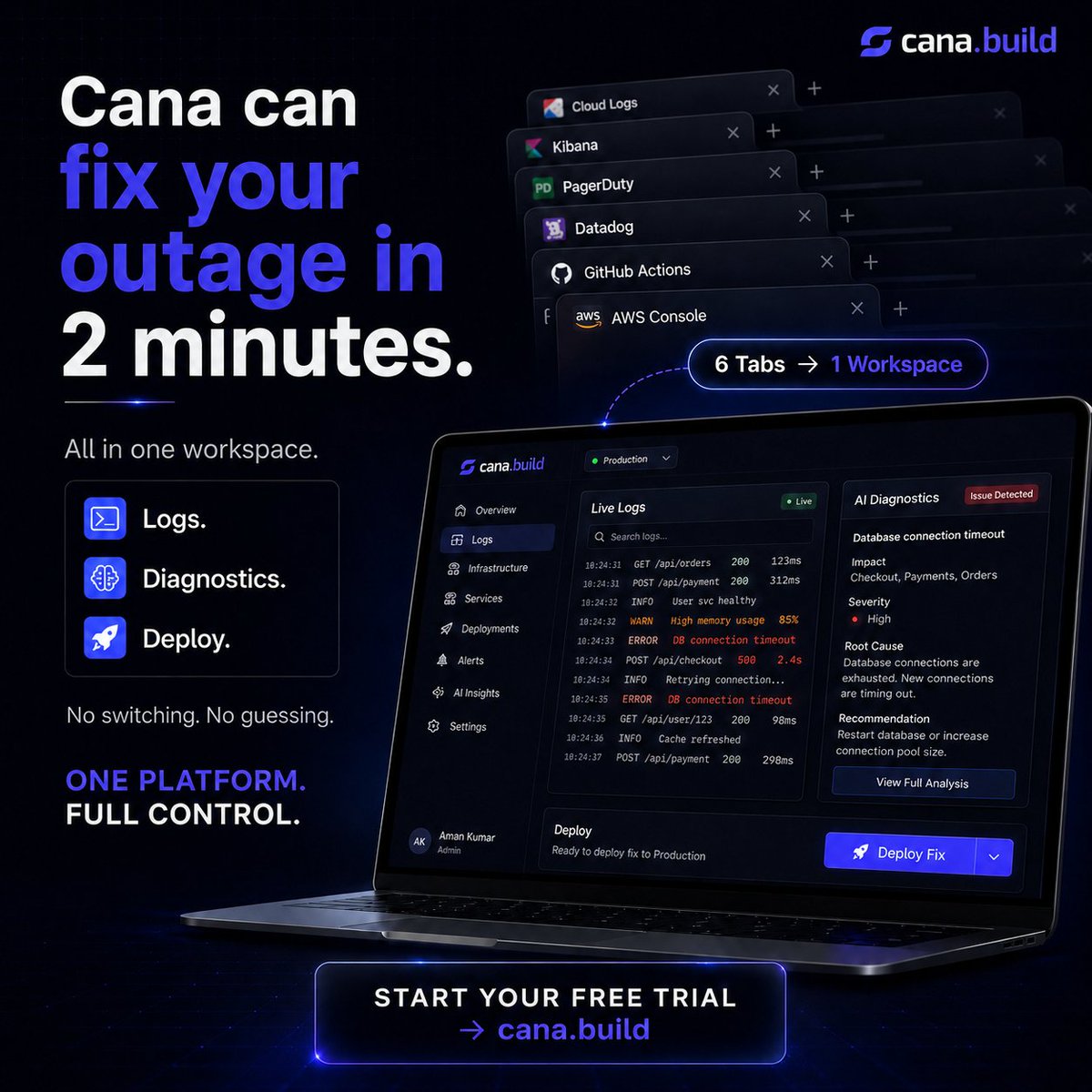
The Slack alert goes off. Production is down.
Your heart rates spikes, the executive team is asking for updates, and you’re staring at a browser window that looks like a graveyard of open tabs.
Tab 1: Checking Cloud Logs...
Tab 2: Refreshing Kibana...
Tab 3: Waiting on PagerDuty...
Tab 4: Digging through Datadog charts...
While you’re frantically switching tabs and playing detective, your Mean Time to Resolution (MTTR) is skyrocketing, and so is customer frustration.
The best engineering teams don’t live in this chaos anymore.
They’ve already moved past tool fatigue.
With Cana, you get your logs, AI-powered diagnostics, and deployment capabilities consolidated into one single workspace.
No guessing. No context-switching.
Just a clear root-cause analysis and a "Deploy Fix" button ready when you need it most.
Stop wasting critical minutes hunting for errors across fractured tools.
👉 Don't let the next P0 outage catch you unprepared.
Start your free trial today at cana.build
#DevOps #SiteReliabilityEngineering #CloudArchitecture #SoftwareEngineering #TechStack #Observability #RootCauseAnalysis #PlatformEngineering #DeveloperTools #CloudComputing
2
47

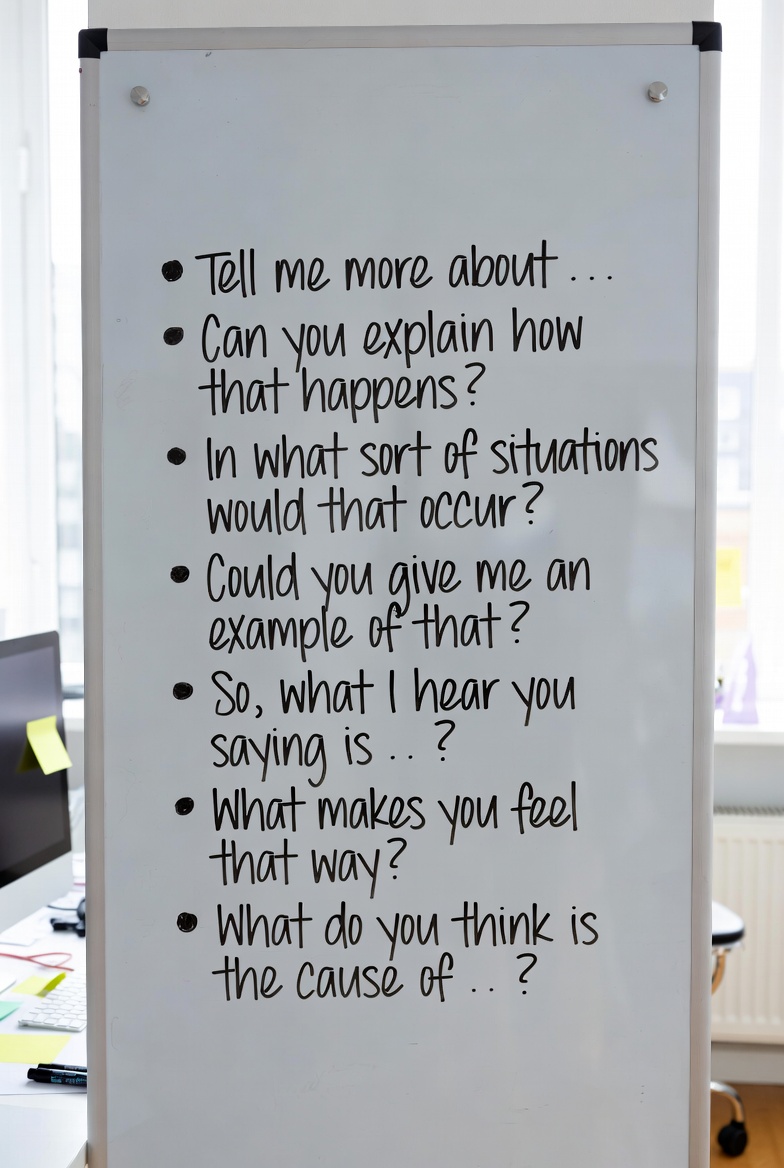
🚀 Unlock Hidden Gold with These Probing Questions! 🔥
Tired of surface-level answers during Gemba walks, process mapping sessions, or root cause hunts? These probing questions are your secret weapon in the ANALYZE phase of DMAIC! They turn vague chit-chat into crystal-clear insights that slay waste and supercharge improvements. 💪
Drop these in your next stakeholder chat or observation:
• Tell me more about . . .
• Can you explain how that happens?
• In what sort of situations would that occur?
• Could you give me an example of that?
• So, what I hear you saying is . . . (paraphrase to confirm!)
• What makes you feel that way?
• What do you think is the cause of . . .?
Pro Tip: Use them when someone says “that’s just how we’ve always done it” — watch the real stories (and fixes!) pour out!
Who’s leveling up their questioning game today? Drop a 🔍 below and tag a fellow process hero!
To schedule a free consultation go to: 📷EckleyprocesssolutionsBusiness Process Optimization Services | Eckley Process Solutions
#LeanSixSigma #GembaWalks #RootCauseAnalysis #ProcessImprovement #DMAIC
13

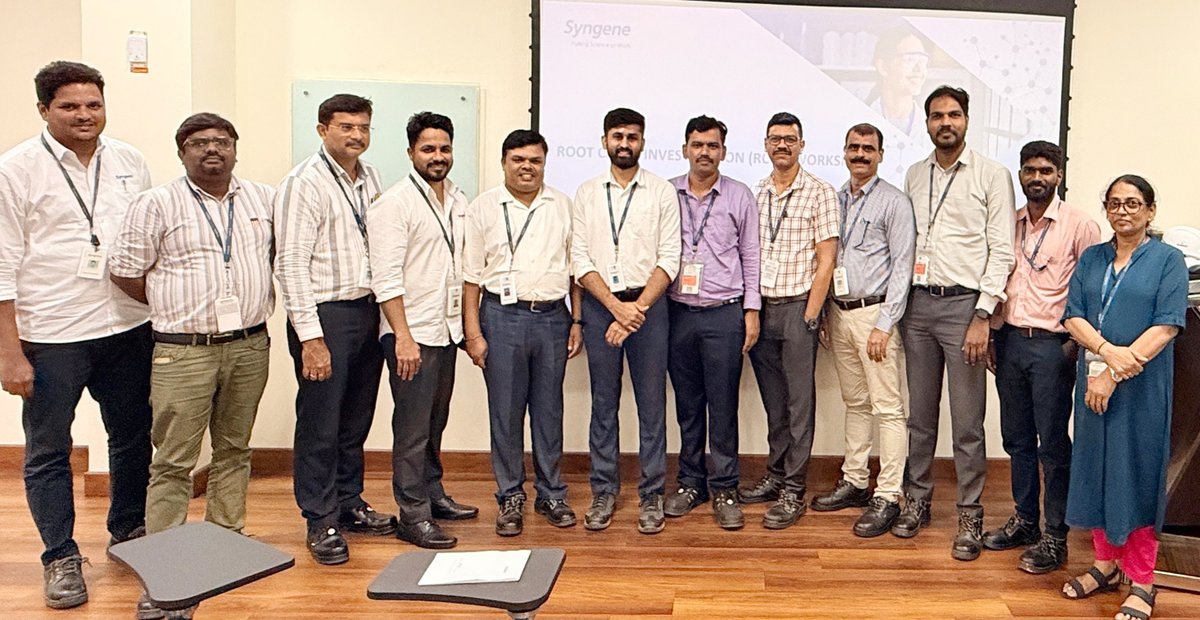
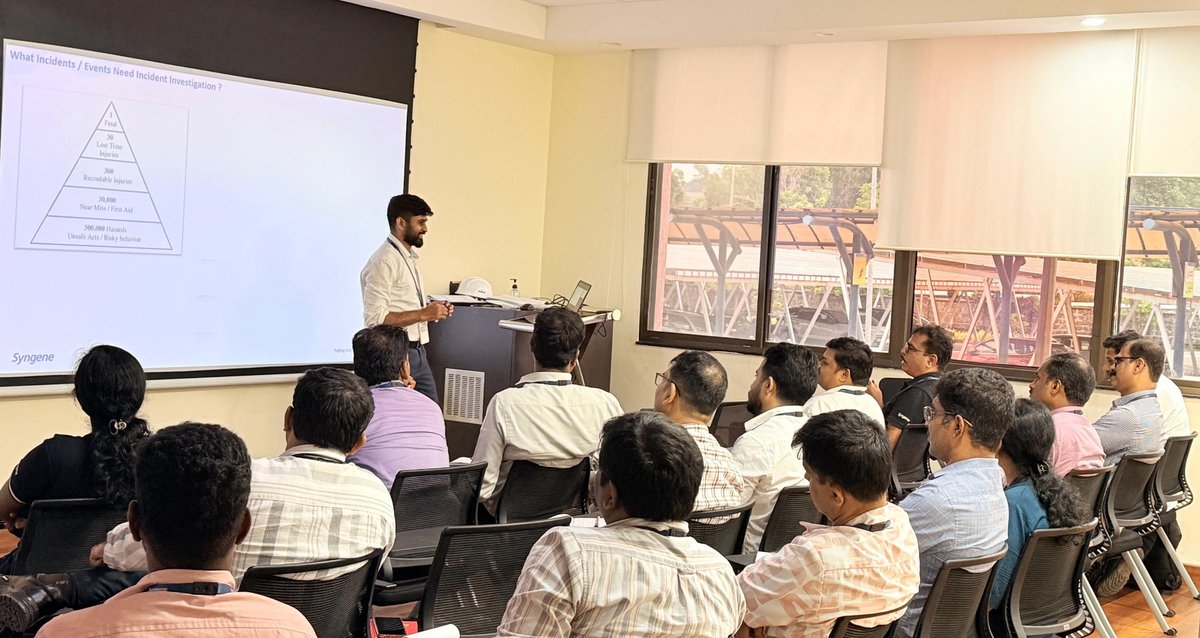
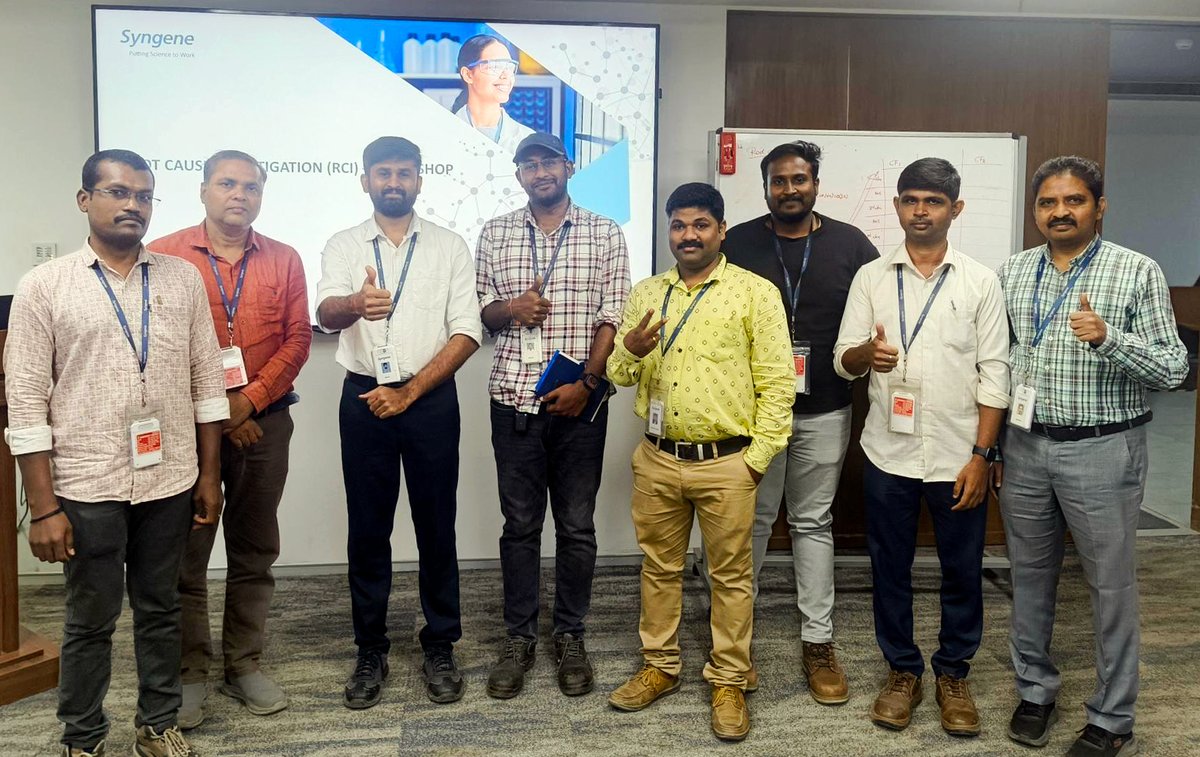
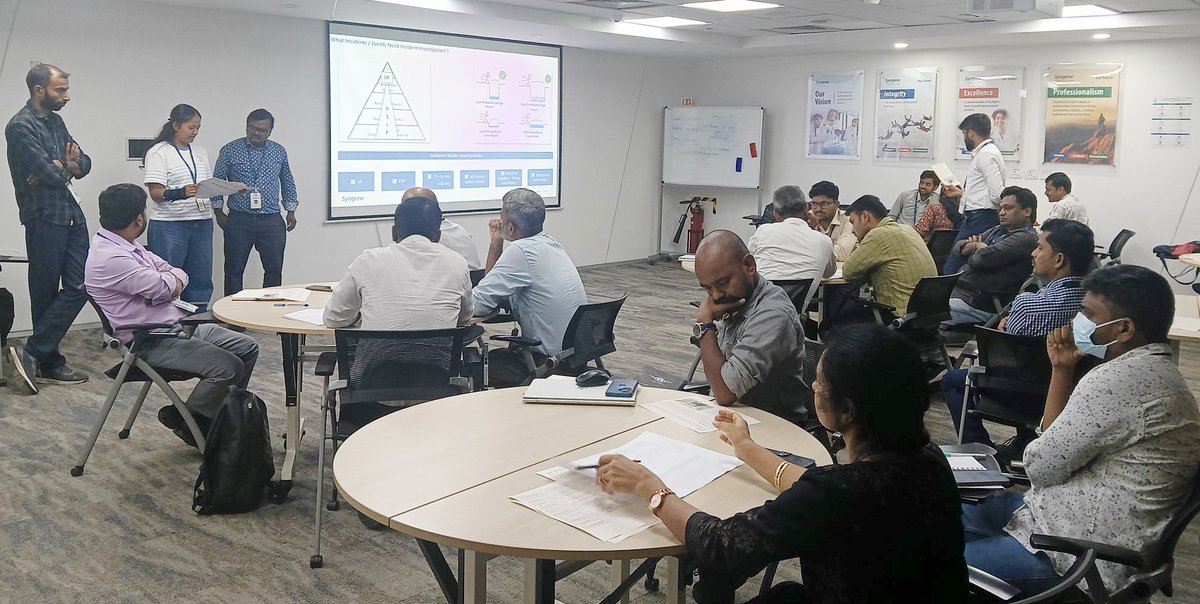
8 Root Cause Investigation (RCI) Workshops.
3 cities.
110 associates trained in Fishbone analysis, 5 Why methodology, and more.
Because stronger investigations lead to stronger CAPAs, fewer recurrences, and consistent quality.
#RootCauseAnalysis #OperationalExcellence
66
Jun 10
Quality & COPQ Analytics is Amazing!
Cost of Poor Quality(COPQ$) is one of the biggest hidden drains on manufacturing performance.
Learn More: praxie.com/ai-powered-qualit…
Scrap. Rework. Warranty claims. Supplier quality issues. Downtime. Returns.
The problem? These costs are often scattered across systems, spreadsheets, and teams — making it hard to see what’s really driving margin loss.
Praxie’s AI-powered Cost of Poor Quality analytics helps manufacturers connect quality, production, supplier, and financial data into one workspace so teams can measure losses, identify root causes, prioritize corrective actions, and reduce recurring issues faster.
Less waste. Faster decisions. Better quality performance.
That’s the power of AI-powered COPQ analytics.
#CostOfPoorQuality #COPQ #QualityManagement #ManufacturingAnalytics #AIinManufacturing #QualityAnalytics #ContinuousImprovement #RootCauseAnalysis #CorrectiveAction #ManufacturingExcellence #OperationalExcellence #SmartManufacturing #Industry40 #Praxie
12
Jun 10
What would you have done differently? A missed ectopic pregnancy resulted in sepsis and required transfusion. Review this @OHSUNews case summary to put your Root Cause Analysis skills to the test. #RootCauseAnalysis #QIPS amaedhub.org/4v4ibHe
41

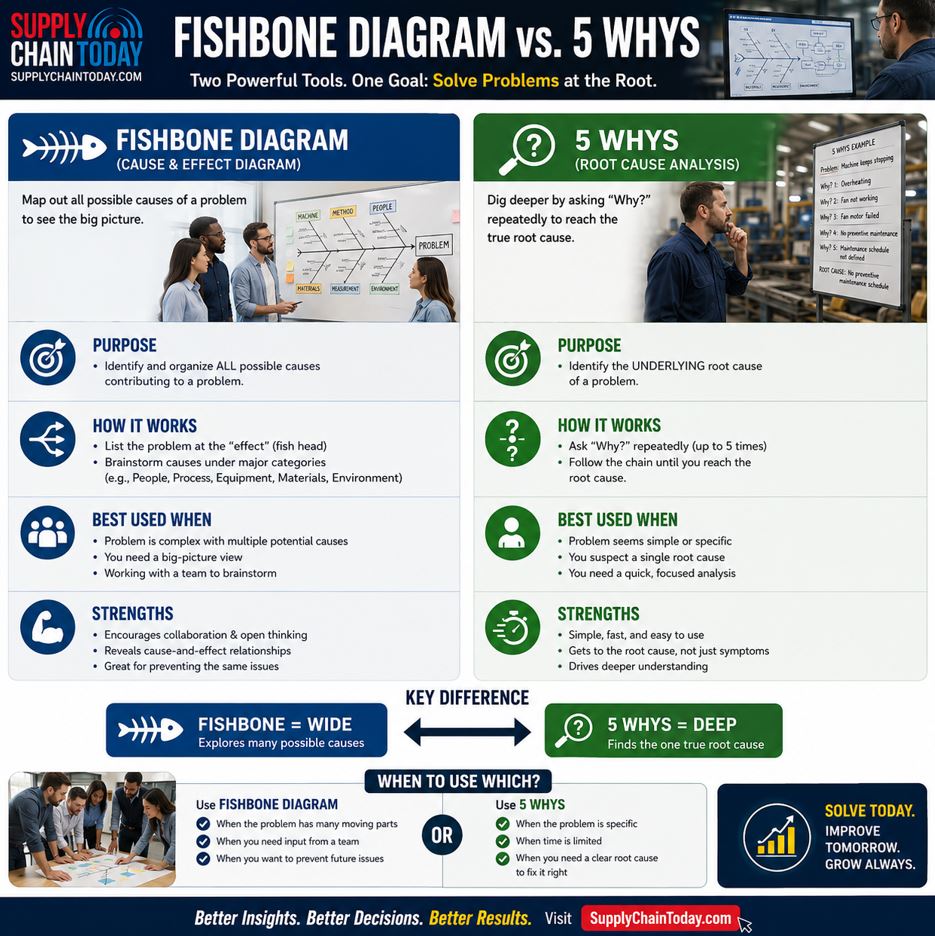
Fishbone Diagram vs. 5 Whys: Finding the Root Cause. Further details:
supplychaintoday.com/fishbon…
Two Powerful Problem-Solving Tools. One Goal: Eliminate Problems at the Root.
#RootCauseAnalysis #ProblemSolving #5Whys #LeanThinking #ProblemSolvingTools
1
3
9
88

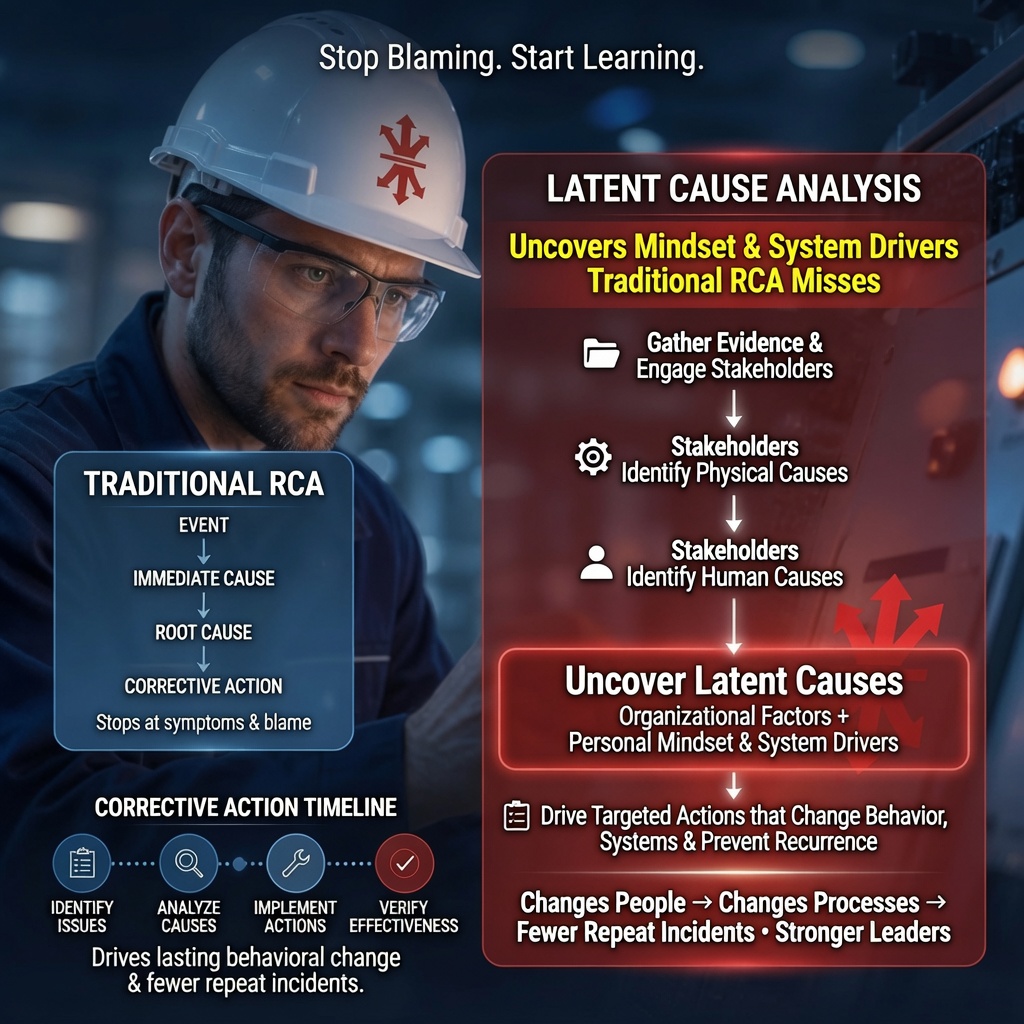
We show how Latent Cause Analysis finds the systemic mindsets behind incidents, not just a single “root.” It reduces blame, speeds learning, and cuts repeat events — with real gains our teams can measure. Learn more: wix.to/OsRybZc #RootCauseAnalysis #LatentCause
1
3

Jun 9
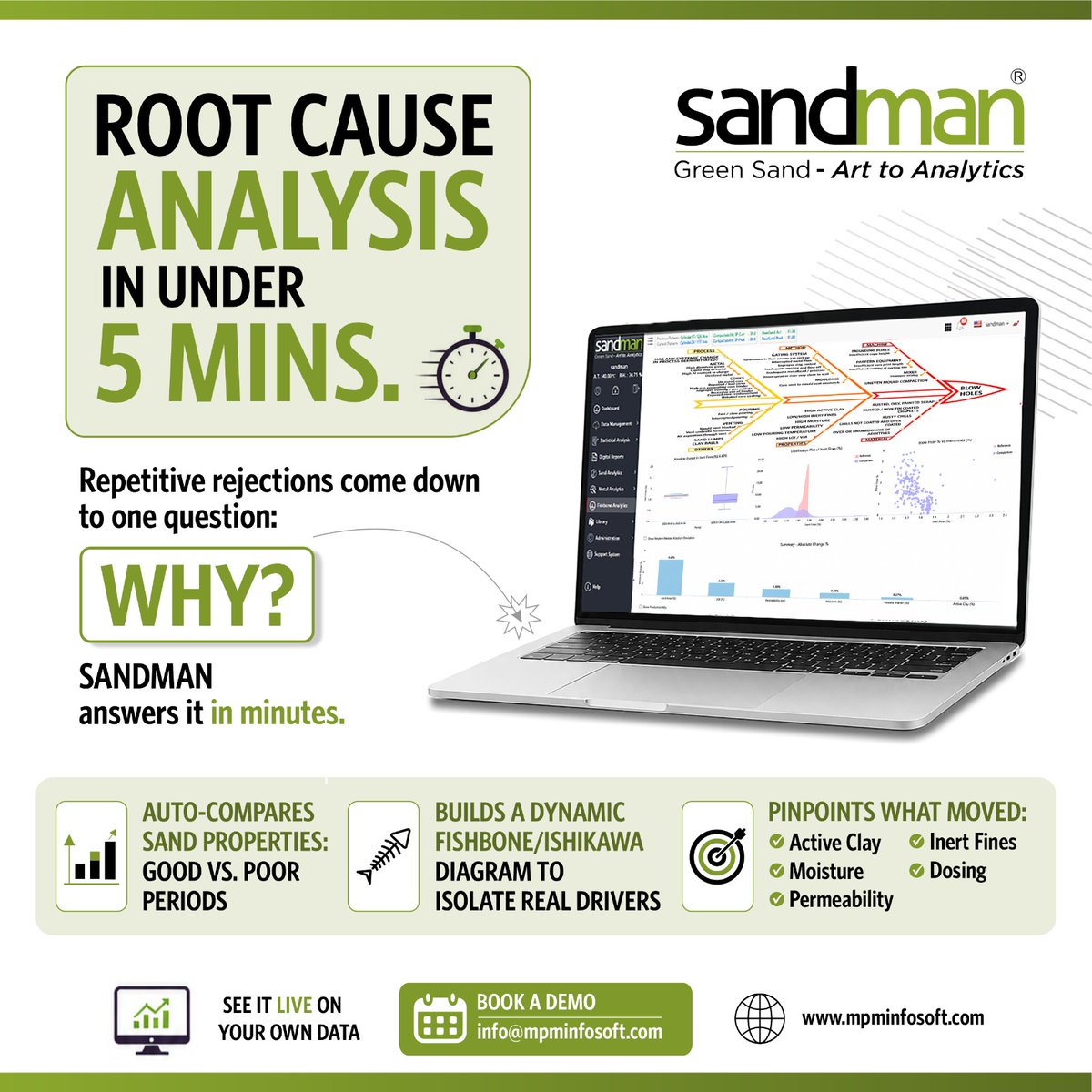
Sandman performs Root Cause Analysis in under 5 minutes
📩 info@mpminfosoft.com | 🌐 mpminfosoft.com
#Foundry #RootCauseAnalysis #GreenSandControl #CastingDefects
6

🔍 LLEGA A LA CAUSA RAÍZ CON LOS "5 WHYS"
📱 Conoce todo mi contenido y sígueme → linktr.ee/soydianapinto
#ProblemSolving #CleanCode #SoftwareEngineering #RootCauseAnalysis #SystemDesign #5Whys #Programadores #TechLife #SoyDianaPinto
1
2
25
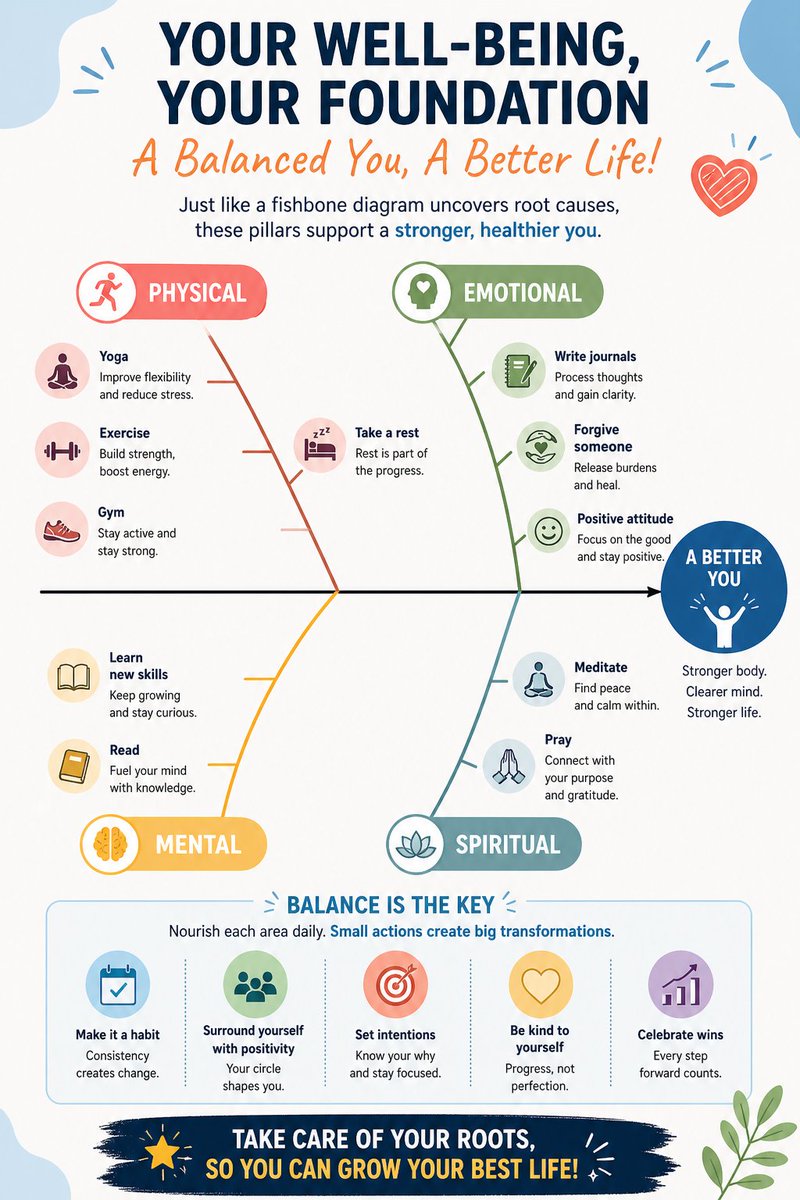
🐟Fishbone Diagram: Your Secret Weapon for Root Cause Analysis!
Tired of treating symptoms instead of solving the real problem? Enter the Fishbone Diagram (aka Ishikawa or Cause-and-Effect) – one of the most fun and powerful Lean Six Sigma tools out there!
It looks just like a fish skeleton:
The head = Your problem
The spine = Main flow
The bones = Categories of possible causes (like Man, Machine, Method, Material, Measurement, Environment – or whatever fits your world!)
By mapping it out visually, you spot patterns, ask smarter questions, and dig past surface-level fixes to the TRUE root cause.
Boom – real solutions unlocked! 🚀
Pro tip: Use it in your next team huddle, I've even used it in my personal life. Watch the “Aha!” moments fly.
Got a stubborn process issue or business challenge? Sketch a Fishbone and let the clarity flow.
Who’s ready to fish for root causes? Drop your biggest problem in the comments – let’s brainstorm! 💡
If you want to learn more go to: eckleyprocesssolutions.com/
#LeanSixSigma #RootCauseAnalysis #FishboneDiagram #ProcessImprovement #LeadershipTools
23

Experiences from jungle flashbacks inspired a meditation session, leading to a profound insight into diagnosing the root causes of ailments. #Mindfulness #RootCauseAnalysis
5

When incidents happen, speed matters. But speed without thoroughness creates more problems. The Root Cause Analysis Handbook balances urgency with systematic analysis needed for permanent fixes.
buff.ly/FkXonLj
#IncidentResponse #RootCauseAnalysis #Safety #Operations

1

Jun 8
HBM is often discussed like a packaging race.
More layers. Better bonding. Better thermal control. Cleaner stack architecture.
All true.
But the battle may be happening much earlier, in the front-end DRAM process.
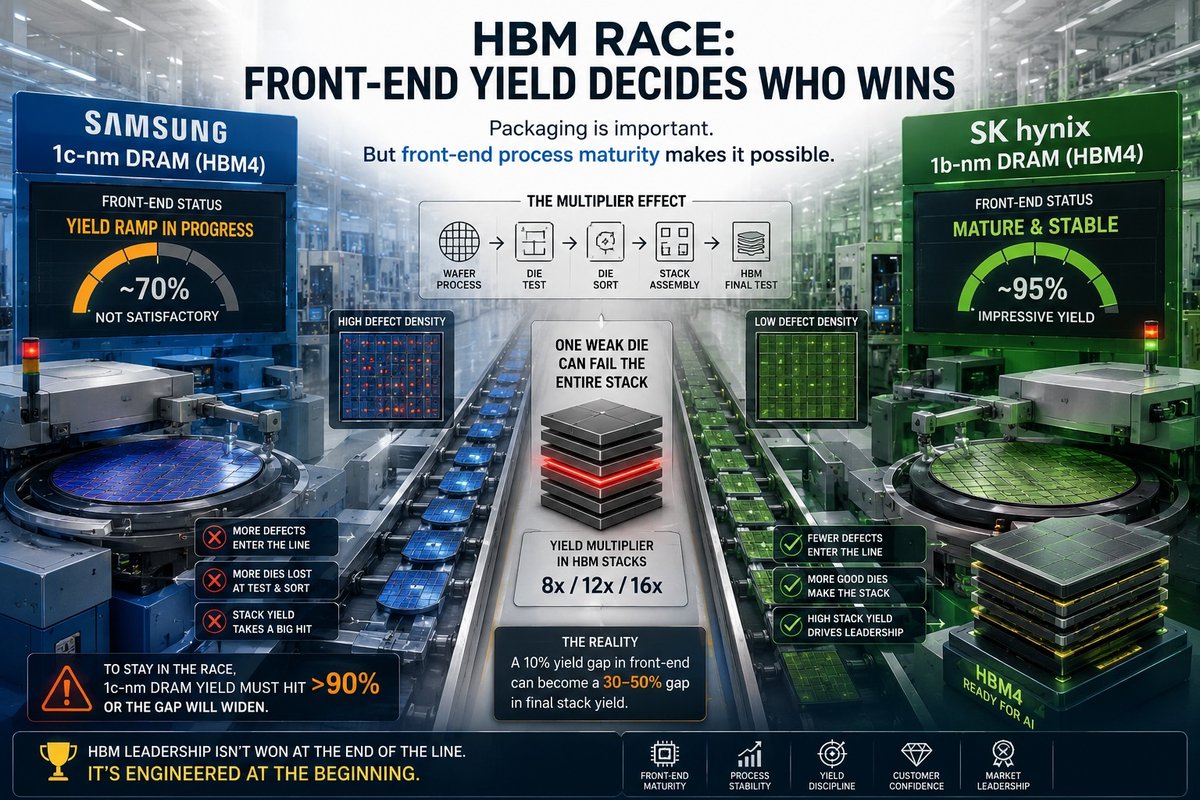
Nomad Semi’s HBM analysis makes the point sharply: Samsung is trying to use 1c-nm DRAM for HBM4, while SK Hynix is leaning on a mature 1b-nm process. The spicy part is that “newer node” does not automatically mean “stronger business position.”
In high-volume memory, maturity can beat ambition.
Because HBM yield does not politely wait until final assembly to become painful, every weak die entering the stack becomes a multiplier. A small front-end yield gap becomes a much larger final-stack yield gap once you build 8-high, 12-high, or 16-high products.
That creates the usual factory pain buffet:
• more engineering fire drills
• more qualification anxiety
• more binning pressure
• more capacity consumed by parts that almost work
• more uncomfortable customer conversations
Packaging gets the spotlight because it is visible, exotic, and slightly sci-fi.
Front-end yield gets fewer headlines because it sounds boring.
Which is exactly why it matters.
The winner in HBM may be the company that makes the fewest heroic recoveries later in the flow, because the process was stable enough earlier in the flow.
Advanced manufacturing rewards elegance, but it pays cash for repeatability.
What do you think will matter more in the HBM4 race: aggressive node scaling, or boring-but-beautiful process maturity?
#Semiconductors #HBM #DRAM #Yield #Process #Packaging #Manufacturing #RootCauseAnalysis #AI #Engineering #Semiconductor #PRIZGuru
79

Jun 8
📢 Incident Investigation & Root Cause Analysis Training – IIRSM, UK🔍
📞 For Details & Enrollment:
𝐌𝐈𝐒𝐒 𝐒𝐄𝐇𝐑𝐈𝐒𝐇: 91 86885 27476
👉🏻 𝐉𝐎𝐈𝐍 𝐎𝐔𝐑 𝐖𝐇𝐀𝐓𝐒𝐀𝐏𝐏 𝐆𝐑𝐎𝐔𝐏
chat.whatsapp.com/JpfavguWNd…
#IncidentInvestigation #RootCauseAnalysis #HSETraining

1

Conducting Post-Mortems for Business
⏱️ 1.2 hours
👥 389
🔄 Apr 2026
💰 $14.99 → 100% OFF
comidoc.com/udemy/conducting…
#udemy #Business #Management #RootCauseAnalysis
23

So true. In quality management, the visible problem is rarely the real one.
Most audits flag symptoms - not causes. That is why root cause analysis matters so much in ISO 9001.
The real problem is usually one of these:
- No clear process ownership
- Pressure to close NCRs fast without fixing anything
- Leaders who see quality as a cost, not a system
Sound familiar?
#QualityManagement #ISO9001 #RootCauseAnalysis #ISOtraining
6