
22 Aug 2025
🎬 Real Skills. Real Projects. Real Confidence.
Our latest mockup reel gives you a behind-
#ACTETechnologies #ACTEChennai #StudentSuccessStory #DataAnalyticsCourse #DataAnalyticsTraining #BestInstituteChennai #PythonForAnalytics #PowerBITraining #SQLForDataScience
1
1
51
17 Jul 2025
🎬 Real Skills. Real Projects. Real Confidence.
#ACTETechnologies #ACTEChennai #StudentSuccessStory #DataAnalyticsCourse #DataAnalyticsTraining #BestInstituteChennai #PythonForAnalytics #PowerBITraining #SQLForDataScience #JobOrientedTraining #CareerInAnalytics #UpskillNow
1
22

12 Jul 2025
📊 Master SQL for Data Science – No Experience Needed!
Build full data pipelines, analyze with SQL in Databricks & uncover insights that drive business impact.
🔗 groupify.ai/ai-courses/sql-b…
#GroupifyAI #SQLforDataScience #Databricks #AICourse
22

7 Jul 2025
3/ The dataset includes:
Booking & arrival dates
Number of guests & nights
Distribution channels (e.g. OTA, Direct)
Customer types (Transient, Corporate)
Deposits, status (cancelled/checked out)
Revenue & losses
It’s detailed and rich. 📊
#SQLForDataScience
1
12

4 May 2025
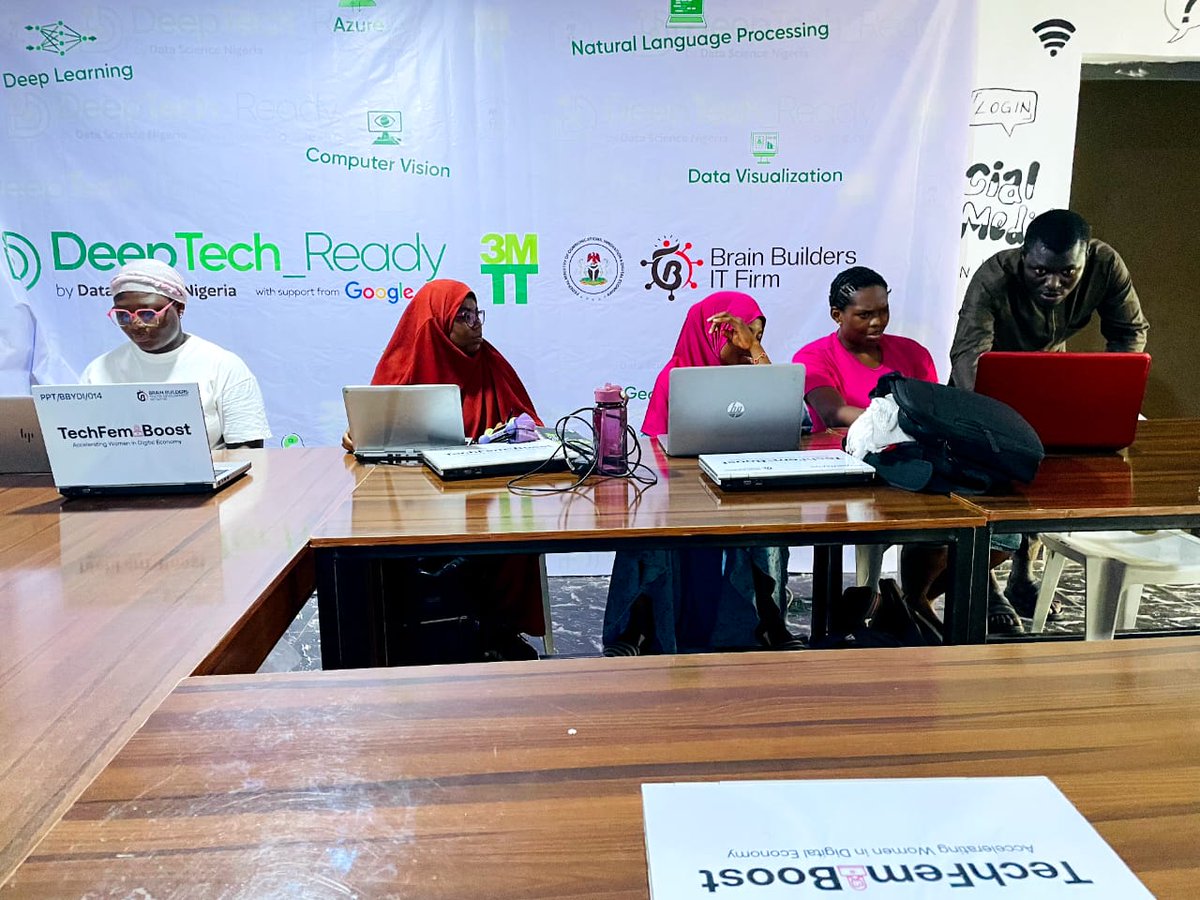
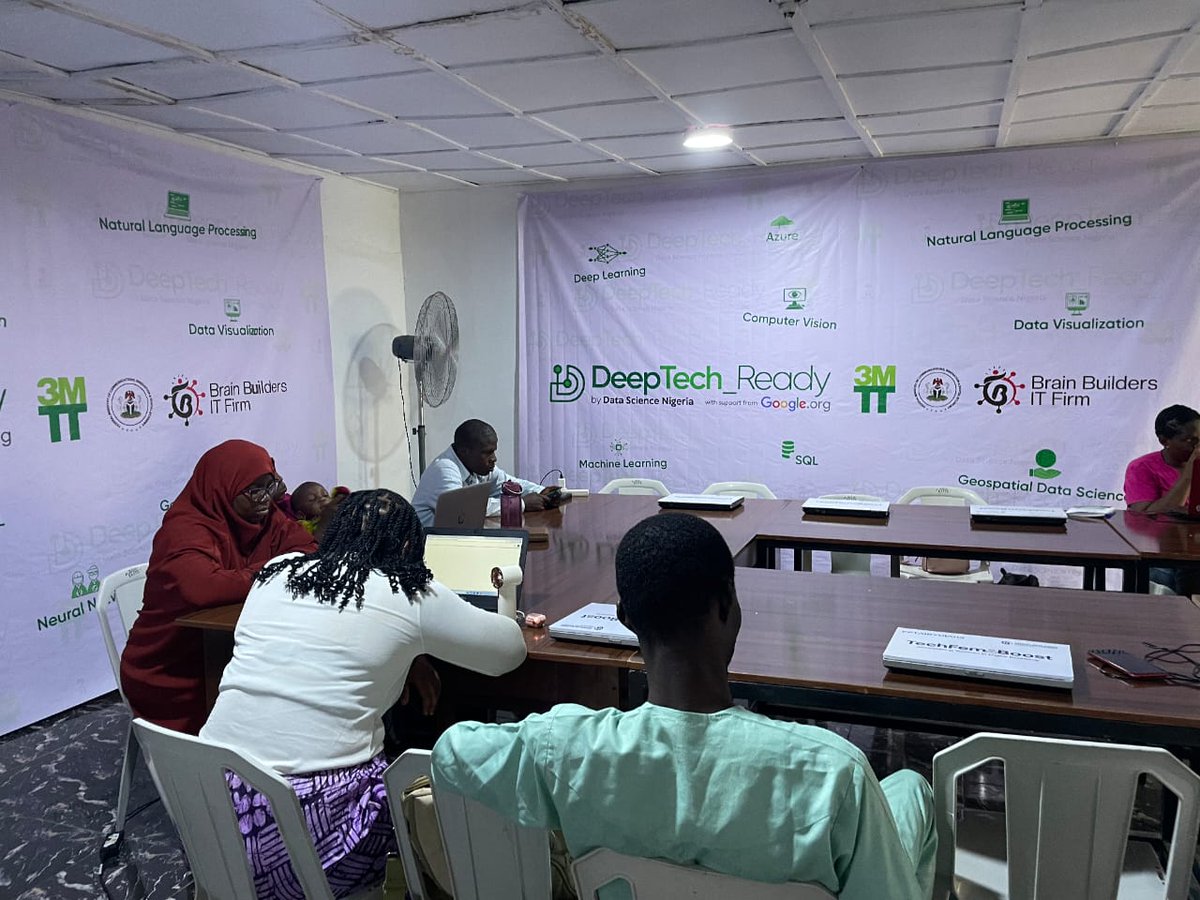
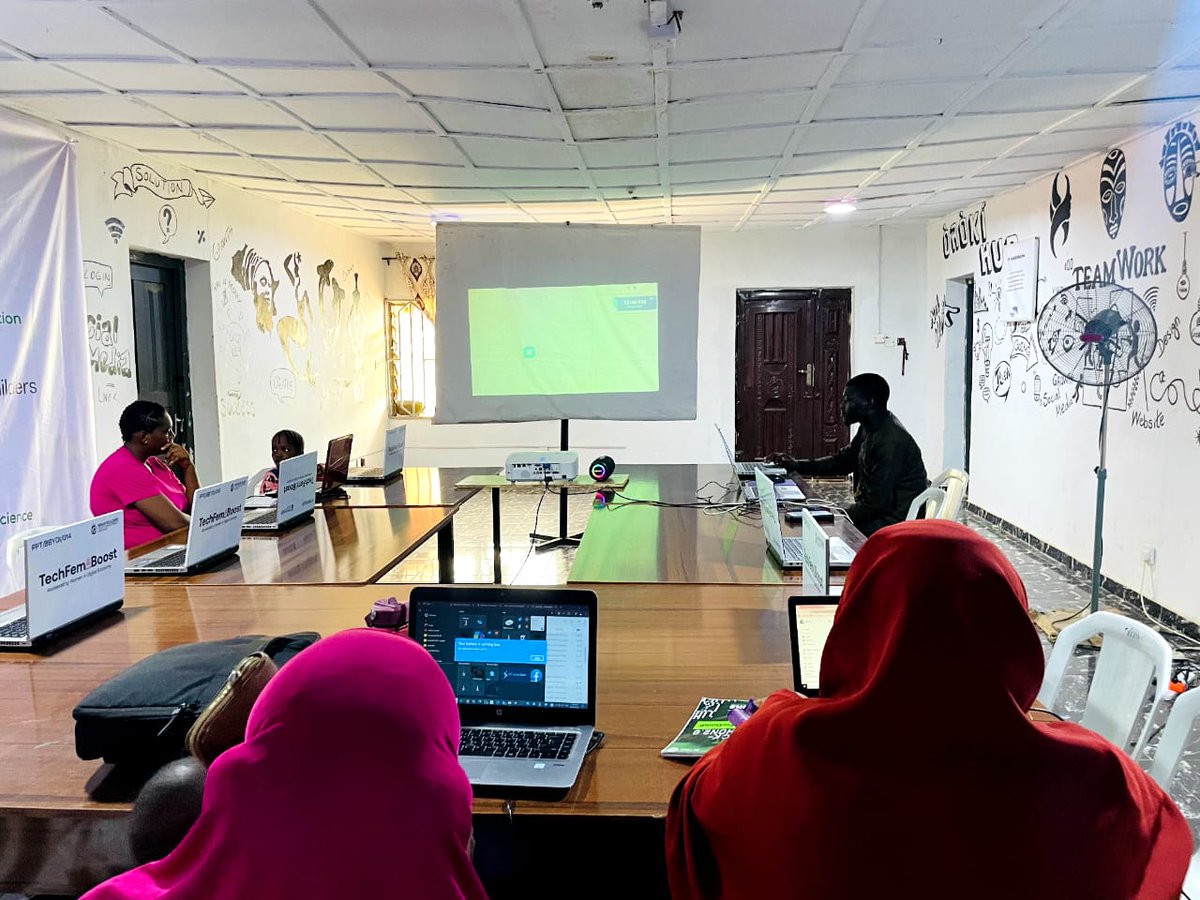
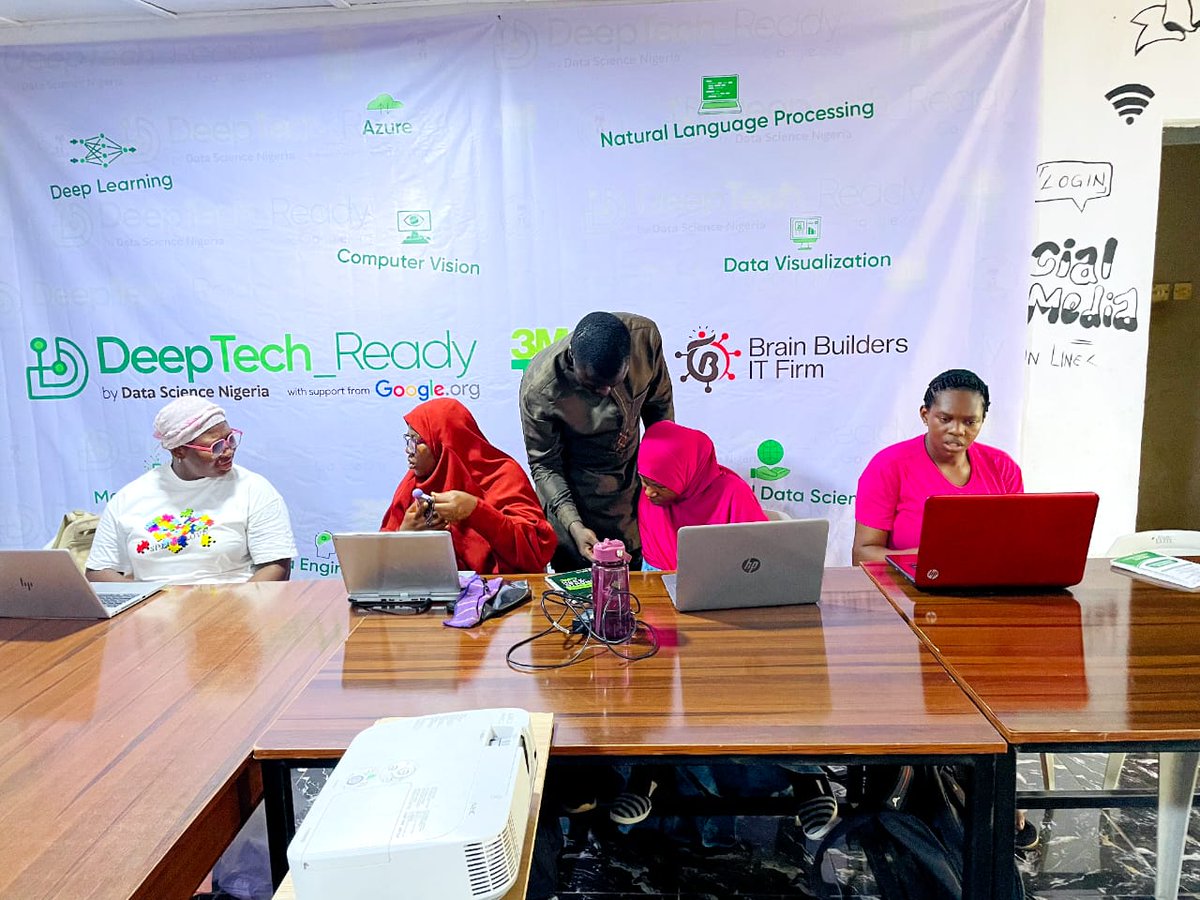
Today marked another fantastic step in our deep tech journey!
Participants in the Data Science & Machine Learning track got a practical class following a nationwide live session. They dived into an interactive introduction to SQL the bedrock of data manipulation.
We're not just teaching; we're building the future of tech in Nigeria, covering crucial areas like: Data Science and Machine Learning. Advanced Data Analysis and Visualisation Computer Vision and Natural Language Processing.
This week's session was buzzing with real-time problem-solving and query building. Huge props to the learners for their active participation!
#DataAnalytics #SQLForDataScience #BrainBuildersIT #3MTT #DataScienceNigeria #DeepLearning #SkillsForFuture @3MTTNigeria @DeepTech_Ready @dsn_ai_network
1
2
12
245

23 Feb 2025
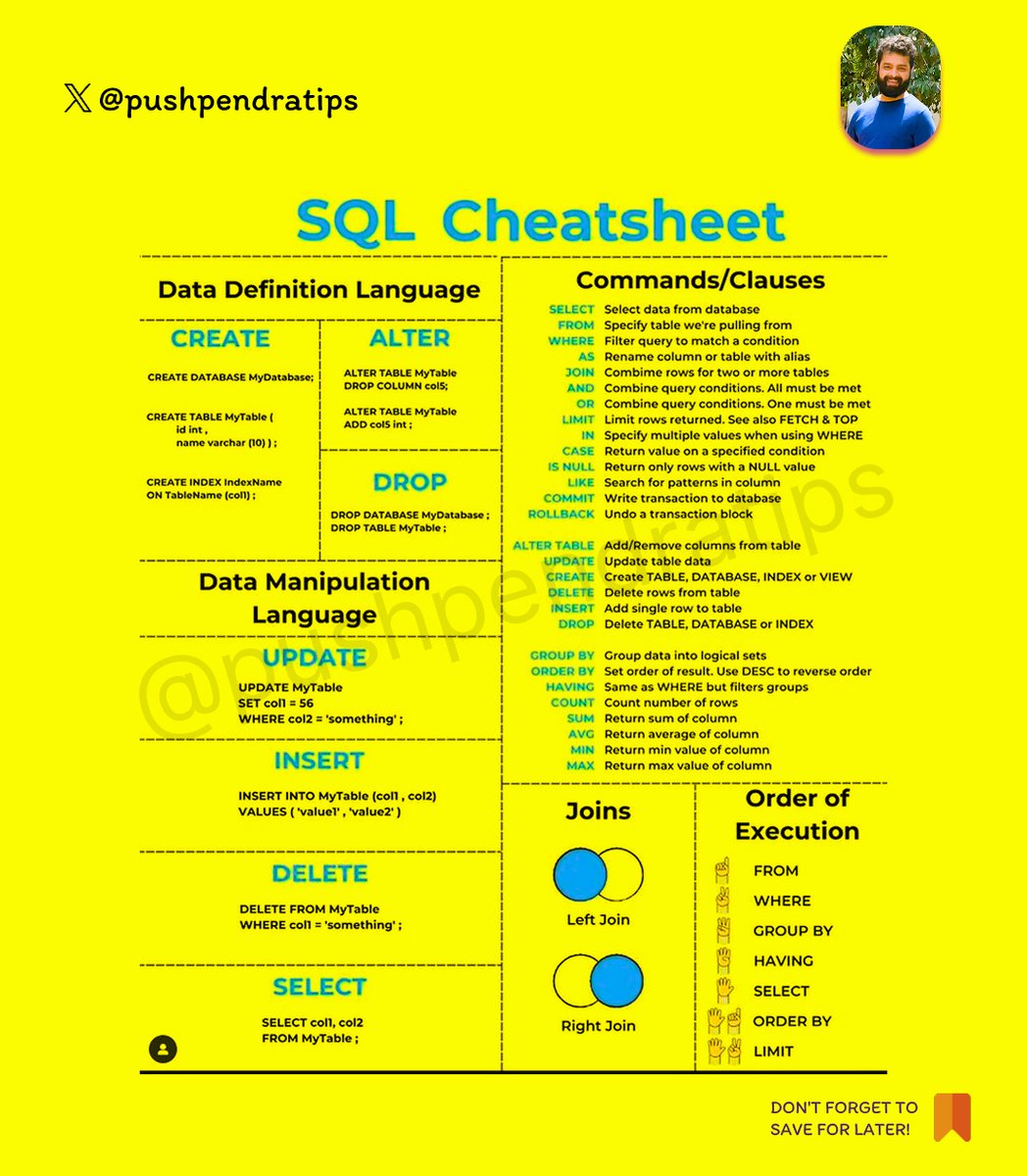
📜 SQL Cheat Sheet
🔍 Fetching Data (SELECT)
SELECT * FROM table_name;
SELECT column1, column2 FROM table_name;
SELECT DISTINCT column FROM table_name;
_____________________________________________________
🎯 Filtering Data (WHERE)
SELECT * FROM users WHERE age > 25;
SELECT * FROM orders WHERE status = 'delivered';
_____________________________________________________
🧩 Multiple Conditions (AND, OR, NOT)
SELECT * FROM users WHERE age > 25 AND city = 'Delhi';
SELECT * FROM products WHERE price < 500 OR stock > 50;
SELECT * FROM employees WHERE NOT department = 'HR';
_____________________________________________________
🔢 Sorting Results (ORDER BY)
SELECT * FROM employees ORDER BY salary DESC;
SELECT * FROM products ORDER BY price ASC, name DESC;
_____________________________________________________
🎛 Limiting & Skipping (LIMIT, OFFSET)
SELECT * FROM products LIMIT 5;
SELECT * FROM orders LIMIT 10 OFFSET 5;
_________________________________________________________
🏗 Grouping Data (GROUP BY, HAVING)
SELECT department, COUNT(*) FROM employees GROUP BY department;
SELECT category, AVG(price) FROM products GROUP BY category HAVING AVG(price) > 100;
_________________________________________________________
🏆 Aggregations (COUNT, SUM, AVG, MIN, MAX)
SELECT COUNT(*) FROM users;
SELECT SUM(price) FROM orders;
SELECT AVG(salary) FROM employees;
SELECT MIN(age), MAX(age) FROM users;
_____________________________________________________
🔄 Joining Tables (JOIN)
👫 Inner Join
SELECT users.name, orders.amount
FROM users
INNER JOIN orders ON users.id = orders.user_id;
_____________________________________________________
📌 Left Join
SELECT users.name, orders.amount
FROM users
LEFT JOIN orders ON users.id = orders.user_id;
_________________________________________________________
📌 Right Join
SELECT users.name, orders.amount
FROM users
RIGHT JOIN orders ON users.id = orders.user_id;
_____________________________________________________
🔗 Full Join
SELECT users.name, orders.amount
FROM users
FULL JOIN orders ON users.id = orders.user_id;
_____________________________________________________
🏗 Creating & Modifying Tables
🆕 Creating a Table
CREATE TABLE users (
id INT PRIMARY KEY,
name VARCHAR(100),
age INT,
city VARCHAR(50)
);
_____________________________________________________
🔧 Altering a Table
ALTER TABLE users ADD COLUMN email VARCHAR(100);
ALTER TABLE users DROP COLUMN city;
_____________________________________________________
📝 Modifying Data
➕ Inserting Data
INSERT INTO users (id, name, age) VALUES (1, 'Amit', 30);
_____________________________________________________
🛠 Updating Data
UPDATE users SET age = 31 WHERE id = 1;
_____________________________________________________
❌ Deleting Data
DELETE FROM users WHERE id = 1;
DELETE FROM users; -- Delete all rows
_____________________________________________________
🏛 Indexes & Keys
🔑 Primary Key
CREATE TABLE users (
id INT PRIMARY KEY,
name VARCHAR(100)
);
_____________________________________________________
🔑 Foreign Key
CREATE TABLE orders (
id INT PRIMARY KEY,
user_id INT,
FOREIGN KEY (user_id) REFERENCES users(id)
);
_____________________________________________________
🚀 Creating Index
CREATE INDEX idx_name ON users(name);
_____________________________________________________
📜 Subqueries & Unions
🔄 Subquery
SELECT name FROM users WHERE id IN (SELECT user_id FROM orders);
_____________________________________________________
🔗 Union (Combine Results)
SELECT name FROM customers UNION SELECT name FROM suppliers;
SELECT name FROM customers UNION ALL SELECT name FROM suppliers; -- Includes duplicates
_____________________________________________________
🔥 Transactions
BEGIN TRANSACTION;
UPDATE accounts SET balance = balance - 500 WHERE id = 1;
UPDATE accounts SET balance = balance 500 WHERE id = 2;
COMMIT; -- Save changes
ROLLBACK; -- Undo changes
#SQL #SQLTutorial #LearnSQL #SQLQueries #SQLCheatSheet #Database #DataScience #Programming #Tech #Code
#SQLForBeginners #SQLBasics #SQLTraining #LearnToCode #CodingForBeginners #AdvancedSQL #SQLPerformance #SQLOptimization #SQLBestPractices
#SQLDatabase #MySQL #PostgreSQL #SQLServer #OracleSQL #NoSQL #DataAnalytics #SQLForDataScience #BusinessIntelligence #BigData #DataVisualization
28
19
66
8,752

15 Feb 2025
𝗠𝗮𝘀𝘁𝗲𝗿 𝗦𝗤𝗟 𝗳𝗼𝗿 𝗗𝗮𝘁𝗮 𝗦𝗰𝗶𝗲𝗻𝗰𝗲 𝗶𝗻 4 𝗦𝗶𝗺𝗽𝗹𝗲 𝗦𝘁𝗲𝗽𝘀!
SQL is a must-have skill for any data scientist, analyst, or engineer. If you’re struggling to master it, don’t worry—I’ve broken it down into 4 easy steps to help you go from beginner to pro.
🎯 Ready to start?
🔗lnkd.in/dkexGamM
🔔 Don’t forget to 𝗦𝗛𝗔𝗥𝗘 𝘁𝗵𝗶𝘀 𝘄𝗶𝘁𝗵 𝘀𝗼𝗺𝗲𝗼𝗻𝗲 𝘄𝗵𝗼 𝗺𝗶𝗴𝗵𝘁 𝗻𝗲𝗲𝗱 𝘁𝗵𝗲 𝗿𝗲𝘀𝗼𝘂𝗿𝗰𝗲𝘀.
#SQLforDataScience #DataSkills #LearnSQL #DataAnalytics
2
45

1 Nov 2024
🚀 Ready to level up your SQL game?
Dive into advanced SQL techniques tailored for data science and uncover ways to tackle complex data challenges! From powerful window functions to optimization strategies, this guide covers it all in a practical, hands-on approach. Whether you’re a seasoned analyst or just starting, these techniques will transform how you approach data. Don't miss out—get ready to elevate your skills and gain insights that will set you apart!
#SQLforDataScience #AdvancedSQL
linkedin.com/pulse/advanced-…
ALT Ready to level up your SQL game?
56
30 Oct 2024
🚀 Unlock the Power of SQL for Data Science!
If you’re looking to master joins, subqueries, and indexing—the building blocks of efficient data handling—this is your guide! Learn how these skills can transform the way you work with data, boosting speed and clarity in your queries. Whether you're just starting or brushing up, this article breaks it down with hands-on examples and clear explanations. Ready to level up? Dive in now and see how these techniques can sharpen your data game! #DataScienceEssentials #SQLforDataScience
linkedin.com/pulse/joins-sub…

ALT Unlock the Power of SQL for Data Science!
1
39

18 Sep 2024
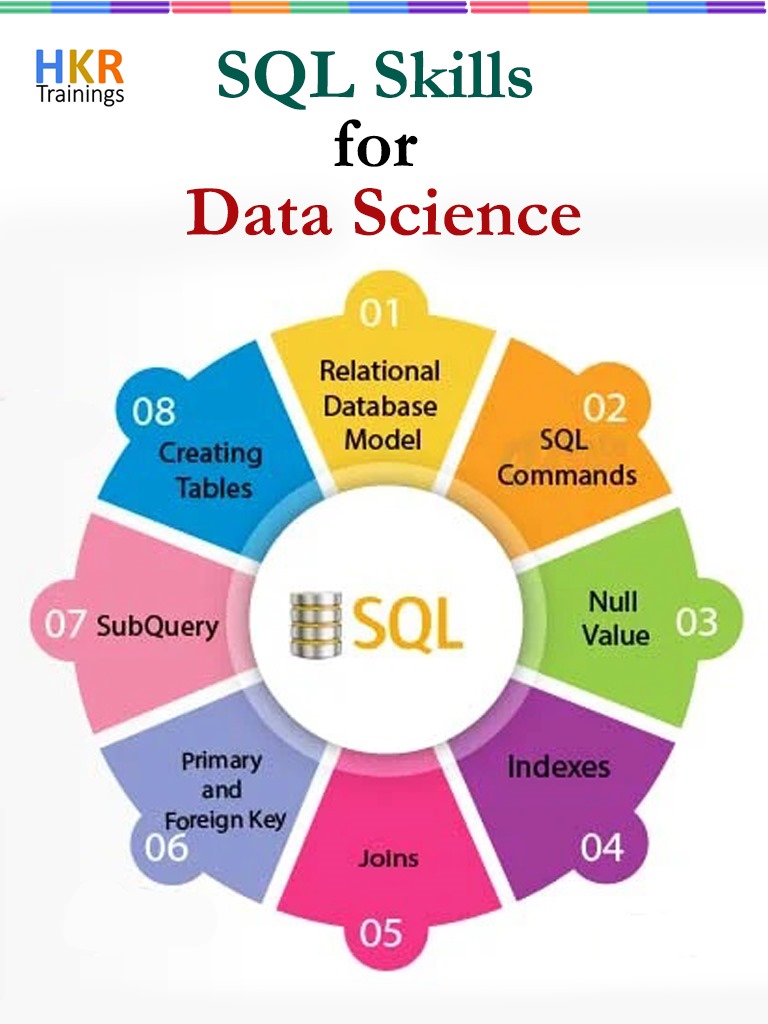
"Master SQL skills for data science! Learn how to manipulate, query, and manage databases efficiently to uncover valuable insights and boost your data-driven decision-making.
#SQLForDataScience #DataScienceSkills #LearnSQL #SQLQueries #DataAnalytics #SQLTraining #hkrtrainings
18

5 May 2024
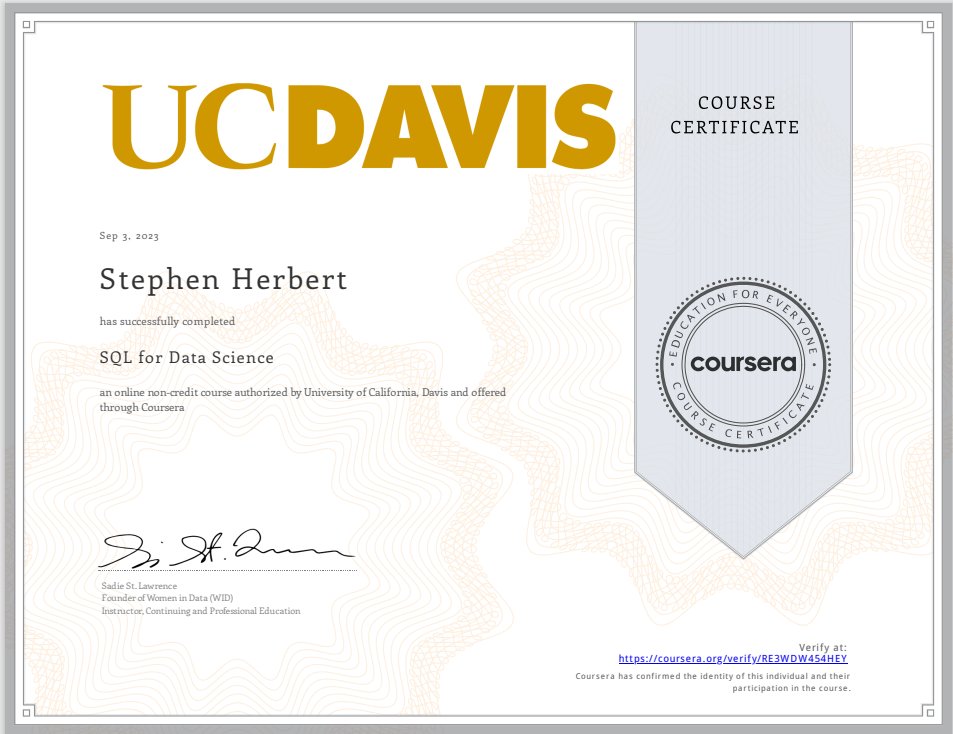
I just completed the course "Data Manipulation in SQL"! datacamp.com/completed/state… via @DataCamp #datafam #sql #sqlfordatascience
1
23


19 Jun 2023
#SQL #webinar #sqlforbeginners #sqlfordatascience
For those who were unable to attend the session I made a series of videos for the young aspirants so they get quick grip on it. lnkd.in/ds4gnXqz
8

13 Feb 2023
Real-world data analysis requires proficiency in databases and SQL. Check out these free resources:
W3Schools (SQL) #SQLBasics
Mode Analytics (SQL) #SQLForDataScience
16

28 Nov 2022
This thread is saved to your Notion database.
Tags: [Sqlfordatascience]


22 Aug 2022
Python Basics Tutorial Our SQL Journey Pt 13 What How When and Why Do I ... youtu.be/nerr2YeXvPQ via @YouTube
#Python #SQL #SQLFORDATASCIENCE

5 Aug 2022
Day 16 #100daysofcode #30daysofdata
#sqlfordatascience (@DataCamp
- Learnt about "self-join"(joining a table to itself) basic calculations using "self-join"
- Learnt the use of the "CASE" clause together with the use of the "WHEN", "THEN", "ELSE" AND "END" clauses.
1
1
4
3 Aug 2022
#sqlfordatascience
- Learnt the use of the "HAVING" keyword (this is closely related to the "WHERE" keyword. The distinction, however, is grounded in the fact that the "HAVING" keyword is used with "AGGREGATE FUNCTIONS"- "AVG", "SUM"...- whilst the "WHERE" keyword is not).
1
1
3 Aug 2022
Day 15 #100daysofcode #30daysofdata
#sqlfordatascience(@DataCamp)
- Learnt the "sorting of single columns"
- Learnt the "sorting of multiple columns"
- Learnt the use of the "GROUP BY" clause
- Introduction to the basics of the "JOIN" keyword to link multiple TABLES
contd...
1
7
9