
Jun 14
No point tbh. Would be smarter to attach them to cheap UGV's so they can hide and wait to SAMbush any targets. You can even sneak them behind enemy lines.
1
57

It's very well documented. The "SAMBUSH" tactic was the 1st time an F35 has been taken out.
Mar 19

Iranian military analyst breaks down the first-ever successful hit on a US F-35 stealth fighter:
-- Iran likely deployed "SAMbush" tactics -- mobile air defense ambushes using systems with minimal radar emissions to avoid detection
-- The F-35 was supposed to be invisible and unhittable -- that's why it's the most expensive weapon in human history
-- The US can't blame a foreign operator this time -- it was their own jet, their own pilot at the controls
-- This forces the US to rethink operations: they no longer face open, uncontested skies
-- Concern for US tanker aircraft in Iraq increases "tenfold, twentyfold"
-- Major implications for F-35 manufacturers and international buyers who were sold on invincibility
27

It's not that difficult; just prepare one USV with remotely controlled 358 and 359 on them, then do SAMbush the helis, AWACS, drones, and refuelers.
Jun 9

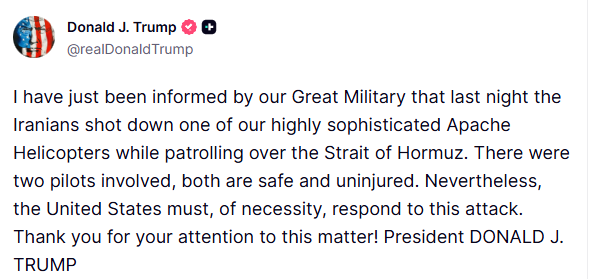
An expensive MQ-4 drone was apparently shot down too, but this time Trump went public
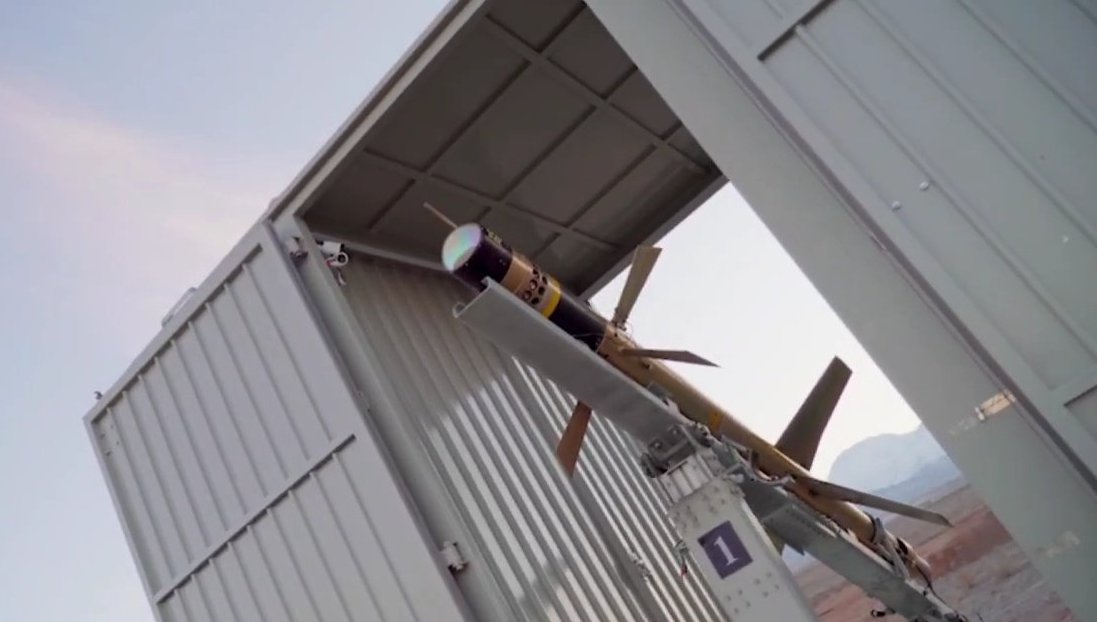
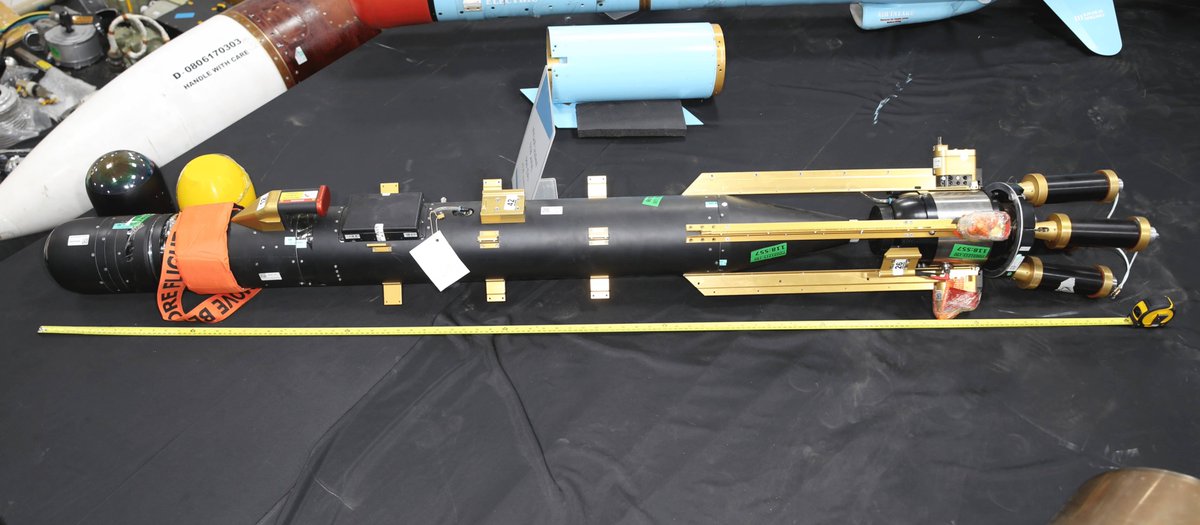
Killing an Apache on the western side of the Strait of Hormuz is a difficult task
It's an over-the-horizon kill at dozens of kilometers
➡️ Missile-358? Qaem-118?
2
68
Prepare a SAMbush for the US Air Force's refuelling aircraft.

We prefer the language of diplomacy, but we speak other languages far more fluently. Break your commitments, and we'll switch to what we speak best.
You ride the horse you saddled!
3
71


May 27
Hibrit güdümlü HSS füzeleri, rakım ve İranlı Pantsir:
Fotoğrafların Pantsir'in İran versiyonu olduğu iddia ediliyor. Maliyet etkin, komuta kontrollü, arayıcı başlığı olmayan HSS füzeleri sayesinde itkili, kanatlı güdüm kitli genel maksat bombaları gibi ucuz stand-off çözümlerine, seyir füzelerine, Kiha dronlara ve hava indirmeyle kombine kara saldırısına karşı etkili olur. Savaşın ilk günlerinden beri İran'da denenebilecek tek bombardıman uçağının B-1 Lancer olduğunu iddia ediyorum. İşte bu sistem tekli veya salvo atışta alçak irtifadan sızacak B-1 için de çok büyük bir tehdit.
İran'ın sık ve coğrafyayı "üstünden geçilmesi mecburi" sıra dağlar halinde bölen 3-4 bin metrelere varan rakımı sayesinde maksimum irtifasına 3-4 bin metre eklenir. Bu artış sebebiyle orta/yüksek irtifadan uçacak savaş uçakları ve B-1'ler için de büyük tehditdir. Unutulmamalı ki pusu tarzı hava savunmada alan koruma hava savunma sistemlerine bağımlılık yoktur. Yüksek irtifaya ulaşabilen bir ucuz/yaygın nokta/kısa veya rakım desteği ile orta menzil hava savunma sistemi en büyük tehdittir.
Uçakların elektronik harp önlemlerinin özellikle komuta kontrollü füzelerde güdümü bozabileceği düşünülse de, uçak gibi kıymetli hedeflere karşı radar ve/veya araç üstü termal sensörden gelen veriyle, veri bağıyla güdüm füze üstü IIR/pasif radar alıcısı sensörle güdüm gibi aynı araçta birden fazla maliyet sınıfında ve EW'ye dirençli füze bulunması ihtimal dahilindedir. Elektronik harp gerçekleştiren, pasif ve aktif savunma mekanizmalarını çalıştıran tarafın hemen hemen tüm bu güdüm alternatiflerini aynı anda kırabilmesi gerekmektedir.
Unutulmamalıdır ki pusu HSS mantığında pusu atan, Sambush gerçekleştiren HSS için en iyi şartlar, uçak için de kötü şartlar düşünülmelidir. Bu bir kati hava hakimiyeti stratejisi değil, yıpratma stratejisidir. Üstünden geçilmesi mecburi yüksek rakım da mevzilenme için yer seçiminde cezbedicidir.
@KAANTF_23 sıklıkla hibrit güdümden bahsettiği için onu anmadan geçmeyerek şunu da hatırlatmak istiyorum ki sınır bölgesi gibi HSS'nin hava indirmeye, kıyıbaşı oluşturmaya karşı yüksek performanslı olması gereken noktalarda ben HAWK/Şahin benzeri yüksek gövde çaplı füzelerde "aktif?/pasif?" radar IIR komutla güdüm gibi hibrit güdüm seçeneklerinin olmasını bekliyorum. Suyun içinden de havaya sürprizler gelebilir.
İran derinliklerinde kesinlikle ABD ve koloni hava hakimiyeti olmadığı, sihalar ve savaş uçakları çok nadir riskli girişler hariç sürekli devriye atar vaziyette bulunmadığı için araç füzesini hedefe sadece optik veya IIR yani termal güdümle ile yönlendirmek zorunda değil. Rahatlıkla kısa süreli olarak aydınlatma/yönlendirme-güdüm radarını çalıştırıp seyir füzesi, dron ve itkili güdüm kitli genel maksat bombası hedeflerini füzeleri veya topuyla düşürebilir. Radarın doğrultusuna göre hasım elektronik harp sistemlerine hiçbir sinyal gitmeyebilir, sinyal gitse bile tepki süresinden çok daha kısa sürede güvenli alana çekilebilir.
Rakım sayesinde havanın incelmesinin getireceği kısmi menzil artışını da hesaba katarsak, 30 mm vb. çapta uçaksavar topları da 3-4 bin metre rakımın olduğu noktalarda artık 6-8 bin metre/orta irtifada etki üretmeye başlar. Radar kontrolü ile kombine şekilde ucuz ama bekası zayıf, yüksek irtifa itki kombinasyonunu birleştirip sürekli alçalarak hedefe yaklaşan KGKlı genel maksat bombası stand-off stratejisine maliyet etkin bir cevap olabilir.
İran derinliklerine alçak irtifadan savaş uçağı ve helikopter sızmasının pek bir espirisi yok. Vasıfsız siyasetçilerin yumurtladığı etkisiz şov operasyonu fiyaskolarından başka senaryoda fayda vermezler. Bu tür sistemlerin yığıldığı yer kara operasyonu ve denizden çıkarma tehdidiyle kombine hava indirme riskinin olduğu sınır bölgeleridir.
May 27
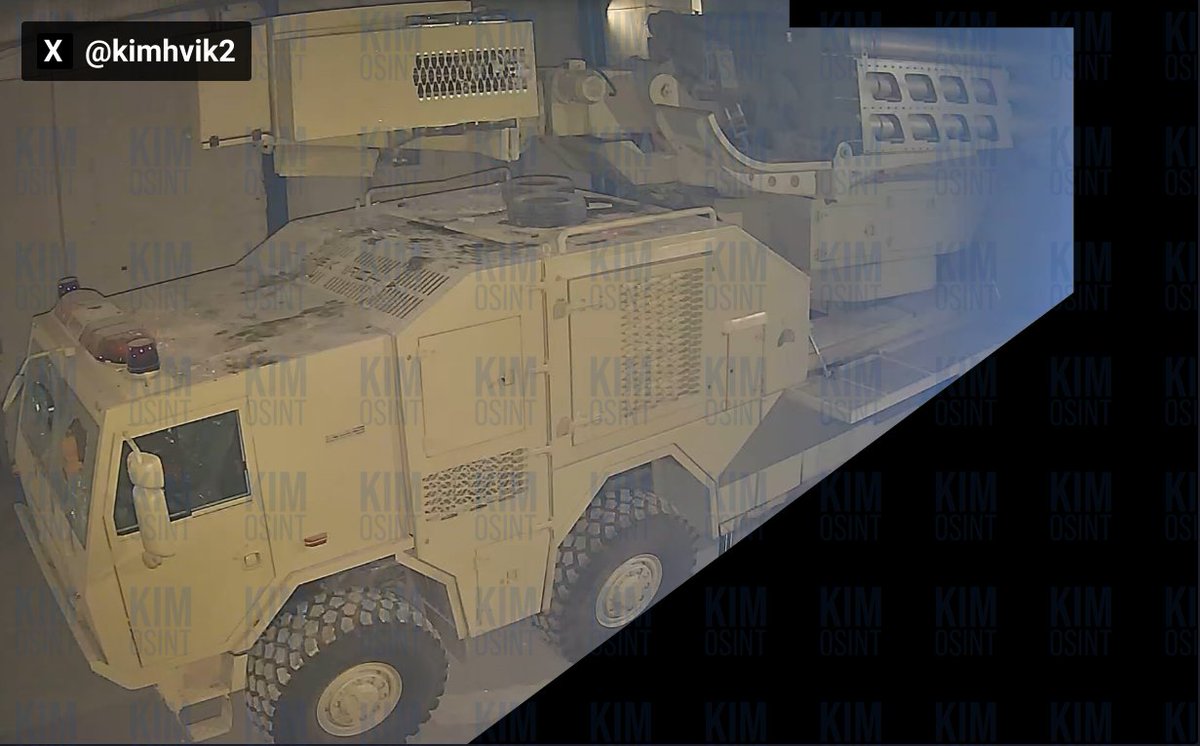
Looks legit
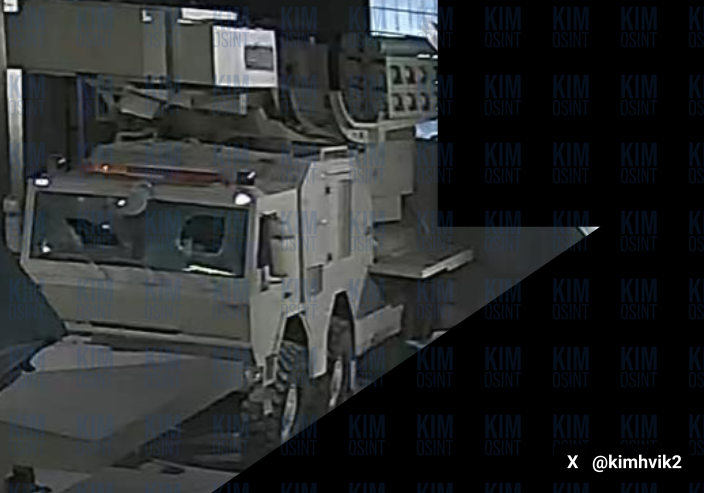
➡️ Seems like the rumors about "Pantsir of Islam" were true
Beside Tor-M1 based air defense systems Iran developed its own interpretation of the Russian Pantsir short-range SAM
➡️ Not unexpected given the IRGC/Army duality of Iran's military
6
35
5,806

Iranian mil understood that post-Cold War, US relied on air power (Serbia, Iraq, Afg) & SOF; had reduced logistical abilities (eg munitions production); and become casualty averse. Iran’s posture was to (1) destroy US bases and push US air ops to longer ranges (eg UK); (2) survive air campaign until US munitions were depleted.
Araghchi said, 1-2 days into the war, “we observed how the Americans fought in Iraq & Afg and adapted.” Hence mosaic decentralized defense, underground bases, SAMbush, etc.
1
2
34
2,591


May 2
The 358s that were used in Iran to down several American and Israeli drones as well as fighter aircraft such as the A-10 and F-15s, have been used by Hezbollah over the past few years.
However it’s encouraging to see that they are now launching them from fixed platforms close to the engagement line. Even in lower quantities they’ll be able to SAMBUSH low flying Israeli aircraft that is providing air support to its soldiers.
1
7
34
1,258

#SawItLive
1️⃣3️⃣: Greatest distance for a show
7908’ Aspen Songwriters Festival
September 16-19, 2010
1,400 Miles. Yes, I drove it!
Allen Toussaint - “Yes We Can Can”
youtu.be/Ww-SUzYWmIA?si=Uwwl…
This was hosted by John Oates. I was employed by John (and Hall & Oates) at the time. I hung out backstage, shot all the musician interview videos, and more importantly made a lot of friends.
Biggest thrill? I was able to spend 30 minutes of one on one time with Allen Toussaint. One of the truly great musicians of our time.
A partial list of that year’s performers:
Allen Toussaint
Tift Merritt
Jim Lauderdale
Sam Bush
David Bromberg
Richard Butler (The Psychedelic Furs)
Jill Andrews
Jimmy Wayne
The Bird & The Bee
and MORE!
Plus lots of weird, but great combinations of artists!
I started to say when I drove 500 miles to see the Everly Brothers in 1999, but remembered this!
#JohnOates #AllenToussaint #RichardButler #PsychedelicFurs #TiftMerritt #SamBush

1
26
251

fifth-gen stealth is a massive sink cost.iran just proved that a "sambush" (sam ambush) using infrared can disable an f-35 for a fraction of the price.the pentagon is buying ferraris that can be taken out by a well-placed slingshot.
2
55


Apr 10
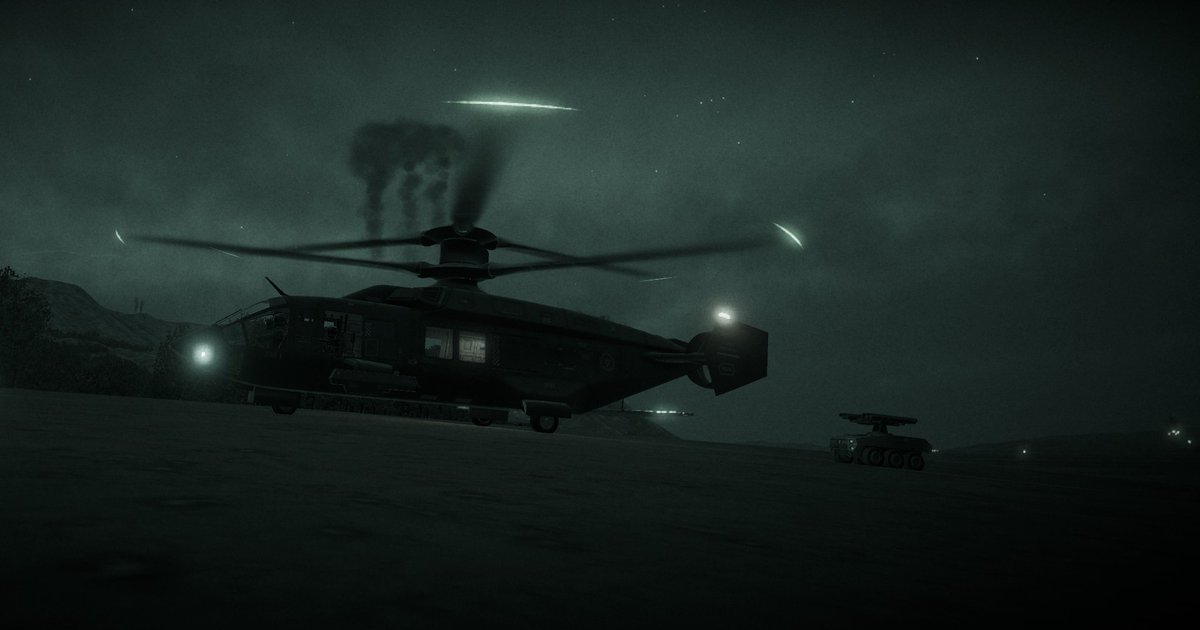
Ahahaha... Itu mmg aku yg masuk dalam karena lihat A-50 kent. Dengan semua emiter lawan silent. Aku tidak mengira kalau ternyata disiapkan SAMBUSH. Plus waktu balik, di intersep MIG juga. Diluar semua itu, masih sangat mudah dibandingkan saat landing, dgn inclement weather 🙃
2
133
Apr 10
Ternyata A-50 nya umpan. Asw... Bolehlah SAMBUSH nya.
Tau ngga di tembak berapa missile? 5 ekor boys, salvo dalam waktu sesingkat itu. At the end, A-50 jatuh.
Panik? Ngga, cukup ingat frekuensi SAM nya, gunakan program yg tepat untuk counter. Time windows nya memang mepet
1
33
1,316

There's no adaptation against SAMbush.
It's the oldest defense trick in the book. The only way to prevent it is not to fly into enemy Airspace at all & continue lobbing stand up munitions from safe distance. The Russians discovered this problem early and quickly adapted...../1
1
2
34

F-15E was shot down and F-15E in general don’t have MAWS? And the threat came from IR SAMbush.
F-15EX have EPAWSS and it’s hella good for RF environments. But still did not tackle the IR threats.
Anybody can explain this to me? Why tf Manpads is still a threat in 2026?
2
128

Apr 4
This was already obvious from all the shoot-down video clips. Camera network sounds like an exaggeration, and obviously the results are not matching the claim. Most likely SAMBUSH is the order of battle, and that has not been too effective.
en.wikipedia.org/wiki/Majid_…
3
6,309
Iranian Air Defenses: “Passive defense”/“SAMbush”
Iran’s plan was survival of SAM assets (“passive defense”), then to emerge from hiding when conditions warranted and “shoot and scoot” (“SAMbush”). This is what we are seeing.
New weapons: It’s likely that weapons that were hidden are being unveiled, but unlikely to have been supplied recently. (1) how to bring into Iran?; (2) distribute them?; (3) and what abt integration with Iranian systems and training of personnel?
Tehran has agency: Iran built what it needed (drones, missiles, Bavar-373, Raad, etc.) and purchased other items. If anyone needs to “step up” it’s Russia, which has yet to deliver Su-35. Russia only delivered Mig-29s and Mi-28 helos.
video on Iran & SAMbush 👇
youtu.be/N4wt-DSxoLw?si=ezig…
Apr 3

Ok, they’ve clearly rolled out a new air defense system. Was it supplied by Russia or China recently? Or were they holding it in reserve. The latter hypothesis seems implausible.
FWIW, my suspicion is that the Chinese are stepping up. Maybe they had to be coerced too.
1
4
26
3,361


I just asked Google Gemini: A bit windy, but the Chinese and the Russians knew about F-35's weakness and have developed Infrared Search and Track (IRST) systems to counter it.
The debate over whether the F-35’s heat signature is its "Achilles’ heel" has intensified following a specific engagement on March 19, 2026. During this incident, a U.S. Air Force F-35A was damaged by an Iranian Majid (AD-08) short-range air defense system. This event provides the most direct evidence to date regarding the aircraft's thermal vulnerability.
1. The March 2026 "Majid" IncidentEvidence from this engagement suggests that the F-35’s radar-optimized stealth was bypassed by passive infrared (IR) tracking.Passive Tracking: Unlike traditional SAMs that use radar (which the F-35 can often detect or jam), the Majid system uses optical and infrared sensors to "see" the heat emitted by the aircraft. Because it does not emit a radar signal, the F-35’s Radar Warning Receiver (RWR) may not alert the pilot to the lock-on.The "Sambush": Analysis of the IRGC footage and CENTCOM’s confirmation of an emergency landing indicates that the F-35 was likely targeted from its frontal or side hemisphere using its thermal signature. The pilot reportedly did not perform evasive maneuvers or deploy flares, suggesting the Distributed Aperture System (DAS)—the F-35's own infrared "eyes"—may have failed to provide sufficient warning in that specific environment.
2. Thermal Management vs. Engine PowerThe F-35 possesses the most powerful engine ever installed in a fighter, the Pratt & Whitney F135, which generates over 43,000 lbs of thrust. This creates an inherent "thermodynamic target" that is difficult to fully mask.Mitigation Efforts: The F-35 uses sophisticated thermal management, including "fuel heat-sinking" (using the jet's fuel to absorb heat from electronics) and a specialized exhaust nozzle designed to mix hot gases with cooler ambient air.The Cooling Gap: Recent reports from the F-35 Joint Program Office (JPO) indicate that the current Power and Thermal Management System (PTMS) is being pushed to its limits. Upgrades are currently underway (targeting an 80kW cooling capacity) because the heat generated by the aircraft’s advanced avionics and sensors is beginning to exceed the airframe's ability to dissipate it effectively.
3. IRST: The Strategic Counter-StealthWhile the F-35 is virtually invisible to many long-range X-band radars, modern adversaries like China (with the J-20) and Russia (with the Su-35) have prioritized Infrared Search and Track (IRST) systems.Detection Ranges: In optimal atmospheric conditions, a high-end IRST system can detect a stealth fighter’s heat signature at ranges of 50–90 km, even if the aircraft's radar cross-section (RCS) is the size of a marble.Atmospheric Limits: The reason this isn't a total "Achilles’ heel" is that IR performance is heavily degraded by moisture, clouds, and distance. Radar remains the primary medium for long-range combat because it is not blocked by weather.
In conclusion, while the F-35 remains the most survivable aircraft in the world against radar-guided threats, its thermodynamic signature is increasingly recognized as its most exploitable signature. The recent combat damage in Iran serves as a "reality check," confirming that passive IR sensors can effectively "see" what radar cannot.
1
2
92