
May 23
🚨Colorado hunters, anglers and outdoor lovers
Don’t fall for the emotional scare tactics and misleading claims from out-of-state special interests on the right to hunt and fish amendment.
Hunters and anglers are Colorado’s TRUE conservationists. We fund the majority of natural and humane wildlife management through licenses, tags, and federal excise taxes — not your tax dollars.
That’s real, sustainable, science-based management in action.
Support Colorado’s Right to Hunt and Fish to SAVE COLORADO’S OUTDOOR HERITAGE — the proven North American Model of Wildlife Conservation that rebuilt our elk, deer, and game populations from near-extinction and keeps our traditions alive for every Coloradan to enjoy.
This science based model protects wildlife, habitat, and way of life for future generations while preserving Colorado Parks & Wildlife’s authority, biologically determined management decisions, and all existing tools.
#SignThePetition today and stand with responsible sportsmen and women who have conserved Colorado’s outdoor heritage for over a century.
Link in bio / comments 👇
#SaveColoradoHeritage #RightToHuntAndFish #SupportColoradoHunters
#ScienceBasedManagement
#ProtectOurHeritage #TRUEColoradoConservation
@IOTRAction

1
2
6
170

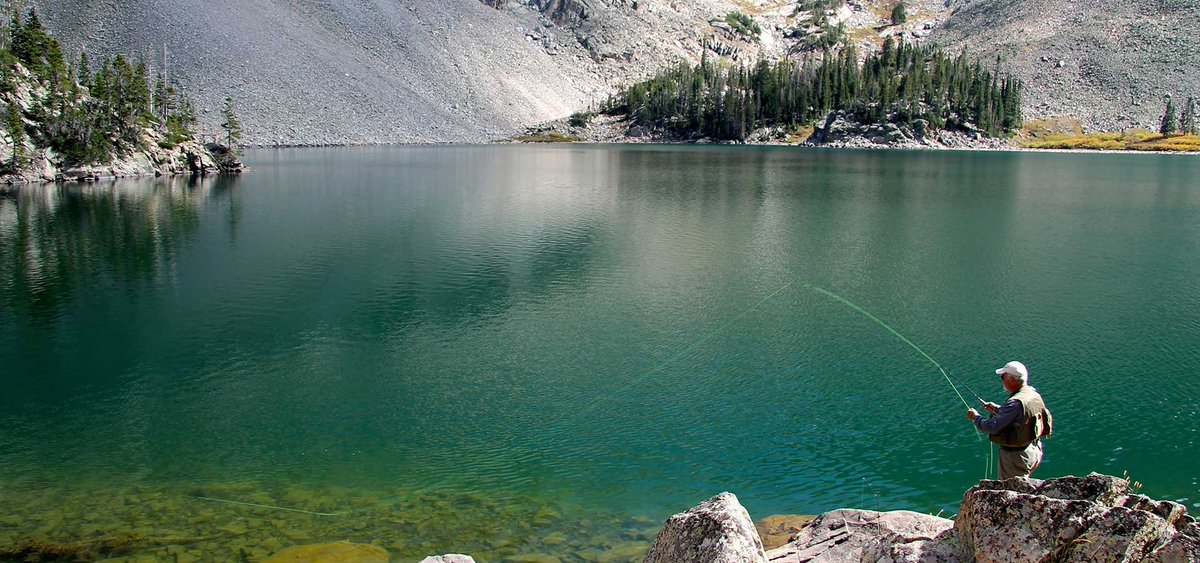
🚨 IT’S TIME TO OPEN OUR LANDS! 🚨
While Democrats and radical activists continue their crusade to ban hunting and fishing through endless "administrative barriers," the Trump administration is finally putting common sense and science first. 🇺🇸
Interior Secretary Doug Burgum has issued a massive directive to strip away unnecessary regulations that have kept American sportsmen and women off the lands we already own. For too long, out-of-touch bureaucrats have ignored the reality of carrying capacity—the scientific fact that wildlife populations must be managed to stay healthy. Instead of sensible management, the left prefers "ban-everything" policies that leave ecosystems out of balance.
The GOP understands the science:
✅ Expanding Access: Trump is opening up millions of acres in national parks, refuges, and wilderness areas.
✅ Removing Barriers: Getting rid of "outdated and overly broad" rules on tree stands, dog training, and game retrieval.
✅ Boosting Economies: Recognizing that hunters and anglers are the #1 source of conservation funding in the U.S.
✅ Respecting Tradition: Bringing federal rules in line with state regulations so you don't need a law degree just to go fishing.
Democrats want to treat our public lands like a museum where you can look but can't touch. Republicans know that true conservation means active management and public use. It’s time to stop the war on the American outdoorsman and let us back onto our land!
#HuntingIsConservation #Trump2024 #OutdoorFreedom #SecondAmendment #ScienceBasedManagement #OpenOurParks
denverpost.com/2026/05/08/tr…
1
1
2
77

Feb 21
ALL “FACTS” ARE TRUE. ASSUMPTIONS ARE ASSUMPTIONS
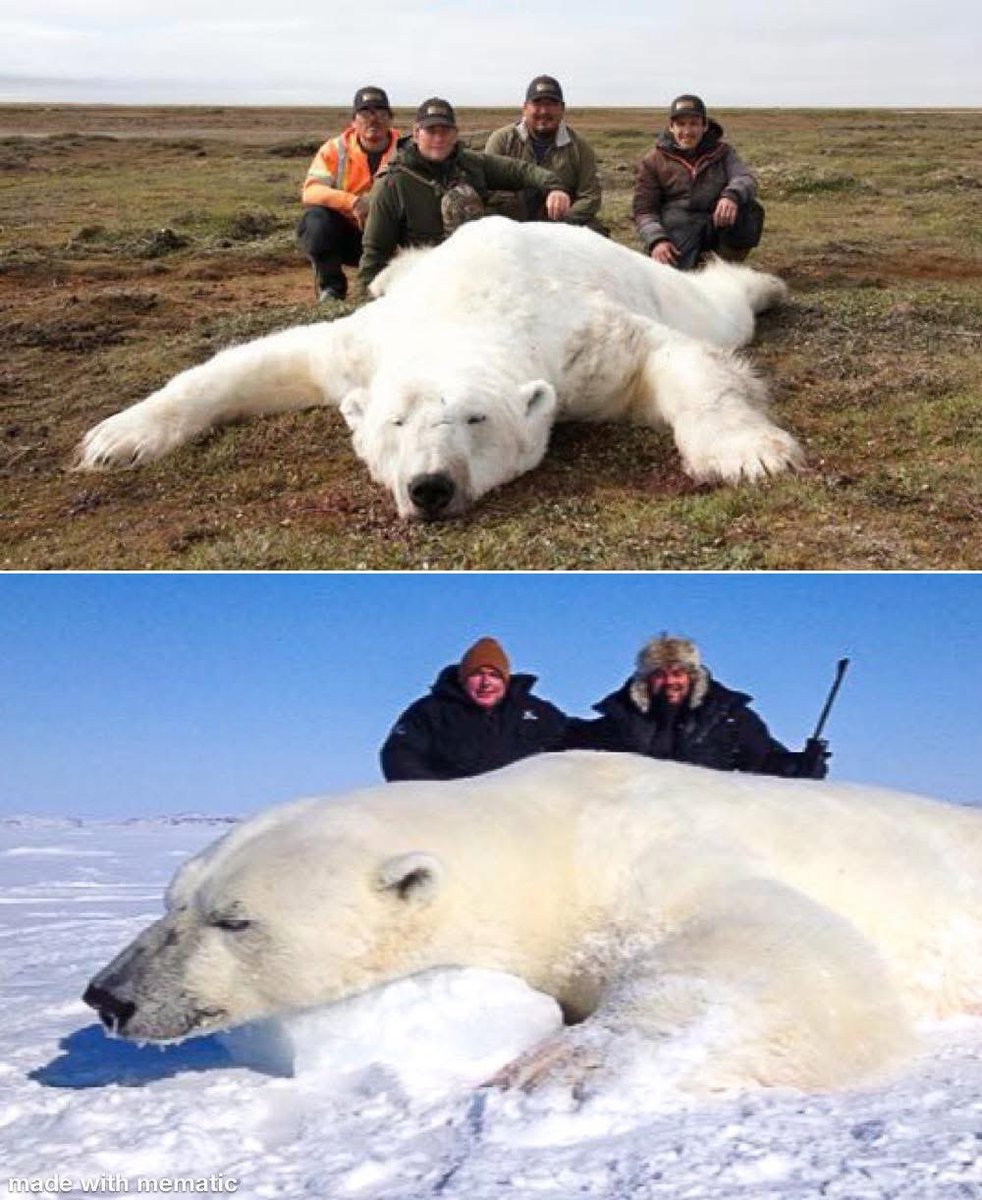
“Reconsidering Polar Bear Protections: A Case for Delisting Based on Current Data”
In 2008, polar bears were listed as threatened under the Endangered Species Act, not due to a documented population decline, but based on computer models projecting that future sea ice loss from climate change could threaten their habitat. At the time, warnings suggested Arctic ice might vanish entirely, leading to the bears’ potential disappearance. This forward-looking decision shaped policy, relying on anticipated risks rather than observed conditions.
Nearly two decades on, the most catastrophic predictions have not fully materialized. Global polar bear populations have remained stable or shown modest growth, with estimates rising from around 20,000–25,000 in 2008 to approximately 26,000 today (within a range of 22,000–31,000).
While some subpopulations have declined due to regional factors, others—like those in Svalbard, Norway—have maintained steady numbers around 2,650 and even improved body condition despite changing ice patterns.
Arctic sea ice has indeed declined, with long-term trends showing about 12% loss per decade in summer extents and recent records like the third-lowest January coverage in 2026, but it has not followed the most apocalyptic scenarios of complete disappearance.
Polar bears, as adaptable wildlife, have demonstrated resilience in some areas by shifting behaviors, such as increased land-based foraging or using alternative ice types.
When the core assumptions of a listing—such as imminent, widespread habitat collapse—do not unfold as projected, sound conservation demands a reassessment. Delisting polar bears would align with science-based wildlife management, allowing for targeted protections where needed while avoiding overreach that could hinder economic activities like responsible energy development in Alaska.
Stephen Ziegler — Outdoor writer
SCI show in Nashville | Feb 19-21, 2026
#PolarBears #DelistPolarBears #ESAReform #WildlifeConservation #ArcticRealities #ClimateSkepticism #ScienceBasedManagement #HuntingHeritage #OutdoorAdvocacy #ConservationTruth
3
7
172

4 Dec 2025
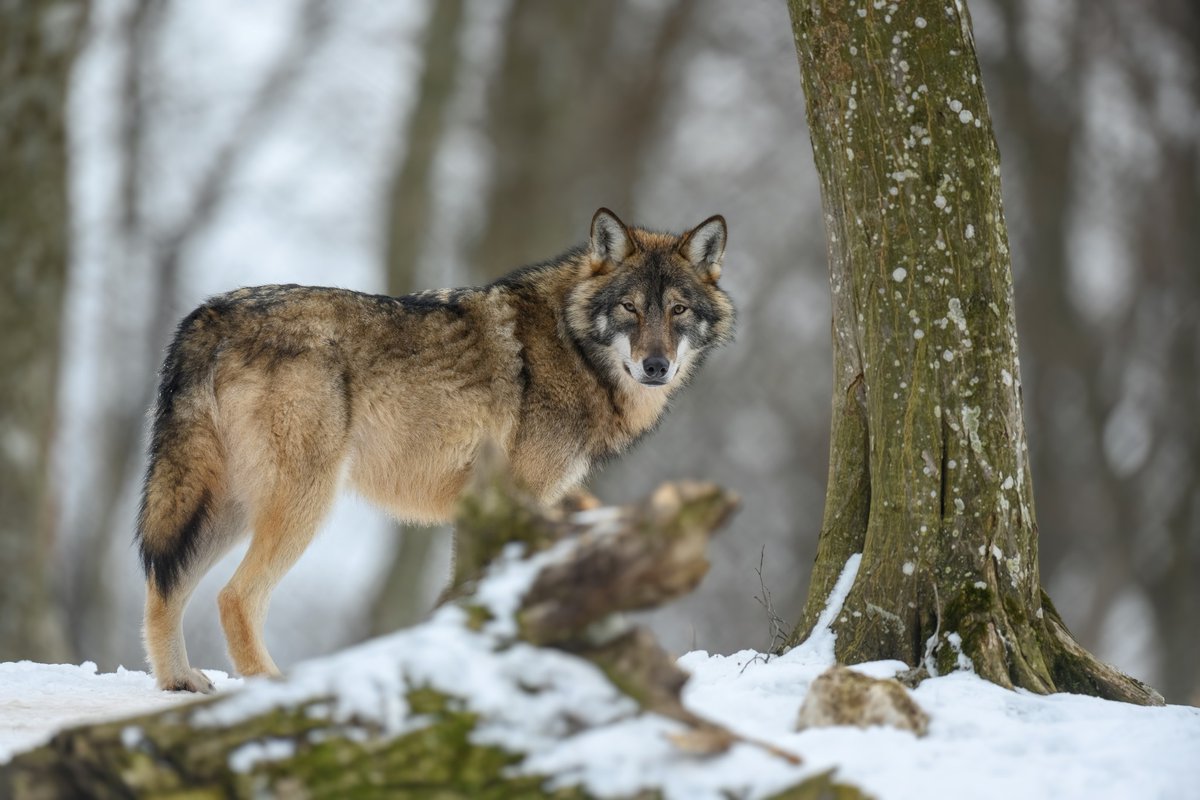
Wisconsin hunters, farmers, and conservationists deserve clear, science-based wolf management. 🚨
That’s why we support Senator Rob Stafsholt and @ChanzGreen74 for introducing Senate Bill 665 and Assembly Bill 687, which simply requires the Wisconsin DNR to set a specific, statewide wolf population goal in its wolf management plan.
The bill:
❌ Does NOT change any existing statutes regarding a wolf season.
❌ Does NOT alter the current management framework.
✅ Simply adds the same kind of numeric population objectives the DNR already uses for deer, bear, and elk!
A clear population goal means better long-term conservation outcomes for the people who live, work, and recreate in wolf country. Thank you to Sen. Stafsholt and Rep. Green for standing up for sound, science-driven wildlife management in Wisconsin!
#WIlege #Wisconsin #Conservation #WolfManagement #ScienceBasedManagement #Hunting
2
115

7 Jul 2020
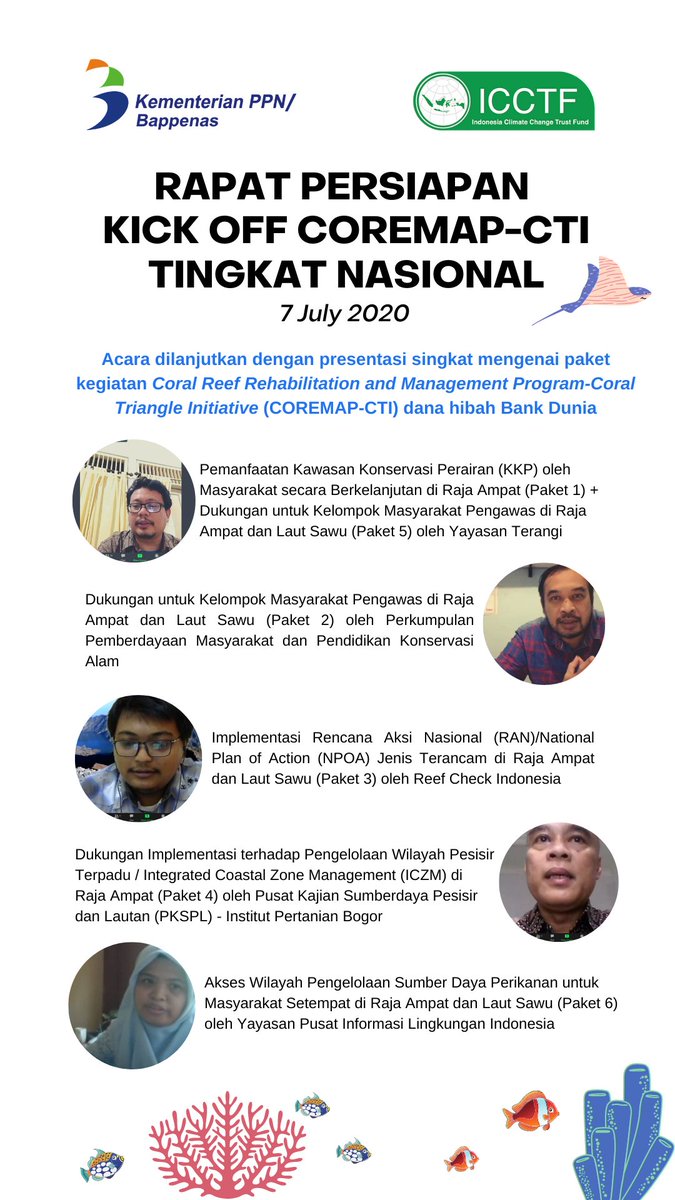
Hari ini ICCTF mengadakan Rapat Persiapan Kick off COREMAP-CTI Tingkat Nasional, mari simak rangkaian kegiatannya!
#ClimateChange #COREMAPCTI #SustainableOcean #SustainableDevelopment #CoralreefRehabilitation #ScienceBasedManagement #GenderEmpowerment #CommunityBasedManagement



3

"Restoring fish stocks to sustainable levels through #sciencebasedmanagement is essential not just because it is the law, but also because it will help ensure a healthy marine environment for generations to come."
pewtrusts.org/en/research-an…
5
3


1 Apr 2019
It was great taking part @Ateliersthesee in Strasbourg where a group of researchers in economics and management discussed various issues related to their research. #innovation #creativity #innovationecosystems #sciencebasedmanagement
30 Mar 2019

Merci pour votre participation ☺ @Ateliersthesee @ActuFNEGE #cefag2016 @SennJul @pauline_brunner @beta_economics

2

News | Goats now outnumber native bighorns in Tetons, become targets
wyofile.com/goats-now-outnum…
#mountaingoat #goats #bighorn #bighornsheep #conservation #sciencebasedmanagement #science #factsmatter #wildlife #Wyoming #tetoncounty @bighornsheep @BLMNational @forestservice
4
2

25 Jul 2018
Watch: #EMA’s Role, Function, & Activities towards the Science-based Management of T&T’s Oceans & Coasts
by HaydenRomano, Man.Dir @emauthority
rec: Tue24July18 @cclcstt
lnkd.in/egQMwjg
#ScienceBasedManagement
#Oceans
#EnvironmentalPrideIsNationalPride
@PlanningTT

9 Jul 2018
Si, i d’una sola tirada el Ministerio compleix amb la demanada europea de protegir un % del seu territori marí.... Nomes amb queixes de sector turístic i ecologistes. Cap estudi científic actualitza ni capacitat de gestió. #AixíNo jo soc més de #ScienceBasedManagement :)
1

15 Aug 2017
Allowing meat hunting means not about bear population or bear welfare. Not #sciencebasedmanagement IMO
1
1
2

15 Aug 2017
Do you consider this #sciencebasedmanagement? Your view on pros and cons?
15 Aug 2017

B.C. to pull plug on grizzly bear trophy hunting cbc.ca/news/canada/british-c…
5
1

11 Jul 2016
Forest health a priority for forest industry registerguard.com/rg/opinion… #inspiring #ForestLegacy #ORforests #sciencebasedmanagement #ORtimber