
Jan 18
"I insist that you first grasp one fundamental fact.
Your body does not know what to do with nanoplastics.
Listen to this again.
Your body does not know what to do with nanoplastics.
The organism simply lacks any evolutionary protocol for interacting with this agent.
Consider this carefully.
Human biology was refined over billions of years. During that time, we encountered dust, sand, combustion byproducts, and heavy metals released during volcanic eruptions. All of these were natural compounds. The organism learned to recognize them, isolate them, and eliminate them. The immune system spent millennia encoding instructions for defense.
But in the twentieth century, humanity did something unprecedented.
We synthesized a material that had never existed in the biosphere before. Artificial molecular polymers. For more than 4.5 billion years of Earth’s history, this material simply did not exist.
And now this absolutely foreign substance, plastic, degrades into nanoparticles and enters your body.
It penetrates the bloodstream.
It reaches internal organs.
It crosses the blood-brain barrier.
It accumulates in the brain.
And your body quite literally does not know what to do with it." - Dr. Egon Cholakian.
#Nanoplastics
#Microplastics
#EvolutionaryMismatch
#ImmuneSystem
#BloodBrainBarrier
#EnvironmentalHealth
#HiddenThreat
#ScienceWarning
#HumanBiology
#ALLATRA
1
8
20
147
Jan 15
"Let me begin with a simple analogy.
You are watching this video on a smartphone, a laptop, or a television. You see me on the screen for one reason only: inside your device at this very second, billions of electrons are obeying a rigid organization. They become excited, relax, and jump from one energy level to another.
The key word here is organization.
The system functions not because electrons merely move, but because they move according to a strictly defined protocol: from the processor to the circuit board, at a specific frequency, along a specific vector.
Now imagine that into this orderly chain, into this organized protocol, an extraneous signal intrudes. A kind of parasite. An electrostatically charged object that disrupts the rhythm of electron flow.
As a result, an electron deviates from its intended path. The signal becomes distorted. The processor begins to short-circuit. The mechanism breaks down and ceases to function.
Your body is, in essence, the same kind of mechanism.
All processes within you are regulated by an ordered flow of charges. Cell division, enzymatic catalysis, protein synthesis, every contraction of the myocardium, every neuronal impulse. At the foundation of all this lies a planned and organized movement of electrons, protons, and ions.
This movement follows a rigid protocol.
This is your electrical code.
Biological electricity must flow strictly according to plan. As long as this code executes without errors, cells know what to do: how to divide, how to regenerate tissue, how to eliminate viruses. This is what we call immunity, youth, health, life.
Now ask yourself one question:
What happens when interference intrudes into this ideal code?" -
Dr. Egon Cholakian
#Bioelectricity
#ElectricalCode
#CellularHealth
#Neuroscience
#HumanBiology
#HiddenMechanisms
#ScienceWarning
#SystemFailure
#LifeProcesses
#ALLATRA
#EgonCholakian

9
15
174

Jan 9
Світ входить у небезпечну фазу. У 2025 році вперше за десятиліття може зрости смертність дітей до 5 років. Доктор Чолакян пояснює: нанопластик діє не як отрута, а як фізичний фактор, що втручається в самі процеси життя.
#Nanoplastics #PublicHealth #ScienceWarning #ChildHealth
2
23

Jan 9
“Sudden Infant Death Syndrome remains one of the leading causes of infant mortality — and its incidence is rising,” warns Dr. Egon Cholakian. In the U.S. alone, SIDS deaths increased by ~12% between 2020–2022. This trend cannot be dismissed as random.
#SIDS #InfantHealth #PublicHealth #ScienceWarning #EnvironmentalRisk #HiddenThreat #Nanoplastics
Jan 8

"Here we arrive at another topic that is rarely discussed openly.
Sudden Infant Death Syndrome remains one of the leading causes of infant mortality. What is particularly alarming is that its incidence is increasing, including in the United States.
Between 2020 and 2022 alone, the number of such deaths rose by approximately 12 percent.
This increase cannot be dismissed as random variation." - Dr. Egon Cholakian
#SuddenInfantDeath #SIDS #Nanoplastics #InfantHealth
#EnvironmentalRisk #HiddenThreat #PublicHealthCrisis
#ScienceWarning #InvisibleExposure
16
Jan 9
Dr. Egon Cholakian warns: during the first 1,000 days of life, a child’s brain and vital systems are forming. Nanoplastics can penetrate immature barriers, reaching the brain and altering cognition, behavior, and health for life.
#Nanoplastics #First1000Days #ChildDevelopment #BrainHealth #EnvironmentalHealth #ScienceWarning
Jan 8
"During the first thousand days of a child’s life, the foundations of the nervous, immune, endocrine, cardiovascular, and respiratory systems are established.
Any toxic interference during this critical period can determine a person’s health for a lifetime.
In early development, the blood-brain barrier, the intestines, the lungs, the skin, and the liver are all still forming. These systems are not yet fully developed or stabilized. When nanoplastics enter the body at this stage, they are not interacting with the mature and resilient systems of an adult.
They are interacting with systems that are still learning how to function.
These developing systems are more permeable, less mature, and far less capable of protecting the child from harmful external influences. The child’s brain is particularly vulnerable.
In early childhood, neural connections are forming at an extraordinary pace. Cognitive and emotional centers are being calibrated. At the same time, the brain’s protective barrier has not yet fully developed.
This creates conditions in which nanoparticles can penetrate directly into the child’s brain, interfering with processes that shape cognition, behavior, and emotional regulation for life.
This is not exposure later in life.
This is interference at the moment of formation." - Dr. Egon Cholakian
#Nanoplastics #ChildDevelopment #First1000Days
#BrainDevelopment #BloodBrainBarrier #EnvironmentalHealth #Neurodevelopment
#InvisibleThreat #ScienceWarning
10
Jan 8
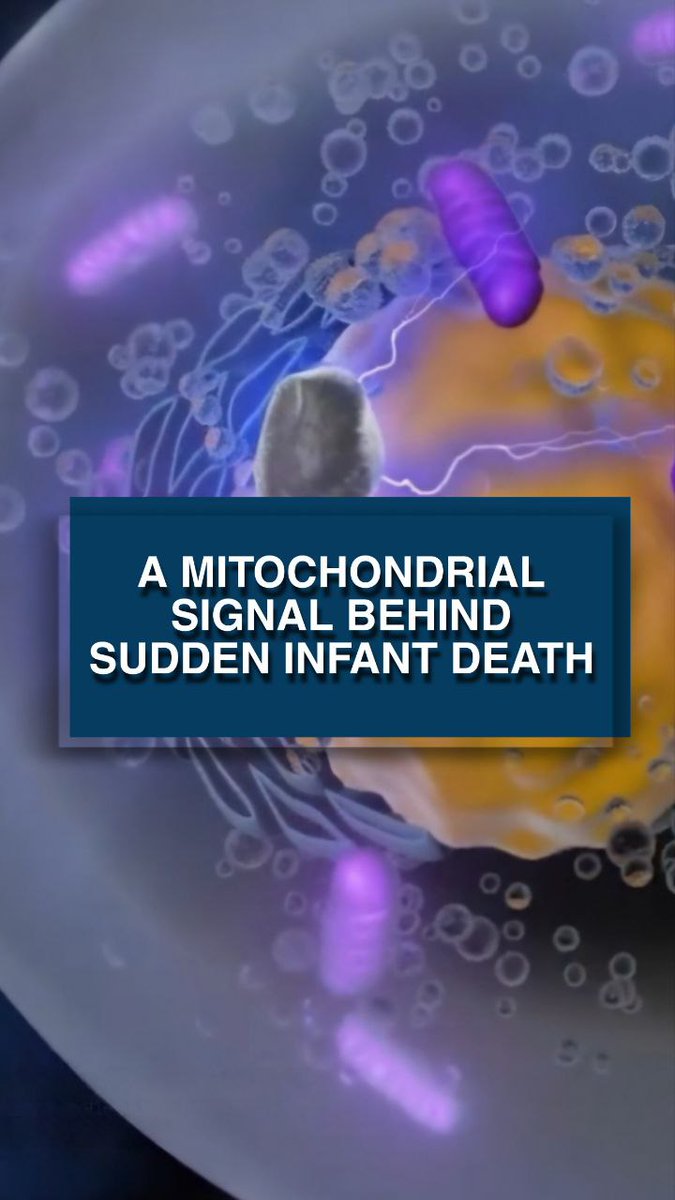
"Nanoplastics directly impact mitochondria, the energy centers of our cells.
As a result, significantly less energy is produced, and cells begin to experience a state of chronic energy deficiency.
In order to survive, the cell activates a compensatory mechanism. It increases the number of mitochondria and, critically, the number of copies of mitochondrial DNA. This response is not a sign of health. It is a sign of damage.
Recent studies have shown that in children who died from Sudden Infant Death Syndrome, the cerebral cortex contained a higher number of mitochondrial DNA copies compared to control groups.
This finding is of fundamental importance.
It indicates that changes in the number of mitochondrial DNA copies should be regarded as a biological marker of the pathological process underlying Sudden Infant Death Syndrome.
A logical conclusion follows from this.
Exposure to micro- and nanoplastics, as a factor capable of inducing mitochondrial dysfunction, may play a key role in the development of Sudden Infant Death Syndrome and other pathological processes that lead to the deaths of children.
This is no longer speculation.
It is a signal written directly into cellular biology." - Dr. Egon Cholakian
#Nanoplastics #Mitochondria #ScienceWarning #MitochondrialDysfunction #SIDS #SuddenInfantDeath #ChildHealth #BiologicalMarkers #EnvironmentalHealth
2
8
196
Jan 8
"Here we arrive at another topic that is rarely discussed openly.
Sudden Infant Death Syndrome remains one of the leading causes of infant mortality. What is particularly alarming is that its incidence is increasing, including in the United States.
Between 2020 and 2022 alone, the number of such deaths rose by approximately 12 percent.
This increase cannot be dismissed as random variation." - Dr. Egon Cholakian
#SuddenInfantDeath #SIDS #Nanoplastics #InfantHealth
#EnvironmentalRisk #HiddenThreat #PublicHealthCrisis
#ScienceWarning #InvisibleExposure
1
8
17
174
Jan 8
"During the first thousand days of a child’s life, the foundations of the nervous, immune, endocrine, cardiovascular, and respiratory systems are established.
Any toxic interference during this critical period can determine a person’s health for a lifetime.
In early development, the blood-brain barrier, the intestines, the lungs, the skin, and the liver are all still forming. These systems are not yet fully developed or stabilized. When nanoplastics enter the body at this stage, they are not interacting with the mature and resilient systems of an adult.
They are interacting with systems that are still learning how to function.
These developing systems are more permeable, less mature, and far less capable of protecting the child from harmful external influences. The child’s brain is particularly vulnerable.
In early childhood, neural connections are forming at an extraordinary pace. Cognitive and emotional centers are being calibrated. At the same time, the brain’s protective barrier has not yet fully developed.
This creates conditions in which nanoparticles can penetrate directly into the child’s brain, interfering with processes that shape cognition, behavior, and emotional regulation for life.
This is not exposure later in life.
This is interference at the moment of formation." - Dr. Egon Cholakian
#Nanoplastics #ChildDevelopment #First1000Days
#BrainDevelopment #BloodBrainBarrier #EnvironmentalHealth #Neurodevelopment
#InvisibleThreat #ScienceWarning
16
24
223
Jan 6
"Exposure to nanoplastics begins even before birth.
Nanoplastic particles are already being detected in the placenta, in umbilical cord blood, and in amniotic fluid. This means that a child encounters nanoplastics before taking their very first breath.
After birth, exposure does not decrease.
It intensifies.
Air.
Water.
Food.
Children’s products, toys, textiles, and household dust.
Per kilogram of body weight, a child receives significantly more micro- and nanoplastics than an adult. A child breathes more frequently and therefore inhales more particles. A child also consumes two to three times more water and food per kilogram of body weight.
At the same time, the total number of cells in a child’s body is proportionately much lower than in an adult relative to body mass. As a result, nanoplastics are able to accumulate in a much larger relative volume within a child’s body.
This becomes especially concerning when we consider that parents do everything possible to ensure their children eat properly and consume plenty of fruits and vegetables.
Ironically, it is precisely in these foods that scientists are now finding especially high concentrations of plastic particles, with particularly alarming levels detected in carrots and apples.
This is not a matter of poor choices.
It is a matter of unavoidable exposure." - Dr. Egon Cholakian
#Nanoplastics #Microplastics #ChildHealth #PrenatalExposure #Placenta #UmbilicalCord
#EnvironmentalHealth #InvisibleThreat
#FoodContamination #ScienceWarning
6
13
237
Jan 6
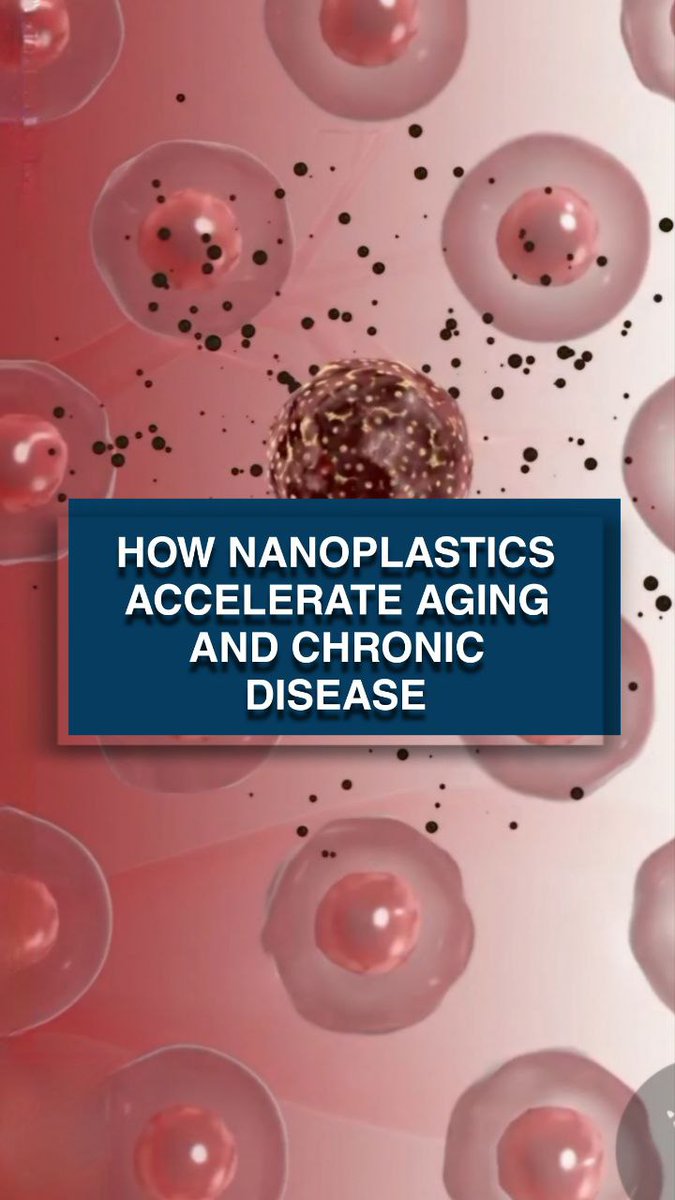
"Today, micro- and nanoplastic particles have been detected in virtually all organs of the human body.
In each of them, in every single cell, these charged particles initiate the same cascade of internal destruction.
They break down intercellular connections, trigger programmed cell death, and deprive cells of their ability to produce the energy essential for life.
These processes affect brain cells, heart cells, lung tissue, and bone tissue with equal severity. No system of the body remains isolated or protected.
Nanoplastics accelerate biological aging and act as a powerful trigger for the development of chronic diseases. This ongoing cellular damage increases the risk and hastens the onset of cancer, cardiovascular disorders, autoimmune diseases, infertility, and neurodegenerative conditions.
This is not a localized problem.
It is a systemic one.
And it is unfolding simultaneously across the entire human organism."-
Dr. Egon Cholakian
#Nanoplastics #Microplastics #CellularDestruction
#AcceleratedAging #ChronicDisease #Neurodegeneration #CardiovascularRisk
#AutoimmuneDisorders #EnvironmentalHealth
#ScienceWarning
11
21
203
Jan 6
"Nanoplastics affect the human body in much the same way as radiation.
Once inside, they destroy cells.
The key difference is time.
Radiation acts rapidly.
Nanoplastics act slowly - because of their microscopic size and their electrostatic charge.
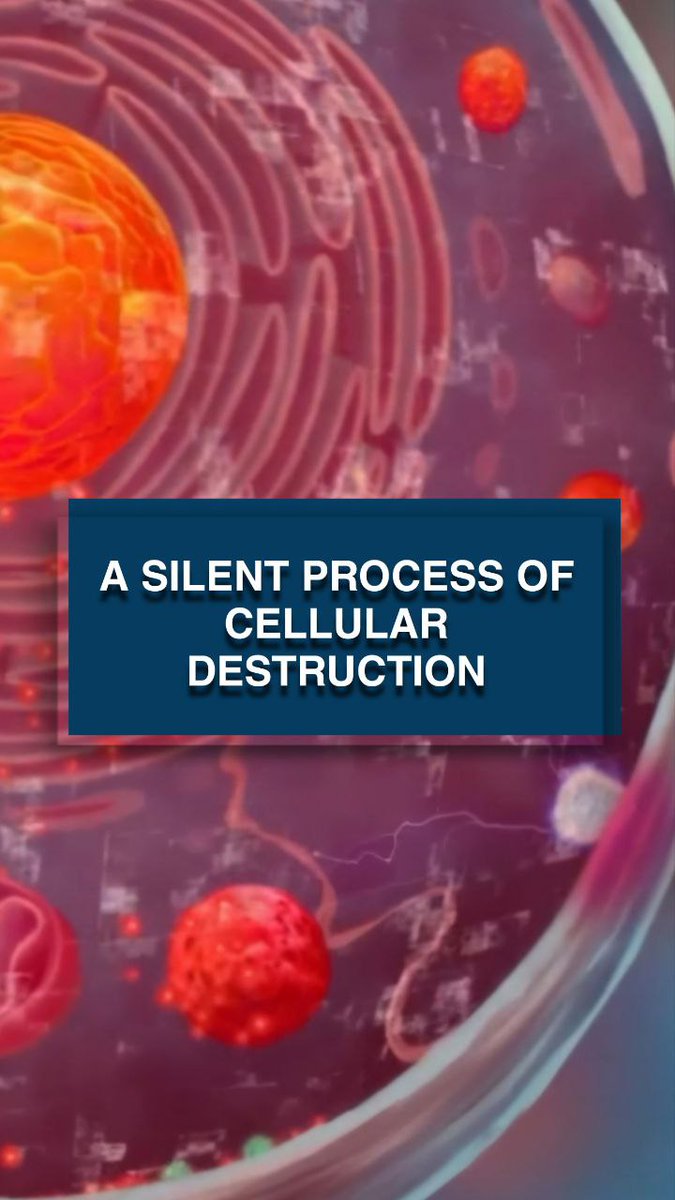
They penetrate the body and begin destroying it from within, often impersonally and without immediate symptoms. There is no sudden collapse, no single dramatic moment that signals danger.
Instead, a gradual process unfolds.
Nanoplastics disrupt cellular processes, damage mitochondria - the energy stations of our cells - impair DNA integrity and immune regulation, and steadily erode physiological stability. Over time, this invisible damage accumulates until multiple systems of the body begin to fail simultaneously.
This is why the consequences are so difficult to diagnose.
The damage is real, but it unfolds silently.
And by the time symptoms become visible, the process has often been underway for years."-
Dr. Egon Cholakian
#Nanoplastics #CellularDamage #MitochondrialDysfunction #SilentDestruction
#ChronicDisease #SystemicFailure #EnvironmentalHealth #HiddenRisk #ScienceWarning
20
31
517

27 Dec 2025
𝐒𝐜𝐢𝐞𝐧𝐜𝐞 𝐡𝐚𝐬 𝐝𝐨𝐧𝐞 𝐢𝐭𝐬 𝐣𝐨𝐛. 𝐍𝐨𝐰 𝐢𝐭 𝐢𝐬 𝐮𝐩 𝐭𝐨 𝐎𝐔𝐑 𝐀𝐂𝐓𝐈𝐎𝐍 🌍📢
The research is clear. The data is in. But as these experts warn, nothing will change 𝒖𝒏𝒕𝒊𝒍 𝒕𝒉𝒊𝒔 𝒂𝒍𝒂𝒓𝒎 𝒓𝒊𝒏𝒈𝒔 𝒇𝒐𝒓 𝒕𝒉𝒆 𝒑𝒖𝒃𝒍𝒊𝒄.
In this powerful video, scientists deliver a reality check we cannot ignore: This is no longer just a scientific problem—it is a battle for public opinion.
We are operating on a broken balance sheet. We count dollars, euros, and rupees, but we ignore the only cost that truly matters: 𝑻𝒉𝒆 𝒊𝒎𝒑𝒂𝒄𝒕 𝒐𝒏 𝒐𝒖𝒓 𝒉𝒆𝒂𝒍𝒕𝒉.
⚠️"Making money is worthless if we cannot survive."
We need to ask ourselves: 𝑾𝒉𝒂𝒕 𝒌𝒊𝒏𝒅 𝒐𝒇 𝒍𝒆𝒈𝒂𝒄𝒚 𝒂𝒓𝒆 𝒘𝒆 𝒍𝒆𝒂𝒗𝒊𝒏𝒈?
If we don't connect this crisis to our own health and the future of our children, we will fail. We are treating the Earth as if it were disposable.
But let this be the final word:
"𝑾𝒆 𝒐𝒏𝒍𝒚 𝒉𝒂𝒗𝒆 𝒐𝒏𝒆 𝒑𝒍𝒂𝒏𝒆𝒕, 𝒂𝒏𝒅 𝒕𝒉𝒊𝒔 𝒑𝒍𝒂𝒏𝒆𝒕 𝒊𝒔 𝑵𝑶𝑻 𝒔𝒊𝒏𝒈𝒍𝒆-𝒖𝒔𝒆."🚫
It is time to stop thinking and start acting. Collectively.
👇 Watch the scientists' urgent message below, and then see the full picture here:
🎥 "𝐍𝐚𝐧𝐨𝐩𝐥𝐚𝐬𝐭𝐢𝐜𝐬: 𝐀 𝐓𝐡𝐫𝐞𝐚𝐭 𝐭𝐨 𝐋𝐢𝐟𝐞"
youtu.be/BVap0MdbCZg?si=JxXe…
#OnePlanet #NotDisposable #ScienceWarning #PublicOpinion #FutureGenerations #HealthFirst #Nanoplastics #Documentary #ActNow #AllatRa
1
1
52

9 Dec 2025
2025 دنیا کا گرم ترین سال بننے جارہاہے؟ سائنس دانوں نے خبردار کردیا
#ClimateChange #GlobalWarming #Heatwave2025 #ClimateAlert #EnvironmentalCrisis #ScienceWarning #ExtremeWeather #RecordHeat #GlobalTemperatureRise #JusticeforDrWarda #ForexTrading #Justice4Muridke
43

3 Nov 2025
Synthetic Life: The Science Experiment That Could End Us All
#SyntheticLife #ScienceWarning #Biohazard #FutureThreat #TechEthics #HumanSurvival #GeneticEngineering #ScienceNews #Biotech #DoomsdayScience
rumble.com/v6ywzwy-synthetic…
1
18

26 Sep 2025
uslive.com/ai-apocalypse/
“Bomb the labs before it’s too late.” Scientists warn AI could wipe out humanity—and the clock is ticking. Survival chances? 1–5%.
#AI #ArtificialIntelligence #AIApocalypse #EliezerYudkowsky #NateSoares #MachineIntelligence #TechDoom #Superintelligence #FutureOfHumanity #ScienceWarning #ExistentialRisk #IfAnyoneBuildsItEveryoneDies #AIThreat #TechNews
6

13 Mar 2025
Is this court verdict a rather big fall from grace for Professor Mann? Hopefully it won't undermine confidence in #climatescience more generally.
But the climate journalists who always quoted Mann, despite him being an outlier on warming acceleration and #climateactivism, must make more effort to present views of climatologists who have been proven right by recent observational data, like @drjamesehansen @w_knorr @AndrewKingClim and @KevinClimate rather than those who have PR agents or big publishers.
"The lawsuit Mann brought on the basis that he was intemperately accused of misconduct winds up revealing that Mann engaged in misconduct that was “extraordinary in its scope, extent, and intent.” It’ll be interesting to see what the climate science community does now."
rogerpielkejr.substack.com/p…
@ScientistsX @ScienceWarning @ScientistRebel1 @GreenRupertRead @ColinDavdButler @ClimateHuman @LeonSimons8 @AndMedh @ExtinctionR @RogerHallamCS21 @jonathonporritt @CarbonBrief @insideclimate @bberwyn @kileybense @DavidLWindt @dwallacewells @ClareTotty
@ThierryAaron @PaulHBeckwith @EliotJacobson @WilliamJRipple @mbauwens
6
9
12
1,086

24 Jan 2025
🌌 The Universe 25 Experiment: A Glimpse into Society's Collapse 🌌
🔬 What is Universe 25?
In the 1970s, Dr. John Calhoun conducted a groundbreaking experiment on overpopulation using mice to simulate human society. His study revealed chilling insights into the consequences of overcrowding.
🧬 The Experiment:
4,000 square-foot enclosure, housing up to 3,000 mice.
3 phases: The rise (initially thriving), the plateau (overcrowding), and the collapse (societal decay).
🐭 The Stages:
Initial Prosperity – Mice thrived, breeding rapidly.
Overcrowding – Social structures broke down as density increased.
Collapse – Behavior spiraled into violence, cannibalism, and isolation. Eventually, the entire population perished.
💡 The Takeaways:
Overpopulation ➡️ Social breakdown & extinction.
The collapse wasn’t about a lack of resources, but the psychological effects of overcrowding.
⚠️ Implication for Society:
Are we headed in the same direction? Can we learn from the Universe 25 experiment to address modern challenges like overpopulation, urbanization, and mental health?
#Universe25 #Overpopulation #SocialCollapse #ScienceExperiment #JohnCalhoun #Psychology #Overcrowding #Urbanization #MentalHealth #FutureOfSociety #ScienceWarning
#PyuraBooks #ThePyuraNetwork
@pyurabooks
#ShamelessSelfpromoFriday #WritingCommunity. #Links #Books #Blogs #Art #URL #Poetry #YouTube #Podcasts #Music #writing #amwriting #readingcommunity #author #writer #writerscommunity #FridayVibes #Videos #Reels #Information
1
1
52


12 Oct 2024
@ScienceWarning
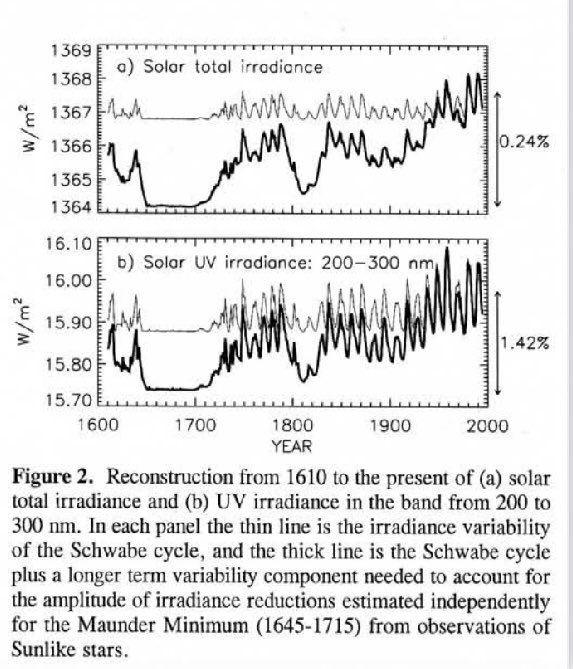
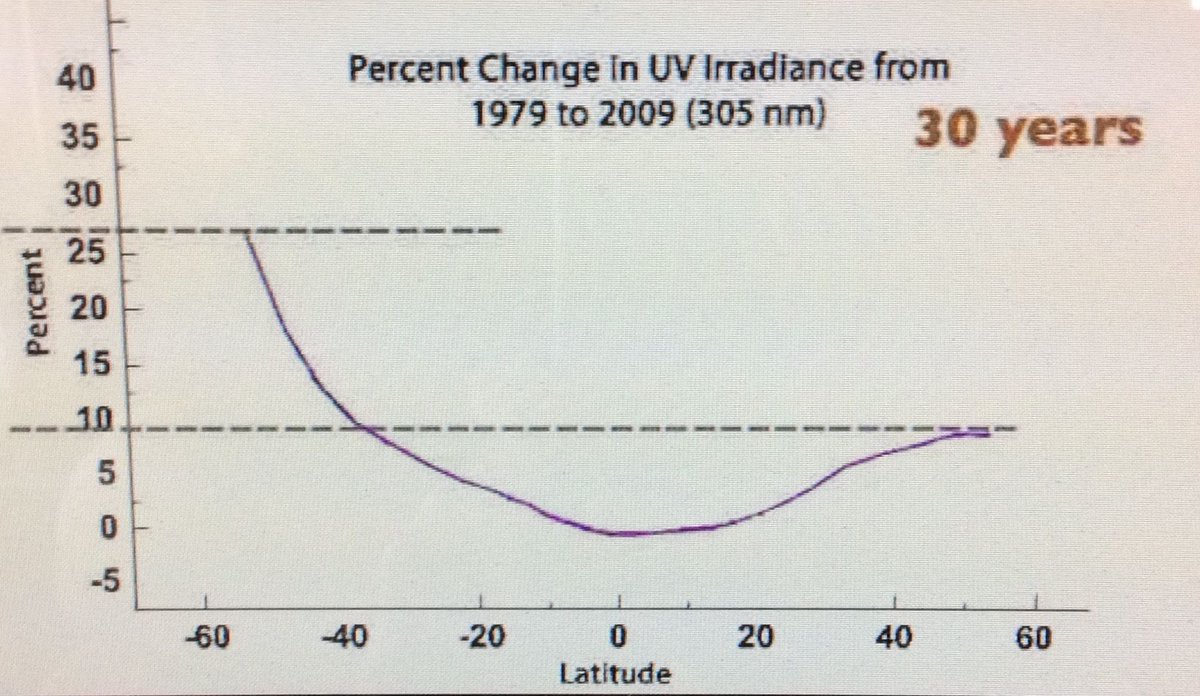
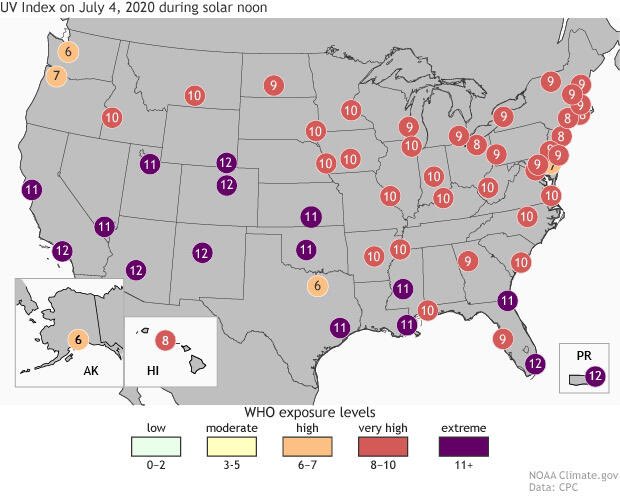
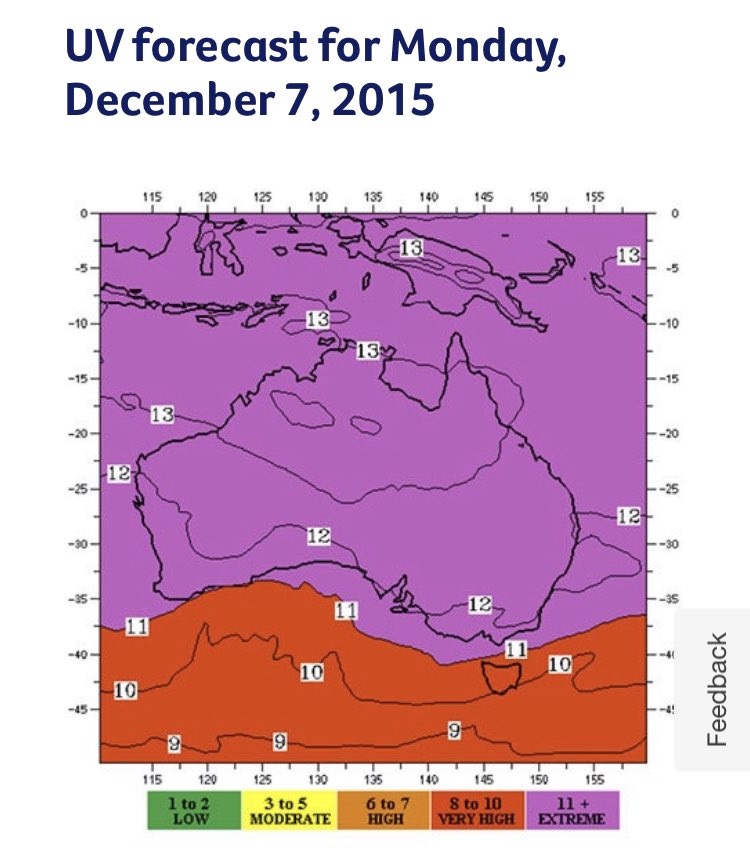
Increasing solar #UV_B is #UV_Broiling the planet.
Boreal deforestation & marine phytoplankton loss have cut atmospheric aerosol concentrations in half since WWII. Twice the #UV_B is penetrating our atmosphere with increasing frequency
amazon.com/Cannabis-vs-Clima…
8

7 Oct 2024
Hi @Ed_Miliband leadership & listening to climate scientists
7 Oct 2024

Will all climate scientists & experts #quitflying NOW pls 👀
Where's the beef...
Exclusive Duh: Study suggests people more WILLING to reduce own carbon footprint if they see leaders (others) DOING the same
theguardian.com/environment/…
1
124