Vibe Coding Needs Security Leadership, Not Blind Trust
AI assisted development is changing how teams build software. That is not speculation anymore. It is already happening across engineering teams, product groups, startups, and enterprise environments.
The more important question is not whether teams should use AI to write code.
The better question is whether they have the security maturity to understand what that code introduces into their environment.
VerSprite recently examined two research studies on vibe coding, and the findings point to a critical lesson for application security leaders.
Functionality is not the same as security.
• AI generated code can appear correct while still containing exploitable weaknesses
• Simple applications may show improvement against common vulnerability classes
• More complex software workflows still expose gaps in security logic, authentication, session handling, secrets management, and contextual decision making
• Hardcoded secrets, predictable endpoints, and repeated insecure patterns create risk at scale
• Prompting alone is not a security control
This is where AppSec has to evolve.
AI can help accelerate software delivery, but it cannot replace security architecture, threat modeling, adversarial testing, secure design review, or human judgment. The organizations that succeed with AI assisted development will not be the ones that move fastest without friction. They will be the ones that build the right guardrails around speed.
At VerSprite, we have always believed security should be tied to how real systems fail, how adversaries think, and how business risk is created through design decisions. That perspective becomes even more important as AI generated code enters production pipelines.
Vibe coding is not inherently good or bad. It is a capability.
The risk comes from using that capability without understanding its limitations.
Security teams should be asking:
• What parts of the codebase are AI generated?
• Are generated components being threat modeled before release?
• Are secrets, authentication logic, and access controls being reviewed with extra scrutiny?
• Are traditional scanners enough, or do we need new testing methods for AI generated patterns?
• Are developers using AI as an assistant, or is AI making security relevant decisions without oversight?
The future of secure software development will not be anti AI.
It will be disciplined, evidence based, and operationalized.
Read the full VerSprite analysis here:
hubs.la/Q04hVY-80
#ApplicationSecurity #CyberSecurity #AppSec #AIsecurity #SecureSoftwareDevelopment #ThreatModeling #DevSecOps #VibeCoding #SoftwareSecurity #VerSprite
3
3
4
74
PTaaS supports a more technical and sustainable feedback loop.
Instead of treating security as an end-of-cycle checkpoint, it allows teams to validate attack paths, design assumptions, trust boundaries, and implementation flaws in smaller and more consistent intervals.
That improves remediation quality because findings are delivered while implementation context is still fresh.
It also improves prioritization because testing remains tied to actual changes in the application, not just a fixed annual schedule.
This is especially important in modern application security, where meaningful risk is often introduced incrementally.
A new endpoint changes exposure.
A new integration changes trust assumptions.
A new dependency changes supply chain risk.
A new AI feature changes input handling, privilege boundaries, and abuse cases.
Those changes do not wait for the next annual test window.
PTaaS is therefore not just a different commercial wrapper for pentesting.
It is a more accurate operating model for software that is built, shipped, and modified continuously.
Code sprints and unit tests are already accepted as necessary parts of software delivery.
Security sprints should be treated the same way.
versprite.com/cybersecurity-…
#ApplicationSecurity #Cybersecurity #PTaaS #DevSecOps #PenetrationTesting #ThreatModeling #SecureSoftwareDevelopment
2
2
53

10 Feb 2025
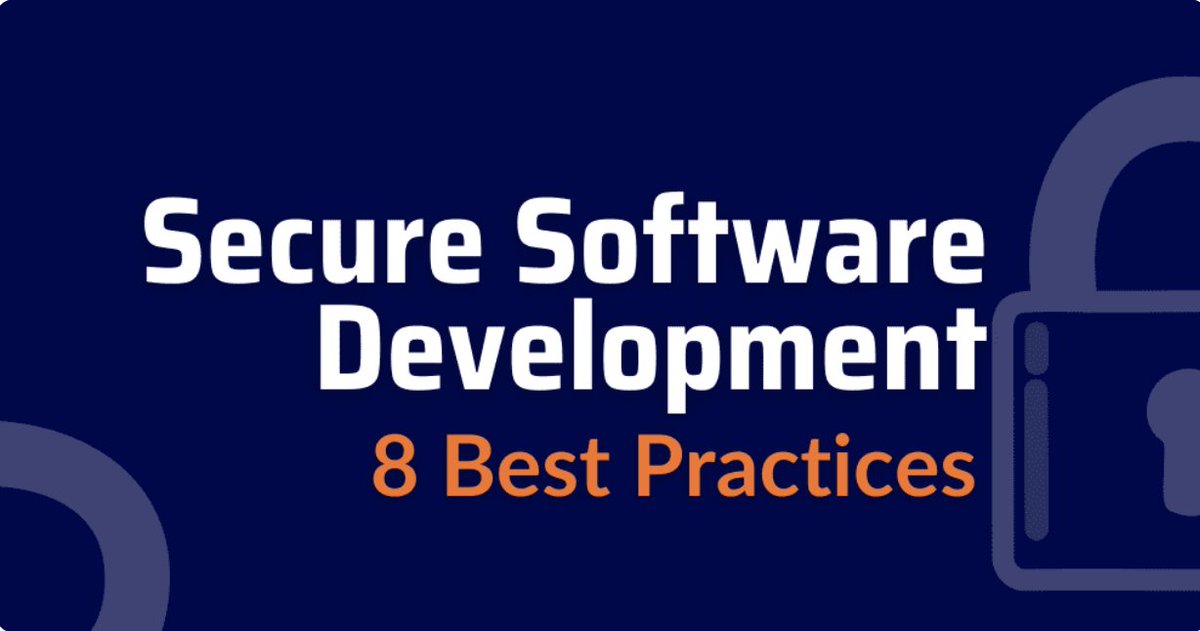
Today's suggestion; "Secure Software Development: 8 Best Practices"❗️👩🏻💻
Credit: @xygeni 🌟🙌🏻
Link: cybersec.xygeni.io/s/secure-… 🔗
#cybersecurity #infosec #DevSecOps #SecureDevelopment #SecureSoftwareDevelopment #DevOps #DevOpsSecurity #resourcesharing #bestpractise #learningeveryday
1
1
4
383

18 Sep 2024
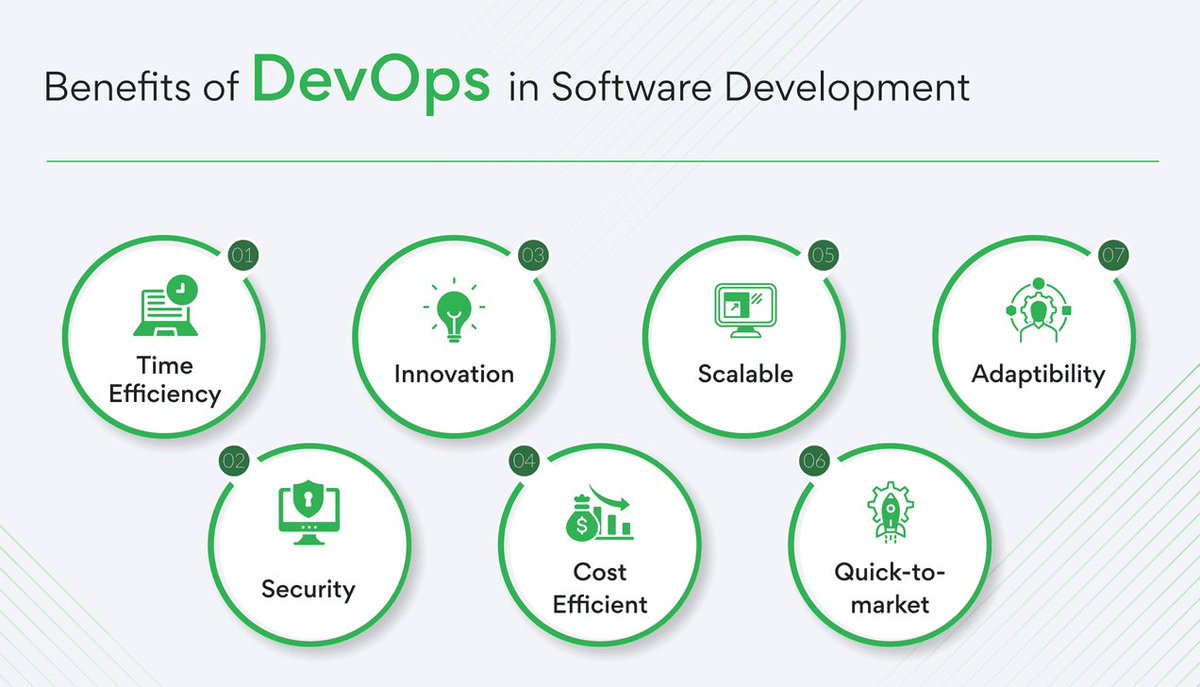
Benefits of DevOps in Software Development
#DevOps #SoftwareDevelopment #Security #ITOperations #DevelopmentLifecycle #AutomateSecurityProcesses #Coding #Testing #Deployment #SoftwareApplications #AgileDevelopment #SecureSoftwareDevelopment
1
1
45

5 Mar 2024
SDLC - I have just completed this room! Check it out: tryhackme.com/room/sdlc #tryhackme #security #DevOps #DevSecOps #SDLC #SecureSoftwareDevelopment #sdlc via @tryhackme
24

29 Feb 2024
SDLC - I have just completed this room! Check it out: tryhackme.com/room/sdlc #tryhackme #security #DevOps #DevSecOps #SDLC #SecureSoftwareDevelopment #sdlc via @tryhackme
68

27 Feb 2024
SDLC - I have just completed this room! Check it out: tryhackme.com/room/sdlc #tryhackme #security #DevOps #DevSecOps #SDLC #SecureSoftwareDevelopment #sdlc via @tryhackme
3
44

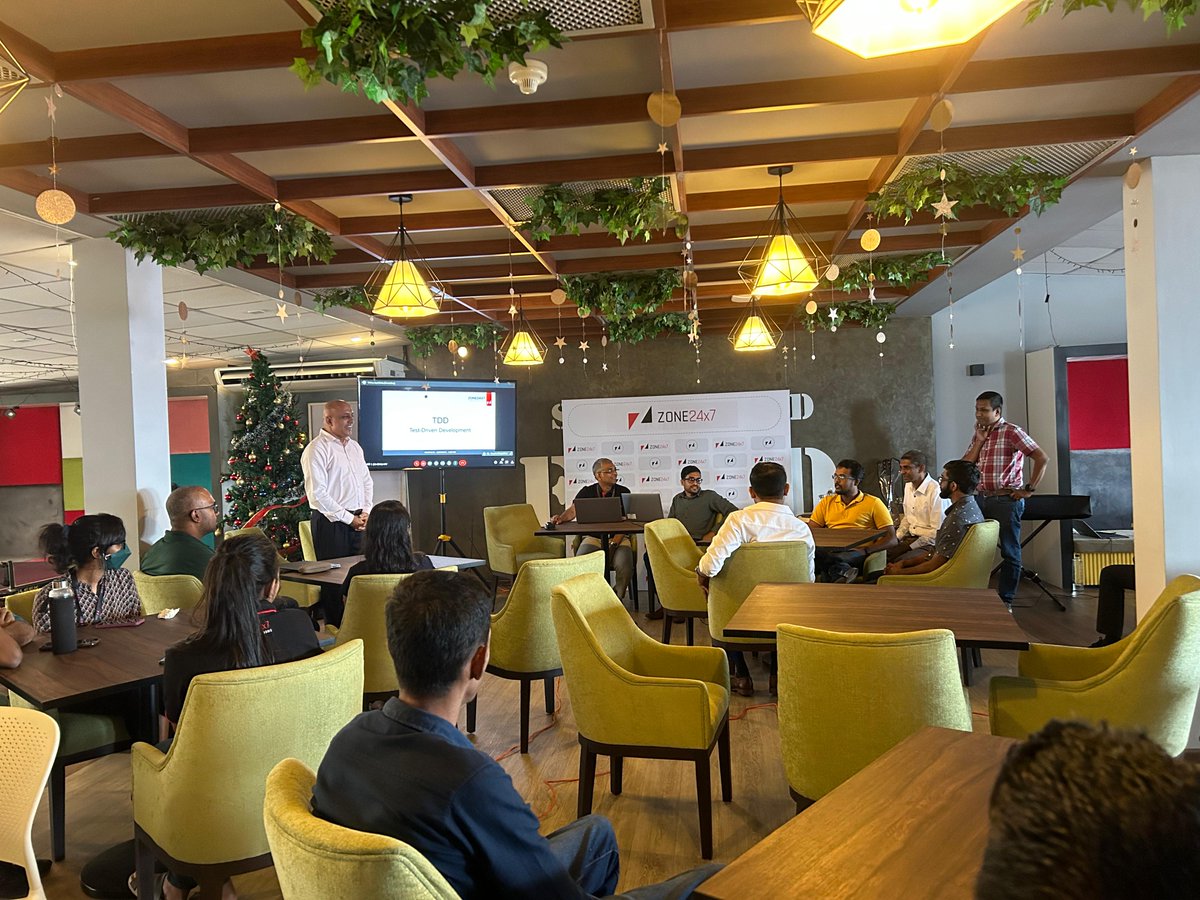
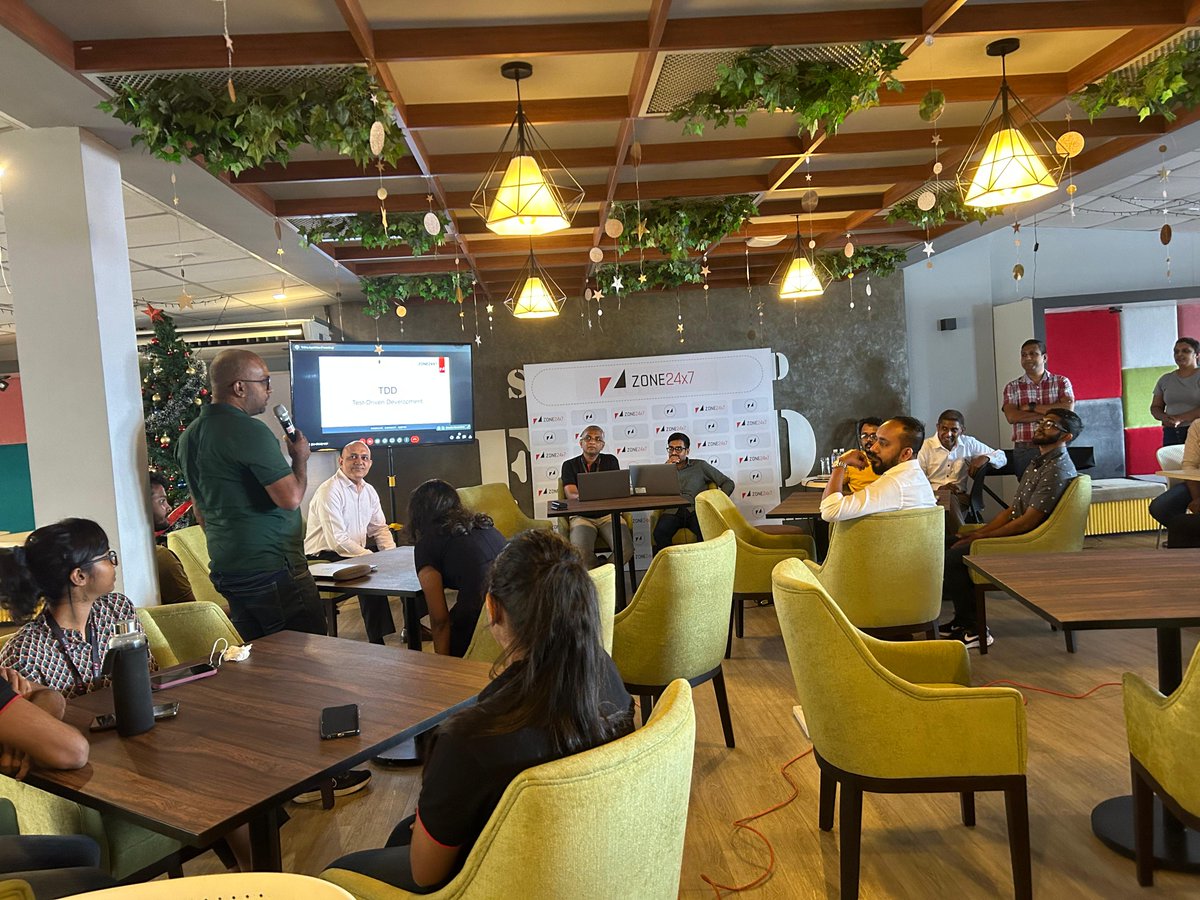
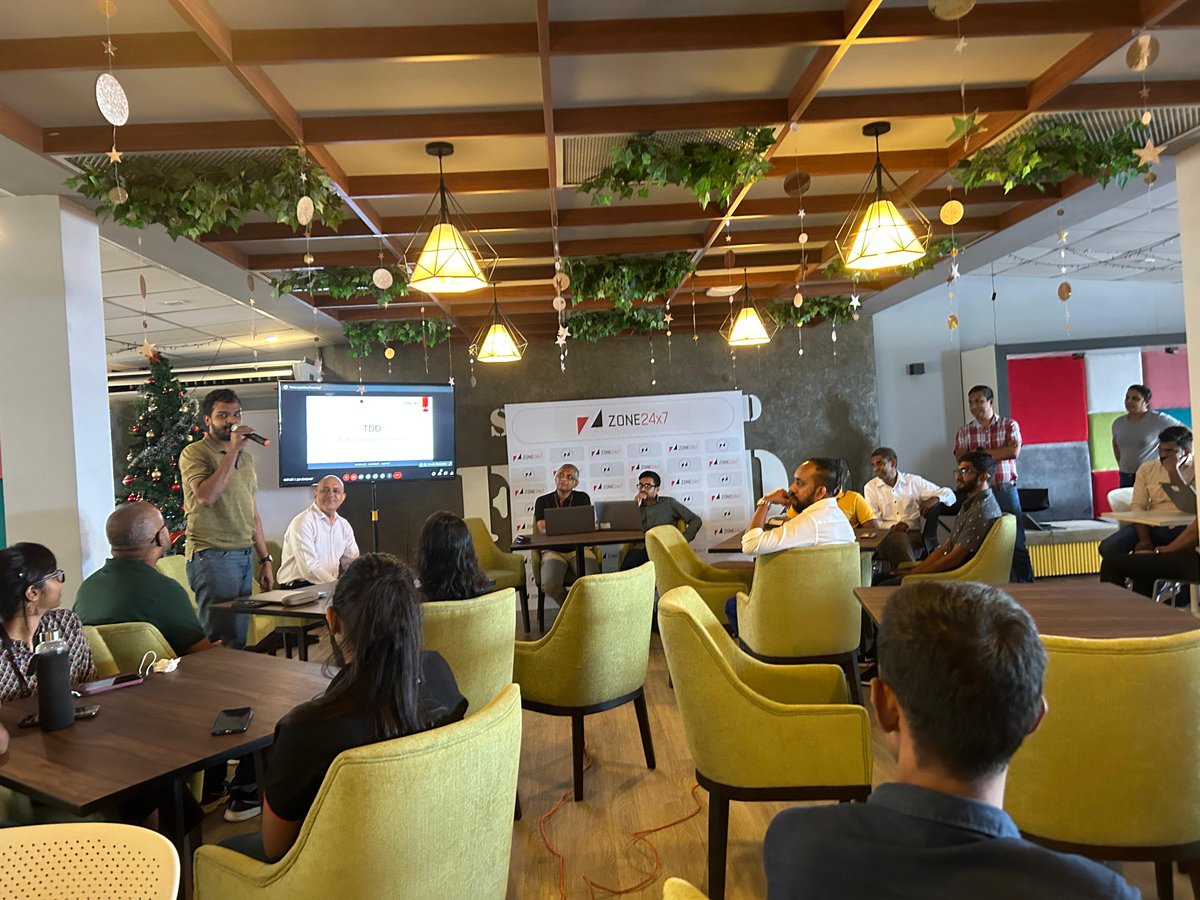
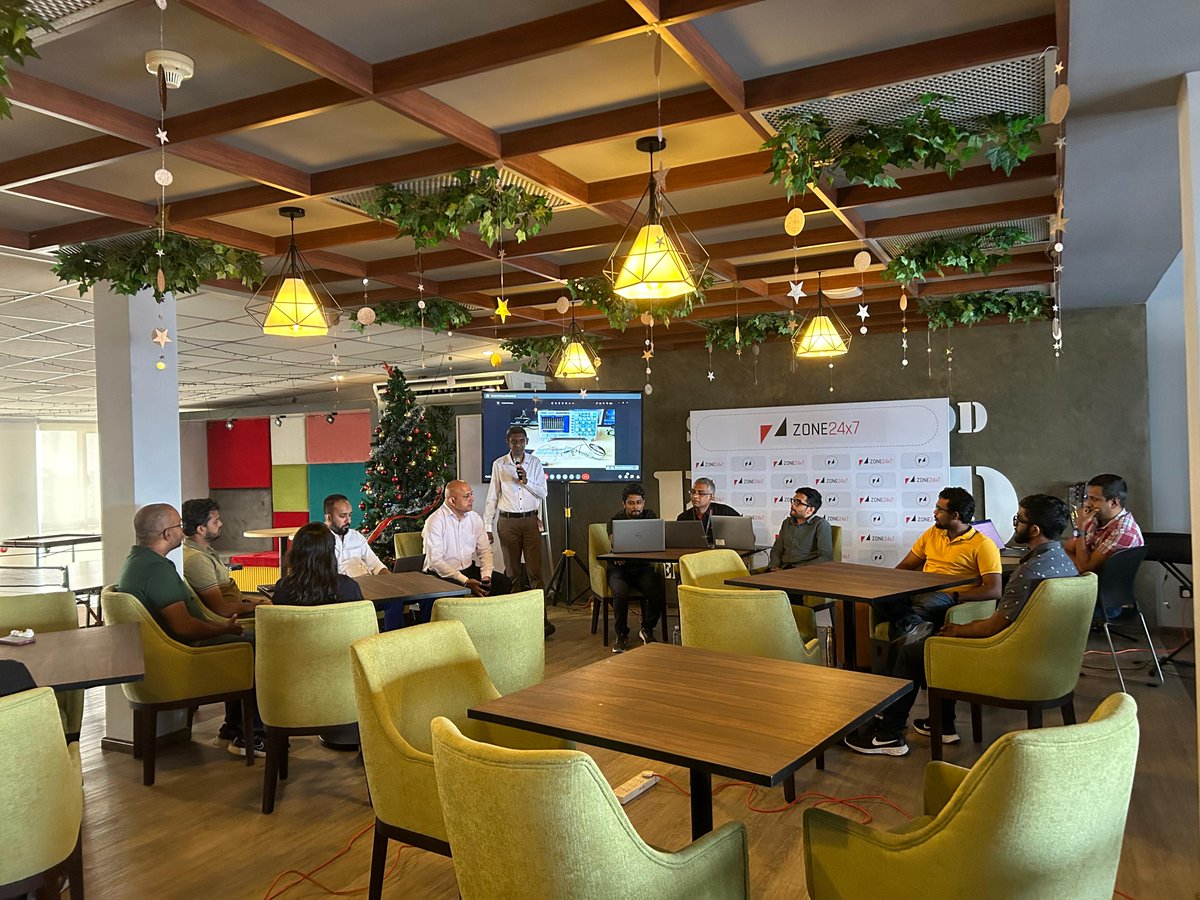
The #engineers at #Zone24x7 recently gathered for another exciting #TechTribe Meetup.
Through lively discussions and #knowledgesharing, the session focused on #TestDrivenDevelopment (#TDD) and #SecureSoftwareDevelopment Lifecycle.
#bestengineeringtalent #learninganddevelopment
2
30

Dive into the world of #security in #DevOps!🧑💻🛡️
Explore best practices, master #SecureSoftwareDevelopment lifecycle (#SSDLC) implementation, and uncover the power of #automated #SecurityTesting & vulnerability scanning in this @Medium article!
#Zesty bit.ly/3QOqKVm
5
41

22 Jun 2023
Safeguard your systems with #DevSecOps to ensure robust protection. Stay ahead in #Cybersecurity and #InfoSec.
Learn more about this game-changing approach: bit.ly/3JENBgY via @Forbes
#DevOps #SecureSoftwareDevelopment #ApplicationSecurity #SecureDevOps #DevOps

1
2
106

22 Jun 2023
Embrace the future of secure software development with a comprehensive overview of the SSDF! 🚀🔒 #SecureSoftwareDevelopment #CybersecurityInnovation
cybersec.legitsecurity.com/s…
2
40
22 Jun 2023
Embrace the future of secure software development with a comprehensive look at the SSDF! 🚀🔒 #SecureSoftwareDevelopment #CybersecurityInnovation
cybersec.legitsecurity.com/s…
2
37
22 Jun 2023
Dive into the future of secure software development with an in-depth exploration of the SSDF! 🚀🔒 #SecureSoftwareDevelopment #CybersecurityInnovation
cybersec.legitsecurity.com/s…
2
34

11 May 2023
SDLC - I have just completed this room! Check it out: tryhackme.com/room/sdlc #tryhackme #security #DevOps #DevSecOps #SDLC #SecureSoftwareDevelopment #sdlc via @tryhackme
2
30

10 May 2023
SDLC - I have just completed this room! Check it out: tryhackme.com/room/sdlc #tryhackme #security #DevOps #DevSecOps #SDLC #SecureSoftwareDevelopment #sdlc via @tryhackme
3
29

3 May 2023
Is the #software you rely on daily developed securely? What does #securesoftwaredevelopment look like? Our CTO Brian Nadzan shares his insights Click here for access: hubs.la/Q01NxlFp0
#alternativeassets #privatemarkets #capitalmarkets #SaaS

3
5
126

9 Apr 2023
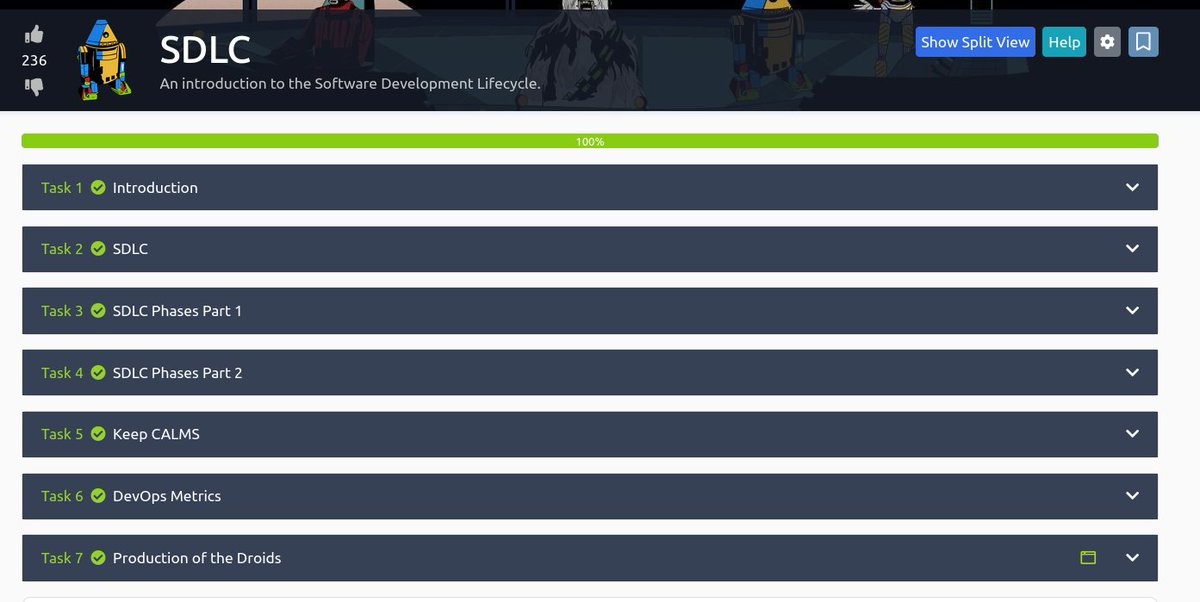
SDLC - I have just completed this room!
Check it out: tryhackme.com/room/sdlc #tryhackme #security #DevOps #DevSecOps #SDLC #SecureSoftwareDevelopment #sdlc via @tryhackme
4
9
1,348

7 Apr 2023
SDLC - I have just completed this room! Check it out: tryhackme.com/room/sdlc #tryhackme #security #DevOps #DevSecOps #SDLC #SecureSoftwareDevelopment #sdlc via @tryhackme
4
149

2 Dec 2022
Truly impersonating this, my social hacking experimentation dating back to 2015, join us live at @GoforeGroup #TKU with @ohanhi and @joohoi rocking @turkufrontend, making most of UI testing and not handling security issues 😂, truly lessons to learn #SecureSoftwareDevelopment #UI

2 Dec 2022

Our last meetup of the year will be hosted by @GoforeGroup December 14th and will feature two great speakers. @ohanhi will join us to talk about UI testing and @joohoi will be speaking about security and how to (not) handle issues.
Registration to event opens up Wed 7.12. 12:00.
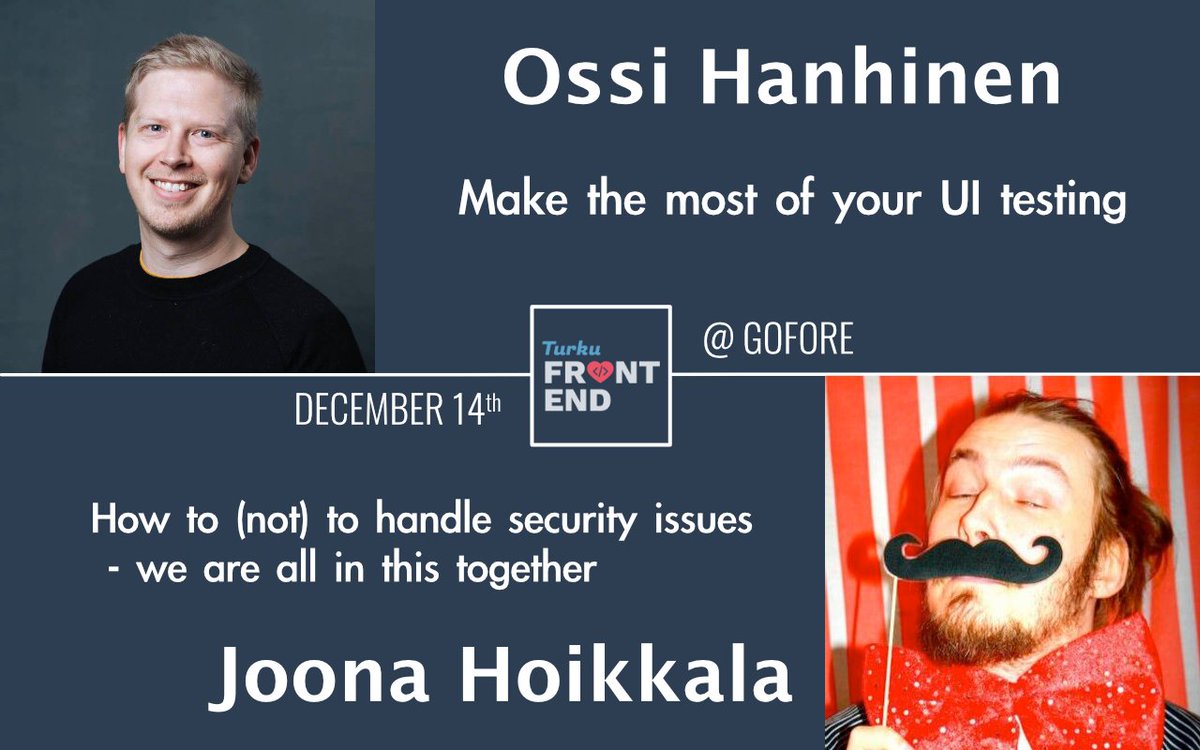
ALT Turku ❤️ Frontend, December 14th at Gofore Ossi Hanhinen: "Make the most of your UI testing" Joona Hoikkala: "How to (not) to handle security issues - we are all in this together"
3