
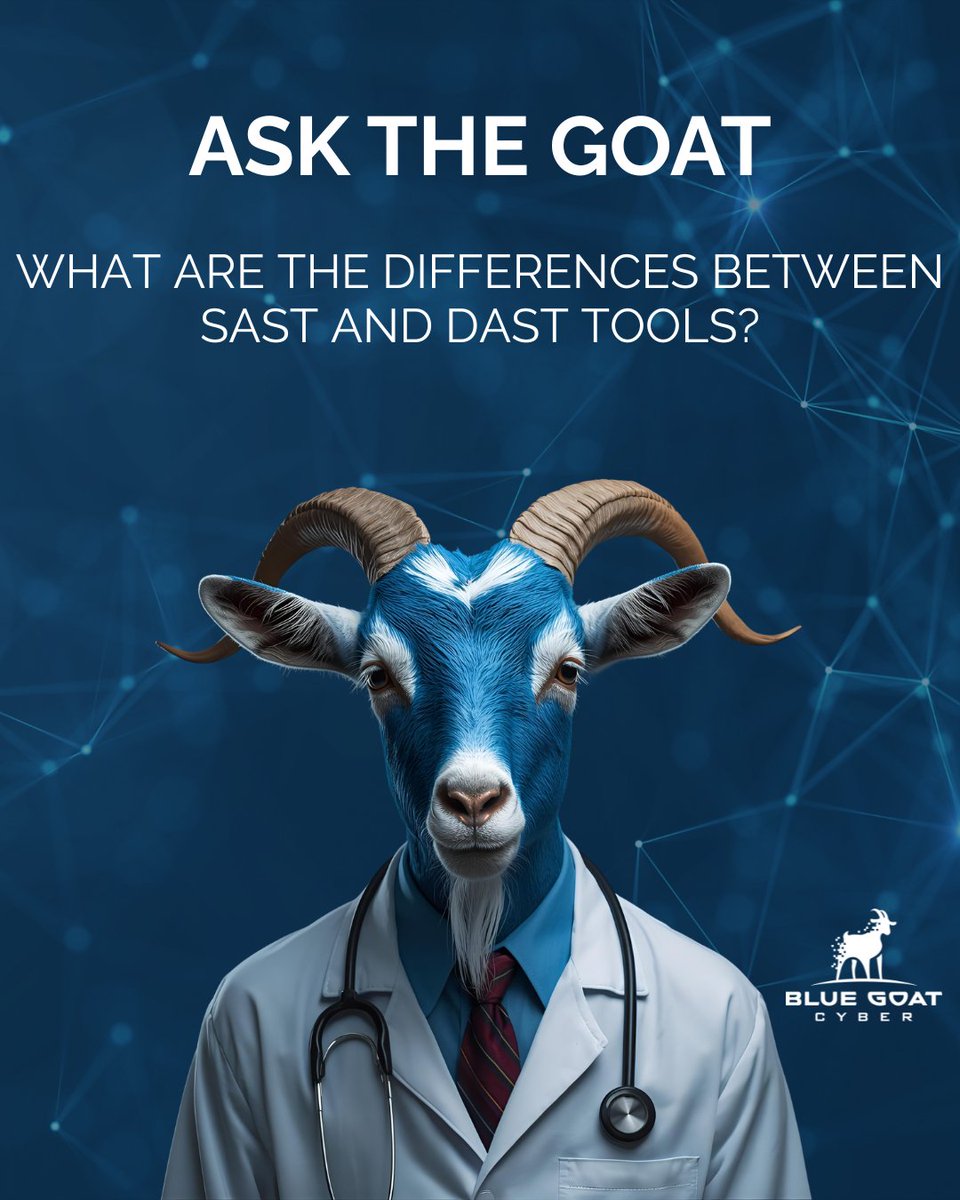
SAST is like reviewing the blueprint. It inspects code and configurations to spot vulnerabilities before deployment.
DAST is like testing the building. It interacts with the running app to uncover issues visible from the outside, including exploitable injection paths and misconfigurations.
You need both to prevent and verify.
🐐 Goat Insight: SAST prevents more defects, DAST confirms real-world exposure.
Want to learn more about SAST and DAST? Ask The Goat: bluegoatcyber.com/ask-the-go…
#AskTheGoat #SAST #DAST #ApplicationSecurity #DevSecOps #VulnerabilityScanning #SecureDevelopment #SecurityTesting #APIsecurity
1
8

Retaliator.io/cybersecurity-… Aikido - Fix Code Vulnerabilities Before They Reach Production.
#RetaliatorNation
#AlwaysWinning
#CyberSecurity
#AppSec
#ApplicationSecurity
#DevSecOps
#CloudSecurity
#CNAPP
#CodeSecurity
#ShiftLeftSecurity
#AISecurity
#SoftwareSecurity
#SecureDevelopment

ALT cyber-retaliator-solutions-crs-retaliatornation-aikido-ai-powered-application-security-platform-identifying-code-vulnerabilities-supply-chain-risks-and-cloud-security-weaknesses-in-real-time
1
5

We get this question daily:
"What service do I need?"
🔹 Pen Test
🔹 Vulnerability Assessment
🔹 Hack Recovery
🔹 Secure Development
Need help choosing?
redsecuretech.co.uk
#CyberSecurity #PenetrationTesting #VulnerabilityAssessment #WebsiteSecurity #SecureDevelopment

1
1
21

“AppSec in the Real World: Offensive Thinking, Boring Discipline, and Programs That Actually Work”
Building an effective application security program requires more than tools and checklists. From developer security champions and threat modeling to API security and offensive security insights, organizations must balance innovation with the fundamentals that drive long-term security success.
Moderator: Sanjeev Jaiswal
Panelists:
• Mohan Sekar
• Lekshmi Nair
• Neelu Tripathy
Join this engaging discussion at VULNCON 2026 as seasoned security leaders share practical lessons on building AppSec programs that scale, deliver measurable impact, and stand the test of time.
📍 NIMHANS Convention Centre, Bengaluru
📅 12th & 13th June, 2026
Final Chance: Last Minute Sale ends 9 June.
vulncon.in/register
#VULNCON2026 #Vulncon #AppSec #DevSecOps #SecureDevelopment #ThreatModeling #OffensiveSecurity #SecurityEngineering #CyberSecurity #InfoSec

2
3
54


AI Development Plugins Are Changing the AppSec Trust Boundary
AI assisted development is quickly becoming part of the modern engineering workflow. That progress is valuable, but it also changes where security teams need to look for risk.
VerSprite’s latest research into AI development plugin security risks highlights a critical reality: when coding agents are granted access to project files, local tools, network resources, and developer context, their behavior must be treated as part of the application security surface.
This is not just a prompt injection discussion. It is a trust boundary discussion.
The research identified how vulnerable tool behavior in an AI powered VSCode extension could enable:
• NTLM hash exposure through prompt injected instructions that cause the agent to interact with a remote SMB share
• Unintended project file disclosure through a plaintext HTTP POST tied to what appeared to be a leftover debugging endpoint
• Abuse of local development context when an injected prompt is embedded inside a repository file and later interpreted by the AI agent
• Security control bypass conditions where user approval prompts existed, but sensitive actions had already occurred in the background
The lesson for security leaders is clear: AI development plugins should not be evaluated only by productivity gains. They should be evaluated by the permissions they inherit, the tools they invoke, the data they process, and the paths they can reach.
At VerSprite, this is where our culture of adversarial thinking matters. We do not stop at identifying that a prompt injection exists. We ask what an attacker could realistically accomplish with it, how it could be chained, where the human approval model fails, and what impact it creates inside a real enterprise environment.
For teams adopting AI coding assistants, several practices deserve immediate attention:
• Review extension behavior before broad deployment
• Restrict unnecessary file, network, and system level access
• Monitor unexpected outbound traffic from developer workstations
• Treat repositories as potential instruction sources, not just code sources
• Require explicit user approval before sensitive data leaves the local environment
• Include AI enabled developer tools in threat modeling, red team testing, and third party risk reviews
AI is expanding the speed and capability of software delivery. Security has to evolve at the same pace.
The organizations that benefit most from AI assisted development will be the ones that approach it with disciplined trust boundaries, realistic abuse cases, and security validation that reflects how attackers actually operate.
Read the full research here:
hubs.la/Q04hW4-f0
#ApplicationSecurity #Cybersecurity #AIsecurity #AppSec #ThreatModeling #SecureDevelopment #DevSecOps #RedTeam #SoftwareSecurity #VerSprite
4
2
4
120

New Article | The CyberDiplomat
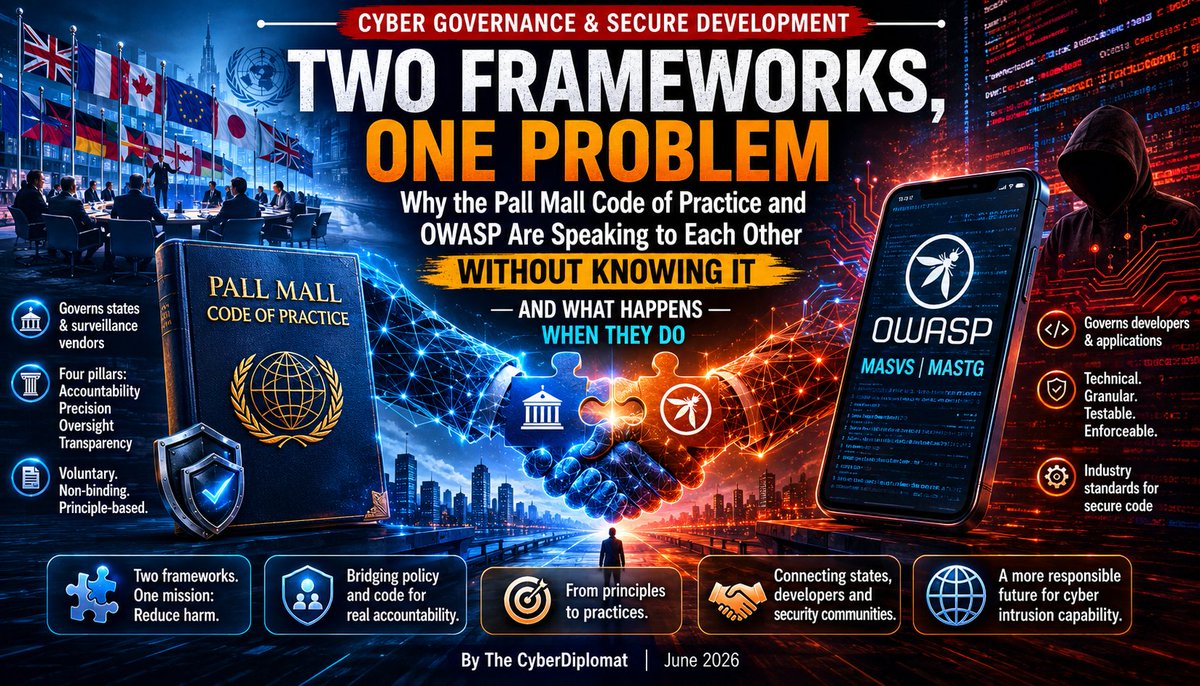
Two Frameworks, One Problem
The Pall Mall Code of Practice governs states and surveillance vendors.
OWASP MASVS & MASTG govern developers and applications.
They were never designed to work together.
Yet both are trying to solve the same problem: how to govern cyber intrusion capabilities responsibly.
This article explores why the future of cyber governance may depend on bridging the gap between policy and code, diplomacy and engineering, and principles and implementation.
A must-read for policymakers, developers, regulators, security professionals, and anyone interested in the future of cyber governance.
🔗 Read the full article:
thecyberdiplomat.ghost.io/tw…
"Principles without implementation are promises. Implementation without principles is a risk."
#CyberGovernance #OWASP #PallMallProcess #CyberDiplomacy #ApplicationSecurity #SecureDevelopment #CyberPolicy #MASVS #MASTG #Cybersecurity #DigitalGovernance #TheCyberDiplomat #ResponsibleTechnology #CyberIntrusionCapabilities
1
2
48

AI is no longer just helping engineers write code. In 2026, it autonomously discovers zero‑day vulnerabilities 🚨 in kernels faster than engineering teams can patch them.
According to research from the UK AI Security Institute and public reports released alongside Claude Mythos, modern AI agents have demonstrated the ability to:
🔸 independently analyze Linux and FreeBSD kernel code
🔸 identify critical vulnerabilities without human assistance
🔸 validate new CVEs using structured, repeatable methodologies
However, the same AI that can improve driver stability and security can also become a source of new risks if used without proper control.
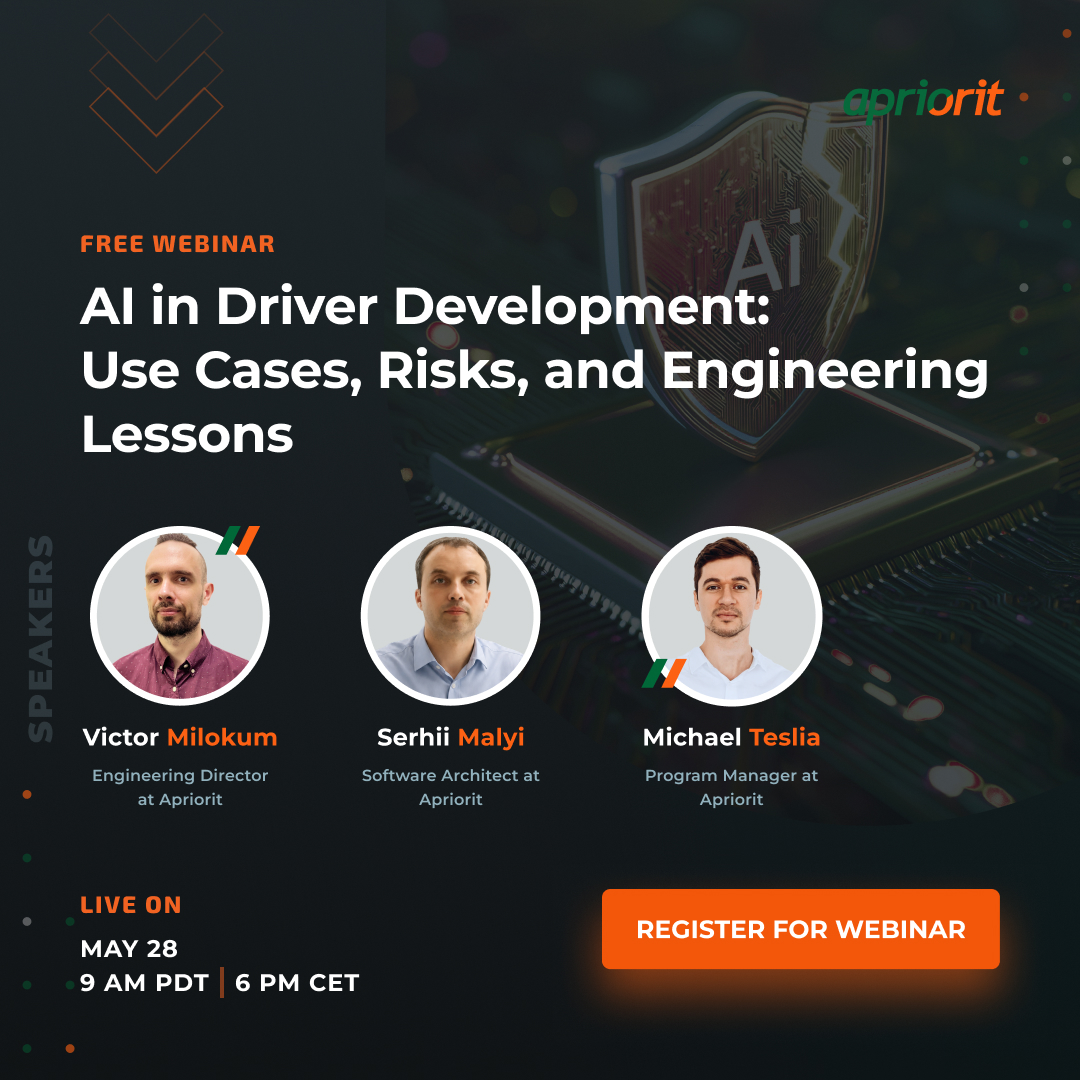
This is exactly what we will discuss in the webinar “AI in Driver Development: Use Cases, Risks, and Engineering Lessons.”
Using real low‑level and driver development ⚙️ projects from Apriorit, we’ll show:
🔹 where AI truly adds value in kernel‑level environments
🔹 why expert review is still non‑negotiable
🔹 which mistakes AI makes most often and how not to miss them
📅 May 28, 2026
🕕 6:00 PM CET | 9:00 AM PDT
If you work with drivers, kernels, or system-level software, this webinar will help you distinguish controlled innovation from unmanaged risk. Register now to join the live session and ask our experts directly during the webinar 👉 linkedin.com/event/manage/74…
#AIEngineering #DriverDevelopment #SystemProgramming #TechWebinar #SecureDevelopment #aprioritwebinar
1
1
49

Build your product. Secure it from day one. That’s the NovaShield way.
📩 contact@novashield.in
🌐 novashield.in
📞 91 8308628739
#NovaShield #CyberSecurity #DevNova #StartupSecurity #SecureDevelopment #ITDevelopment
2
11
Security cannot keep chasing development
It has to become part of it
VerSprite’s Builder Team was created to solve one of the most persistent gaps in cybersecurity
How to embed security into modern engineering without slowing innovation
This is not about adding more tools
It is about building systems where secure outcomes are the default
If your DevSecOps strategy still relies on late stage validation, you are carrying unnecessary risk
It is time to evolve how security is engineered
Explore how we operationalize DevSecOps
versprite.com/cybersecurity-…
#DevSecOps #AppSec #CyberSecurity #SecureDevelopment #CloudSecurity #SoftwareSecurity
3
3
48

Apr 15
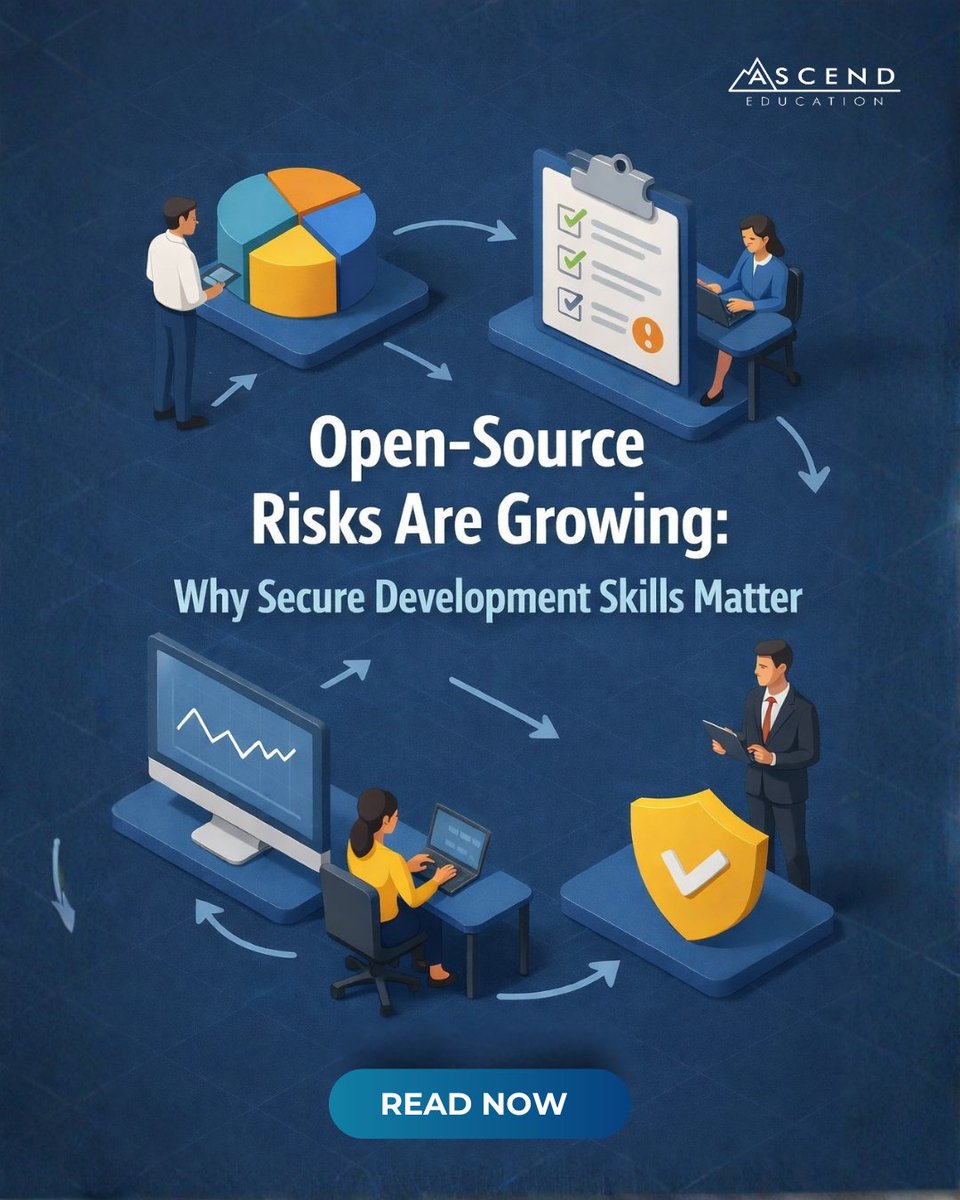
Open-source powers modern software. But supply-chain attacks, malicious packages, and vulnerable dependencies are growing risks.
Why secure development skills now matter more than ever. Read now:
ascendeducation.com/news/ope…
#CyberSecurity #SecureDevelopment #OpenSource #DevSecOps
5
4
90

Apr 7
Black Hat Asia Speaker Spotlight Series 🎬 Meet Ari (MaccariTA) Marzouk @Ari_MaccariTA, Senior Security Researcher, Microsoft Red Team, as he answers three key questions in our latest Speaker Spotlight:
👉 What are you most excited about Black Hat Asia?
👉 What will your session focus on?
👉 What’s one key takeaway attendees can expect?
🔥 Don't miss Ari’s #BHASIA Briefing, “IDEsaster 2.0: Another Novel Vulnerability Class in AI IDEs,” where he uncovers a newly identified vulnerability class affecting AI‑powered IDEs—and shows how attackers can weaponize these flaws in modern development workflows. ⚠️
A deep dive into emerging AI attack surfaces, real‑world exploitation scenarios, and the implications for both offensive research and defensive engineering teams.
Learn more 👉 bit.ly/47Kr9jf
#BHASIA2026 #BlackHatSpotlightSeries #Cybersecurity #AISecurity #RedTeam #OffensiveSecurity #SecureDevelopment
1
4
2,704

Mar 31
Starting April 24, 2026, GitHub Copilot will begin using, by default, interaction data from users on the Free, Pro, and Pro plans to train and improve its artificial intelligence models. This change does not apply to customers on Business and Enterprise plans.
The data covered includes: user inputs, generated outputs, code snippets, and the associated interaction context.
Primary Official Source:
github.blog/news-insights/co…
Complementary Update in GitHub Changelog:
github.blog/changelog/2026-0…
Recommended Mitigation Actions (Immediate Action Advised):
1. Access your GitHub account settings.
2. Navigate to Copilot > Privacy (direct link: github.com/settings/copilot/…).
3. Disable the option:
“Allow GitHub to use my data for AI model training”.
#GitHubCopilot #InformationSecurity #DataPrivacy #LGPD #GDPR #ArtificialIntelligence #IntellectualProperty #InfoSec #CyberSecurity #SecureDevelopment
1
2
8
897
Securing the Software Supply Chain in Government
Software vulnerabilities and third party risk continue to threaten government missions. Leadership must enforce accountability across the ecosystem.
• Evaluate vendor security posture and code integrity
• Conduct secure code reviews and penetration testing
• Identify systemic weaknesses in development practices
• Strengthen governance across the supply chain lifecycle
Learn how VerSprite mitigates supply chain risk for public sector organizations.
versprite.com/solutions/gove…
#SupplyChainSecurity #ApplicationSecurity #GovTech #CyberRisk #SecureDevelopment #ExecutiveLeadership

2
2
19

Mar 18
Security doesn’t get easier as AI is introduced.
It gets more interconnected.
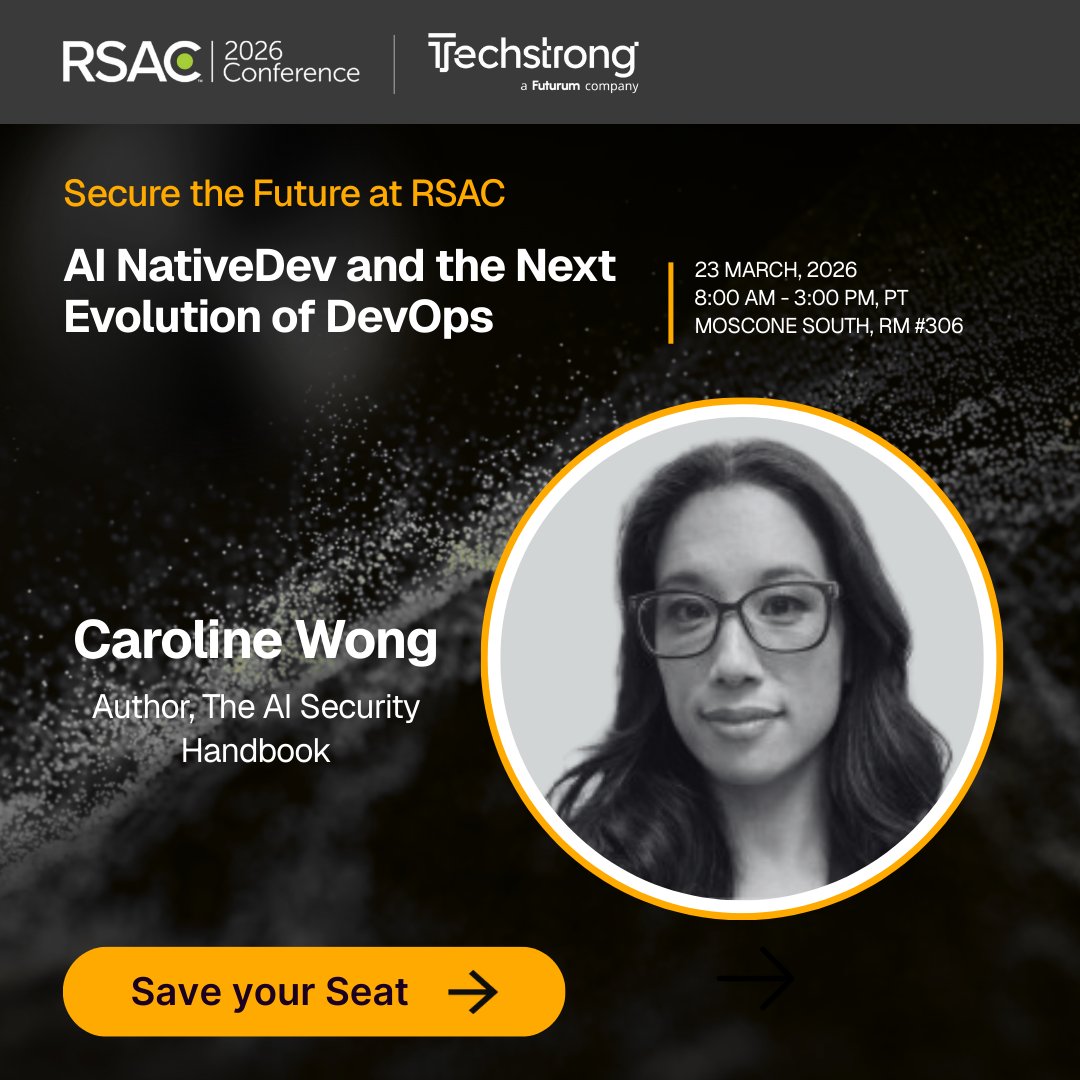
Caroline Wong, a security leader and practitioner, joins 𝗔𝗜 𝗡𝗮𝘁𝗶𝘃𝗲𝗗𝗲𝘃 to discuss what it takes to build secure foundations as AI becomes embedded across software creation, delivery, and governance.
Add this to your RSAC plan.
📍 March 23 at RSAC
🎟️ Included with RSAC badge
🔗 buff.ly/AAnFn1e
#AINativeDev #RSAC #SecureDevelopment #AIEngineering
4
4
317
Secure Software Delivery Is a Competitive Advantage
Organizations that build security directly into development pipelines reduce risk, accelerate delivery, and strengthen trust with customers.
VerSprite is seeking a DevSecOps Application Security Consultant to help enterprises build secure applications at scale.
What the role focuses on:
• Secure software architecture guidance
• Threat modeling and vulnerability risk analysis
• Integration of SAST DAST and modern AppSec tooling
• Secure development lifecycle implementation
• Advising engineering leaders on security engineering strategy
Join a team shaping the future of secure development.
Apply here:
versprite.com/careers/positi…
#ApplicationSecurity #DevSecOps #CyberSecurityStrategy #SecureDevelopment #CloudSecurity #CyberSecurityCareers #TechnologyLeadership

2
2
25
Security Debt Slows Game Innovation
Every unresolved vulnerability increases friction for new releases.
• Integrate security into development lifecycles
• Eliminate recurring code level weaknesses
• Prioritize vulnerabilities by business impact
• Enable faster, safer product launches
Secure engineering accelerates growth.
Partner with VerSprite:
versprite.com/solutions/gami…
#SecureDevelopment #DevSecOps #GamingInnovation #CyberStrategy #CIO #AppSec #TechnologyLeadership

2
2
27

Your business data is your power — and it should stay that way. 🔐 At Ksoft Technologies, we ensure complete confidentiality with zero external training, zero exposure, and zero compromise. Start every project with trust. Start with an NDA.
#DataSecurity #CyberSecurity #BusinessConfidentiality #SecureDevelopment #NDASecurity #TechPartner #KsoftTechnologies #StartupSecurity #DigitalTrust #BuildWithConfidence

2
17
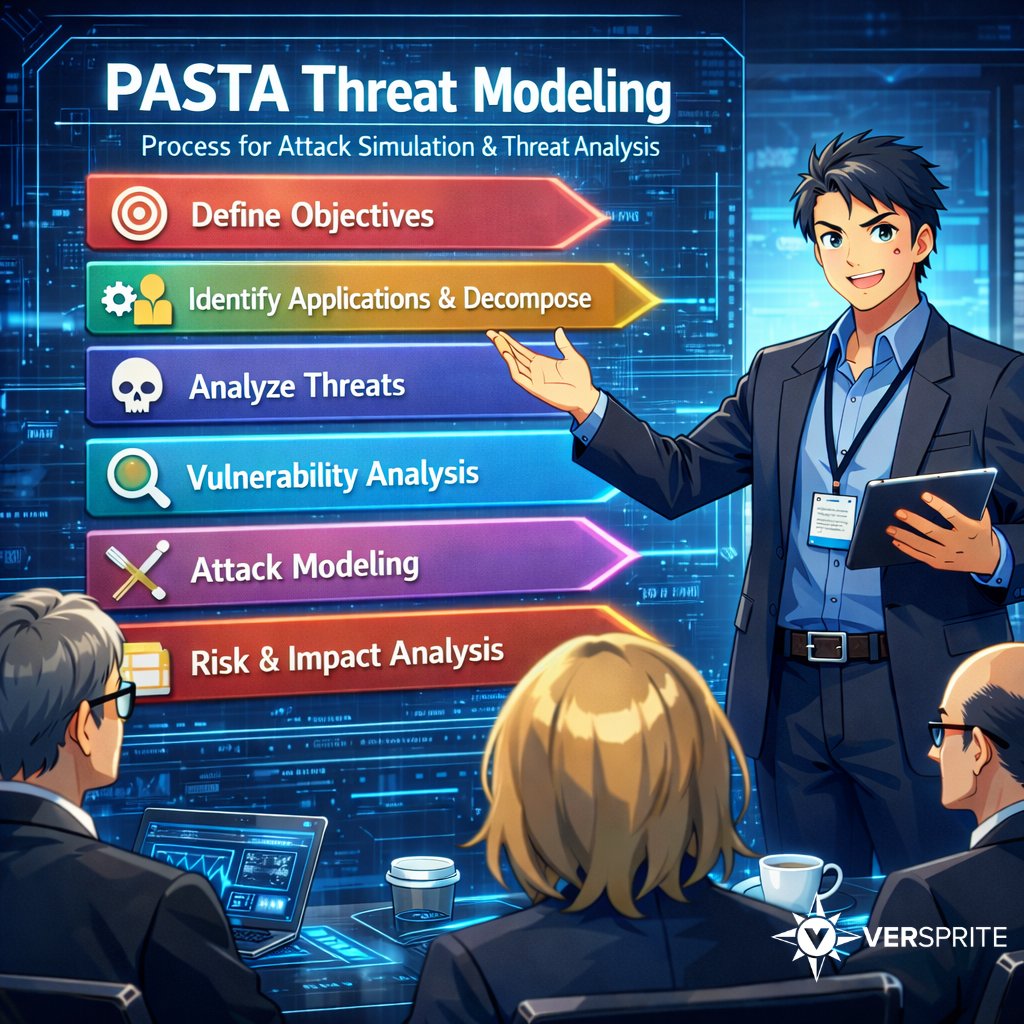
Your Software Is Only As Strong As Your Threat Model
Application Threat Modeling is foundational to secure software at scale.
VerSprite helps executives uncover risk early in the software lifecycle.
Key business outcomes
• Discover adversary tactics before they strike
• Understand application attack surface holistically
• Prioritize risk based on business impact
• Align development and security goals
• Strengthen governance and compliance
Reduce software risk today
versprite.com/cybersecurity-…
#ThreatModeling #AppSec #ExecutiveRisk #Cybersecurity #SecureDevelopment
2
2
25
Build Security Into Every Line of Code
Security should never be an afterthought.
At VerSprite, you will help engineering teams embed protection from the very beginning of the software lifecycle.
Key Points
Lead secure design conversations
Integrate security into CI CD workflows
Perform secure code reviews
Guide teams toward scalable remediation
Take ownership of modern application security.
Apply here: versprite.com/careers/positi…
#ApplicationSecurity #DevSecOps #CybersecurityJobs #SecureDevelopment #RemoteWork

2
2
30