
Jan 28
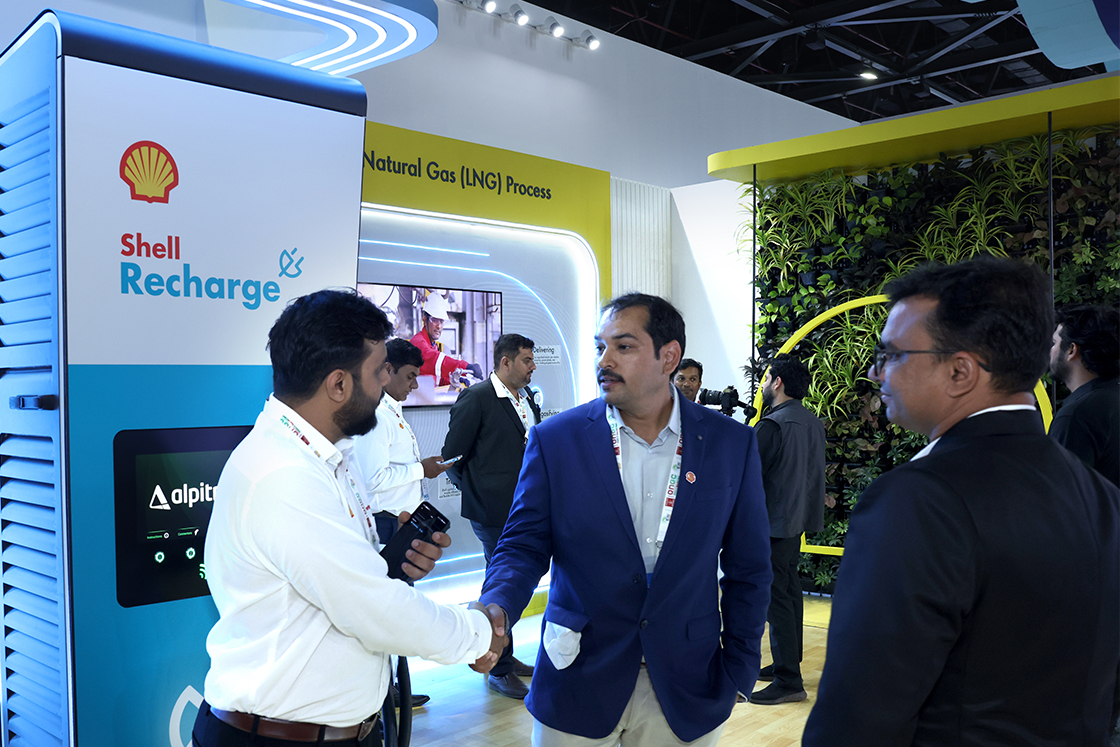
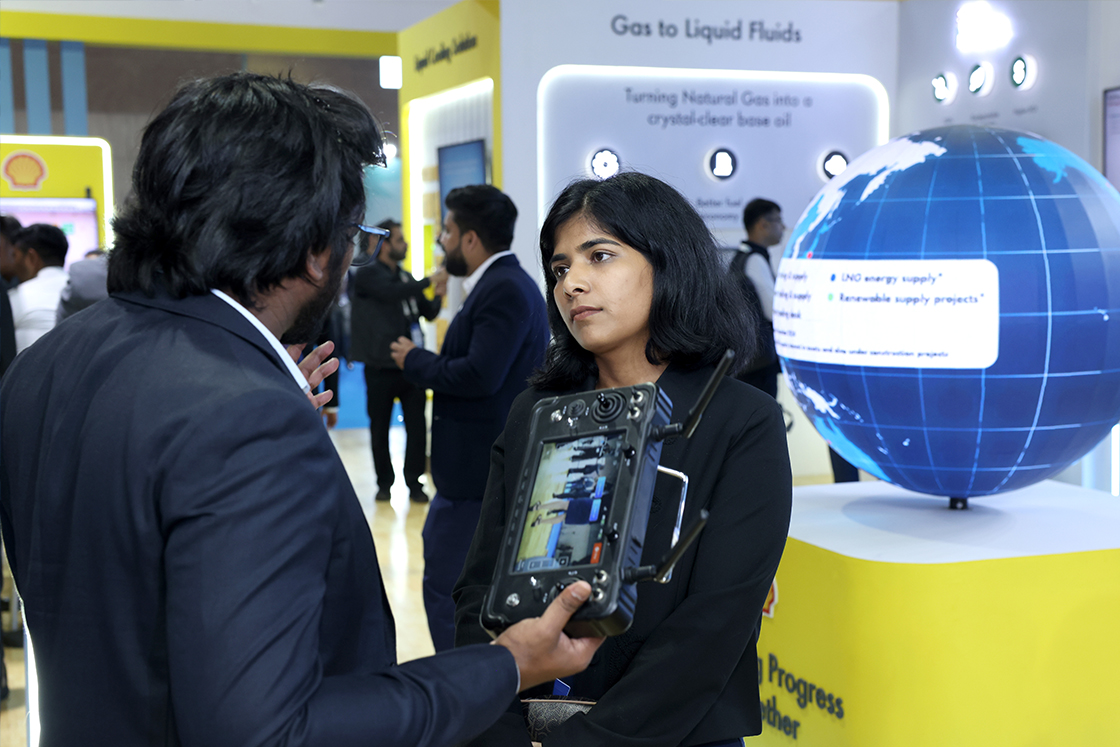
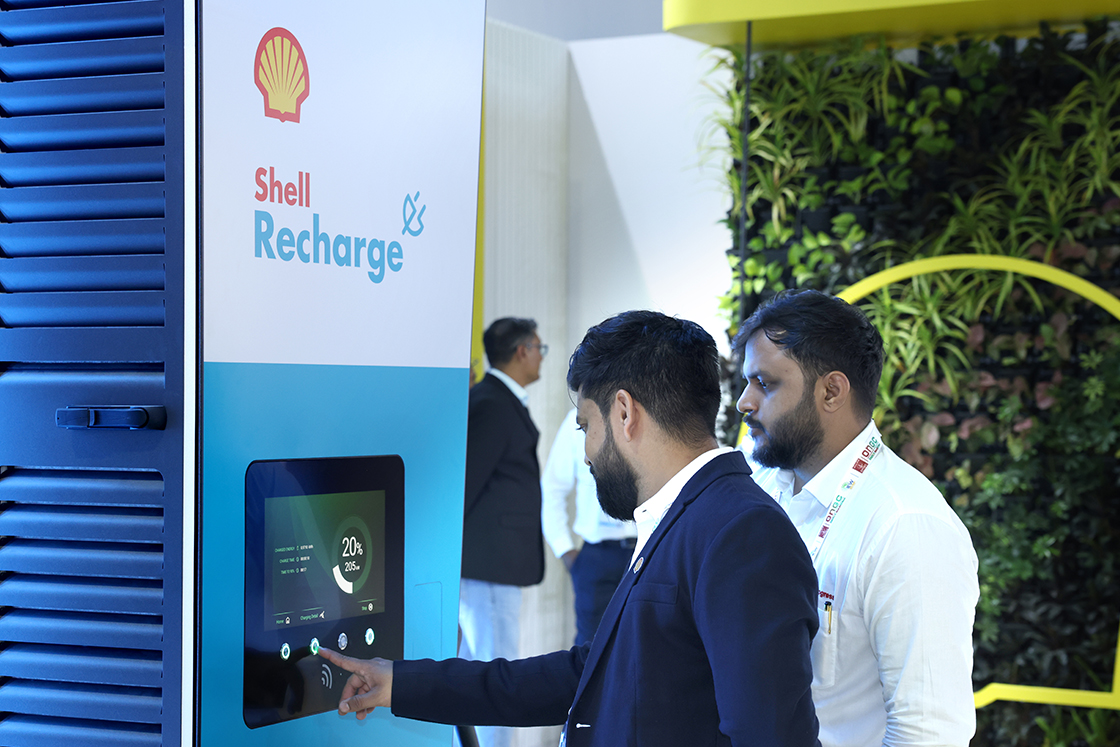
Discovery, innovation and hands-on engagement unfolding across the exhibition floor at India Energy Week 2026.
Visitors are exploring new technologies, engaging with experts and seeing real solutions in action across the energy value chain. At the centre of the experience, Shell Energy is showcasing advanced innovations, digital capabilities and integrated solutions supporting efficiency, decarbonisation and energy access at scale.
Explore more from Shell Energy at Hall 4, stand 4H02.
From live demonstrations to meaningful conversations, India Energy Week is where progress is happening on the ground.
Be part of transformative connection today.
🔗 Get your complimentary visitor pass: bit.ly/4mSu3HA
@Shell
#IndiaEnergyWeek #IEW2026 #Shell #LiveFromIEW #Shell #ShellEnergy #EnergySolutions #EnergyInnovation #EnergyTransition #GlobalEnergy

3
10
358

Jan 21
Well @TalkTalk really thought you would be better than #shellenergy but clearly you are not . Charging my elderly father for a bill that never arrives ! Then charge a late fee ! Sort it out or I’m of to @ofcom
4
4
1,742

25 Sep 2025
Fairly long read but contains all of Blackrock's activities in their take over of the UK.
BlackRock's Presence and Influence in the UK:
BlackRock, the world's largest asset manager with over $10 trillion in assets under management globally, does not "own" the UK in a literal sense—such as direct control over the government, land, or public services.
Instead, its influence stems from substantial investments in UK companies, infrastructure, and financial products, as well as advisory and partnership roles with the UK government.
This creates significant economic leverage, particularly through equity stakes in FTSE 100 firms, pension management, and recent deals under the Labour government.
Key details based on available data as of September 2025.
Corporate Ownership and Equity Stakes:
BlackRock holds minority stakes (typically 5-7%) in thousands of companies worldwide, including many UK-listed firms.
These are held on behalf of clients (e.g., pension funds, insurers), not BlackRock itself.
However, as a top institutional investor, BlackRock often influences corporate governance via voting rights.
Key UK Holdings:
BlackRock is among the largest shareholders in major UK companies. Examples from its latest 13F filings (as of August 2024,with updates into 2025).
CompanySector: BlackRock's Approximate Stake % of Shares AstraZenecaPharmaceuticals~6.5%
HSBC Holdings~5.2%
UnileverConsumer Goods~6.8%
ShellEnergy~5.1%
BPEnergy~6.3%
GlaxoSmithKline ( GSK)Healthcare~7.1%
These stakes represent collective client investments, but BlackRock's voting power can sway decisions on dividends, mergers and ESG policies. Tech and healthcare dominate its UK portfolio, aligning with global trends where tech comprises ~39% of its top holdings. Broader Impact:
BlackRock manages ~€1.6 trillion invested in Europe's economy, with a significant portion in the UK.
This includes stakes in ~80% of FTSE 100 companies, giving it indirect sway over sectors like finance, energy, and utilities.
Government Partnerships and Contracts:
BlackRock has deepened ties with the UK government, particularly under Labour's push for private investment to fund infrastructure amid fiscal constraints. No direct "ownership" of public entities exists, but partnerships involve subsidies to "de-risk" investments, shifting taxpayer risk to private gains.
Recent Deals (2024-2025): £150 Billion US-UK Investment Pledge: In September 2025, BlackRock committed ~£100 billion (part of a broader £150 billion US package) for UK infrastructure, including data centers (£674 million), green energy, and housing. Microsoft added £22 billion. Prime Minister Keir Starmer hailed this as "record-breaking" for jobs and growth, but critics argue it subsidizes privatisation. National Wealth Fund (NWF): Launched in 2024, the NWF partners with BlackRock to mobilize £27.8 billion in private capital for green projects.
The government provides £1 in subsidies per £3 private investment,echoing past Private Finance Initiatives (PFIs) that burdened public finances.
Local Government Pensions:
BlackRock manages UK Local Government Pension Schemes (LGPS), investing in equities and infrastructure. It designs compliant solutions for ~£400 billion in public pensions influencing allocations amid scrutiny over UK equity exposure. NHS and Public Services:
No direct BlackRock contracts with the NHS were identified, but indirect links exist via investments in healthcare firms (e.g., GSK, AstraZeneca) and broader privatization trends.
The NHS outsources ~10-15% of services to independent providers, but BlackRock's role is through funding rather than operations. Recent government contracts for NHS clinics (£6 million to Deloitte/Addleshaw Goddard) explore public-private partnerships (PPPs), potentially opening doors for investors like BlackRock.
Critics warn this could lead to "government-by-BlackRock," privatizing services like hospitals and renewables.
Historical Context:
During COVID-19, BlackRock advised on bond-buying programmes globally, but UK specifics focused on gilts (government bonds).
It also holds UK gilts in funds like the BlackRock ICS Sterling Government Liquidity Fund for liquidity.
Land and Property Ownership:
BlackRock does not own vast swathes of UK land directly but invests heavily in real estate via funds and acquisitions.
Infrastructure Assets: Through its 2024 acquisition of Global Infrastructure Partners (£9.5 billion deal), BlackRock owns stakes in UK assets like airports (e.g., Gatwick via indirect holdings) and wastewater services.
Total infrastructure AUM: ~$150 billion globally, with UK exposure in renewables and transport.
Property Investments:
BlackRock has poured billions into UK commercial and residential properties, including data centers for AI. Concerns over "corporate landlords" like BlackRock driving up rents (up 35% in some areas) via buy-to-let funds.
No exact acreage figures are public, but it's accused of contributing to housing shortages by prioritizing shareholder returns.
Influence and Criticisms BlackRock's CEO, Larry Fink, leverages control over national retirement funds (including UK pensions) for pre-office access to officials, boasting "unmatched influence."
UK-specific concerns:
Privatization Risks: Economists like Daniela Gabor argue Labour's model subsidizes big finance, making public renationalization harder and empowering firms like BlackRock in climate/welfare decisions. ESG and Geopolitics: BlackRock pushes ESG investing, holding sway in UK energy transitions, but faces backlash for "woke capitalism."
In summary, BlackRock's "ownership" is economic and influential rather than sovereign. It bolsters UK growth but raises sovereignty concerns over privatization and inequality. For deeper dives, check official filings on Companies House or BlackRock's UK site.
1
2
22

13 Sep 2025
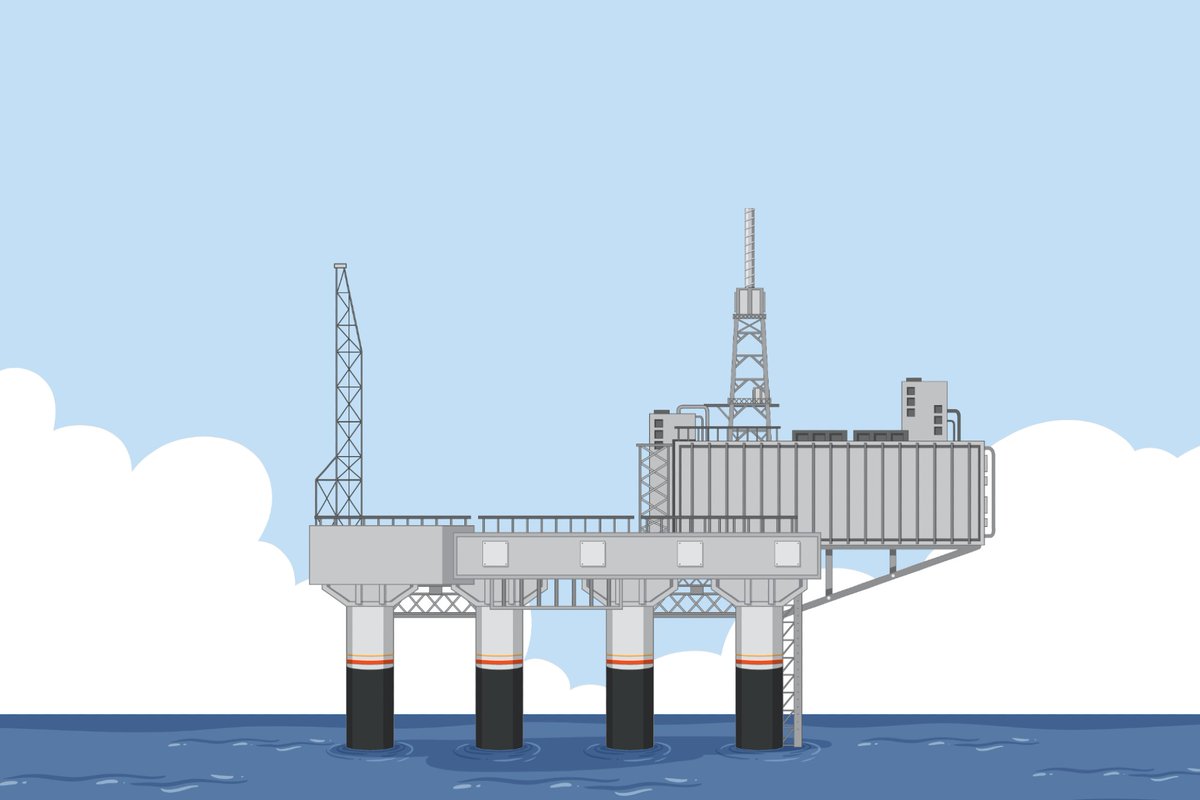
𝗦𝗵𝗲𝗹𝗹 𝗘𝗻𝗲𝗿𝗴𝘆 𝗿𝗲𝗰𝗲𝗶𝘃𝗲𝘀 𝗲𝗻𝘃𝗶𝗿𝗼𝗻𝗺𝗲𝗻𝘁𝗮𝗹 𝗰𝗹𝗲𝗮𝗿𝗮𝗻𝗰𝗲 𝘁𝗼 𝗲𝘅𝗽𝗮𝗻𝗱 𝗛𝗮𝘇𝗶𝗿𝗮 𝗟𝗡𝗚 𝘁𝗲𝗿𝗺𝗶𝗻𝗮𝗹
Read more: eprmagazine.com/news/shell-e…
#ShellEnergy #HaziraLNG #GujaratEnergy #LNGExpansion #EnergySector #GujaratDevelopment
3
45

2 Sep 2025
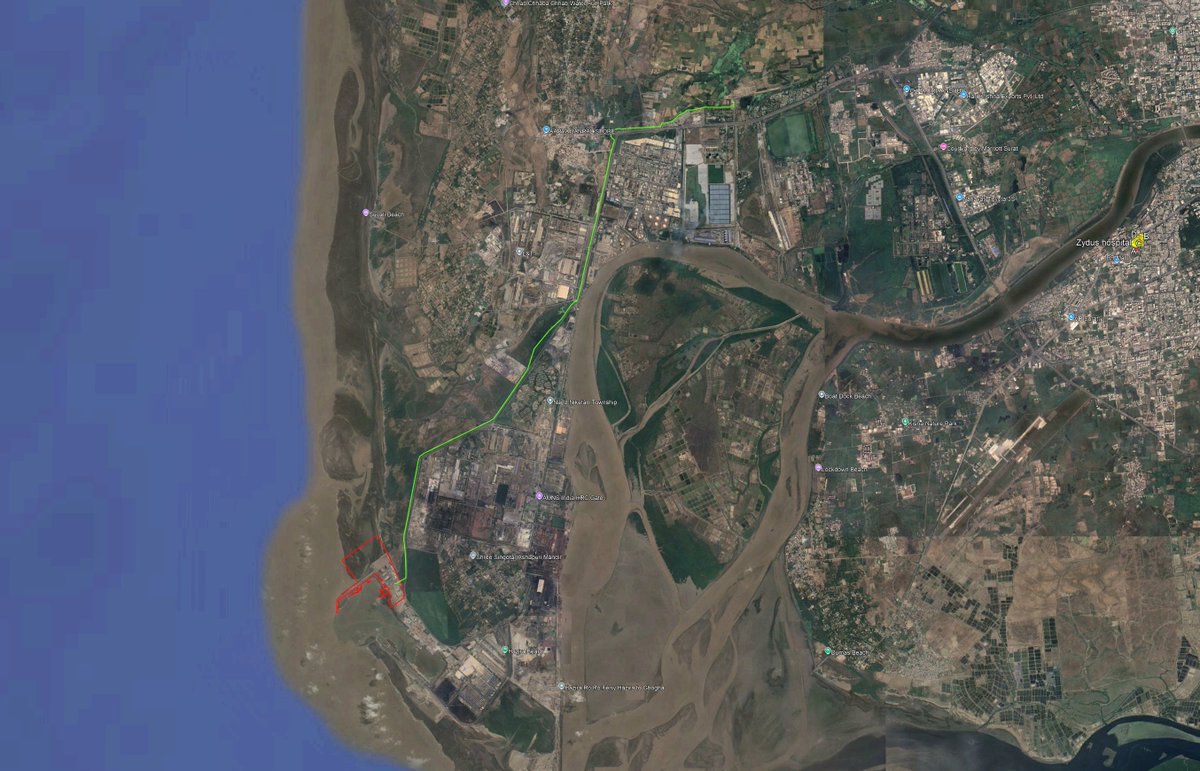
Shell Energy's massive LNG expansion in Gujarat! ⛽️
Shell Energy has applied for an Environmental Clearance to increase its LNG handling capacity.
🔹 Current Capacity: 6.28 MMTPA
🔹 Proposed Expansion: 26.2 MMTPA
#ShellEnergy #LNG #Gujarat #EnergyTransition #Infrastructure
4
14
210
2,953

Everyone’s chasing alpha.
We’re chasing alignment and maybe snacks. 🐢
While others ape, we yap.
While others farm hype, we coordinate vibes.
While others dump, we hold... conversations.
@turtleclubhouse isn’t just DeFi it’s a movement powered by memes, missions, and mutual respect.
Join the shell squad. Bring your yap game.
#TurtleClub #ShellEnergy

6
7
107

4 Apr 2025
" I say the same thing as I have said for 2.5 years , come out and support us," @HoustonDynamo coach Ben Olsen on fan support.
"The fans need to come out and support us. That's what fans do," added Olsen answering a question from a reporter.
The @HoustonDynamo take on @LAFC @shellenergy Stadium this weekend.
#SoccerMatters
11
4
47
6,388

26 Mar 2025
STOCK IN FOCUS: IRM Energy
IRM Energy has signed a 5-year RLNG purchase agreement with Shell Energy India for 1,23,21,200 MMBtu (approx. 326.84 mmscm).
This deal ensures a stable and affordable gas supply for industrial and commercial customers, enhancing the company's sourcing portfolio.
#IRMEnergy #NaturalGas #EnergySector #ShellEnergy #StockMarket
JOIN OUR TELEGRAM AND STAY UPDATED 🚀🚀
t.me/Stock_aaj_or_kal
154

8 Jan 2025
.@Shell shifts focus to flagship Dutch green H2 project, pauses Brazil pilot amid cost, supply challenges
#GreenHydrogen #ShellEnergy #HydrogenNow #Hydrogen #Wind
fcw.sh/67HhMy
4
4
498

ITM Power has signed a contract for the Refhyne II project, following Shell’s Final Investment Decision (FID).
#ITMPower #RefhyneII #ShellEnergy
bit.ly/ITMPowerToSupply100MW
3
197

28 Jul 2024
I put it there because when the invasion began there were 🇺🇦 flags in stadiums everywhere, including several at ShellEnergy. SaberCat Stadium had big ones on poles visible from 288.
The situation hasn’t changed 2 years later and I don’t think they should be forgotten.
1
2
26
27 Jul 2024
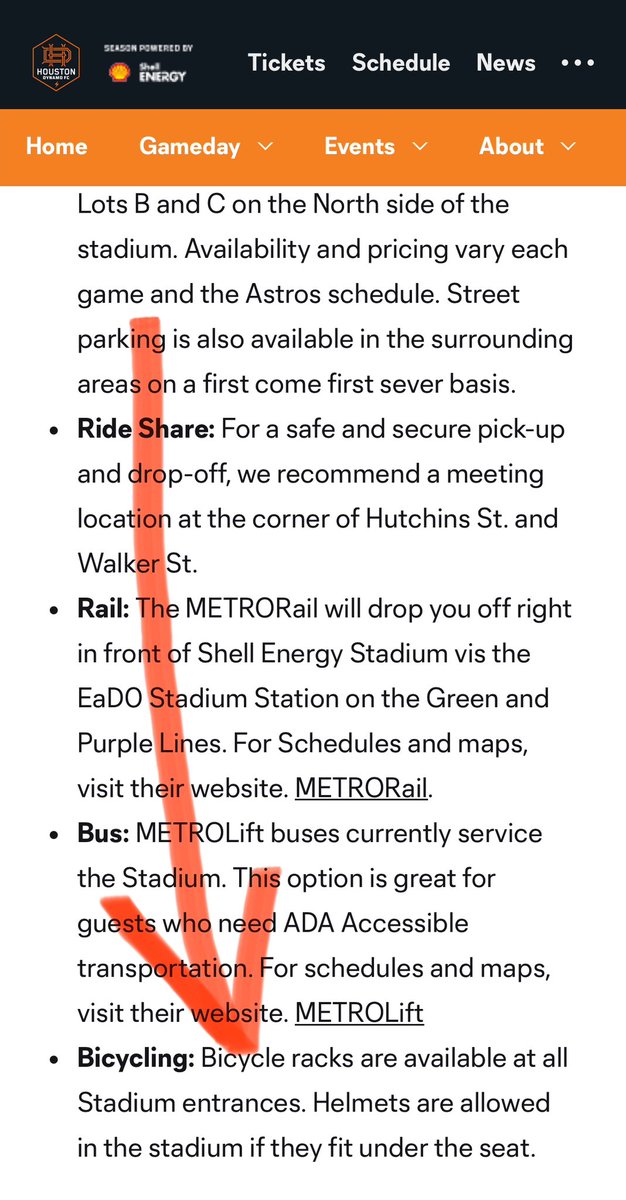
This is cool. I’ve never noticed it before, in the ShellEnergy Stadium guide to parking. Nice! 🚴🏼 Though “at all gates” is a bit of a stretch, there are 2 sets of racks in opposite corners.
And sadly, I don’t get to 🚴🏽♀️ today, I’m driving some friends to the game. 🧡🤘
1
4
534

Don't miss out on @CityAge's upcoming event on July 10, supported by @ShellEnergy, focusing on #decarbonizing fleets and buildings. Discuss challenges, collab opps, and strategies for a lower-carbon future.
Register here: tinyurl.com/2p9tv66h #Sustainability #CityAge

2
47

26 Jun 2024
En especial a los patrocinadores.
@AFRY_MC @AleaSoftEnergy #AmaraNZe #AudinforSystem #EdisonNext @EY_Spain @Gesternova @FundlaCaixa @ingeteam @prysmianclub_ @NSeanergies @OctopusEnergyES @RESGroup #ShellEnergy @sonnen_es @GrupoTresca @visalia_es #Ecoener @KPMG_ES #GrupoTradama
6
4
900
16 Jun 2024
Tonight was the ideal night to ride a bike home from ShellEnergy. I hit downtown about 11 o’clock exactly when the Megan Thee Stallion concert was getting out and traffic was gridlocked all through downtown. But I flew by in the bike lane. 🚴🏽♂️😂
1
4
436

Fkin hell
You could guess that
It's all lies 🤣🤣🤣🤣
1
1
17
Don't watch that bollocks anymore
And stopped watching all news in 2022
Try it
Its refreshing 🙋♂️
1
1
17
Yea
Not only him tho
#Ripoff @shellenergy @Shell too along with all the rest of them
Thought it was bad with the #Big6 till we #BringDownTheBig6
1
1
18
12 May 2024
This was on my FB memories today, the afternoon we opened BBVACompass Stadium with a win.
It looked all nice and shiny new but it looks better now. All that unpainted concrete. At least the seats hadn’t faded yet.
Happy 12th birthday, ShellEnergy Stadium.



3
1
37
1,023