
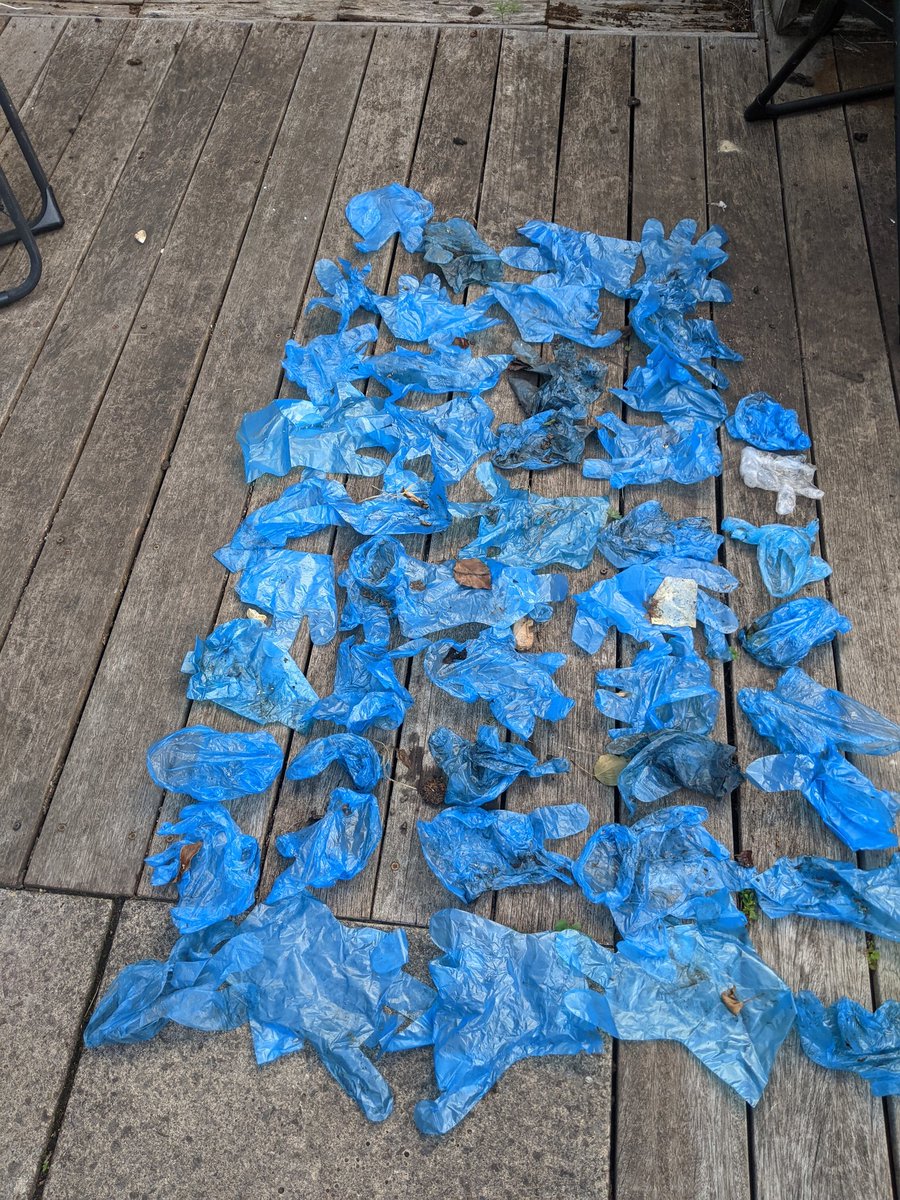
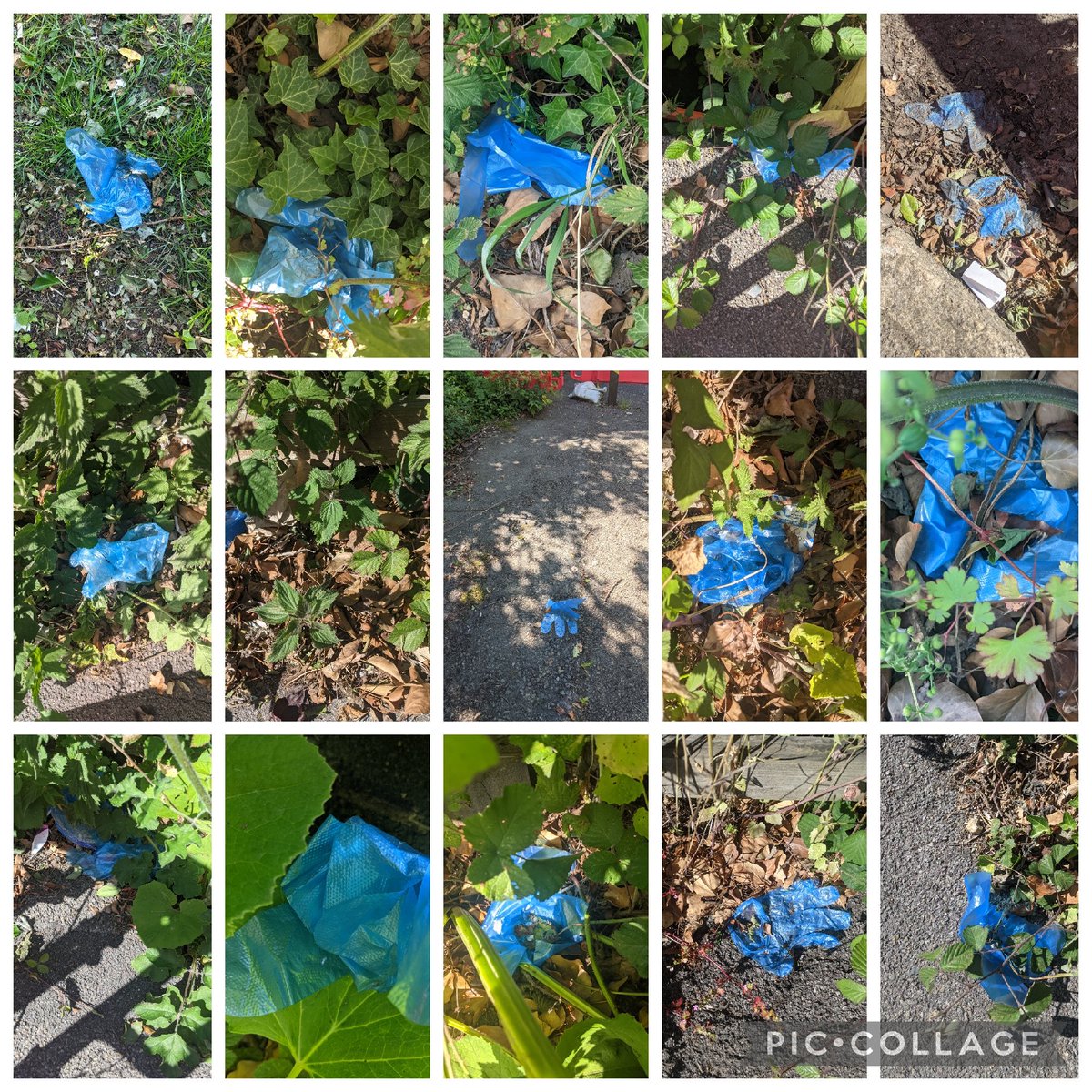
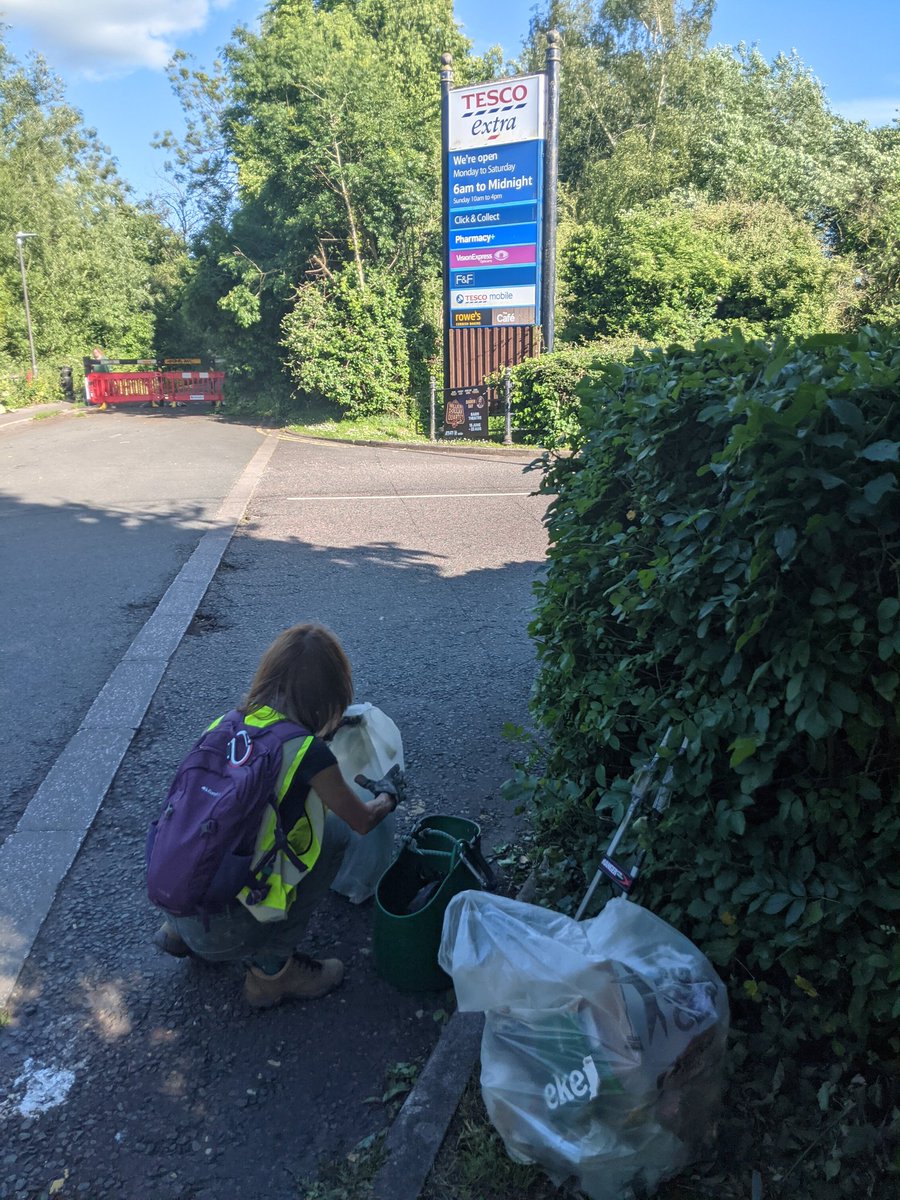
48 forecourt gloves next to a river from a @Tesco picked up by volunteers as "every little helps" the #environment. Mr #KenMurphy if only you lived up to your motto & addressed #litter from your operations. Pointless #singleuseplastic @thetimes @guardianeco @BBCSpotlight
20

Navi Mumbai: NMMC Seizes 158 Kg Of Banned Plastic, Collects ₹1.55 Lakh In Fines During Citywide Drive
#NaviMumbai #NMMC #PlasticBan #BannedPlastic #SingleUsePlastic #Environment #PlasticPollution #CleanCity @Raina_Assainar
freepressjournal.in/mumbai/n…
1
85

Jun 12
Every positive change begins with a conscious choice.
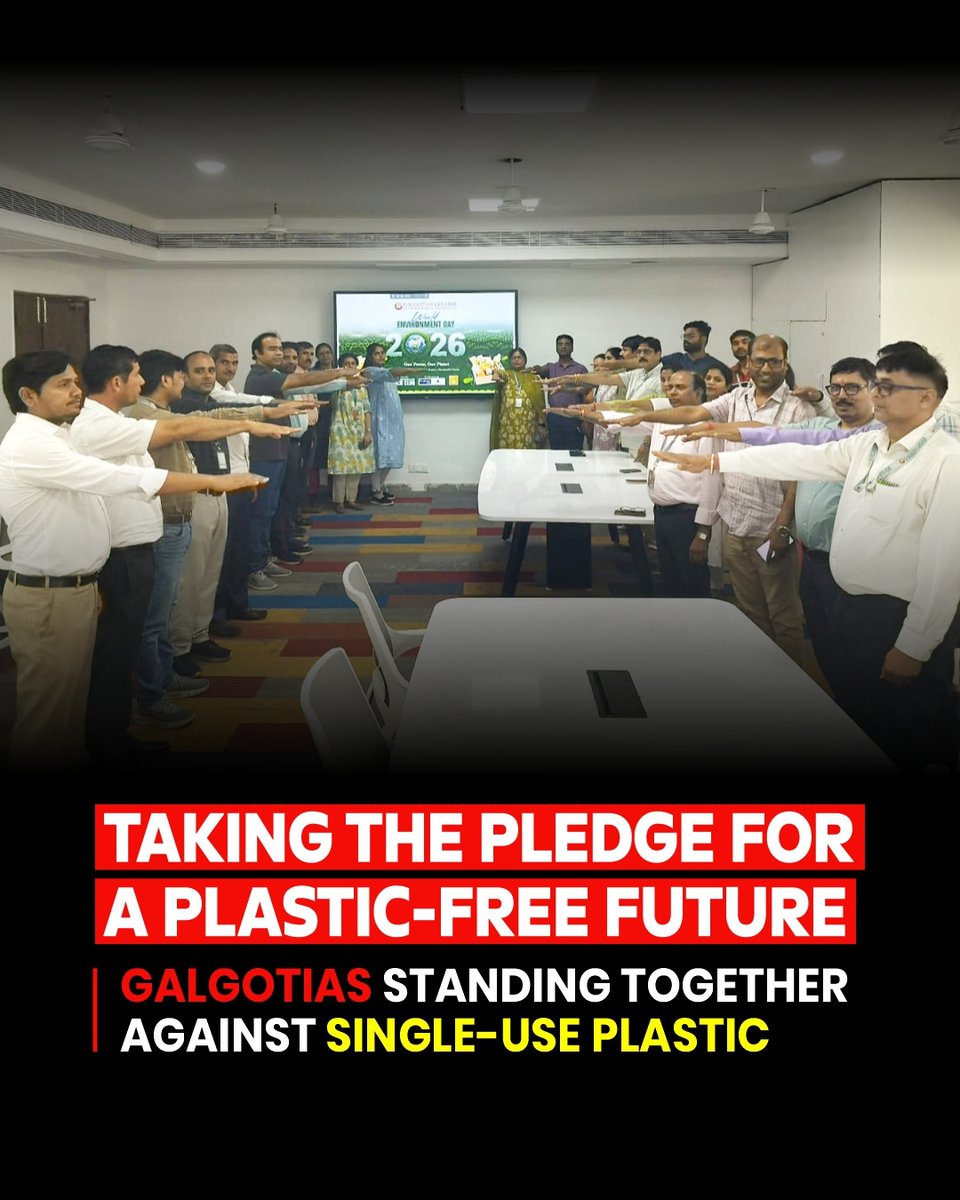
As part of its commitment to environmental sustainability, Galgotias College of Engineering & Technology organized a pledge campaign encouraging students, faculty, and staff to say no to single-use plastic and adopt eco-friendly practices in their daily lives.
Through this collective pledge, the Galgotias community reaffirmed its responsibility towards protecting the environment, reducing plastic waste, and contributing to a cleaner, greener, and more sustainable future.
#WorldEnvironmentDay #SayNoToPlastic #SingleUsePlastic #PlasticFreeFuture #Sustainability #EnvironmentalAwareness #GreenCampus #EcoFriendly #SDG12 #ResponsibleConsumption #GCET #Galgotias #Galgotia #Galgotiya #Galgotiyas #GalgotiasCollege #EnvironmentalResponsibility #SustainableFuture #GoGreen #GreenInitiative #ClimateAction #SustainabilityMatters #GreaterNoida #HigherEducation
1
8

Jun 12
મહુવા નગરપાલિકા પ્રતિબંધિત પ્લાસ્ટિક અંગે સફળી જાગી
મહુવાના વિવિધ વિસ્તારોમાં દુકાનોમાં સર્ચ હાથ ધરાયું
વિવિધ દુકાનોમાંથી 50 કિલો પ્લાસ્ટિકનો જથ્થો ઝડપી પાડ્યો
સર્ચને લઇ મહુવામાં પ્લાસ્ટિક વેચતા લોકોમાં ફફડાટ
#MahuwaMunicipality #PlasticBanGujarat #MahuwaNews #BhavnagarUpdates #AntiPlasticDrive #SingleUsePlastic #SurpriseSearch #PlasticSeized #CleanMahuwa #BreakingNewsGujarat
30
Urban Swacch Bharat Mission, Madhya Pradesh retweeted

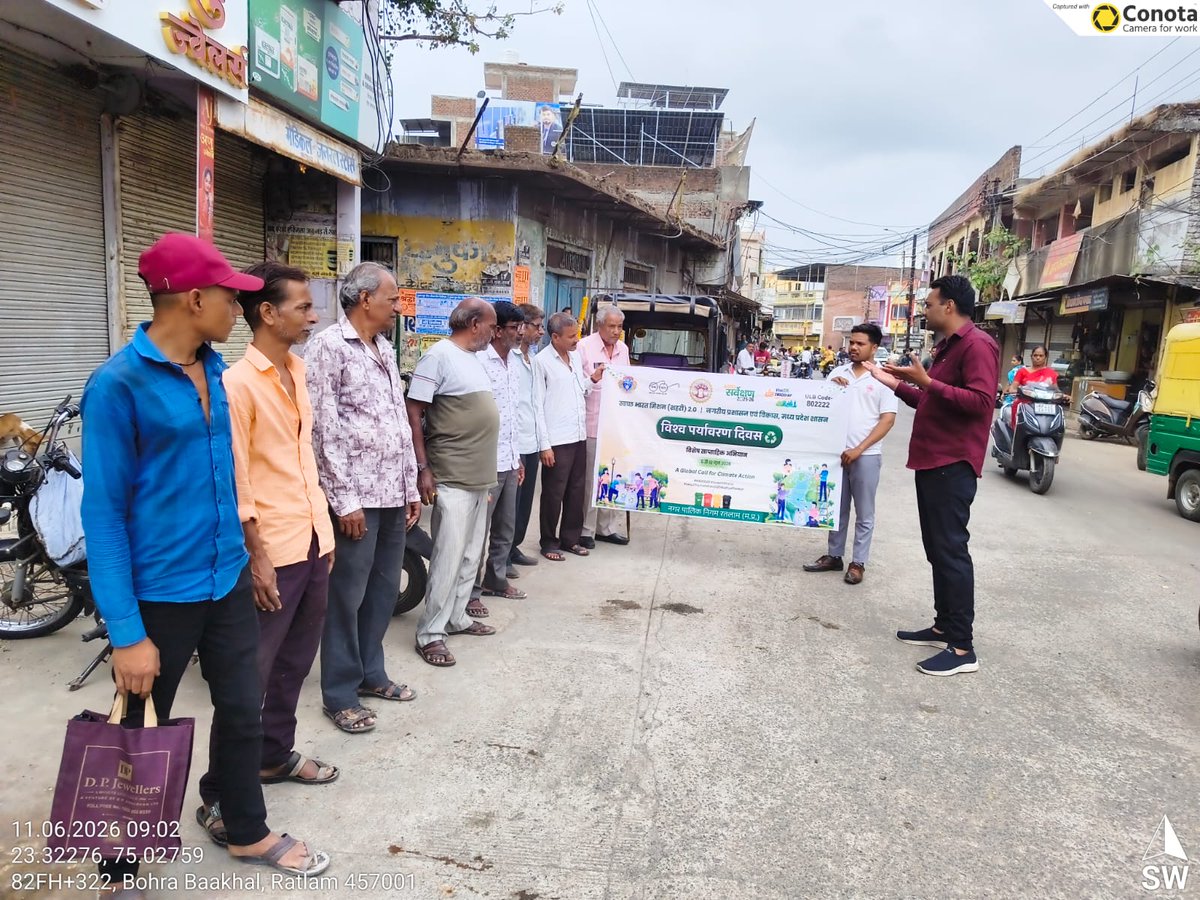
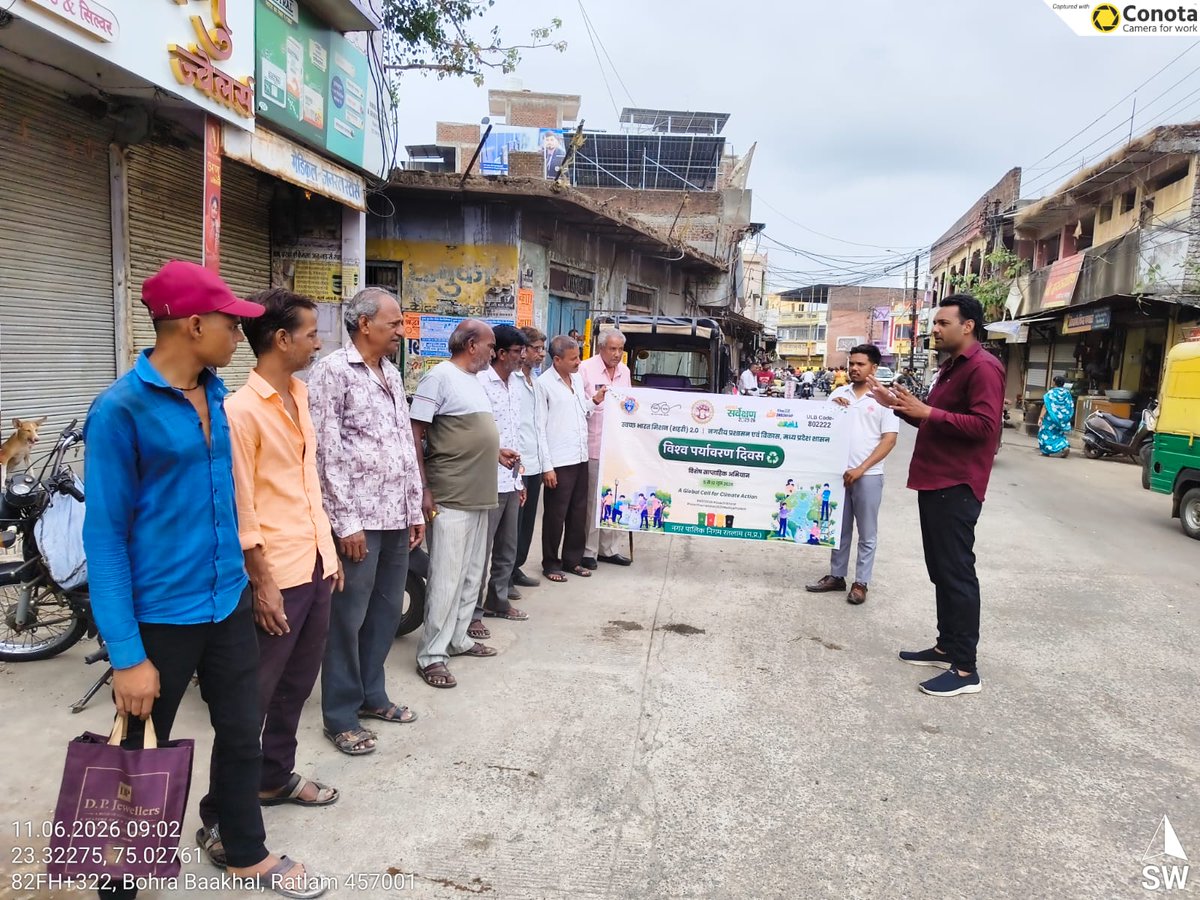
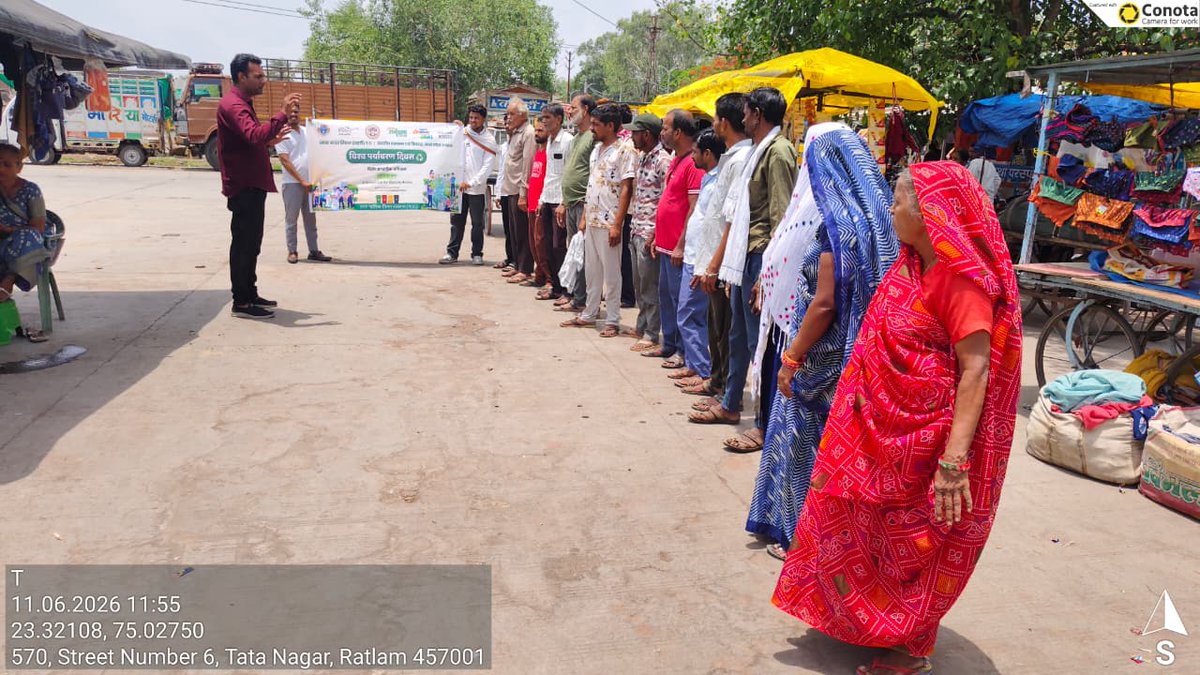
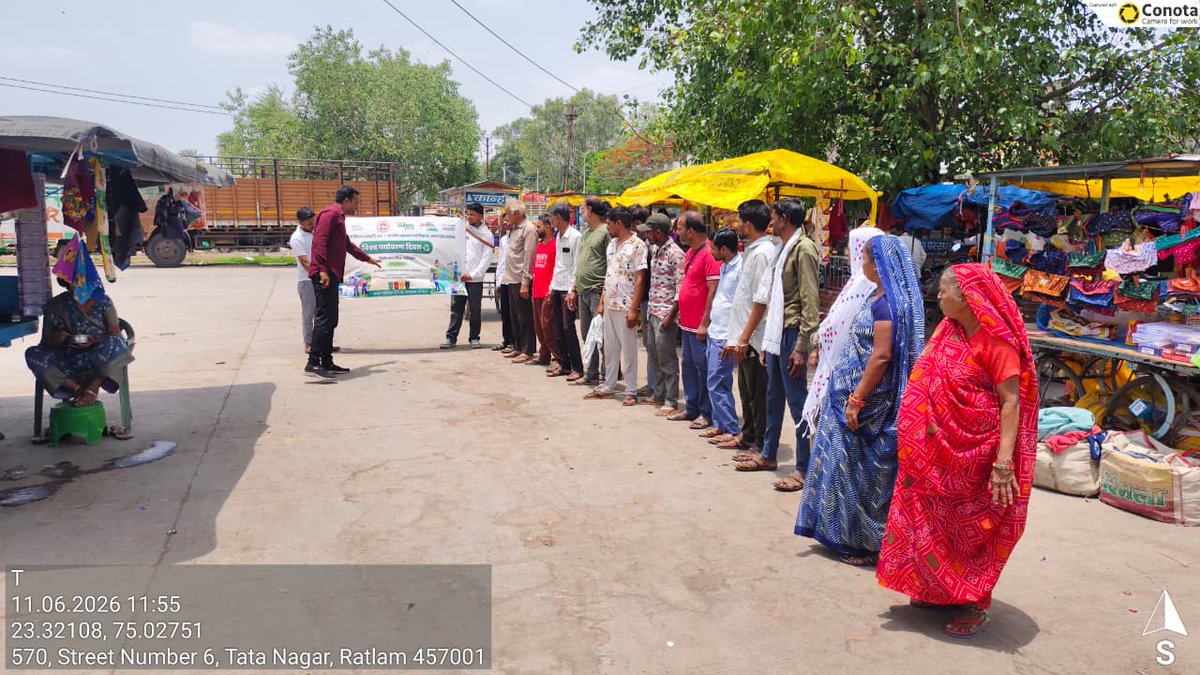
विश्व पर्यावरण दिवस के अंतर्गत नगर पालिक निगम, रतलाम IEC टीम द्वारा नागरिको को #singleuseplastic के स्थान पर कपडे की थैली अपनाने हेतु जागरूक किया जा रहा है |
#SwachhSurvekshan2025MadhyaPradesh #WED2026 @moefcc @MoHUA_India @SwachhBharatGov @urbansbm @mlkhattar @CMMadhyaPradesh
1
1
15

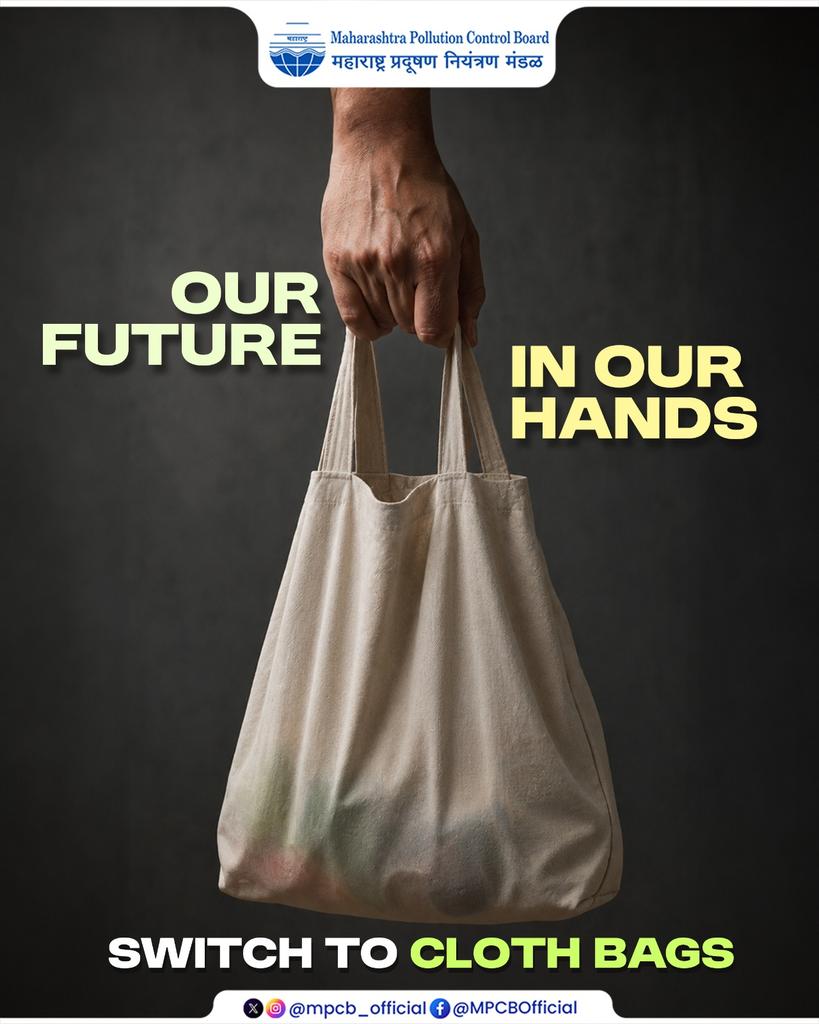
Swap your single user plastic bags for reusable cloth bags for a cleaner and greener Maharashtra.
#SayNoToPlastic #SingleUsePlastic
#SaveEarth #MPCB
2
73

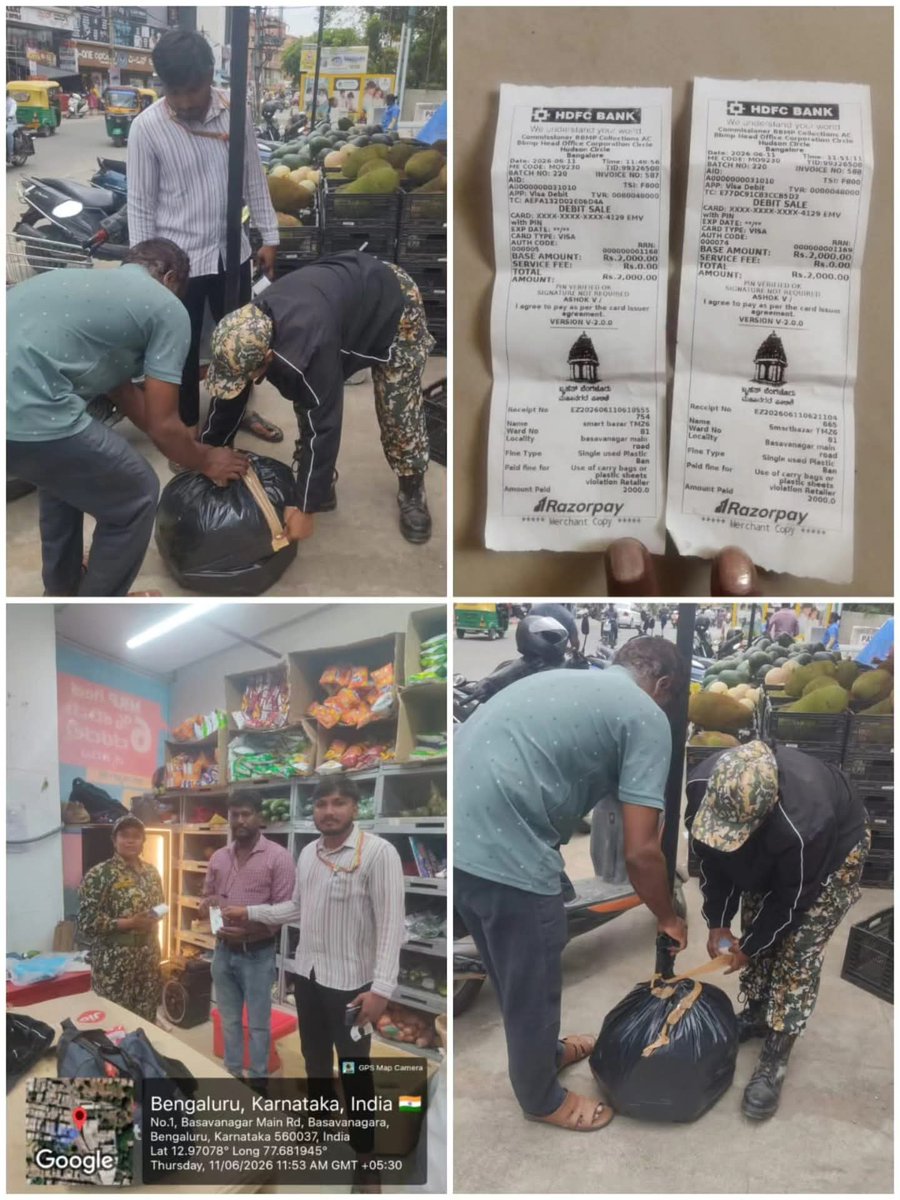
🚫♻️ Action Against Single-Use Plastic ♻️🚫
📍 Ward 81 – Vignan Nagar, Basavanagar
As part of ongoing enforcement and awareness activities, a penalty of ₹4,000 was imposed on Star Bazaar Retail Shop for the use of banned single-use plastic materials.
🛍️ In addition to enforcement action, awareness was created among the shop management regarding the harmful effects of single-use plastics and the importance of adopting eco-friendly alternatives.
✅ ₹4,000 penalty imposed
✅ Awareness provided on plastic-free practices
✅ Promoting environmental responsibility
✅ Encouraging sustainable business practices
🌱 Let's work together for a cleaner, greener, and plastic-free Bengaluru.
#SingleUsePlastic #PlasticFreeBengaluru #EnvironmentalAwareness #SustainableLiving
#gogreen #GreaterBengaluruAuthority #eastcitycorporation #DKShivakumar
2
1
1
1,095

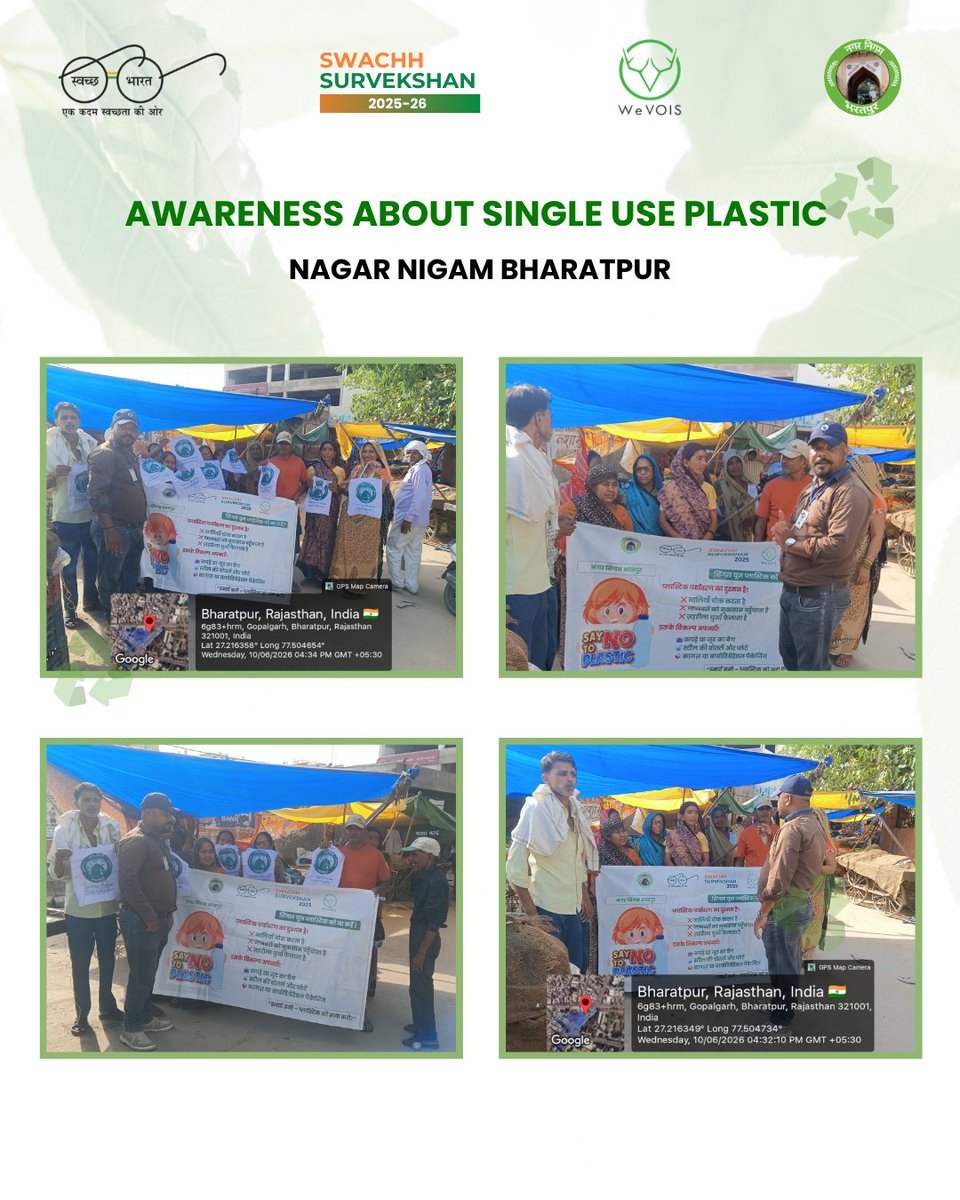
भरतपुर में सिंगल यूज़ प्लास्टिक के दुष्प्रभावों के प्रति नागरिकों को जागरूक किया गया। अभियान के दौरान कपड़े के थैले अपनाने, प्लास्टिक का उपयोग कम करने और स्वच्छ एवं पर्यावरण-अनुकूल जीवनशैली अपनाने का संदेश दिया गया। ♻️🌿
#Bharatpur #SingleUsePlastic #PlasticFreeBharatpur
30

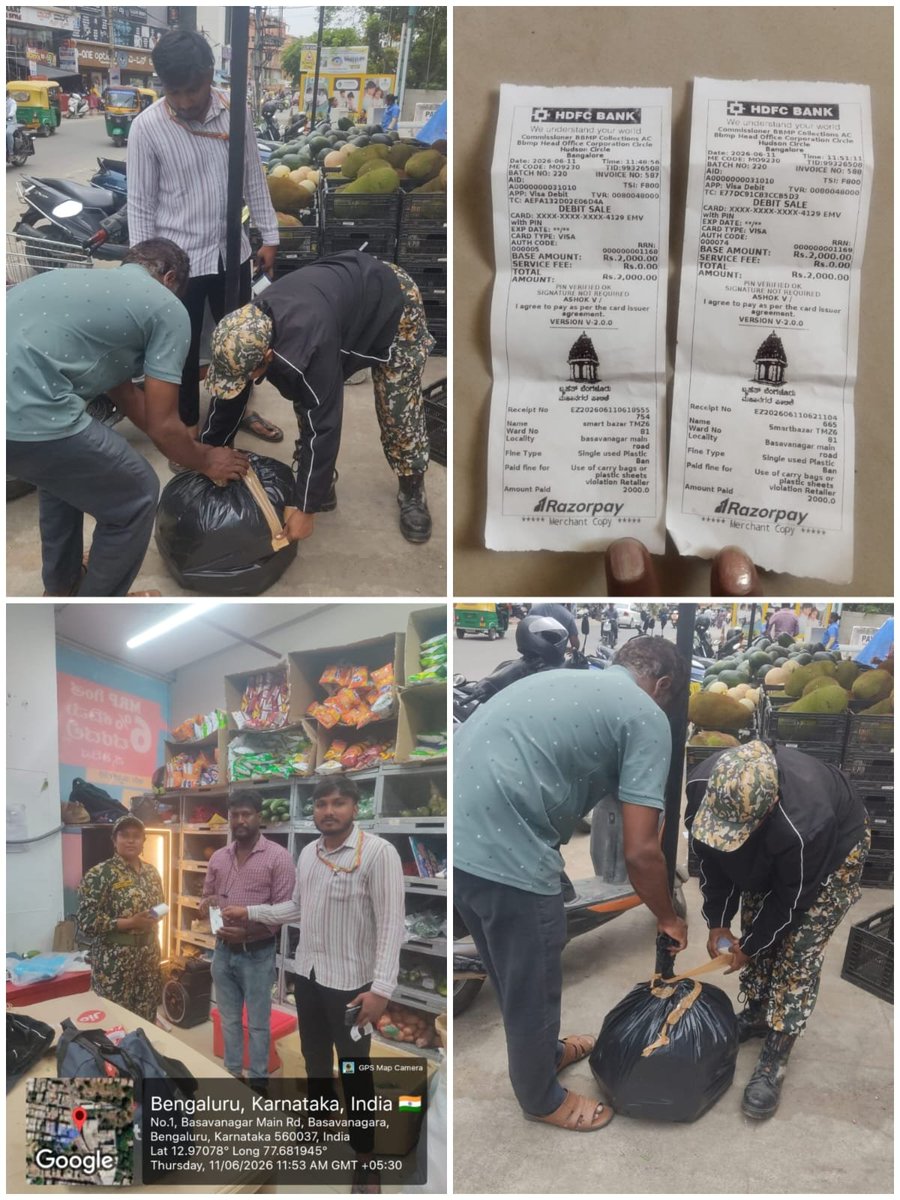
🚫♻️ Action Against Single-Use Plastic ♻️🚫
📍 Ward 81 – Vignan Nagar, Basavanagar
As part of ongoing enforcement and awareness activities, a penalty of ₹4,000 was imposed on Star Bazaar Retail Shop for the use of banned single-use plastic materials.
🛍️ In addition to enforcement action, awareness was created among the shop management regarding the harmful effects of single-use plastics and the importance of adopting eco-friendly alternatives.
✅ ₹4,000 penalty imposed
✅ Awareness provided on plastic-free practices
✅ Promoting environmental responsibility
✅ Encouraging sustainable business practices
🌱 Let's work together for a cleaner, greener, and plastic-free Bengaluru.
#SingleUsePlastic #PlasticFreeBengaluru #EnvironmentalAwareness #SustainableLiving
#GoGreen
1
208
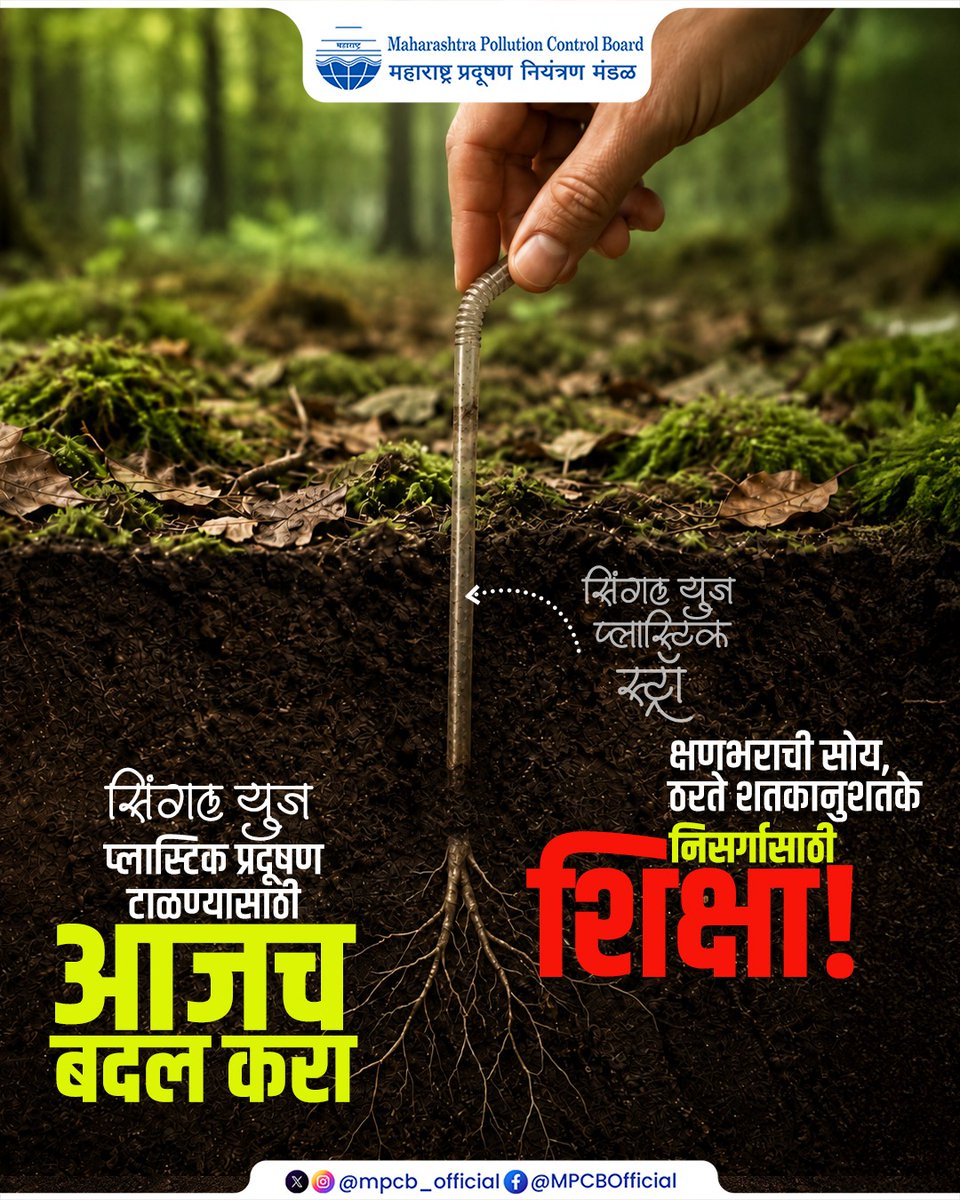
निसर्गाला प्लास्टिक नव्हे, संरक्षण हवे आहे. चला, जबाबदार नागरिक बनूया; सिंगल यूज प्लास्टिकला कायमचा निरोप देऊया !
#SayNoToPlastic #SingleUsePlastic #SaveEarth #MPCB
69
Rizma Aminath retweeted

Jun 10
1
2
297

Jun 10
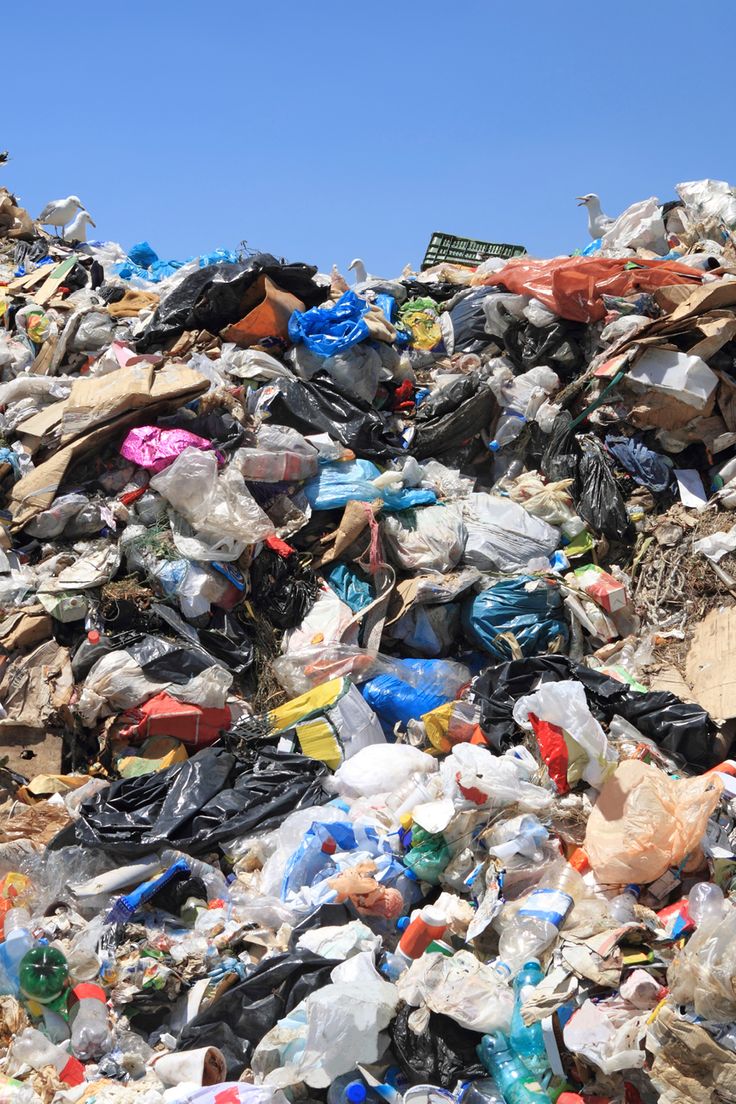
Look closely at this photo. Up there,we have a brilliant, endless azure sky,a color normally associated with hope and a pristine atmosphere. Now,lower your gaze.There is no horizon,only an Everest of plastic,polyethylene films,contaminated cardboard and twisted bottles.Dominating the peak are two seagulls,perched like sentinels.They aren't birds in a coastal paradise; they are opportunistic,scavengers thriving in a massive wasteland created by 8 billion humans.This is a visual biography of our failing global supply chain.
The Staggering Reality:To the average person,this pile is dirty & unsightly.But to an environmental scientist,it represents the catastrophic failure of"Linear Economy": Take → Make → Dispose. The world generates over 2.01 billion tonnes of municipal solid waste annually,with at least 33% mismanaged. In landfills like this,plastic waste takes 20 to 500 years to decompose. Under that beautiful blue sky,UV radiation breaks the plastic into smaller & smaller fragments.These microplastics & nanoplastics don't stay buried.They get lifted by the wind,washed into rivers & eventually make their way into the ocean & back onto our dinner plates.The birds in this photo aren't just eating human food;they are unwittingly ingesting thousands of plastic pieces,effectively becoming bio-indicators of a global pollution crisis.
The "Invisible" Pollution: What this photo fails to capture is even more chilling.Beneath this mountain of trash,an anaerobic decomposition process occurs.This creates methane gas,a greenhouse gas over 25 times more potent than CO2 & a toxic liquid called"leachate."Leachate is a chemical soup that contains heavy metals, ammonia & PFAS (forever chemicals).If the landfill liner fails,this toxic sludge seeps directly into our groundwater.We assume our trash disappears.But the photo proves it never leaves. It just accumulates, festering out of sight, burdening the generations that inherit the land.
Moving to Action:Posting this isn't just about generating anxiety or digital clout. It is about demanding a system change.This landfill is not simply a"trash problem"; it is a design problem.Over 30% of what is in this specific pile was"single-use."We are extracting natural resources,molding them into packaging,using them for 5-10 minutes & then burying them for a millennium. To our supply chain leaders,logistics managers & business owners:Look at the colors in that pile.That is your raw material turned into a liability.The solution lies in the Circular Economy.
The Circular Solution:
1. Reject:Are we certain we need plastic wrappers around our plastic bottles?
2. Redesign:Can companies shift to mono-materials so the recycling stream is clean?
3. Extended Producer Responsibility(EPR): Policymakers need to force manufacturers to pay for the end-of-life management of their packaging.If corporations had to pay to clean up that pile,they would stop producing single-use plastic tomorrow.
Today,United Nations is actively negotiating a Global Plastics Treaty.This image is the physical evidence of why that treaty needs to be ambitious,legally binding& centered on reducing production—not just improving recycling.
The Call to Action: We ask you to share this post not just for the algorithm,but to shatter psychological indifference. If this image angered you,do not scroll past.Tag your local politicians,CEO of your favorite beverage brand&your local waste management authority.Ask them what specific measures they are taking to divert materials from landfills.Let's make this viral for accountability.
@UNEP @Greenpeace @WWF @GreenpeaceUSA
@plasticpollutioncoal @TrashFreeSeas @TheLastStraw
@XR_BSE
#PlasticPollution #ZeroWasteLiving #CircularEconomy #LandfillCrisis #WasteManagement #SingleUsePlastic #CleanEarth #StopPlastic #ClimateChange #EnvironmentalJustice #MarineDebris #ESG #EarthDayEveryDay #TrashTagChallenge #RecycleRight #BanPlastic #GreenBusiness #EcoFriendly #PlasticPollutes #PlasticFreeJuly #ReduceReuseRecycle
1
8
16
331

Jun 10
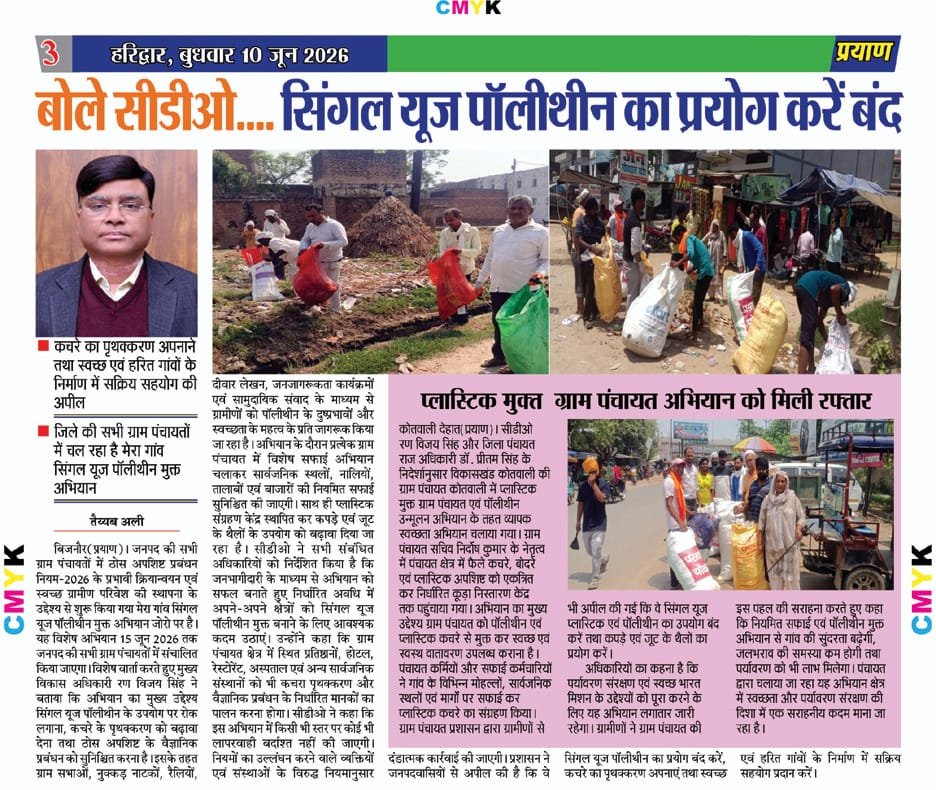
♻️🌿 प्लास्टिक मुक्त गांव की ओर बढ़ता बिजनौर 🌿♻️
"बोले सीडीओ-सिंगल यूज पॉलीथीन का प्रयोग करें बंद"
जनपद बिजनौर में स्वच्छता और पर्यावरण संरक्षण को जनआंदोलन बनाने की दिशा में "मेरा गांव, सिंगल यूज पॉलीथीन मुक्त गांव" अभियान को नई गति मिली है ग्राम पंचायतों में सफाई अभियान चलाकर प्लास्टिक कचरे का संग्रहण किया जा रहा है तथा लोगों को कपड़े और जूट के थैले अपनाने के लिए प्रेरित किया जा रहा है।
🛍️ पॉलीथीन छोड़िए-कपड़े का थैला अपनाइए।
♻️ कचरे का पृथक्करण कर स्वच्छता को बढ़ावा दीजिए।
🌳 पर्यावरण बचाइए आने वाली पीढ़ियों का भविष्य संवारिए।
सीडीओ की अपील है कि प्रत्येक नागरिक इस अभियान का हिस्सा बने और अपने गांव को स्वच्छ सुंदर एवं प्रदूषण मुक्त बनाने में योगदान दे।
याद रखिए-
"पॉलीथीन की आदत छोड़नी होगी,
तभी प्रकृति की मुस्कान लौटानी होगी।"
🌍 स्वच्छ गांव • हरित गांव • स्वस्थ भविष्य
@BijnorCdo85141
@dmbijnor
@KPritamSingh
@Comm_Moradabad
@DirectorUPPR
@UpRuralDev
@SBM_UP @SBMGUP2
#PlasticFreeVillage #Bijnor #SwachhBharat #GreenVillage #EnvironmentProtection #SingleUsePlastic #GramPanchayat #CleanAndGreen 🌱♻️🇮🇳
4
65
aswian retweeted

Jun 10
deceptive, nested, plastic packaging #plasticpackaging #singleuseplastic

Este tipo de envoltorios deberían desaparecer. Dan una impresión completamente distinta de lo que realmente compras.
1
1
6
209
Urban Swacch Bharat Mission, Madhya Pradesh retweeted

Jun 9
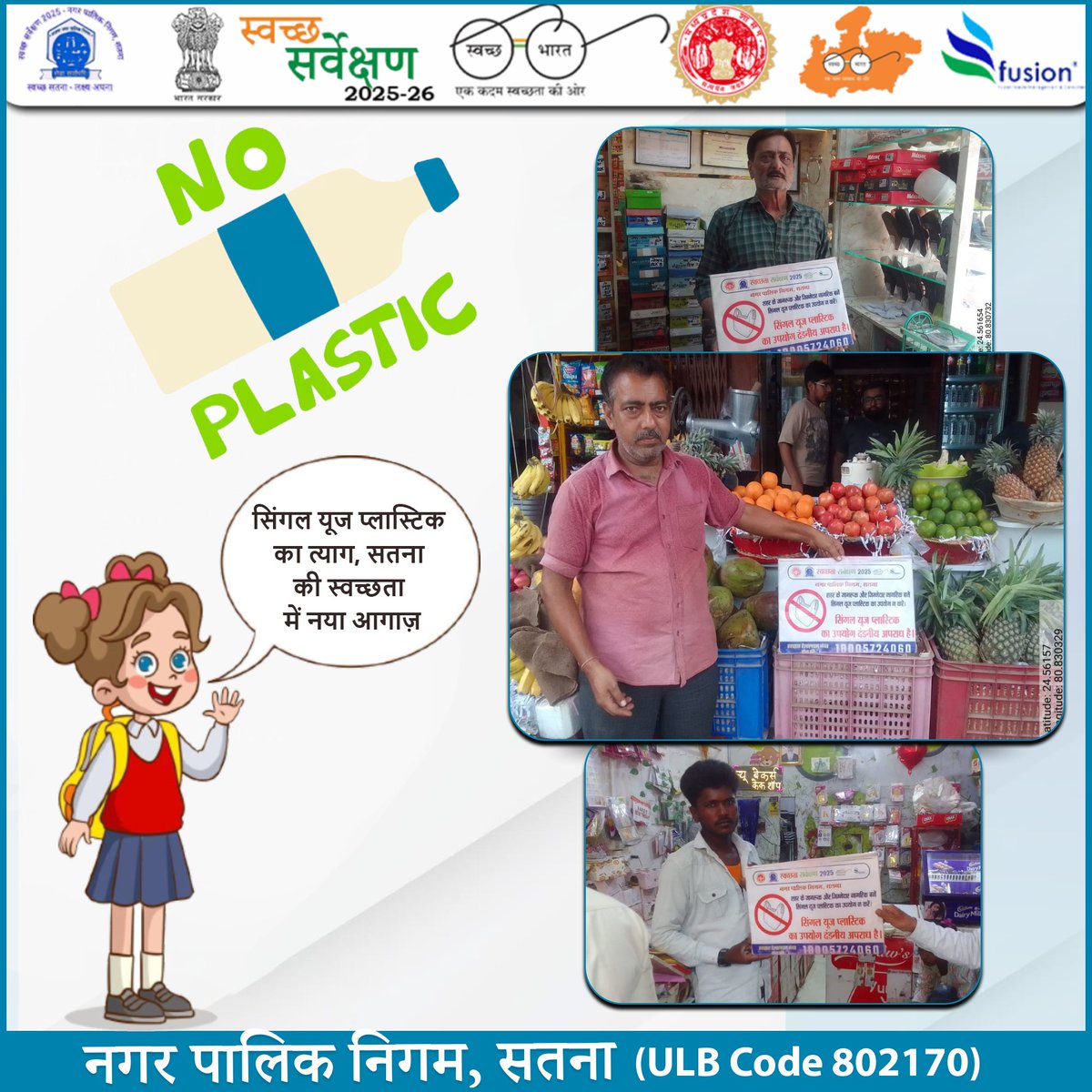
सिंगल यूज़ प्लास्टिक का त्याग, सतना की स्वच्छता में नया आगाज़!
#SwachhSurvekshan2026 #SayNoToPlastic #SingleUsePlastic #PlasticFreeSatna #CleanSatna #SwachhBharatMission #EcoFriendly #SatnaMunicipalCorporation
@urbansbm
@SwachhBharatGov
@smcsatna
@yogeshkumar4bjp
1
1
13
Urban Swacch Bharat Mission, Madhya Pradesh retweeted
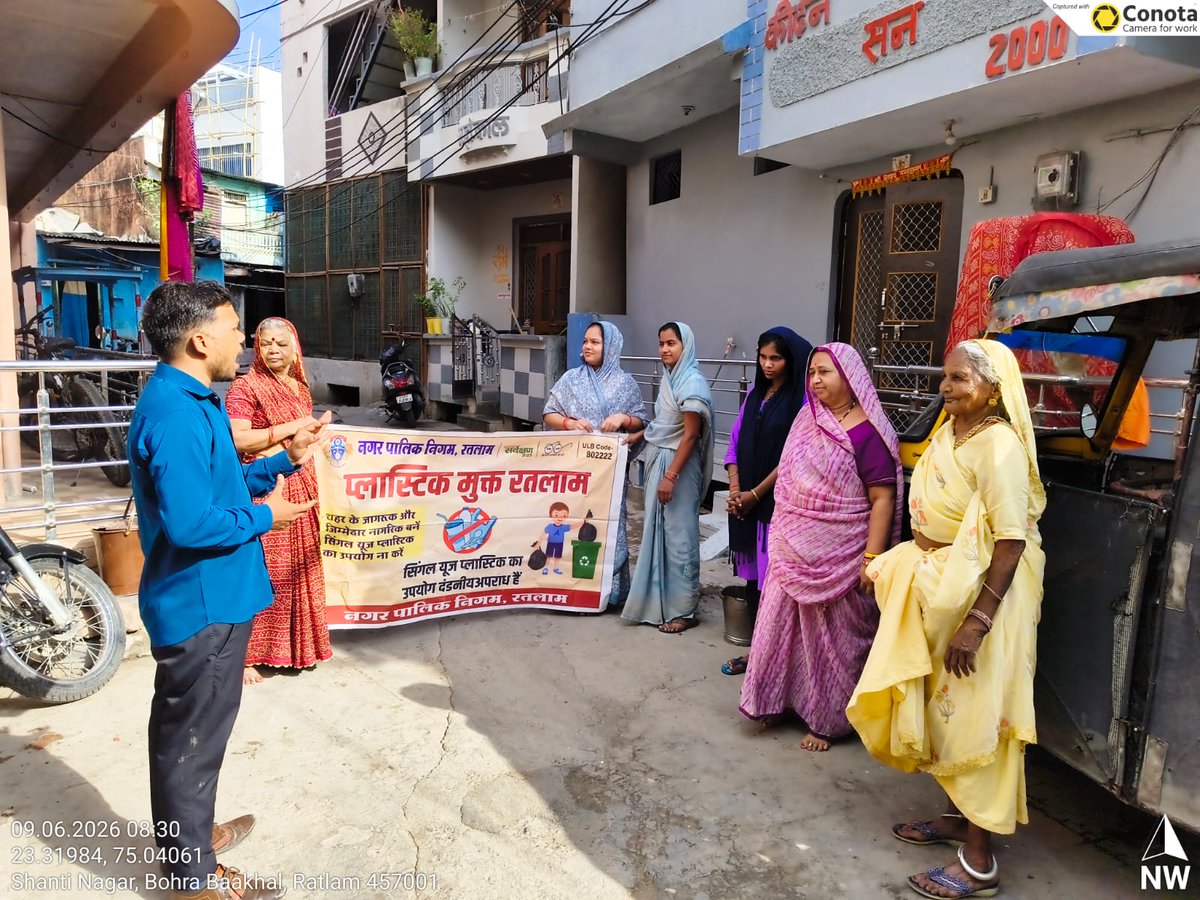
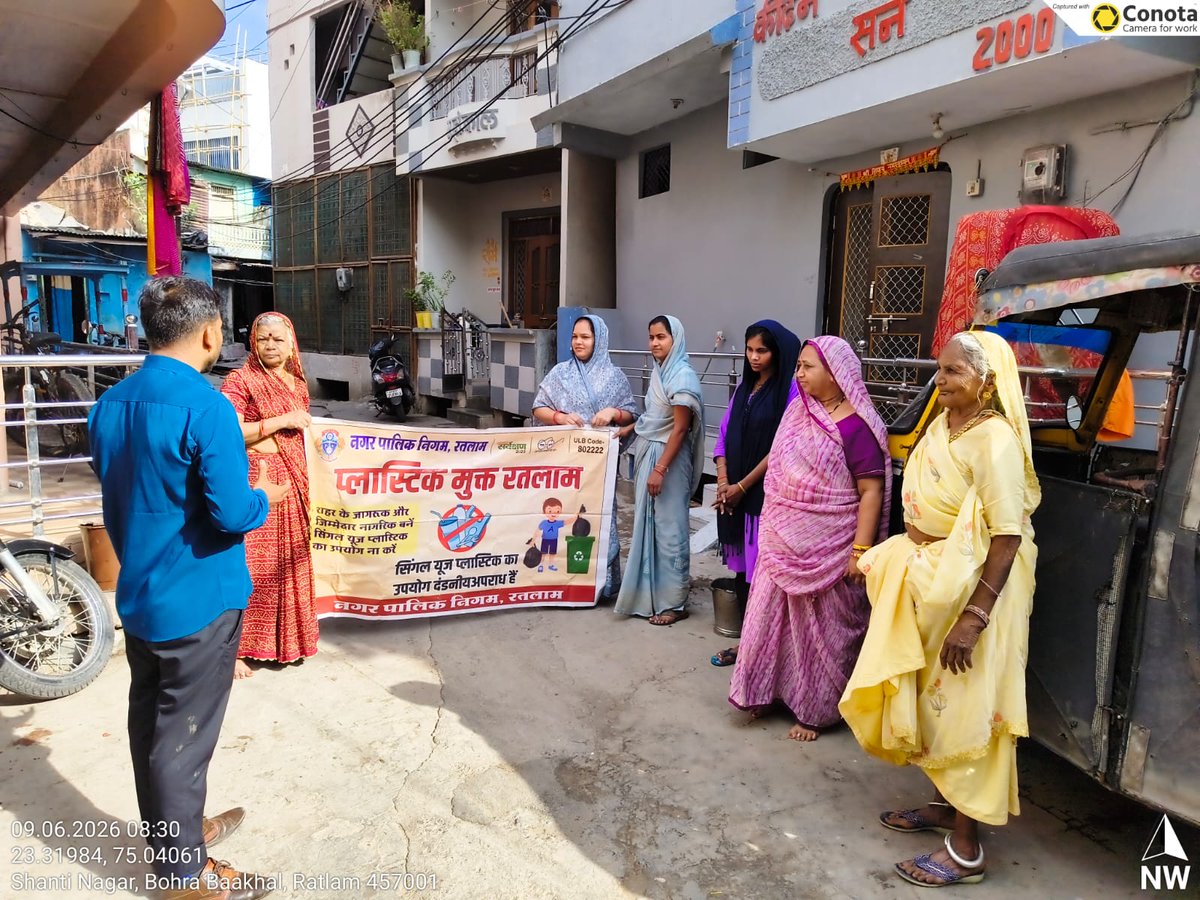
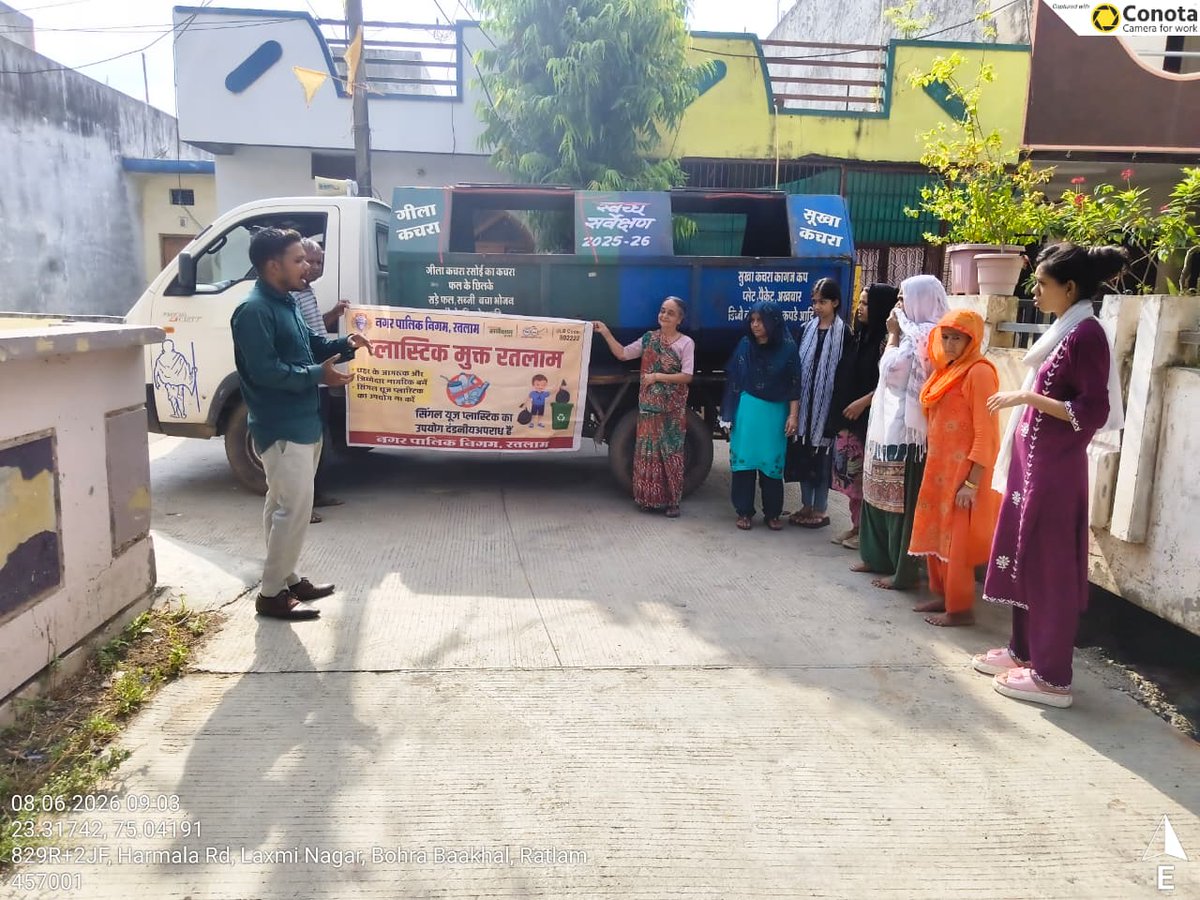
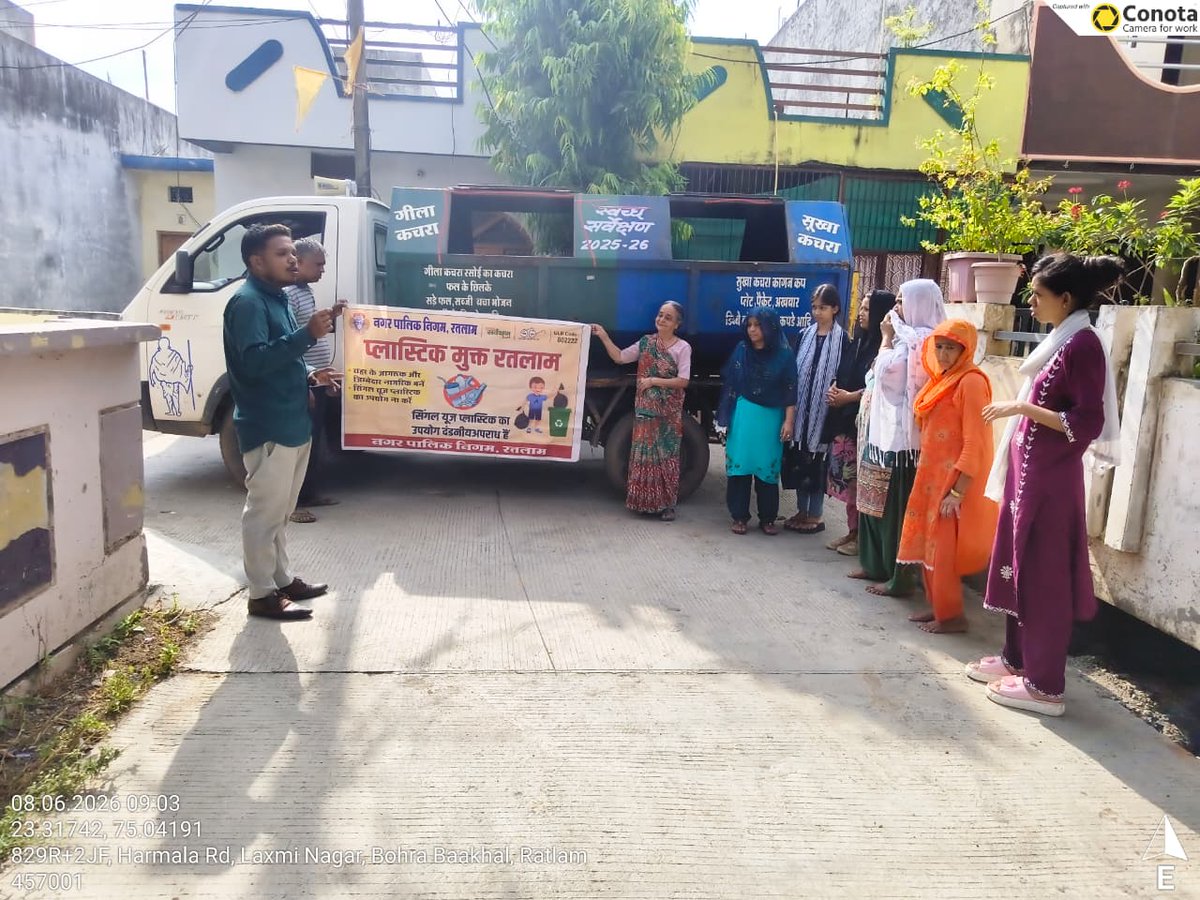
नगर पालिक निगम, रतलाम आई.ई.सी. टीम द्वारा रहवासियों को #singleuseplastic के स्थान पर कपडे की थैली अपनाने हेतु जागरूक किया जा रहा है |
#swachhataconnect_mp @MoHUA_India @SwachhBharatGov @urbansbm @mlkhattar @moefcc @CMMadhyaPradesh #swachhbharat #swachhsurvekshan2025madhypradesh
1
1
15