We are proud to announce that @MongoDB is an official sponsor of Java Day Istanbul 2026. 🚀
We are incredibly grateful for their contribution to the ecosystem and their support in making #JDI2026.
📅 Date: April 18, 2026
📍 Venue: Elite World Grand Küçükyalı, Istanbul
🎟️ Get your tickets: javaday.istanbul/
#JDI2026 #MongoDB #DeveloperCommunity #JavaDay #TechEvents #IstanbulTech #SoftwareConference
3
179

24 Oct 2025
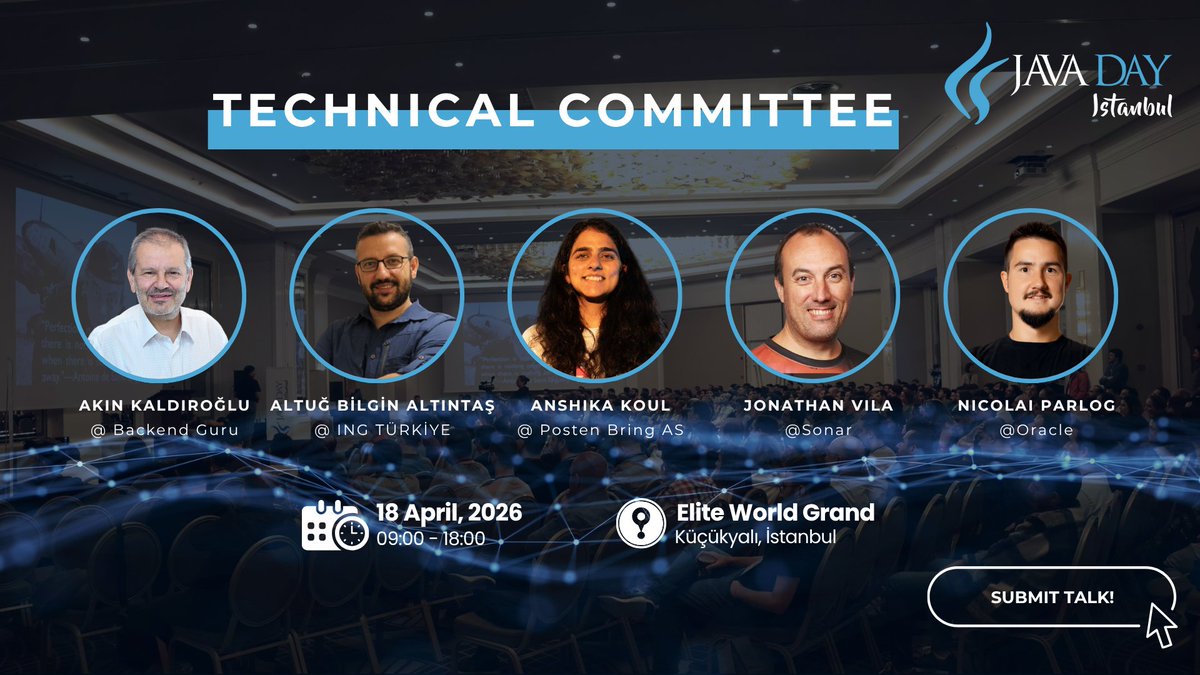
We’re proud to introduce the distinguished Technical Committee for #JavaDayIstanbul 2026 ! 🎉
These industry leaders and innovators are dedicated to creating an incredible lineup of talks that inspire, educate, and drive the tech community forward. 💎
🌟 Akın Kaldıroğlu
🌟 Altuğ Bilgin Altıntaş
🌟 Anshika Koul
🌟 Jonathan Vila 🥑 ☕️
🌟 Nicolai Parlog
🎙️ Have a groundbreaking idea, a unique perspective, or a success story to share? Don't miss this unique chance!
🔗 Submit Your Proposal: papercall.io/javadayistanbul…
🗓️ Submission Deadline: December 15, 2026
We look forward to your submissions 🧐
#JavaDayIstanbul #JDI #Java #CallForSpeakers #SoftwareConference #TechCommunity
4
7
1,477

1 Jul 2025
4 months to go. ⏰
BoS USA is for the curious, the introverted, the thoughtful. The ones who’d rather build great companies than talk about it on stage.
6-8 October in Raleigh, NC.
You in?
🎟️ Grab your tickets now: businessofsoftware.org/event…
#SoftwareConference #SaaS
1
3
133

15 May 2025
This is the moment platform builders have been waiting for!
We're getting closer to May 20! Platmosphere 2025 of @MiaPlatform is just 5 days away.
Are you joining? If yes, good. If not, you still can: platmosphere.com/register-no…
#PlatformEngineering #SoftwareConference #MilanTech
1
5
70

8 May 2025
🚀 Calling all software architects, leaders & innovators!
Share your expertise at the Software Architecture Conference 2025.
📢 Speaker applications are now open!
🗓️ Aug 05–06, 2025
🎙️Apply here: softwarearchitecture.live
#SoftwareConference #SoftwareArchitecture #CallForSpeakers #SoftwareArchitectureConf #CFS
26
31
636

7 Mar 2025
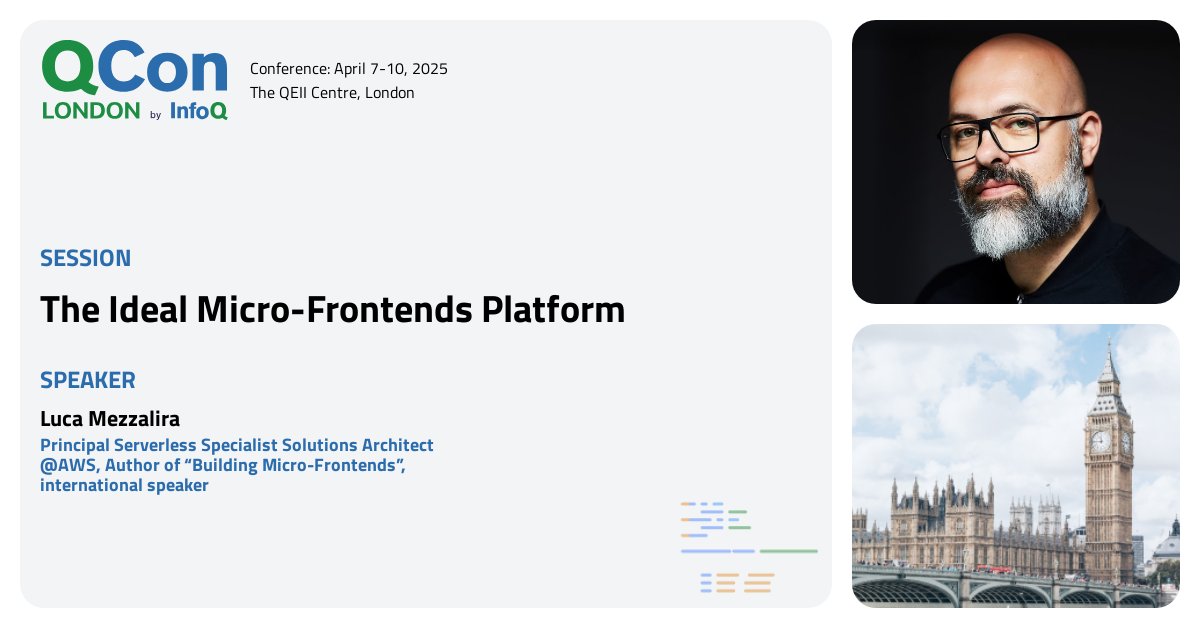
Back in 2015, I was designing my first #microfrontends implementation.
There were no best practices, no conference talks, no blog posts just trial, error, and a lot of late nights figuring things out. I had to make architectural decisions with no references, and every mistake was a lesson learned the hard way.
One of the biggest challenges?
There was no shared vocabulary.
I had to define patterns, heuristics, and architectural principles from scratch—concepts that I’ve refined over the years by working with hundreds of teams and speaking with developers and organizations worldwide.
Today, those patterns, vocabulary, and approaches are embraced worldwide by the community and have become recognized standards in micro-frontends architecture.
But while the ecosystem has evolved, many teams still struggle with the same fundamental challenges I faced back then:
✅ Optimising for fast flow over reusability at all cost
✅ Striking the right balance between autonomy and governance
✅ Lessons from large-scale implementations—what worked (and what didn’t)
At #QConLondon, I’ll be sharing the most common pitfalls and the practical solutions that have emerged from real-world implementations. If you’re attending and want to exchange war stories—or if you're navigating your own micro-frontends journey—let’s connect!
What’s been your biggest challenge with micro-frontends so far?
Let’s discuss 👇
CONFERENCE LINK qconlondon.com/
#Frontend #web #experience #SoftwareConference #SoftwareDevelopment #TechEvent #EmergingTrends
4
13
800
23 Jan 2025
BoS USA dates are confirmed. Grab the early bird price.
🗓️ 6-8 October 2025
📍Raleigh, NC
Don’t miss the chance to learn, connect, and grow with the best. Get to know more here: businessofsoftware.org/event…
#BoS25 #BoSConference #SoftwareConference
1
2
95
22 Jan 2025
Mark your calendars: BoS USA 2025 is coming.
🗓️ 6-8 October 2025
📍Raleigh, NC
Big ideas, bold conversations, and connections you won’t find anywhere else. Stay tuned: businessofsoftware.org/event…
#BoS25 #BoSConference #SoftwareConference
1
3
152
14 Jan 2025
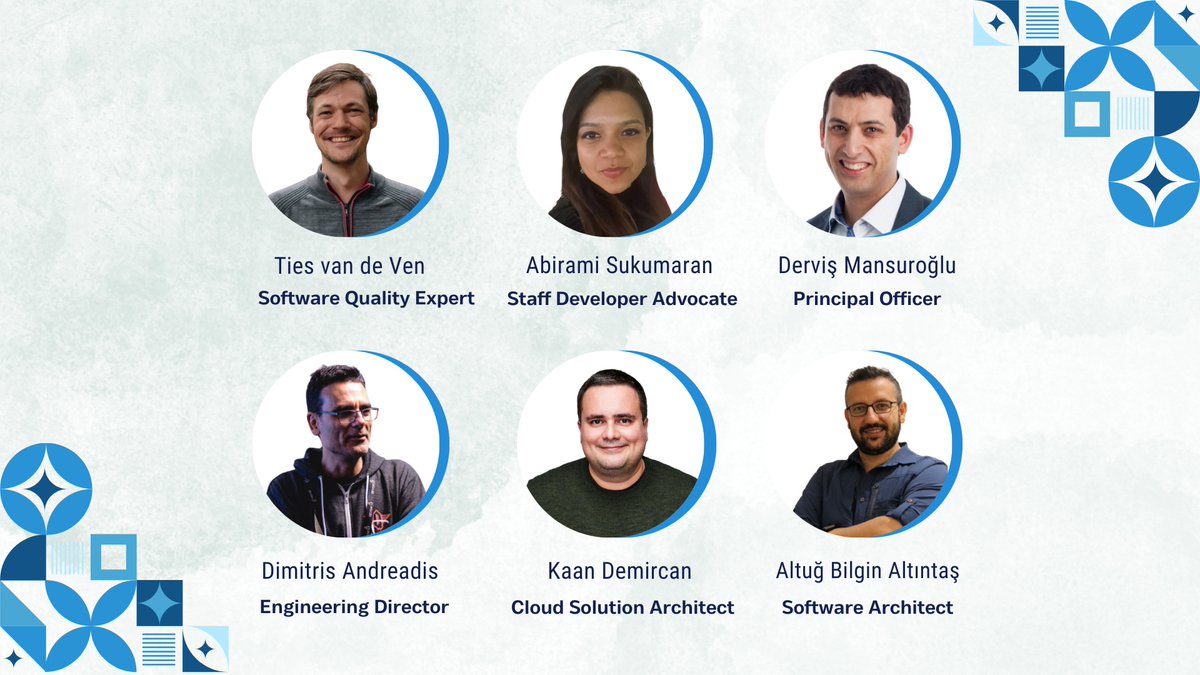
🚀 Exciting Update for #JavaDayIstanbul2025!
Our Call for Papers evaluation is still underway, and our dedicated technical team is hard at work reviewing amazing submissions from around the world. 📝💡
We can't wait to see the incredible schedule they've been curating - mark your calendars, it will be ready by the end of February! 🗓️
Let’s give a big shout-out to our tech team for their effort and passion in creating a top-notch lineup. 👏
@ties_ven
@AbiS_Google
@dervismn
@dandreadis
@kaandemircan
@altugaltintas
Stay Tuned 🧐
🔗linktr.ee/javadayistanbul
#TechCommunity #SoftwareConference #CallForSpeakers
2
13
636
30 Dec 2024
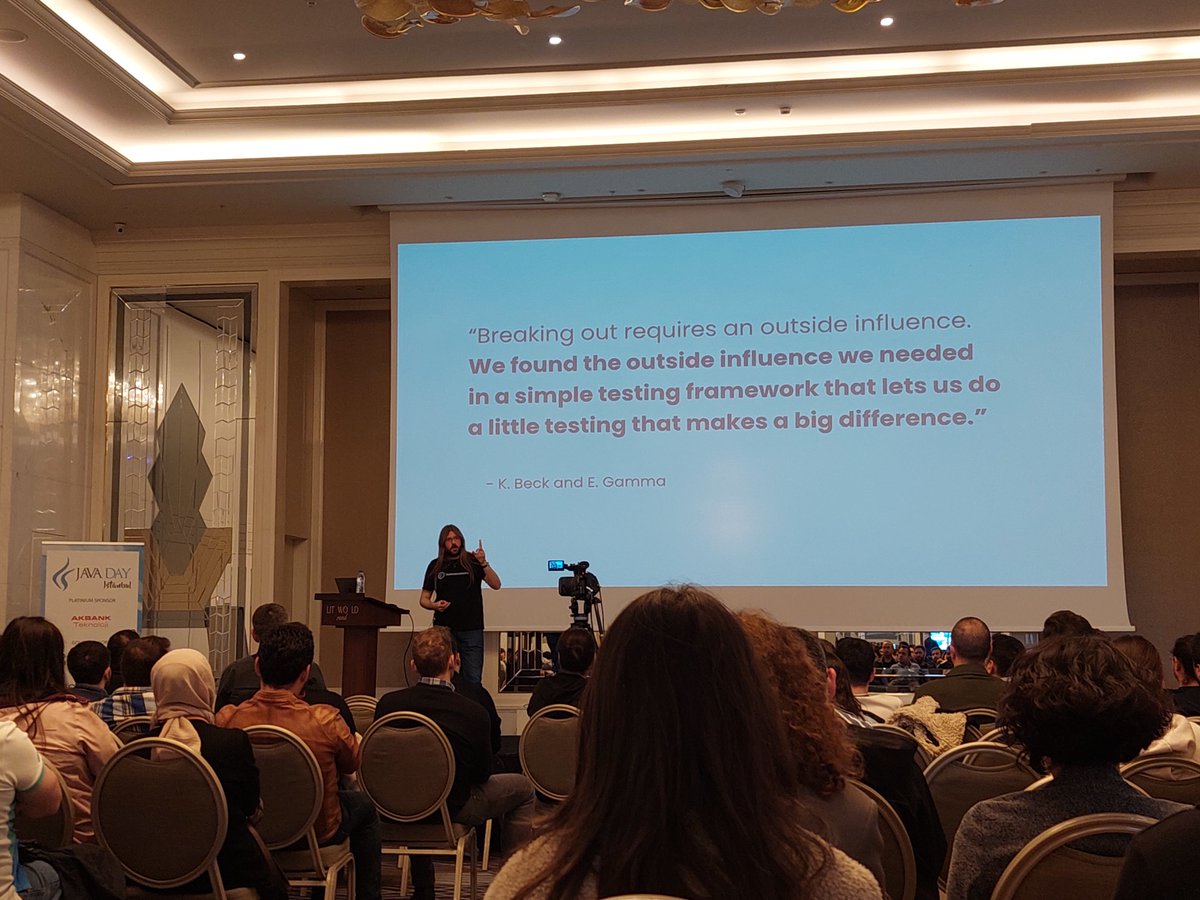
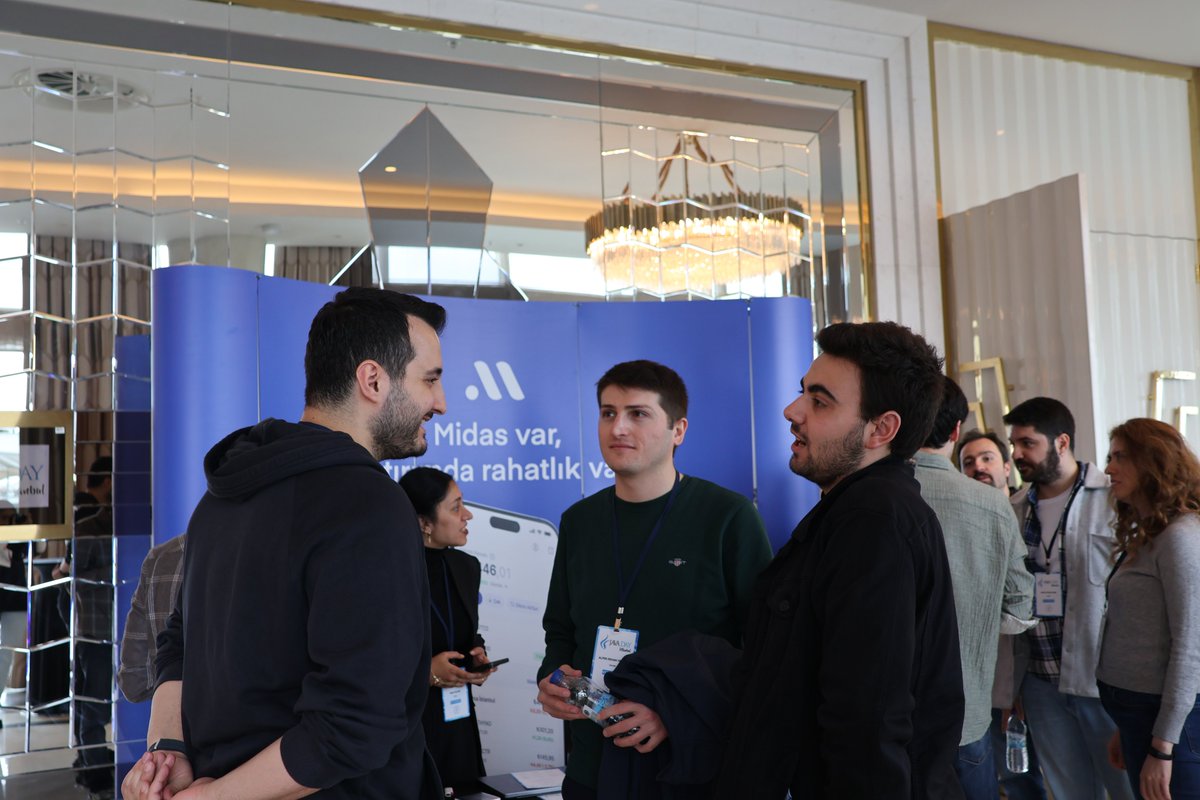
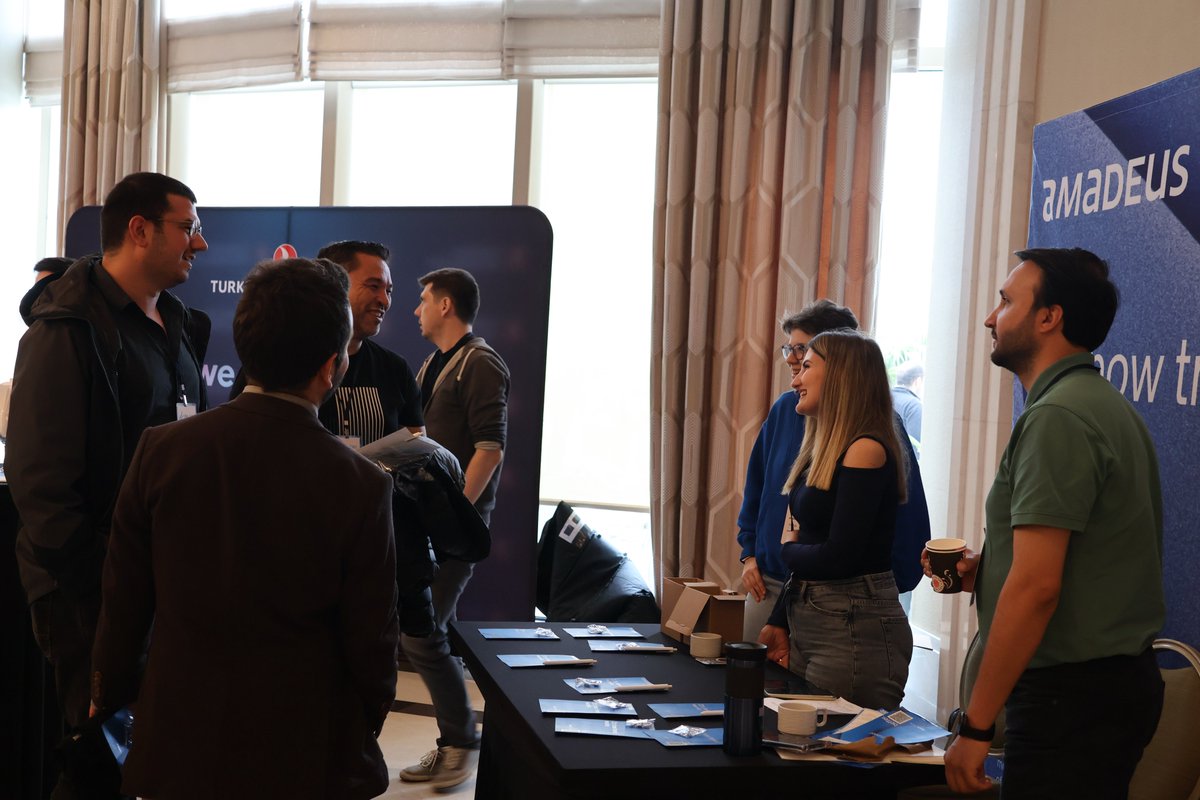
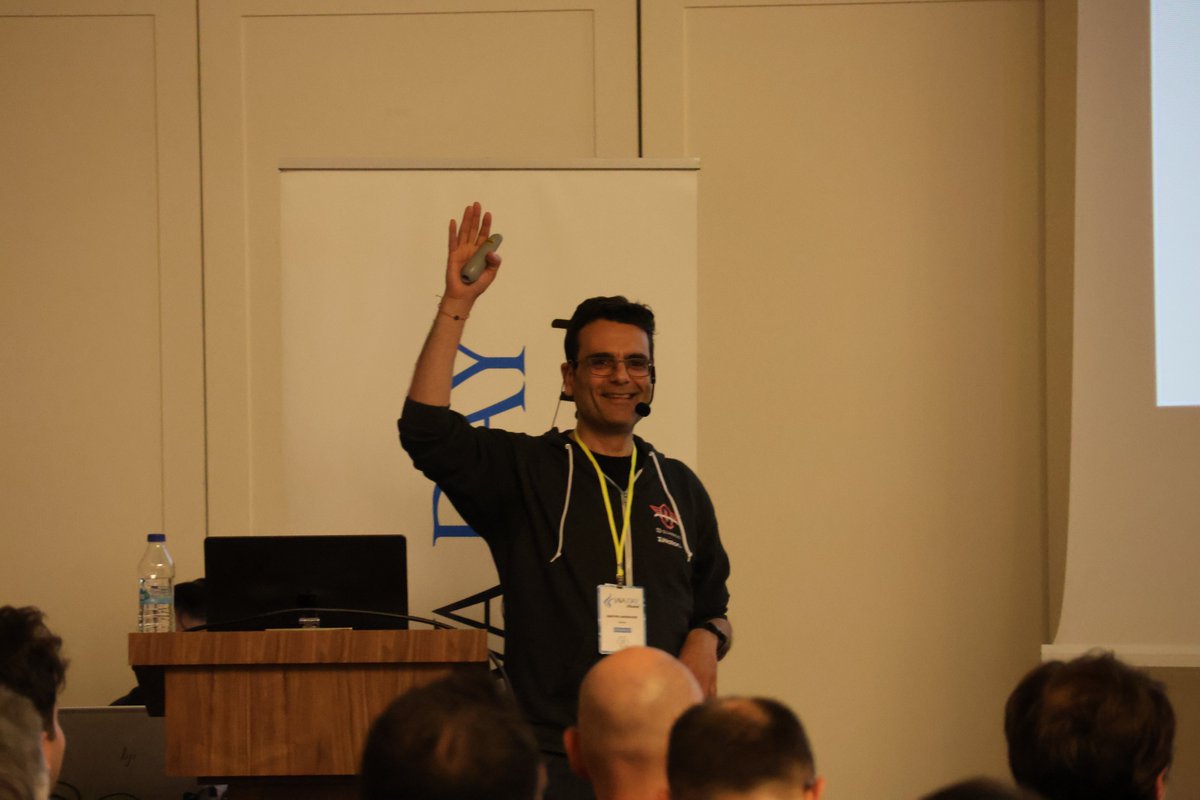
🧐Still wondering why you should join Java Day Istanbul 2025? Here are the most compelling reasons why you can't miss it!
🌟 Unparalleled Learning: Immerse yourself in the latest trends, technologies, and insights shared by global industry leaders.
🤝 Network with Experts: Connect with developers, tech enthusiasts, and community leaders from around the world.
🍽️ Cultural Experience: Enjoy Turkish hospitality with delicious snacks and local dishes at the beautiful event venue.
🚀 Skill Enhancement: Gain practical knowledge through hands-on sessions and thought-provoking talks.
💼 Career Growth: Be inspired by cutting-edge innovations and explore new career opportunities.
⏳ Don’t Miss Out! Secure your spot today before prices go up.
🔗 Register Now: linktr.ee/javadayistanbul
#JavaDayIstanbul2025 #TechCommunity #SoftwareConference #Networking #LearnAndGrow
1
6
491
25 Dec 2024
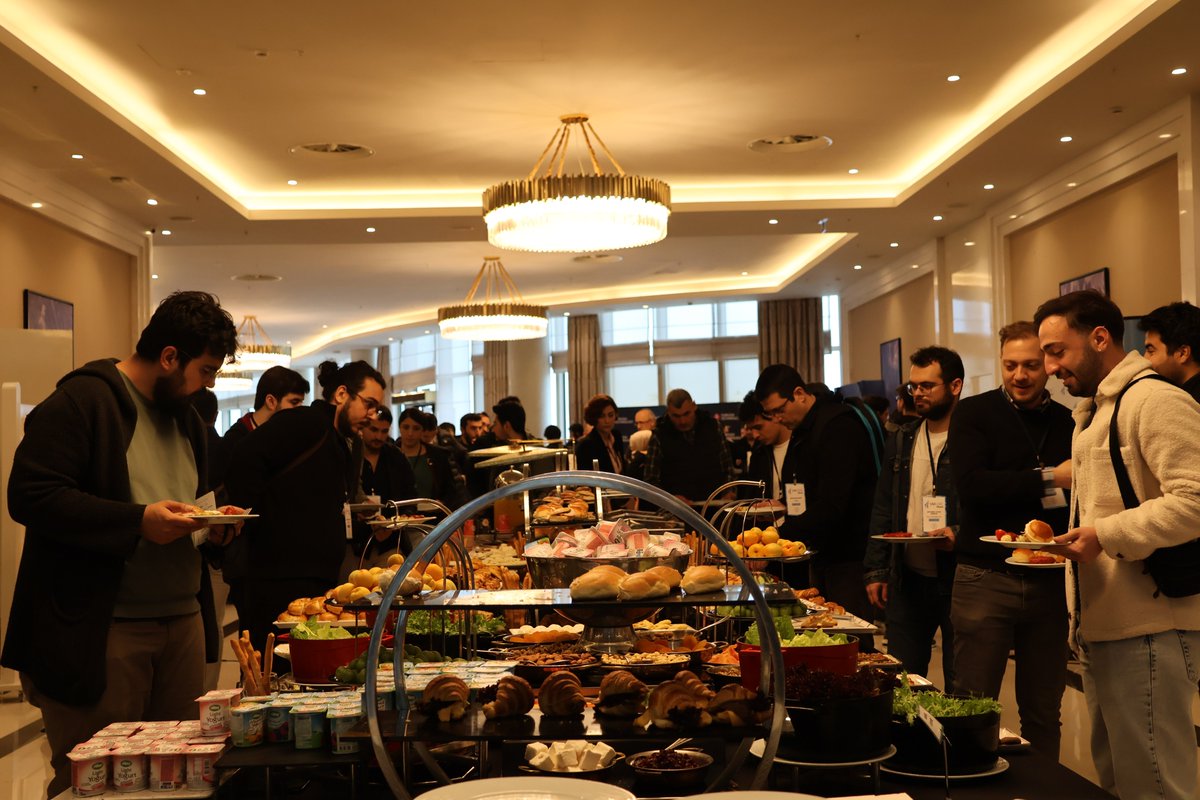
Don’t miss the chance to enjoy amazing snacks and delicious Turkish cuisine at the Elite World Grand Hotel! 😋
📢 Call for Papers submission and Super Early Ticket Sales will close on December 31st.
Join us for a global gathering of the developer community. 🙌
🔗 linktr.ee/javadayistanbul
#SoftwareConference #TechCommunity
1
5
808

24 Dec 2024
🚨 Last Call! The Java Day Istanbul 2025 CFP closes soon. Submit your talk on Java, AI, Big Data, Cloud, or any cutting-edge tech by 31.12.2024!
🔗 Submit Your Talk Here: papercall.io/javaday-2025
#Java #JavaDayIstanbul #SoftwareConference #JDI #CallForSpeakers
19 Dec 2024

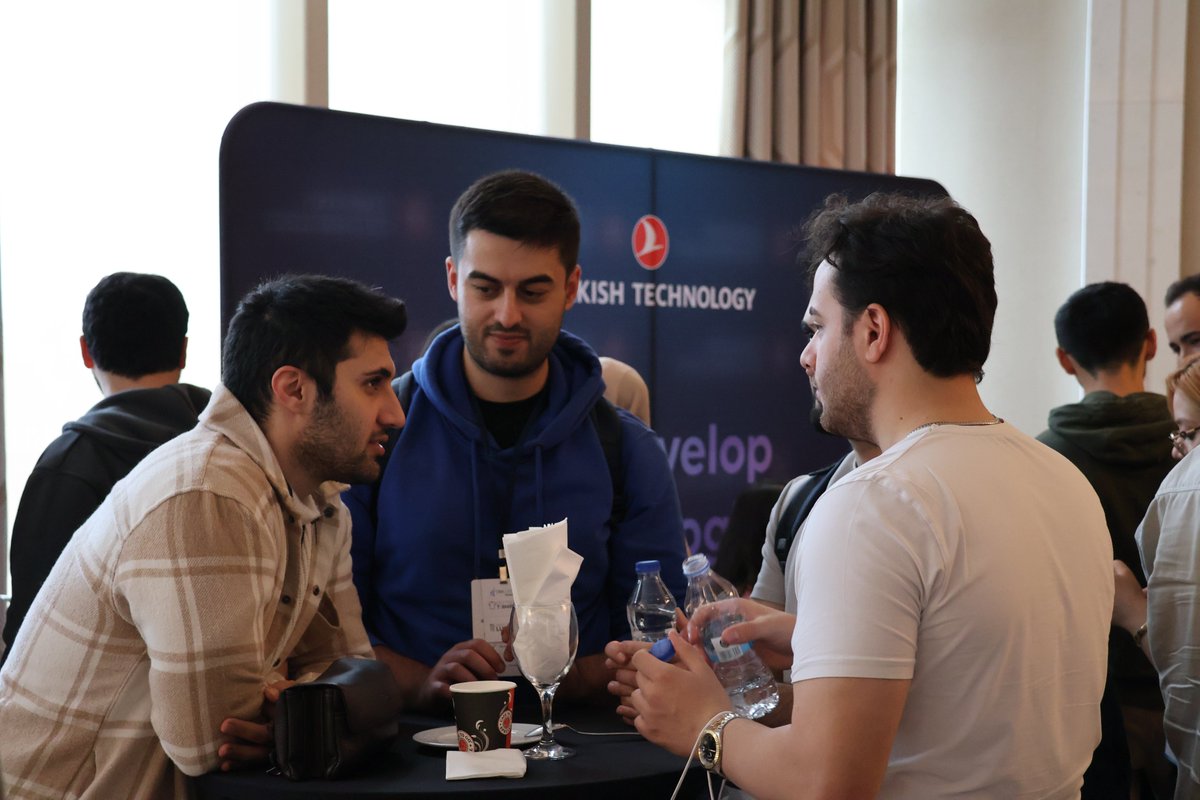
The 11th Edition of Java Day Istanbul will take place on May 10, 2025 at the Elite World Asia Hotel in Istanbul.
📅Dec 31st: Call for Papers Closes
📢Feb 28th: Speakers Announcement
👋May 10th: Doors Open
Join us for a global gathering of the developer community.
🔗 linktr.ee/javadayistanbul
#SoftwareConference #CallForSpeakers #techcommunity
8
442
19 Dec 2024
The 11th Edition of Java Day Istanbul will take place on May 10, 2025 at the Elite World Asia Hotel in Istanbul.
📅Dec 31st: Call for Papers Closes
📢Feb 28th: Speakers Announcement
👋May 10th: Doors Open
Join us for a global gathering of the developer community.
🔗 linktr.ee/javadayistanbul
#SoftwareConference #CallForSpeakers #techcommunity
1
11
1,337
6 Dec 2024
We’re excited to introduce the incredible minds behind #JavaDayIstanbul - our Technical Committee Members! 🎉
These industry leaders and innovators are dedicated to creating an incredible lineup of talks that inspire, educate, and drive the tech community forward.
🎙️ Have a groundbreaking idea, a unique perspective, or a success story to share? Now’s your chance! Submit your talk and join us in shaping the future of software development.
🔗 Submit Your Talk Here: papercall.io/javaday-2025
🗓️ Submission Deadline: 31 Dec, 2024
Let’s create a conference to remember! 🌟
#SoftwareConference #CallForSpeakers #TechCommunity
2
10
607
3 Dec 2024
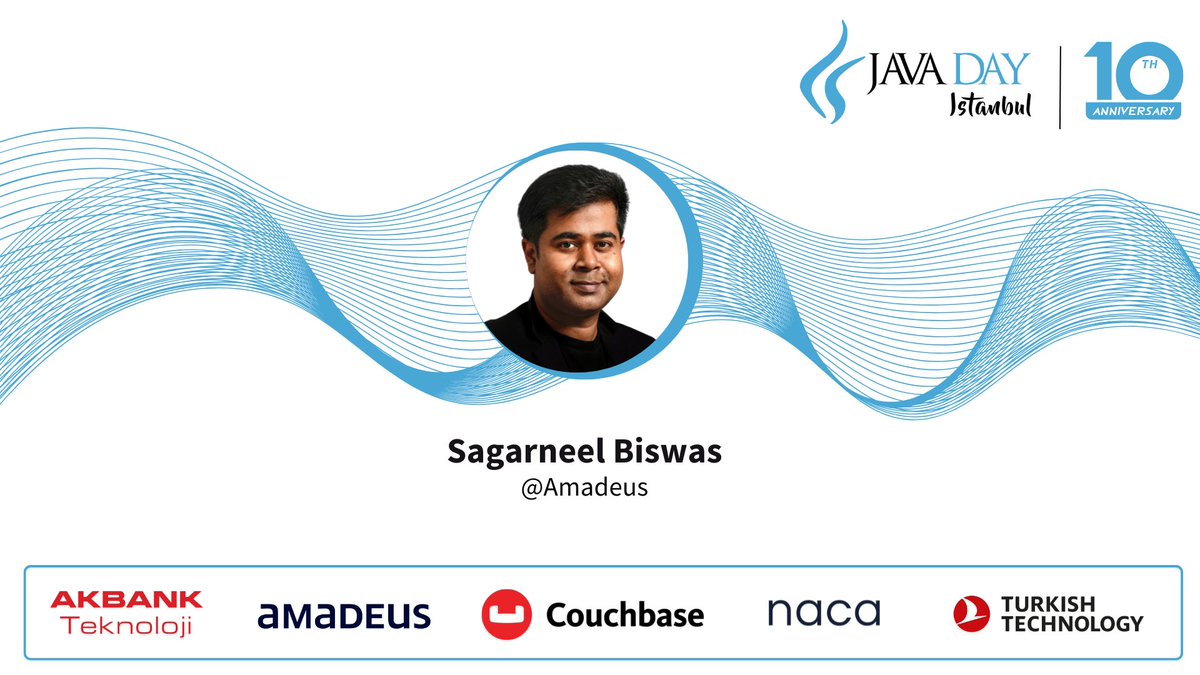
📍Elegance and Enigma of Software Architecture - [EN]
🎙️ Sagarneel Biswas @SagarneelB
📽️ bit.ly/3Vfv9Sn
------------------------------------------------------------------------------
Share your expertise, insights & ideas with fellow tech enthusiasts. Submit your proposal before Dec31th 💻
More info👉linktr.ee/javadayistanbul
#JavaDayIstanbul #JDI #java #techevent #softwareconference
1
8
671
26 Nov 2024
Sometimes, slowing down is the key to moving forward. When was the last time you gave yourself the space to pause? 😊
Good news. @clairejlew's full talk from #BoS23 USA is now available. Watch here: businessofsoftware.org/talks…
#BoSConference #SoftwareConference #BusinessGrowth
2
122
26 Nov 2024
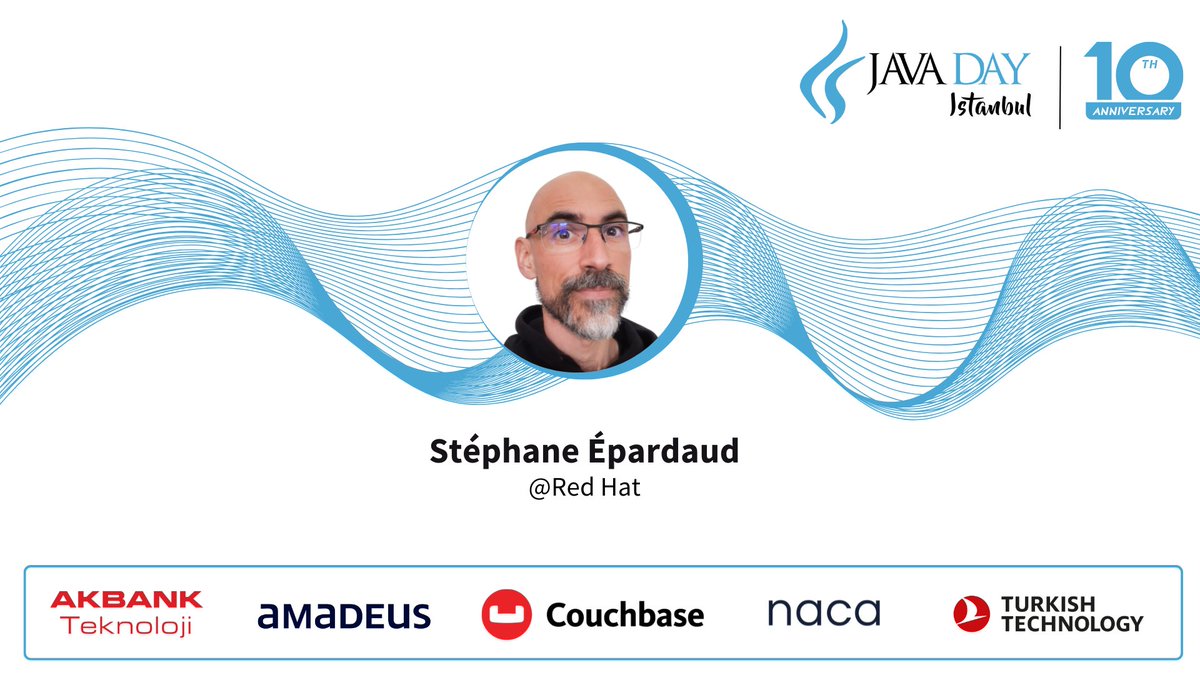
📍Quarkus Renarde 🦊♥ : an old-school Web Framework with Today's Touch - [EN]
🎙️Stéphane Épardaud @UnFroMage
📽️bit.ly/415N5D0
----------------------------------------------------------
Share your expertise, insights & ideas with fellow tech enthusiasts. Submit your proposal before Dec31th 💻
More info👉linktr.ee/javadayistanbul
#JavaDayIstanbul #JDI #java #techevent #softwareconference
2
7
499
11 Nov 2024
Last chance for early bird. Stay tuned for #BoS25 Europe speaker announcements. 🔜
businessofsoftware.org/bos-e…
Grab the deal before it’s gone - transform yourself and your business with the experts we’ve got lined up. 💥 #BoSConference #SoftwareConference
4
166
6 Nov 2024
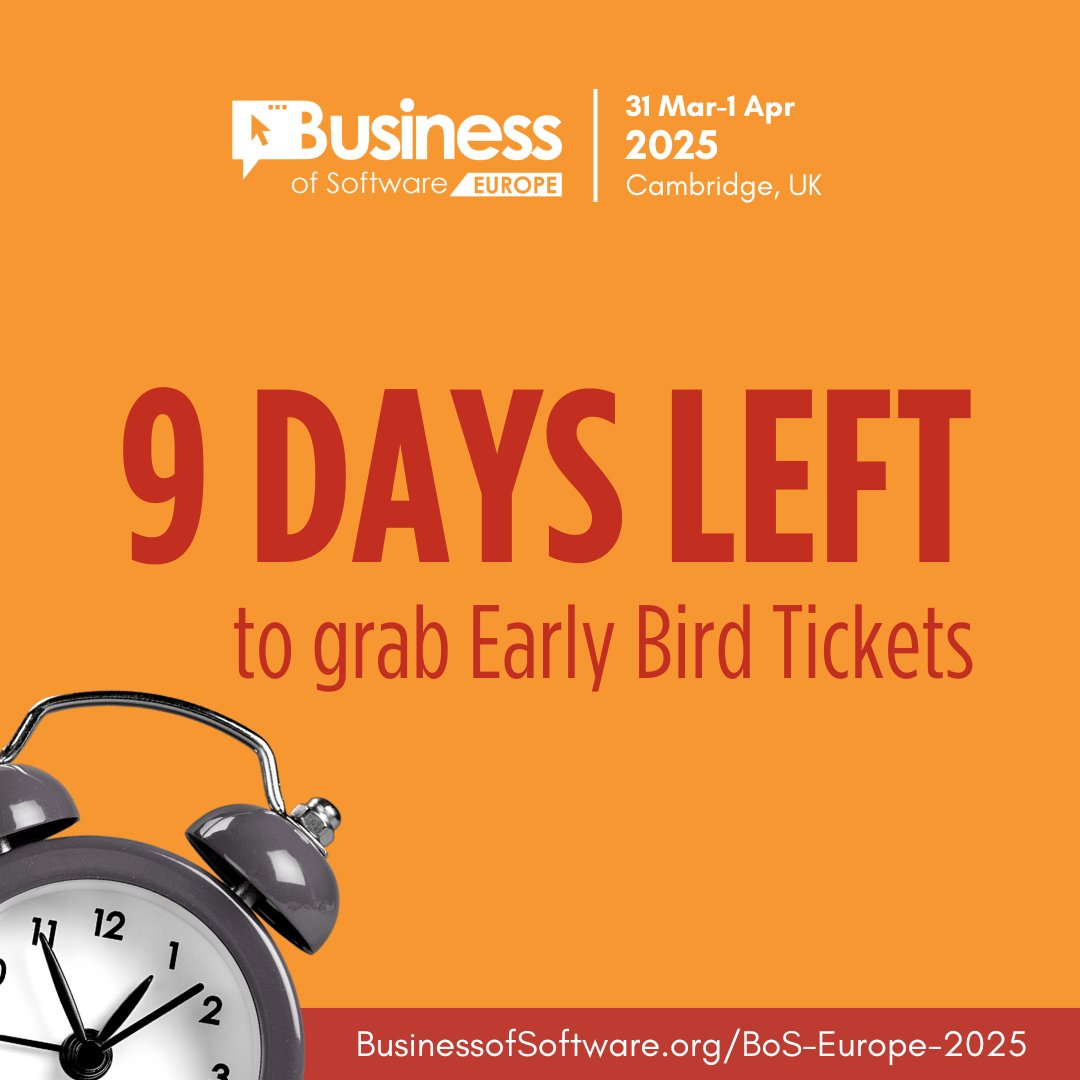
Speakers are dropping soon, and so is the Early Bird rate. Only 9 days left to grab your BoS Europe 2025 ticket before prices go up. 🚨
#BoS25 #BoSConference #SoftwareConference
1
3
176
5 Nov 2024
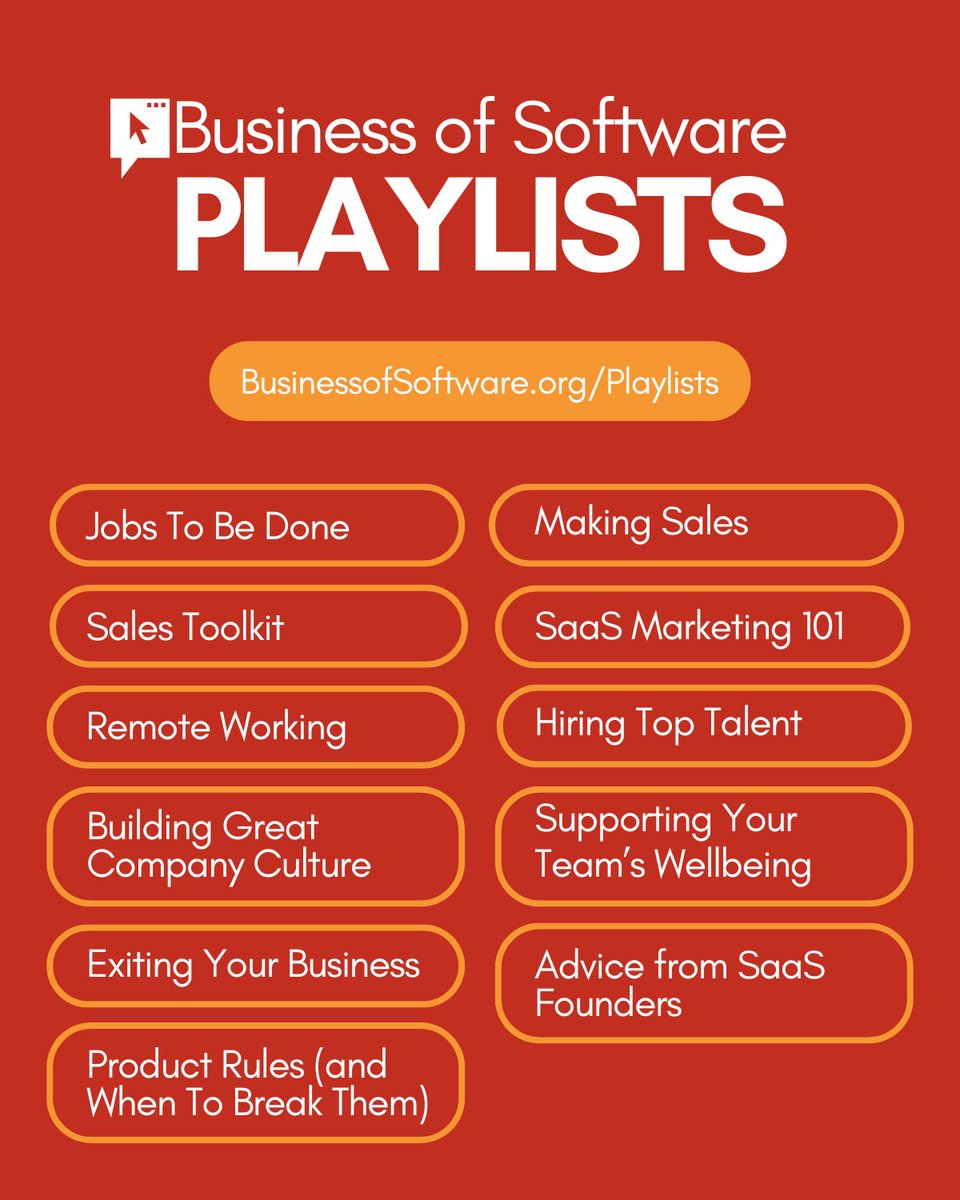
With 400 amazing BoS talks , it’s hard to know where to start. We’ve curated top talks by topic to help you focus into what matters most. 💯
businessofsoftware.org/playl…
Think we missed a topic? Let us know.
#BoSConference #SoftwareConference #BoS25
1
2
104