
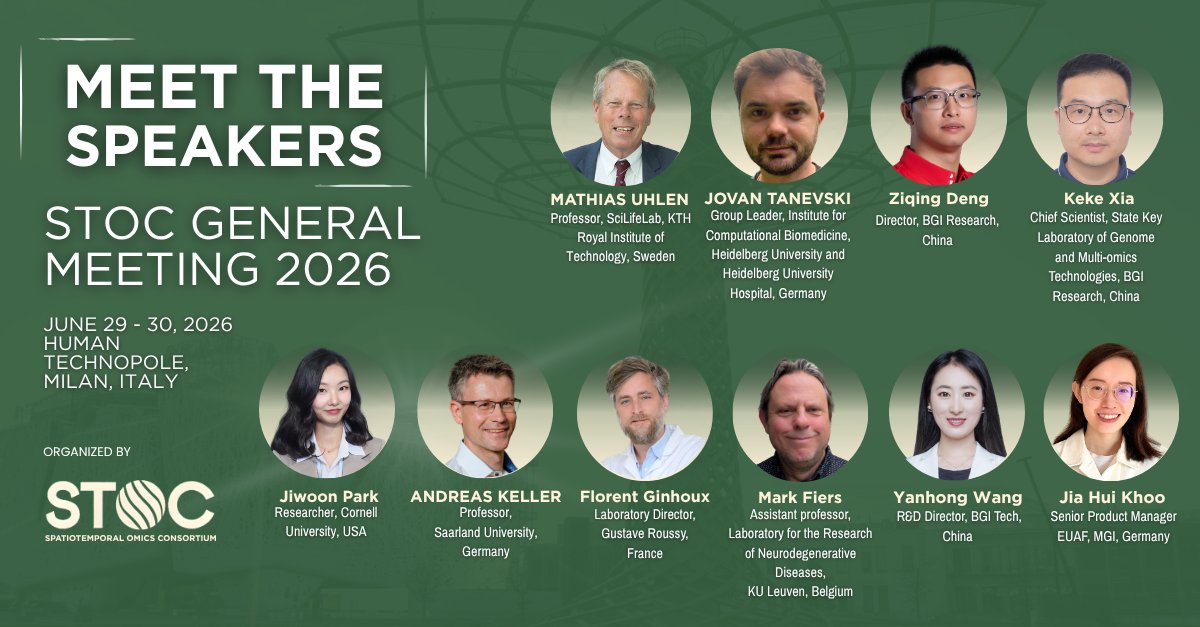
🌟Join us at the STOC General Meeting 2026 — two days of spatial omics, neuroscience, cancer biology & AI innovation. Learn more & register for the event on June 29-30, 2026, at Human Technopole, Milan, Italy: stocgeneralmeeting.com. Don't miss Dr. Jia Hui Khoo's talk (@MGI_Technology ) on "Precision Mapping with Stereo-seq: Whole Transcriptome Spatial Profiling Across Species and Scales"!See you in Milan! 🇮🇹#SpatialOmics #SpatialBiology #STOmics #LifeSciences #StereoSeq #Biotech #CancerResearch #Neuroscience

Meet the speakers joining #STOC2026 👀
Global experts across:
🔬 Spatial omics
🧠 Neuroscience
🧬 Cancer biology
💡 AI & multi-omics technologies
#STOC2026 #SpatialOmics #SpatialBiology #LifeSciences #Biotech #PrecisionMedicine #Neuroscience #CancerResearch
1
2
109
Chidambara .ML. retweeted

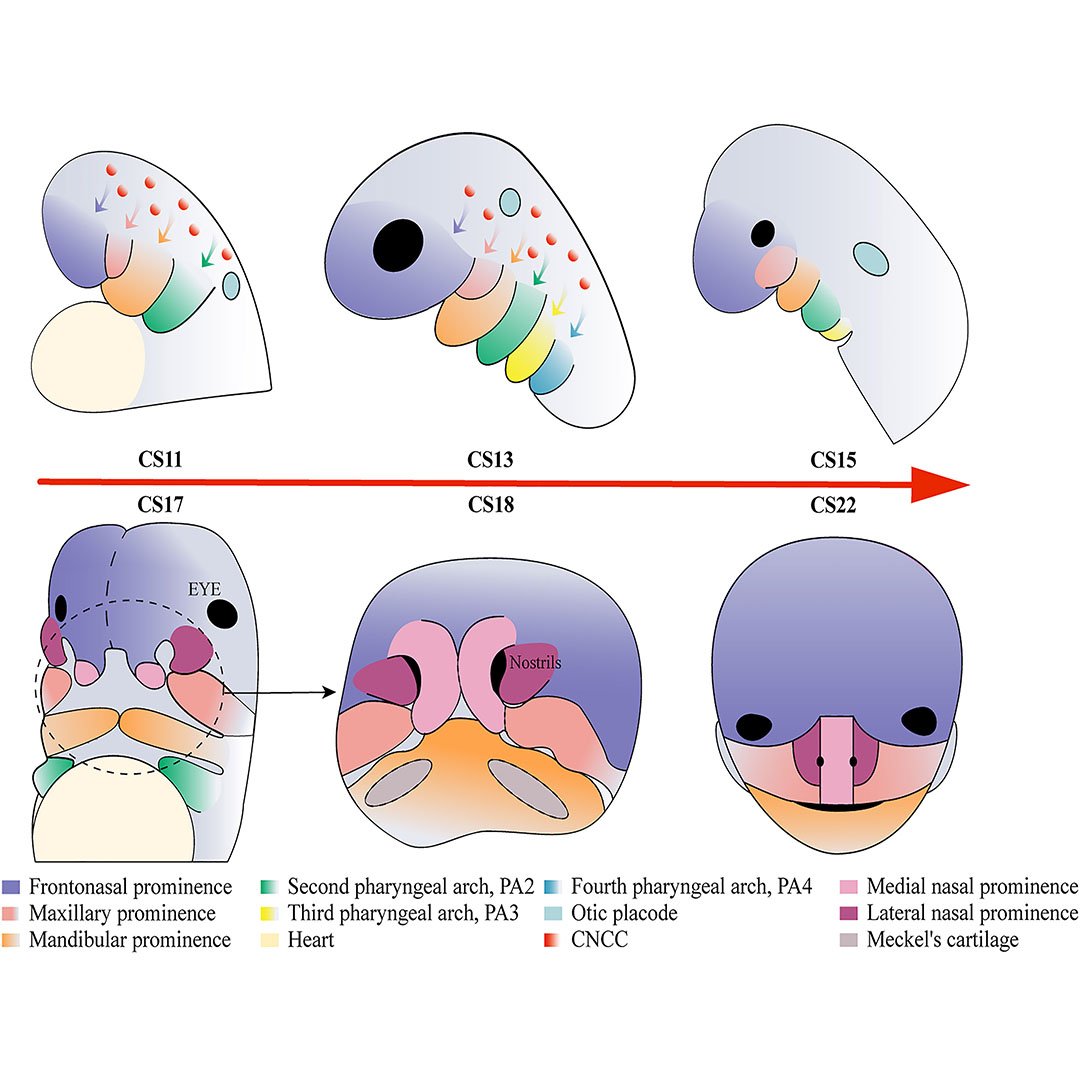
This review highlights how single-cell and #SpatialOmics reveal cellular diversity, lineage dynamics, and regenerative signaling in #craniofacial tissues, advancing precision strategies for developmental disorders & future therapies. @2024_HUST @PKU1898
Read: doi.org/10.1016/j.gendis.202…
1
12
636

Weekly reads 8/06/26:
The invisible foundations of cancer: early malignancy, epigenetic plasticity, and the tools to see it all
open.substack.com/pub/behind…
#CancerResearch #SingleCell #Epigenetics #SpatialOmics #ComputationalBiology
1
41
📅 Want to see the maps? Join Dr. Yue (Julian) Qu (Adelaide University) on June 18 as he walks through these high-resolution spatial maps of the wheat inflorescence and the micro-scale regulatory programs driving crop yield.
Register here: us06web.zoom.us/webinar/regi…
Read the full blog: en.stomics.tech/resources/st…
#SpatialOmics #PlantBiology
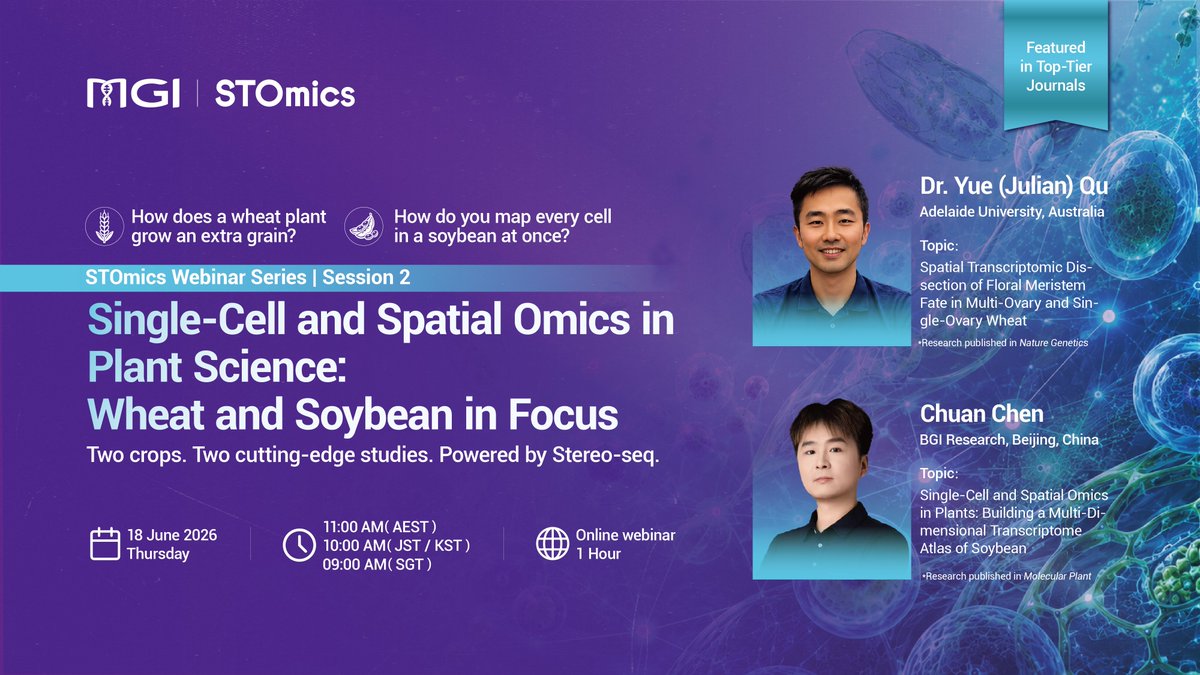
ALT Promotional banner for the STOmics webinar "Single-Cell and Spatial Omics in Plant Science: Wheat and Soybean in Focus," featuring speakers Dr. Yue (Julian) Qu and Chuan Chen on Thursday, June 18, 2026, at 11:00 AM AEST.
22

Meet the speakers joining #STOC2026 👀
Global experts across:
🔬 Spatial omics
🧠 Neuroscience
🧬 Cancer biology
💡 AI & multi-omics technologies
#STOC2026 #SpatialOmics #SpatialBiology #LifeSciences #Biotech #PrecisionMedicine #Neuroscience #CancerResearch
2
2
131

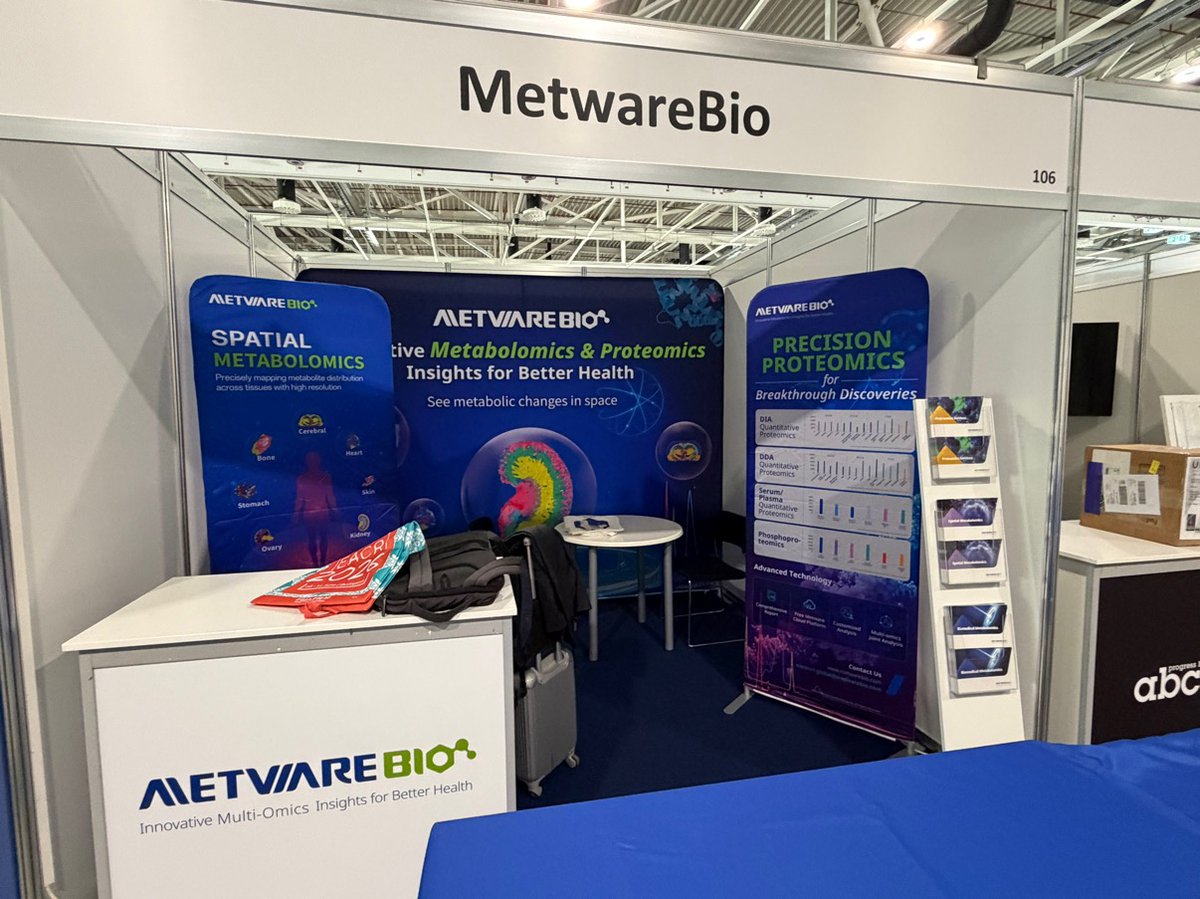
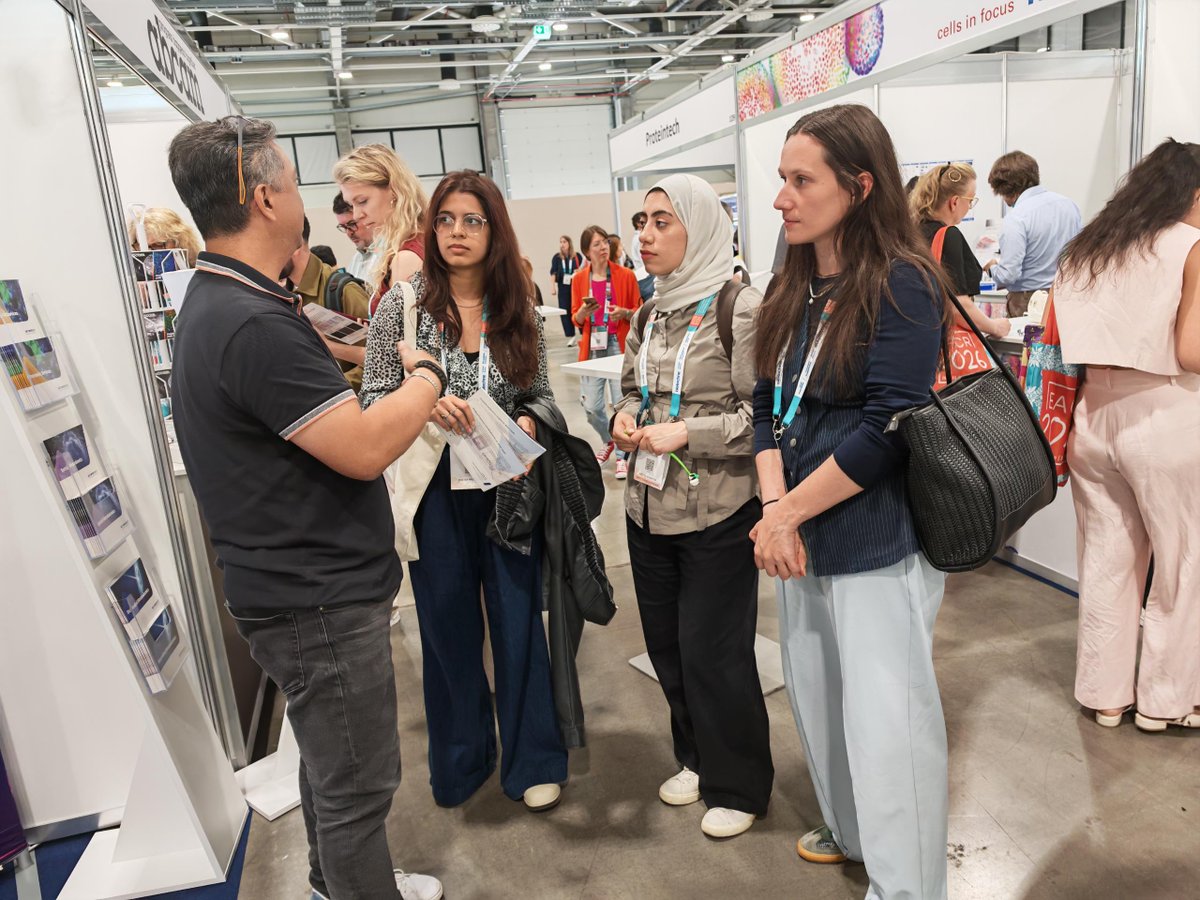
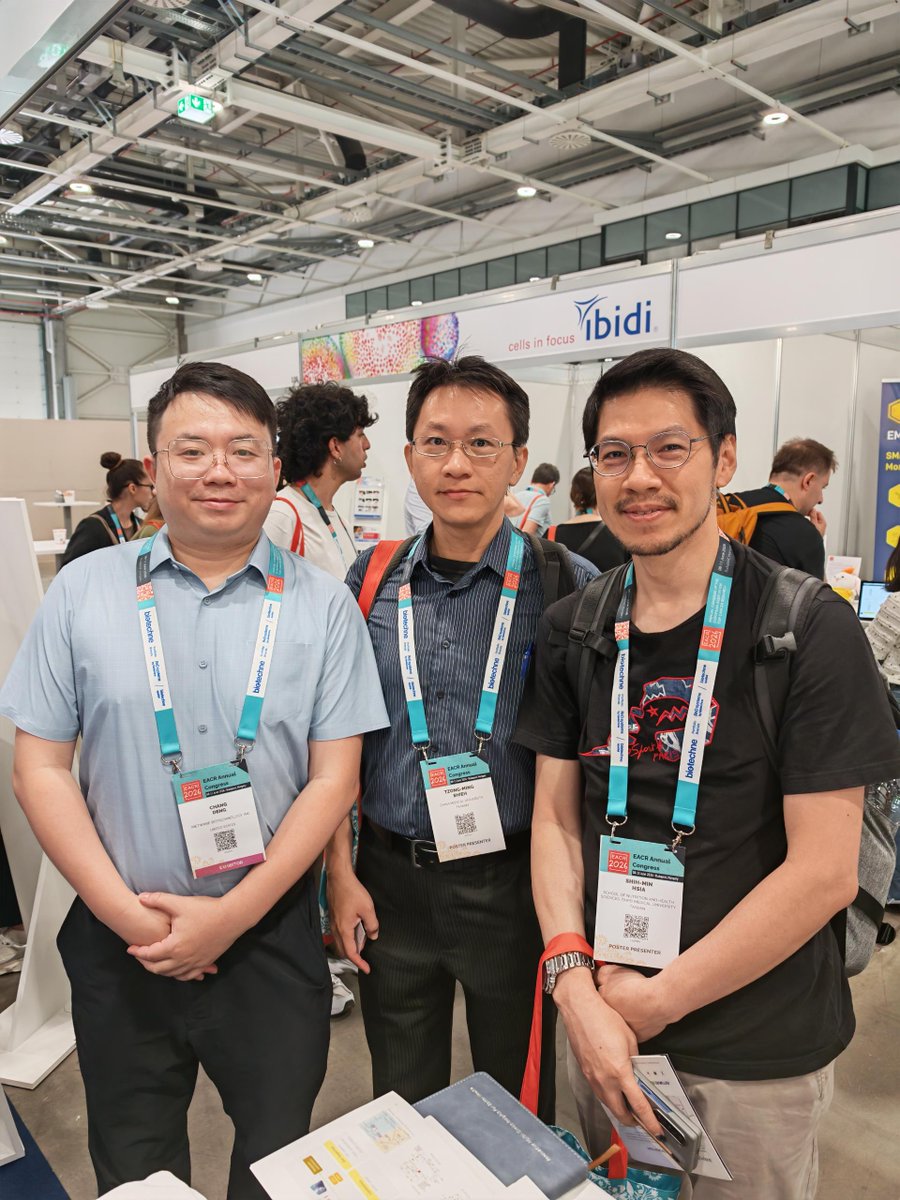
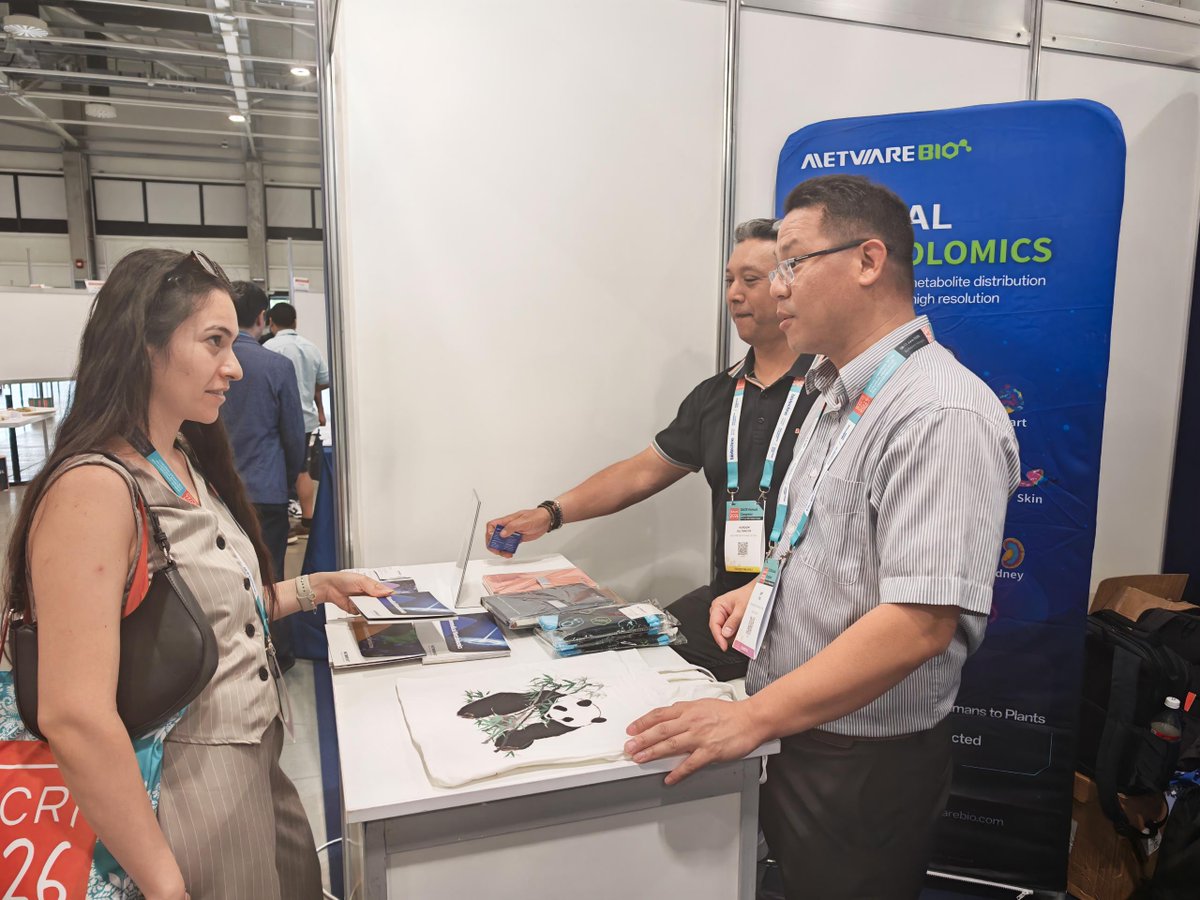
A recurring theme at EACR 2026:
Cancer research increasingly needs molecular data with tissue context.
Spatial omics can help show not only what changes, but where those changes occur.
Visit MetwareBio at Booth #106. metwarebio.com/contact-us/
#EACR2026 #SpatialOmics
29
Early summer is packed with science — and we'll be there for all of it.🌍
Come meet the @MGI_Technology STOmics team across Europe, Asia & Australia to talk #Spatialbiology, and how Stereo-seq can support your research 🔬
🇸🇪 #ESHG · 🇰🇷 #KCA · 🇯🇵 #JSE · 🇮🇹 #STOC · 🇪🇸 #FENS · 🇦🇺 #QLD Bio Week
Stop by & say hi 👋 We're always up for a good science chat ☕#Stereoseq #MGI #STOmics #SpatialBiology #SpatialTranscriptomics, #SpatialOmics
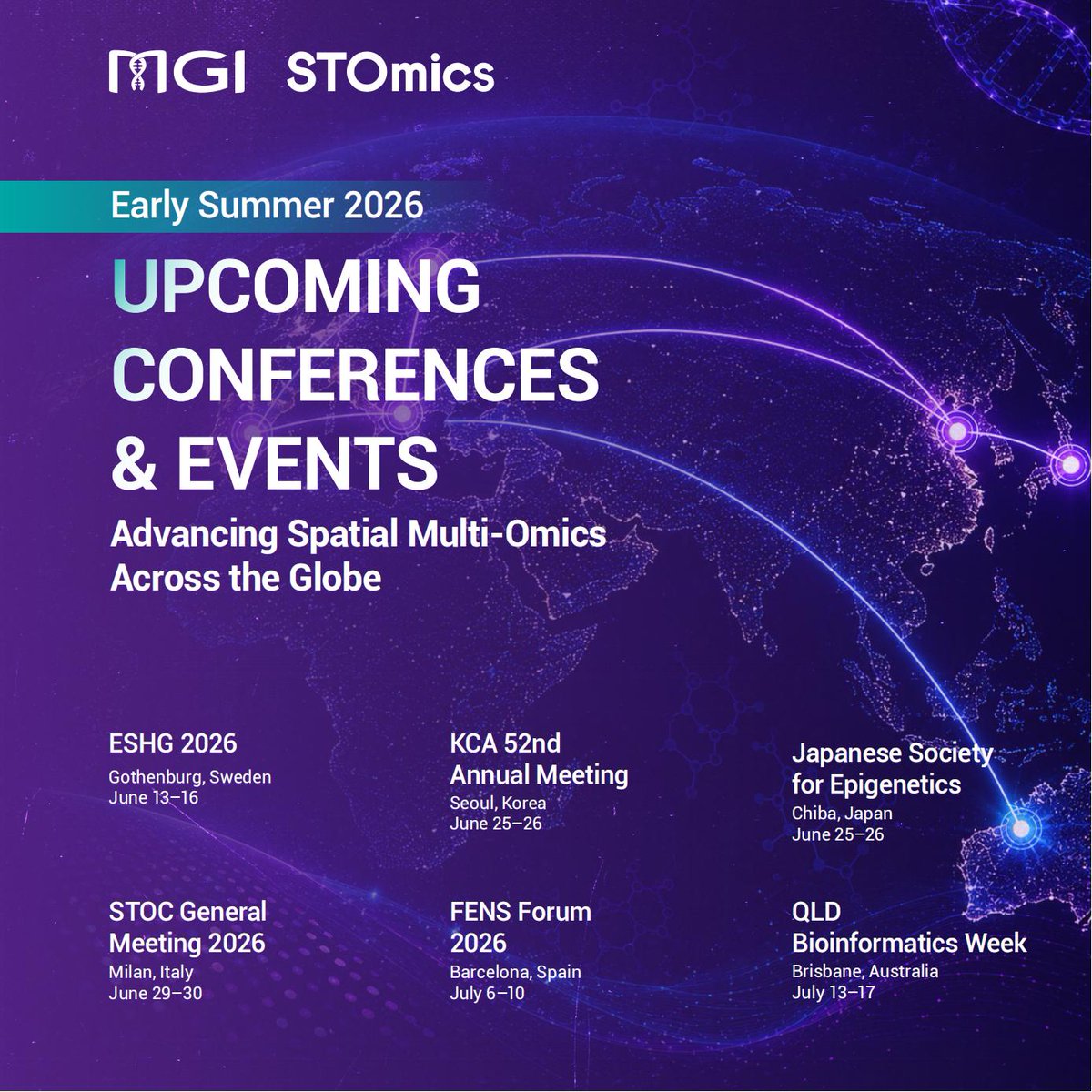
ALT Early summer is packed with science — and we'll be there for all of it. MGI STOmics
2
4
125

Jun 9
Link: youtu.be/OxdFtmBL30E?si=vNLS…
Today, @AnthropicAI have released @claudeai Fable 5 & Mythos 5.
What does it mean for Biomedical and Clinical Research and Patient Care ?
I have prepared a very short overview...
Here is the Preview...
1. Autonomous single-cell genomics — the model assembled a cross-species atlas spanning 138 species and trained a method that beat a recently published one at ~1/100th the size.
2. Therapeutic design — running the protein-design loop end-to-end (binding sites, tool selection, failure recovery), with 9 of 14 targets yielding strong candidates. Immune-checkpoint and receptor-signaling biology sit right at the center of blood-cancer immunotherapy.
3. Novel hypotheses — the first model to consistently propose original, testable mechanisms; experts preferred them ~80% of the time in blinded comparison, and one was independently corroborated.
4. The honest part — these capabilities are dual-use, which is exactly why many biology/chemistry queries are deliberately gated. I think the safeguards, and the honest caveats around unpublished results, matter as much as the breakthroughs.
My take: the frontier isn't replacing the biologist or the biostatistician. It's raising the resolution at which we can design, hypothesize, and test — and our job is to verify fast enough to keep up.
#AIinMedicine #ComputationalBiology #SingleCell #Genomics #Hematology #Oncology #DrugDiscovery #PrecisionMedicine #MountSinai
#AIGenomics #TranslationalMedicine #PrecisionOncology #Hematology #MPN #ASCO26 #SingleCell #SpatialOmics #DrugDiscovery #Bioinformatics #GenomicsAI #ClinicalAI #PrecisionOncology #Hematology #MPN #MRD #FoundationModels #FDA #Elsa #HALO #ChatGPT #OpenEvidence #MountSinai #AACR2026 #EHA2026 #ASCO2026 #Tempus #Anthropic #ClaudeForLifeSciences #ClaudeForHealthcare #AgenticAI #Bomedemstat #Rusfertide #INCA033989 #DrugDiscovery #BioNeMo #BiomedicalAI
2
2
3,674

Exciting times ahead for spatial biology and human tissue biology! 🚀🧬
#SpatialOmics #SpatialBiology #RNAmodification #m6A #NatureMethods
1
2
270
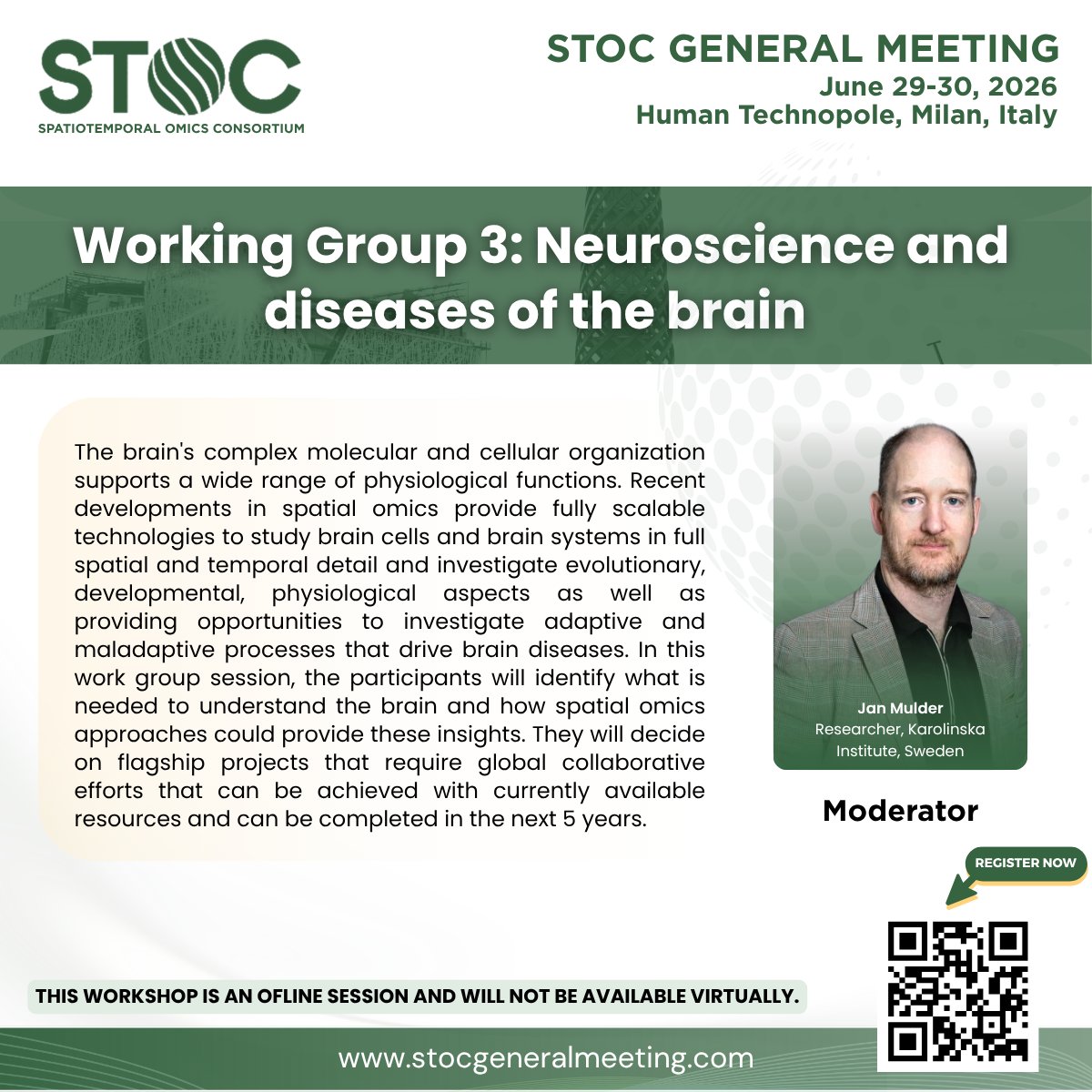
How can spatial omics unlock deeper understanding of the brain?
At #STOC2026, Working Group 3 will explore:
🧠 Brain systems at unprecedented resolution
🔬 Neurodevelopment & neurodegeneration
🤝 Global collaborative brain initiatives
#SpatialOmics #Neuroscience #BrainResearch
1
1
15

Jun 8
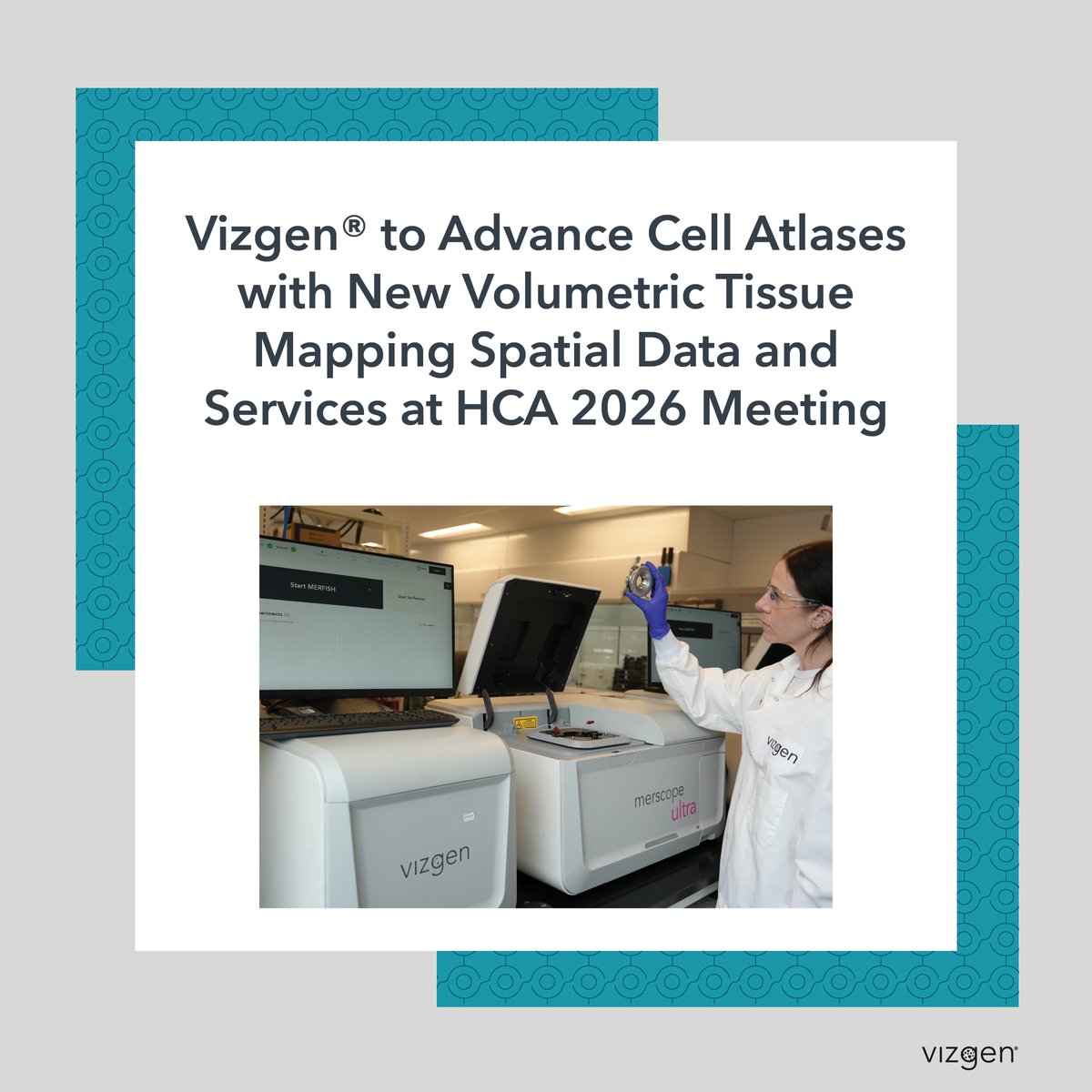
Vizgen® to Advance Cell Atlases with New Volumetric Tissue Mapping Spatial Data and Services at HCA 2026 Meeting
Ahead of the Human Cell Atlas General Meeting in Boston (June 16-18), Vizgen is debuting a 3D Volumetric Tissue Mapping dataset in human neurodegenerative brain tissue, paired with an amyloid beta marker associated with Alzheimer's disease.
Thin sections flatten the biology that matters most: cell neighborhoods, vasculature, immune infiltration, disease microenvironments. Volumetric Tissue Mapping captures all of it, and runs on the MERSCOPE Ultra™ Platform researchers already have.
Alongside the data, we're launching:
→ Volumetric Tissue Mapping services through Vizgen Lab Services
→ A new Cell Atlasing Hub with public datasets, case studies, and direct access to Vizgen Genomics Specialists
Biology is three-dimensional. Cell atlases should be, too.
See you in Boston. Read the full announcement: hubs.ly/Q04ksgPM0
#HCA2026 #SpatialBiology #CellAtlas #MERFISH #Spatialomics
1
1
115
June 7 - National Cancer Survivors Day 💕
@theNCI @YaleCancer @humantumoratlas
#HTAN #cancer #spatialomics
Jun 7

❤️🩹 For #NationalCancerSurvivorsDay, listen to an interview with 2005 Public Service Lasker Award winner and founder of the @SusanGKomen Foundation Nancy Brinker: ow.ly/cYP450Z7qfQ

11
1,392

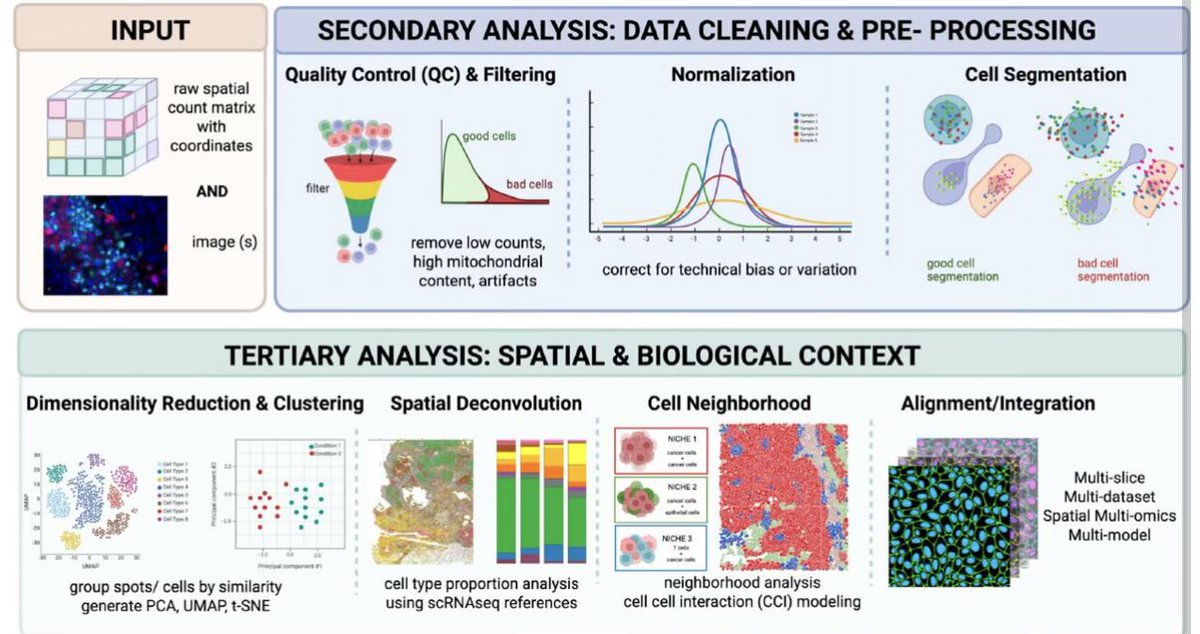
Drop it like its 🔥 ... Hot of the press.. #spatialomics review of all things #computation
For pros or new adopters to #spatialtranscriptomic & #spatialproteomic analyses.
Our comprehensive guide to software tools currently used in the field. sciexplor.com/exo/articles/E…
1
14
46
5,245

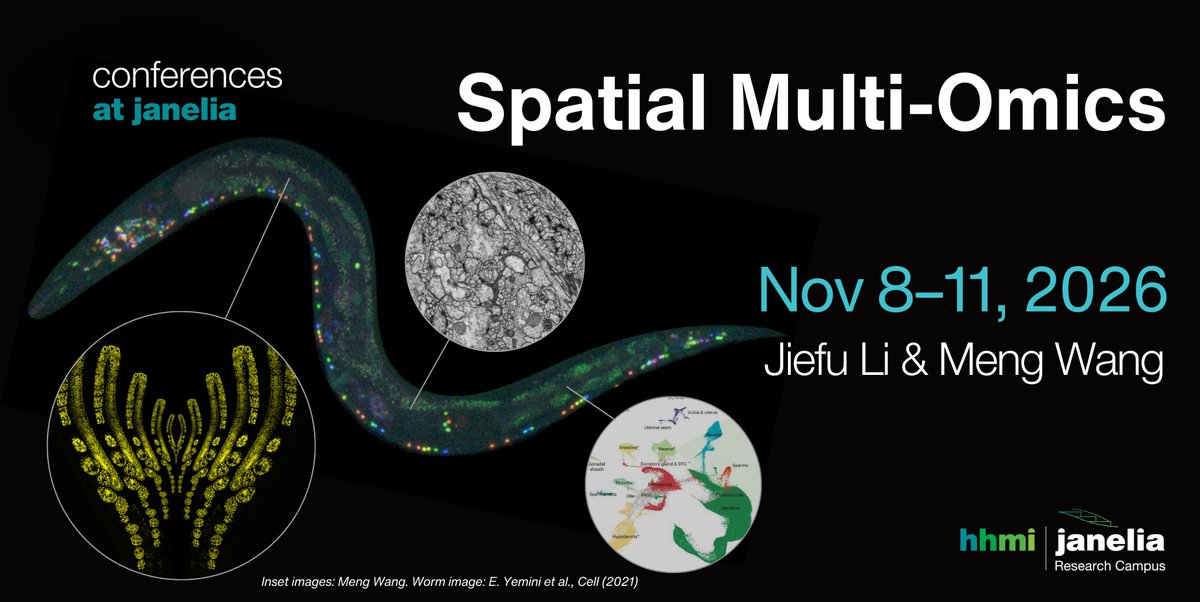
⏳ Deadline approaching! Finish your application by June 4 to join conversations on how spatial multi-omics can reveal biology in its native tissue context. #SpatialOmics #Bioimaging
Apply ➡️ janelia.news/SMO26
@mengwang939 @JiefuBiol @ASCBiology

📢 Apply by June 4 for Spatial Multi-Omics @HHMIJanelia! Explore new methods to map molecular & cellular organization in intact tissue, from genome architecture to proteins, metabolites & ultrastructure.
🛏️ Lodging meals covered
Apply ➡️ janelia.news/SMO26
@hhmi_science
11
27
4,663

May 30
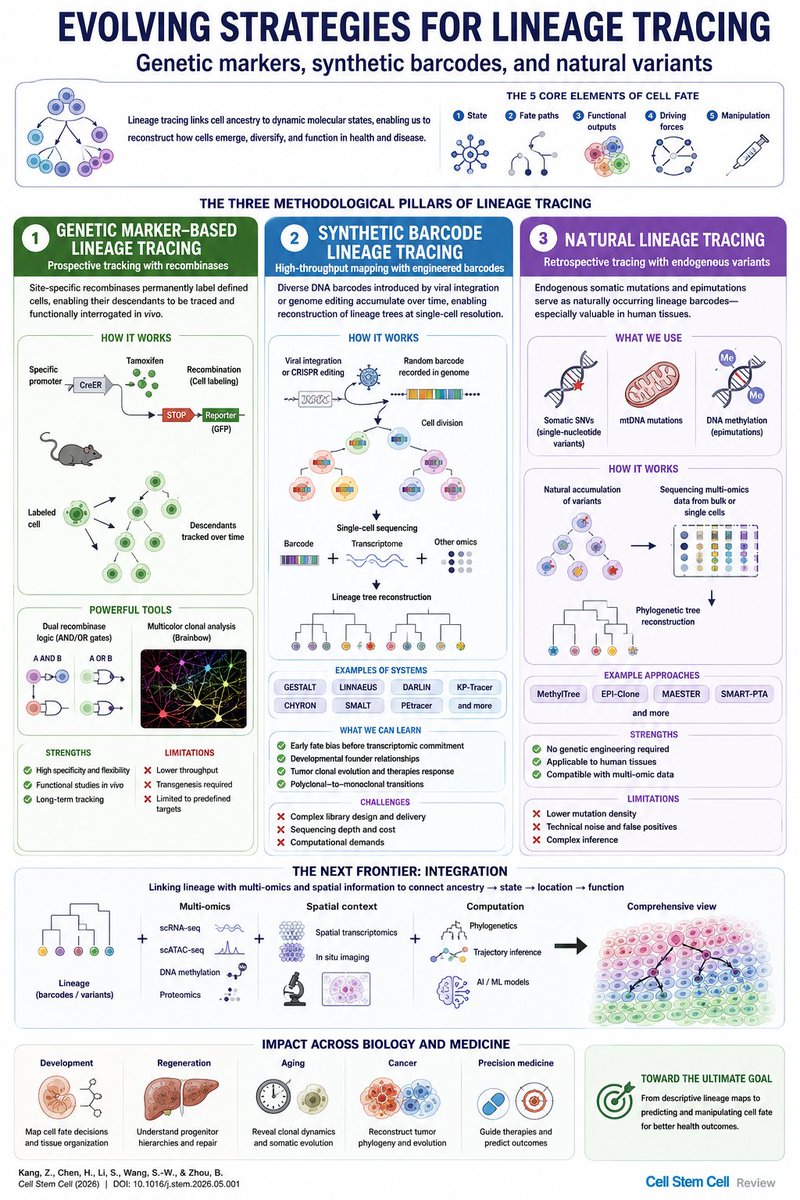
Lineage tracing is entering a new era.
For decades, developmental biology has asked a deceptively simple question: Where did this cell come from, and where is it going?
A comprehensive new review in Cell Stem Cell synthesizes the field into three major technological pillars that are now reshaping how we study development, regeneration, aging, and cancer.
1. Genetic marker-based lineage tracing
The classical approach uses recombinases such as Cre, Flp, and Dre to permanently label specific cell populations and follow their descendants over time.
Modern dual-recombinase logic systems (AND/OR gates) now allow highly precise targeting of rare cell states, while Brainbow and MADM technologies enable clonal-resolution analysis of cell fate decisions.
2. Synthetic barcode lineage tracing
CRISPR transformed lineage tracing from tracking dozens of clones to tracking millions.
Systems such as GESTALT, LINNAEUS, DARLIN, KP-Tracer, CHYRON, SMALT, and PEtracer generate evolving genetic barcodes that accumulate over time, allowing reconstruction of detailed phylogenetic trees while simultaneously profiling transcriptomes and epigenomes at single-cell resolution.
These approaches revealed:
• Early hematopoietic fate bias before transcriptomic commitment
• Tumor evolutionary trajectories
• Developmental founder-cell relationships
• Polyclonal-to-monoclonal transitions during tumorigenesis
3. Natural lineage tracing
Human tissues cannot be genetically engineered.
The field is therefore increasingly exploiting endogenous lineage recorders:
• Somatic SNVs
• Mitochondrial DNA mutations
• DNA methylation epimutations
Recent methods such as MethylTree, EPI-Clone, MAESTER, and SMART-PTA reconstruct lineage histories directly from human tissues without experimental labeling.
The next frontier: lineage × multi-omics × space
The most exciting trend is integration.
Lineage information is now being combined with:
• scRNA-seq
• chromatin accessibility
• DNA methylation
• spatial transcriptomics
• in situ imaging
This enables direct linkage of cell ancestry → molecular state → tissue location → functional fate.
For aging biology, cancer evolution, regenerative medicine, and precision oncology, lineage tracing is rapidly evolving from a descriptive tool into a framework for predicting and manipulating cell fate.
The future may not simply tell us where a cell came from—it may tell us where it is going next.
📖 Kang et al. Cell Stem Cell (2026)
DOI: 10.1016/j.stem.2026.05.001
#LineageTracing #SingleCell #SpatialOmics #CRISPR #CellFate #StemCells #CancerBiology #AgingResearch #Multiomics #SystemsBiology
2
79

May 28
The next leap in AI for medicine isn't bigger datasets — it's spatially resolved ones.
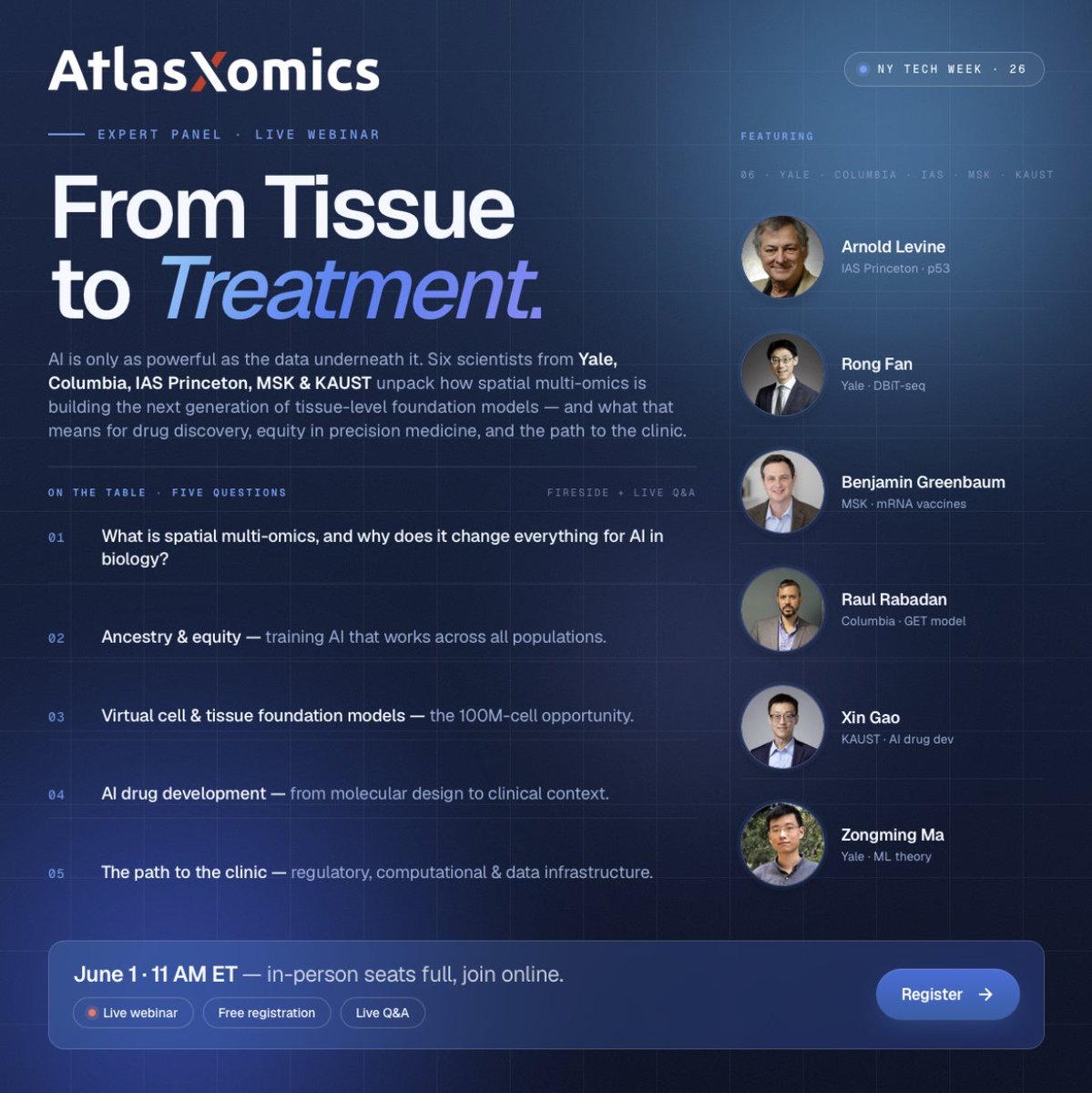
On June 1 at NY Tech Week, we're bringing together six leading scientists from Yale, Columbia, IAS Princeton, MSK, and KAUST — including Arnold Levine, @RongFan8 , Benjamin Greenbaum, Raul Rabadan, Xin Gao, and @ZongmingMa — for a frank panel on how spatial multi-omics is building the next generation of tissue-level foundation models.
Five questions on the table:
1. What is spatial multi-omics, and why does it change AI in biology?
2. Can spatial data close the ancestry gap in precision medicine?
3. What does a 100M-cell virtual tissue model unlock?
4. How does AI move from molecule to clinical context?
5. What's the real path to the clinic — and what's still in the way?
Fireside live Q&A. In-person seats are full; join us free online.
🗓 June 1 · 11 AM ET → Register: lnkd.in/gFSBy7Vf
#NYTechWeek #SpatialOmics #AI #DrugDiscovery
4
2,752

May 28
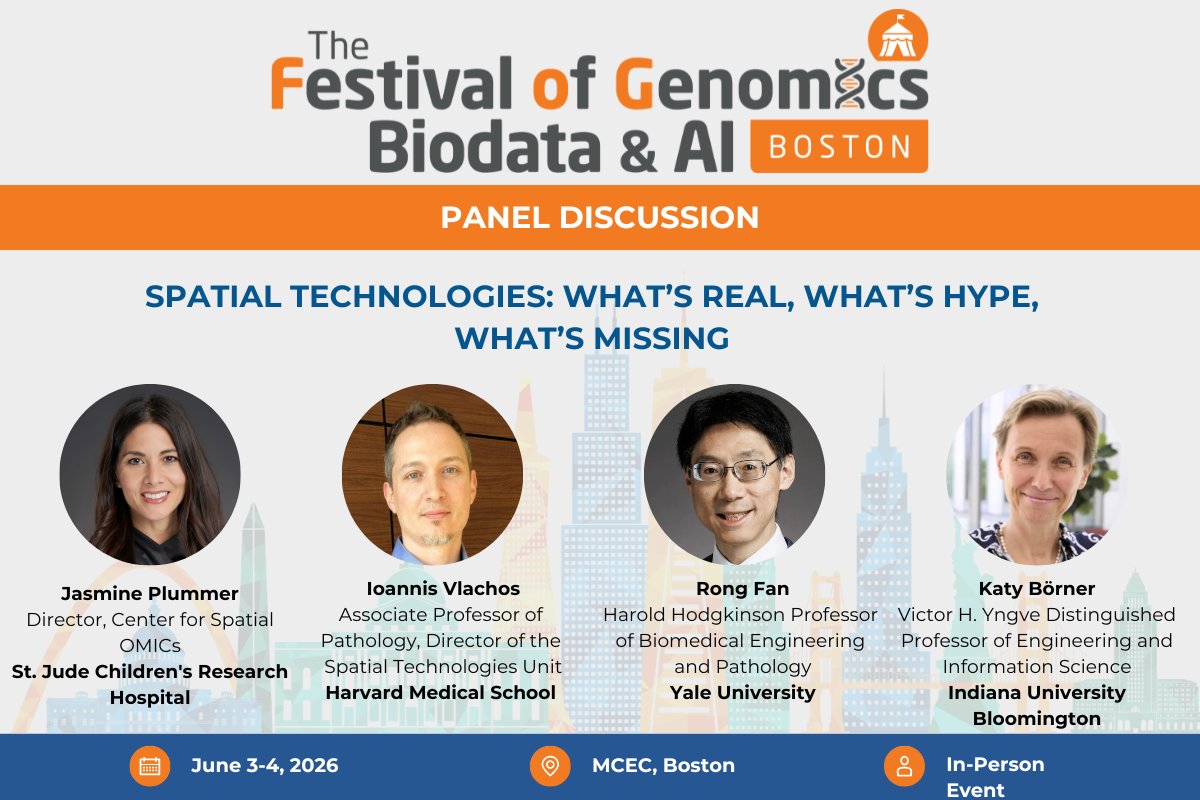
What will spatial technologies look like in five years? Go beyond the hype with @DrJasPlummer, @IoaVlachos, @katycns and @RongFan8
at The Festival of Genomics, Biodata & AI in Boston! More info: hubs.la/Q04jbs8v0 #spatialomics
5
8
2,833

May 28
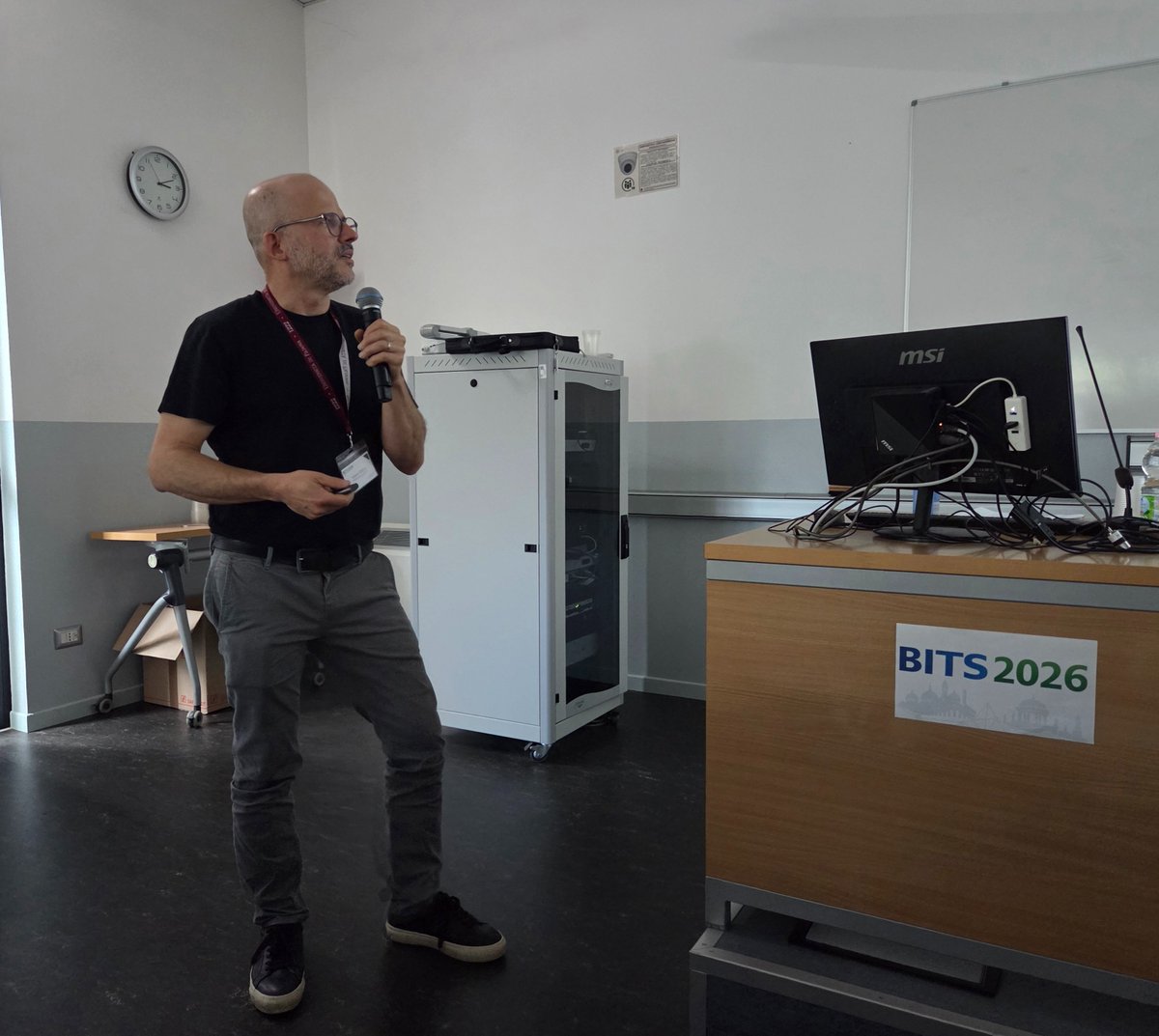
Don’t miss the invited talk by Prof. Ivan G. Costa from @RWTH at #BITS2026!
Prof. Costa will discuss how combining optimal transport with deep learning enables robust sample-level analysis of single-cell disease atlases.
#Bioinformatics #SpatialOmics #SingleCell
2
4
94

May 26
Why do some #melanomas respond to immunotherapy while others don't? The answer may lie in spatial context.
Full podcast on @DNATodayPodcast or here: youtube.com/watch?v=o7o1ZQLH…
#SkinCancerAwarenessMonth #spatialomics
2
326