
Jun 11
A psychologist who could predict with 90 percent accuracy whether a marriage would survive just by watching a couple talk for fifteen minutes became the centerpiece of a book about why the first two seconds of any judgment often contain more truth than everything that comes after them.
His name is Malcolm Gladwell. The book is called Blink.
I read it a second time recently and the opening story hit differently than it did the first time.
In September 1983, an art dealer named Gianfranco Becchina walked into the J. Paul Getty Museum in California with what he claimed was a sixth-century Greek statue. A kouros. A marble sculpture of a standing nude male. Only about two hundred of them exist on Earth, and most arrive in fragments. This one was almost perfectly intact.
The Getty's lawyers traced its ownership back decades. A geologist examined the marble under a high-resolution stereomicroscope and confirmed it had come from an ancient quarry in Thasos. Fourteen months of investigation. Every test passed. The museum bought it for just under ten million dollars.
Then they showed it to the experts.
Federico Zeri was an Italian art historian who sat on the Getty's own board of trustees. He looked at the statue and felt, immediately, that something was wrong. He could not say what. He fixated on the fingernails. Something about them. He could not name it.
Evelyn Harrison was one of the world's foremost experts on Greek sculpture. The moment she saw it, a single word surfaced in her mind. The word was fresh. Not ancient. Fresh.
Thomas Hoving, former director of the Metropolitan Museum of Art, was shown the statue and said the word that came to him instantly was wrong.
Georgios Dontas, head of the Athens Archaeological Society, felt what Gladwell described as a wave of intuitive repulsion.
None of them could explain it. None of them had run a test. None of them had spent fourteen months on anything. They had spent two seconds.
They were right.
The provenance documents turned out to be forged. The ancient dolomite marble had been aged with potato mold. The statue had been made in a workshop in Rome sometime in the early 1980s. Every scientific instrument had been fooled. Every trained eye had not.
Gladwell called this thin-slicing. The brain's ability to extract accurate patterns from extremely narrow windows of experience. The adaptive unconscious, running in the background, processing signals too fast and too numerous for conscious thought to catch up with.
The mechanism is not mystical. It is a compression problem.
When an expert looks at something in their domain, they are not seeing it fresh. They are running it against an internal database of thousands of prior cases, built up over years of exposure. The database is not stored as a list of rules. It is stored as a feeling. A response. A sense that something fits or does not fit the pattern. The output surfaces before the reasoning does, because the reasoning is happening below the level of language, in a part of the brain that does not file reports.
This is why Zeri could not explain the fingernails. The wrongness was real. The explanation was inaccessible because it was encoded in pattern-matching machinery, not in words.
The same mechanism runs in every senior developer who glances at a pull request and knows, before reading a single line, that something is off. Every designer who opens a Figma file and immediately feels the layout is broken, before identifying which element is wrong. Every engineer who hears a system described and knows it will not scale, before running a single calculation.
That feeling is not a guess. It is a compressed readout of everything they have seen before. The pattern recognition is real. The inability to immediately explain it is also real, because the two processes run on completely different hardware.
John Gottman is a psychologist at the University of Washington who spent decades studying married couples. He built a laboratory called the Love Lab. He would bring couples in, have them discuss an ordinary topic for fifteen minutes, and then predict with 90 percent accuracy whether they would still be married fifteen years later.
Not from years of following them. From fifteen minutes. From thin slices.
He could name the four signals he was reading. Criticism. Contempt. Defensiveness. Stonewalling. He had trained himself to see consciously what most people only feel unconsciously. But most experts never reach that stage. They get the signal without the vocabulary. The answer arrives but the work order stays hidden.
Gladwell's real argument is not that snap judgments are always right. The same Getty employees who bought the fake statue also made a snap judgment. They wanted it to be real, and their unconscious obliged. The bias corrupted the signal. Fast thinking cuts in both directions.
The difference between expertise and noise is whether the pattern you are reading is real or imagined. Real patterns come from years of exposure to genuine signal in a domain. Imagined patterns come from years of exposure to what you wanted to see.
The experts who spotted the fake in two seconds had spent careers looking at real kouroi. Their pattern library was built on the genuine article. The moment a forgery walked in, the mismatch registered instantly, below the surface, before anyone had words for it.
The developers and designers who get called "talented" are usually just people who have built this library faster or wider than everyone else around them.
The intuition is not a gift.
It is a database.
When was the last time you trusted a gut feeling in your work and turned out to be right before you could explain why?

3
14
34
4,128

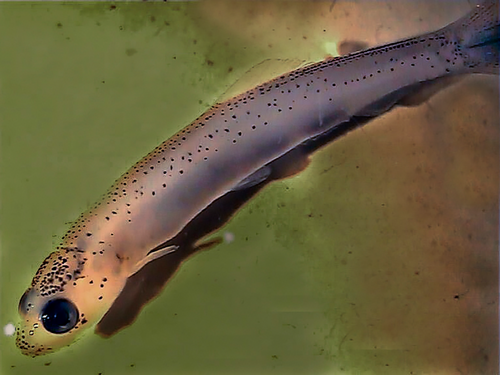
Always good to know your fish.
"Figure 4. Alosa fallax larva observed through stereomicroscope. The specimen corresponds to the post-flexion stage. Measured parameters include larval length, length-to-height ratio, chromatophore number and position and eye diameter."
Jun 6

Integrating environmental DNA, diving surveys and DNA barcoding to track endangered twaite shad (Alosa fallax) spawning sites. Journal of Fish Biology, 1–12. doi.org/10.1111/jfb.70489
3
15
844

Close-up look at a Pearl Chain Weaving Machine transforming fine metal wire into a flawless ball chain through rapid precision engineering under a stereomicroscope
1
10
820

May 28
Inspiring momentum! 🚀🧬🇨🇭🌐
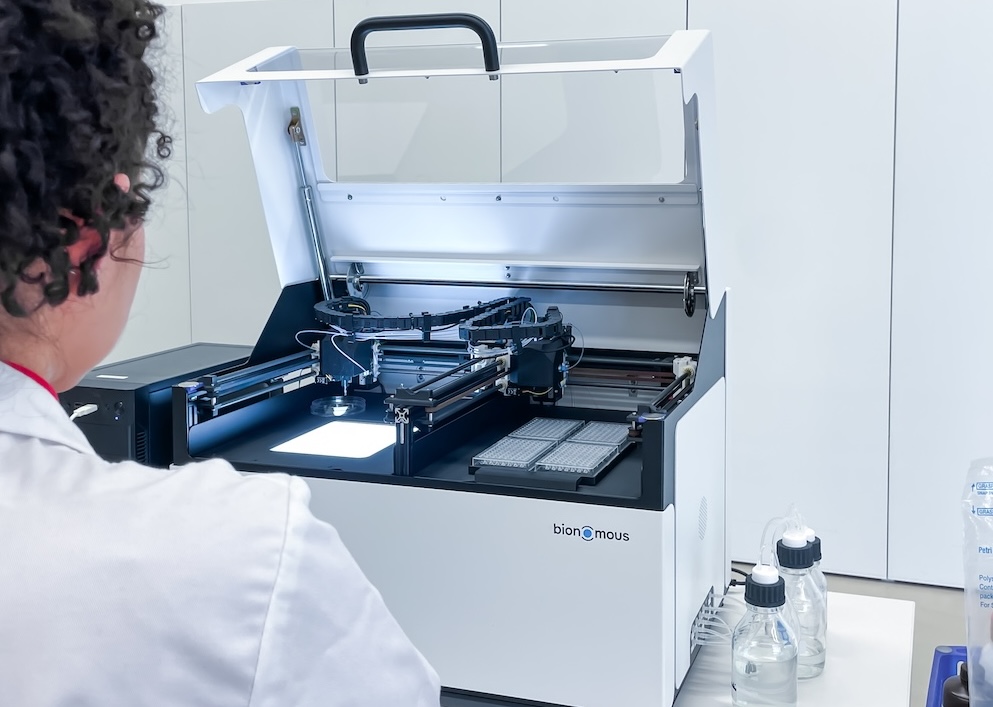
Following the breakthrough of the Eggsorter, Bionomous launches its second product
Read article: bit.ly/4wQ5ocR
Bionomous new product Sortivo automates the screening, sorting and plating of complex biological entities from 300 µm to~2 mm such as zebrafish embryos and organoids, workflows that, until now, have relied on hours of manual pipetting under a stereomicroscope. Three years ago, the EPFL-spinoff launched its novel EggSorter, which is now used in academic institutions, contract research organisations (CROs) and pharmaceutical companies around the world.
Congrats to cofounders Frank Bonnet (CEO), Ana Hernando Ariza (CMO) and their team!
Have a nice day and take care!
2
7
219

May 27
Temperature and humidity data logger, stereomicroscope, passive indicators, illuminometers and more. "Protecting Our Books―Tools for preservation and restoration (4) Examining" features various tools for examining. #ndlnewsletter #ndldigital
dl.ndl.go.jp/view/prepareDow…
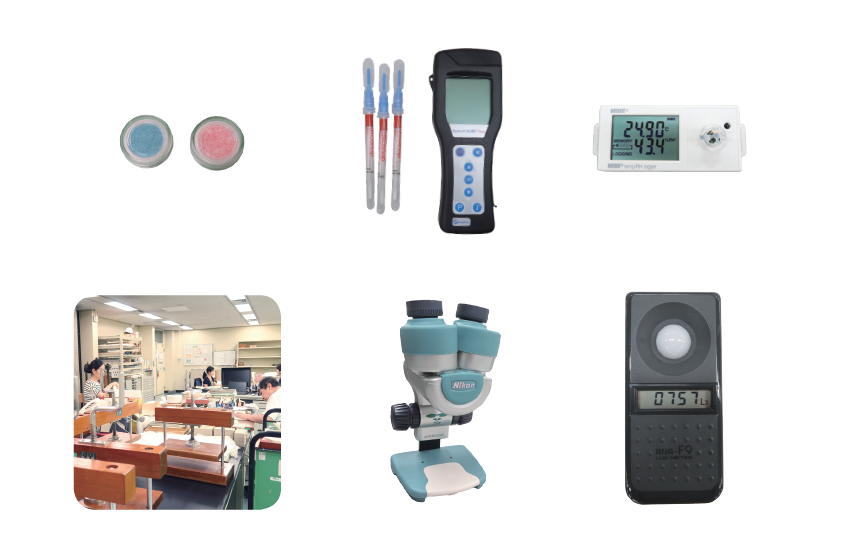
ALT Various tools for examining
3
298

Hmmmmm. What are these? I’ll take samples to lab tomorrow for the stereomicroscope.
2
56




24 Dec 2025
Awesome! The sequence of mitoses starting from the zygote (the most difficult part) is spectacular. They probably used a stereomicroscope with the third output connected to a video camera. It's a larva of a urodele amphibian... (a salamander or a newt).

2
51
#10K followers!
MIPS (Microprocessor without Interlocked Pipeline Stages) has been a prominent example of RISC architecture, widely used in high-performance and embedded applications, known for its scalability and efficiency.
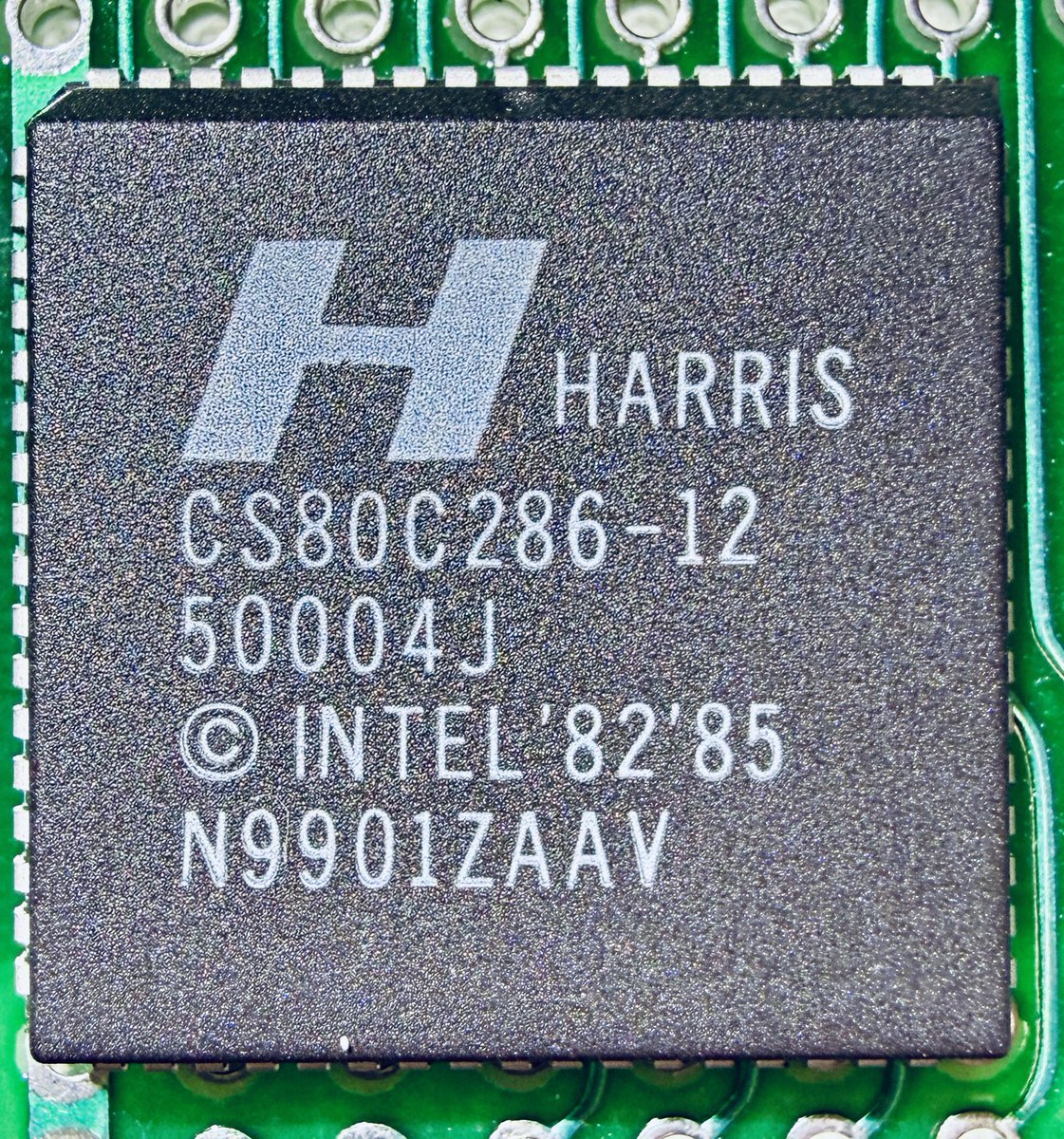
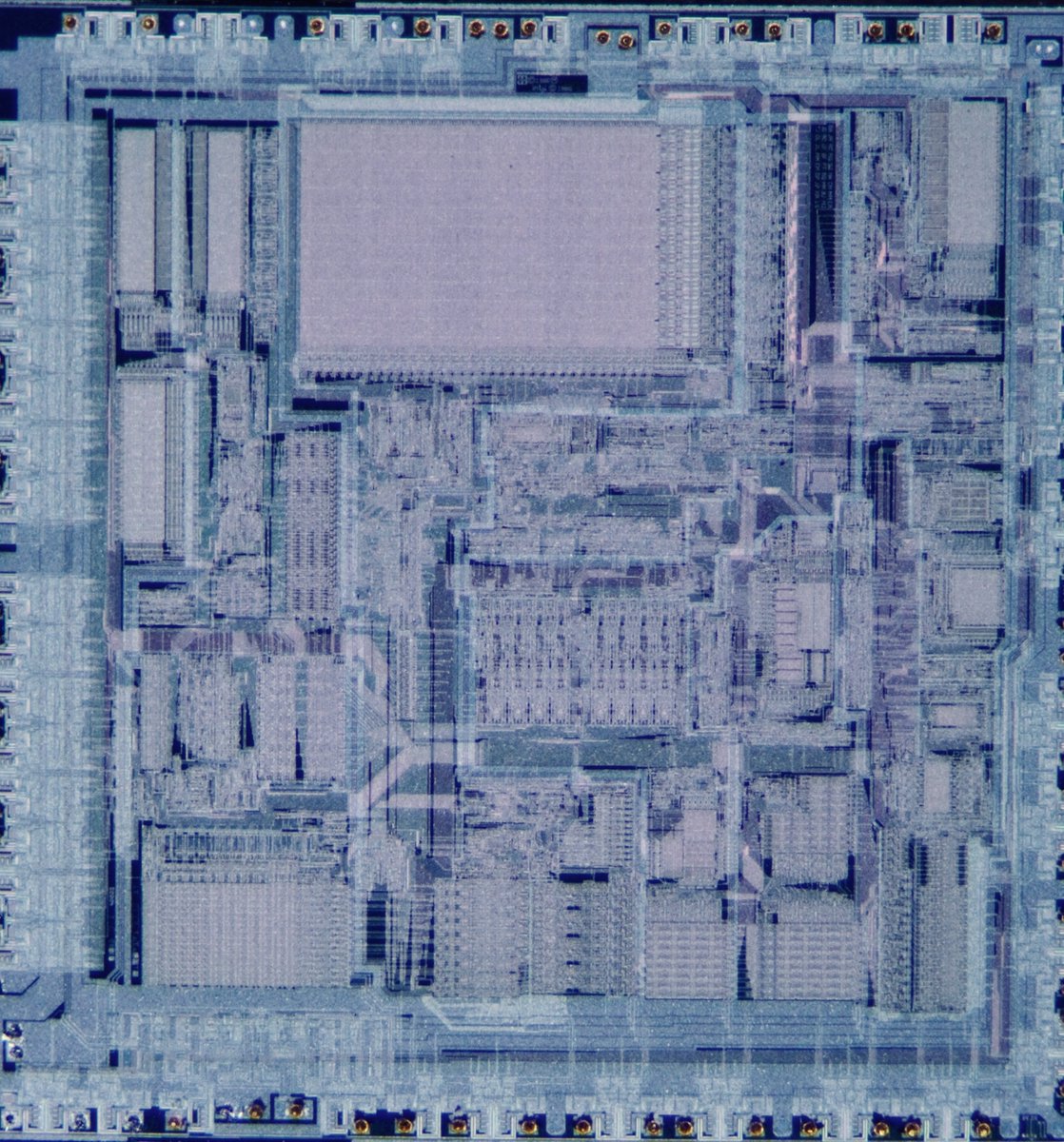
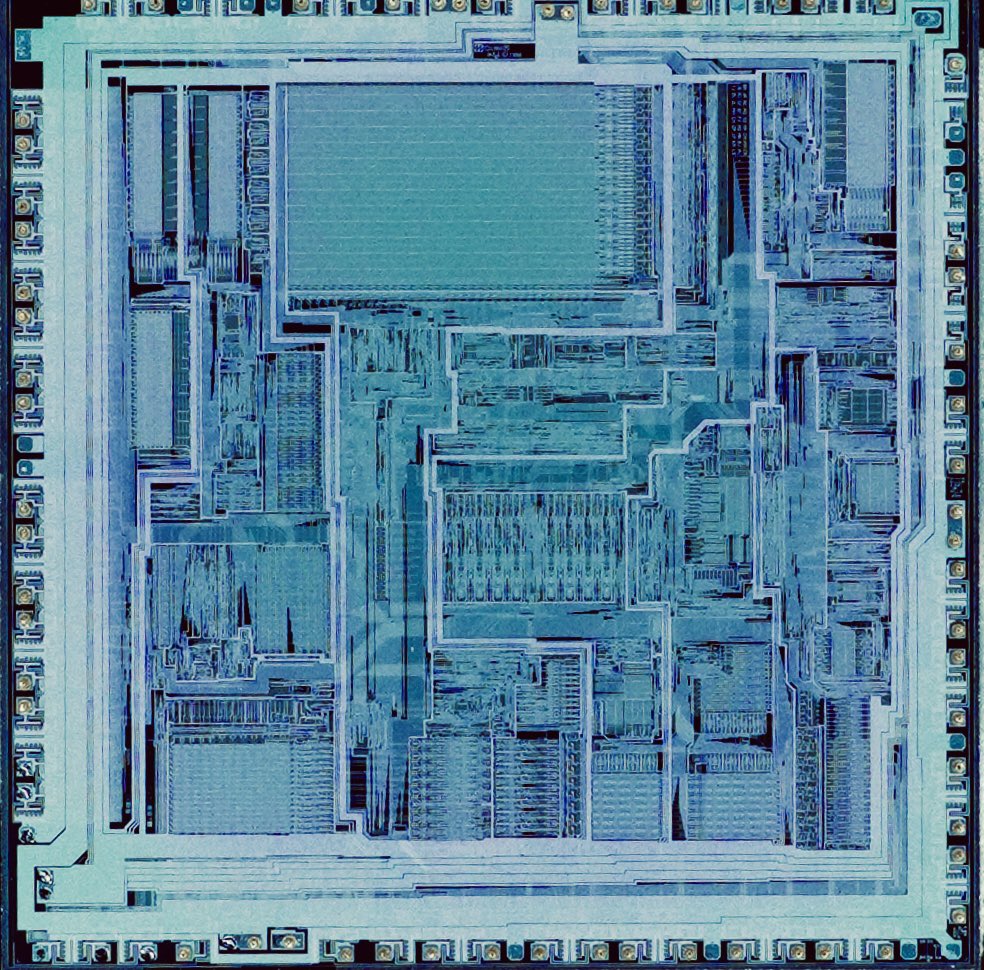
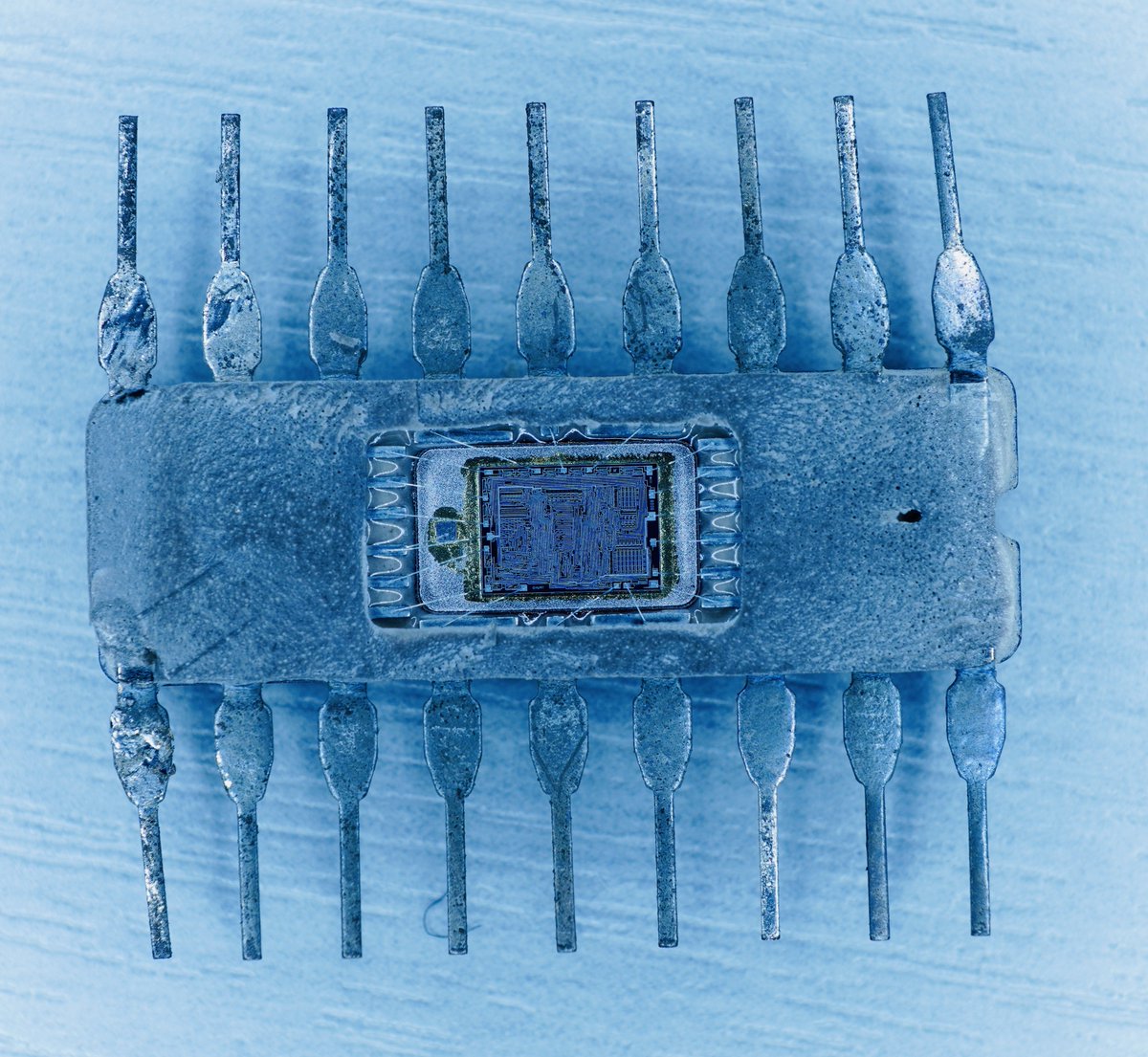
Die shots: Left stereomicroscope, right metallurgical.



It’s 10K! 🥳 🍾 🙌🏻
This week, I reached a new milestone with 10,000 followers on X.
Thanks to all and let’s continue the ride…
In order to celebrate, I will decap the famous NEC VR10000.
This CPU from 1998 was used in many Silicon Graphics workstations based on the MIPS RISC!

3
7
110
6,317
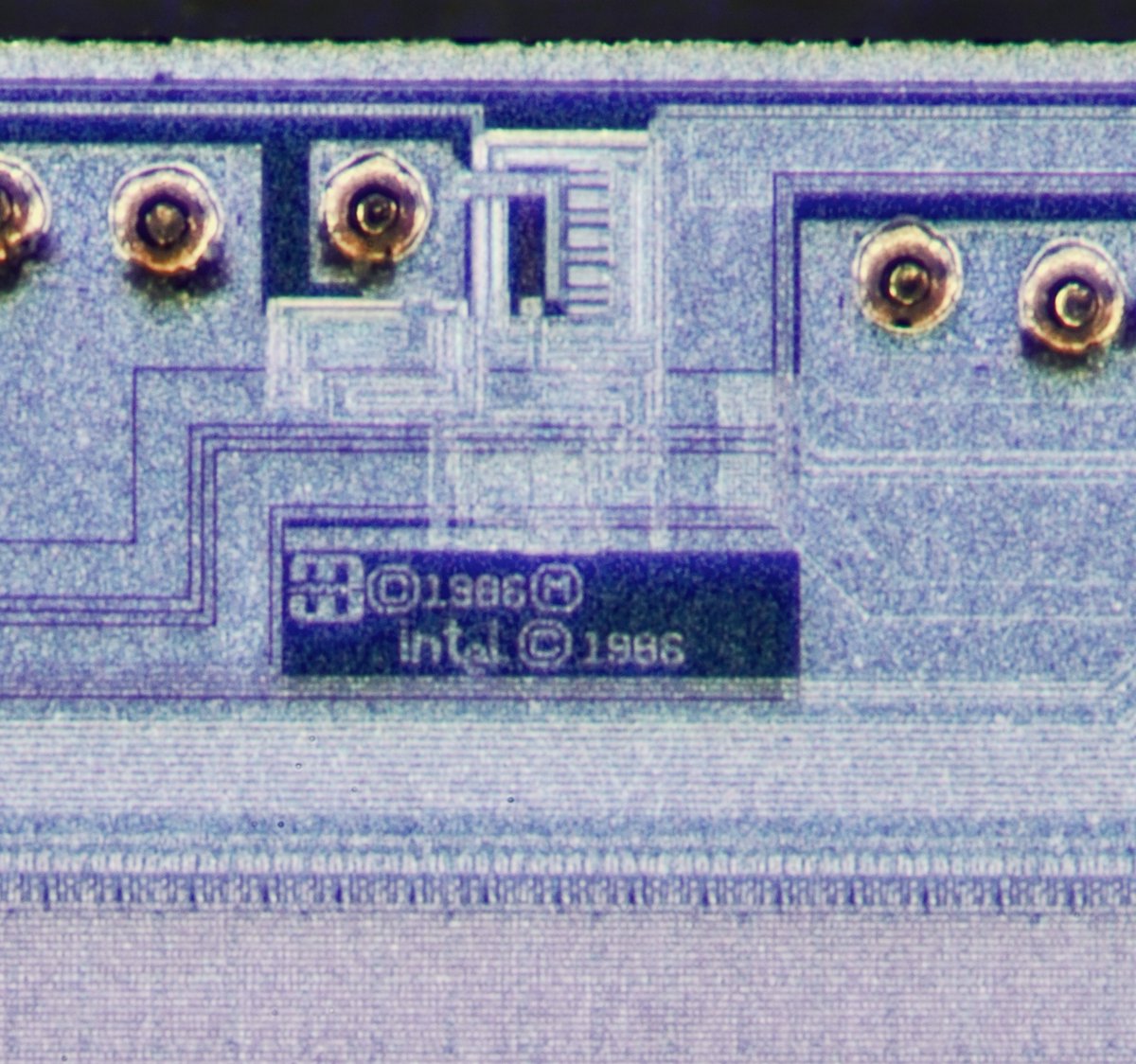
It’s #Intel‘s first 8bit microprocessor!
Next, I go closer using my Wild/Leica stereomicroscope with phototube. As the light comes from the side, the image is high in contrast due to reflections on the top metal layer. But there is much more below the surface…
(4/n)
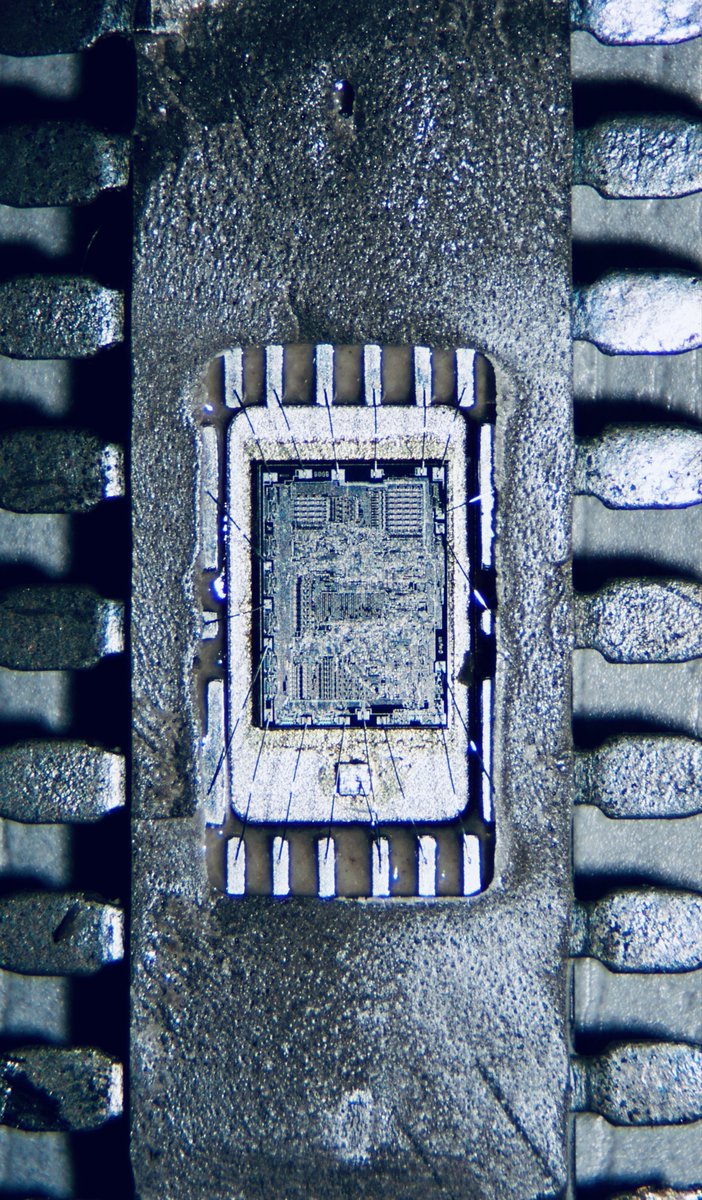
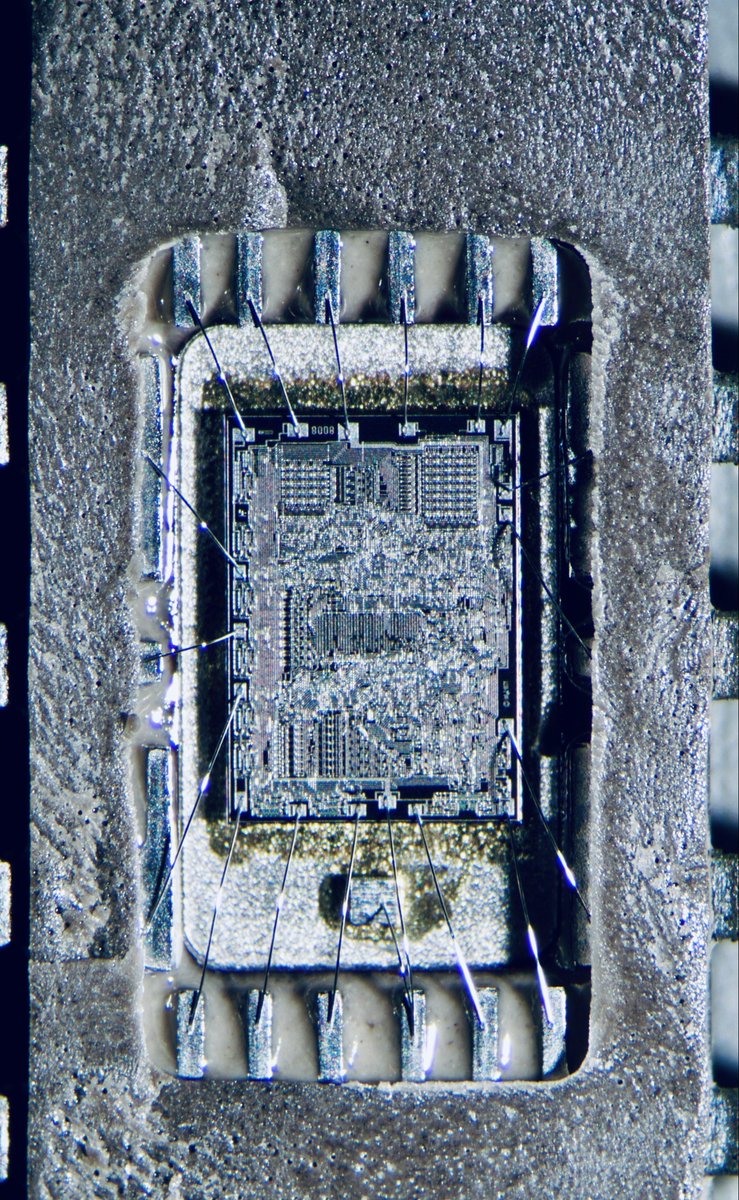
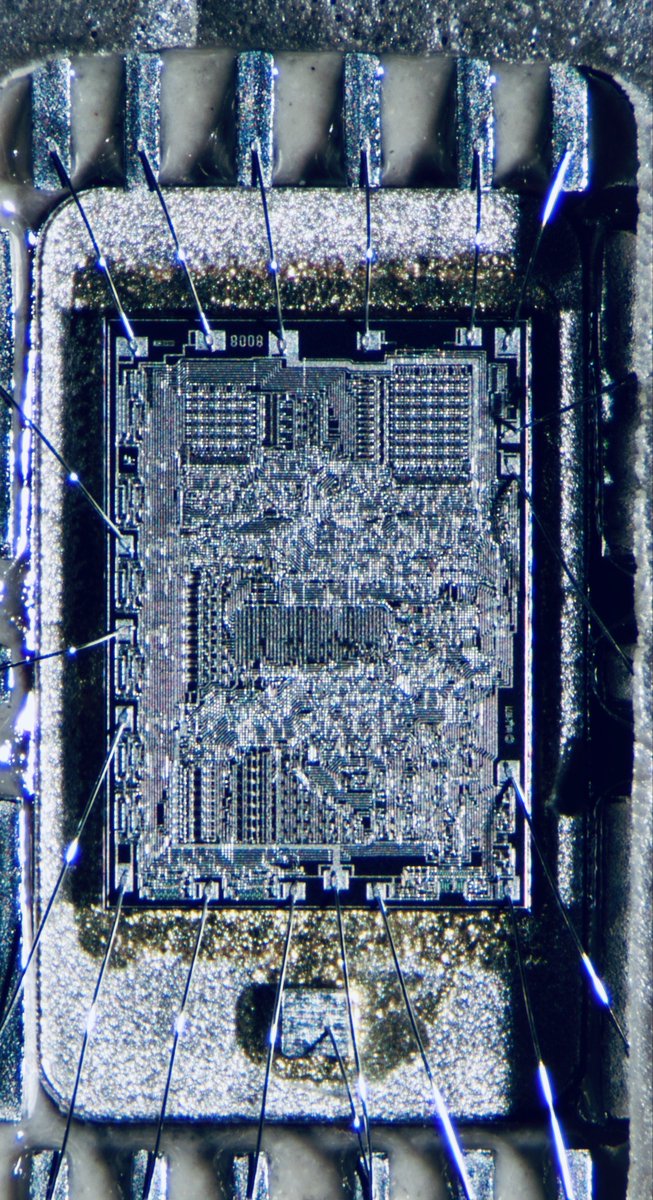
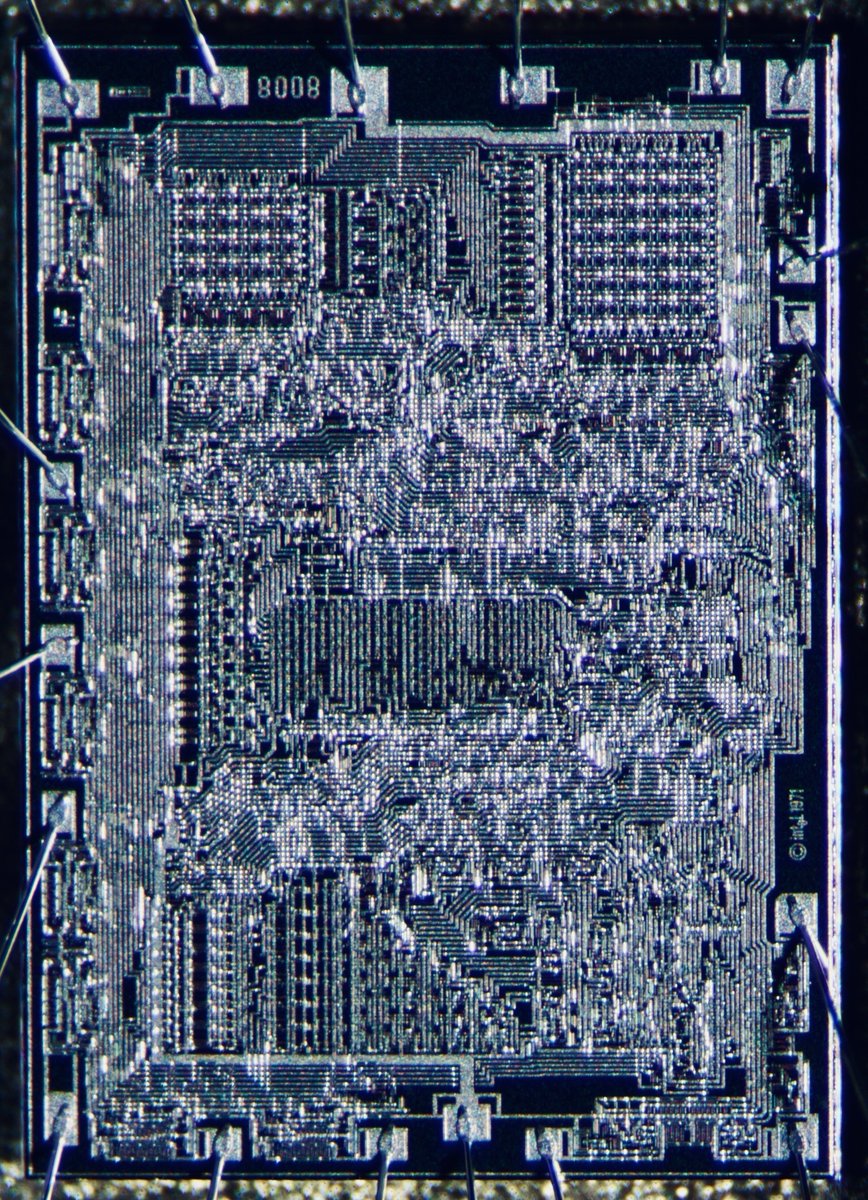
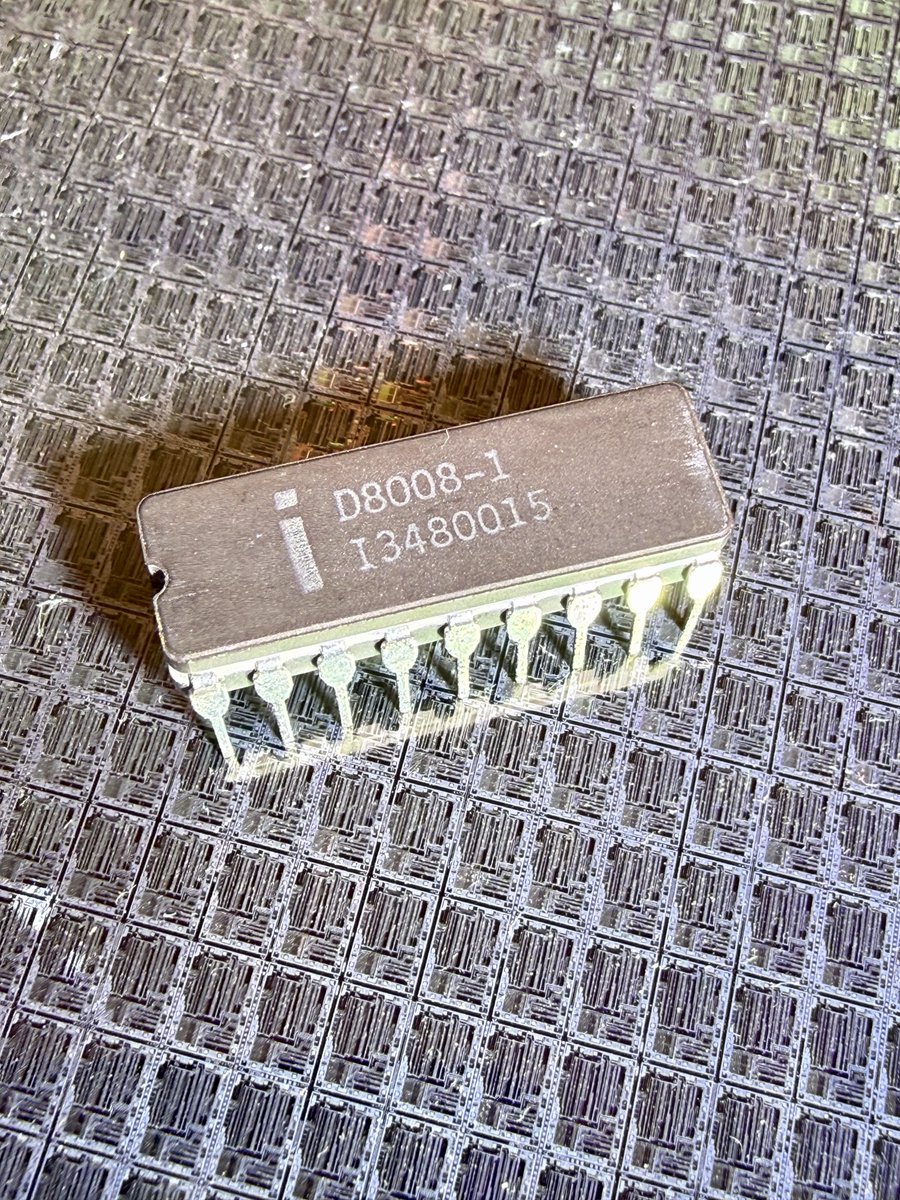
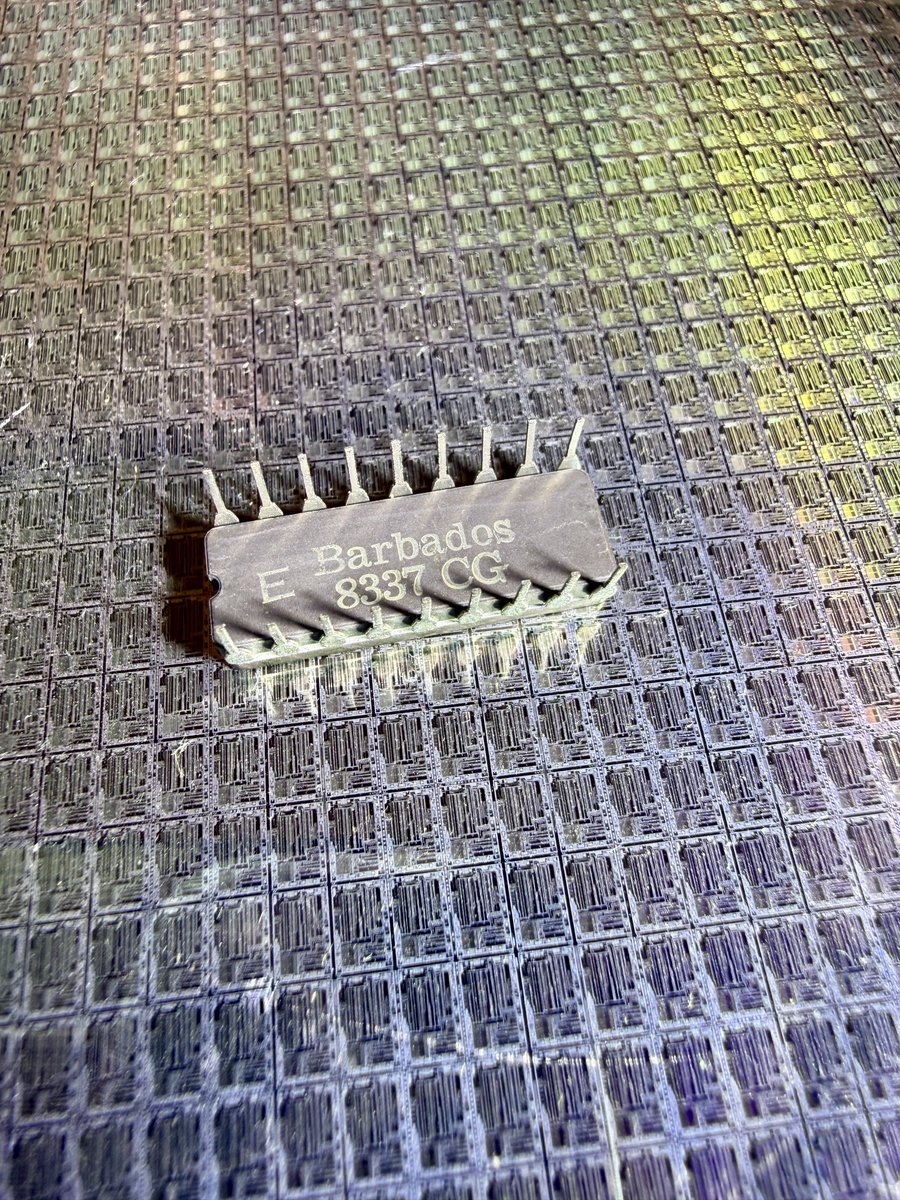
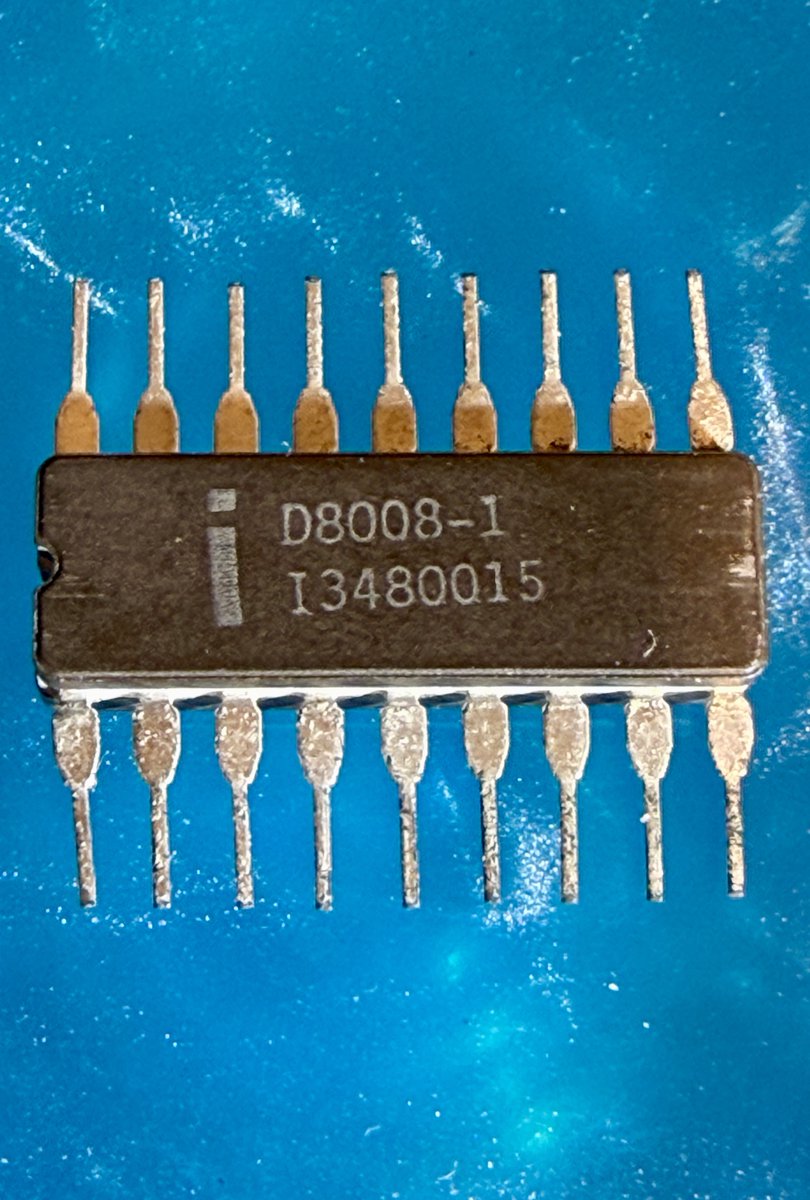
It’s #Intel‘s first 8bit #microprocessor!
This week, I finally worked on the kind donation of the awesome #computermuseum called ENTER Technikwelt in Solothurn, Switzerland. The request was to make die shots of the famous INTEL i8008 from 1972 made in 10 micron PMOS…
(1/n)
2
16
105
16,308

17 Oct 2025
Literally nobody testified to that. Watch Maureen Hartnett and Christina Hanley’s testimony.
Here’s what they said:
1. Hartnett prepared a sample by scraping both shirts with a metal spatula and placing the debris in an evidence fold.
2. As a standard practice, she would then pour the remaining contents of the evidence bag into the fold.
3. She does not remember if she saw plastic on or in either shirt or in the evidence fold.
4. She did not photograph or document this procedure.
5. Christina Hanley received the debris sample for analysis. She did receive the shirts or the evidence bag.
6. Using a stereomicroscope, Hanley identified one piece of clear apparent plastic in the debris sample and four pieces of red apparent plastic.
7. None of the five pieces were “microscopic”; they were all naked-eye visible. The clear piece was 1/8” on its longest axis. The red pieces all had long axes of around 1/16”.
8. The pieces were found to be “consistent with” Read’s taillight but were only visually matched, not optically, physically, or chemically matched.
So.
Hanley did not testify that there were “microscopic” plastic pieces “embedded in”, or even “on”, either shirt. Indeed, she *could* not testify to that, as she never saw the shirts. Only Hartnett did, and Hartley can’t remember if the pieces were on/in a shirt or just loose in the bottom of the evidence bag.
—
And, of course, underlying this is the ridiculously sketchy handling of the shirts while they were at the NCDAO, which did not comply with MSP General Order INV-10, the Department’s written policy concerning the handling, documentation, and storage of evidence.
I recommend you read that policy, watch both of Buquackie’s cross-examinations, and compare what he says happened to what the policy says should have happened. Remember, as you do so, that Buquackie is a Sergeant; a supervisory employee, not just a Trooper.
Please let me know if you have any questions! 😊
2
3
27

4 Oct 2025
•ملاحظات مجهرية على عينات من سوائل لقاحات كوفيد-19 (وخاصة من نوعي Pfizer و Moderna) بعد تخزينها وفحصها باستخدام المجهر الستيريو (stereomicroscope):
•في هذه العينات، لوحظت تراكيب غريبة تشبه الشرائط (ribbons) والخيوط (filaments) والأشكال الحلزونية والشرائح الدقيقة (chips) تتحرك وتتغير على مدى فترات الحضانة الطويلة.
•عند تمهيد العينات (تذويبها، تجميدها، وتكرار هذه العملية)، زادت كثافة هذه الهياكل غير المعروفة، وظهرت أشكال جديدة مع مرور الزمن.
•كذلك أُجريت تجارب تفاعل هذه السوائل مع الدم والسائل المنوي، حيث كان هناك تأثيرات ضارة:
تغيّرات في خلايا الدم الحمراء والبيضاء والصفائح،
وتأثيرات سلبية على حركة الحيوانات المنوية وسرعة موتها عند التعرض لهذه السوائل.
•التقرير يطرح الفرضية أن هذه الظواهر قد تكون ناتجة عن وجود نوع من النانوتكنولوجيا (تقنيات نانوية) مضمّنة داخل هذه السوائل، تُهيئ لتشكيل هياكل ذاتية التجمع (self-assembling) تحت ظروف معينة كدرجة الحرارة والملوحة وغيرها.
•وأن مثل هذه الظواهر تُعتبر “إشارة تحذير”.
nanostructuresinus.substack.…
6
14
69
11,784

4 Oct 2025
How #evolution alters an ancestral #bodydivision beyond recognition.
#Mites of the #Histiostomatidae (#Astigmata, #Acariformes), like all mites, belong to the higher-level taxon #Arachnida, which also includes true spiders (Araneae) and scorpions, for example. However, the original #bodycomposition of a spider or scorpion is no longer immediately recognizable in mites.
New so-called #tagmata (body parts) have developed secondarily, while the original division in #prosoma and #opisthosoma, have fused together. This is certainly an #evolutionary #adaptation to an important characteristic found in mites in general and in Acariformes in particular, namely their tendency toward #small #bodysize, which allows the mites to form #niches in #microhabitats that larger members of the Arachnida could not. An innovative "invention" of evolution that made a very significant #radiation of mites (the development of high #biodiversity) possible in the first place. During the early evolution of Acariformes, the body division consisting of the #gnathosoma (mouthparts) and the #idiostoma (remaining body) was further reorganized, so that the originally presumably single-bodied idiostoma is now divided into two parts, namely a #proterosoma and a #hysterosoma. This may have static reasons, so that there were no longer any lower limits to minimally possible sizes of the mites. Histiostomatidae mites are extremely small. Adults are often not much larger than 400 micrometers.
When a key trait enables the colonization of fully new #habitattypes, in this case microscopic environments, this not only results in a considerable amount of radiation, but also in a #diversity that is highly pronounced in Acariformes mites. This diversity arises because adaptation to specific habitats also leads to the evolution of specific #lifestrategies, which often require new #morphologicaladaptations.
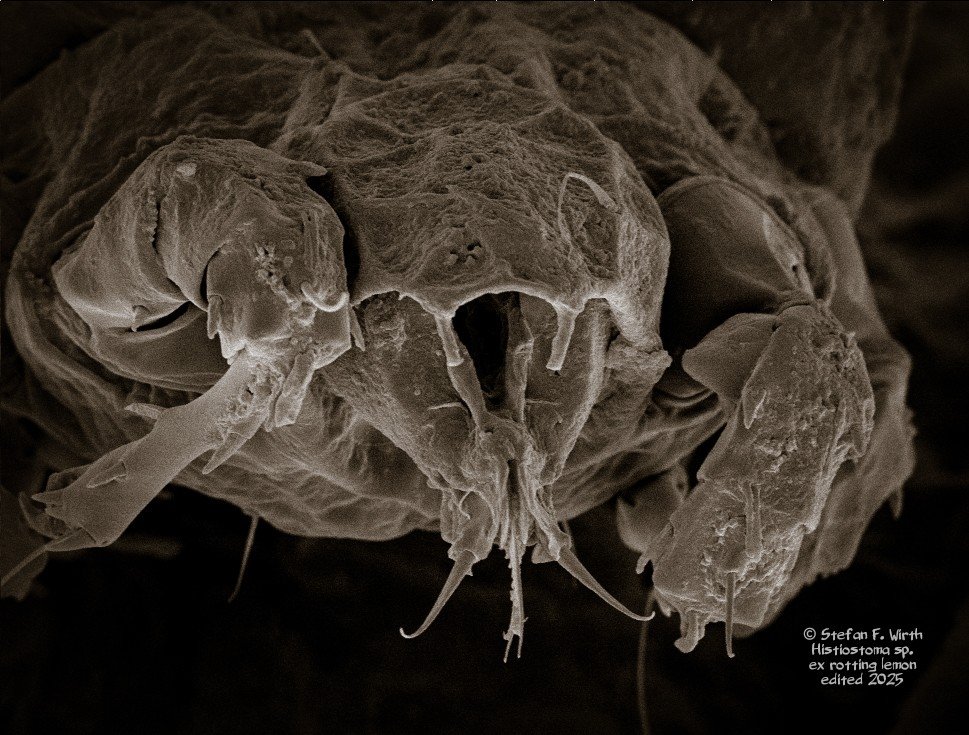
For example, if we take a closer look at a piece of dead wood under a stereomicroscope, we see that different mite species of different taxa can occur sympatrically, meaning they can coexist more or less side by side in the same micro-habitat. This is only possible because #interspecific #competition (between different species and taxa) is prevented by very specific adaptations (#nicheformation). An important #selectionfactor that favors evolutionary character modifications is #foodacquisition. In the #stemspecies of Histiostomatidae, the mouthparts have therefore been so significantly modified from the original construction plan of arachnid mouthparts that the basic division, consisting of #chelicerae and #pedipalps, is only barely recognizable at first glance. A complex #filterorgan has evolved, specialized for efficiently absorbing #fungal components and #bacteria. My photo shows a female of the mite Histiostoma sp. (Histiostoma feroniarum-complex) from rotting #lemonfruits in Italy. The scanning electron microscopic photo (#SEM) shows the highly modified mouthparts in a view from a lower frontal perspective. In S. F. Wirth (2023), I presented new results of my reconstruction regarding structure and #function of the mouthparts in Histiostomatidae mites.
© #StefanFWirth Berlin September 2025
Reference
Wirth, S. F. (2023): Phoretic mites as #microclimateoriginators in special ephemeral #soil habitats and as presumed co-creators of nutrient-rich soil areas using examples of Histiostomatidae (Acariformes, Astigmata), In: FAO. 2023. Soils, where food begins – Proceedings of the Global Symposium on Soils for Nutrition, 26–29 July 2022. Rome, pp 102-103. doi.org/10.4060/CC6728EN Supplement poster: fao.org/fileadmin/user_uploa…
Foto
Adult female of Histiostoma sp. (H. feroniarum-complex), 2006 ex culture from rotting lemon fruits, Sorrento/Italy, SEM, photo as new edit September 2025, © Stefan F. Wirth
1
18
260
1,712

18 Aug 2025
If you have a stereomicroscope, this is my irregular periodic remind to re-calibrate your scope to be parfocal.
3
3
319

16 Jul 2025
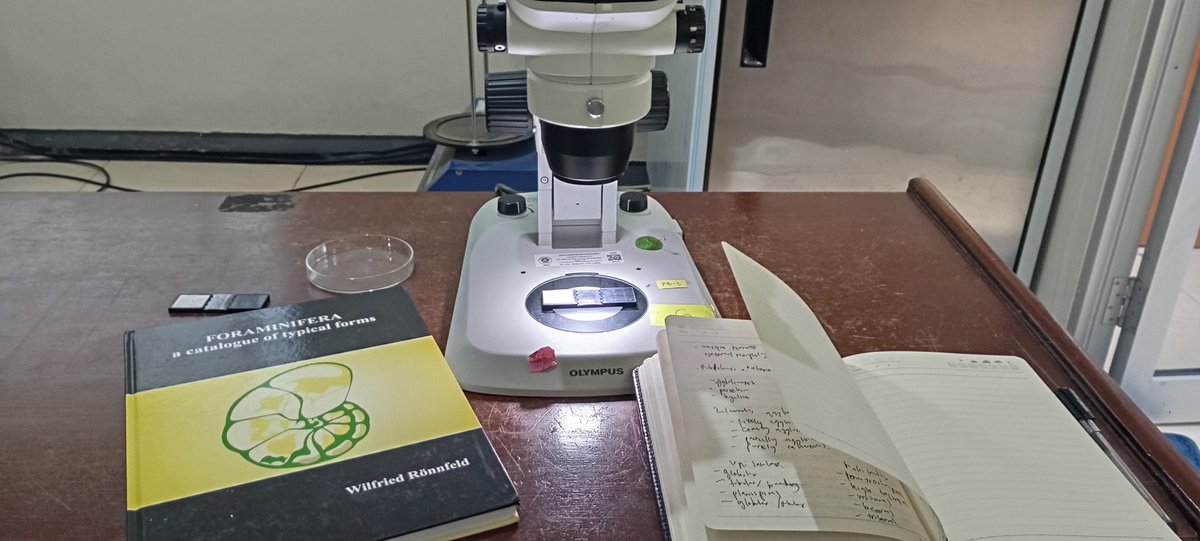
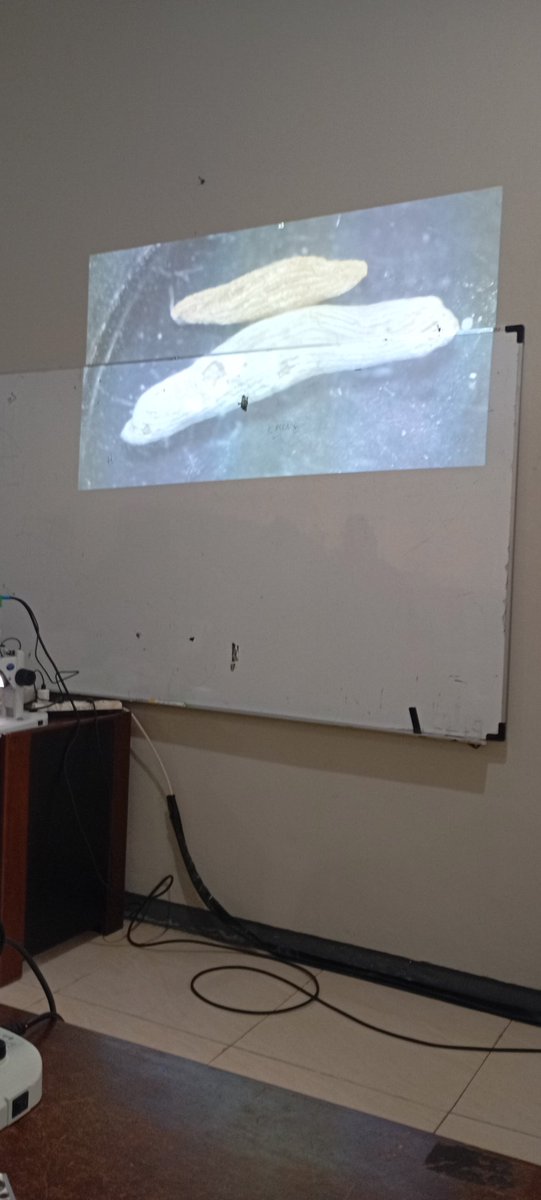
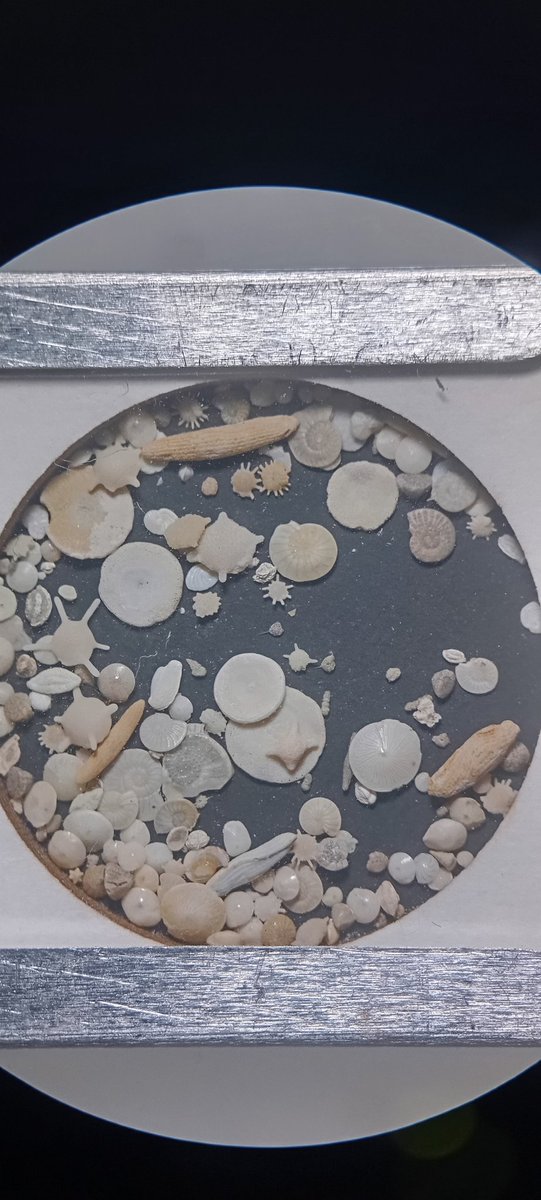
The practical is so fun. The stereomicroscope (Olympus SZ61) is so much better than I used for my dissection.

1
5
175
16 Jul 2025
The practical is so fun. The stereomicroscope (Olympus SZ61) is so much better than I used for my dissection.
1
1
8
214

10 May 2025
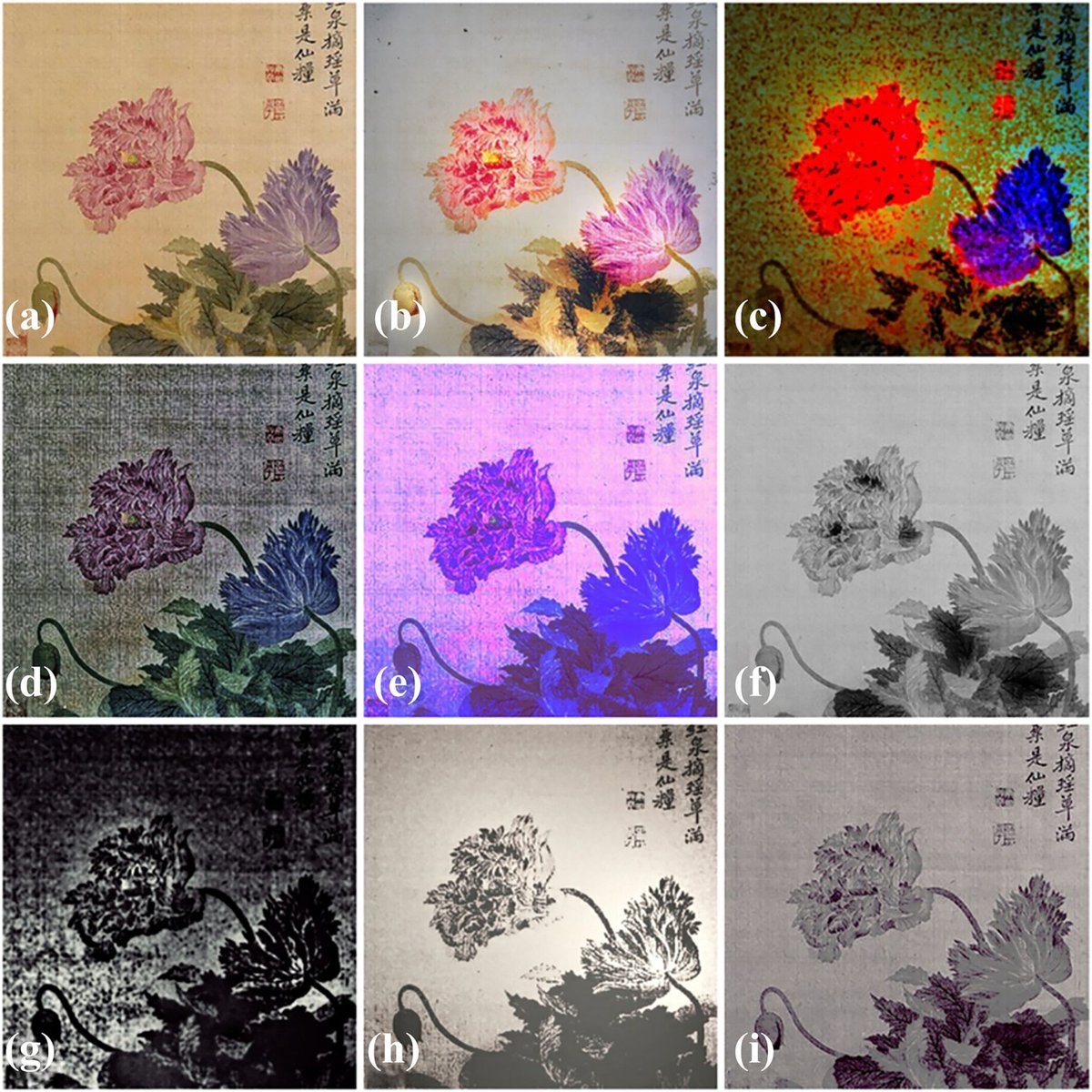
Comparative effectiveness of techniques for examining the canvas, paint, and the pictorial structure of 16th- and 17th-century Chinese paintings
buff.ly/fKiHiB2
#EarlyView #Analysis #paintings #restoration #StereoMicroscope #verification #XrayImaging
2
170

16 Apr 2025
🔬 Lanoptik HDMI Camera Enhanced Dedicated for parallel optics type stereo microscope
-0.43X tube lens offers a wider field of view
-Versatile Functions & OSD Software
-Plug-and-play via HDMI
#MicroscopeCamera #StereoMicroscope #HDMIImaging #LeicaM125C #EmbeddedCamera
2
11