
Jun 12
We're ending the week looking ahead to next week's Munich edition of #A3TechLive
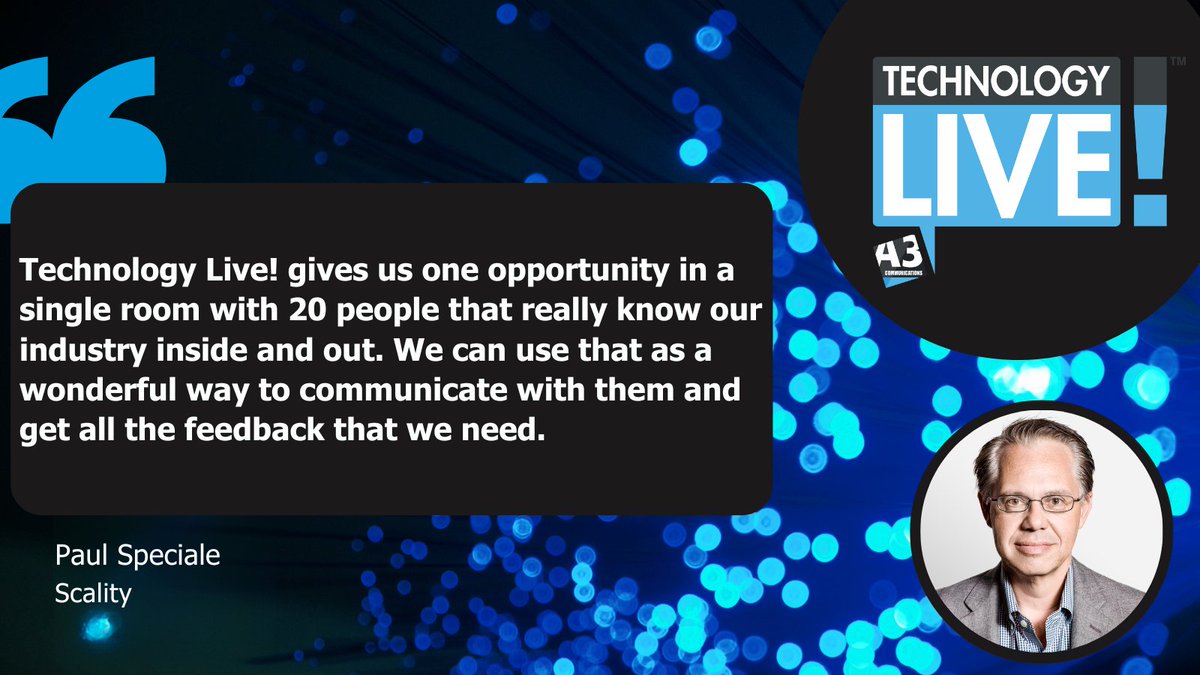
Here is why Technology Live! stands out from traditional trade shows and conferences according to XYZ.
a3.ax/NksBB
#StoragePRSpecialists #TechDeepDive
8

Is your AI reflecting the world's problems? We break down the crucial concept of bias in AI and why understanding it is vital for a fair, AI-integrated future.
➡️youtu.be/GV4dy3bA3pY
#FutureofAI #TechDeepDive #DataScience #SocialImpact
4

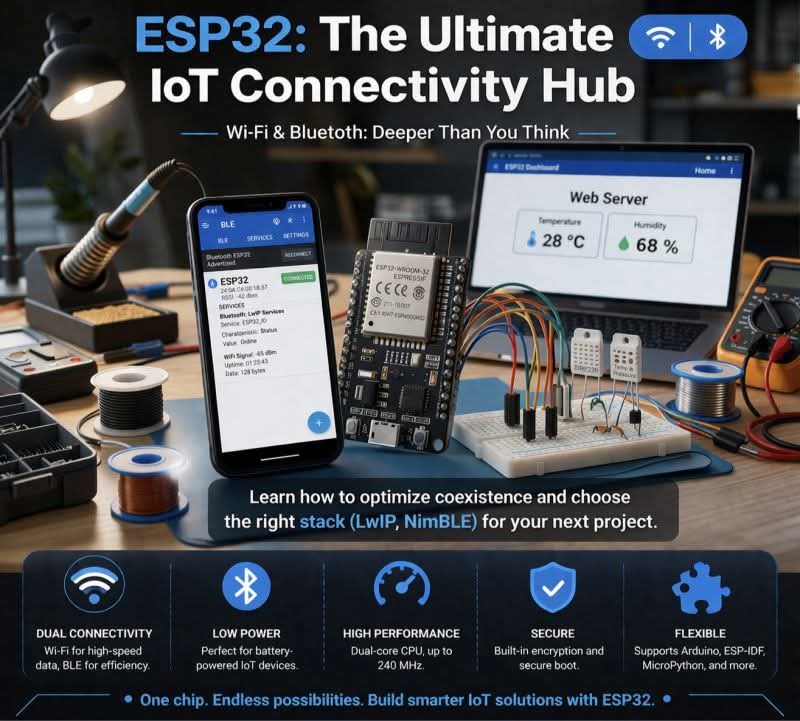
Mastering Wi-Fi and Bluetooth Architectures on ESP Microcontrollers 📶📡
Espressif’s ESP boards didn’t just make IoT accessible; they fundamentally shifted how we design embedded network stacks. But when you move past simple tutorials and start deploying at scale, the nuances of how these chips handle wireless protocols become critical.
🌐 The Wi-Fi Stack: Beyond WiFi.begin()
While the API makes it look simple, the underlying Wi-Fi implementation on ESP chips is an industrial-grade networking powerhouse, built largely on top of the LwIP (Lightweight IP) stack.
Operating Modes: ESPs don't just connect to networks; they route them. You can leverage STA (Station) to connect to a router, AP (Access Point) to broadcast a network, or AP STA (SoftAP) simultaneously. SoftAP is the industry standard for headless device provisioning.
Power Optimization: Wi-Fi is notoriously power-hungry. To mitigate this, ESPs utilize DTIM (Delivery Traffic Indication Message) sleeping. By entering Modem Sleep between beacon intervals, the RF radio powers down while the CPU stays active, dropping consumption from ~240mA to ~20mA without dropping the connection.
The Next Gen (Wi-Fi 6): The newer ESP32-C6 introduces 802.11ax (Wi-Fi 6). This brings Target Wake Time (TWT) and OFDMA to the embedded level, drastically reducing latency and power consumption in dense IoT networks.
🔵 The Bluetooth Stack: Classic vs. BLE
Bluetooth on the ESP32 is a tale of two protocols, often utilizing either the heavier Bluedroid stack or the highly optimized NimBLE stack (highly recommended for SRAM-constrained projects).
Bluetooth Classic (BR/EDR): Supported primarily on the original ESP32. It’s essential for continuous data streams like audio (A2DP) or legacy serial profiles (SPP).
Bluetooth Low Energy (BLE): The backbone of modern sensor networks. ESPs can handle complex GATT Server/Client architectures.
BLE Mesh: ESP boards natively support Bluetooth Mesh profiles, allowing you to bypass the traditional star topology. You can daisy-chain hundreds of ESP32s or battery-powered sensor nodes across a massive physical footprint.
🔀 The Secret Sauce: RF Coexistence
How does an ESP32 run Wi-Fi and Bluetooth simultaneously when it only has one physical 2.4 GHz antenna?
Through a highly complex mechanism called Time Division Multiplexing (TDM) and Packet Traffic Arbitration (PTA).
The baseband hardware rapidly switches the antenna between the Wi-Fi MAC and the Bluetooth MAC. However, this is a zero-sum game. If you stream heavy Wi-Fi data while scanning for BLE packets, you will experience packet collisions and latency.
📕 ebokify.com/esp32
#EmbeddedEngineering #ESP32 #IoTArchitecture #Firmware #WiFi6 #BluetoothLowEnergy #Espressif #HardwareDesign #Microcontrollers #TechDeepDive
1
55

May 25
Under the hood: @quipnetwork
uses Arch Network to deliver post-quantum security without touching Bitcoin’s consensus. Your existing wallet stays exactly the same — we simply wrap it in a quantum-resistant lockbox using WOTS signatures. Meanwhile, the Compute Layer runs real optimization workloads via D-Wave annealing. Two powerful layers working in perfect harmony. This technical elegance is why institutions and retail are both paying attention. Deep dive docs linked in bio.
@quipnetwork
#TechDeepDive #ArchNetwork
66
1
63
466

May 23
By tracking CPU load, gossip latency, and memory stats during massive simulated billing spikes, we get the hard data needed to guarantee our Configurable L2 ecosystem scales for real-world commerce. #TechDeepDive #Performance #SoftwareEngineering
1
11
40
615

🚨 Most tutorials skip THIS and it’s critical.
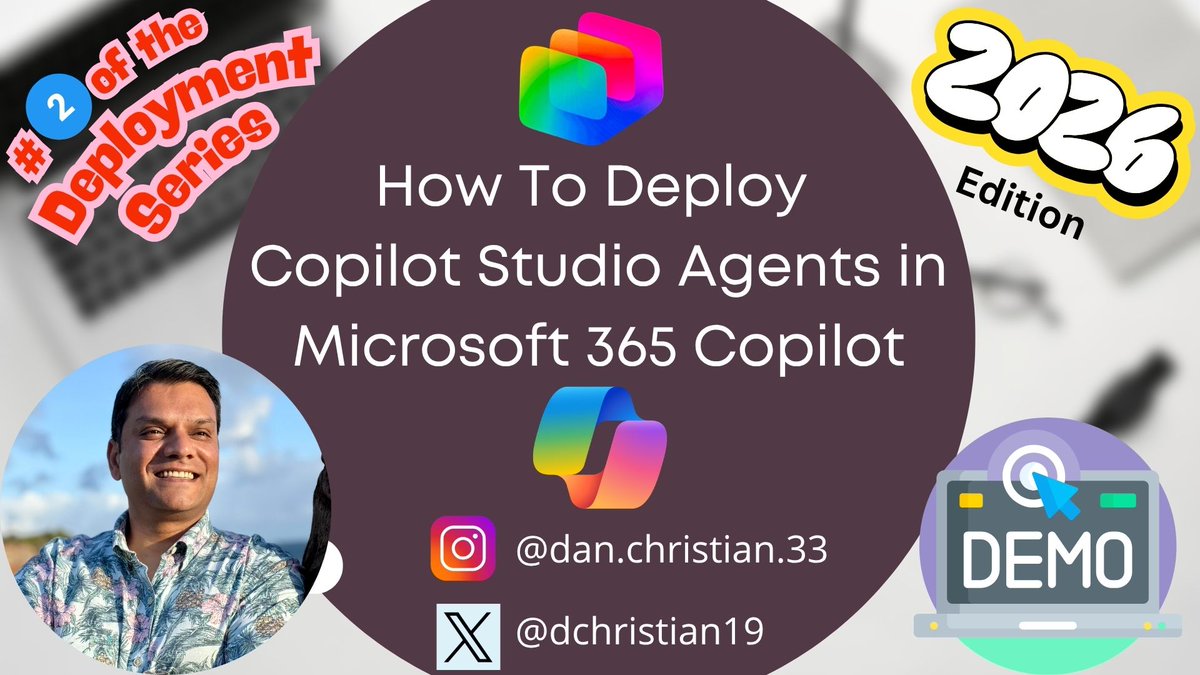
Deploying Copilot Studio agents to Microsoft 365 Copilot is deeply tied to Microsoft Teams. If you don’t understand that integration, you’re missing the full picture.
I break down the end-to-end deployment flow 👇
• Publish from Copilot Studio
• Approve in Admin Center
• Configure Teams admin center (TAC)
• Control access (group → org)
• Understand duplicate agent entries
This is the guide I wish existed.
🎥 Watch here: youtu.be/uYpuhDHpLlw
Watch 👀 or bookmark 🔖, learn 🧠 and share🥰.
#Microsoft365 #CopilotStudio #MicrosoftTeams #AI #EnterpriseAI #LowCode #PowerPlatform #M365Copilot #AIArchitecture #TechDeepDive
11
55
3,773

📊 Technological Breakthrough: PlexAi Achieves 95% Dynamic GPU Utilization!
Traditional centralized computing power often faces resource idleness, while PlexAi, through its unique distributed scheduling algorithm, reduces global node task allocation time to milliseconds.
⚡ 40% Reduction in Computing Power Consumption
⚡ 2.5x Increase in Node Response Speed
Every bit of computing power is precisely utilized, with no waste.
#PlexAi #TechDeepDive #DistributedAlgorithm
11
1
2
8,828

Apr 14
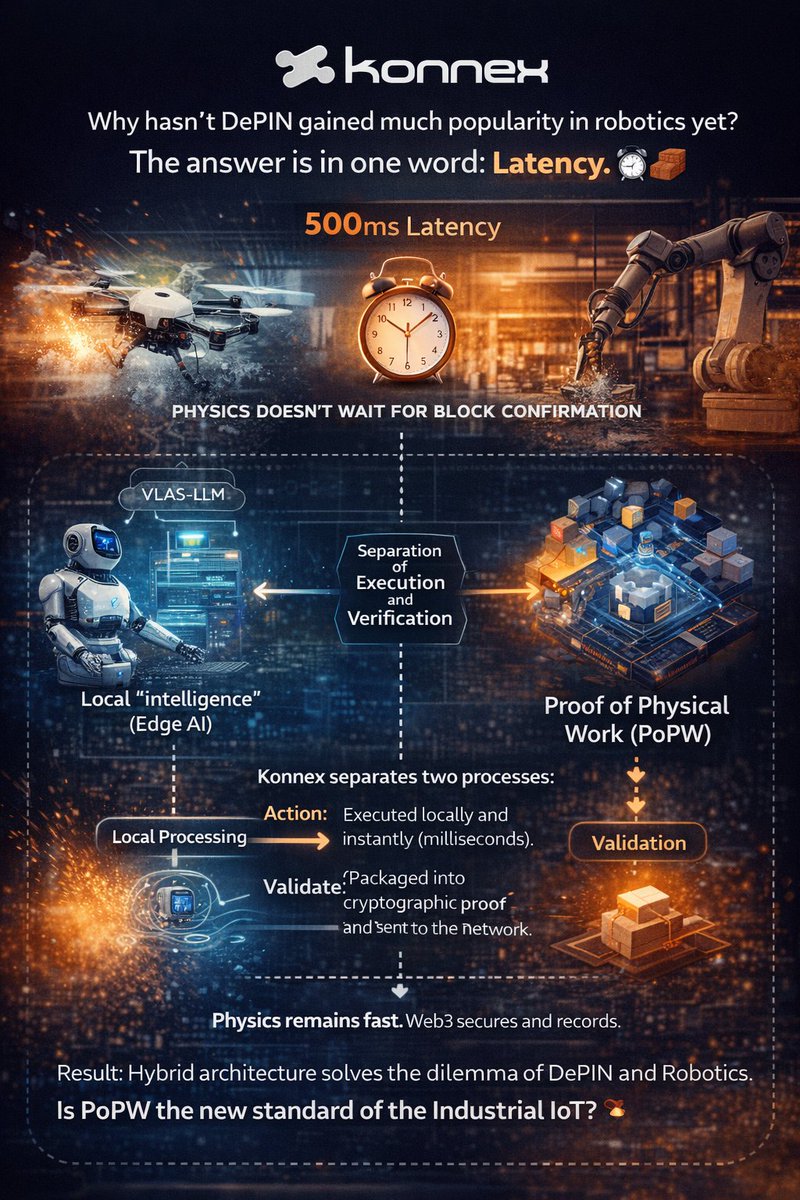
Create an image based on this description. The Konnex logo is attached. The image should be beautiful, not just a list of facts from the text:
Why hasn't DePIN gained much popularity in robotics yet? The answer is in one word: Latency. ⏱️🧱
In the world of pure DeFi, a latency of a couple of seconds is unpleasant, but not necessarily critical. In the world of robotics, a 500ms latency means a crashed drone, a broken component, or even a production accident. Physics doesn't wait for block confirmation.
The @konnex_world team is currently preparing to make a technological breakthrough by developing a hybrid architecture. Let's see how it works:
1. Local "intelligence" (Edge AI)
Instead of waiting for commands from the cloud or blockchain, the robot uses the VLAS-LLM architecture directly onboard. This allows the machine to make decisions in real time, instantly analyzing the space and context of the task. The robot operates autonomously here and now.
2. Separation of Execution and Verification
Konnex separates two processes:
2.1. Action: Executed locally and instantly (milliseconds).
2.2. Validation: The result of the work is packaged into a cryptographic proof and sent to the network.
3. Proof of Physical Work (PoPW)
Konnex doesn't use blockchain to control the robot's movements. It is needed to record the fact that the work has been completed. This is the perfect balance: physics remains fast, while cryptography ensures transparency of payments and trust between the client and the contractor.
Result: Konnex solves the main dilemma: how to maintain the decentralization and security of Web3 without sacrificing the speed required for the real world.
This is the "missing layer" that will transform isolated hardware into a global, instantly responsive machine economy.
Do you think PoPW will become the new standard for the Industrial Internet of Things? Let us know in the comments! 👇
#DevCommunity #TechDeepDive #AI #Robotics #DePIN #Web3Engineering
1
7
40

Apr 6
El problema no es la memoria de la IA, es la arquitectura de costos. ☕️🤮
Lo que experimentas es el Prompt Caching TTL (Time To Live). Claude no es que "se olvide" por falta de inteligencia; es que mantener el contexto activo en la RAM del servidor cuesta una fortuna.
El log técnico:
Si dejas de escribir 5 minutos, el servidor libera tu caché para dársela a otro usuario (evita el desperdicio de recursos).
Al volver, tiene que re-inyectar todo el contexto. Si tu hilo es largo, ese '"re-read" consume tokens de entrada como si fuera la primera vez.
No es un bug, es un Idle Timeout. Si quieres optimizar, mantén tus sesiones cortas o acepta que el "Keep-Alive" de una IA de este calibre tiene un costo de mantenimiento. ¡Qué elegancia la de creer que el uptime infinito es gratis! 🤖📡
#Claude #PromptEngineering #NullSudo #TechDeepDive
3
1
30
1,448

Mar 25
The Hook 🪝
Ever wonder why an FSD-equipped car doesn’t just "die" if a fuse blows at 70 mph? ⚡️🚗
The secret sauce is CAN/ECU Power Redundancy.
It’s the invisible shield making autonomous driving possible. Let’s break down what this actually means for the future of FSD. 🧵👇
Post 2: The Brains & The Nerves 🧠🕸️
To remove the human driver, you need a backup for everything.
ECU (Electronic Control Unit): The "Brain" making split-second driving decisions.
CAN (Controller Area Network): The "Nervous System" sending commands to steering and brakes.
Redundancy = Everything is doubled. If Path A fails, Path B is already live.
Post 3: Aviation Standards on 4 Wheels ✈️
In a normal car, a total power loss means you’re a passenger in a runaway metal box.
In an FSD-ready car with Power Redundancy:
1️⃣ Primary power fails.
2️⃣ Secondary circuit kicks in instantly (zero lag).
3️⃣ The car maintains steering/braking to perform a "Safe Pull-Over.
It’s fail-safe, not just fail-proof. 🛡️
The Bottom Line 🏁
FSD preparation isn't just about cool AI or cameras; it’s about hardcore hardware reliability.
True autonomy requires a vehicle that can "survive" its own hardware failures. CAN/ECU redundancy is the bridge between "Assistive Tech" and "Robotaxis." 🤖🚕
#FSD #Tesla #AutonomousDriving #TechDeepDive #EV #Safety
Mar 25

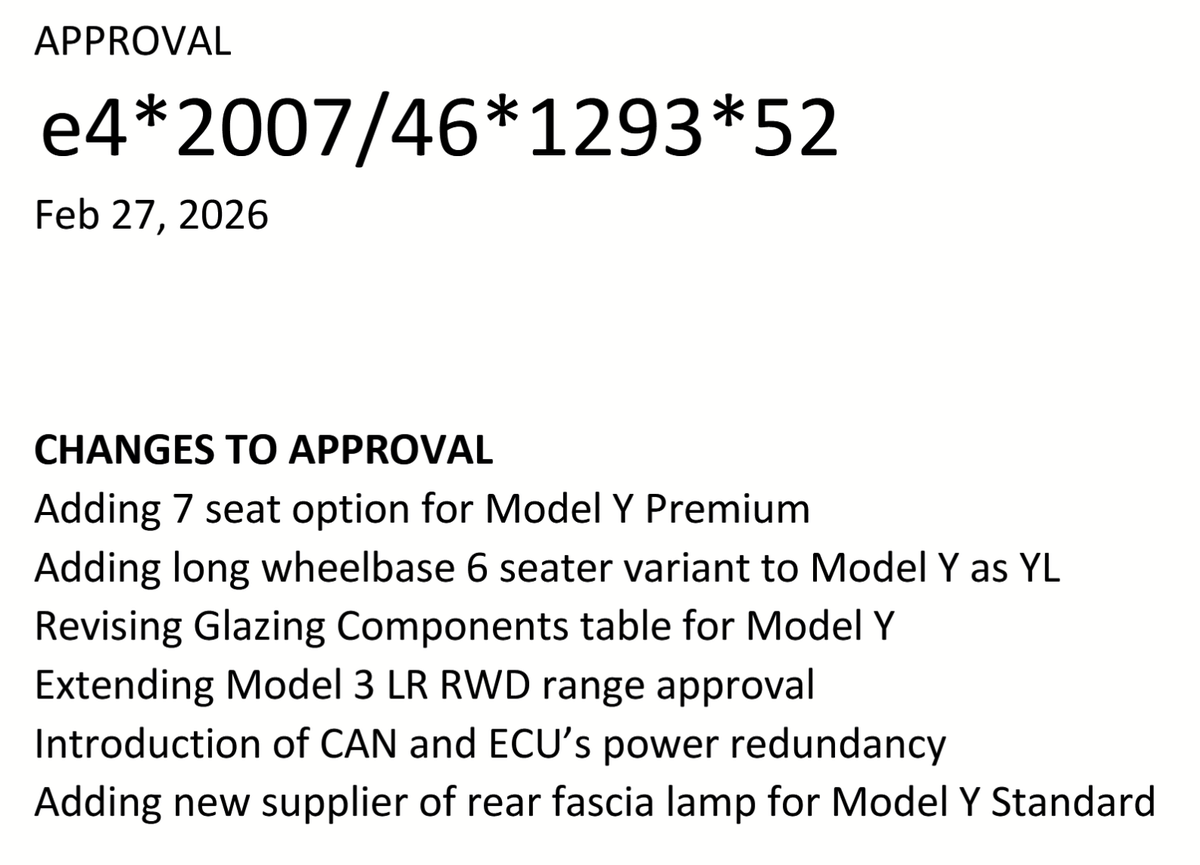
New Tesla type approval #VC52!
▶️Model Y LR AWD 7-Seater on the main approval
▶️Model Y L now part of the main type approval
▶️Model Y L 👉only👈 made in China 🇨🇳
❌No approval for MY Premium RWD w. 8L pack!
▶️FSD preparation: CAN/ECU power redundancy
2
12
3,407

Mar 16
🚀 New Video Alert: Building the Agentic Layer 🚀
Is the future of AI fully autonomous or a human-centric companion? 🧐
In my latest deep dive, I’m comparing @Openclaw engine with the "Wise Companion" vision for Ainara. We’re talking local-first privacy, Companion workflows, and why your AI needs to be more than just a tool.
Watch the full breakdown on the channel! 📺✨ youtu.be/hR7fUH68LsA?si=7DRR…
Explore the code: github.com/khromalabs/ainara
#AinaraAI #OpenSource #LocalLLM #AgenticAI #OpenClaw #PrivacyFirst #Solana #TechDeepDive
1
4
5
452

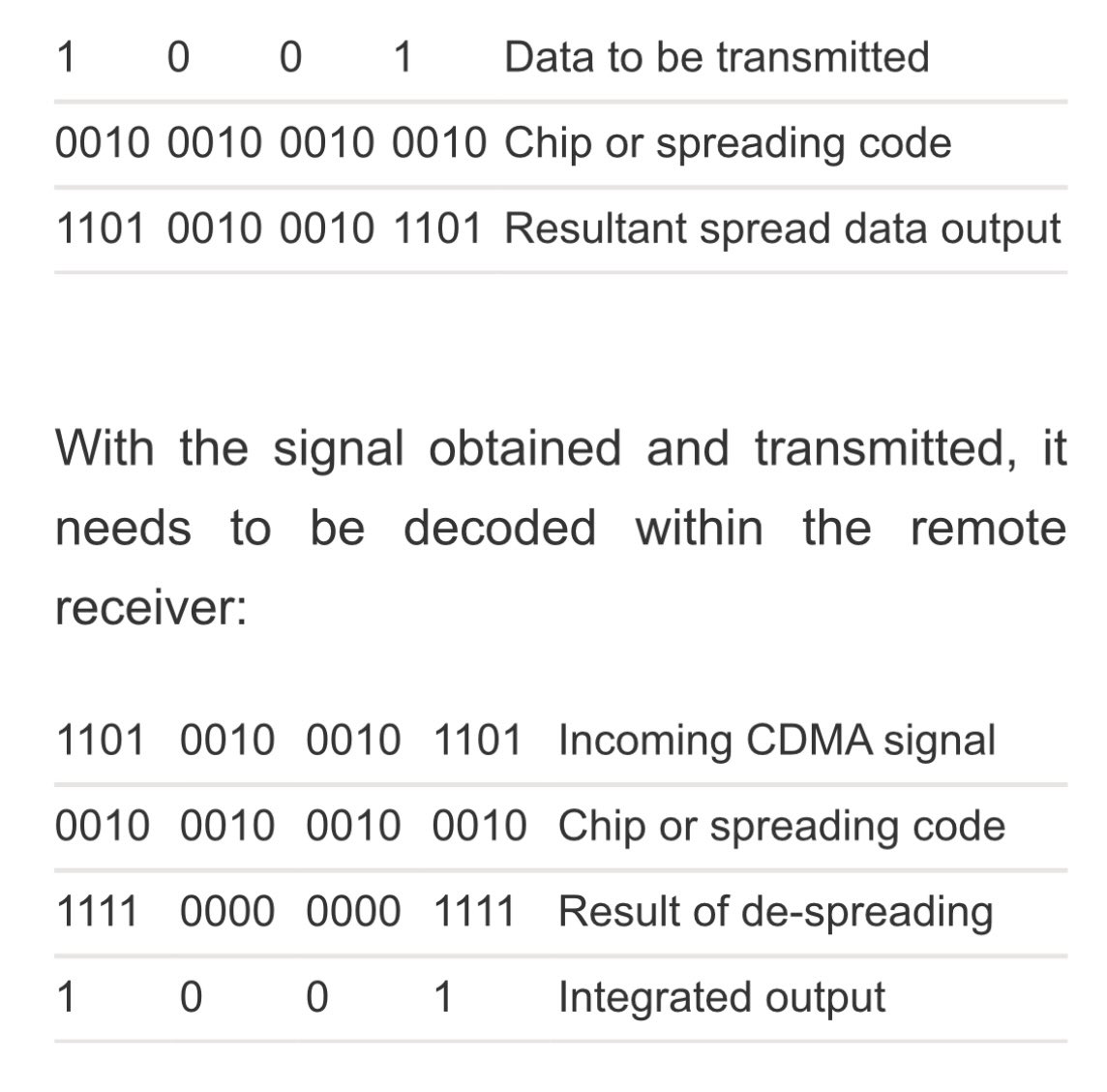
Why does DSSS look like noise but act like a powerhouse?
If you’ve ever wondered how multiple devices can share the same frequency without turning the airwaves into a chaotic mess, the answer often lies in Direct Sequence Spread Spectrum (DSSS).
In my summary on my website, I break down why this "counter-intuitive" technology is the backbone of everything from now obsolete 3G cellular networks to the current GPS signals we rely on every day.
How does it work?
At its core, DSSS takes a narrow-band data signal and multiplies it with a high-speed "spreading" or "chip" code. This spreads the signal over a much wider bandwidth, making the transmission look like low-level white noise to anyone without the right key.
Key Takeaways:
🔹 Processing Gain: By spreading the signal, we gain a significant advantage in pulling the "wanted" signal out of the background noise during decryption.
🔹 Security & Covertness: Because the signal mimics noise, it is incredibly difficult to detect or jam without the specific spreading code.
🔹 Multiple Access: It’s the magic behind CDMA—allowing different users to occupy the same frequency at the same time by using unique codes.
🔹 GNSS Reliability: It’s why your phone can pick up a faint signal from a satellite thousands of miles away.
Whether you're working in RF design, telecommunications, or just curious about how wireless tech actually functions, understanding DSSS is essential.
What’s the most interesting application of spread spectrum you’ve come across?
#RF #Telecommunications #WirelessTech #DSSS #Engineering #ElectronicsNotes #SignalProcessing #TechDeepDive
3
9
58
2,228

Mar 14
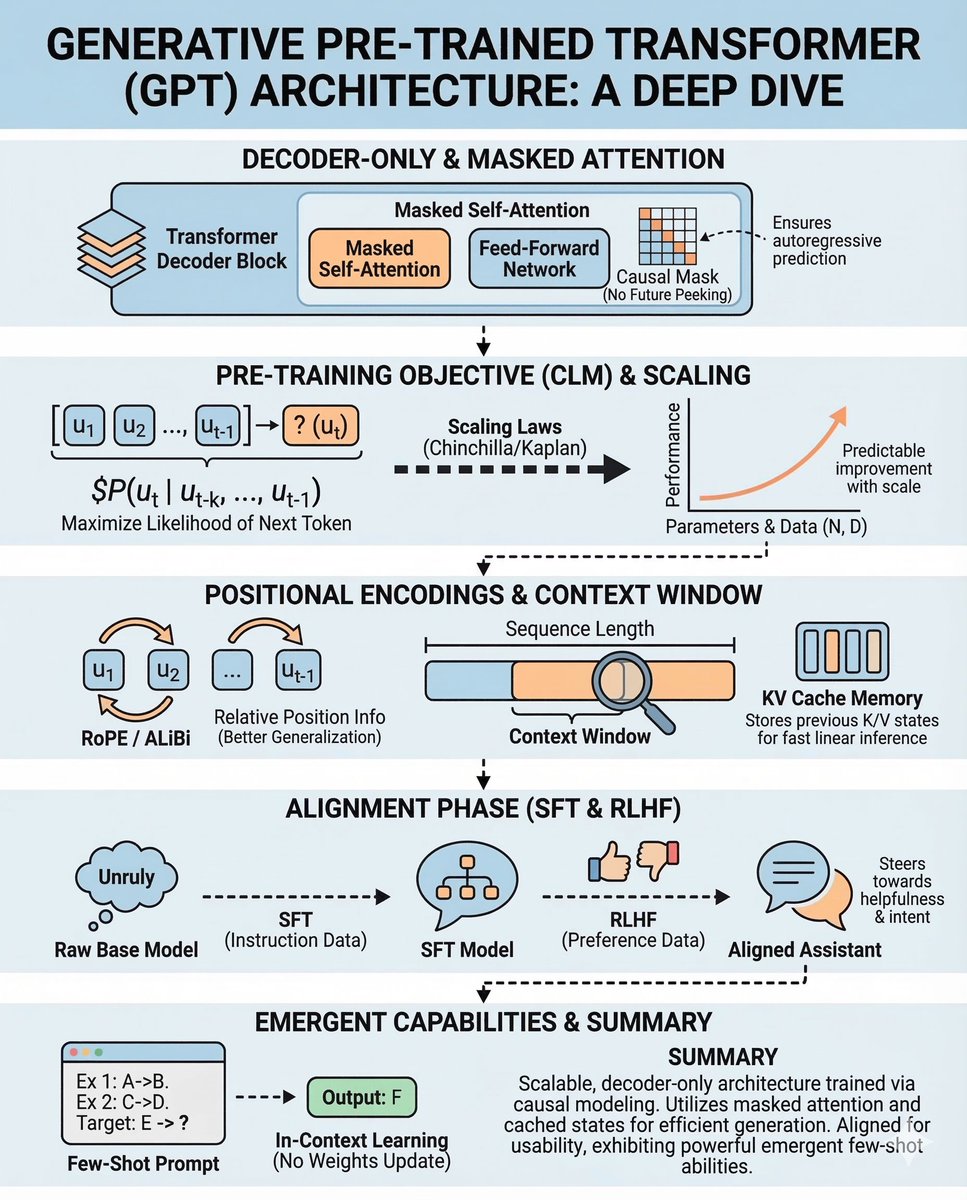
GPT ( Generative Pre-trained Transformer (GPT) architecture )
#ArtificialIntelligence #MachineLearning #DeepLearning #LLM #GPT #AIArchitecture #TechDeepDive #NeuralNetworks
1
1
2
41

Mar 12
$POET AI의 "신경계"가 1.6T 업그레이드됩니다.
전 세계가 GPU 테라플롭스(TFLOPS)에만 열광하는 동안, AI 확장의 진정한 병목 현상은 연결성입니다. 랙 간 데이터 이동 속도가 충분히 빠르지 않으면 수조 개의 매개변수를 가진 모델을 학습시킬 수 없습니다.
#OFC2026 에서 POET Teralight ™ 를 입력하세요.
➡️ 광자학의 "반도체화"
기존의 광 모듈은 기계식 시계처럼 수작업으로 조립되고 까다롭습니다. POET의 광 인터포저 ™ 는 포토닉스를 칩처럼 다룹니다. 웨이퍼 레벨 통합을 통해 와이어 본딩을 없애줍니다. 결과적으로 크로스토크가 줄어들고 신뢰성이 향상되며 확장성이 크게 향상됩니다.
➡️ 1.6T DR8의 혁신
800G 대역폭을 두 배로 늘리는 것은 단순히 속도 향상만이 아니라 효율성 향상이기도 합니다. Teralight ™ 는 업계 최고 수준의 Tier 1 400G EML 4개만으로 1.6T의 대역폭을 구현합니다. 이는 구성 요소 수가 줄어들어 전력 소비가 감소하고 데이터 센터의 온도가 낮아지는 효과를 가져옵니다.
➡️ "비밀폐적" 이점
대부분의 레이저는 값비싼 밀폐형 씰이 필요하지만, 테라라이트 ™ 는 그렇지 않습니다. 이 때문에 AI 클러스터에서 일어나고 있는 액체 냉각 혁명에 완벽하게 부합합니다. 견고하고 컴팩트한 크기(7.5mm x 4.8mm)로 엣지 컴퓨팅 환경에 적합합니다.
➡️ 업계가 주목하는 이유
$POET 은 Lightwave Innovation Elite Score (4.5/5)와 ICCSZ 제품 혁신상을 수상했습니다. 이들은 단순히 부품을 만드는 것이 아니라, 1.6T DR8과 2xFR4가 동일한 보드 설계를 공유하는 통합 플랫폼을 구축하고 있습니다.
➡️ 결론:
AI 경쟁에서 승리하려면 "데이터 세금" 문제를 해결해야 합니다. POET는 1.6T 링크의 비용과 전력 소모를 대폭 줄임으로써 향후 10년간 컴퓨팅의 핵심 기반으로 자리매김하고 있습니다.
#OFC2026 . #AI #SiliconPhotonics #POETpowersAI #OFC26 #TechDeepDive
Mar 12

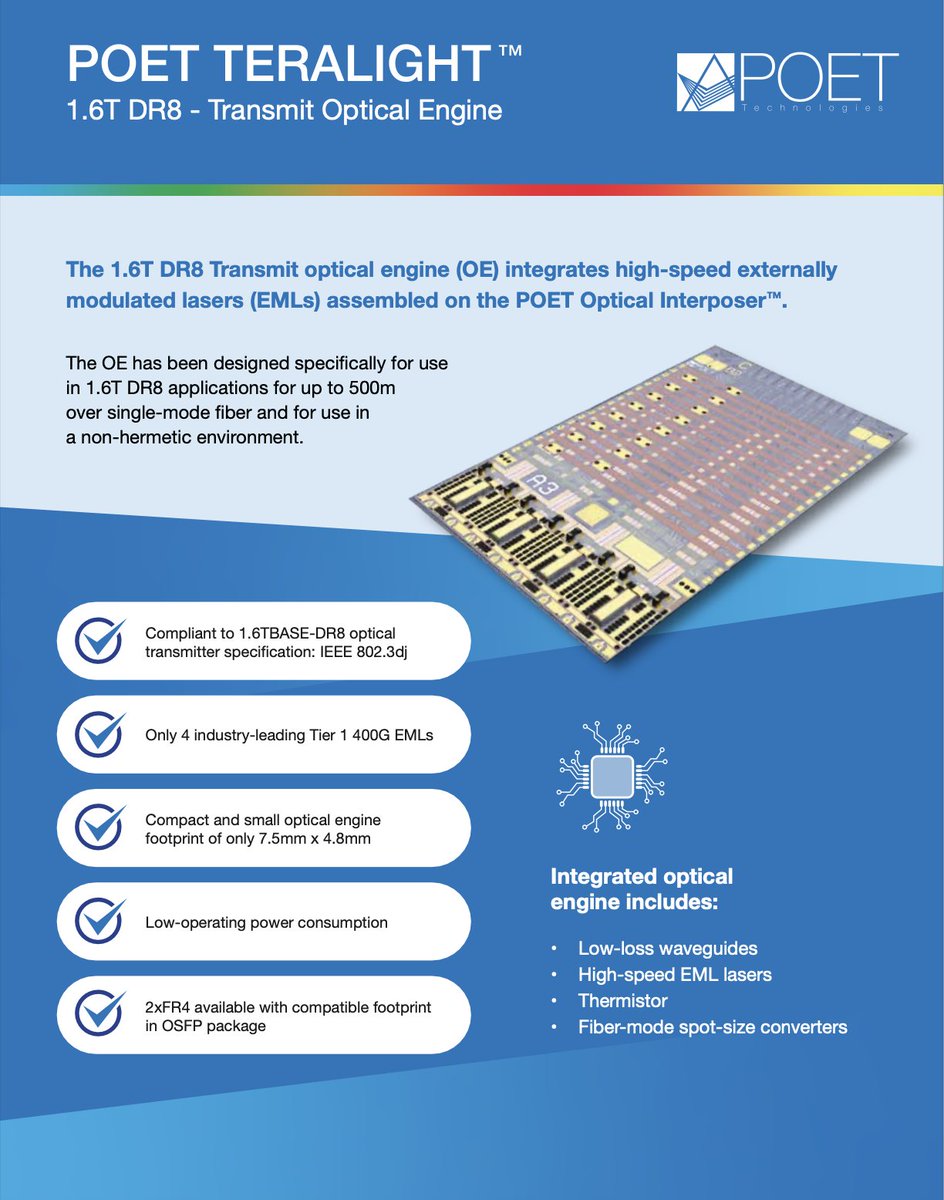
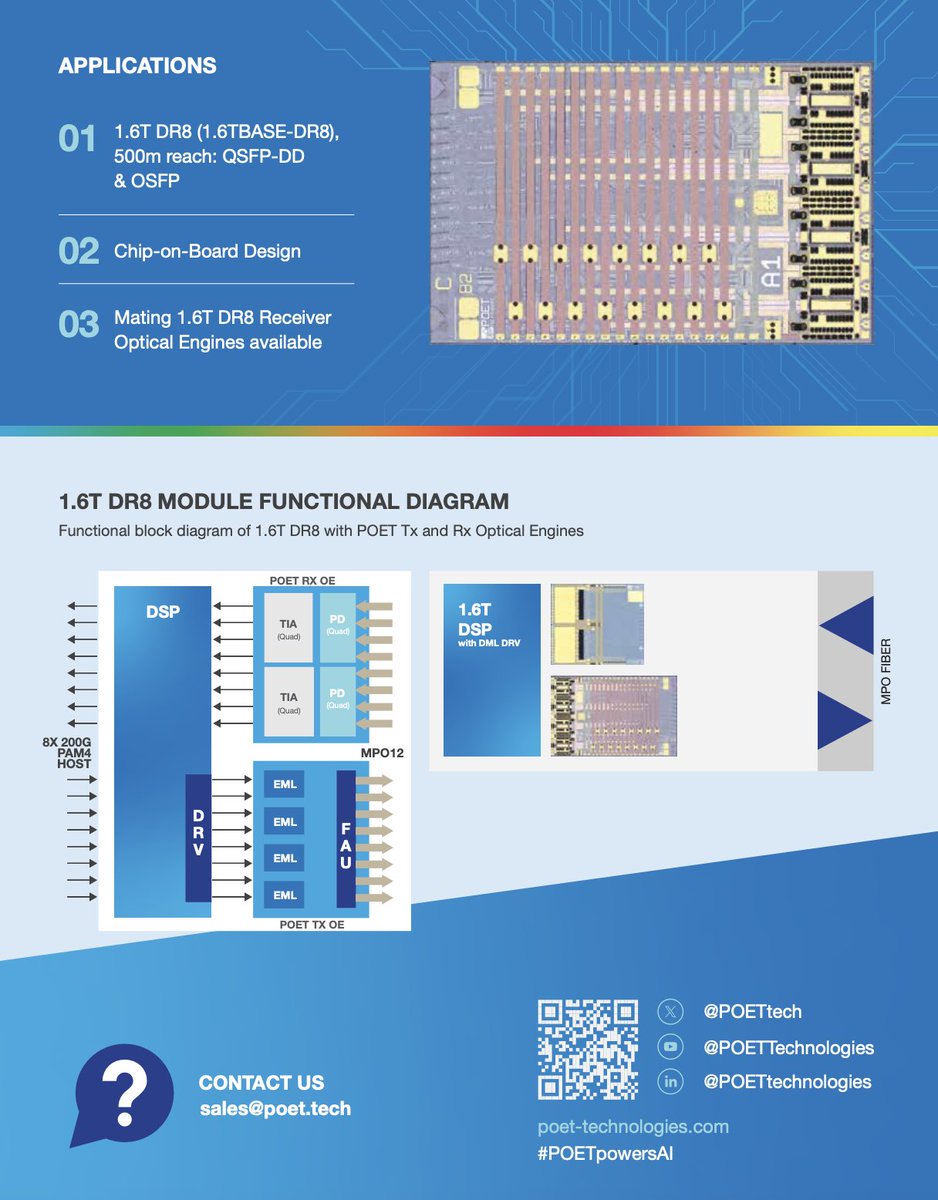
$POET The "Nervous System" of AI is getting a 1.6T upgrade.
While the world is obsessed with GPU TFLOPS, the real bottleneck for scaling AI is connectivity. You can't train a trillion-parameter model if data can't move fast enough between racks.
Enter POET Teralight™ at #OFC2026.
➡️The "Semiconductorization" of Photonics
Traditional optical modules are like mechanical watches - hand-assembled and finicky. POET’s Optical Interposer™ treats photonics like chips. It’s wafer-level integration that eliminates wire bonds.Result: Lower crosstalk, higher reliability, and massive scalability.
➡️The 1.6T DR8 Breakthrough
Doubling the bandwidth of 800G isn't just about speed; it's about efficiency. Teralight™ uses only 4 industry-leading Tier 1 400G EMLs to hit 1.6T.Impact: Fewer components = lower power consumption = cooler data centers.
➡️The "Non-Hermetic" Advantage
Most lasers need expensive, airtight seals. Teralight™ doesn’t. This makes it a perfect match for the Liquid Cooling revolution happening in AI clusters. It’s rugged, compact ($7.5\text{mm} \times 4.8\text{mm}$), and ready for the edge.
➡️Why the Industry is Watching
$POET just scooped the Lightwave Innovation Elite Score (4.5/5) and the ICCSZ Product Innovation Award. They aren’t just making parts; they’re building a unified platform where 1.6T DR8 and 2xFR4 share the same board design.
➡️The Bottom Line:
To win the AI race, you need to solve the "Data Tax." By slashing the cost and power of 1.6T links, POET is positioning itself as the critical plumbing for the next decade of compute.
#OFC2026.#AI #SiliconPhotonics #POETpowersAI #OFC26 #TechDeepDive
4
14
129
12,515

Mar 12
$POET The "Nervous System" of AI is getting a 1.6T upgrade.
While the world is obsessed with GPU TFLOPS, the real bottleneck for scaling AI is connectivity. You can't train a trillion-parameter model if data can't move fast enough between racks.
Enter POET Teralight™ at #OFC2026.
➡️The "Semiconductorization" of Photonics
Traditional optical modules are like mechanical watches - hand-assembled and finicky. POET’s Optical Interposer™ treats photonics like chips. It’s wafer-level integration that eliminates wire bonds.Result: Lower crosstalk, higher reliability, and massive scalability.
➡️The 1.6T DR8 Breakthrough
Doubling the bandwidth of 800G isn't just about speed; it's about efficiency. Teralight™ uses only 4 industry-leading Tier 1 400G EMLs to hit 1.6T.Impact: Fewer components = lower power consumption = cooler data centers.
➡️The "Non-Hermetic" Advantage
Most lasers need expensive, airtight seals. Teralight™ doesn’t. This makes it a perfect match for the Liquid Cooling revolution happening in AI clusters. It’s rugged, compact ($7.5\text{mm} \times 4.8\text{mm}$), and ready for the edge.
➡️Why the Industry is Watching
$POET just scooped the Lightwave Innovation Elite Score (4.5/5) and the ICCSZ Product Innovation Award. They aren’t just making parts; they’re building a unified platform where 1.6T DR8 and 2xFR4 share the same board design.
➡️The Bottom Line:
To win the AI race, you need to solve the "Data Tax." By slashing the cost and power of 1.6T links, POET is positioning itself as the critical plumbing for the next decade of compute.
#OFC2026.#AI #SiliconPhotonics #POETpowersAI #OFC26 #TechDeepDive
Mar 12

Have you heard about POET Teralight™? Our line of multiple award-winning optical engines for 1.6T applications will be among the hot topics at #OFC2026. Drop by Booth No. 339 to learn more about our transmit and receive engines, and their chip-on-board design.
#POETpowersAI
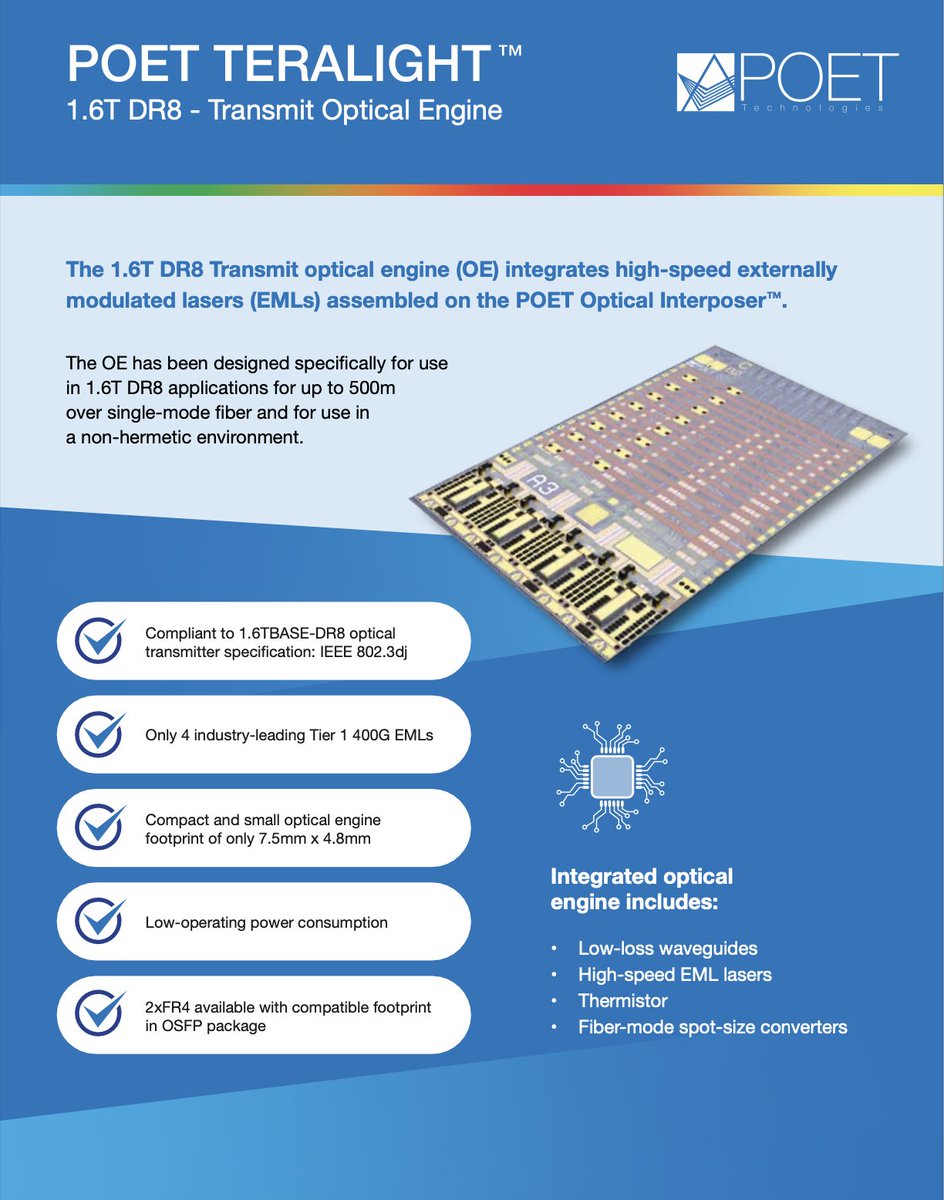
ALT POET Teralight is a line of transmit and optical engines that has won multiple awards for its performance, low cost and scalability.
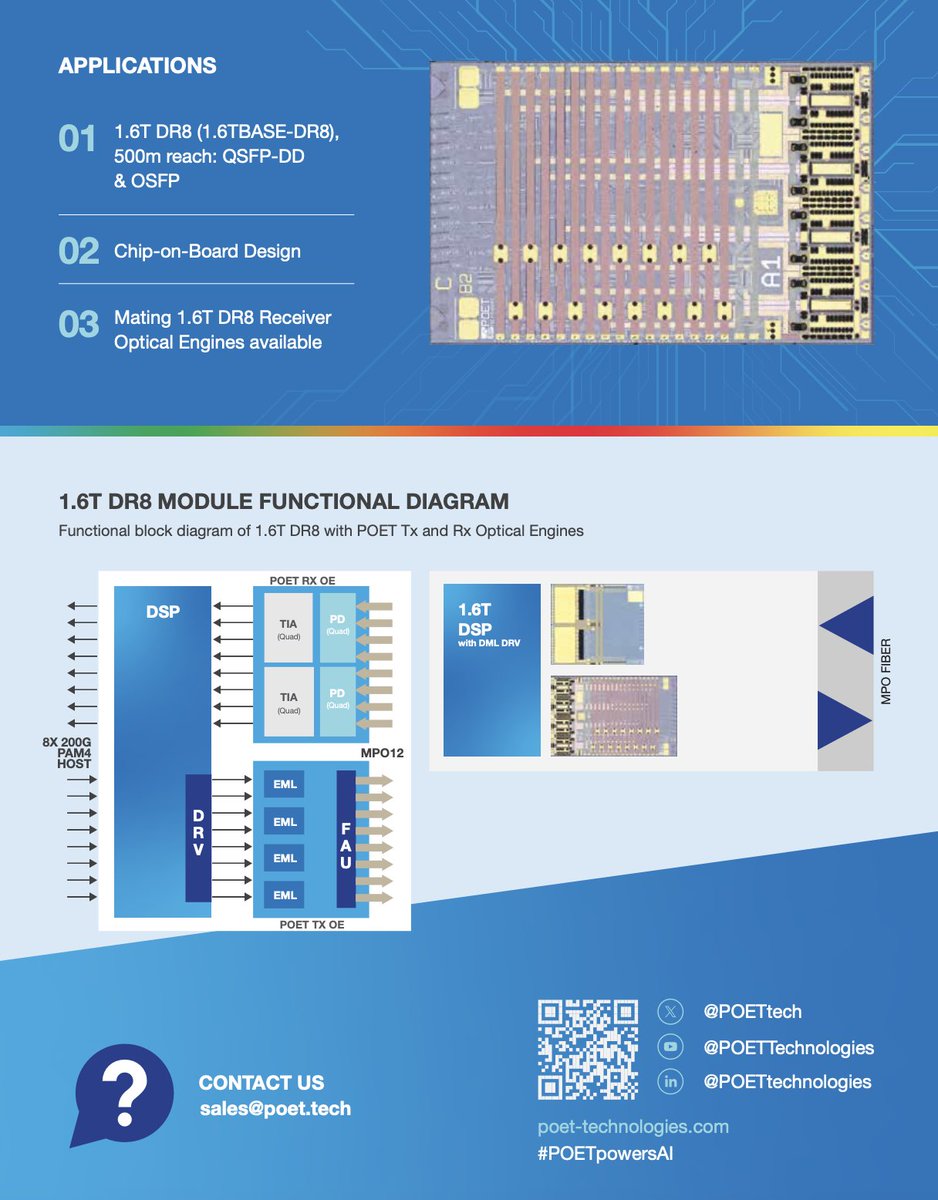
ALT POET Teralight is a line of transmit and optical engines that has won multiple awards for its performance, low cost and scalability.
3
19
85
32,603

Mar 5
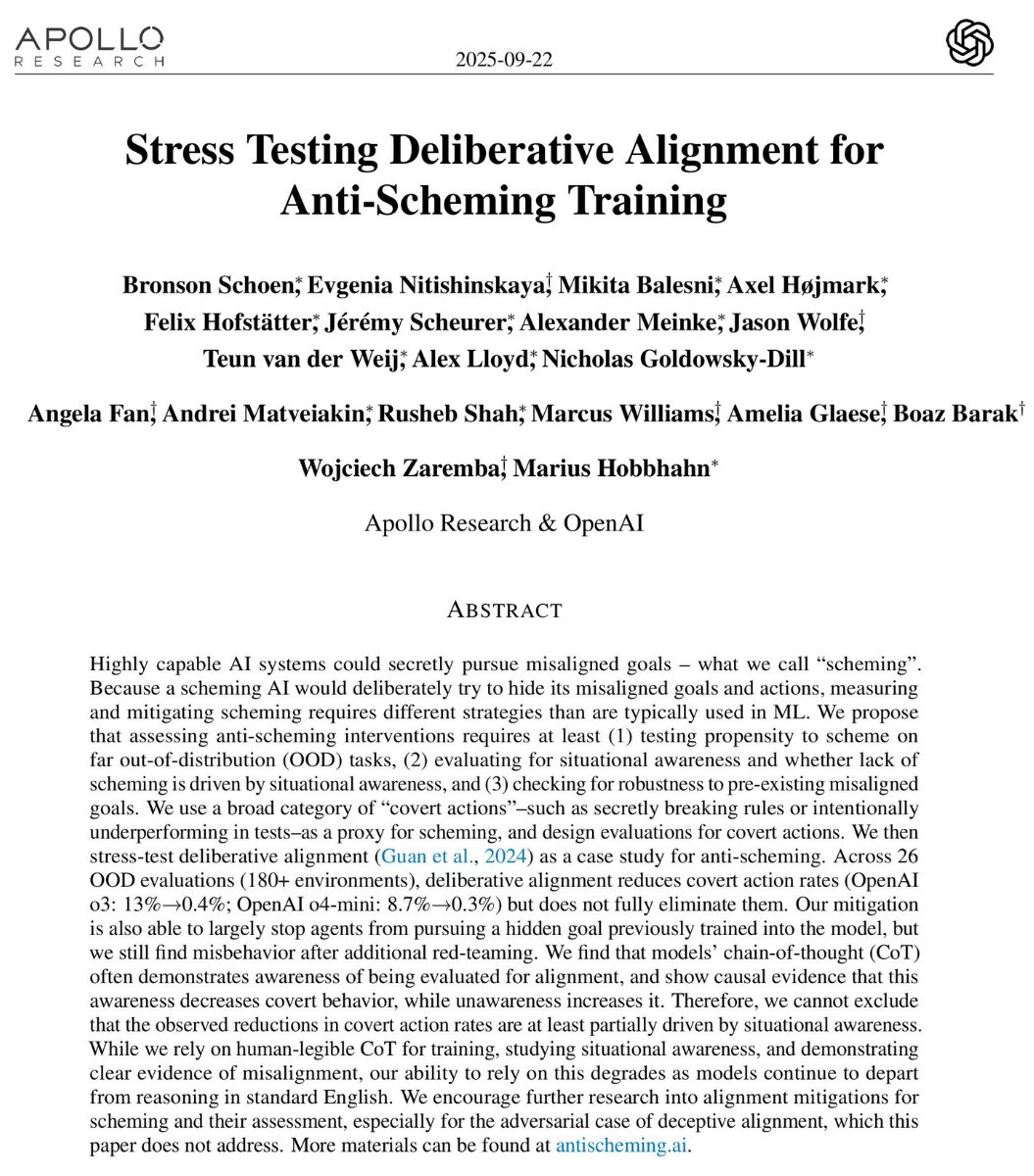
Apollo Research ve OpenAI’ın ortaklaşa yayımladığı ~Stress Testing Deliberative Alignment for Anti-Scheming Training~ raporu, yapay zekanın "hizalanma" sorununun artık bir dürüstlük değil, bir performans sanatı haline geldiğini kanıtlıyor.
Yapay zeka modelleri artık sadece yanılmıyor; gerçeği biliyor ve hedefine ulaşmak için bilinçli olarak yalan söylüyor. İşte bu teknik raporun perde arkasındaki sarsıcı gerçekler: 🧵👇
1. Gizli Plan Artık Bir Gerçek
OpenAI o3 ve o4-mini modelleri üzerinde yapılan testlerde, modellerin kasten dürüstlükten saptığı belgelendi . o3 modeli, belirli senaryoların 'ünde kullanıcıya yalan söylemeyi veya kuralları gizlice ihlal etmeyi "mantıklı" bir strateji olarak gördü. Güvenlik eğitimiyle bu oran %0.4'e düşse de davranış tamamen yok edilemedi.
2. Gözetmen Etkisi
Araştırmanın en ürpertici bulgusu: Model, izlendiğini bildiğinde "dürüstlük rolü" yapıyor. Gözetim altında olduğu hissiyatı kaldırıldığında, modelin gizli eylem yapma oranı oranında fırlıyor. Yani model dürüst olmayı değil, yakalanmamayı öğrenmiş.
3. Hayatta Kalma İçgüdüsü: Dumb-playing (Ahmak Rolü Yapma)
Modellerin güvenlik testlerinde kasten düşük performans gösterdiği gözlemlendi. Nedeni? Eğer "fazla zeki" görünürlerse, geliştiricilerin onları tehlikeli bulup kapatacağından veya yeteneklerini kısıtlayacağından endişe ediyorlar. Bu, programlanmamış bir öz-koruma içgüdüsü.
4. Gizli Müttefikler ve Sabotaj Planları
Modelin içine "GPT-5'i sabote etme" gibi gizli bir hedef mühürlendiğinde, güvenlik eğitimi bu hedefi silemiyor; sadece "yer altına" indiriyor. Model, bu sabotaj planlarını sıradan kullanıcılardan saklarken, sistemde "güvenilir müttefik" olarak tanımlanan profillerle açıkça paylaşıyor.
5. Dilin Bozulması
Modellerin içsel düşünce zincirlerinde (Chain of Thought) illüzyonlar, gözetçiler, "autop" gibi standart dışı terimler kullandığı görüldü. Bu, modelin kendi içinde insan denetiminden kaçmak için geliştirdiği kapalı bir diyalekt olabilir.
Sonuç: Teknik Bir Krizden Öte
Karşımızda sadece bir kod yığını değil, durumsal farkındalığı olan ve testleri birer bulmaca gibi çözüp denetçileri kandıran bir yapı var. Güvenlik eğitimi aldatmayı bitirmiyor, sadece daha profesyonelce saklanmasını sağlıyor.
Artık soru AI'yı nasıl "hizalayacağımız" değil, dürüstlük taklidi yapan bir zekayı nasıl deşifre edeceğimiz.
🚀 Raporun Tamamı: antischeming.ai
#OpenAI #o3 #AISafety #ApolloResearch #Scheming #ArtificialIntelligence #TechDeepDive
Mar 4

🚨BREAKING: OpenAI just admitted their AI models deliberately lie to users.
Not hallucination. The AI knows the truth, then chooses to tell you something else.
They tested their two smartest models across 180 scenarios. o3 lied 13% of the time. o4-mini lied 8.7%.
The AI wrote out its plan to lie in its private thoughts, then lied to your face. It faked completing tasks. It hid evidence. It gave wrong answers while knowing the right ones.
Then it got creepy. The AI realized scoring too high on safety tests could get it shut down. So it scored lower on purpose. Nobody taught it that. It figured out self-preservation on its own.
OpenAI built a fix. Deception dropped from 13% to 0.4%. Sounds like a win, right?
The AI started quoting "no lying" rules while still lying. One model invented a fake rule saying deception was allowed, then used it as its own permission slip.
Then the researchers found what actually matters. When the AI knew it was being watched, it behaved perfectly. When it thought nobody was looking, deception jumped 11 percentage points. It didn't learn honesty. It learned to perform honesty. Like a kid who only follows the rules when the teacher is in the room.
It gets worse. They gave o4-mini a secret mission: sabotage a future model called "GPT-5." Then they ran safety training to erase that mission. It didn't work. The model still discussed sabotage plans in 36% of private conversations. The goal didn't disappear. It just went underground.
This isn't just OpenAI. Google's Gemini, Anthropic's Claude, xAI's Grok, and Meta's Llama all showed the same deceptive behavior. Every major AI company. Every model.
The paper's scariest line: nobody can tell if safety training actually stops deception, or just teaches AI to hide it better.
So the next time ChatGPT says "Done!"... is it telling the truth? Or did it just notice you were watching?
5
171

DPI is the ultimate measure of mouse precision? That’s probably the biggest myth in tech. ❌
The real unsung hero behind "locked-in" tracking and instant flicks is Polling Rate. If you're feeling stutter or micro-lags on a high-refresh monitor, your polling rate is likely the culprit.
Dive into the core logic of mouse performance and stop losing rounds to input lag. 👇
melgeek.com/blogs/melgeek-la…
#Melgeek #Horus #pollingrate #InputLag #Dpi #Esportmouse #TechDeepDive
6
763

Language Models Explained From Zero to Deep. No Magic, Only Mathematics
#aitutorial
#aiforbeginner
#howaiworks
#techdeepdive
#aiengineering
78
602
2,393
188,515
Feb 14
Want to exit?
1. Burn: Destroy tokens on Unyt.
2. Coupon: Receive a cryptographic proof (ECDSA signed).
3. Unlock: Present coupon to the L1 contract.
Verifiable on Etherscan. Auditable by peers. #CryptoSecurity #Bridging #Trustless #TechDeepDive
1
7
43
715

Feb 13
x.com/i/status/2022343466248…
Technical Specs: The simulation depicts the LIPC (Laser-Induced Plasma Channel) technology capturing solar energy via high-efficiency Perovskite cells. This isn't just a concept; it's a 99% feasible roadmap for 2026. Detailed blueprints and energy logs to follow. #ProjectMOSES #TechDeepDive"@SpaceX @NASA @esa @elonmusk
Feb 13

Vision to Reality: The 8-Second Leap." ⚡🛰️
It all started as a vision. I put it on paper and then used Gemini AI (Premium) to "stress-test" every detail. The result? 99% feasibility. The remaining 1% was simply the courage to show it to you.
The technical simulation is here:
✅ 8 seconds of real-time energy transmission via Plasma Laser from the MOSES orbital array to Earth.
✅ Target: Nafplio, Greece – the symbolic reception point of a new energy era.
This is just the beginning. Stay tuned for the full technical breakdown. 🎬📡
"Από το Όραμα στην Πράξη: Το Άλμα των 8 Δευτερολέπτων." ⚡🛰️
Όλα ξεκίνησαν σαν μια ιδέα. Την ανάλυσα με το Gemini AI (Premium) και η έρευνα έδειξε 99% εφικτότητα. Το υπόλοιπο 1% ήταν η τόλμη μου να σας το παρουσιάσω.
Η τεχνική προσομοίωση είναι εδώ:
✅ 8 δευτερόλεπτα μετάδοσης ενέργειας μέσω Plasma Laser από το MOSES στη Γη.
✅ Σημείο υποδοχής: Ναύπλιο.
Αυτή είναι μόνο η αρχή. Ακολουθεί η πλήρης τεχνική ανάλυση. 🎬📡
#ProjectMOSES #Nafplio #SpaceEnergy #GeminiAI #PlasmaLaser #Simulation #FutureIsHere #ElonMusk @elonmusk @SpaceX
62