
Testing wireless control matrices to manage base color paths and auto-cycling spectrum modes from a distance.
• Part 35 of 51 • Handheld adjustment setup • Real-time spectrum tuning
External controls mean zero disruption to the testing station. #Hookah #WirelessTech #SystemManagement
4

Jun 11
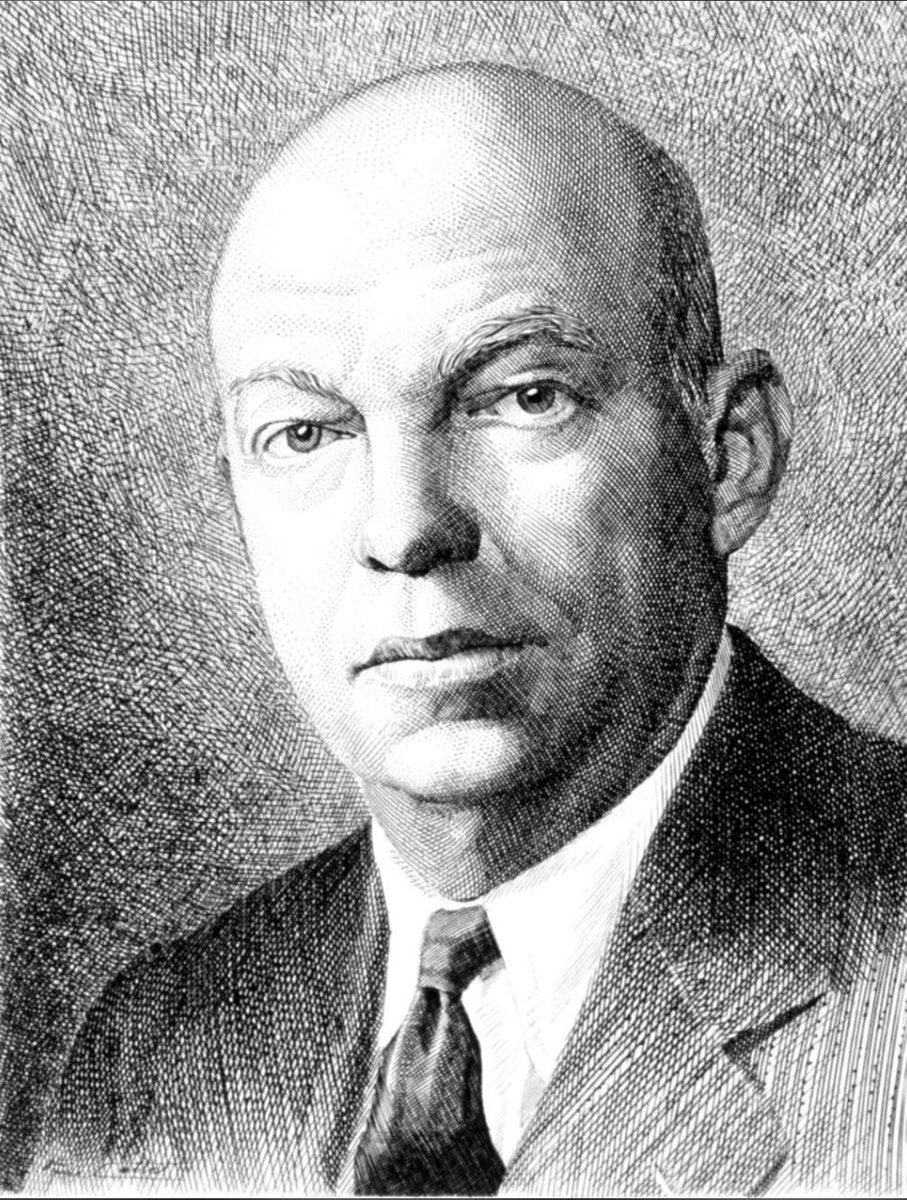
Chester Johnson: "The Mind-Blowing Story of the Soul of Modern Radio: The Birth of the Superheterodyne Patent That Built Ham Radio as it is Today! If you have ever spun the VFO dial on a modern transceiver, or tuned into an AM/FM broadcast station, you are relying on a single monumental engineering breakthrough that was officially certified 106 years ago today.
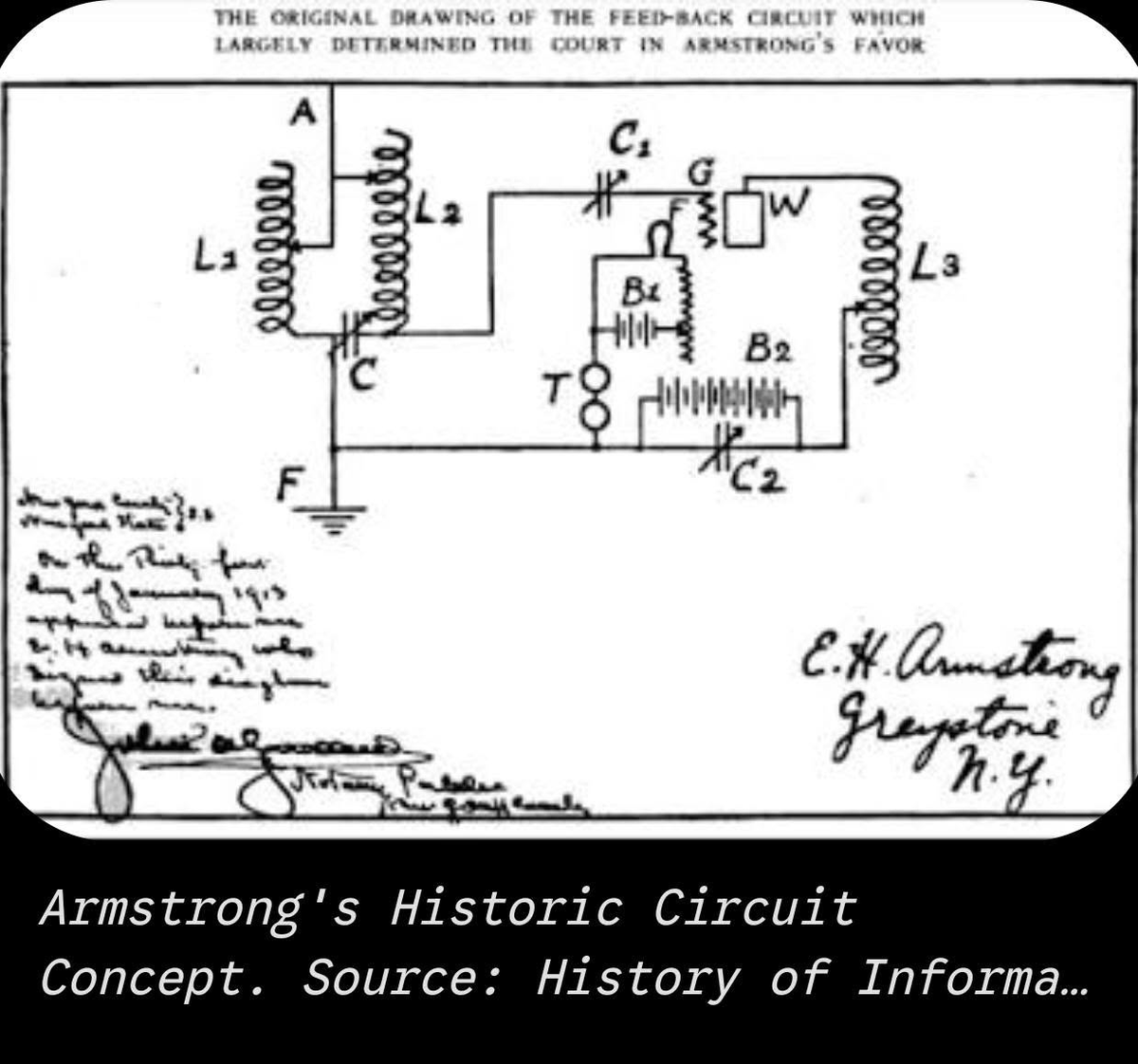
On June 8, 1920, the U.S. Patent Office granted Major Edwin Howard Armstrong patent number 1,342,885 for the Superheterodyne Receiver.
Without the "superhet" architecture, modern electronic communications, and the amateur radio hobby as we know it, would be practically impossible.
The Nightmare of Early Wireless Tuning
To appreciate what Armstrong achieved, you have to look at the chaotic state of radio technology during World War I. Early experimenters and military operators used Tuned Radio Frequency (TRF) or regenerative receivers.
These setups were incredibly temperamental. To change frequencies, an operator had to adjust multiple independent tuning dials simultaneously, trying to keep multiple vacuum tube stages perfectly synchronized.
If one stage drifted even slightly, the entire radio would burst into a deafening, howling shriek of uncontrollable feedback.
Worse still, early vacuum tubes simply couldn't handle high frequencies. Anything above 1 MHz (wavelengths shorter than 300 meters) caused the internal capacitance of the tubes to short out, making the vast majority of the radio spectrum completely deaf and unusable.
Armstrong's Wild Idea: Stop Chasing the Signal
While serving in the U.S. Army Signal Corps in Paris during the war, Armstrong tackled this problem with an entirely new philosophy. Instead of trying to force a fragile amplifier to adjust to every wild, incoming high-frequency signal, why not change the frequency of the incoming signal itself?
Armstrong utilized the phenomenon of heterodyning, the concept that mixing two different frequencies together creates entirely new, predictable "beat" frequencies.
His breakthrough design follows a brilliant chain of logic:
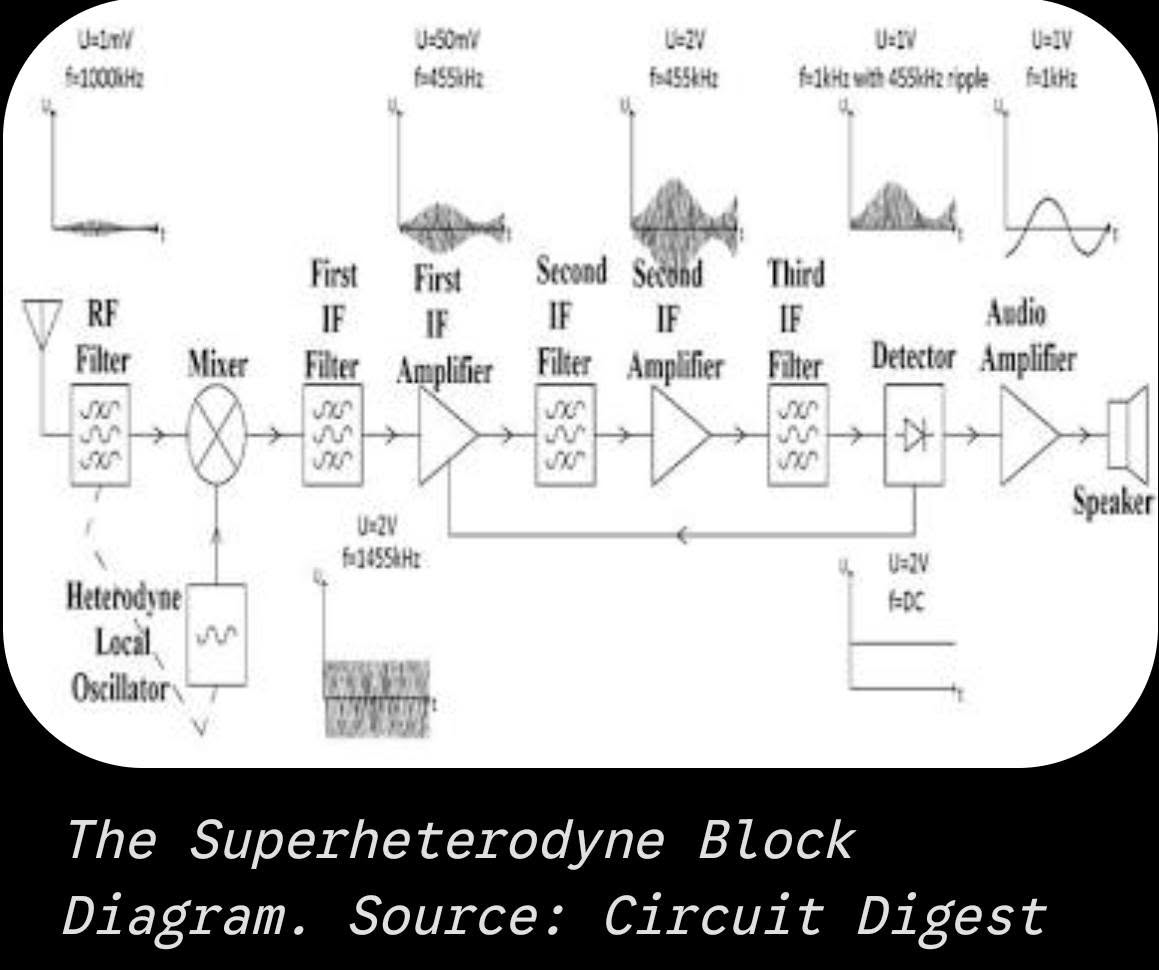
* The Antenna Pick-up: The antenna catches the weak, incoming high-frequency radio signal.
* The Local Oscillator: The radio generates its own internal, steady radio signal using a tunable circuit called a local oscillator.
* The Mixer: The incoming signal and the local oscillator signal are combined in a mixer stage. This creates a brand new, lower signal called the Intermediate Frequency (IF).
* The Fixed IF Strip: No matter what frequency you tune to on the dial, the mixer always outputs the exact same fixed Intermediate Frequency (often 455 kHz in classic AM sets or 10.7 MHz in FM).
Because the Intermediate Frequency never shifts, engineers could finally build specialized, razor-sharp, high-gain amplifiers optimized for just that single frequency. It completely eliminated the multi-dial balancing act and allowed radios to easily listen to ultra-high shortwave frequencies with unmatched sensitivity and selectivity.
The Legacy: While Armstrong later faced brutal, decades-long patent litigation over his inventions, his superheterodyne architecture proved so mathematically perfect that it rapidly became the gold standard worldwide.
From WWII spy radios and legendary vintage tabletop tube rigs to the sophisticated silicon receiver chips inside some software-defined radios, Armstrong’s June 8 patent remains a foundational blueprint of the wireless world."
#TechHistory #HamRadio #WirelessTech #Inventions #RadioHistory
2
13
62
2,247

Jun 10
Wireless fire systems are simplifying installation and maintenance 🔧 Faster setup means quicker protection for buildings of all sizes. #WirelessTech #FireSafety #Innovation #Efficiency

2

Jun 10
Bingfu full-angle adjustable antenna bracket kit. Smooth angle adjustment, heavy-duty base, and a rock-solid nut-locking mechanism that won't budge even in high winds! 🌪️🔒
Easy DIY upgrade. 📦👇
#HamRadio #WirelessTech #VHFRadio #DIY #TechGadgets
1
18

The term “Eatertainment” is a mouthful! And it keeps growing… same expectations, more pressure on staff. Are you using technology to improve team efficiency and keep up with guests? #Ritron can help.
Read to learn more: hubs.li/Q04kPj4k0
#WirelessSolutions #Eatertainment #FamilyFunCenters #Staff #RQA #QuickAssist #DaveAndBusters #Acardes #Radios #Efficiency #WirelessTech #MadeInUSA
2

Invest in your future with a company that invests in you. Get a high paying entry level #sales job in the #wirelesstech industry. Apply to join us in Austin, TX bit.ly/3PPcopL #CellularSales #ClassOf2026
27

Jun 7
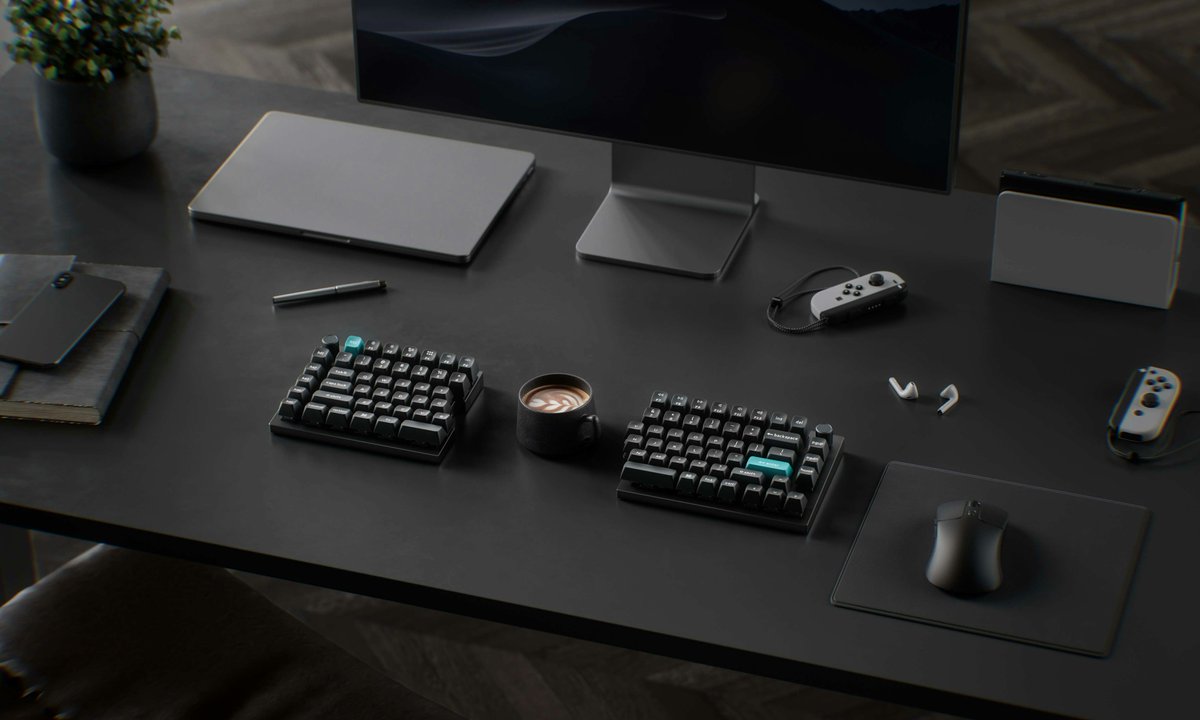
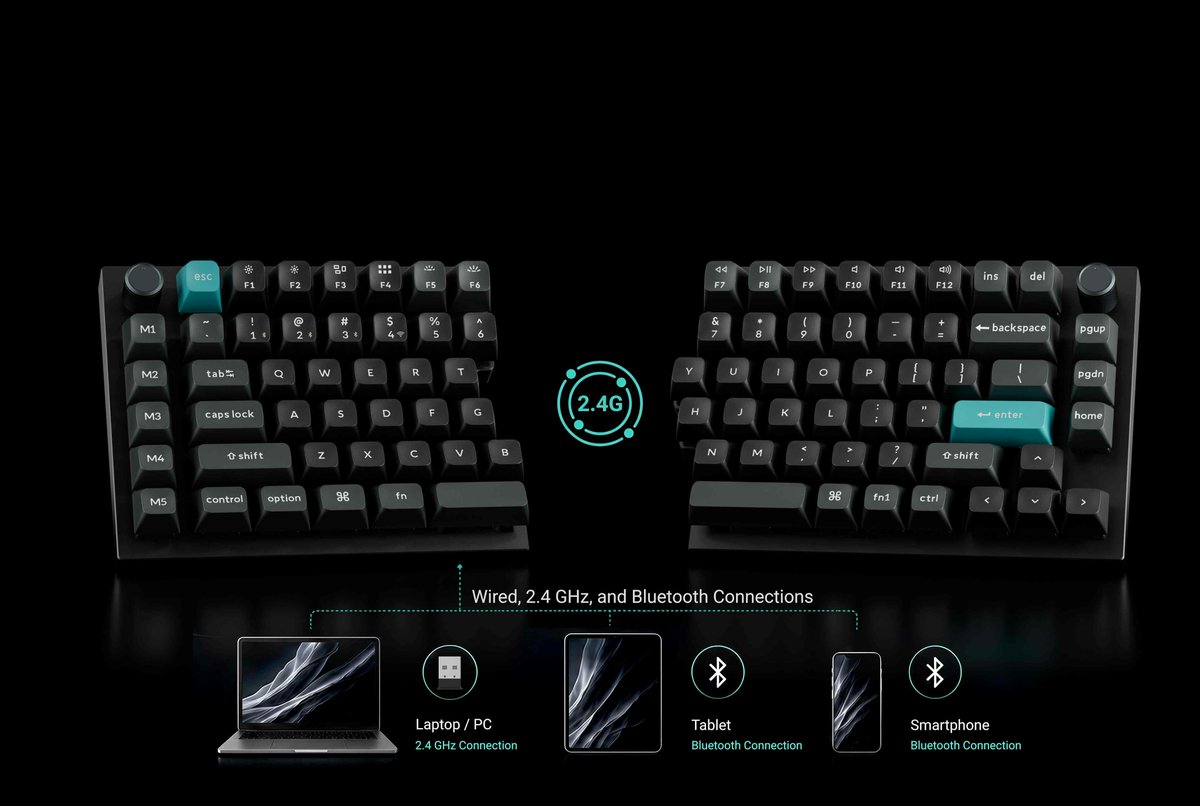
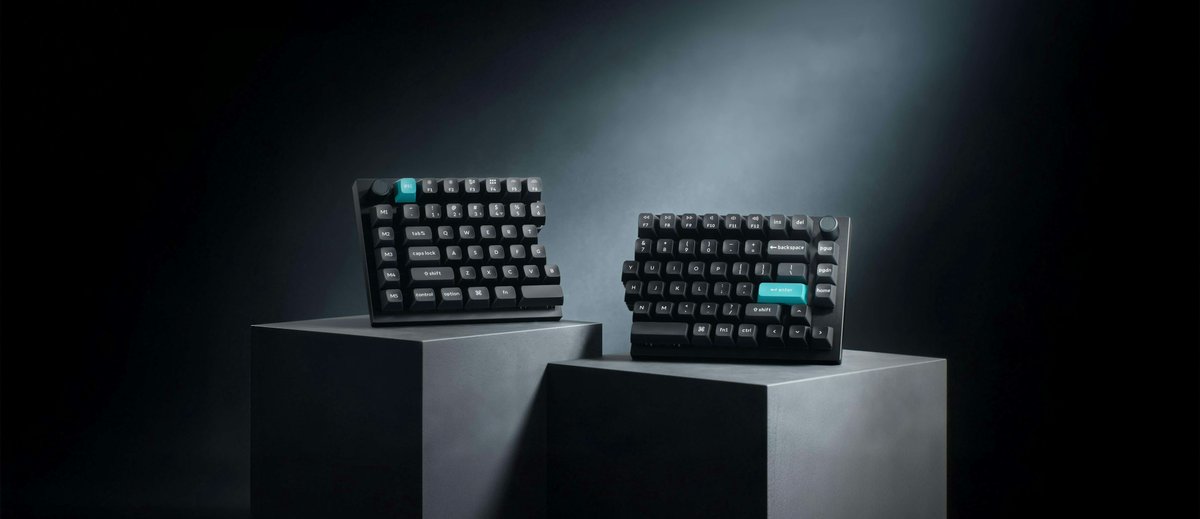
A split keyboard, now truly wireless 🤍
More desk space, less cable mess, and the freedom to position your setup exactly how you want it.
#Keychron #CreativeSetup #KeychronQ11Ultra #SplitKeyboard #MechanicalKeyboard #8KPollingRate #WirelessTech #ErgonomicDesign
5
17
137
23,606
May 28
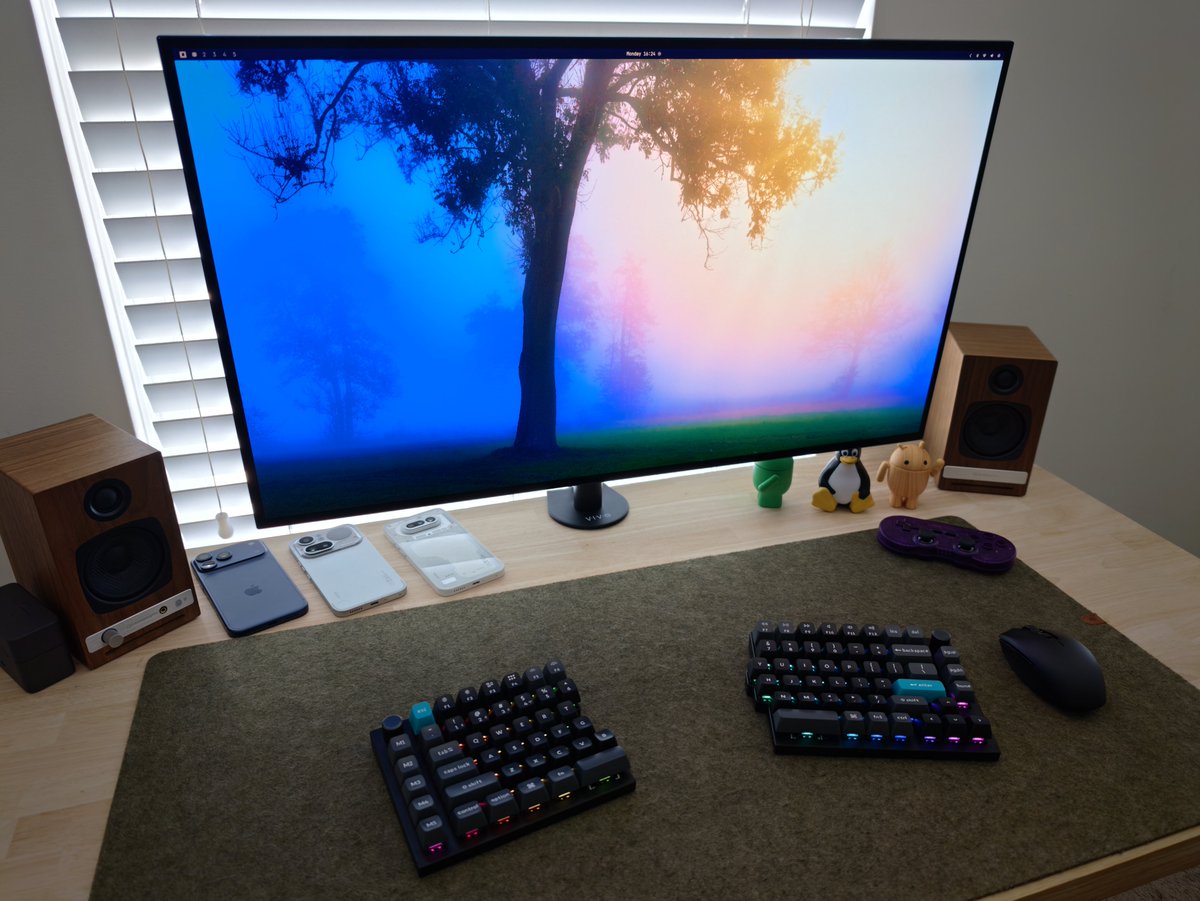
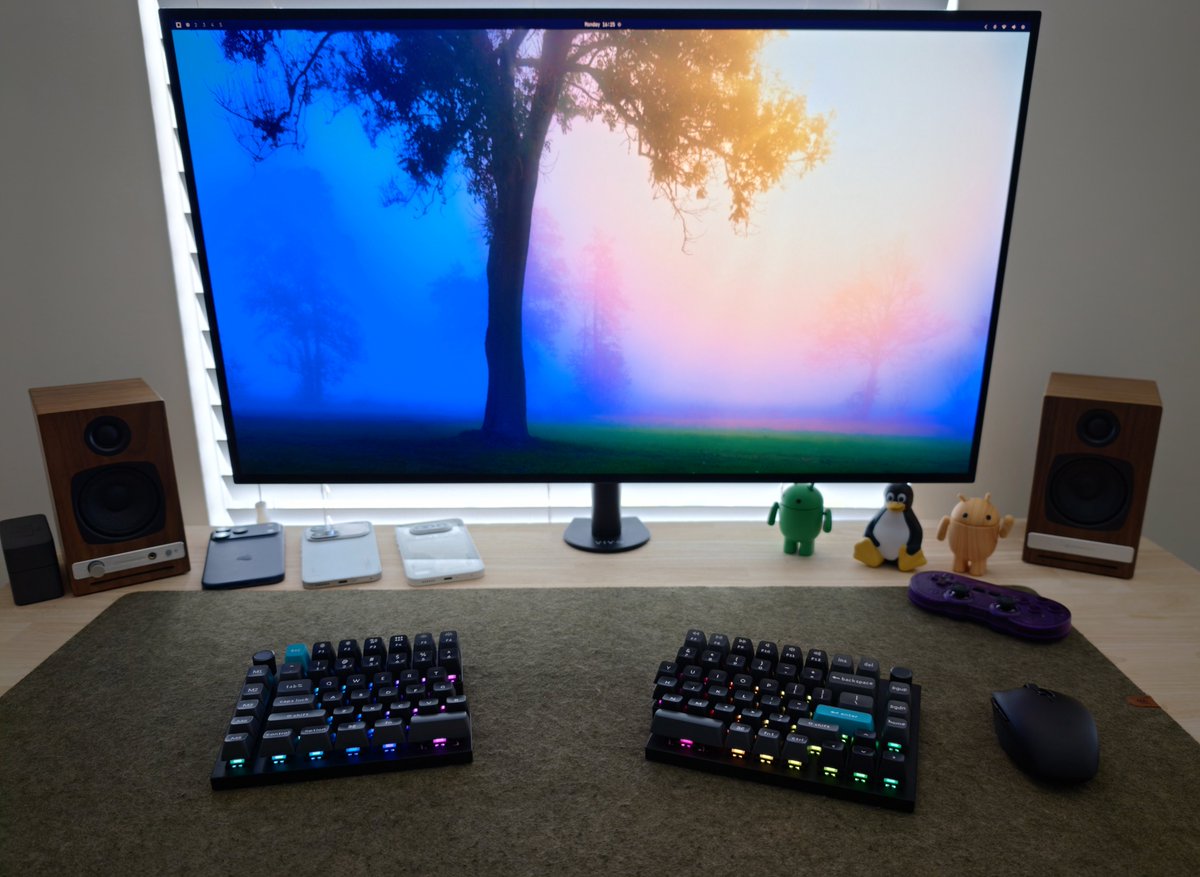
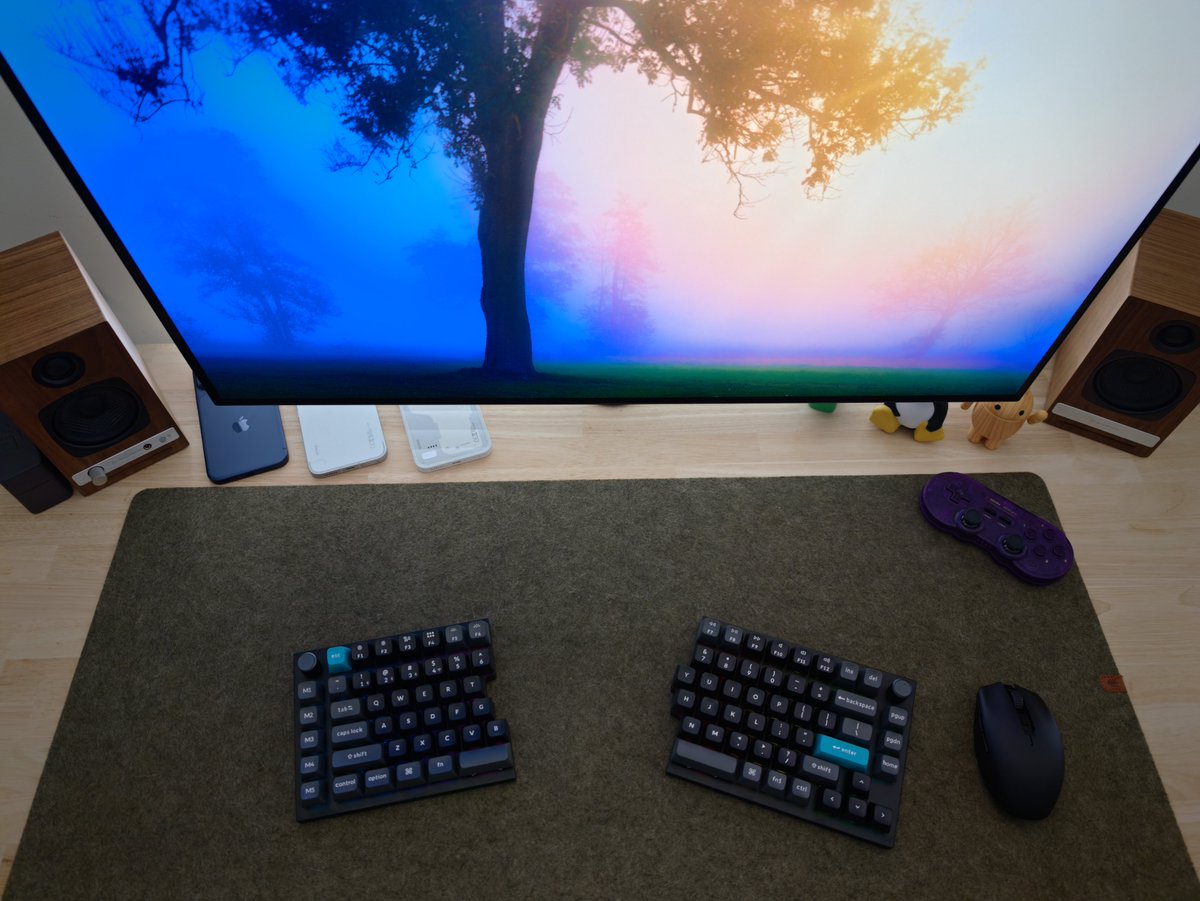
Your split keyboard setup, minus the cable mess.
The Q11 Ultra 8K gives you the freedom to place each side exactly where it feels right — cleaner desk, more comfort, zero compromise.
📸@dlippsYT
#KeychronQ11Ultra #SplitKeyboard #MechanicalKeyboard #8KPollingRate #WirelessTech #ErgonomicDesign #CreativeSetup
1
4
48
4,951

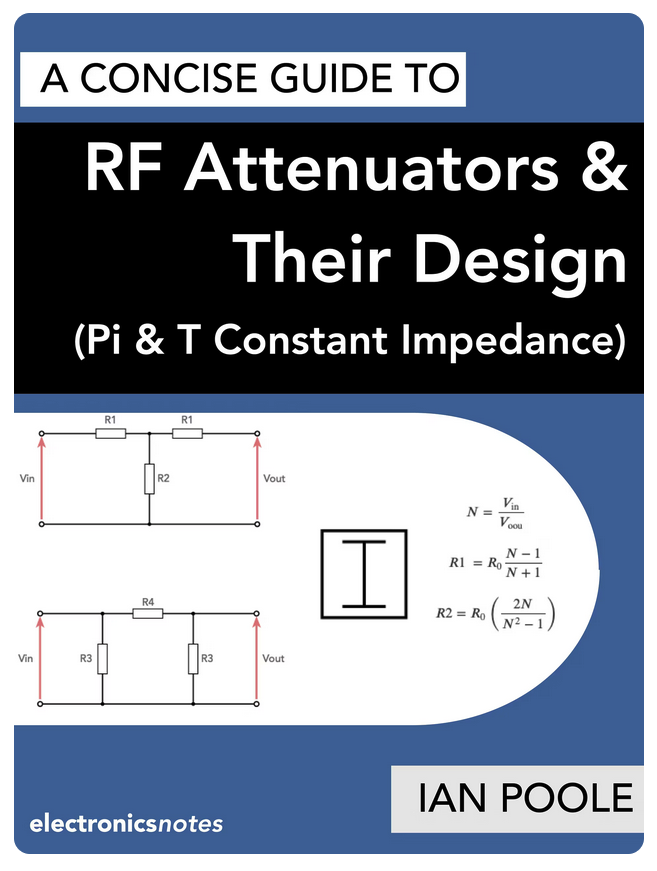
Why do we need RF attenuators? It’s not just about turning down the volume!
Whether you’re preventing receiver overload, improving impedance matching, or isolating stages in a high-frequency circuit, a well-designed attenuator is an essential tool in every RF engineer’s arsenal.
(1/4)
#RFEngineering #Electronics #WirelessTech #CircuitDesign #RadioCommunication #EngineeringTips #RFdesign
2
6
59
2,019

لحماية الشبكة من الانقطاع الكلي في الظروف الجوية السيئة، يلجأ مهندسو الاتصالات إلى حيلة ذكية جداً وهي تفعيل تقنية التعديل التكيفي (Adaptive Modulation).
عندما تكتشف الأجهزة في الموقعين حدوث انخفاض في جودة وفقد في الإشارة بسبب المطر، تقرر تلقائياً وبسرعة فائقة خفض مستوى التعديل؛ فتنتقل مثلاً من سعة نقل عالية مثل 1024QAM إلى مستوى أقل وأكثر مرونة ومقاومة للتشويش مثل QPSK.
هذه العملية تضحي بجزء من سرعة نقل البيانات (Capacity)، ولكنها تضمن استمرار الرابط في العمل وحماية المواقع المرتبطة به من الانعزال التام عن الشبكة. التخطيط الناجح يتطلب دراسة تاريخ المناخ في المنطقة، وحساب هامش الفقد (Fade Margin) بدقة، بجانب حلول هندسية أخرى مثل استخدام هوائيات ذات كسب عالي أو تقليل المسافات بين الأبراج.
من واقع خبرتك، كيف توازن في تصميماتك بين اختيار تردد عالٍ للحصول على سعة ضخمة، وبين ضمان استقرار الرابط في أسوأ الظروف الجوية؟
#AdaptiveModulation #QAM #WirelessTech #MicrowaveDesign #NetworkAvailability #أكاديمية_اتصالاتي
9
1,370

May 20
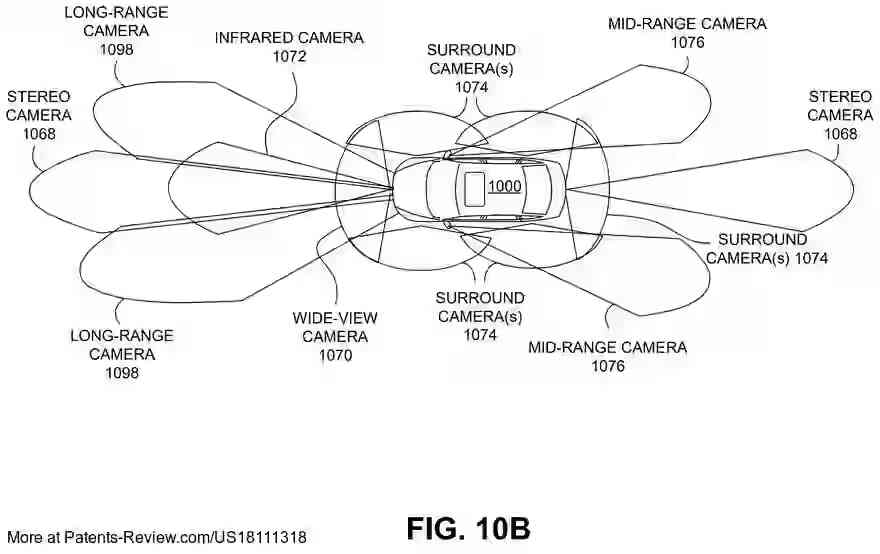
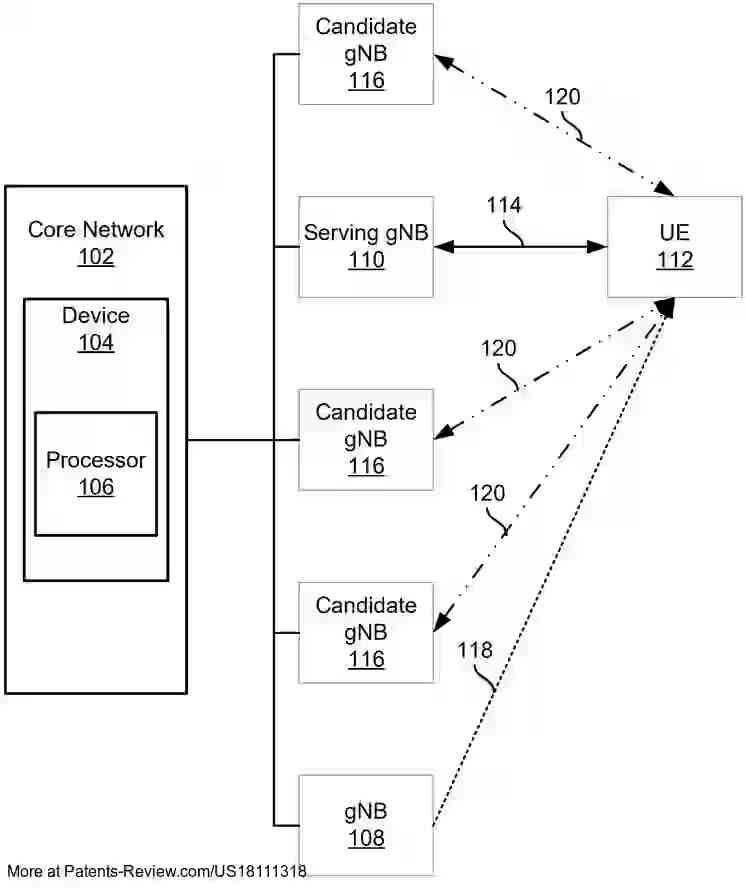
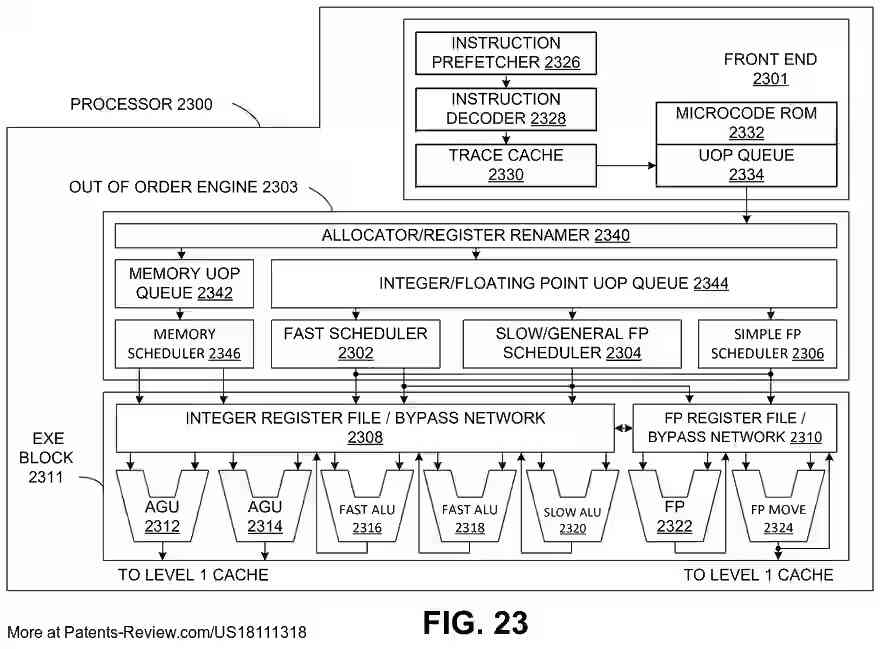
🚨 New patent grant: "Handover latency reduction technique" #US18111318B1 by #NVIDIA Corporation.
This innovation involves a proactive wireless synchronization system to reduce latency by identifying candidate wireless base stations using #NeuralNetworks. #WirelessTech #AI
$NVDA
3
180

May 17
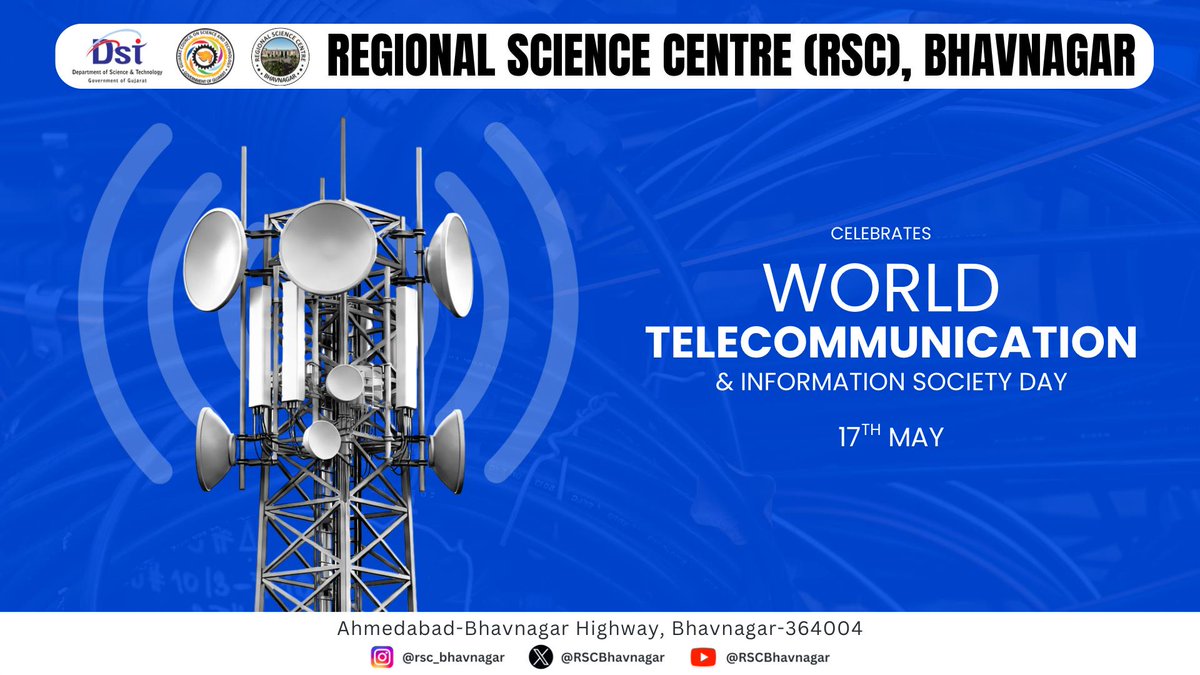
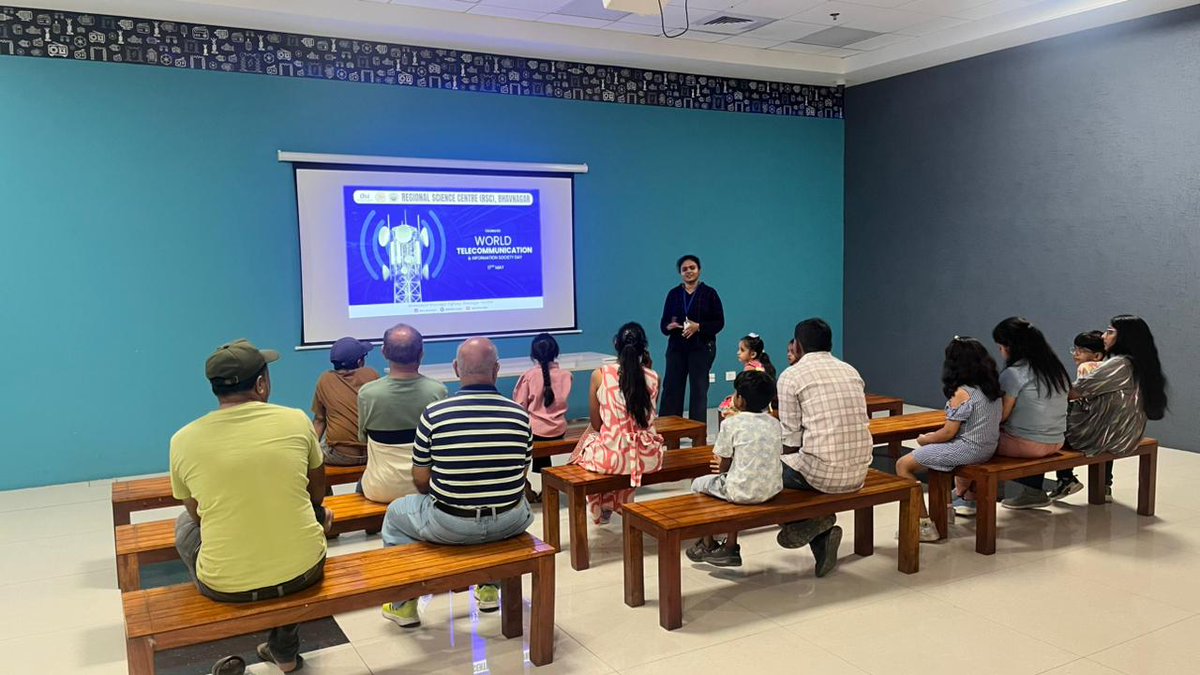
Wireless communication works because electromagnetic waves can carry information through the atmosphere without physical wires. From satellites to smartphones, science powers global connectivity! 🛰️📲
#WorldTelecommunicationDay #WirelessTech #ScienceCenter #RSCBhavnagar
7
9
97

May 13
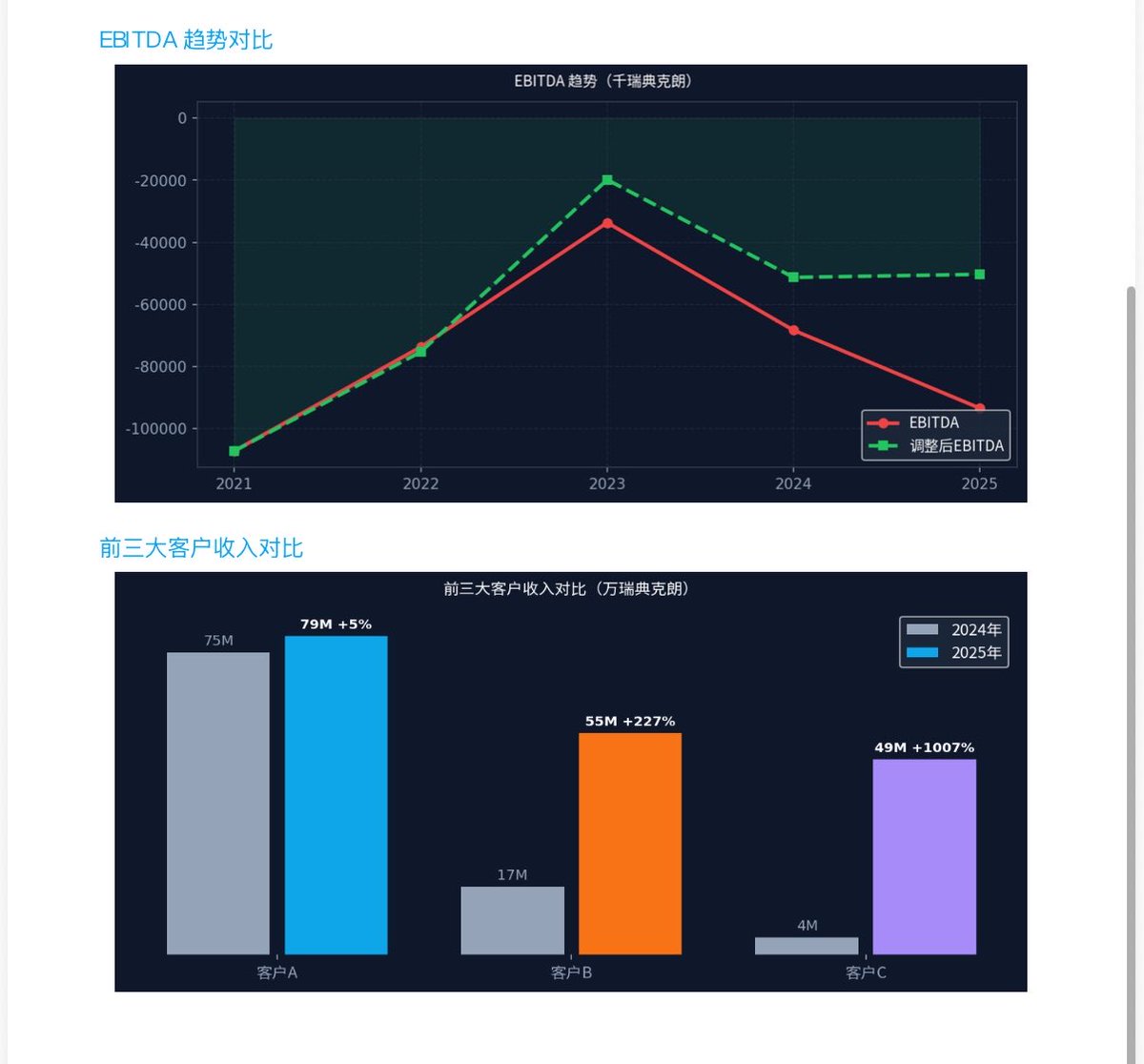
$sive的24年和25年年度报表出来了, 他们之前说这周周五会完成财报,看来他们完成速度提前了今天就发出来了。
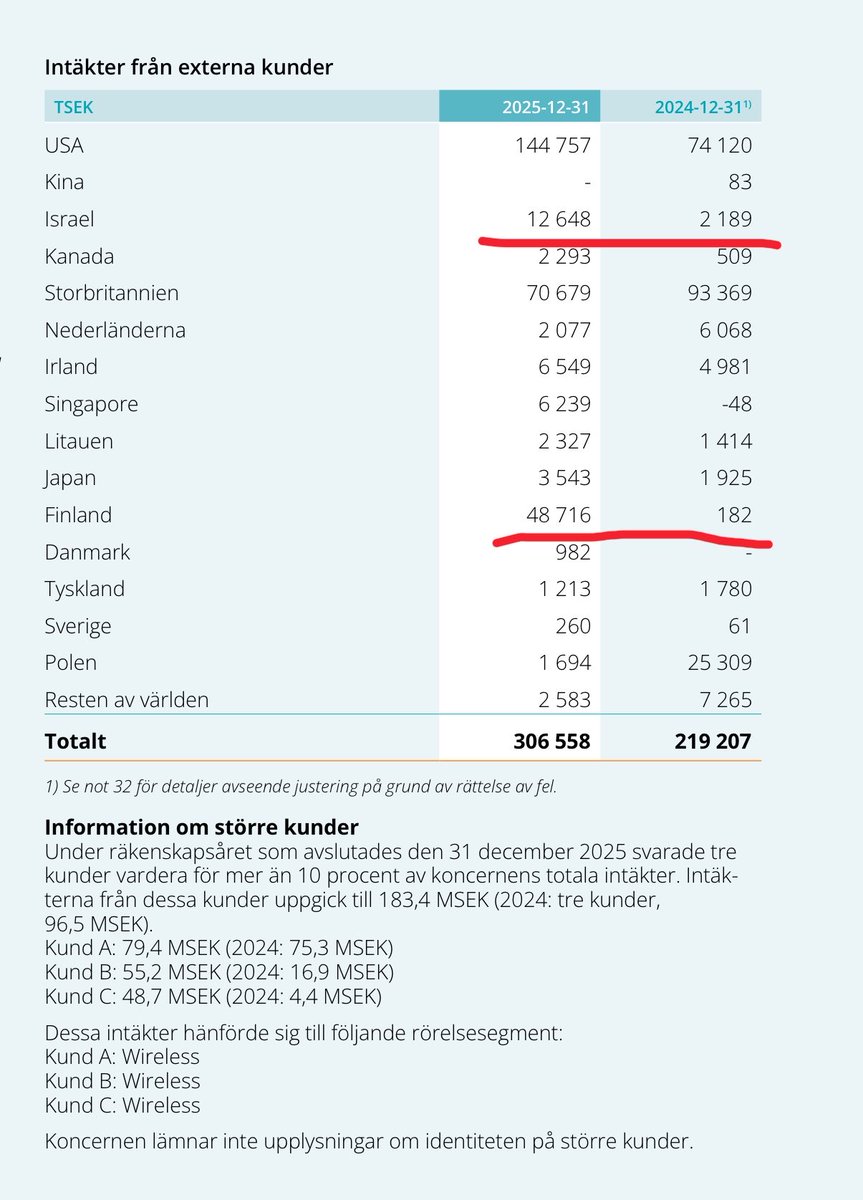
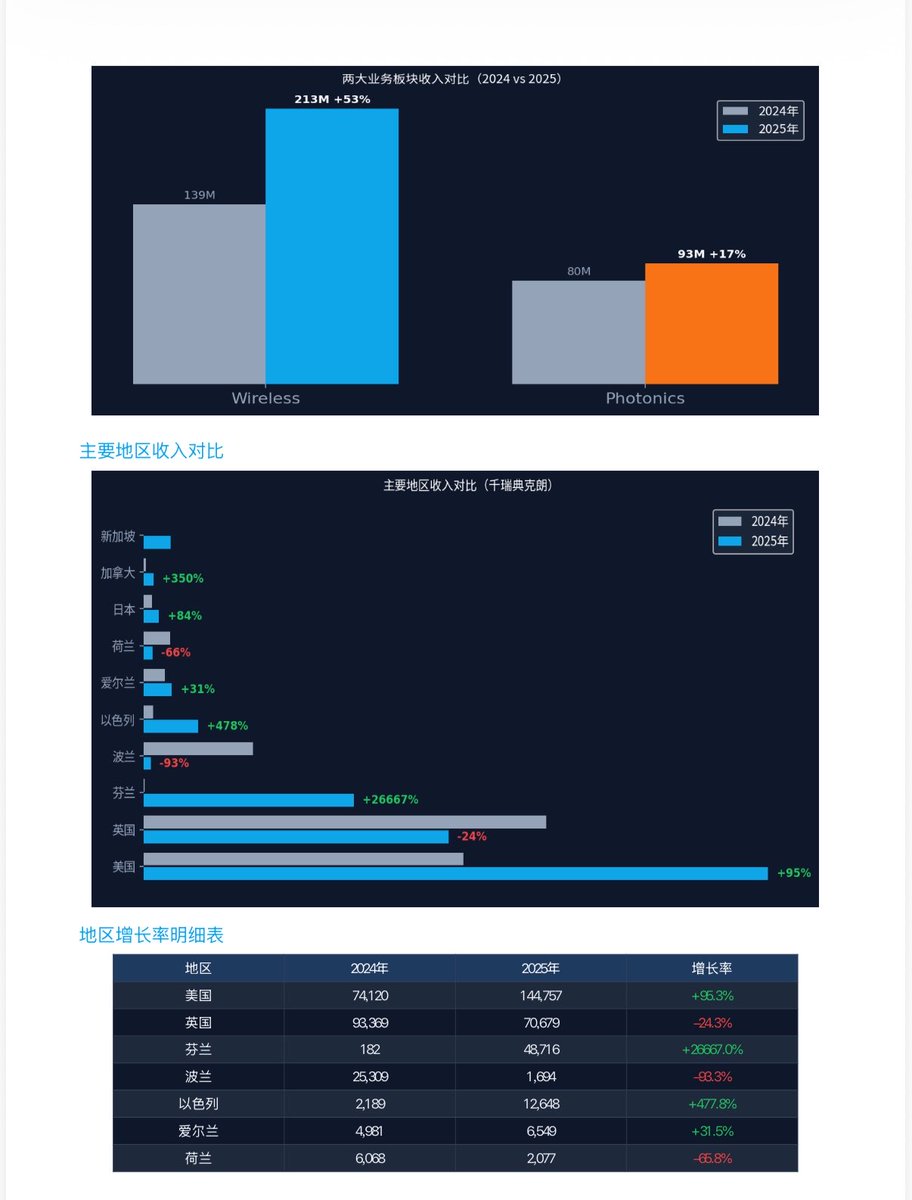
比较惹人注意的是他们地区收益部分,有位小伙伴提醒我芬兰地区收入上涨了267倍,并且他认为这很有可能是因为 $sive和 $NOK 完成了大的订单。
我查询了芬兰地区的大型科技公司,我也赞同这样的想法
第一: $NOK 作为电信设备和 5G 网络基础设施供应商,他的技术要求和 $sive确实有可能达成合作关系。
第二: 诺基亚有这样的诉求,他们在 2026 年初已明确定位为“AI 基础设施巨头”。并且他们在今年 3 月的 OFC 大会上,诺基亚推出了全新的光网络解决方案,重点正是解决 AI 带来的带宽和功耗挑战,这一点和 $sive Photonics 的磷化铟 (InP) 激光源技术不谋而合。
第三:诺基亚正在推进 1.6T 甚至 3.2T 的光模块技术,而 $sive也在进入1.6T的项目
第四: Sivers 最近推出了针对 5G-Advanced 和 6G 的 Daybreak™ 束成芯片,其合作伙伴名单中包括了诺基亚的竞争对手爱立信,但诺基亚作为 6G 标准的领军者,在毫米波和 FR3 频段上与 Sivers 的技术高度重合
虽然官方没有明确说明,但我个人也觉得他们的合作是大概率事件。潜在客户兑现!
另外我发现以色列增长近5倍(2,189→12,648),与公司在SATCOM/军事领域拓展有关。而美国翻近一倍(74,120→144,757),是公司最大市场,增长来自Wireless业务(FWA/SATCOM/国防项目)
从金额方面来看,公司已经摆脱单一客户群体,美国,以色列,芬兰都成为增长最快且最大的客户。
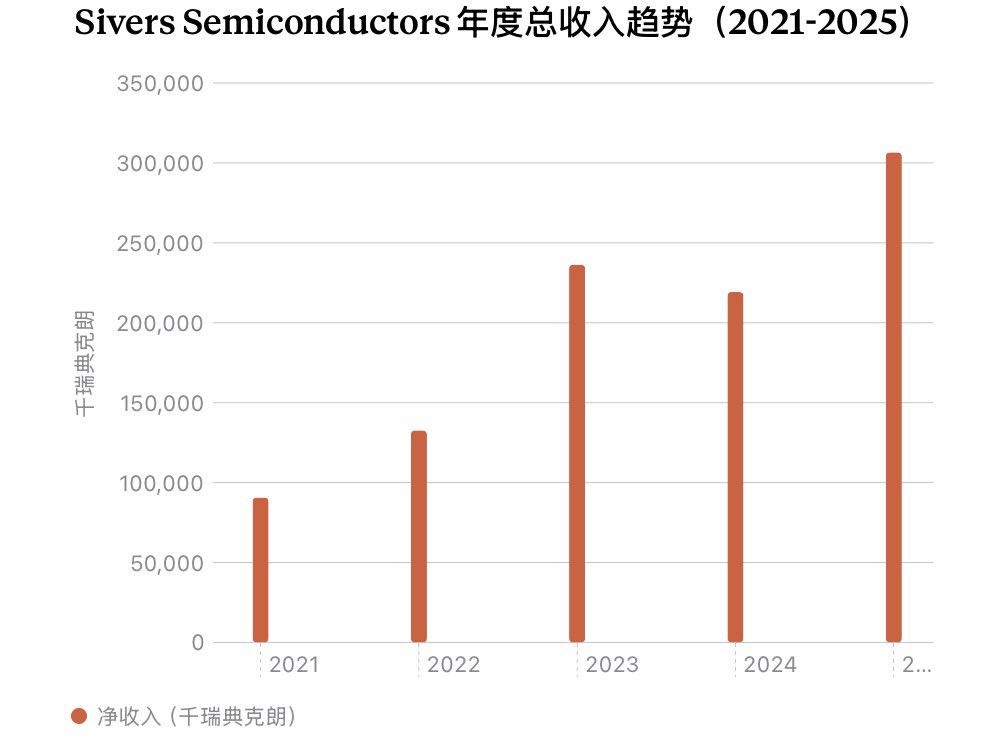
总营收来看2025年总收入 306,558万克朗,同比增长 40%
其中 Wireless业务增长 53%,Photonics增长 17% ,调整后EBITDA亏损收窄,较上年改善约100万克朗。
无线方面的业绩增长达到了18 m:
1. Tier-1电信基础设施商签订大型芯片开发项目,价值 5.4 MUSD
2. Tachyon Networks首批量产订单 2.8 MUSD(5G FWA市场首单)
3. 韩国Doosan合作合同 1.5 MUSD,进入韩国SATCOM市场
4. 欧洲航天局ESA授予新合同 90万美元
5. EW-STAR国防项目续约第二年,拨款提升20%至 6.6 MUSD,新增美国国防商合同 80万美元
光学方面:
1. O-Net Technologies战略合作,布局下一代外部激光源
2. 与POET Technologies合作,面向AI数据中心光学互联
3. 与Win Semiconductor合作,具备高产能DFB激光量产能力
4. 最大LIDAR客户确认 2026年Q4开始量产,预计2027年起贡献显著收入
$sive 在去年也积极地扩展业务范围:
1. 加入CHIPS Act(美国芯片法案)生态,获得美国政府资金支持
2. IRIS²欧洲卫星通信项目:Sivers是唯一EU本土硅基毫米波SATCOM波束成形IC供应商,多家终端商已进入RFP原型阶段
3. ALL.SPACE(最大客户)达到美军TRL6技术成熟度,量产管线2026年下半年启动,通过DigiKey全球分销,扩大标准产品覆盖面。
总的来说, 2025年是遍地开花的一年,不仅客户增加,并且公司开始从研发阶段向商业化落地。 诺基亚虽然没有明确发布公告,但大概率是有合同。
持续持有,10x看起! YOLO!
#SiversSemiconductors #SIVE #Semiconductors #5G #SATCOM #mmWave #AIInfrastructure #Photonics #TechStocks #NasdaqStockholm #SmallCap #DeepTech #WirelessTech
13
23
165
24,650
May 12
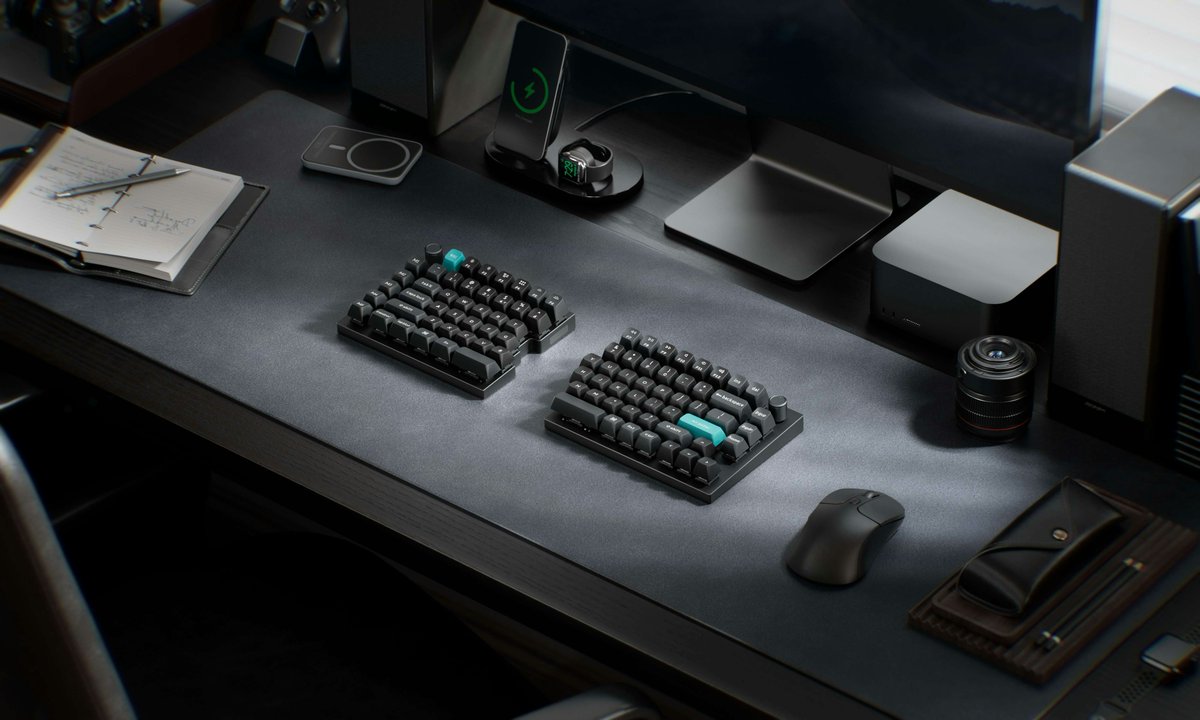
The Q11 Ultra doesn’t just split the keyboard — it negotiates desk territory.
You handle work, your cat handles the center, and everything just clicks.
#KeychronQ11Ultra #SplitKeyboard #WirelessTech #MechanicalKeyboard #8KPollingRate #ErgonomicDesign

6
5
51
10,600
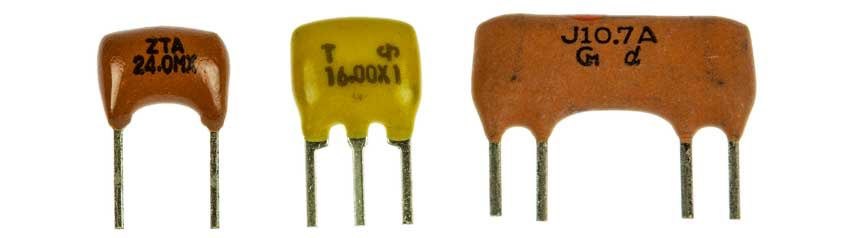
Ceramic resonators and filters: essential elements for modern RF design
These resonators and filters offer a perfect balance between the high performance of quartz crystals and the low cost of LC circuits for many designs.
Based on the insights from Electronics Notes, here is a breakdown of why these components are essential for your next radio frequency project.
Ceramic Resonators & Filters: The Mid-Range Powerhouse
When designing RF or IF (Intermediate Frequency) stages, engineers often face a dilemma: choose the high-precision but costly quartz crystal, or the cheap but less stable LC filter? Ceramic technology fills that gap perfectly.
1. Why Ceramics?
Ceramic filters utilize piezoelectric elements (often PZT - lead zirconium titanate) to convert electrical signals into mechanical vibrations.
• Cost-Effective: Significantly cheaper than quartz for mass production.
• Compact: Available in both leaded and SMD formats, ideal for space-constrained designs.
• Performance: With Q factors ranging from 500 to over 10,000, they offer much sharper selectivity than traditional LC circuits.
2. Resonator vs. Filter: Know the Difference
• Ceramic Resonator (2-Pin): The ceramic equivalent of a single crystal. It’s a two-terminal component used in oscillators where extreme precision isn't mandatory but cost is.
• Ceramic Filter (3 or 4-Pin): These are integrated bandpass solutions. A 3-pin setup typically includes Input, Output, and a common Ground, effectively replacing multiple LC transformers with a single component.
3. Frequency Versatility
While they were once limited to lower frequencies (like the classic 10.7 MHz IF for FM radio), modern ceramics now reach into the UHF range and beyond. Depending on the frequency, they operate in different vibration modes:
• Flexural Mode: Below 50kHz
• Area Expansion Mode: 100kHz – 2MHz
• Thickness Shear/Expander Mode: 1MHz – 25MHz
4. Pro-Tip for Designers
Remember that ceramic filters are insulators—they do not provide a DC path. When integrating them into a transistor-based IF amplifier, ensure your circuit provides external bias and source current. Additionally, matching the source and load impedance is critical to achieving the specified bandwidth and ripple performance.
Are you using ceramic filters in your latest RF designs, or do you still prefer the precision of quartz? Let’s discuss in the comments!
For more information check out the link in the comments.
#ElectronicsEngineering #RFDesign #electroniccomponents #CircuitDesign #WirelessTech #CeramicResonators #HardwareEngineering #electronicsnotes
1
10
46
2,269
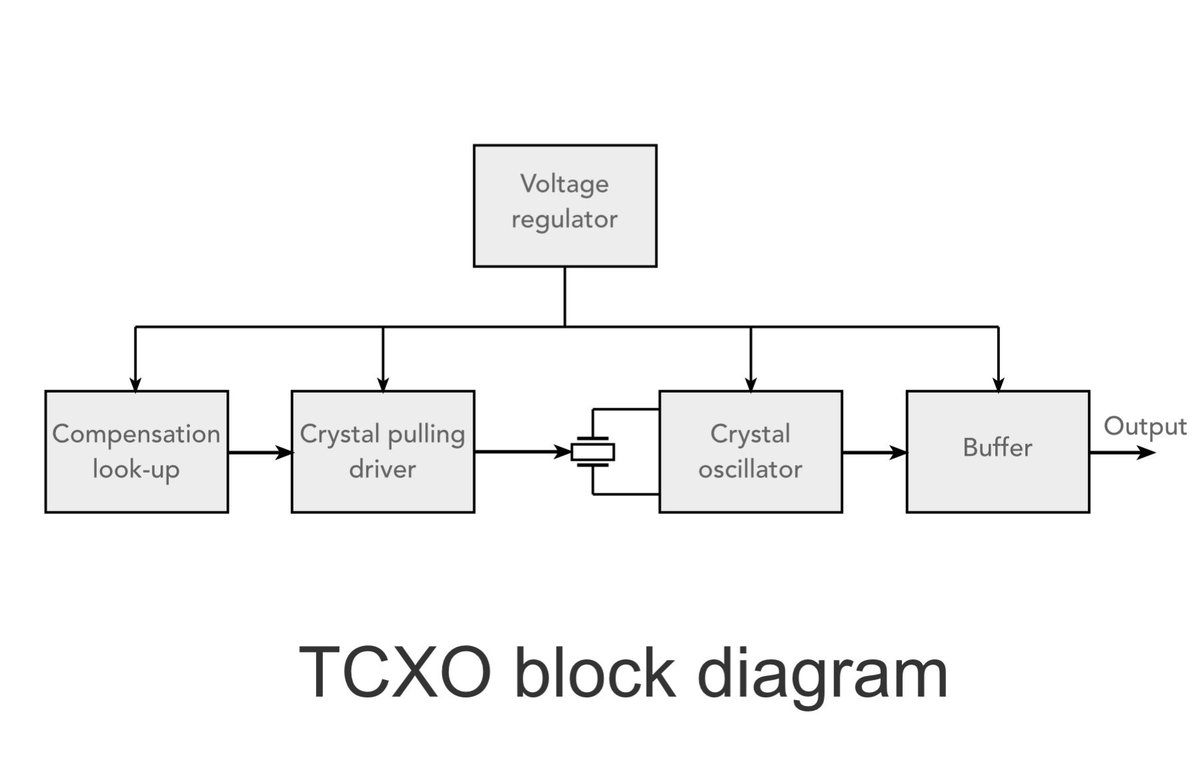
Precision meets practicality: Why TCXOs offer a great option for frequency control.
If you’re designing RF circuits, mobile devices, or high-speed digital systems, you know that standard crystal oscillators are very good, but have a small frequency change with temperature.
As the ambient temperature shifts, a standard quartz crystal’s resonant frequency drifts. In high-precision applications, this drift can cause synchronization errors or signal loss.
This is where the TCXO (Temperature Compensated Crystal Oscillator) shines. Based on the excellent insights from Electronics Notes, here is a breakdown of why they are essential for modern electronics.
🔍 How does it work?
A TCXO doesn’t try to stop the temperature from changing (like an OCXO/Oven-Controlled oscillator does). Instead, it compensates for it.
1. Sensing: A built-in temperature sensor monitors the environment.
2. Correction: A compensation network generates a voltage that is the exact inverse of the crystal's temperature-frequency curve.
3. Pulling: This voltage is applied to a VCXO (Voltage Controlled Crystal Oscillator) to "pull" the frequency back to its target.
Key Advantages:
• Stability: While a standard crystal might drift ±25 ppm, a TCXO can achieve stability as tight as ±1.5 ppm or better.
• Efficiency: They offer a massive performance boost over standard oscillators without the high power consumption or large footprint of an Oven-Controlled (OCXO) alternative.
• Instant-On: Unlike OCXOs, which need time to "warm up" the internal oven, TCXOs provide stabilized frequency almost instantly, and they are much smaller, cheaper and consume much less current.
Types of TCXOs:
Not all TCXOs are built the same. Depending on your design, you might encounter:
• ADTCXO (Analogue Digital): Uses analogue technology for smooth correction without "phase jumps"—ideal for cellular applications.
• DTCXO (Digital): Uses a temperature sensor and a look-up table for high-precision digital linearisation.
• MCXO (Microprocessor): Uses a microprocessor for even more advanced compensation logic.
The Takeaway
TCXOs provide a really great balance between cost, size, and precision. They can be found in everything from test equipment to wireless communication systems and much more, ensuring that whatever the need the timing is good.
Are you working on a design that requires high frequency stability? What’s your go-to solution for temperature drift? Let’s discuss in the comments! 👇
#ElectronicsEngineering #RFDesign #EmbeddedSystems #TCXO #FrequencyControl #WirelessTech #ElectronicsNotes #HardwareDesign
2
3
42
1,710

Is your wireless infrastructure ready for the AI revolution? A recent Cisco survey reveals that 80% of organizations have ramped up their wireless budgets over the last five years to keep pace with AI and IoT demands.
The investment is yielding impressive results: 78% of businesses report better operational efficiency and 68% see a positive impact on their bottom line. Despite these gains, challenges like tech talent shortages and security risks persist.
For the small business owner, the takeaway is clear: connectivity is essential for success. Pro-tip: If you're creating content to promote your brand, don't just settle for fast download speeds. Request symmetrical gigabit internet from your provider to ensure your upload speeds are just as fast, keeping your marketing efforts moving without delay.
#SmallBusiness #WirelessTech #CiscoReport #AI #InternetOfThings #BusinessGrowth #TechTrends #WiFi #SmallBusinessTrends #DigitalTransformation
157

Apr 14
Watching $ONDS show some solid strength this morning. It’s currently up about 3.7%, trading at $9.47. Steady progress as it climbs back toward the double digits. #ONDS #WirelessTech #Trading
2
458

Apr 5
Break language barriers. Instantly. 🌍
From China sourcing to global travel — communicate with confidence using AI Translator Earbuds 🎧
✔ Real-time translation
✔ Tamil 20 languages
✔ Crystal clear audio
✔ Built for business & travel
📲 Order Now on WhatsApp: 97873-36360
#WintrackInc #AITranslator #TranslatorEarbuds #BusinessTools #ChinaImport #EntrepreneurLife #StartupIndia #TechGadgets #GlobalBusiness #TravelTech #WirelessTech #EcommerceIndia 🚀

4
5
2,544
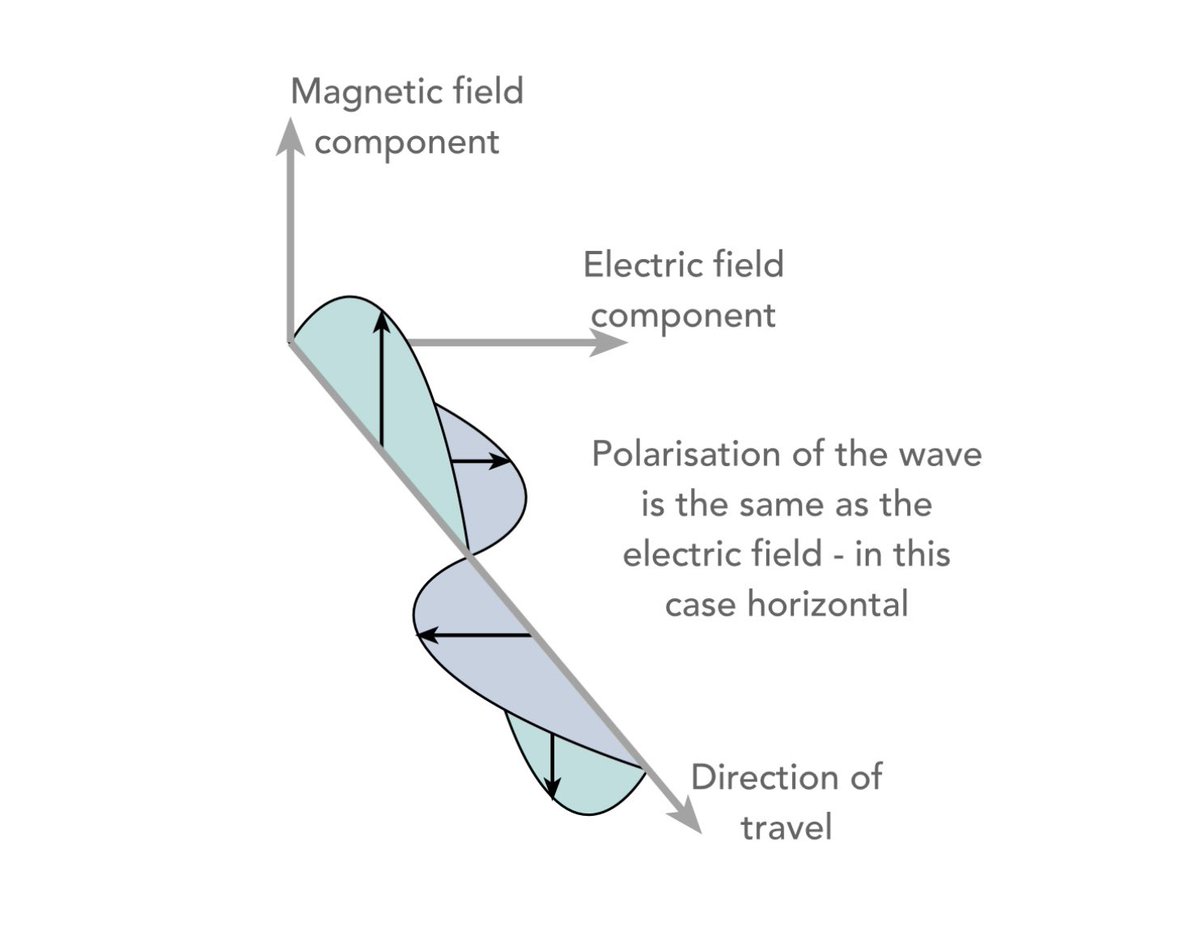
What is Antenna Polarisation and Why is it So Important?
Antenna polarization is a fundamental concept in radio communications, yet it is often overlooked. Getting it wrong can mean the difference between a crystal-clear signal and no connection at all.
Here is a LinkedIn post based on the insights from the Electronics Notes guide.
Why Antenna Polarisation is the "Invisible Key" to Wireless Success
Ever wonder why your Wi-Fi router has adjustable antennas, or why satellite dishes are oriented so precisely? It all comes down to Antenna Polarisation.
At its core, polarisation is the orientation of the electric field in an electromagnetic wave. If your transmitting and receiving antennas aren't "in sync," you could be losing more than half your signal strength—or even lose it entirely.
The Essentials You Need to Know:
*. Linear Polarisation (Vertical & Horizontal):
• Vertical: Common in mobile two-way radio and cars. Why? Because vertical antennas provide an omnidirectional pattern, meaning you don't have to re-orient the antenna as you move.
• Horizontal: Often used for TV broadcasting and long-distance HF communication. It’s easier to mount large arrays horizontally on towers without interference.
Circular Polarisation:
Think of the signal traveling like a corkscrew. This is a game-changer for Satellite Communications. It helps overcome propagation anomalies and prevents signal fading caused by the satellite’s spin or movement.
📡 The "Cross-Polarisation" Risk:
If you try to receive a vertically polarised signal with a horizontally polarised antenna (at a 90° angle), you hit "cross-polarisation." In theory, the received signal is zero! In reality, reflections might give you a tiny bit of signal, but the efficiency loss is massive.
Pro Tip: For modern mobile and Wi-Fi systems, reflections from walls and objects can scramble the polarisation (a process called depolarization). This is why many modern systems use diversity antennas to "catch" the signal regardless of its orientation.
Want to dive deeper into the physics of E-fields and H-fields?
Check out the full guide on my website: link in the comments.
#RFEngineering #Antennas #WirelessTech #amateurradio #hamradio #Telecommunications #ElectronicsNotes
1
21
112
4,156