
Jan 23
Principles of Data Management
Principles of Data Management: Classification, Spatial, and Temporal Data Explained
Understanding how data is classified, structured, and analyzed over space and time is fundamental to building scalable and reliable data systems.
In this video, we break down the core principles of data management by focusing on three critical data types:
🔹 Data Classification
Learn how data is categorized based on sensitivity, usage, and business value—powering governance, security, and compliance strategies.
🌍 Spatial Data
Explore how location-based data is stored, processed, and analyzed using coordinates, maps, and geospatial indexing—essential for logistics, IoT, GIS, and location intelligence.
⏱️ Temporal Data
Understand time-based data, including timestamps, event time vs processing time, and temporal modeling—crucial for analytics, streaming systems, and historical trend analysis.
🎯 What You’ll Learn
✅ Why data classification matters for governance and compliance
✅ How spatial data models power geospatial analytics
✅ How temporal data enables time-series and event-driven systems
✅ Real-world use cases in analytics, cloud, and big data platforms
👨💻 Who This Video Is For
Data Engineers & Analytics Engineers
Data Architects & Platform Engineers
Cloud & Big Data Professionals
Anyone learning modern data management principles
📌 Topics Covered
Principles of Data Management
Data Classification Types
Spatial Data Models
Temporal Data Modeling
Time-Series & Event Data
Modern Analytics & Data Platforms
👍 If you found this helpful, like, subscribe, and share the video to support more deep‑dive content on data engineering and cloud architecture.
#DataManagement #DataEngineering #SpatialData #TemporalData #DataArchitecture #BigData #Analytics #CloudComputing #DataGovernance #GIS #TimeSeries
youtu.be/m6t_FXHhxVI?si=jTkd… via @YouTube

2
2
16

12 Sep 2025
Building a Temporal AI Agent to Optimize Evolving Knowledge Bases in Modern RAG Systems
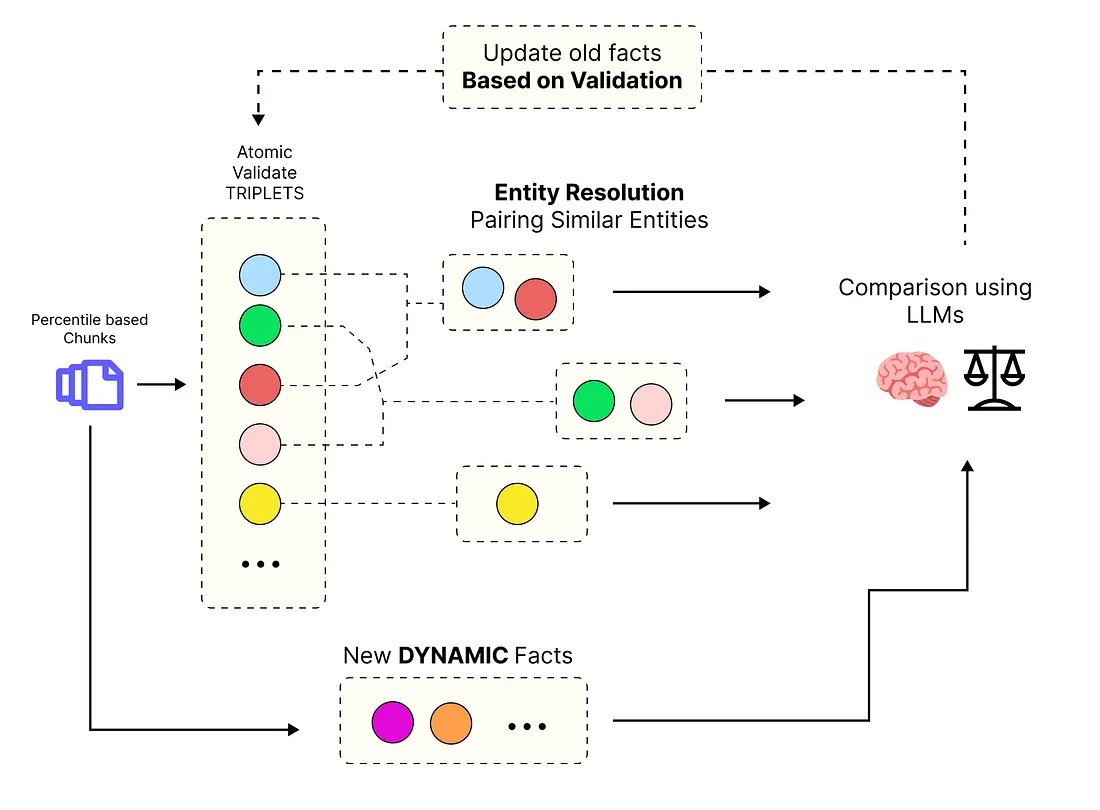
RAG or agentic architectures for answering questions depend on a dynamic knowledge base that keeps updating over time, such as financial reports or documentation, so that the reasoning and planning steps remain logical and accurate.
To handle such a knowledge base, where the size continuously grows and the chances of hallucinations can increase, a separate logical-temporal (time-aware) agentic pipeline is required to manage this evolving knowledge base within your AI product.
This pipeline includes:
* Semantic Chunking: Breaks down large, raw documents into small, contextually meaningful text chunks.
* Atomic Facts: Uses an LLM to read each chunk and extract atomic facts, their timestamps, and the entities involved.
* Entity Resolution: Cleans the data by automatically finding and merging duplicate entities (e.g., “AMD” and “Advanced Micro Devices”).
* Temporal Invalidation: Intelligently identifies and resolves contradictions by marking outdated facts as “expired” when new information arrives.
* Knowledge Graph Construction: Assembles the final, clean, time-stamped facts into a connected graph structure that our AI agent can query.
* Optimized Knowledge Base: Stores the final, dynamic knowledge graph in a scalable cloud database, creating the reliable, up-to-date “brain” on top of which the final RAG or agentic system is built.
This post shows how to create an end-to-end temporal agentic pipeline that transforms raw data into a dynamic knowledge base, and then build a multi-agent system on top of it to measure its performance.
All (Theory Notebook) Step-by-step implementation is available on GitHub.
levelup.gitconnected.com/bui…
#KnowledgeGraph #Agents #AI #OpenSource #SoftwareEngineering #EmergingTech #TemporalData #DataModeling #DataEngineering #RAG #GraphRAG #EntityResolution #LLM #GenAI
--
The Year of the Graph's next newsletter on all things Knowledge Graph, Graph Analytics / Data Science / AI and Semantic Tech is due in Autumn 2025.
Subscribe and follow to be in the know. Reach out if you'd like to be featured 👇
yearofthegraph.xyz/newslette…
2
14
679

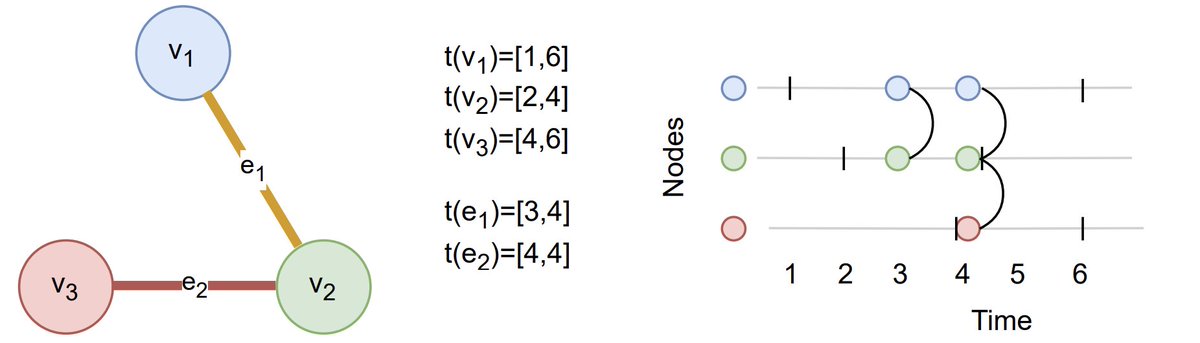
Overview of limitations, possible solutions, open questions for different data schemas for #temporaldata in #socialnetworks: “Towards modelling and analysis of longitudinal social networks“ by J. Dörpinghaus, V. Weil, M. W. Sommer. ACSIS Vol. 37 p.81–89; tinyurl.com/du3k7vzs
1
2
2
52

30 Nov 2023
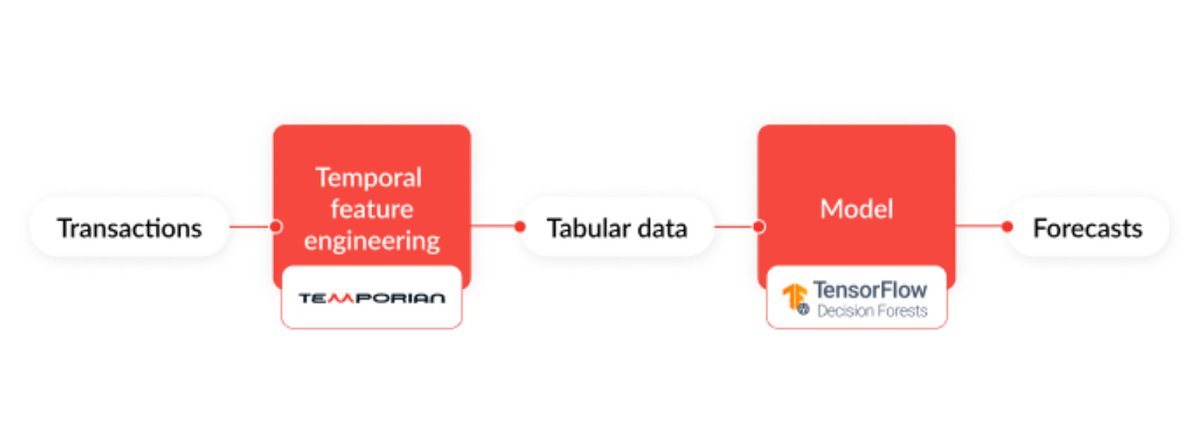
Interested in seeing how #Temporian fares in a simple #retail scenario? 💸💰
Check out this post in the @TensorFlow blog to learn the basics of @Google’s new tool for #FeatureEngineering of #TemporalData 📈
#python #timeseries #machinelearning
blog.tensorflow.org/2023/09/…
1
3
37

23 Oct 2023
If you work with temporal data in #Python, you can't miss this #webinar by @tryolabs and @Google 🚀
Come and learn about what we've been building and how it can help YOU! 💪🏻
📍 October 25, 10am PT (virtual).
Some notes about #Temporian (spoilers!):
- New library in the Python ecosystem.
- Preprocessing and feature engineering of Temporal data. Think #pandas, but much more specialized.
- Interactive development mode. Keep your Notebooks!
- Integrates well with existing tools. Unix philosophy of "do one thing, very well".
- Highly optimized C core makes it much faster than equivalent #numpy or #pandas code.
- Protects you from the pain and frequent bugs (like data leakage).
- Can be used on massive datasets (via Apache Beam).
- Allows for incremental adoption in existing code bases.
Webinar link: lu.ma/aq3veseu
Library link: github.com/google/temporian
#temporaldata #timeseries #forecasting #predictiveanalytics #analytics #datascience
8
13
1,850
13 Sep 2023
For nearly a year, we at Tryolabs have been building a library together with Google. And we just went public!!! 😍
➡️ Introducing #Temporian: github.com/google/temporian
Temporal data is ubiquitous. With the #GenAI craze and #LLMs, it doesn't get talked about as often as it should. But if done right, handling of temporal data for #AI applications can have a **tremendous impact** and directly **moves the needle** for a large number or companies 📈
But it's also a tricky space. There are subtle, hard to catch bugs that can be introduced, like leakage of future data. It's also not trivial at all to work with very large datasets.
We built Temporian to make your life much easier when dealing with temporal sequence data. It has a very friendly interface, and in some cases we benchmarked it to be *1000x faster* than other libraries 🤯
If you often do work with #pandas and temporal data, our aim is to make you love Temporian so much that you won't want to go back :)
Check it out here:
- Google's blog post: blog.tensorflow.org/2023/09/…
- Tryolabs blog post: tryolabs.com/blog/tryolabs-g…
We want to especially thank the Google team, especially @mat_gb, Richard Stotz and @robert_crowe who have been amazing throughout this whole journey. We are just getting started!
#temporian #timeseries #temporaldata #forecasting #library #opensource #python
13 Sep 2023

Working with temporal can be challenging!
That's where Temporian comes in, the new library for pre-processing and feature engineering temporal data. It makes it easy to clean and prepare your data for forecasting.
Learn how to get started 👇
goo.gle/44Rvddf
5
6
44
8,829

2 Sep 2023
If you're doing research in #DataMining and #temporaldata, check out these articles from the International Journal of Uncertainty, Fuzziness and Knowledge-Based Systems!
FREE TO READ valid till 30 October 2023!

9
3
102
650,291

9 Jun 2023
For #FollowFriday we recommend database researcher and developer @HettieDombr. She is an organizer of the Chicago #PostgreSQL Users Group.
Learn more in her guest post for @aiven_io "Time travel: two-dimensional time with bitemporal data."
#TemporalData
aiven.io/blog/two-dimensiona…
7
10
1,781

The solution to last week's #JustKNIMEIt challenge is out! eu1.hubs.ly/H03wf0D0
Did you participate? How did you perform and visualize the #temporaldata comparisons? What patterns did you find?👀
See you tomorrow for a new challenge!
#KNIME #lowcode #datascience
2
3
341
The solution to last week's #JustKNIMEIt challenge is out! eu1.hubs.ly/H03s9sj0
Did you participate? How did you perform and visualize the #temporaldata comparisons? What patterns did you find?👀
See you tomorrow for a new challenge!
#KNIME #lowcode #datascience
1
4
405

12 Apr 2023
📣 Attention #KNIME users and fans: a new #JustKNIMEIt challenge is out!
This week we pose a problem that combines #temporaldata and #dataviz. 🔍
Upload your solution to #KNIMEHub and see how you're performing this season with our leaderboard ➡ lnkd.in/dW2XahyA

🔥 A new #JustKNIMEIt is out! 🔥eu1.hubs.ly/H03rsvR0
Our challenge this week is all about #temporaldata comparisons, for which you should create a #dataviz solution. 📈
We're curious to see your #visualizations! Tag your solution with JKISeason2-3.
#nocode #lowcode #KNIME

3
8
307
🔥 A new #JustKNIMEIt is out! 🔥eu1.hubs.ly/H03rsvR0
Our challenge this week is all about #temporaldata comparisons, for which you should create a #dataviz solution. 📈
We're curious to see your #visualizations! Tag your solution with JKISeason2-3.
#nocode #lowcode #KNIME
4
6
1,770

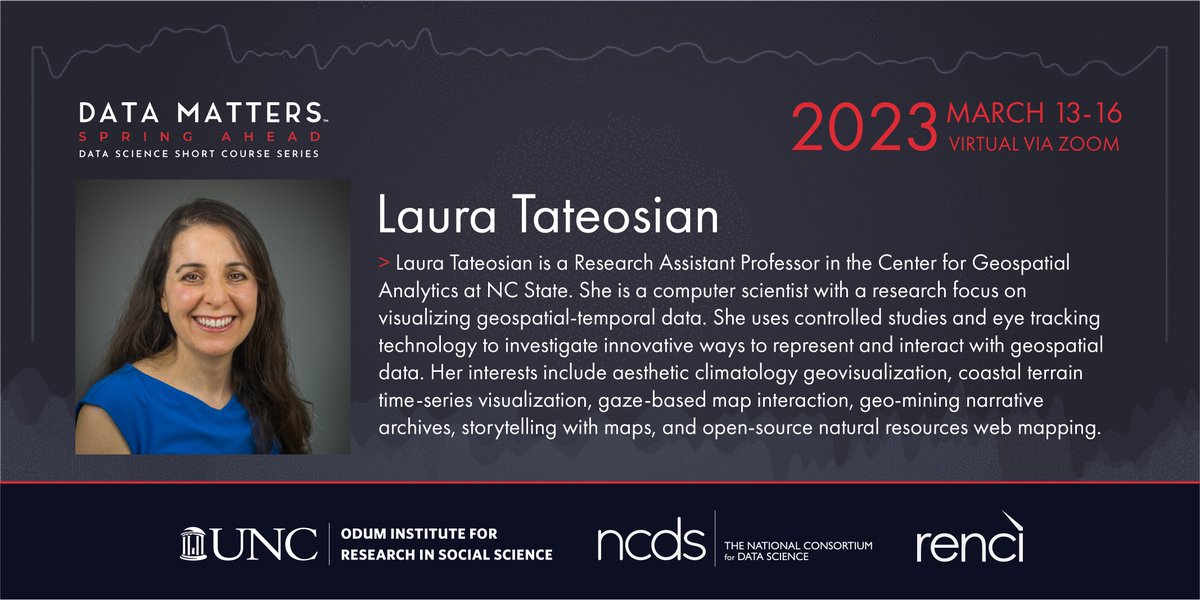
#DataMatters Spring Ahead instructor Laura Tateosian is a #computerscientist with a research focus on visualizing geospatial-temporal data at @NCSUgeospatial. #geospatialdata #temporaldata #datascience #computerscience #dataviz #python @NCState
datamatters.org/
2
5
350

28 Jul 2022
You can now apply custom x-axis intervals to #temporaldata with a time filter. Below is an example of changing the time interval on an Earthquake dataset. Check out more Unfolded updates and new features here: bit.ly/2Z0Tm5d
1
6

9 Jun 2022
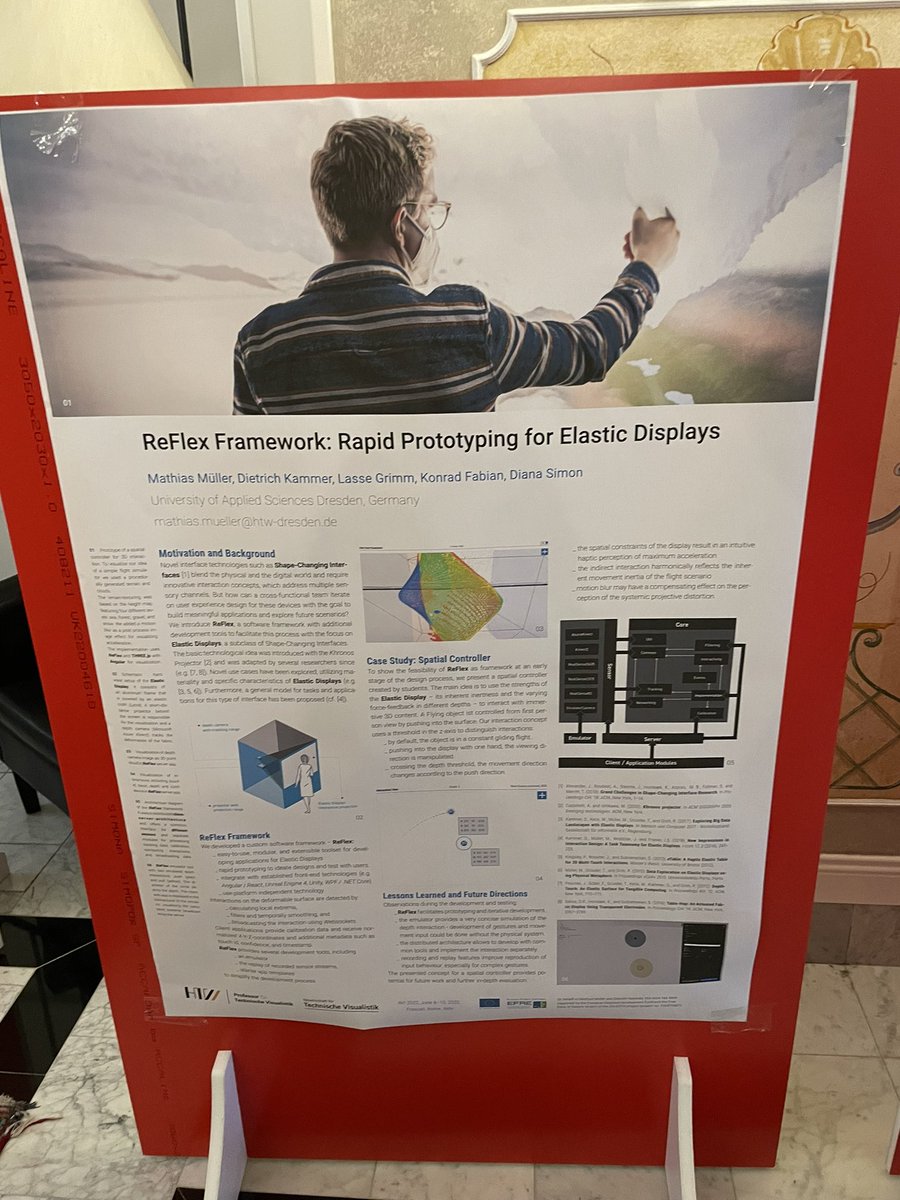
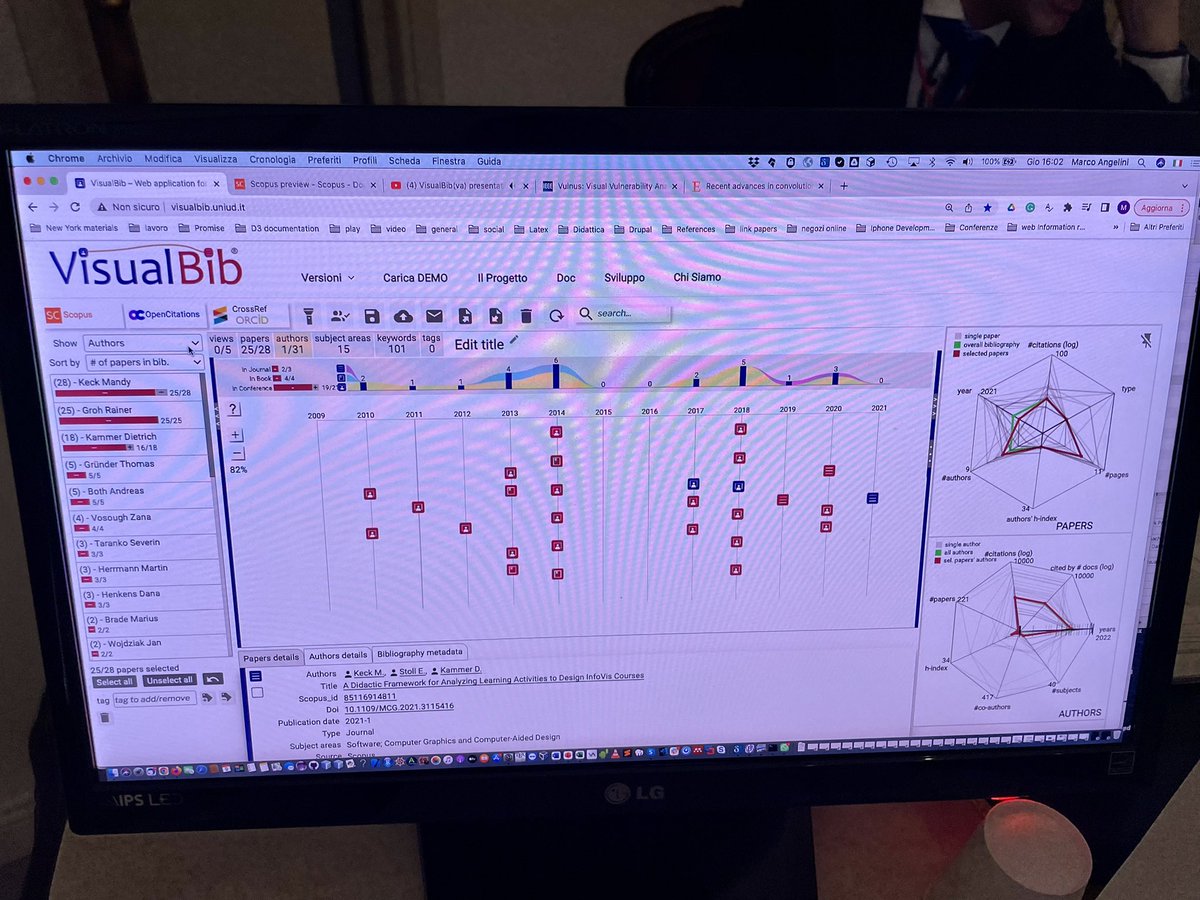
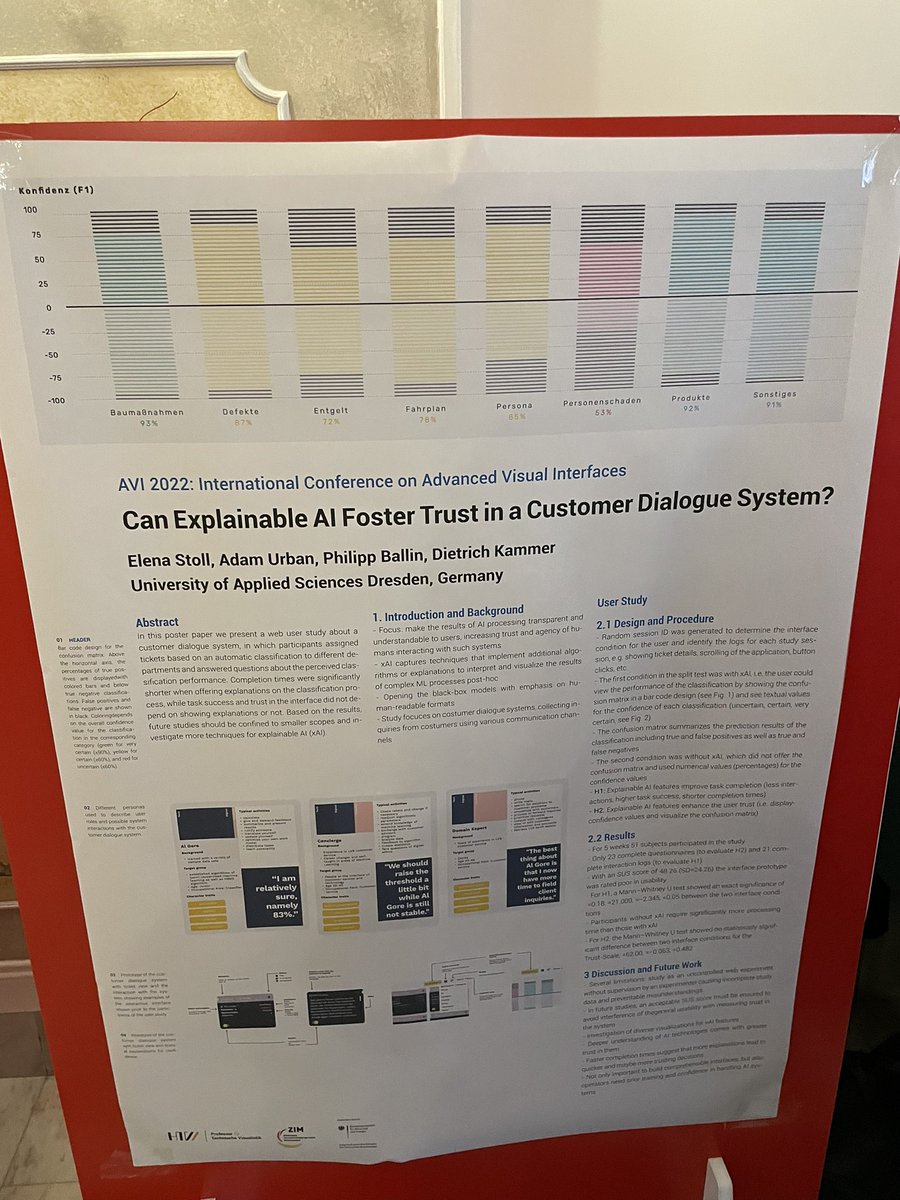
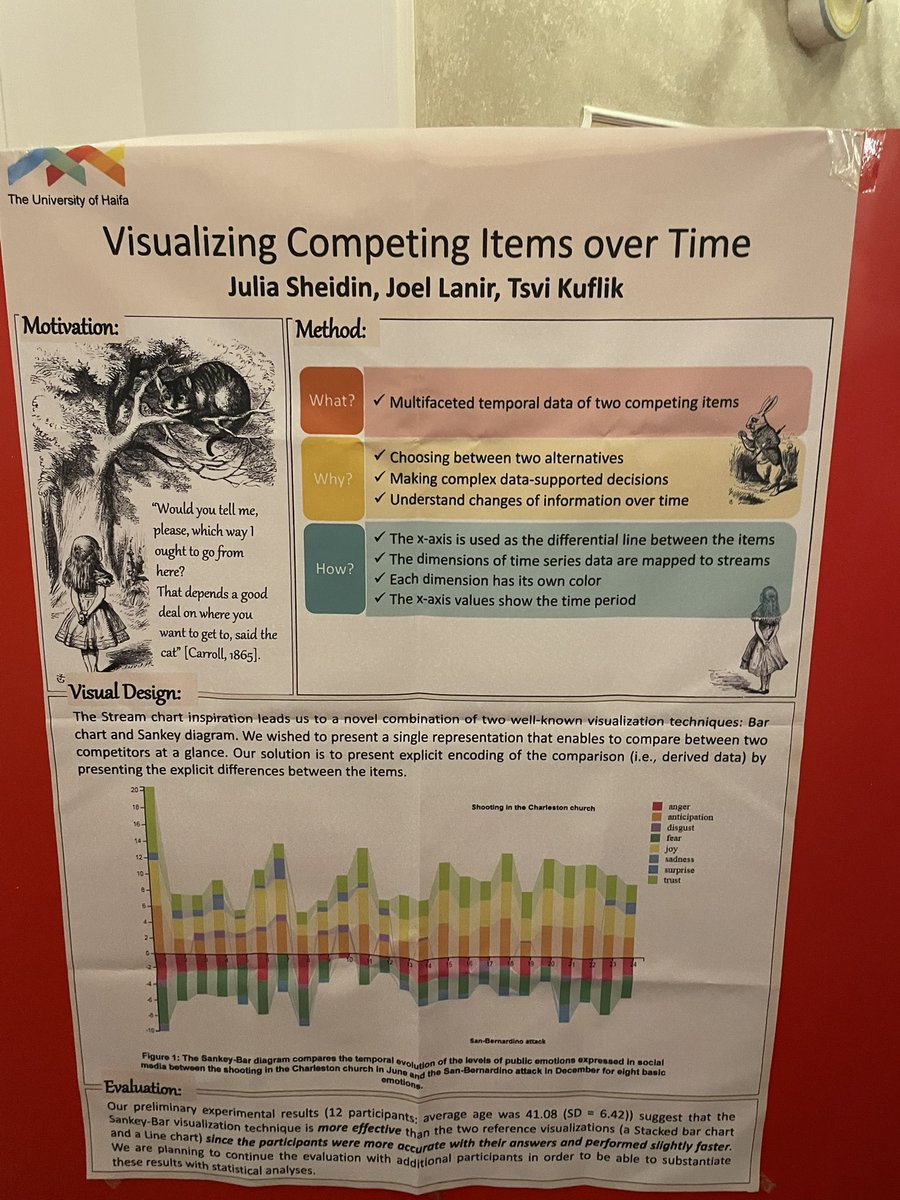
I enjoyed the demo and poster session at #avi2022. It was fun to analyze papers in the #VisualBib web app (visualbib.uniud.it) or to discuss different visualization and interaction techniques #elasticdisplays #temporaldata #explainableAI @avi2022conf @vis_engineering
1
2
9 Jun 2022
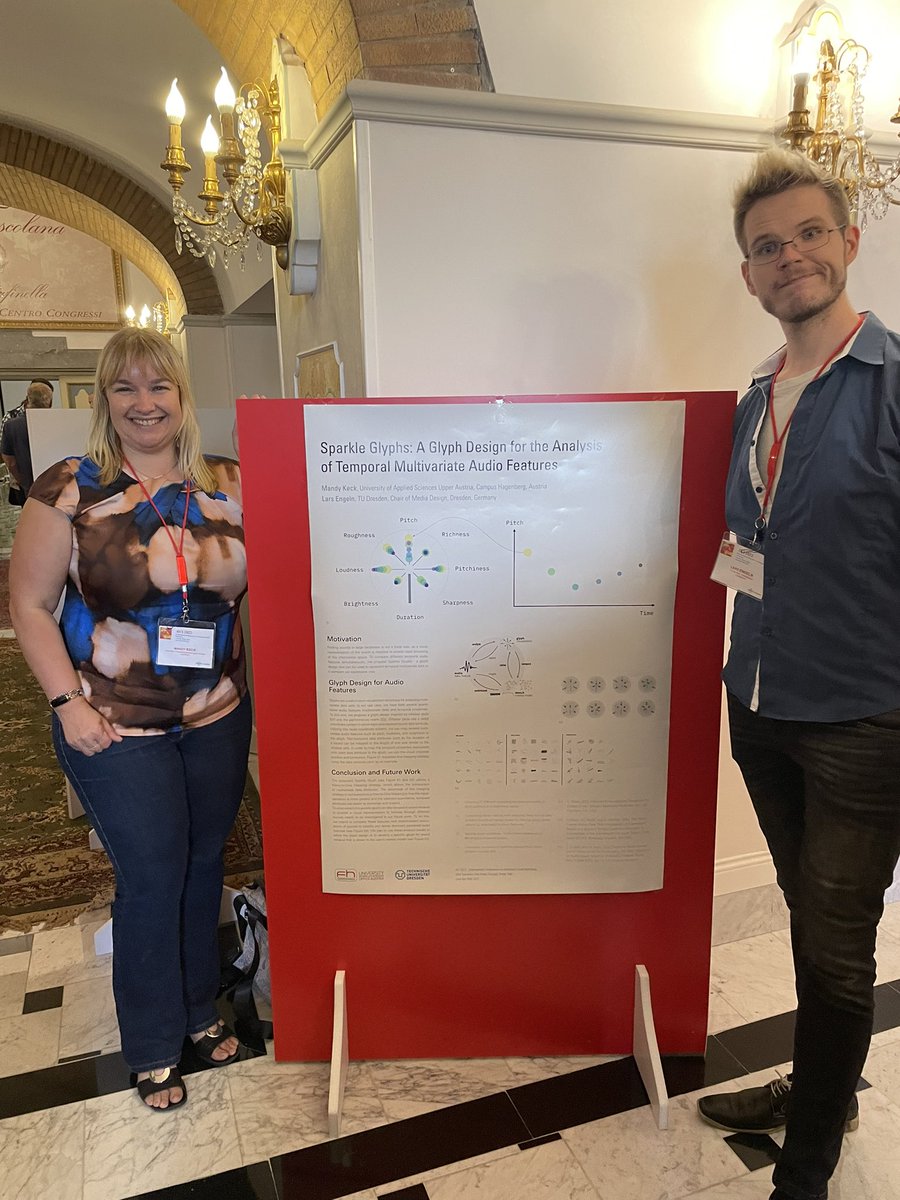
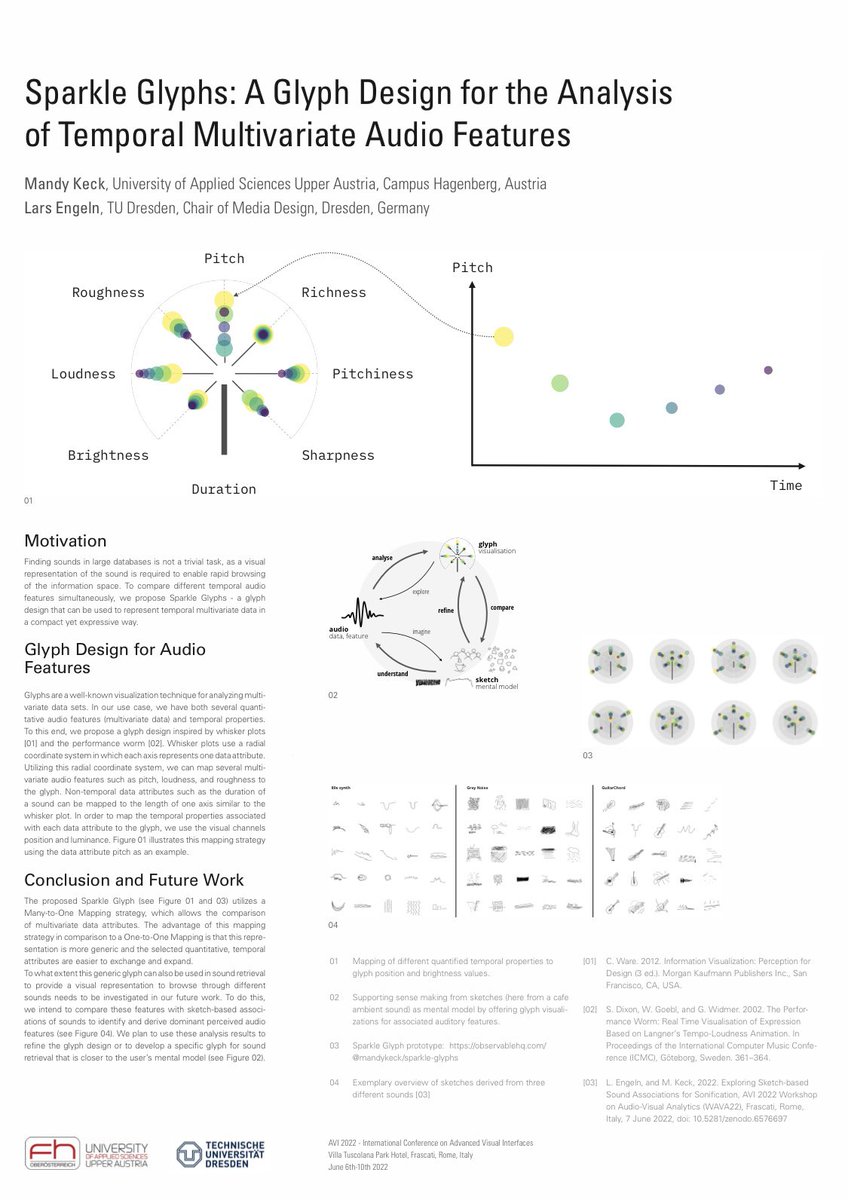
This afternoon, we present #SparkleGlyphs: a glyph design for the analysis of temporal multivariate audio features at #avi2022
doi.acm.org?doi=3531073.3534…
@LarsEngeln @avi2022conf #glyphs #temporaldata #infovis
1
2
11
🔥 #JustKNIMEIt challenge 20 is out! 🔥 bit.ly/3Gbd67p
This week we go back to processing #temporaldata 📈 - this time in the context of hospital records. 🏥
Remember to tag your work with JustKNIMEIt - 20 to get badges!
#KNIME #datascience #opensource #nocode
1
7
7
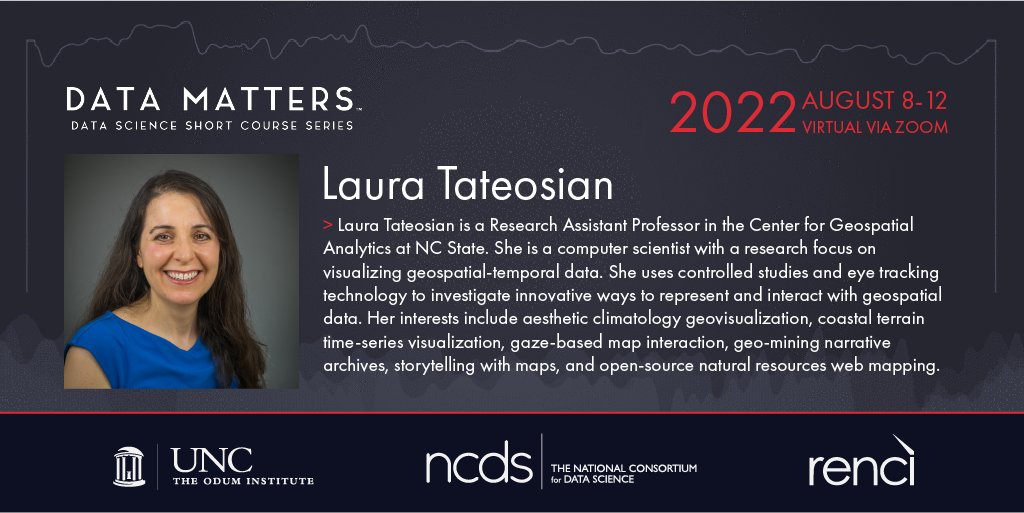
#DataMatters instructor Laura Tateosian is a #computerscientist with a research focus on visualizing geospatial-temporal data at @NCSUgeospatial. #geospatialdata #temporaldata #datascience #computerscience #dataviz @NCState
datamatters.org/
2
4

12 Aug 2021
From the Fluree blog: Treating "Time" as a first-class element to database architecture unlocks value for data ecosystems.
flur.ee/2021/08/12/data-cent…
#dataaudit #temporaldata #datacentric #timetravelquery
1
2

9 Aug 2019
Temporal Data Forecasting with LSTM
#DeepLearning #LSTM #TemporalData #Forecasting #ConfidenceIntervalwithDropout
Traduction?
2
2